Honda unveils fuel cell concept with 482km range
22 Nov 2013|2,855 views

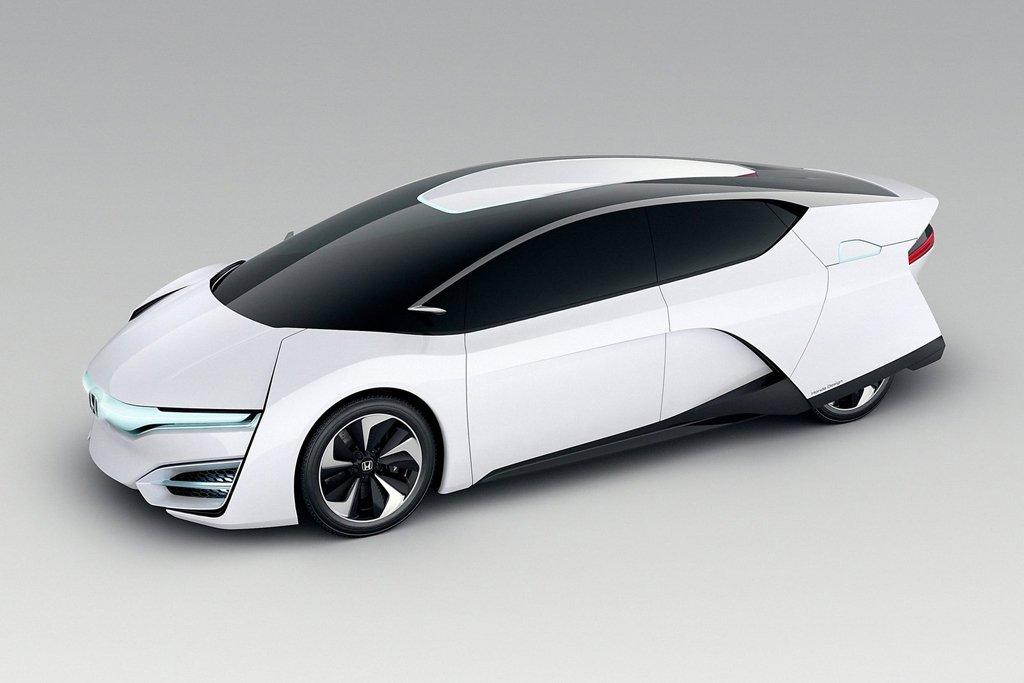


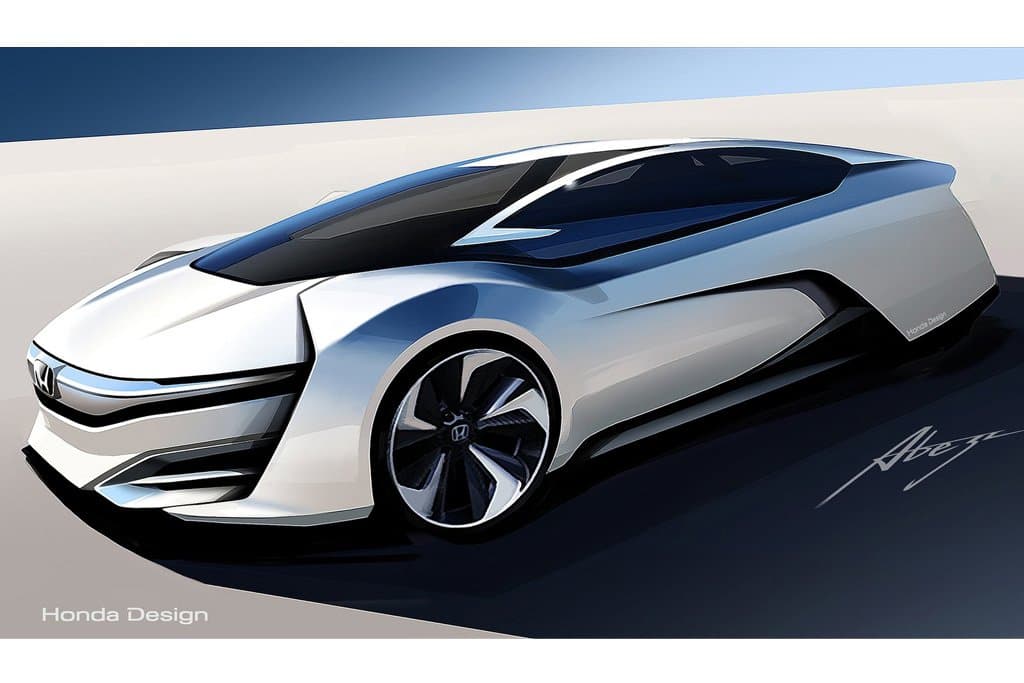


Honda's next generation fuel-cell electric vehicle will feature the world's first application of a fuel-cell powertrain packaged completely in the engine room of the vehicle.
This arrangement allows for efficiencies in cabin space as well as flexibility in the potential application of FC technology to multiple vehicle types in the future.
Significant technological advancements to the fuel-cell stack have yielded more than a 60 percent increase in power density while reducing the size of the stack by 33 percent compared to the FCX Clarity. It is anticipated to deliver a driving range of more than 482km with quick refuelling of about three minutes at a pressure of 70MPa.
Honda has led the industry for nearly two decades in the development and deployment of fuel-cell technology through extensive real world testing, including the first government fleet deployment and retail customer leasing programme. The automaker has made significant advancements in fuel-cell stack operation, meeting stringent emissions requirements and safety regulations since the introduction of its first generation fuel-cell vehicle, the FCX in 2002.
In July 2013, Honda entered a long-term collaborative agreement with General Motors to co-develop the next generation of fuel-cell systems and hydrogen storage technologies, aiming for the 2020 timeframe.
The sleek Honda FCEV Concept, made its world debut at the L.A. Auto Show. The concept expresses a potential styling direction for Honda's next generation fuel-cell vehicle anticipated to launch in the U.S. and Japan in 2015, followed by Europe.
Honda's next generation fuel-cell electric vehicle will feature the world's first application of a fuel-cell powertrain packaged completely in the engine room of the vehicle.
This arrangement allows for efficiencies in cabin space as well as flexibility in the potential application of FC technology to multiple vehicle types in the future.
Significant technological advancements to the fuel-cell stack have yielded more than a 60 percent increase in power density while reducing the size of the stack by 33 percent compared to the FCX Clarity. It is anticipated to deliver a driving range of more than 482km with quick refuelling of about three minutes at a pressure of 70MPa.
Honda has led the industry for nearly two decades in the development and deployment of fuel-cell technology through extensive real world testing, including the first government fleet deployment and retail customer leasing programme. The automaker has made significant advancements in fuel-cell stack operation, meeting stringent emissions requirements and safety regulations since the introduction of its first generation fuel-cell vehicle, the FCX in 2002.
In July 2013, Honda entered a long-term collaborative agreement with General Motors to co-develop the next generation of fuel-cell systems and hydrogen storage technologies, aiming for the 2020 timeframe.
Honda's next generation fuel-cell electric vehicle will feature the world's first application of a fuel-cell powertrain packaged completely in the engine room of the vehicle.
This arrangement allows for efficiencies in cabin space as well as flexibility in the potential application of FC technology to multiple vehicle types in the future.
Significant technological advancements to the fuel-cell stack have yielded more than a 60 percent increase in power density while reducing the size of the stack by 33 percent compared to the FCX Clarity. It is anticipated to deliver a driving range of more than 482km with quick refuelling of about three minutes at a pressure of 70MPa.
Honda has led the industry for nearly two decades in the development and deployment of fuel-cell technology through extensive real world testing, including the first government fleet deployment and retail customer leasing programme. The automaker has made significant advancements in fuel-cell stack operation, meeting stringent emissions requirements and safety regulations since the introduction of its first generation fuel-cell vehicle, the FCX in 2002.
In July 2013, Honda entered a long-term collaborative agreement with General Motors to co-develop the next generation of fuel-cell systems and hydrogen storage technologies, aiming for the 2020 timeframe.


Latest COE Prices
July 2026 | 1st BIDDING
NEXT TENDER: 22 Jul 2026
CAT A$129,000
CAT B$130,889
CAT C$95,000
CAT E$129,801
View Full Results 
Thank You For Your Subscription.







Tags
Products & Services

For Owners
Quick Links
About Sgcarmart