View page in desktop
|
Report error
  •   Apple app store icon
  • Google play store icon
Terms of Service
|
Privacy Policy
|
PDPA
|
Site Map
|
Whistleblowing Portal
©2004-2026 Sgcarmart, Singapore. All rights reserved.
  • Home
  • Car Articles
  • advice
  • advice Listings
  • Car Buying Advice
  • Are diesel cars harder to maintain than petrol cars?

    01 Dec 2020

    |

    22,899 views

    Diesel cars offer better fuel mileage, but are they harder to maintain compared to their petrol-driven counterparts? We dig deeper to find out.


    A diesel-powered car makes a lot of sense to many Singaporeans. More often than not, they offer better fuel range along with cheaper prices at the pump, as well as better low-end torque that's useful in our start-stop city traffic.

    Some are impressed with the benefits of a diesel car, and have found themselves buying them. Still, the uptake of diesels here isn't as high as compared to places like Europe, where diesel passenger cars are very common.

    In this article, we dwell deeper to the pros and cons of petrol and diesel cars, which you may find useful when making a decision on buying one.

    What are the running costs like?
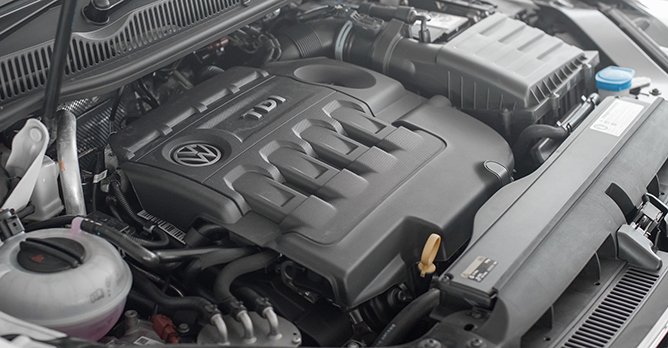
    Diesel cars attract a higher road tax when compared to their petrol-driven counterparts
    In general, a diesel may be more expensive to buy, and attract a higher road tax - also known as a Special Road Tax Formula for diesel cars.

    The Special Road Tax Formula is based on the diesel car's emissions standards. For vehicles that are of Euro 5 standard and above, the tax is set at 40 cents per cubic centimetres.

    This means a Euro 5, 1,600cc diesel passenger car will attract a road tax of $1,284 a year. Comparatively, a petrol driven counterpart will only pay $744 a year in road tax.

    Of course, if you're a high mileage driver where the savings you receive at the pump outweigh the price difference in road tax, then choosing a diesel car would make a lot of sense.

    What are the mechanical differences?

    Diesels do not need spark plugs, as combustion is achieved through the compression of fuel and air in the cylinders
    The principles for both diesel and petrol engines are the same. Fuel is mixed with air in the cylinders and ignited, allowing the engine to produce power.

    The main difference lies in igniting the fuel and air mixture.

    While petrol engines rely on spark plugs to ignite the fuel mixture, diesel fuel is ignited solely by compression.

    Some diesel engines also have glow plugs to bring heat into the cylinders during cold starts.

    Some differences can also be seen in the exhaust systems of diesel cars. To bring down emissions, diesels sometimes use particulate filters. A type of diesel exhaust fluid called AdBlue is also sometimes used, which helps to bring down nitrous-oxide emissions.

    Any differences in maintenance?

    Some diesels use AdBlue to handle emissions, and is readily available from SPC stations
    As you can probably tell, diesel cars do not require spark plugs - so that's a routine replacement you don't have to deal with.

    Diesels share similar routine maintenance schedules compared to petrol cars. But there is an additional component related to emissions that you should take note of.

    Diesel particulate filters exist to remove soot from exhaust emissions, and require soot removal cycles, known as 'regen'. Usually done automatically, it occasionally requires the driver to activate it manually.

    As for vehicles with AdBlue, a routine top-up of the fluid should be carried out to ensure your diesel car meets emissions standards. You can easily purchase AdBlue at petrol stations such as SPC, too.

    Depending on how much you use, the topping up of fluids can coincide with your service intervals for engine oil, which brings us to our next point.

    Can I use the same engine oil?

    SPC's SYNACE Supreme and Ecostar range of oils meet international accreditations for both petrol and diesel engines of various makes
    In general, engine oils should be chosen according to the type of use. It is always recommended to use the correct grade of engine oil as the manufacturer recommends. You can find out the recommended grade in your owner's manual.

    Hence, some engine oils are labelled for heavy-duty diesel use. But don't assume these are meant for diesel passenger cars. These oils feature heavier base weights, which are suited for heavy-duty commercial vehicle use.  

    With that said, the purpose of lubricating the engine works the same for both petrol and diesel engines.

    SPC's SYNACE range of engine oils for example, can be used for both diesel and petrol engines.

    Manufactured in Singapore, its SYNACE Supreme and Ecostar engine oils also meet the standards for both petrol and diesel engines from the European Automobile Manufacturers Association, along with manufacturer accreditations from brands like BMW, Porsche, Renault, Mercedes-Benz and Volkswagen.

    Can all workshops deal with diesels?

    Spend now on SPC lubricants and SpeedyCare service packages and receive savings worth $200
    All well-heeled workshops will certainly be able to handle both diesel and petrol cars, including SpeedyCare Auto Service Centres, with all 10 outlets strategically placed within SPC Service Stations in Singapore.

    SPC's SYNACE engine oils are readily available at all of SpeedyCare Service Centres, so be it a petrol or diesel car, your vehicle's servicing needs will be well covered with high-grade oils.

    Plus, you'll get rewarded. From now till 31 December 2020, customers who purchase SPC lubricants or SpeedyCare servicing packages from participating outlets will receive a Rewards Booklet, with discounts and deals worth up to $200. Find out more here.

    You can purchase SPC SYNACE lubricants and SpeedyCare service packages from SPC's official online stores on Lazada, Shopee and Qoo10.

    To find out more on SPC's range of SYNACE lubricants, head on to SPC's website, here.

    Here are some fuel-related articles that you might be interested in 

    How to get better performance and fuel economy

    Do fuel injector cleaners and octane boosters work?

    Many drivers have heard of these fuel-saving tips but do they really work?

    2020 guide to the best petrol discounts in Singapore

    Petrol stations: Does it matter which one you go to?

    Idris Talib
    Idris Talib
    While the world goes car-lite, Idris believes we should celebrate cars before they go extinct.
    Photos by Low Fai Ming
    24.4k

    Tags

    advertorial spc synace lubricant lubricants engine oil engine oil spc engine oil spc synace spc lubricants spc synace lubricants spc engine oil synace engine oil

    AllReviewsNewsAdviceFeaturesVideos
    • Home
    • Car Articles
    • advice
    • advice Listings
    • Car Buying Advice

    Are diesel cars harder to maintain than petrol cars?

    01 Dec 2020

    |

    22,899 views

    Diesel cars offer better fuel mileage, but are they harder to maintain compared to their petrol-driven counterparts? We dig deeper to find out.


    A diesel-powered car makes a lot of sense to many Singaporeans. More often than not, they offer better fuel range along with cheaper prices at the pump, as well as better low-end torque that's useful in our start-stop city traffic.

    Some are impressed with the benefits of a diesel car, and have found themselves buying them. Still, the uptake of diesels here isn't as high as compared to places like Europe, where diesel passenger cars are very common.

    In this article, we dwell deeper to the pros and cons of petrol and diesel cars, which you may find useful when making a decision on buying one.

    What are the running costs like?

    Diesel cars attract a higher road tax when compared to their petrol-driven counterparts
    In general, a diesel may be more expensive to buy, and attract a higher road tax - also known as a Special Road Tax Formula for diesel cars.

    The Special Road Tax Formula is based on the diesel car's emissions standards. For vehicles that are of Euro 5 standard and above, the tax is set at 40 cents per cubic centimetres.

    This means a Euro 5, 1,600cc diesel passenger car will attract a road tax of $1,284 a year. Comparatively, a petrol driven counterpart will only pay $744 a year in road tax.

    Of course, if you're a high mileage driver where the savings you receive at the pump outweigh the price difference in road tax, then choosing a diesel car would make a lot of sense.

    What are the mechanical differences?
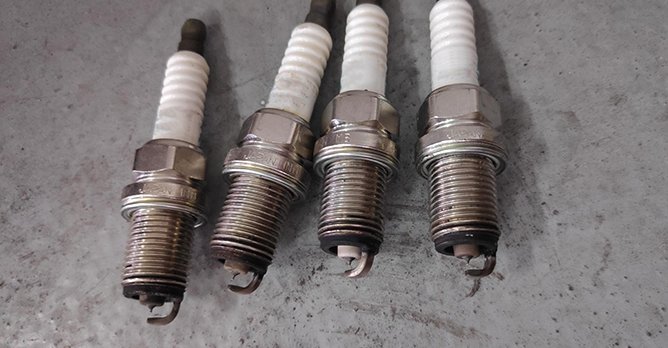
    Diesels do not need spark plugs, as combustion is achieved through the compression of fuel and air in the cylinders
    The principles for both diesel and petrol engines are the same. Fuel is mixed with air in the cylinders and ignited, allowing the engine to produce power.

    The main difference lies in igniting the fuel and air mixture.

    While petrol engines rely on spark plugs to ignite the fuel mixture, diesel fuel is ignited solely by compression.

    Some diesel engines also have glow plugs to bring heat into the cylinders during cold starts.

    Some differences can also be seen in the exhaust systems of diesel cars. To bring down emissions, diesels sometimes use particulate filters. A type of diesel exhaust fluid called AdBlue is also sometimes used, which helps to bring down nitrous-oxide emissions.

    Any differences in maintenance?
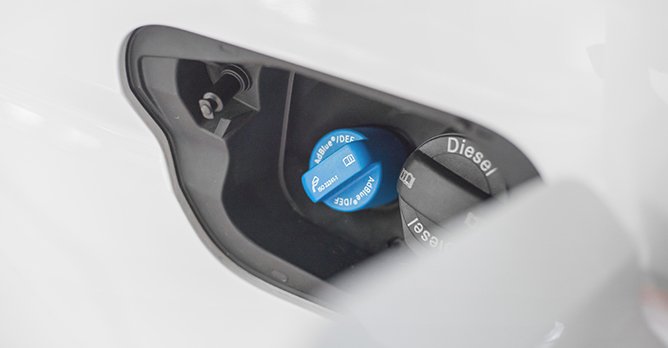
    Some diesels use AdBlue to handle emissions, and is readily available from SPC stations
    As you can probably tell, diesel cars do not require spark plugs - so that's a routine replacement you don't have to deal with.

    Diesels share similar routine maintenance schedules compared to petrol cars. But there is an additional component related to emissions that you should take note of.

    Diesel particulate filters exist to remove soot from exhaust emissions, and require soot removal cycles, known as 'regen'. Usually done automatically, it occasionally requires the driver to activate it manually.

    As for vehicles with AdBlue, a routine top-up of the fluid should be carried out to ensure your diesel car meets emissions standards. You can easily purchase AdBlue at petrol stations such as SPC, too.

    Depending on how much you use, the topping up of fluids can coincide with your service intervals for engine oil, which brings us to our next point.

    Can I use the same engine oil?
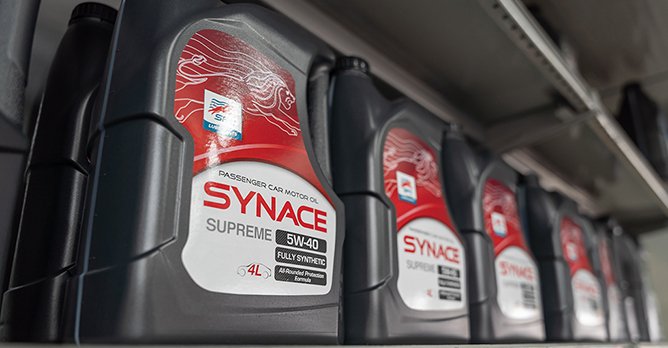
    SPC's SYNACE Supreme and Ecostar range of oils meet international accreditations for both petrol and diesel engines of various makes
    In general, engine oils should be chosen according to the type of use. It is always recommended to use the correct grade of engine oil as the manufacturer recommends. You can find out the recommended grade in your owner's manual.

    Hence, some engine oils are labelled for heavy-duty diesel use. But don't assume these are meant for diesel passenger cars. These oils feature heavier base weights, which are suited for heavy-duty commercial vehicle use.  

    With that said, the purpose of lubricating the engine works the same for both petrol and diesel engines.

    SPC's SYNACE range of engine oils for example, can be used for both diesel and petrol engines.

    Manufactured in Singapore, its SYNACE Supreme and Ecostar engine oils also meet the standards for both petrol and diesel engines from the European Automobile Manufacturers Association, along with manufacturer accreditations from brands like BMW, Porsche, Renault, Mercedes-Benz and Volkswagen.

    Can all workshops deal with diesels?

    Spend now on SPC lubricants and SpeedyCare service packages and receive savings worth $200
    All well-heeled workshops will certainly be able to handle both diesel and petrol cars, including SpeedyCare Auto Service Centres, with all 10 outlets strategically placed within SPC Service Stations in Singapore.

    SPC's SYNACE engine oils are readily available at all of SpeedyCare Service Centres, so be it a petrol or diesel car, your vehicle's servicing needs will be well covered with high-grade oils.

    Plus, you'll get rewarded. From now till 31 December 2020, customers who purchase SPC lubricants or SpeedyCare servicing packages from participating outlets will receive a Rewards Booklet, with discounts and deals worth up to $200. Find out more here.

    You can purchase SPC SYNACE lubricants and SpeedyCare service packages from SPC's official online stores on Lazada, Shopee and Qoo10.

    To find out more on SPC's range of SYNACE lubricants, head on to SPC's website, here.

    Here are some fuel-related articles that you might be interested in 

    How to get better performance and fuel economy

    Do fuel injector cleaners and octane boosters work?

    Many drivers have heard of these fuel-saving tips but do they really work?

    2020 guide to the best petrol discounts in Singapore

    Petrol stations: Does it matter which one you go to?

    Idris Talib
    Idris Talib
    While the world goes car-lite, Idris believes we should celebrate cars before they go extinct.
    Photos by Low Fai Ming
    24.4k

    Tags

    advertorial spc synace lubricant lubricants engine oil engine oil spc engine oil spc synace spc lubricants spc synace lubricants spc engine oil synace engine oil

    synace lubricants
    synace lubricants

    All Advice Categories

    Car BuyingCar SellingCar OwnershipCar TechnicalCar MaintenanceMiscellaneous

    All Advice Categories

    Car BuyingCar SellingCar OwnershipCar TechnicalCar MaintenanceMiscellaneous

    Related Motor Directory Categories

      Car RentalCommercial Vehicle RentalUsed Car DealersNew Car DealersCar Leasing

    Related Motor Directory Categories

      Car RentalCommercial Vehicle RentalUsed Car DealersNew Car DealersCar Leasing

    You May Also Like

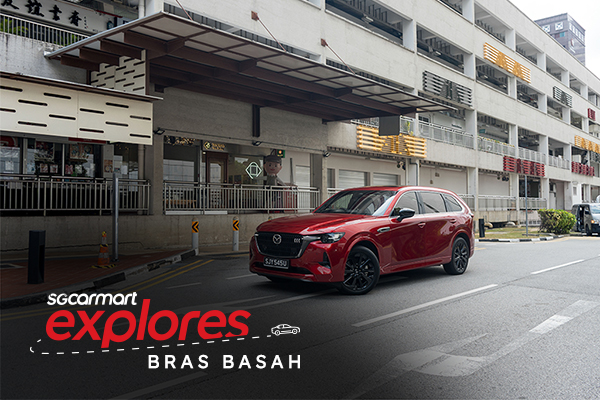
    Sgcarmart Explores: Bras Basah!

    Sgcarmart Explores: Bras Basah!

    New cars are safer: Opt for one when you can

    New cars are safer: Opt for one when you can

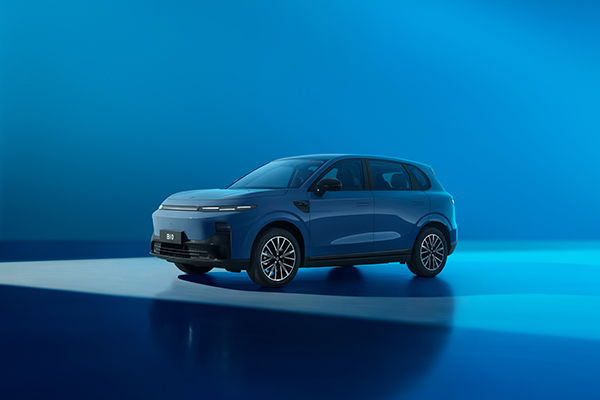
    Leapmotor B10: The electric SUV focused on what matters

    Leapmotor B10: The electric SUV focused on what matters

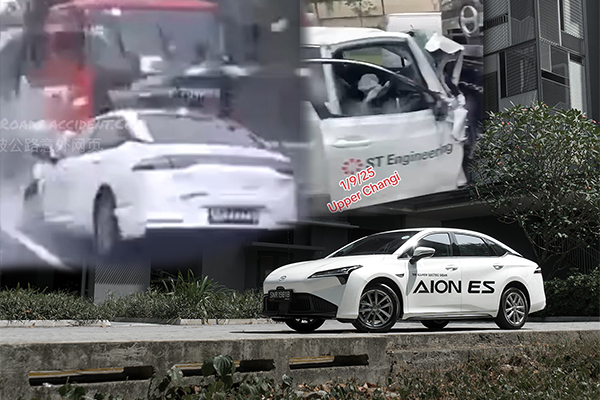
    LTA sets up poll to decide the least-ugliest EV plate

    LTA sets up poll to decide the least-ugliest EV plate

    Cars of 2026

    Cars of 2026

    The rise of PHEVs: A closer look at the numbers

    The rise of PHEVs: A closer look at the numbers

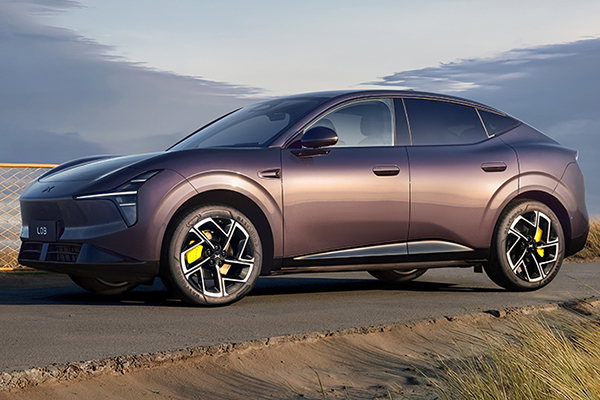
    The all new XPENG Mona L03 is one smart coupe SUV

    The all new XPENG Mona L03 is one smart coupe SUV

    Sgcarmart Explores: East Coast Park!

    Sgcarmart Explores: East Coast Park!

    Must-Have Car Accessories Every EV Driver Should Own

    Must-Have Car Accessories Every EV Driver Should Own

    Multi-Pathway approach: Toyota was always right

    Multi-Pathway approach: Toyota was always right

    Opinion: Why do we even need green number plates?

    Opinion: Why do we even need green number plates?

    BYD Sealion 8 DM-i Review

    BYD Sealion 8 DM-i Review

    BYD Atto 3 Evo Facelift Review

    BYD Atto 3 Evo Facelift Review

    Tesla Model 3 Facelift Review

    Tesla Model 3 Facelift Review

    Don't get yourself trapped in your high-tech EV

    Don't get yourself trapped in your high-tech EV

    Hongqi Singapore opens its showroom doors

    Hongqi Singapore opens its showroom doors

    Related Articles

    Long miles in a small car can be easy

    Long miles in a small car can be easy

    Road Trip Checklist Before You Hit the Road

    Road Trip Checklist Before You Hit the Road

    Engine Oil Options to Suit Your Driving Needs

    Engine Oil Options to Suit Your Driving Needs

    6 Car Upgrades Worth the Money for a Better Daily Drive

    6 Car Upgrades Worth the Money for a Better Daily Drive