Home  Car Articles Reviews Reviews Listings Mercedes-Benz Reviews
Mercedes-Benz GLE400e Coupe Review
30 Apr 2026|2,602 views
What We Like
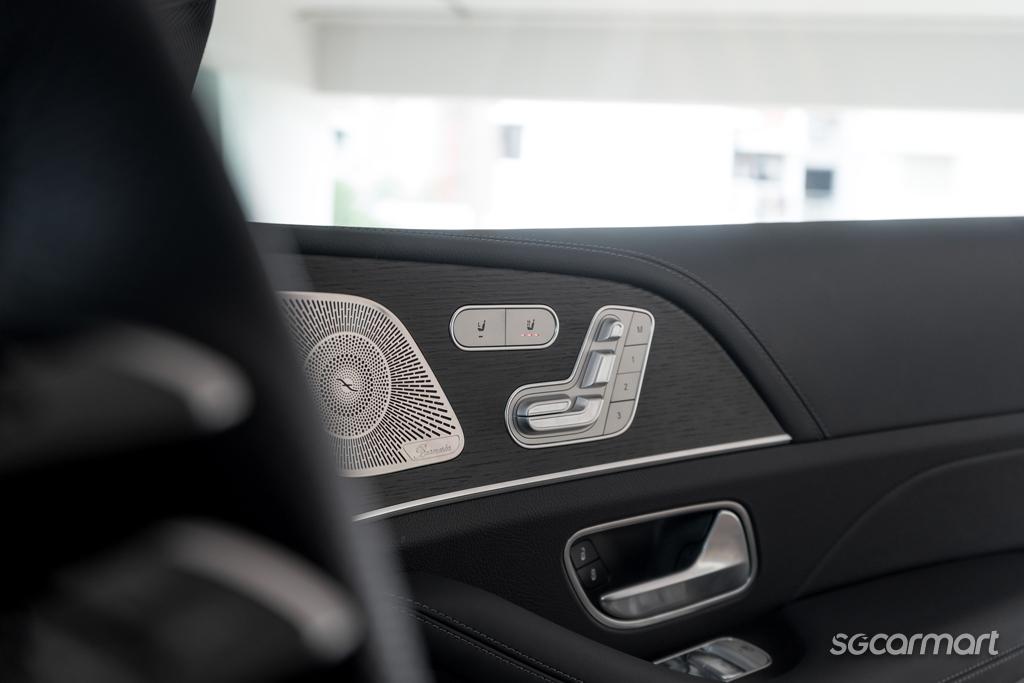
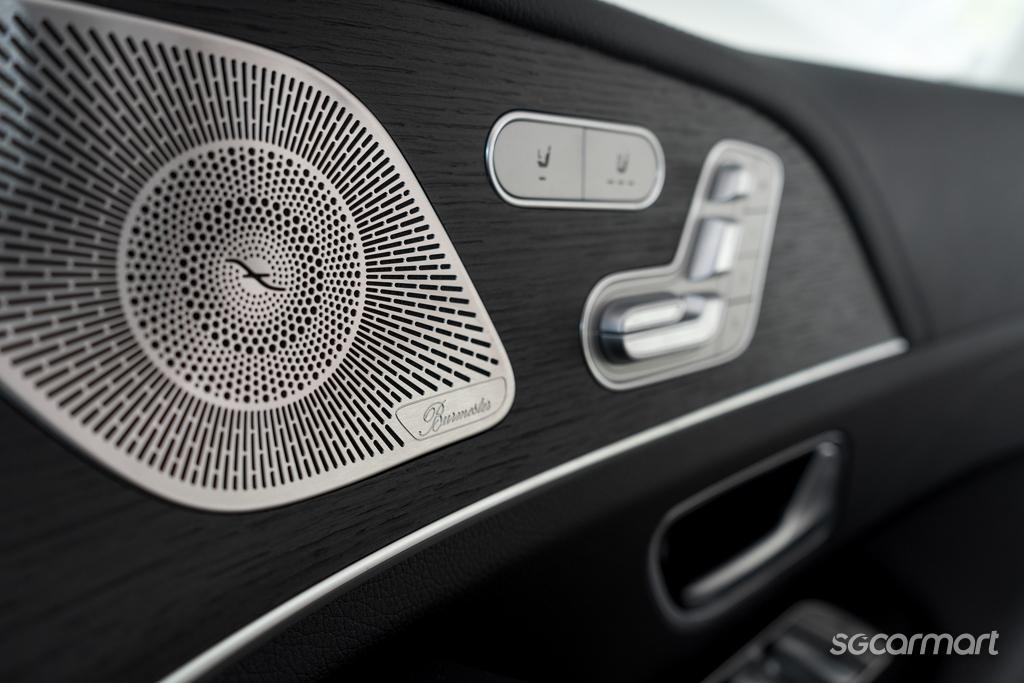
Well-appointed cabin
Plenty of boot space
Offers performance and efficiency
Imposing design
Pliant ride despite huge wheels
What We Dislike
Weight blunts nimbleness
Sloping roofline (duck when entering)
Best and worst of ICE and electric
If someone asked me to give an example of a decadent car, the GLE is one model that comes to mind. It appeals to a driver that wants everything. Space, pace, practicality, and a luxury badge - the GLE has these in spades.
The GLE comes in two body styles: A seven-seater SUV, and a five-seater Coupe. The latter is available in two versions: The range-topping GLE53 powered by a turbocharged straight-six, and this GLE400e, which is a plug-in hybrid.
Luxury aside, the GLE400e has two more abilities: Efficiency and performance. And the fact that both aren't always mutually exclusive - that might be even more impressive.
It's a big SUV that offers the best of both ICE and electric. But while this sounds good on paper, there are also drawbacks to consider.
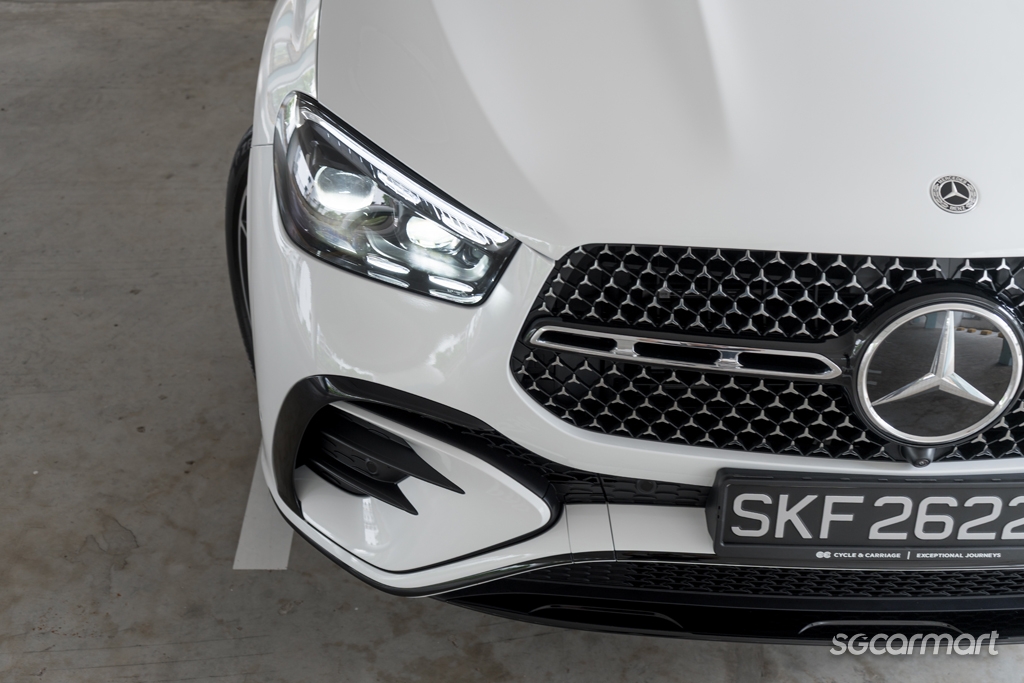
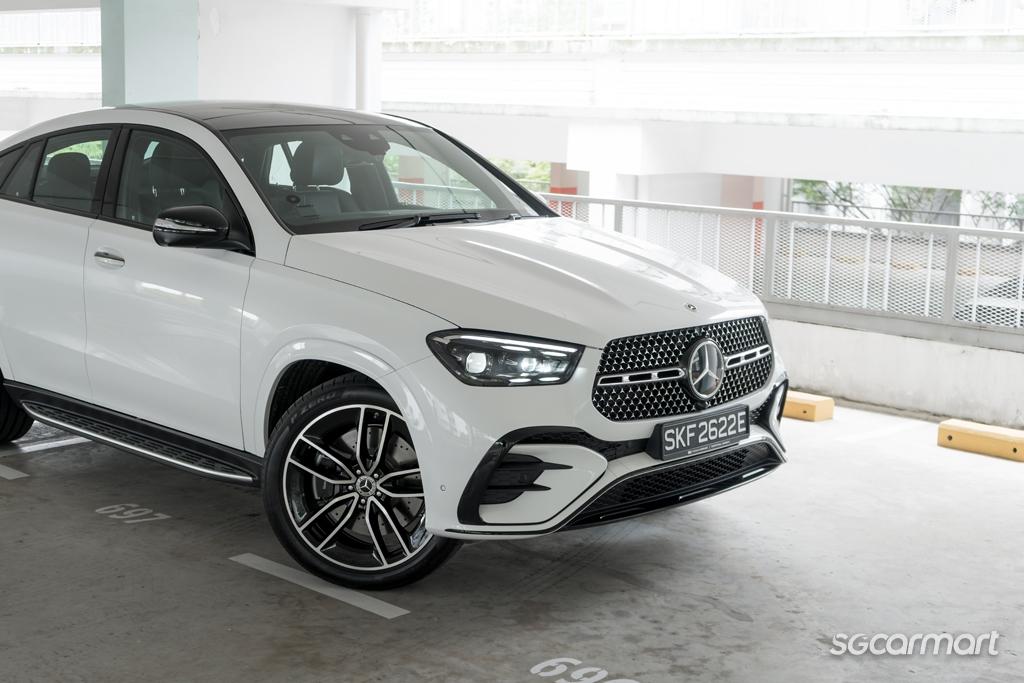
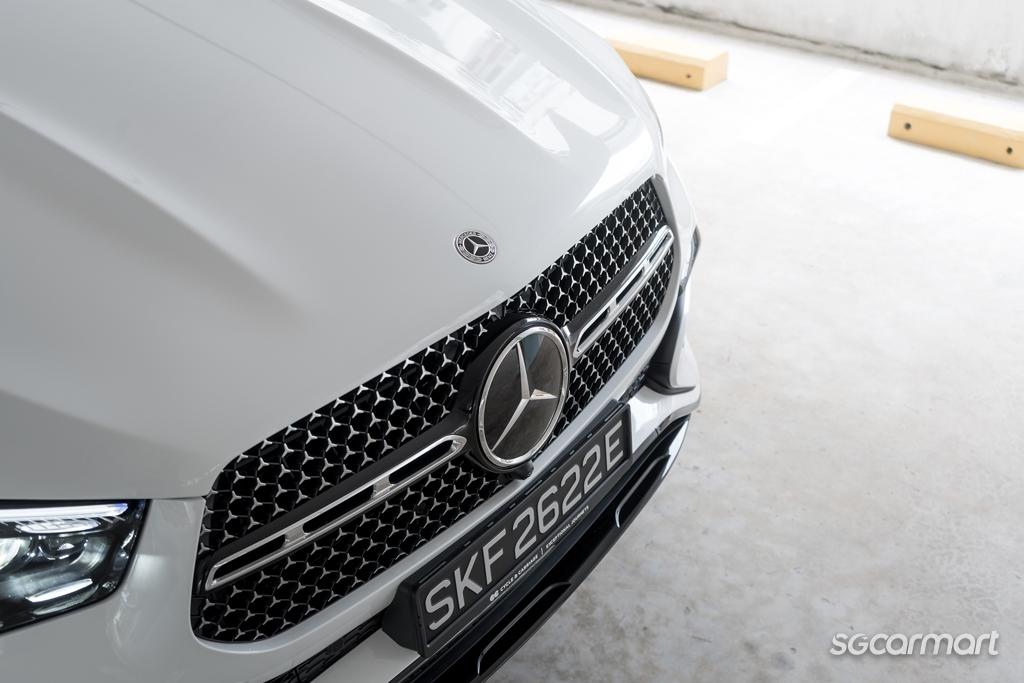
The Night Package adds high-gloss black components to the GLE
An enormous footprint
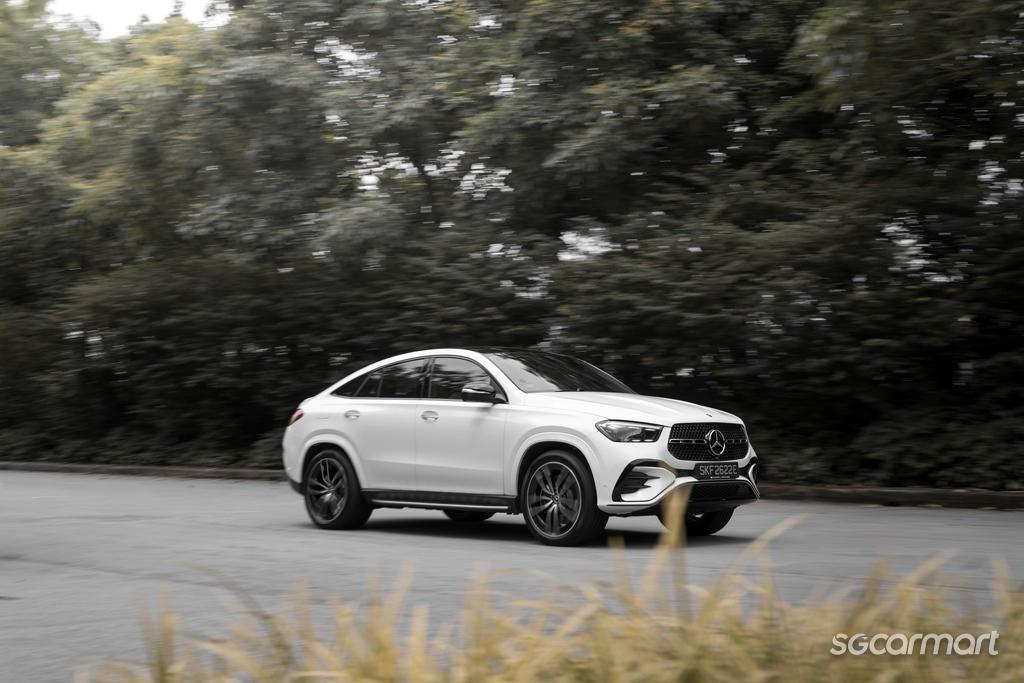
"A big, burly Benz." That was the thought that came to mind when I first saw a GLE Coupe in 2015. Even parked next to other SUVs, the tall bonnet and imposing mien ensured it would not go unnoticed.
The same is true for the current-generation model, which measures 4,941mm long, 2,157mm wide, stands 1,716mm tall and has a wheelbase length of 2,935mm. Those are substantial figures for a five-seater SUV.
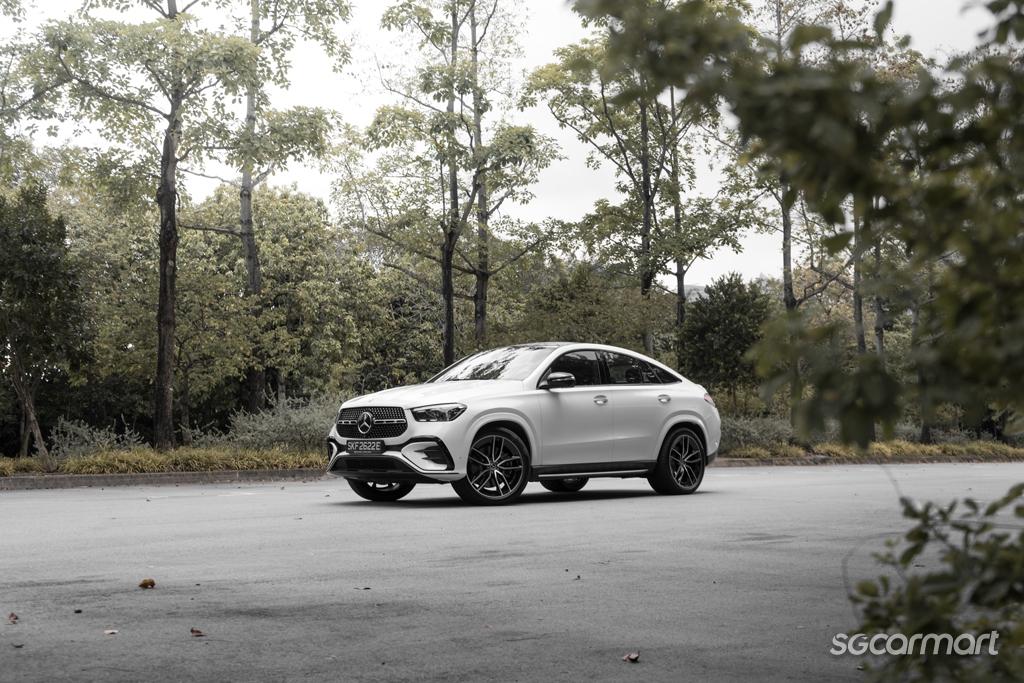
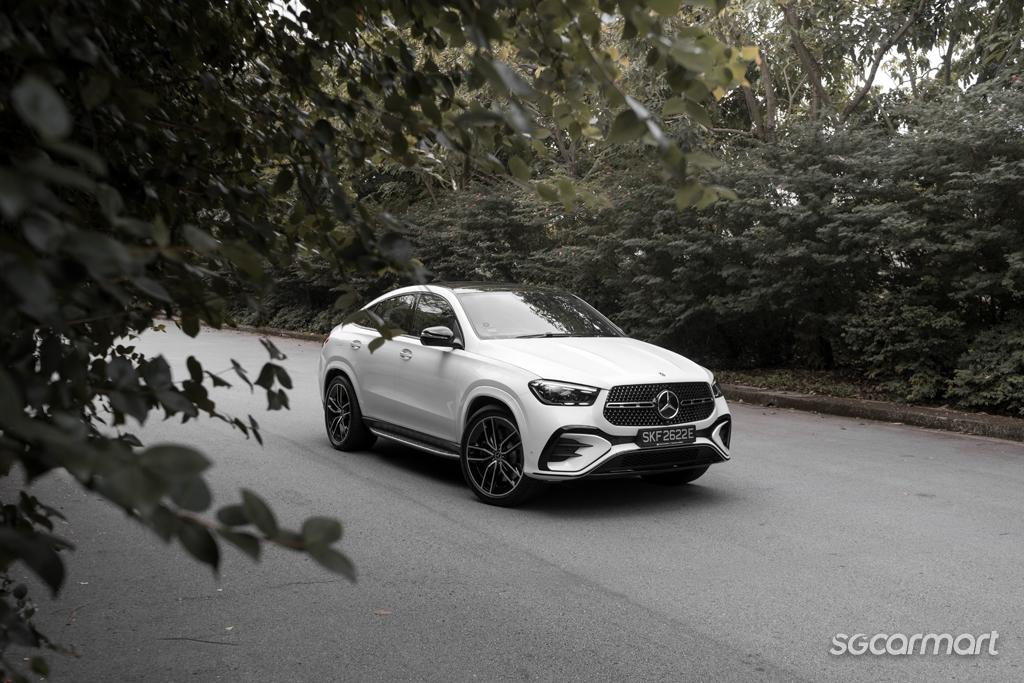
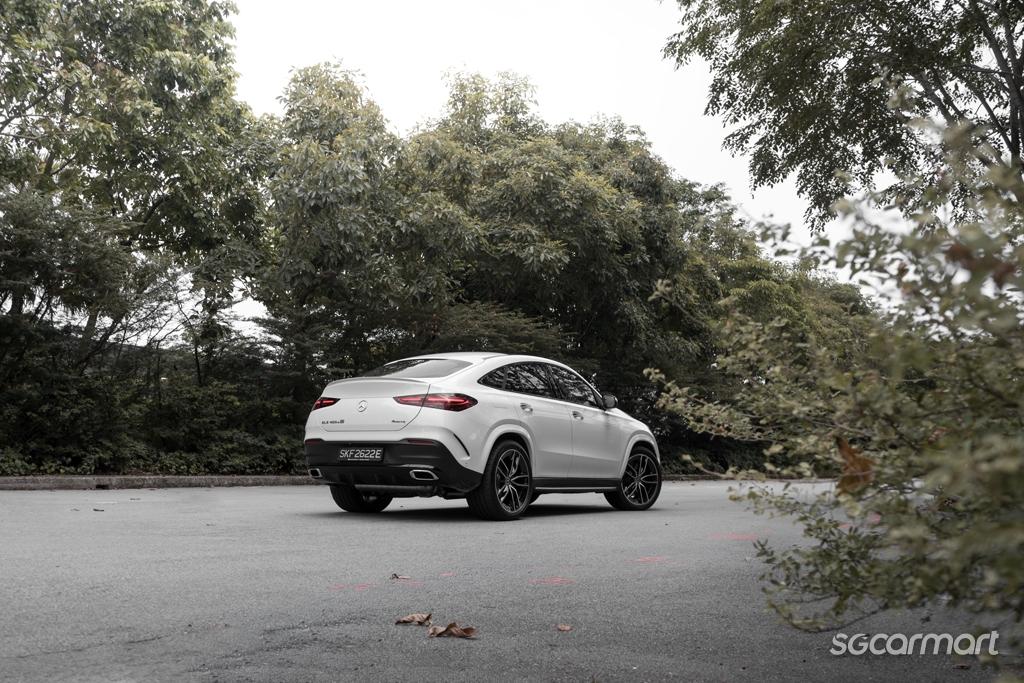
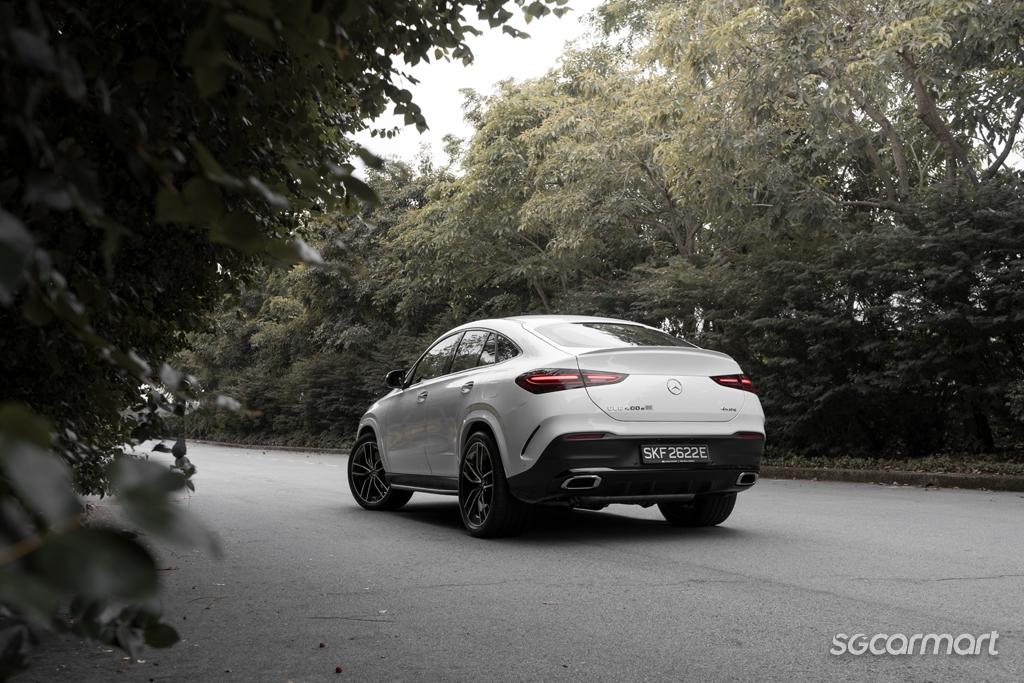
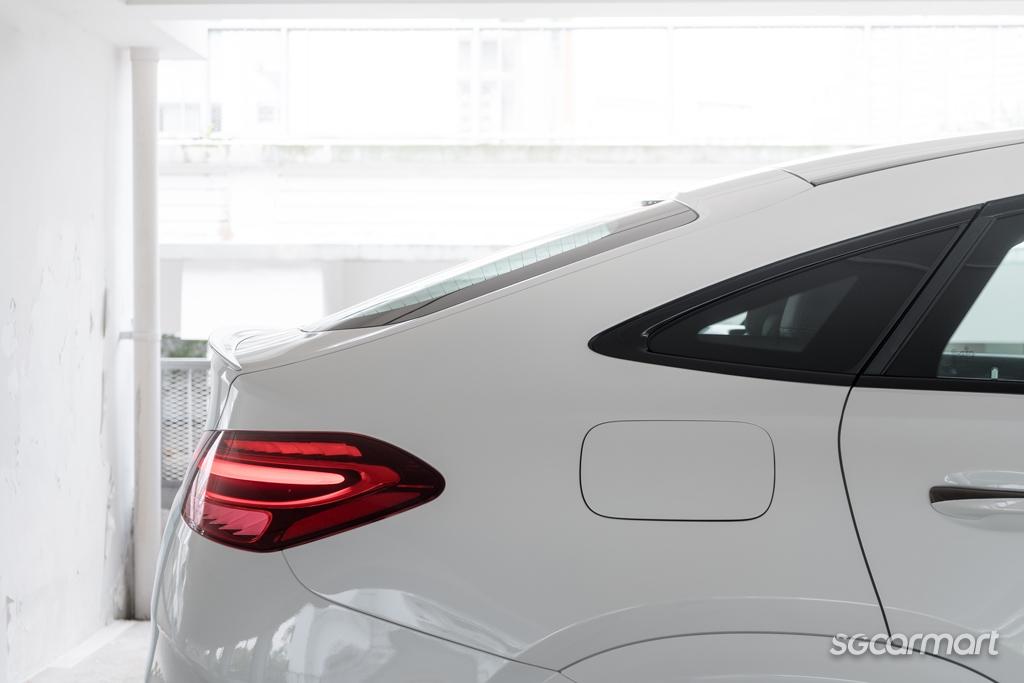
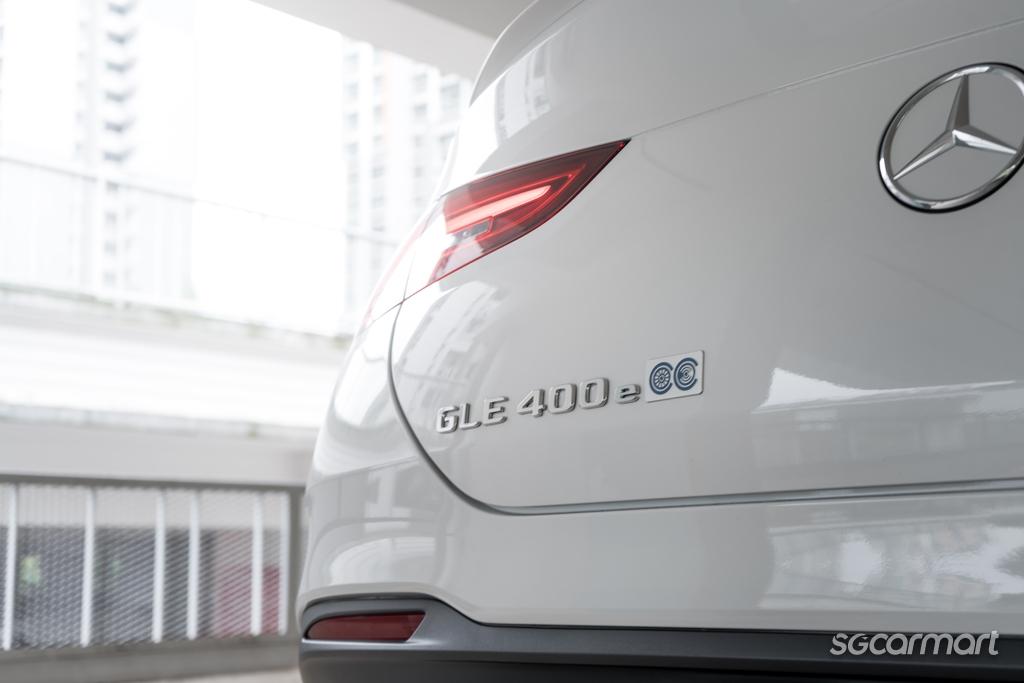
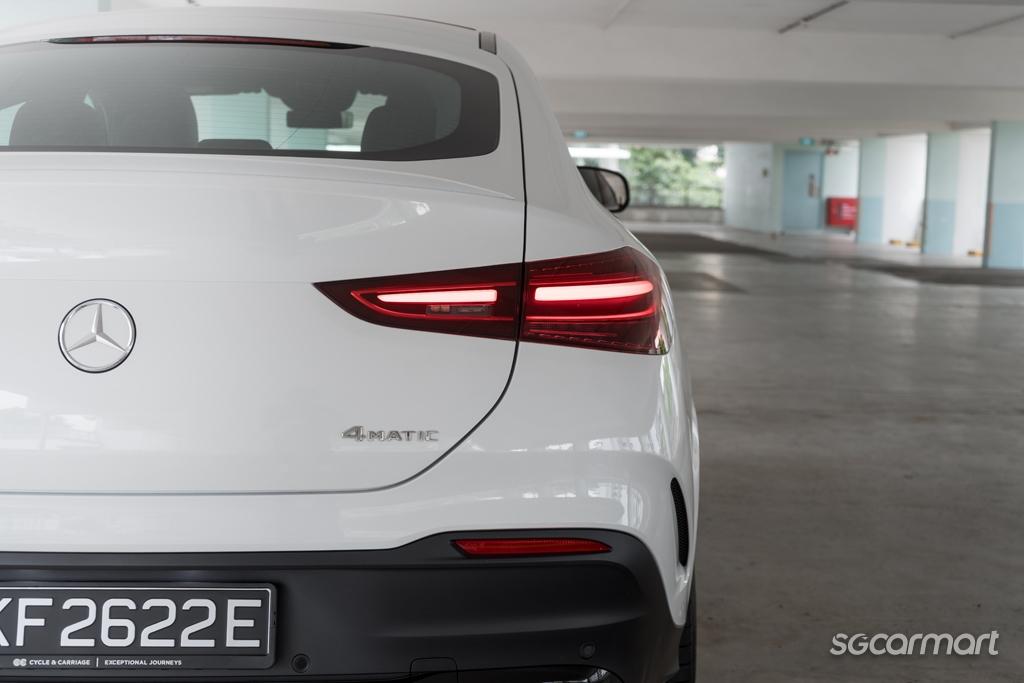
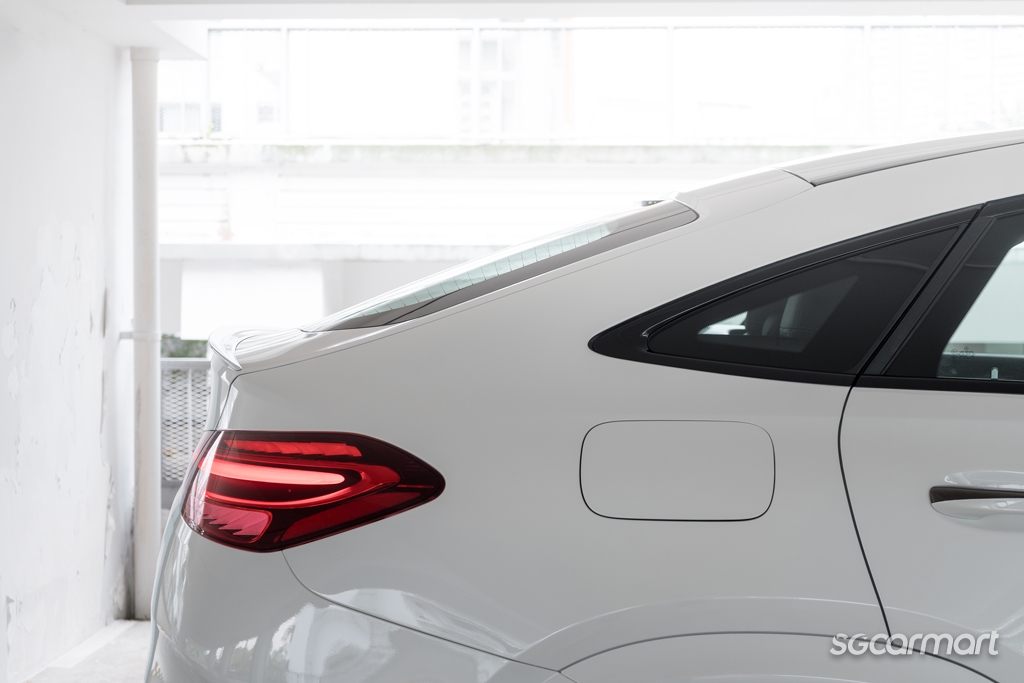
As the 'coupe' variant, the GLE features a curvy rather than boxy silhouette, and the sloping roofline ends in a fastback-style tailgate. There's even a ducktail spoiler to further empasise its sporty character.
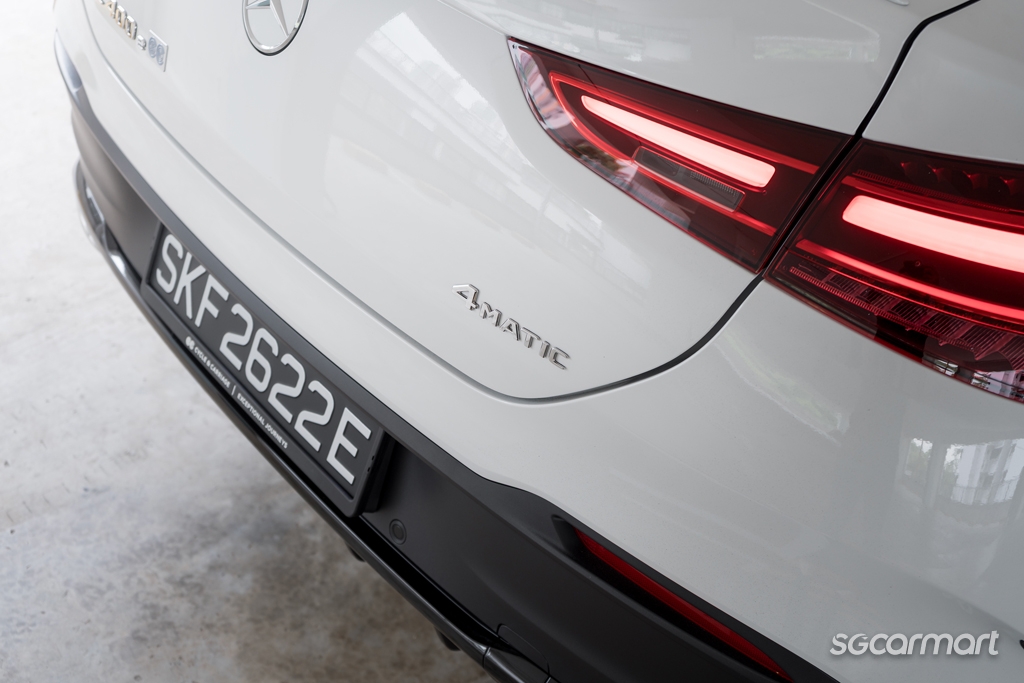
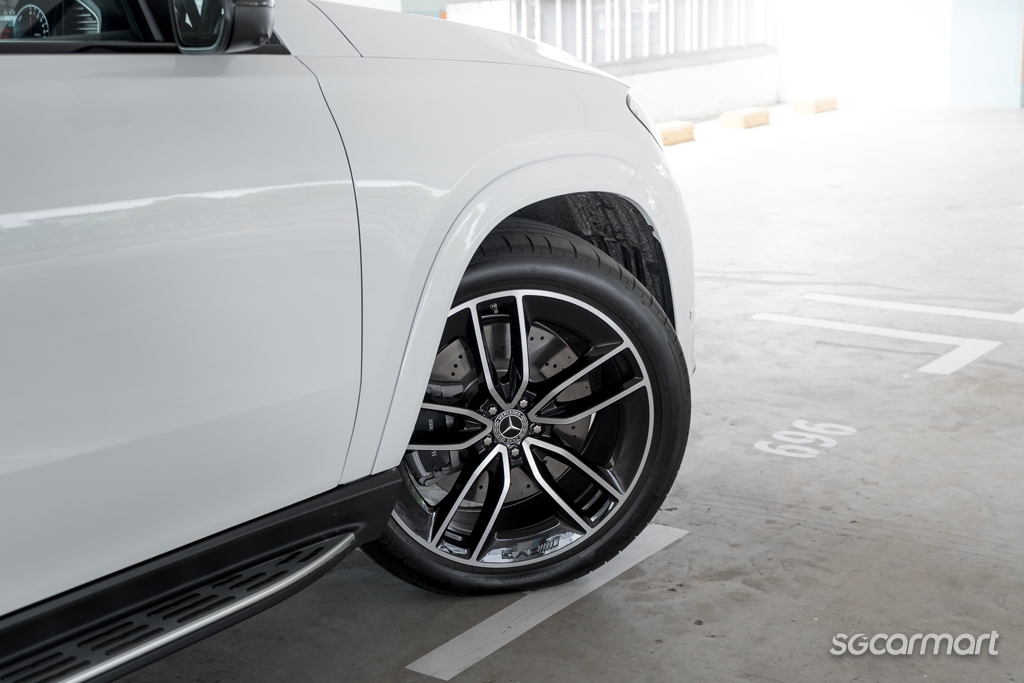
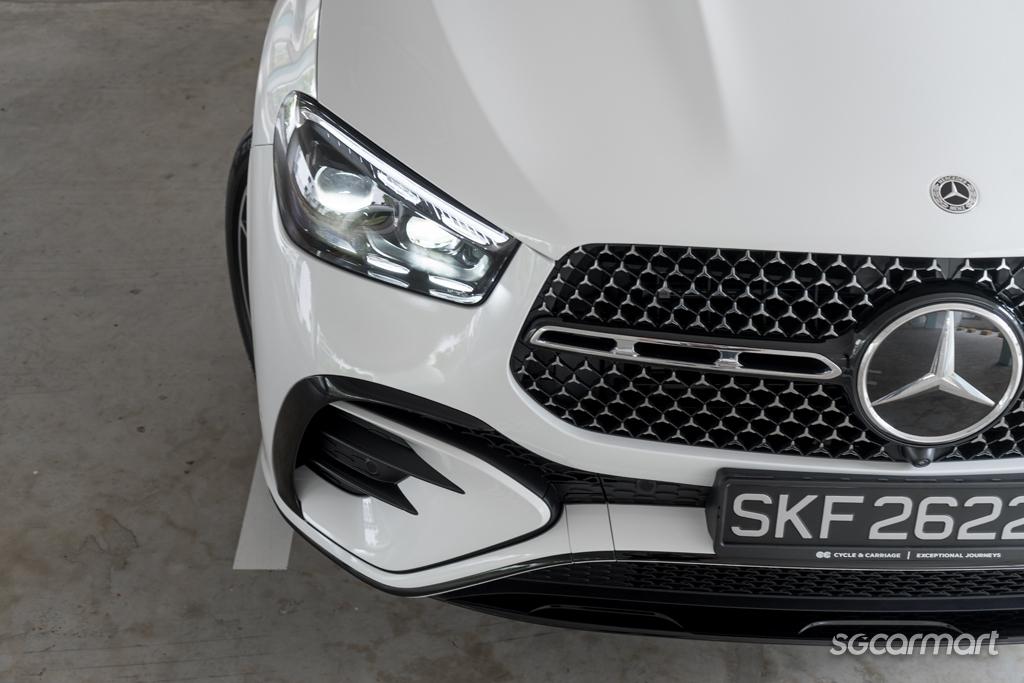
The brightware is minimised, thereby enhancing the GLE Coupe's sporty character
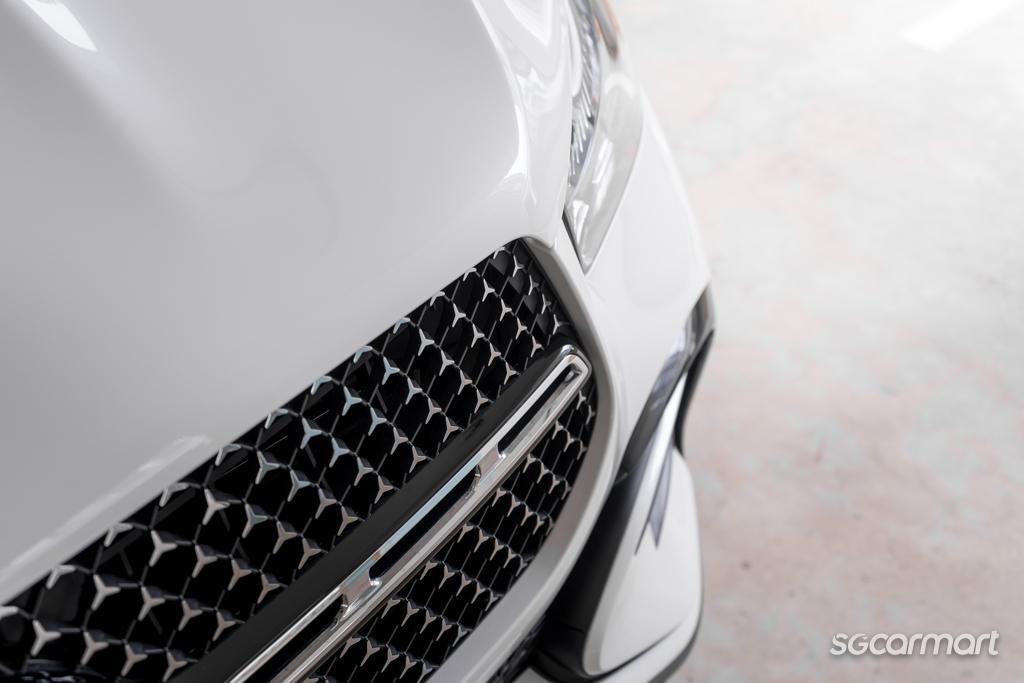
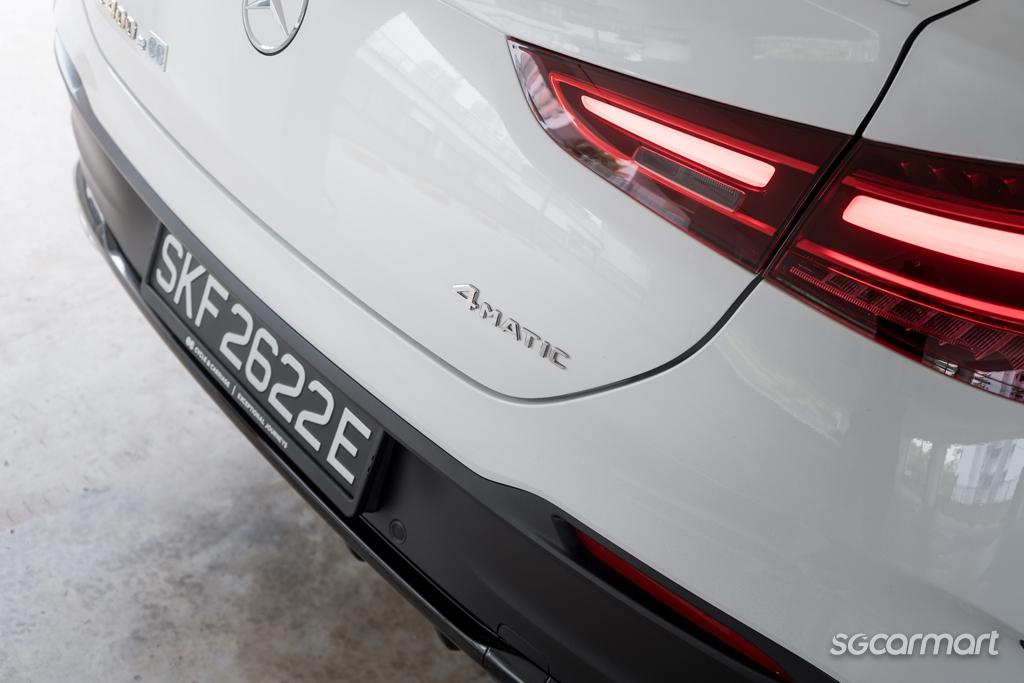
The test unit here is specified with the Night Package, which equips the car with high-gloss black components that include the diamond grille featuring the Mercedes pattern and a single-louvre, window lines and belt lines, and trim strips on the AMG front and rear aprons.
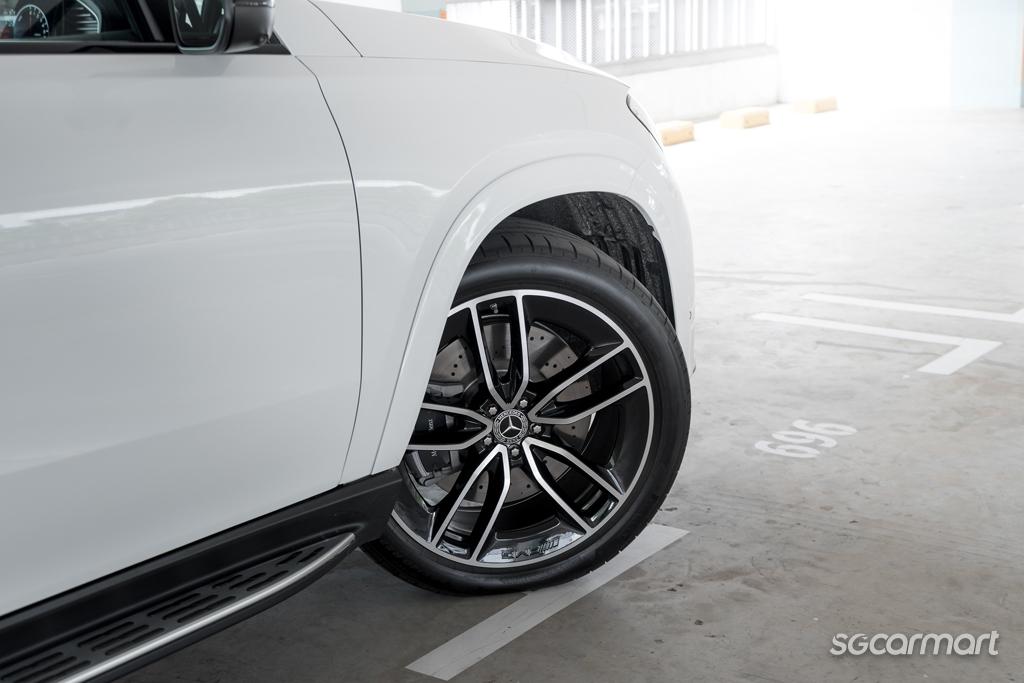
Equally sportscar-like are the ginormous 22-inch wheels that come in staggered sizes: 285/40 in front and 325/35 in the rear. They fill the wheel arches nicely - smaller diameter wheels would seem like piano casters here.
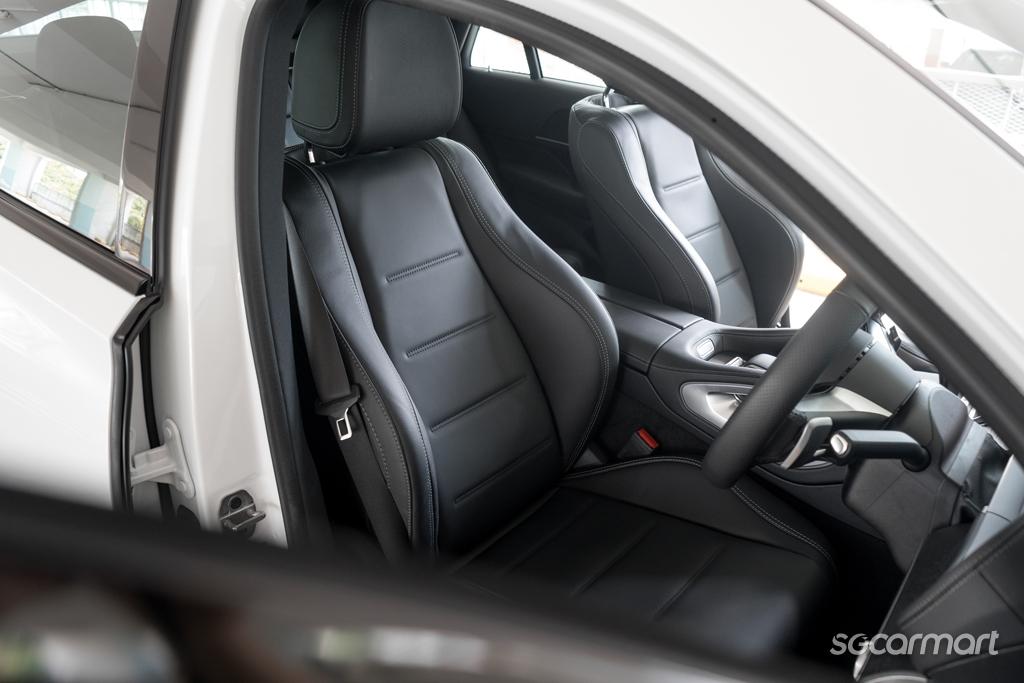
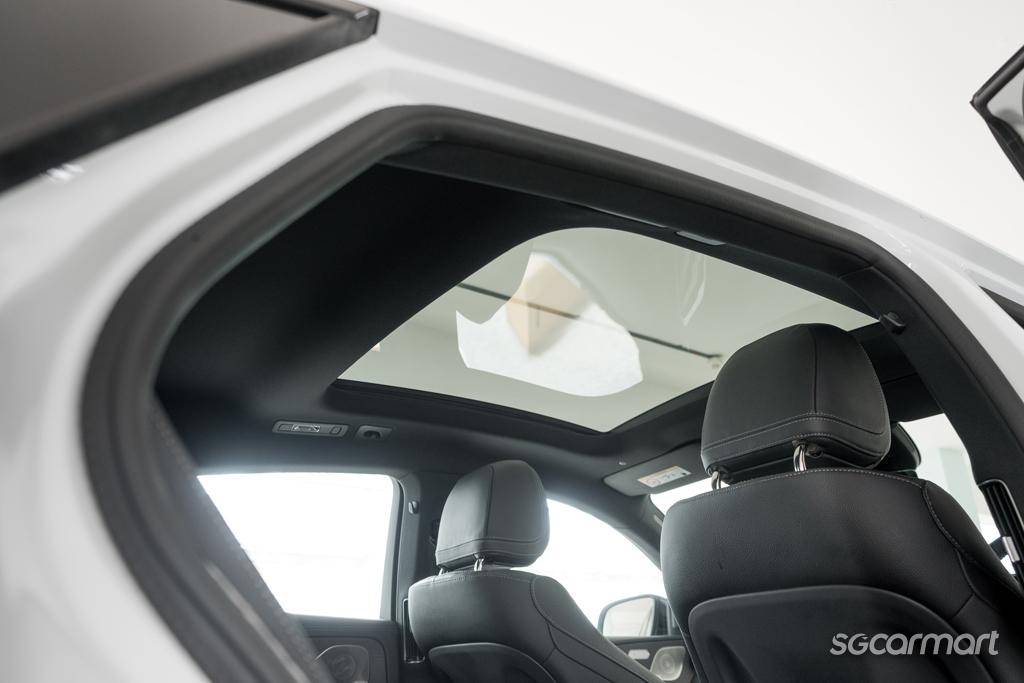
Sizable dimensions result in generous cabin space, but this isn't immediately obvious. The sloping roofline, for instance, requires one to duck as you enter the vehicle, lest you bump your head against the top of the door frame. (It happened to me twice in three days.)
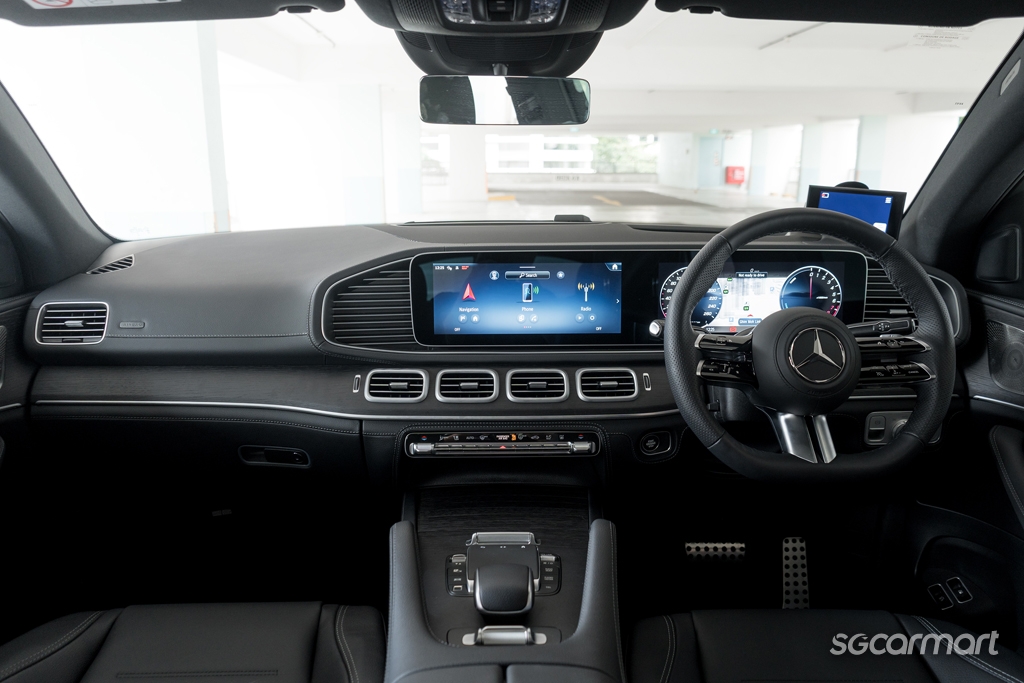
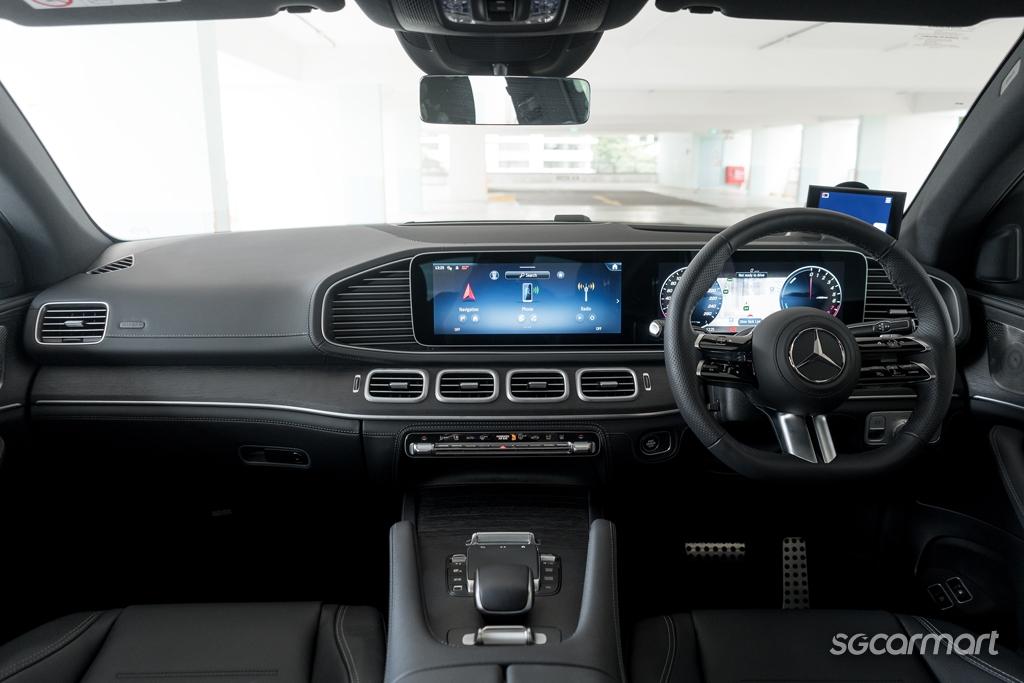
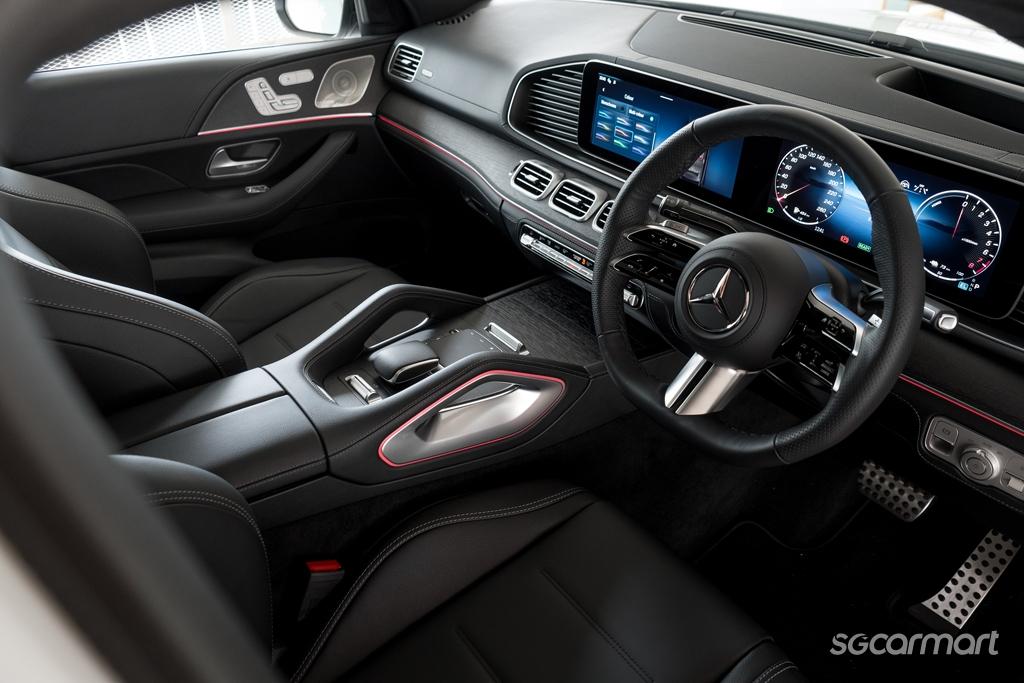
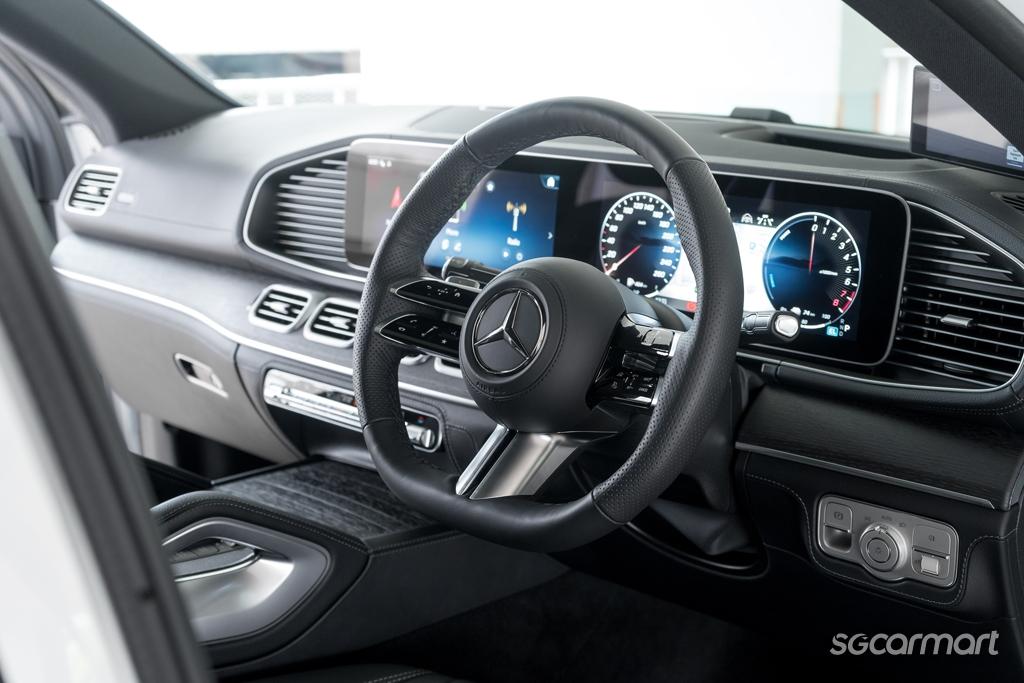
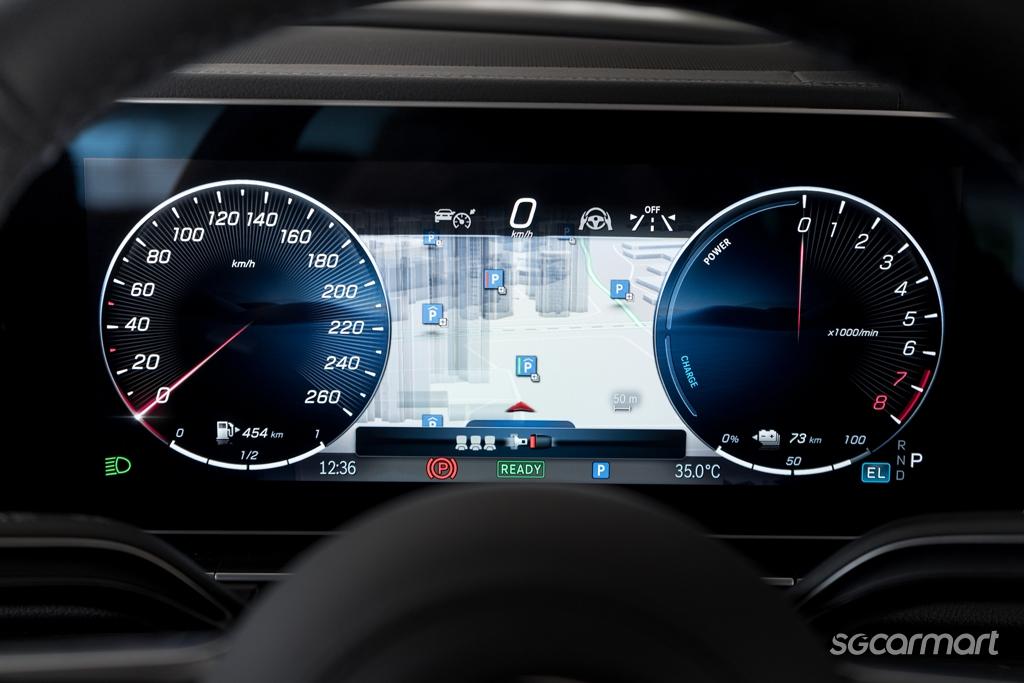
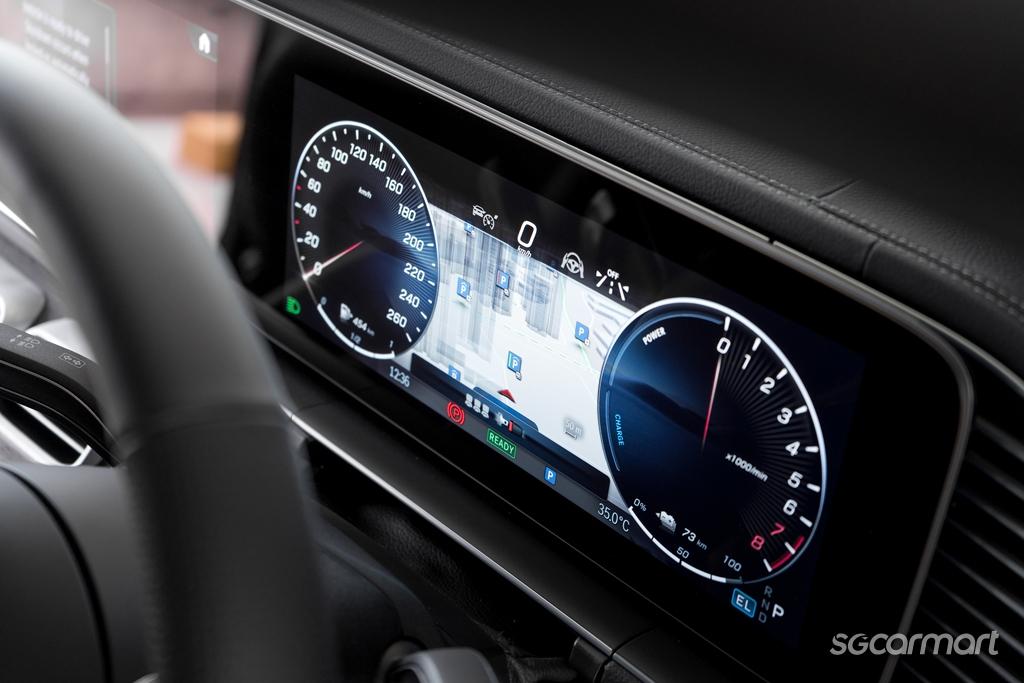
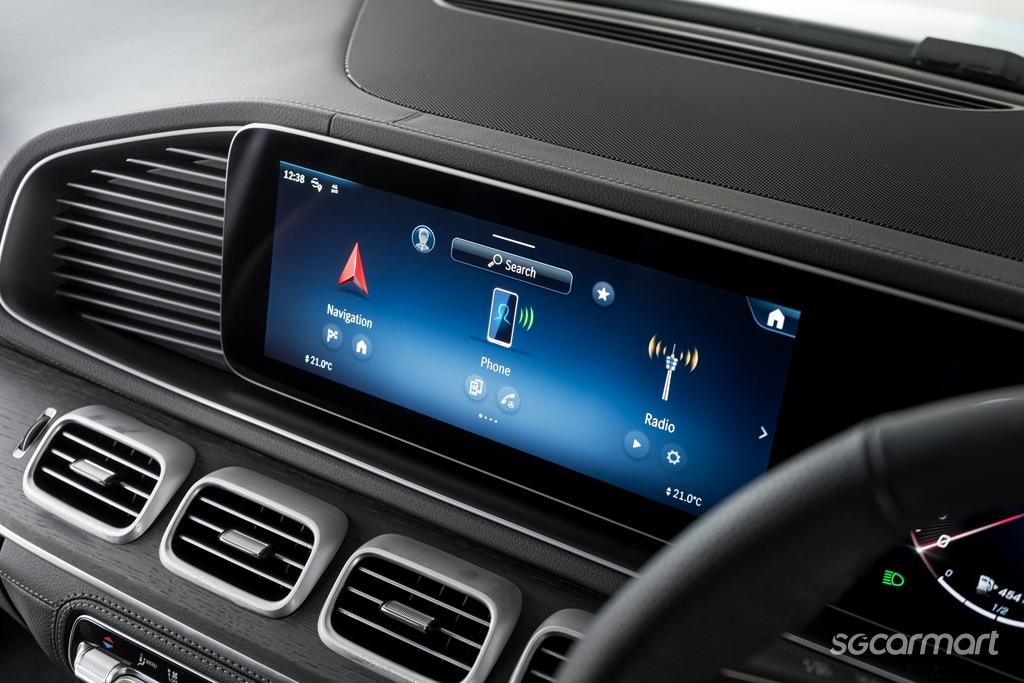
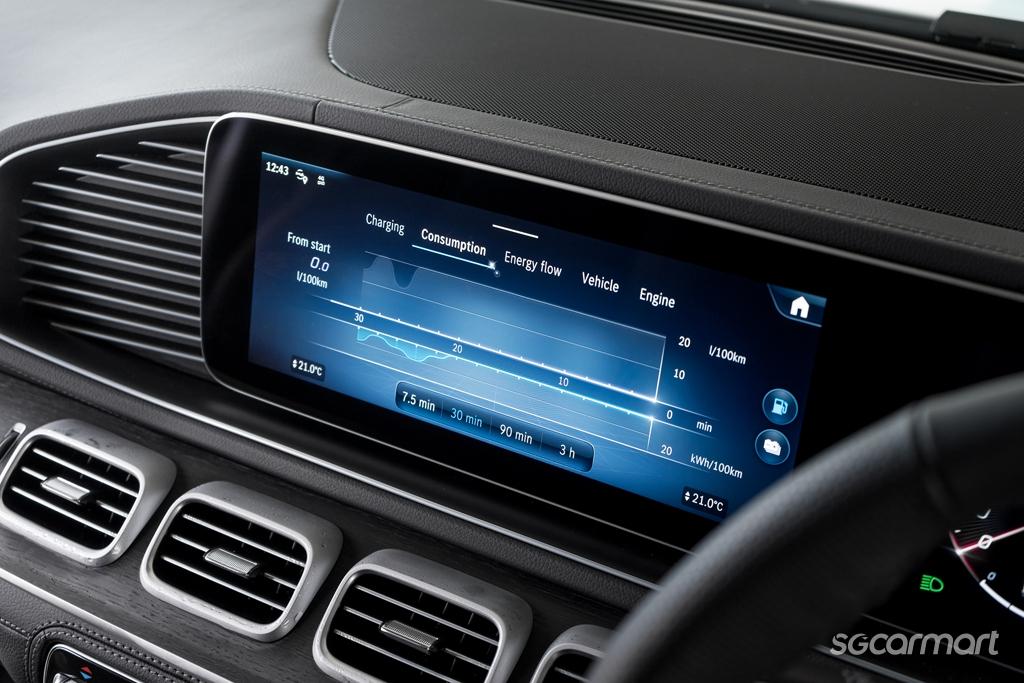
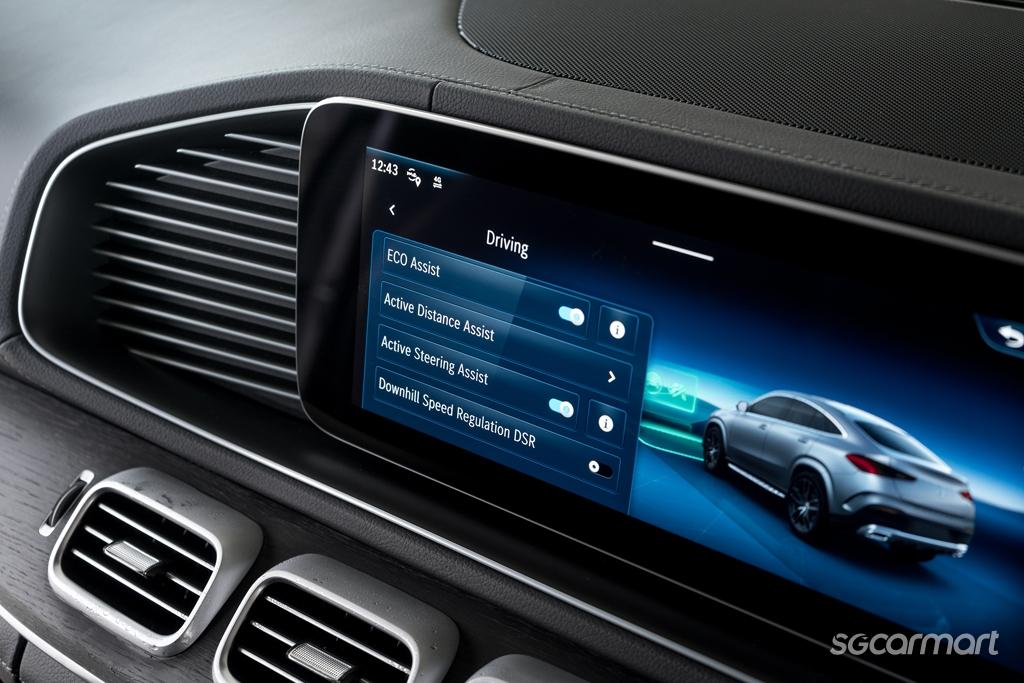
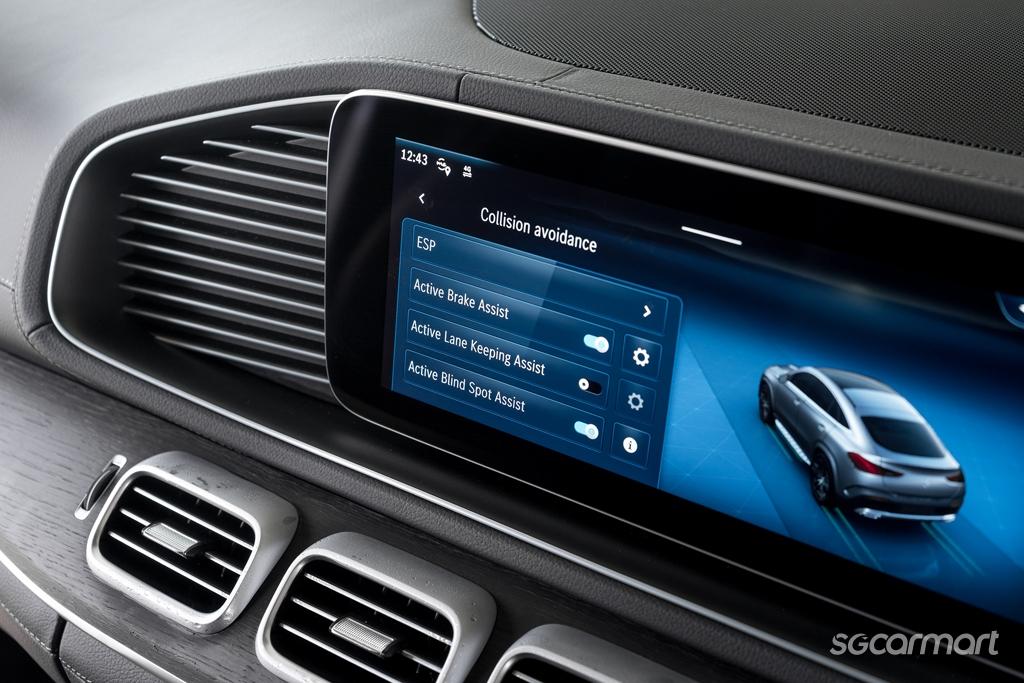
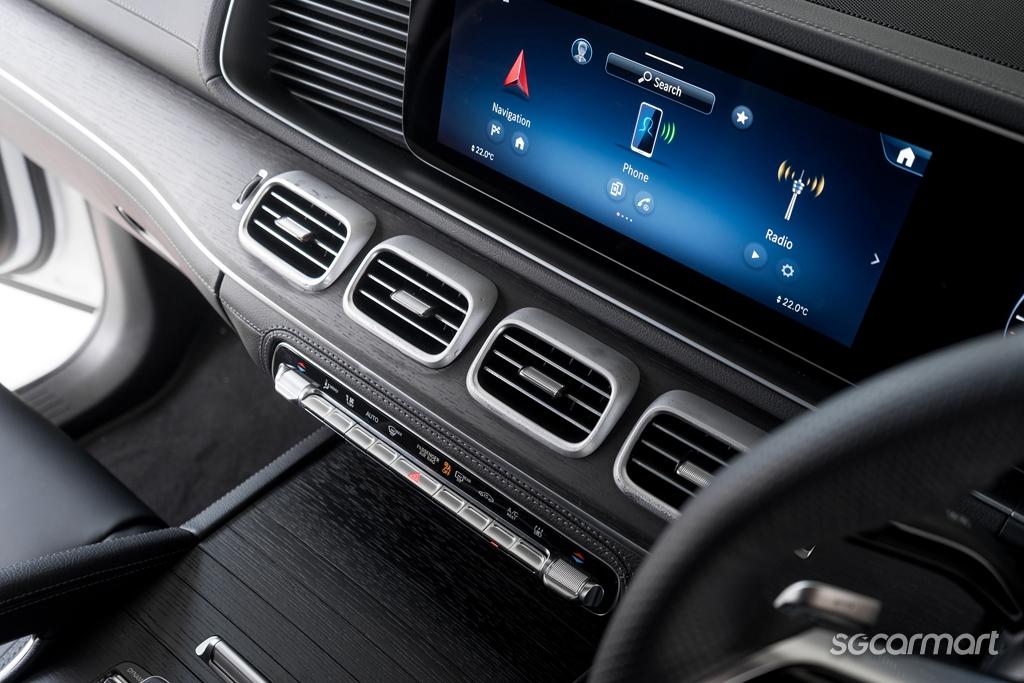
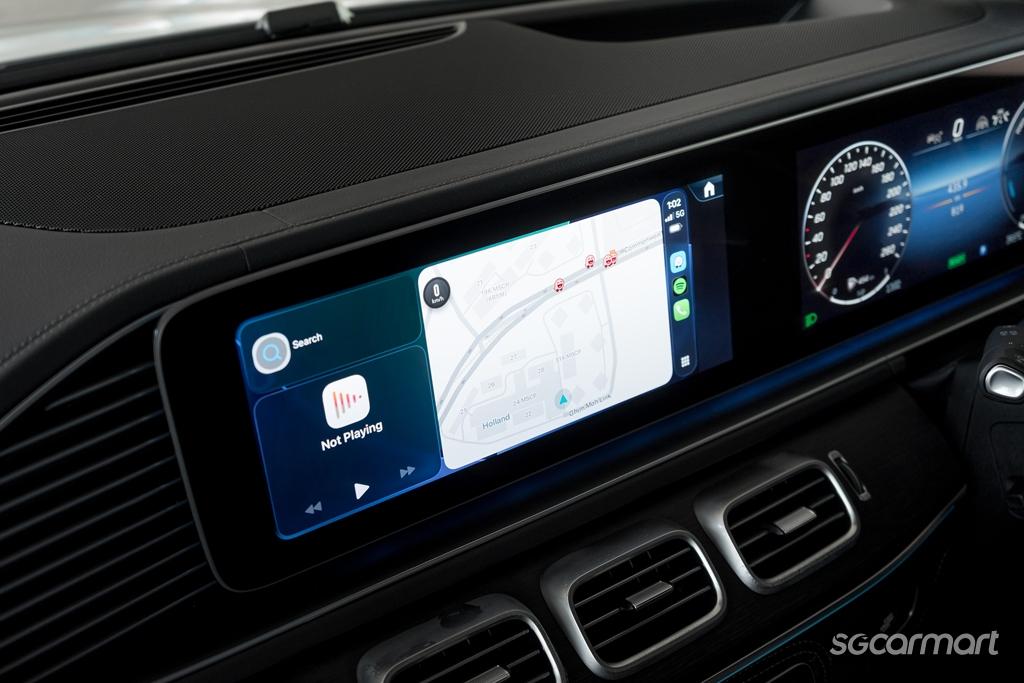
This MBUX system may be older, but the screens still look good and don't dominate the dashboard - yet
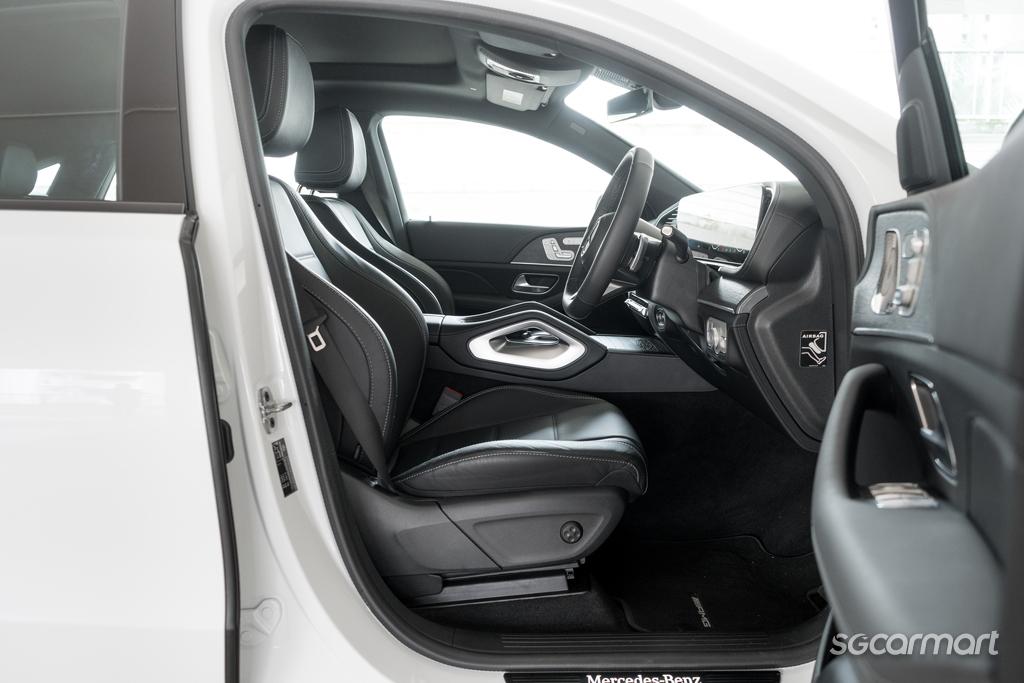
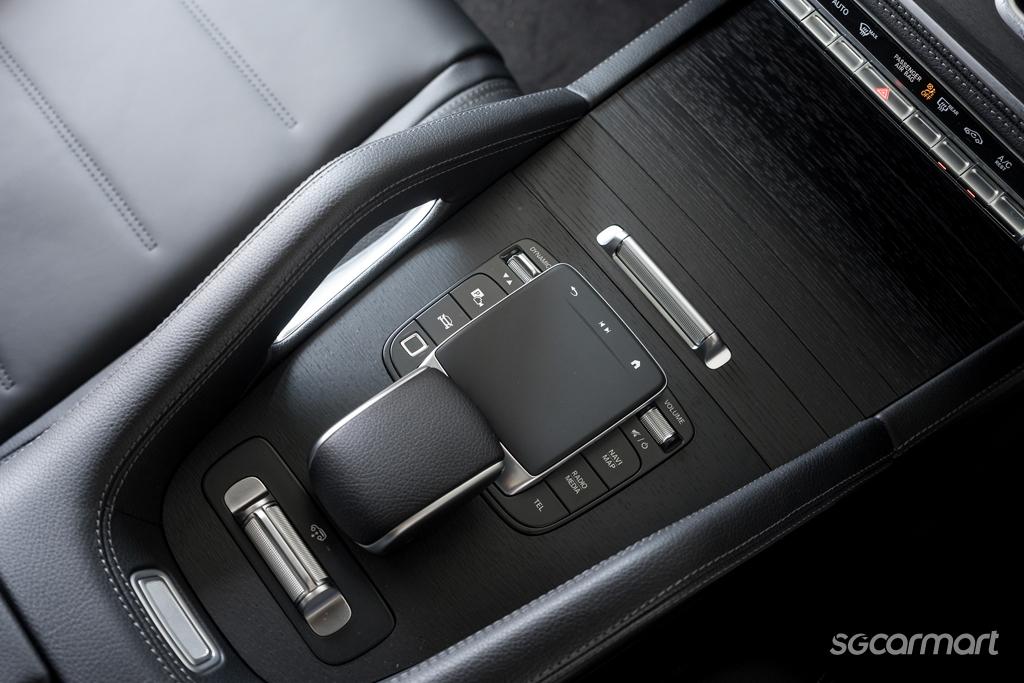
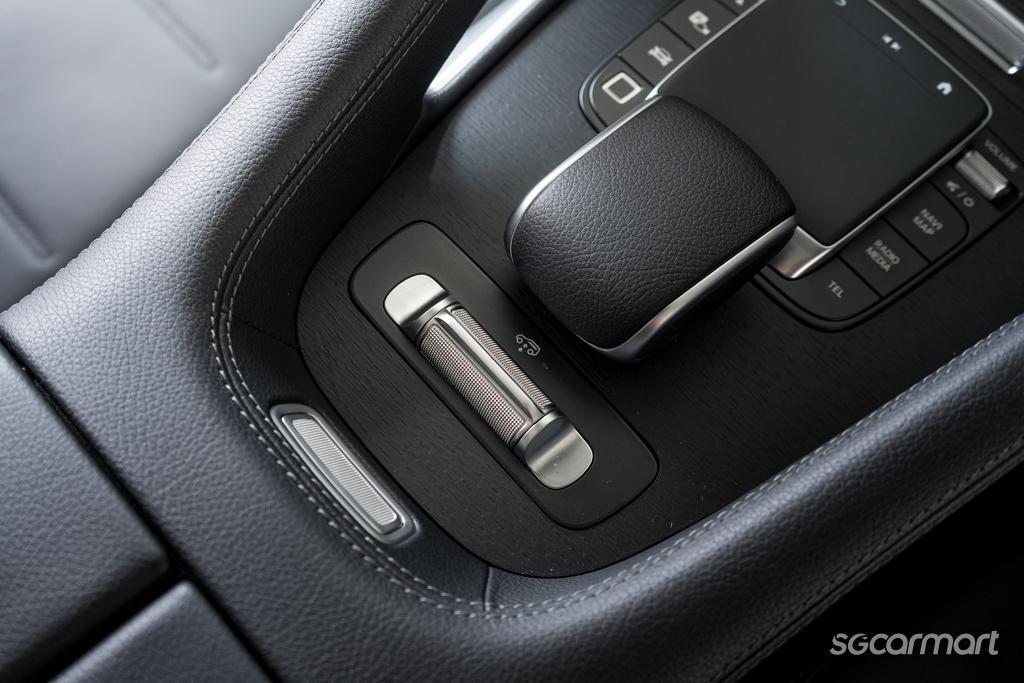
Then there's the steeply raked windscreen and tall centre console that provide a more cocoon-like feel. The grab handles on either side of the latter are a nod to the fact that the GLE Coupe can still go off the beaten path, even if it's not a hardcore off-roader with low-range four-wheel drive.
Creature comforts
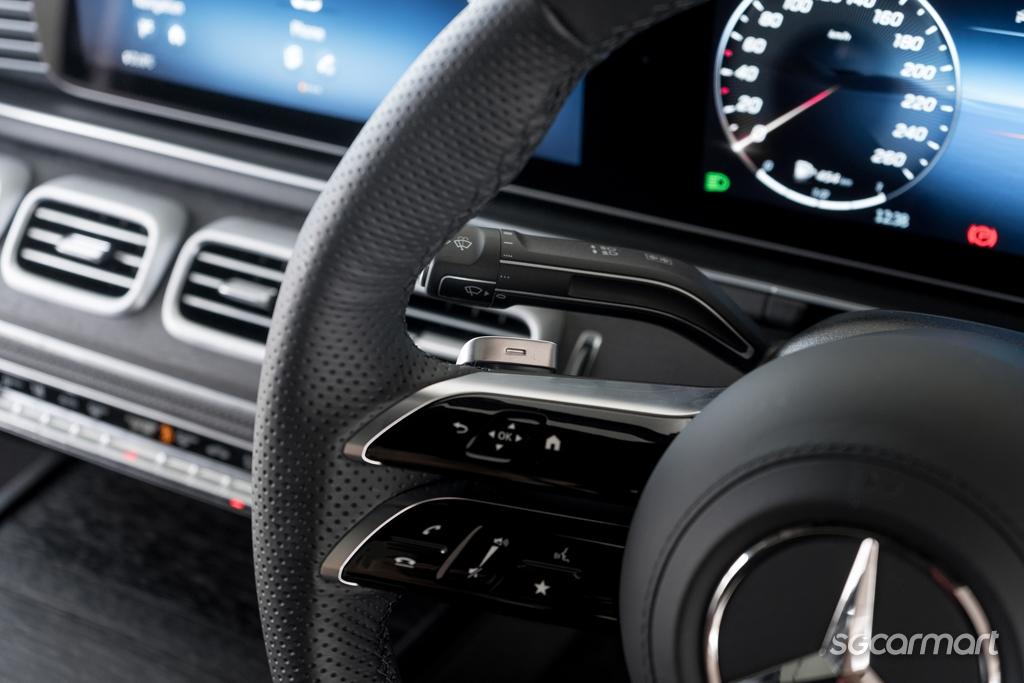
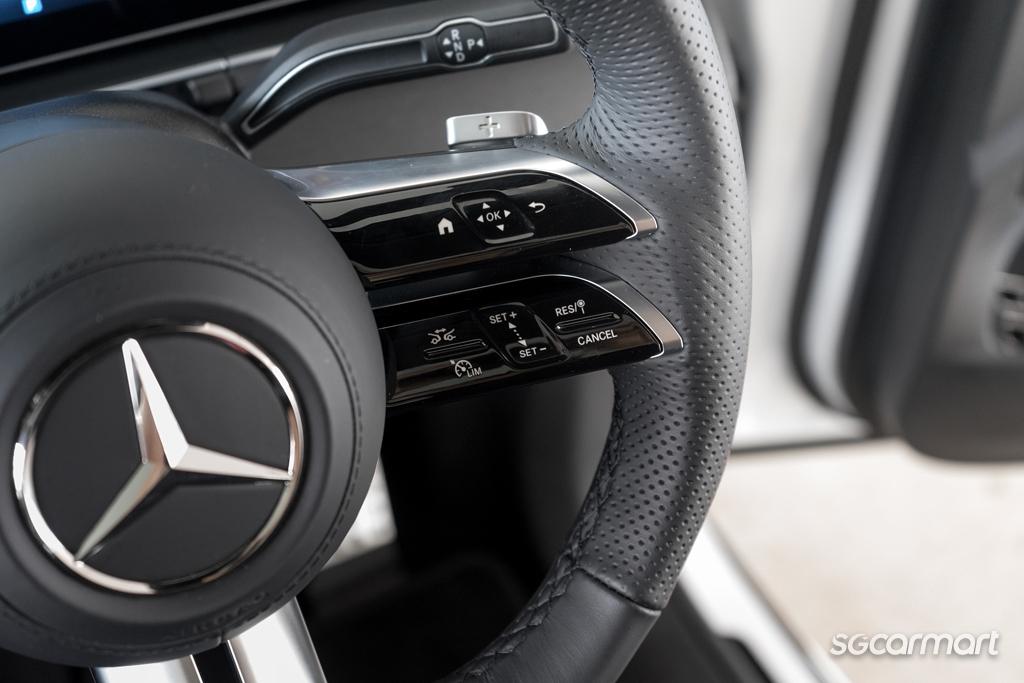
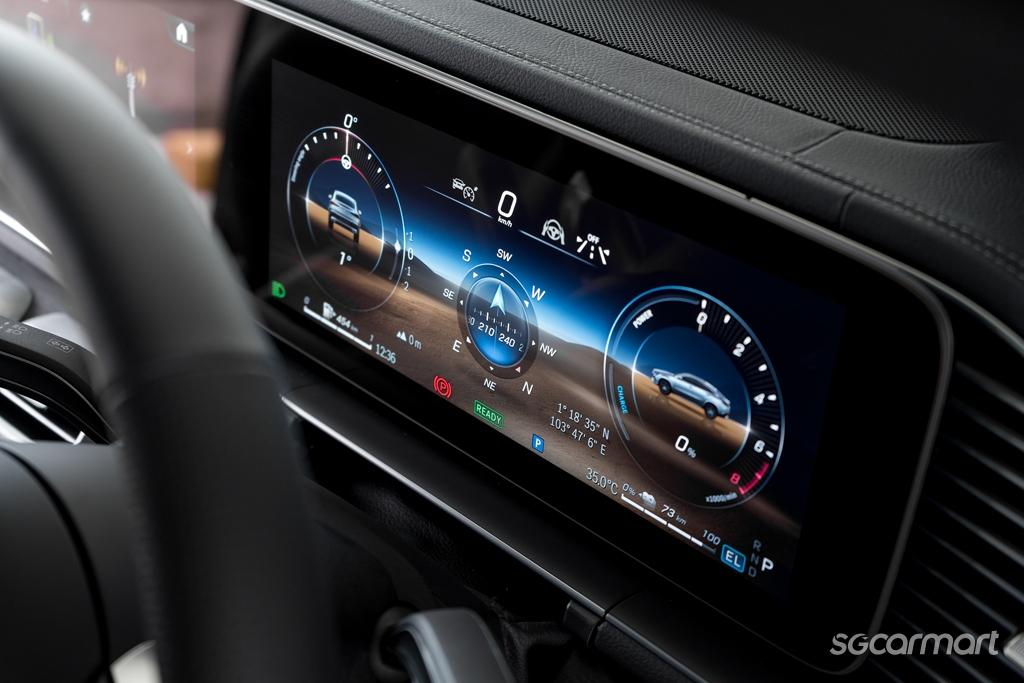
But apart from feeling sportier than the seven-seater GLE SUV, both cars have identical cockpits. Being an older model, the instrument cluster and infotainment system are powered by the second-generation Mercedes-Benz User Experience (MBUX) system.
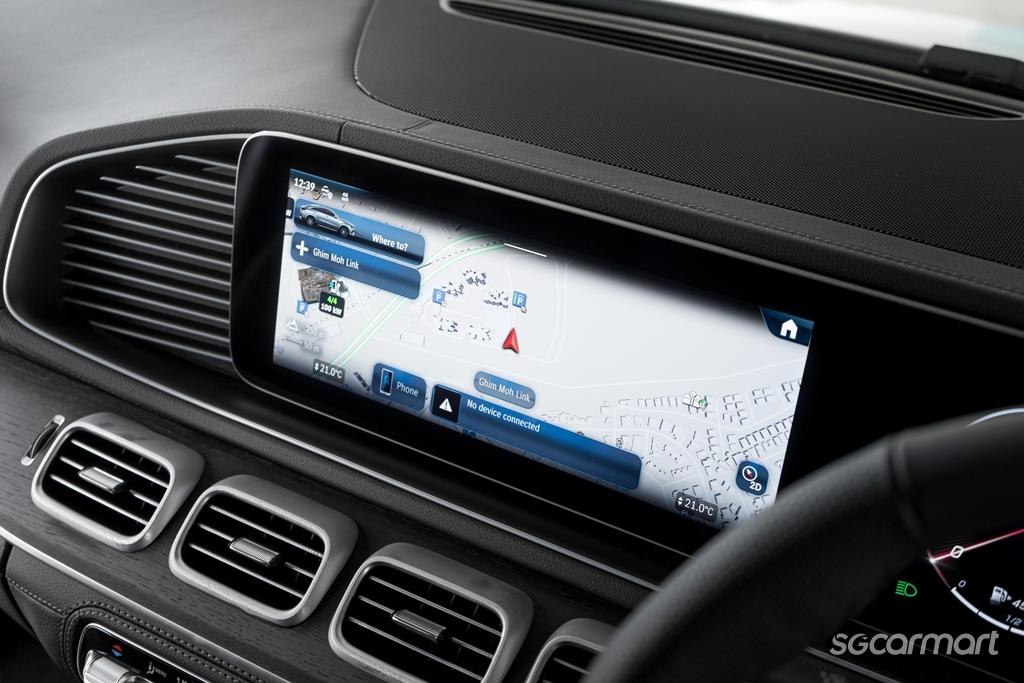
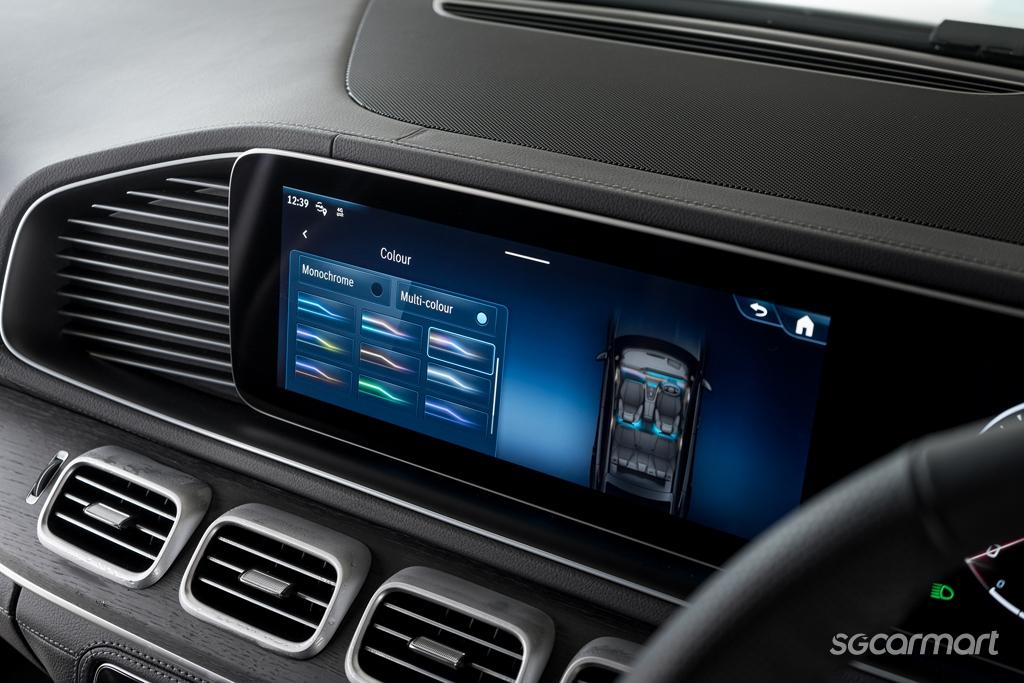
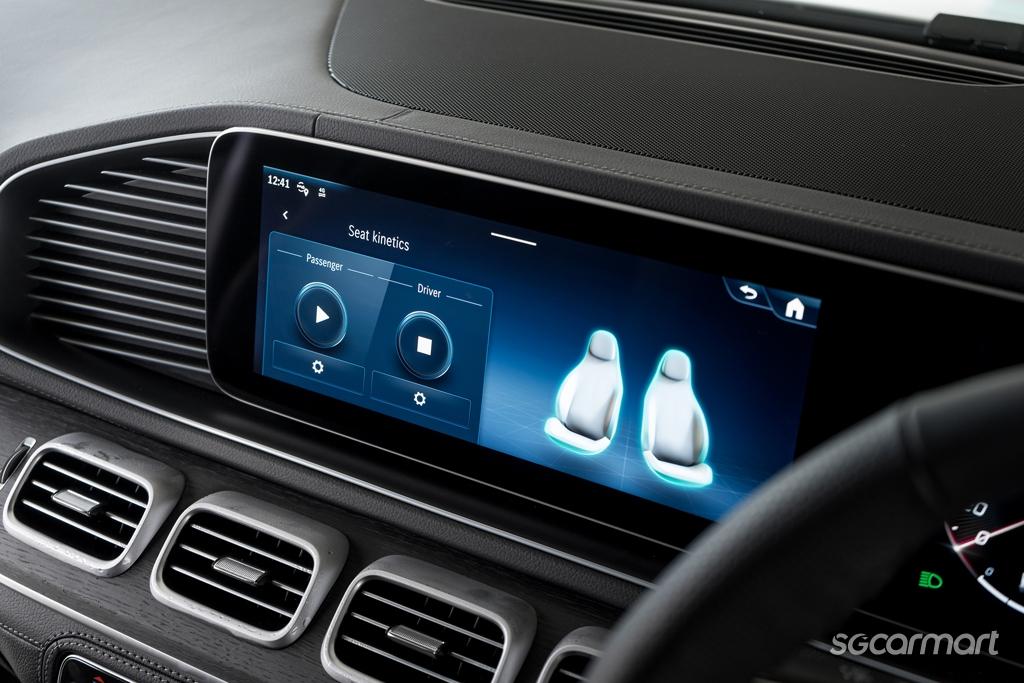
Although MBUX is now in its fourth iteration, I didn't find anything wrong with the older system. It starts up quickly and wireless Apple CarPlay only takes a moment to initialise. Both 12.3-inch displays have punchy colours and striking graphics that complement the dramatic ambient lighting.
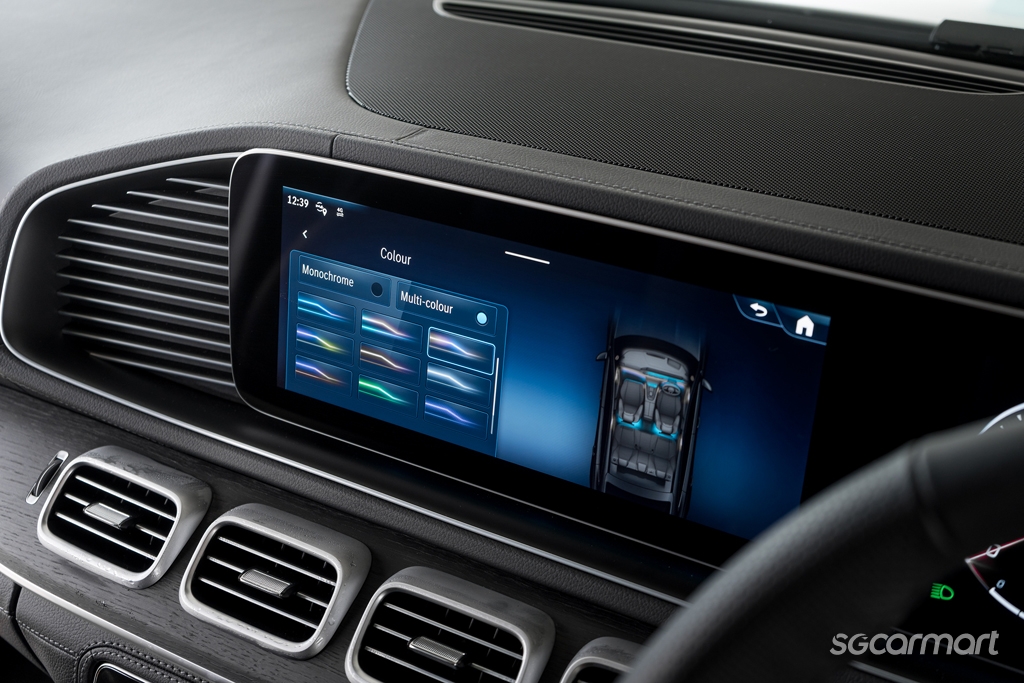
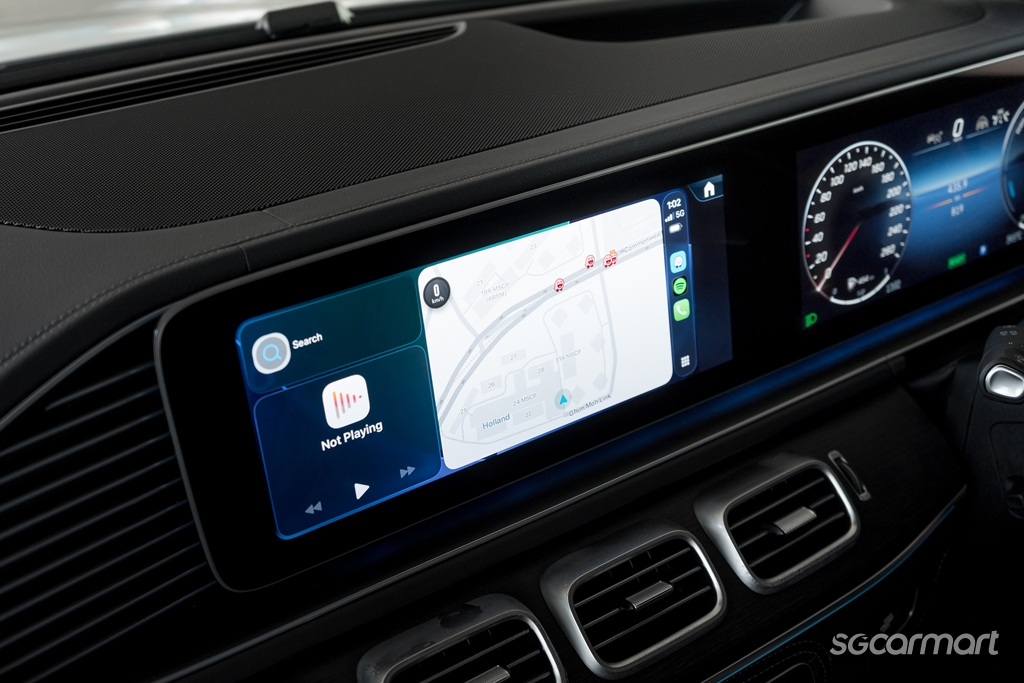
The numerous hue options are cool, but what's more important is that phone connectivity comes easy
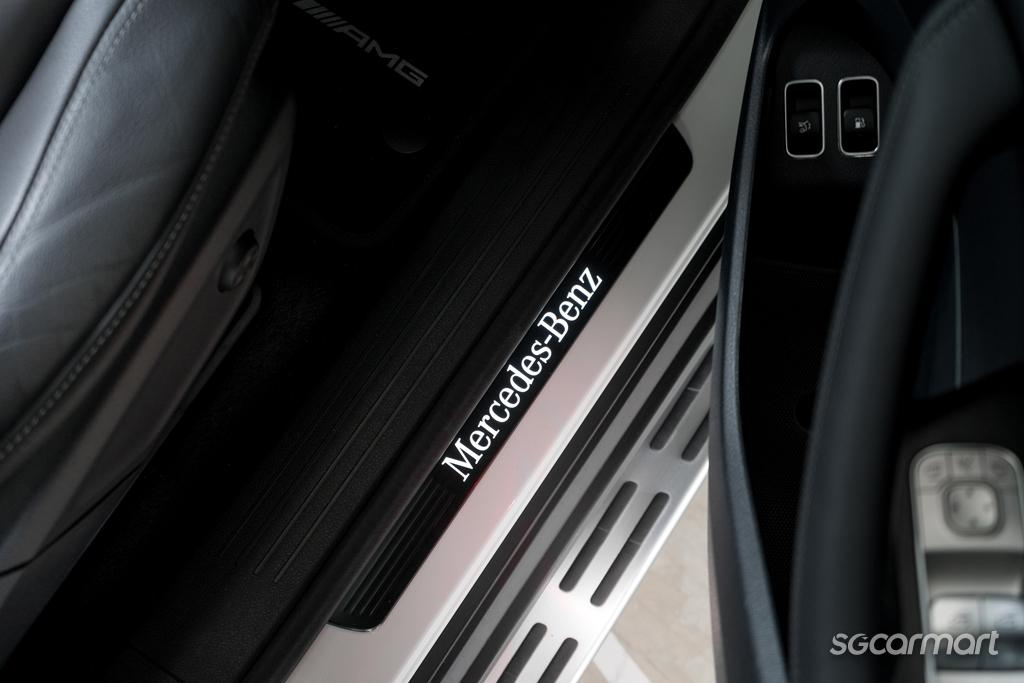
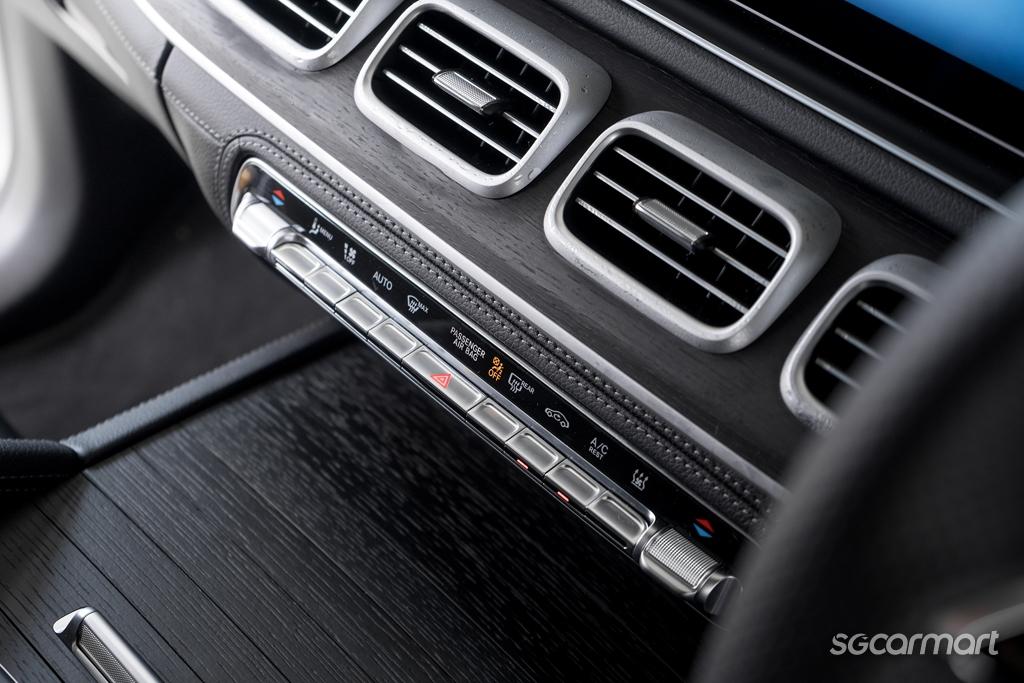
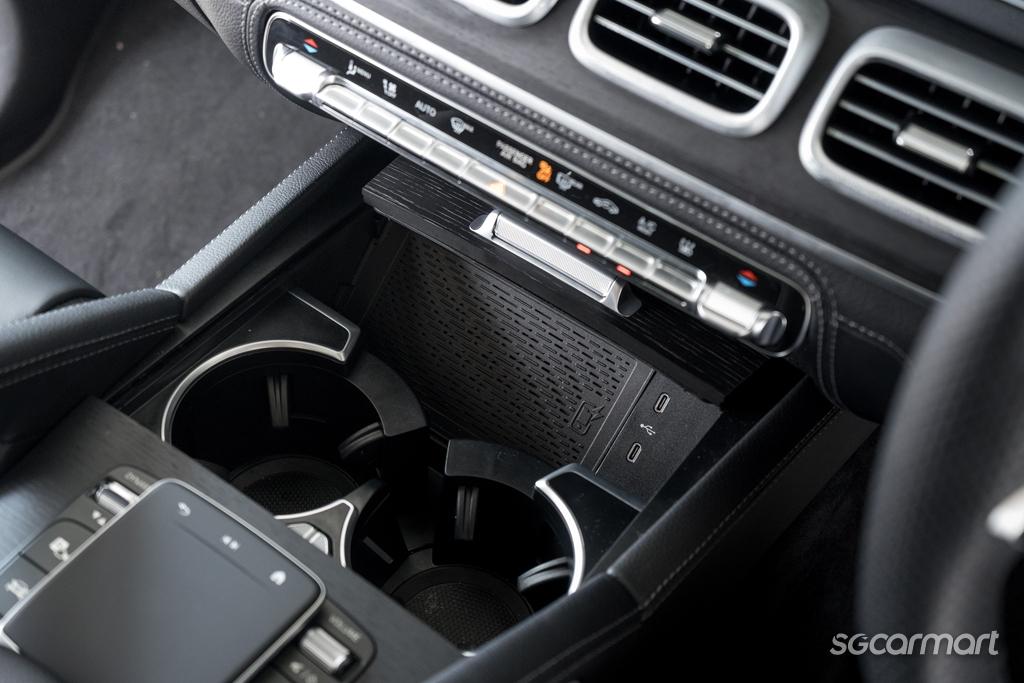
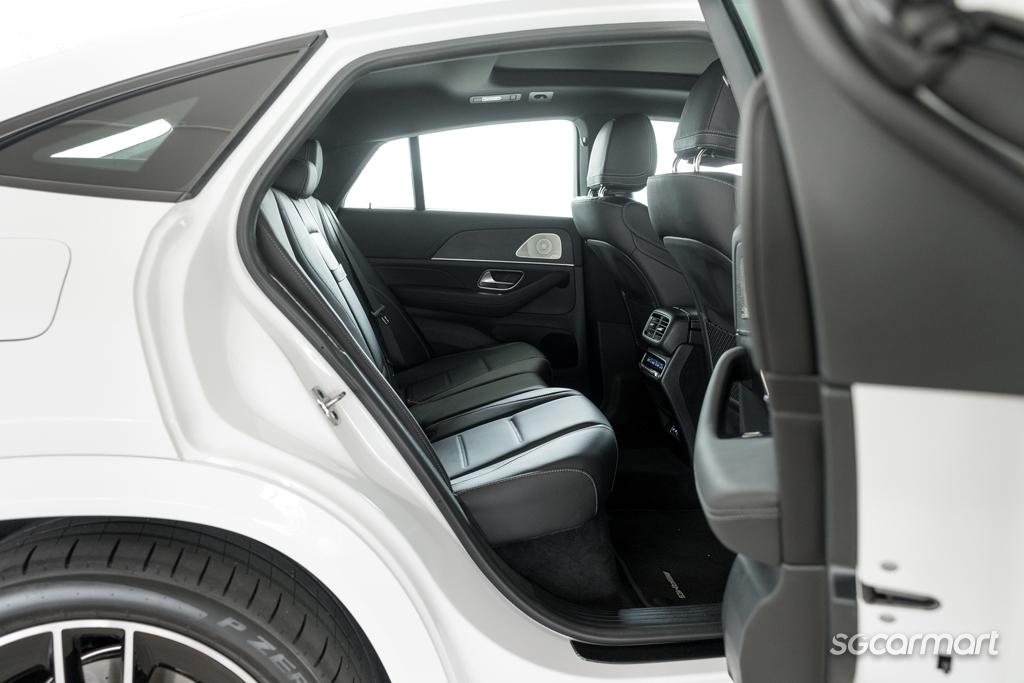
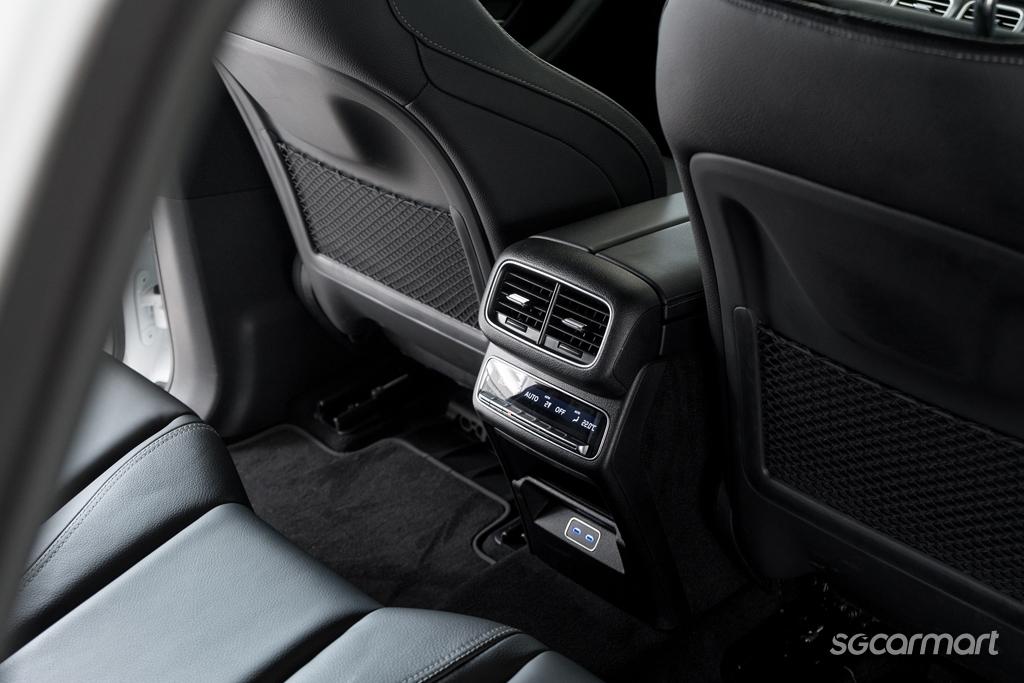
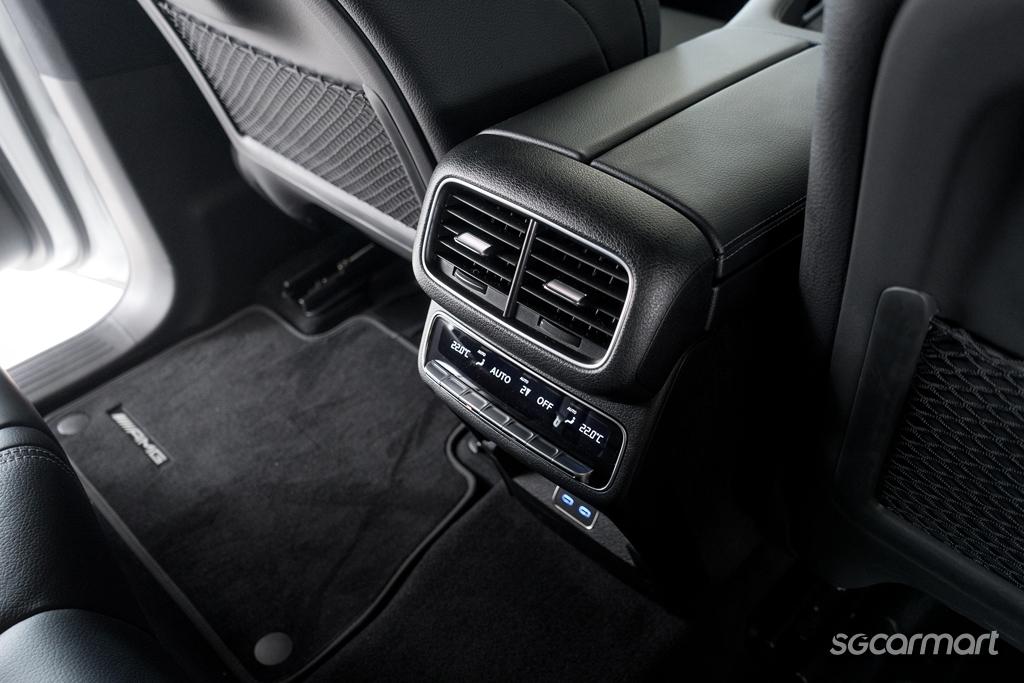
Given the GLE400e's ground clearance, some passengers will need to use the running board to get in and out of the vehicle. Climb onto the backseat and you'll discover not one, but two additional climate zones, along with a pair of USB-C ports that will come in handy for juicing up devices.
Thanks to the generous wheelbase, there's plenty of legroom for all three occupants - even for the middle passenger who must contend with the floor protrusion. Foot space for the outer seats is commendable as well.
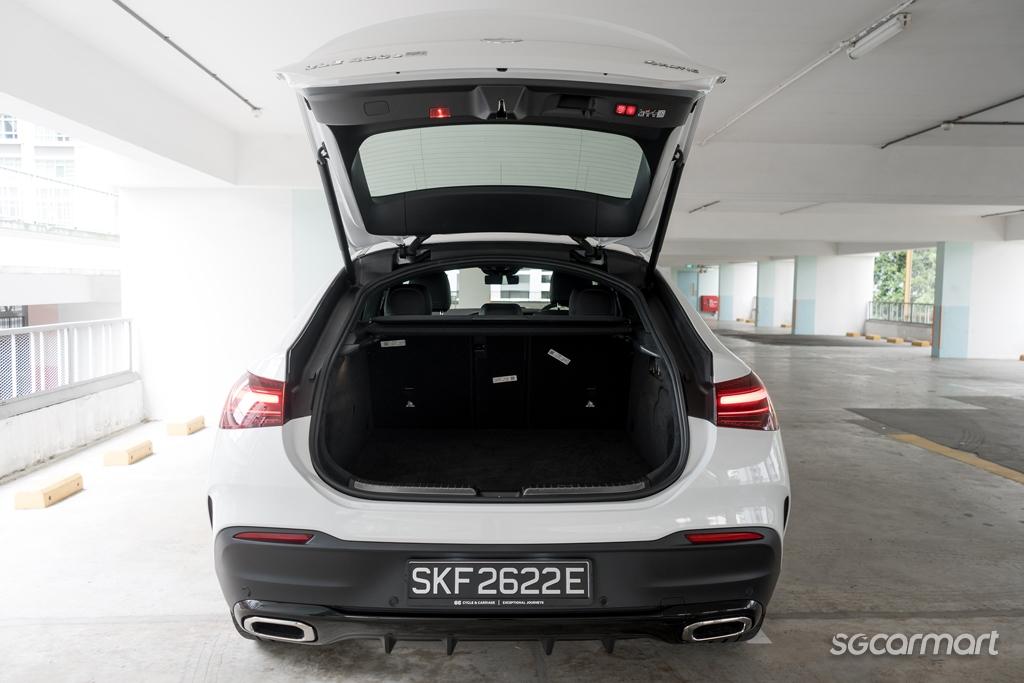
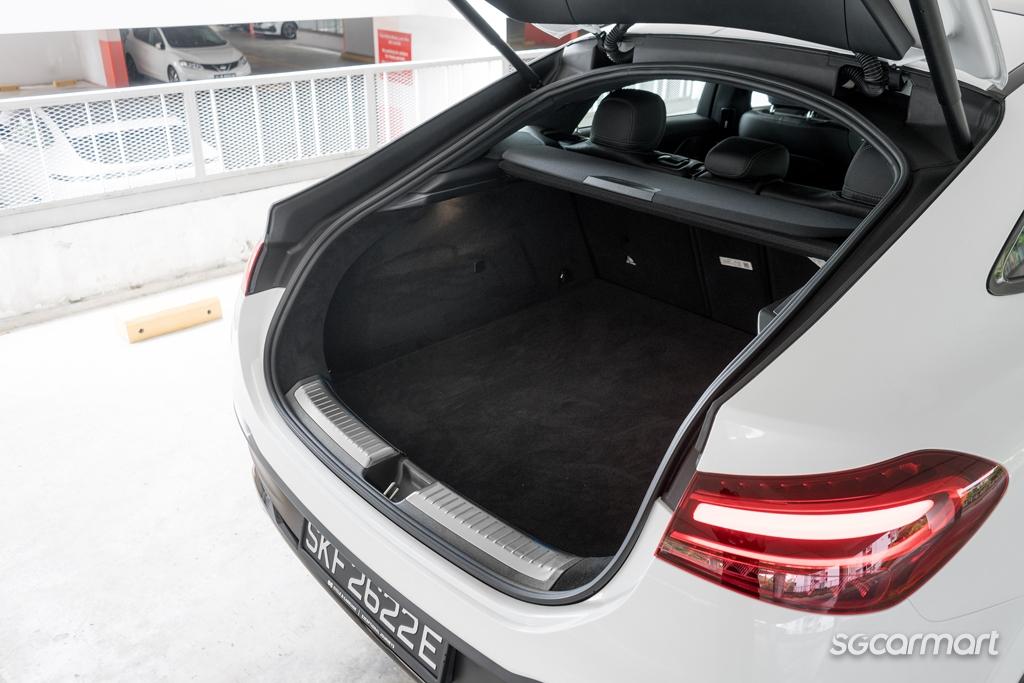
In terms of practicality, the GLE400e offers a 510-litre boot, with the flexibility of 40-20-40 split-folding rear seats. When folded, capacity expands to 1,645 litres, or handy for helping someone move house.
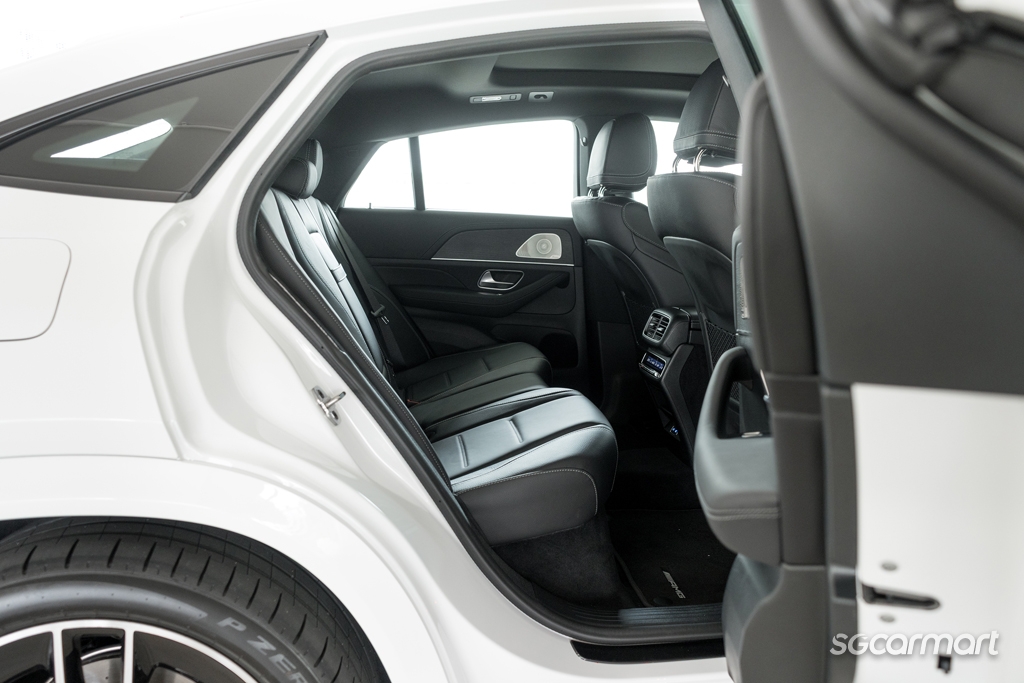
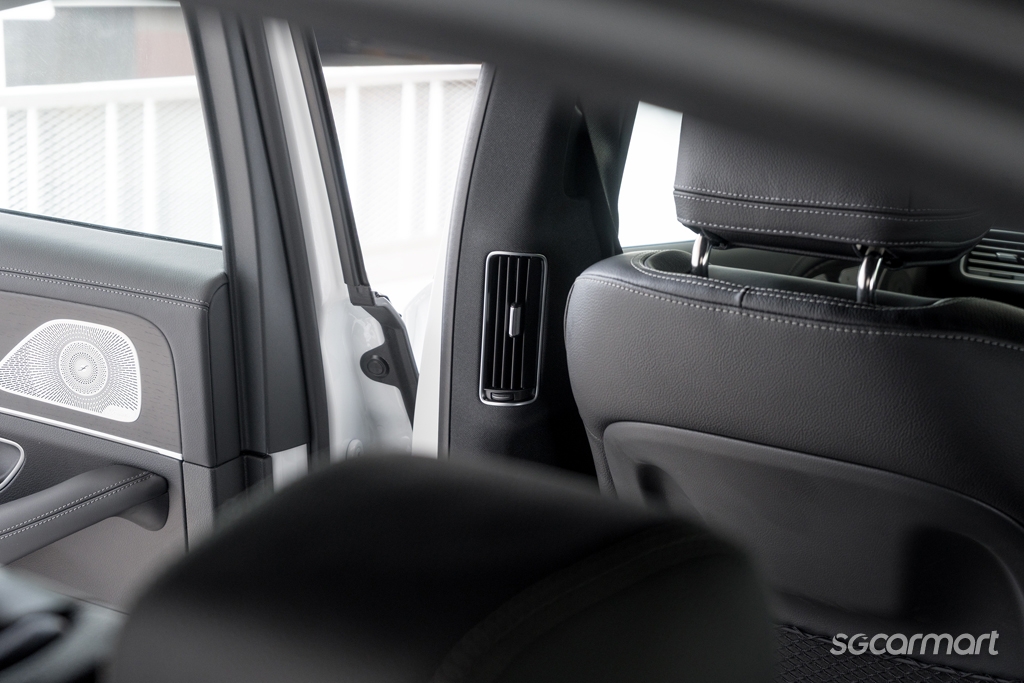
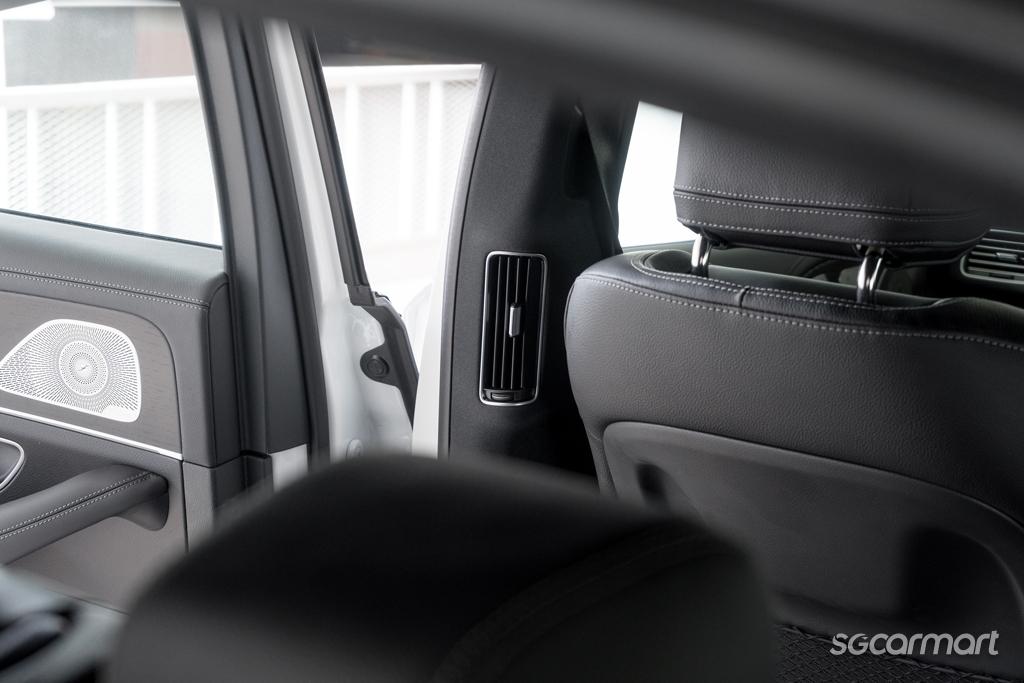
For optimal comfort, the backseat comes with two climate zones, extra air vents on the B-pillars and USB-C ports
Covering bases
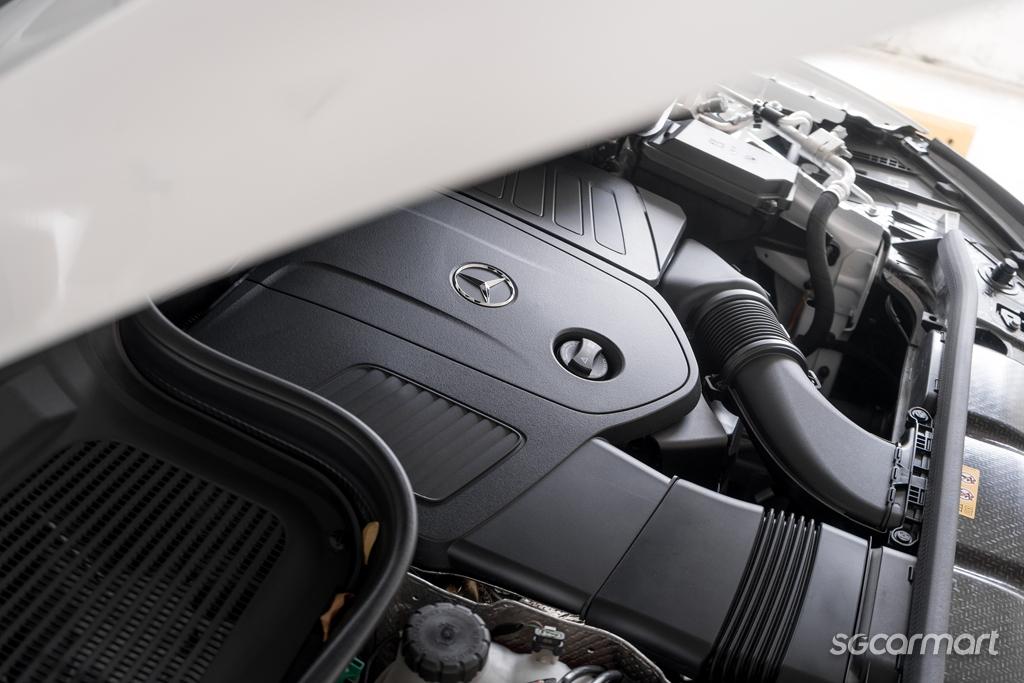
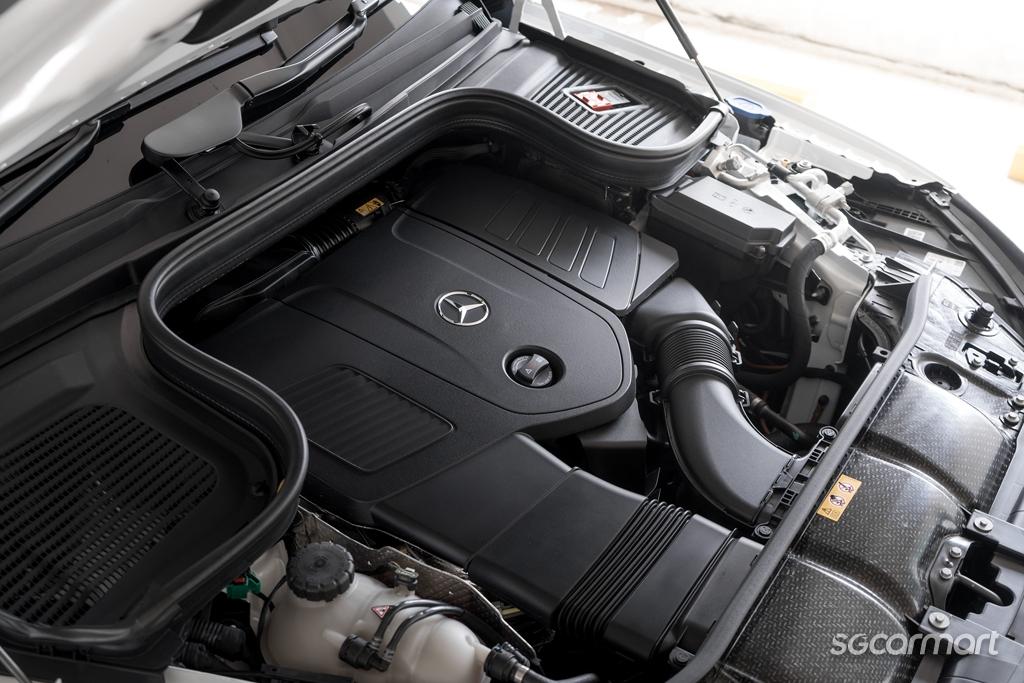
What makes the GLE400e suited to someone who wants it all is its powertrain: A turbocharged 2.0-litre four-cylinder producing 248bhp and 400Nm of torque, with an electric motor delivering 115kW (154bhp) and 440Nm of torque.
However, peak power arrives at different points, so you can't just tally the figures. Instead, their combined outputs are 280kW (375bhp) and 650Nm of torque. Driven at full tilt, the 2.7-tonne GLE400e does the century sprint in 6.1 seconds, or just 1.1 seconds behind the even more powerful GLE53 AMG.
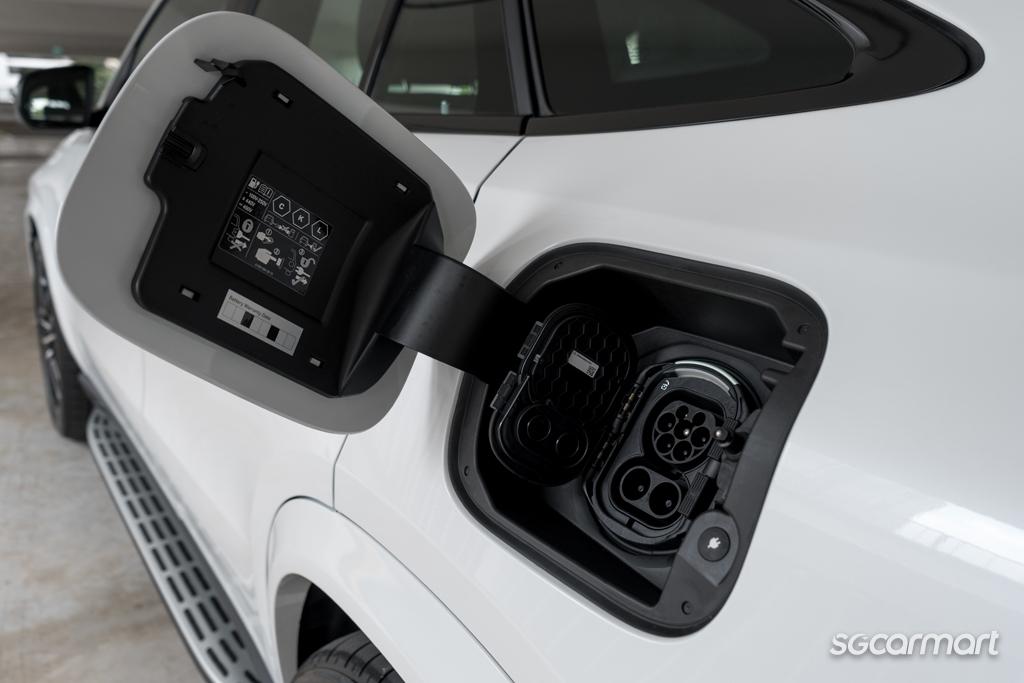
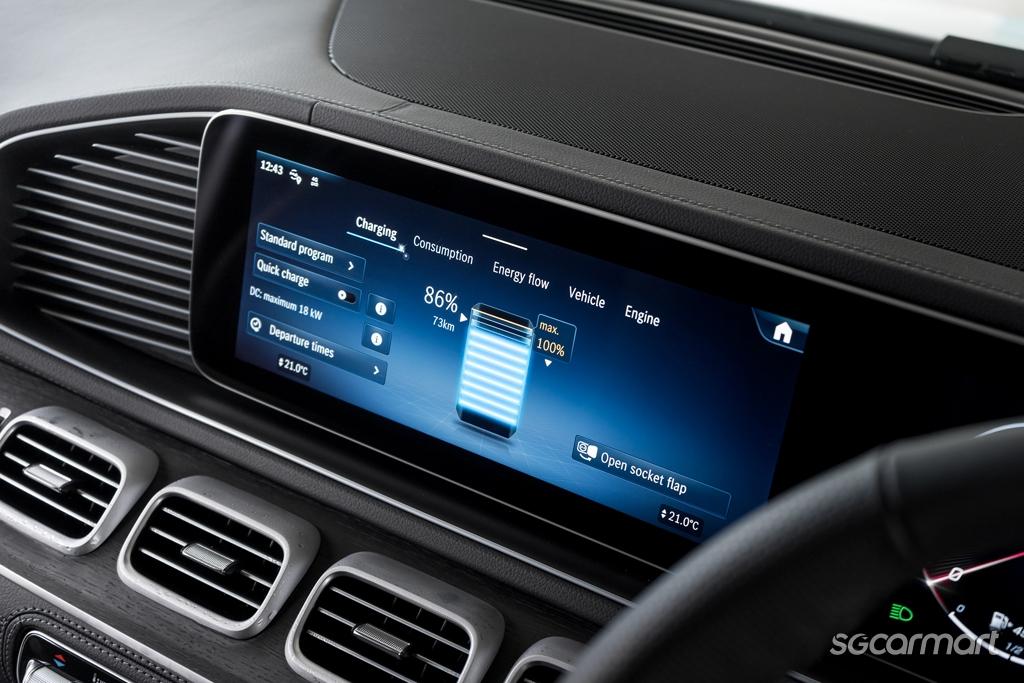
The GLE400e has another trick up its sleeve: It's a plug-in hybrid and its electric motor can power the vehicle alone for up to 100km, with the engine only firing up when the driver demands more power. You can also charge its 25.28kWh battery pack by plugging into (hence the name) a charging station.
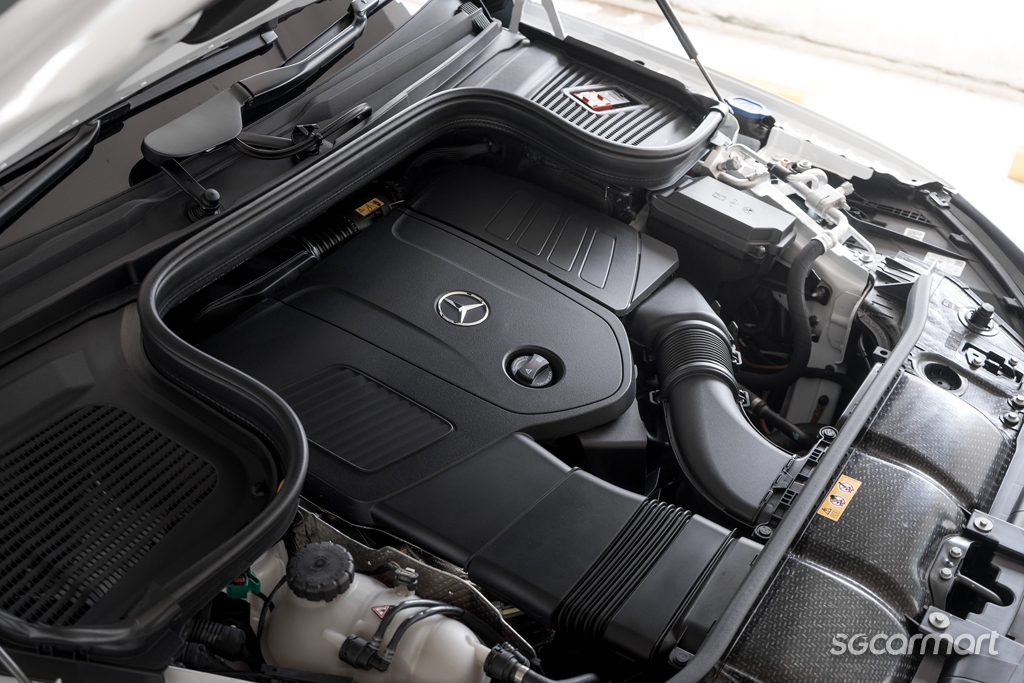
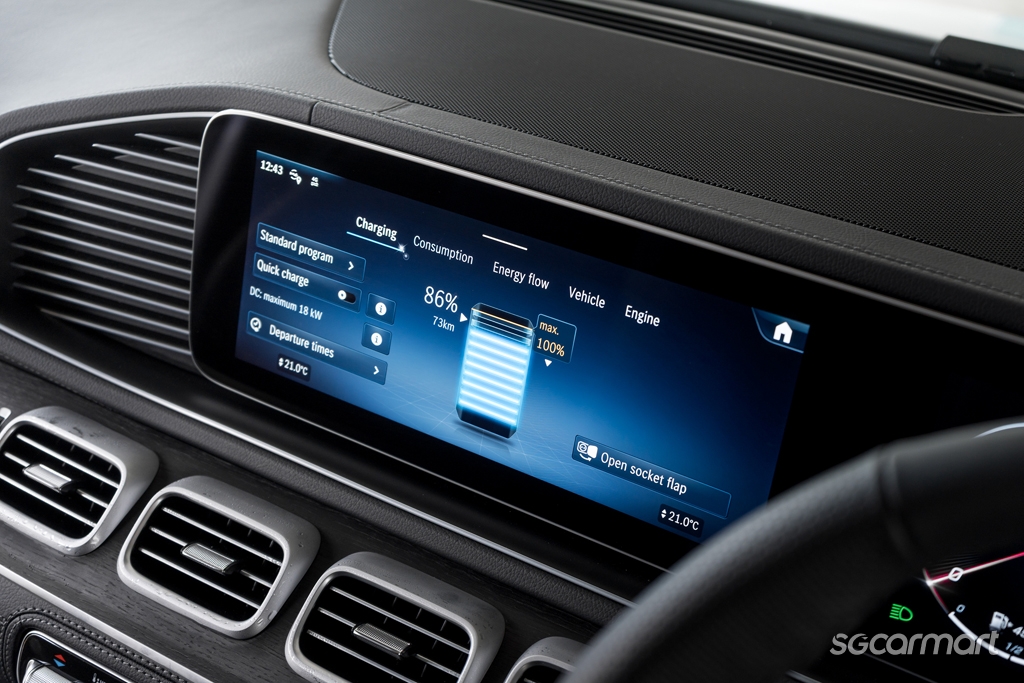
The turbocharged 2.0-litre is the visible 'heart' - the electric one is tucked away, but has no trouble making its power felt
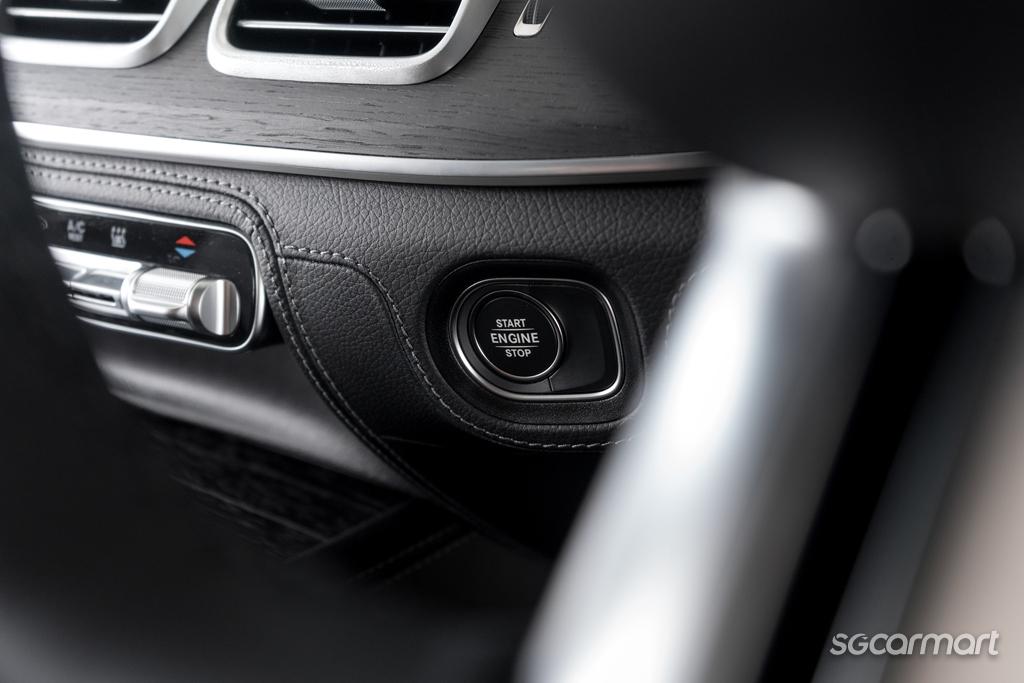
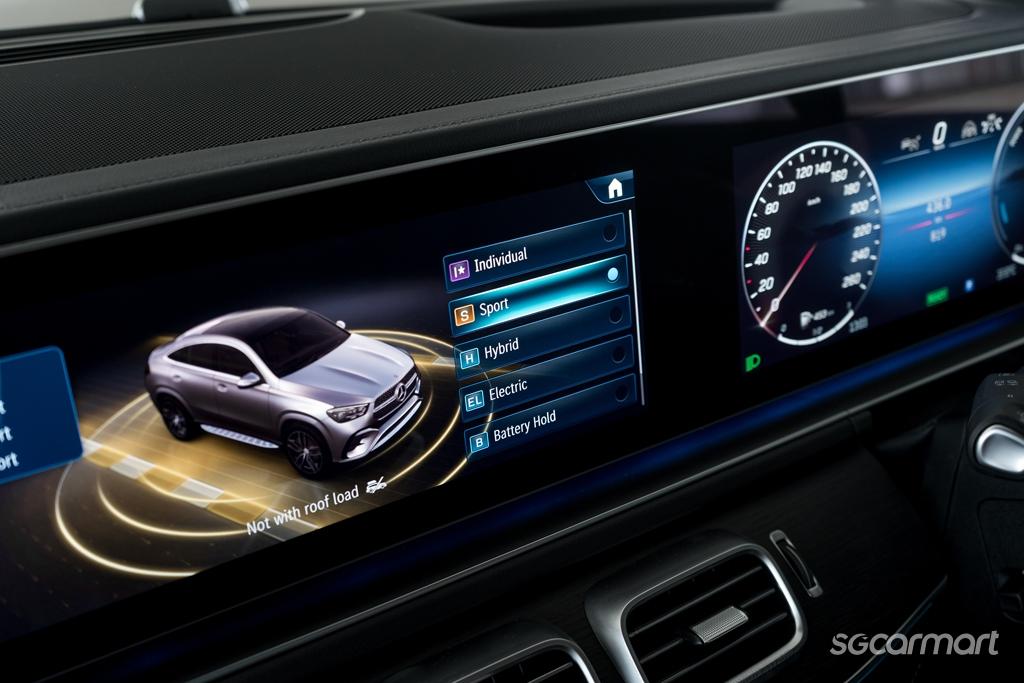
By default, the GLE400e always starts in Electric mode, and even when the Hybrid setting is chosen, the car pretty much chooses to run in EV mode as much as possible.
The result is a silent and seamless drive, and at some points, the SUV even showed a combined average of 62.5km/L, which is incredible for something of this size and mass.
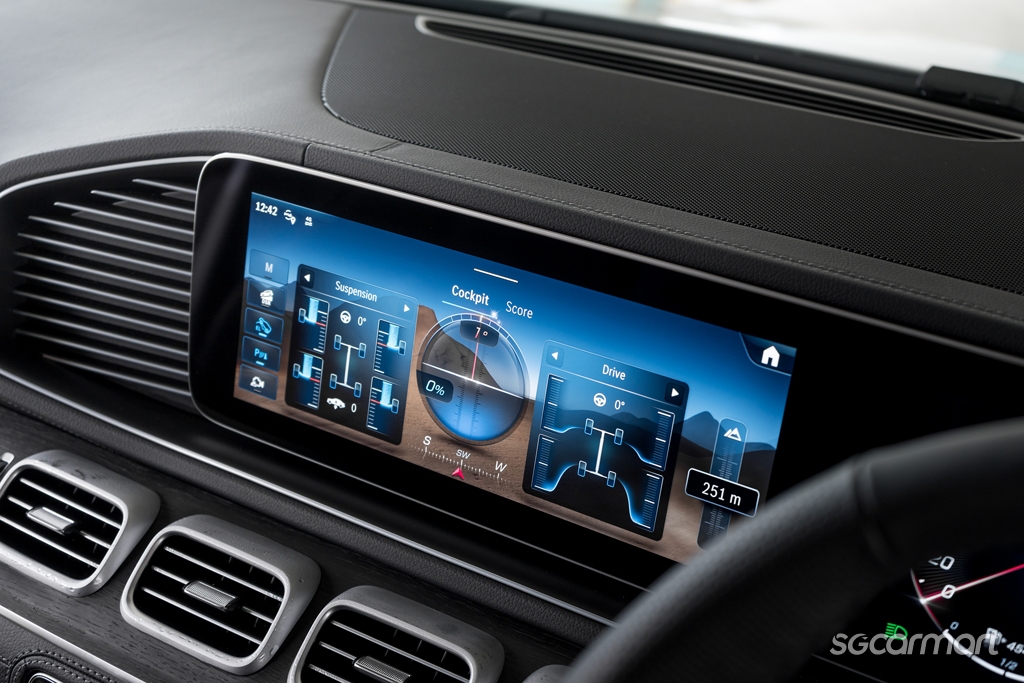
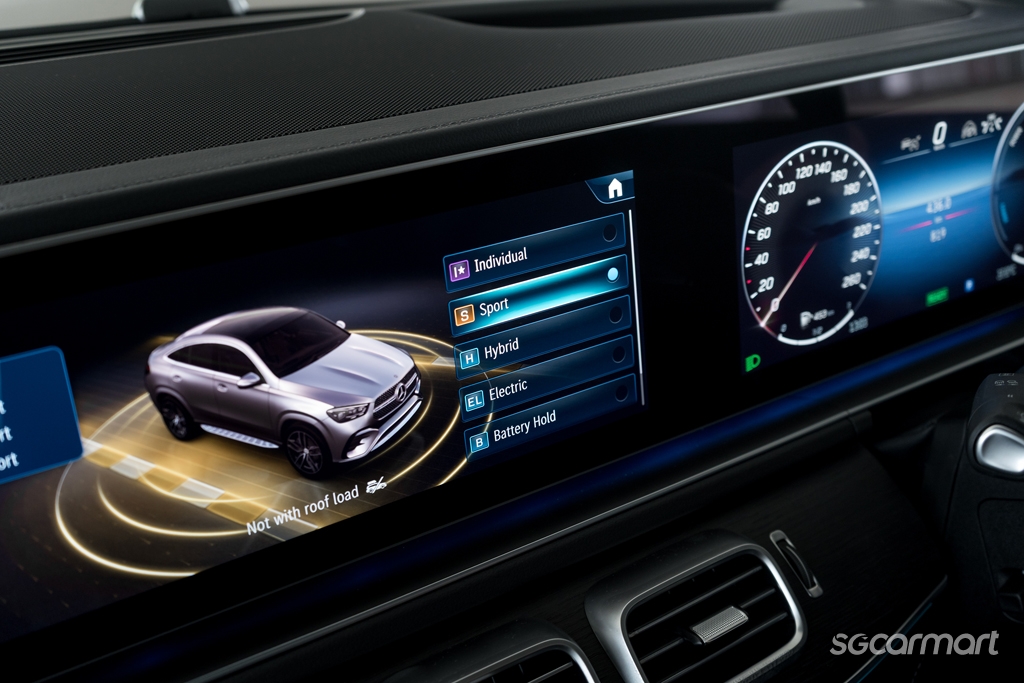
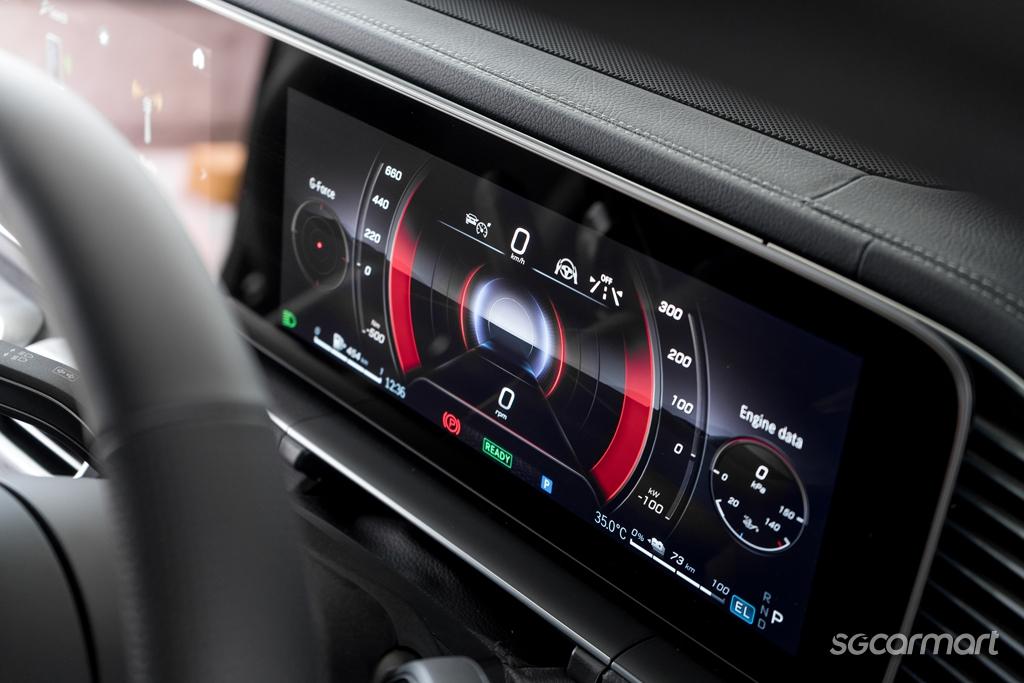
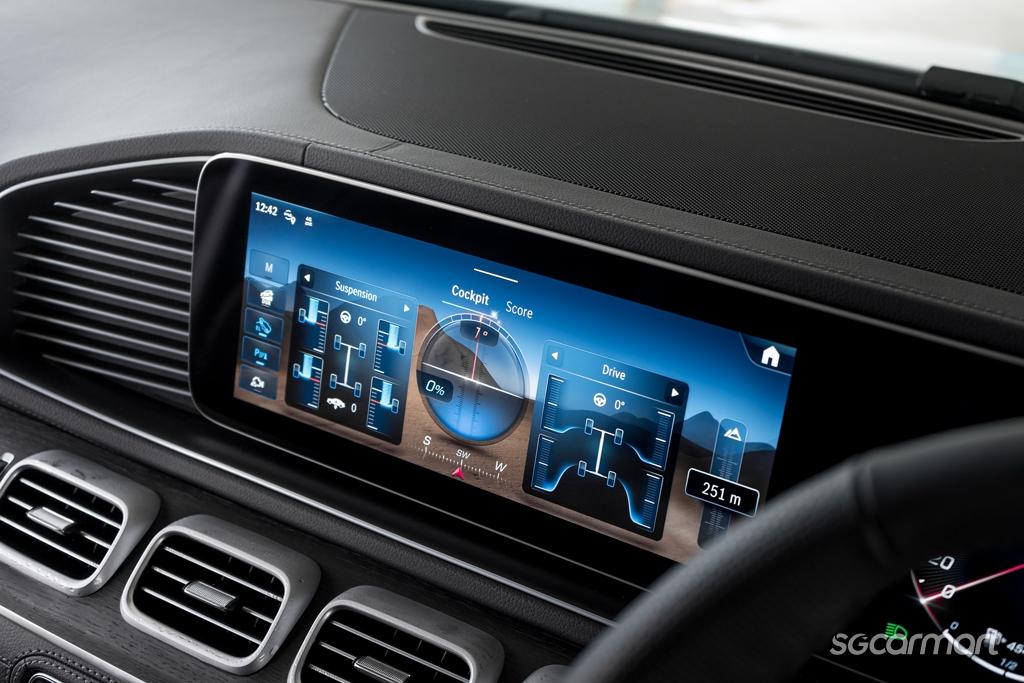
Suburbanites may not go off the beaten path, but they can still use the off-road displays while conquering the concrete jungle
Now comes the dilemma. If you're going to charge the GLE400e every other day and end up mostly using electric propulsion, why not just get an EV instead? Conversely, if you always drive in Sport mode that sees the engine always running, why even bother with a plug-in hybrid?
The efficiency isn't in doubt, but I question the method of having a complex powertrain that adds weight to an already enormous vehicle.
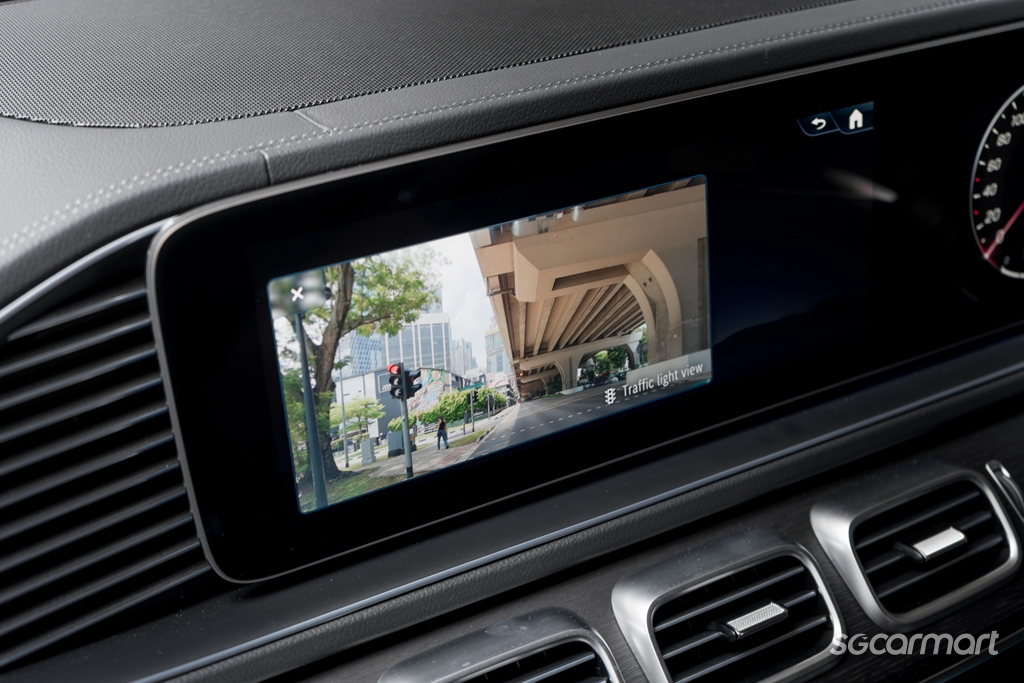
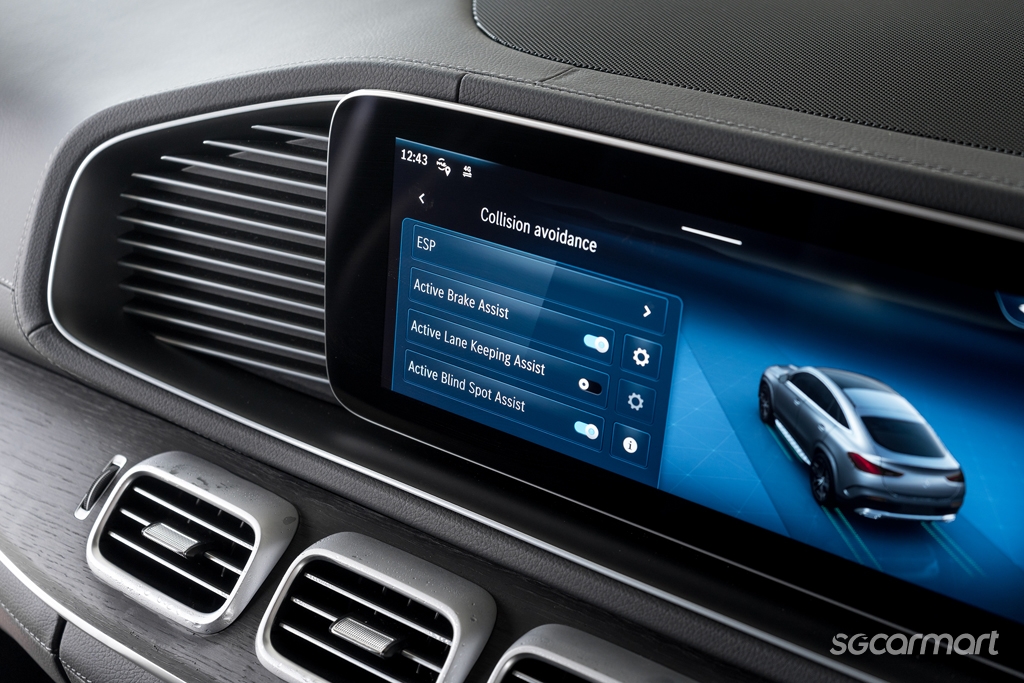
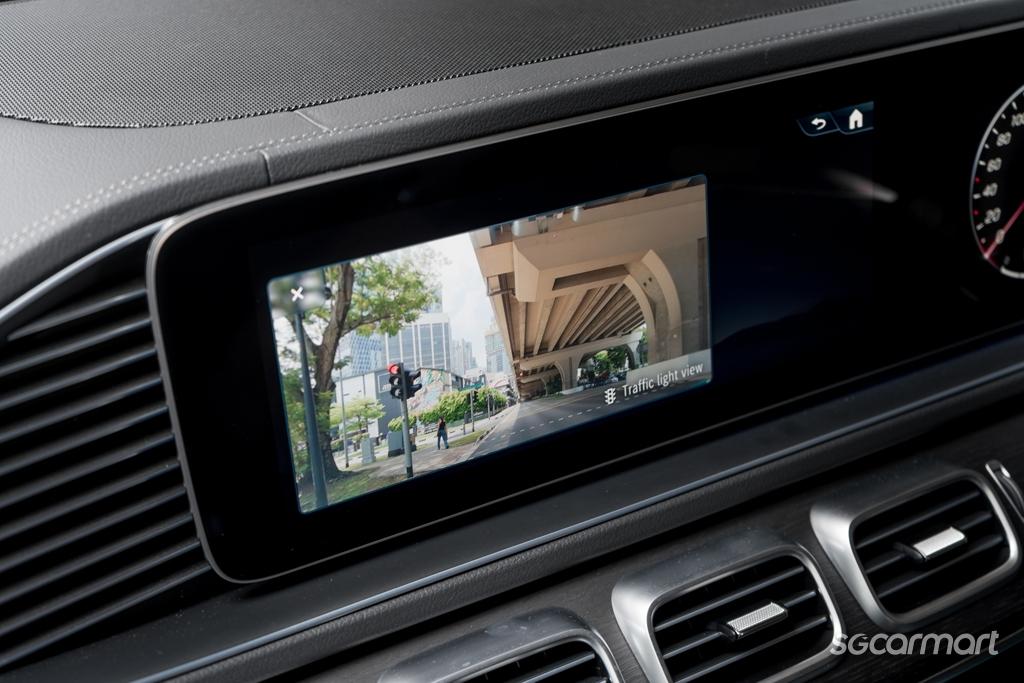
With a sloping roofline and raked windscreen, the traffic light view does come in handy sometimes
That nippiness, though
Having said that, the car's performance is enjoyable. Once the inertia is overcome, the GLE400e feels light-footed and has no trouble making other vehicles look like they're going in reverse.
In Sport mode, the engine doesn't sound half-bad when stretched, as it emits a rorty (albeit muted) soundtrack. And there are no palpable gaps in power delivery, thanks to the electric motor helping to erase any lag from the combustion engine.
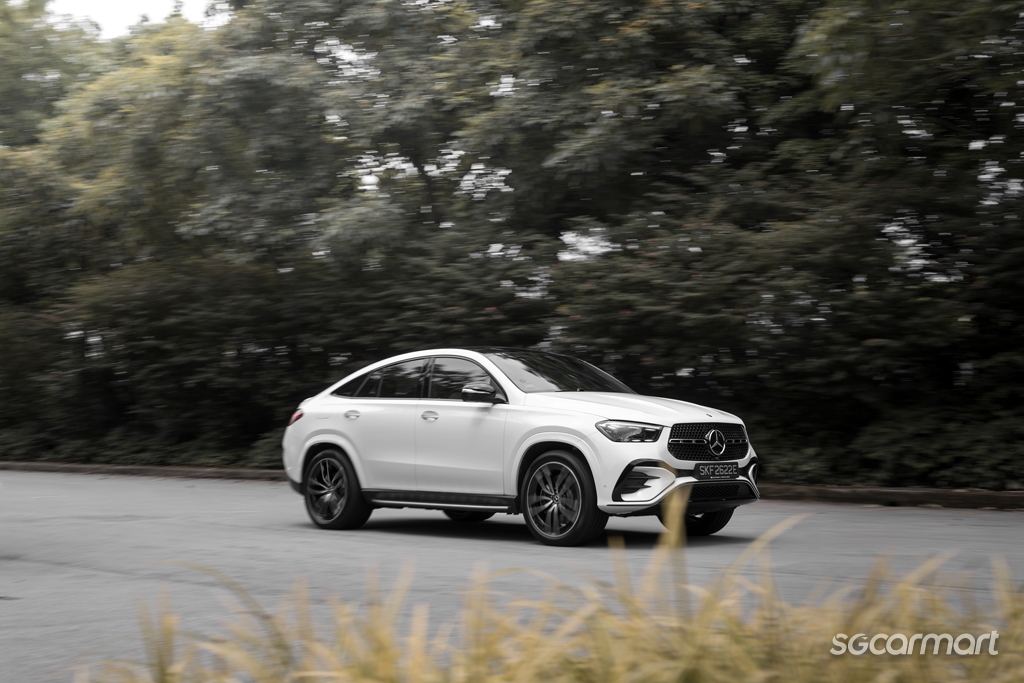
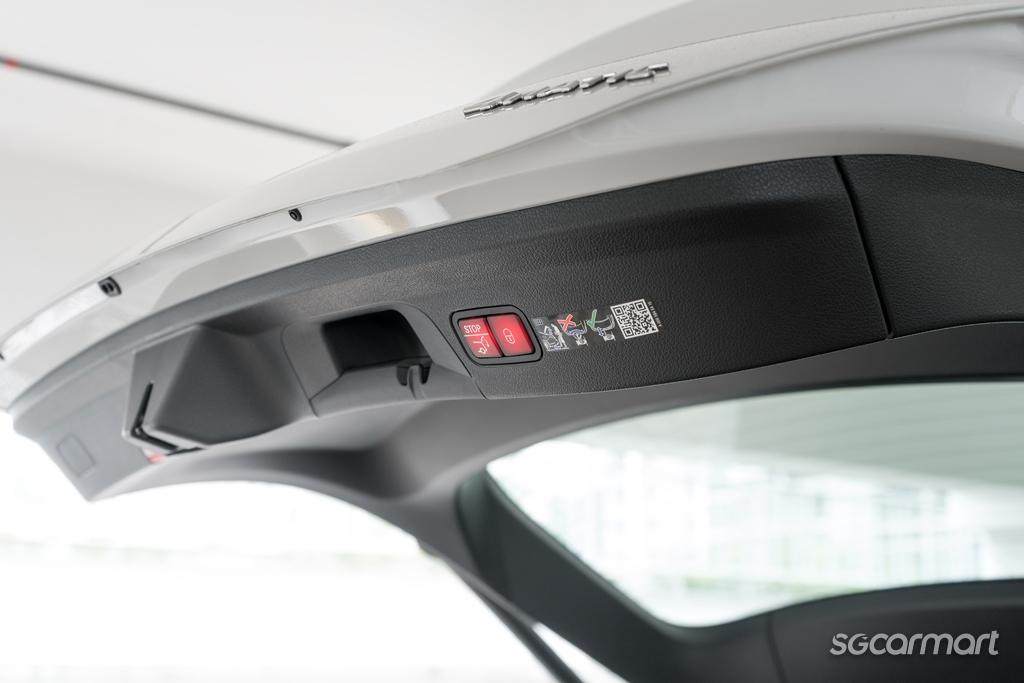
Air suspension helps keep the ride supple, and allows the driver to lower the rear end to facilitate the loading and unloading of luggage
Ride quality remains pleasant despite the 22-inch footwear. Plentiful grip helps keep spirited endeavours in check, though not indefinitely, as the elephantine heft eventually provokes understeer.
What I am glad for, though, are the brakes. Prior to my drive, I imagined that the GLE400e might also suffer from the gremlins plaguing the E53 AMG, which had inconsistent braking performance. This issue never arose here - the GLE400e's brakes are as linear as expected.
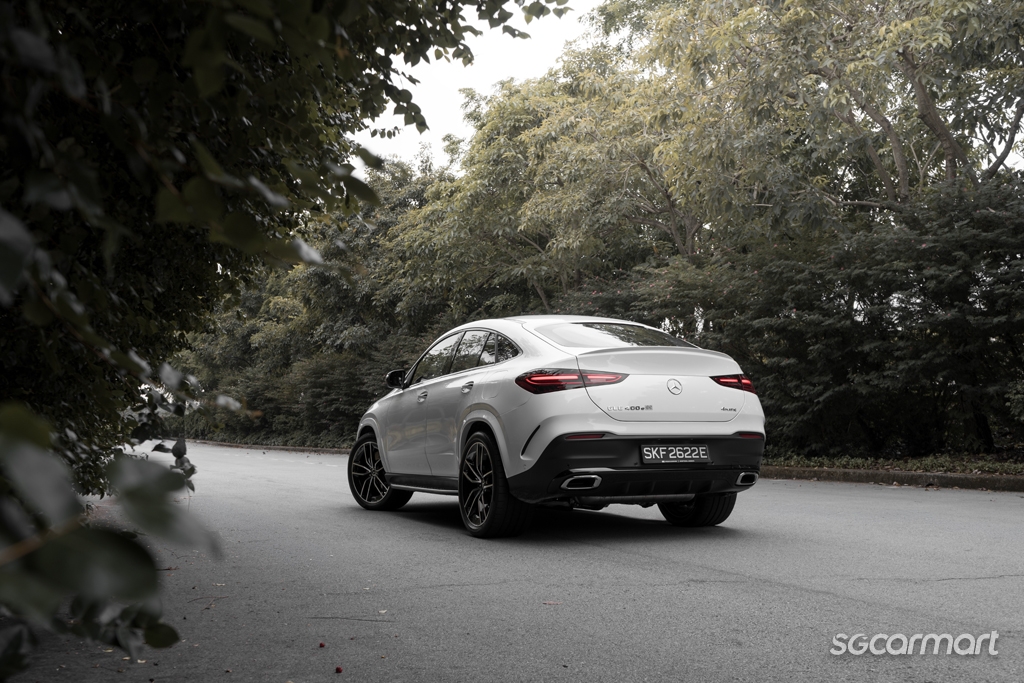
Are "two powertrains" better than one?
You can't argue with the GLE400e's performance and fuel-sipping potential. Two 'hearts' offer tremendous and instantaneous power, with the flexibility to run either alone or in tandem.
But you also can't deny the obvious disadvantages that blunt the vehicle's dynamics. A lighter car helps in the efficiency department and does wonders for handling as well.
That said, if you're a decadent driver who wants to have their cake and eat it, too, then this SUV could be right up your alley. But don't make any decisions yet, as an even newer GLE model should arrive in Singapore early next year.
These reviews may interest you, too
Uncompromised in practicality, the stylish Q5 Sportback rides high on the new Q5's same strengths as a premium SUV, but likewise lacks slightly in flair
The updated Porsche Cayenne shows off a sharper exterior, benefits from a more advanced cockpit, and offers even better handling than its predecessor
What We Like
Well-appointed cabin
Plenty of boot space
Offers performance and efficiency
Imposing design
Pliant ride despite huge wheels
What We Dislike
Weight blunts nimbleness
Sloping roofline (duck when entering)
Best and worst of ICE and electric
If someone asked me to give an example of a decadent car, the GLE is one model that comes to mind. It appeals to a driver that wants everything. Space, pace, practicality, and a luxury badge - the GLE has these in spades.
The GLE comes in two body styles: A seven-seater SUV, and a five-seater Coupe. The latter is available in two versions: The range-topping GLE53 powered by a turbocharged straight-six, and this GLE400e, which is a plug-in hybrid.
Luxury aside, the GLE400e has two more abilities: Efficiency and performance. And the fact that both aren't always mutually exclusive - that might be even more impressive.
It's a big SUV that offers the best of both ICE and electric. But while this sounds good on paper, there are also drawbacks to consider.
The Night Package adds high-gloss black components to the GLE
An enormous footprint
"A big, burly Benz." That was the thought that came to mind when I first saw a GLE Coupe in 2015. Even parked next to other SUVs, the tall bonnet and imposing mien ensured it would not go unnoticed.
The same is true for the current-generation model, which measures 4,941mm long, 2,157mm wide, stands 1,716mm tall and has a wheelbase length of 2,935mm. Those are substantial figures for a five-seater SUV.
As the 'coupe' variant, the GLE features a curvy rather than boxy silhouette, and the sloping roofline ends in a fastback-style tailgate. There's even a ducktail spoiler to further empasise its sporty character.
The brightware is minimised, thereby enhancing the GLE Coupe's sporty character
The test unit here is specified with the Night Package, which equips the car with high-gloss black components that include the diamond grille featuring the Mercedes pattern and a single-louvre, window lines and belt lines, and trim strips on the AMG front and rear aprons.
Equally sportscar-like are the ginormous 22-inch wheels that come in staggered sizes: 285/40 in front and 325/35 in the rear. They fill the wheel arches nicely - smaller diameter wheels would seem like piano casters here.
Sizable dimensions result in generous cabin space, but this isn't immediately obvious. The sloping roofline, for instance, requires one to duck as you enter the vehicle, lest you bump your head against the top of the door frame. (It happened to me twice in three days.)
This MBUX system may be older, but the screens still look good and don't dominate the dashboard - yet
Then there's the steeply raked windscreen and tall centre console that provide a more cocoon-like feel. The grab handles on either side of the latter are a nod to the fact that the GLE Coupe can still go off the beaten path, even if it's not a hardcore off-roader with low-range four-wheel drive.
Creature comforts
But apart from feeling sportier than the seven-seater GLE SUV, both cars have identical cockpits. Being an older model, the instrument cluster and infotainment system are powered by the second-generation Mercedes-Benz User Experience (MBUX) system.
Although MBUX is now in its fourth iteration, I didn't find anything wrong with the older system. It starts up quickly and wireless Apple CarPlay only takes a moment to initialise. Both 12.3-inch displays have punchy colours and striking graphics that complement the dramatic ambient lighting.
The numerous hue options are cool, but what's more important is that phone connectivity comes easy
Given the GLE400e's ground clearance, some passengers will need to use the running board to get in and out of the vehicle. Climb onto the backseat and you'll discover not one, but two additional climate zones, along with a pair of USB-C ports that will come in handy for juicing up devices.
Thanks to the generous wheelbase, there's plenty of legroom for all three occupants - even for the middle passenger who must contend with the floor protrusion. Foot space for the outer seats is commendable as well.
In terms of practicality, the GLE400e offers a 510-litre boot, with the flexibility of 40-20-40 split-folding rear seats. When folded, capacity expands to 1,645 litres, or handy for helping someone move house.
For optimal comfort, the backseat comes with two climate zones, extra air vents on the B-pillars and USB-C ports
Covering bases
What makes the GLE400e suited to someone who wants it all is its powertrain: A turbocharged 2.0-litre four-cylinder producing 248bhp and 400Nm of torque, with an electric motor delivering 115kW (154bhp) and 440Nm of torque.
However, peak power arrives at different points, so you can't just tally the figures. Instead, their combined outputs are 280kW (375bhp) and 650Nm of torque. Driven at full tilt, the 2.7-tonne GLE400e does the century sprint in 6.1 seconds, or just 1.1 seconds behind the even more powerful GLE53 AMG.
The GLE400e has another trick up its sleeve: It's a plug-in hybrid and its electric motor can power the vehicle alone for up to 100km, with the engine only firing up when the driver demands more power. You can also charge its 25.28kWh battery pack by plugging into (hence the name) a charging station.
The turbocharged 2.0-litre is the visible 'heart' - the electric one is tucked away, but has no trouble making its power felt
By default, the GLE400e always starts in Electric mode, and even when the Hybrid setting is chosen, the car pretty much chooses to run in EV mode as much as possible.
The result is a silent and seamless drive, and at some points, the SUV even showed a combined average of 62.5km/L, which is incredible for something of this size and mass.
Suburbanites may not go off the beaten path, but they can still use the off-road displays while conquering the concrete jungle
Now comes the dilemma. If you're going to charge the GLE400e every other day and end up mostly using electric propulsion, why not just get an EV instead? Conversely, if you always drive in Sport mode that sees the engine always running, why even bother with a plug-in hybrid?
The efficiency isn't in doubt, but I question the method of having a complex powertrain that adds weight to an already enormous vehicle.
With a sloping roofline and raked windscreen, the traffic light view does come in handy sometimes
That nippiness, though
Having said that, the car's performance is enjoyable. Once the inertia is overcome, the GLE400e feels light-footed and has no trouble making other vehicles look like they're going in reverse.
In Sport mode, the engine doesn't sound half-bad when stretched, as it emits a rorty (albeit muted) soundtrack. And there are no palpable gaps in power delivery, thanks to the electric motor helping to erase any lag from the combustion engine.
Air suspension helps keep the ride supple, and allows the driver to lower the rear end to facilitate the loading and unloading of luggage
Ride quality remains pleasant despite the 22-inch footwear. Plentiful grip helps keep spirited endeavours in check, though not indefinitely, as the elephantine heft eventually provokes understeer.
What I am glad for, though, are the brakes. Prior to my drive, I imagined that the GLE400e might also suffer from the gremlins plaguing the E53 AMG, which had inconsistent braking performance. This issue never arose here - the GLE400e's brakes are as linear as expected.
Are "two powertrains" better than one?
You can't argue with the GLE400e's performance and fuel-sipping potential. Two 'hearts' offer tremendous and instantaneous power, with the flexibility to run either alone or in tandem.
But you also can't deny the obvious disadvantages that blunt the vehicle's dynamics. A lighter car helps in the efficiency department and does wonders for handling as well.
That said, if you're a decadent driver who wants to have their cake and eat it, too, then this SUV could be right up your alley. But don't make any decisions yet, as an even newer GLE model should arrive in Singapore early next year.
These reviews may interest you, too
Uncompromised in practicality, the stylish Q5 Sportback rides high on the new Q5's same strengths as a premium SUV, but likewise lacks slightly in flair
The updated Porsche Cayenne shows off a sharper exterior, benefits from a more advanced cockpit, and offers even better handling than its predecessor



Car Information
Mercedes-Benz GLE Coupe Plug-in Hybrid 400e 4MATIC AMG Line (A)
$514,888
CAT B|Petrol-Electric|25.6km/L
Horsepower
280kW (375 bhp)
Torque
650 Nm
Acceleration
6.1sec (0-100km /hr)

Thank You For Your Subscription.


Tags
Products & Services

For Owners
Quick Links
About Sgcarmart