Suzuki Fronx Mild Hybrid Review
04 Mar 2026|22,131 views

What We Like
Genuinely compact and lightweight
Bold styling
Sensible cabin; nifty heads-up display
Spacious enough in the second row for its size
Weighty steering, eager handling
Composed and quiet enough at speed for a compact crossover
What We Dislike
Feeble engine; sluggish and clunky transmission
Small boot
A tough sell against rivals at its price point
While we all await Suzuki's imminent first electric crossover, Japan's resilient underdog thinks it has something that can plug the gap for those still uncertain about plugging in.
Since the criminally underrated S-Cross quietly left Champion Motors' pricelists in December 2025, a crossover-sized gulf has been left in the local Suzuki lineup. Ostensibly seeking to fill it, Suzuki has fielded a tiny new high-rider it calls the Fronx, marking the rare brand-new name that still largely relies on combustion power to touch down in an increasingly EV-friendly market.
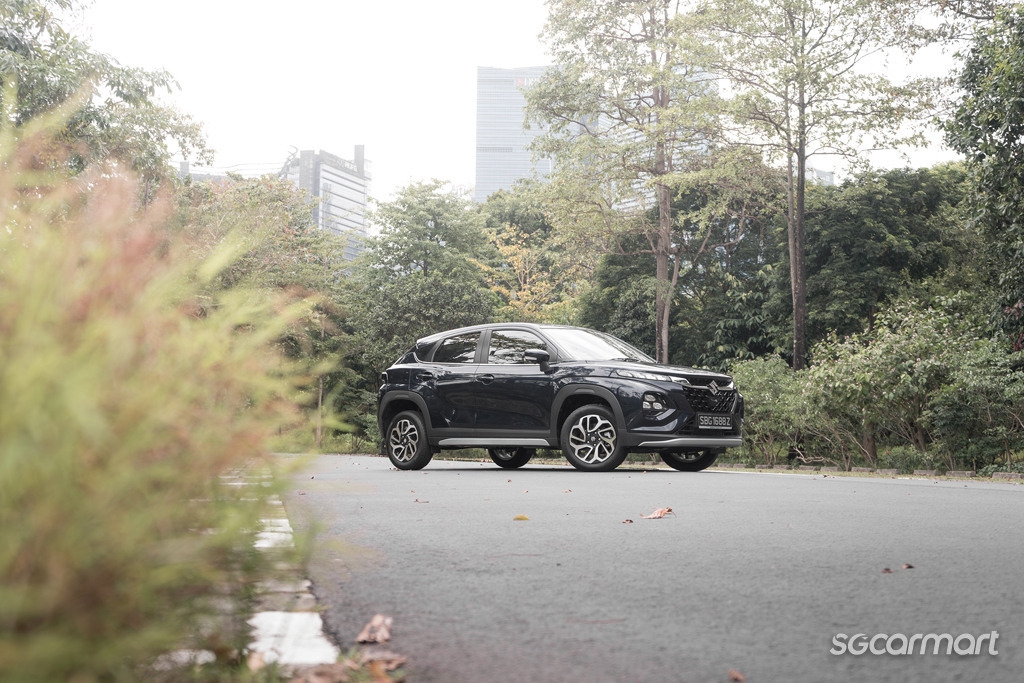
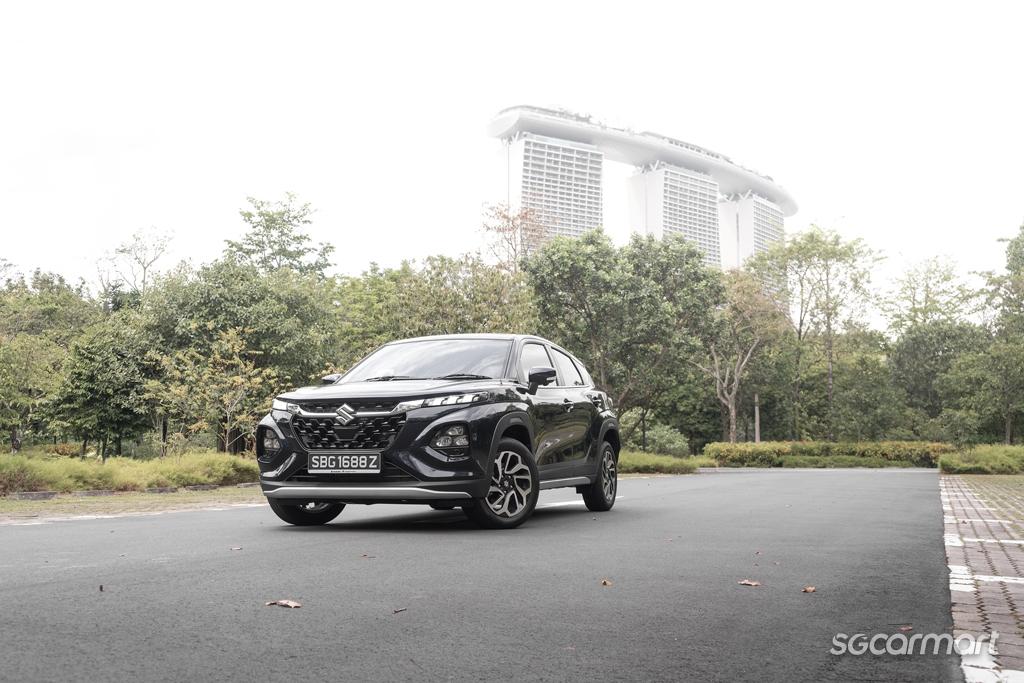
The Fronx's name is apparently an amalgamation of 'Frontier' and 'crossover', as in 'X'
Genuinely compact, genuinely lightweight
Genuinely small and lightweight cars are tough to find these days, especially when they're completely new nameplates. And don't let the bevy of new compact electric faces fool you into thinking otherwise too. The likes of the cutesy Aion UT and ORA Good Cat are Volkswagen Golf-sized at over 4.2 metres in length; even the pint-sized Dongfeng Box weighs more than 1.3 tonnes.
So on paper, the all-new Fronx has quite a fair bit going for its unique formula. For starters, it tips the scales at just 1,050kg when unladen - less than an Asian adult's weight north of a tonne. It's also less than four metres long. That means it occupies less space from nose to tail than something like a five-door MINI Cooper C. Few modern cars today are as easy to parallel park.
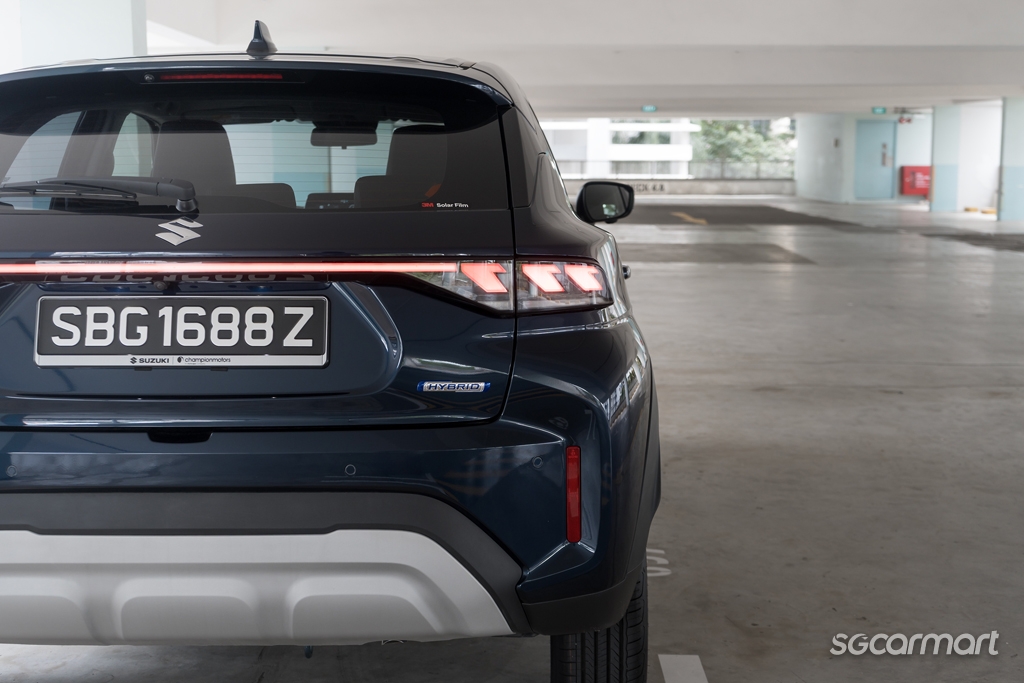
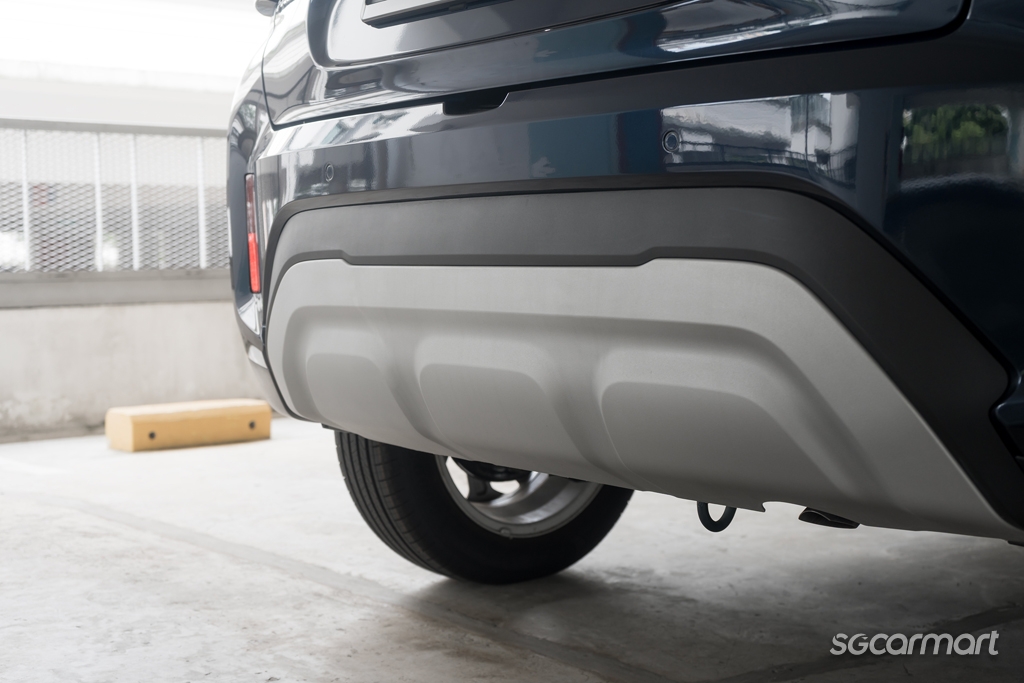
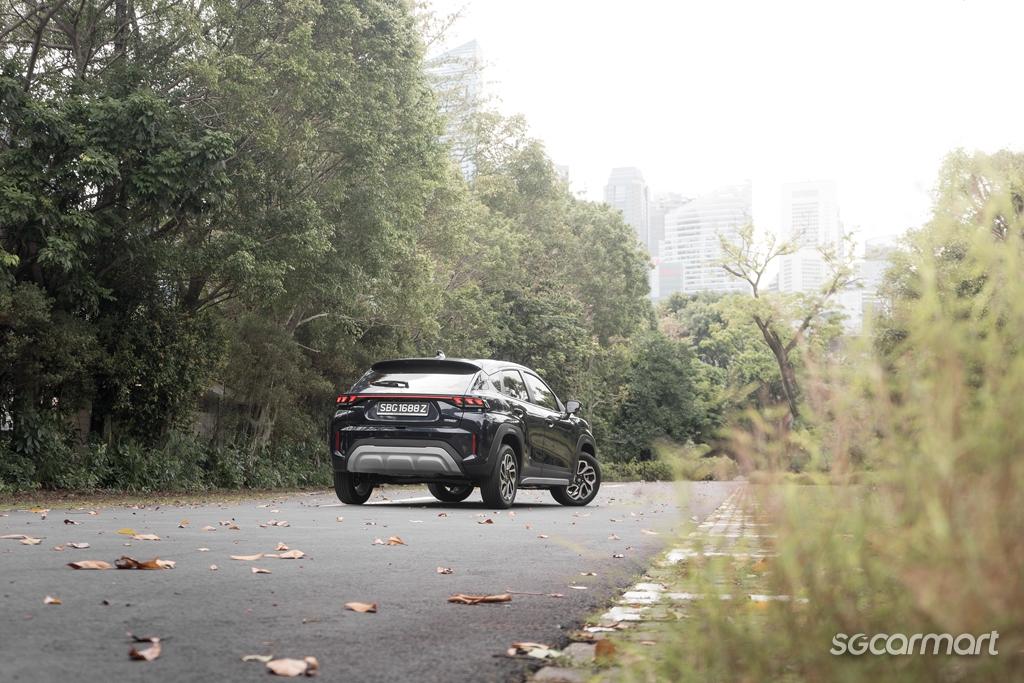
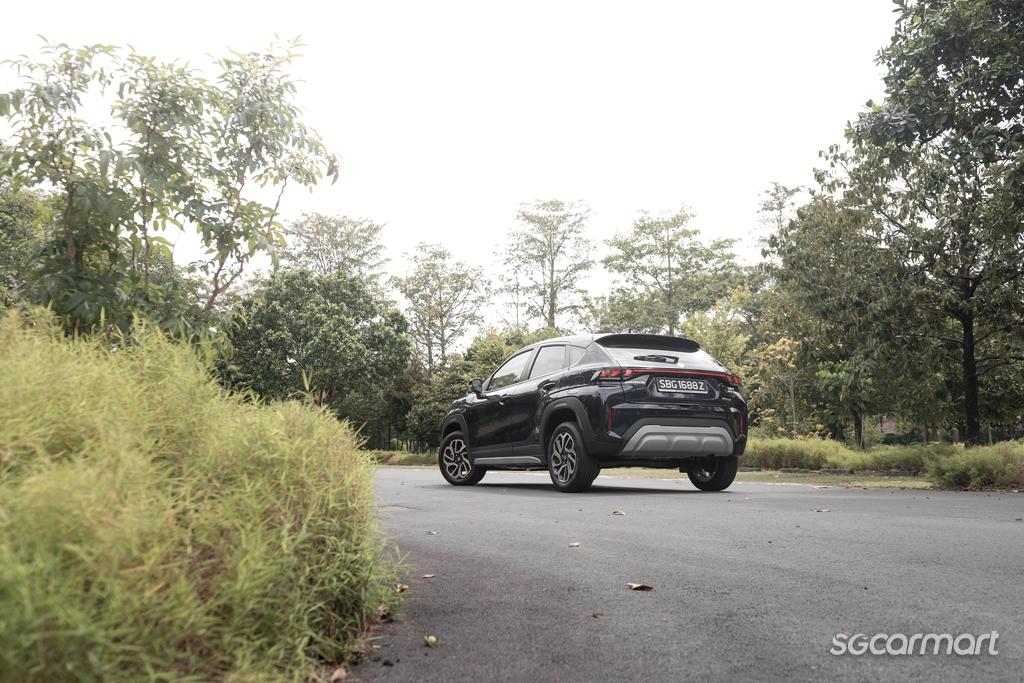
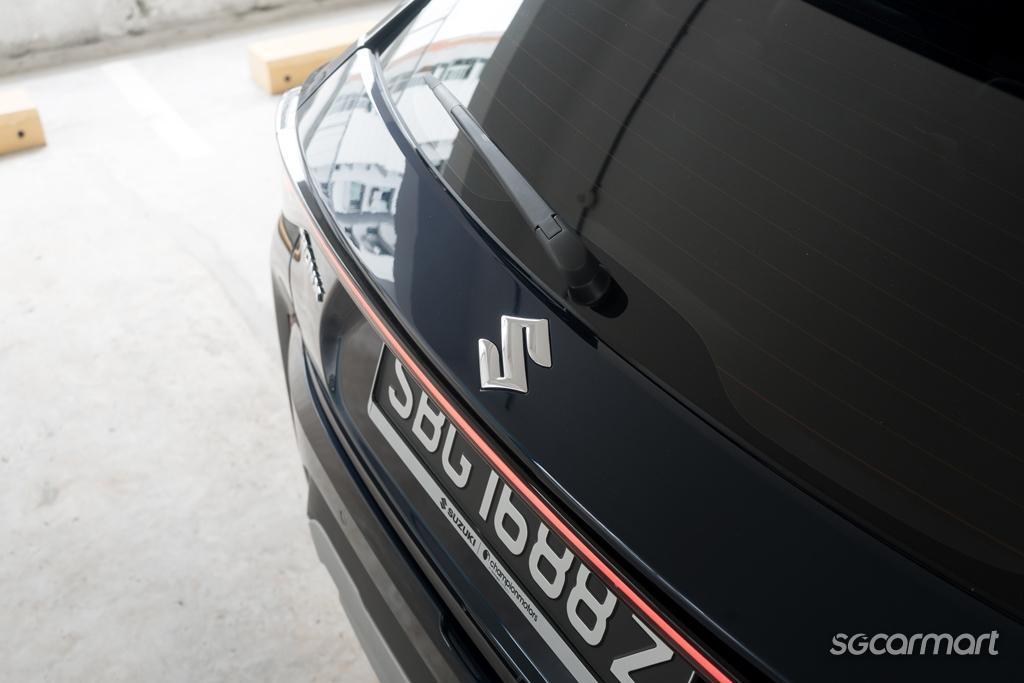
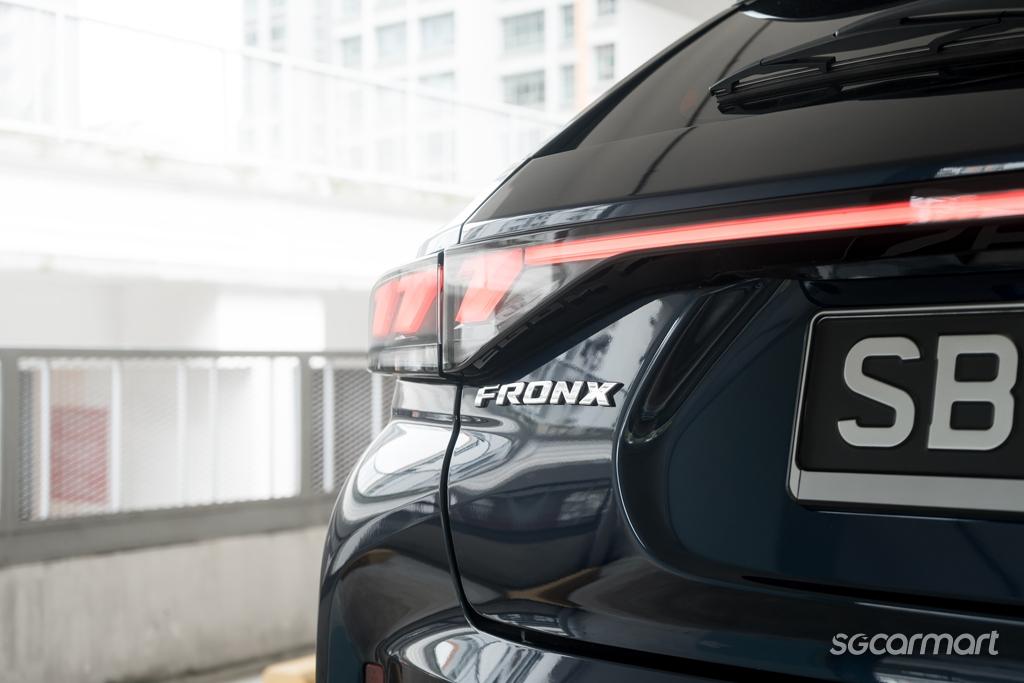
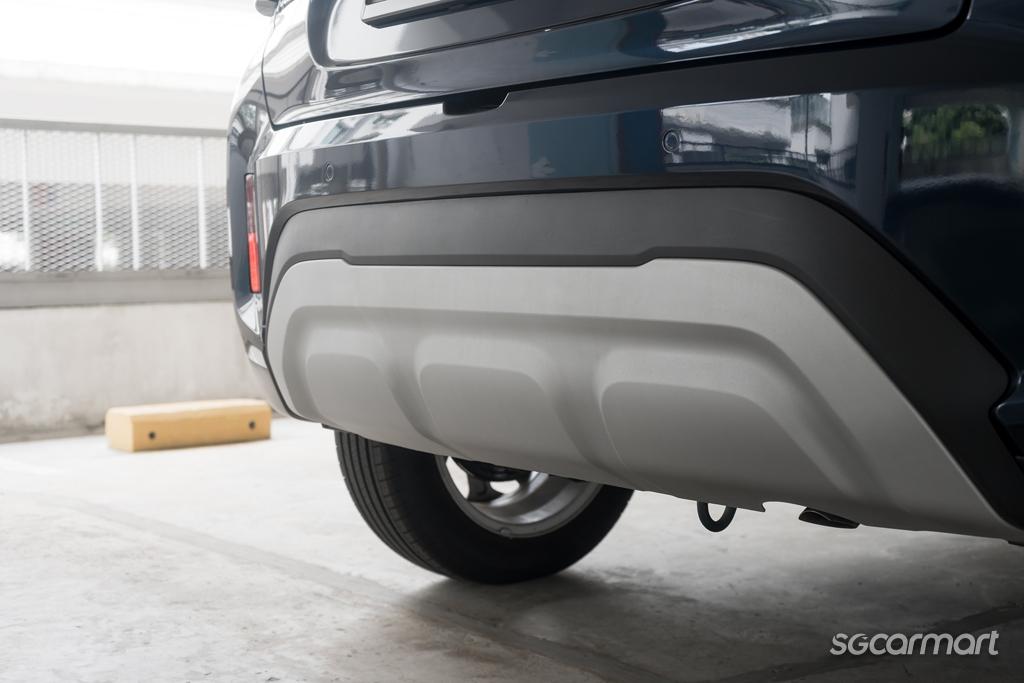
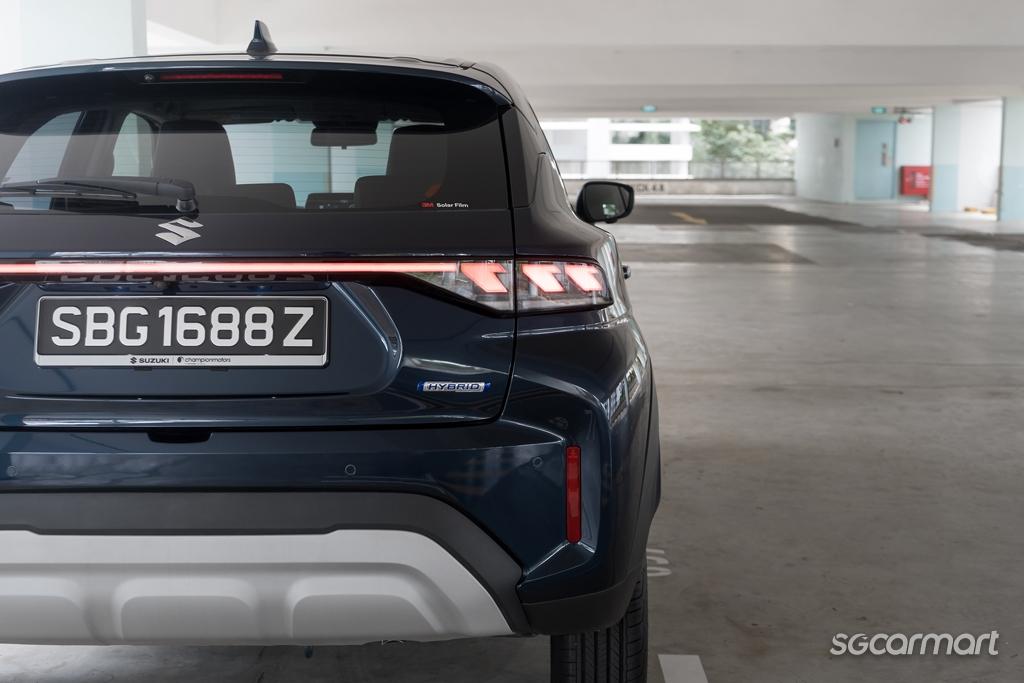
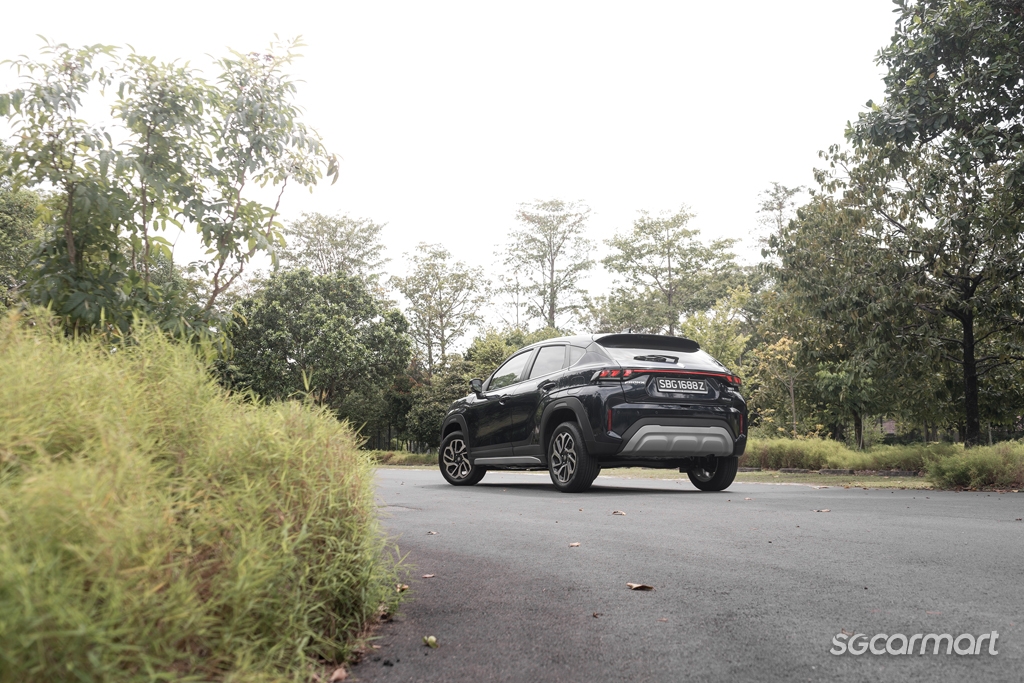
The Fronx's bold styling flows into the rear, with a full-width light bar and an amusingly pronounced matte skid plate
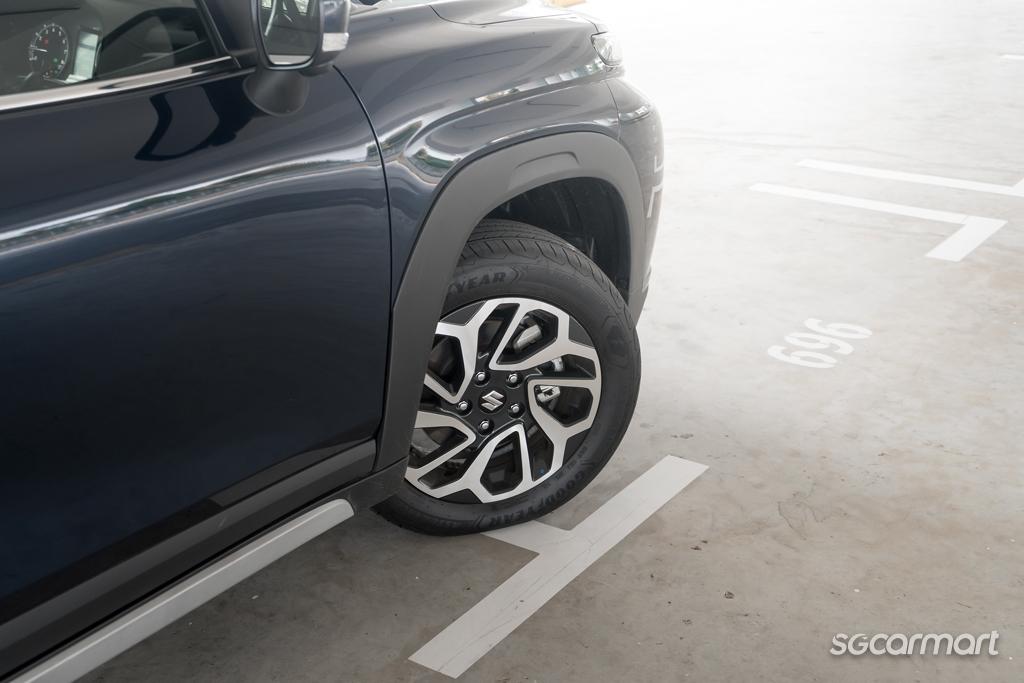
To counter that and emphasise its presence, the Fronx coughs up the full stylistic checklist for crossovers - but in Suzuki style.
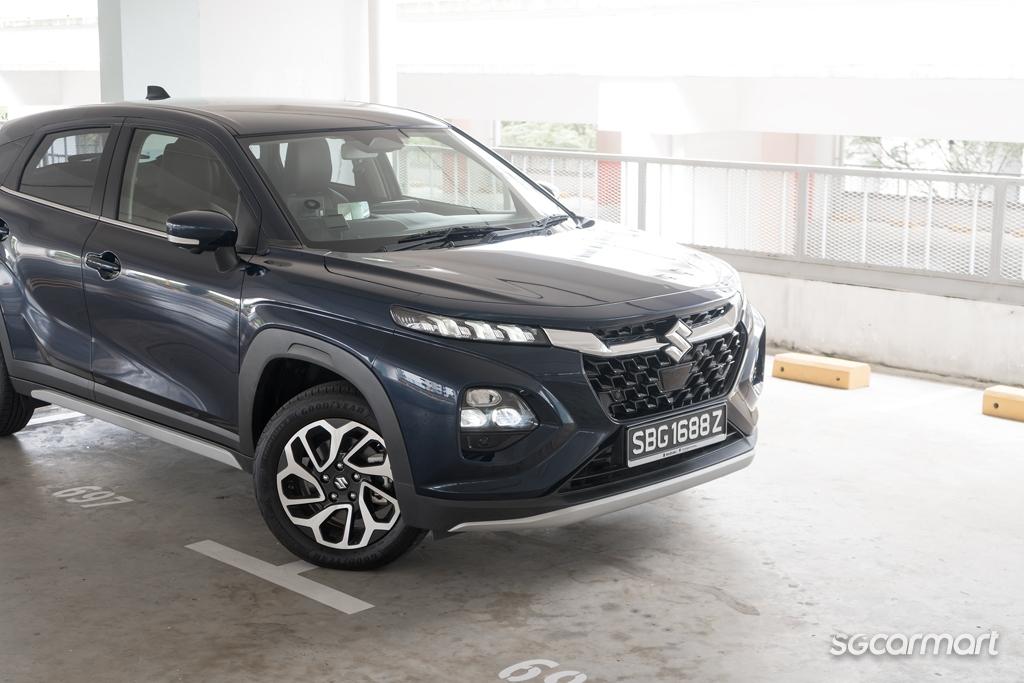
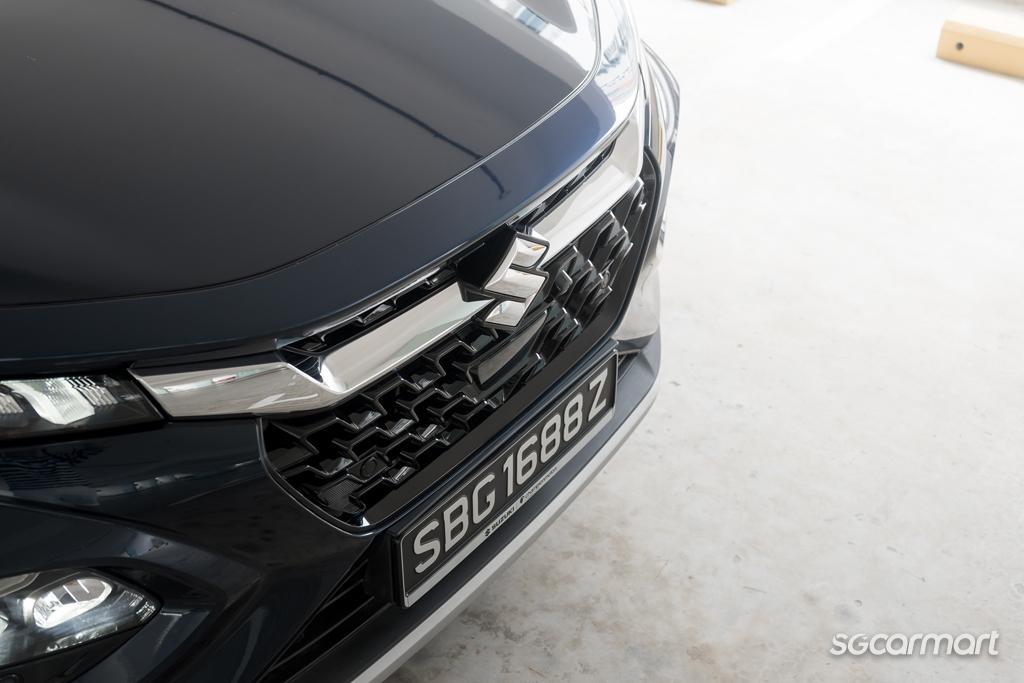
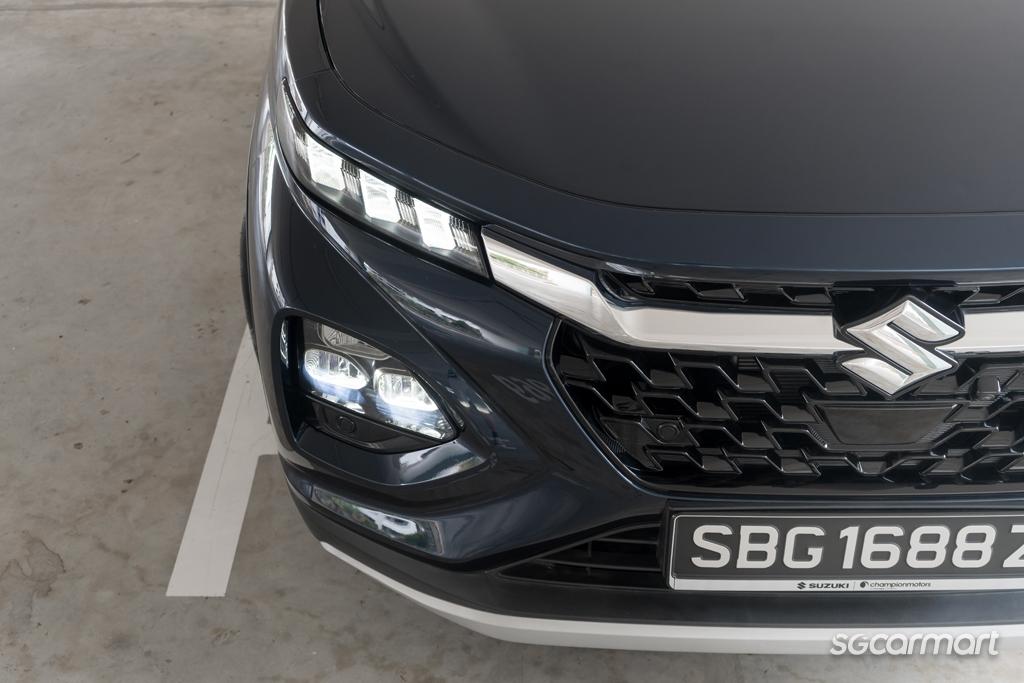
Commendably, the Fronx's bold outlook comes from its distinctive three-piece DRLs up front (even the main beams beneath are arranged in threes) and jagged black front grille.
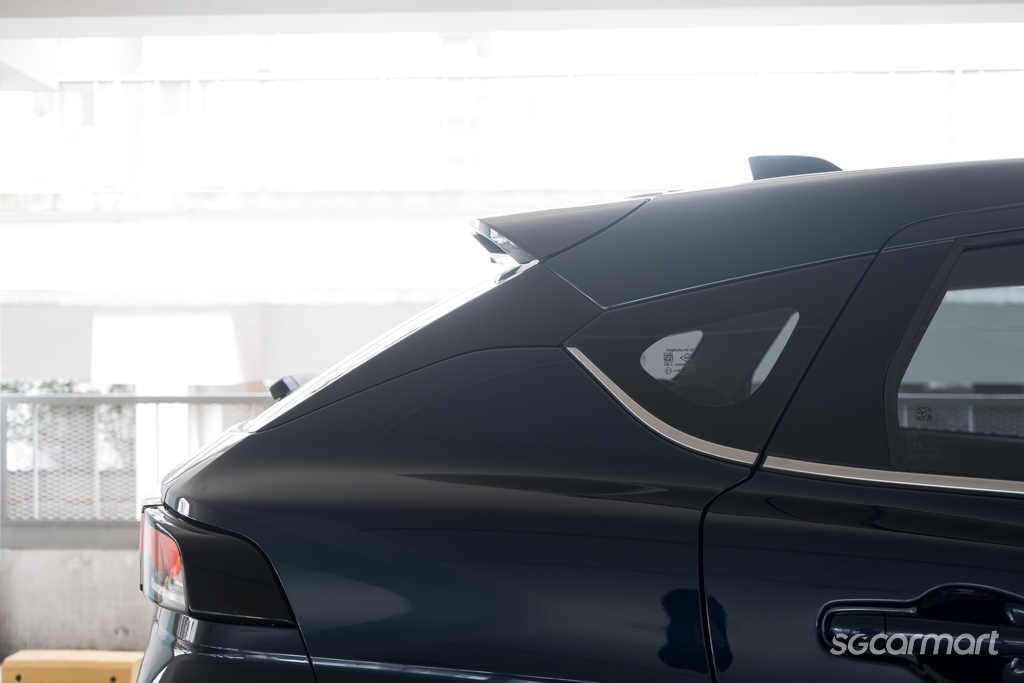
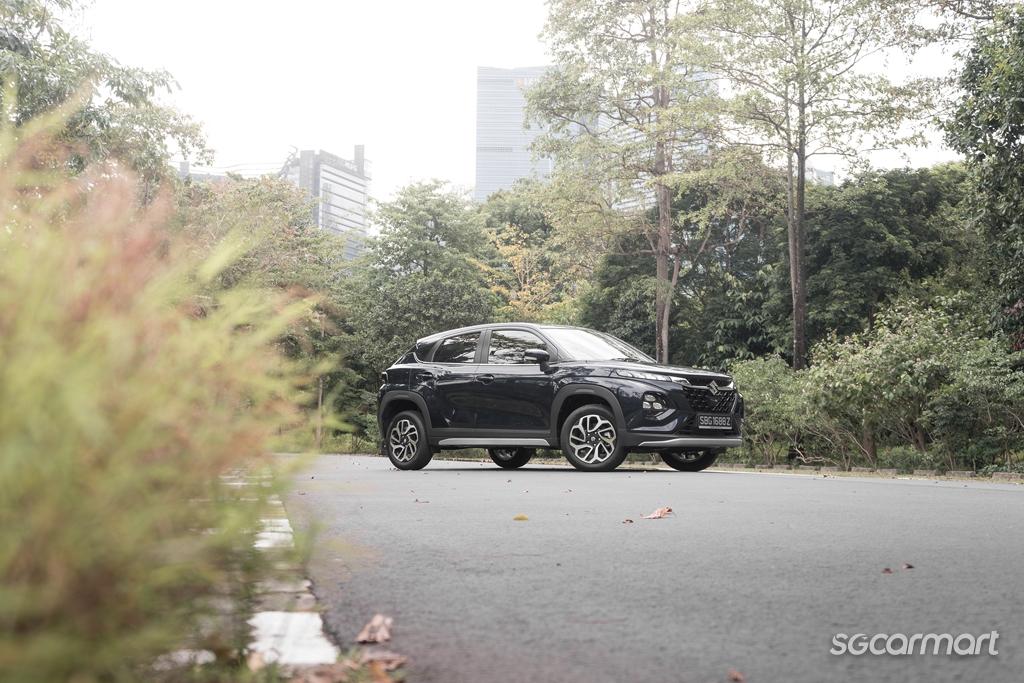
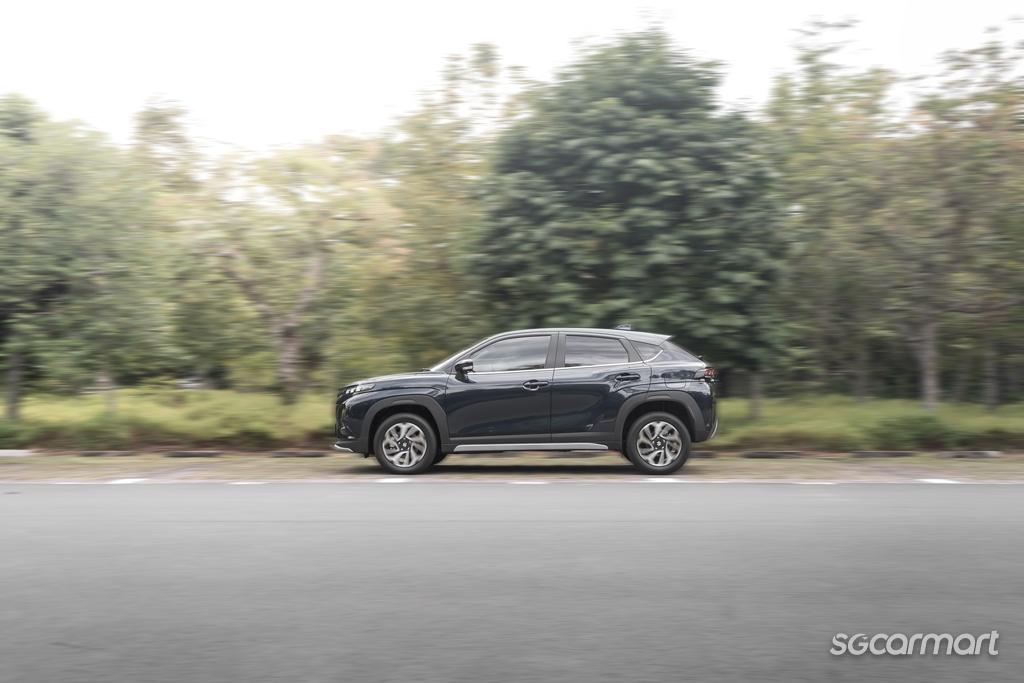
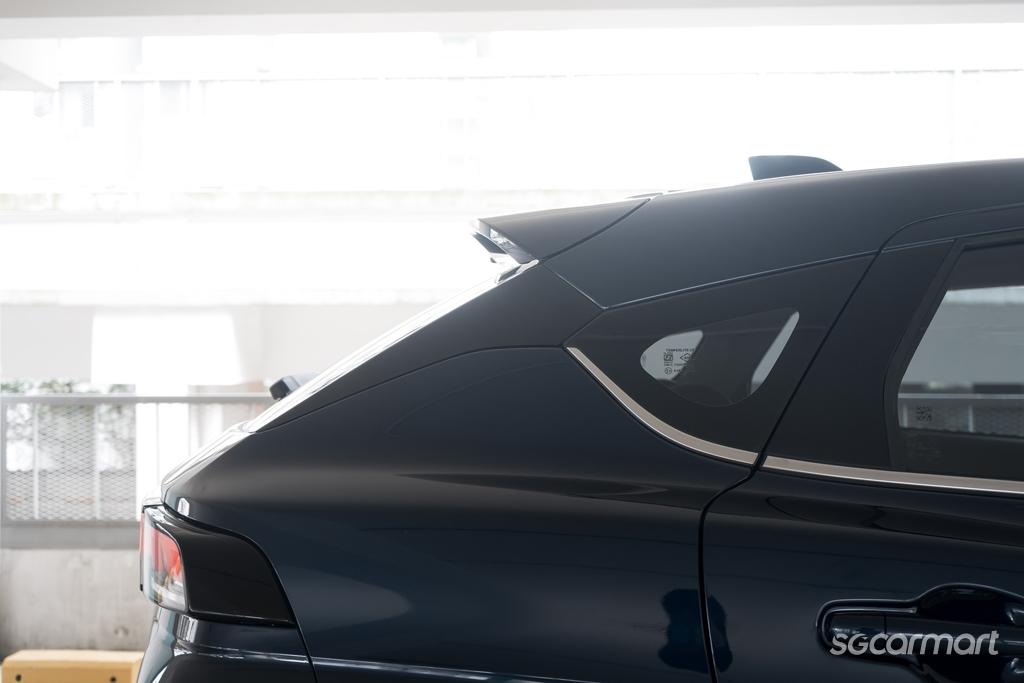
The Fronx is officially referred to as a coupe-SUV, and comes with a lightly-tapered roofline to match the claim
Suzuki has officially christened it a coupe-SUV - meaning the roofline does taper down toward the rear for extra style. But what's most distinctive about the rear is just how massive that matte skidplate is.
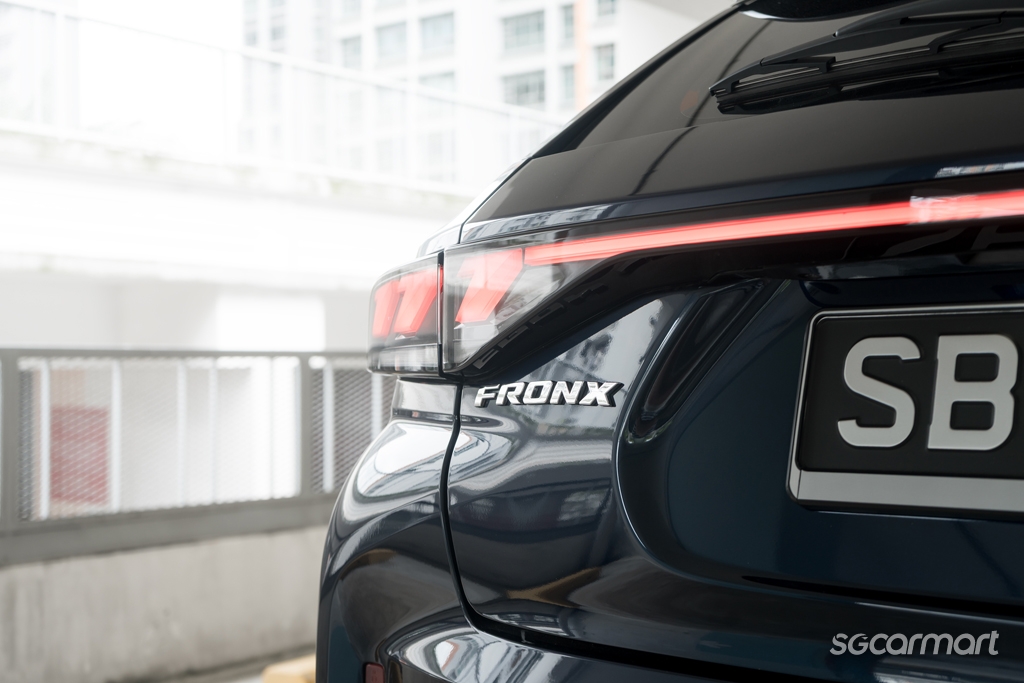
Amidst the repeated three-piece tail lights, a full-length light bar is thrown in for good measure too. Small, the Fronx may be; anonymous-looking, it most certainly is not.
You'd expect that there to be compromises in space considering the Fronx’s pursuit of downsized style.
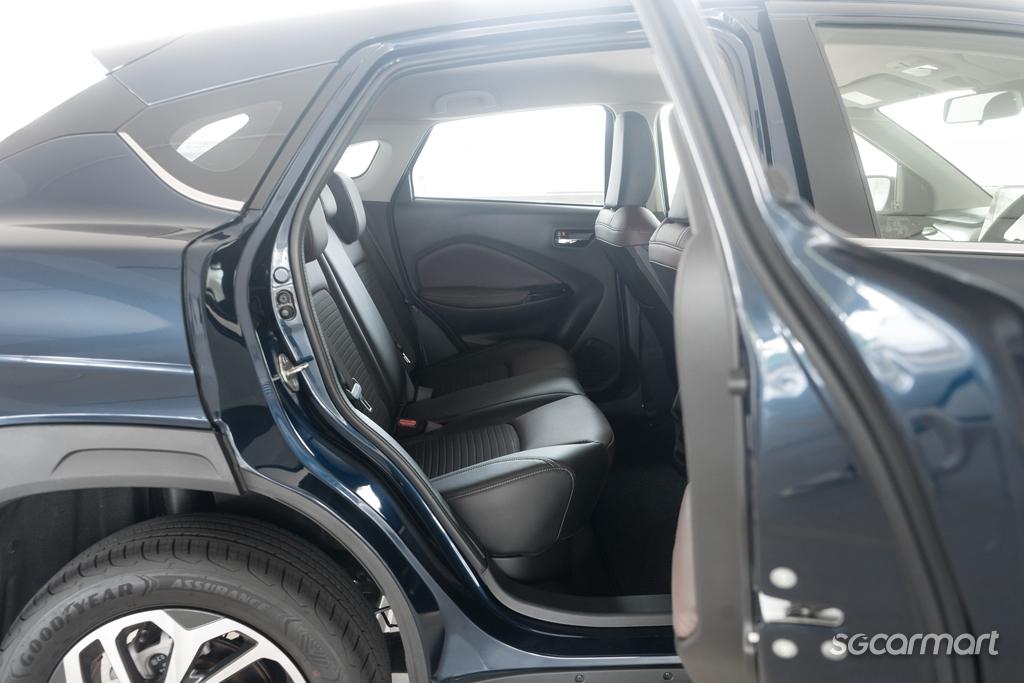
But swing the rear doors open and a decently spacious second row awaits. As long as they're under 1.8 metres in height, two average-sized Asian adults will fit quite comfortably here, with sufficient leg and head room. (Three, though, might be a squeeze due to the Fronx's narrower body.) For a car of this size, then, passenger space is more than decent.
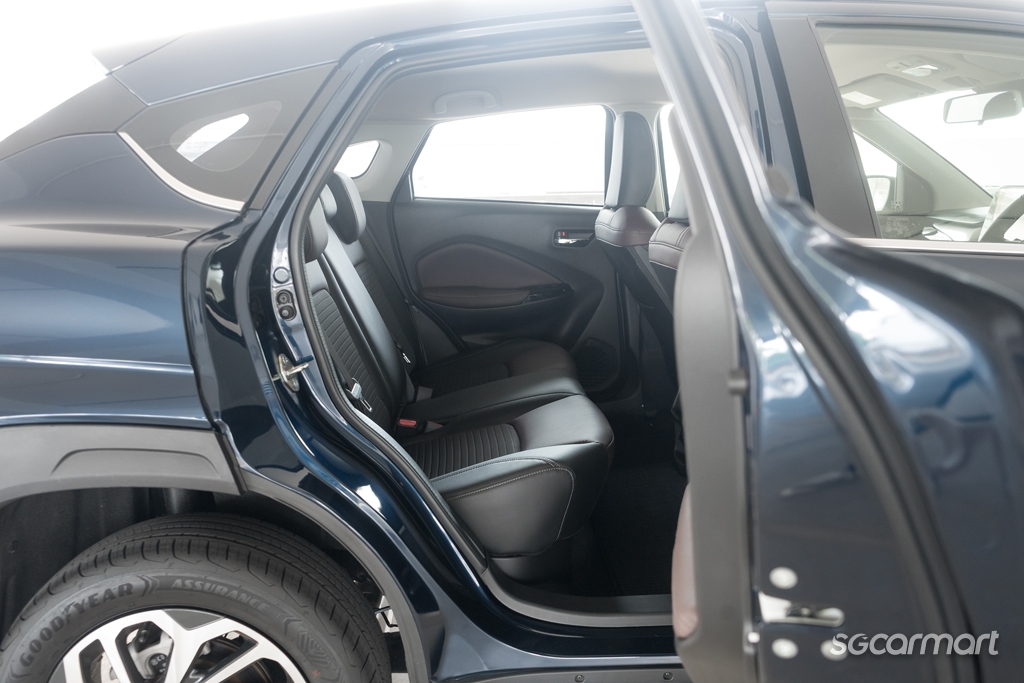
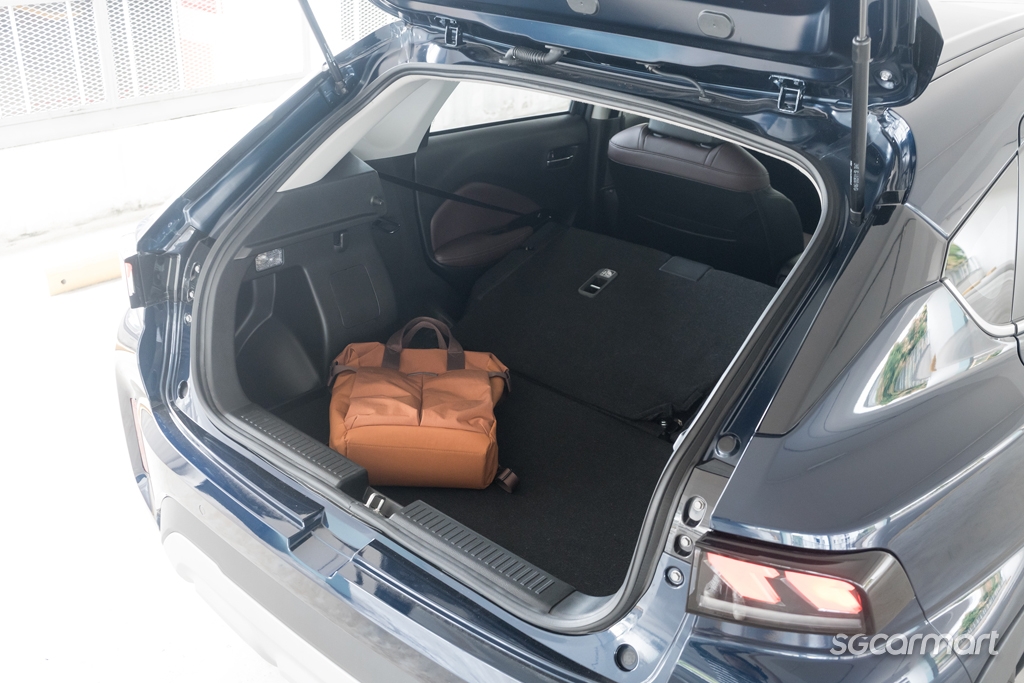
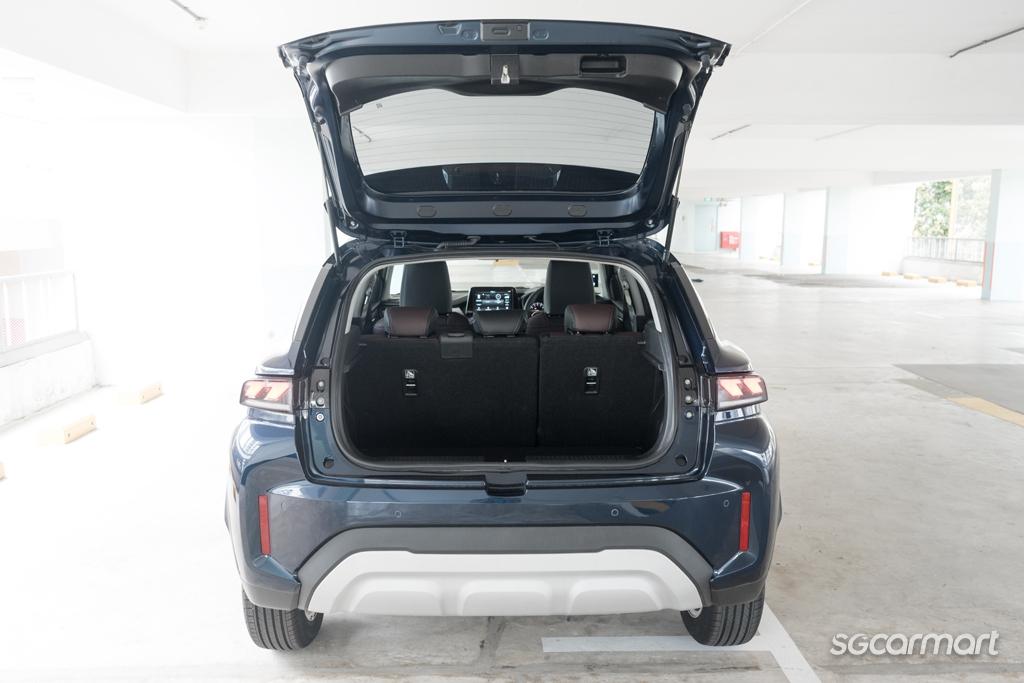
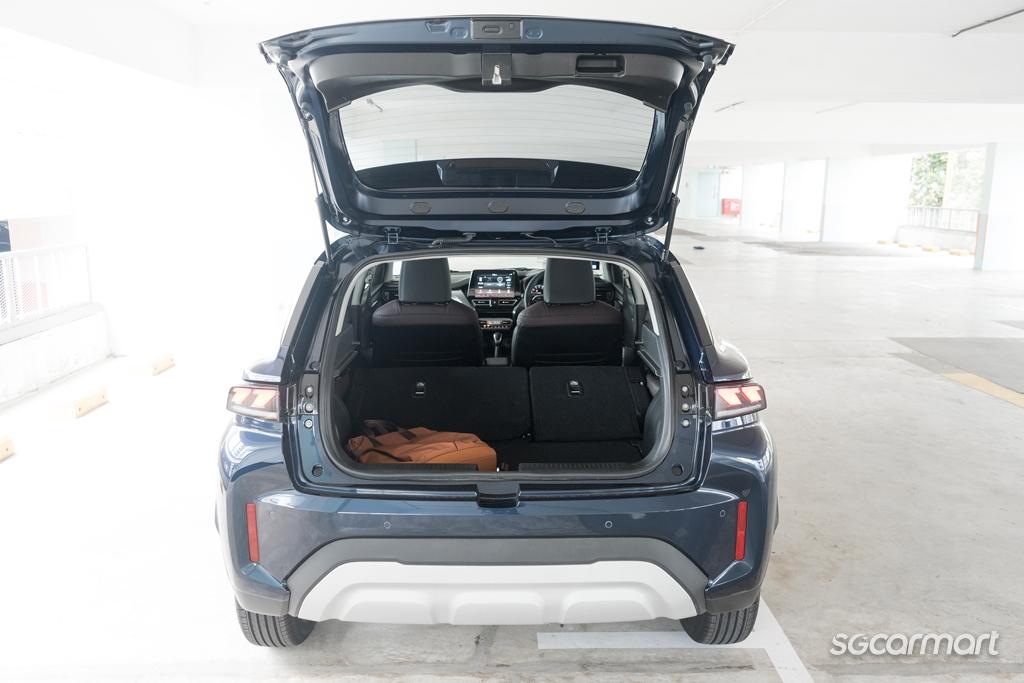
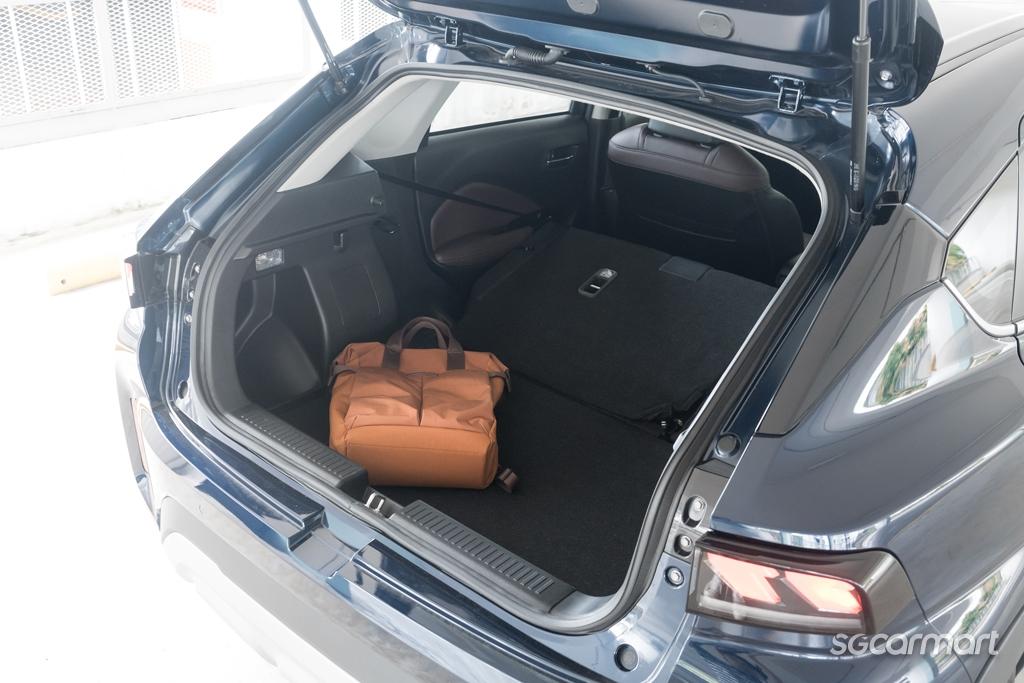
Two average-sized Adults should still be able to get quite comfortable in the rear, though the Fronx's 304-litre boot isn't the largest for its segment; fold the 60:40 seats down, though, and this nearly doubles to 605 litres
But where the Fronx undeniably loses out is in the cargo-hauling department, with a 304-litre boot that doesn't just reside towards the smaller end of the market, but is recessed within quite a tall load lip. Thankfully, the space is still fairly versatile thanks to the 60:40 split of the rear bench; knock the second row down entirely and it expands to a handier 605 litres too.
Otherwise, the rest of the cabin should delight those who already have their expectations managed for a budget-oriented car.
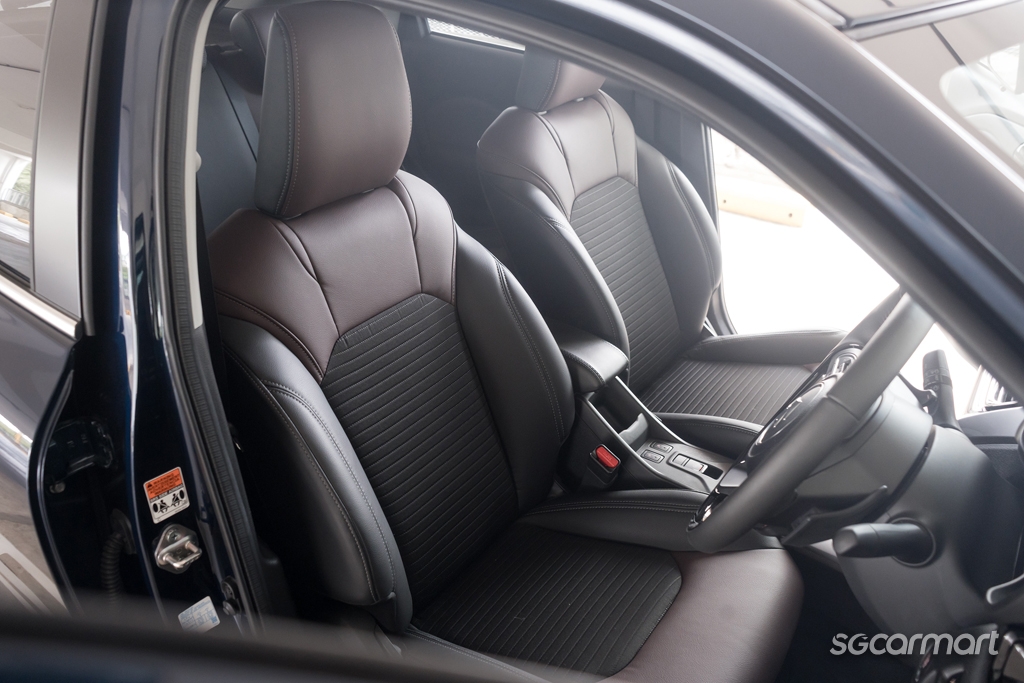
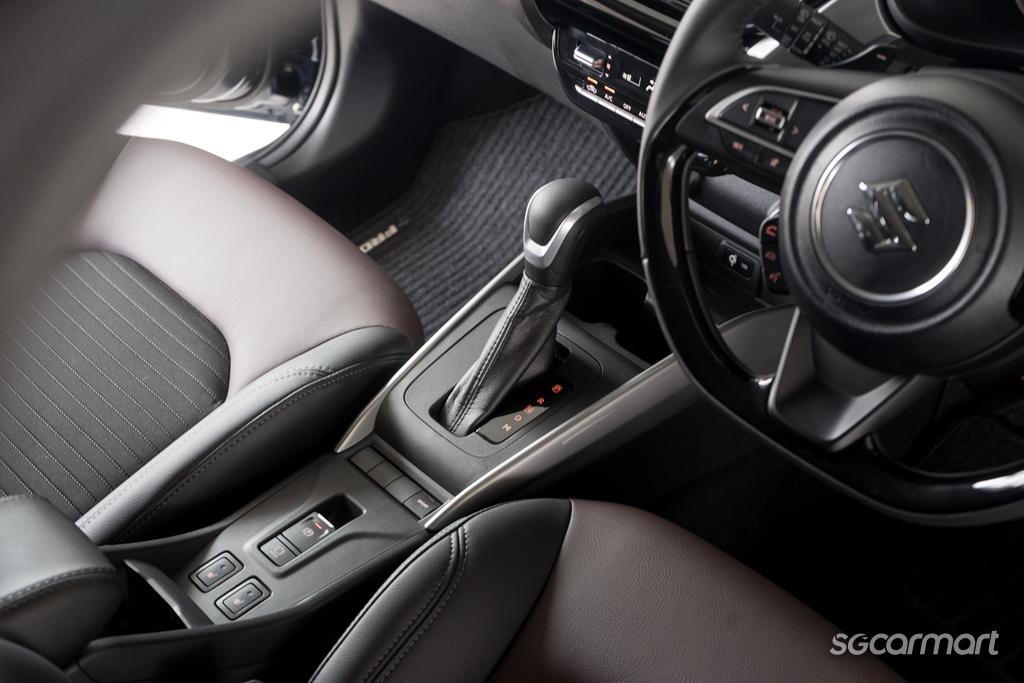
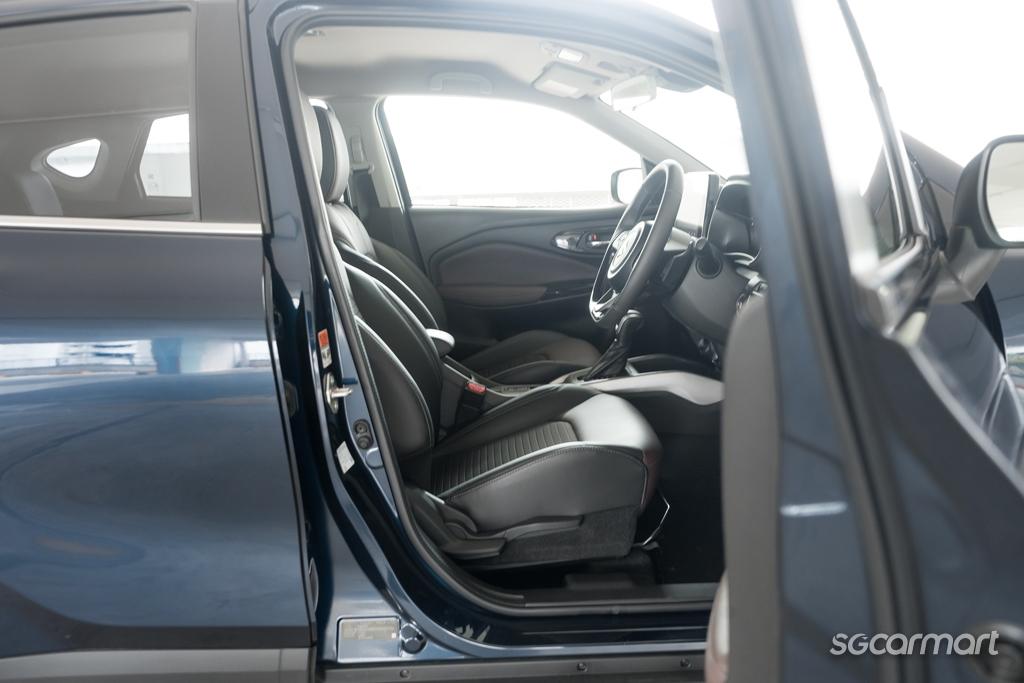
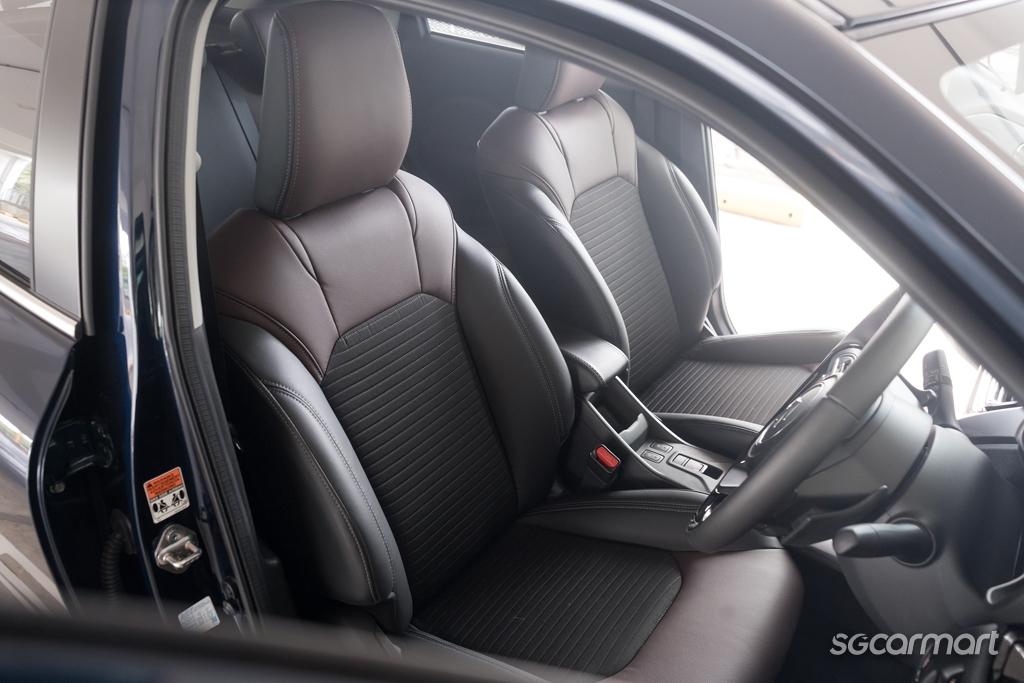
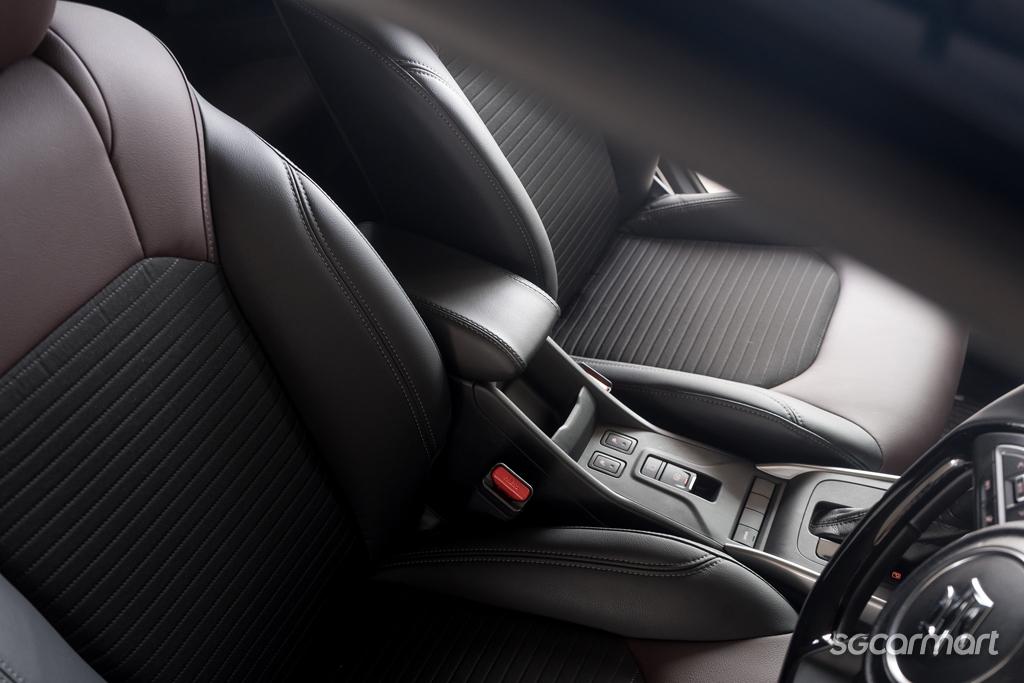
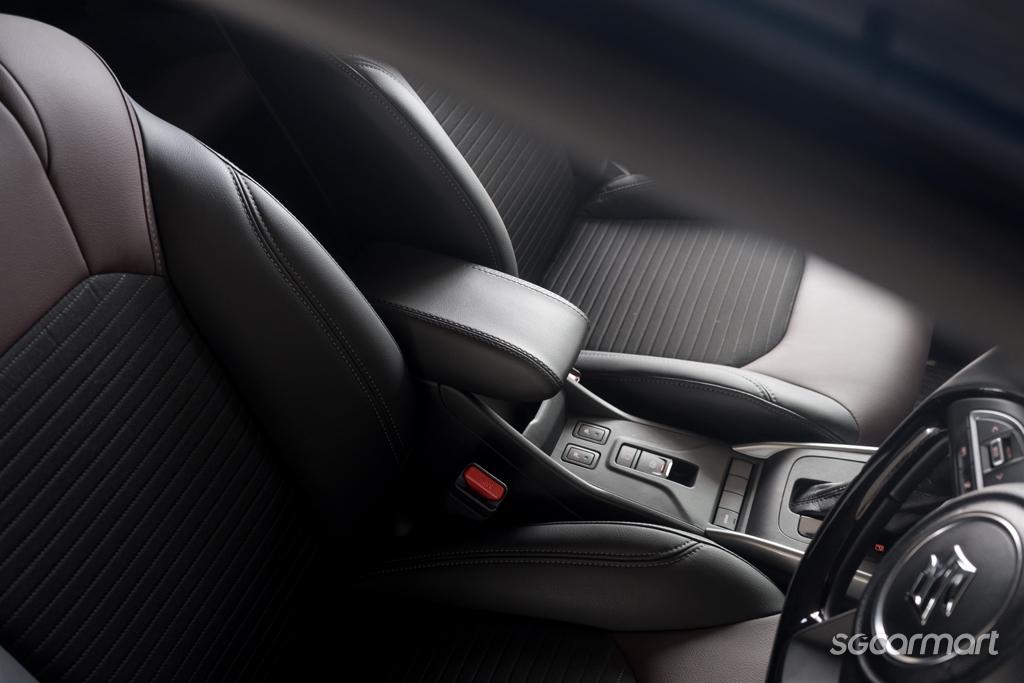
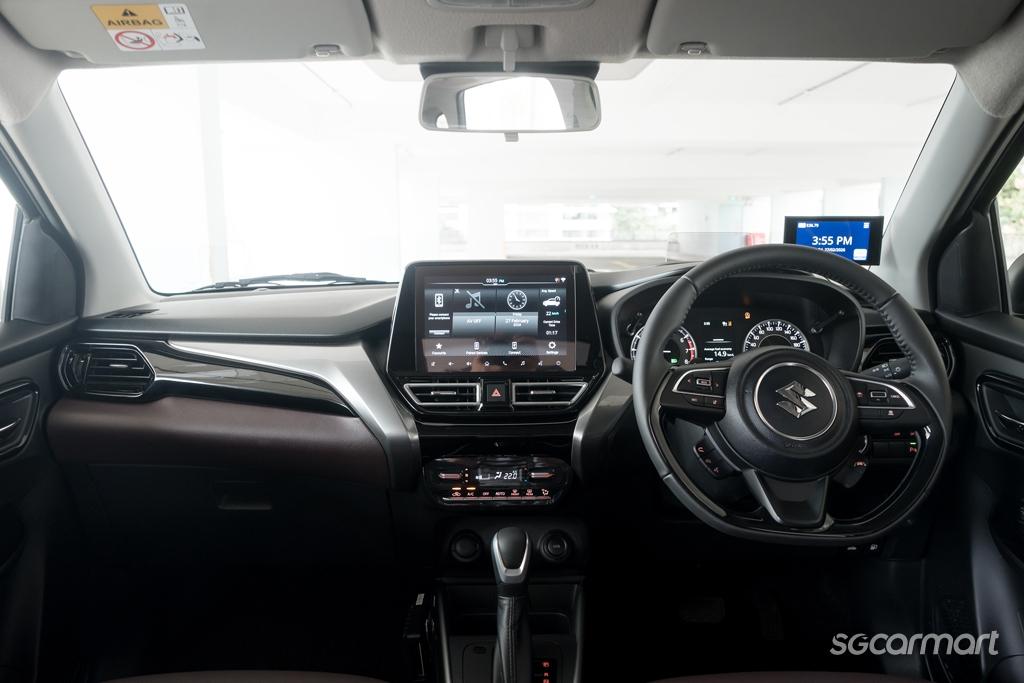
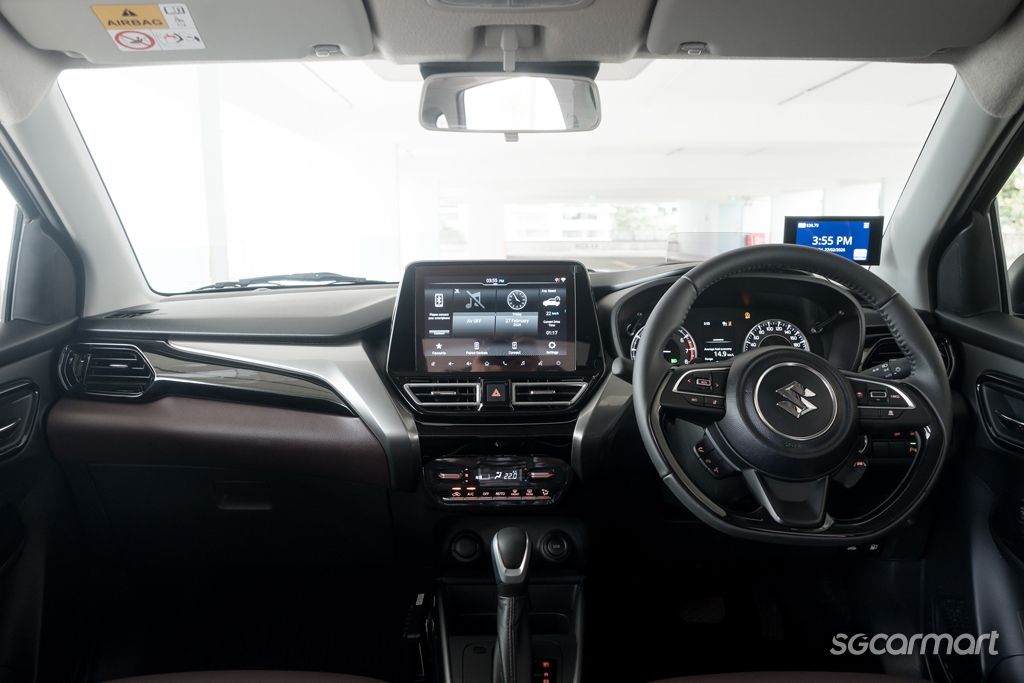
A dual-tone interior helps to enliven the Fronx's otherwise austere cabin, which actually feels solidly screwed together
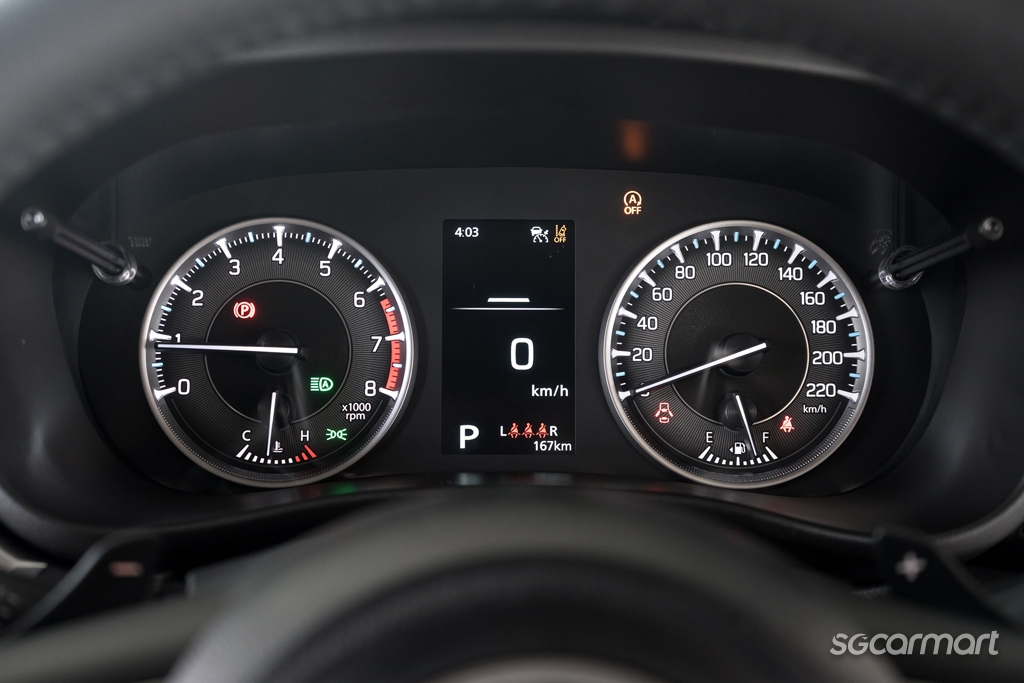
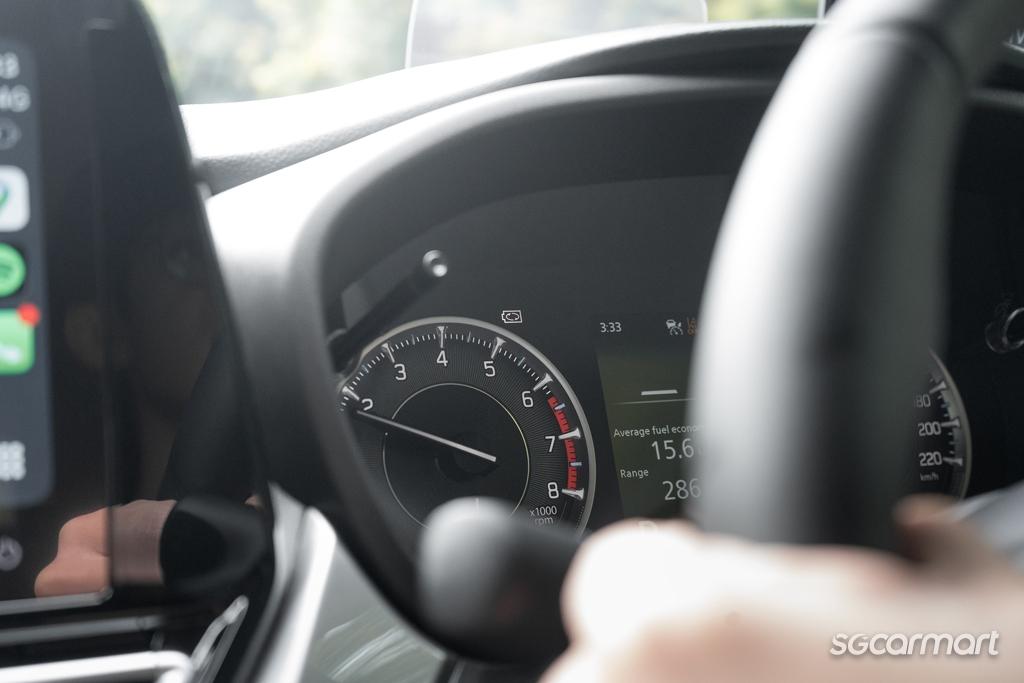
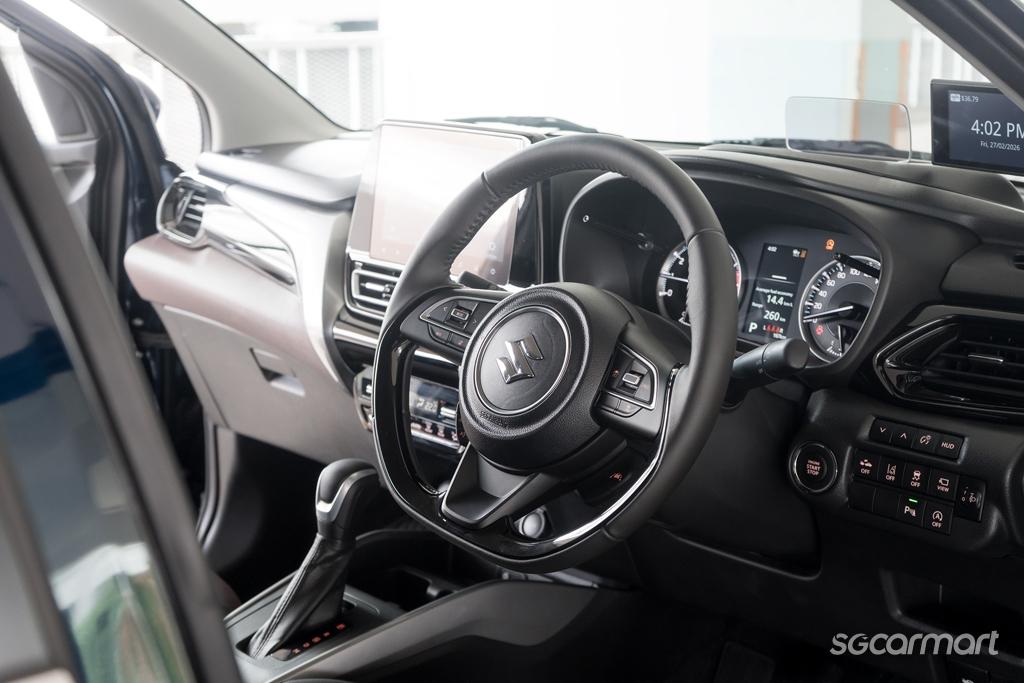
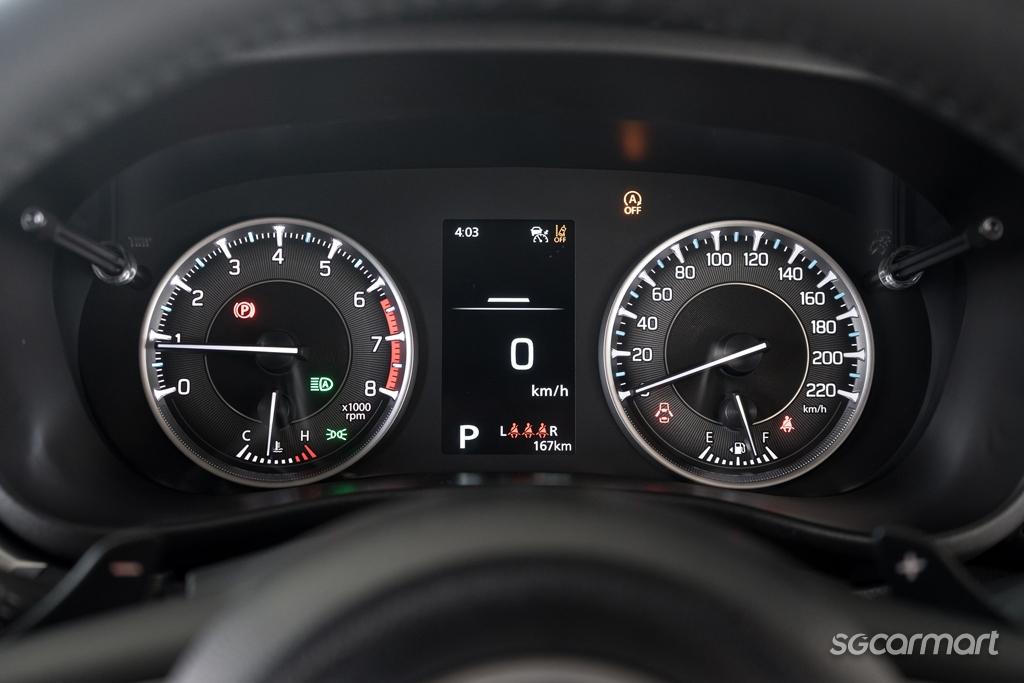
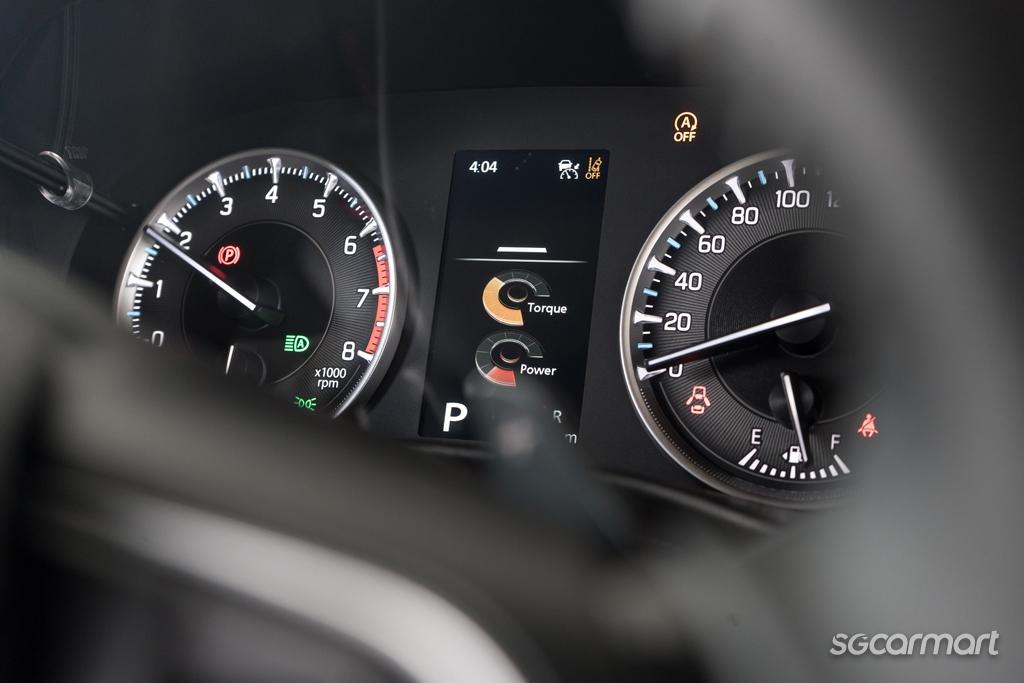
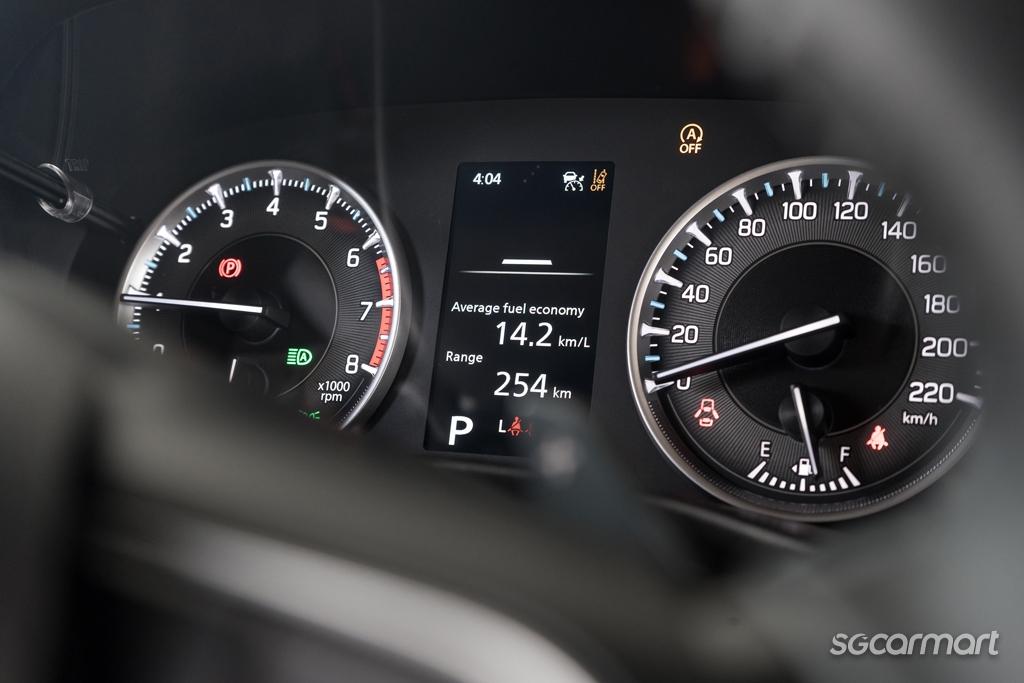
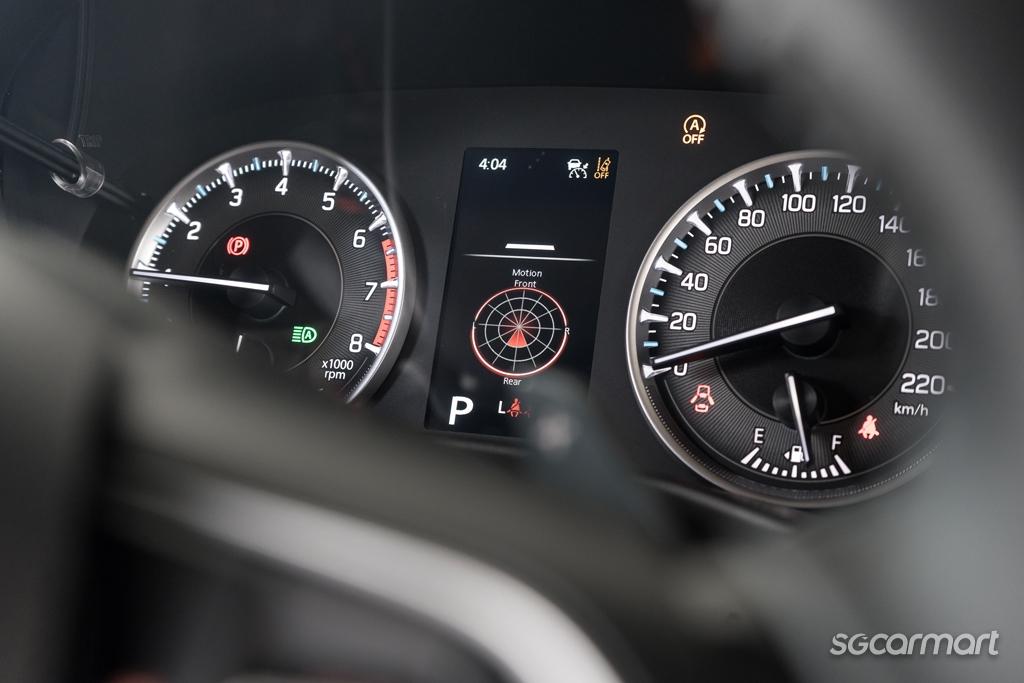
Despite the half-analogue approach, Suzuki knows a thing or two about putting together a visually pleasing instrument cluster; peek the gauges' light blue accents
While hard plastics abound, the Fronx does get a classy dual-tone colourway (black mixed with chocolate) as standard that enlivens the interior environs. Trend-chasers may bemoan the lack of large screens - there isn't even a full-digital driver's display - but it's likely the analogue route favoured here that will feel more satisfying over the longer run.
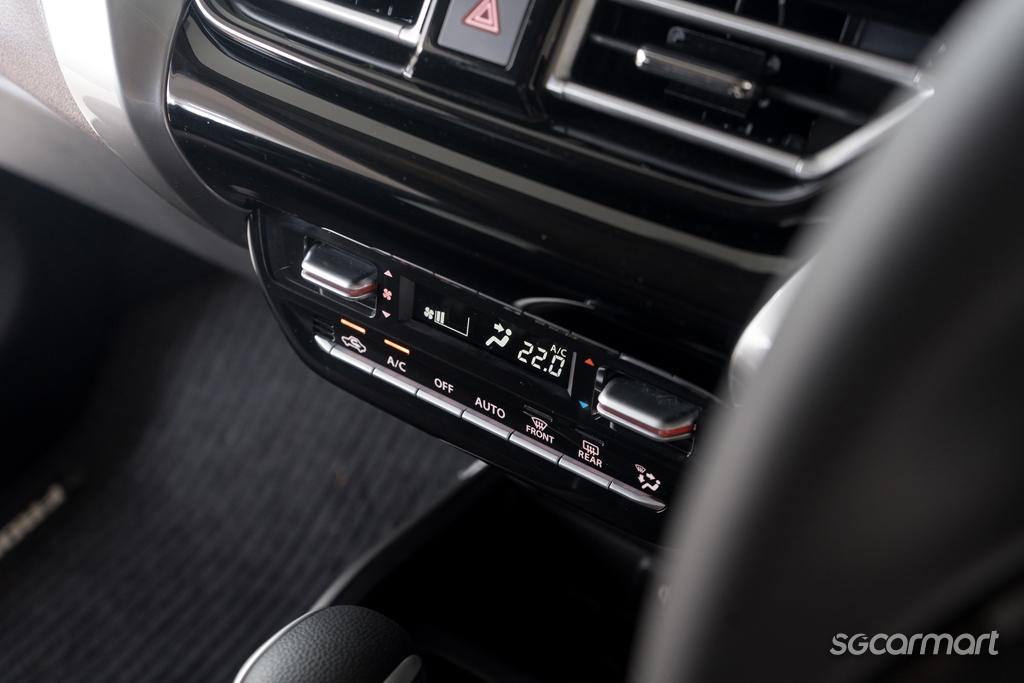
It's certainly more driver-focused, and also more unique too given how tablet-obsessed the interiors of new cars today have become. In particular, the two brushed-aluminium tabs that control temperature and fan-speed for the A/C (single-zone only, though, sadly) are a highlight: Lovely to look at and operate.
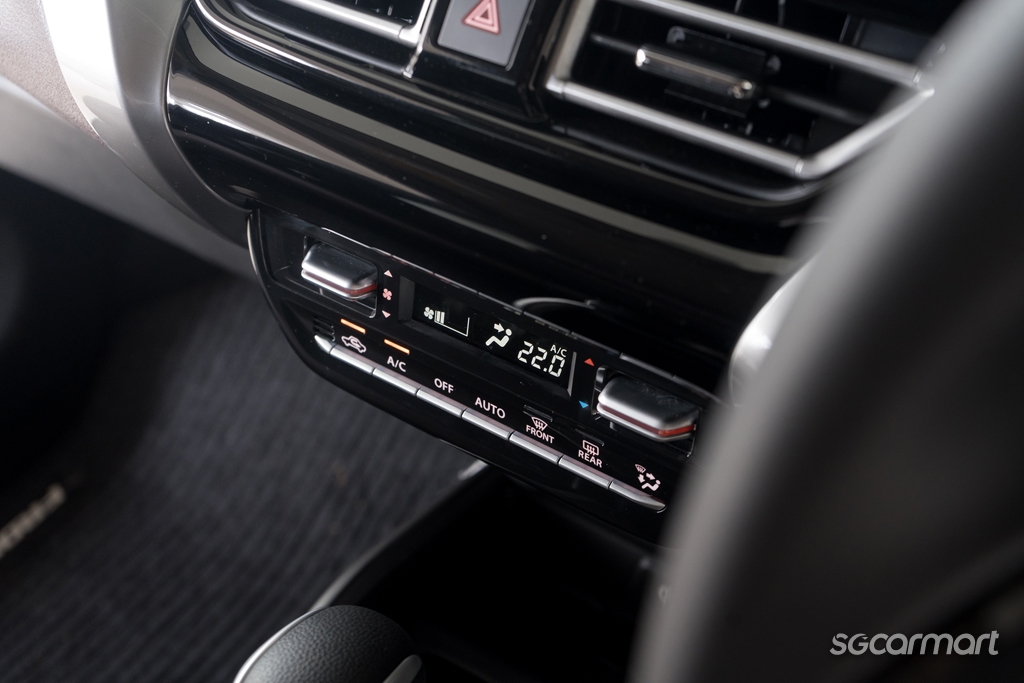
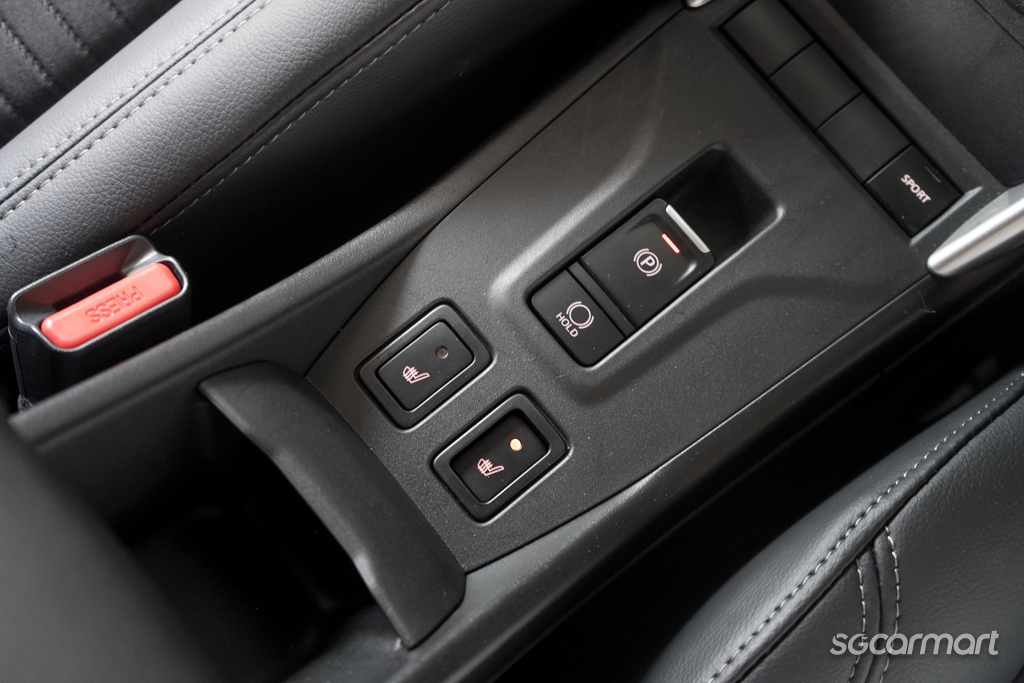
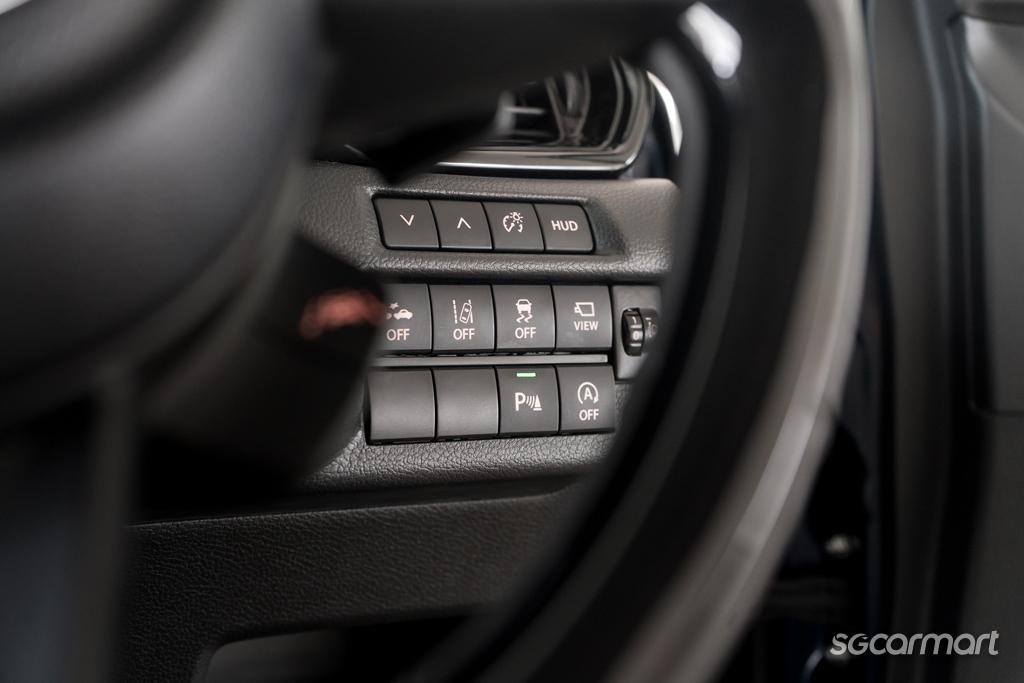
The Fronx doesn't deal in light shows of the conventional modern sort (read: ambient lighting strips), but its older school approach is its own visual treat, with the physical controls emanating a powerful orange glow as evening falls
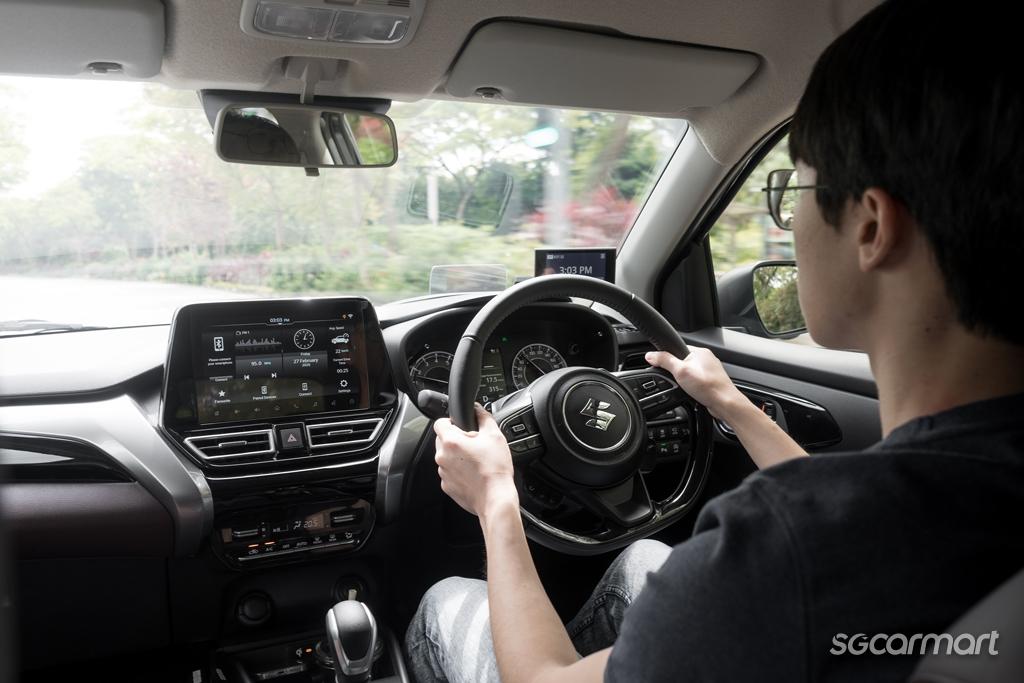
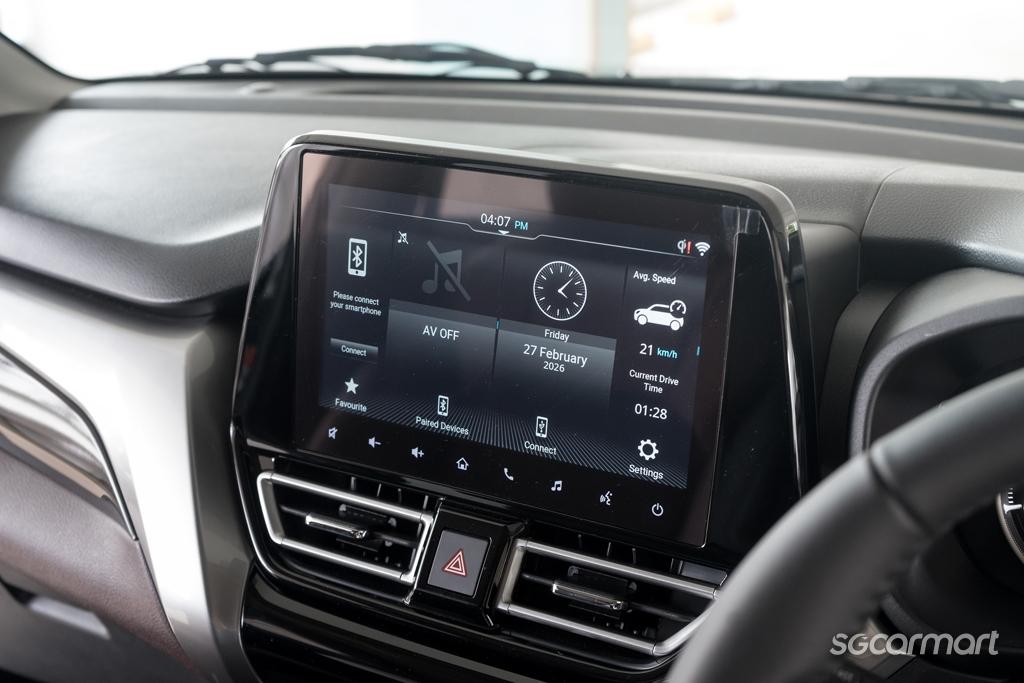
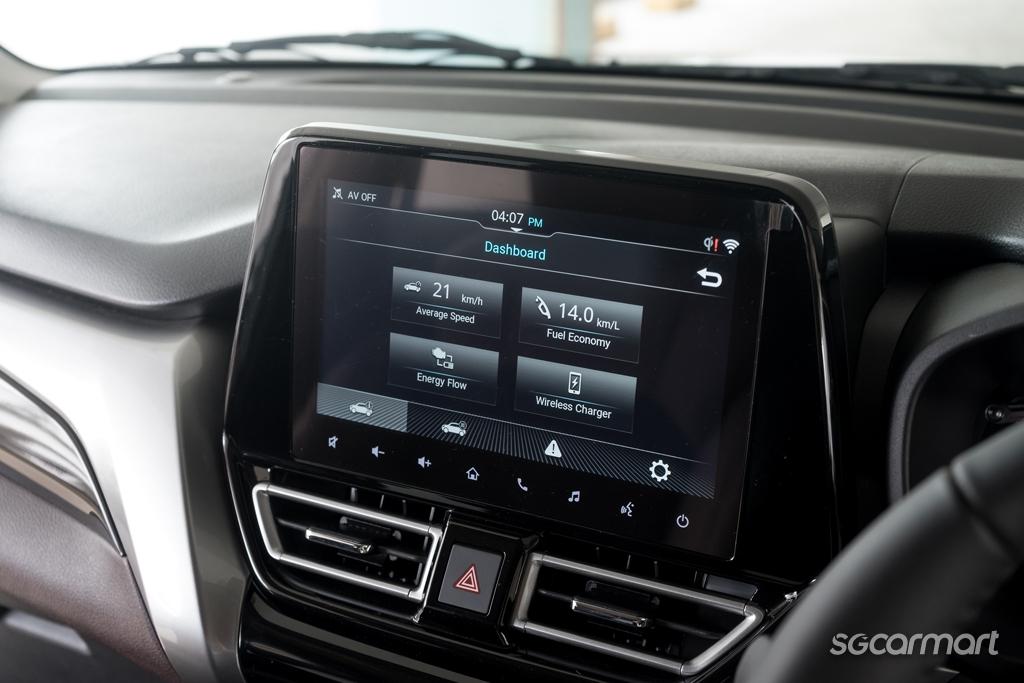
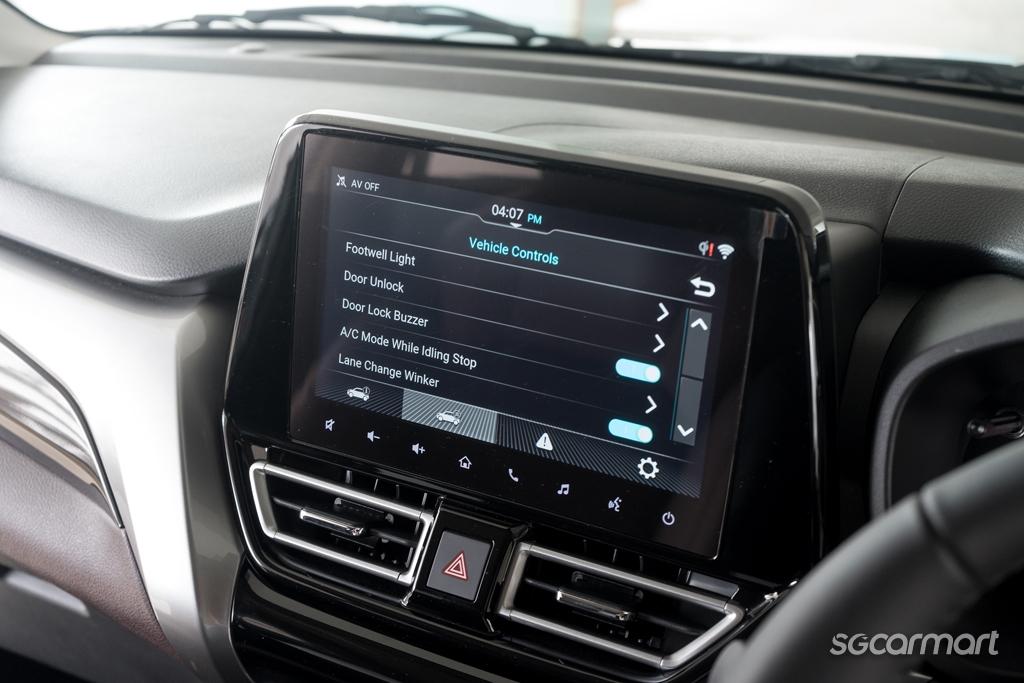
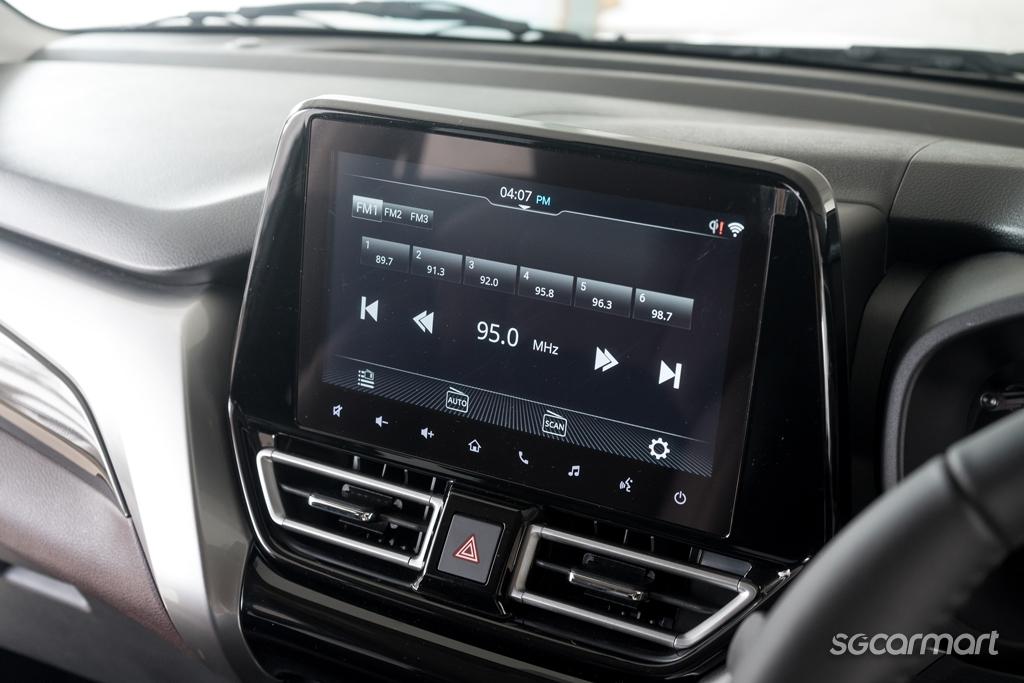
Besides, the Fronx dishes out competent digitalisation where it counts: It gets a well-sized 9.0-inch infotainment touchscreen that offers OS-agnostic wireless phone mirroring. Its repeatedly speedy sync-ups make the user experience that bit more pleasant.
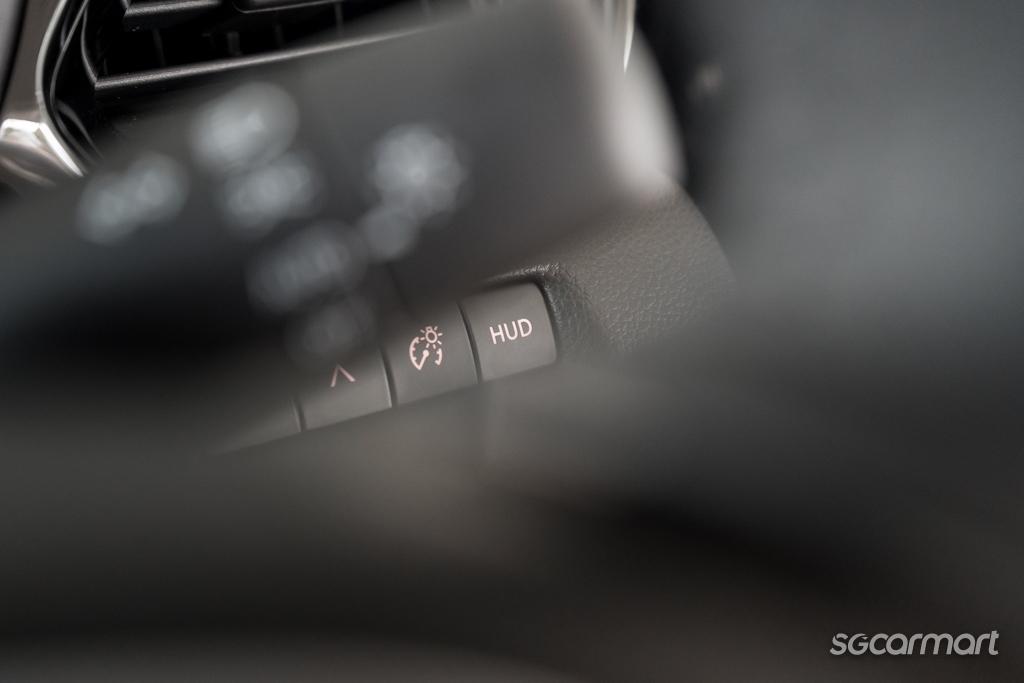
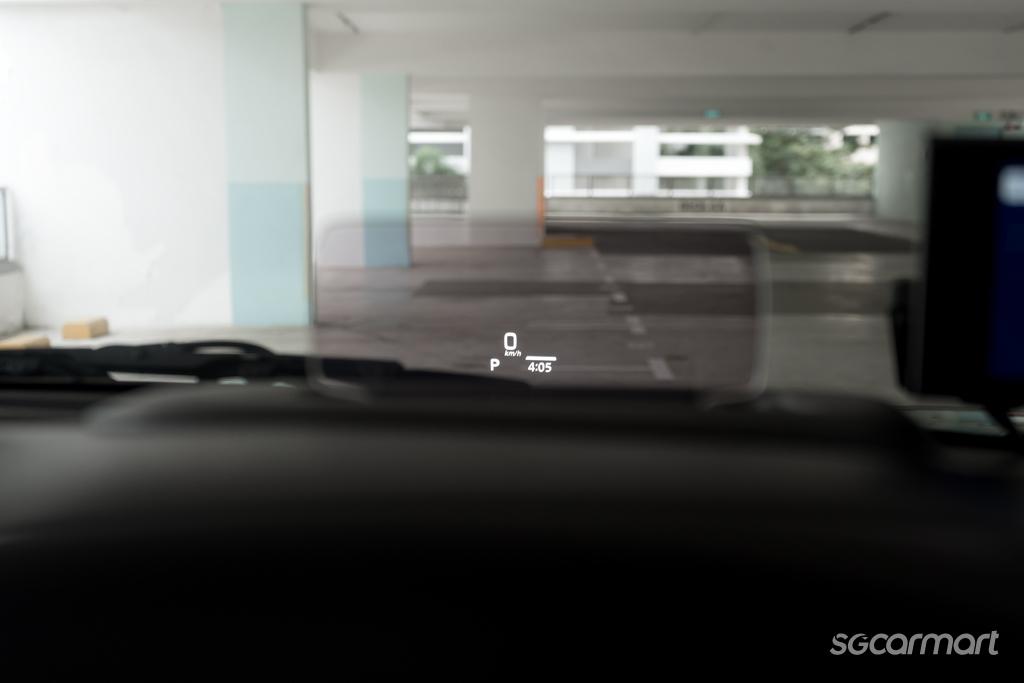
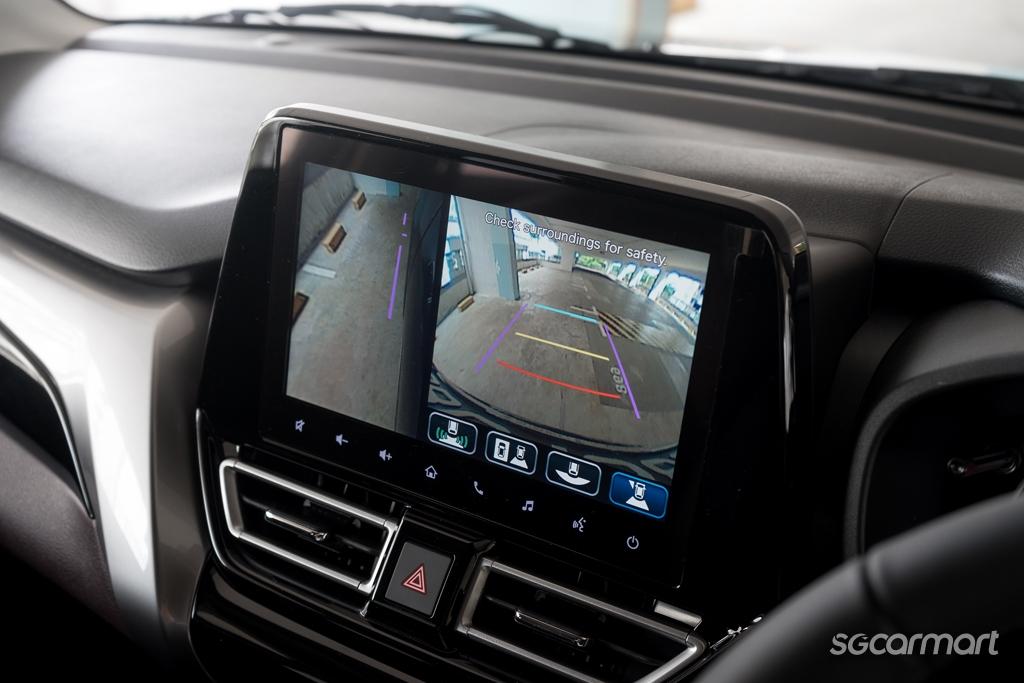
But one specific feature nudges it above the typical crowd: A crisp heads-up display. The multiple configurable displays, alongside the "Hello!!" message you get when starting the Fronx, point clearly to the fact that this wasn't shoe-horned in at the last moment, but properly considered and designed. The car's 360-degree camera is also welcome despite its already-manageable size.
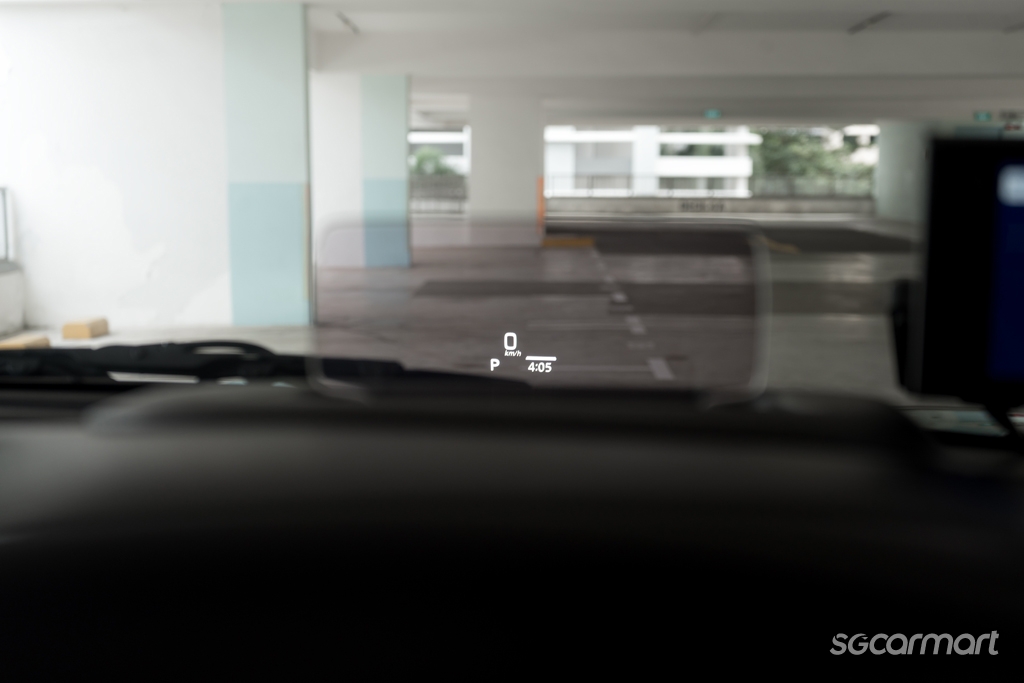
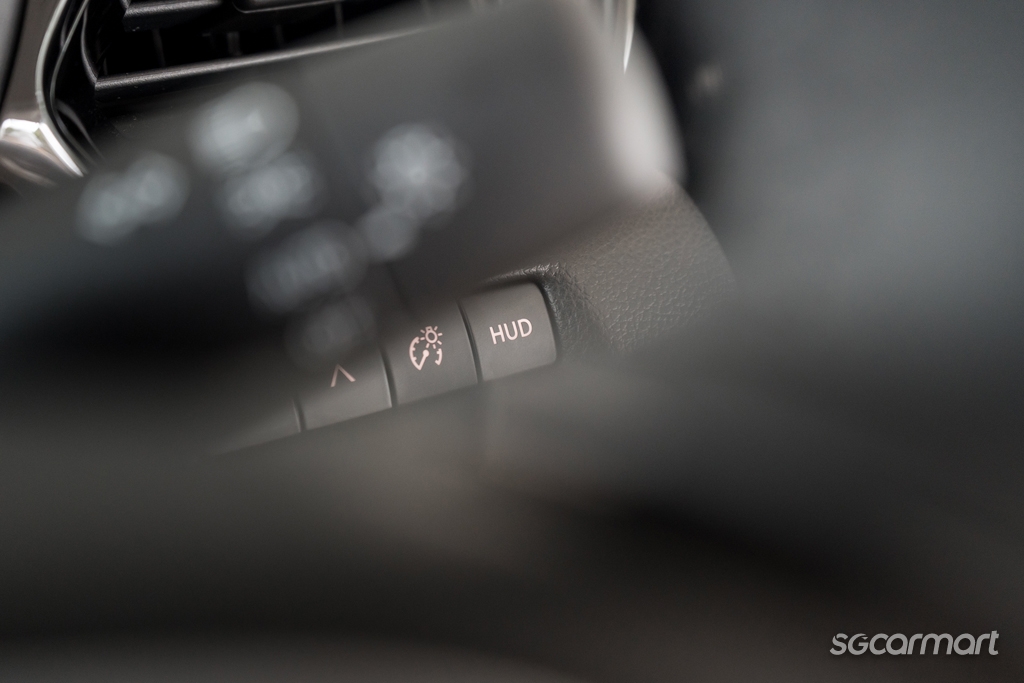
The Fronx does get an exceptional heads-up display that's not just crisp, but comes with configurable displays
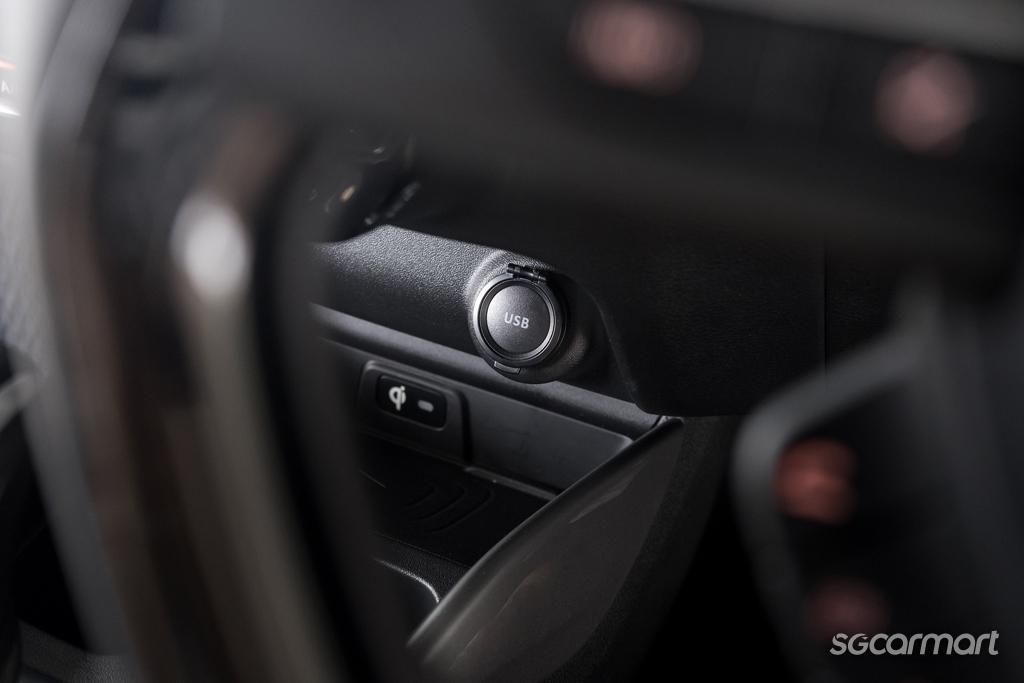
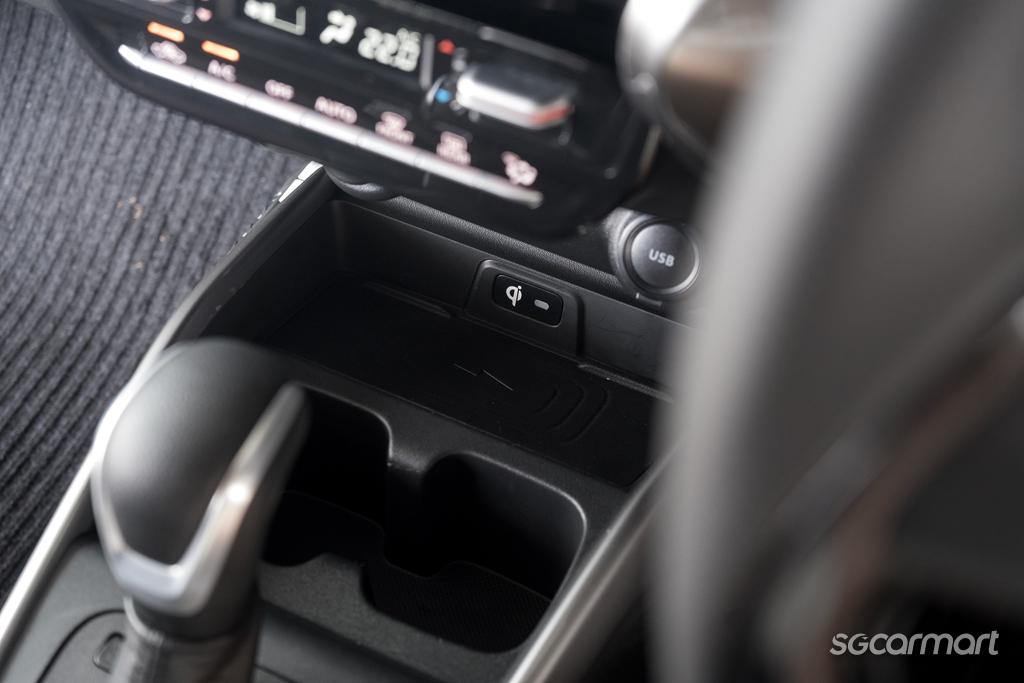
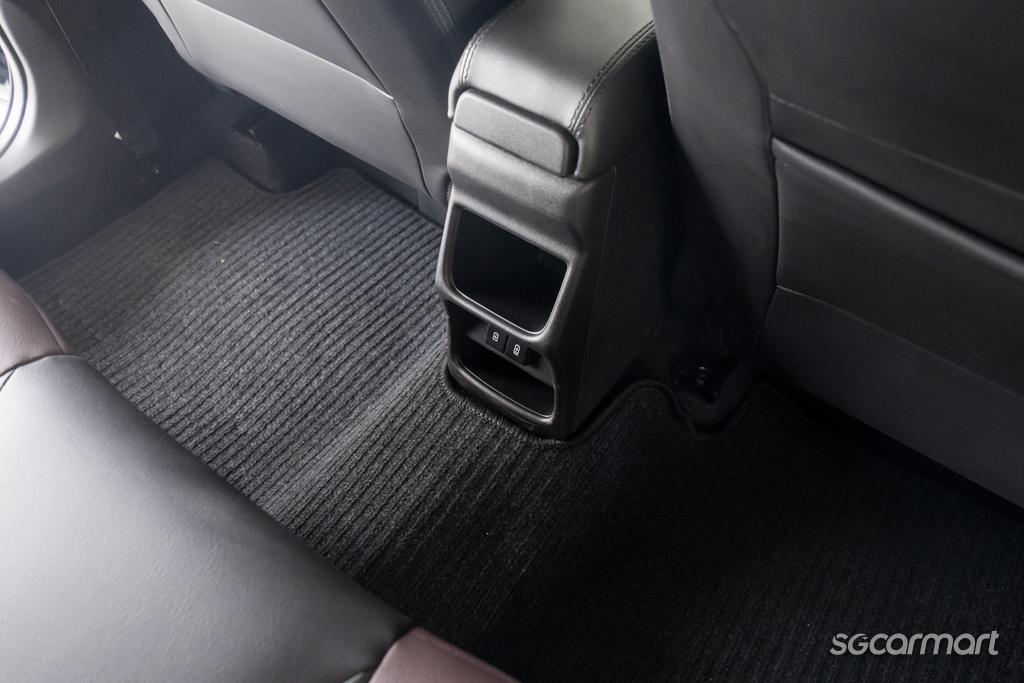
The only gripes? The trade-off for that wireless charging tray is an arguably more useful USB-C port. The front only gets a USB-A outlet and weirdly, the only USB-C port in the entire car is in the second row.
The placement of those cupholders just beneath the centre console also weakens their utility; they'll only swallow shorter bottles, cups and cans. Your hydro flasks (and only the slimmer ones) will have to go into the door bins.
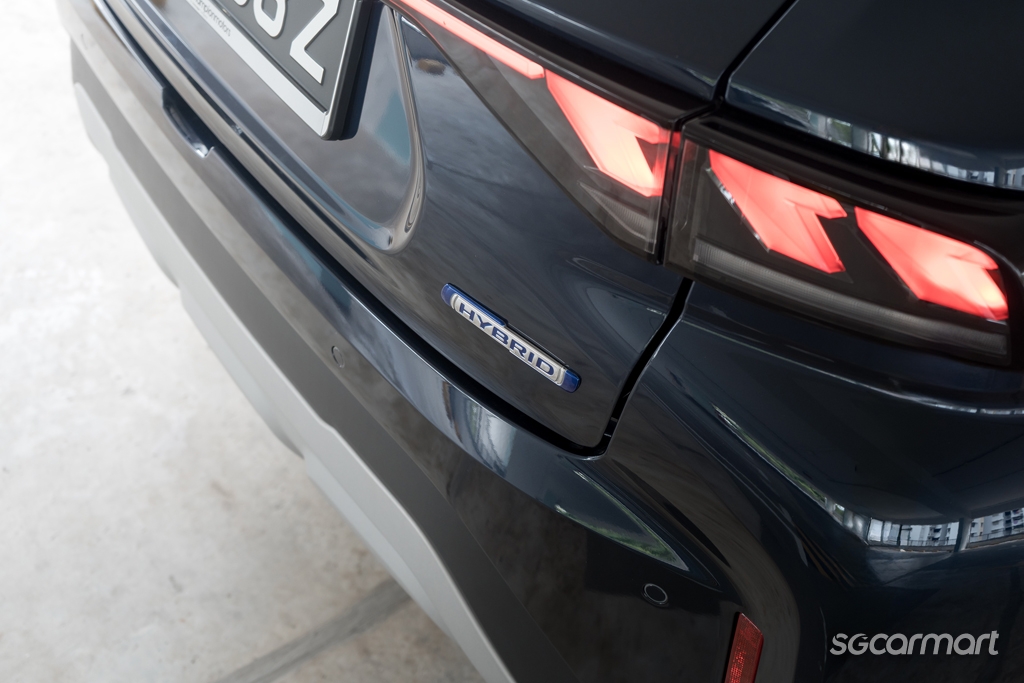
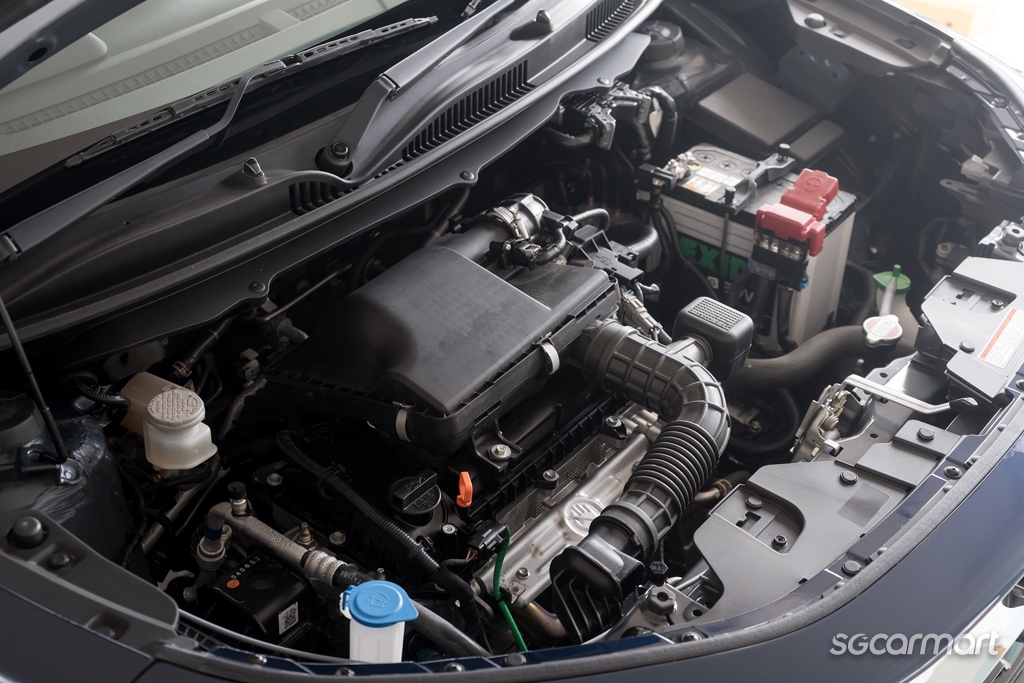
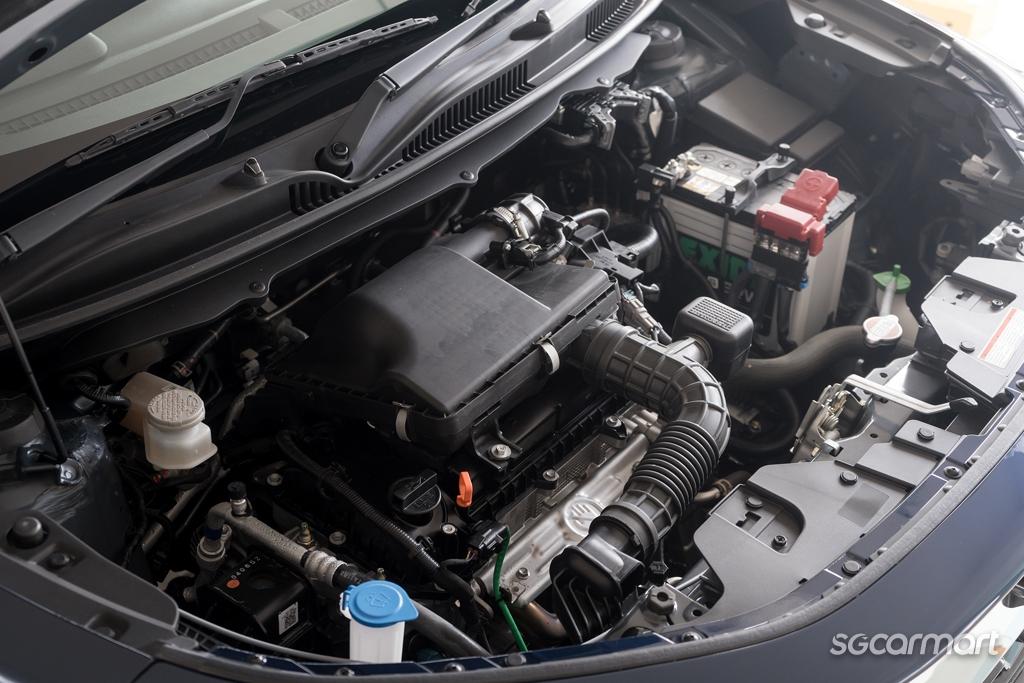
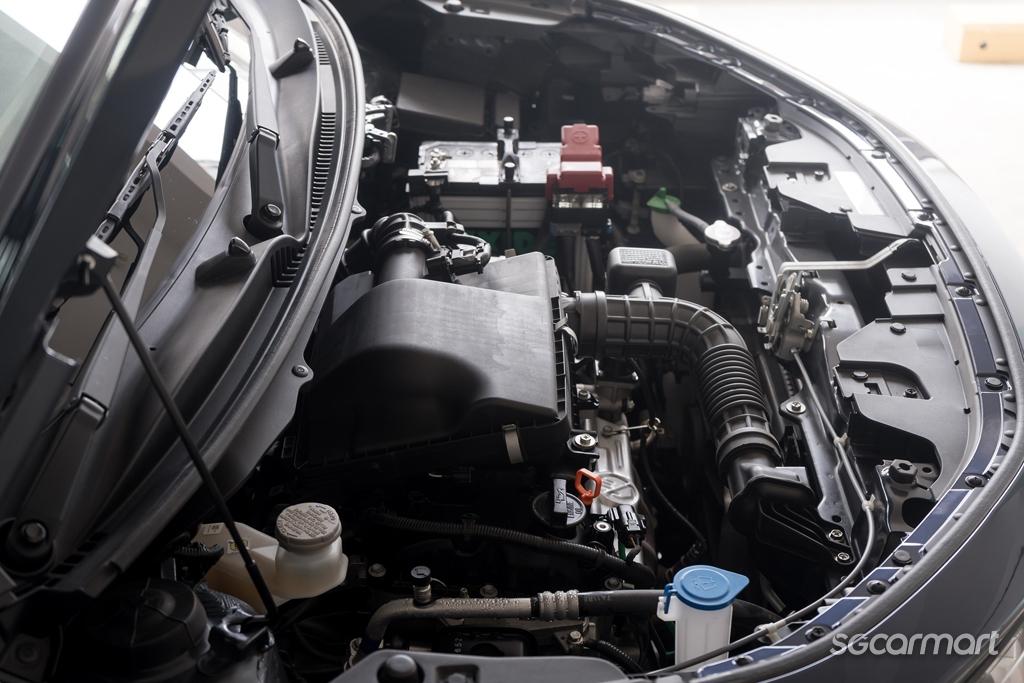
The Fronx is a mild hybrid, drawing power from naturally aspirated 1.5-litre engine with assistance from a 12V integrated starter-generator. System output stands at 102bhp and 137Nm of torque
Better on paper than in practice?
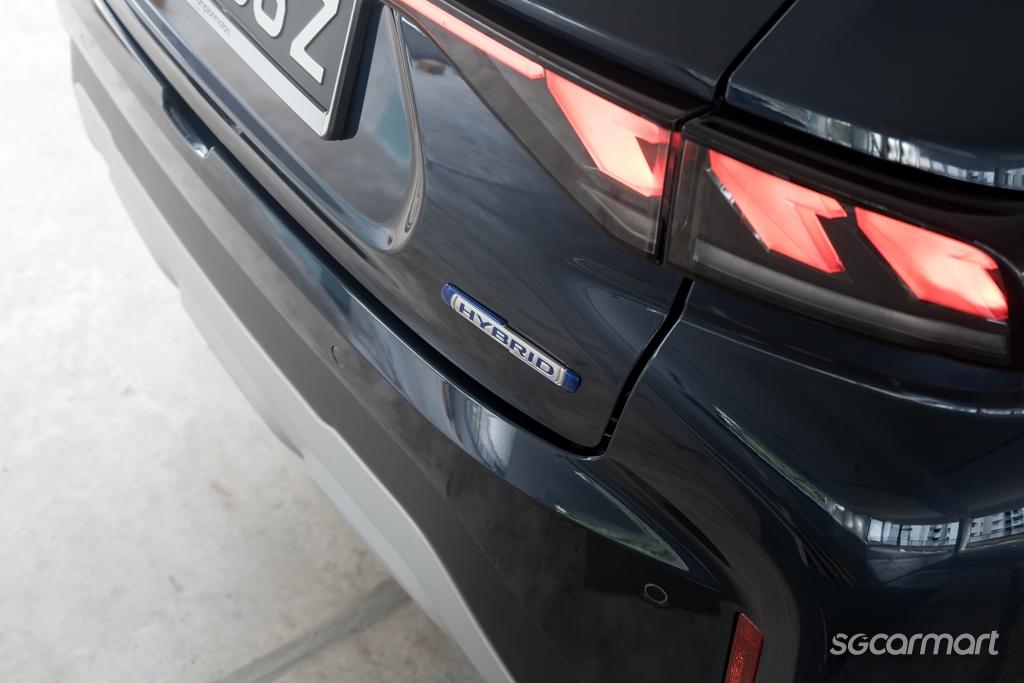
To clear the air, the Fronx - like the Suzuki Swift - does make the offer of some electrification with a blue 'Hybrid' badge tacked onto its tailgate.
Still, this is really a mild hybrid - one that relies on a 12V integrated starter generator (ISG), and not the series-parallel sort popularised by Japan's biggest names. In other words, don't expect the Fronx to ever be driven entirely by electric power.
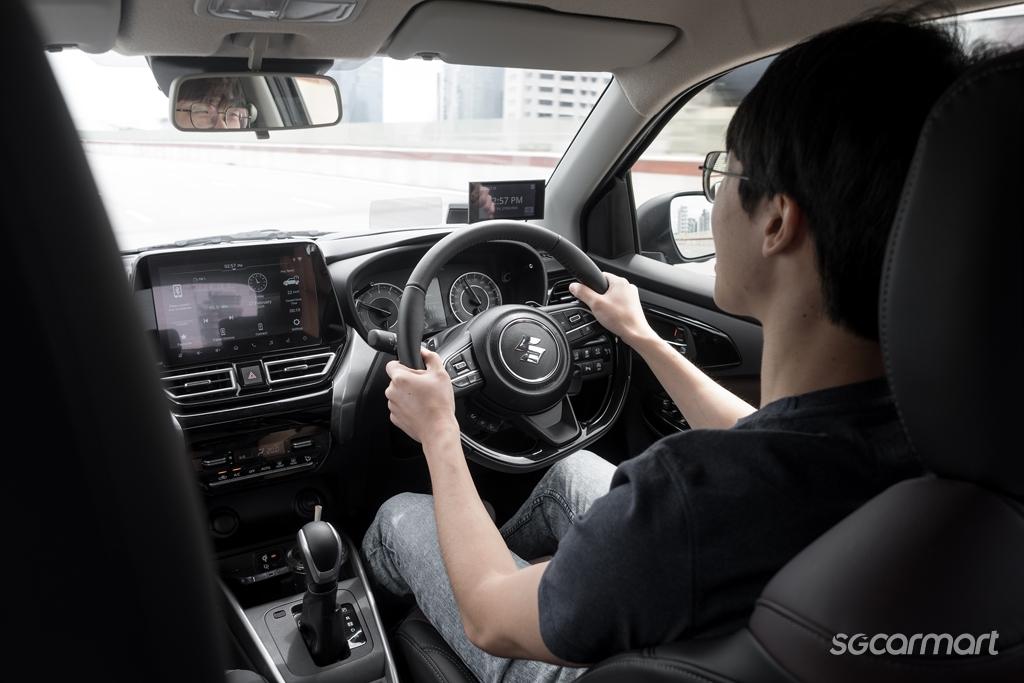
Putting powertrain discourse aside for bit, there certainly are makings here of a fun little crossover that makes you want to go faster, starting with the basics. Those front seats are comfy yet supportive (perfect for long drives), while the driving position is nicely set up. Outward visibility is good too, and the Fronx - as you'd hope from a small car - never loses its sense of manoeuvrability.
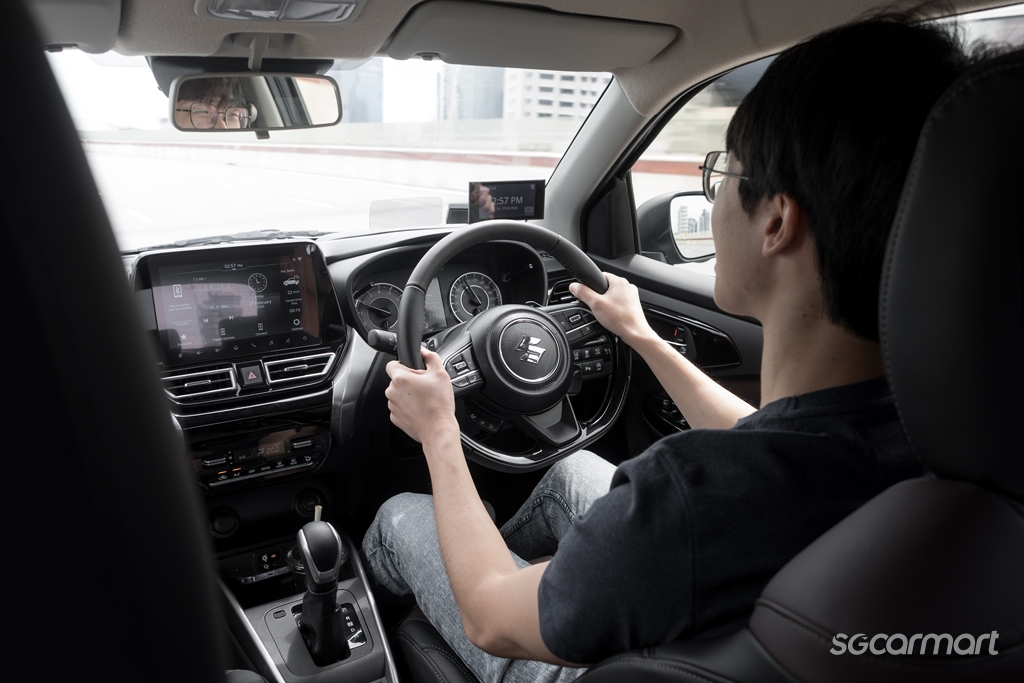
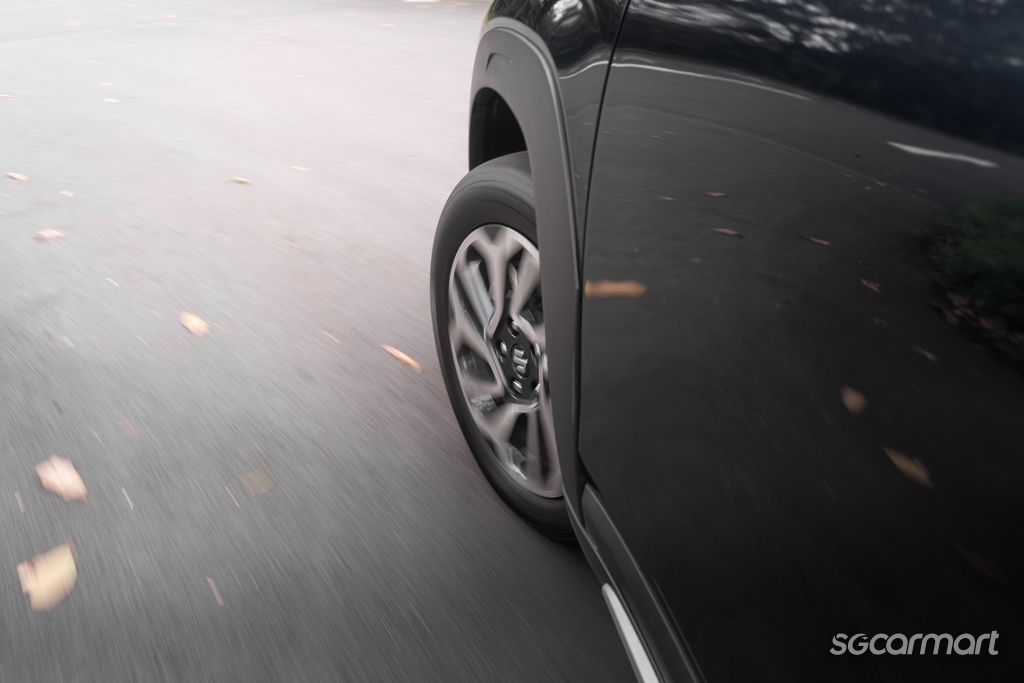
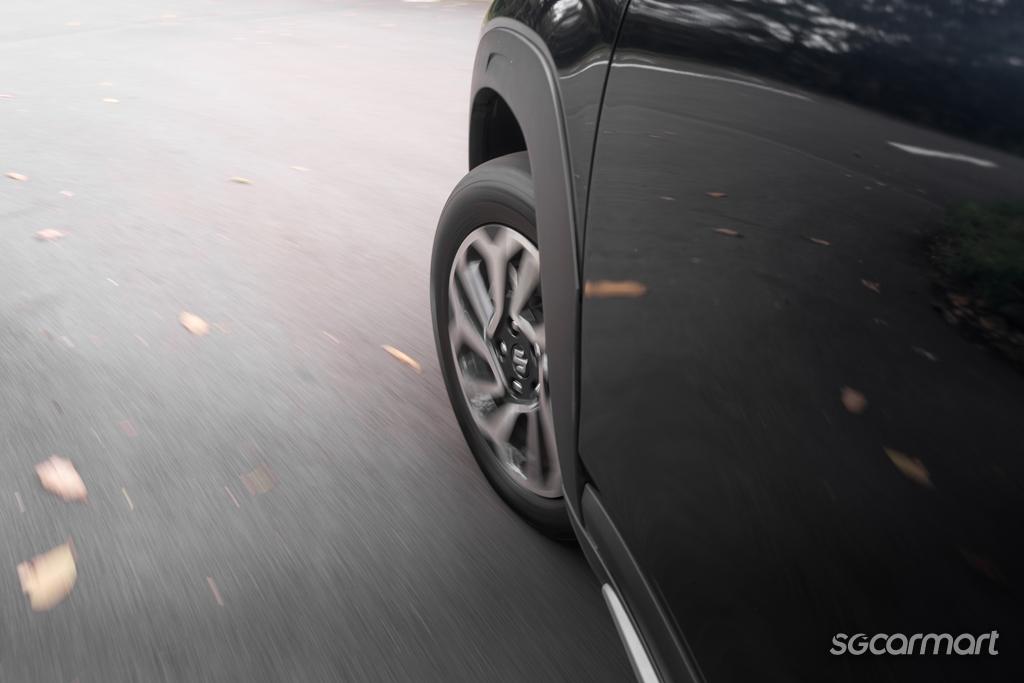
The Fronx's eager handling and weighty steering easily set it apart from your typical compact crossover
It lands its first surprise with its weighty steering - even heavier than on some compact sedans - as well as with its eager handling. You get the sense that the lack of mass plays strongly to the Fronx's advantage here, giving it remarkable willingness to change direction.
The car's ride quality is another highlight. Tending towards the stiffer end this side of a hot hatch, its suspension does send the occasional shock into the cabin on heavily pockmarked roads. But then everything settles quickly thereafter.
At speed, the Fronx even rides with a high level of composure and plantedness that belies its weight and size. Its cabin is also relatively hushed when cruising, with Suzuki Japan crediting the use of an inner silencer in the dash for enhanced insulation. (There's only perceptible wind buffeting from the wing mirrors.) Few compact crossovers feel as assured and tight from behind the wheel.
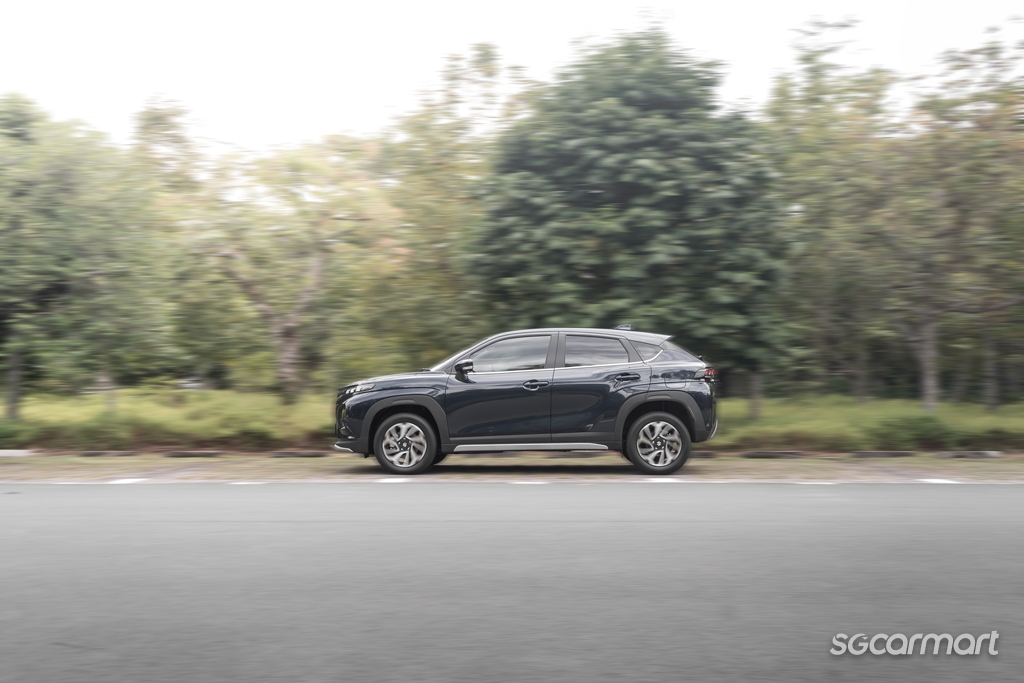
Composure and stability at speed are also among the Fronx's standout qualities when on the move
But the Fronx is ultimately held back - its lustre, unfortunately dulled - by a powertrain that doesn't rise to the same heights as all those qualities mentioned before.
Already, output from its naturally aspirated 1.5-litre engine, even when assisted by that integrated starter generator, stands at just 102bhp and 137Nm of torque. But dampening matters further is the effort required to unlock all of the latter, which only arrives upwards of 4,400rpm.
The journey to that point is not the most pleasant either. Under harder acceleration, the six-speed torque converter feels less responsive than expected, with sluggish gear shifts that hamper the sensation of speed.
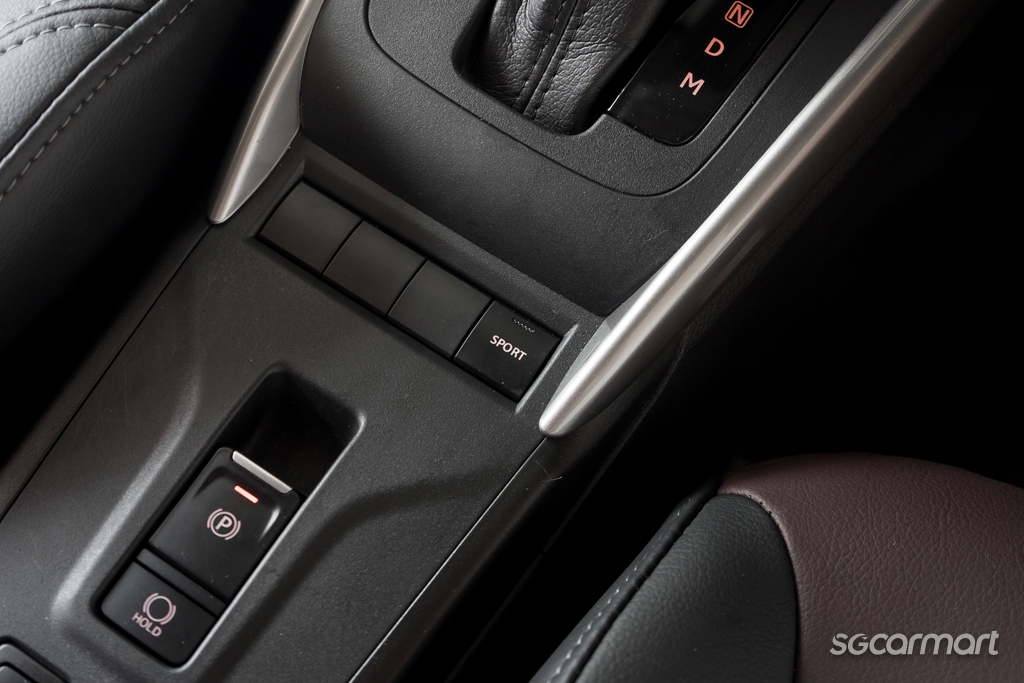
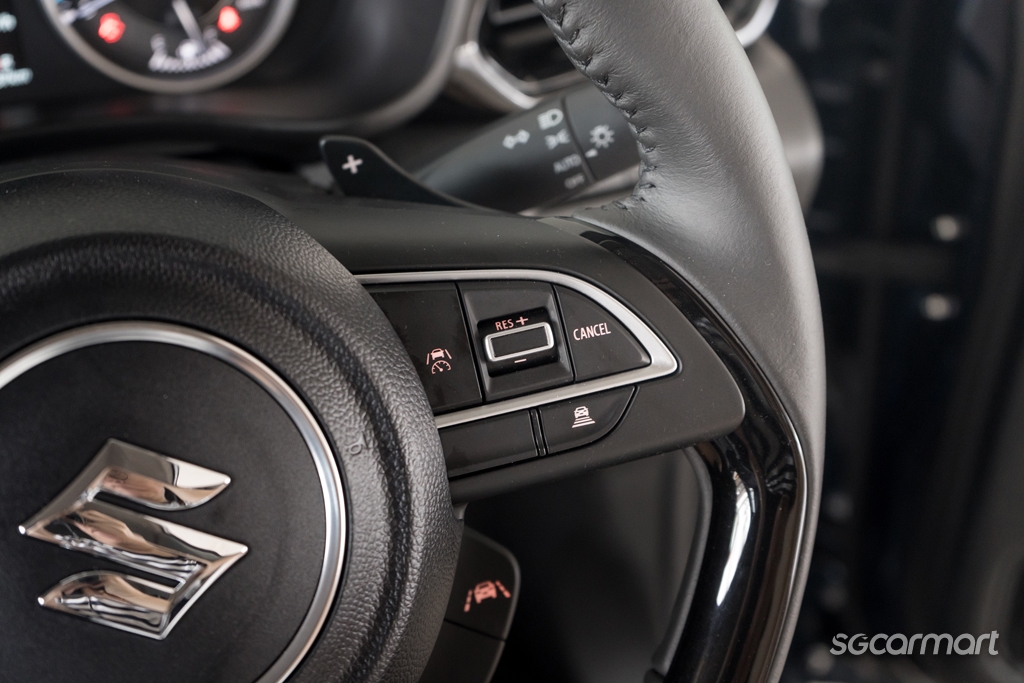
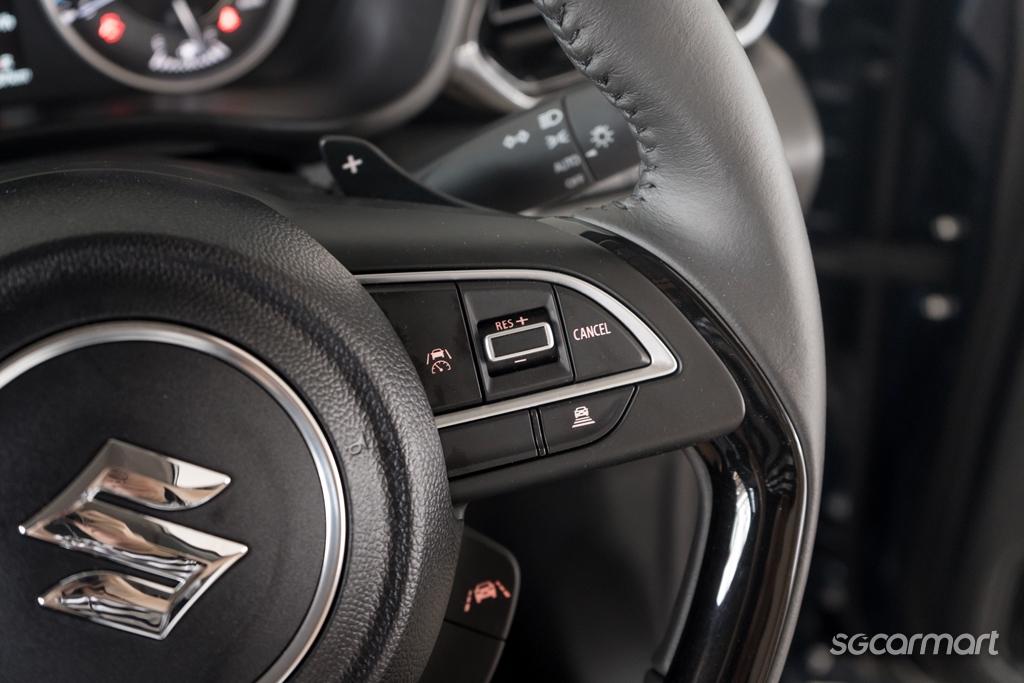
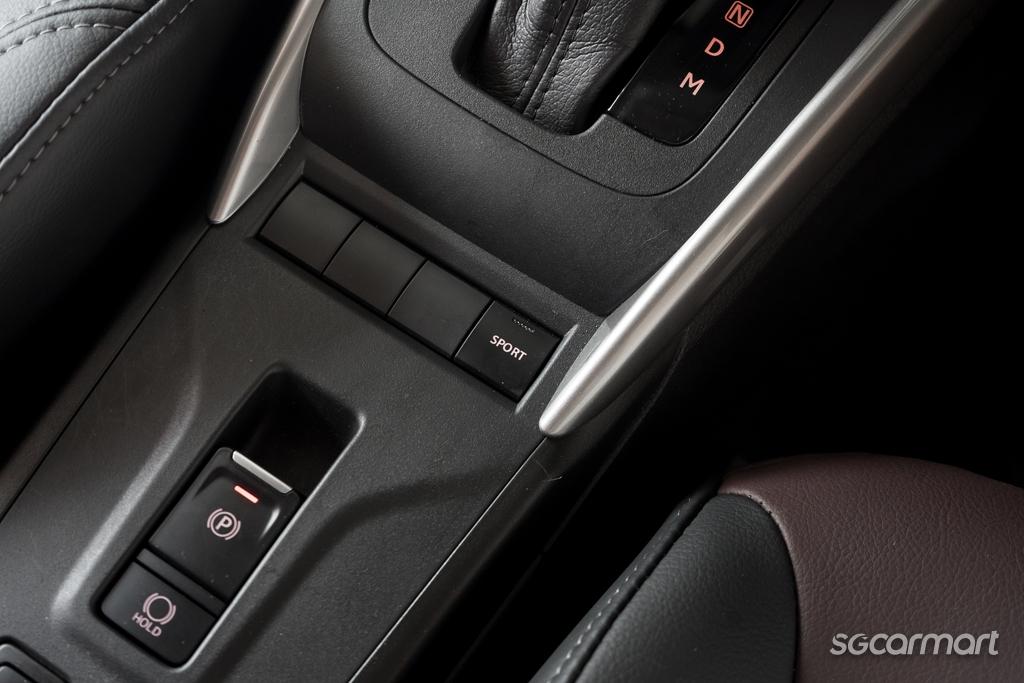
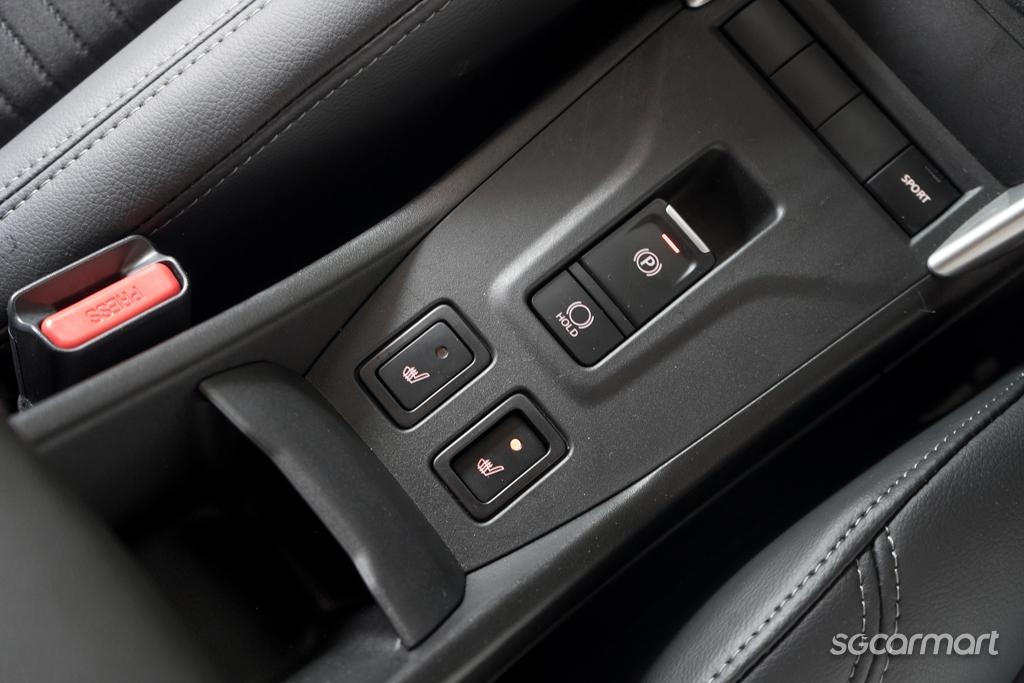
Paddle shifters and a dedicated Sport mode don't really mitigate the sluggish performance; the latter just holds the revs higher, without overcoming the sensation of lethargy when trying to push the Fronx for a bit more power
Weirdly, even the less powerful Swift feels peppier. Driving the Fronx at speed may be relaxing; getting it there, however, requires effort with well-timed overtakes. Those expecting the spunky character of the turbocharged S-Cross - as yours truly did - may walk away disappointed.
The rough, ragged edges of this powertrain reveal themselves the more you poke at it. Transitions between the integrated starter-generator and engine are less seamless than desired, while the former feels almost too eager to recuperate energy with its regenerative braking. The result is a general lack of smoothness - though this can be circumvented by going gentler with the Fronx.
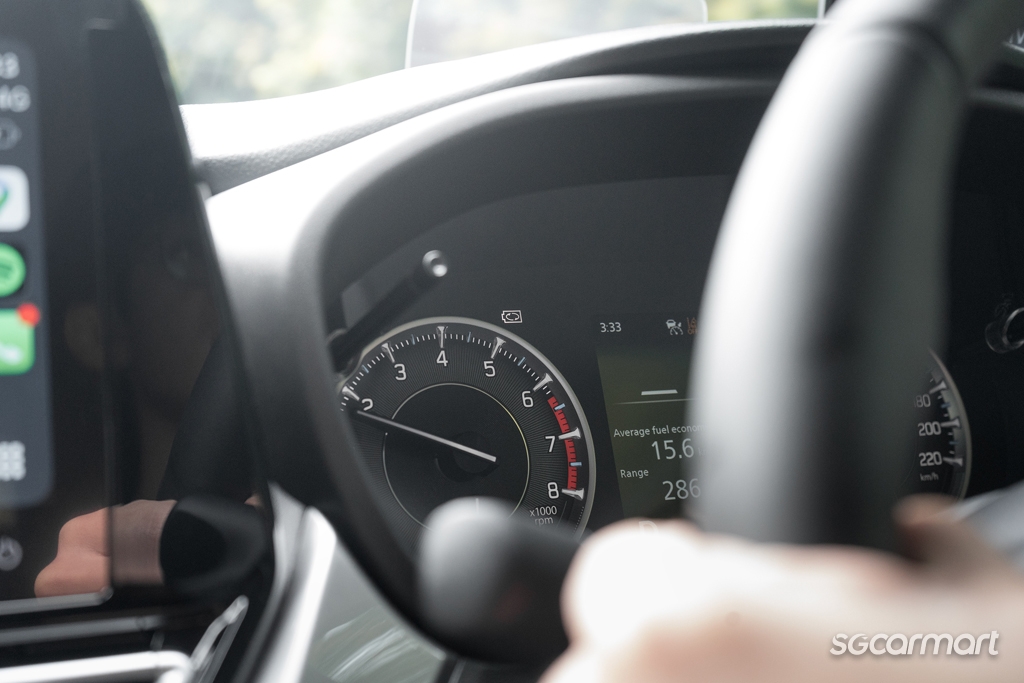
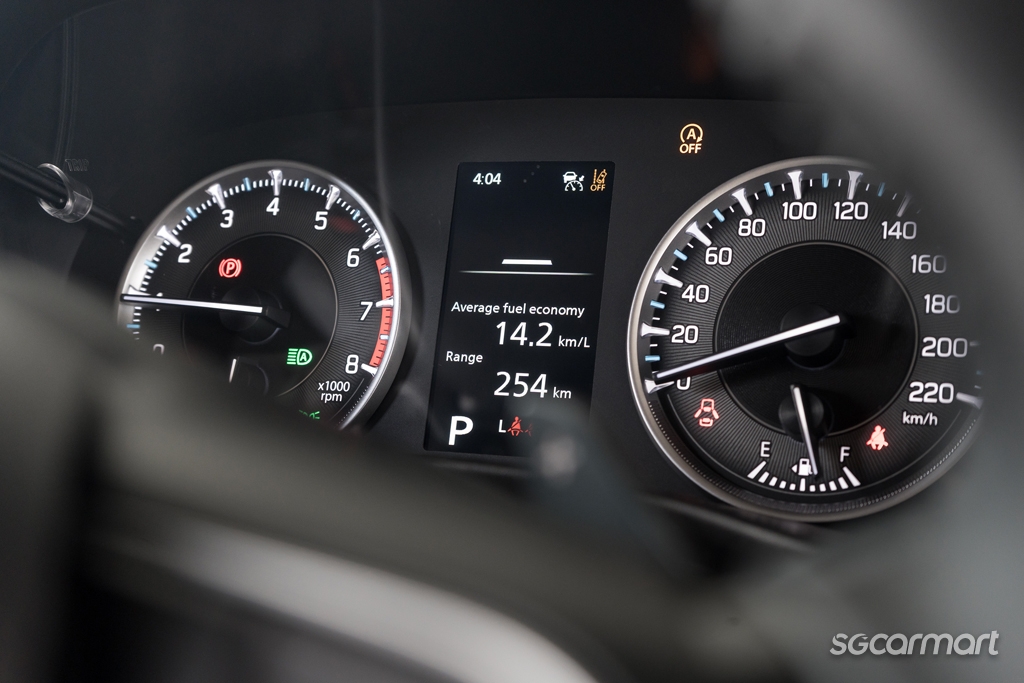
Transitions between the ISG and engine could be smoother, but the former is praiseworthy in its efforts to recuperate energy, contributing to commendable fuel efficiency; we were on track for more than 16km/L
That said, the Fronx claws back seriously impressive points too in the fuel efficiency department.
With a 60:40 mix between highway and urban driving, we were on track to achieve more than 16km/L, easily exceeding the official claim of 15.4km/L. Go lighter with the pedal - which is really the best way to enjoy the car - and you could see that number easily climbing further. To that end, the Fronx is faultless in adhering to Suzuki's promise of making economical runabouts.
Whether or not this mixed bag of outstanding and less-than-stellar qualities is enough to win a buyer over in 2026, however, remains a huge question mark. In fact, it's all too easy to lament what could have been, had the Fronx arrived just five years earlier.
Wind the clock back to 2021, and you would have observed names like the Toyota Yaris Cross and Nissan Kicks e-POWER steamrolling onto our roads by the hundreds. You can almost imagine that the Fronx would have settled nicely beneath them in the pecking order - serving as a budget-oriented, but still-appealing counterpoint alongside something like the parallel-imported Toyota Raize (in truth its real rival, size and segment-wise).
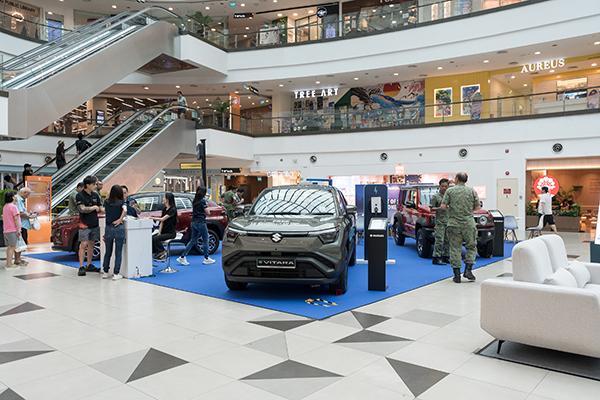
The winds of change in Singapore's car market have not blown in favour of the Fronx of late, putting it in a slightly tricky position at its launch
But return to the present, and in 2026, the rules of the entry-level segment have been rewritten entirely.
From a pure dollar perspective, the real foes of the Fronx now aren't just fully electric; they're also offering more while asking for less than its $170,000-ish price tag (accurate at the time of writing, inclusive of COE). To the average buyer, it likely doesn't matter either that this is largely out of Suzuki's hands. (Pry a bit further, and you'll notice that the Fronx is chucked into C2 banding under the revised VES, which slaps it with a hefty $22,500 surcharge. The three-door Jimny, for context, is in C1, while the Swift is in B.)
There's no doubt that the Fronx is a stylish (if flawed) little crossover, with a rare set of charms, and most of the delectable hallmarks that have come to define the Suzuki brand. But running up against a market today that's grown more hostile to machines of its ilk, there's also no denying that it has its work cut out in winning new fans over - or indeed, in truly embodying a new frontier.
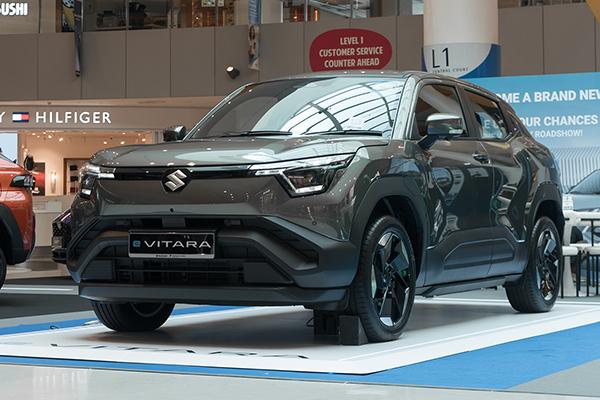
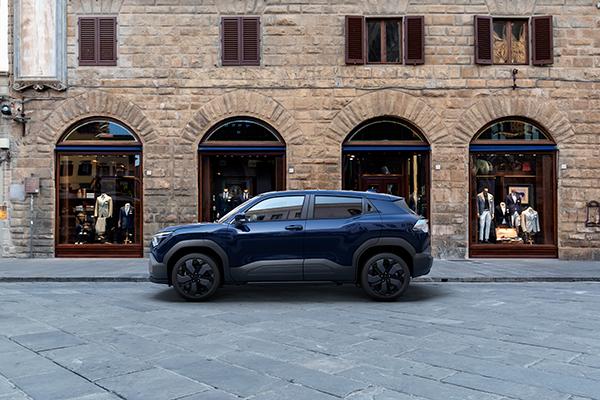
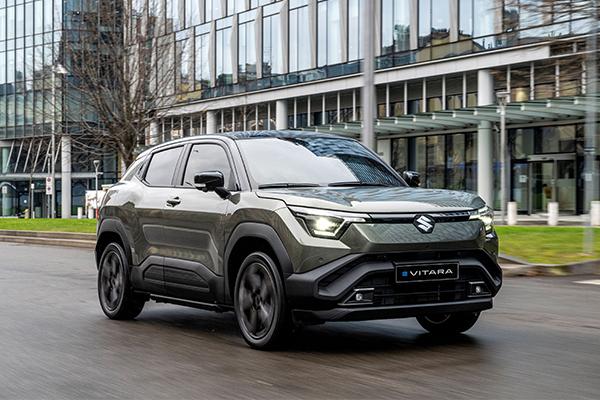
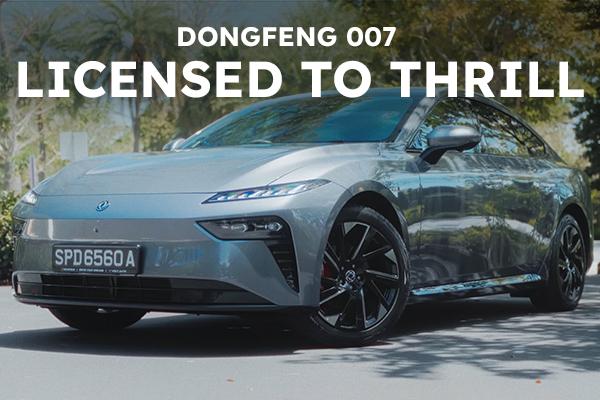
Don't forget to check out these other compact crossovers!
What We Like
Genuinely compact and lightweight
Bold styling
Sensible cabin; nifty heads-up display
Spacious enough in the second row for its size
Weighty steering, eager handling
Composed and quiet enough at speed for a compact crossover
What We Dislike
Feeble engine; sluggish and clunky transmission
Small boot
A tough sell against rivals at its price point
While we all await Suzuki's imminent first electric crossover, Japan's resilient underdog thinks it has something that can plug the gap for those still uncertain about plugging in.
Since the criminally underrated S-Cross quietly left Champion Motors' pricelists in December 2025, a crossover-sized gulf has been left in the local Suzuki lineup. Ostensibly seeking to fill it, Suzuki has fielded a tiny new high-rider it calls the Fronx, marking the rare brand-new name that still largely relies on combustion power to touch down in an increasingly EV-friendly market.
The Fronx's name is apparently an amalgamation of 'Frontier' and 'crossover', as in 'X'
Genuinely compact, genuinely lightweight
Genuinely small and lightweight cars are tough to find these days, especially when they're completely new nameplates. And don't let the bevy of new compact electric faces fool you into thinking otherwise too. The likes of the cutesy Aion UT and ORA Good Cat are Volkswagen Golf-sized at over 4.2 metres in length; even the pint-sized Dongfeng Box weighs more than 1.3 tonnes.
So on paper, the all-new Fronx has quite a fair bit going for its unique formula. For starters, it tips the scales at just 1,050kg when unladen - less than an Asian adult's weight north of a tonne. It's also less than four metres long. That means it occupies less space from nose to tail than something like a five-door MINI Cooper C. Few modern cars today are as easy to parallel park.
The Fronx's bold styling flows into the rear, with a full-width light bar and an amusingly pronounced matte skid plate
To counter that and emphasise its presence, the Fronx coughs up the full stylistic checklist for crossovers - but in Suzuki style.
Commendably, the Fronx's bold outlook comes from its distinctive three-piece DRLs up front (even the main beams beneath are arranged in threes) and jagged black front grille.
The Fronx is officially referred to as a coupe-SUV, and comes with a lightly-tapered roofline to match the claim
Suzuki has officially christened it a coupe-SUV - meaning the roofline does taper down toward the rear for extra style. But what's most distinctive about the rear is just how massive that matte skidplate is.
Amidst the repeated three-piece tail lights, a full-length light bar is thrown in for good measure too. Small, the Fronx may be; anonymous-looking, it most certainly is not.
You'd expect that there to be compromises in space considering the Fronx’s pursuit of downsized style.
But swing the rear doors open and a decently spacious second row awaits. As long as they're under 1.8 metres in height, two average-sized Asian adults will fit quite comfortably here, with sufficient leg and head room. (Three, though, might be a squeeze due to the Fronx's narrower body.) For a car of this size, then, passenger space is more than decent.
Two average-sized Adults should still be able to get quite comfortable in the rear, though the Fronx's 304-litre boot isn't the largest for its segment; fold the 60:40 seats down, though, and this nearly doubles to 605 litres
But where the Fronx undeniably loses out is in the cargo-hauling department, with a 304-litre boot that doesn't just reside towards the smaller end of the market, but is recessed within quite a tall load lip. Thankfully, the space is still fairly versatile thanks to the 60:40 split of the rear bench; knock the second row down entirely and it expands to a handier 605 litres too.
Otherwise, the rest of the cabin should delight those who already have their expectations managed for a budget-oriented car.
A dual-tone interior helps to enliven the Fronx's otherwise austere cabin, which actually feels solidly screwed together
Despite the half-analogue approach, Suzuki knows a thing or two about putting together a visually pleasing instrument cluster; peek the gauges' light blue accents
While hard plastics abound, the Fronx does get a classy dual-tone colourway (black mixed with chocolate) as standard that enlivens the interior environs. Trend-chasers may bemoan the lack of large screens - there isn't even a full-digital driver's display - but it's likely the analogue route favoured here that will feel more satisfying over the longer run.
It's certainly more driver-focused, and also more unique too given how tablet-obsessed the interiors of new cars today have become. In particular, the two brushed-aluminium tabs that control temperature and fan-speed for the A/C (single-zone only, though, sadly) are a highlight: Lovely to look at and operate.
The Fronx doesn't deal in light shows of the conventional modern sort (read: ambient lighting strips), but its older school approach is its own visual treat, with the physical controls emanating a powerful orange glow as evening falls
Besides, the Fronx dishes out competent digitalisation where it counts: It gets a well-sized 9.0-inch infotainment touchscreen that offers OS-agnostic wireless phone mirroring. Its repeatedly speedy sync-ups make the user experience that bit more pleasant.
But one specific feature nudges it above the typical crowd: A crisp heads-up display. The multiple configurable displays, alongside the "Hello!!" message you get when starting the Fronx, point clearly to the fact that this wasn't shoe-horned in at the last moment, but properly considered and designed. The car's 360-degree camera is also welcome despite its already-manageable size.
The Fronx does get an exceptional heads-up display that's not just crisp, but comes with configurable displays
The only gripes? The trade-off for that wireless charging tray is an arguably more useful USB-C port. The front only gets a USB-A outlet and weirdly, the only USB-C port in the entire car is in the second row.
The placement of those cupholders just beneath the centre console also weakens their utility; they'll only swallow shorter bottles, cups and cans. Your hydro flasks (and only the slimmer ones) will have to go into the door bins.
The Fronx is a mild hybrid, drawing power from naturally aspirated 1.5-litre engine with assistance from a 12V integrated starter-generator. System output stands at 102bhp and 137Nm of torque
Better on paper than in practice?
To clear the air, the Fronx - like the Suzuki Swift - does make the offer of some electrification with a blue 'Hybrid' badge tacked onto its tailgate.
Still, this is really a mild hybrid - one that relies on a 12V integrated starter generator (ISG), and not the series-parallel sort popularised by Japan's biggest names. In other words, don't expect the Fronx to ever be driven entirely by electric power.
Putting powertrain discourse aside for bit, there certainly are makings here of a fun little crossover that makes you want to go faster, starting with the basics. Those front seats are comfy yet supportive (perfect for long drives), while the driving position is nicely set up. Outward visibility is good too, and the Fronx - as you'd hope from a small car - never loses its sense of manoeuvrability.
The Fronx's eager handling and weighty steering easily set it apart from your typical compact crossover
It lands its first surprise with its weighty steering - even heavier than on some compact sedans - as well as with its eager handling. You get the sense that the lack of mass plays strongly to the Fronx's advantage here, giving it remarkable willingness to change direction.
The car's ride quality is another highlight. Tending towards the stiffer end this side of a hot hatch, its suspension does send the occasional shock into the cabin on heavily pockmarked roads. But then everything settles quickly thereafter.
At speed, the Fronx even rides with a high level of composure and plantedness that belies its weight and size. Its cabin is also relatively hushed when cruising, with Suzuki Japan crediting the use of an inner silencer in the dash for enhanced insulation. (There's only perceptible wind buffeting from the wing mirrors.) Few compact crossovers feel as assured and tight from behind the wheel.
Composure and stability at speed are also among the Fronx's standout qualities when on the move
But the Fronx is ultimately held back - its lustre, unfortunately dulled - by a powertrain that doesn't rise to the same heights as all those qualities mentioned before.
Already, output from its naturally aspirated 1.5-litre engine, even when assisted by that integrated starter generator, stands at just 102bhp and 137Nm of torque. But dampening matters further is the effort required to unlock all of the latter, which only arrives upwards of 4,400rpm.
The journey to that point is not the most pleasant either. Under harder acceleration, the six-speed torque converter feels less responsive than expected, with sluggish gear shifts that hamper the sensation of speed.
Paddle shifters and a dedicated Sport mode don't really mitigate the sluggish performance; the latter just holds the revs higher, without overcoming the sensation of lethargy when trying to push the Fronx for a bit more power
Weirdly, even the less powerful Swift feels peppier. Driving the Fronx at speed may be relaxing; getting it there, however, requires effort with well-timed overtakes. Those expecting the spunky character of the turbocharged S-Cross - as yours truly did - may walk away disappointed.
The rough, ragged edges of this powertrain reveal themselves the more you poke at it. Transitions between the integrated starter-generator and engine are less seamless than desired, while the former feels almost too eager to recuperate energy with its regenerative braking. The result is a general lack of smoothness - though this can be circumvented by going gentler with the Fronx.
Transitions between the ISG and engine could be smoother, but the former is praiseworthy in its efforts to recuperate energy, contributing to commendable fuel efficiency; we were on track for more than 16km/L
That said, the Fronx claws back seriously impressive points too in the fuel efficiency department.
With a 60:40 mix between highway and urban driving, we were on track to achieve more than 16km/L, easily exceeding the official claim of 15.4km/L. Go lighter with the pedal - which is really the best way to enjoy the car - and you could see that number easily climbing further. To that end, the Fronx is faultless in adhering to Suzuki's promise of making economical runabouts.
Whether or not this mixed bag of outstanding and less-than-stellar qualities is enough to win a buyer over in 2026, however, remains a huge question mark. In fact, it's all too easy to lament what could have been, had the Fronx arrived just five years earlier.
Wind the clock back to 2021, and you would have observed names like the Toyota Yaris Cross and Nissan Kicks e-POWER steamrolling onto our roads by the hundreds. You can almost imagine that the Fronx would have settled nicely beneath them in the pecking order - serving as a budget-oriented, but still-appealing counterpoint alongside something like the parallel-imported Toyota Raize (in truth its real rival, size and segment-wise).
The winds of change in Singapore's car market have not blown in favour of the Fronx of late, putting it in a slightly tricky position at its launch
But return to the present, and in 2026, the rules of the entry-level segment have been rewritten entirely.
From a pure dollar perspective, the real foes of the Fronx now aren't just fully electric; they're also offering more while asking for less than its $170,000-ish price tag (accurate at the time of writing, inclusive of COE). To the average buyer, it likely doesn't matter either that this is largely out of Suzuki's hands. (Pry a bit further, and you'll notice that the Fronx is chucked into C2 banding under the revised VES, which slaps it with a hefty $22,500 surcharge. The three-door Jimny, for context, is in C1, while the Swift is in B.)
There's no doubt that the Fronx is a stylish (if flawed) little crossover, with a rare set of charms, and most of the delectable hallmarks that have come to define the Suzuki brand. But running up against a market today that's grown more hostile to machines of its ilk, there's also no denying that it has its work cut out in winning new fans over - or indeed, in truly embodying a new frontier.
Don't forget to check out these other compact crossovers!



Car Information
Suzuki Fronx Mild Hybrid 1.5 Standard (A)
$185,888
CAT A|Petrol-Electric|15.4km/L
Horsepower
76kW (102 bhp)
Torque
137 Nm
Acceleration
-
Promotion
Drive home with 6 months road tax, free 3M solar film, free front and rear in-car camera and many more with Suzuki today.
Read more
Thank You For Your Subscription.




Tags
Products & Services

For Owners
Quick Links
About Sgcarmart