Intent and realisation from the Beijing Motor Show 2026
04 May 2026|2,622 views
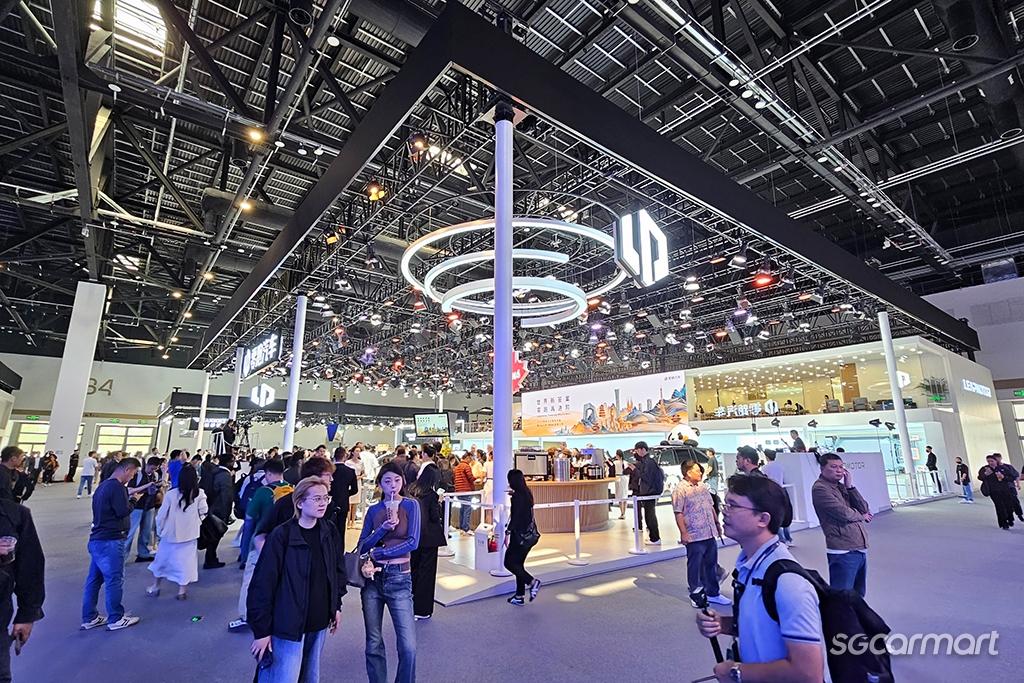
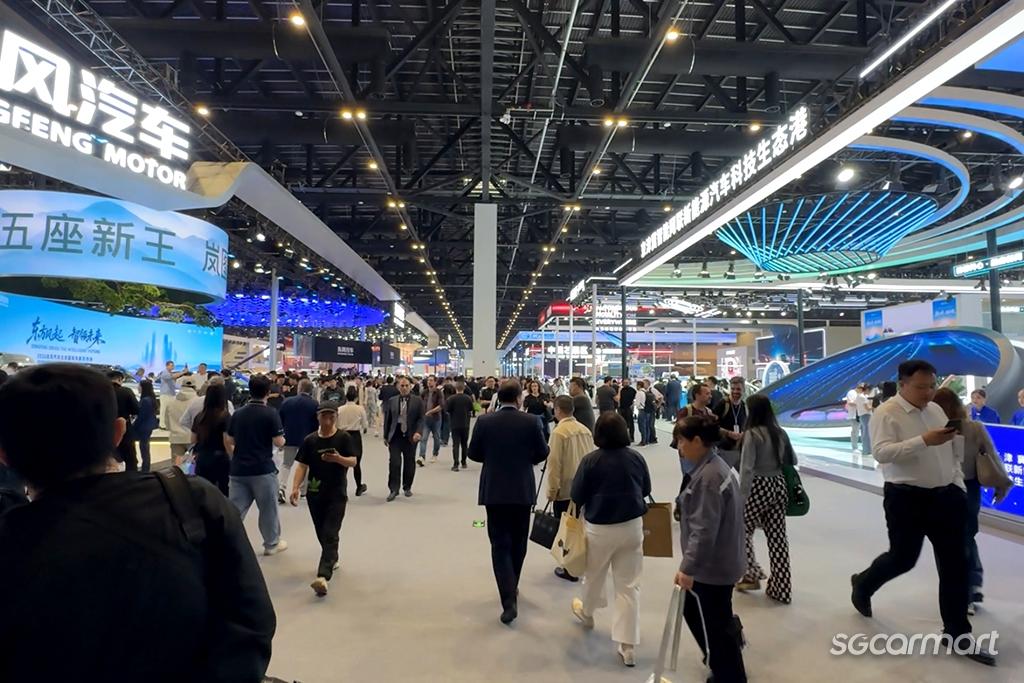
It used to be easy to dismiss Chinese cars. They were always improving, forever approaching credibility but never quite arriving. Then I had to attend the 19th Beijing Motor Show, one of the largest motor shows in the world, and the truth became difficult to ignore: China is no longer catching up. China has superseded the world in terms of technology, product, and quality by composing its own playbook - and Singapore's distributors are quietly positioning themselves to benefit.
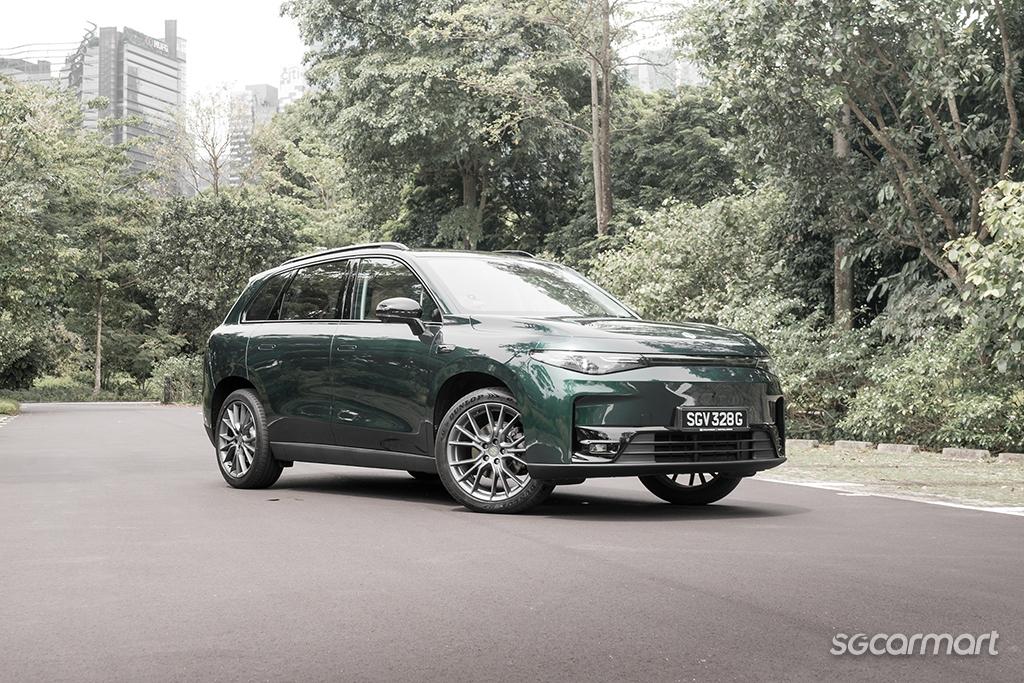
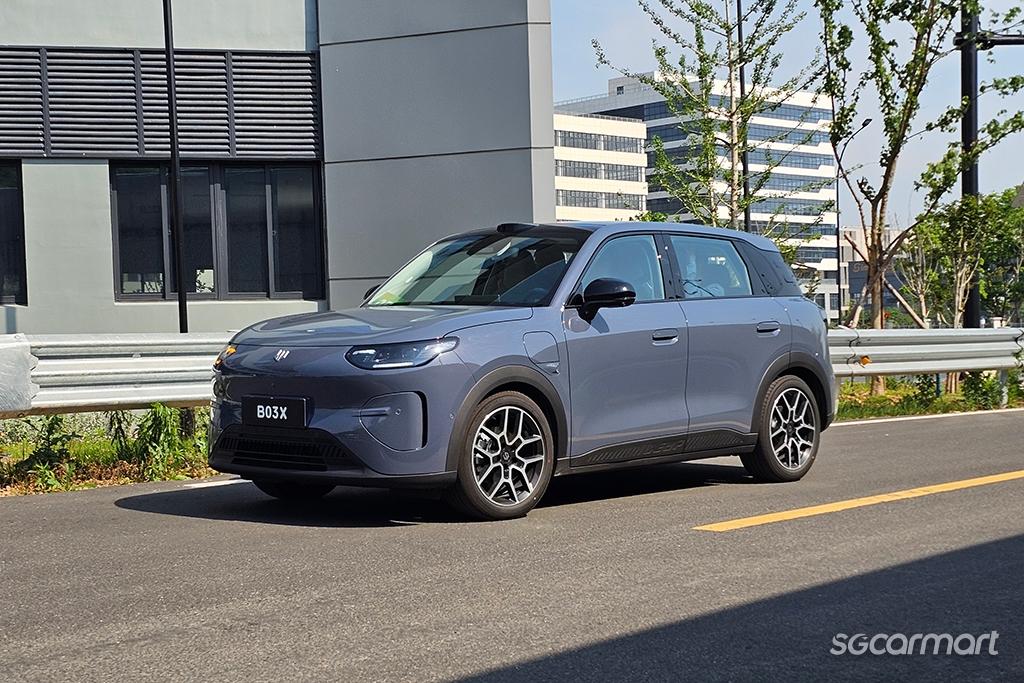
That matters to companies such as Cycle & Carriage (C&C) and Premium Automobiles in Singapore, where they represent several different Chinese car brands. For instance, C&C today represents Great Wall Motor's Ora brand in Singapore and is reportedly evaluating further entries such as Wey and Haval, while already carrying Leapmotor with the C10 and upcoming B10 and A10.
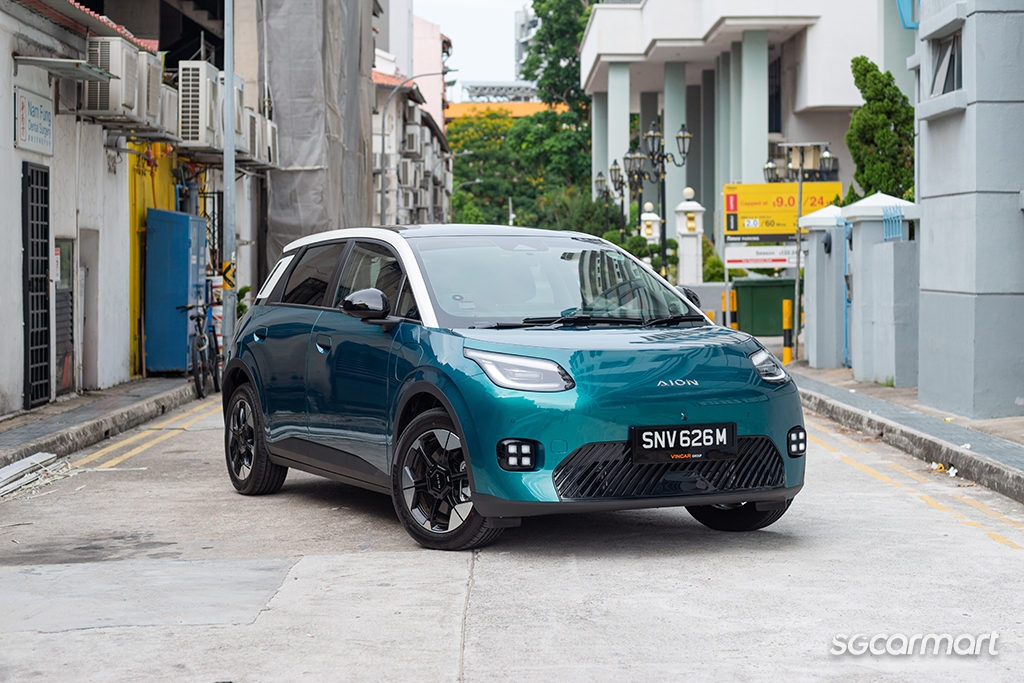
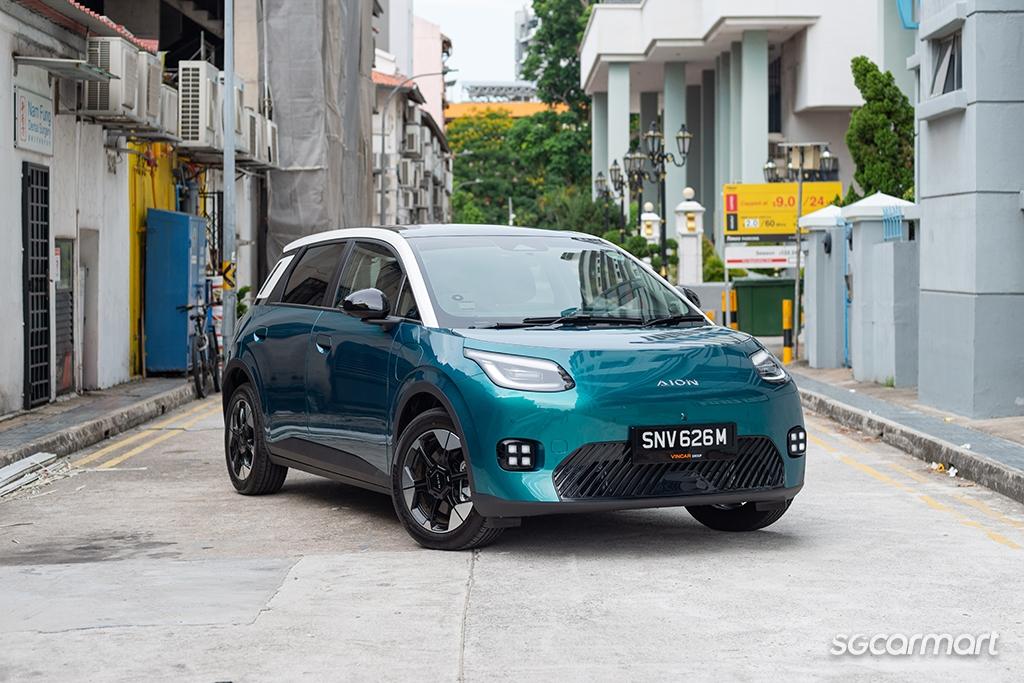
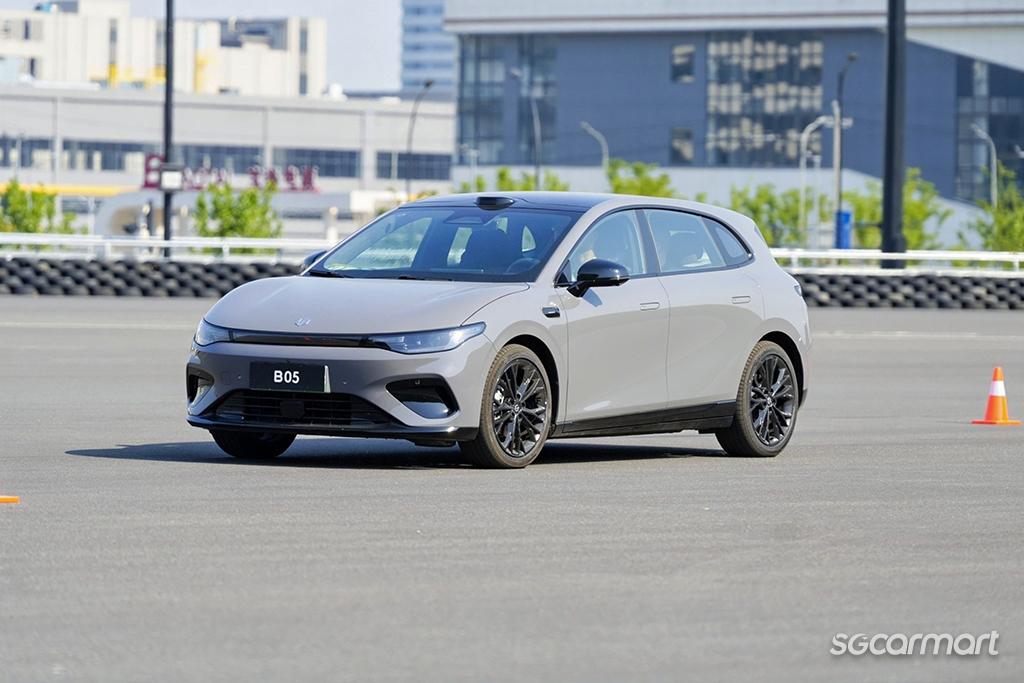
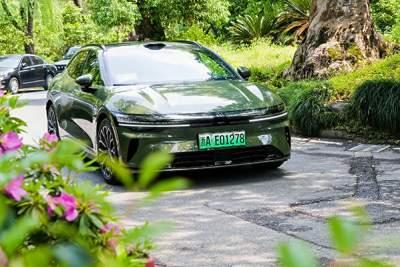
The upcoming Leapmotor B03X, also known as A10 in China, will go against the Aion UT (pictured)
It's all about control
With car brands facing very strong competition from brands like Aion, BYD, and even Tesla, the shift should no longer be about electric vehicles (EVs), rather it should be about control.
During my time in Beijing, it's clear, very quickly, that electrification is no longer the headline. It's about strategic independence. The kind that's controlling. The kind that dominates. The kind that can attract foreign investors and allow the brand to go global.
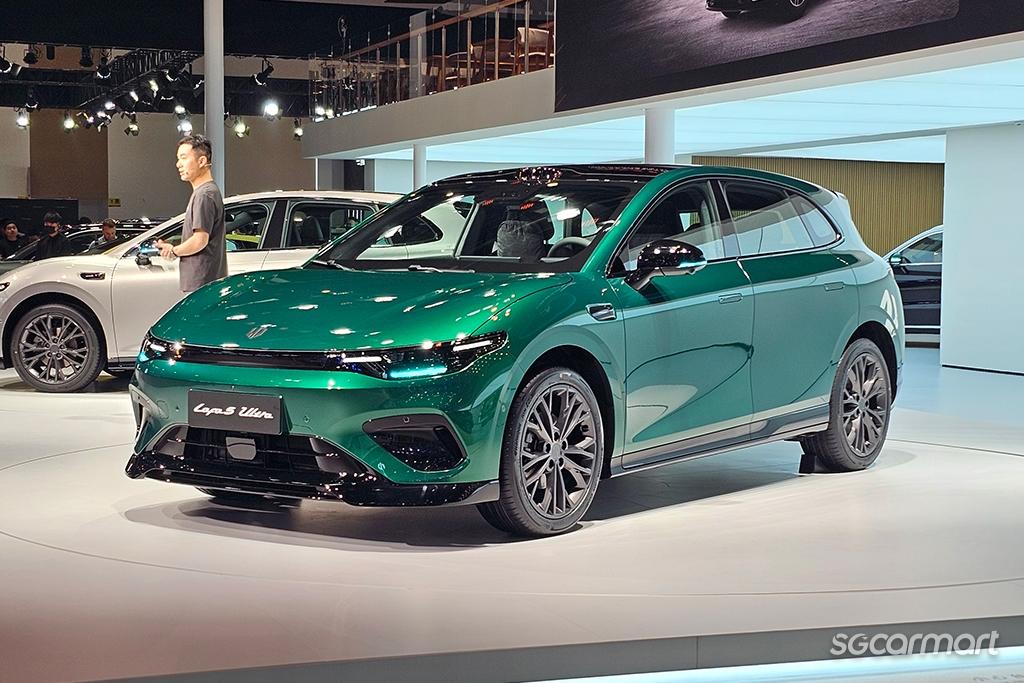
During the unveiling of the Leapmotor Lafa 5 Ultra, an all-electric high-performance hatchback, the focus wasn't just range, batteries, or acceleration figures. Those are givens now. Instead, it's about controlling how people perceive the product - in this case the Lafa 5 Ultra. Leapmotor utilised a young and popular (I was told) local influencer to upsell the car and brand, making it more relatable and authentic, and reducing scepticism since it's not just another "corporate voice" trying to push the product to the public.
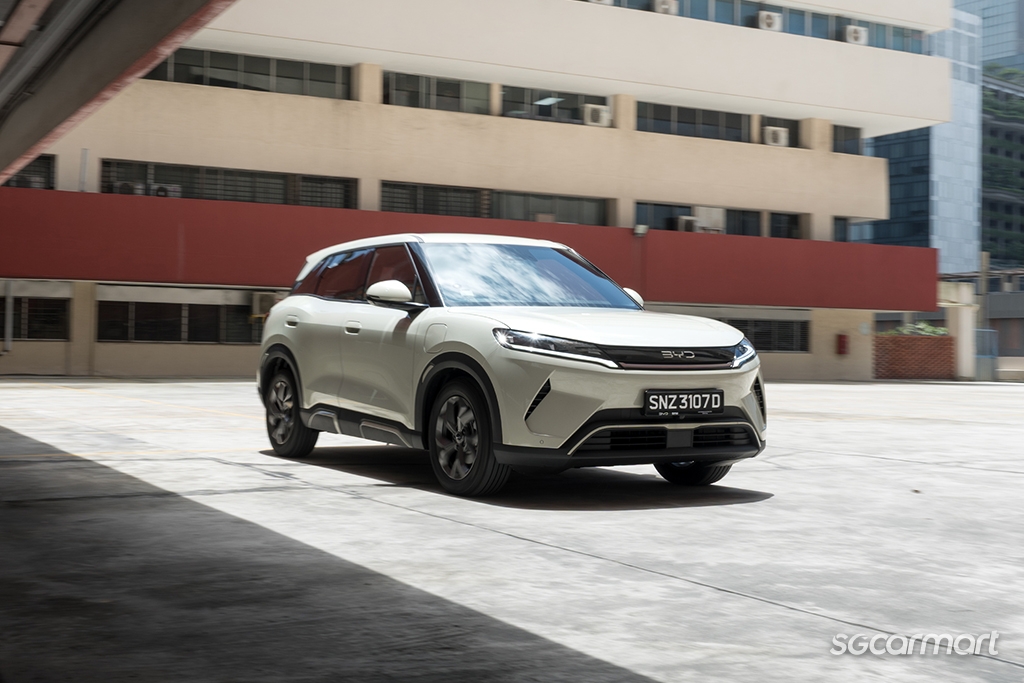
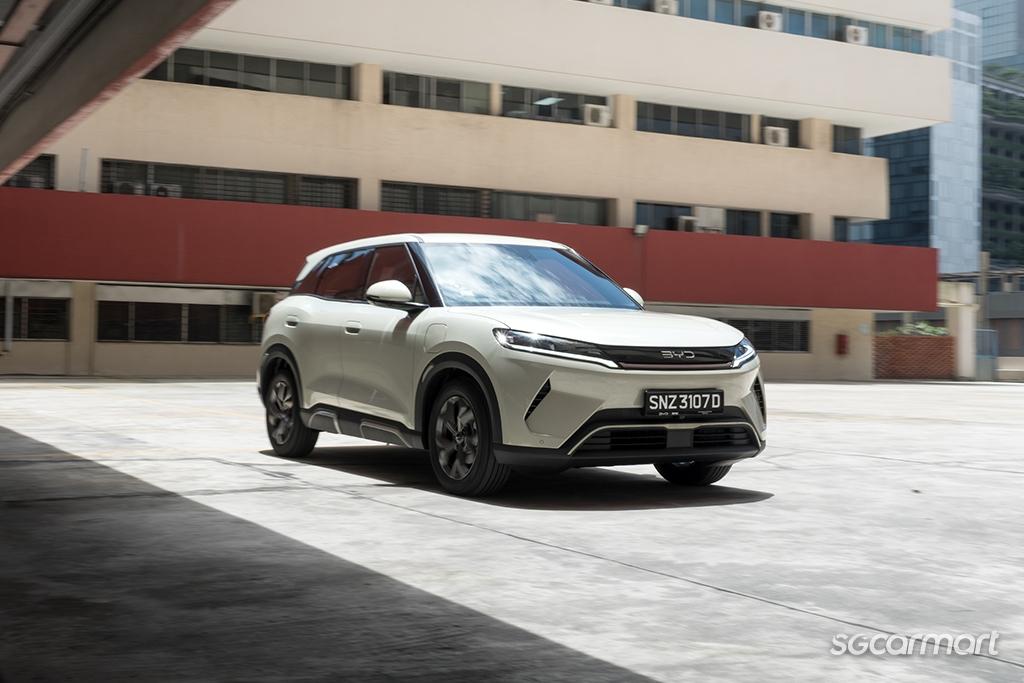
The other car that the Leapmotor B03X will compete with is the BYD Atto 2 shown here
Another brand that made its point about strategic independence is BYD. The Chinese car brand didn't just take one booth. It took the entire hall. Here, what BYD dominated is brand equity. It isn't just about the different brands it has or the vast variety of products it has to offer. It was integration, cost control and speed. BYD owns and develops its own EV architectures, designs and manufactures its own Blade Batteries in-house, and moves from concept to production in timelines that would make traditional OEMs uncomfortable. The result is not just competitive pricing - it's strategic independence.
For Singapore buyers, this translates into vehicles that don't feel "cheap for what they are", but rather "unfairly competent for what they cost". That distinction matters, especially in a market and time where COE already punishes excess.
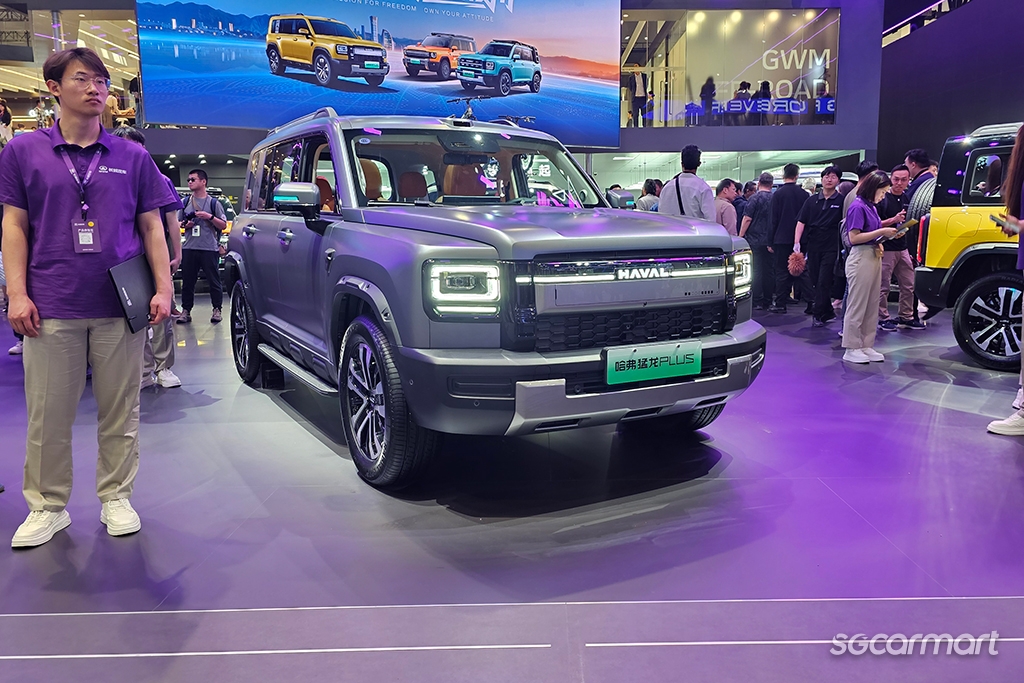
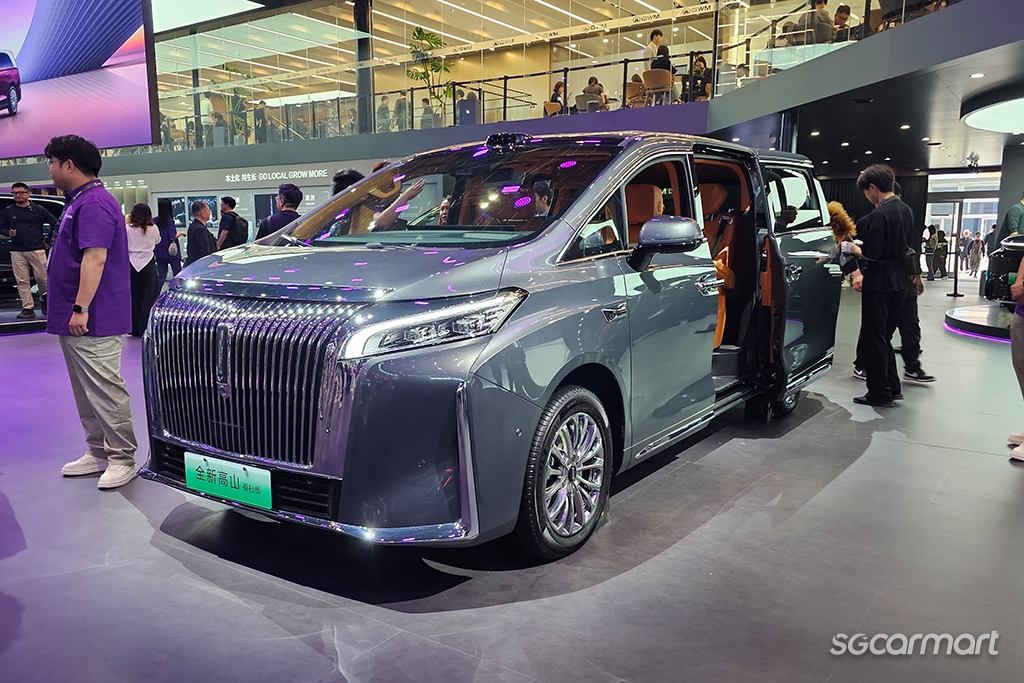
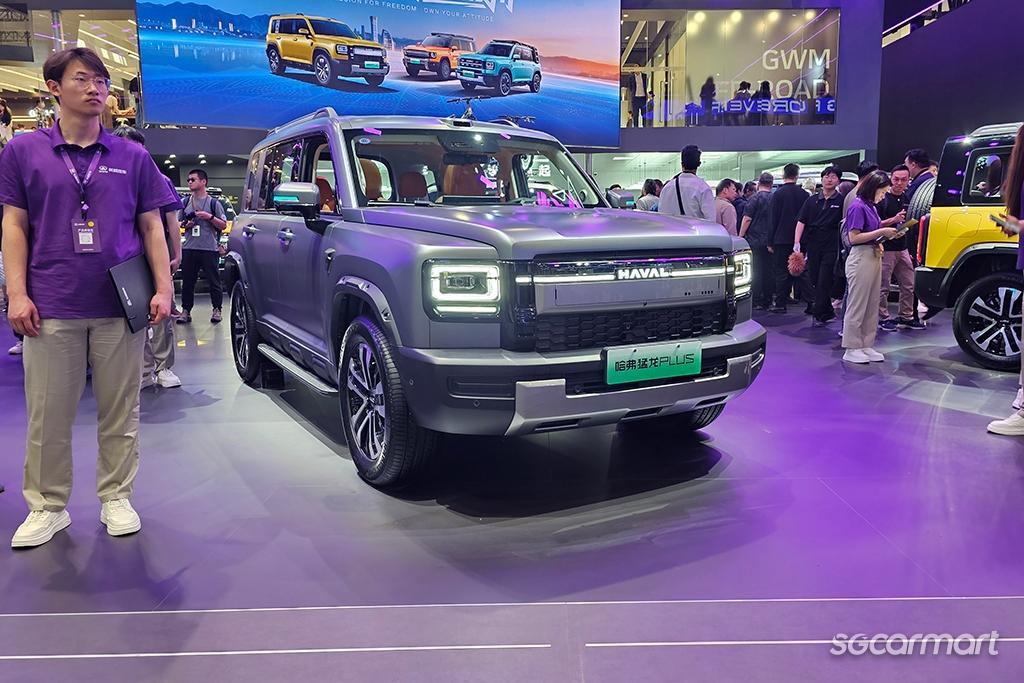
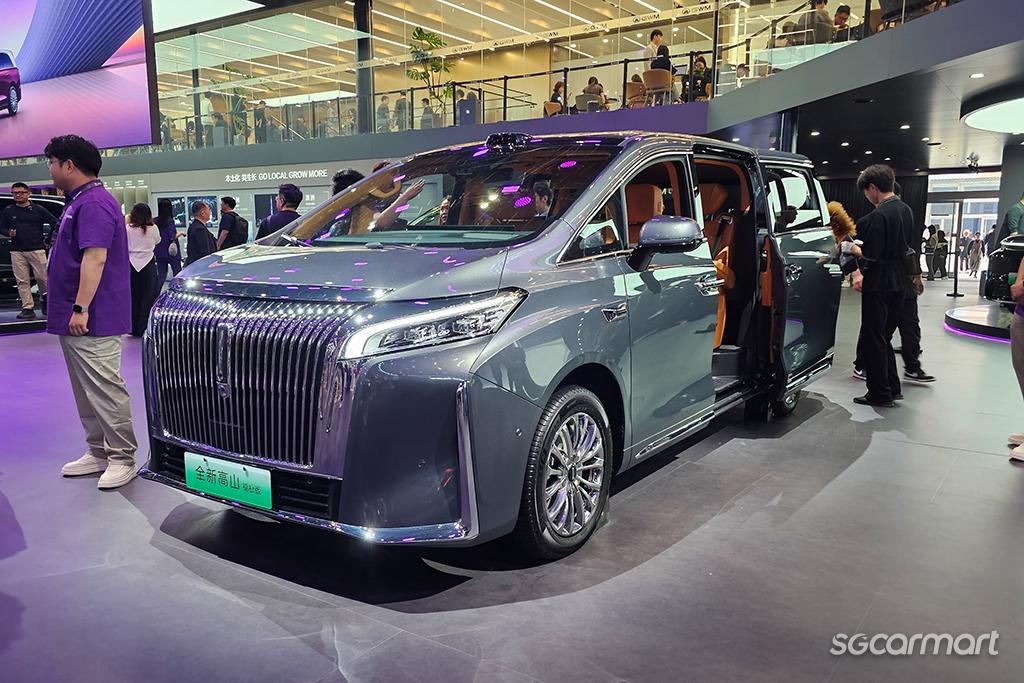
The Haval Menglong Plus (left) as well as Wey G9 may possibly come to Singapore either by the end of this year or early next year
Great Wall's quiet confidence
Just like BYD is Great Wall Motors. Its portfolio - Ora, Wey, and Haval - illustrates a maturing Chinese approach to brand architecture. Each badge seemingly has a job.
For starters, Ora plays the emotional card: Design-first, lifestyle-forward, urban-friendly. Wey aims higher, with premium aspirations and tech-laden SUVs like the G9 targeted squarely at buyers who want space, strength, and sophistication without the European price tag. Haval remains the pragmatic choice, especially with models like the Menglong Plus, which blends ruggedness with electrification in a way that feels tailored for markets that want presence without posturing.
For Cycle & Carriage, this segmentation is a gift. It allows one distributor to address multiple customer psychographics without brand dilution - something legacy multi-brand houses have struggled to do elegantly. Again, with an eye to strategic independence.
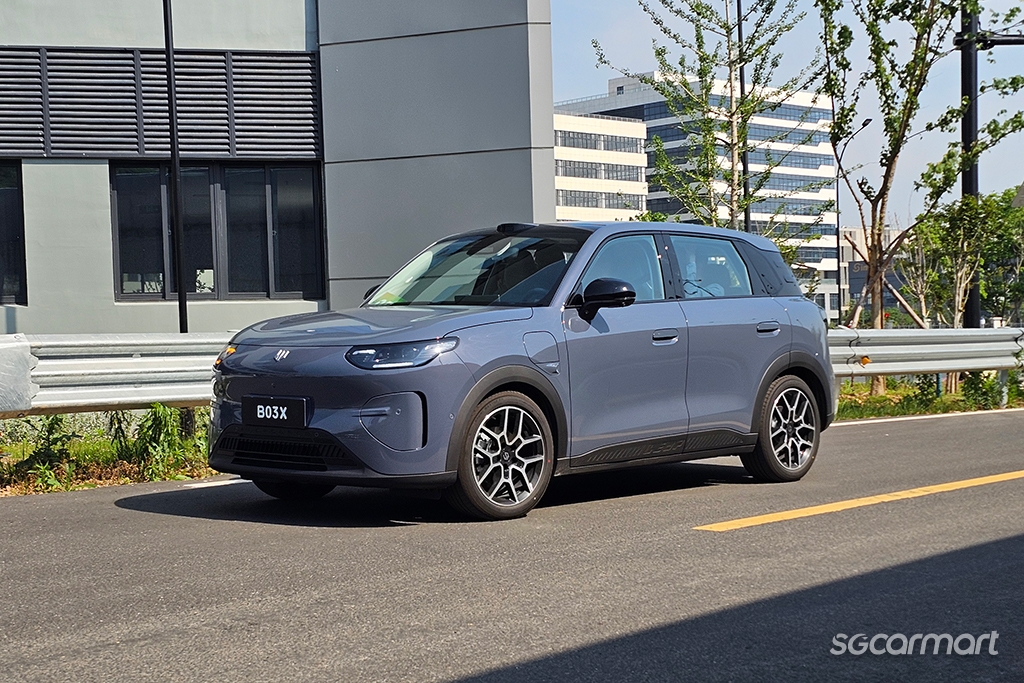
We can expect to see the Leapmotor B03X by the fourth quarter of this year
Leapmotor's halo moment
Speaking of which, this is where Singapore becomes interesting.
With the C10 already on sale and the B10 and A10 (also known as B03X in Singapore) queued behind it, Leapmotor is building a ladder: An aspirational mass entry. The C10 SUV obviously sits above the ladder, not necessarily to sell in volume, but to elevate perception. Tesla did this with the Model S. BYD is doing it with its luxury sub-brands and quite possibly with its upcoming Sealion 8. Leapmotor is clearly studying the same playbook.
Why does this matters to Cycle & Carriage, you may ask?
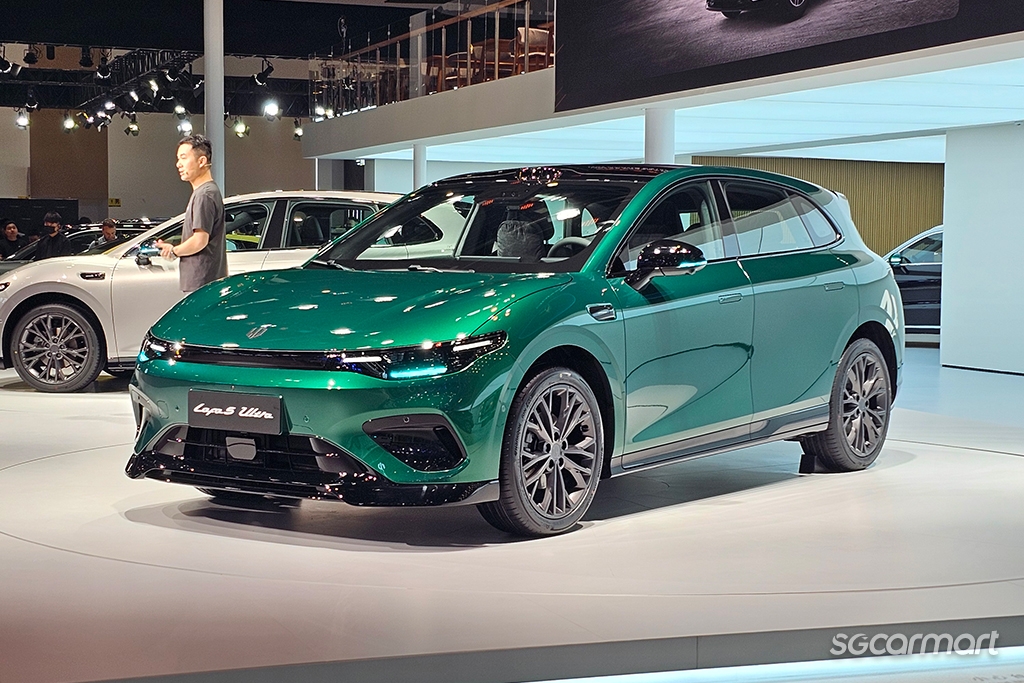
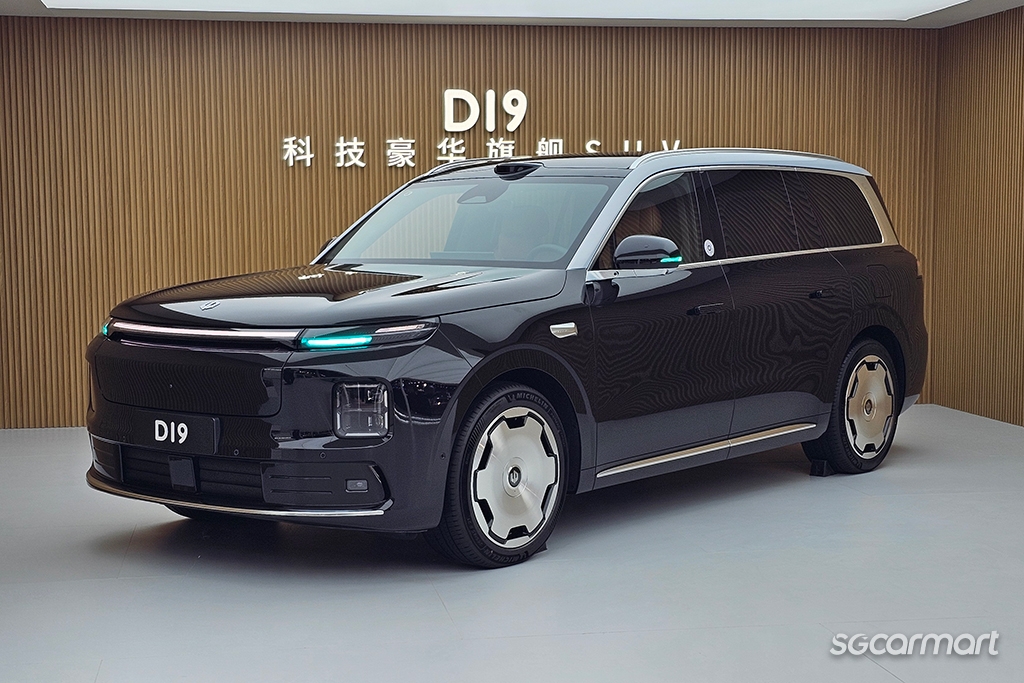
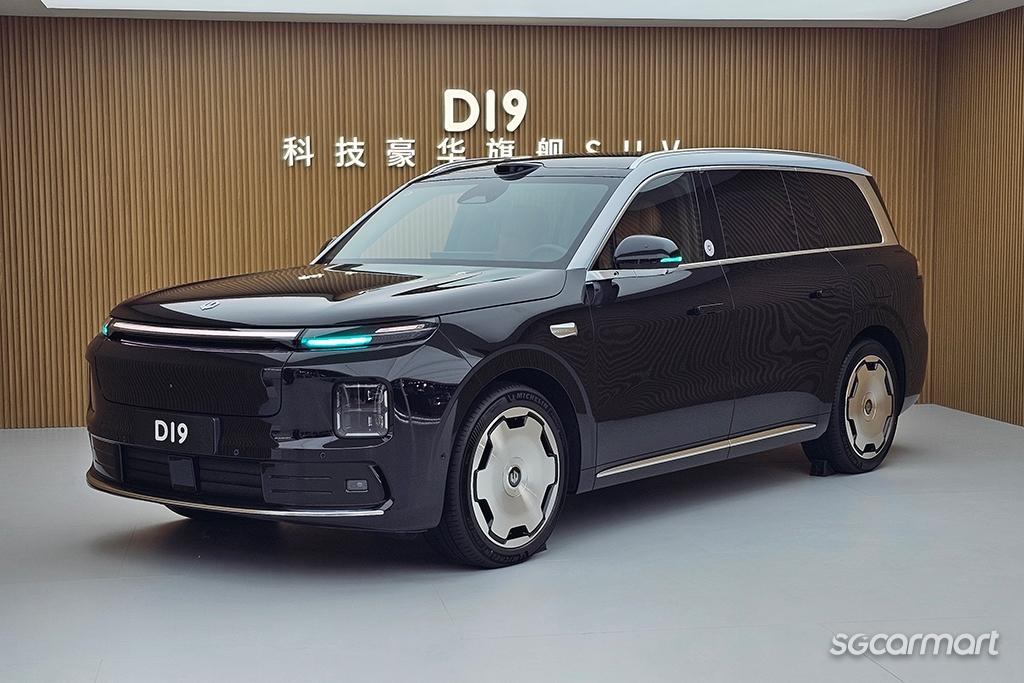
While it's not confirmed whether the Leapmotor Lafa 5 Ultra (left) and D19 MPV are coming to Singapore, authorised dealer Cycle & Carriage is able to better thrive
Historically, Cycle & Carriage has thrived by backing manufacturers at inflection points. From Mitsubishi during its regional expansion to Mercedes-Benz during its premium consolidation and now, Chinese EV brands during their global climb. While naysayers will comment of this as a desperate grasp of survival, I beg to differ.
What sets this moment apart is timing. Chinese manufacturers are entering Singapore not as students, but as exporters of finished thinking. Their products are designed from day one for global homologation. Perhaps scary, but realistically true.
For C&C, that means margin structures based on scale and services. Charging solutions, fleet deployment, B2B electrification, and government partnerships all become part of the story - especially as Singapore accelerates its own EV transition.
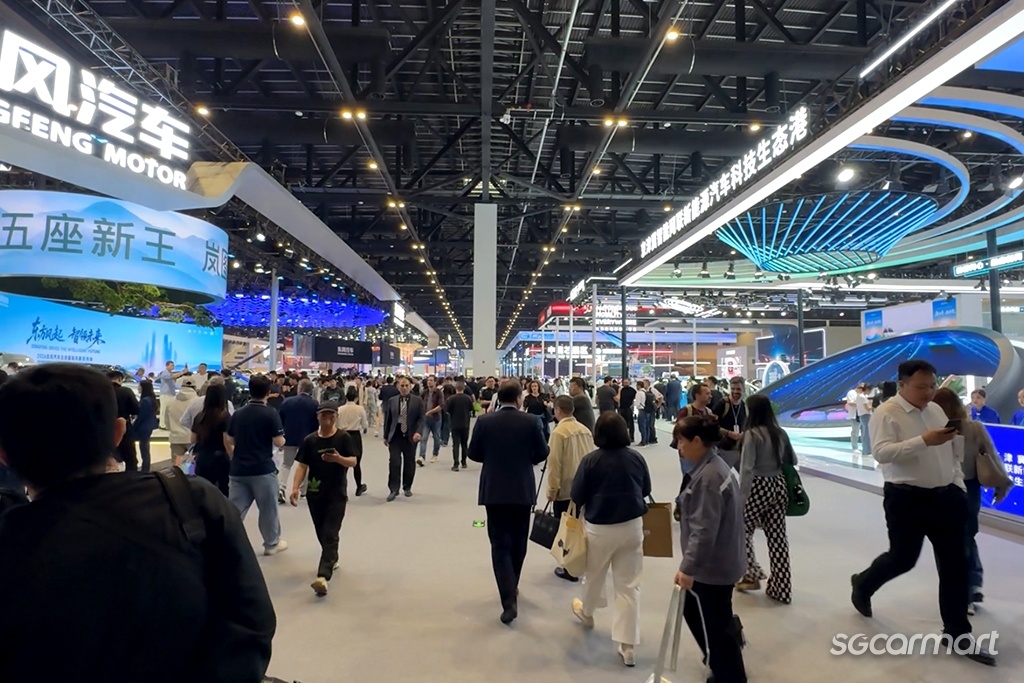
The Beijing Motor Show was a good learning experience for most of us involved, especially for this pint-sized writer
A reframing is required
After Beijing, it's clear that future benchmarks will not be set solely in Stuttgart, Munich, or Tokyo. Increasingly, they'll originate in China - filtered through distributors smart enough to curate and export.
So, I guess it used to be easy to dismiss Chinese cars. They were always improving, forever approaching credibility but never quite arriving. Then I had to attend the 19th Beijing Motor Show, one of the largest motor shows in the world, and the truth became difficult to ignore: Beijing didn't feel like a motor show. It felt like strategy.
And strategy, once seen, cannot be unseen.
It used to be easy to dismiss Chinese cars. They were always improving, forever approaching credibility but never quite arriving. Then I had to attend the 19th Beijing Motor Show, one of the largest motor shows in the world, and the truth became difficult to ignore: China is no longer catching up. China has superseded the world in terms of technology, product, and quality by composing its own playbook - and Singapore's distributors are quietly positioning themselves to benefit.
That matters to companies such as Cycle & Carriage (C&C) and Premium Automobiles in Singapore, where they represent several different Chinese car brands. For instance, C&C today represents Great Wall Motor's Ora brand in Singapore and is reportedly evaluating further entries such as Wey and Haval, while already carrying Leapmotor with the C10 and upcoming B10 and A10.
The upcoming Leapmotor B03X, also known as A10 in China, will go against the Aion UT (pictured)
It's all about control
With car brands facing very strong competition from brands like Aion, BYD, and even Tesla, the shift should no longer be about electric vehicles (EVs), rather it should be about control.
During my time in Beijing, it's clear, very quickly, that electrification is no longer the headline. It's about strategic independence. The kind that's controlling. The kind that dominates. The kind that can attract foreign investors and allow the brand to go global.
During the unveiling of the Leapmotor Lafa 5 Ultra, an all-electric high-performance hatchback, the focus wasn't just range, batteries, or acceleration figures. Those are givens now. Instead, it's about controlling how people perceive the product - in this case the Lafa 5 Ultra. Leapmotor utilised a young and popular (I was told) local influencer to upsell the car and brand, making it more relatable and authentic, and reducing scepticism since it's not just another "corporate voice" trying to push the product to the public.
The other car that the Leapmotor B03X will compete with is the BYD Atto 2 shown here
Another brand that made its point about strategic independence is BYD. The Chinese car brand didn't just take one booth. It took the entire hall. Here, what BYD dominated is brand equity. It isn't just about the different brands it has or the vast variety of products it has to offer. It was integration, cost control and speed. BYD owns and develops its own EV architectures, designs and manufactures its own Blade Batteries in-house, and moves from concept to production in timelines that would make traditional OEMs uncomfortable. The result is not just competitive pricing - it's strategic independence.
For Singapore buyers, this translates into vehicles that don't feel "cheap for what they are", but rather "unfairly competent for what they cost". That distinction matters, especially in a market and time where COE already punishes excess.
The Haval Menglong Plus (left) as well as Wey G9 may possibly come to Singapore either by the end of this year or early next year
Great Wall's quiet confidence
Just like BYD is Great Wall Motors. Its portfolio - Ora, Wey, and Haval - illustrates a maturing Chinese approach to brand architecture. Each badge seemingly has a job.
For starters, Ora plays the emotional card: Design-first, lifestyle-forward, urban-friendly. Wey aims higher, with premium aspirations and tech-laden SUVs like the G9 targeted squarely at buyers who want space, strength, and sophistication without the European price tag. Haval remains the pragmatic choice, especially with models like the Menglong Plus, which blends ruggedness with electrification in a way that feels tailored for markets that want presence without posturing.
For Cycle & Carriage, this segmentation is a gift. It allows one distributor to address multiple customer psychographics without brand dilution - something legacy multi-brand houses have struggled to do elegantly. Again, with an eye to strategic independence.
We can expect to see the Leapmotor B03X by the fourth quarter of this year
Leapmotor's halo moment
Speaking of which, this is where Singapore becomes interesting.
With the C10 already on sale and the B10 and A10 (also known as B03X in Singapore) queued behind it, Leapmotor is building a ladder: An aspirational mass entry. The C10 SUV obviously sits above the ladder, not necessarily to sell in volume, but to elevate perception. Tesla did this with the Model S. BYD is doing it with its luxury sub-brands and quite possibly with its upcoming Sealion 8. Leapmotor is clearly studying the same playbook.
Why does this matters to Cycle & Carriage, you may ask?
While it's not confirmed whether the Leapmotor Lafa 5 Ultra (left) and D19 MPV are coming to Singapore, authorised dealer Cycle & Carriage is able to better thrive
Historically, Cycle & Carriage has thrived by backing manufacturers at inflection points. From Mitsubishi during its regional expansion to Mercedes-Benz during its premium consolidation and now, Chinese EV brands during their global climb. While naysayers will comment of this as a desperate grasp of survival, I beg to differ.
What sets this moment apart is timing. Chinese manufacturers are entering Singapore not as students, but as exporters of finished thinking. Their products are designed from day one for global homologation. Perhaps scary, but realistically true.
For C&C, that means margin structures based on scale and services. Charging solutions, fleet deployment, B2B electrification, and government partnerships all become part of the story - especially as Singapore accelerates its own EV transition.
The Beijing Motor Show was a good learning experience for most of us involved, especially for this pint-sized writer
A reframing is required
After Beijing, it's clear that future benchmarks will not be set solely in Stuttgart, Munich, or Tokyo. Increasingly, they'll originate in China - filtered through distributors smart enough to curate and export.
So, I guess it used to be easy to dismiss Chinese cars. They were always improving, forever approaching credibility but never quite arriving. Then I had to attend the 19th Beijing Motor Show, one of the largest motor shows in the world, and the truth became difficult to ignore: Beijing didn't feel like a motor show. It felt like strategy.
And strategy, once seen, cannot be unseen.



Thank You For Your Subscription.



Tags
Products & Services

For Owners
Quick Links
About Sgcarmart