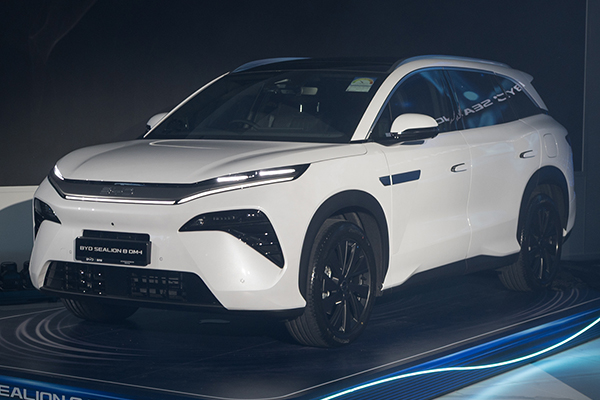
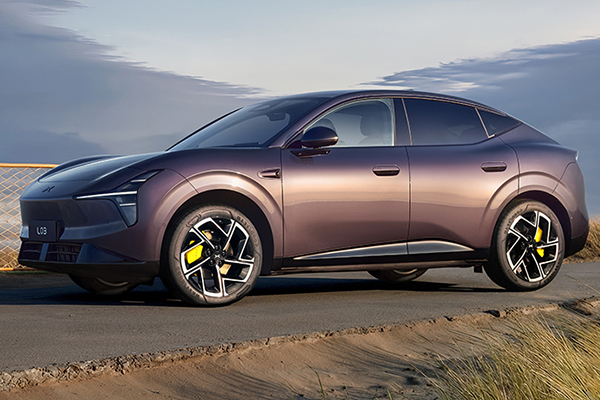
A great variety of vehicles pass through the Editorial Team's hands here at Sgcarmart, but over the past weeks, we couldn't help but notice one unlikely pairing from within the cars that we have tested.
The BMW i4 M50 and Kia Niro Hybrid may sit on very different ends of the automotive spectrum, but they both shared this in common: Both attempted to do more with their audio systems than simply playing music.
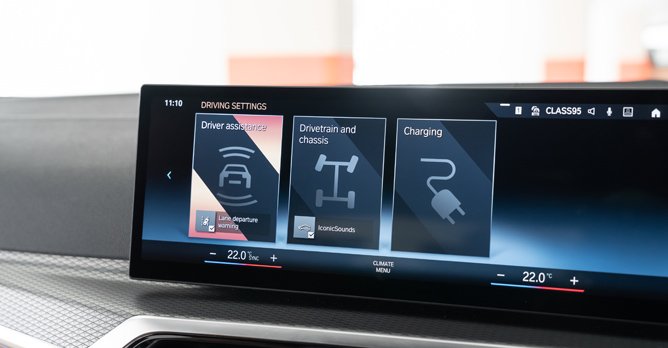

Why limit in-cabin sounds to simply imitating the sounds of a combustion engine? On the i4 M50, BMW's IconicSounds system is deployed for the first time in an M car, intended to deliver a stirring accompaniment to your inputs at the accelerator pedal. On the Niro Hybrid, meanwhile, sounds taken from nature are played in the cabin, designed to induce a flow state (for focus and creativity) while you're on the go.
So, that got us thinking, should manufacturers do yet more still with their in-car audio systems? Here's some ideas we think could work when it comes to artificial cabin sounds!
A different sound at start-up
Chimes at initial startup have been a thing for the longest time, but since speakers are now getting more involved with the whole driving process, why not have them play a personalised greeting instead?
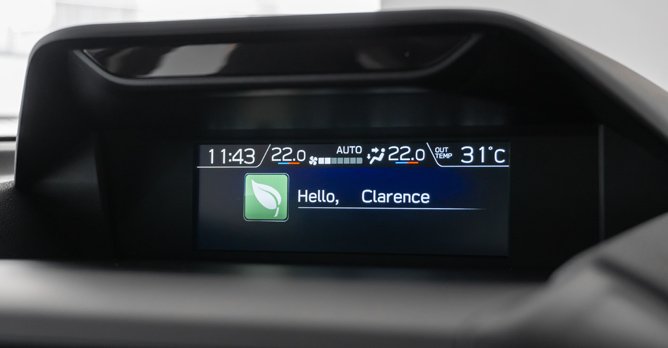 In-cabin speakers could be used to deliver all sorts of greetings and warnings, instead of the usual chimes and warning bells A welcome message along the lines of "Good morning, [insert your own name here]", when you press that start button we think will be far more impressive than any start-up chime. We don't think such a tech would be too difficult to implement, after all, video game title Stronghold 2, released in 2005, already supported such a feature.
But with a bit of effort, and some integration with features like driver habit automation and voice recognition (technologies that are already present in the latest vehicles) we think such a system could easily become a Jarvis-like in-vehicle personal assistant.
So, you'll get a notification read out to you if, for example, your car detects heavy congestion on your favourite route to work. Who wouldn't want that?
Alternative driving sounds
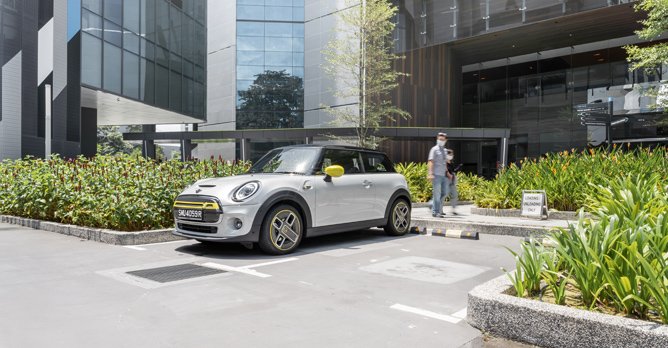 Amplifying footsteps or conversations from the outside into the cabin could serve to warn drivers of approaching pedestrians And while we are changing how cars greet you at startup, why not have our electric cars play different driving sounds as well?
Practically every car we have driven has still only attempted to imitate the sound of an engine with its in-cabin speakers, but none have really managed to thrill quite like how a well-tuned combustion engine can.
We think it's time manufacturers think about abandoning the idea of mimicking an engine completely. Why not capture the rustle of leaves in the wind - fitting for sending home that eco-friendly message?
Or, if the intention is to convey a sensation of power, perhaps that rising swell you hear from a wave as it is about to break would be more fitting. Alternatively, a Jetsons-style repetitive chirp could even add a nice touch of whimsy to your future all-electric superminis.
Different sounds for different situations
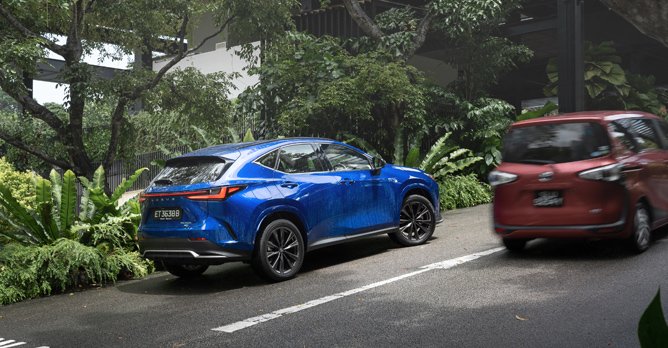 A directed hum in the interior could also alert the driver to the direction of approaching vehicles around the car And we don't think it even has to end here. Ambient sounds could also be used to communicate all sorts of information about the car or the driving situation to the driver.
Battery capacity already low? Why not have the in-cabin acceleration sound get audibly weaker as the available battery capacity gets closer to zero? Or perhaps a gentle background hum could play of the car detects you're driving above the speed limit as an additional deterrent against hazardous speeds.
Supporting safety systems
There's also plenty of things that we think in-cabin sounds could do to amplify vehicle safety. With vehicles getting more and more speakers, we think the use of directed sounds could be used to direct driver attention to specific dangers.
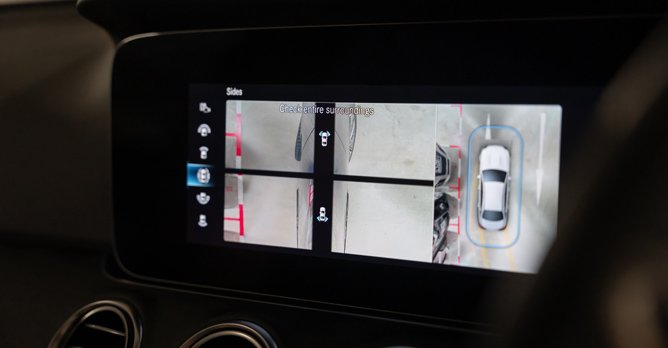 Directed cabin sounds could be used as an early warning to nearby obstacles, for those who think that current parking warnings are too alarming Here, we think the deployment of a gentle hum would be a great accompaniment to the current suite of parking assistance features available.
Played from a speaker that rests in the same direction as any approaching obstacle, this hum will offer a calmer early warning compared to the current alarms that are used, which we think would be much welcomed by those that find parking a chore.
And here's another suggestion which we think could work: Since our vehicles already come equipped with technologies such as rear cross traffic alert, which warn us of potential approaching hazards as we drive, why not add a few directional mics around a vehicle, and use the in-cabin speakers to amplify any footsteps, conversations, or the tyre roar of another car into the cabin?
Once again, playing them via speakers located in the cabin that correspond to the direction from which they are approaching the car would clue inattentive drivers in to both the nature of the potential hazards as well as the direction from which they are approaching the car. We think a technology like this could go someway to reducing low-speed collisions with pedestrians.
In-cabin sounds?
Got more ideas for a future use of those in cabin speakers? Or perhaps there's a different driving sound you'd like to have in your car? Let us know!
Here are other stories that may interest you!
Singapore's forgotten EVs, Part 1: The Geometry A
No ear plugs needed: If the sounds are different, where does Formula E pack the excitement?
6 things you need to know before getting your first electric car
EV ownership costs in Singapore - can you afford an electric car?
The BMW i4 M50 and Kia Niro Hybrid may sit on very different ends of the automotive spectrum, but they both shared this in common: Both attempted to do more with their audio systems than simply playing music.
Why limit in-cabin sounds to simply imitating the sounds of a combustion engine?
So, that got us thinking, should manufacturers do yet more still with their in-car audio systems? Here's some ideas we think could work when it comes to artificial cabin sounds!
A different sound at start-up
Chimes at initial startup have been a thing for the longest time, but since speakers are now getting more involved with the whole driving process, why not have them play a personalised greeting instead?
But with a bit of effort, and some integration with features like driver habit automation and voice recognition (technologies that are already present in the latest vehicles) we think such a system could easily become a Jarvis-like in-vehicle personal assistant.
So, you'll get a notification read out to you if, for example, your car detects heavy congestion on your favourite route to work. Who wouldn't want that?
Alternative driving sounds
Practically every car we have driven has still only attempted to imitate the sound of an engine with its in-cabin speakers, but none have really managed to thrill quite like how a well-tuned combustion engine can.
We think it's time manufacturers think about abandoning the idea of mimicking an engine completely. Why not capture the rustle of leaves in the wind - fitting for sending home that eco-friendly message?
Or, if the intention is to convey a sensation of power, perhaps that rising swell you hear from a wave as it is about to break would be more fitting. Alternatively, a Jetsons-style repetitive chirp could even add a nice touch of whimsy to your future all-electric superminis.
Different sounds for different situations
Battery capacity already low? Why not have the in-cabin acceleration sound get audibly weaker as the available battery capacity gets closer to zero? Or perhaps a gentle background hum could play of the car detects you're driving above the speed limit as an additional deterrent against hazardous speeds.
Supporting safety systems
There's also plenty of things that we think in-cabin sounds could do to amplify vehicle safety. With vehicles getting more and more speakers, we think the use of directed sounds could be used to direct driver attention to specific dangers.
Played from a speaker that rests in the same direction as any approaching obstacle, this hum will offer a calmer early warning compared to the current alarms that are used, which we think would be much welcomed by those that find parking a chore.
And here's another suggestion which we think could work: Since our vehicles already come equipped with technologies such as rear cross traffic alert, which warn us of potential approaching hazards as we drive, why not add a few directional mics around a vehicle, and use the in-cabin speakers to amplify any footsteps, conversations, or the tyre roar of another car into the cabin?
Once again, playing them via speakers located in the cabin that correspond to the direction from which they are approaching the car would clue inattentive drivers in to both the nature of the potential hazards as well as the direction from which they are approaching the car. We think a technology like this could go someway to reducing low-speed collisions with pedestrians.
In-cabin sounds?
Got more ideas for a future use of those in cabin speakers? Or perhaps there's a different driving sound you'd like to have in your car? Let us know!
Here are other stories that may interest you!
Singapore's forgotten EVs, Part 1: The Geometry A
No ear plugs needed: If the sounds are different, where does Formula E pack the excitement?
6 things you need to know before getting your first electric car
EV ownership costs in Singapore - can you afford an electric car?