Beyond Motion: EVs and much more
03 Apr 2026|3,679 views
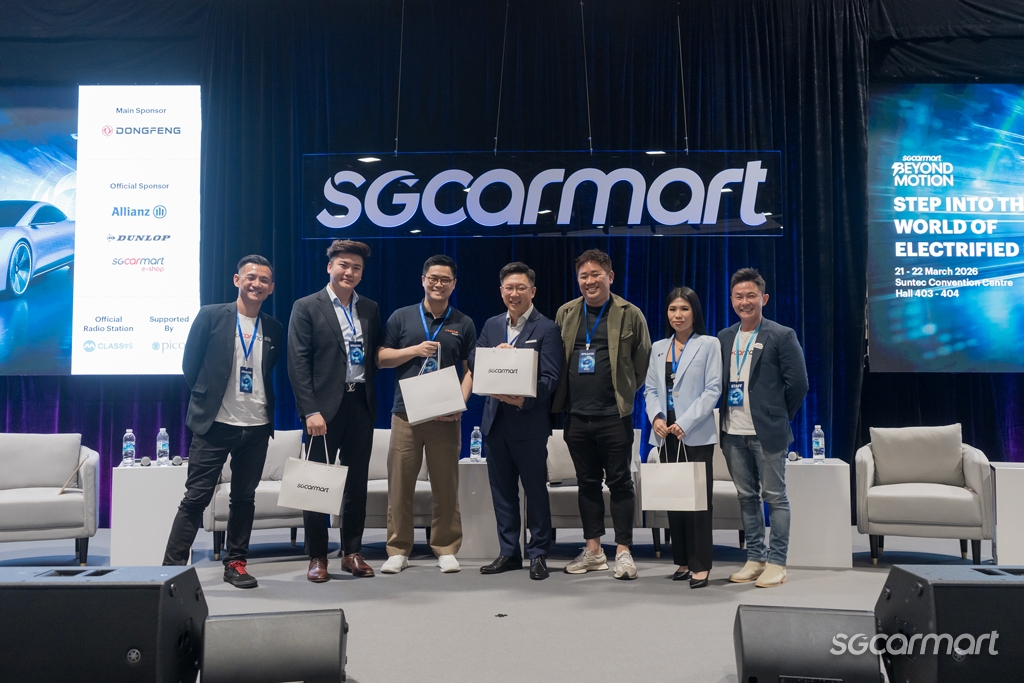
Sgcarmart held its very first EV-centric event, Beyond Motion, in March 2026.
The two-day event, which was held in Suntec Singapore Convention & Exhibition Centre, was no mere car show. Rather, it was a learning journey aimed at everyone who's interested in electrified vehicles, the technologies that power them, charging matters, and the lifestyle they offer.
More significantly, Beyond Motion brought together experts and industry leaders who participated in panel discussions. It was a rare and unique chance to hear from the key stakeholders themselves.
We spent the day listening to the discussions, exploring the booths, and checking out the cars on display. At the end of the first day, even we had an even better understanding of the electric landscape. Here are five key takeaways from the event.
1. We are truly in the electric generation
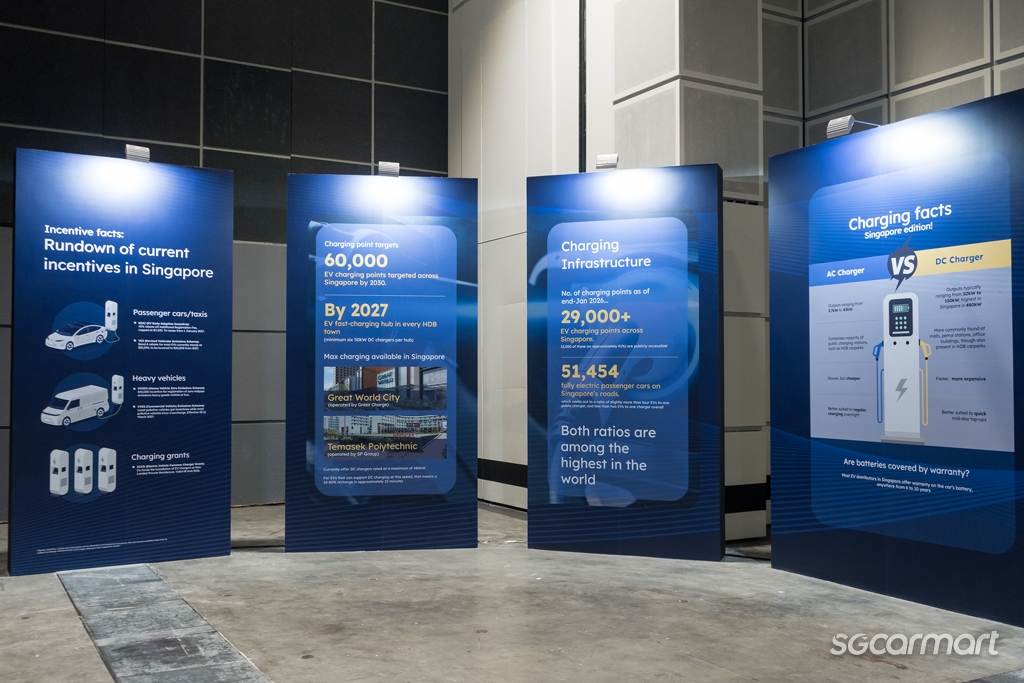
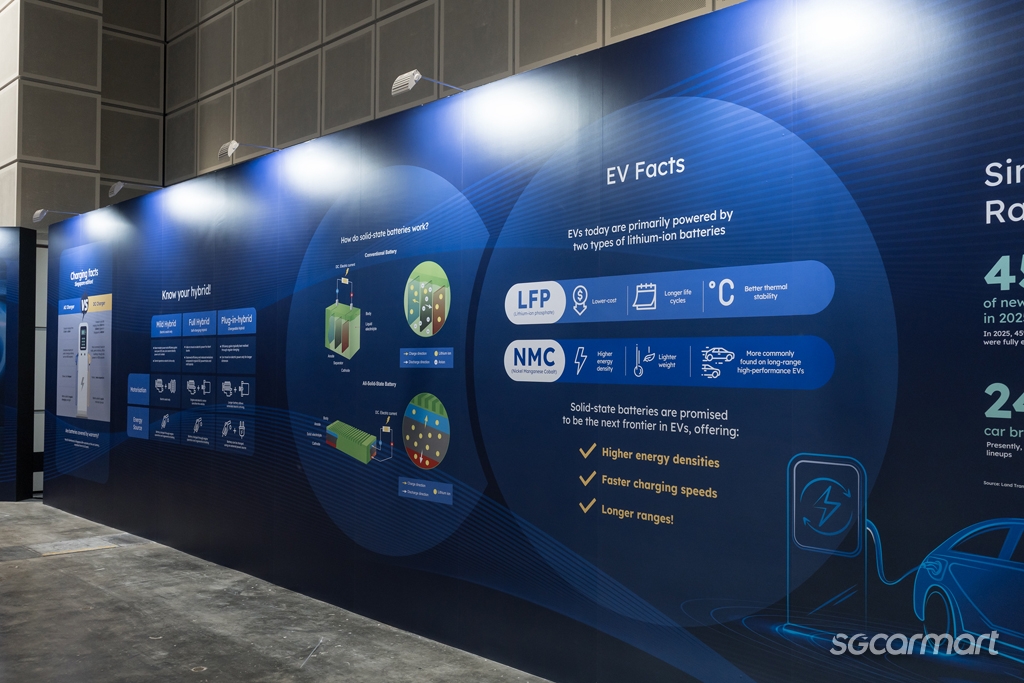
Upon entering Beyond Motion, visitors were greeted by walls filled with information about electric cars. And the first thing you'd read about was how Singapore and the world are rapidly transitioning from traditional internal combustion vehicles to EVs.
Not too long ago, EVs were something of a dream - there were concepts and prototypes, but it took a fair bit of time before EVs became available to the public. When they did arrive, the early adopters were few and far between.
Although EV adoption increased steadily between the late 2010s and early 2020s, it has really taken off in recent years. In 2025, 45% of new cars registered here were fully electric, while cleaner-energy cars (hybrids included) made up 85%. In Singapore, there are 24 car brands that offer electric-only models.
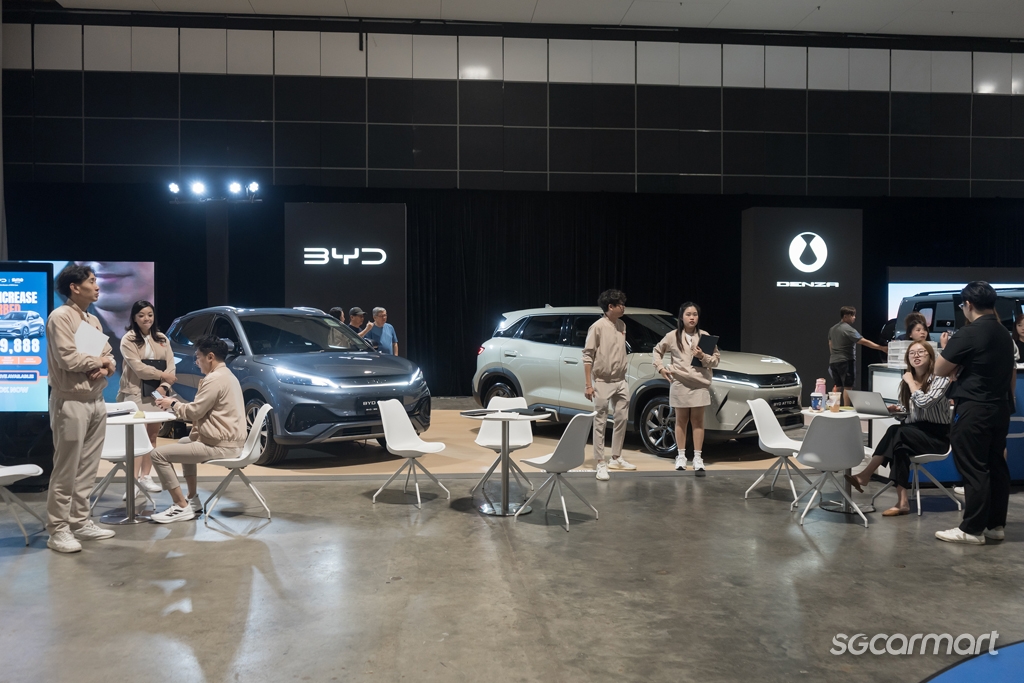
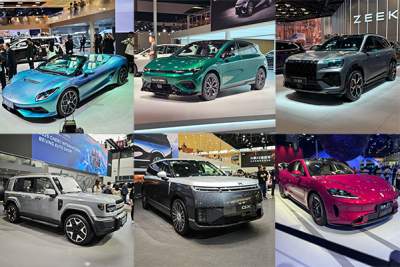
At Beyond Motion, there were eight brands showcasing hybrids and EVs, so it was quite something to set foot in an exhibition hall and be surrounded only by electrified models. Indeed, we're living in the era of electrified mobility.
2. There are more EV chargers available than you think (and there will be even more to come)!
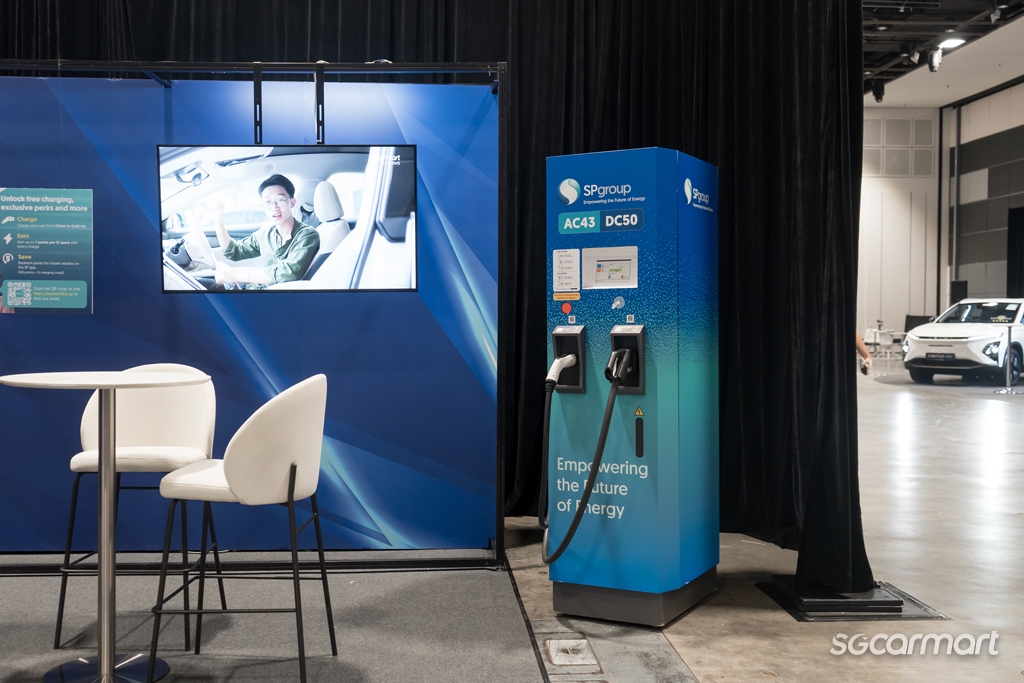
Did you know that Singapore has one of the densest EV charger populations, with a ratio of about three EVs to one public charger? As of the start of this year, we have more than 29,000 (12,000 are public) EV charging points located across Singapore!
According to the discussion by the panel of speakers at Beyond Motion, Singapore's EV charger density has even surpassed China's, the country that produces and sells the most EVs. This means that chargers are readily available and accessible, and there shouldn't be many instances where a driver finds it difficult to locate a charger to recharge their EV.
Of course, the adoption rate of EVs is constantly growing and naturally, the demand for chargers will also grow. However, the authorities are working on improving the infrastructure while we are still ahead.
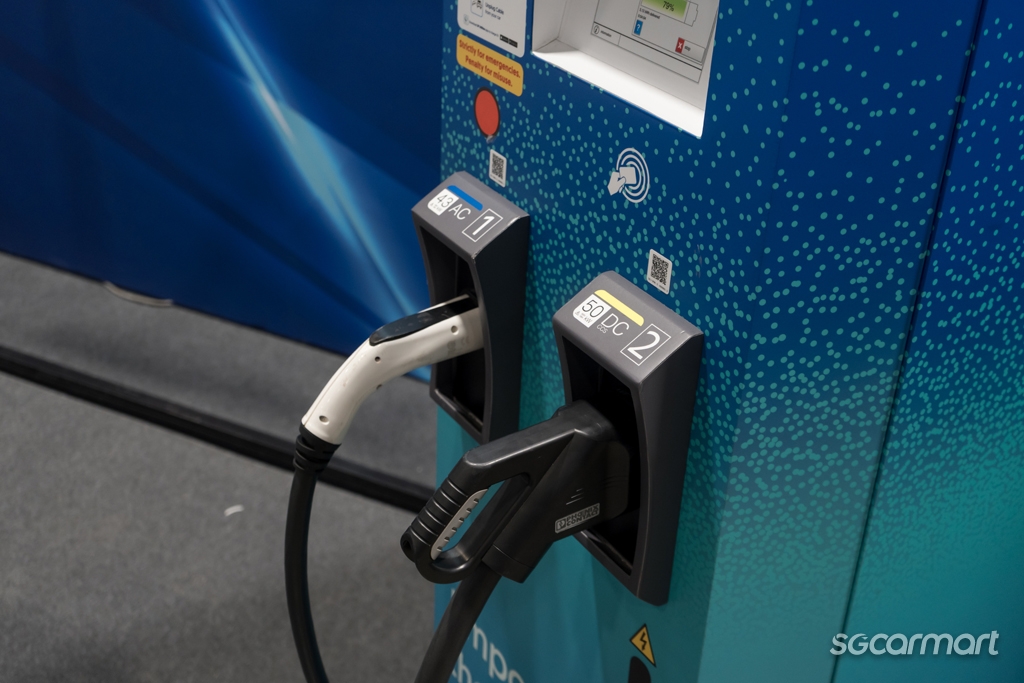
EV-Electric Charging (EVe), the Land Transport Authority (LTA) subsidiary responsible for EV charger deployment, has announced that every HDB town would have its own Fast Charging Hub by the end of 2027. Each Fast Charging Hub will consist of at least six Fast Charging Points. The first charging hubs will be operated by Shell Singapore and SP Mobility, offering 50kW fast chargers, which could add around 100km of range in 30 minutes for most EV models sold here. These hubs will complement the existing AC charging network.
Hence, if you've been unsure about getting an EV for fear of charger accessibility, you'll be glad to know that things are looking pretty good and will get even better in the future.
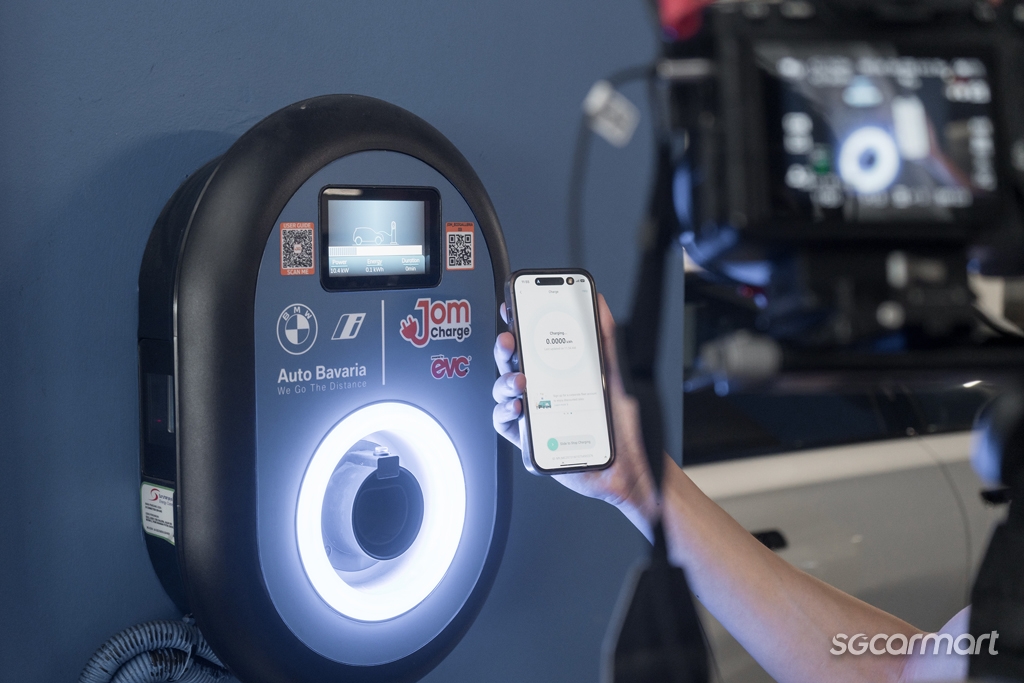
The tie-up between SP and JomCharge lets local users access a portion of the latter's chargers in Malaysia through the SP app
3. EV road trips are a reality
A decade ago, taking an EV on a road trip up north was impractical. Chargers were few and far between, and you had no way of knowing whether they were even in operation. Tell your friends that you wanted to drive from Singapore to Kuala Lumpur in an EV and they'd crack jokes about you needing to bring 'many power banks' to juice up your car.
Today, there's a viable - and growing - network of chargers in Malaysia that EV drivers can access when they drive across the border. Some of these operators include ChargeSINI Malaysia (nearly 1,100 locations), Shell (over 160 locations), and JomCharge, the largest provider in Malaysia, with over 1,200 charging points across more than 400 locations.
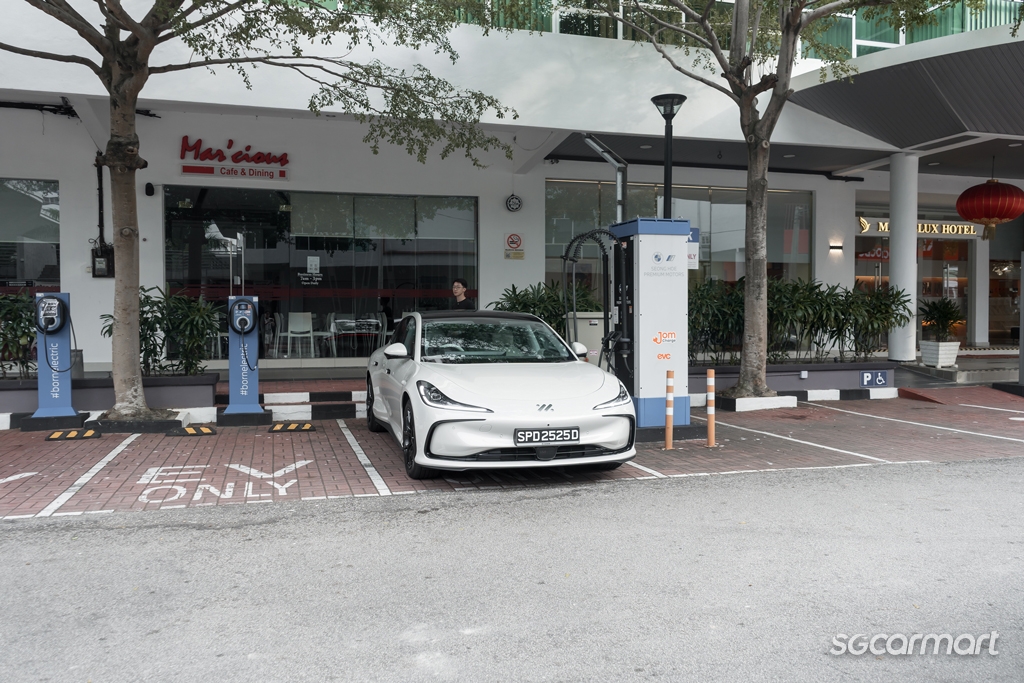
SP Mobility, the largest charging provider here, has a tie-up with JomCharge. This gives Singapore users convenient access to some of the latter's charging points through the SP app - the same one many use to pay their utility bills.
And, finding other charging points is also made easier with apps such as PlugShare, which maps out the locations of chargers both here and in Malaysia.
Battery makers are continually improving the safety, longevity, and energy density of their products
4. EV batteries are designed to last the life of the car
One concern many drivers have about EVs is about battery life. It's a valid one, too, since the battery is by far the most expensive component in any electric vehicle.
While it is true that EV batteries will wear out over time, it won't happen over the course of two or three years. In fact, battery makers go to great lengths to ensure that the batteries can easily last the life of the car. Even after their service life ends, they can be re-used in energy storage systems.
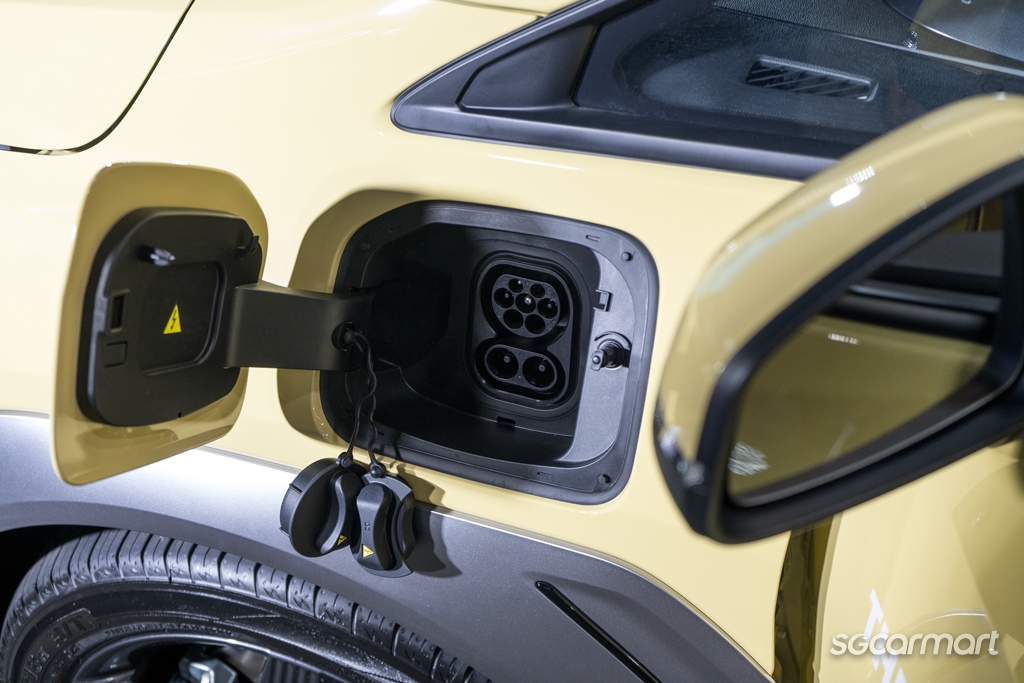
Batteries are engineered to go through thousands of charging and discharging cycles, with both rapid charging (DC) and slow charging (AC) taken into account. They are designed to operate in a variety of climates as well.
5. Many EVs have a 10-year battery warranty
Understandably, some drivers nonetheless remain concerned about these issues. To assuage their worries, many brand-new EV models today are covered by a 10-year battery warranty, which for most owners, is equivalent to the lifespan of the vehicle (and its COE).
Aion and Proton, which are distributed by Vincar Group, are two brands whose models have 10-year battery warranties. The same is true for the Omoda and Jaecoo, whose models are bundled with a 10-year battery warranty. BYD, Denza, Dongfeng, and Toyota also offer 10-year EV battery warranties.
Final thoughts
Beyond Motion was an eye-opening experience. Apart from being able to hear from key industry players, experts and stakeholders, it showed us the various elements that have brought electric mobility to the fore.
When you consider the availability of chargers, the growing charging station network in Singapore and Malaysia, the long service life of EV batteries, and the extensive warranty coverage, one thing becomes clear: Electric vehicles are no longer a pipe dream. They have become the preferred choice of many drivers, and our landscape is evolving to support this.
Sgcarmart held its very first EV-centric event, Beyond Motion, in March 2026.
The two-day event, which was held in Suntec Singapore Convention & Exhibition Centre, was no mere car show. Rather, it was a learning journey aimed at everyone who's interested in electrified vehicles, the technologies that power them, charging matters, and the lifestyle they offer.
More significantly, Beyond Motion brought together experts and industry leaders who participated in panel discussions. It was a rare and unique chance to hear from the key stakeholders themselves.
We spent the day listening to the discussions, exploring the booths, and checking out the cars on display. At the end of the first day, even we had an even better understanding of the electric landscape. Here are five key takeaways from the event.
1. We are truly in the electric generation
Upon entering Beyond Motion, visitors were greeted by walls filled with information about electric cars. And the first thing you'd read about was how Singapore and the world are rapidly transitioning from traditional internal combustion vehicles to EVs.
Not too long ago, EVs were something of a dream - there were concepts and prototypes, but it took a fair bit of time before EVs became available to the public. When they did arrive, the early adopters were few and far between.
Although EV adoption increased steadily between the late 2010s and early 2020s, it has really taken off in recent years. In 2025, 45% of new cars registered here were fully electric, while cleaner-energy cars (hybrids included) made up 85%. In Singapore, there are 24 car brands that offer electric-only models.
At Beyond Motion, there were eight brands showcasing hybrids and EVs, so it was quite something to set foot in an exhibition hall and be surrounded only by electrified models. Indeed, we're living in the era of electrified mobility.
2. There are more EV chargers available than you think (and there will be even more to come)!
Did you know that Singapore has one of the densest EV charger populations, with a ratio of about three EVs to one public charger? As of the start of this year, we have more than 29,000 (12,000 are public) EV charging points located across Singapore!
According to the discussion by the panel of speakers at Beyond Motion, Singapore's EV charger density has even surpassed China's, the country that produces and sells the most EVs. This means that chargers are readily available and accessible, and there shouldn't be many instances where a driver finds it difficult to locate a charger to recharge their EV.
Of course, the adoption rate of EVs is constantly growing and naturally, the demand for chargers will also grow. However, the authorities are working on improving the infrastructure while we are still ahead.
EV-Electric Charging (EVe), the Land Transport Authority (LTA) subsidiary responsible for EV charger deployment, has announced that every HDB town would have its own Fast Charging Hub by the end of 2027. Each Fast Charging Hub will consist of at least six Fast Charging Points. The first charging hubs will be operated by Shell Singapore and SP Mobility, offering 50kW fast chargers, which could add around 100km of range in 30 minutes for most EV models sold here. These hubs will complement the existing AC charging network.
Hence, if you've been unsure about getting an EV for fear of charger accessibility, you'll be glad to know that things are looking pretty good and will get even better in the future.
The tie-up between SP and JomCharge lets local users access a portion of the latter's chargers in Malaysia through the SP app
3. EV road trips are a reality
A decade ago, taking an EV on a road trip up north was impractical. Chargers were few and far between, and you had no way of knowing whether they were even in operation. Tell your friends that you wanted to drive from Singapore to Kuala Lumpur in an EV and they'd crack jokes about you needing to bring 'many power banks' to juice up your car.
Today, there's a viable - and growing - network of chargers in Malaysia that EV drivers can access when they drive across the border. Some of these operators include ChargeSINI Malaysia (nearly 1,100 locations), Shell (over 160 locations), and JomCharge, the largest provider in Malaysia, with over 1,200 charging points across more than 400 locations.
SP Mobility, the largest charging provider here, has a tie-up with JomCharge. This gives Singapore users convenient access to some of the latter's charging points through the SP app - the same one many use to pay their utility bills.
And, finding other charging points is also made easier with apps such as PlugShare, which maps out the locations of chargers both here and in Malaysia.
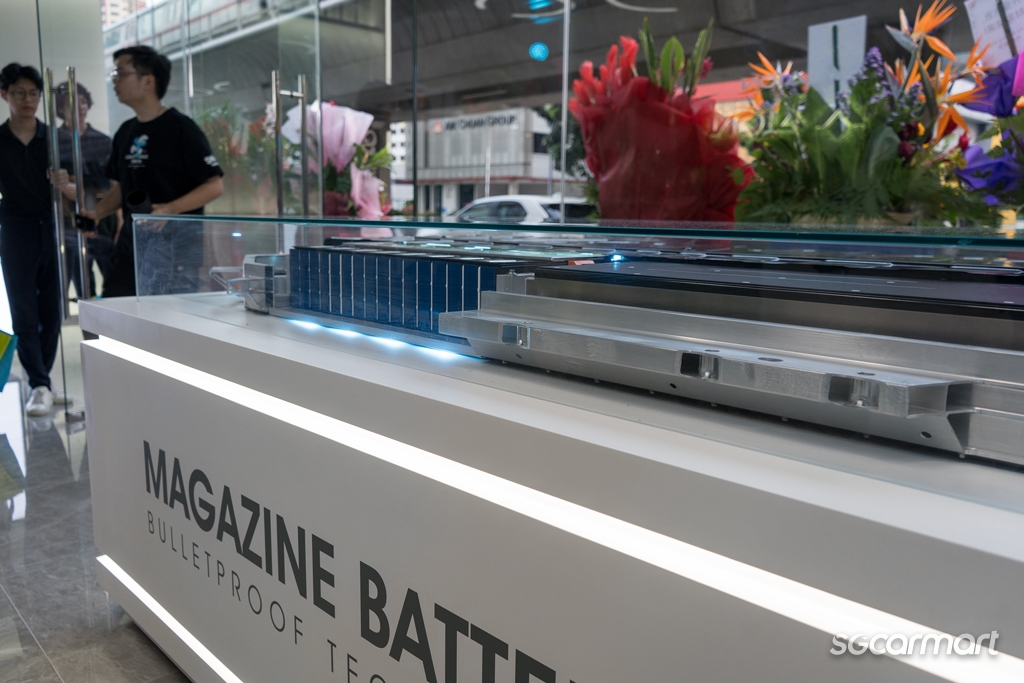
Battery makers are continually improving the safety, longevity, and energy density of their products
4. EV batteries are designed to last the life of the car
One concern many drivers have about EVs is about battery life. It's a valid one, too, since the battery is by far the most expensive component in any electric vehicle.
While it is true that EV batteries will wear out over time, it won't happen over the course of two or three years. In fact, battery makers go to great lengths to ensure that the batteries can easily last the life of the car. Even after their service life ends, they can be re-used in energy storage systems.
Batteries are engineered to go through thousands of charging and discharging cycles, with both rapid charging (DC) and slow charging (AC) taken into account. They are designed to operate in a variety of climates as well.
5. Many EVs have a 10-year battery warranty
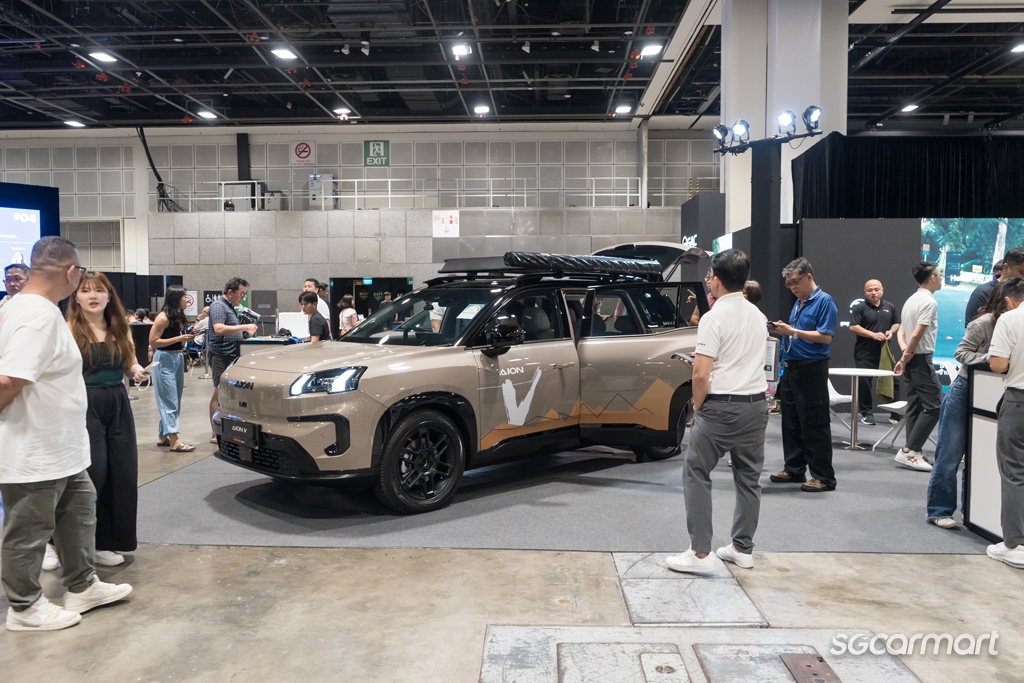
Understandably, some drivers nonetheless remain concerned about these issues. To assuage their worries, many brand-new EV models today are covered by a 10-year battery warranty, which for most owners, is equivalent to the lifespan of the vehicle (and its COE).
Aion and Proton, which are distributed by Vincar Group, are two brands whose models have 10-year battery warranties. The same is true for the Omoda and Jaecoo, whose models are bundled with a 10-year battery warranty. BYD, Denza, Dongfeng, and Toyota also offer 10-year EV battery warranties.
Final thoughts
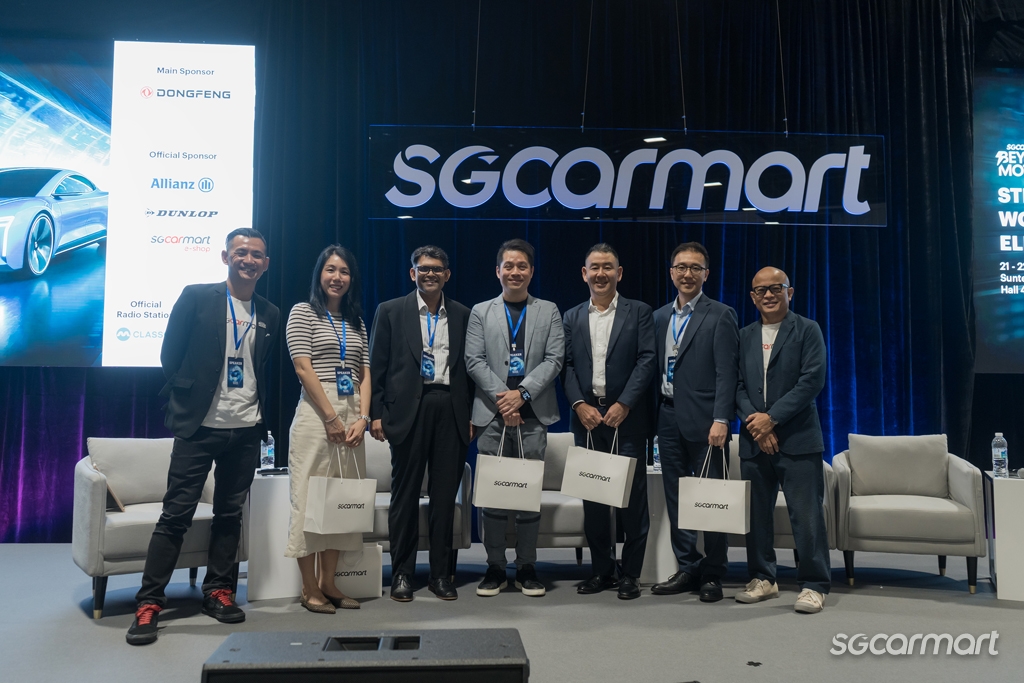
Beyond Motion was an eye-opening experience. Apart from being able to hear from key industry players, experts and stakeholders, it showed us the various elements that have brought electric mobility to the fore.
When you consider the availability of chargers, the growing charging station network in Singapore and Malaysia, the long service life of EV batteries, and the extensive warranty coverage, one thing becomes clear: Electric vehicles are no longer a pipe dream. They have become the preferred choice of many drivers, and our landscape is evolving to support this.

Thank You For Your Subscription.