Audi R18 e-tron quattro represents multiple optimisation of lightweight design
09 Apr 2014|2,249 views

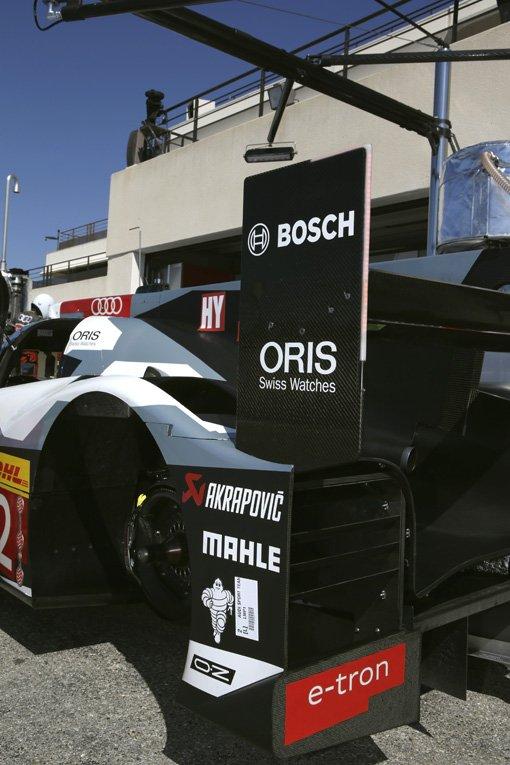
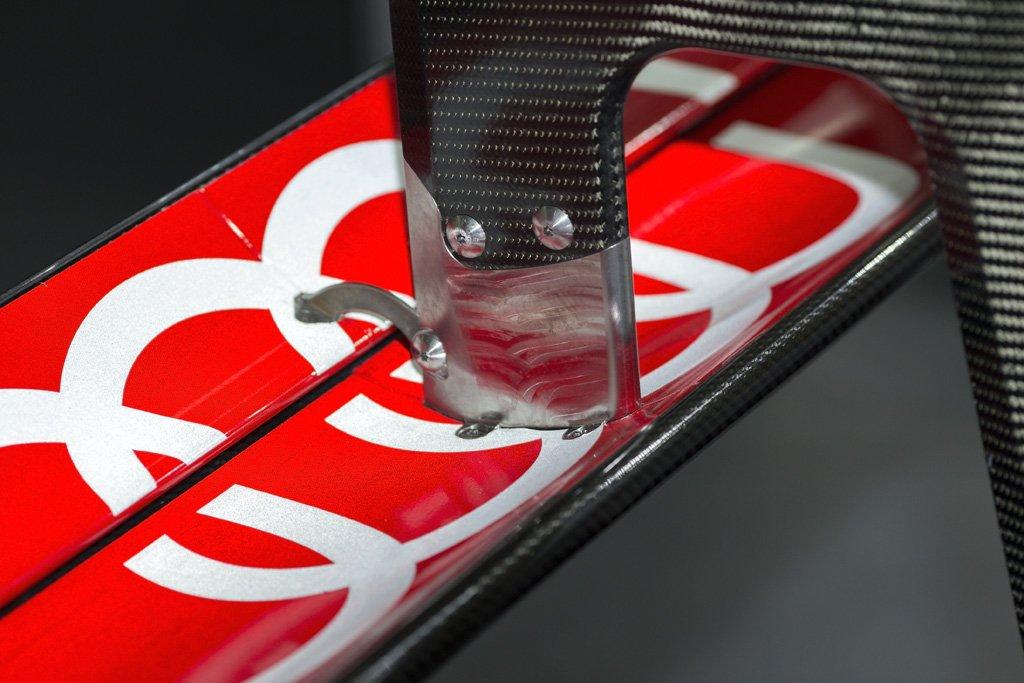
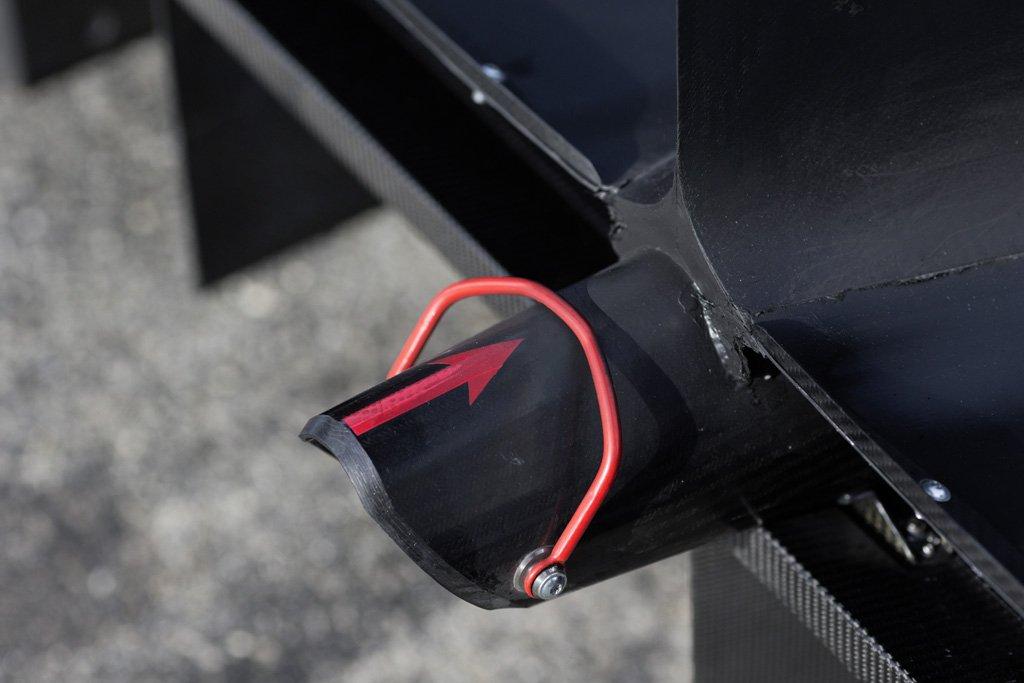

Audi had to master a particularly challenging task before the 2014 season. Since the brand entered Le Mans prototype racing in 1999, the safety rules have never been as stern and a race car as complex as this year. Although design engineers are tasked to resolve target conflicts daily, the concept design of the 2014 Audi R18 e-tron quattro confronted the engineers at Audi Sport with a particularly challenging requirement.


For example, to protect the driver in an event of a lateral impact, the regulations prescribe Zylon side panels - a tough and impact-resistant material which prevents lateral intrusions of pointed objects in the cockpit.
To accommodate the change, the monocoque had to be redesigned to withstand the higher test loads - specified starting in 2014.
Furthermore, the 2014 Audi R18 e-tron quattro is equipped with a rear crash absorbing structure. Made of Carbon Fibre Reinforced Plastic (CFRP), this new component absorbs the energy in a rear end collision.
Audi has consistently increased the CFRP content in the race car - including the steering column - made from CFRP for the first time. However, despite its benefits, CFRP is still prohibited in various areas - including the wheel suspension elements. Also, the regulation now supports transmissions with seven forward gears.
Due to the vast number of changes, the engineers were tasked to engineer the race car even lighter than before - to compensate for the additional weight - while achieving the lower minimum weight. Even with the challenges, Audi achieved its target weight of 870kg with the 2014 R18 e-tron quattro.
To sum it up, Audi believes the new R18 e-tron quattro is safer, lighter and more efficient than its predecessors with Audi's light-weight technology playing a major role in this.
Audi had to master a particularly challenging task before the 2014 season. Since the brand entered Le Mans prototype racing in 1999, the safety rules have never been as stern and a race car as complex as this year. Although design engineers are tasked to resolve target conflicts daily, the concept design of the 2014 Audi R18 e-tron quattro confronted the engineers at Audi Sport with a particularly challenging requirement.
On one hand, the racing weight of the LMP1 cars is allowed to decrease from 915kg to 870kg, yet in contrast, the new technical regulations contain various requirements that call for completely new solutions which increases weight.
For example, to protect the driver in an event of a lateral impact, the regulations prescribe Zylon side panels - a tough and impact-resistant material which prevents lateral intrusions of pointed objects in the cockpit.
To accommodate the change, the monocoque had to be redesigned to withstand the higher test loads - specified starting in 2014.
Furthermore, the 2014 Audi R18 e-tron quattro is equipped with a rear crash absorbing structure. Made of Carbon Fibre Reinforced Plastic (CFRP), this new component absorbs the energy in a rear end collision.
Audi has consistently increased the CFRP content in the race car - including the steering column - made from CFRP for the first time. However, despite its benefits, CFRP is still prohibited in various areas - including the wheel suspension elements. Also, the regulation now supports transmissions with seven forward gears.
Due to the vast number of changes, the engineers were tasked to engineer the race car even lighter than before - to compensate for the additional weight - while achieving the lower minimum weight. Even with the challenges, Audi achieved its target weight of 870kg with the 2014 R18 e-tron quattro.
To sum it up, Audi believes the new R18 e-tron quattro is safer, lighter and more efficient than its predecessors with Audi's light-weight technology playing a major role in this.


Latest COE Prices
April 2026 | 1st BIDDING
NEXT TENDER: 22 Apr 2026
CAT A$118,000
CAT B$121,000
CAT C$80,001
CAT E$121,001
View Full Results 
Thank You For Your Subscription.














Tags
Products & Services

For Owners
Quick Links
About Sgcarmart