BMW reveals all-new i3 sedan: Most exciting 3 Series yet?
18 Mar 2026|11,550 views
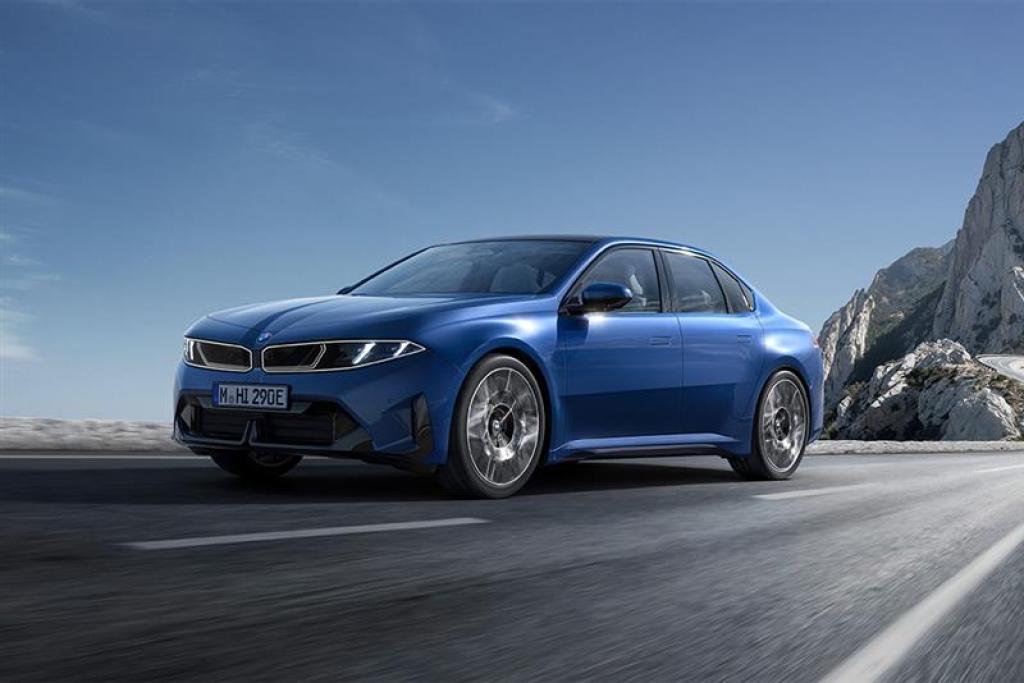
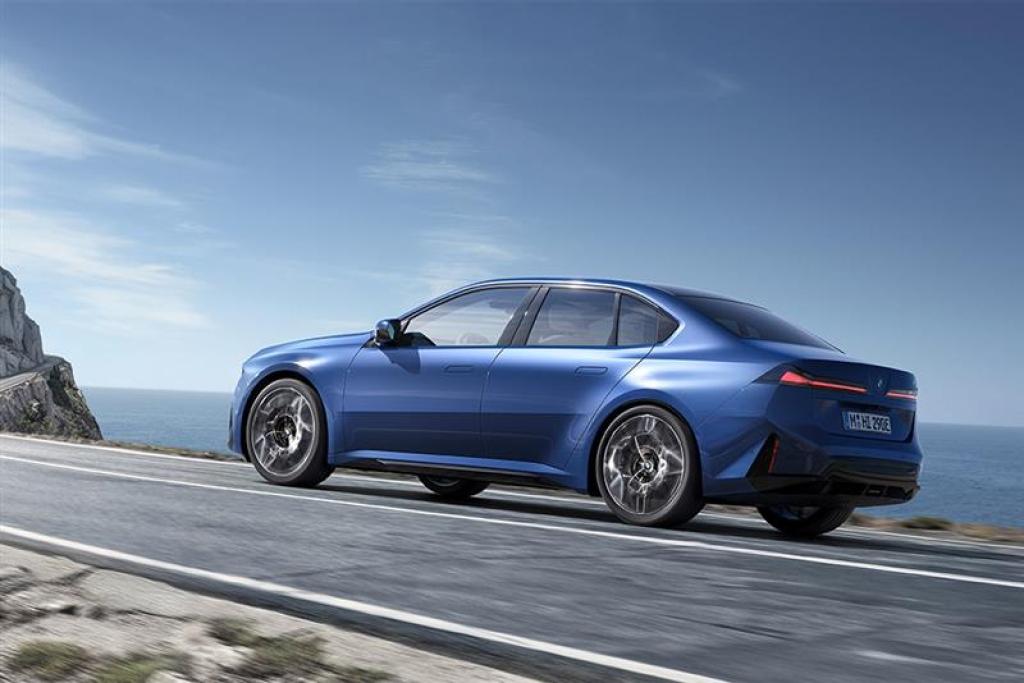
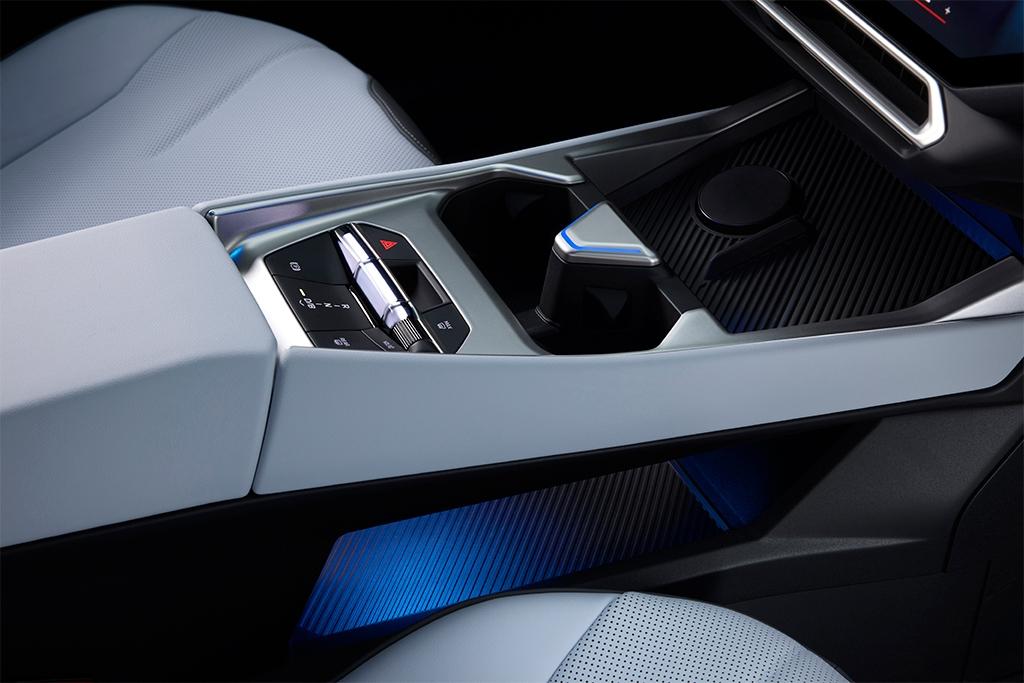
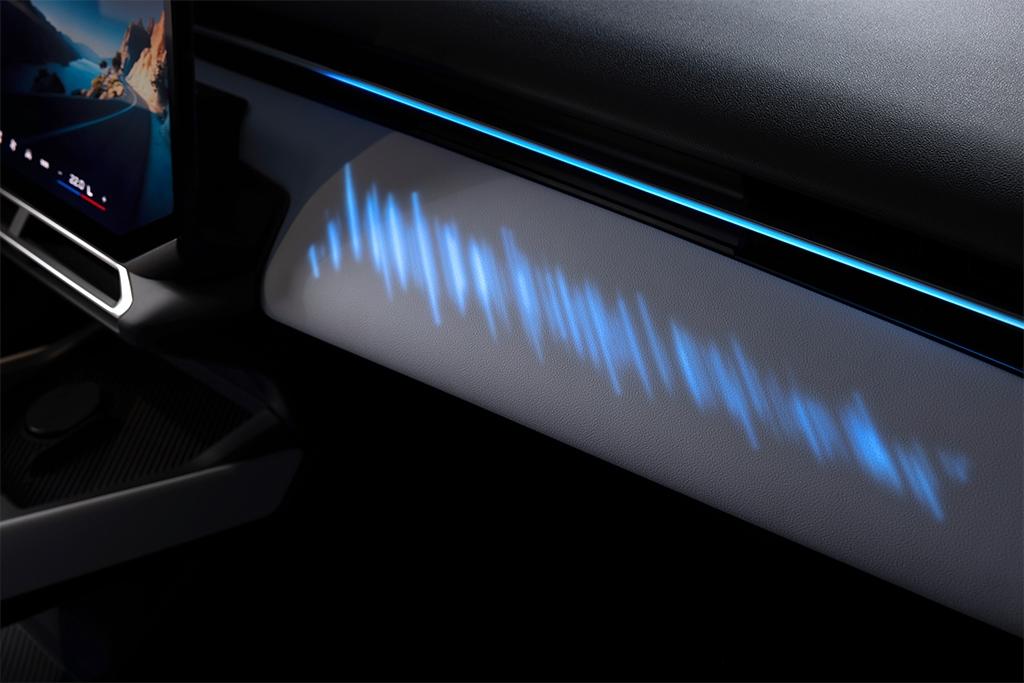
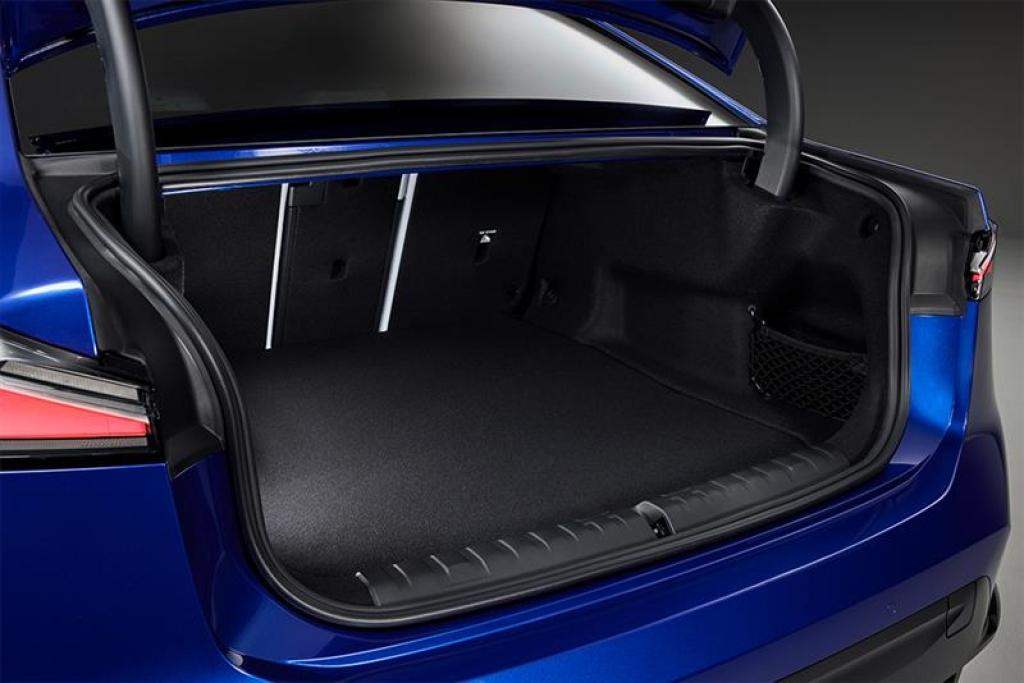
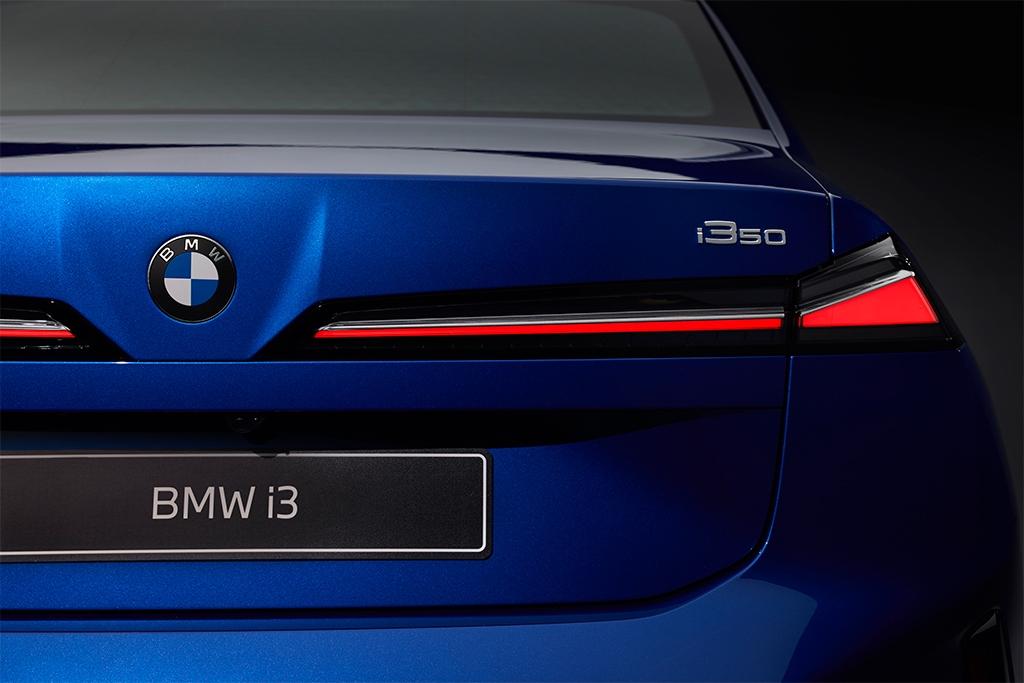
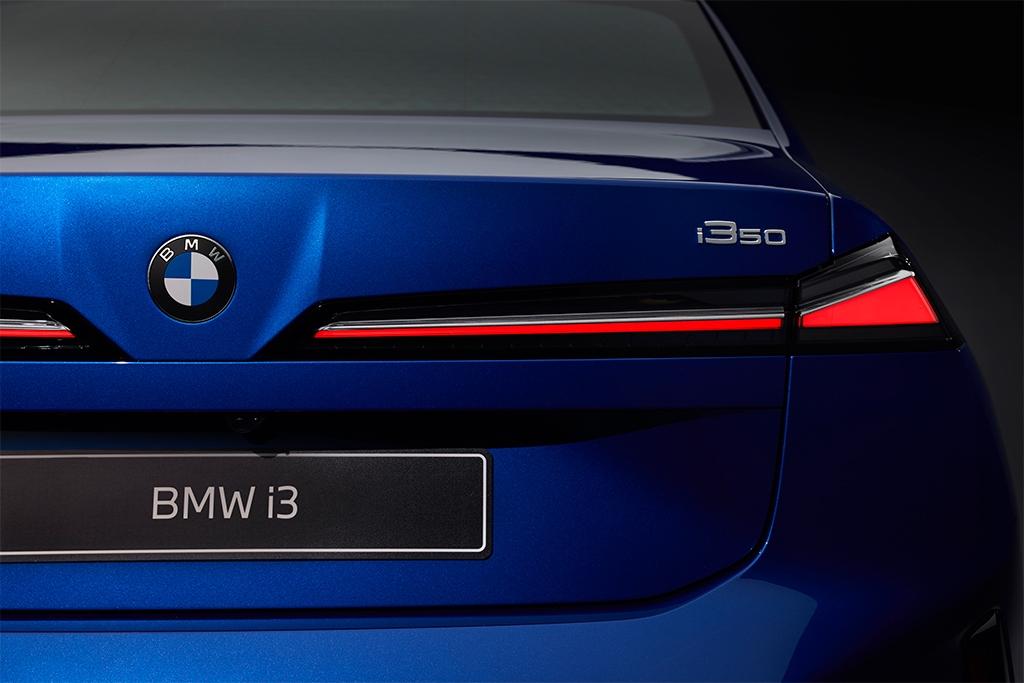
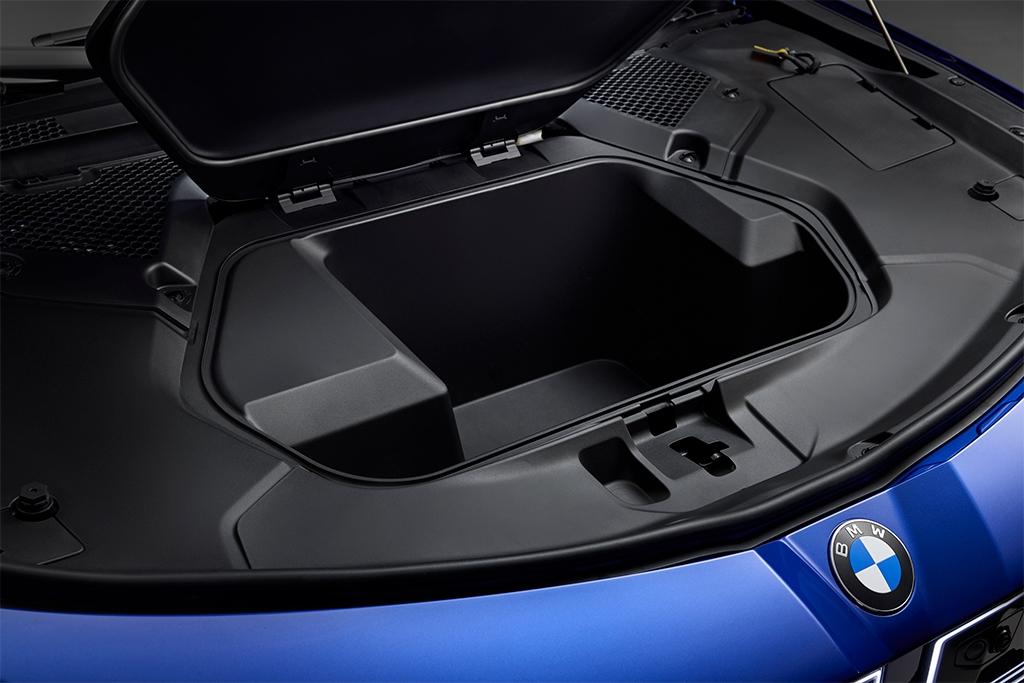
BMW has pulled the covers of the all-new BMW i3, simultaneously ushering in an unprecedented chapter for one of its longest-running models, while rocketing ahead as promised with the rollout of its new generation of electric cars.
Not to be confused with BMW's boundary-pushing city car from 2013, the new i3 - as teased for years now - is an electric sedan that effectively serves as the latest-generation successor for the BMW 3 Series nameplate. But therein already lies its significance: This marks the first time in the model's 50-year history that it's been given the proper full-electric treatment. (Before you argue otherwise, the G20-based i3 eDrive35L doesn't count in BMW's books, because it was a China-only exclusive.)
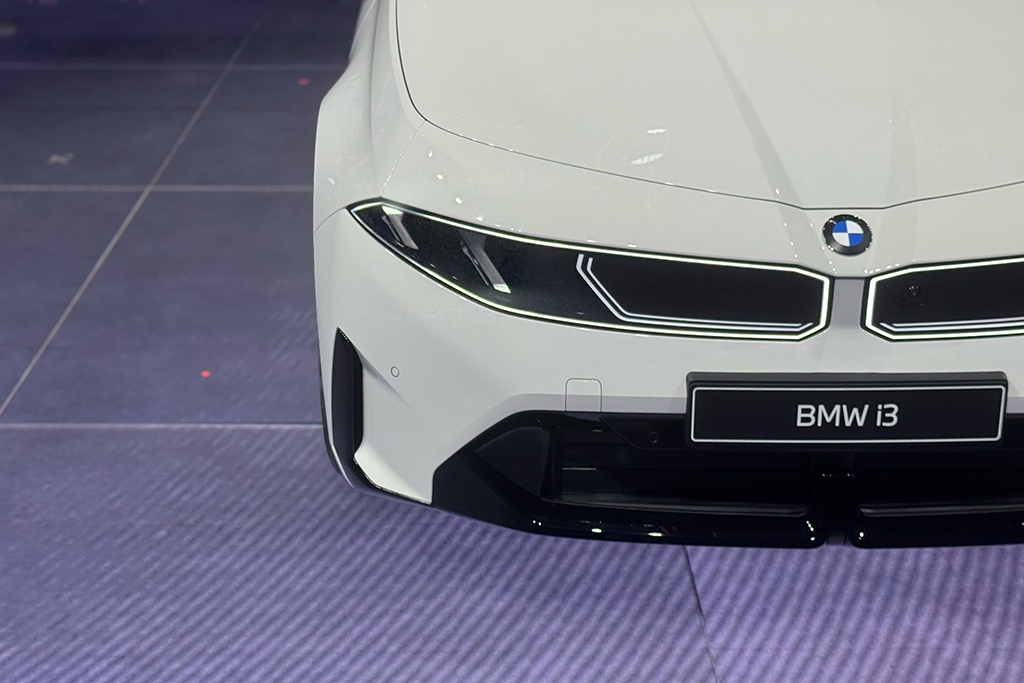
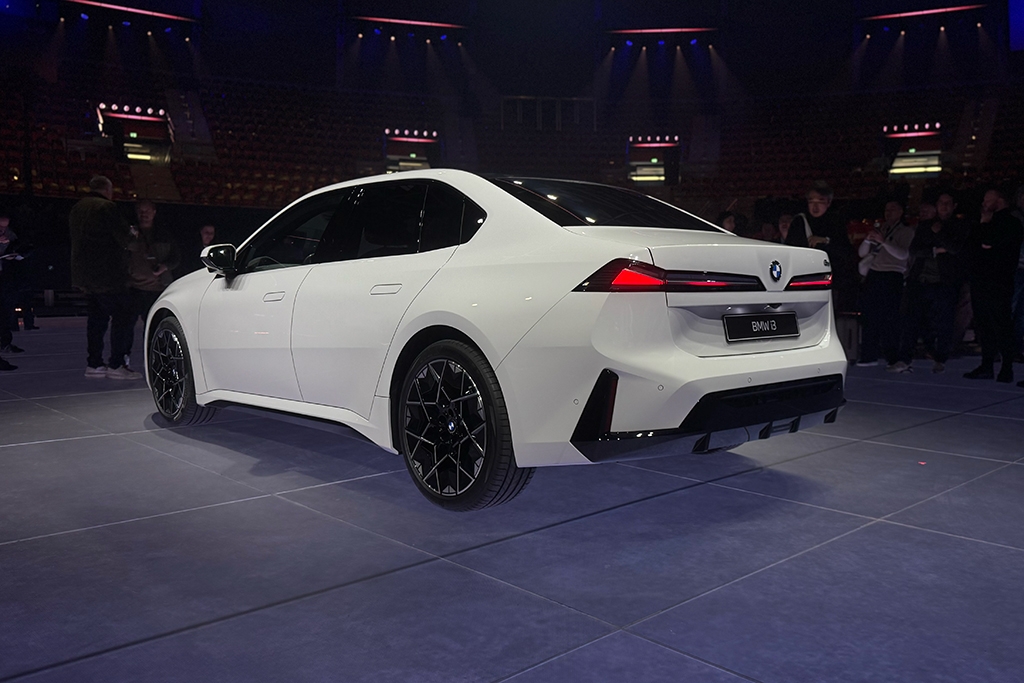
The all-electric i3 marks the second car of BMW's new Neue Klasse generation, as well as the first time ever that the 3 Series has gone fully electric
Considering that the iX3 effectively laid down the blueprint for the rest of BMW's new Neue Klasse cars, it should be unsurprising that the new i3 shares its tech, architecture, and even overall design language with its SUV sibling.
Still, true to BMW's earlier promises that each member of the range would ultimately stand apart with its own character, the i3 clearly carves out an identity for itself with styling unlike any 3 Series before.
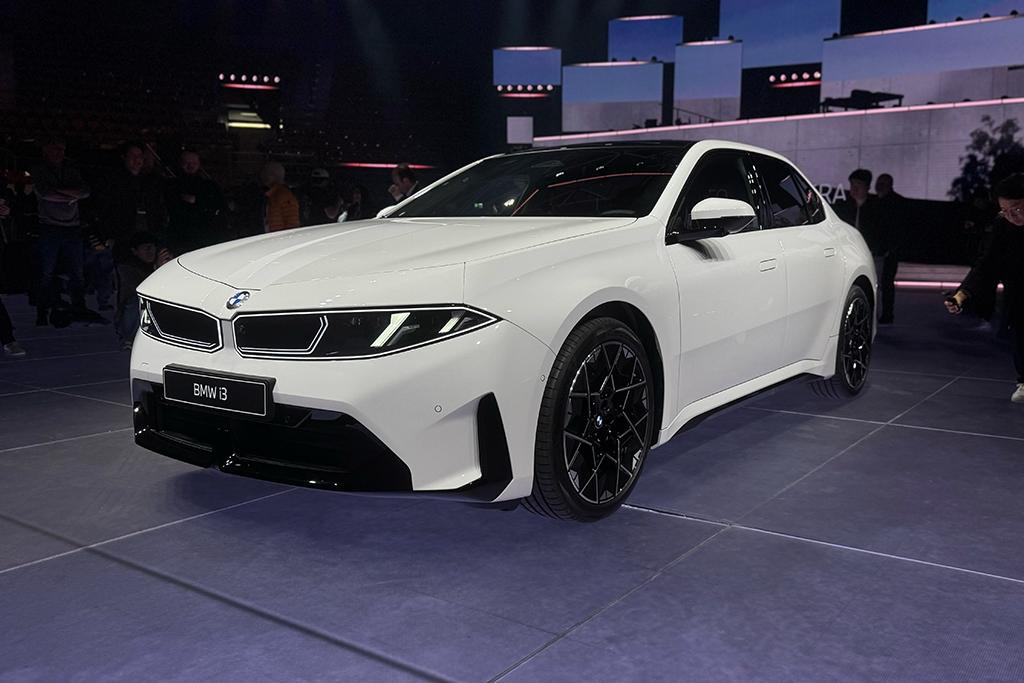
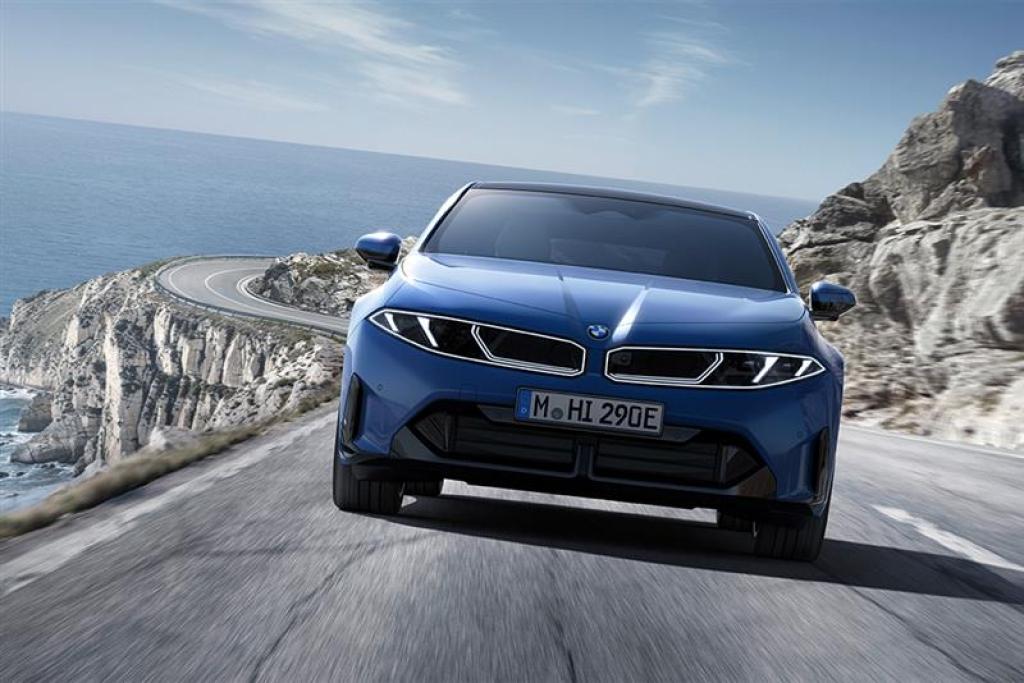
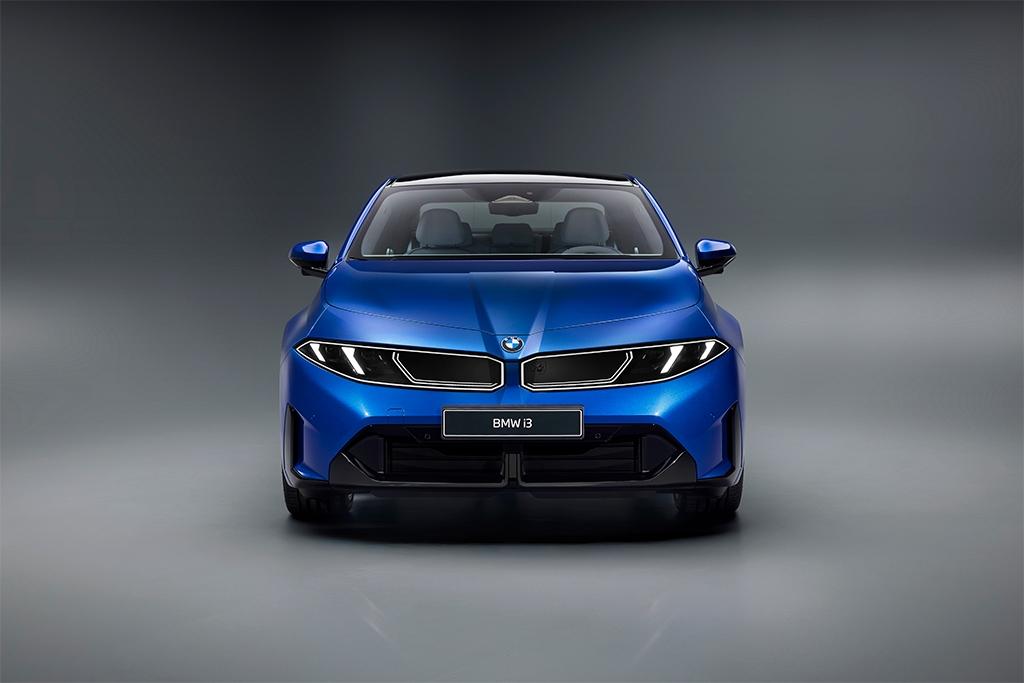
While the iX3 was notable for its radically downsized kidney grilles, the i3 flips the script slightly with clever visual framing that still pays homage to design cues that have persisted across its many predecessors.
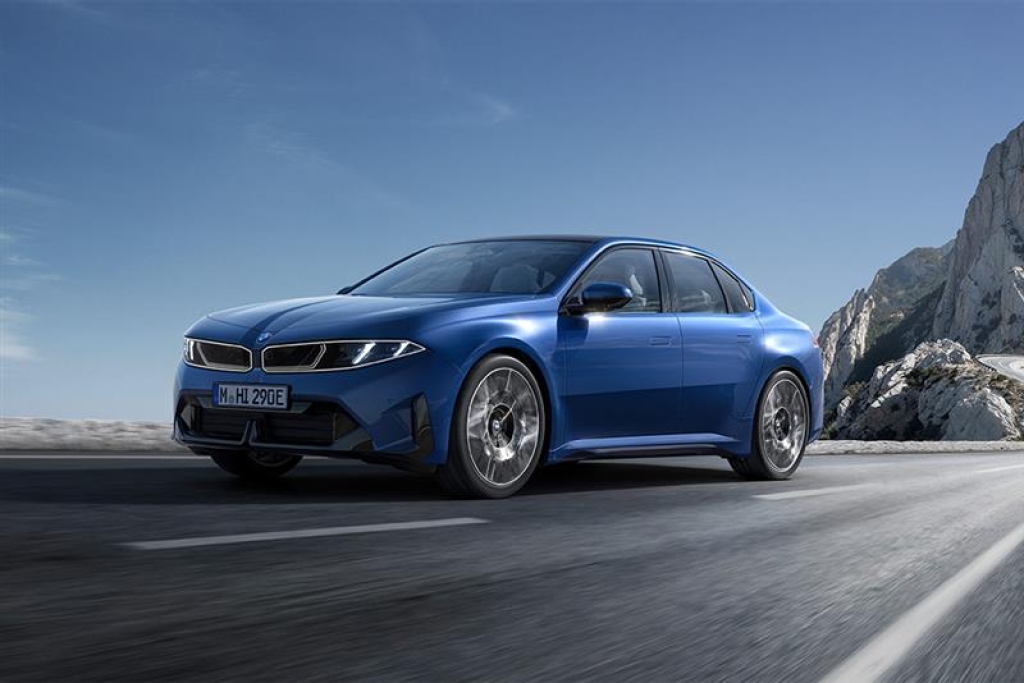
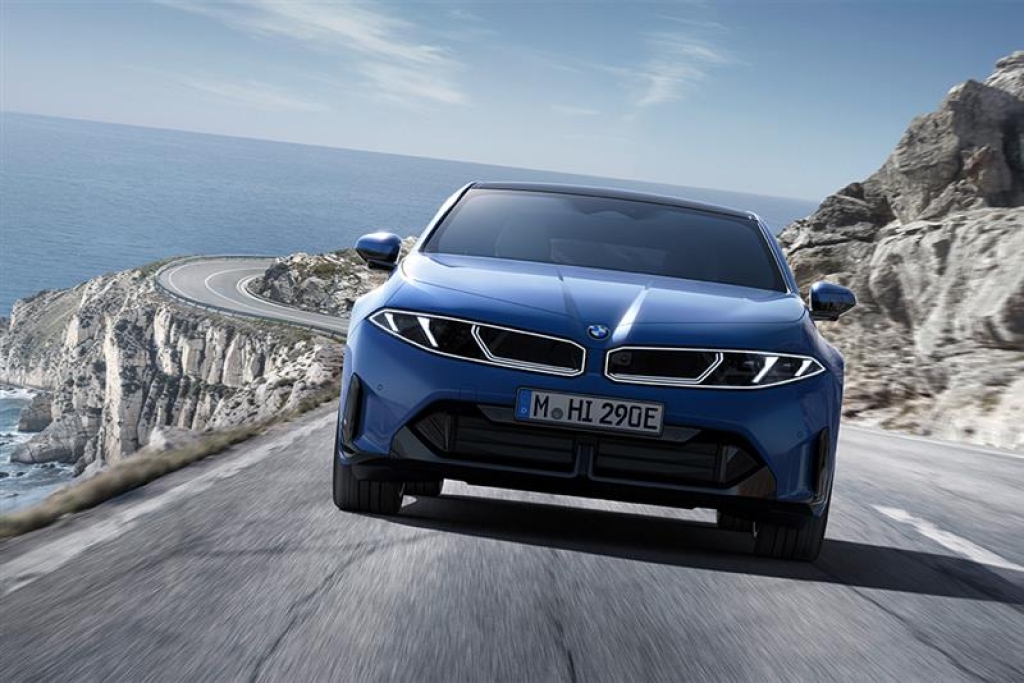
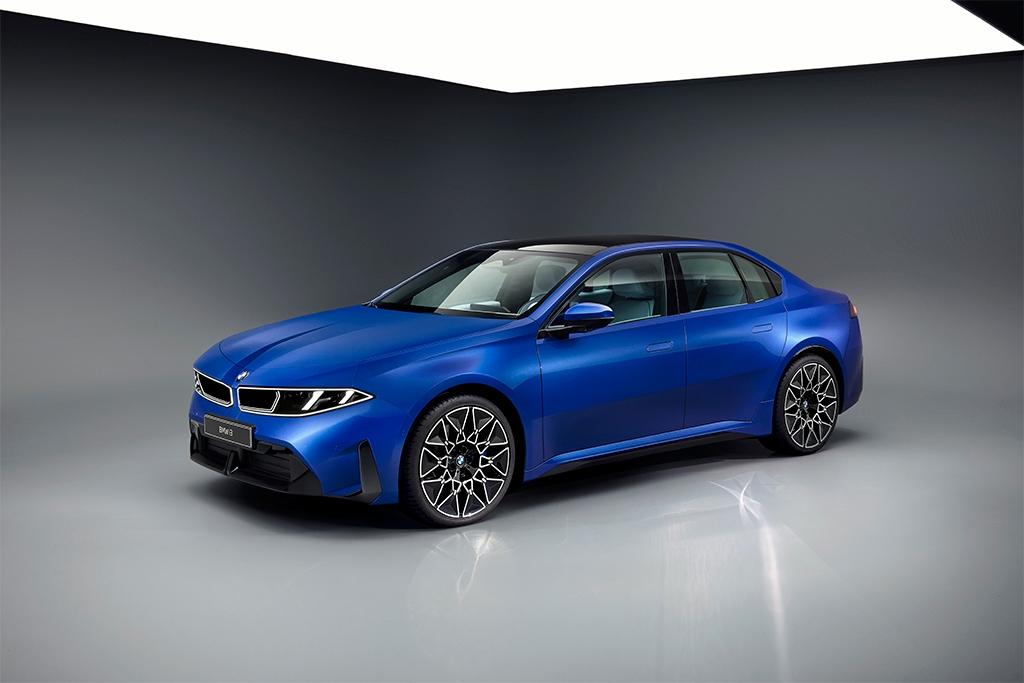
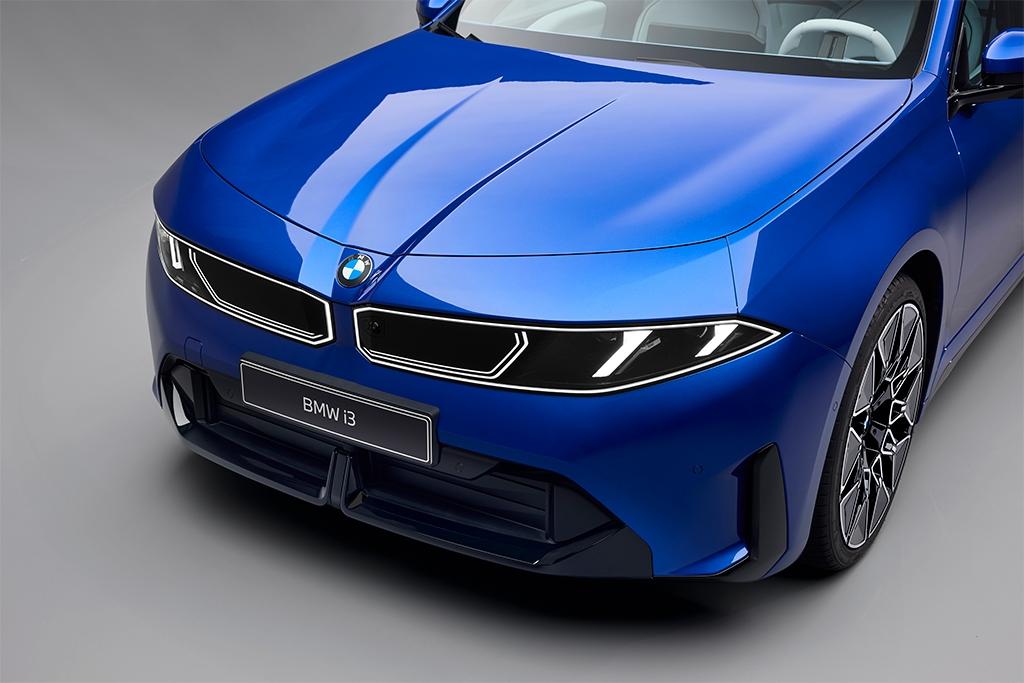
The i3 shares the same overall design language as the iX3 that came before it, but relies on clever contour lighting up front for a markedly unique face
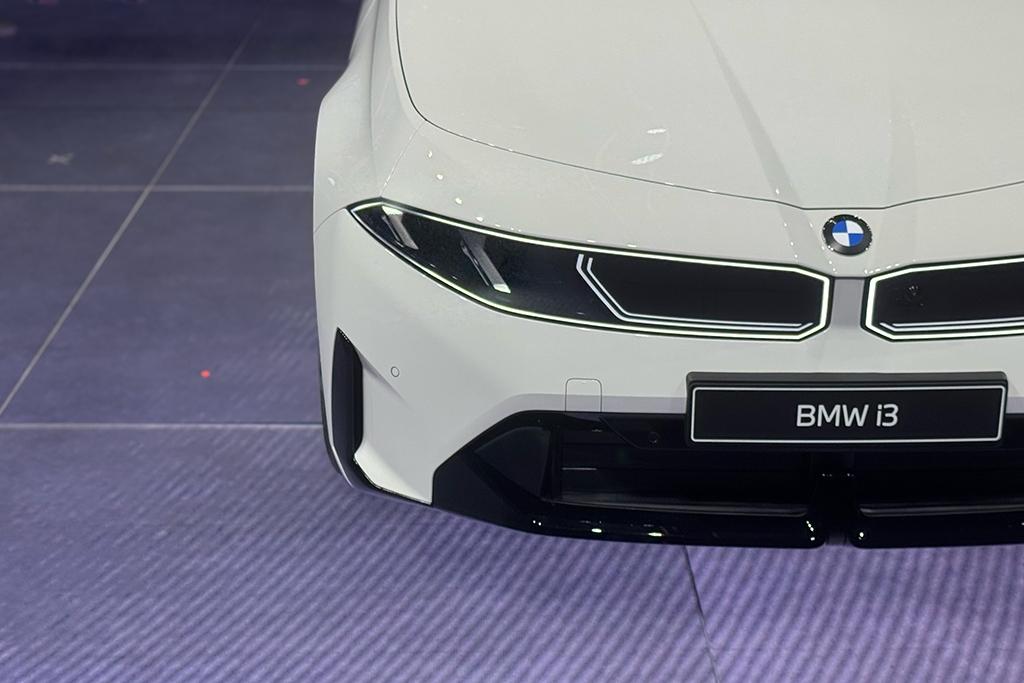
Characteristic of modern-day BMW, contour lighting is the key ingredient here, used to frame the daytime running lights and 'radiator grille' in what are effectively just two horizontal 'blocks' up front.
While emphasising the width of the sedan, they also contain all the elements that have marked out past 3 Series generations - such as the quad eyes (now taking the form of two diagonal DRLs arranged in parallel on each side), and the unmistakable twin kidney shape. Embedded within them as well are sensors for the car's safety systems.
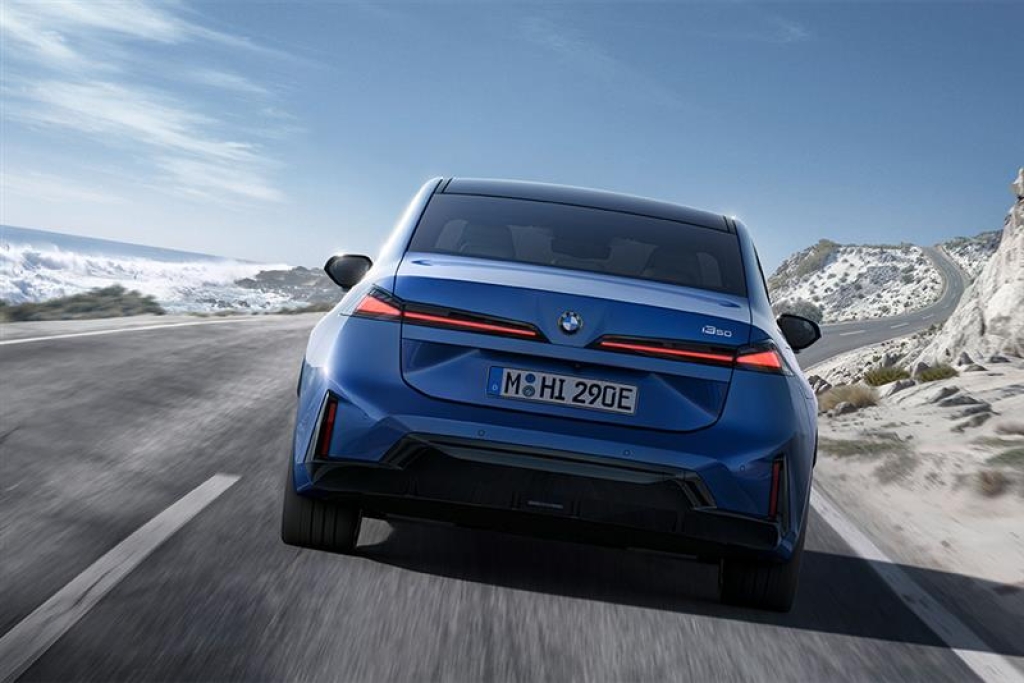
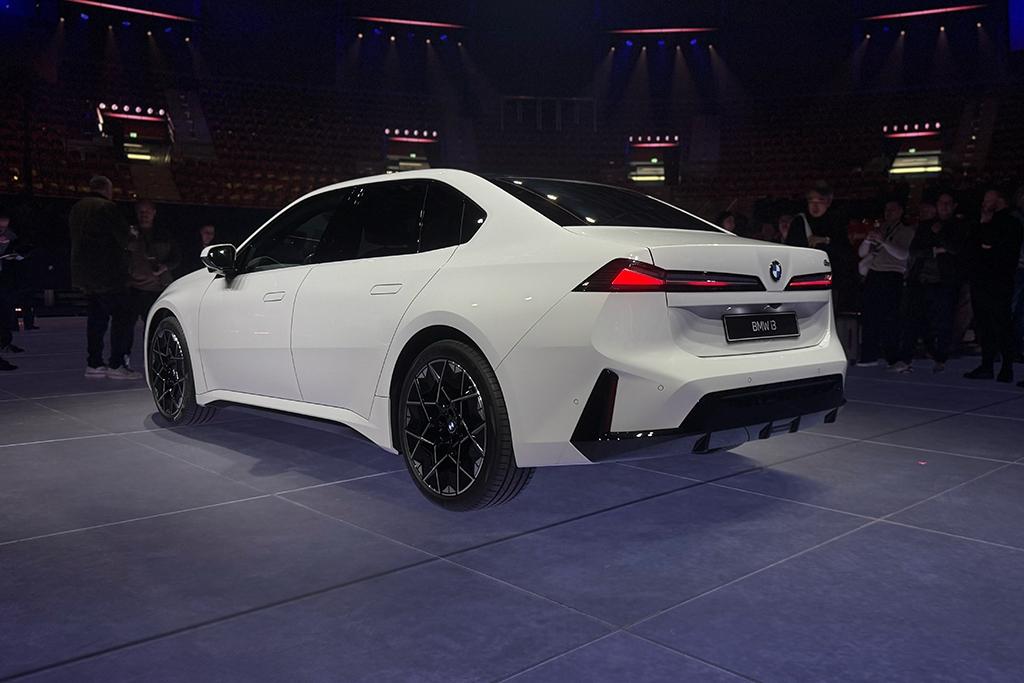
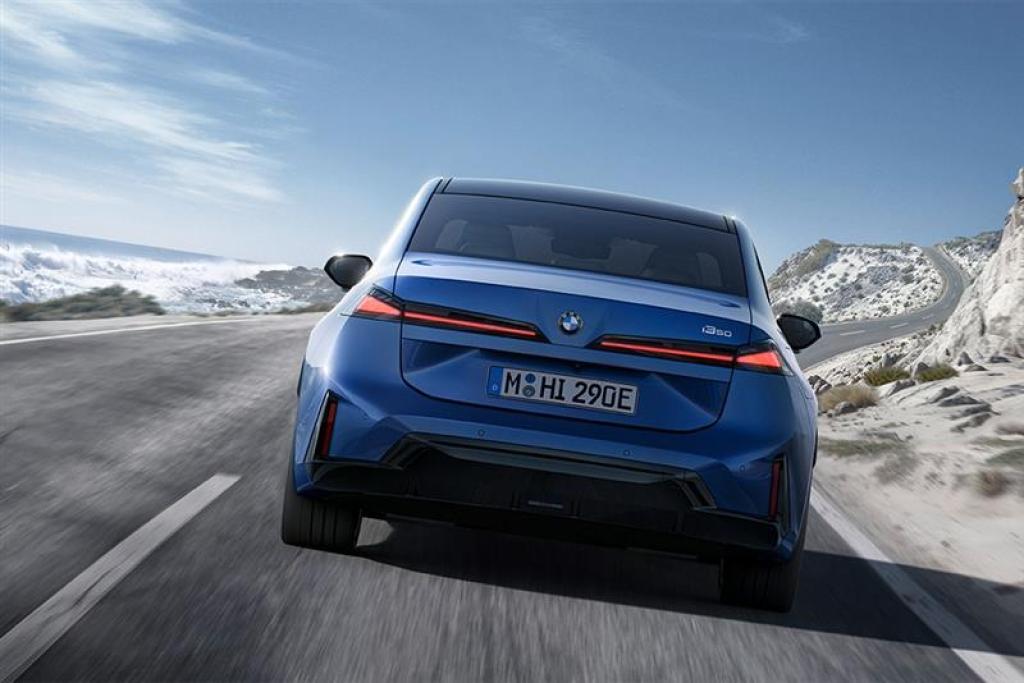
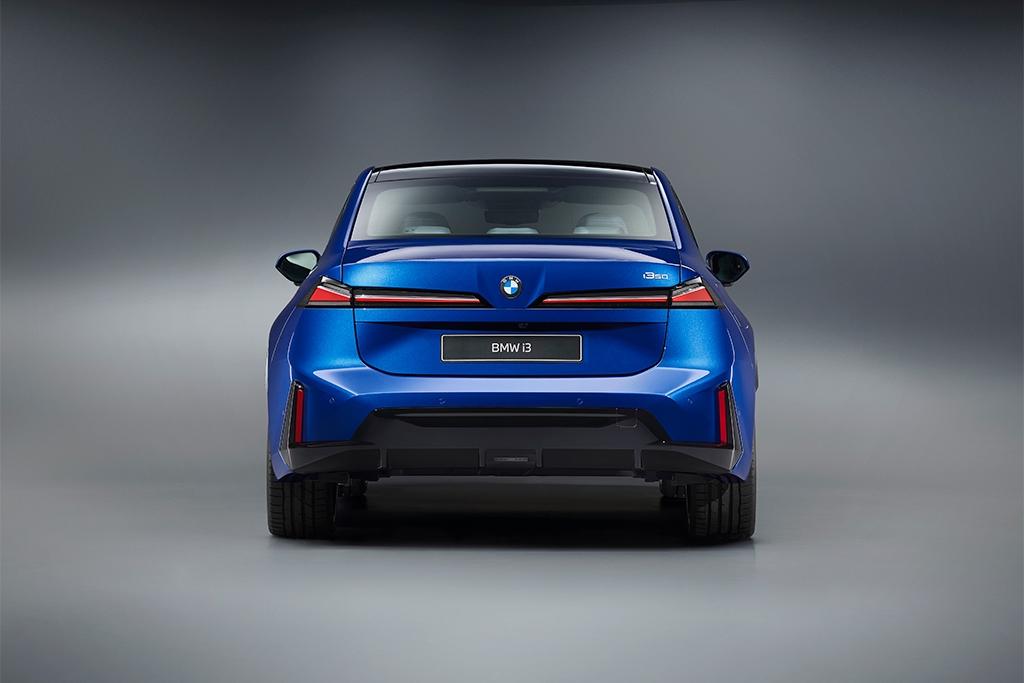
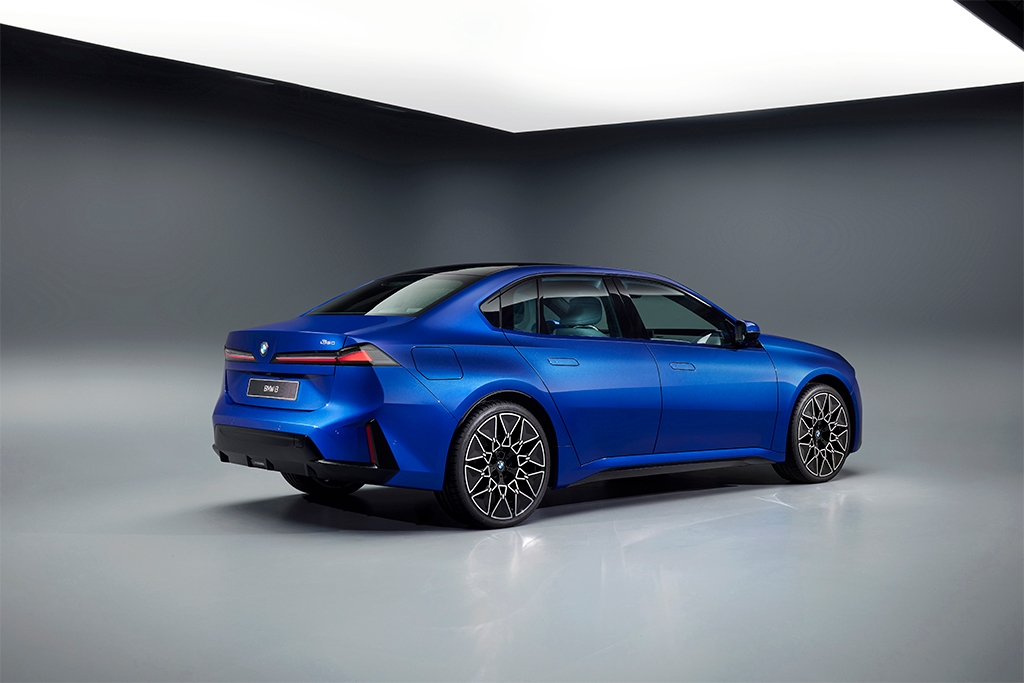
The car's tail lights pay homage to the 3 Series' signature L-shapes, spanning nearly the full width of the rear end
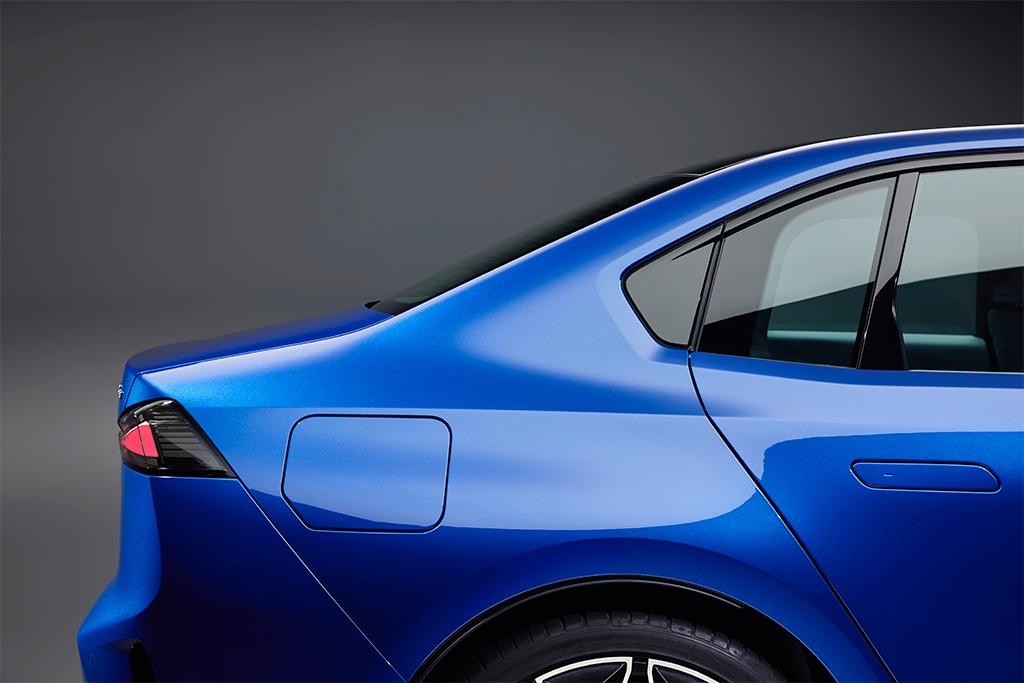
BMW also states that it has kept a clear eye on its past with the i3's tail lights, which retain the brand's signature L-shapes, albeit again with exaggerated horizontal elongation. Once again, it’s a neat trick that gives the i3 a wider stance visually, but without deferring to the full-length light bars adopted by most modern cars today.
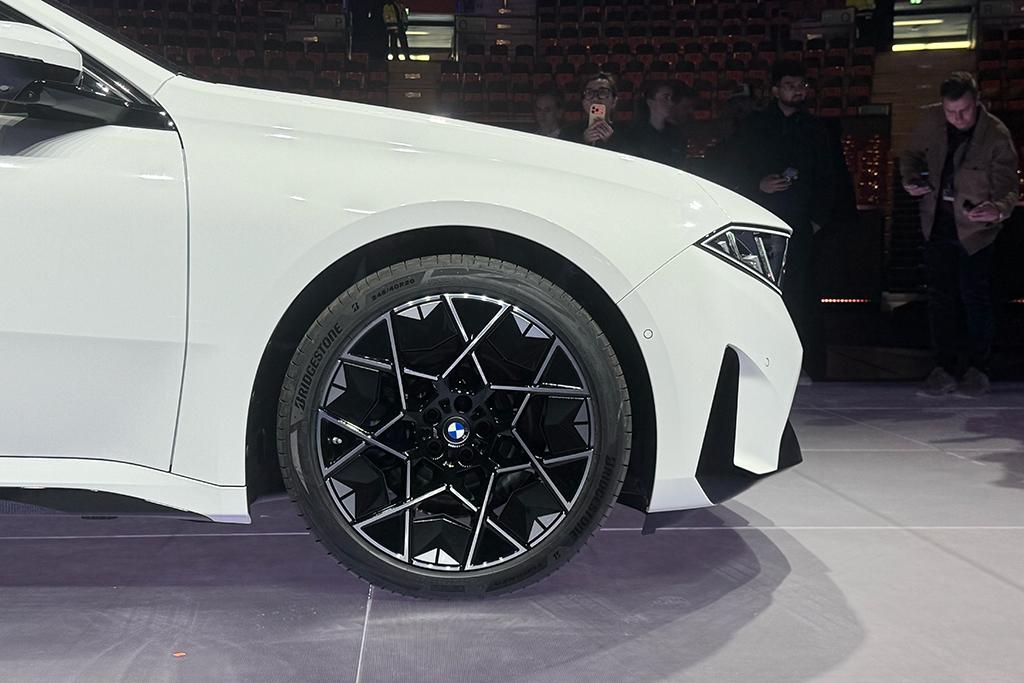
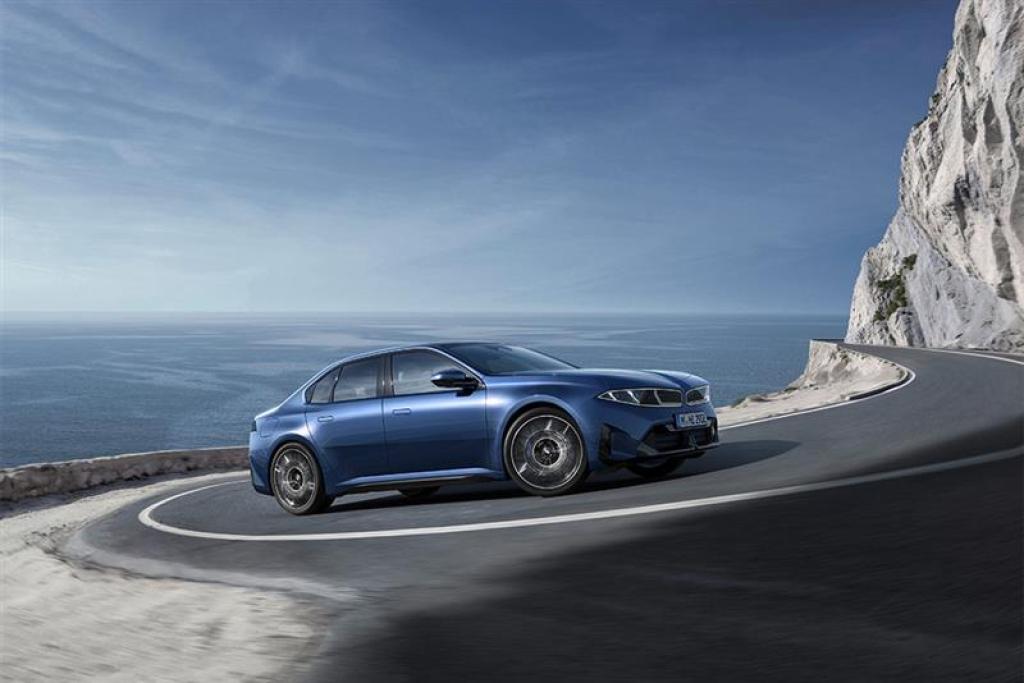
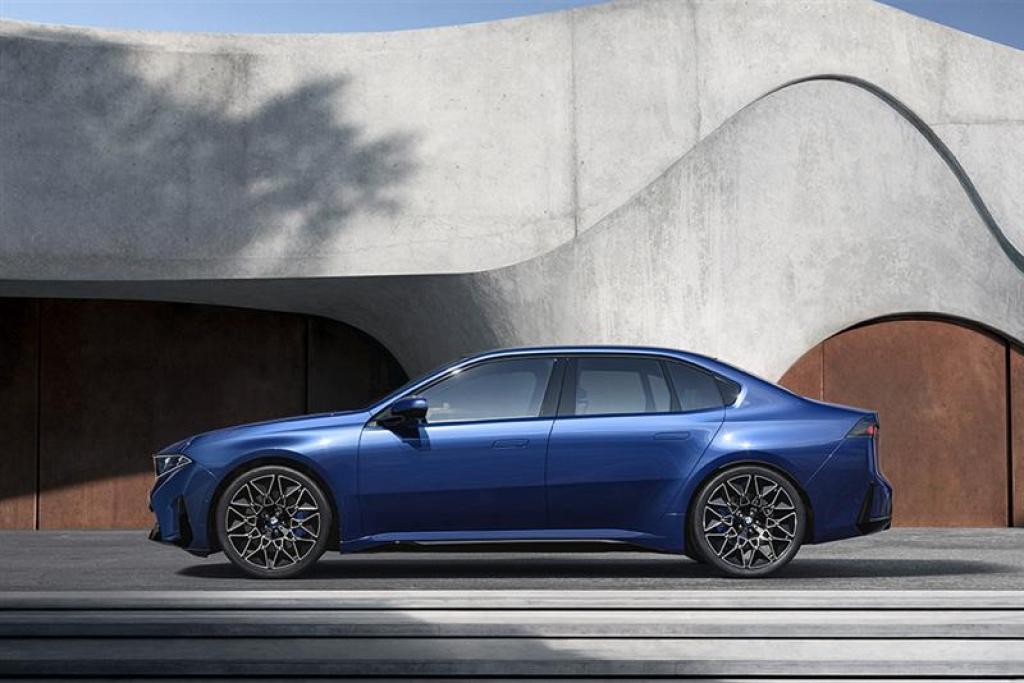
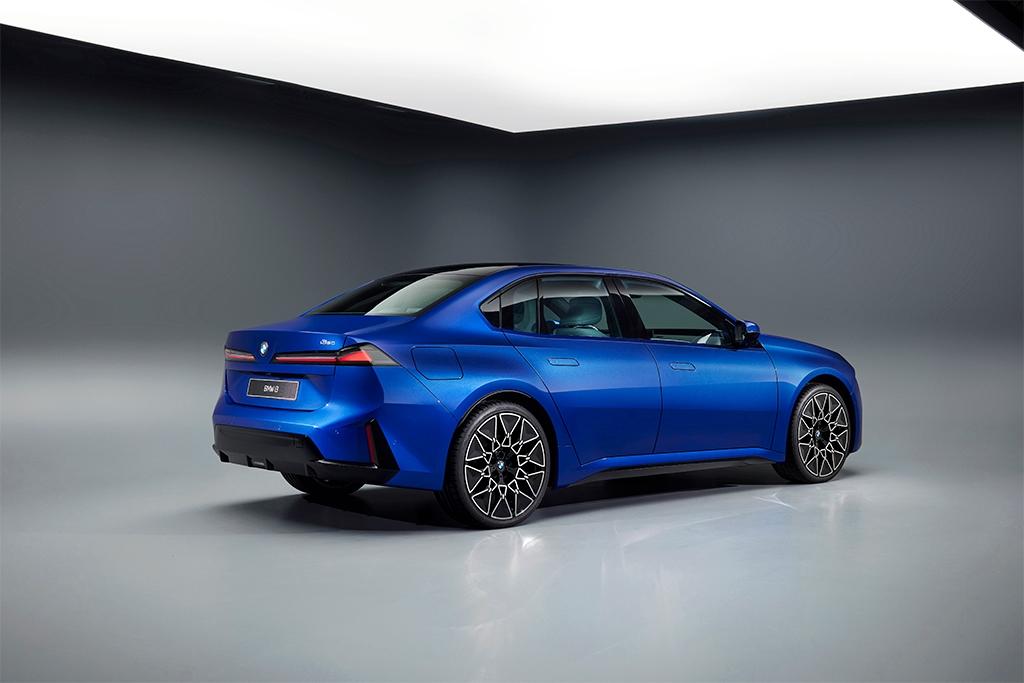
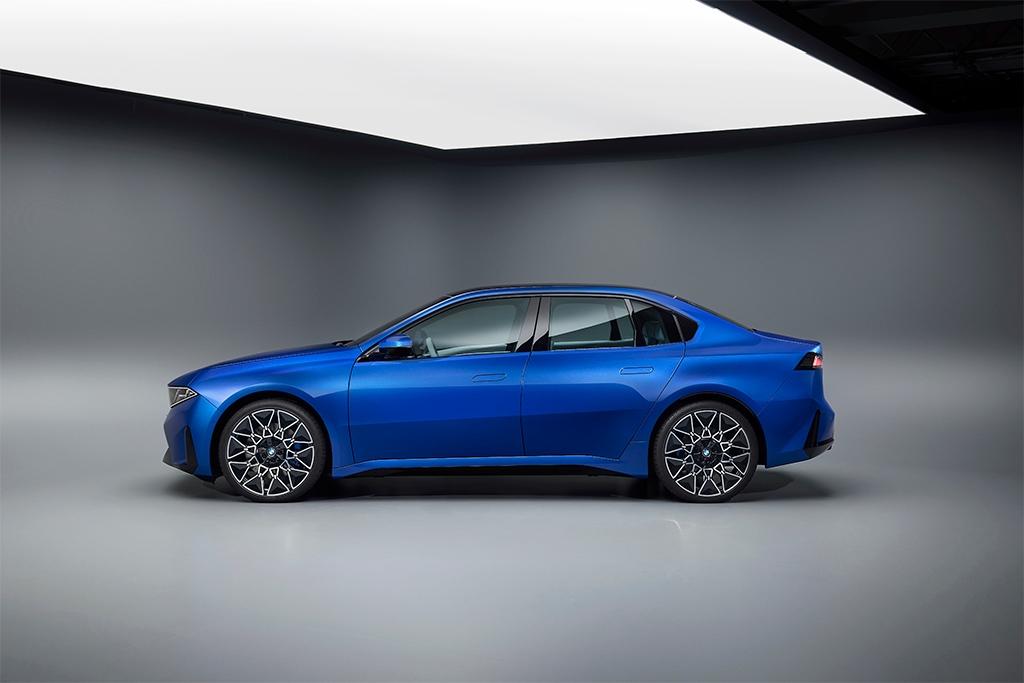
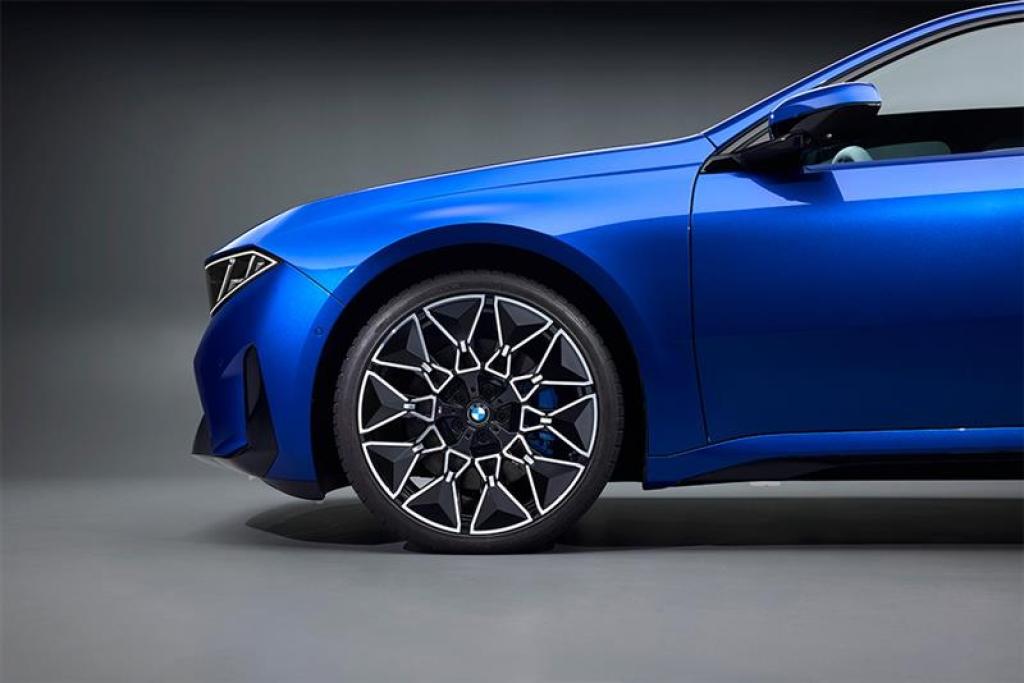
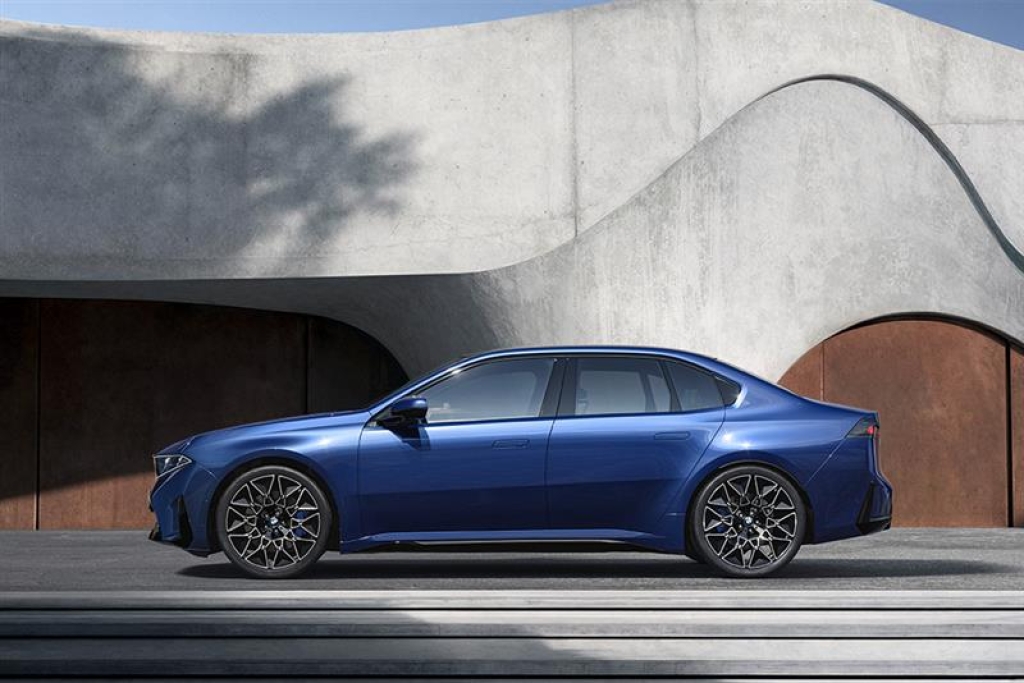
Elsewhere, the i3 makes sure to continue the 3 Series' legacy as a sporty sedan too. Those wide shoulders and flared wheel arches shouldn't be surprising given that the 3 Series has always been positioned as the more compact, athletic sedan of the range, but the i3 leans more heavily into a '2.5-box design', which comes courtesy of its shorter overhangs, and tapered windscreen and rear roof.
Otherwise, the car does stick quite faithfully to the new Neue Klasse playbook first fleshed out in full by the iX3.
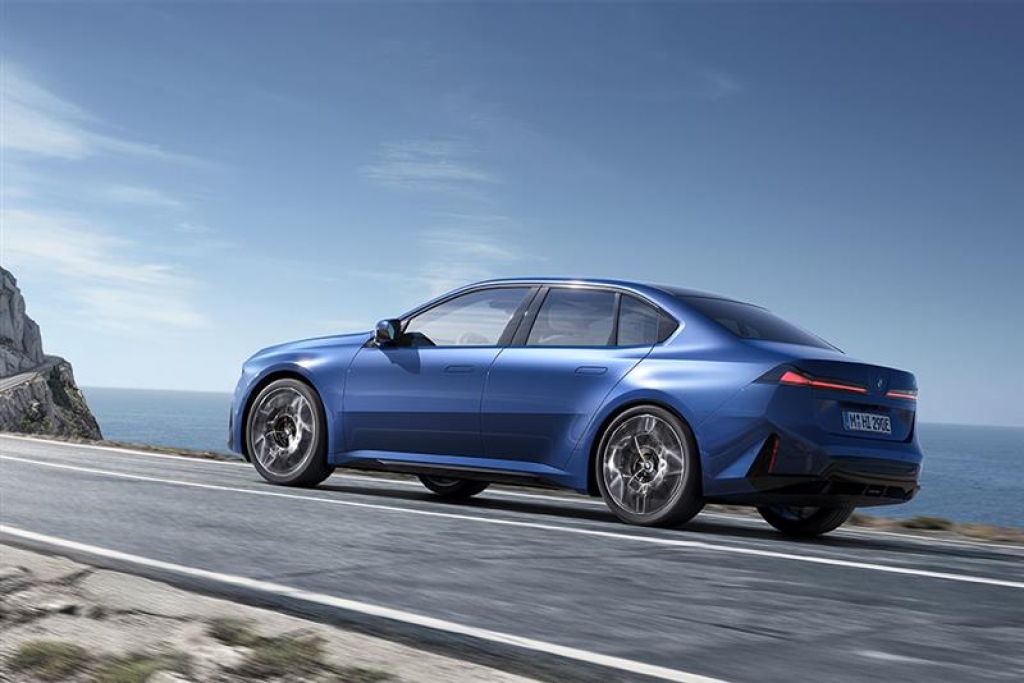
The i3 easily surpasses the iX3's already impressive driving range, with up to 900km on a full charge according to the WLTP cycle
Underpinning the sedan is the same new cutting-edge platform that incorporates all of BMW's new Gen6 eDrive technologies, promising longer-distance driving, advancements in sustainability, and sharper performance. Transfused into a lower slung sedan, however, the experience in the i3 is still shaping to be quite different from its SUV sibling.
For instance, with a new higher-density battery pack pieced together with revolutionary round cells and cell-to-pack technology, the iX3 had already placed itself among the best electric marathoners of today, with a driving range of 805km.
With its more aerodynamic body, purportedly lighter weight, and completely sealed off underbody, however, the i3 is set to go even further; BMW claims a whopping 900km per the WLTP cycle, meaning that the i3 could technically carry you as far on a full charge as some ICE cars manage with one tank of fuel.
The 800V platform underpinning the i3 allows the sedan to support DC charging at up to 400kW, meaning you could top up 400km worth of range back into its battery in just 10 minutes
Likewise, the new 800V platform employed by BMW means that the i3 supports rapid DC charging at up to 400kW. Hook it up to the right fast-charging outlet, and you could see up to 400km of range returned into your battery within just 10 minutes. The sedan also functions as a roving mobile charge, boasting Vehicle-to-Load functionality, and even the ability to put power back into the grid in certain markets.
In terms of power, only one variant of the i3 has been announced at launch - the dual-motor i3 50 xDrive - with its output mirroring exactly that of the iX3 50 xDrive: A system total of 345kW and 645Nm of torque. BMW hasn't quoted any century sprint timings as of press time, but expect the i3 to zip to 100km/h from rest quicker than the 4.9 seconds managed by the iX3.
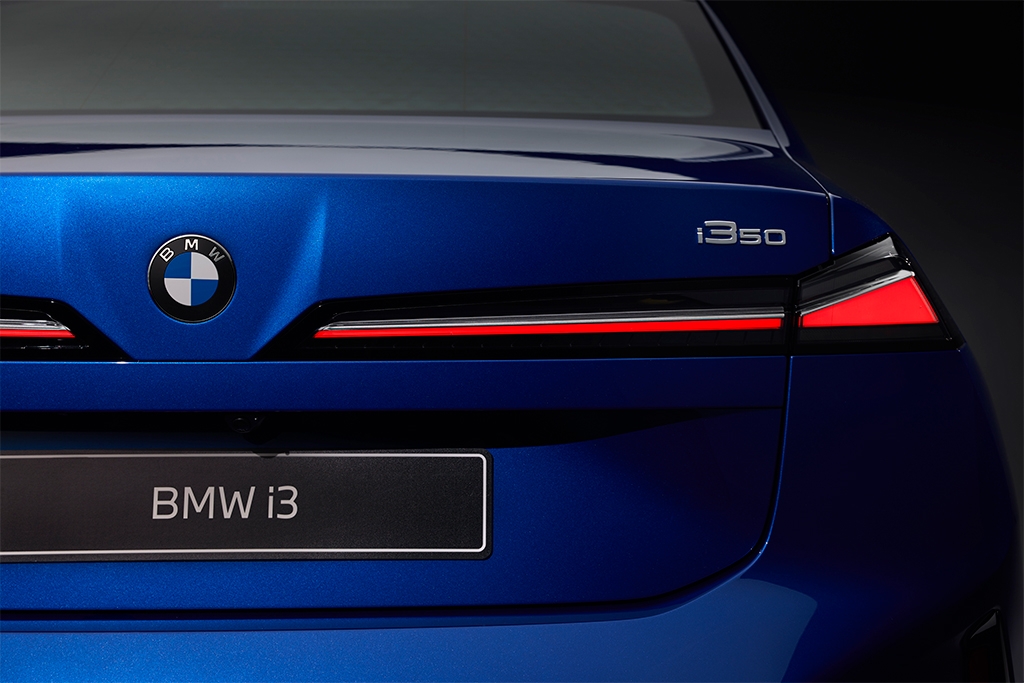
The i3 will be available as the i3 50 xDrive at launch, boasting a system output of 345kW and 645Nm of torque
Still, bear in mind that the 3 Series has always stood as the standard bearer for BMW's philosophy of 'sheer driving pleasure', and it won't be surprising that BMW's emphasis is not on straight-line speed. Instead, agility, fluidity and instantaneous responsiveness are the order of the day.
The i3 gets what BMW calls four 'supercomputers', one of which is dubbed the 'Heart of Joy': A new-generation control unit with 10 times the processing speed of past systems.
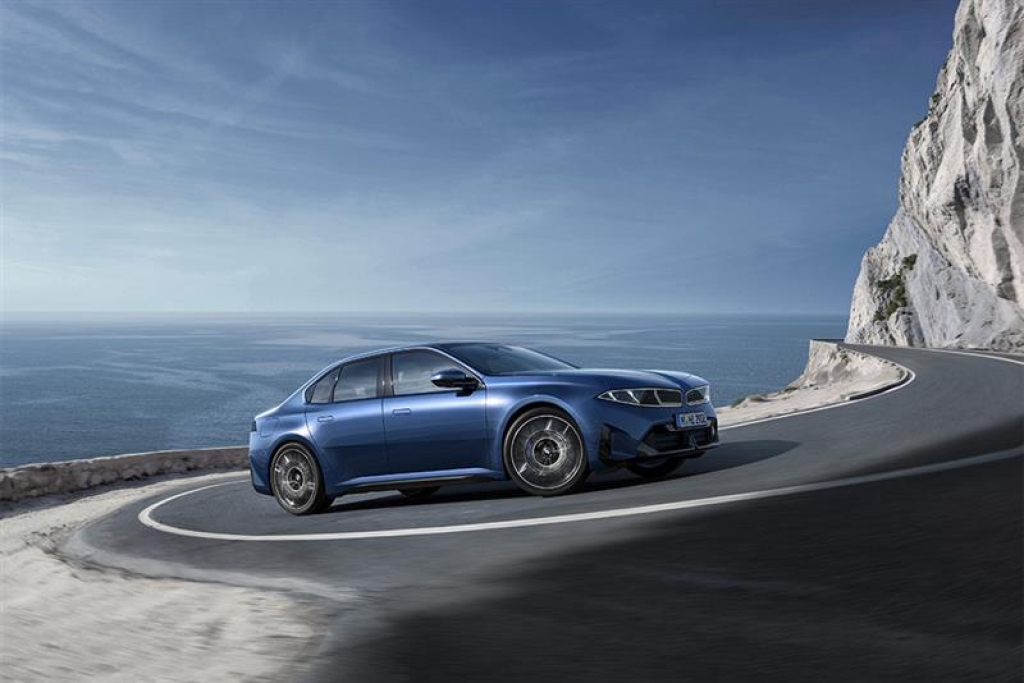
BMW is highlighting the i3's handling and responsiveness over its straight-line performance, thanks to the car's Heart of Joy control unit offering 10 times the processing speed of past systems
Responsible for the car's drive, brakes, charging, energy recuperation, and even some of its steering functions, BMW claims that the tiny iPad-sized supercomputer bestows the i3 with "exceptionally effortless and assured handling" - a claim it put to the test most recently on frigid ice, in the Arctic Circle.
Working in tandem with the sedan's outstanding driving dynamics is a new suspension setup employed by BMW, which gets stroke-dependent shock absorbers as standard, as well as a new five-link rear axle. Early reviews of the iX3 have already praised for handling and responding unlike any other electric SUV on the market, but expect the i3 to take things a notch higher; the car, after all, will serve as the basis for the first ever fully-electric BMW M sedan, set to arrive in 2027.
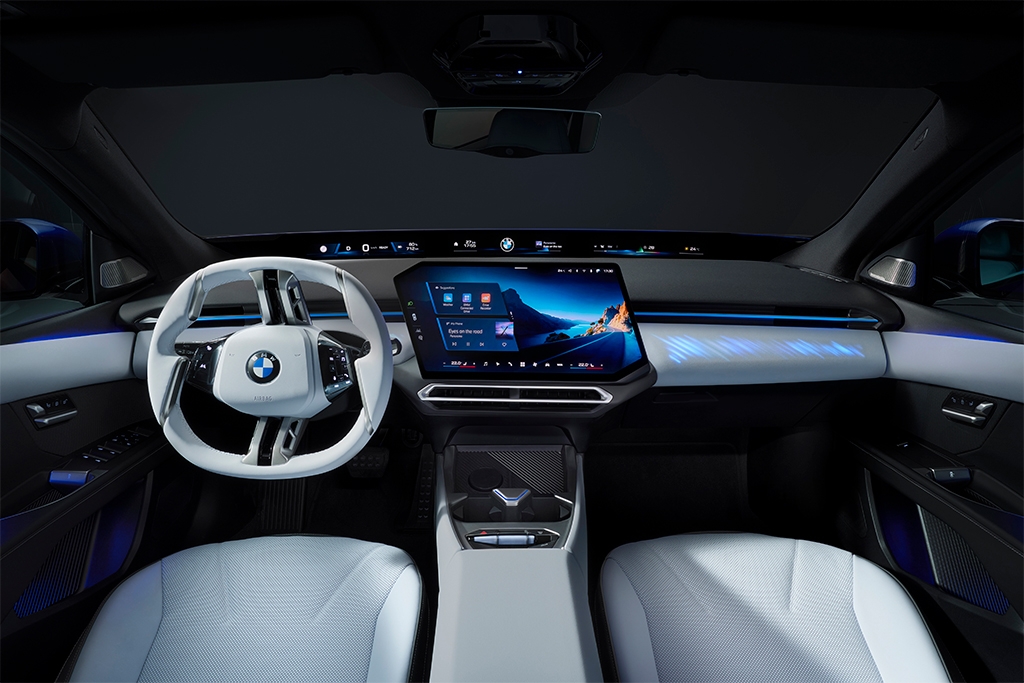
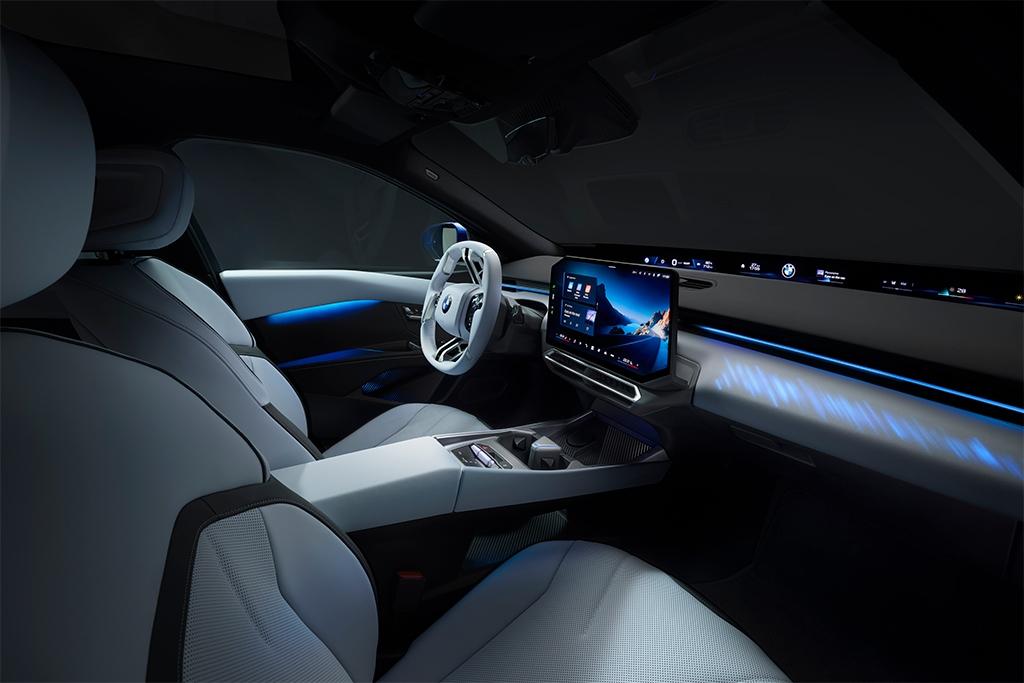
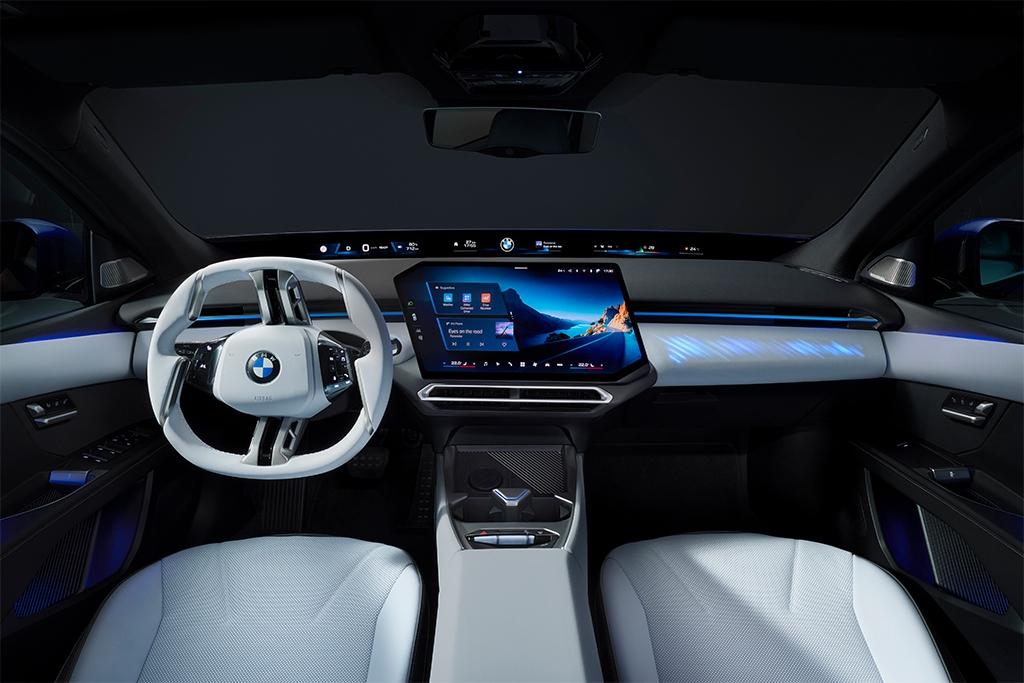
The i3 will also be served up with BMW's latest Panoramic iDrive system, replete with a pillar-to-pillar Panoramic Display
Transfusing BMW's principle of 'hands on the wheel, eyes on the road' into a more digitalised era, the i3 will also employ BMW's new Panoramic iDrive system.
The crowning piece here - again, as already experienced by many on the iX3 - is a pillar-to-pillar display recessed at the base of the windscreen that contains all vital driving information. Likewise, if drivers are not fans of the new steering wheel with vertical spokes on at six and 12 o'clock positions, BMW is offering the option of a more conventional M Sport steering wheel with a flattened design. The brand has stated, however, that it has angled the i3's 17.9-inch free-cut central display 3 degrees more towards the driver, "for even more direct driver orientation".
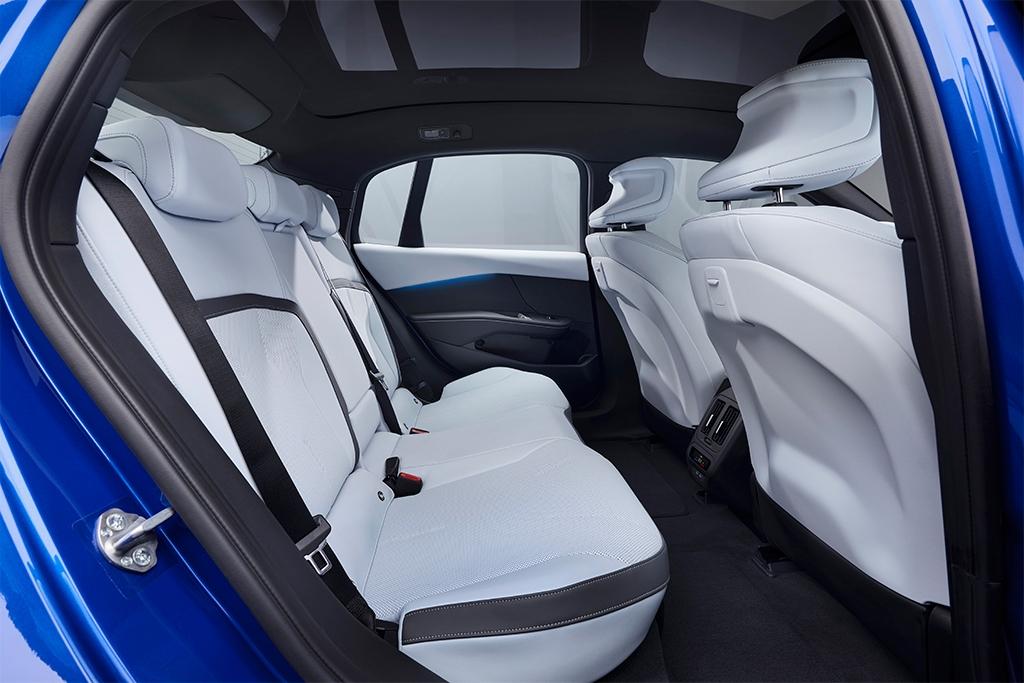
Furthermore, the i3 should feel like the roomiest 3 Series in history too with its dedicated electric platform. Flat floor aside, rear legroom should be generous, since the 2,897mm wheelbase here is a good 46mm longer than on the outgoing G20 3 Series.
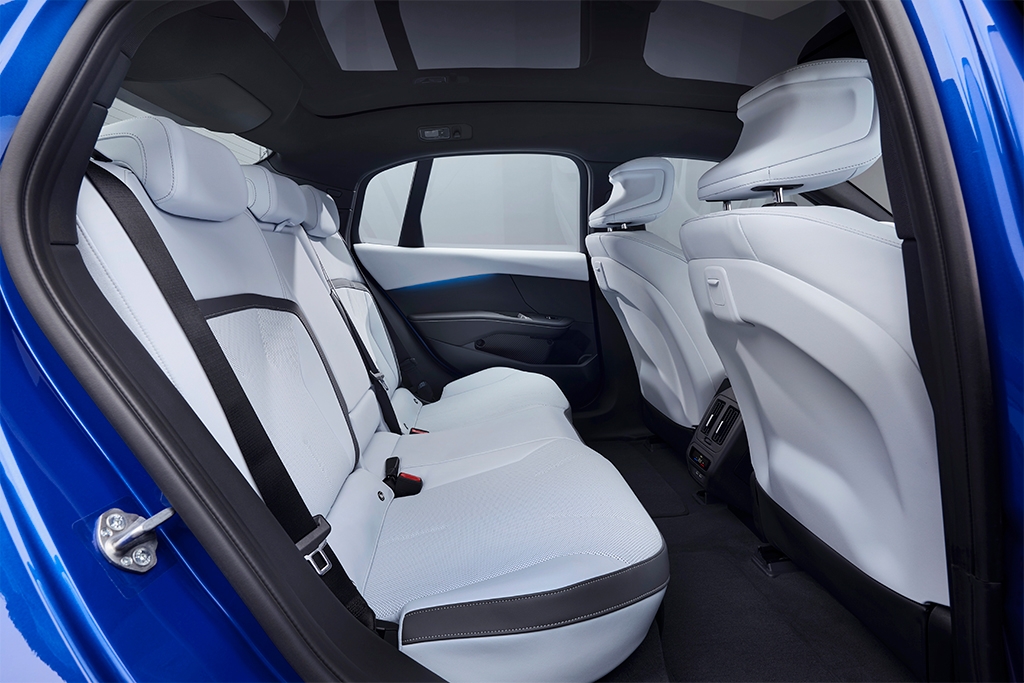
Thanks to its electric platform, the i3's wheelbase has been stretched to nearly 2.9 metres, which should make this the most spacious 3 Series in history
Elsewhere, the i3 will also continue BMW's tech flex with the presence of the BMW Intelligent Personal Assistant - powered by iterative large language models offered by partners such as Amazon's Alexa - as well as BMW Symbiotic Drive. The latter promises new frontiers in semi-autonomous driving, allowing drivers to make light steering adjustments and braking inputs without fighting or shutting off their adaptive cruise control and lane keep assistance systems entirely.
Interestingly, where the i3 again differs from the iX3 is that it will not share the latter's home in Debrecen, Hungary at launch.
BMW has announced that the electric sedan will be produced right at home instead, at one of the brand's most storied factories: Plant Munich. The site, which has been in operation for more than a century now, has undergone upgrading works over the past four years, and will incorporate new production methods first pioneered for BMW's Debrecen plant, which manufactures the iX3.
As evidence of BMW's strengthening push into electrification, the brand has also announced that the plant will be fully converted to produce fully-electric Neue Klasse models towards the second half of 2027.
Series production for the i3 is expected to commence in August 2026, with the first customer deliveries estimated to follow from the third quarter of the year. Sgcarmart also understands from early forecasts that the car is scheduled to arrive in Singapore in the first quarter of 2027.
BMW has pulled the covers of the all-new BMW i3, simultaneously ushering in an unprecedented chapter for one of its longest-running models, while rocketing ahead as promised with the rollout of its new generation of electric cars.
Not to be confused with BMW's boundary-pushing city car from 2013, the new i3 - as teased for years now - is an electric sedan that effectively serves as the latest-generation successor for the BMW 3 Series nameplate. But therein already lies its significance: This marks the first time in the model's 50-year history that it's been given the proper full-electric treatment. (Before you argue otherwise, the G20-based i3 eDrive35L doesn't count in BMW's books, because it was a China-only exclusive.)
The all-electric i3 marks the second car of BMW's new Neue Klasse generation, as well as the first time ever that the 3 Series has gone fully electric
Considering that the iX3 effectively laid down the blueprint for the rest of BMW's new Neue Klasse cars, it should be unsurprising that the new i3 shares its tech, architecture, and even overall design language with its SUV sibling.
Still, true to BMW's earlier promises that each member of the range would ultimately stand apart with its own character, the i3 clearly carves out an identity for itself with styling unlike any 3 Series before.
While the iX3 was notable for its radically downsized kidney grilles, the i3 flips the script slightly with clever visual framing that still pays homage to design cues that have persisted across its many predecessors.
The i3 shares the same overall design language as the iX3 that came before it, but relies on clever contour lighting up front for a markedly unique face
Characteristic of modern-day BMW, contour lighting is the key ingredient here, used to frame the daytime running lights and 'radiator grille' in what are effectively just two horizontal 'blocks' up front.
While emphasising the width of the sedan, they also contain all the elements that have marked out past 3 Series generations - such as the quad eyes (now taking the form of two diagonal DRLs arranged in parallel on each side), and the unmistakable twin kidney shape. Embedded within them as well are sensors for the car's safety systems.
The car's tail lights pay homage to the 3 Series' signature L-shapes, spanning nearly the full width of the rear end
BMW also states that it has kept a clear eye on its past with the i3's tail lights, which retain the brand's signature L-shapes, albeit again with exaggerated horizontal elongation. Once again, it’s a neat trick that gives the i3 a wider stance visually, but without deferring to the full-length light bars adopted by most modern cars today.
Elsewhere, the i3 makes sure to continue the 3 Series' legacy as a sporty sedan too. Those wide shoulders and flared wheel arches shouldn't be surprising given that the 3 Series has always been positioned as the more compact, athletic sedan of the range, but the i3 leans more heavily into a '2.5-box design', which comes courtesy of its shorter overhangs, and tapered windscreen and rear roof.
Otherwise, the car does stick quite faithfully to the new Neue Klasse playbook first fleshed out in full by the iX3.
The i3 easily surpasses the iX3's already impressive driving range, with up to 900km on a full charge according to the WLTP cycle
Underpinning the sedan is the same new cutting-edge platform that incorporates all of BMW's new Gen6 eDrive technologies, promising longer-distance driving, advancements in sustainability, and sharper performance. Transfused into a lower slung sedan, however, the experience in the i3 is still shaping to be quite different from its SUV sibling.
For instance, with a new higher-density battery pack pieced together with revolutionary round cells and cell-to-pack technology, the iX3 had already placed itself among the best electric marathoners of today, with a driving range of 805km.
With its more aerodynamic body, purportedly lighter weight, and completely sealed off underbody, however, the i3 is set to go even further; BMW claims a whopping 900km per the WLTP cycle, meaning that the i3 could technically carry you as far on a full charge as some ICE cars manage with one tank of fuel.
The 800V platform underpinning the i3 allows the sedan to support DC charging at up to 400kW, meaning you could top up 400km worth of range back into its battery in just 10 minutes
Likewise, the new 800V platform employed by BMW means that the i3 supports rapid DC charging at up to 400kW. Hook it up to the right fast-charging outlet, and you could see up to 400km of range returned into your battery within just 10 minutes. The sedan also functions as a roving mobile charge, boasting Vehicle-to-Load functionality, and even the ability to put power back into the grid in certain markets.
In terms of power, only one variant of the i3 has been announced at launch - the dual-motor i3 50 xDrive - with its output mirroring exactly that of the iX3 50 xDrive: A system total of 345kW and 645Nm of torque. BMW hasn't quoted any century sprint timings as of press time, but expect the i3 to zip to 100km/h from rest quicker than the 4.9 seconds managed by the iX3.
The i3 will be available as the i3 50 xDrive at launch, boasting a system output of 345kW and 645Nm of torque
Still, bear in mind that the 3 Series has always stood as the standard bearer for BMW's philosophy of 'sheer driving pleasure', and it won't be surprising that BMW's emphasis is not on straight-line speed. Instead, agility, fluidity and instantaneous responsiveness are the order of the day.
The i3 gets what BMW calls four 'supercomputers', one of which is dubbed the 'Heart of Joy': A new-generation control unit with 10 times the processing speed of past systems.
BMW is highlighting the i3's handling and responsiveness over its straight-line performance, thanks to the car's Heart of Joy control unit offering 10 times the processing speed of past systems
Responsible for the car's drive, brakes, charging, energy recuperation, and even some of its steering functions, BMW claims that the tiny iPad-sized supercomputer bestows the i3 with "exceptionally effortless and assured handling" - a claim it put to the test most recently on frigid ice, in the Arctic Circle.
Working in tandem with the sedan's outstanding driving dynamics is a new suspension setup employed by BMW, which gets stroke-dependent shock absorbers as standard, as well as a new five-link rear axle. Early reviews of the iX3 have already praised for handling and responding unlike any other electric SUV on the market, but expect the i3 to take things a notch higher; the car, after all, will serve as the basis for the first ever fully-electric BMW M sedan, set to arrive in 2027.
The i3 will also be served up with BMW's latest Panoramic iDrive system, replete with a pillar-to-pillar Panoramic Display
Transfusing BMW's principle of 'hands on the wheel, eyes on the road' into a more digitalised era, the i3 will also employ BMW's new Panoramic iDrive system.
The crowning piece here - again, as already experienced by many on the iX3 - is a pillar-to-pillar display recessed at the base of the windscreen that contains all vital driving information. Likewise, if drivers are not fans of the new steering wheel with vertical spokes on at six and 12 o'clock positions, BMW is offering the option of a more conventional M Sport steering wheel with a flattened design. The brand has stated, however, that it has angled the i3's 17.9-inch free-cut central display 3 degrees more towards the driver, "for even more direct driver orientation".
Furthermore, the i3 should feel like the roomiest 3 Series in history too with its dedicated electric platform. Flat floor aside, rear legroom should be generous, since the 2,897mm wheelbase here is a good 46mm longer than on the outgoing G20 3 Series.
Thanks to its electric platform, the i3's wheelbase has been stretched to nearly 2.9 metres, which should make this the most spacious 3 Series in history
Elsewhere, the i3 will also continue BMW's tech flex with the presence of the BMW Intelligent Personal Assistant - powered by iterative large language models offered by partners such as Amazon's Alexa - as well as BMW Symbiotic Drive. The latter promises new frontiers in semi-autonomous driving, allowing drivers to make light steering adjustments and braking inputs without fighting or shutting off their adaptive cruise control and lane keep assistance systems entirely.
Interestingly, where the i3 again differs from the iX3 is that it will not share the latter's home in Debrecen, Hungary at launch.
BMW has announced that the electric sedan will be produced right at home instead, at one of the brand's most storied factories: Plant Munich. The site, which has been in operation for more than a century now, has undergone upgrading works over the past four years, and will incorporate new production methods first pioneered for BMW's Debrecen plant, which manufactures the iX3.
As evidence of BMW's strengthening push into electrification, the brand has also announced that the plant will be fully converted to produce fully-electric Neue Klasse models towards the second half of 2027.
Series production for the i3 is expected to commence in August 2026, with the first customer deliveries estimated to follow from the third quarter of the year. Sgcarmart also understands from early forecasts that the car is scheduled to arrive in Singapore in the first quarter of 2027.



Latest COE Prices
April 2026 | 2nd BIDDING
NEXT TENDER: 06 May 2026
CAT A$123,010
CAT B$121,001
CAT C$83,501
CAT E$125,002
View Full Results 
Thank You For Your Subscription.





Tags
Products & Services

For Owners
Quick Links
About Sgcarmart