Driverless vehicles make inroads here
29 Dec 2016|1,358 views
Within the next decade or two, transportation in Singapore could look very different as driverless vehicles ranging from buses to taxis hit the roads. The Government sees Autonomous Vehicles (AVs) as a key plank in moving the Republic towards a car-lite future. Transport Minister Khaw Boon Wan predicted in April that with the advent of such vehicles, private cars are likely to 'go the way of horse carriages' within the next quarter of a century.
In line with that long term vision, which seeks to make AVs an integral part of the transport network, several initiatives were rolled out or announced this year. Start-up nuTonomy launched a free driverless taxi service in the one-north area on a trial basis in August.
It was the first in the world to do so, beating ride-hailing giant Uber, which started offering such services in the American city of Pittsburgh only the following month. By March, driverless shuttles will ply the roads of Nanyang Technological University.
The university is also set to introduce two self-driving buses that will transport passengers along a 1.4km route between the university and the neighbouring CleanTech Park in 2018. That same year, nuTonomy is also expected to launch commercial, on-demand driverless taxi services in selected areas.
In an interview with The Straits Times in May, Transport Ministry Permanent Secretary Pang Kin Keong said Singapore aims to be a leader in the development of AVs, adding that they would help the Republic overcome its 'key challenges' of land and manpower constraints.
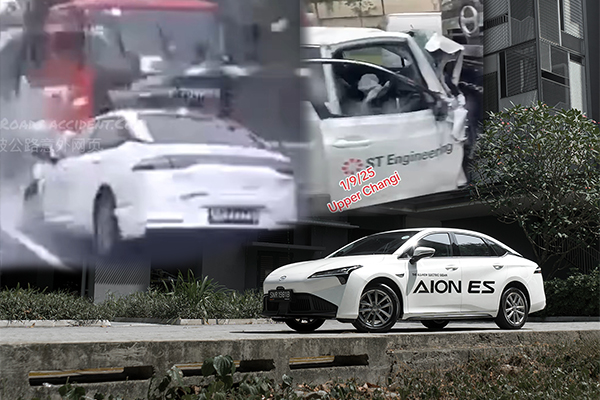
While the year saw major developments in the AV scene, questions remain about the disruptive technology. One of nuTonomy's self-driving cars hit a lorry while on a test run in October, an incident, which raised concerns about the safety of AVs. Hacking is also a concern. Tech magazine Wired reported last year that cybersecurity researchers managed to crash a Jeep by remotely hacking into its on-board software and disabling its brakes.
While the use of AVs is projected to address issues such as the shortage of bus captains, its impact on professional drivers here remains to be seen. The technology could be a significant disruptor for some 10,000 bus drivers, more than 27,000 cabbies and around 25,000 private-hire car drivers.

Within the next decade or two, transportation in Singapore could look very different as driverless vehicles ranging from buses to taxis hit the roads. The Government sees Autonomous Vehicles (AVs) as a key plank in moving the Republic towards a car-lite future. Transport Minister Khaw Boon Wan predicted in April that with the advent of such vehicles, private cars are likely to 'go the way of horse carriages' within the next quarter of a century.
In line with that long term vision, which seeks to make AVs an integral part of the transport network, several initiatives were rolled out or announced this year. Start-up nuTonomy launched a free driverless taxi service in the one-north area on a trial basis in August.
It was the first in the world to do so, beating ride-hailing giant Uber, which started offering such services in the American city of Pittsburgh only the following month. By March, driverless shuttles will ply the roads of Nanyang Technological University.
The university is also set to introduce two self-driving buses that will transport passengers along a 1.4km route between the university and the neighbouring CleanTech Park in 2018. That same year, nuTonomy is also expected to launch commercial, on-demand driverless taxi services in selected areas.
In an interview with The Straits Times in May, Transport Ministry Permanent Secretary Pang Kin Keong said Singapore aims to be a leader in the development of AVs, adding that they would help the Republic overcome its 'key challenges' of land and manpower constraints.
While the year saw major developments in the AV scene, questions remain about the disruptive technology. One of nuTonomy's self-driving cars hit a lorry while on a test run in October, an incident, which raised concerns about the safety of AVs. Hacking is also a concern. Tech magazine Wired reported last year that cybersecurity researchers managed to crash a Jeep by remotely hacking into its on-board software and disabling its brakes.
While the use of AVs is projected to address issues such as the shortage of bus captains, its impact on professional drivers here remains to be seen. The technology could be a significant disruptor for some 10,000 bus drivers, more than 27,000 cabbies and around 25,000 private-hire car drivers.
Latest COE Prices
April 2026 | 1st BIDDING
NEXT TENDER: 22 Apr 2026
CAT A$118,000
CAT B$121,000
CAT C$80,001
CAT E$121,001
View Full Results Thank You For Your Subscription.