Eye-tracking technology puts Opel on the forefront of automotive lighting
21 Mar 2015|2,188 views
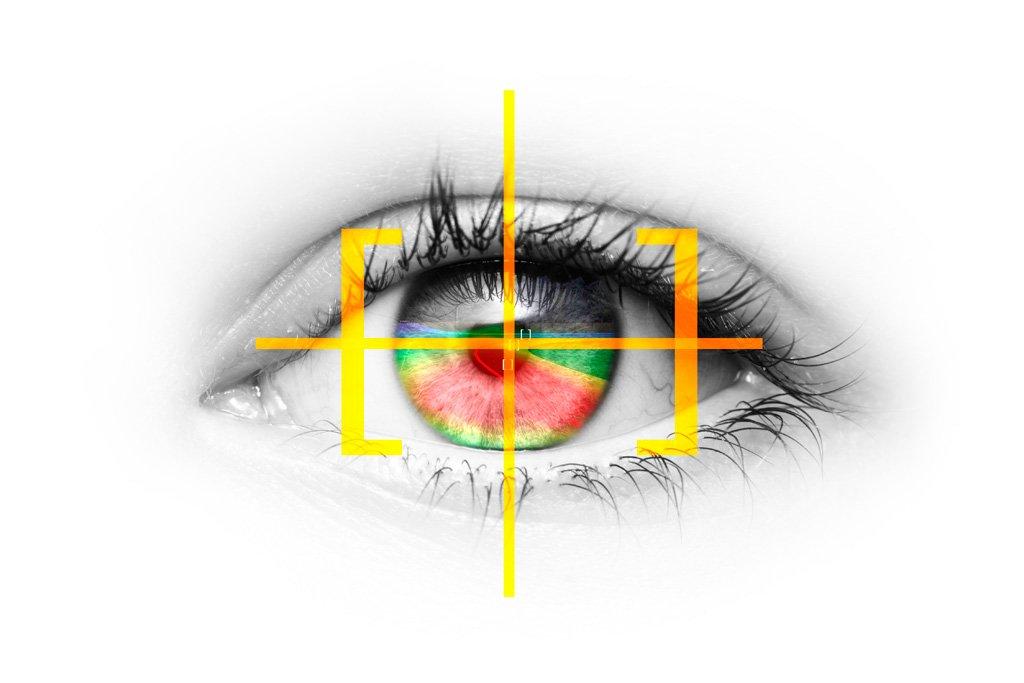
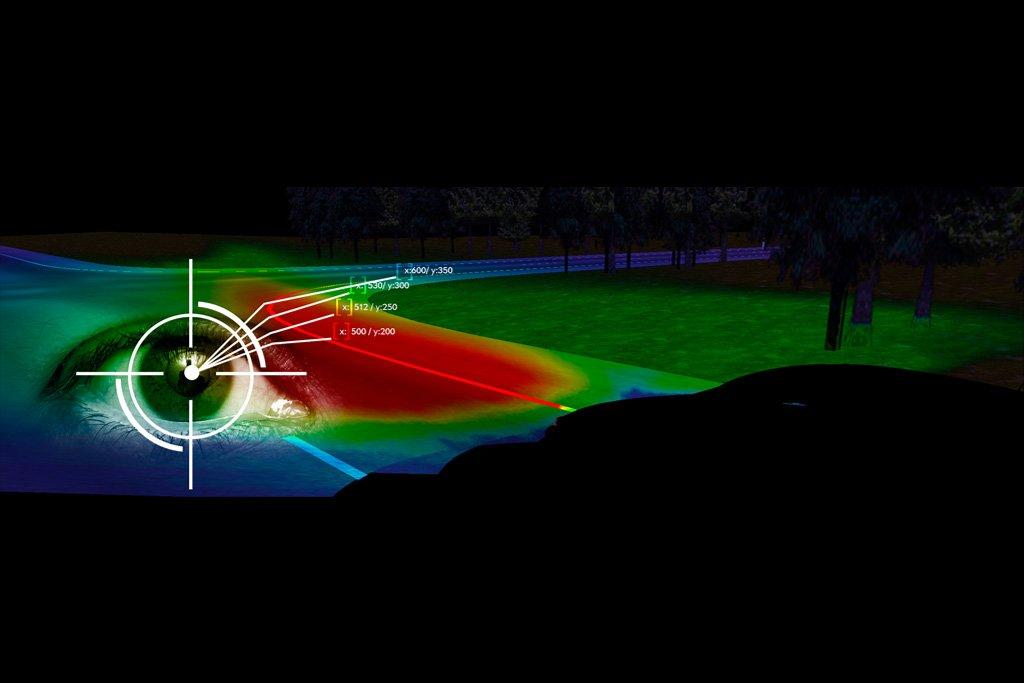
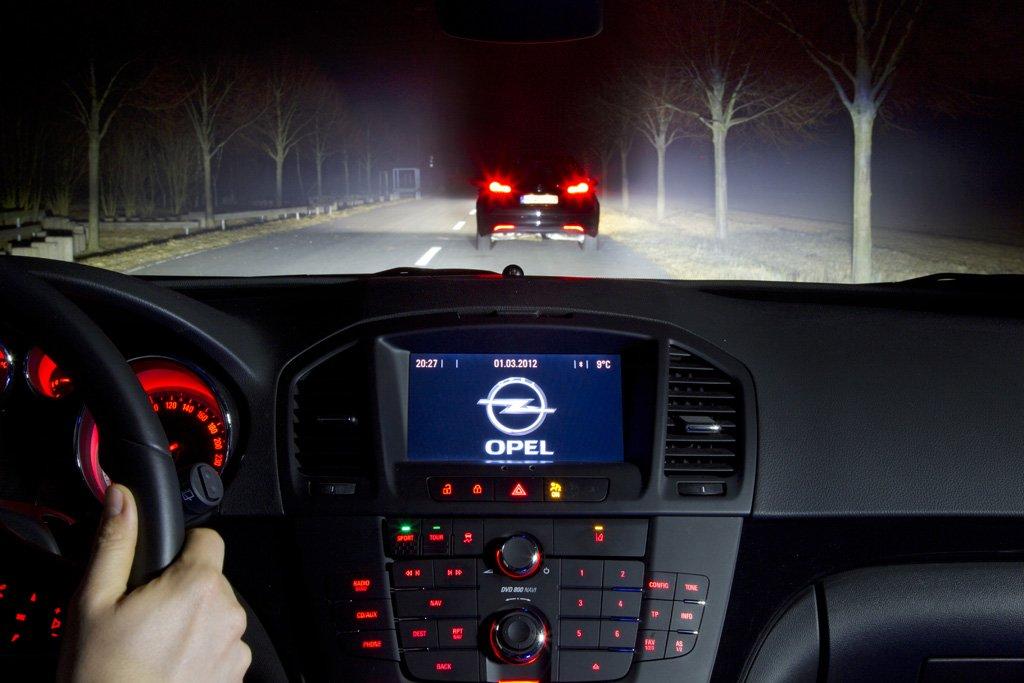
With its eye-tracking technology, Opel/Vauxhall presents the future of situation-appropriate lighting and once again takes on a pioneering role in lighting technology. "We've been pursuing this concept of controlling the direction and intensity of light based on where the driver is looking for around two years. The more we understand the benefits of this technology, the more intensively we push ahead with our joint project," said Ingolf Schneider, Director Lighting Technology at Opel.

The system then translated the information gathered into data commands for electronically-controlled actuators, which quickly aligned the vehicle's headlamp projectors. While this technique came very close to achieving eye control of the headlamps, calculation of data still took too long and the recording rate of the webcam was also too slow to meet the demanding requirements of road traffic conditions.
Optimisation of the camera's operating parameters and the adaptation of the eye-tracking algorithm brought the breakthrough. The camera is now equipped with peripheral infrared sensors and central photo-diodes which together enable it to scan the driver's eyes more than 50 times per second in dusk and night-time conditions.
Only one problem remained. In practice, a driver's eyes very naturally and unconsciously jump from one focal point to another. So if the headlamps were allowed to follow this movement precisely, the vehicle's light cone would jerk around erratically. "To overcome this problem, we have successfully developed a sophisticated delay algorithm, which ensures a suitably flowing movement for the light cone," said Schneider.
"Another major benefit is that the eye-tracker doesn't have to be individually calibrated for a particular driver. The system works perfectly with anyone behind the wheel, no matter what their size." Even if the driver is momentarily distracted from looking at the road ahead, lighting is always provided in the direction of travel. That's because the low beam of the headlamps is programmed to ensure sufficient illumination.
With its eye-tracking technology, Opel/Vauxhall presents the future of situation-appropriate lighting and once again takes on a pioneering role in lighting technology. "We've been pursuing this concept of controlling the direction and intensity of light based on where the driver is looking for around two years. The more we understand the benefits of this technology, the more intensively we push ahead with our joint project," said Ingolf Schneider, Director Lighting Technology at Opel.
In contrast to high-performance eye-tracking systems requiring five to 10 cameras, a simple webcam was at first used. Focused on the driver's head, it scanned prominent points, such as the nose and eyes, to detect movement and thereby the driver's line of sight.
The system then translated the information gathered into data commands for electronically-controlled actuators, which quickly aligned the vehicle's headlamp projectors. While this technique came very close to achieving eye control of the headlamps, calculation of data still took too long and the recording rate of the webcam was also too slow to meet the demanding requirements of road traffic conditions.
Optimisation of the camera's operating parameters and the adaptation of the eye-tracking algorithm brought the breakthrough. The camera is now equipped with peripheral infrared sensors and central photo-diodes which together enable it to scan the driver's eyes more than 50 times per second in dusk and night-time conditions.
Only one problem remained. In practice, a driver's eyes very naturally and unconsciously jump from one focal point to another. So if the headlamps were allowed to follow this movement precisely, the vehicle's light cone would jerk around erratically. "To overcome this problem, we have successfully developed a sophisticated delay algorithm, which ensures a suitably flowing movement for the light cone," said Schneider.
"Another major benefit is that the eye-tracker doesn't have to be individually calibrated for a particular driver. The system works perfectly with anyone behind the wheel, no matter what their size." Even if the driver is momentarily distracted from looking at the road ahead, lighting is always provided in the direction of travel. That's because the low beam of the headlamps is programmed to ensure sufficient illumination.


Latest COE Prices
February 2026 | 1st BIDDING
NEXT TENDER: 20 Feb 2026
CAT A$106,320
CAT B$110,890
CAT C$74,801
CAT E$116,000
View Full Results 
Thank You For Your Subscription.





Tags
Products & Services

For Owners
Quick Links
About Sgcarmart