Inward-facing cameras for cabs and private-hire cars
02 Jul 2019|2,947 views
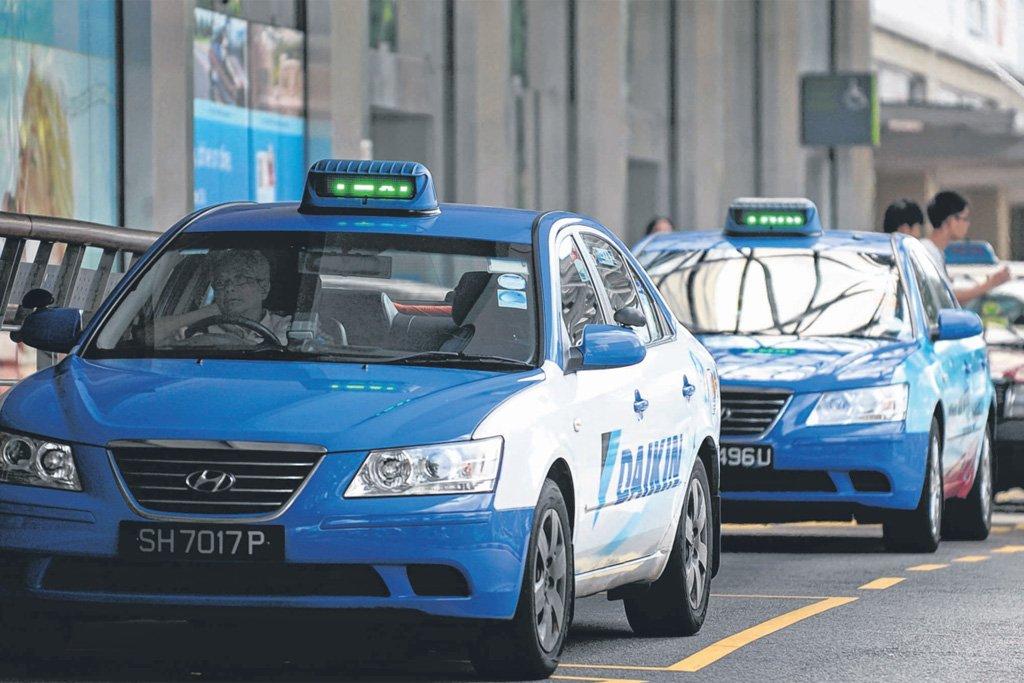
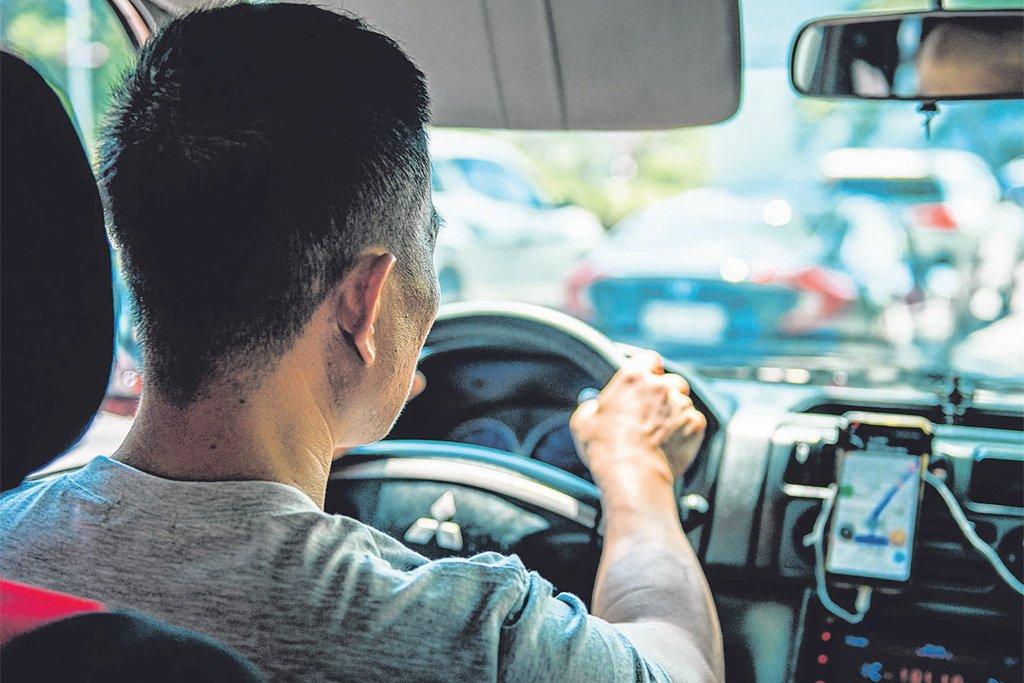
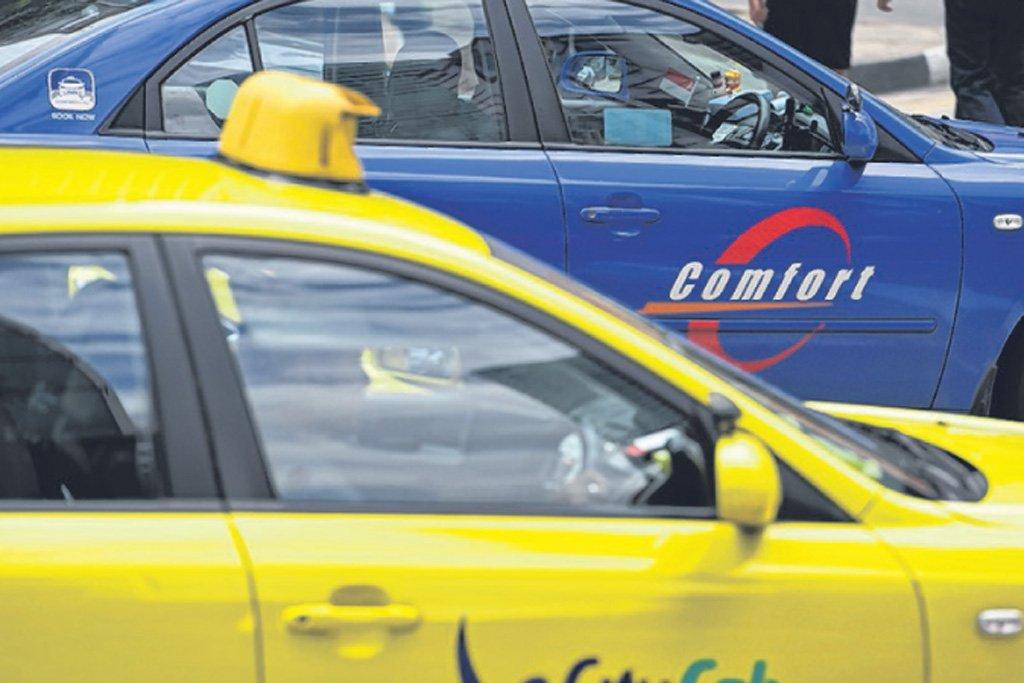
Barely two weeks after taxis and private-hire cars were allowed to have inward-facing video cameras, the Land Transport Authority (LTA) said on Tuesday (2 July) that these cameras are also allowed to make audio recordings.

This new ruling will come into effect from 15 July, along with a change which exempts buses from guidelines on recordings. The LTA said buses are in effect public spaces since they are shared by many people at any one time.
Taxi operators, ride-hailing firms and drivers who offer rides for payment (including some car-pool services) must obtain permission from the LTA to install inward-facing cameras. And only three companies are authorised to install such devices for this purpose - i Vision Pte Ltd, Solo Pte Ltd, and SSTA Technology Development Pte Ltd. All taxis and private-hire cars with such cameras must display signs informing passengers of their presence. For pre-booked rides, operators must also notify commuters in advance.
Only authorised personnel in relevant government agencies and LTA-authorised data controllers are allowed access to the recordings to support any investigation. Drivers are not allowed to use other devices such as mobile phones to make recordings in their vehicles.
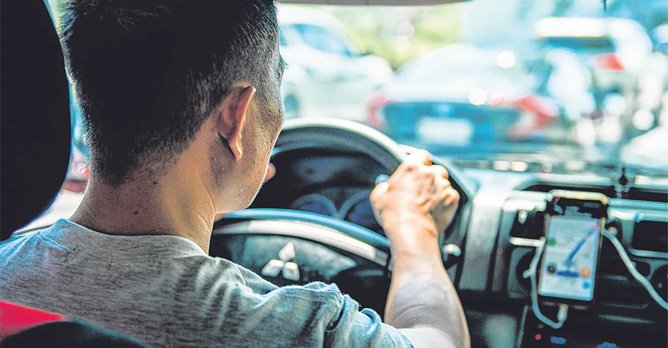
Commuter Olivia Choong, 40, said she feels 'uncomfortable' about cameras with audio recording. "There goes our privacy," she said, but added that people will just have to get used to being recorded. "There is camera surveillance everywhere anyway."
Buses and trains have inward-facing cameras too. The Personal Data Protection Commission said people who do not want to be recorded can choose not to use the transport service which has these devices.
Barely two weeks after taxis and private-hire cars were allowed to have inward-facing video cameras, the Land Transport Authority (LTA) said on Tuesday (2 July) that these cameras are also allowed to make audio recordings.
This new ruling will come into effect from 15 July, along with a change which exempts buses from guidelines on recordings. The LTA said buses are in effect public spaces since they are shared by many people at any one time.
Taxi operators, ride-hailing firms and drivers who offer rides for payment (including some car-pool services) must obtain permission from the LTA to install inward-facing cameras. And only three companies are authorised to install such devices for this purpose - i Vision Pte Ltd, Solo Pte Ltd, and SSTA Technology Development Pte Ltd. All taxis and private-hire cars with such cameras must display signs informing passengers of their presence. For pre-booked rides, operators must also notify commuters in advance.
Only authorised personnel in relevant government agencies and LTA-authorised data controllers are allowed access to the recordings to support any investigation. Drivers are not allowed to use other devices such as mobile phones to make recordings in their vehicles.
Commuter Olivia Choong, 40, said she feels 'uncomfortable' about cameras with audio recording. "There goes our privacy," she said, but added that people will just have to get used to being recorded. "There is camera surveillance everywhere anyway."
Buses and trains have inward-facing cameras too. The Personal Data Protection Commission said people who do not want to be recorded can choose not to use the transport service which has these devices.


Latest COE Prices
March 2026 | 2nd BIDDING
NEXT TENDER: 08 Apr 2026
CAT A$111,890
CAT B$115,568
CAT C$78,000
CAT E$118,119
View Full Results 
Thank You For Your Subscription.







Tags
Products & Services

For Owners
Quick Links
About Sgcarmart