More EV chargers and licensing requirements ahead for EV charger operators with new bill
09 Nov 2022|1,332 views
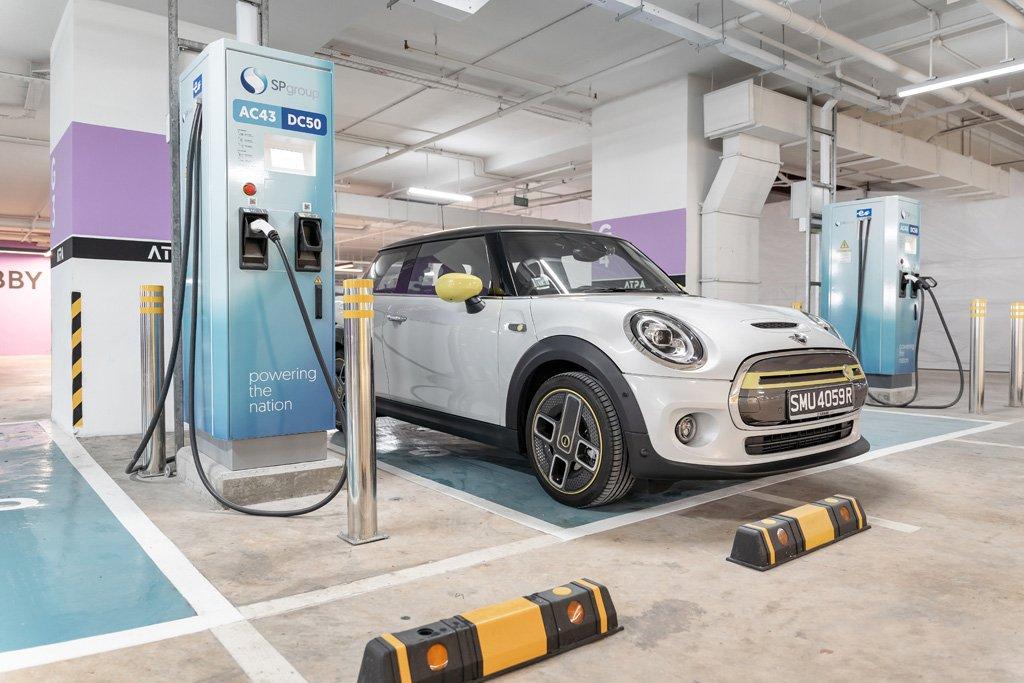
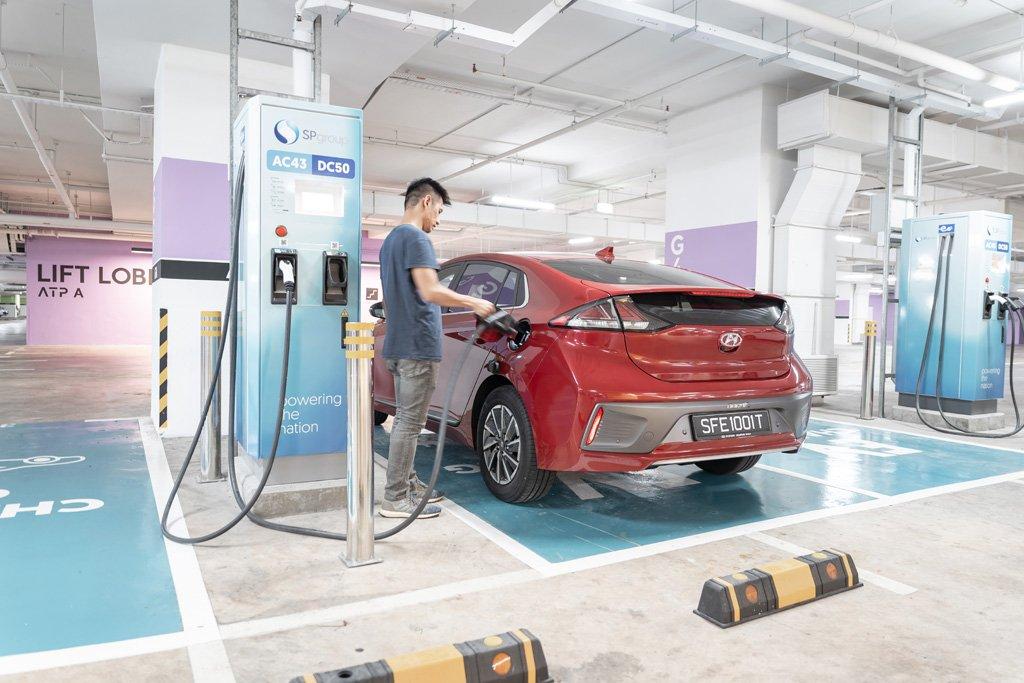


Stronger regulation over electric vehicle chargers is coming to Singapore.
The Ministry of Transport has announced on 9 November 2022 that it has introduced the Electric Vehicles (EV) Charging Bill for First Reading in Parliament.
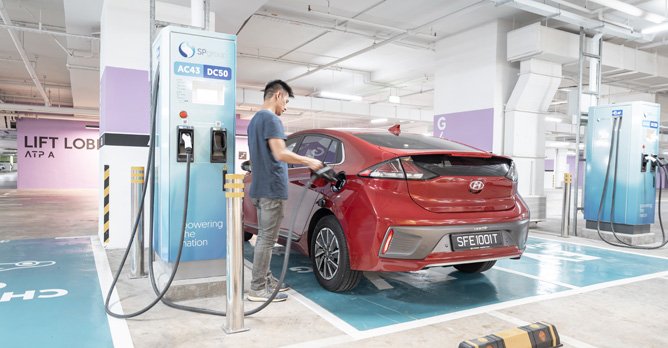
 EV charging operators here will soon need to maintain the service uptimes of the chargers in their network Goals for this new bill include the establishment of rules and regulations that will govern the charging of EVs here in Singapore. Furthermore, the Land Transport Authority will also be empowered with statutory powers for enforcement.
Finally, the bill also seeks to establish clear technical and performance standards that all EV chargers must meet to be supplied or used.
In short, future electric vehicle owners will be able to look forward to more reliable and safer charging.
To this effect, EV charging operators will now need to obtain a licence in order to hire out a fixed EV charger, providing battery swapping services, or rent out a non-fixed EV charger. These EV charging license holders will have to comply with conditions that will include data sharing, the purchasing of public liability insurance, and the maintenance of the service uptimes of their chargers in their network.
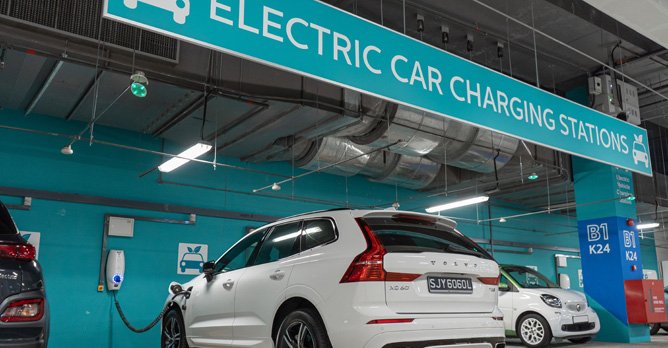 Future building works that erect or re-erect a building will be required to install EV chargers Further boosting EV charger reliability here is the fact that under the proposed bill, chargers in Singapore will also have to be installed, certified, and used in accordance with prescribed standards.
Chargers must also be registered before they can be used, and will display a registration mark. Registered chargers will also need to be inspected regularly in accordance with the relevant standards, amongst other requirements.
We can also look forward to more EV chargers in the future. The new Electric Vehicles (EV) Charging Bill will also mandate property developers of specified building works and development owners of specified electrical works to provide EV charging at their developments.
 The requirements for ,anagement corporations of buildings to pass resolutions to install EV chargers will be lowered to an ordinary resolution level This new requirement will encompass any building works that erect or re-erect a building, or increase the existing gross floor area of a development by at least 50%. Certain buildings that see new electrical works will also be required to install new EV chargers.
These chargers will have to supply sufficient power capacity of at least 1.3kVA per car and motorcycle parking lot in the development. The LTA states that this requirement means buildings will be able to support 7.4kW charging points with smart charging capability at about one on five lots.
Furthermore, developers will also be required to install a minimum number of charging points that draw a combined power of at least one-fifth of mandated passive provision. This can be complied with, the LTA states, by installing 7.4kW charging points with smart charging capability at about one in 25 lots.
And for those living in condominiums, the thresholds for management corporations of buildings to pass resolutions to install EV chargers will be lowered to an ordinary resolution level as a result of this bill. This means that only a simple majority of votes of the number of subsidiary proprietors or the share value of lots represented at a general meeting will be required to pass proposals to install or uninstall EV chargers in strata-titled developments, amongst other requirements.
The Ministry of Transport has announced on 9 November 2022 that it has introduced the Electric Vehicles (EV) Charging Bill for First Reading in Parliament.
Finally, the bill also seeks to establish clear technical and performance standards that all EV chargers must meet to be supplied or used.
In short, future electric vehicle owners will be able to look forward to more reliable and safer charging.
To this effect, EV charging operators will now need to obtain a licence in order to hire out a fixed EV charger, providing battery swapping services, or rent out a non-fixed EV charger. These EV charging license holders will have to comply with conditions that will include data sharing, the purchasing of public liability insurance, and the maintenance of the service uptimes of their chargers in their network.
Chargers must also be registered before they can be used, and will display a registration mark. Registered chargers will also need to be inspected regularly in accordance with the relevant standards, amongst other requirements.
We can also look forward to more EV chargers in the future. The new Electric Vehicles (EV) Charging Bill will also mandate property developers of specified building works and development owners of specified electrical works to provide EV charging at their developments.
These chargers will have to supply sufficient power capacity of at least 1.3kVA per car and motorcycle parking lot in the development. The LTA states that this requirement means buildings will be able to support 7.4kW charging points with smart charging capability at about one on five lots.
Furthermore, developers will also be required to install a minimum number of charging points that draw a combined power of at least one-fifth of mandated passive provision. This can be complied with, the LTA states, by installing 7.4kW charging points with smart charging capability at about one in 25 lots.
And for those living in condominiums, the thresholds for management corporations of buildings to pass resolutions to install EV chargers will be lowered to an ordinary resolution level as a result of this bill. This means that only a simple majority of votes of the number of subsidiary proprietors or the share value of lots represented at a general meeting will be required to pass proposals to install or uninstall EV chargers in strata-titled developments, amongst other requirements.
Stronger regulation over electric vehicle chargers is coming to Singapore.
The Ministry of Transport has announced on 9 November 2022 that it has introduced the Electric Vehicles (EV) Charging Bill for First Reading in Parliament.
EV charging operators here will soon need to maintain the service uptimes of the chargers in their network Goals for this new bill include the establishment of rules and regulations that will govern the charging of EVs here in Singapore. Furthermore, the Land Transport Authority will also be empowered with statutory powers for enforcement.
Finally, the bill also seeks to establish clear technical and performance standards that all EV chargers must meet to be supplied or used.
In short, future electric vehicle owners will be able to look forward to more reliable and safer charging.
To this effect, EV charging operators will now need to obtain a licence in order to hire out a fixed EV charger, providing battery swapping services, or rent out a non-fixed EV charger. These EV charging license holders will have to comply with conditions that will include data sharing, the purchasing of public liability insurance, and the maintenance of the service uptimes of their chargers in their network.
Future building works that erect or re-erect a building will be required to install EV chargers Further boosting EV charger reliability here is the fact that under the proposed bill, chargers in Singapore will also have to be installed, certified, and used in accordance with prescribed standards.
Chargers must also be registered before they can be used, and will display a registration mark. Registered chargers will also need to be inspected regularly in accordance with the relevant standards, amongst other requirements.
We can also look forward to more EV chargers in the future. The new Electric Vehicles (EV) Charging Bill will also mandate property developers of specified building works and development owners of specified electrical works to provide EV charging at their developments.
The requirements for ,anagement corporations of buildings to pass resolutions to install EV chargers will be lowered to an ordinary resolution level This new requirement will encompass any building works that erect or re-erect a building, or increase the existing gross floor area of a development by at least 50%. Certain buildings that see new electrical works will also be required to install new EV chargers.
These chargers will have to supply sufficient power capacity of at least 1.3kVA per car and motorcycle parking lot in the development. The LTA states that this requirement means buildings will be able to support 7.4kW charging points with smart charging capability at about one on five lots.
Furthermore, developers will also be required to install a minimum number of charging points that draw a combined power of at least one-fifth of mandated passive provision. This can be complied with, the LTA states, by installing 7.4kW charging points with smart charging capability at about one in 25 lots.
And for those living in condominiums, the thresholds for management corporations of buildings to pass resolutions to install EV chargers will be lowered to an ordinary resolution level as a result of this bill. This means that only a simple majority of votes of the number of subsidiary proprietors or the share value of lots represented at a general meeting will be required to pass proposals to install or uninstall EV chargers in strata-titled developments, amongst other requirements.
The Ministry of Transport has announced on 9 November 2022 that it has introduced the Electric Vehicles (EV) Charging Bill for First Reading in Parliament.
Finally, the bill also seeks to establish clear technical and performance standards that all EV chargers must meet to be supplied or used.
In short, future electric vehicle owners will be able to look forward to more reliable and safer charging.
To this effect, EV charging operators will now need to obtain a licence in order to hire out a fixed EV charger, providing battery swapping services, or rent out a non-fixed EV charger. These EV charging license holders will have to comply with conditions that will include data sharing, the purchasing of public liability insurance, and the maintenance of the service uptimes of their chargers in their network.
Chargers must also be registered before they can be used, and will display a registration mark. Registered chargers will also need to be inspected regularly in accordance with the relevant standards, amongst other requirements.
We can also look forward to more EV chargers in the future. The new Electric Vehicles (EV) Charging Bill will also mandate property developers of specified building works and development owners of specified electrical works to provide EV charging at their developments.
These chargers will have to supply sufficient power capacity of at least 1.3kVA per car and motorcycle parking lot in the development. The LTA states that this requirement means buildings will be able to support 7.4kW charging points with smart charging capability at about one on five lots.
Furthermore, developers will also be required to install a minimum number of charging points that draw a combined power of at least one-fifth of mandated passive provision. This can be complied with, the LTA states, by installing 7.4kW charging points with smart charging capability at about one in 25 lots.
And for those living in condominiums, the thresholds for management corporations of buildings to pass resolutions to install EV chargers will be lowered to an ordinary resolution level as a result of this bill. This means that only a simple majority of votes of the number of subsidiary proprietors or the share value of lots represented at a general meeting will be required to pass proposals to install or uninstall EV chargers in strata-titled developments, amongst other requirements.


Latest COE Prices
May 2026 | 2nd BIDDING
NEXT TENDER: 04 Jun 2026
CAT A$124,229
CAT B$129,501
CAT C$92,223
CAT E$130,000
View Full Results 
Thank You For Your Subscription.










Tags
Products & Services

For Owners
Quick Links
About Sgcarmart