New cockpit design for Audi Le Mans racer optimises operation of controls
06 Apr 2014|3,903 views
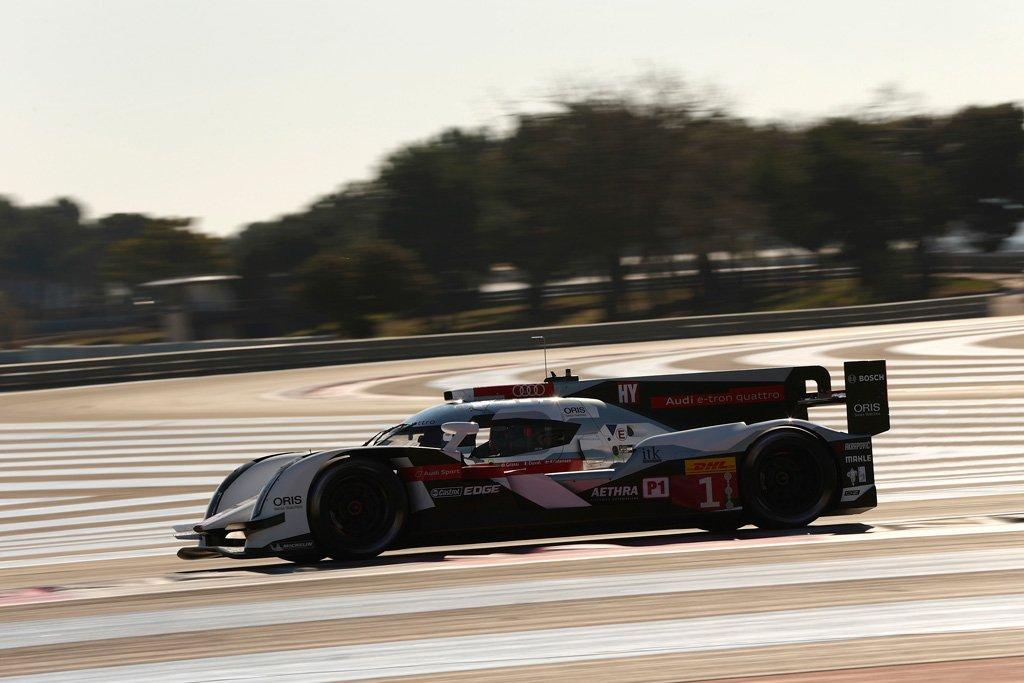
This season, the Audi drivers contesting in the 2014 season of the FIA World Endurance Championship (WEC) not only have to pay the same attention to safety, speed and precision as before, but now have to get a handle on efficiency as well.
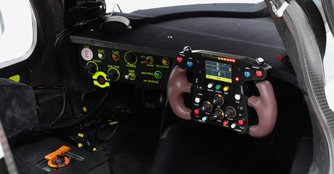

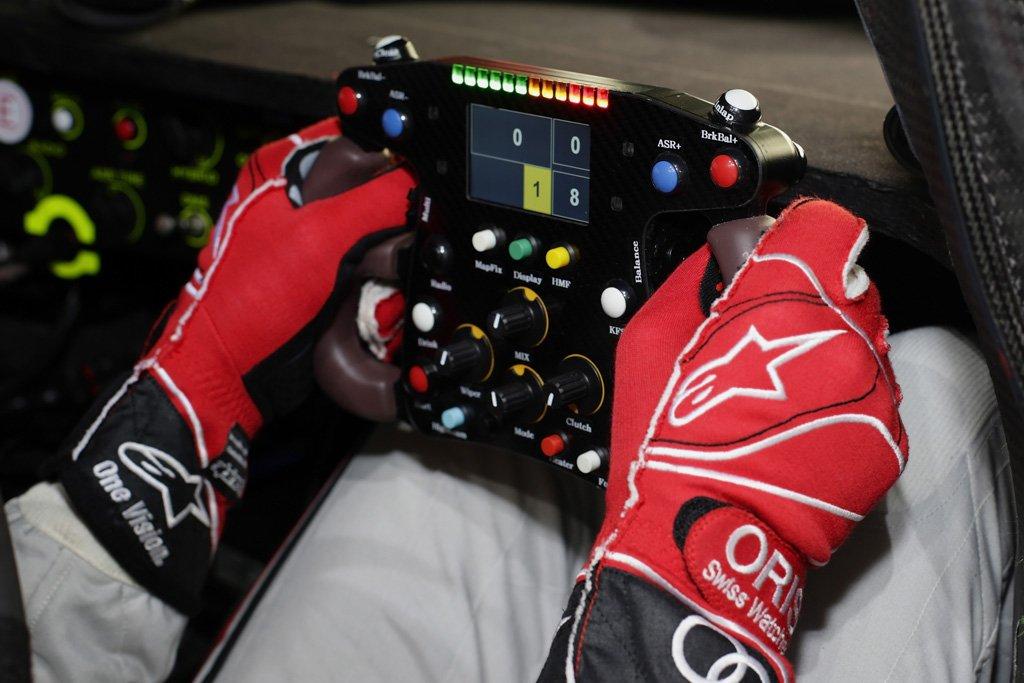
The innovations start in the foot well - as the drivers operate the clutch through the paddles behind the steering wheel instead of a foot pedal.
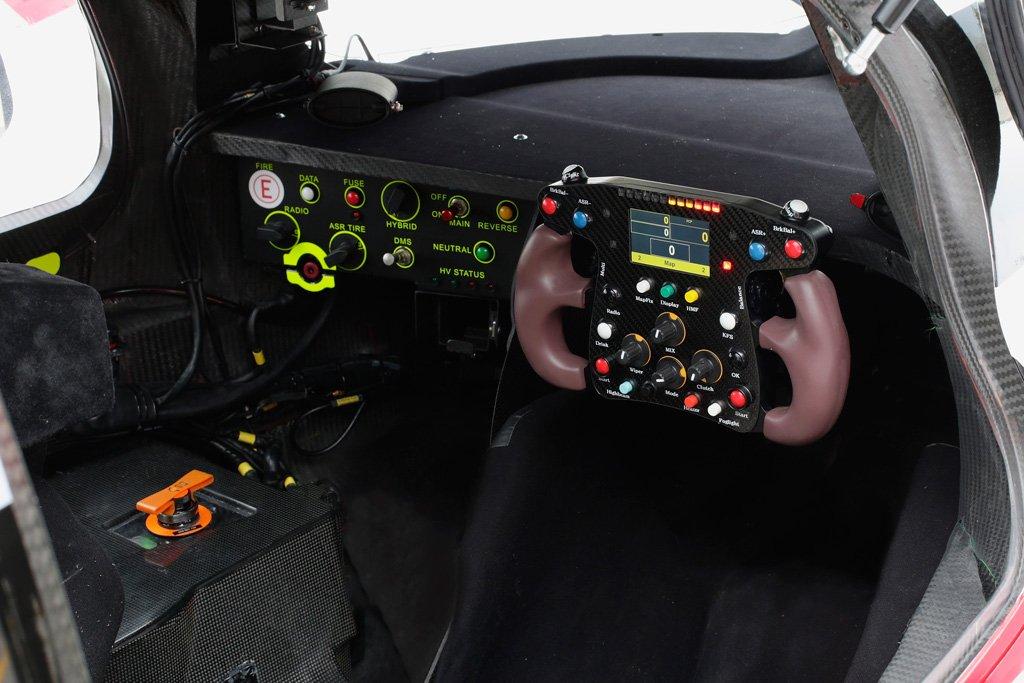
An additional new feature is a multi-functional rotary switch for selecting tasks that used to be performed by using various controls.
Two push-buttons make it possible for the driver to easily change individual functions to adjust the car's balance, for instance, through traction control or brake force distribution.
As balance changes when the fuel load decreases, the driver can quickly readjust the set-up of his race car this way.
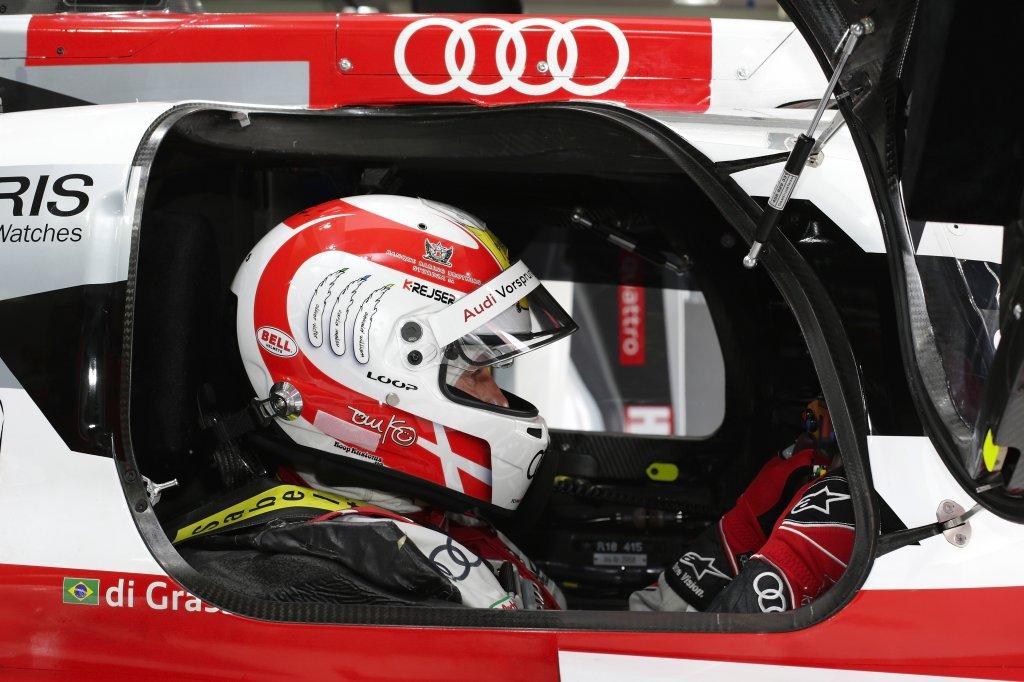
Another ergonomic consequence resulted from the 2014 regulations. They prescribe a change in cockpit dimensions and a different seating position which significantly benefits the driver. While the drivers used to lie relatively flat in the monocoque before, the drivers upper body is now in a more upright position.
"This enlarges the forward angle of vision. And vision through the side windows has notably improved as well. This clearly helps us in the on-track battles with our rivals," said Audi factory driver Lucas di Grassi.
The maximum consumption per lap specified by the regulations requires utmost discipline to avoid penalties. To make optimal concentration easier, the drivers' work in the cockpit should involve as little effort as possible. So the new Audi R18 e-tron quattro is not only a particularly efficient race car but ergonomically superior to its predecessors as well.
This season, the Audi drivers contesting in the 2014 season of the FIA World Endurance Championship (WEC) not only have to pay the same attention to safety, speed and precision as before, but now have to get a handle on efficiency as well.
As such, the improved cabin in the 2014 Audi R18 e-tron quattro makes it easier for the Audi drivers to operate the controls of the hybrid sports car.
The innovations start in the foot well - as the drivers operate the clutch through the paddles behind the steering wheel instead of a foot pedal.
An additional new feature is a multi-functional rotary switch for selecting tasks that used to be performed by using various controls.
Two push-buttons make it possible for the driver to easily change individual functions to adjust the car's balance, for instance, through traction control or brake force distribution.
As balance changes when the fuel load decreases, the driver can quickly readjust the set-up of his race car this way.
Another ergonomic consequence resulted from the 2014 regulations. They prescribe a change in cockpit dimensions and a different seating position which significantly benefits the driver. While the drivers used to lie relatively flat in the monocoque before, the drivers upper body is now in a more upright position.
"This enlarges the forward angle of vision. And vision through the side windows has notably improved as well. This clearly helps us in the on-track battles with our rivals," said Audi factory driver Lucas di Grassi.
The maximum consumption per lap specified by the regulations requires utmost discipline to avoid penalties. To make optimal concentration easier, the drivers' work in the cockpit should involve as little effort as possible. So the new Audi R18 e-tron quattro is not only a particularly efficient race car but ergonomically superior to its predecessors as well.


Latest COE Prices
April 2026 | 1st BIDDING
NEXT TENDER: 22 Apr 2026
CAT A$118,000
CAT B$121,000
CAT C$80,001
CAT E$121,001
View Full Results 
Thank You For Your Subscription.














Tags
Products & Services

For Owners
Quick Links
About Sgcarmart