Toyota reveals new safety technology
13 Oct 2013|3,036 views
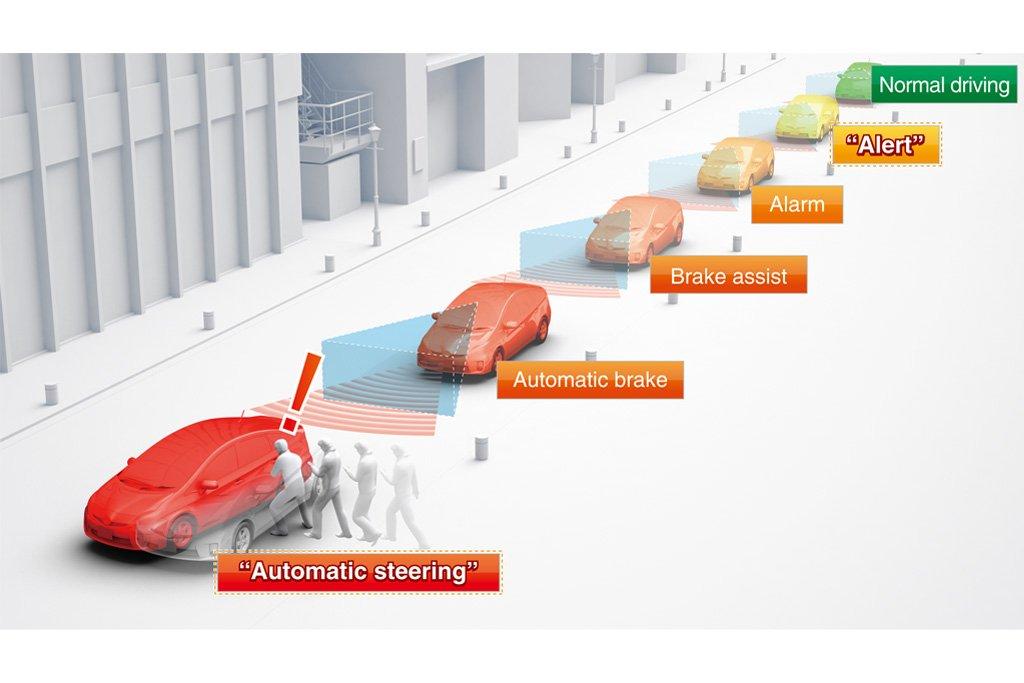
Toyota has revealed two new integrated safety systems designed to reduce the risk of pedestrian collisions and deliver safer driving in traffic, both of which will be brought to market in the next few years.
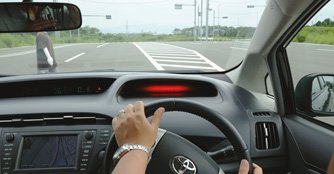

Both innovations advance Toyota's commitment to developing safety technologies that can help eliminate traffic fatalities and injuries.
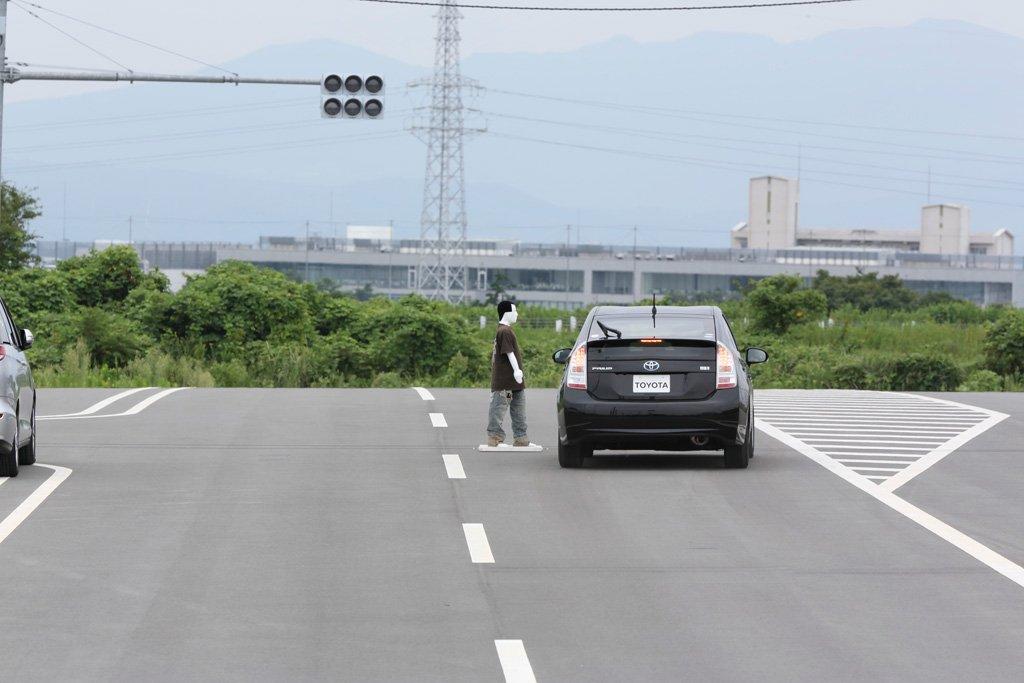
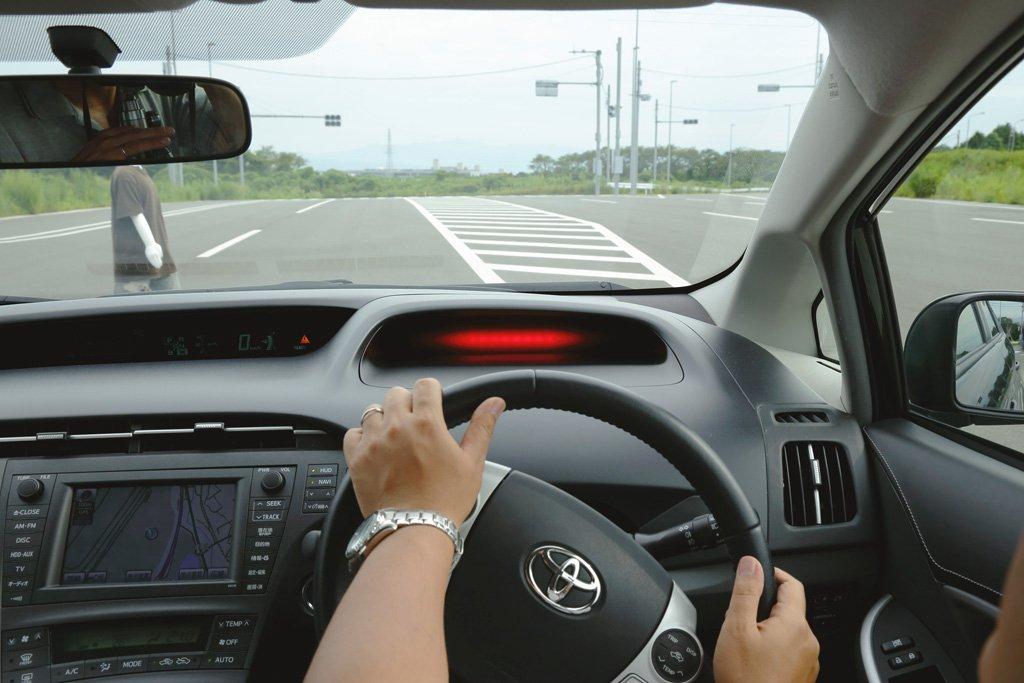
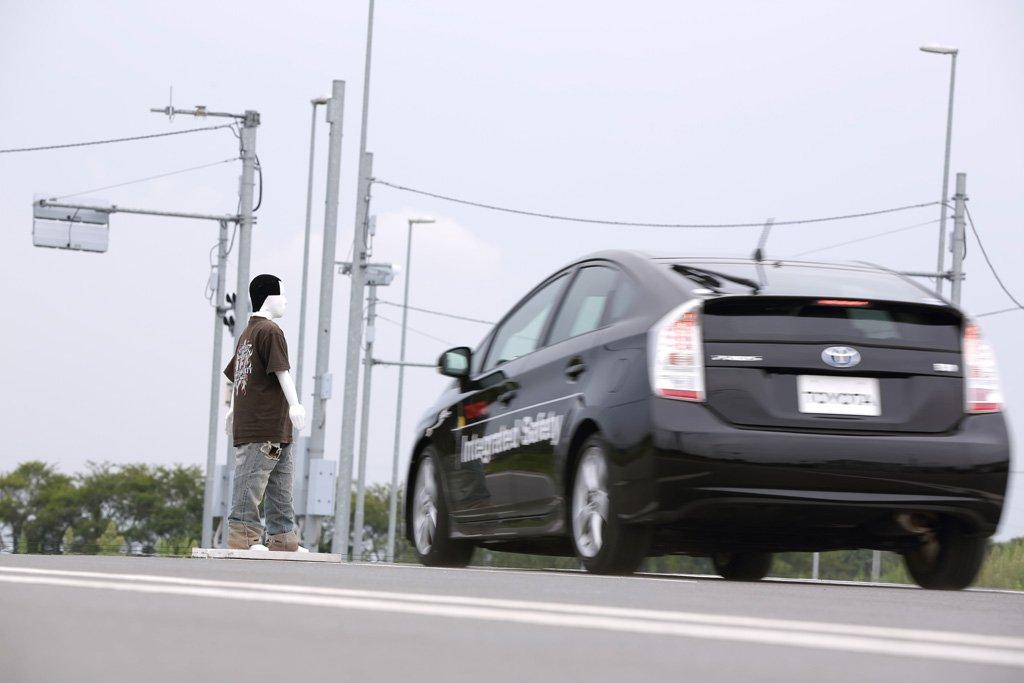
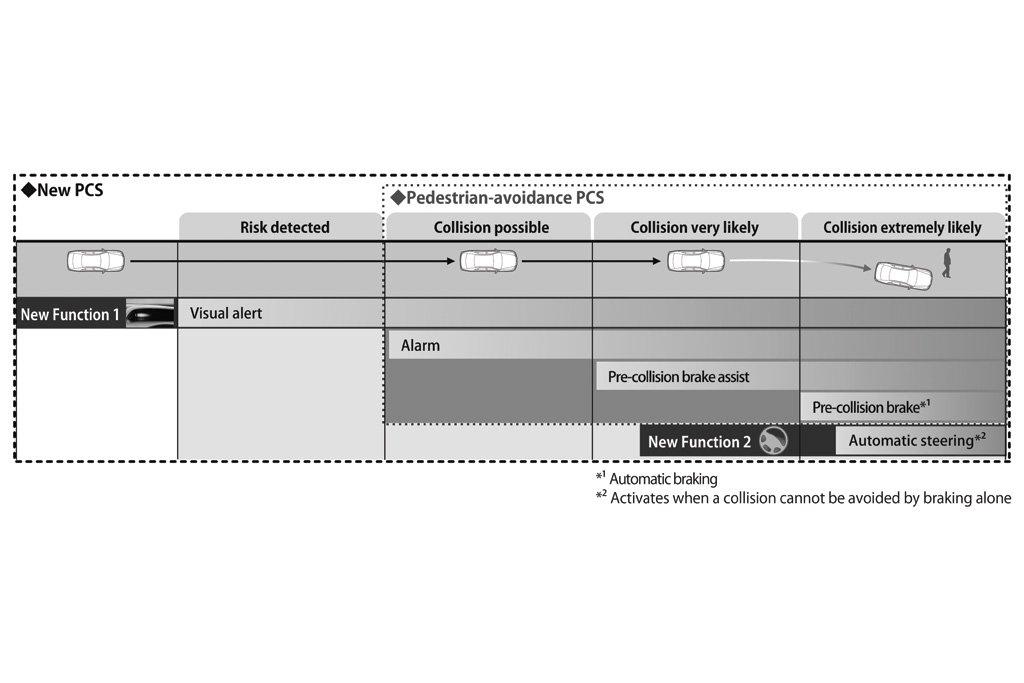
The PCS uses an on-board sensor to detect a pedestrian in the vehicle's path. If it determines that there is a collision risk, it triggers a warning light on the dashboard immediately in front of the driver. If the likelihood of an impact increases, it sounds an alarm to warn the driver to take avoiding action and initiates pre-collision braking force and automatic braking.
On the other hand, the AHDA system links two driving technologies to help secure safer driving and reduce the workload on the driver - Co-operative-adaptive Cruise Control, which communicates wirelessly with vehicles ahead to maintain a safe distance as well as Lane Trace Control, which helps steer the vehicle on an optimal driving line within a traffic lane.
Toyota recognises that it is important for the driver to be in ultimate control of a vehicle, so its intention is to introduce AHDA and other advanced driving support systems with which the driver remains in command, and there is no compromise in driving pleasure. It proposes to market AHDA from the mid-2010s together with other systems that can make driving safer and more secure.
Toyota has revealed two new integrated safety systems designed to reduce the risk of pedestrian collisions and deliver safer driving in traffic, both of which will be brought to market in the next few years.
It has developed a new auto-steering function for its Pre-Collision System (PCS), which works in conjunction with automatic braking to help the driver avoid an impact, and Automated Highway Driving Assist (AHDA), a system which keeps the car on an optimum driving line and a safe distance from the vehicle in front.
Both innovations advance Toyota's commitment to developing safety technologies that can help eliminate traffic fatalities and injuries.
The PCS uses an on-board sensor to detect a pedestrian in the vehicle's path. If it determines that there is a collision risk, it triggers a warning light on the dashboard immediately in front of the driver. If the likelihood of an impact increases, it sounds an alarm to warn the driver to take avoiding action and initiates pre-collision braking force and automatic braking.
On the other hand, the AHDA system links two driving technologies to help secure safer driving and reduce the workload on the driver - Co-operative-adaptive Cruise Control, which communicates wirelessly with vehicles ahead to maintain a safe distance as well as Lane Trace Control, which helps steer the vehicle on an optimal driving line within a traffic lane.
Toyota recognises that it is important for the driver to be in ultimate control of a vehicle, so its intention is to introduce AHDA and other advanced driving support systems with which the driver remains in command, and there is no compromise in driving pleasure. It proposes to market AHDA from the mid-2010s together with other systems that can make driving safer and more secure.


Latest COE Prices
April 2026 | 1st BIDDING
NEXT TENDER: 22 Apr 2026
CAT A$118,000
CAT B$121,000
CAT C$80,001
CAT E$121,001
View Full Results 
Thank You For Your Subscription.








Tags
Products & Services

For Owners
Quick Links
About Sgcarmart