XPENG rolls out first mass-produced Robotaxi
20 May 2026|572 views
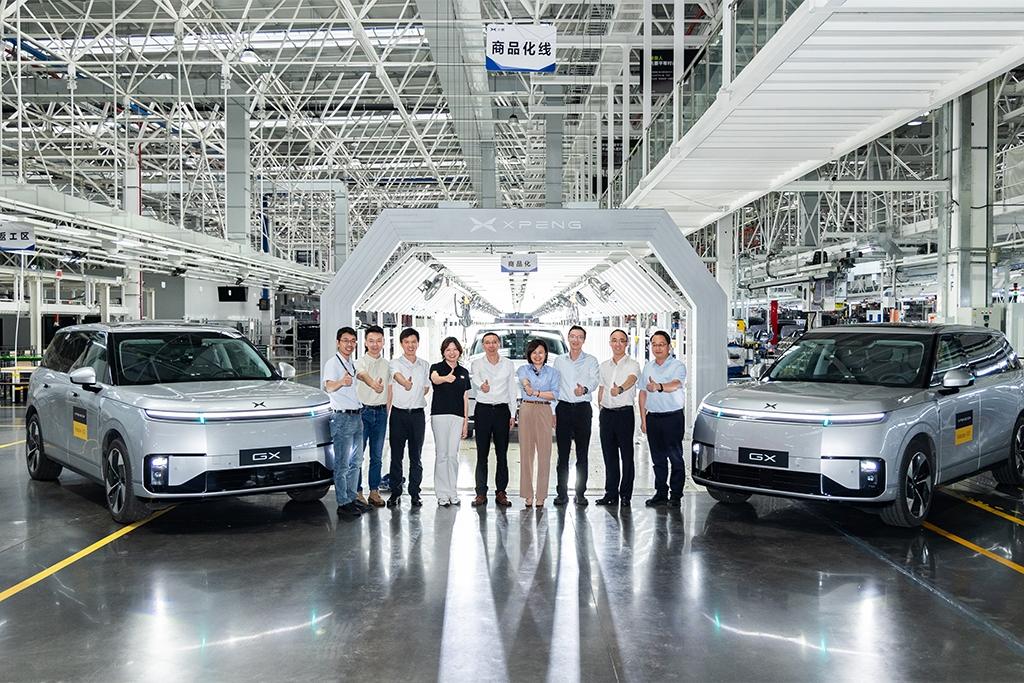
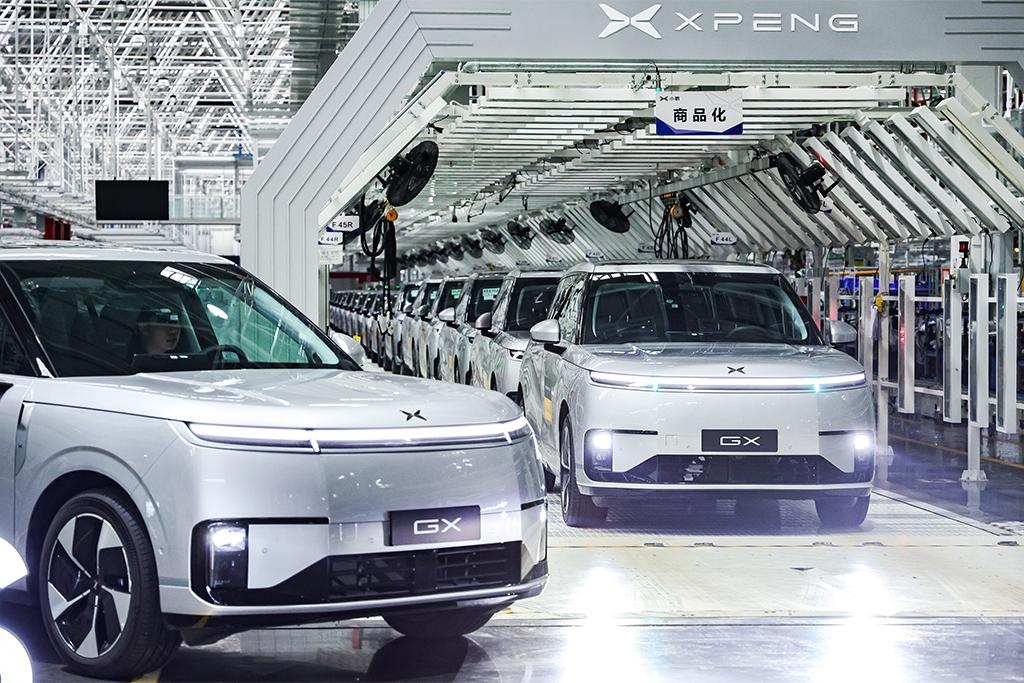
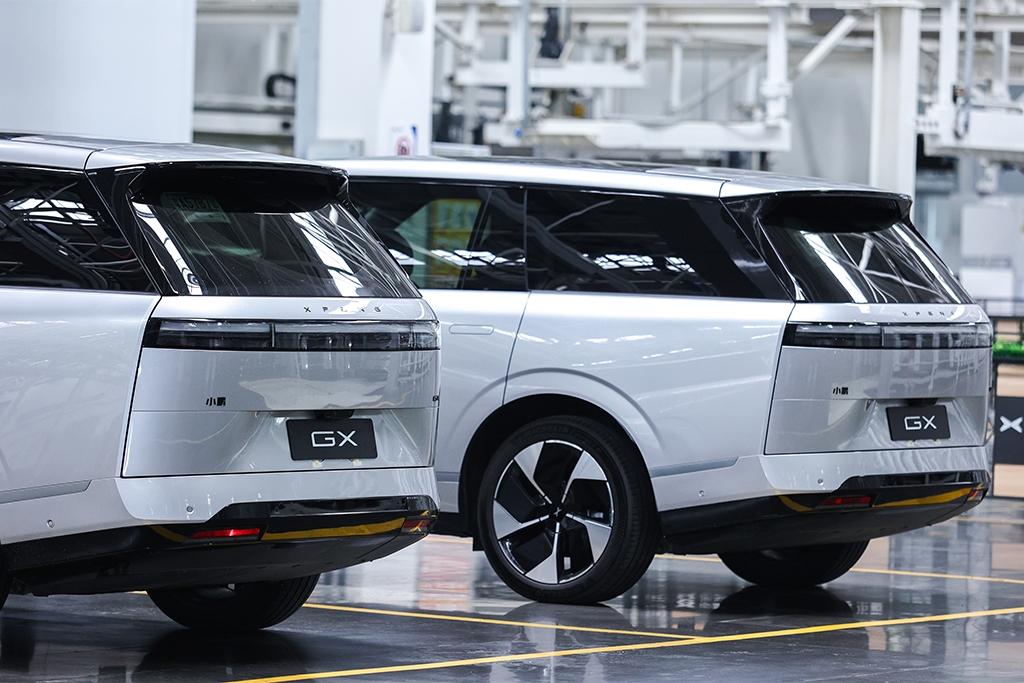
XPENG has announced the official rollout of its first mass-produced Robotaxi in Guangzhou, marking the first time in China that an automaker has achieved mass production of a Robotaxi through full-stack, in-house development.
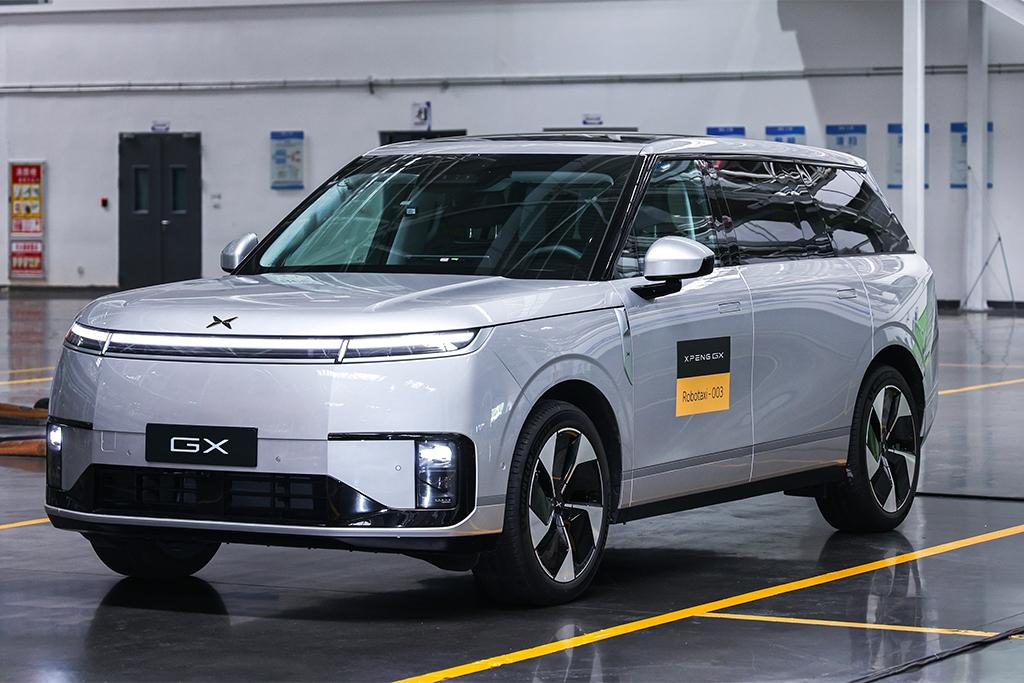
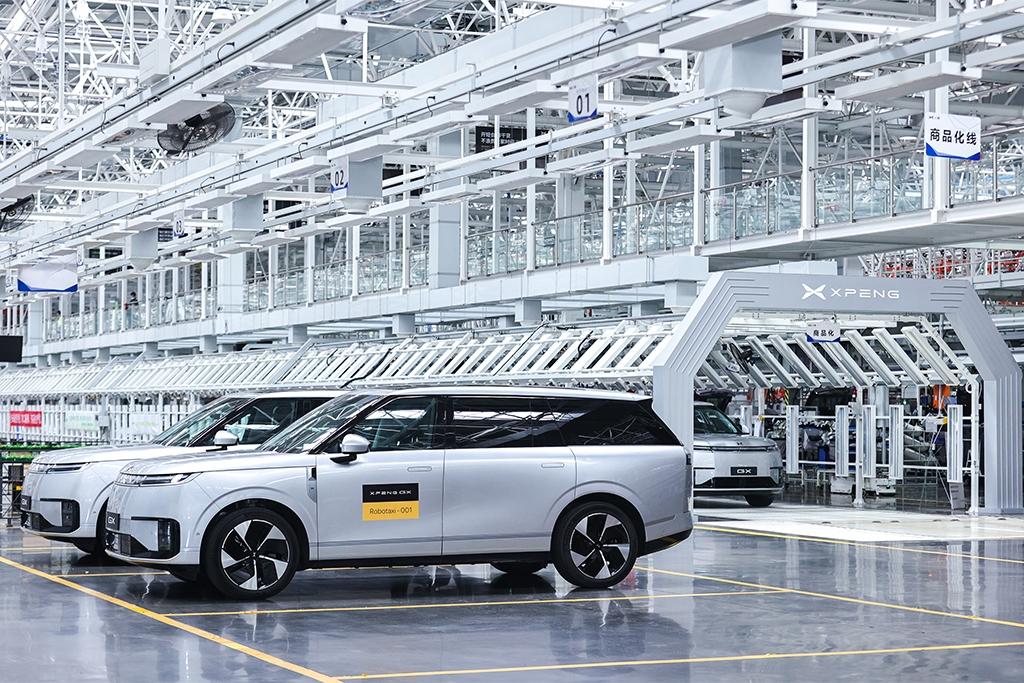
Built on the XPENG GX platform, the Robotaxi is China's first production-ready, pre-assembled Robotaxi model powered by four self-developed Turing AI chips, developed entirely with in-house technologies, and engineered to L4 autonomous driving standards.
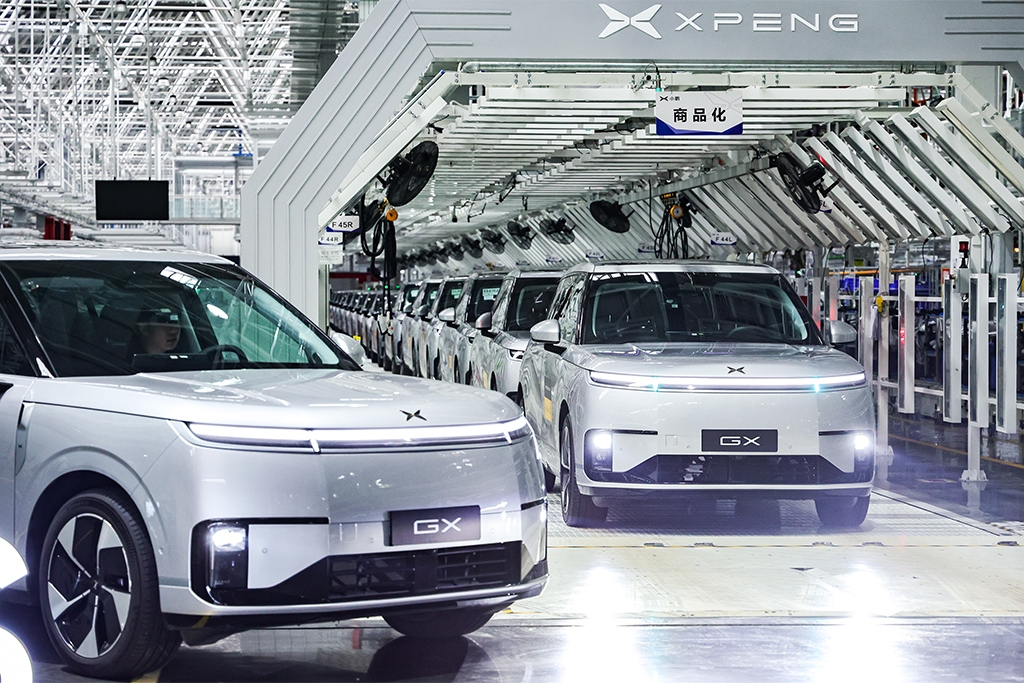
The newly unveiled Robotaxi is built on the XPENG GX platform
These robotaxis operate without LiDAR or hi-definition maps, instead adopting a pure vision solution, with decision-making driven by the VLA 2.0 end-to-end large model. This eliminates the language-translation step inherent in traditional "Vision-Language-Action" three-stage architectures, compressing system response latency to under 80 milliseconds.
Designed to deliver premium, safe, luxurious, and intelligent travel experience, the mass-produced Robotaxi is equipped with practical intelligent cabin configurations including privacy glass, comfort gravity seats, and rear in-car entertainment screens. Passengers can enjoy multimedia entertainment and adjust in-car settings via a built-in voice assistant during rides.
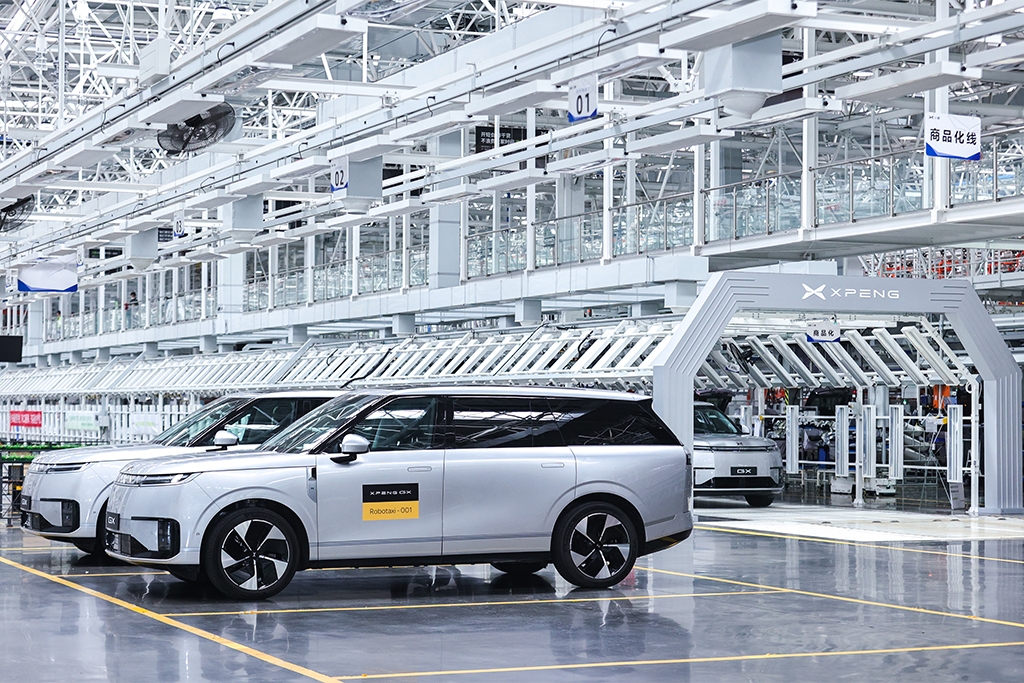
XPENG aims to achieve fully autonomous operations without an on-site safety officer by early 2027
The company aims to achieve fully autonomous operations without an on-site safety officer by early 2027. On the ecosystem front, XPENG will open its Robotaxi SDK, with Amap becoming its first global ecosystem partner.
As one of the flagship products of XPENG's physical AI ecosystem, this mass-produced Robotaxi shares the same VLA 2.0 large model foundation as the humanoid robot I RON and the flying car. The rollout today represents a pivotal step forward in XPENG's journey from physical AI research and development to large-scale deployment.
XPENG has announced the official rollout of its first mass-produced Robotaxi in Guangzhou, marking the first time in China that an automaker has achieved mass production of a Robotaxi through full-stack, in-house development.
Built on the XPENG GX platform, the Robotaxi is China's first production-ready, pre-assembled Robotaxi model powered by four self-developed Turing AI chips, developed entirely with in-house technologies, and engineered to L4 autonomous driving standards.
The newly unveiled Robotaxi is built on the XPENG GX platform
These robotaxis operate without LiDAR or hi-definition maps, instead adopting a pure vision solution, with decision-making driven by the VLA 2.0 end-to-end large model. This eliminates the language-translation step inherent in traditional "Vision-Language-Action" three-stage architectures, compressing system response latency to under 80 milliseconds.
Designed to deliver premium, safe, luxurious, and intelligent travel experience, the mass-produced Robotaxi is equipped with practical intelligent cabin configurations including privacy glass, comfort gravity seats, and rear in-car entertainment screens. Passengers can enjoy multimedia entertainment and adjust in-car settings via a built-in voice assistant during rides.
XPENG aims to achieve fully autonomous operations without an on-site safety officer by early 2027
The company aims to achieve fully autonomous operations without an on-site safety officer by early 2027. On the ecosystem front, XPENG will open its Robotaxi SDK, with Amap becoming its first global ecosystem partner.
As one of the flagship products of XPENG's physical AI ecosystem, this mass-produced Robotaxi shares the same VLA 2.0 large model foundation as the humanoid robot I RON and the flying car. The rollout today represents a pivotal step forward in XPENG's journey from physical AI research and development to large-scale deployment.


Latest COE Prices
June 2026 | 2nd BIDDING
NEXT TENDER: 08 Jul 2026
CAT A$123,847
CAT B$123,502
CAT C$93,001
CAT E$129,002
View Full Results 
Thank You For Your Subscription.








Tags
Products & Services

For Owners
Quick Links
About Sgcarmart