In November 1990, an announcement was made by the Minister of Communications and Information that a new car ownership scheme would soon be in place - to "enable more Singaporeans to own cars without causing more congestion on the roads".
But the initiative we now know to be the Weekend Car scheme (WEC) was short-lived.
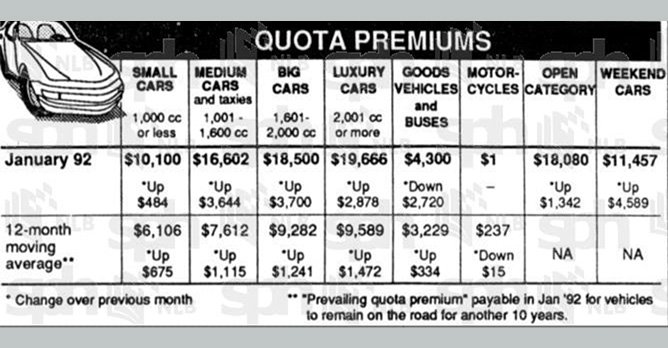
 The Weekend Car scheme came with its own COE category, but wound up being heavily manipulated (Photo from NLB eResources) At some point, the rules - including a separate COE category, and requiring owners to only pay 30% of the prevailing road tax on their cars - started to benefit buyers of larger cars.
In August 1994, a 2.0-litre sedan cost $50,000 less upfront if registered as a weekend car. Bundling in the road tax savings meant that you could buy 10 full years' worth of weekday $20 coupons - and still have paid less at the very end.
The result of a change to seal this loophole up tightly is what we know today - the Off-Peak Car scheme (OPC) that, despite a couple of minor updates, has remained largely unchanged from its 1995 iteration. Now, flat ARF rebates (up to $17,000 up front) meet flat road tax discounts (up to $500 per year).
But 27 years is a long period of time - and car prices are no longer as they once were. If one hadn't already considered the following question previously, they surely would have as COE premiums scaled unprecedented heights in 2022:
Is the OPC-scheme still relevant in our world today?
The blue decal versus the red plate
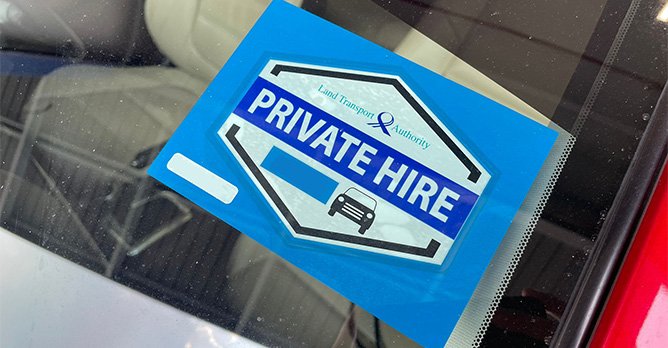 The sudden explosion of PHVs for ride-hailing and car-sharing and leasing has been impossible to miss To get to the bottom of that, it may help to first cast a glance at a group of cars with a much shorter history in Singapore's automotive scene - private-hire vehicles (PHVs) - whose rapid growth over the past decade hasn't just changed how we get around, but also the car-buying market.
Whereas they comprised just slightly over 2% of the motorcar population in 2011, more than one in every 10 cars is now a PHV. Regardless of whether one is considering 'chaffeured' PHVs (those you can book from your phone) or 'self-driven' ones (belonging to car sharing and leasing fleets), the baseline remains the same. Although inexplicitly so, there are now more cars than ever on our roads, wearing the blue 'PRIVATE HIRE' decal, that disrupt the old model of private car ownership.
 The role of advancing technology in propelling growth of the PHV population cannot be ignored On the one hand, the role of advancing technology cannot be ignored when attempting to understand how this phenomenon came about. Try imagining a world where Grab and GetGo are thriving without Google and Apple.
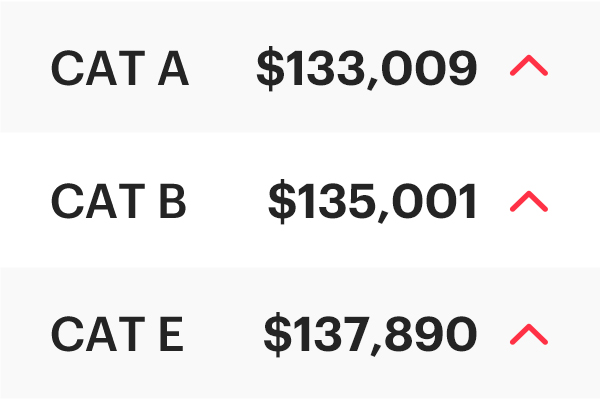
But Singapore's context - a hyper-specific environment in which the threat of land scarcity has long propelled government intervention - holds up three large letters that are arguably driving demand for PHVs of both kinds: C O E. Every single bidding round that sees premiums go higher chips further away at the appeal of the Off-Peak Car, for the very fact that the rebates will start comprising a diminishing portion of its purchasing price.
This is the point at which things get a little murky.
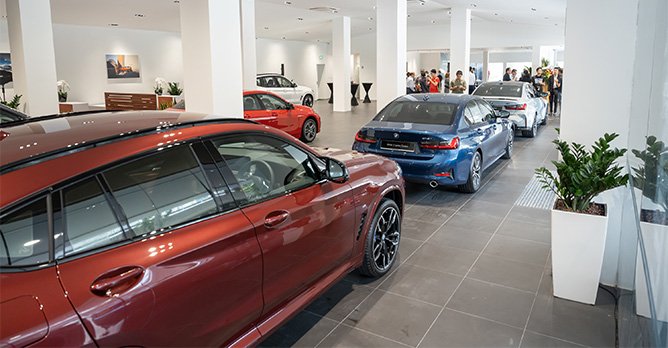 Against a 35.2% slump for new car registrations this year (Jan to June), PHV registrations jumped 25% The longstanding criticism that fleet-controlling companies were pushing premiums northwards appeared to have been validated last month, when The Straits Times reported that registrations for new private-hire vehicles had jumped 25% from January to June this year, compared to the same period last year. This was against a 35.2% slump for new car registrations, and of course, the larger backdrop of an unprecedented rise in COE premiums.
Arguably, then, the red-plate appears to be suffering doubly, under the single threat of cars with blue decals.
The very first layer is the most apparent one: That having a car with such restricted hours may be less sensible to some owners in light of the increasing availability of private-lite alternatives.
But the second one is perhaps a bit less straightforward: PHVs, a good proportion of which are paid for by deeper-pocketed corporations, are crowding out off-peak cars… which are paid for by average motorists.
Usage versus ownership: The intangible joy and satisfaction of one's own car
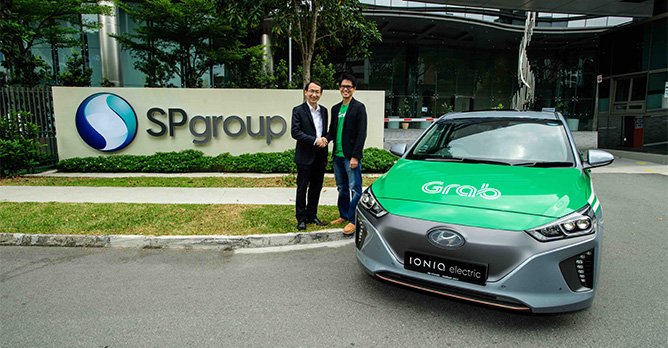 The presence of PHVs is ultimately, undeniably still a net gain for Singapore's transport landscape To give them their due credit, the presence (rather than complete absence) of PHVs ultimately still represents a net gain for Singapore's public transport landscape, since they also benefit commuters that have never seen the allure of car ownership in the first place.
Price surges be damned, the ability to hop between multiple apps means that one is less likely to be stranded without a ride on a rainy day today (although where the price ceiling should be placed does come into the question quite quickly).
Furthermore, the explosion of self-driven PHVs for car-sharing drastically reduces the need to plan weeks in advance, gingerly navigate the labyrinths of setting up an account and subscription plan, and then travel halfway across the island just to get their hands on a shared car.
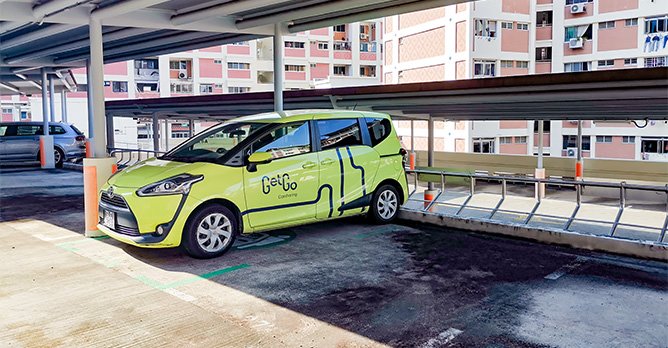 GetGo's cars, which function on a point A to A system, have aggressively populated our island recently The model of business used by GetGo, in particular, has made car-sharing more enticing not simply by lowering the barriers to entry, but quite literally populating HDB carparks across the island with rental cars. The line of argument that car-sharing was out of reach, unwieldy, and exorbitant, no longer holds as much weight today - and we're all the better for it.
Issues remain, though, despite current alternatives being more compelling than ever. Since we're talking about GetGo, it's worth noting that the firm, like most of its competitors, relies on an A-to-A model - you have to return the car where you picked it up - meaning to say that its vehicles are more appropriate for full-day itineraries, than as a mode of quick transport. To date, only BlueSG allows for A-to-B bookings.
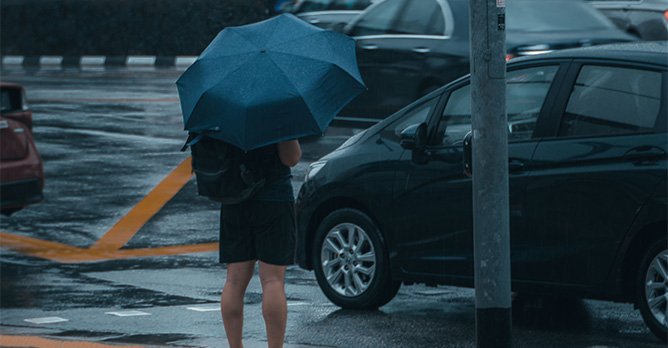 Ride-hailing is far from perfect - especially in inclement weather, and for residents in further-flung estates Furthermore, planning ahead may not require a full-week's notice anymore, but is still necessary since the availability of a car (especially at one's favourite spot) isn't always guaranteed. This runs counter to the key benefit of private transport: Spontaneous convenience.
As the past few months have showed, ride-hailing is also far from perfect. The further away one lives from the prime spots on the island (I extend condolences and heartfelt empathy to my fellow Punggol-ians here), the harder it is to get a ride - even if there's a price surge.
Then, there's the fact that all of the above represents the logical part of our brains speaking.
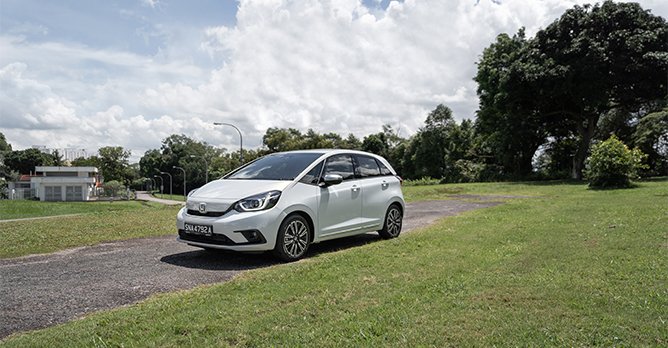 It doesn't matter whether it's a Jazz or a Huracan STO - we still deeply, irrationally love our cars Right off the bat, most Singaporeans with cars will tell you that nothing can replace the feeling of ownership. To call it unadulterated joy would perhaps be oversimplifying the experience - frustration and (financial) pain are certainly deeply embedded within - but the bond forged with one's vehicle after a while is hard to forget, even decades after.
Rental cars also tend to be cut from the same fuel-efficient, entry-level (read: pedestrian) cloth, meaning that one's hands are still forced when it comes to choosing what to drive. Considering that we toil at our desks for more than half of our waking lives, indulging in our love for our cars - and having certain models we prefer being in the driver's seat of - shouldn't be an unreasonable demand.
The slow fade of what was a sweet compromise
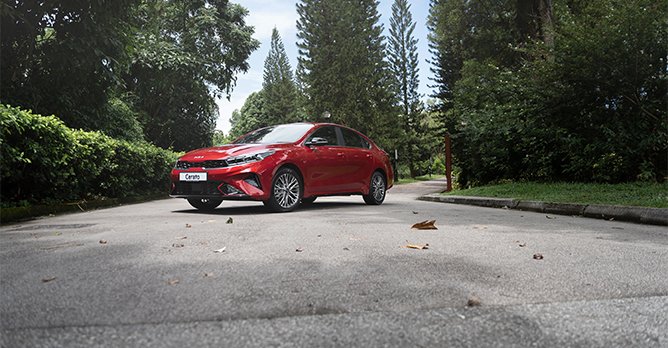 Even family sedans are now retailing in the region of $140,000 to $150,000 today To return to the original philosophy of the OPC-scheme is to realise (and accept), firstly, that the winds of land scarcity and a booming vehicle population have slowly eroded the dream of (restricted) car ownership once extended to many Singaporeans.
The fresh surge of scepticism towards the OPC-scheme, catalysed by the COE highs of today, is understandable. Whereas the upfront $17,000 rebate comprised a close to 20% discount on the purchase price of a mass market model in the past, the amount is laughably miniscule against the $150,000 price tag tied to a similar car now.
Here, the Concorde fallacy is once more relevant in helping to understand how we view our cars. Because we've already spent so much on them, we will claw at every last opportunity not to leave them idle in our carparks. This disadvantages the red-plate car once more.
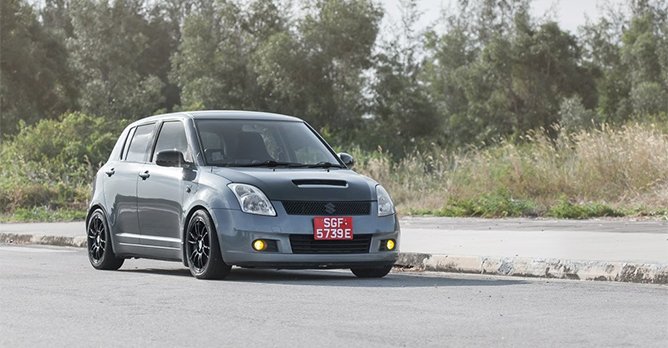 The LTA once hoped that 10 to 15% of cars in Singapore would bear red plates But there's more yet. If one continues to think about it, the OPC scheme is also the idea of a car-lite nation embodied - just introduced in the 1990s (way before the term was coined, then liberally flung around). The LTA even once hoped in 2010 that the revised rules "could eventually lead to about 10 to 15% of red-plated cars here, which it believed could reduce peak-hour traffic volume".
Now, however, it is impossible that this will ever be achieved. The current tipping scale between rebates and restrictions is unlikely to change, given the previous exploitation of the WEC, then subsequent careful calculation by the authorities for the OPC. (In case it wasn't clear, a yearly rebate of $1,700 + $500 is the equivalent of not more than two day licenses bought every week through one year - trust the powers that be to be good at math.)
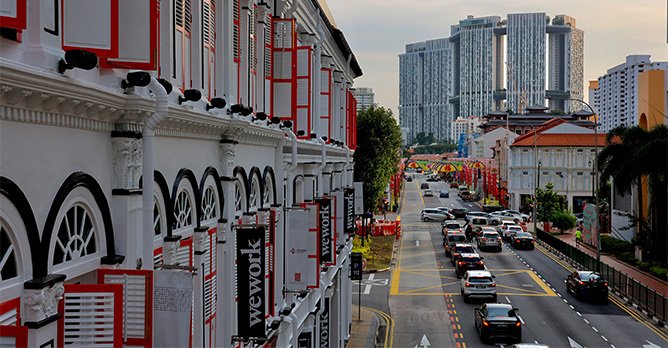 Is the sweet compromise between car ownership and uncongested roads no longer possible? A forum letter written back in 2015 makes a good point that may sound controversial at first, but is actually hard to argue against the longer one sits with the sentiment: "It is desirable to make every car an off-peak car by default".
Undoubtedly, the OPC-scheme has always felt promising in that it served up a sweet compromise between the possibility of car ownership in Singapore and the goal of unclogged roads.
But this knowledge also makes the reality of the situation today difficult to swallow: That with its clearly dying relevance in 2022, both ideals are - at once - being slowly extinguished.
Here are some other articles that may be of interest to you:
Why COE prices might never go down again
Six things only red-plate drivers can relate to
Singapore's outdated COE system desperately needs fixing
Lamenting high COE prices will never go out of style, but we've already accepted our lot
But the initiative we now know to be the Weekend Car scheme (WEC) was short-lived.
In August 1994, a 2.0-litre sedan cost $50,000 less upfront if registered as a weekend car. Bundling in the road tax savings meant that you could buy 10 full years' worth of weekday $20 coupons - and still have paid less at the very end.
The result of a change to seal this loophole up tightly is what we know today - the Off-Peak Car scheme (OPC) that, despite a couple of minor updates, has remained largely unchanged from its 1995 iteration. Now, flat ARF rebates (up to $17,000 up front) meet flat road tax discounts (up to $500 per year).
But 27 years is a long period of time - and car prices are no longer as they once were. If one hadn't already considered the following question previously, they surely would have as COE premiums scaled unprecedented heights in 2022:
Is the OPC-scheme still relevant in our world today?
The blue decal versus the red plate
Whereas they comprised just slightly over 2% of the motorcar population in 2011, more than one in every 10 cars is now a PHV. Regardless of whether one is considering 'chaffeured' PHVs (those you can book from your phone) or 'self-driven' ones (belonging to car sharing and leasing fleets), the baseline remains the same. Although inexplicitly so, there are now more cars than ever on our roads, wearing the blue 'PRIVATE HIRE' decal, that disrupt the old model of private car ownership.
But Singapore's context - a hyper-specific environment in which the threat of land scarcity has long propelled government intervention - holds up three large letters that are arguably driving demand for PHVs of both kinds: C O E. Every single bidding round that sees premiums go higher chips further away at the appeal of the Off-Peak Car, for the very fact that the rebates will start comprising a diminishing portion of its purchasing price.
This is the point at which things get a little murky.
Arguably, then, the red-plate appears to be suffering doubly, under the single threat of cars with blue decals.
The very first layer is the most apparent one: That having a car with such restricted hours may be less sensible to some owners in light of the increasing availability of private-lite alternatives.
But the second one is perhaps a bit less straightforward: PHVs, a good proportion of which are paid for by deeper-pocketed corporations, are crowding out off-peak cars… which are paid for by average motorists.
Usage versus ownership: The intangible joy and satisfaction of one's own car
Price surges be damned, the ability to hop between multiple apps means that one is less likely to be stranded without a ride on a rainy day today (although where the price ceiling should be placed does come into the question quite quickly).
Furthermore, the explosion of self-driven PHVs for car-sharing drastically reduces the need to plan weeks in advance, gingerly navigate the labyrinths of setting up an account and subscription plan, and then travel halfway across the island just to get their hands on a shared car.
Issues remain, though, despite current alternatives being more compelling than ever. Since we're talking about GetGo, it's worth noting that the firm, like most of its competitors, relies on an A-to-A model - you have to return the car where you picked it up - meaning to say that its vehicles are more appropriate for full-day itineraries, than as a mode of quick transport. To date, only BlueSG allows for A-to-B bookings.
As the past few months have showed, ride-hailing is also far from perfect. The further away one lives from the prime spots on the island (I extend condolences and heartfelt empathy to my fellow Punggol-ians here), the harder it is to get a ride - even if there's a price surge.
Then, there's the fact that all of the above represents the logical part of our brains speaking.
Rental cars also tend to be cut from the same fuel-efficient, entry-level (read: pedestrian) cloth, meaning that one's hands are still forced when it comes to choosing what to drive. Considering that we toil at our desks for more than half of our waking lives, indulging in our love for our cars - and having certain models we prefer being in the driver's seat of - shouldn't be an unreasonable demand.
The slow fade of what was a sweet compromise
The fresh surge of scepticism towards the OPC-scheme, catalysed by the COE highs of today, is understandable. Whereas the upfront $17,000 rebate comprised a close to 20% discount on the purchase price of a mass market model in the past, the amount is laughably miniscule against the $150,000 price tag tied to a similar car now.
Here, the Concorde fallacy is once more relevant in helping to understand how we view our cars. Because we've already spent so much on them, we will claw at every last opportunity not to leave them idle in our carparks. This disadvantages the red-plate car once more.
Now, however, it is impossible that this will ever be achieved. The current tipping scale between rebates and restrictions is unlikely to change, given the previous exploitation of the WEC, then subsequent careful calculation by the authorities for the OPC. (In case it wasn't clear, a yearly rebate of $1,700 + $500 is the equivalent of not more than two day licenses bought every week through one year - trust the powers that be to be good at math.)
Undoubtedly, the OPC-scheme has always felt promising in that it served up a sweet compromise between the possibility of car ownership in Singapore and the goal of unclogged roads.
But this knowledge also makes the reality of the situation today difficult to swallow: That with its clearly dying relevance in 2022, both ideals are - at once - being slowly extinguished.
Here are some other articles that may be of interest to you:
Why COE prices might never go down again
Six things only red-plate drivers can relate to
Singapore's outdated COE system desperately needs fixing
Lamenting high COE prices will never go out of style, but we've already accepted our lot