View page in desktop
|
Report error
  •   Apple app store icon
  • Google play store icon
Terms of Service
|
Privacy Policy
|
PDPA
|
Site Map
©2004-2026 Sgcarmart, Singapore. All rights reserved.
  • Home
  • Car Articles
  • advice
  • advice Listings
  • Car Buying Advice
  • Should you buy an electric car in Singapore right now?

    22 May 2020

    |

    9,694 views

    Car companies are increasingly going electric. Singapore has announced incentives to encourage EV ownership. So, should you buy an electric car in Singapore?


    For the automotive industry, electrification is the undeniable future. You see more and more car companies increasingly electrifying car models. Some companies such as Tesla are building their entire business on Electric Vehicles (EVs). Companies like Volvo have promised that its entire model range will be electrified in the near future.

    This drive for electrification is a bold response to climate change - traditional Internal Combustion Engine (ICE) vehicles produce pollutants that are harmful to both our individual health, and the health of our planet. And increasingly, we are seeing legislation that looks to forcefully make ICEs a thing of the past.

    That's not yet the case in Singapore, but that could well be our future. The Government has announced new electric car tax rebates and initiatives to encourage EV ownership, with the intent of phasing out ICE vehicles by 2040. While there is currently no specific legislature that will definitively bar ICE vehicles in the future, that’s something that is a possibility in the coming years.

    So, this begs the simple question: Should you buy an electric car now? 

    What electric cars are available?

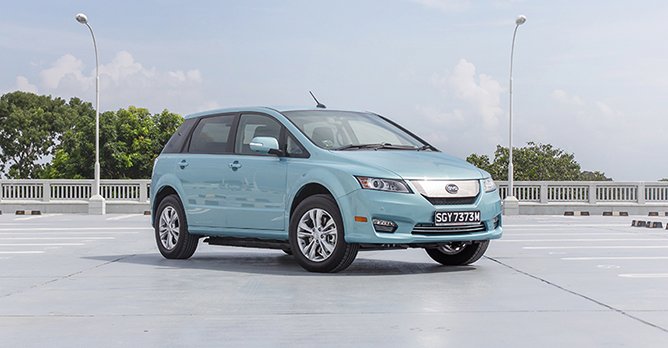
    The cheapest electric passenger vehicle in the market now is the BYD e6 Electric
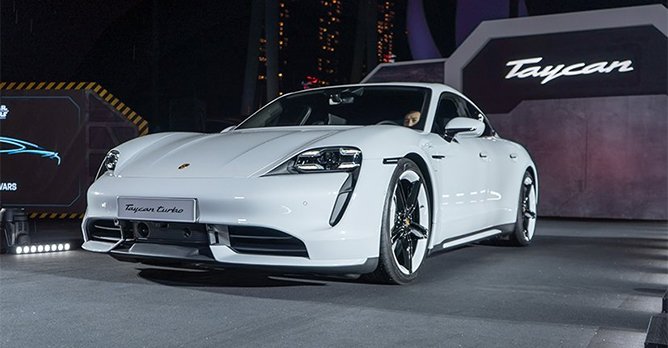
    Right now, there are many EV options in the market. You have affordable, practical city runabouts like the Renault Zoe and the Hyundai Ioniq. You also have premium options like the Audi e-tron and the Jaguar I-PACE. And, if performance is something you’re looking for, the Porsche Taycan has got you covered.
    However, the choice of buying an EV comes down to two key factors - is it sensible to buy one, and is it sensible to own one? 

    Which electric cars are affordable? 
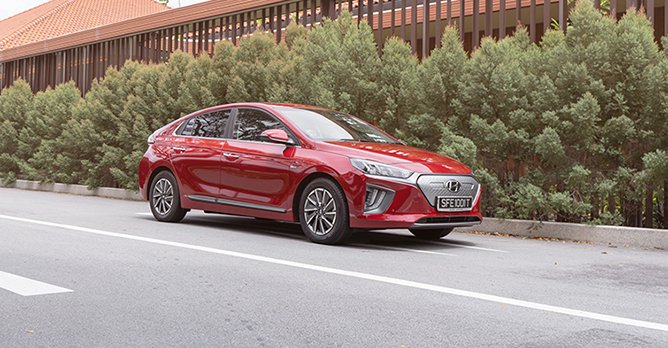
    As technology and manufacturing processes improve, the cost price of electric cars will go also go down over time
    Previously, one major hurdle to EV ownership was the upfront cost. Simply put, EVs were just more expensive than a like-for-like ICE car. Part of this is the high cost of development in producing EVs.

    Also, high taxes and ambiguity over how best to classify and tax EVs in Singapore meant that EVs could easily be 30% to 40% more expensive than the equivalent ICE car.

    This has evolved over time. As technology gets better (and cheaper) and manufacturing processes more streamlined, EVs leaving the factory no longer have a significant cost disadvantage compared to an ICE car.

    The Government has announced new initiatives to bring down the upfront costs of buying an EV
    And, the recently announced initiatives in Singapore have made EVs more attractive to buy by lowering their upfront costs. Compared to when they were respectively first launched in Singapore, the price of a Jaguar I-PACE has fallen by $6,000, the Hyundai Ioniq Electric by $8,000 and a Nissan Leaf by almost $13,000.

    So as far as buying an EV goes, yes, you can sensibly and practically buy an EV now. It's not cheap, but at least it's not off-puttingly more expensive than an ICE counterpart. 

    Which electric cars are practical?

    Concerns around charging limitations are presently still a key hurdle that needs to be overcome
    However, there is the second key matter of ownership. And, this really comes down to one issue - charging.  

    In all honesty, range doesn't matter, at least not in Singapore. There is no scenario that you should worry about running out of juice on one trip (even cars on the low end of the range scale have at least upwards of 150km of range per charge).

    Look, even petrol cars have range. However, you don't hear anyone comparing the fuel tank capacities of cars. This is because refuelling is easily accessible and quick, and we're too used to the habitual convenience.

    Right now, charging an EV does not have the same speed and convenience as pumping fuel at a petrol station
    The worry for EVs is charging. Right now, it's not that easily accessible (owing to the lack of widely available charging points), nor is it particularly quick. Therefore, you don't have the option of a splash-and-dash the same way you do in an ICE car. 'Refueling', even just say 30 to 40%, will take at least 20 to 30 minutes at a fast charge station, compared to two to three minutes for a petrol car.

    This is an issue right now, no two ways about it. As things currently stand, it is likely only practically feasible to own an electric car if you have access to a dedicated charging point at home or at your workplace, where you can leave your vehicle for an extended period of time.

    Charging needs to develop on two front - significantly more infrastructure, and faster charging capabilities
    Two key developments need to happen in the coming years to make EV ownership more viable for more people. The first is the building up of charging infrastructure. To this end, the government has announced plans to have 28,000 charging points available by 2030.

    The second is the continued development of battery and charging technology to reduce the time required to charge an EV. While its unlikely that 'refueling' times will drop to the same few minutes that it takes to refuel a petrol car, something in the range of 10 minutes or less will make it much more palatable for most drivers. 

    What's the choice right now? 

    Presently, switching to EVs is viable if you have dedicated access to a charging point
    If you have regular and dependable access to charging infrastructure, whether it's at home or at the workplace, then yes, you absolutely should opt for EV ownership. EVs have come so far in the past few years that there's no way you can disparage them as being inferior products to their ICE counterparts.

    The switch to EVs also wouldn't require you to drastically alter your commuting habits in any way. And yes, it's environmentally beneficial, but EVs also have long-term financial benefits (cheaper to run over 10 years than an ICE car).

    Electrification is undoubtedly the future, but continued development is still required
    However, for a bigger group of people, switching to EVs will require some changes to their commuting habits. Most people right now probably aren't willing to deal with the additional inconvenience.

    So, right now, EV ownership is not a viable option for the majority of people. At least not yet. 

    Hopefully, developments in charging technology and infrastructure will change this over the coming years.

    Here are some additional resources about electric cars that may interest you

    Electric car rebates - Tax incentives to boost ownership

    6 of the best electric & hybrid certified workshops in Singapore

    7 reasons why your next car should be an electric car

    Ready to make the switch to electric? Check out all the electric cars on sale right now. 
    Desmond Chan
    Desmond Chan
    Desmond thinks the world would be better if cars were smaller and less powerful. He wants to live in the 70s.
    Photos by Editorial Team
    24.4k

    Tags

    electric car ev electric vehicle should i buy electric car buying electric car electric car ownership electric car rental bmw electric car electric car charging stations hyundai electric car blue sg electric car

    AllReviewsNewsAdviceFeaturesVideos
    • Home
    • Car Articles
    • advice
    • advice Listings
    • Car Buying Advice

    Should you buy an electric car in Singapore right now?

    22 May 2020

    |

    9,694 views

    Car companies are increasingly going electric. Singapore has announced incentives to encourage EV ownership. So, should you buy an electric car in Singapore?


    For the automotive industry, electrification is the undeniable future. You see more and more car companies increasingly electrifying car models. Some companies such as Tesla are building their entire business on Electric Vehicles (EVs). Companies like Volvo have promised that its entire model range will be electrified in the near future.

    This drive for electrification is a bold response to climate change - traditional Internal Combustion Engine (ICE) vehicles produce pollutants that are harmful to both our individual health, and the health of our planet. And increasingly, we are seeing legislation that looks to forcefully make ICEs a thing of the past.

    That's not yet the case in Singapore, but that could well be our future. The Government has announced new electric car tax rebates and initiatives to encourage EV ownership, with the intent of phasing out ICE vehicles by 2040. While there is currently no specific legislature that will definitively bar ICE vehicles in the future, that’s something that is a possibility in the coming years.

    So, this begs the simple question: Should you buy an electric car now? 

    What electric cars are available?

    The cheapest electric passenger vehicle in the market now is the BYD e6 Electric
    Right now, there are many EV options in the market. You have affordable, practical city runabouts like the Renault Zoe and the Hyundai Ioniq. You also have premium options like the Audi e-tron and the Jaguar I-PACE. And, if performance is something you’re looking for, the Porsche Taycan has got you covered.

    However, the choice of buying an EV comes down to two key factors - is it sensible to buy one, and is it sensible to own one? 

    Which electric cars are affordable? 

    As technology and manufacturing processes improve, the cost price of electric cars will go also go down over time
    Previously, one major hurdle to EV ownership was the upfront cost. Simply put, EVs were just more expensive than a like-for-like ICE car. Part of this is the high cost of development in producing EVs.

    Also, high taxes and ambiguity over how best to classify and tax EVs in Singapore meant that EVs could easily be 30% to 40% more expensive than the equivalent ICE car.

    This has evolved over time. As technology gets better (and cheaper) and manufacturing processes more streamlined, EVs leaving the factory no longer have a significant cost disadvantage compared to an ICE car.
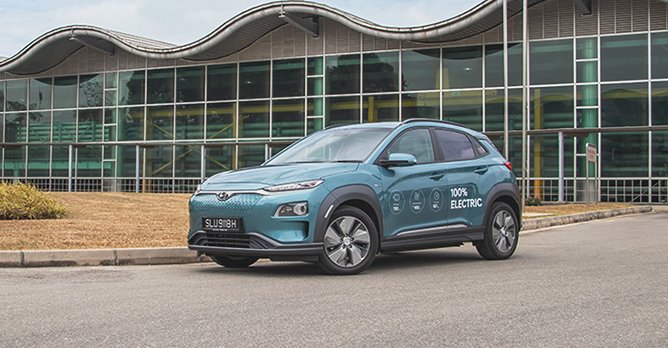
    The Government has announced new initiatives to bring down the upfront costs of buying an EV
    And, the recently announced initiatives in Singapore have made EVs more attractive to buy by lowering their upfront costs. Compared to when they were respectively first launched in Singapore, the price of a Jaguar I-PACE has fallen by $6,000, the Hyundai Ioniq Electric by $8,000 and a Nissan Leaf by almost $13,000.

    So as far as buying an EV goes, yes, you can sensibly and practically buy an EV now. It's not cheap, but at least it's not off-puttingly more expensive than an ICE counterpart. 

    Which electric cars are practical?
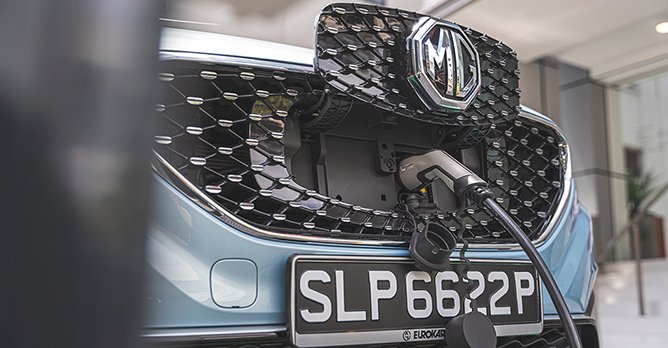
    Concerns around charging limitations are presently still a key hurdle that needs to be overcome
    However, there is the second key matter of ownership. And, this really comes down to one issue - charging.  

    In all honesty, range doesn't matter, at least not in Singapore. There is no scenario that you should worry about running out of juice on one trip (even cars on the low end of the range scale have at least upwards of 150km of range per charge).

    Look, even petrol cars have range. However, you don't hear anyone comparing the fuel tank capacities of cars. This is because refuelling is easily accessible and quick, and we're too used to the habitual convenience.
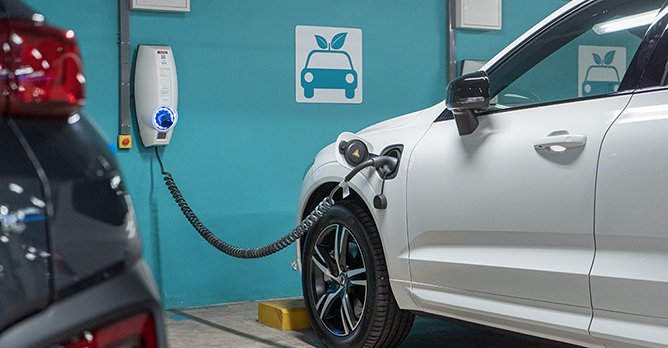
    Right now, charging an EV does not have the same speed and convenience as pumping fuel at a petrol station
    The worry for EVs is charging. Right now, it's not that easily accessible (owing to the lack of widely available charging points), nor is it particularly quick. Therefore, you don't have the option of a splash-and-dash the same way you do in an ICE car. 'Refueling', even just say 30 to 40%, will take at least 20 to 30 minutes at a fast charge station, compared to two to three minutes for a petrol car.

    This is an issue right now, no two ways about it. As things currently stand, it is likely only practically feasible to own an electric car if you have access to a dedicated charging point at home or at your workplace, where you can leave your vehicle for an extended period of time.
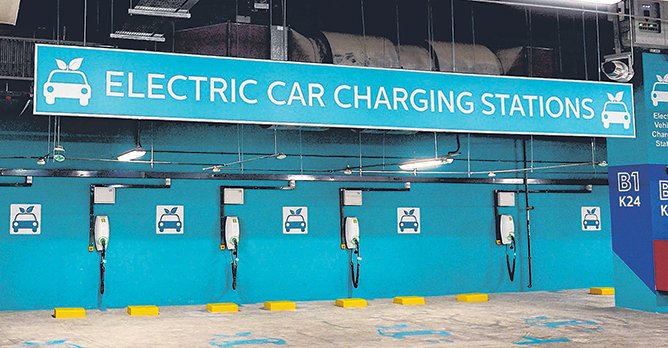
    Charging needs to develop on two front - significantly more infrastructure, and faster charging capabilities
    Two key developments need to happen in the coming years to make EV ownership more viable for more people. The first is the building up of charging infrastructure. To this end, the government has announced plans to have 28,000 charging points available by 2030.

    The second is the continued development of battery and charging technology to reduce the time required to charge an EV. While its unlikely that 'refueling' times will drop to the same few minutes that it takes to refuel a petrol car, something in the range of 10 minutes or less will make it much more palatable for most drivers. 

    What's the choice right now? 
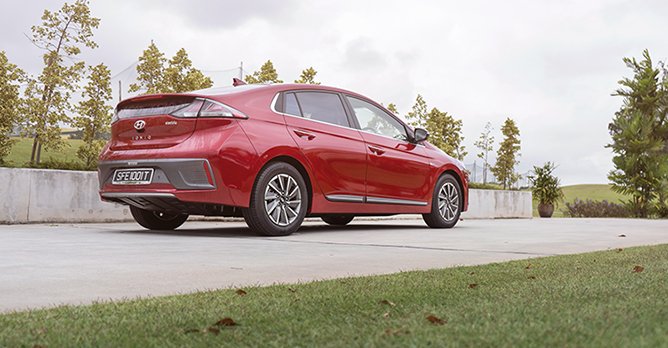
    Presently, switching to EVs is viable if you have dedicated access to a charging point
    If you have regular and dependable access to charging infrastructure, whether it's at home or at the workplace, then yes, you absolutely should opt for EV ownership. EVs have come so far in the past few years that there's no way you can disparage them as being inferior products to their ICE counterparts.

    The switch to EVs also wouldn't require you to drastically alter your commuting habits in any way. And yes, it's environmentally beneficial, but EVs also have long-term financial benefits (cheaper to run over 10 years than an ICE car).
    Electrification is undoubtedly the future, but continued development is still required
    However, for a bigger group of people, switching to EVs will require some changes to their commuting habits. Most people right now probably aren't willing to deal with the additional inconvenience.

    So, right now, EV ownership is not a viable option for the majority of people. At least not yet. 

    Hopefully, developments in charging technology and infrastructure will change this over the coming years.

    Here are some additional resources about electric cars that may interest you

    Electric car rebates - Tax incentives to boost ownership

    6 of the best electric & hybrid certified workshops in Singapore

    7 reasons why your next car should be an electric car

    Ready to make the switch to electric? Check out all the electric cars on sale right now. 

    Desmond Chan
    Desmond Chan
    Desmond thinks the world would be better if cars were smaller and less powerful. He wants to live in the 70s.
    Photos by Editorial Team
    24.4k

    Tags

    electric car ev electric vehicle should i buy electric car buying electric car electric car ownership electric car rental bmw electric car electric car charging stations hyundai electric car blue sg electric car

    All Advice Categories

    Car BuyingCar SellingCar OwnershipCar TechnicalCar MaintenanceMiscellaneous

    All Advice Categories

    Car BuyingCar SellingCar OwnershipCar TechnicalCar MaintenanceMiscellaneous

    Related Motor Directory Categories

      Car RentalCommercial Vehicle RentalUsed Car DealersNew Car DealersCar Leasing

    Related Motor Directory Categories

      Car RentalCommercial Vehicle RentalUsed Car DealersNew Car DealersCar Leasing

    Related Articles

    Must-Have Car Accessories Every EV Driver Should Own

    Must-Have Car Accessories Every EV Driver Should Own

    New to driving? Here's how to become a better driver

    New to driving? Here's how to become a better driver

    Elevate every drive with these car audio upgrades

    Elevate every drive with these car audio upgrades

    Value-for-Money Servicing Packages for Your Car

    Value-for-Money Servicing Packages for Your Car

    Related Articles

    Must-Have Car Accessories Every EV Driver Should Own

    Must-Have Car Accessories Every EV Driver Should Own

    New to driving? Here's how to become a better driver

    New to driving? Here's how to become a better driver

    Elevate every drive with these car audio upgrades

    Elevate every drive with these car audio upgrades

    Value-for-Money Servicing Packages for Your Car

    Value-for-Money Servicing Packages for Your Car

    You May Also Like

    Sgcarmart Explores: Bras Basah!

    Sgcarmart Explores: Bras Basah!

    New cars are safer: Opt for one when you can

    New cars are safer: Opt for one when you can

    Maxus MIFA 7 Elite: Going big for the little moments

    Maxus MIFA 7 Elite: Going big for the little moments

    The all new XPENG Mona L03 is one smart coupe SUV

    The all new XPENG Mona L03 is one smart coupe SUV

    Sgcarmart Explores: East Coast Park!

    Sgcarmart Explores: East Coast Park!

    The BYD Sealion 8 seven-seater SUV arrives in Singapore

    The BYD Sealion 8 seven-seater SUV arrives in Singapore

    Opinion: Why do we even need green number plates?

    Opinion: Why do we even need green number plates?

    Is parallel import hesitancy growing among car buyers?

    Is parallel import hesitancy growing among car buyers?

    Must-Have Car Accessories Every EV Driver Should Own

    Must-Have Car Accessories Every EV Driver Should Own

    Hongqi Singapore opens its showroom doors

    Hongqi Singapore opens its showroom doors

    Don't get yourself trapped in your high-tech EV

    Don't get yourself trapped in your high-tech EV

    Ferrari 849 Testarossa Spider - with the sky included

    Ferrari 849 Testarossa Spider - with the sky included

    Mercedes-Benz GLB250+ Review

    Mercedes-Benz GLB250+ Review

    Tesla launches Model Y L in Singapore, first six-seater here

    Tesla launches Model Y L in Singapore, first six-seater here

    A first look at Chery's iCaur V23 and Jaecoo J8 in Singapore

    A first look at Chery's iCaur V23 and Jaecoo J8 in Singapore

    New to driving? Here's how to become a better driver

    New to driving? Here's how to become a better driver

    You May Also Like

    Sgcarmart Explores: Bras Basah!

    Sgcarmart Explores: Bras Basah!

    New cars are safer: Opt for one when you can

    New cars are safer: Opt for one when you can

    Maxus MIFA 7 Elite: Going big for the little moments

    Maxus MIFA 7 Elite: Going big for the little moments

    The all new XPENG Mona L03 is one smart coupe SUV

    The all new XPENG Mona L03 is one smart coupe SUV

    Sgcarmart Explores: East Coast Park!

    Sgcarmart Explores: East Coast Park!

    The BYD Sealion 8 seven-seater SUV arrives in Singapore

    The BYD Sealion 8 seven-seater SUV arrives in Singapore

    Opinion: Why do we even need green number plates?

    Opinion: Why do we even need green number plates?

    Is parallel import hesitancy growing among car buyers?

    Is parallel import hesitancy growing among car buyers?

    Must-Have Car Accessories Every EV Driver Should Own

    Must-Have Car Accessories Every EV Driver Should Own

    Hongqi Singapore opens its showroom doors

    Hongqi Singapore opens its showroom doors

    Don't get yourself trapped in your high-tech EV

    Don't get yourself trapped in your high-tech EV

    Ferrari 849 Testarossa Spider - with the sky included

    Ferrari 849 Testarossa Spider - with the sky included

    Mercedes-Benz GLB250+ Review

    Mercedes-Benz GLB250+ Review

    Tesla launches Model Y L in Singapore, first six-seater here

    Tesla launches Model Y L in Singapore, first six-seater here

    A first look at Chery's iCaur V23 and Jaecoo J8 in Singapore

    A first look at Chery's iCaur V23 and Jaecoo J8 in Singapore

    New to driving? Here's how to become a better driver

    New to driving? Here's how to become a better driver