Are Conti cars safer than Japanese, Korean or Chinese cars?
19 Mar 2022|7,767 views
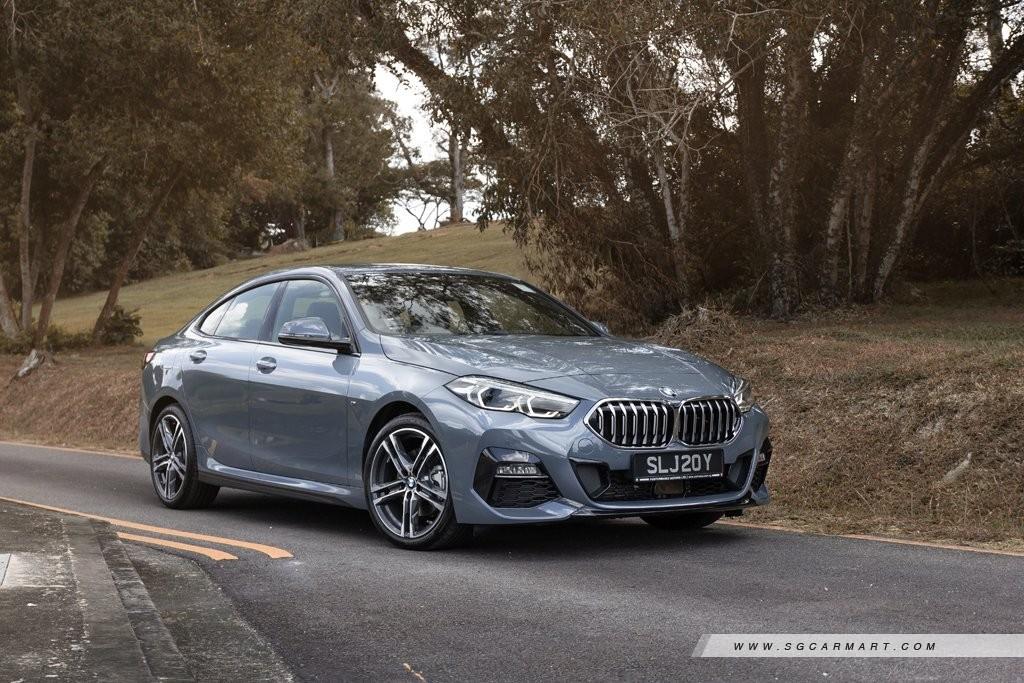
With their premium price tags, Conti (typically referring to European-brand) cars mean many things here. On social media platforms, most people who have made it in life are posing with their Conti cars. If your line of work requires you to face clients on a day to day basis, Conti cars would likely be your choice as well.
Conti cars are desirable, and seem to portray an elevated social standing, and it isn't difficult to see why. These cars tend to not only cost more, but also offer more in terms of comfort, luxury and performance - especially so for the higher-end models. And many also believe that these European cars are safer than their Asian counterparts such as the Korean, JDM cars, and the recent Chinese made EVs and new-energy cars, but is that really the case?
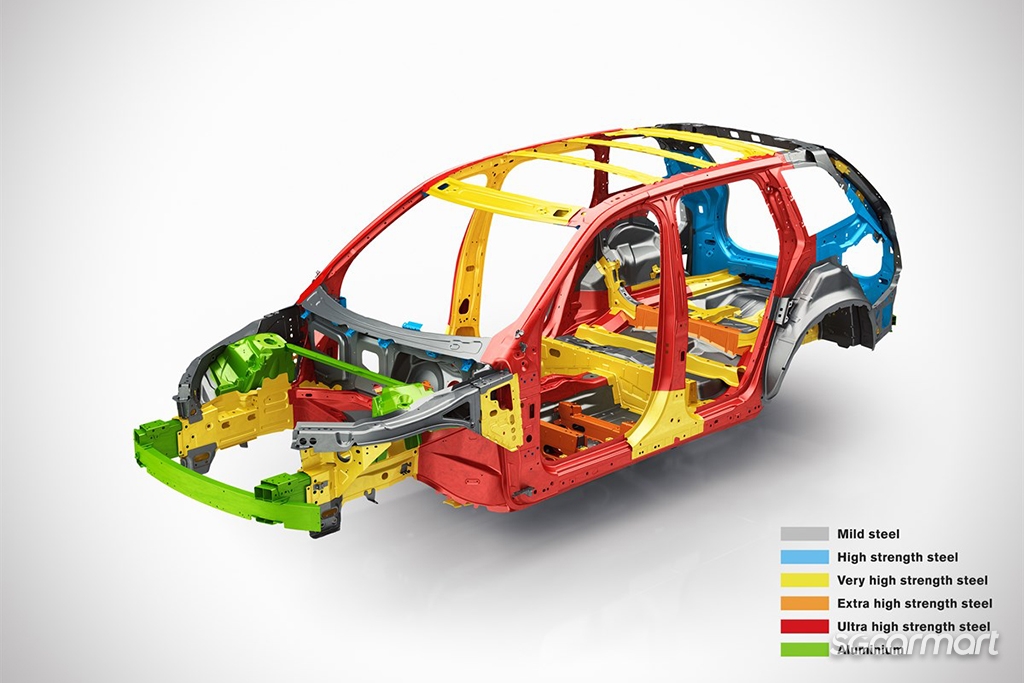
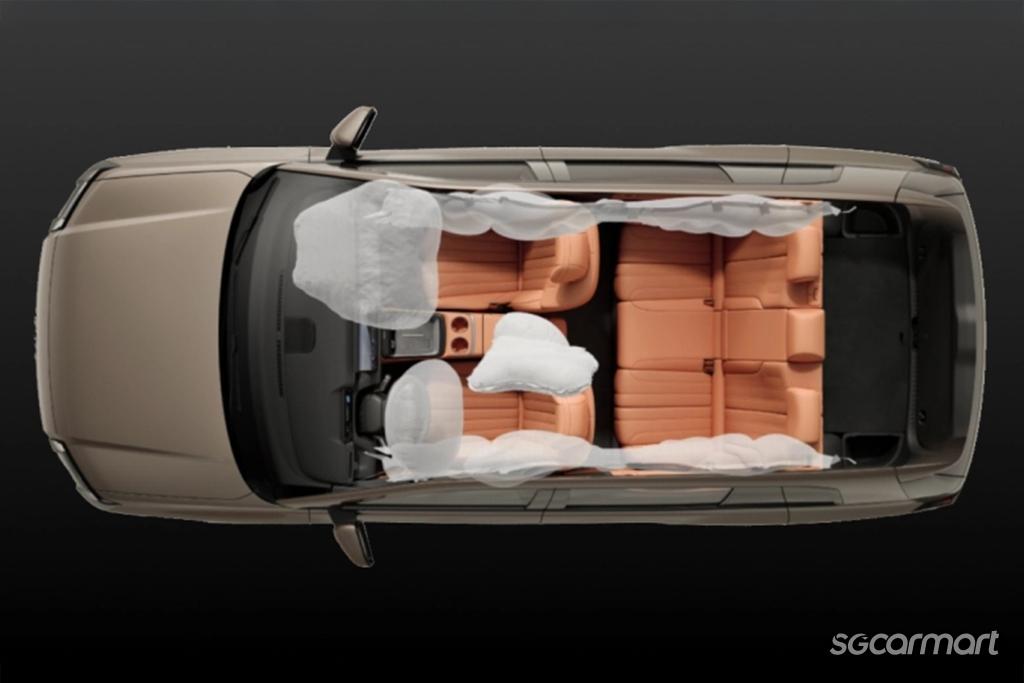
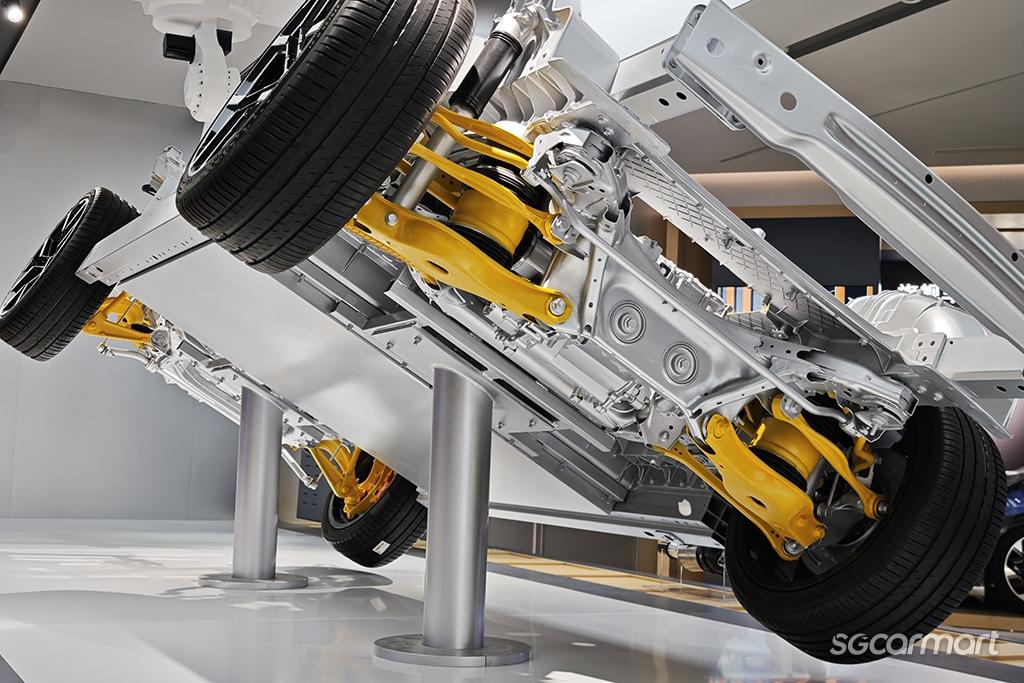
The safety of a car is the result of many factors - including the strength and rigidity of the body, as well as equipment such as airbags, and other active safety features
What makes a car safer than another?
The safety of a car is the result of many components, this can include basic equipment such as the head light, airbags and other active safety features such as automatic emergency braking systems, and of course, how the car protects its occupants in a crash.
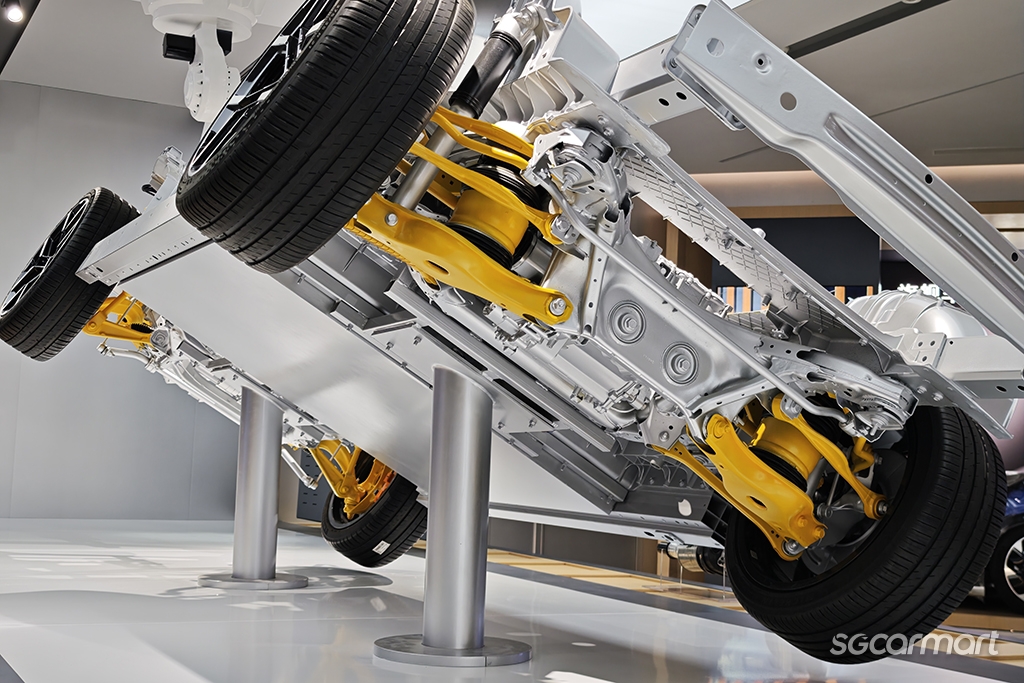
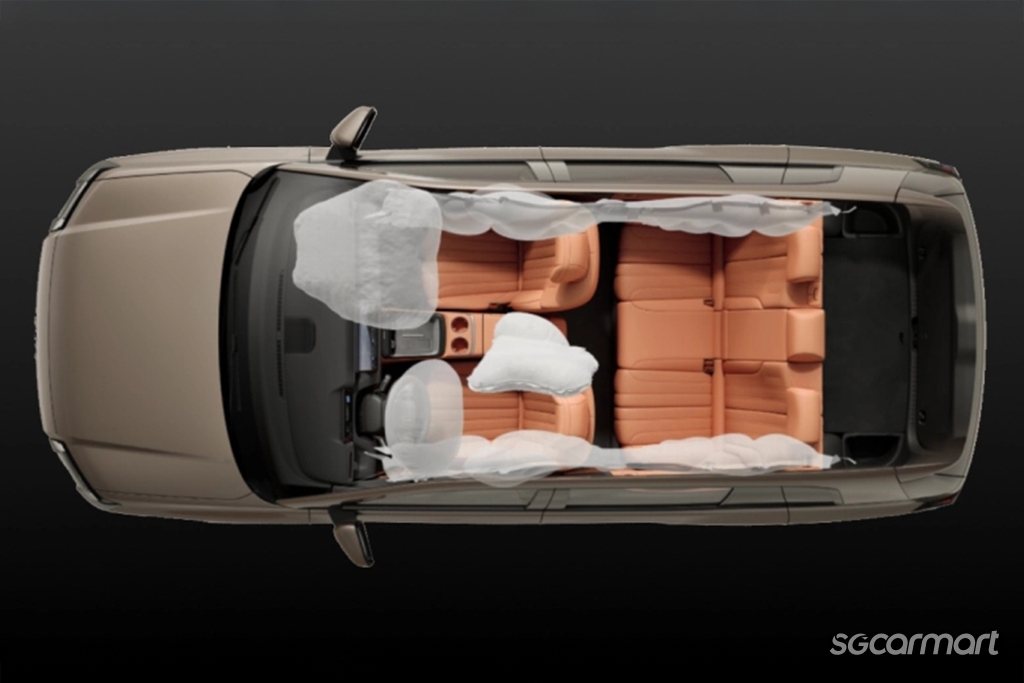
Modern cars tend to be built to be tougher, smarter and safer - regardless their country of origin
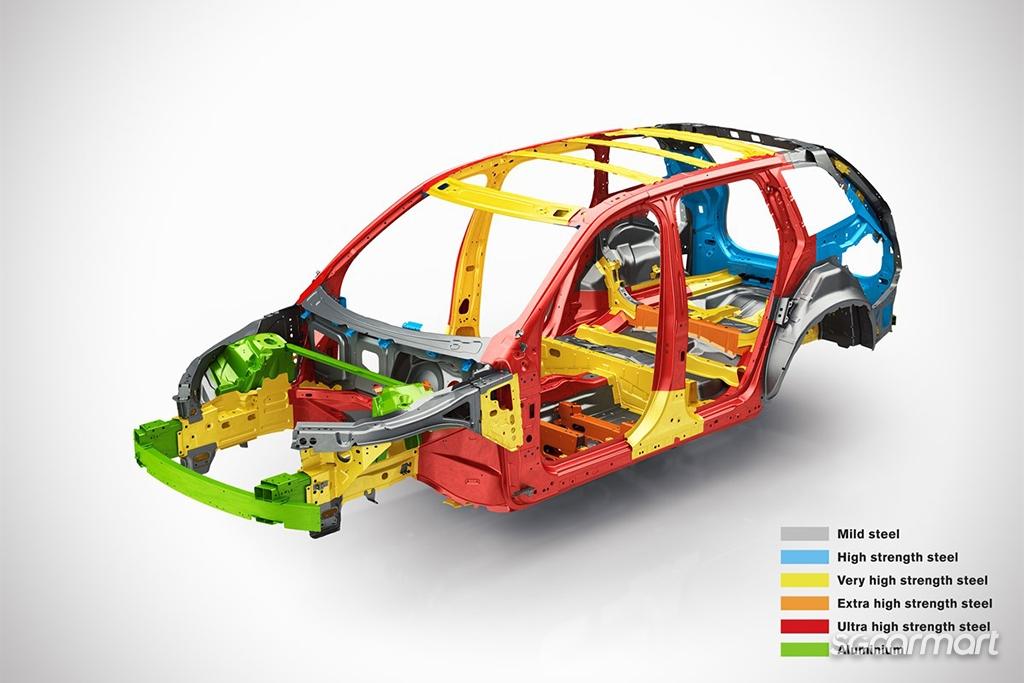
Many modern cars are also built to be tougher, with the use of high strength steel and ultra-high strength steel in their monocoque body construction. With proper engineering, modern cars usually have strong front crash structures that are also able to crumple and absorb the forces in the event of an accident.
Meanwhile the cabin area is usually reinforced and designed to protect the occupants. Cars that fare well in crash tests tend to be those that are well-engineered, and not really a matter of make, model, or country of origin.
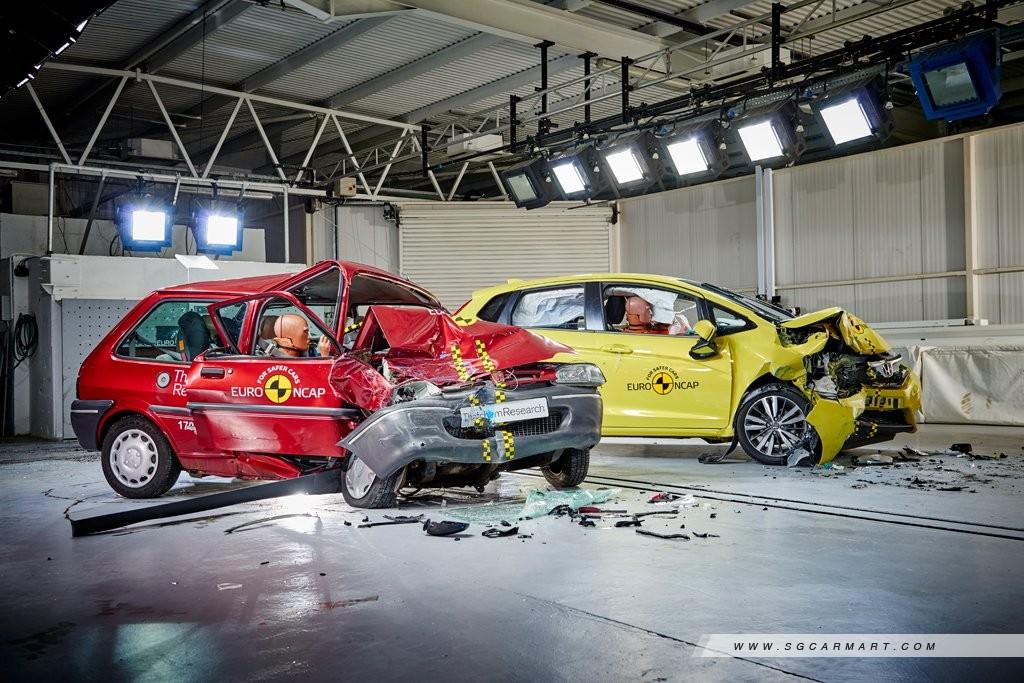
The safety of vehicles are assessed through various safety standards throughout the world. While these standards can differ slightly, the general process is quite similar. Cars are often evaluated by various crash tests to determine the safety of the occupants.
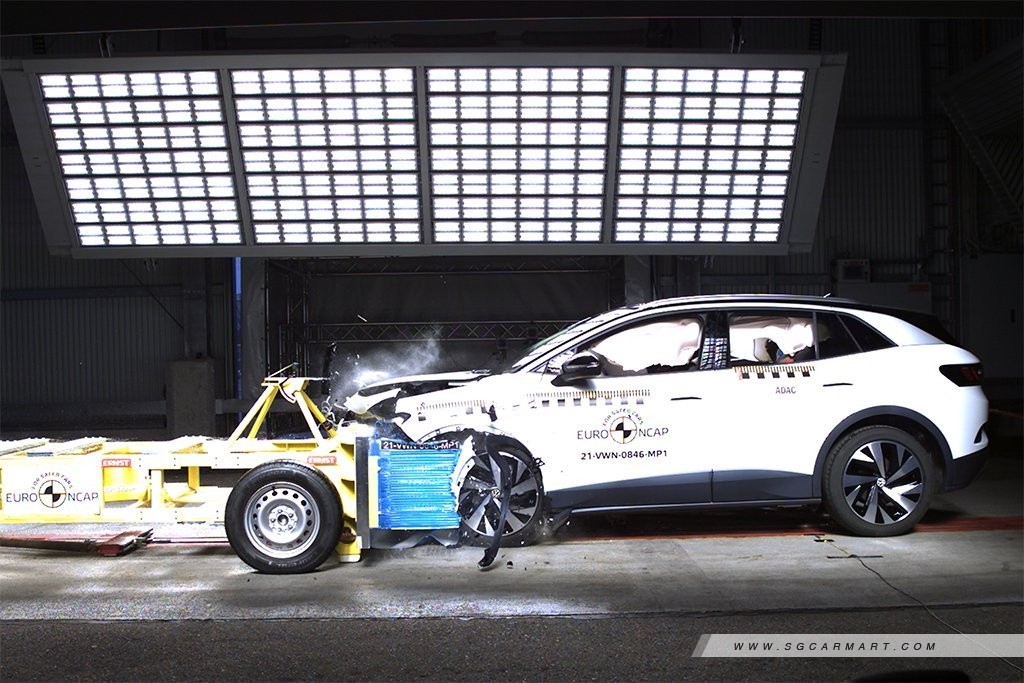
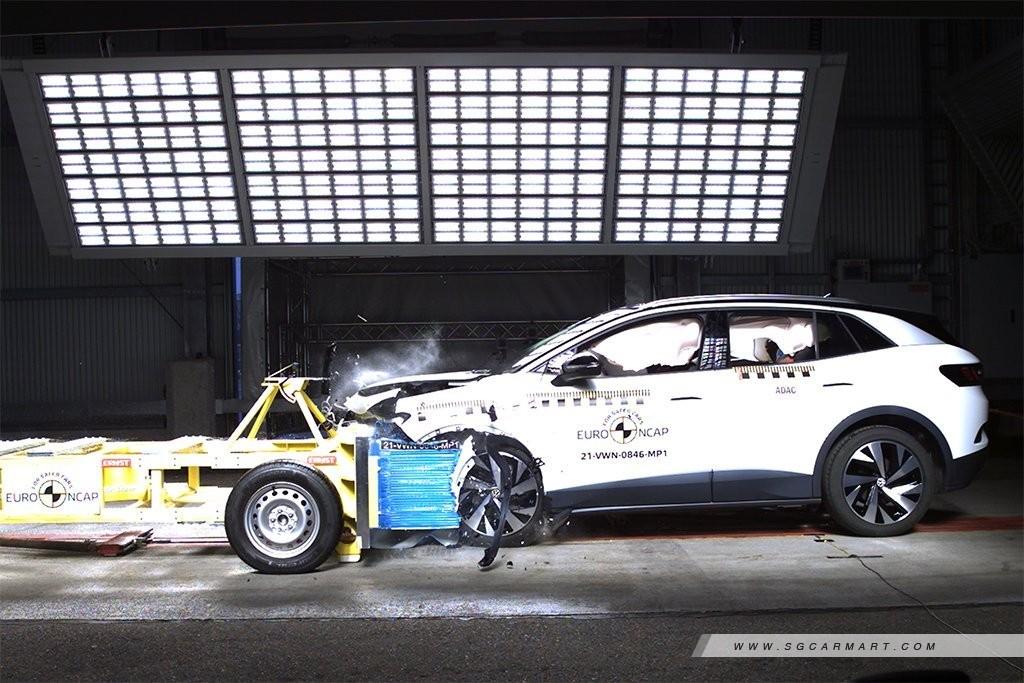
Organisations such as Euro NCAP conducts tests and studies to evaluate the safety of different vehicles
Organisations such as Euro NCAP (European New Car Assessment Programme), ANCAP (Australasian New Car Assessment Program), NHTSA (National Highway Traffic Safety Administration), and IIHS (Insurance Institute for Highway Safety) conducts tests and studies and evaluates the safety of different vehicles. These tests and their results provide car buyers with a good point of reference in terms of the safety of the vehicle that they are interested in.

Sgcarmart
Join the Sgcarmart Community
Become a Community member to enjoy exclusive promos & freebies for you and your car!
Join us on Telegram
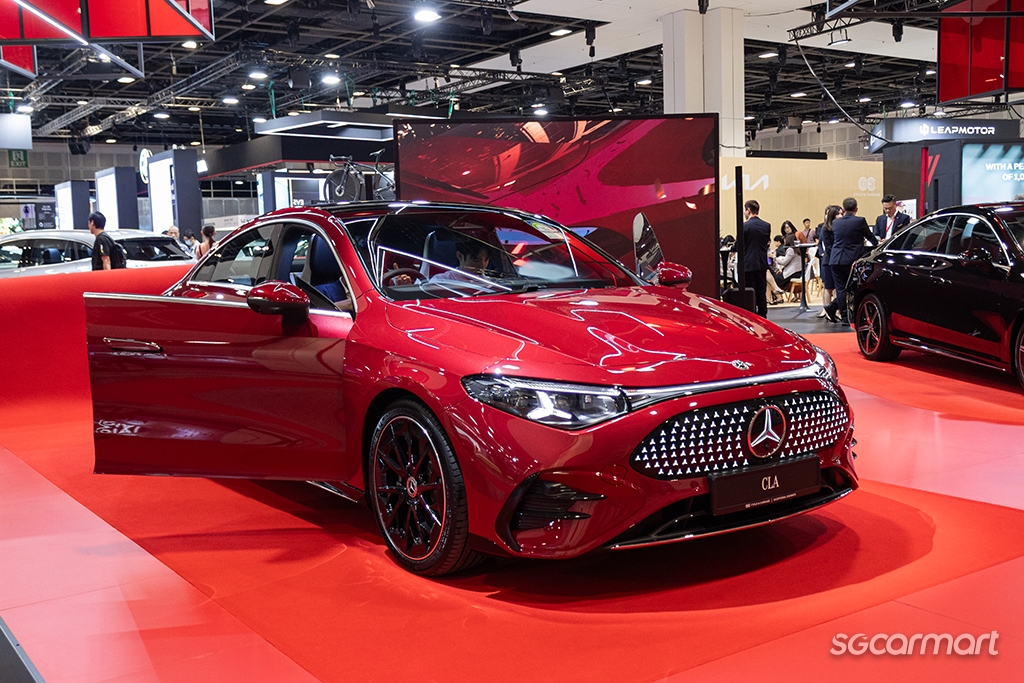
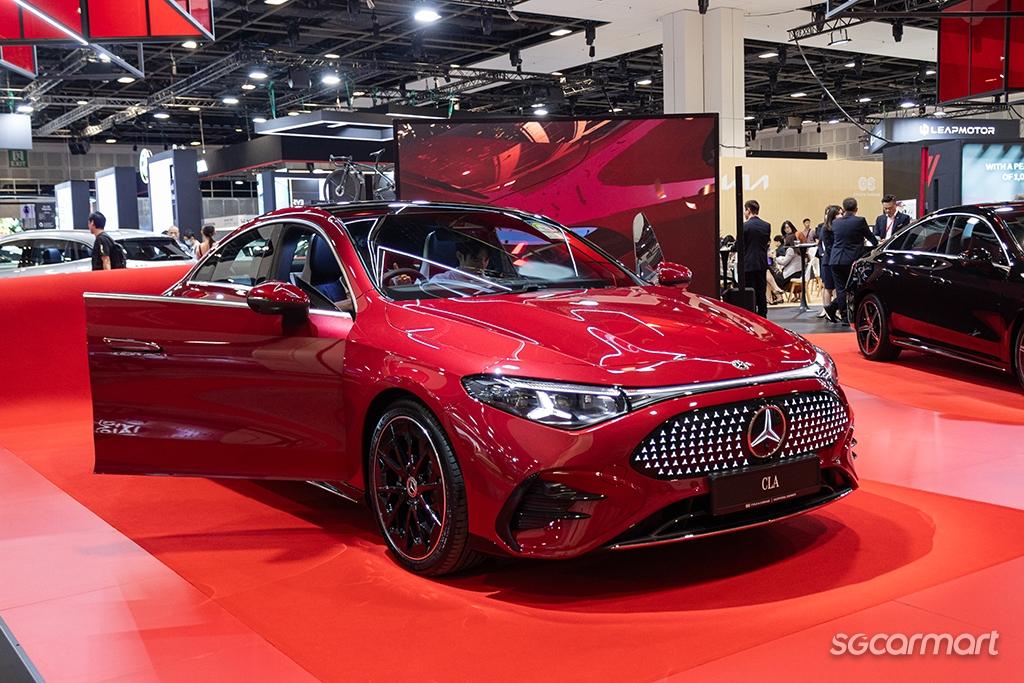
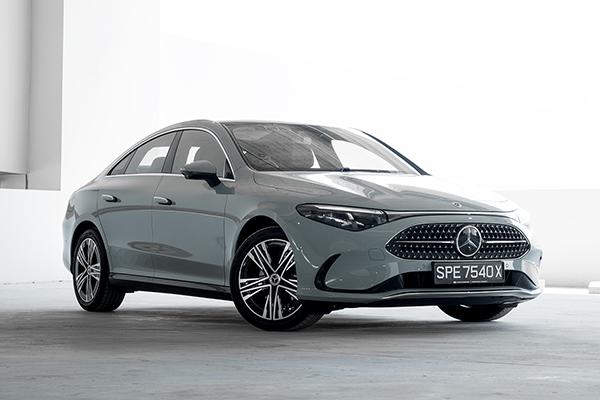
The latest Mercedes-Benz CLA is one of the cars that has achieved a five-star Euro NCAP rating
Are Conti cars necessarily safer?
As can be seen from the list of cars tested by the various organisations, you'll notice a good mix of cars from different manufacturers that fared really well.
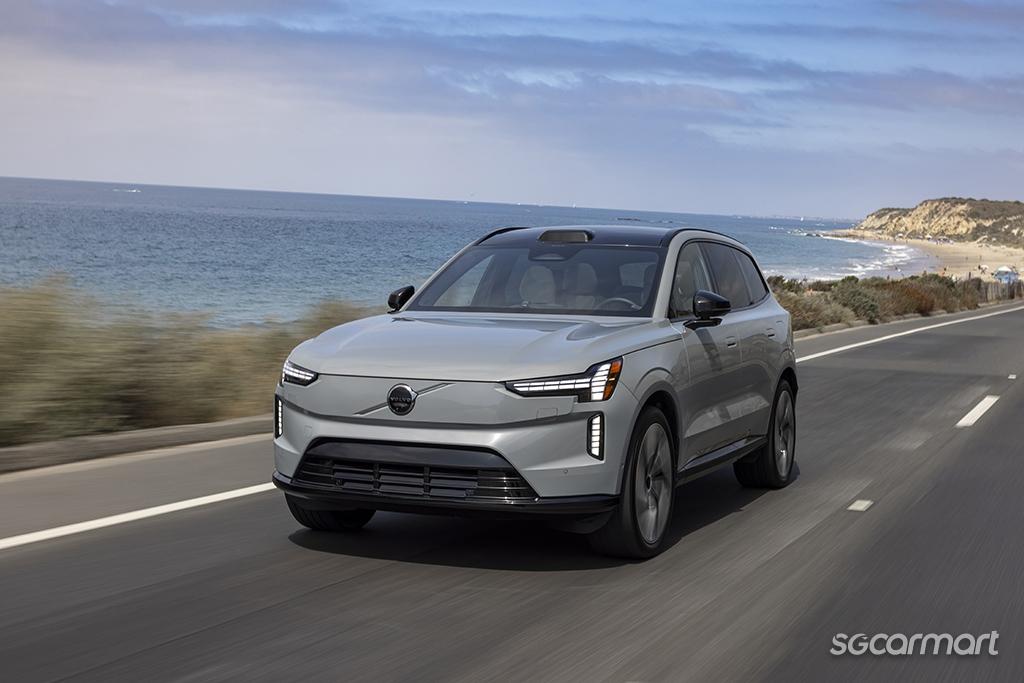
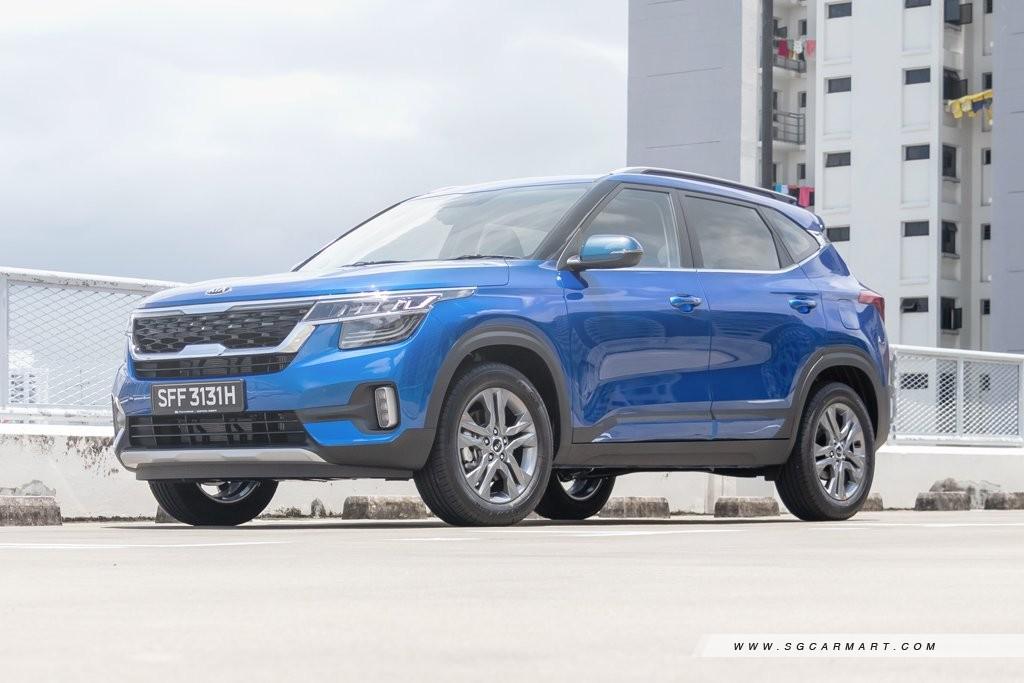
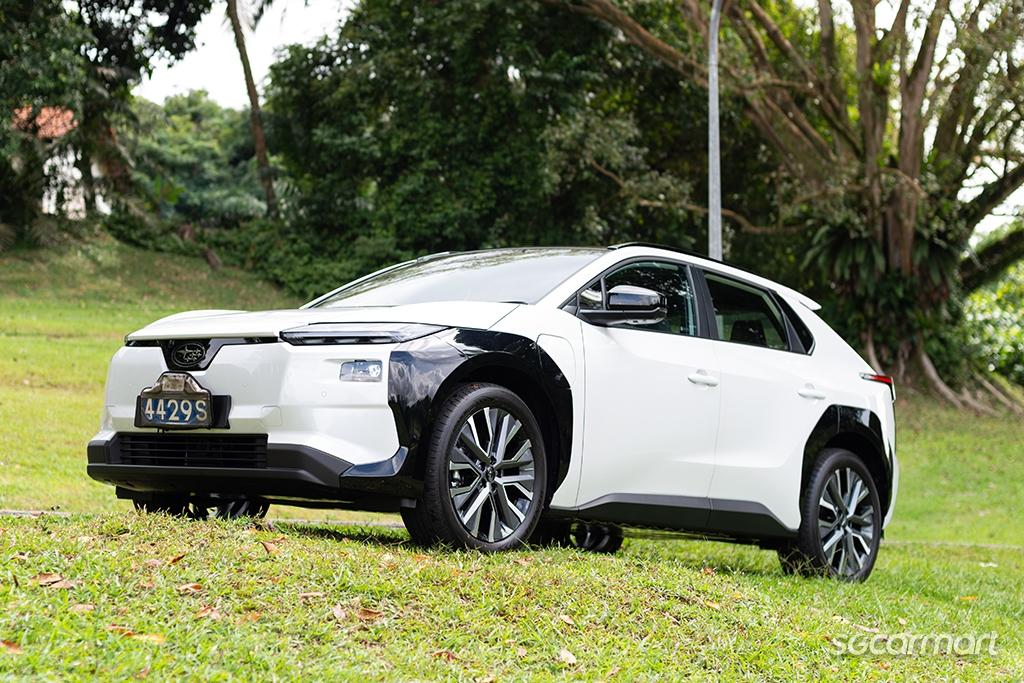
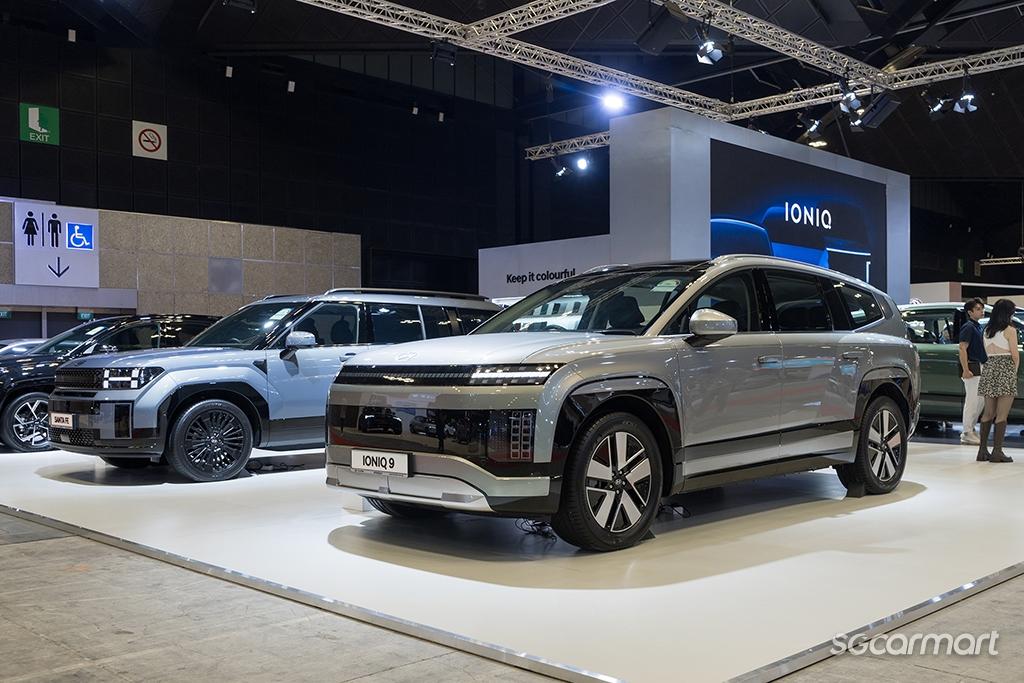
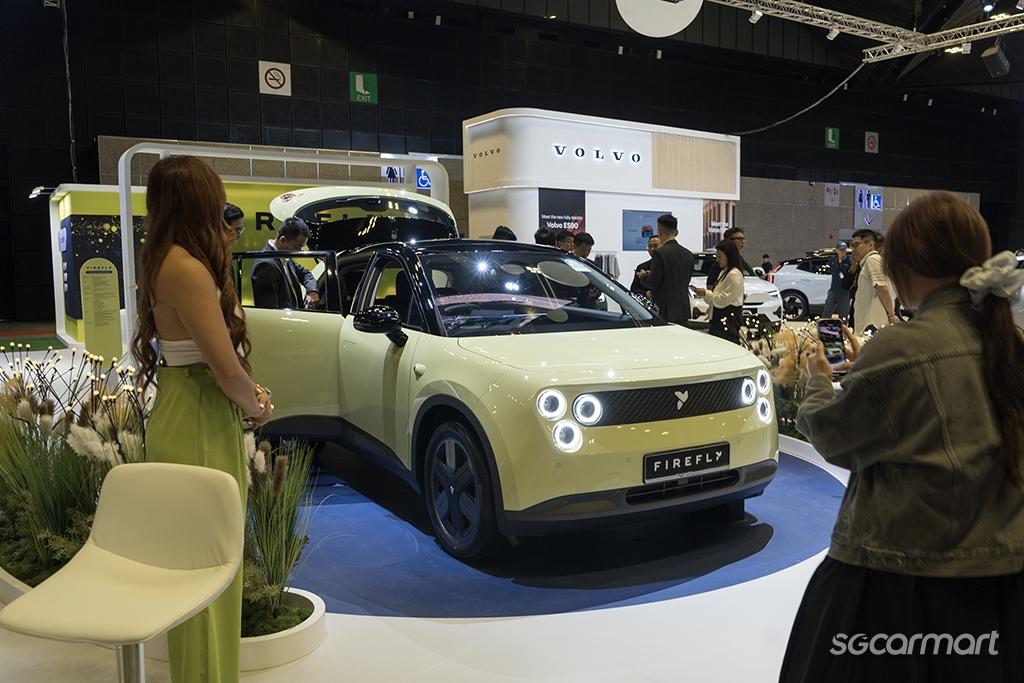
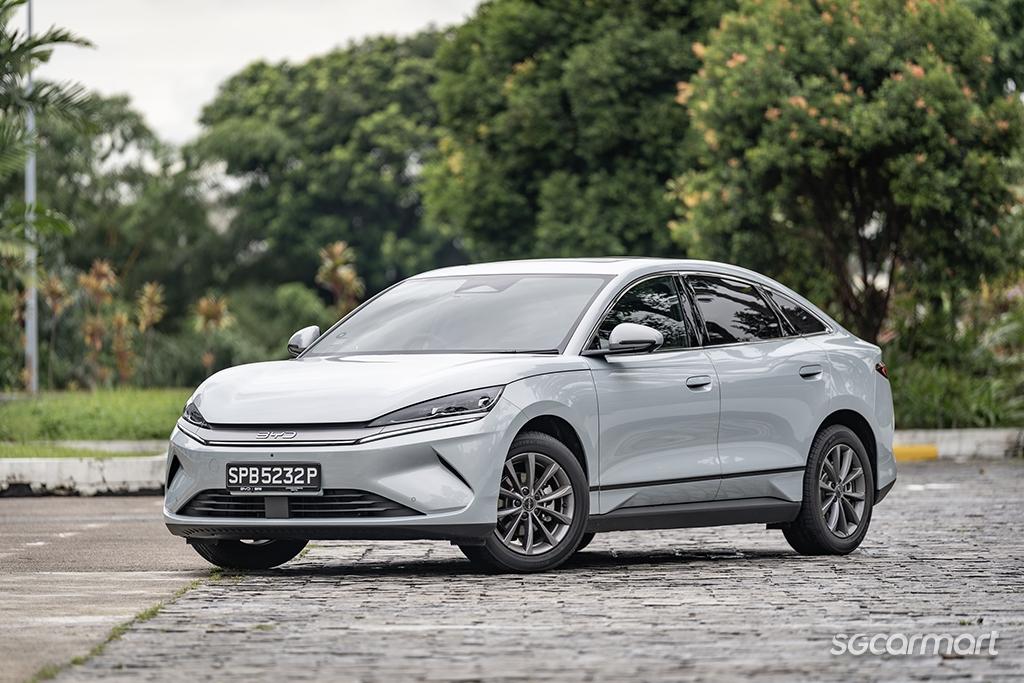
Among the cars that received a five-star Euro NCAP rating in 2025 includes Japanese cars such as the Mazda CX-5, Subaru Solterra, and the Toyota bZ4X, European cars such as the Mercedes-Benz CLA, Volvo EX90 and the Polestar 3, Korean cars such as the Hyundai Ioniq 9, Kia EV5 and EV4, along with Chinese cars such as the Firefly, BYD Seal 6, and Leapmotor B10.
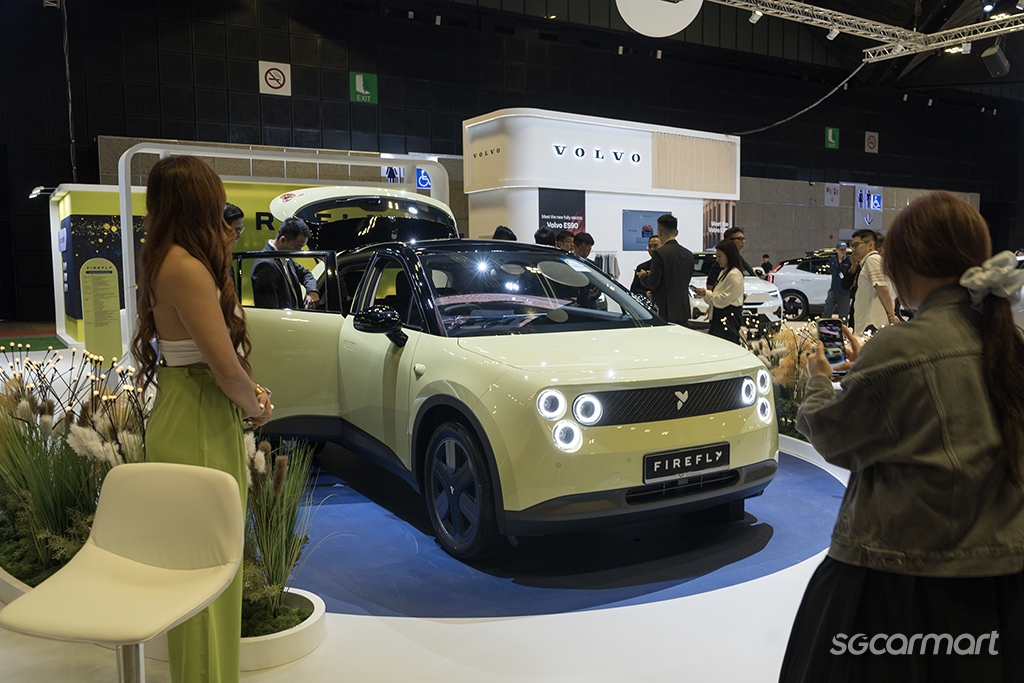
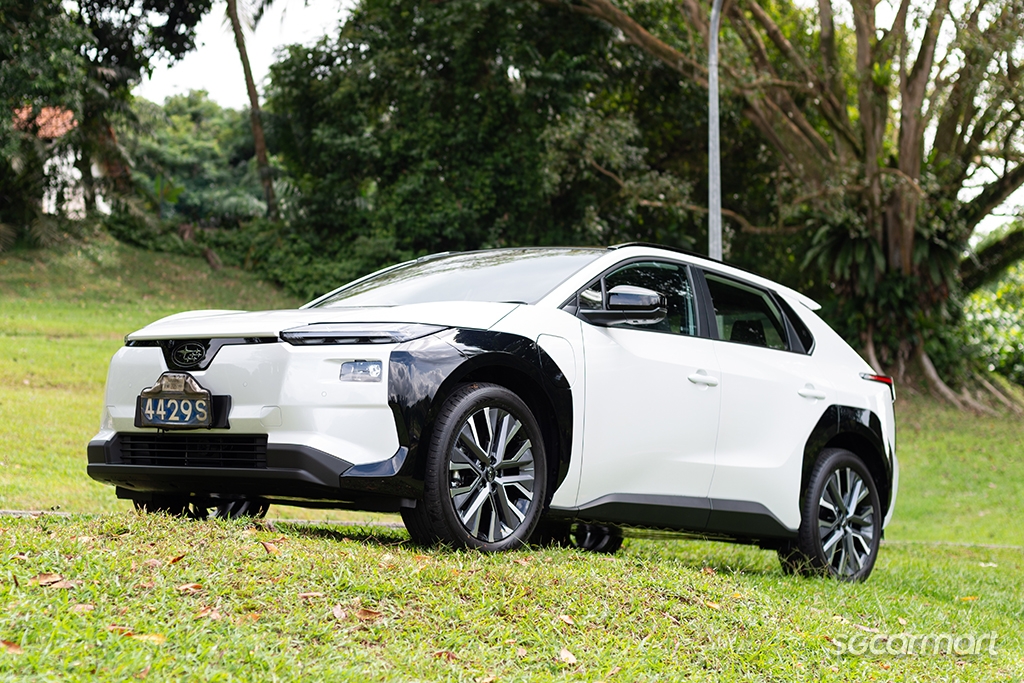
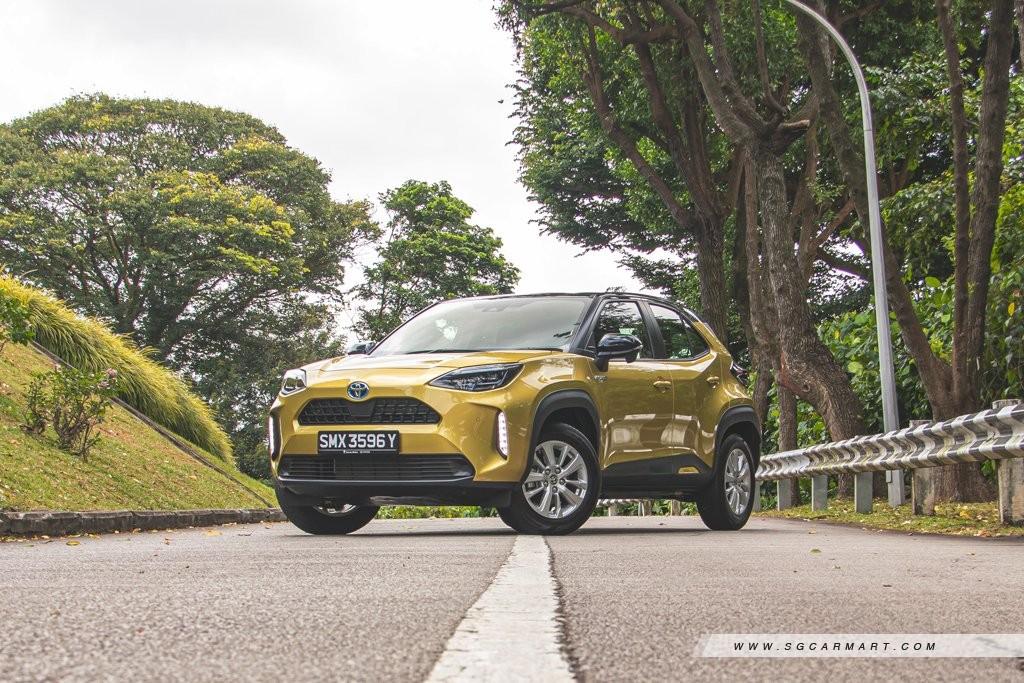
There are also a fair share of Chinese and Japanese cars that has received the maximum amount of stars from Euro NCAP - safe cars are available from various brands and country of manufacture
Take a glance at the 2025 Top Safety Pick cars by IIHS and you'll see a good mix of Japanese, Korean, European and U.S.A made cars - the only ones missing are the Chinese makes. This however, isn't because the cars aren't safe, but rather chalked up to the fact that the IIHS is U.S.A based. Regulatory hurdles, along with the lack of dealer networks meant major Chinese-branded cars aren't really sold there, and aren't tested.
Hence, it isn't necessarily true that Conti, or European cars are always safer than cars made in various regions and areas.
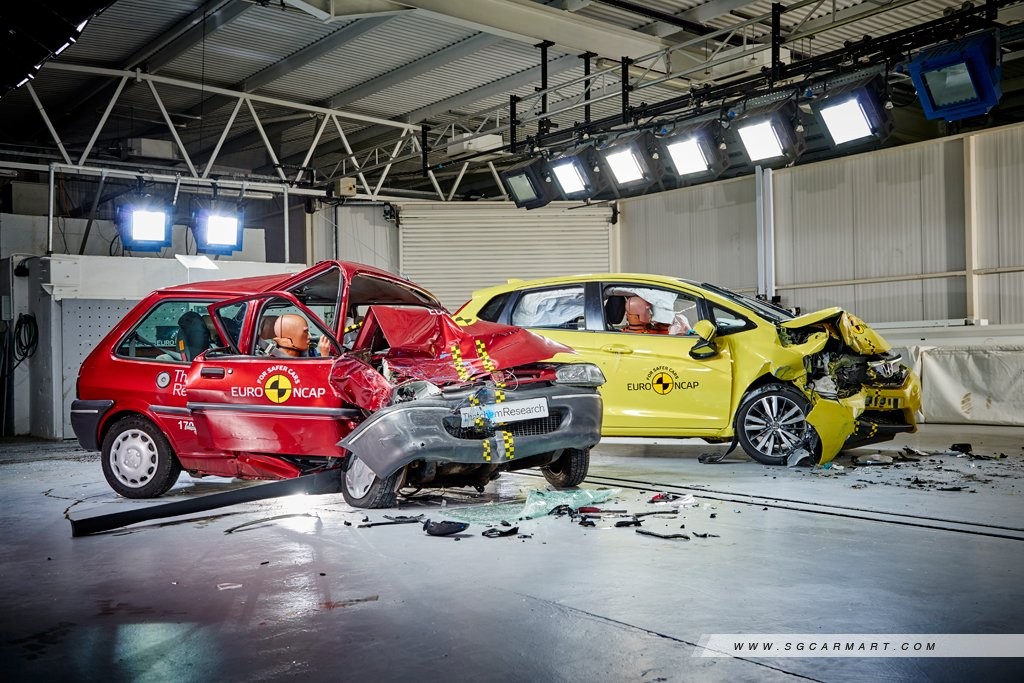
If you want a safe car, you would likely be better off with a new car, regardless of where it is from
So what kind of cars are the safest?
According to NHTSA, it is however, a fact that newer cars are safer than older ones due to technology advancement and improved structural designs. Its data has shown that in 1997, the fatality rate per 100,000 registered vehicles was 17.81 for passenger car. Comparatively, in 2017 it was 10.05 - a substantially lower figure. The improvement of safety is a result of improved occupant protection, use of air bags and crash avoidance technology.
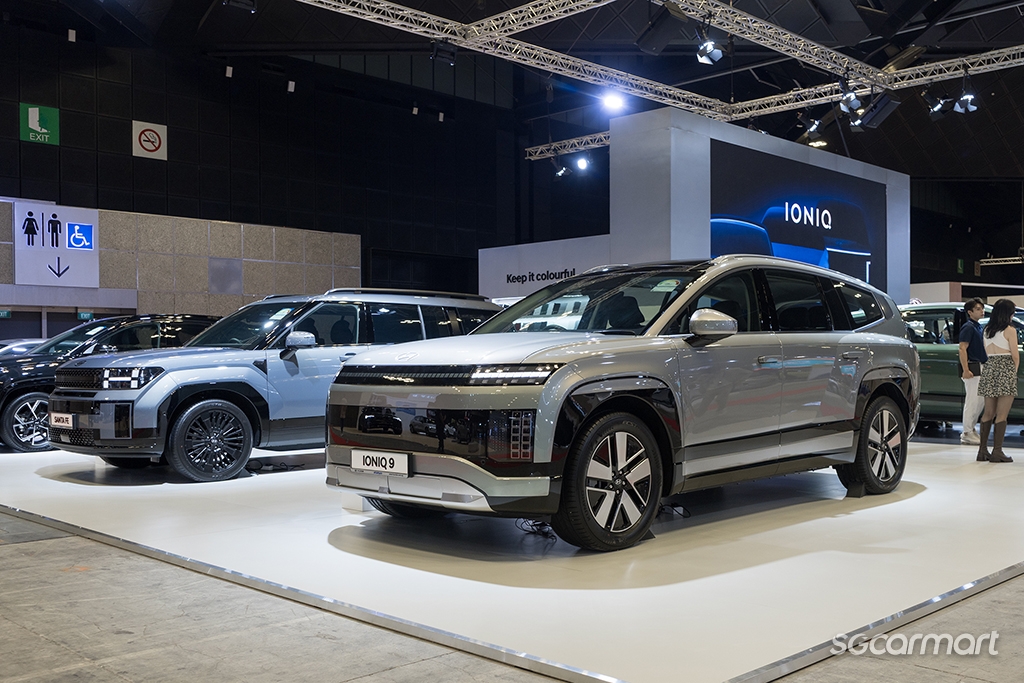
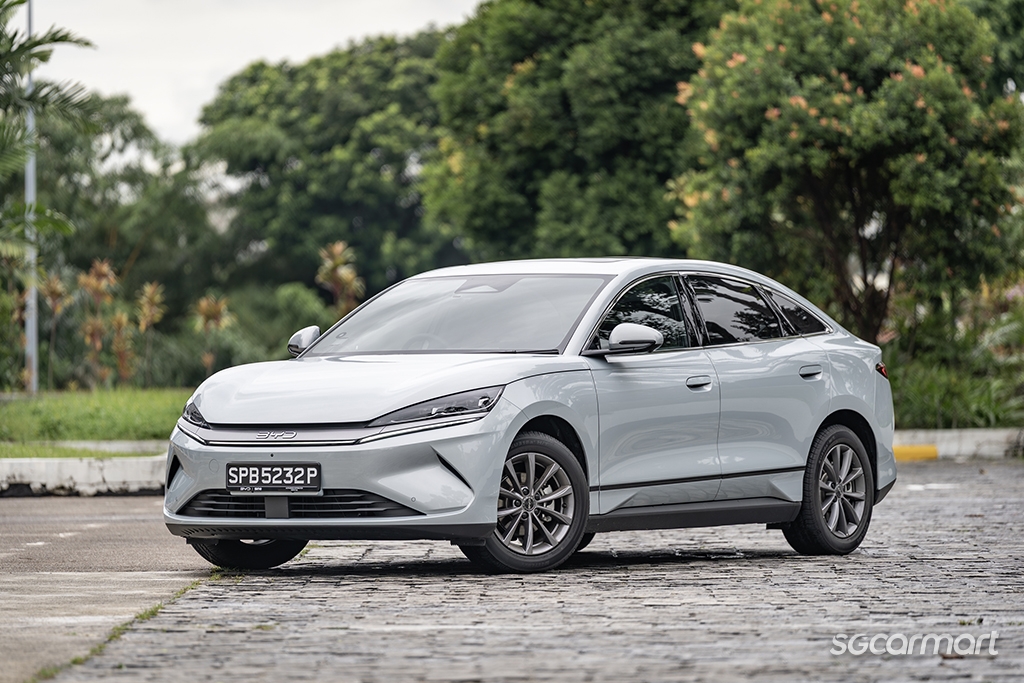
Remember, the safety of a car isn't directly tied to the region where it was manufactured
In some cases, lower priced cars can have a lower safety rating, as safety features such as airbags and crash avoidance technology does add to a car's price. Hence, it is not uncommon for commercial vehicles and other small, budget-oriented choices to fare poorer in safety ratings. An example of a budget-oriented car with poor safety rating is the 2009 Suzuki Alto, a small city car, which only had a Euro NCAP rating of three stars.
So, if safety is a top priority, opting for a new, modern car might be your best bet. Instead of fussing over the country of manufacture, maybe you should spend some extra effort researching on the safety features and safety rating of the car that you are interested in buying.
*This article was updated on 14 January 2026
Sgcarmart
Join the Sgcarmart Community
Become a Community member to enjoy exclusive promos & freebies for you and your car!
- Be the first to enjoy exclusive promos & giveaways
- Enjoy membership perks for Sgcarmart services
Here are some related articles that might interest you
8 of the best European car specialist workshops in East, Singapore
Recommended workshops to improve your car handling and safety
Recommended specialist workshop to handle your Hyundai & Kia cars
You don't need a car workshop for these seven simple routine checks
5 Singapore Parallel Importers that have the biggest variety of cars
With their premium price tags, Conti (typically referring to European-brand) cars mean many things here. On social media platforms, most people who have made it in life are posing with their Conti cars. If your line of work requires you to face clients on a day to day basis, Conti cars would likely be your choice as well.
Conti cars are desirable, and seem to portray an elevated social standing, and it isn't difficult to see why. These cars tend to not only cost more, but also offer more in terms of comfort, luxury and performance - especially so for the higher-end models. And many also believe that these European cars are safer than their Asian counterparts such as the Korean, JDM cars, and the recent Chinese made EVs and new-energy cars, but is that really the case?
The safety of a car is the result of many factors - including the strength and rigidity of the body, as well as equipment such as airbags, and other active safety features
What makes a car safer than another?
The safety of a car is the result of many components, this can include basic equipment such as the head light, airbags and other active safety features such as automatic emergency braking systems, and of course, how the car protects its occupants in a crash.
Modern cars tend to be built to be tougher, smarter and safer - regardless their country of origin
Many modern cars are also built to be tougher, with the use of high strength steel and ultra-high strength steel in their monocoque body construction. With proper engineering, modern cars usually have strong front crash structures that are also able to crumple and absorb the forces in the event of an accident.
Meanwhile the cabin area is usually reinforced and designed to protect the occupants. Cars that fare well in crash tests tend to be those that are well-engineered, and not really a matter of make, model, or country of origin.
The safety of vehicles are assessed through various safety standards throughout the world. While these standards can differ slightly, the general process is quite similar. Cars are often evaluated by various crash tests to determine the safety of the occupants.
Organisations such as Euro NCAP conducts tests and studies to evaluate the safety of different vehicles
Organisations such as Euro NCAP (European New Car Assessment Programme), ANCAP (Australasian New Car Assessment Program), NHTSA (National Highway Traffic Safety Administration), and IIHS (Insurance Institute for Highway Safety) conducts tests and studies and evaluates the safety of different vehicles. These tests and their results provide car buyers with a good point of reference in terms of the safety of the vehicle that they are interested in.
Sgcarmart
Join the Sgcarmart Community
Become a Community member to enjoy exclusive promos & freebies for you and your car!
Join us on Telegram
The latest Mercedes-Benz CLA is one of the cars that has achieved a five-star Euro NCAP rating
Are Conti cars necessarily safer?
As can be seen from the list of cars tested by the various organisations, you'll notice a good mix of cars from different manufacturers that fared really well.
Among the cars that received a five-star Euro NCAP rating in 2025 includes Japanese cars such as the Mazda CX-5, Subaru Solterra, and the Toyota bZ4X, European cars such as the Mercedes-Benz CLA, Volvo EX90 and the Polestar 3, Korean cars such as the Hyundai Ioniq 9, Kia EV5 and EV4, along with Chinese cars such as the Firefly, BYD Seal 6, and Leapmotor B10.
There are also a fair share of Chinese and Japanese cars that has received the maximum amount of stars from Euro NCAP - safe cars are available from various brands and country of manufacture
Take a glance at the 2025 Top Safety Pick cars by IIHS and you'll see a good mix of Japanese, Korean, European and U.S.A made cars - the only ones missing are the Chinese makes. This however, isn't because the cars aren't safe, but rather chalked up to the fact that the IIHS is U.S.A based. Regulatory hurdles, along with the lack of dealer networks meant major Chinese-branded cars aren't really sold there, and aren't tested.
Hence, it isn't necessarily true that Conti, or European cars are always safer than cars made in various regions and areas.
If you want a safe car, you would likely be better off with a new car, regardless of where it is from
So what kind of cars are the safest?
According to NHTSA, it is however, a fact that newer cars are safer than older ones due to technology advancement and improved structural designs. Its data has shown that in 1997, the fatality rate per 100,000 registered vehicles was 17.81 for passenger car. Comparatively, in 2017 it was 10.05 - a substantially lower figure. The improvement of safety is a result of improved occupant protection, use of air bags and crash avoidance technology.
Remember, the safety of a car isn't directly tied to the region where it was manufactured
In some cases, lower priced cars can have a lower safety rating, as safety features such as airbags and crash avoidance technology does add to a car's price. Hence, it is not uncommon for commercial vehicles and other small, budget-oriented choices to fare poorer in safety ratings. An example of a budget-oriented car with poor safety rating is the 2009 Suzuki Alto, a small city car, which only had a Euro NCAP rating of three stars.
So, if safety is a top priority, opting for a new, modern car might be your best bet. Instead of fussing over the country of manufacture, maybe you should spend some extra effort researching on the safety features and safety rating of the car that you are interested in buying.
*This article was updated on 14 January 2026
Sgcarmart
Join the Sgcarmart Community
Become a Community member to enjoy exclusive promos & freebies for you and your car!
- Be the first to enjoy exclusive promos & giveaways
- Enjoy membership perks for Sgcarmart services
Here are some related articles that might interest you
8 of the best European car specialist workshops in East, Singapore
Recommended workshops to improve your car handling and safety
Recommended specialist workshop to handle your Hyundai & Kia cars
You don't need a car workshop for these seven simple routine checks
5 Singapore Parallel Importers that have the biggest variety of cars


All Advice Categories
Related Motor Directory Categories


Tags
Products & Services

For Owners
Quick Links
About Sgcarmart