Firefly First Drive Review
28 Nov 2025|5,302 views





What We Like
Unique and consistent design
Spacious and user-friendly interior
Relatively large boot
Punchy powertrain
Agile handling
What We Dislike
Backseat better for two instead of three
Needs a larger battery and more range
Could use more sound insulation
Chinese carmaker NIO needs a larger scale to be profitable, so it cannot rely on a single brand alone. It launched Onvo, which has family-oriented models, as a counterpart to NIO's executive offerings. But NIO also wants to showcase its penchant for design by producing an iconic model.
Enter Firefly, the lone model from its new, namesake sub-brand. NIO says it wants the premium compact hatchback to eventually be held in the same regard as MINI.
Firefly was unveiled in December 2024, and the namesake model debuted in April 2025. Since then, around 30,000 units have been sold. Should rivals be worried?
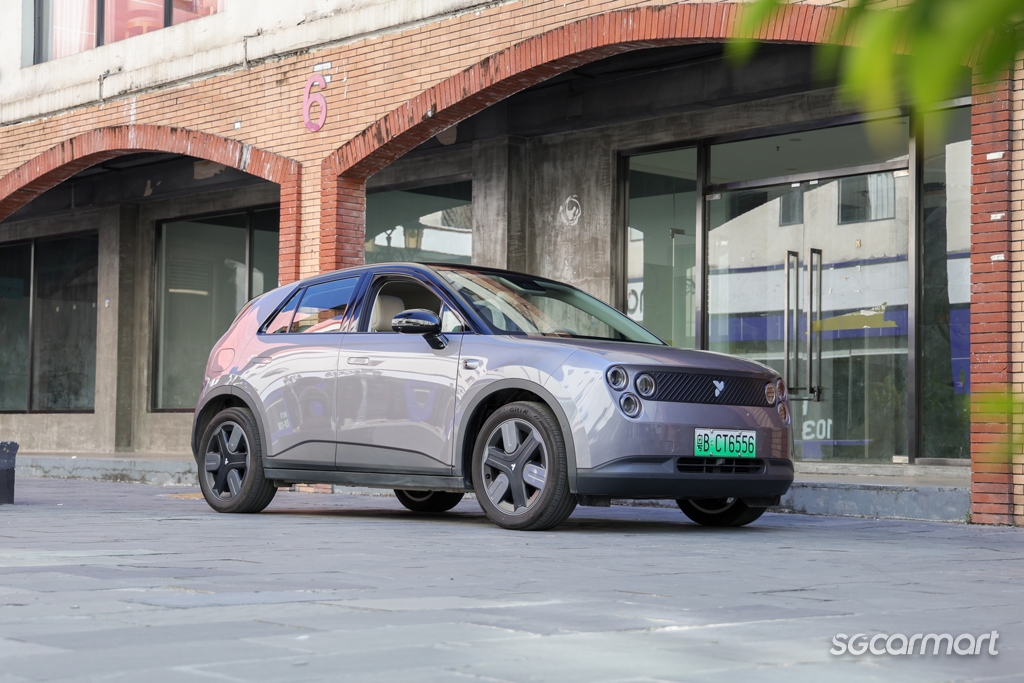
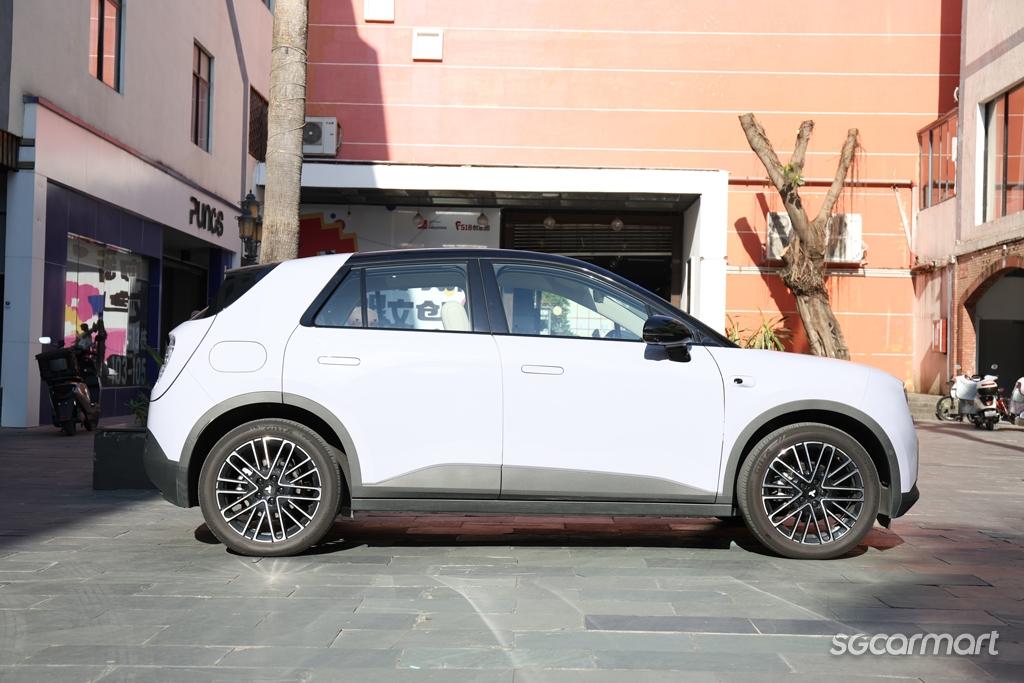
The attention to detail is obvious - even the door handles and charging port cover are pill-shaped
A design story
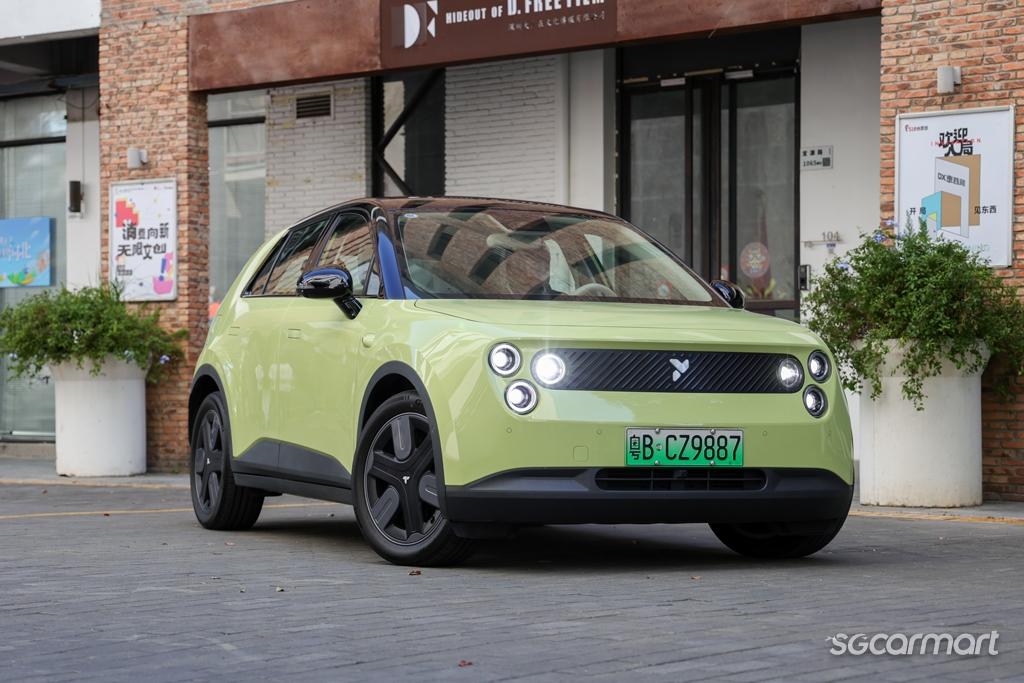
The Firefly's head lights are something that you'll either love or hate because they resemble the camera lens array of an iPhone. The circular shapes are complemented by the oblong/pill shaped plinth (or grille, if you prefer) that connects one side to the other.
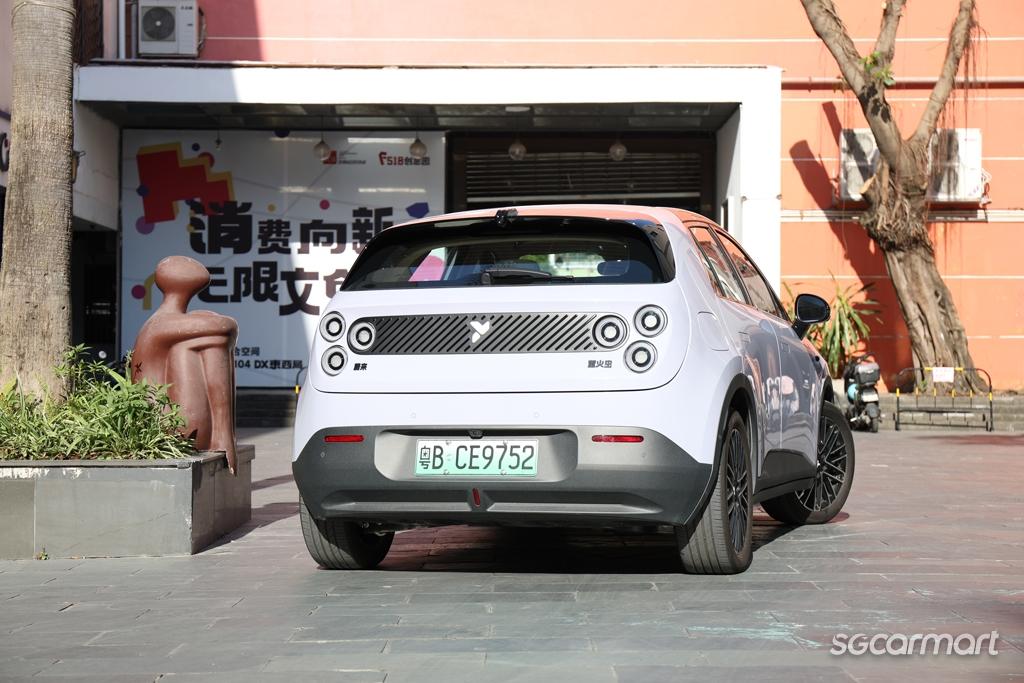
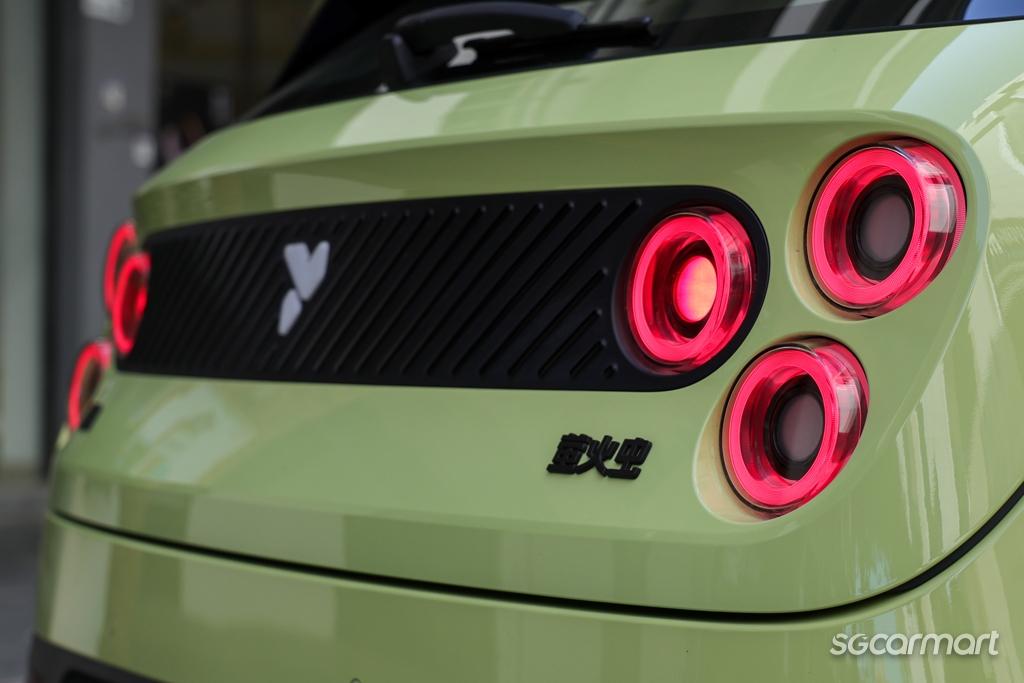
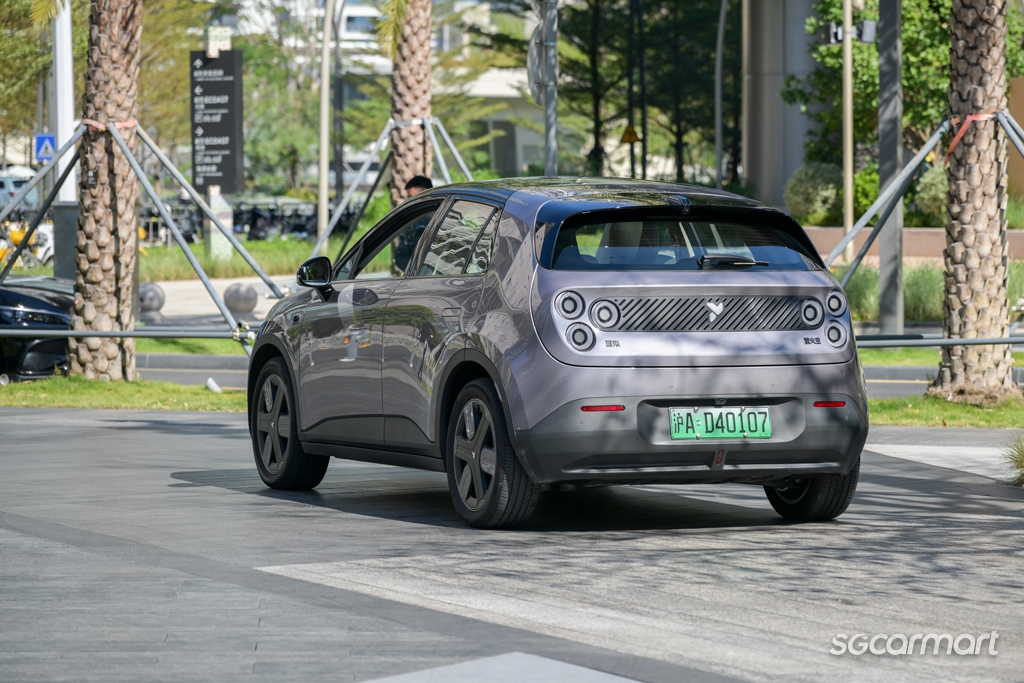
This design is repeated at the rear, and Firefly offers optional plinths with cute graphics that owners can swap to. The Firefly's designer, Mr Kris Tomaason, highlights how the rear end features a 'dynamic hoop' that further distinguishes the car.
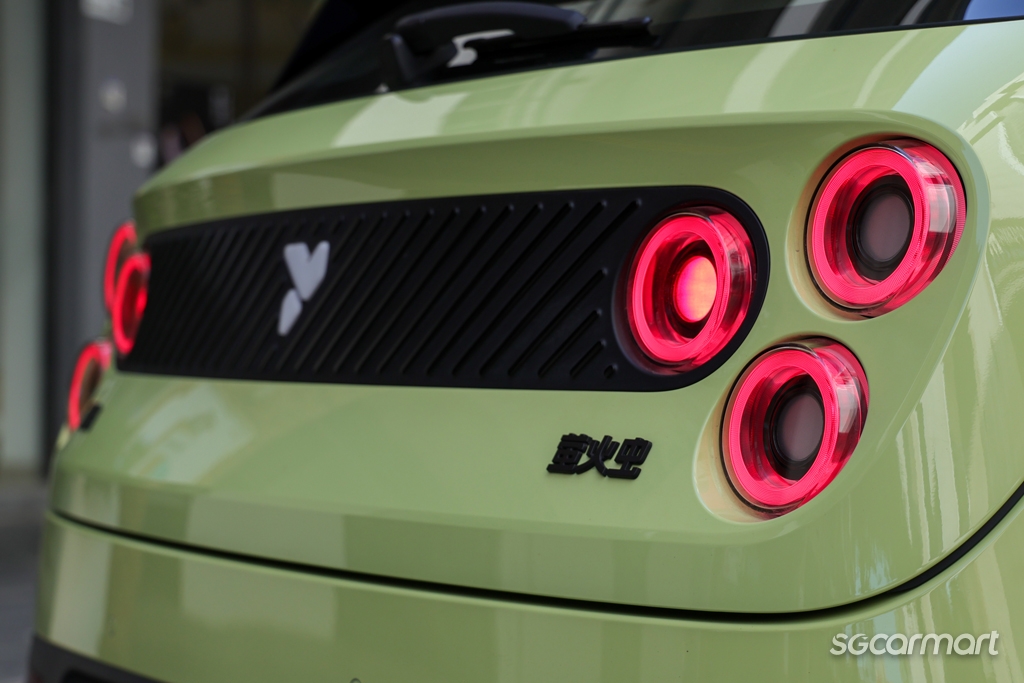
Singapore-bound cars will not have any badges, except for the Firefly symbol
Despite some criticism about the headlamps and taillights, Mr Tomaason says most of the feedback is positive. In particular, the Firefly's unique looks make it instantly recognisable, unlike many other Chinese EVs that seem to look alike.
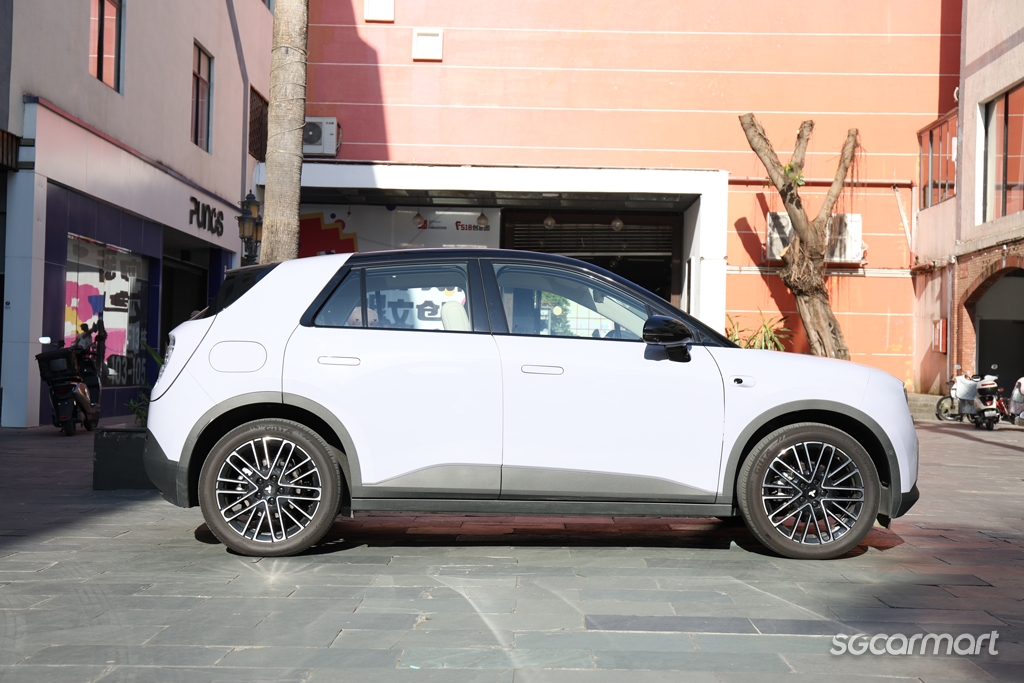
The Firefly is around the size of a MINI Aceman, measuring 4,003mm long, 1,781mm wide, and 1,557mm tall. Its 2,615mm wheelbase is 9mm longer than the Aceman's. Both front and rear overhangs have been minimised as well, giving the car a sporty stance.
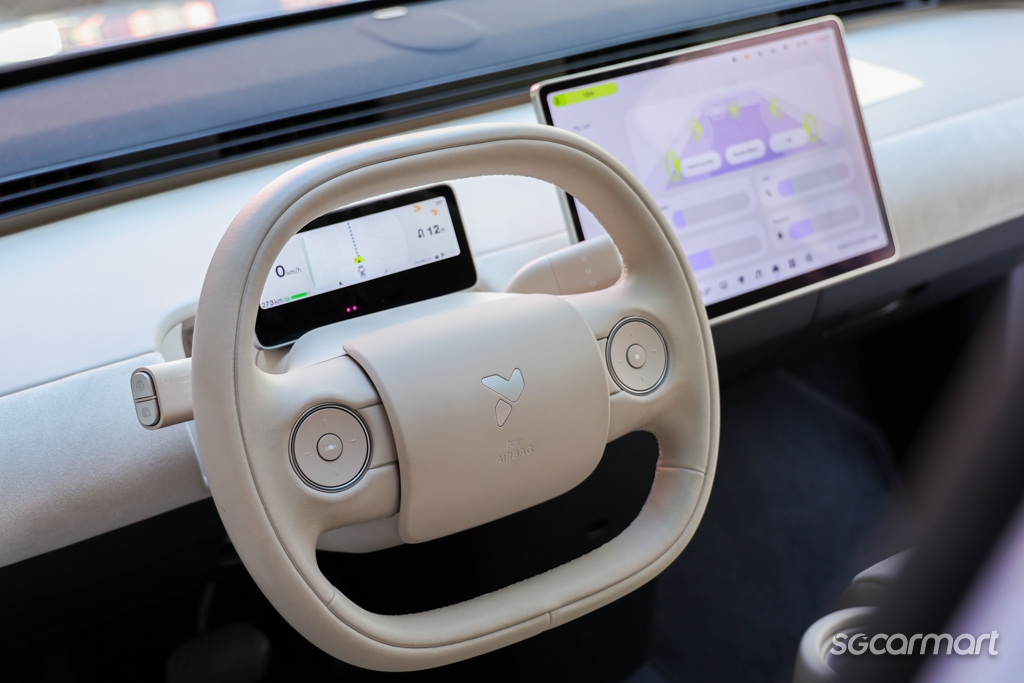
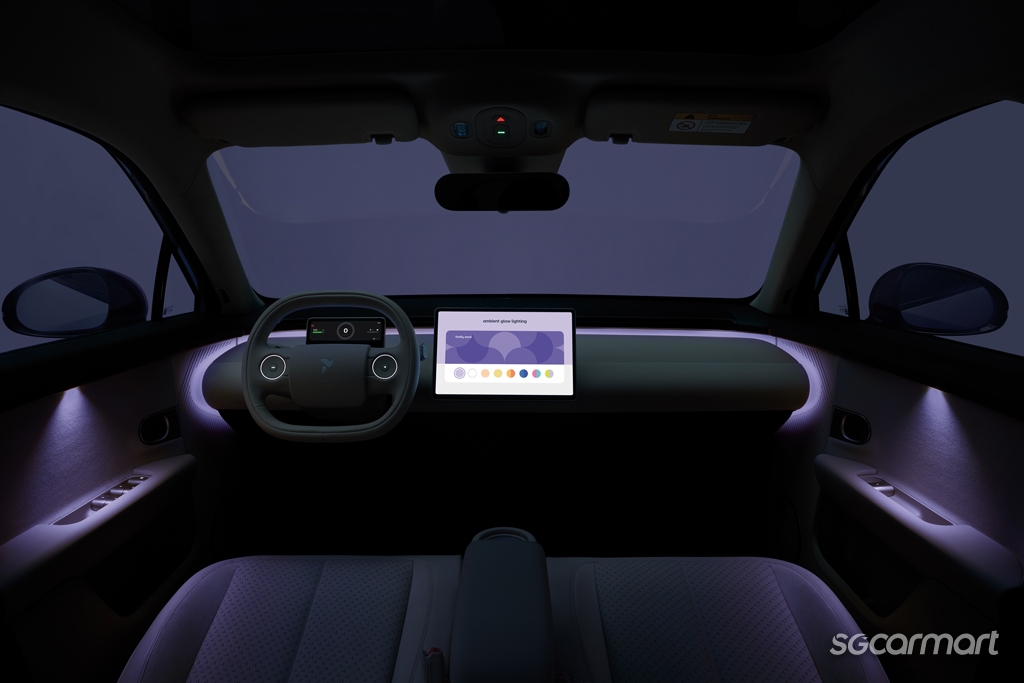
The oval shapes are found throughout the interior, and there's an ambient lighting system with no less than 256 colours to suit your mood
An expansive interior
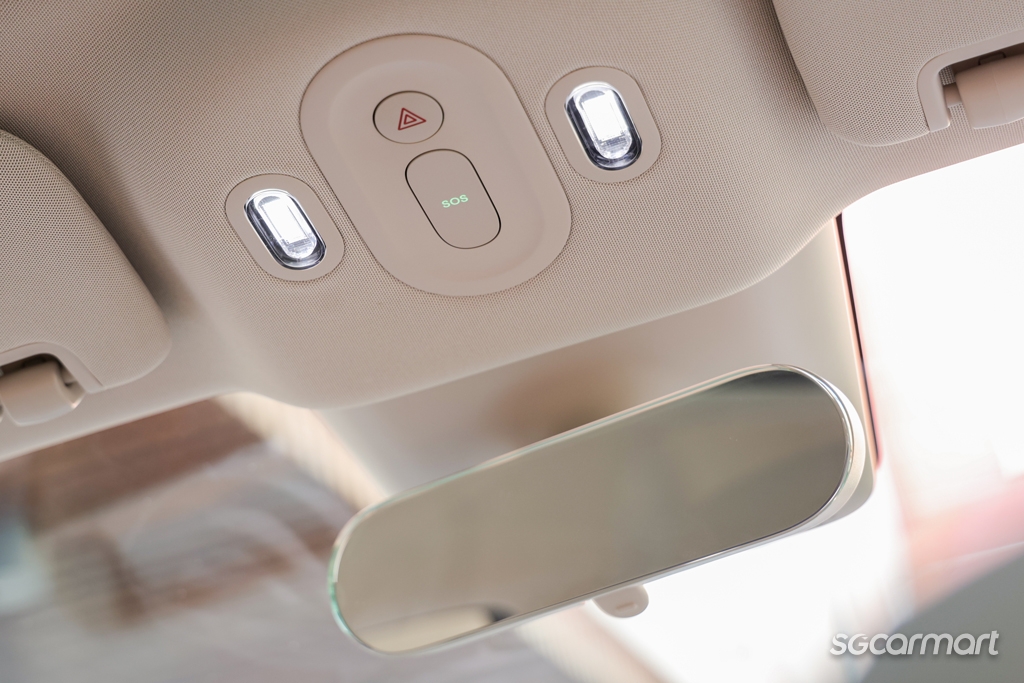
As expected, the cockpit is neat and minimalist, with the steering wheel hosting the only physical buttons. The real surprise here is how consistently the design is implemented: There are 33 oblong/pill-shaped components in the cabin, ranging from the steering wheel to the indicator stalks to the door handles to the rearview mirror.
Aesthetics aside, the Firefly is also user-friendly and convenient. It's easy to figure out the infotainment because the functions require no more than two taps to activate, and there are two-finger swipe shortcuts as well. You can also ask Lumo, the voice-activated assistant, to adjust the air-con temperature, close the windows, or even find songs.
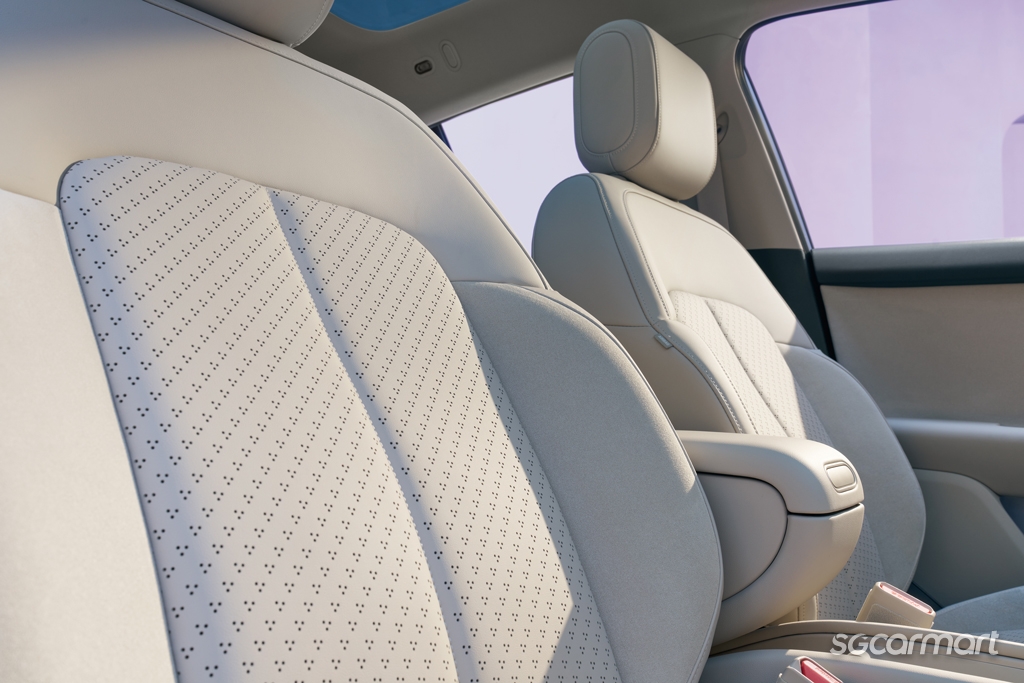
The attention to detail is impressive: Even the seat perforations mimic the head light cluster
For convenience, there are a variety of storage points, including a pull-out bin from the front of the centre console. Firefly even took a page out of Honda's playbook by implementing their own version of the Japanese carmaker's Ultra seats.
However, unlike Ultra seats, wherein both the left and right squabs can be flipped upwards, in the Firefly Comfort only the right side of the backseat can be flipped forward to reveal a 29-litre storage point.
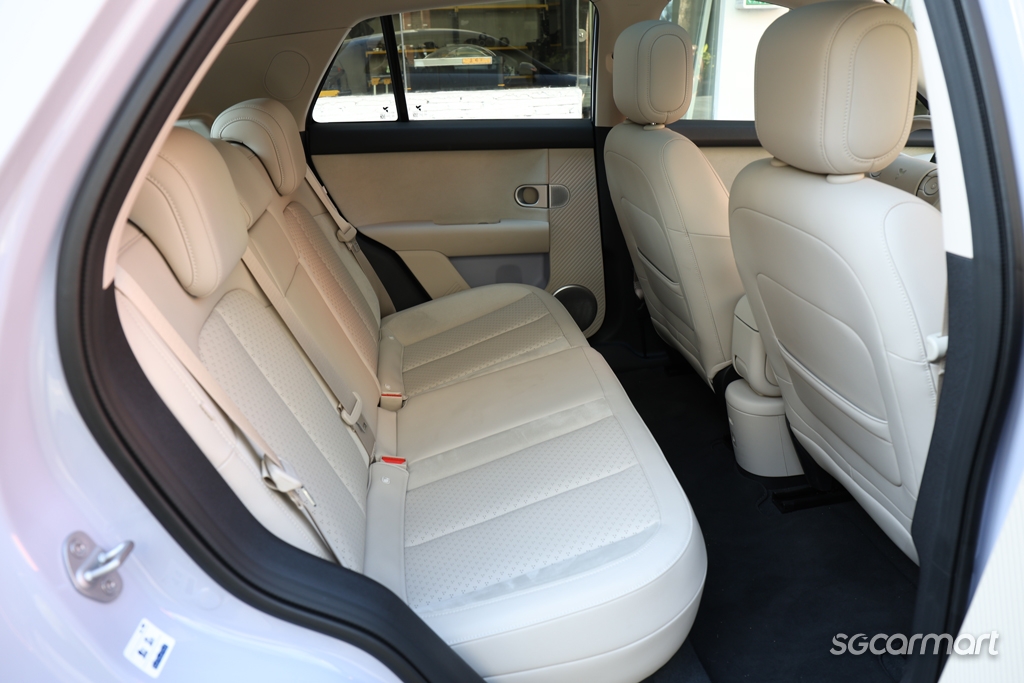
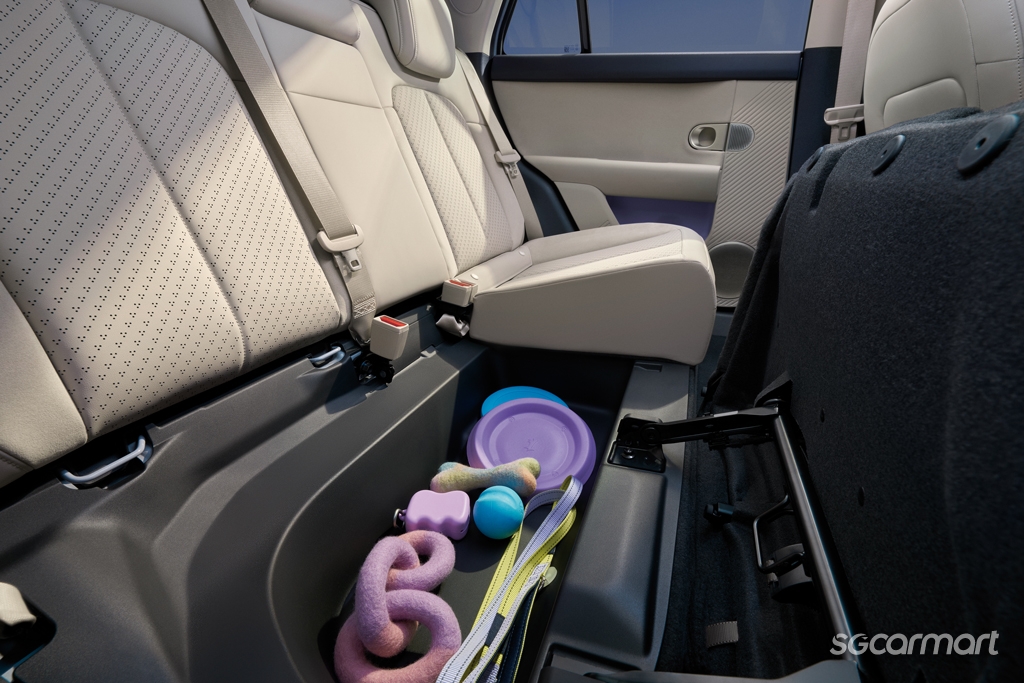
The backseat is more ideal for two instead of three adults, who will definitely be rubbing elbows
Another versatile addition are the magnetic points in the cabin where you can attach optional components sold by Firefly. This further enhances the interior's versatility.
Because the Firefly is relatively narrow, its backseat is better for two instead of three adults. The backrests are also relatively short, requiring you to raise the headrests to sit comfortably. That said, legroom is decent and headroom is good, despite the panoramic roof.
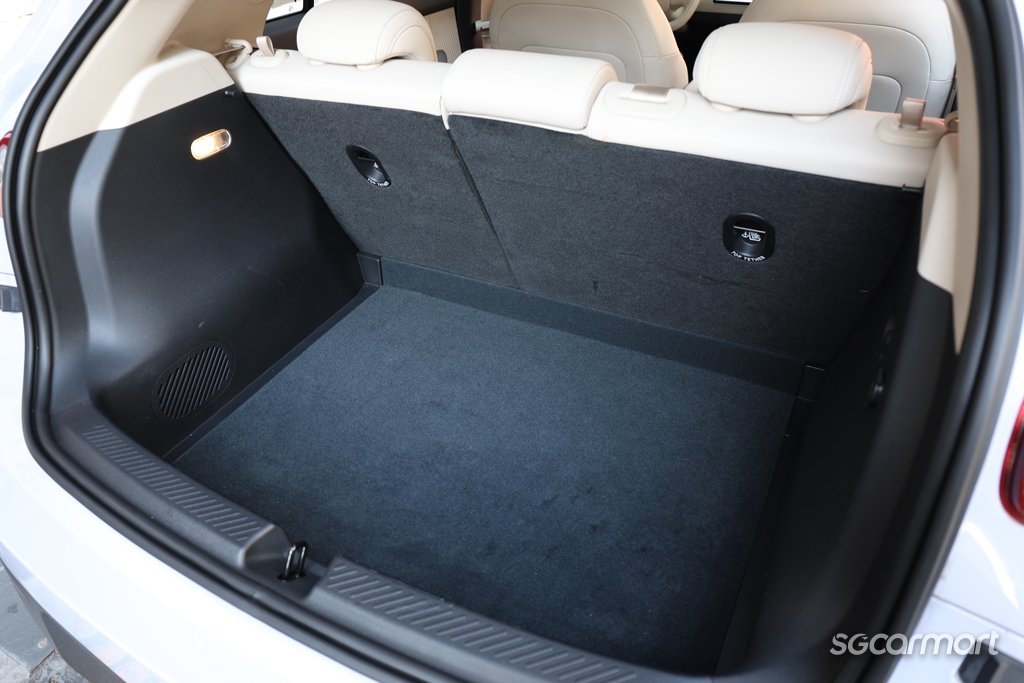
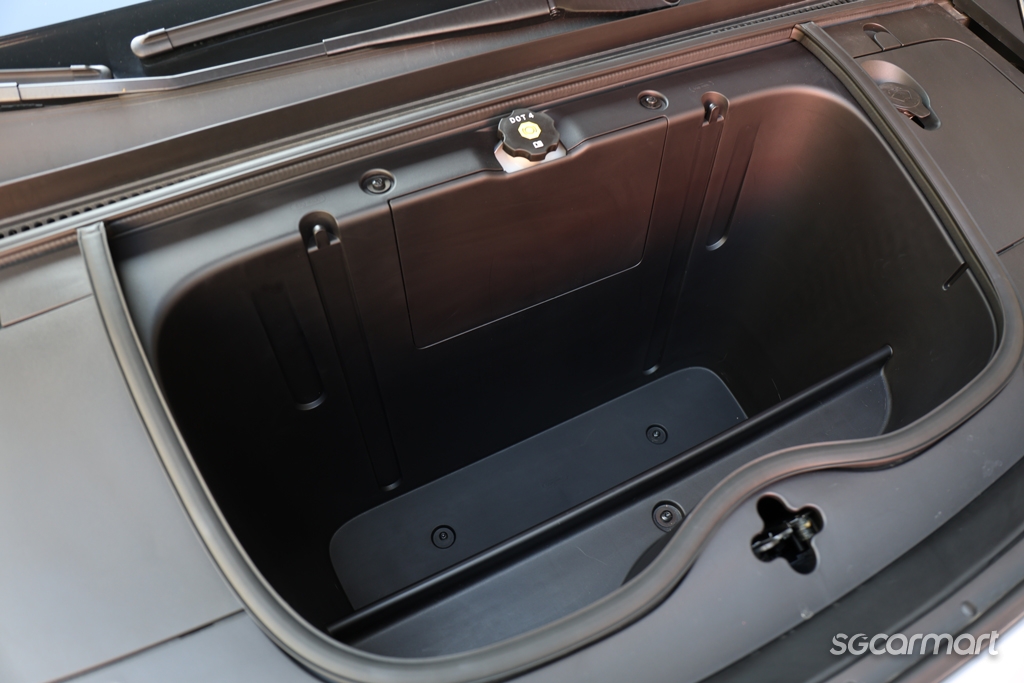
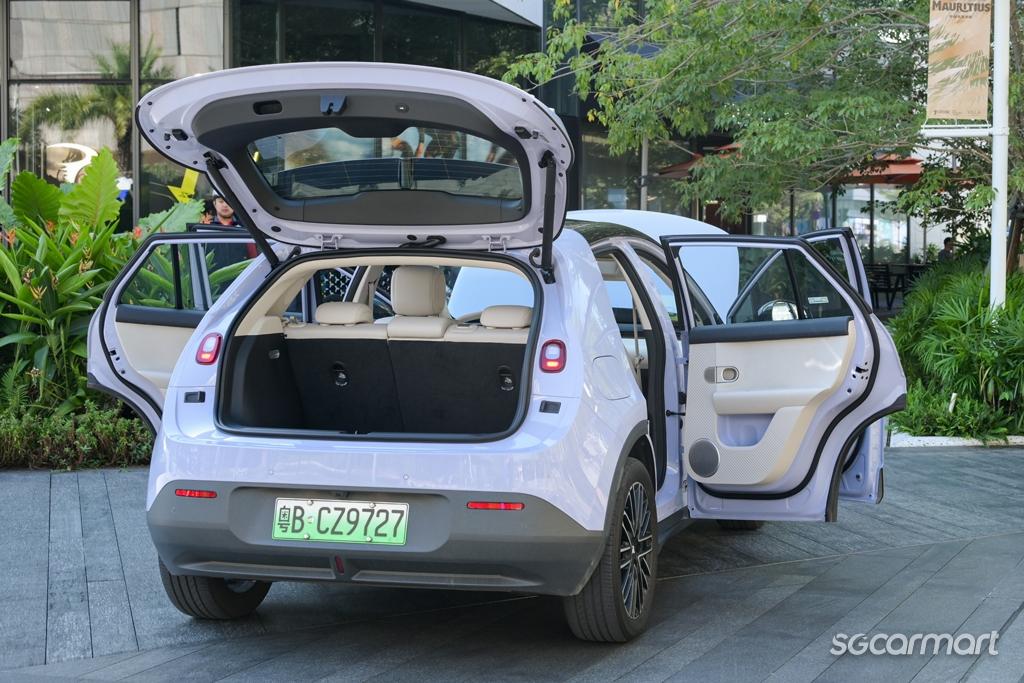
Apart from the 335-litre boot, the Firefly also has a huge 92-litre frunk with a drain plug that allows users to wash it as needed
Boot space is also generous considering the hatchback's size. Capacity is 335 litres with the rear seats in place, and 1,250 litres once they're folded.
The Firefly is available in two versions: Select, and Comfort. But nearly all Fireflies sold are the Comfort variant, because in China, it only costs about 6,000 yuan more (S$1,102.08 at time of writing) and comes with the panoramic sunroof and a nicer wheel design.
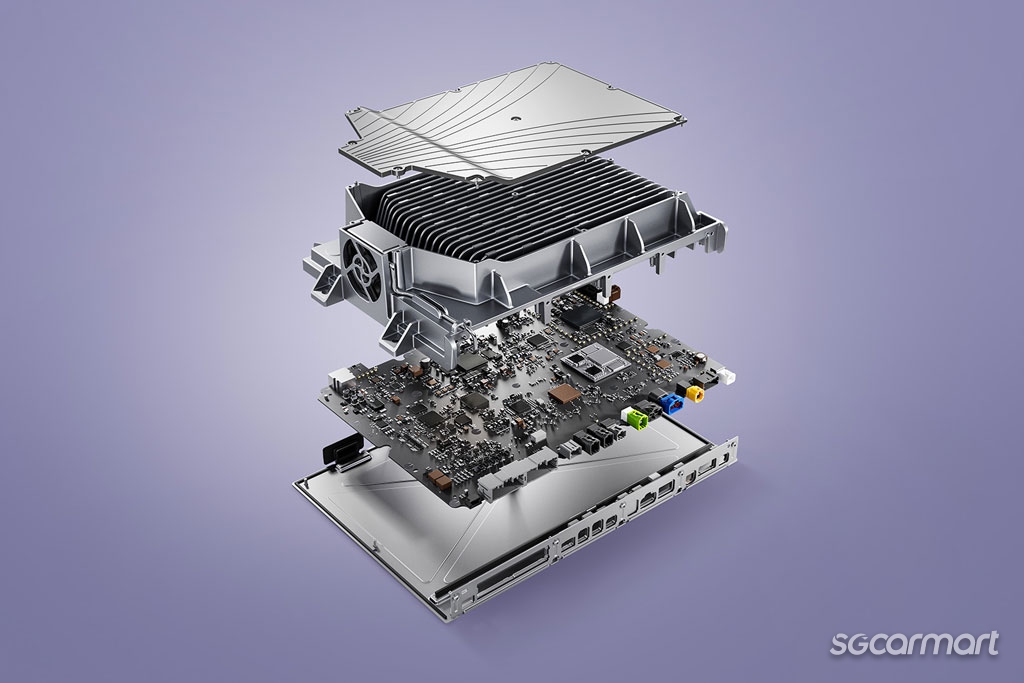
The electric motor is one of the slimmest units in the industry, and its placement in the rear improves safety
Glow and flow
Enabling the Firefly to flit about is a rear-mounted electric motor producing 105kW (141bhp) and 205Nm of torque. The motor is claimed to be one of the slimmest ones in a car today and gives the 1,460kg hatchback a century sprint time of 8.1 seconds.
What makes the Firefly fun, though, is its agile handling. Unlike most compact electric hatchbacks that are front-wheel drive, the Firefly is rear-wheel drive. Being pushed rather than pulled makes it feel nimbler and more dynamic, adding to its charm. The rear-wheel drive layout also gives the car a turning circle of 9.4 metres, or 1.7 metres shorter than the MINI Aceman's.
The test route from the hotel to our shoot location didn't include any hilly roads, but on several of the twisty expressway exits, the Firefly showcased its accurate steering and nice handling - the hatchback is always easy to position.
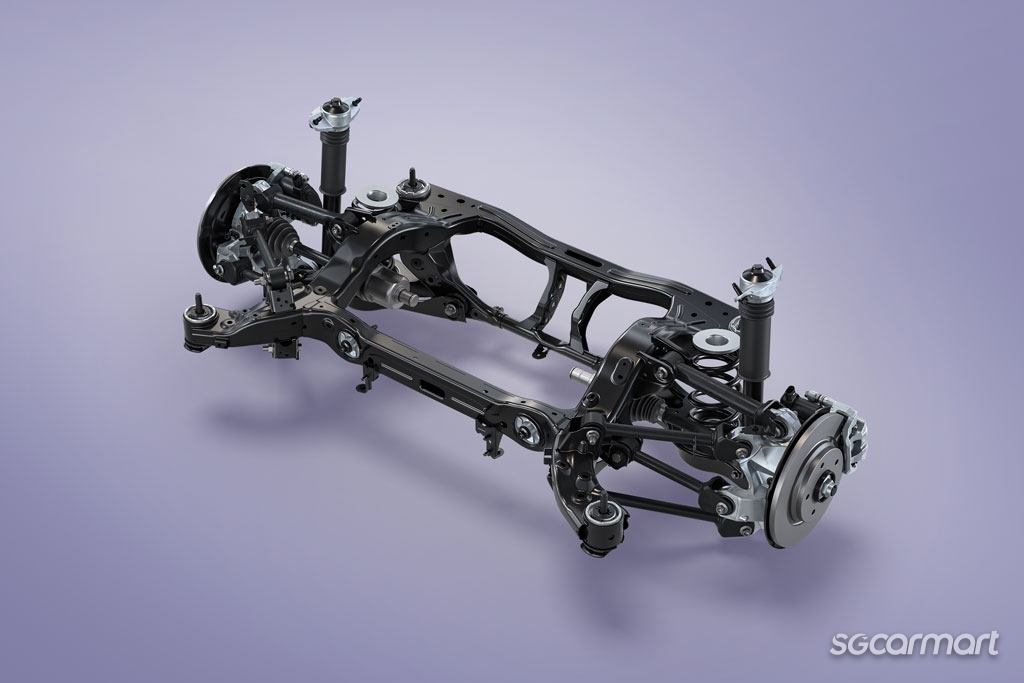
To enhance handling, the Firefly's rear suspension is a multi-link setup
The ride quality, while firm, is never uncomfortable. I mention this because most drivers are used to soft damping, but in the Firefly's case, the firmness aids body control. The car's sound insulation could be better, though, as there was wind noise above 80km/h.
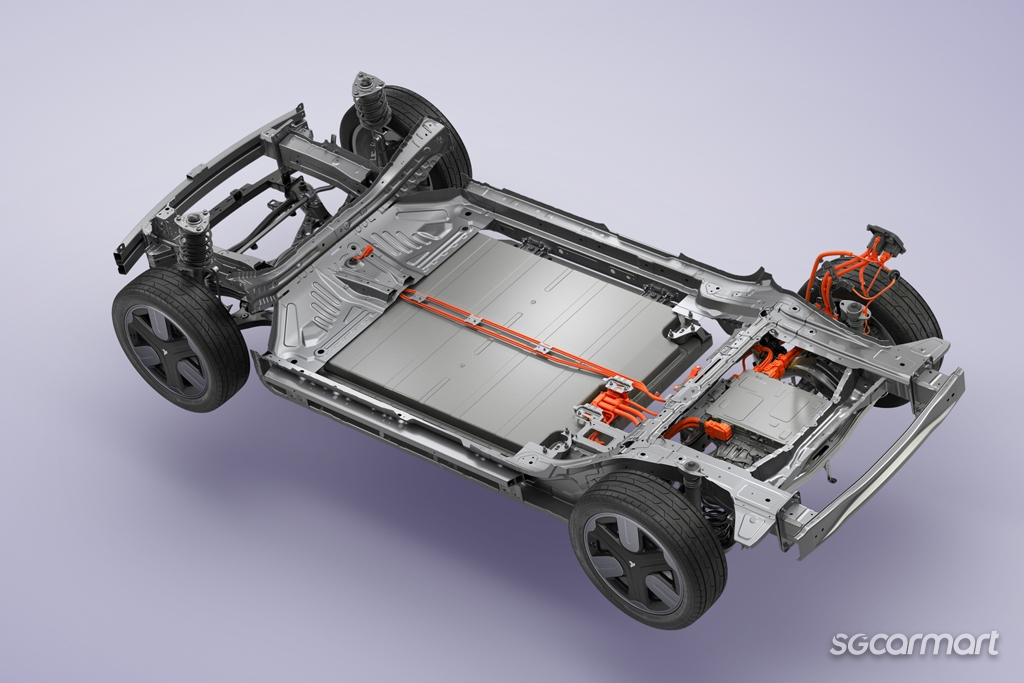
Feeding the motor is a 42kWh battery with a WLTP range of 320km. While not unexpected, Firefly is working to introduce a larger battery size of around 60kWh for improved range. The Firefly is also battery-swappable as it leverages NIO's battery-swapping technology.
So, if Wearnes Automotive (Firefly's agent in Singapore) does build a NIO Power Swap (battery swapping facility), owners will be able to swap batteries instead of charging them. Battery-swapping makes the Firefly future-proof, too. If you bought a car with a 42kWh battery, you'd have the option of upgrading to a larger one in the future.
A standout offering
The Firefly is a breath of fresh air and a genuine rival to the MINI Aceman. Thus far, MINI has claimed and occupied the space for premium hatchbacks with unique (and at times quirky) designs that fans love. Now, it must contend with a well-sorted newcomer that betters it in several aspects.
Though it doesn't have the Aceman's eager power delivery or MINI's brand cachet, the Firefly is more practical, convenient, and user-friendly. It has the edge in driving range, manoeuvrability, and crucially, safety. Apart from its five-star Euro NCAP rating, it also has an Adult Occupant protection score of 96 - the highest of any passenger car assessed by the independent body since the start of 2024. And it's probably going to cost less than the Aceman.
However, rivals don't have to push the panic button yet. After all, Firefly is a new brand in a niche segment. But given how much effort was poured into a single model and its resulting abilities, they should be worried.
These stories may interest you as well
What We Like
Unique and consistent design
Spacious and user-friendly interior
Relatively large boot
Punchy powertrain
Agile handling
What We Dislike
Backseat better for two instead of three
Needs a larger battery and more range
Could use more sound insulation
Chinese carmaker NIO needs a larger scale to be profitable, so it cannot rely on a single brand alone. It launched Onvo, which has family-oriented models, as a counterpart to NIO's executive offerings. But NIO also wants to showcase its penchant for design by producing an iconic model.
Enter Firefly, the lone model from its new, namesake sub-brand. NIO says it wants the premium compact hatchback to eventually be held in the same regard as MINI.
Firefly was unveiled in December 2024, and the namesake model debuted in April 2025. Since then, around 30,000 units have been sold. Should rivals be worried?
The attention to detail is obvious - even the door handles and charging port cover are pill-shaped
A design story
The Firefly's head lights are something that you'll either love or hate because they resemble the camera lens array of an iPhone. The circular shapes are complemented by the oblong/pill shaped plinth (or grille, if you prefer) that connects one side to the other.
This design is repeated at the rear, and Firefly offers optional plinths with cute graphics that owners can swap to. The Firefly's designer, Mr Kris Tomaason, highlights how the rear end features a 'dynamic hoop' that further distinguishes the car.
Singapore-bound cars will not have any badges, except for the Firefly symbol
Despite some criticism about the headlamps and taillights, Mr Tomaason says most of the feedback is positive. In particular, the Firefly's unique looks make it instantly recognisable, unlike many other Chinese EVs that seem to look alike.
The Firefly is around the size of a MINI Aceman, measuring 4,003mm long, 1,781mm wide, and 1,557mm tall. Its 2,615mm wheelbase is 9mm longer than the Aceman's. Both front and rear overhangs have been minimised as well, giving the car a sporty stance.
The oval shapes are found throughout the interior, and there's an ambient lighting system with no less than 256 colours to suit your mood
An expansive interior
As expected, the cockpit is neat and minimalist, with the steering wheel hosting the only physical buttons. The real surprise here is how consistently the design is implemented: There are 33 oblong/pill-shaped components in the cabin, ranging from the steering wheel to the indicator stalks to the door handles to the rearview mirror.
Aesthetics aside, the Firefly is also user-friendly and convenient. It's easy to figure out the infotainment because the functions require no more than two taps to activate, and there are two-finger swipe shortcuts as well. You can also ask Lumo, the voice-activated assistant, to adjust the air-con temperature, close the windows, or even find songs.
The attention to detail is impressive: Even the seat perforations mimic the head light cluster
For convenience, there are a variety of storage points, including a pull-out bin from the front of the centre console. Firefly even took a page out of Honda's playbook by implementing their own version of the Japanese carmaker's Ultra seats.
However, unlike Ultra seats, wherein both the left and right squabs can be flipped upwards, in the Firefly Comfort only the right side of the backseat can be flipped forward to reveal a 29-litre storage point.
The backseat is more ideal for two instead of three adults, who will definitely be rubbing elbows
Another versatile addition are the magnetic points in the cabin where you can attach optional components sold by Firefly. This further enhances the interior's versatility.
Because the Firefly is relatively narrow, its backseat is better for two instead of three adults. The backrests are also relatively short, requiring you to raise the headrests to sit comfortably. That said, legroom is decent and headroom is good, despite the panoramic roof.
Apart from the 335-litre boot, the Firefly also has a huge 92-litre frunk with a drain plug that allows users to wash it as needed
Boot space is also generous considering the hatchback's size. Capacity is 335 litres with the rear seats in place, and 1,250 litres once they're folded.
The Firefly is available in two versions: Select, and Comfort. But nearly all Fireflies sold are the Comfort variant, because in China, it only costs about 6,000 yuan more (S$1,102.08 at time of writing) and comes with the panoramic sunroof and a nicer wheel design.
The electric motor is one of the slimmest units in the industry, and its placement in the rear improves safety
Glow and flow
Enabling the Firefly to flit about is a rear-mounted electric motor producing 105kW (141bhp) and 205Nm of torque. The motor is claimed to be one of the slimmest ones in a car today and gives the 1,460kg hatchback a century sprint time of 8.1 seconds.
What makes the Firefly fun, though, is its agile handling. Unlike most compact electric hatchbacks that are front-wheel drive, the Firefly is rear-wheel drive. Being pushed rather than pulled makes it feel nimbler and more dynamic, adding to its charm. The rear-wheel drive layout also gives the car a turning circle of 9.4 metres, or 1.7 metres shorter than the MINI Aceman's.
The test route from the hotel to our shoot location didn't include any hilly roads, but on several of the twisty expressway exits, the Firefly showcased its accurate steering and nice handling - the hatchback is always easy to position.
To enhance handling, the Firefly's rear suspension is a multi-link setup
The ride quality, while firm, is never uncomfortable. I mention this because most drivers are used to soft damping, but in the Firefly's case, the firmness aids body control. The car's sound insulation could be better, though, as there was wind noise above 80km/h.
Feeding the motor is a 42kWh battery with a WLTP range of 320km. While not unexpected, Firefly is working to introduce a larger battery size of around 60kWh for improved range. The Firefly is also battery-swappable as it leverages NIO's battery-swapping technology.
So, if Wearnes Automotive (Firefly's agent in Singapore) does build a NIO Power Swap (battery swapping facility), owners will be able to swap batteries instead of charging them. Battery-swapping makes the Firefly future-proof, too. If you bought a car with a 42kWh battery, you'd have the option of upgrading to a larger one in the future.
A standout offering
The Firefly is a breath of fresh air and a genuine rival to the MINI Aceman. Thus far, MINI has claimed and occupied the space for premium hatchbacks with unique (and at times quirky) designs that fans love. Now, it must contend with a well-sorted newcomer that betters it in several aspects.
Though it doesn't have the Aceman's eager power delivery or MINI's brand cachet, the Firefly is more practical, convenient, and user-friendly. It has the edge in driving range, manoeuvrability, and crucially, safety. Apart from its five-star Euro NCAP rating, it also has an Adult Occupant protection score of 96 - the highest of any passenger car assessed by the independent body since the start of 2024. And it's probably going to cost less than the Aceman.
However, rivals don't have to push the panic button yet. After all, Firefly is a new brand in a niche segment. But given how much effort was poured into a single model and its resulting abilities, they should be worried.
These stories may interest you as well



Thank You For Your Subscription.
- A Design Story
- An Expansive Interior
- Glow And Flow
- A Standout Offering








Tags
Products & Services

For Owners
Quick Links
About Sgcarmart