Maxus MIFA 7 Elite Review
09 Apr 2026|17,425 views













What We Like
Spacious cabin
Wintry air-con
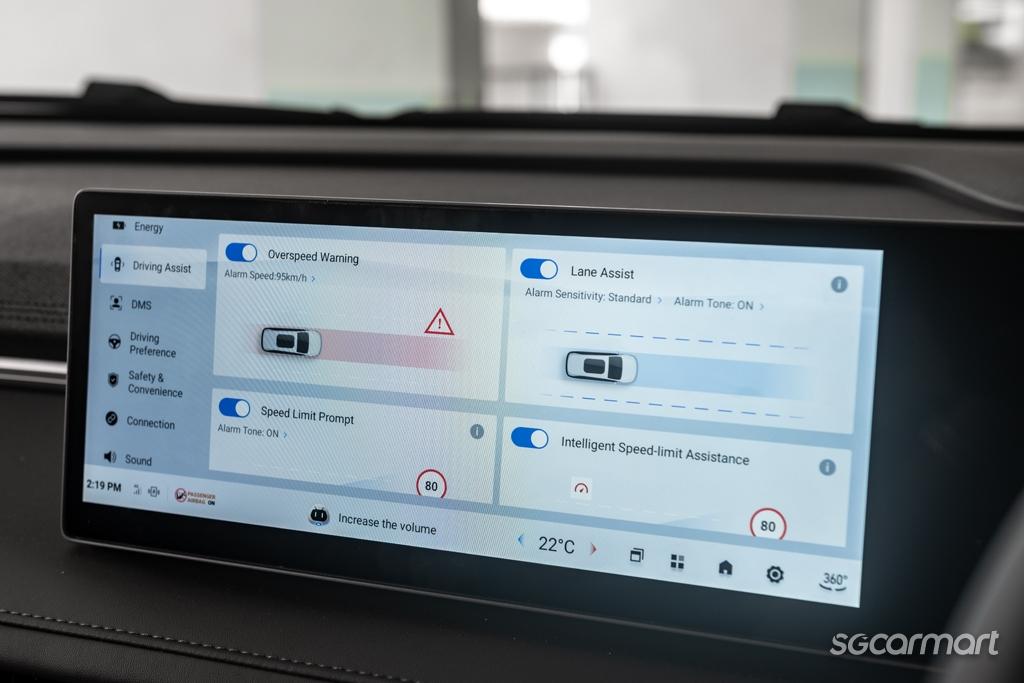
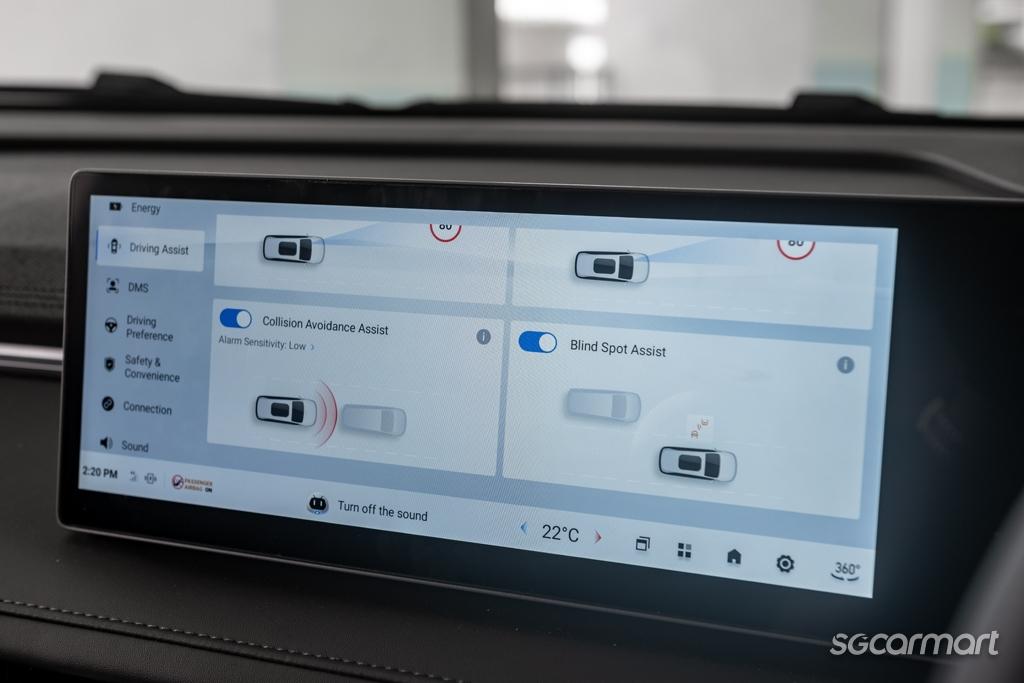
Long list of safety features
Peppy off-the-line performance
Competitive pricing
What We Dislike
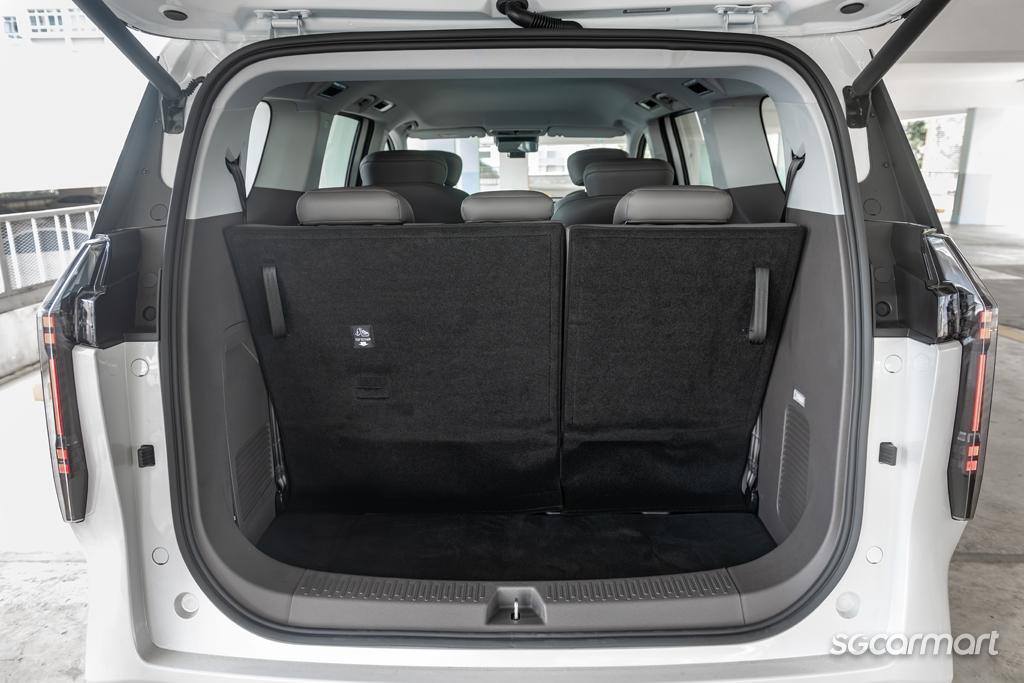
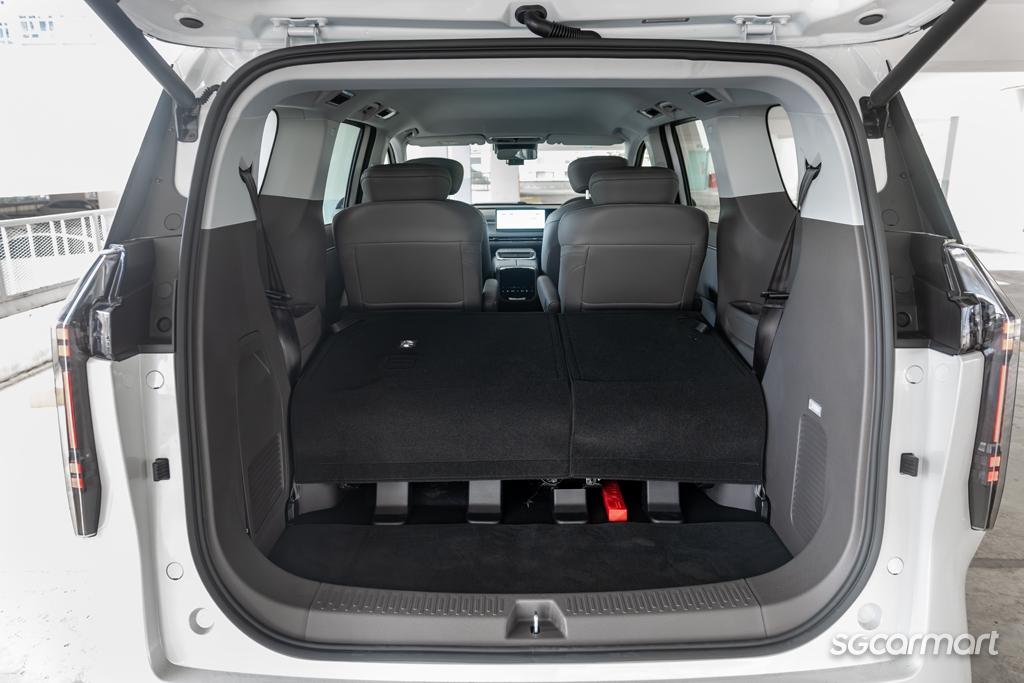
Rearmost seats can't be stowed
No massage or ventilation for captain's chairs
App is limited to one authorised user at a time
Most buyers follow the usual pattern when shopping for cars. This means determining a budget, followed by narrowing the list down to the type of car (SUV, MPV, etc.) they're seeking. Once they have a model in mind, they'll check it out and test drive its segment rivals.
This method certainly makes the most sense. But there are also buyers who cast the net wider by considering cars that aren't in the same segment but are similarly priced.
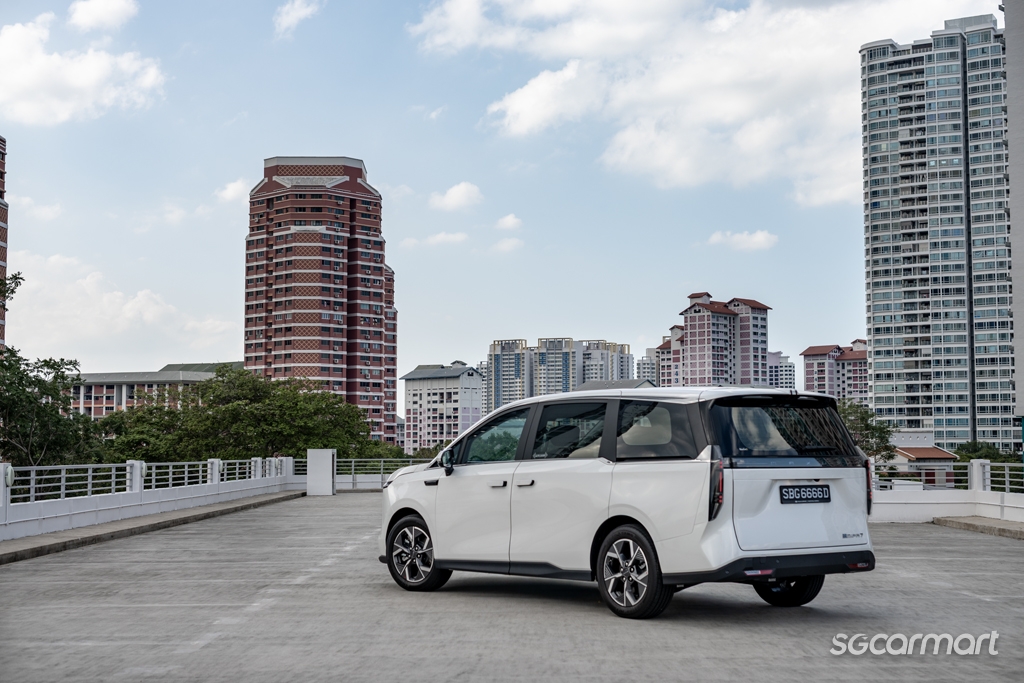
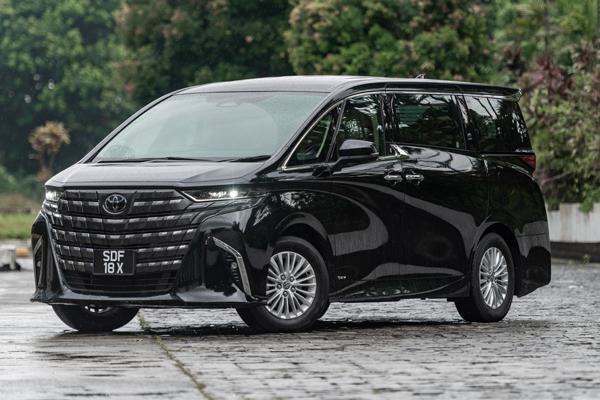
It is perhaps this group of buyers that Maxus had in mind when it launched the MIFA 7 Elite. Size-wise, it competes with the Honda StepWGN Spada and Toyota Noah Hybrid, but at $194,999, it's in the same price region as compact MPVs like the Honda Freed e:HEV and Toyota Sienta Hybrid.
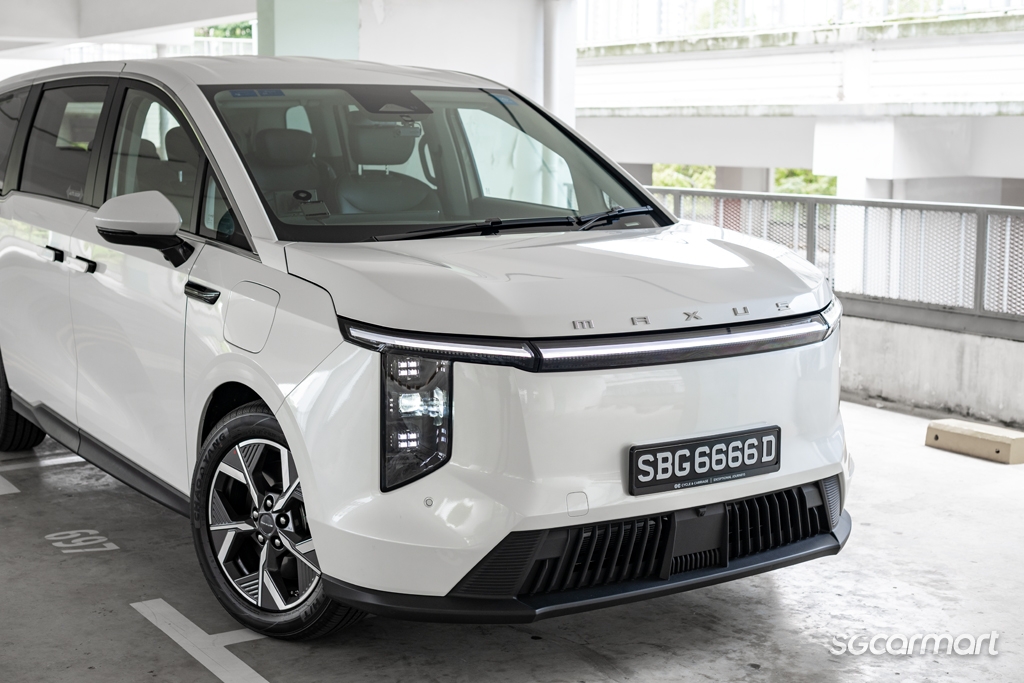
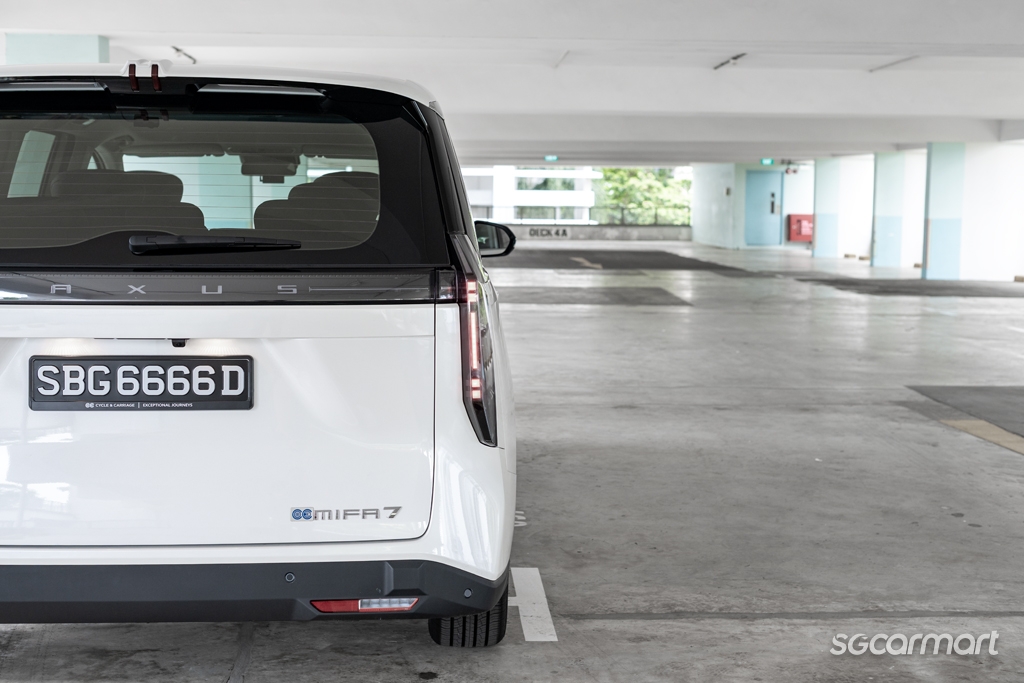
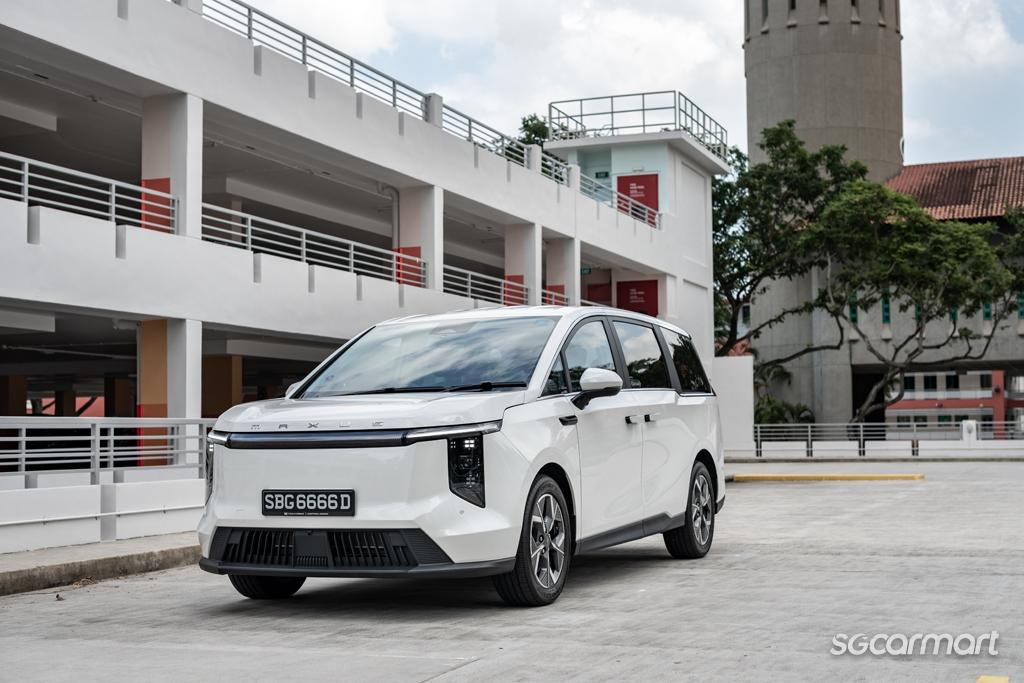
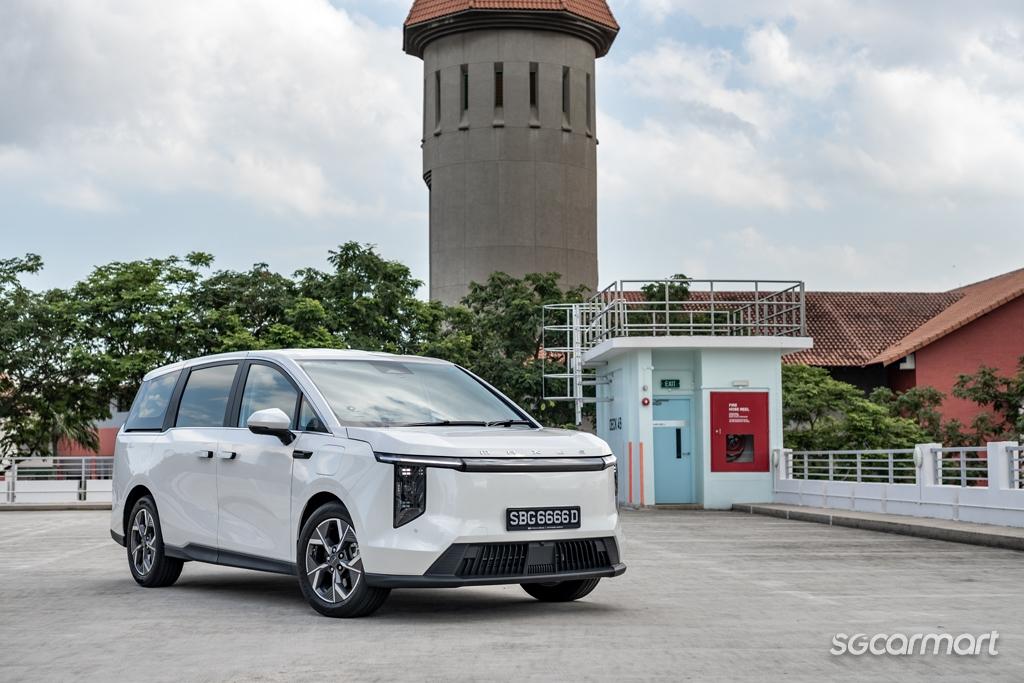
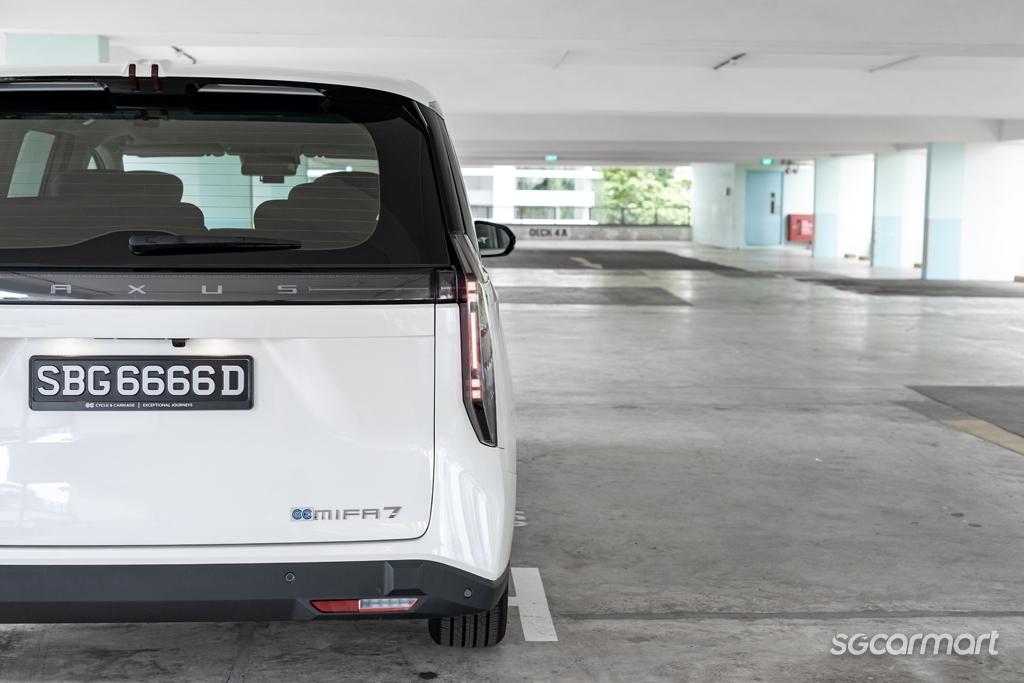
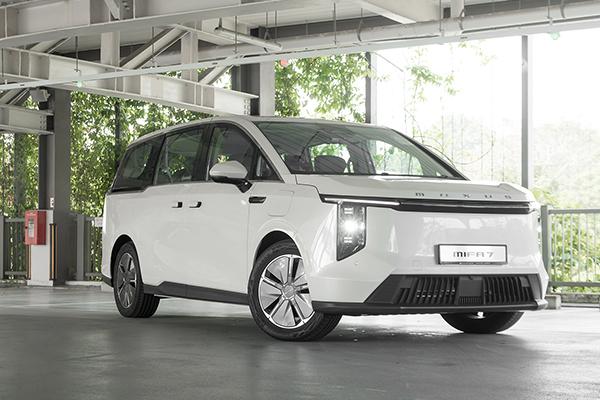
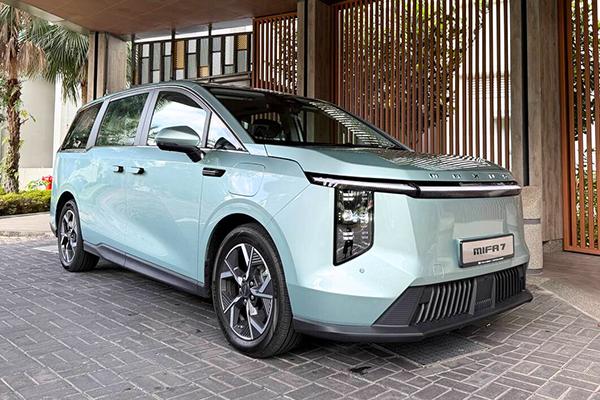
The MIFA 7 has road presence thanks to its neat and recognisable design
Look past the badge
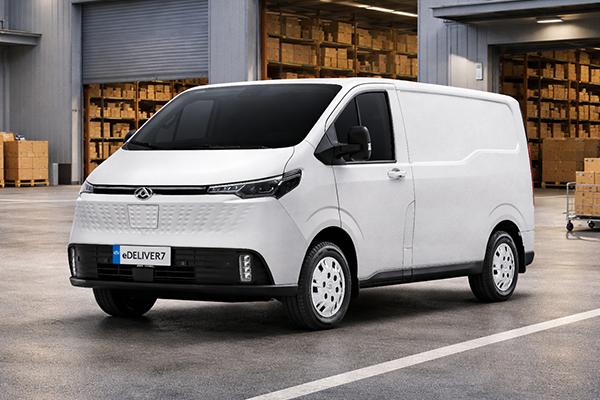
Maxus is a subsidiary of SAIC, the Chinese manufacturing giant that also owns MG, and IM Motors. In Singapore, Maxus is better-known for its electric commercial vehicles, but it has also made inroads with the MIFA 7, and the larger MIFA 9 before that.
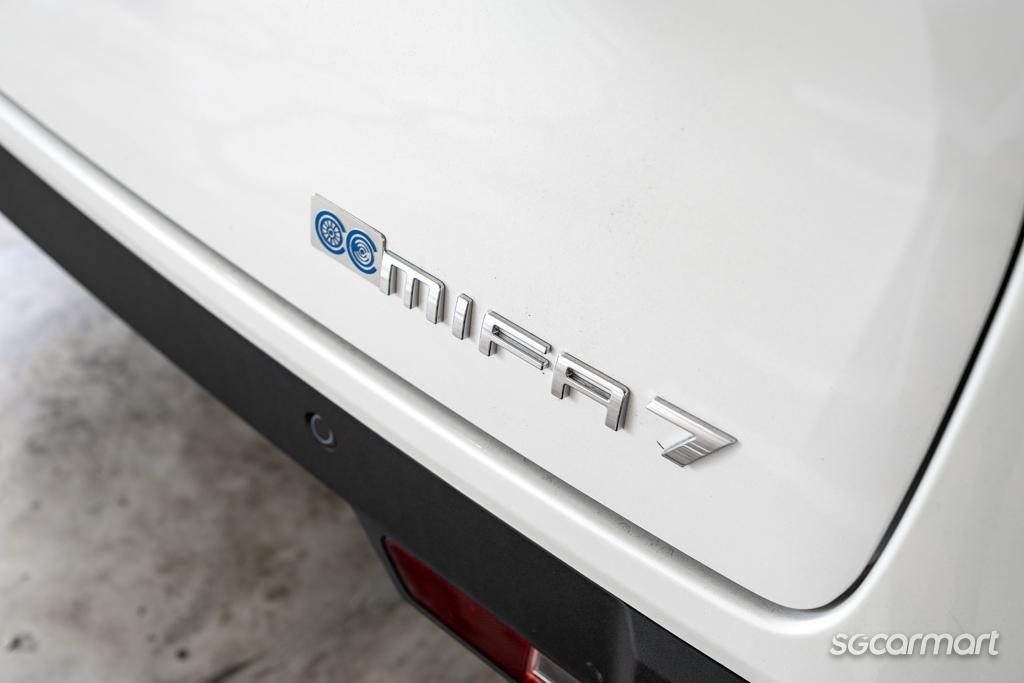
The MIFA 7 comes in two variants: Elite, and Premium. From their badging, you'd think these are luxury models when they aren't. Even more confusing is the fact that the 'Elite' is actually the entry-level variant with less standard kit.
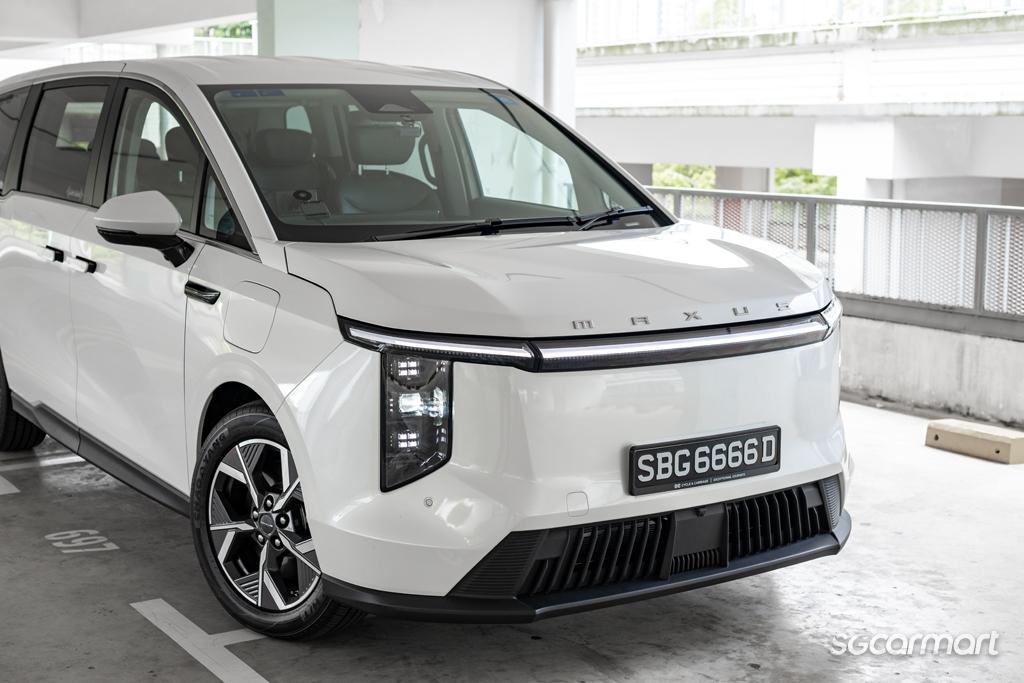
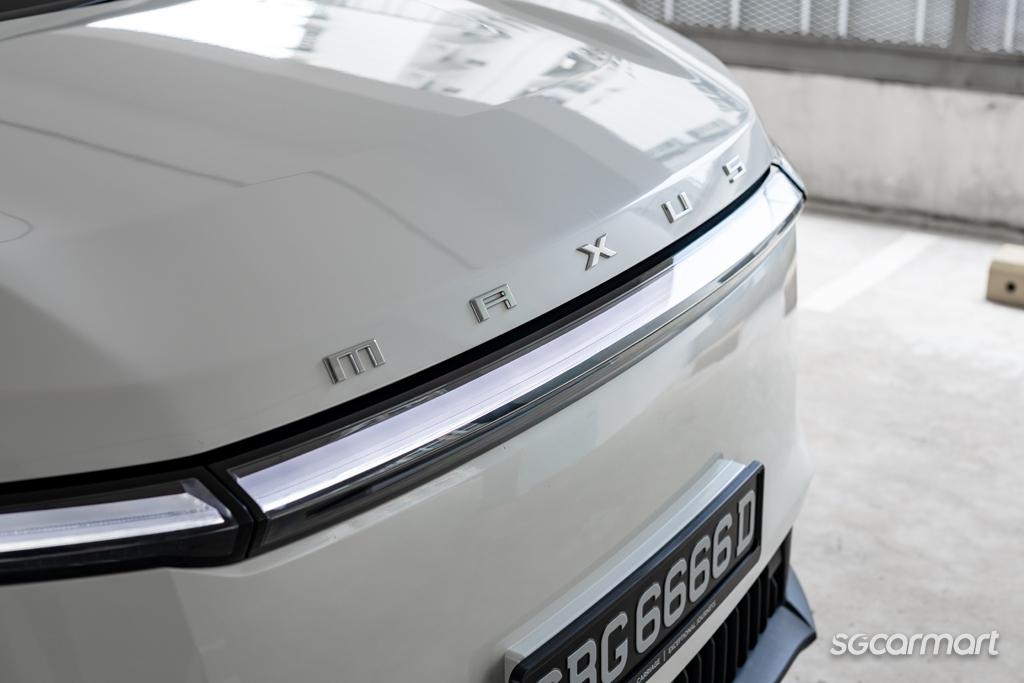
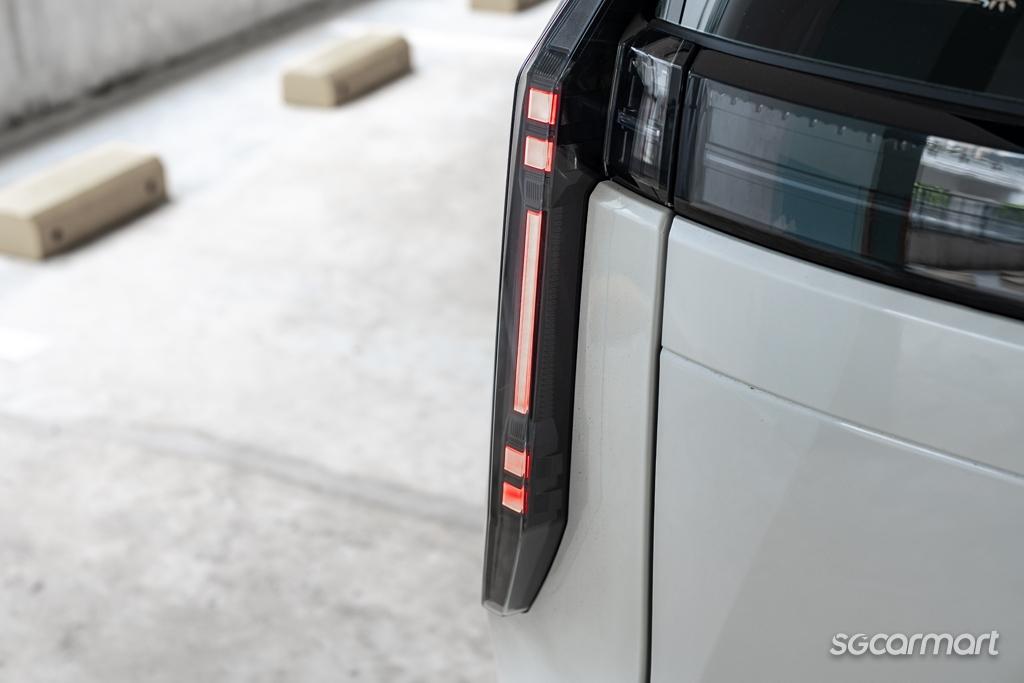
Interestingly, the MIFA 7 Elite has been refreshed, although the only evidence of this is the new light strip on its nose. Exterior-wise, the rest of the vehicle looks like the MIFA 7 Luxury we previously reviewed.
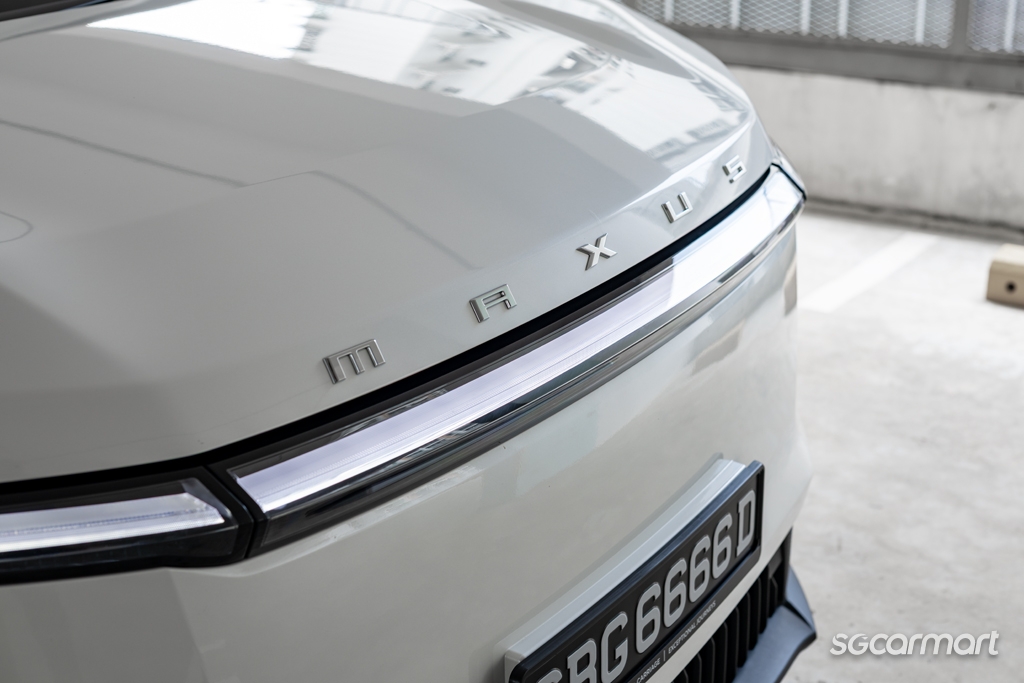
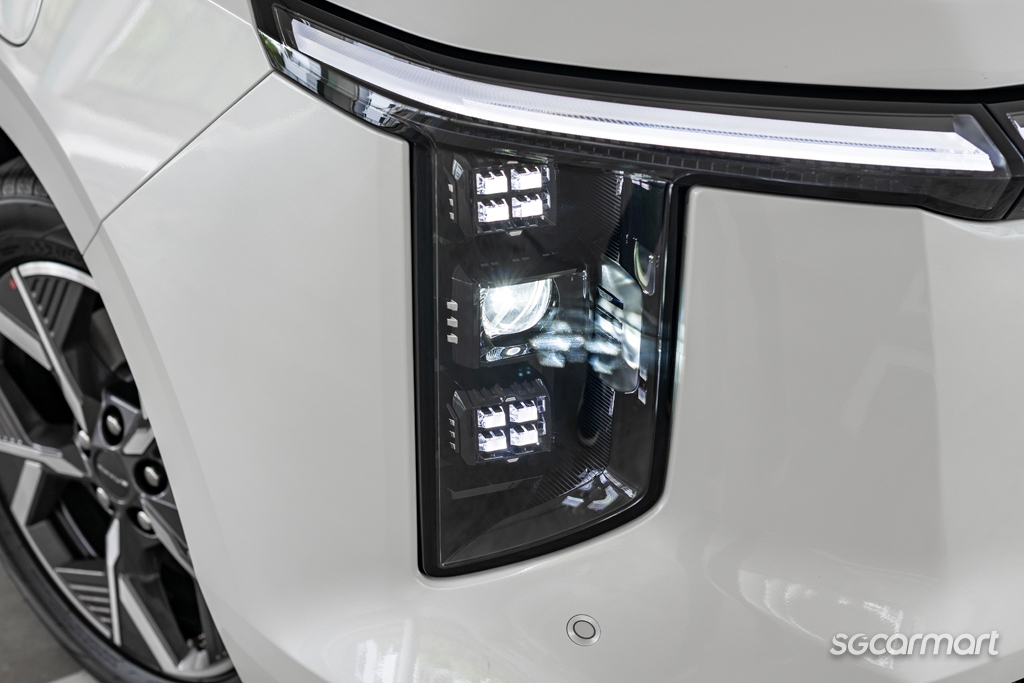
The light bar adds visibility without making the front end look over-styled
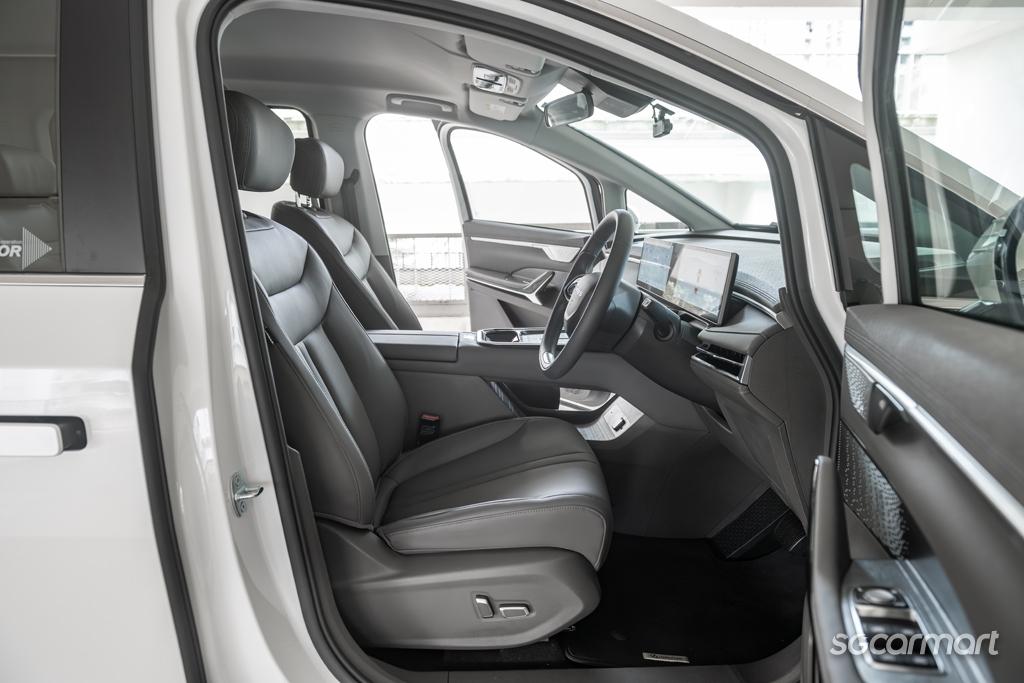
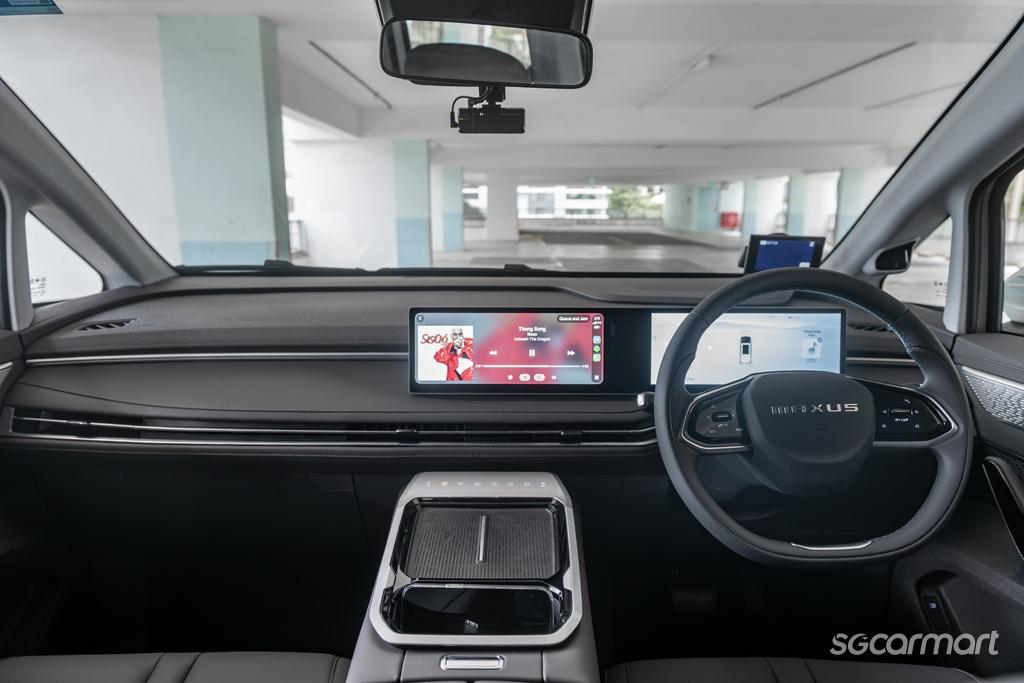
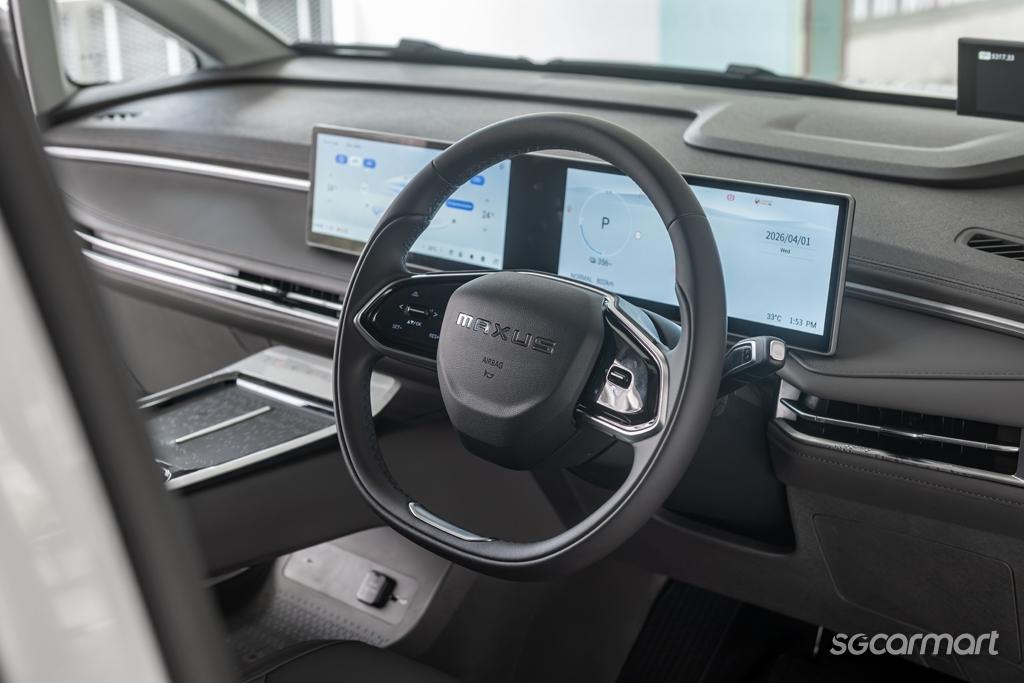
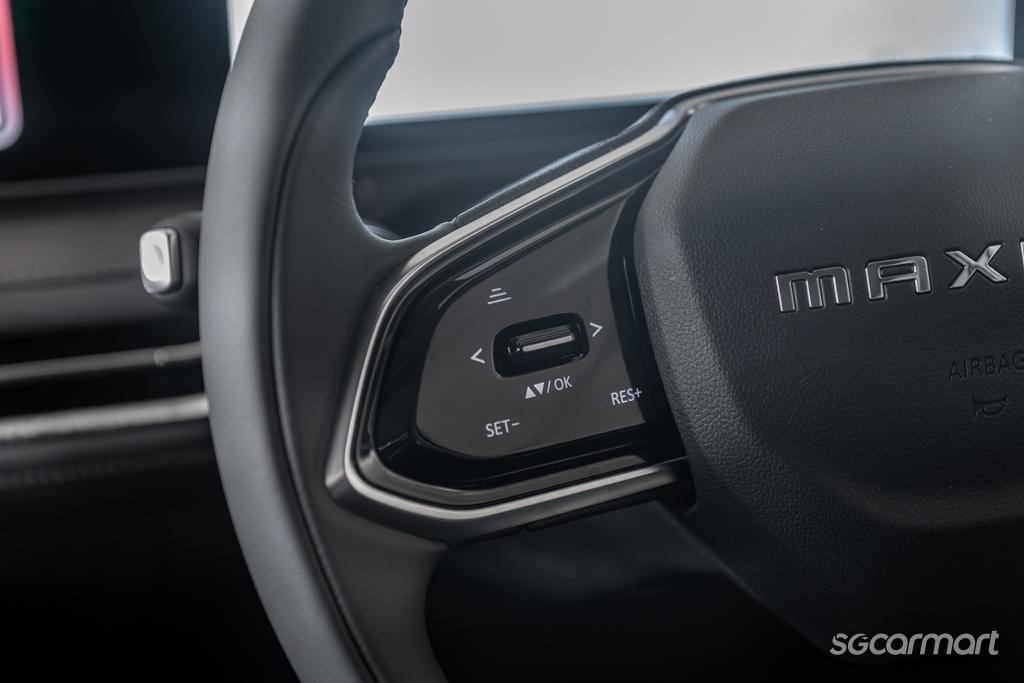
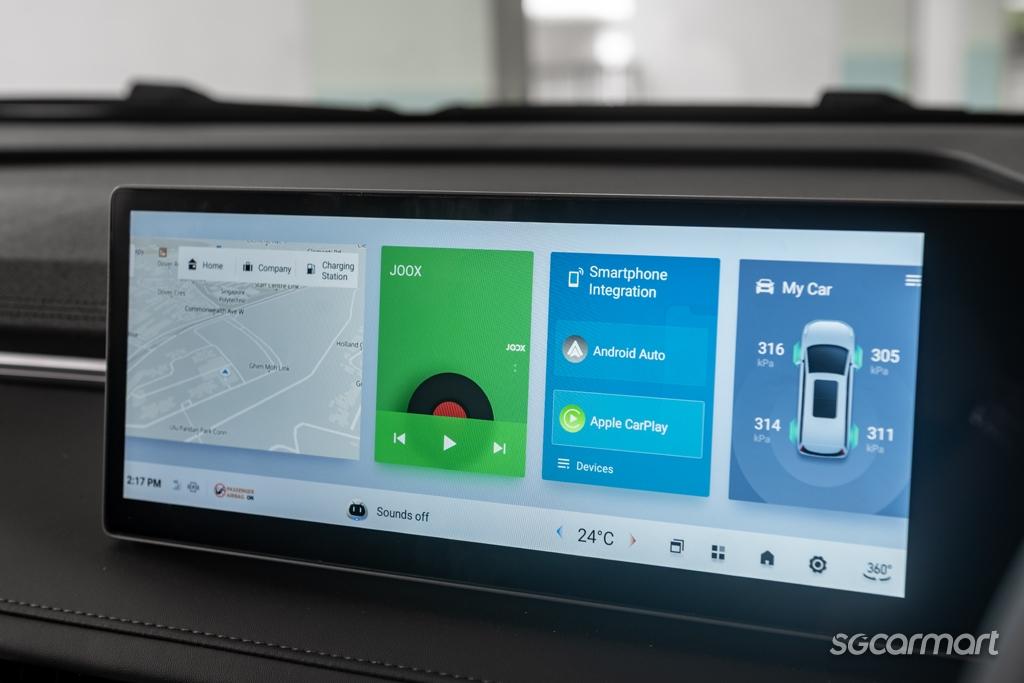
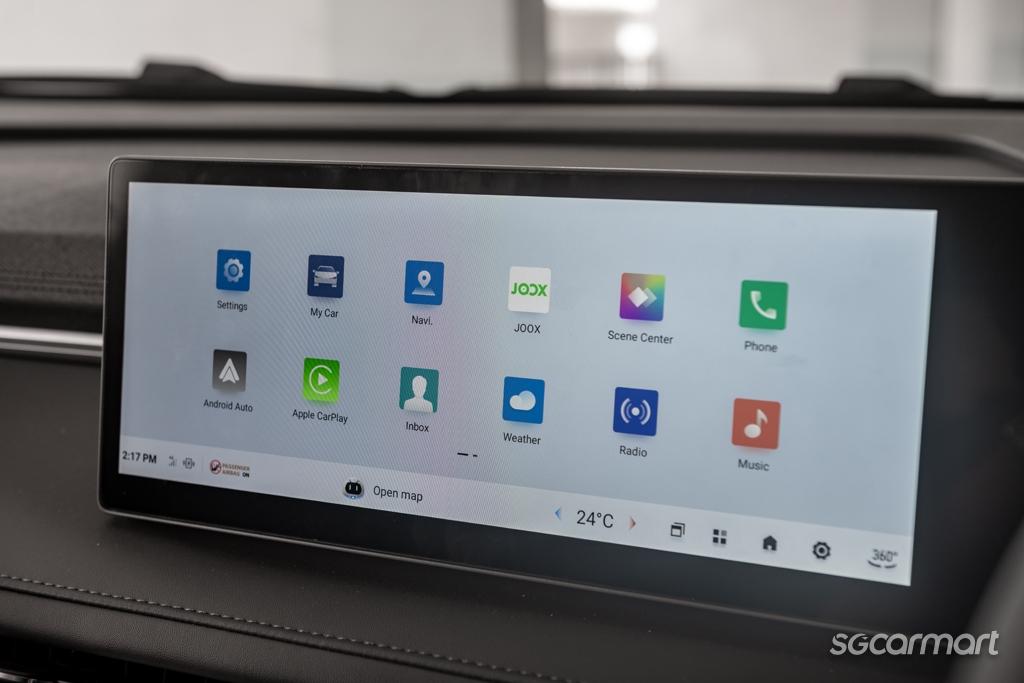
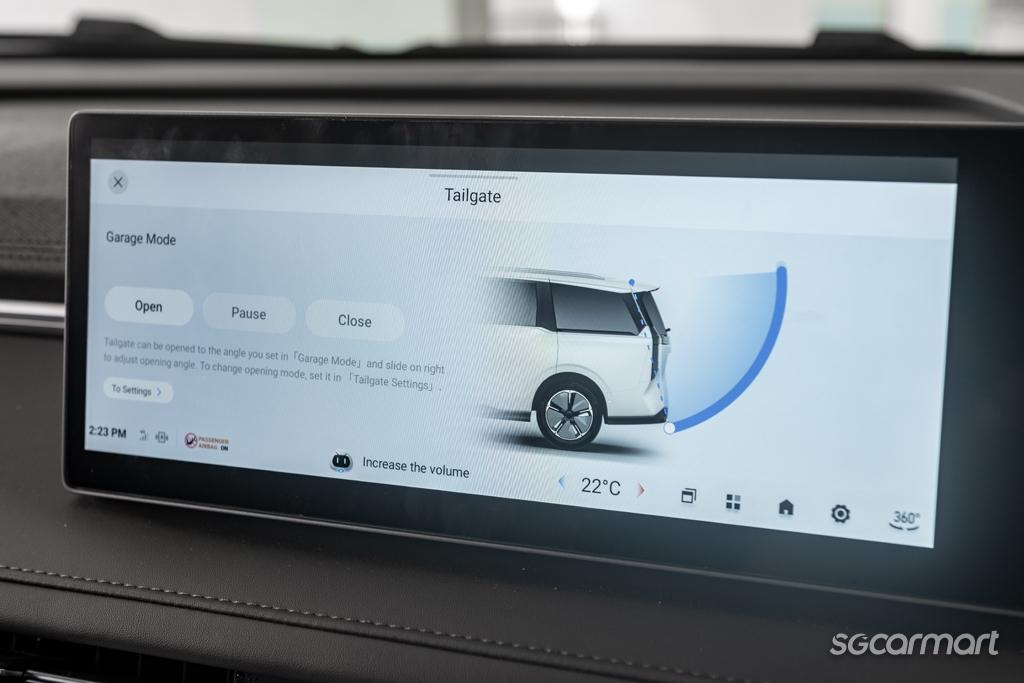
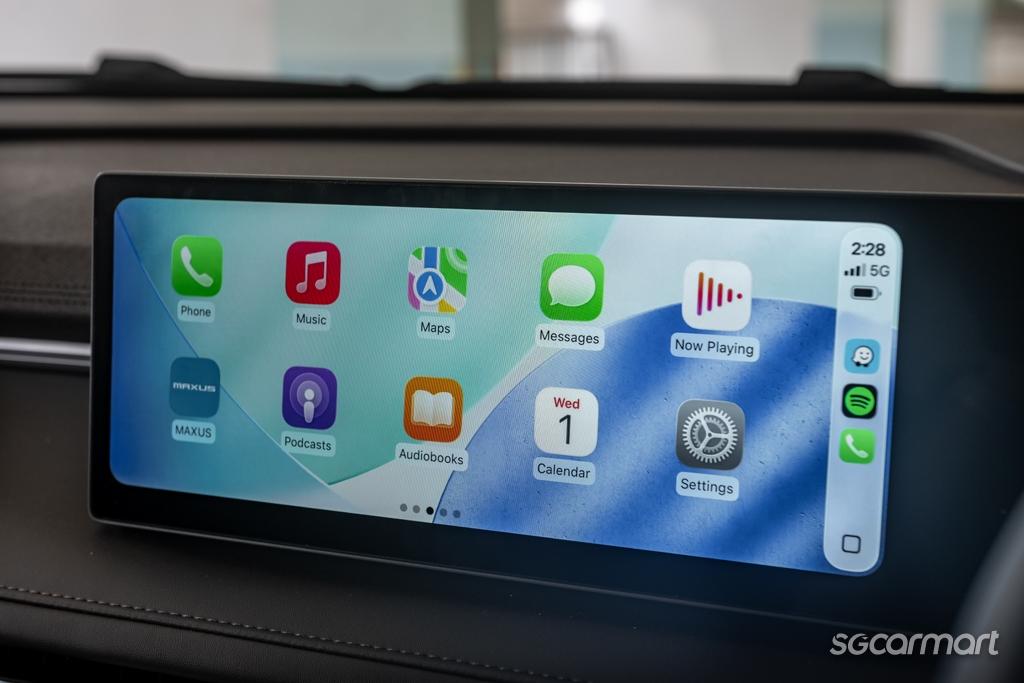
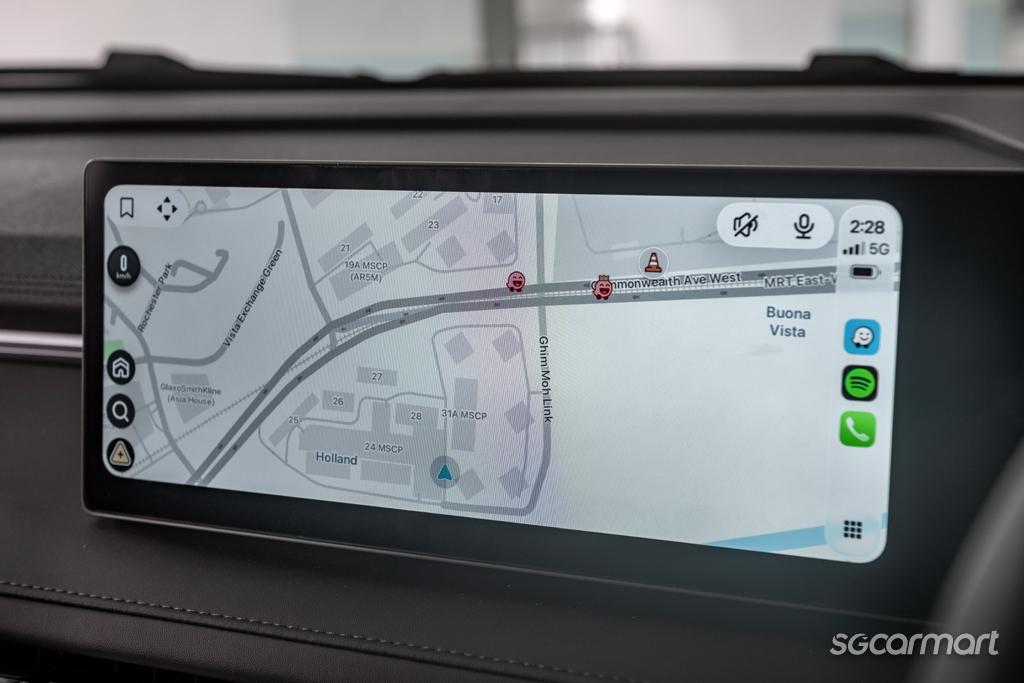
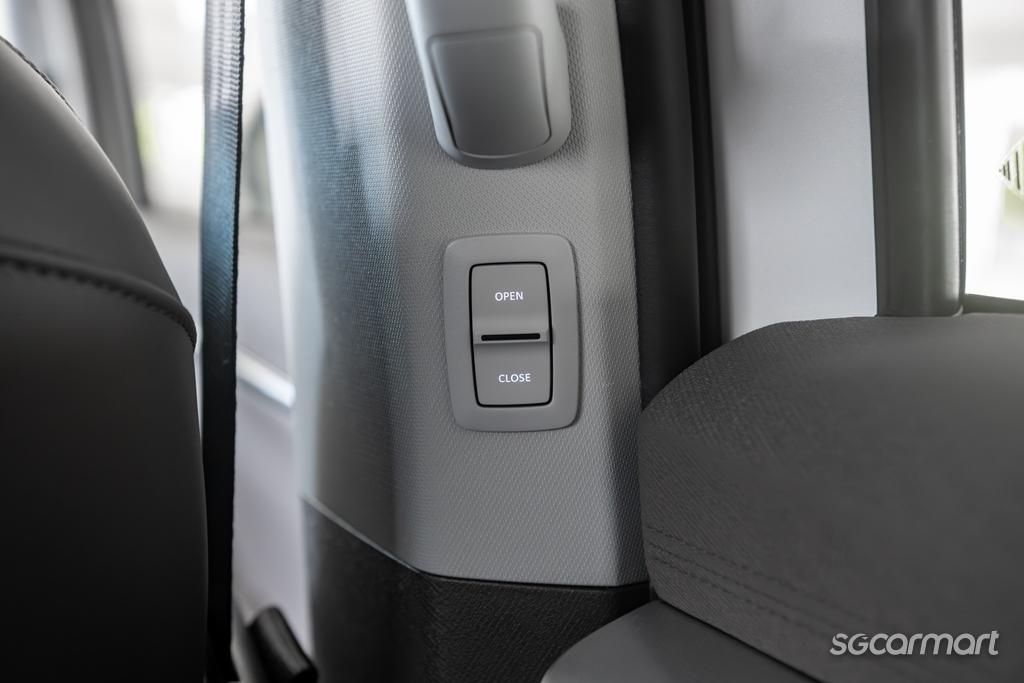
As with most EV models, the MIFA 7's cockpit adopts a minimalist design, with limited physical switchgear since most of the functions are parked inside the infotainment system. What could have been buttons for the sliding doors, and front and rear demisters are now touch-sensitive buttons on the centre panel.
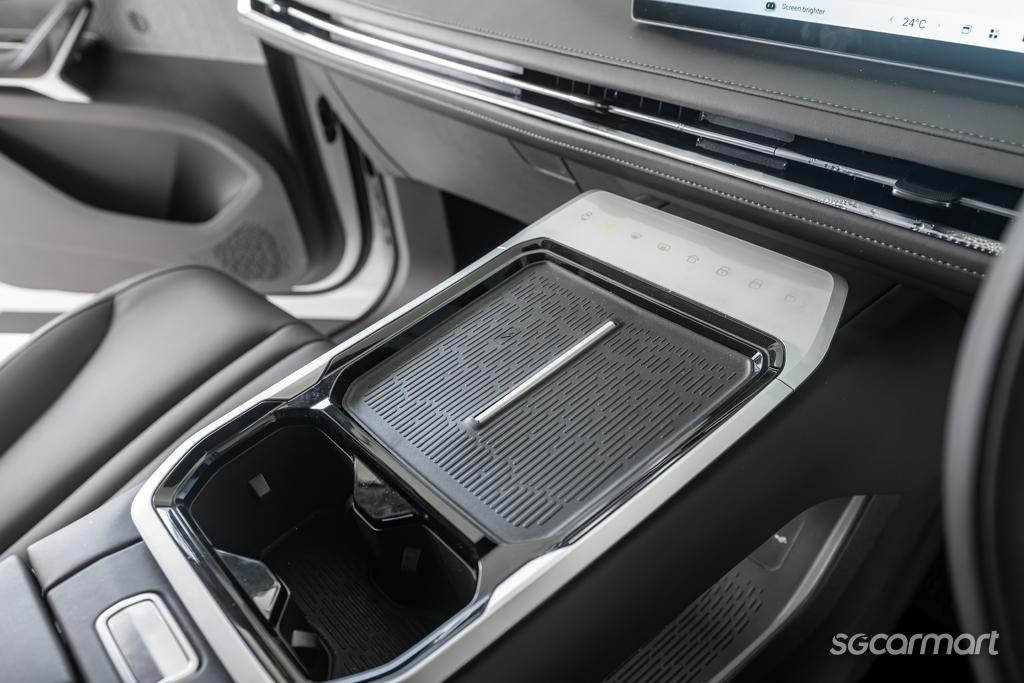
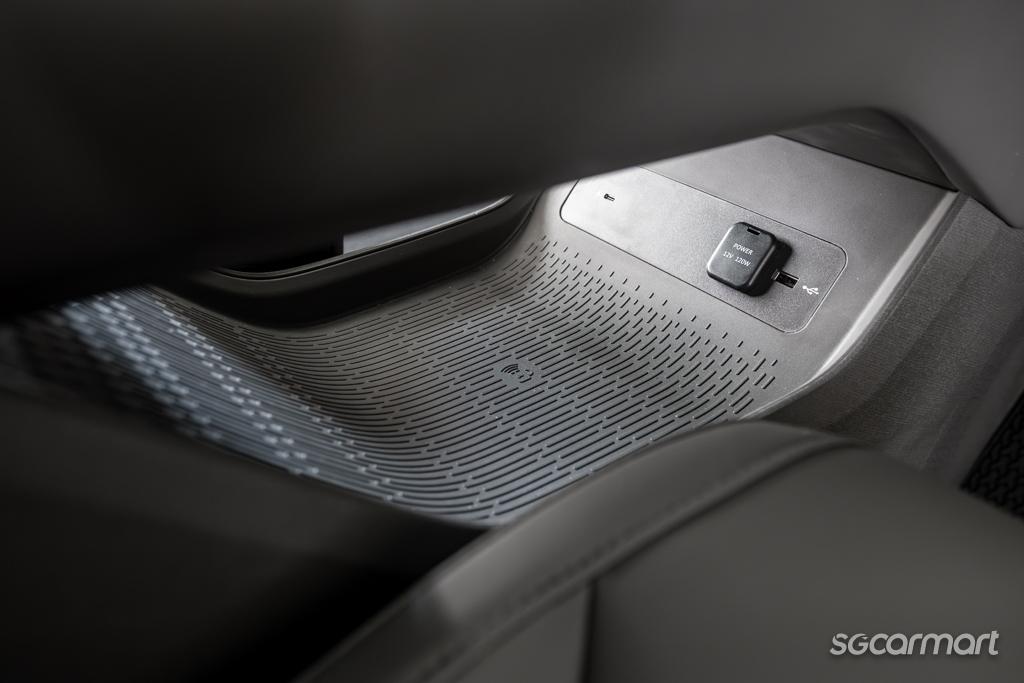
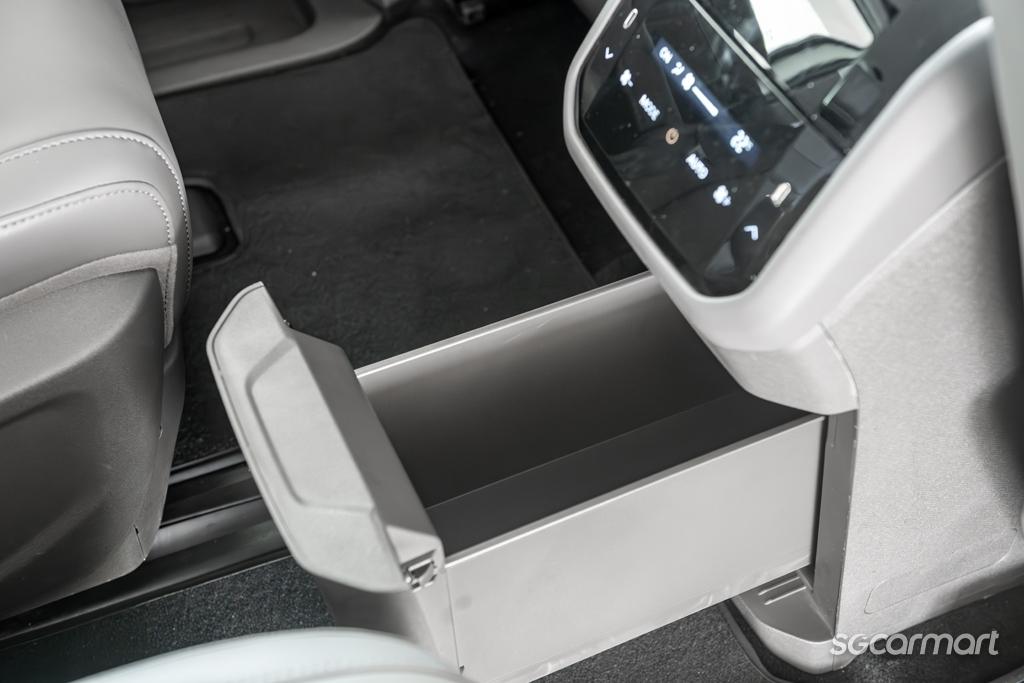
For practicality, the centre console has two levels, USB-A and USB-C ports, and a wireless charging pad for your phone. There's a bin between the front seats and a storage drawer facing the two 'captain's chairs' in the second row.
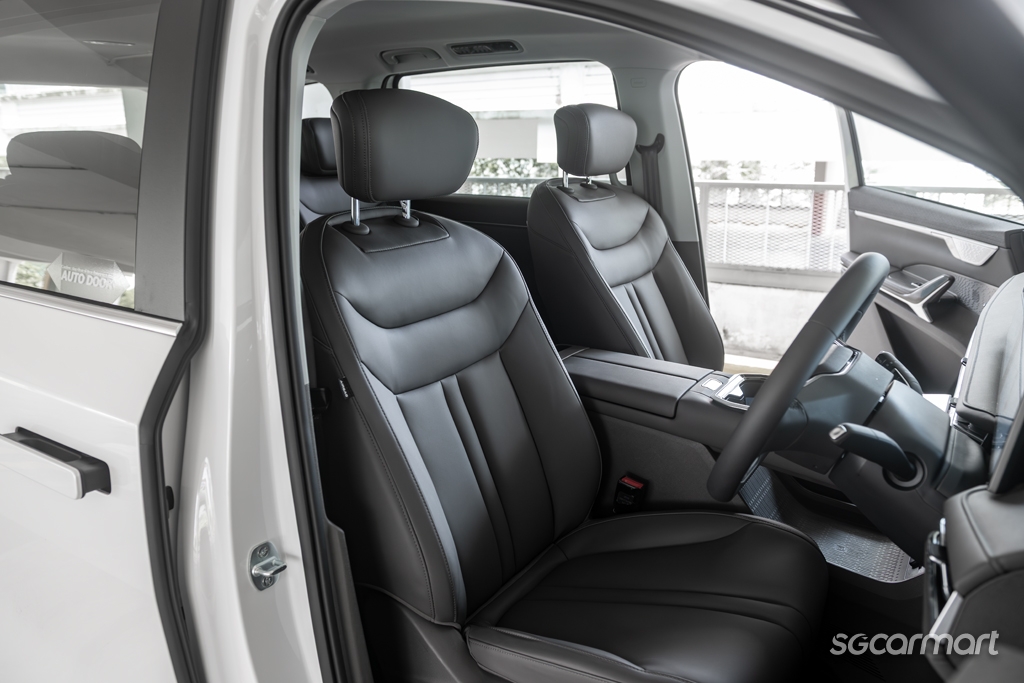
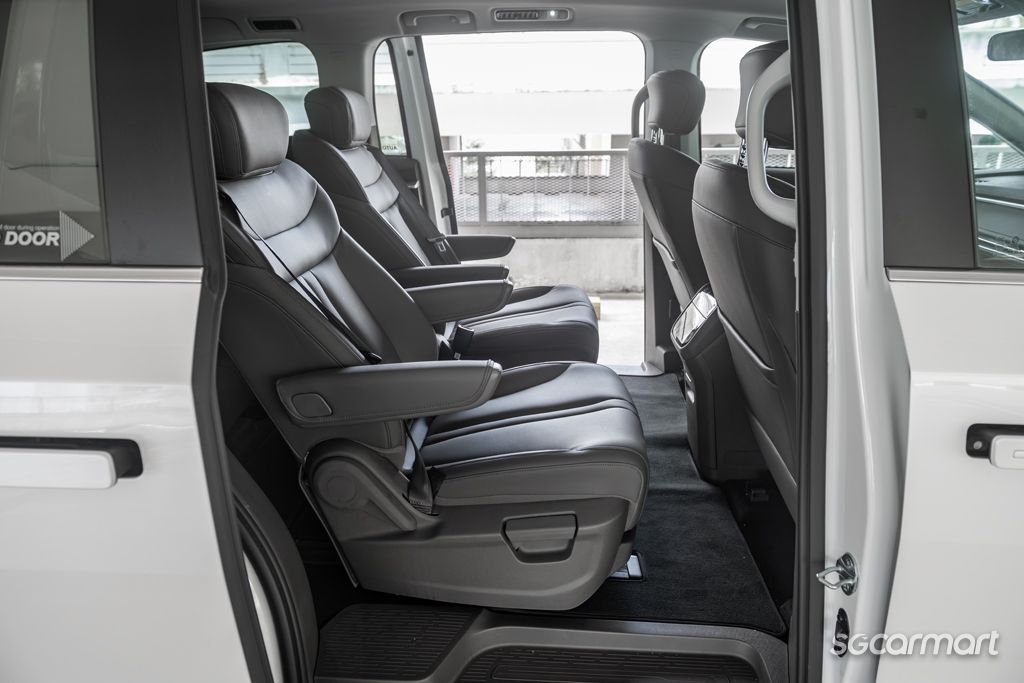
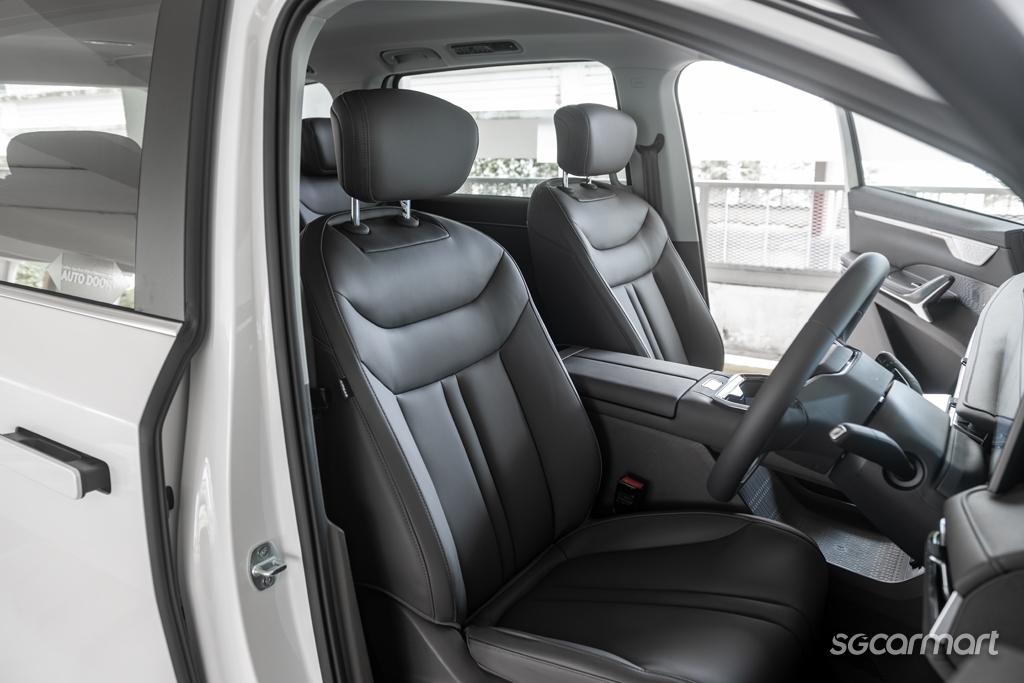
To bring down the car's cost, the driver's seat does without memory, ventilation or heating functions, and the captain's chairs are basic, too
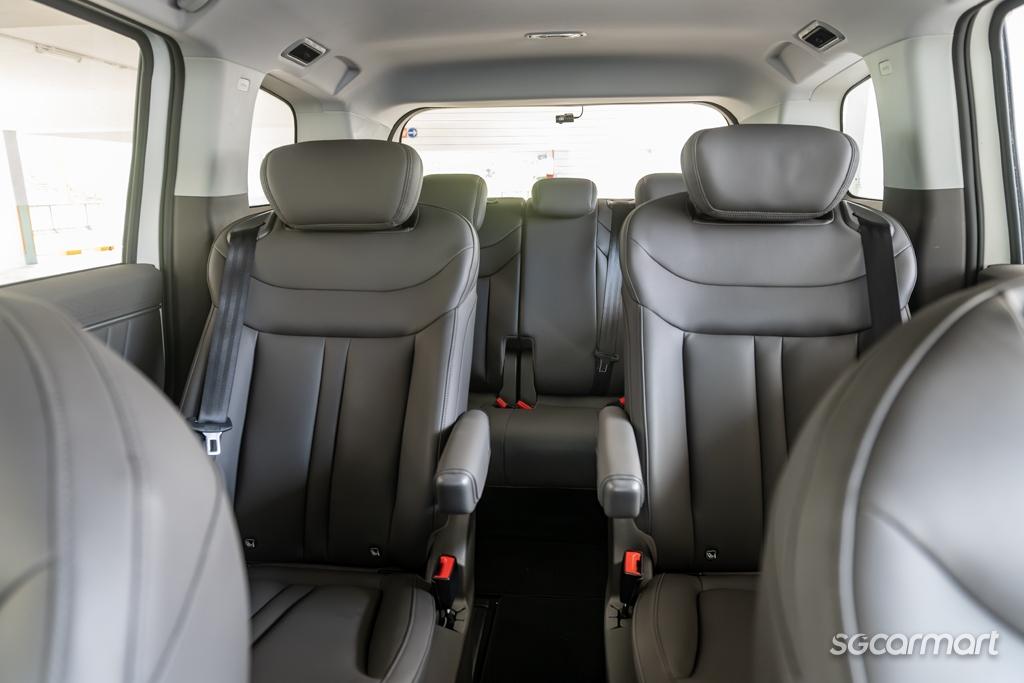
If your idea of a captain's chair is a single seat with armrests, then the MIFA 7 will tick that box. But if your definition includes massage and ventilation functions, along with an extendable leg rest and footrest, you're shopping in the wrong segment.
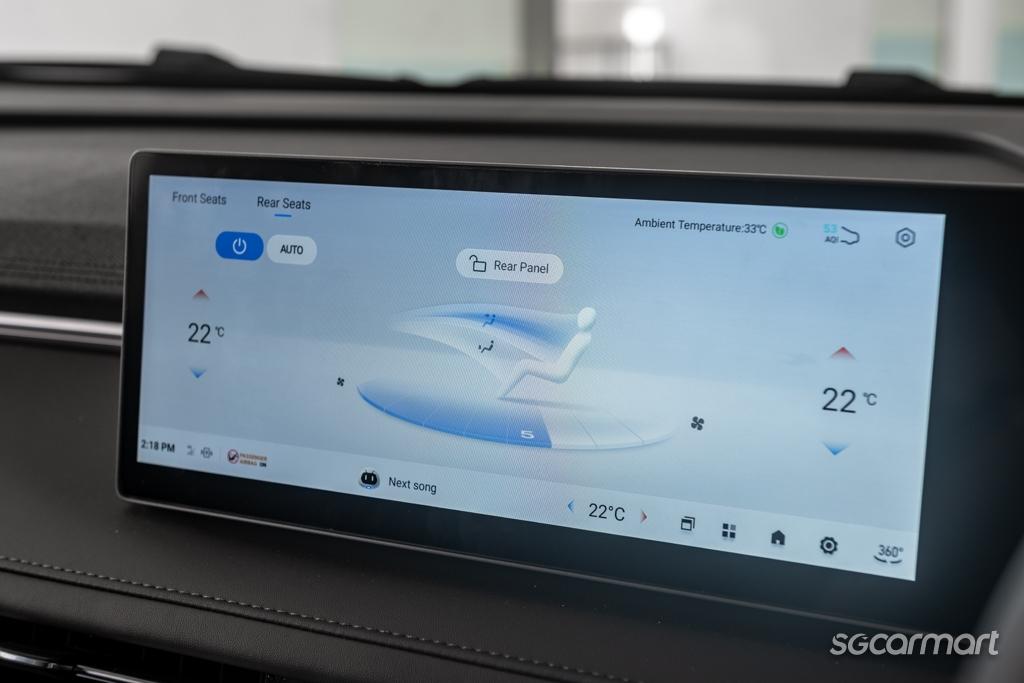
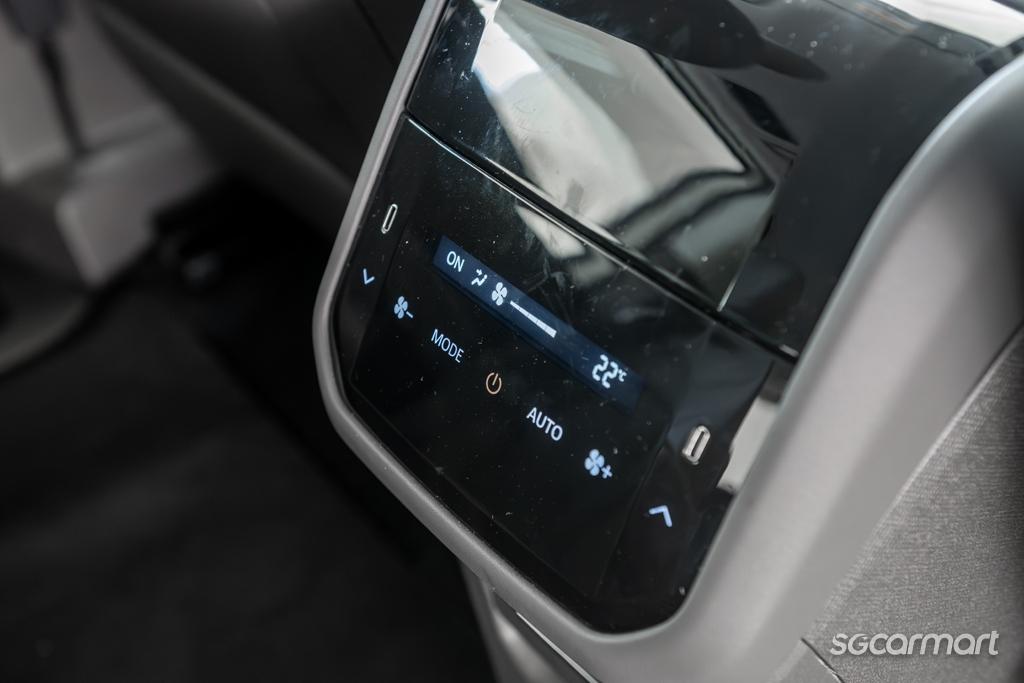
Despite being manually adjustable, these seats are comfortable. Rear passengers also get a third climate zone and ceiling vents, which do a fantastic job circulating the wintry air the air-conditioning produces.
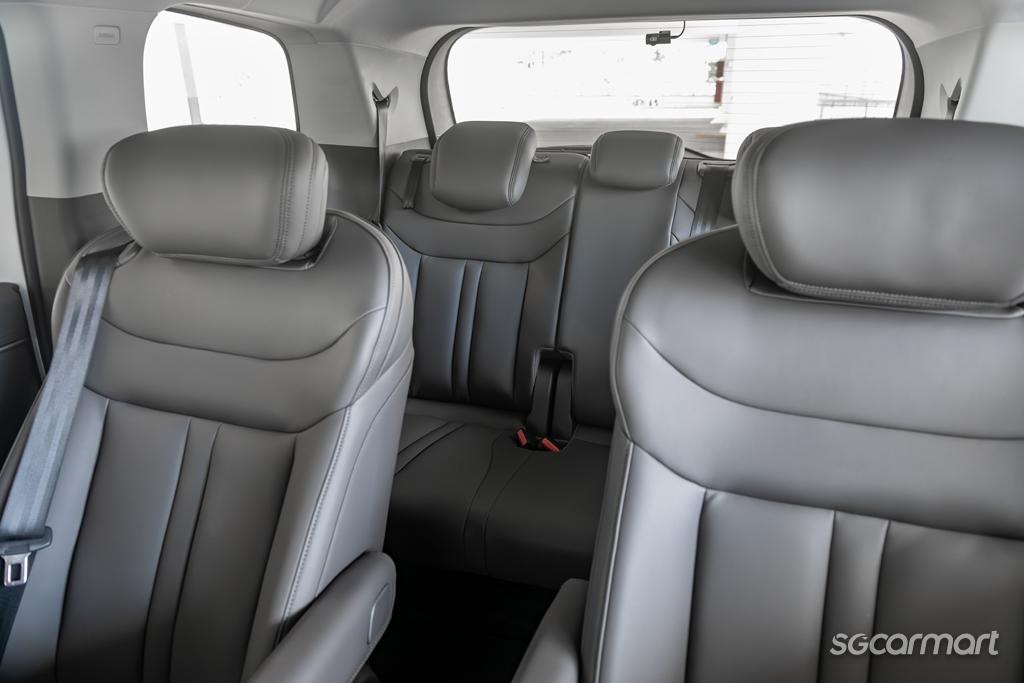
Access to the rearmost pair of seats is via the 'aisle' created by the captain's chairs. Legroom back here is acceptable, but foot space isn't great, especially if taller folks are sitting in the second row. There's no panoramic roof (that's only in the Premium variant), but with the weather these days, that's probably a blessing.
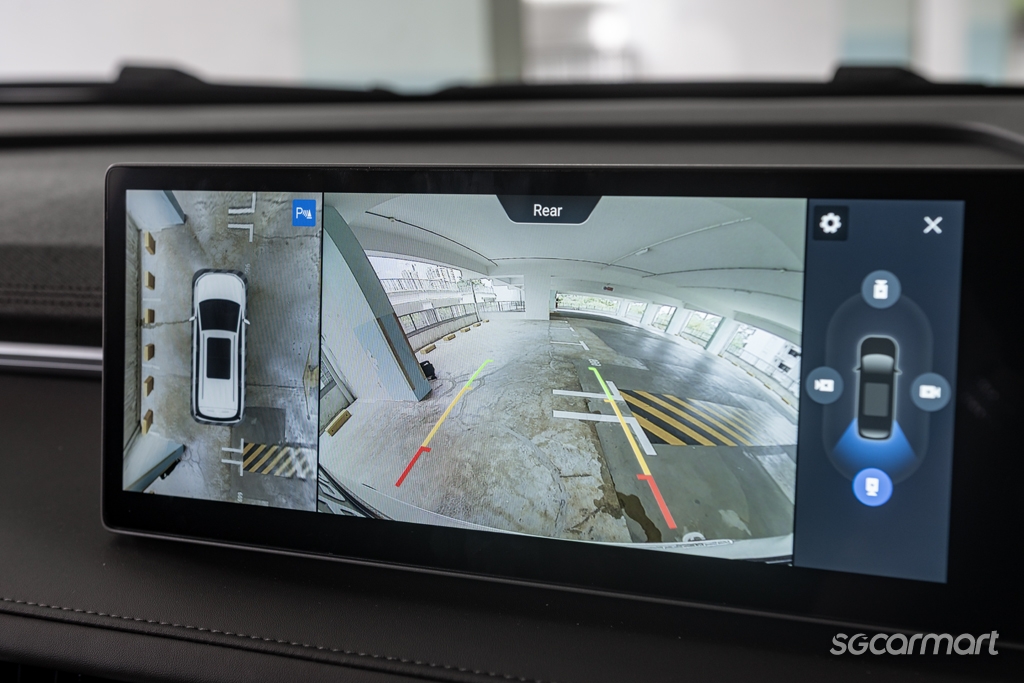
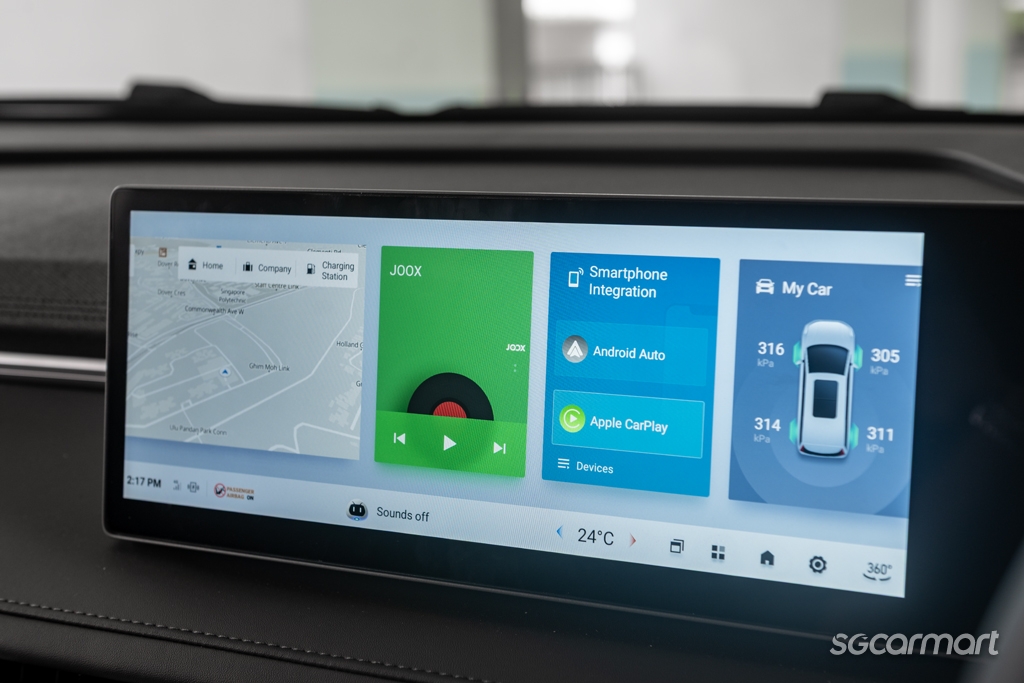
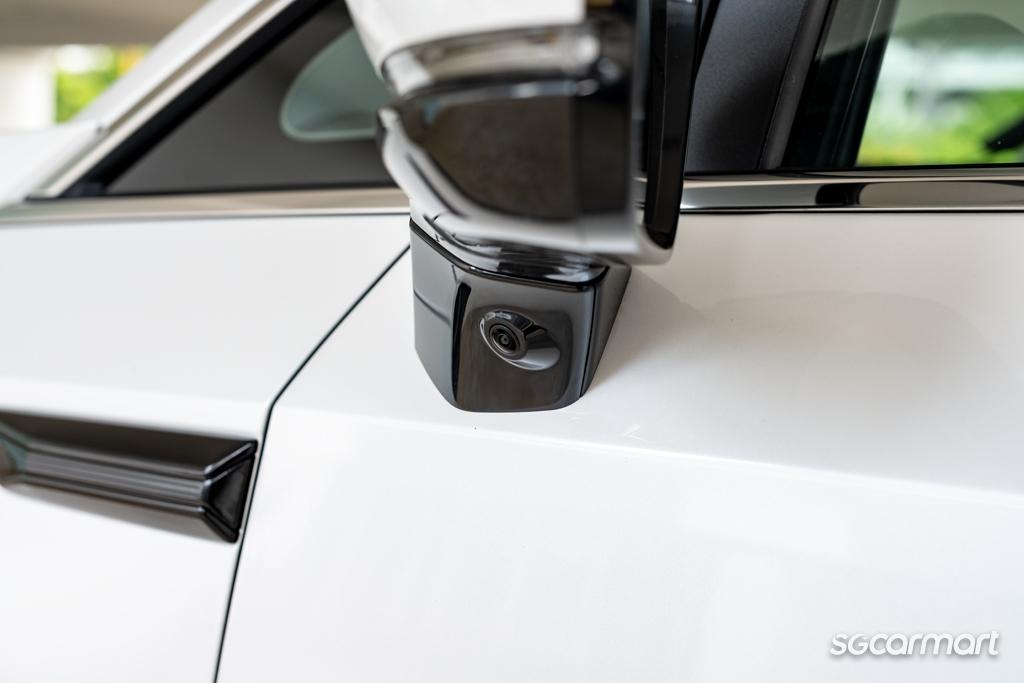
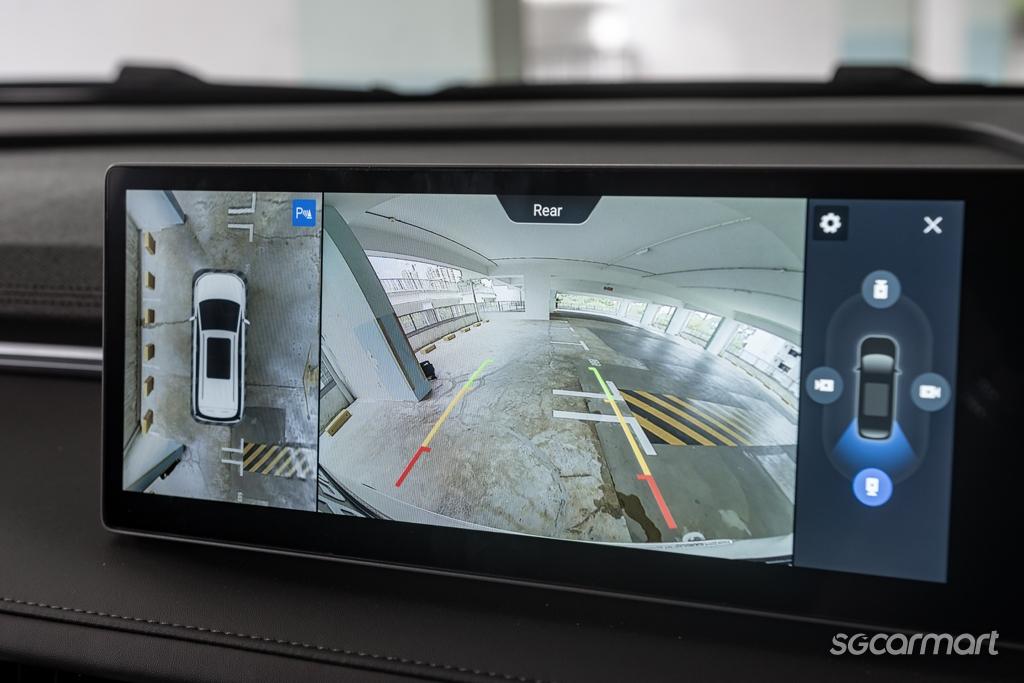
The higher-resolution 360-degree camera, and voice-activated assistant are welcome additions to the Elite variant
New bits
Although the MIFA 7 Elite is an entry-level model, it features higher-resolution 960p cameras, an upgrade over the 720p cameras in the MIFA 7 Premium. The Elite spec also adds voice recognition, and app connectivity to help make life more convenient for the driver.
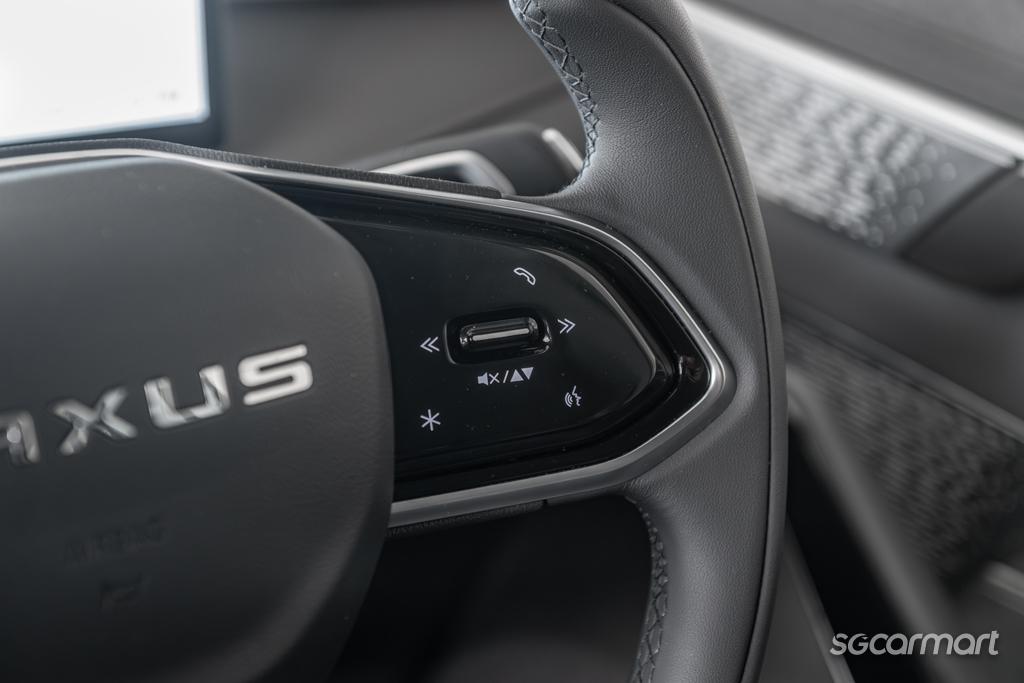
You can say "Hi Maxus" and ask the car to make the air-con colder or warmer, or increase/decrease the system volume. However, the voice assistant can't close the sliding doors on command. Maybe I didn't say the right phrase or this function isn't supported yet.
I didn't have a chance to try the app, though I was told that it can only be paired to a single account. For multi-driver households, enjoying the ability to pre-cool the car means either activating/deactivating accounts or installing the app in a shared phone. While not a deal-breaker, it would be nice to upgrade this to allow multiple registered users.
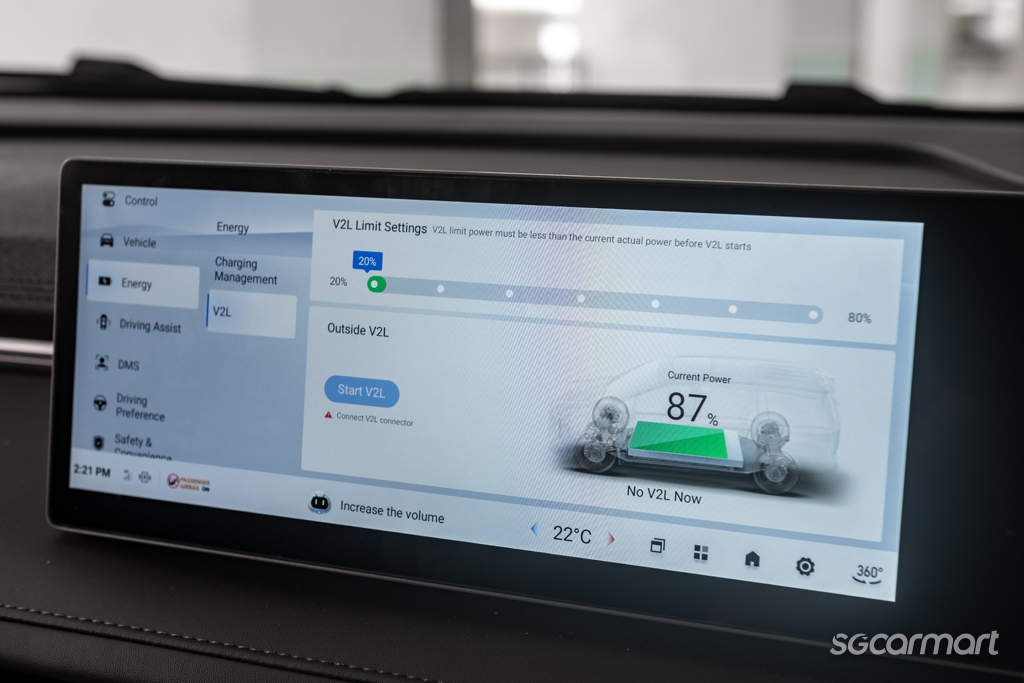
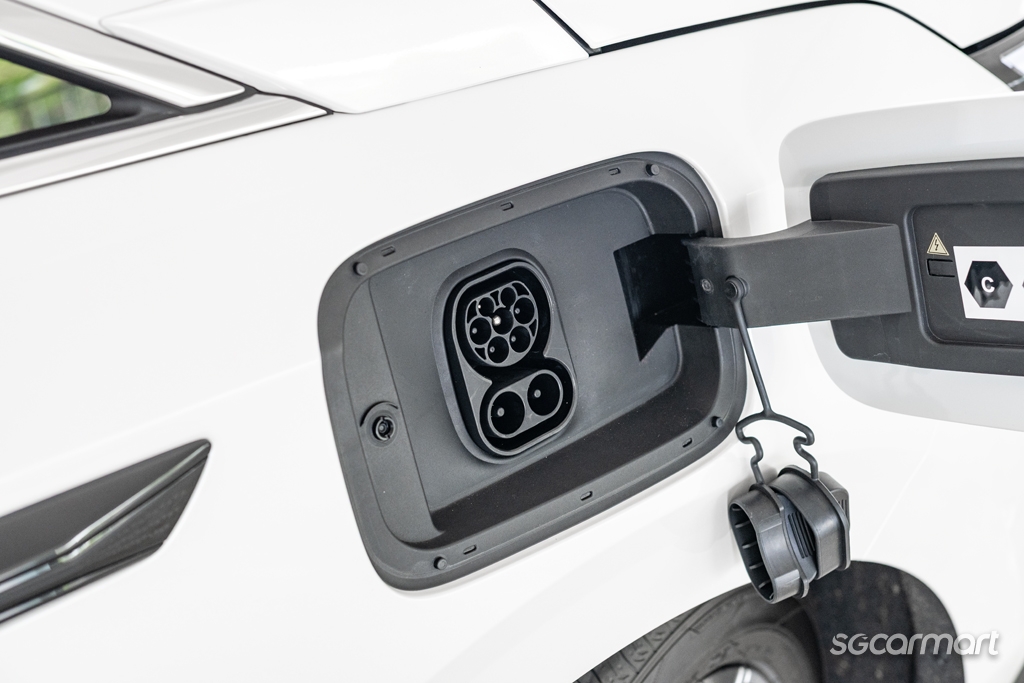
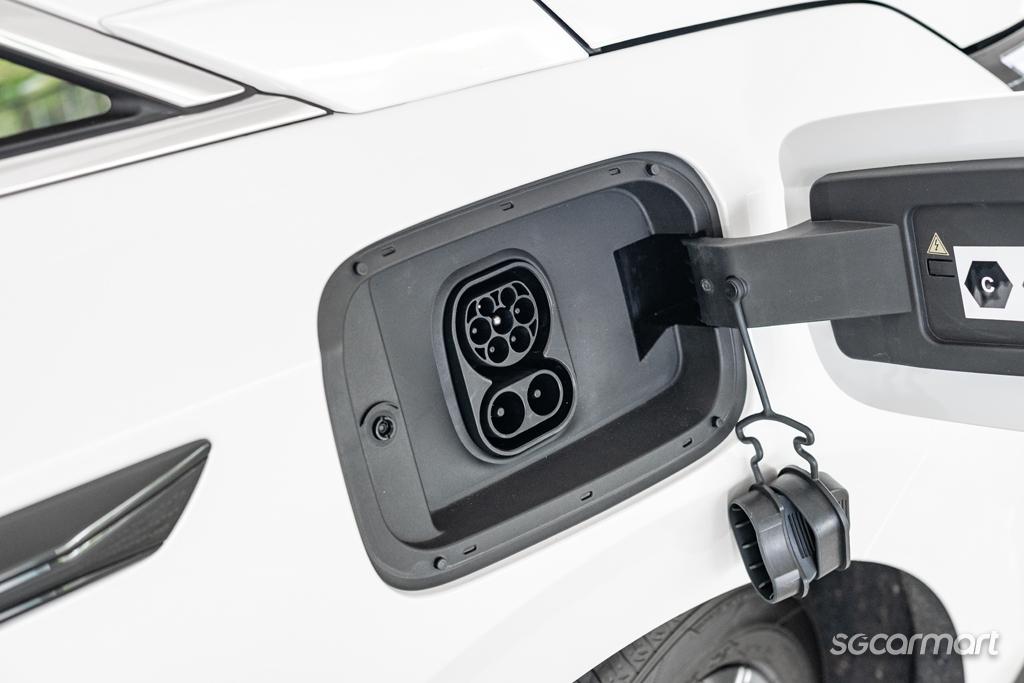
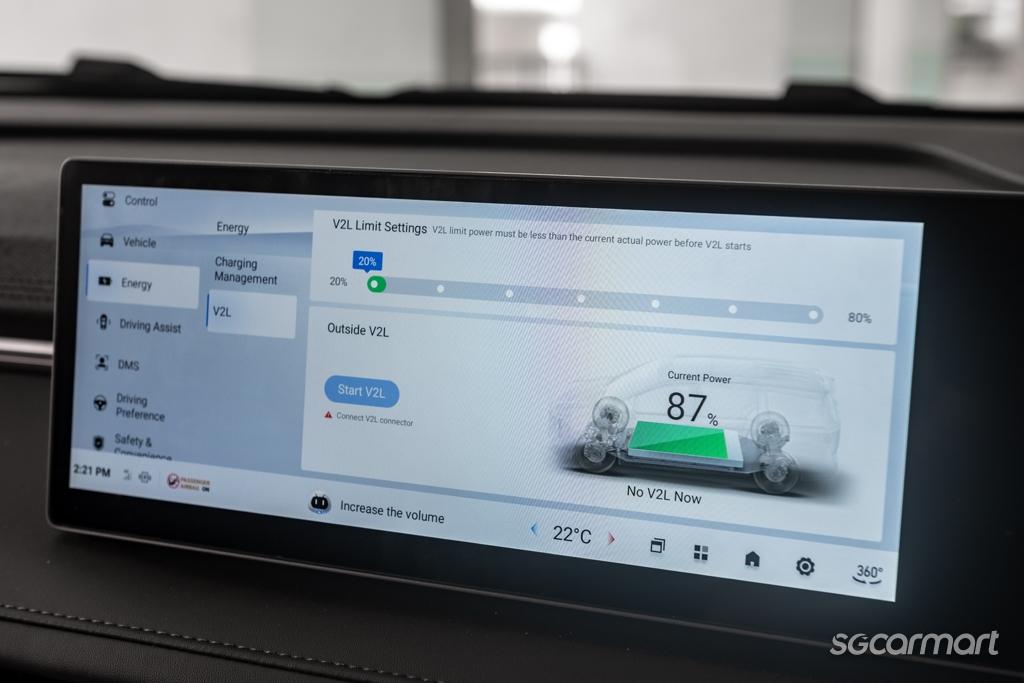
The Elite has a smaller battery, but the same maximum charging speeds as the Premium variant
Performance and range
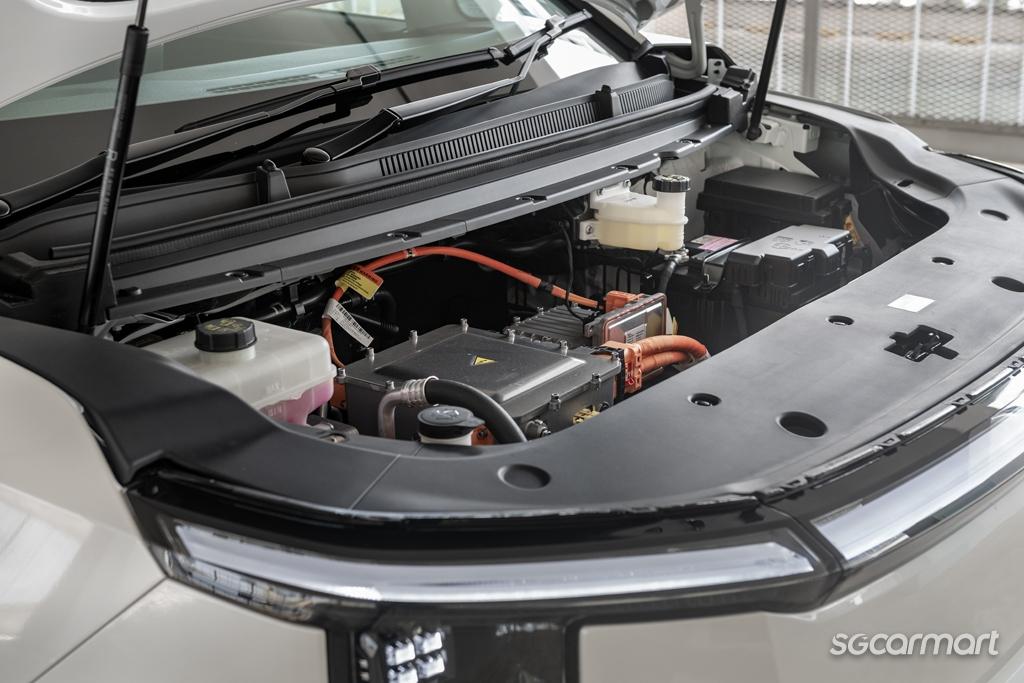
The MIFA 7 Elite offers 108kW (145bhp) and 350Nm of torque - just like the MIFA 7 Premium. Though the kW figure seems modest for a vehicle of this size, the instantly available 350Nm of torque ensures that the MPV doesn't feel underpowered. It gets off the line without fuss and delivers power in a linear fashion. Zero to 100km/h takes 11.9 seconds, which is about right for a family ferry.
However, the Elite variant has a smaller 77kWh battery, versus 90kWh in the Premium.
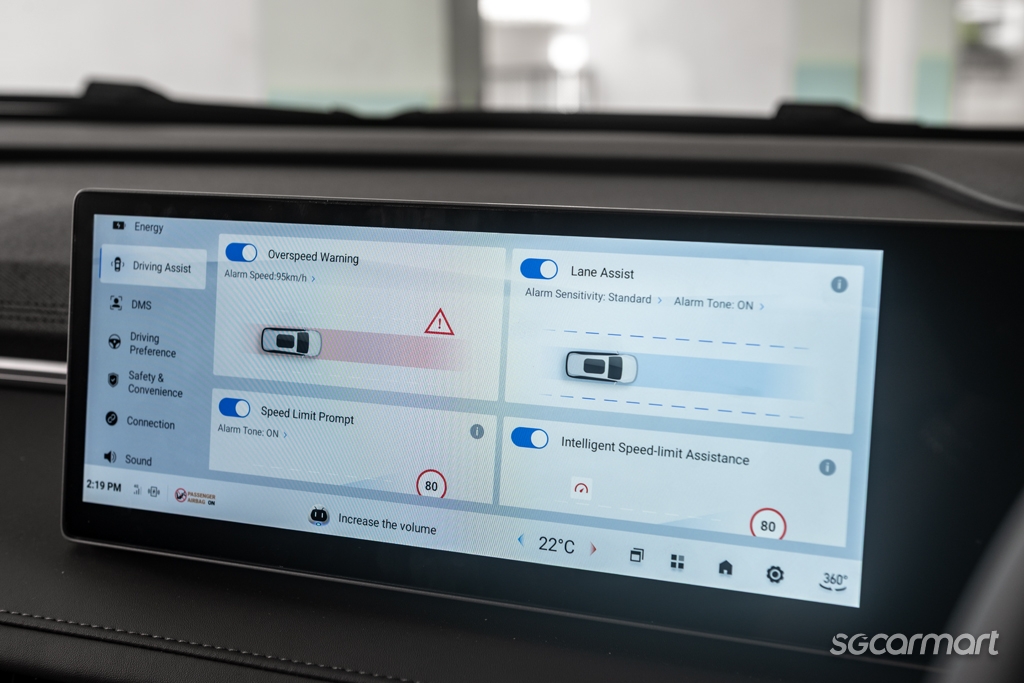
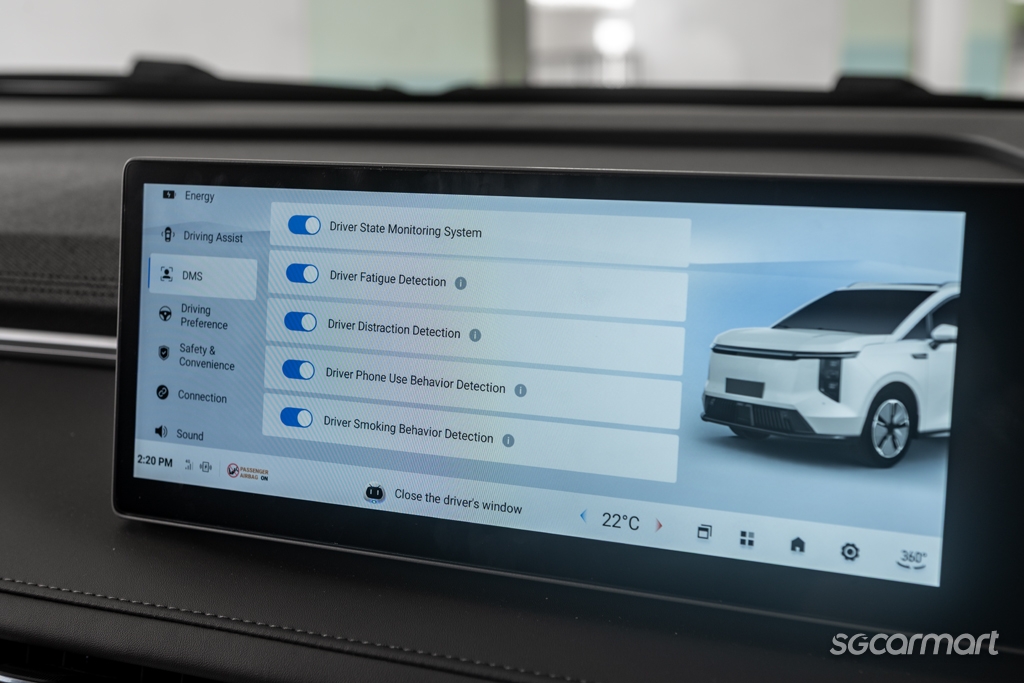
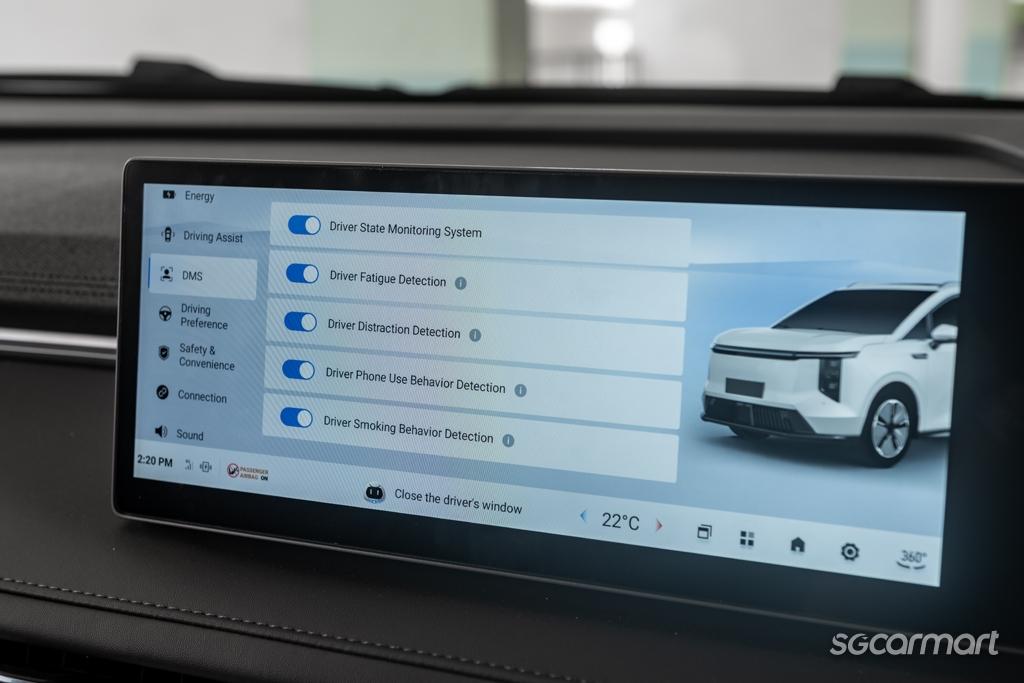
The standard safety features also include a driver monitoring system that's designed to also detect drivers using their phone
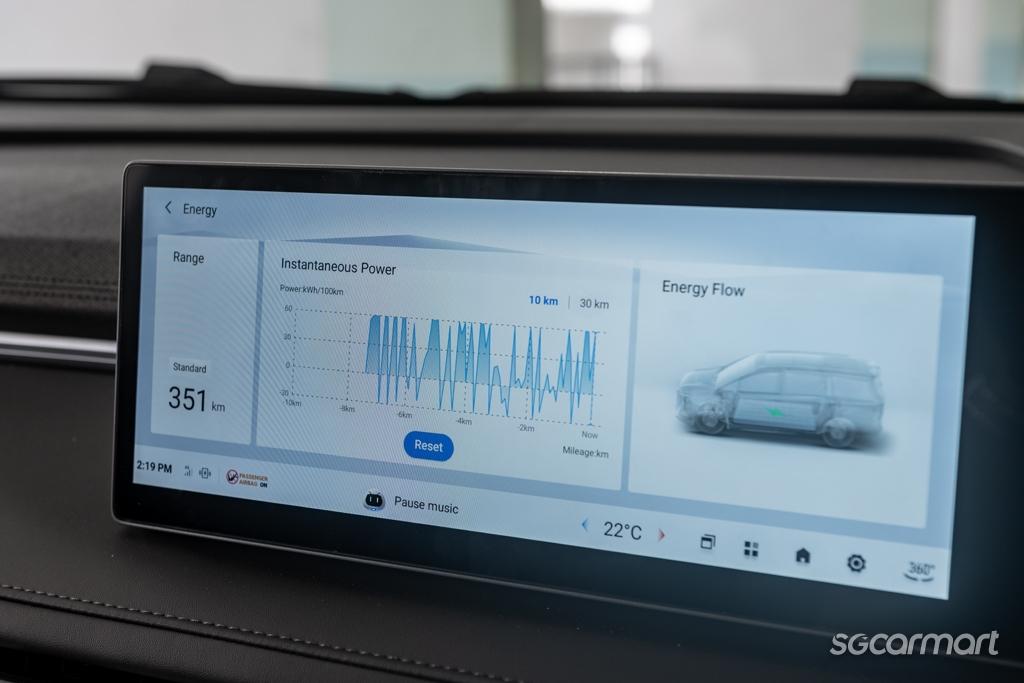
As a result, the Elite is good for 410km instead of 480km. Assuming the average driver covers 50km a day, that means recharging every eight days rather than every nine to 10 days. That said, the good news is that both the Elite and Premium variants have the same maximum charging speeds - 11kW for AC and 120kW for DC.
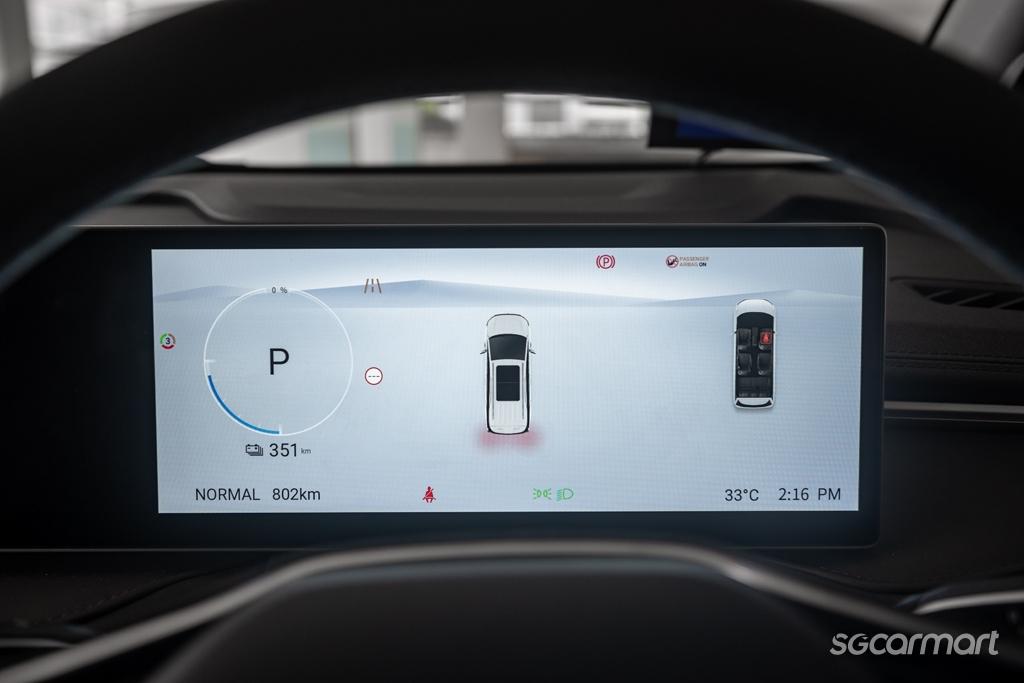
In terms of comfort, the ride is pliant thanks to the suspension managing to iron out most undulations. And for those who prioritise safety, you can't drive the MIFA 7 unless your seatbelt is buckled. Even if you attempt to, neither Drive nor Reverse can be selected, and the electronic parking brake will remain engaged.
The takeaways
The MIFA 7 is an interesting and perhaps left-field proposition for those considering a compact MPV. It's priced in the same region as the Toyota Sienta Hybrid and Honda Freed e:HEV, but offers a larger and roomier cabin.
However, not everyone shopping for a compact MPV is prepared to switch to an electric vehicle. And although more space is always welcome, the MIFA 7 lacks versatility as the third row of seats can't be folded away to expand boot capacity.
But if an electric lifestyle is something you're willing to consider, then check out the MIFA 7 in addition to segment rivals. With more space on board, plus a smoother and quieter drive, it could be the contender that surprises you.
These reviews might interest you, too
The Serena e-POWER offers even more flexibility with its uniquely deployable armrest that varies the layout between seven or eight seats
The Toyota Noah Hybrid pairs impressive efficiency with a cabin that will easily accommodate all the needs of your family
Cleverly packaged, and boasting extra edges over its peers both on the inside and on the move, the Stepwgn is a welcome addition to Honda's official stable
What We Like
Spacious cabin
Wintry air-con
Long list of safety features
Peppy off-the-line performance
Competitive pricing
What We Dislike
Rearmost seats can't be stowed
No massage or ventilation for captain's chairs
App is limited to one authorised user at a time
Most buyers follow the usual pattern when shopping for cars. This means determining a budget, followed by narrowing the list down to the type of car (SUV, MPV, etc.) they're seeking. Once they have a model in mind, they'll check it out and test drive its segment rivals.
This method certainly makes the most sense. But there are also buyers who cast the net wider by considering cars that aren't in the same segment but are similarly priced.
It is perhaps this group of buyers that Maxus had in mind when it launched the MIFA 7 Elite. Size-wise, it competes with the Honda StepWGN Spada and Toyota Noah Hybrid, but at $194,999, it's in the same price region as compact MPVs like the Honda Freed e:HEV and Toyota Sienta Hybrid.
The MIFA 7 has road presence thanks to its neat and recognisable design
Look past the badge
Maxus is a subsidiary of SAIC, the Chinese manufacturing giant that also owns MG, and IM Motors. In Singapore, Maxus is better-known for its electric commercial vehicles, but it has also made inroads with the MIFA 7, and the larger MIFA 9 before that.
The MIFA 7 comes in two variants: Elite, and Premium. From their badging, you'd think these are luxury models when they aren't. Even more confusing is the fact that the 'Elite' is actually the entry-level variant with less standard kit.
Interestingly, the MIFA 7 Elite has been refreshed, although the only evidence of this is the new light strip on its nose. Exterior-wise, the rest of the vehicle looks like the MIFA 7 Luxury we previously reviewed.
The light bar adds visibility without making the front end look over-styled
As with most EV models, the MIFA 7's cockpit adopts a minimalist design, with limited physical switchgear since most of the functions are parked inside the infotainment system. What could have been buttons for the sliding doors, and front and rear demisters are now touch-sensitive buttons on the centre panel.
For practicality, the centre console has two levels, USB-A and USB-C ports, and a wireless charging pad for your phone. There's a bin between the front seats and a storage drawer facing the two 'captain's chairs' in the second row.
To bring down the car's cost, the driver's seat does without memory, ventilation or heating functions, and the captain's chairs are basic, too
If your idea of a captain's chair is a single seat with armrests, then the MIFA 7 will tick that box. But if your definition includes massage and ventilation functions, along with an extendable leg rest and footrest, you're shopping in the wrong segment.
Despite being manually adjustable, these seats are comfortable. Rear passengers also get a third climate zone and ceiling vents, which do a fantastic job circulating the wintry air the air-conditioning produces.
Access to the rearmost pair of seats is via the 'aisle' created by the captain's chairs. Legroom back here is acceptable, but foot space isn't great, especially if taller folks are sitting in the second row. There's no panoramic roof (that's only in the Premium variant), but with the weather these days, that's probably a blessing.
The higher-resolution 360-degree camera, and voice-activated assistant are welcome additions to the Elite variant
New bits
Although the MIFA 7 Elite is an entry-level model, it features higher-resolution 960p cameras, an upgrade over the 720p cameras in the MIFA 7 Premium. The Elite spec also adds voice recognition, and app connectivity to help make life more convenient for the driver.
You can say "Hi Maxus" and ask the car to make the air-con colder or warmer, or increase/decrease the system volume. However, the voice assistant can't close the sliding doors on command. Maybe I didn't say the right phrase or this function isn't supported yet.
I didn't have a chance to try the app, though I was told that it can only be paired to a single account. For multi-driver households, enjoying the ability to pre-cool the car means either activating/deactivating accounts or installing the app in a shared phone. While not a deal-breaker, it would be nice to upgrade this to allow multiple registered users.
The Elite has a smaller battery, but the same maximum charging speeds as the Premium variant
Performance and range
The MIFA 7 Elite offers 108kW (145bhp) and 350Nm of torque - just like the MIFA 7 Premium. Though the kW figure seems modest for a vehicle of this size, the instantly available 350Nm of torque ensures that the MPV doesn't feel underpowered. It gets off the line without fuss and delivers power in a linear fashion. Zero to 100km/h takes 11.9 seconds, which is about right for a family ferry.
However, the Elite variant has a smaller 77kWh battery, versus 90kWh in the Premium.
The standard safety features also include a driver monitoring system that's designed to also detect drivers using their phone
As a result, the Elite is good for 410km instead of 480km. Assuming the average driver covers 50km a day, that means recharging every eight days rather than every nine to 10 days. That said, the good news is that both the Elite and Premium variants have the same maximum charging speeds - 11kW for AC and 120kW for DC.
In terms of comfort, the ride is pliant thanks to the suspension managing to iron out most undulations. And for those who prioritise safety, you can't drive the MIFA 7 unless your seatbelt is buckled. Even if you attempt to, neither Drive nor Reverse can be selected, and the electronic parking brake will remain engaged.
The takeaways
The MIFA 7 is an interesting and perhaps left-field proposition for those considering a compact MPV. It's priced in the same region as the Toyota Sienta Hybrid and Honda Freed e:HEV, but offers a larger and roomier cabin.
However, not everyone shopping for a compact MPV is prepared to switch to an electric vehicle. And although more space is always welcome, the MIFA 7 lacks versatility as the third row of seats can't be folded away to expand boot capacity.
But if an electric lifestyle is something you're willing to consider, then check out the MIFA 7 in addition to segment rivals. With more space on board, plus a smoother and quieter drive, it could be the contender that surprises you.
These reviews might interest you, too
The Serena e-POWER offers even more flexibility with its uniquely deployable armrest that varies the layout between seven or eight seats
The Toyota Noah Hybrid pairs impressive efficiency with a cabin that will easily accommodate all the needs of your family
Cleverly packaged, and boasting extra edges over its peers both on the inside and on the move, the Stepwgn is a welcome addition to Honda's official stable



Car Information
Maxus MIFA 7 Electric Elite [108kW] 77kWh (A)
$209,999
CAT A|Electric|4.8km/kWh
Horsepower
108kW (145 bhp)
Torque
350 Nm
Acceleration
11.9sec (0-100km /hr)

Thank You For Your Subscription.
Tags
Products & Services

For Owners
Quick Links
About Sgcarmart