6 things you should know about the McLaren 750S
12 Aug 2023|973 views

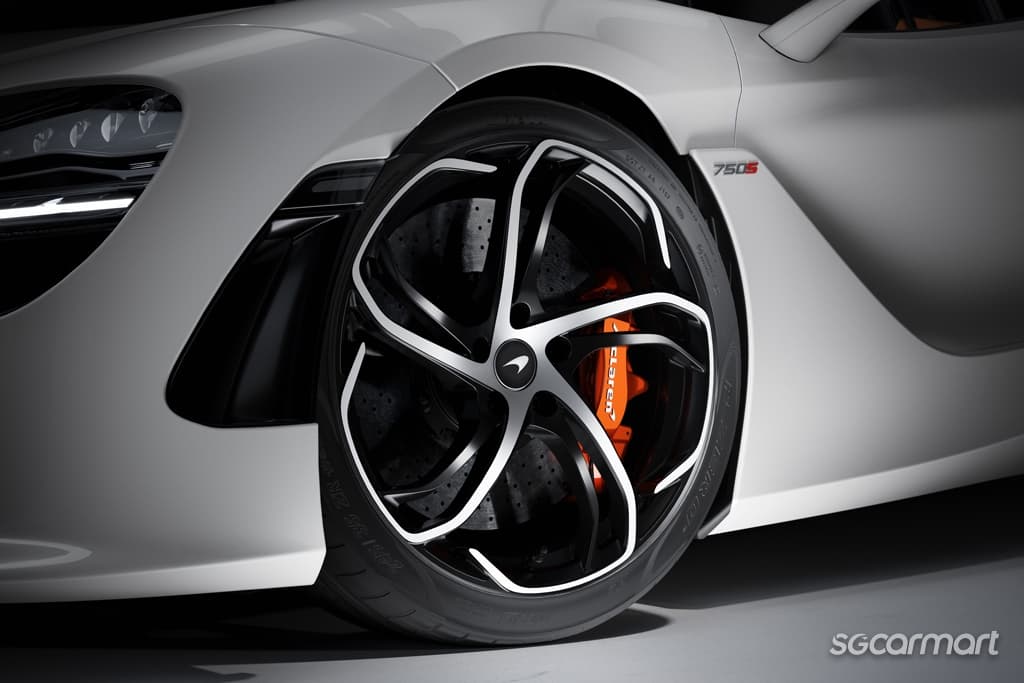
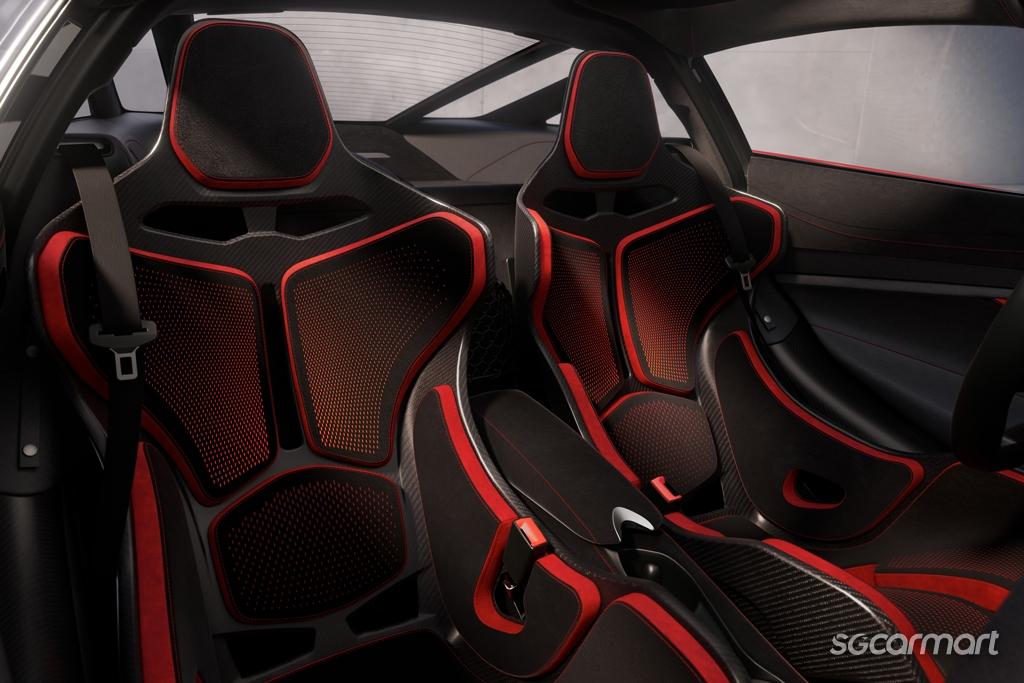


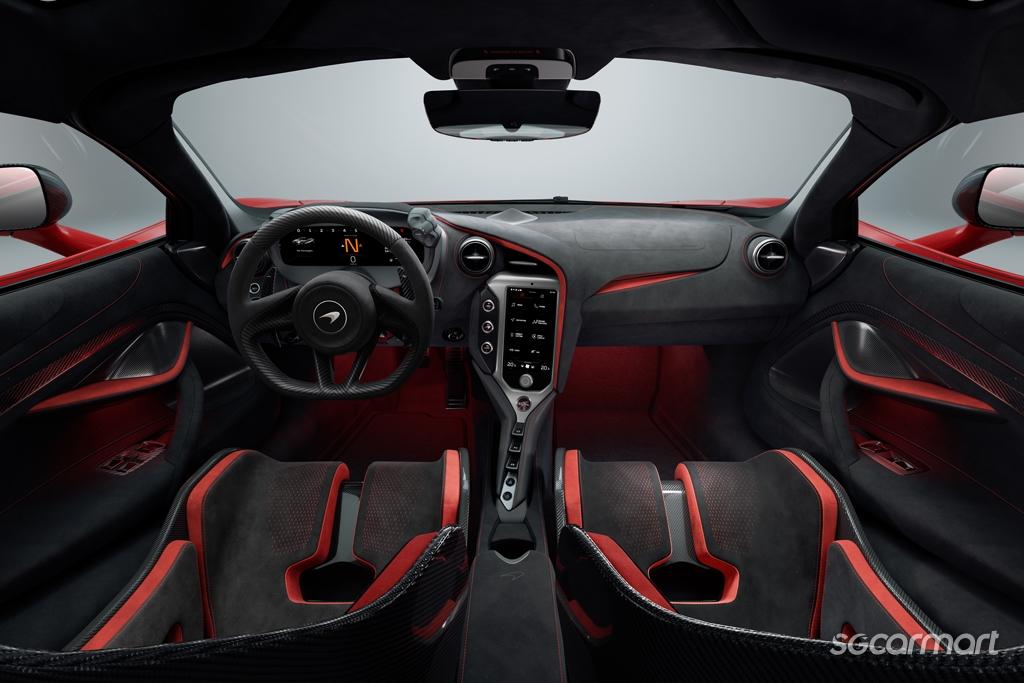


The 750S, which succeeds the 720S, is McLaren's quickest and most powerful series production model to date.
As its name indicates, power from its mid-mounted M840T twin-turbocharged 4.0-litre V8 has risen from 710bhp (720PS) to 740bhp (750PS). It now also boasts 800Nm of torque, up from 770Nm previously.
It's easy to assume that McLaren engineers just boosted the turbochargers' pressures and called it a day when in fact, the 750S features numerous and extensive upgrades over the 720S. Here are several key ones.
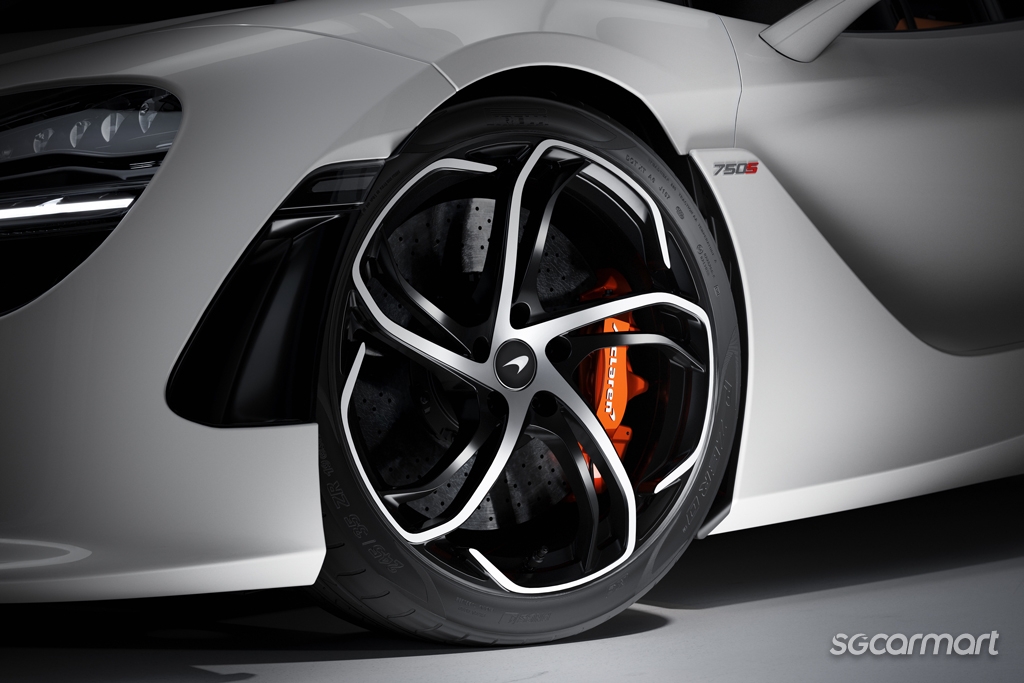
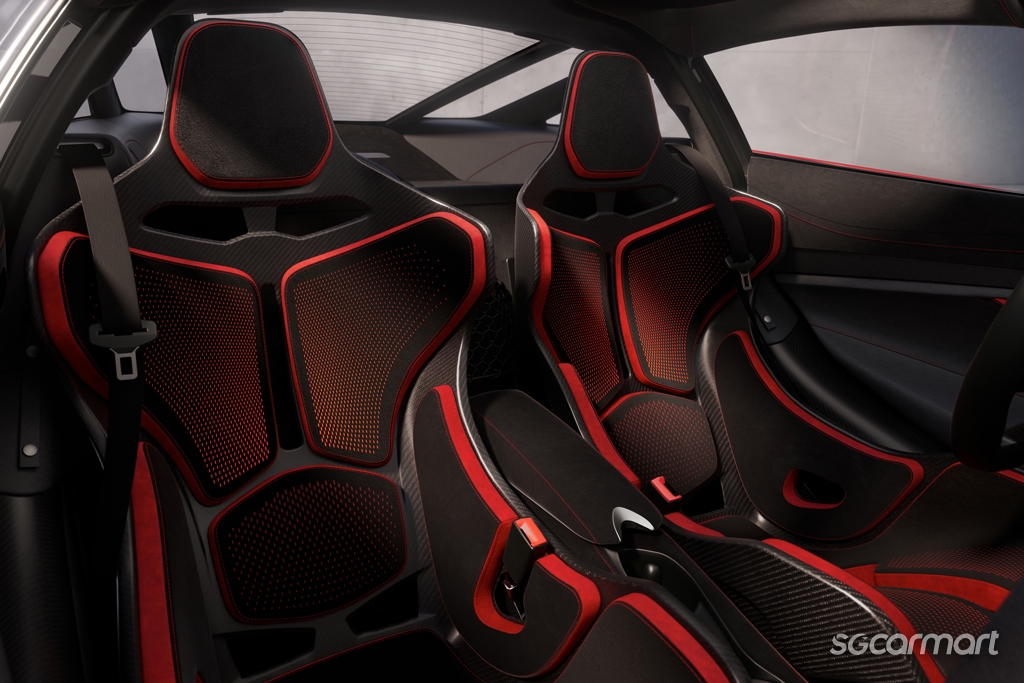
Lightweight rims and carbon fibre-shelled seats aid the 750S in becoming lighter than the 720S
1. Lightweight 'apparel'
As standard, the 750S is fitted with 10-spoke forged wheels, which are the lightest to ever be fitted onto a series production McLaren model. McLaren says this has saved 13.8kg, or 3.45kg per wheel. Since the 750S is 30kg lighter than the 720S, the wheels make up almost half of this figure.
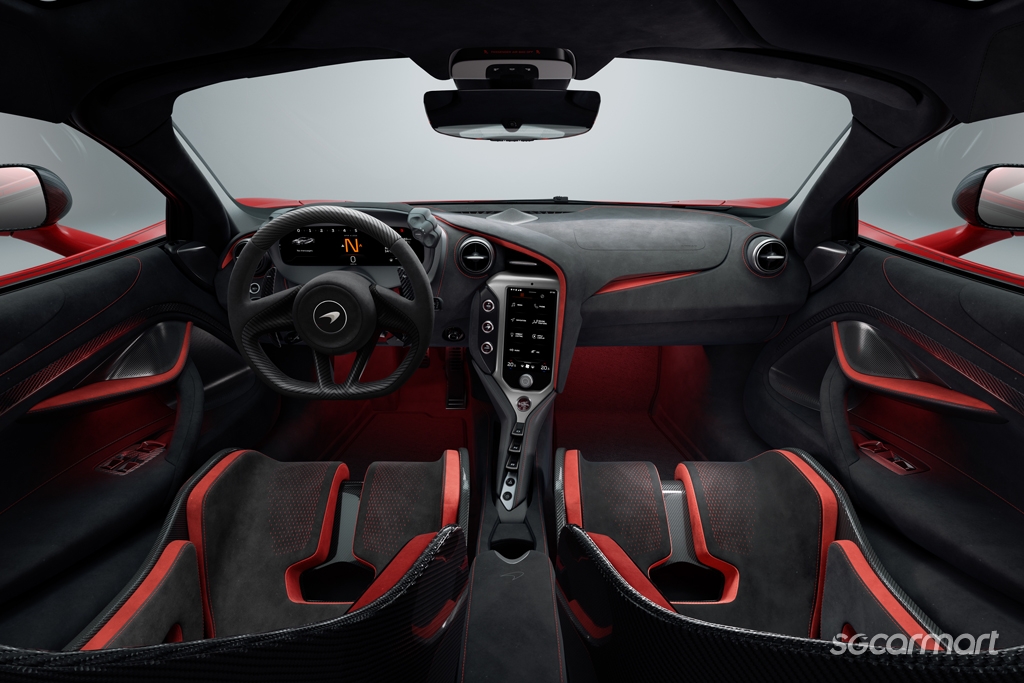
Another significant weight-saving measure is the use of carbon fibre-shelled racing seats, which are 17.5kg lighter than the standard sports seats in the 720S. Also available as an option are Super-Lightweight Carbon Fibre Racing Seats, which are 33% lighter than the same seat shell made using "conventional techniques".
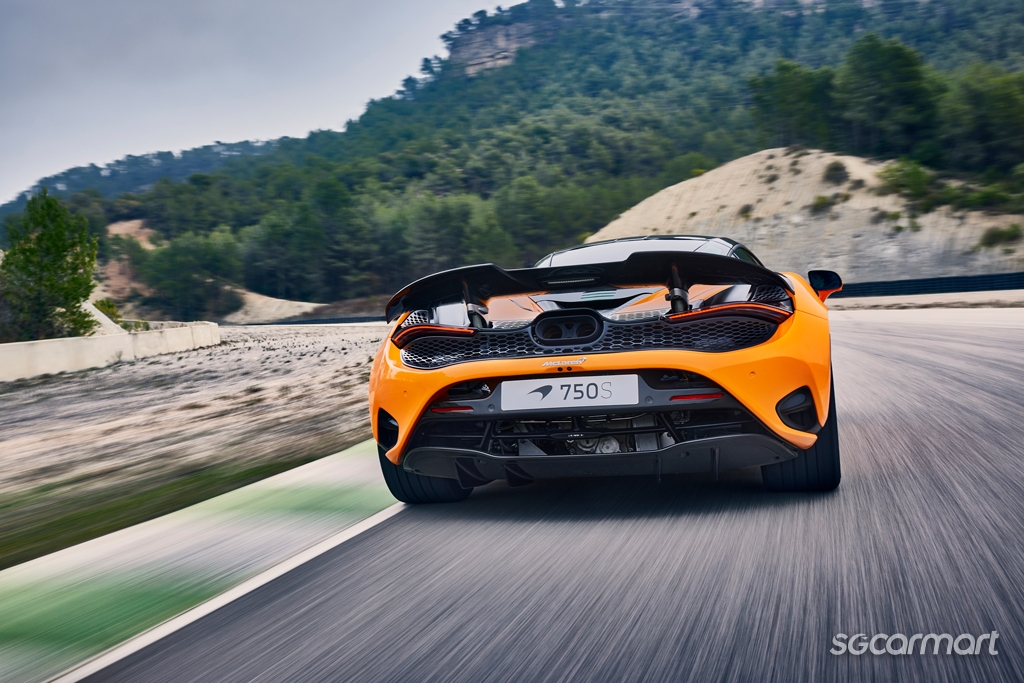
The cut-out in the middle of the wing improves rearward visibility and prevents it from being affected by heat from the centre-exit exhaust
2. Larger and lighter rear wing
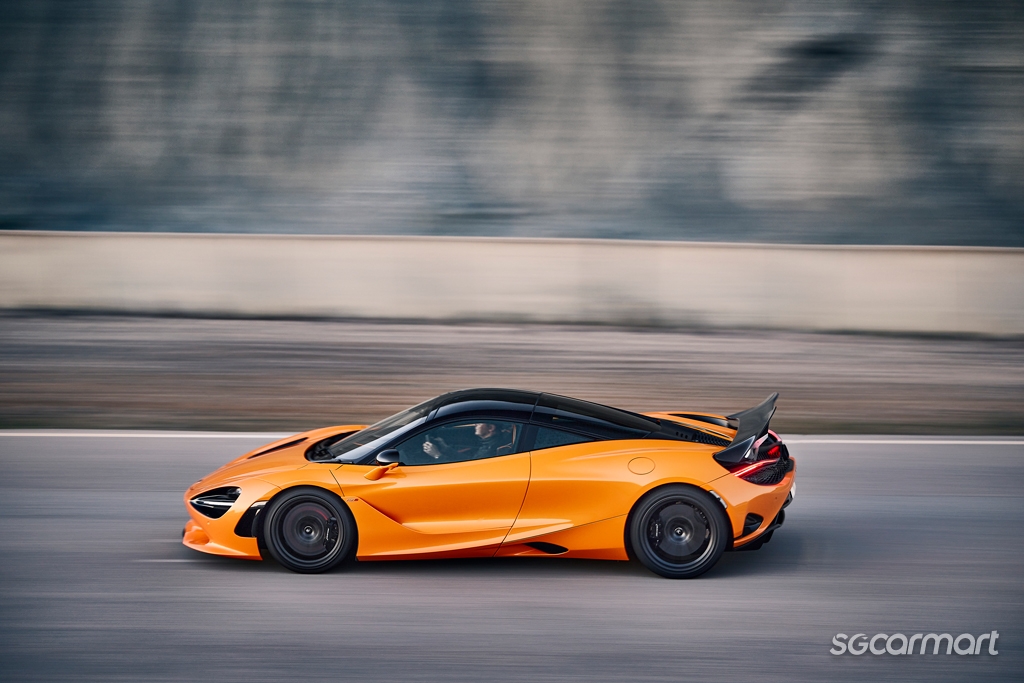
Aerodynamics is just as important as the car's powertrain and suspension, and McLaren did not hold back in its search for better aero. The lengthened rear wing has a surface area 20% greater than the one fitted to the 720S.
Despite this, the use of carbon fibre enabled the carmaker to reduce the wing's weight by 1.6kg. The wing is built at the McLaren Composite Technology Centre in the U.K., "using new production methodologies unique to the 750S".
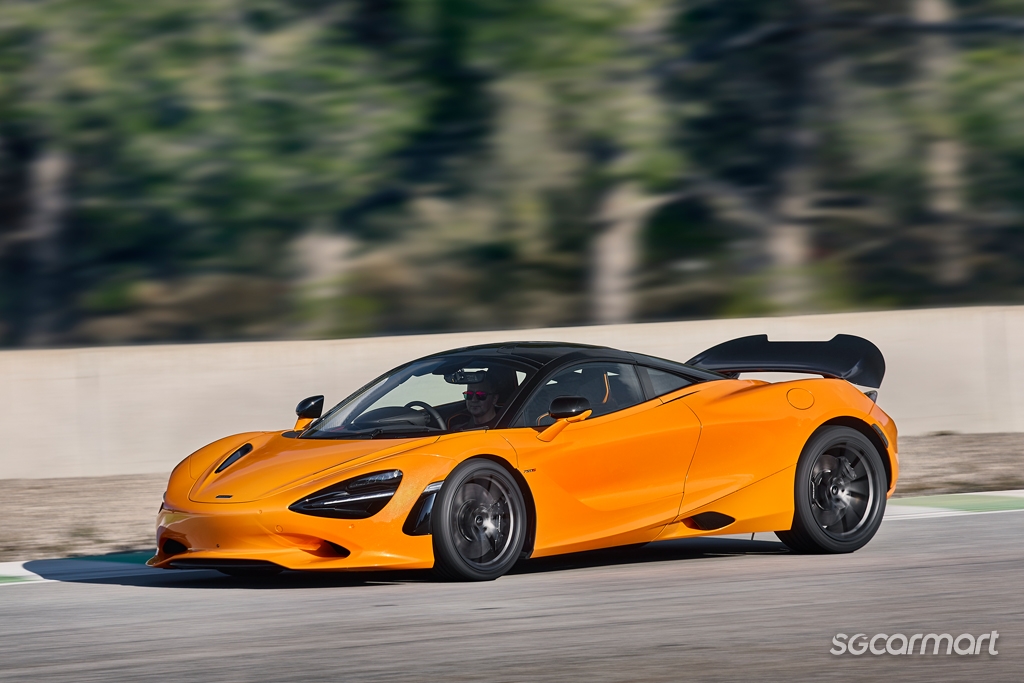
Braking under high speed causes the active rear wing to pop up and act like an air brake to slow down the car
3. Upgraded brakes take seven months to make
The 750S is engineered for serious performance, but for owners who think their supercar's super speed calls for even greater stopping power, McLaren offers a track brake upgrade.
These carbon ceramic discs are 60% stronger and have four times the thermal conductivity, without being larger or heavier. However, producing them takes seven months or seven times longer than a conventional carbon ceramic component.
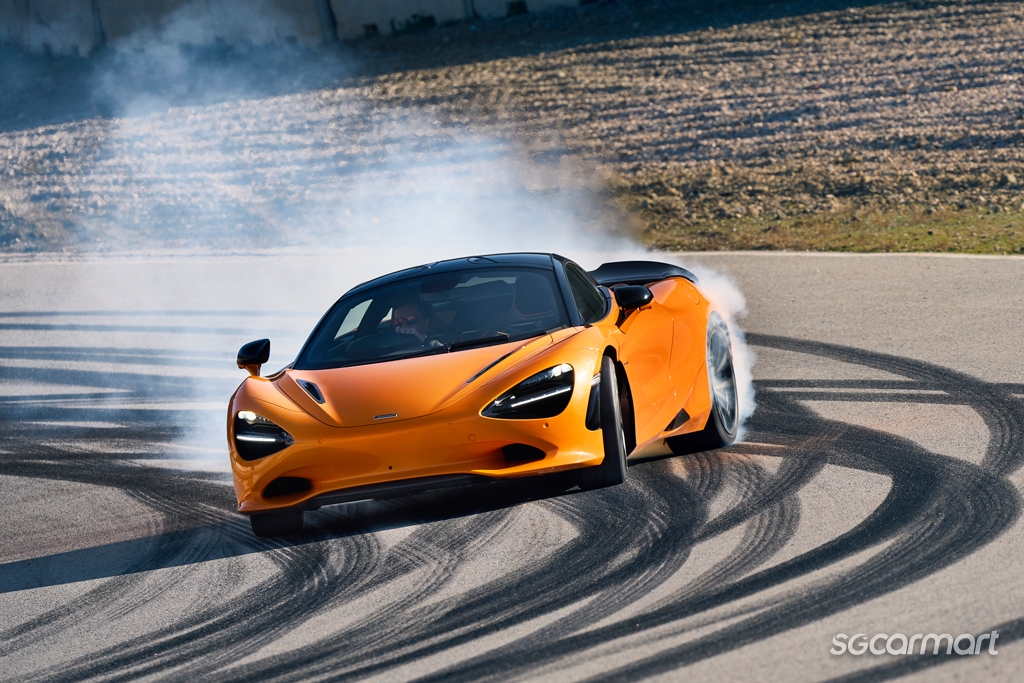
4. Better ride balance
It's easy to assume that supercars have rock-hard suspension by default, and that selecting any sportier settings will make the ride even more unyielding. After all, firmer suspension can facilitate better handling by arresting any unwanted lean and body roll.
But when it comes to handling, balance is key. The front spring rates in the 750S are 3% softer than the ones in the 720S, while the rear spring rates have been made 4% firmer. McLaren says that by doing this, it was able to make the dampers more compliant.
Components that complement this include McLaren's latest iteration of Proactive Chassis Control III, while the helm has been given a faster steering ratio and better linearity.
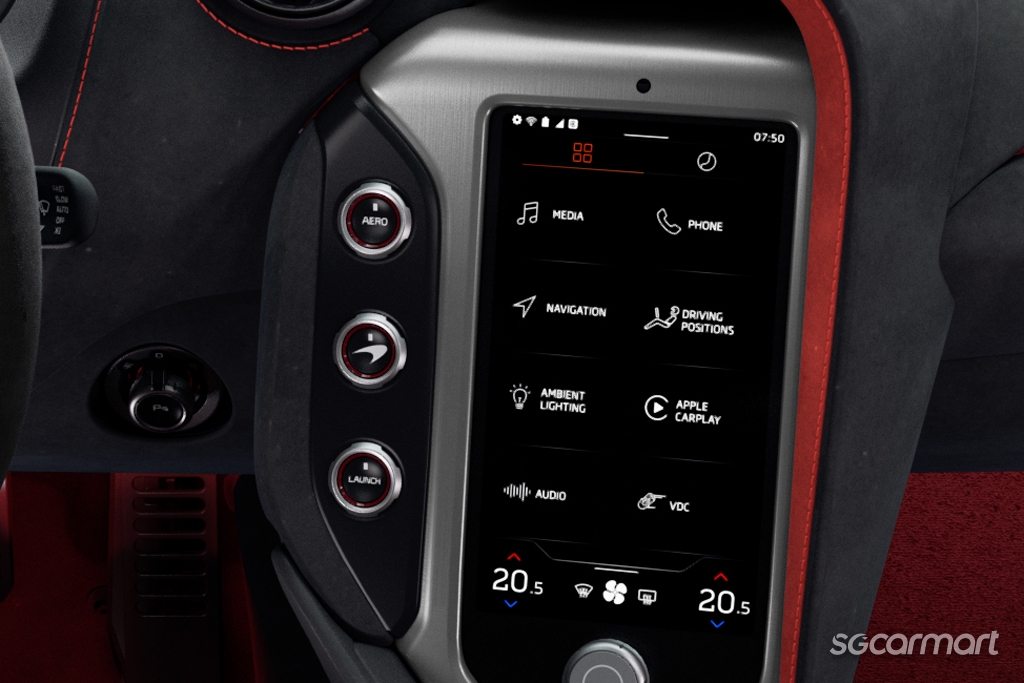
The MCL button is labelled with the McLaren Speedmark and sits between the 'Aero' and 'Launch' buttons (right)
5. The MCL button
Supercars by nature are complex machines that offer myriad settings. Everything from the suspension to the traction control and to the gearbox can be tweaked. But can you recall everything at a touch of a button?
That's something 750S owners won't even have to think about thanks to the MCL (McLaren Control Launcher) button. Apart from suspension and powertrain settings, the previously stored aerodynamics and transmission settings are all instantly recalled by pressing it.
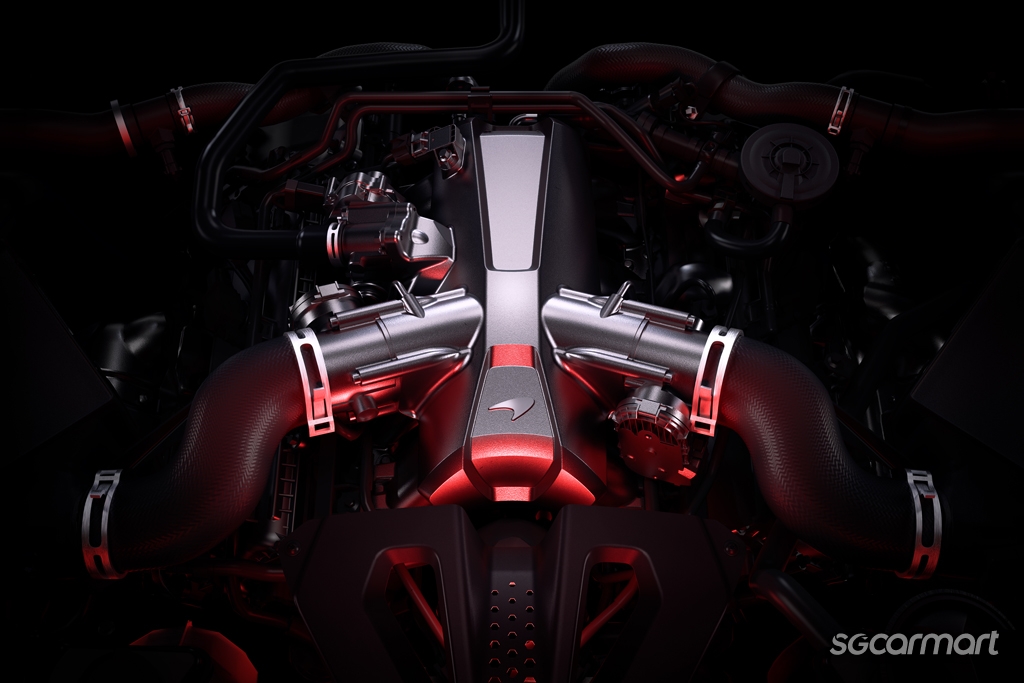
The rev-happy, twin-turbocharged 4.0-litre V8 is primarily responsible for making the 750S massively quicker than the 720S, which is no small feat
6. Serious acceleration
Yes, the 750S is even quicker than the 720S thanks to the more powerful V8 engine and shorter final drive ratio. But when you're shaving 0.1 of a second from 2.9 seconds on a rear-wheel drive car, now that's really impressive.
McLaren didn't stop there, though. To blow drivers' socks off, the 750S' zero to 200km/h time is 7.2 seconds compared to 7.8 seconds for the 720S. To put that in context, a typical hot hatch like the VW Golf GTI would be just over 100km/h at that point, while most family saloons wouldn't even have hit triple digit speeds.
Looking for more McLaren stories? These articles may interest you
McLaren offers the 750S with a seven-shade finish
McLaren Singapore hosts gathering to mark the brand's 60th anniversary
The 750S, which succeeds the 720S, is McLaren's quickest and most powerful series production model to date.
As its name indicates, power from its mid-mounted M840T twin-turbocharged 4.0-litre V8 has risen from 710bhp (720PS) to 740bhp (750PS). It now also boasts 800Nm of torque, up from 770Nm previously.
It's easy to assume that McLaren engineers just boosted the turbochargers' pressures and called it a day when in fact, the 750S features numerous and extensive upgrades over the 720S. Here are several key ones.
Lightweight rims and carbon fibre-shelled seats aid the 750S in becoming lighter than the 720S
1. Lightweight 'apparel'
As standard, the 750S is fitted with 10-spoke forged wheels, which are the lightest to ever be fitted onto a series production McLaren model. McLaren says this has saved 13.8kg, or 3.45kg per wheel. Since the 750S is 30kg lighter than the 720S, the wheels make up almost half of this figure.
Another significant weight-saving measure is the use of carbon fibre-shelled racing seats, which are 17.5kg lighter than the standard sports seats in the 720S. Also available as an option are Super-Lightweight Carbon Fibre Racing Seats, which are 33% lighter than the same seat shell made using "conventional techniques".
The cut-out in the middle of the wing improves rearward visibility and prevents it from being affected by heat from the centre-exit exhaust
2. Larger and lighter rear wing
Aerodynamics is just as important as the car's powertrain and suspension, and McLaren did not hold back in its search for better aero. The lengthened rear wing has a surface area 20% greater than the one fitted to the 720S.
Despite this, the use of carbon fibre enabled the carmaker to reduce the wing's weight by 1.6kg. The wing is built at the McLaren Composite Technology Centre in the U.K., "using new production methodologies unique to the 750S".
Braking under high speed causes the active rear wing to pop up and act like an air brake to slow down the car
3. Upgraded brakes take seven months to make
The 750S is engineered for serious performance, but for owners who think their supercar's super speed calls for even greater stopping power, McLaren offers a track brake upgrade.
These carbon ceramic discs are 60% stronger and have four times the thermal conductivity, without being larger or heavier. However, producing them takes seven months or seven times longer than a conventional carbon ceramic component.
4. Better ride balance
It's easy to assume that supercars have rock-hard suspension by default, and that selecting any sportier settings will make the ride even more unyielding. After all, firmer suspension can facilitate better handling by arresting any unwanted lean and body roll.
But when it comes to handling, balance is key. The front spring rates in the 750S are 3% softer than the ones in the 720S, while the rear spring rates have been made 4% firmer. McLaren says that by doing this, it was able to make the dampers more compliant.
Components that complement this include McLaren's latest iteration of Proactive Chassis Control III, while the helm has been given a faster steering ratio and better linearity.
The MCL button is labelled with the McLaren Speedmark and sits between the 'Aero' and 'Launch' buttons (right)
5. The MCL button
Supercars by nature are complex machines that offer myriad settings. Everything from the suspension to the traction control and to the gearbox can be tweaked. But can you recall everything at a touch of a button?
That's something 750S owners won't even have to think about thanks to the MCL (McLaren Control Launcher) button. Apart from suspension and powertrain settings, the previously stored aerodynamics and transmission settings are all instantly recalled by pressing it.
The rev-happy, twin-turbocharged 4.0-litre V8 is primarily responsible for making the 750S massively quicker than the 720S, which is no small feat
6. Serious acceleration
Yes, the 750S is even quicker than the 720S thanks to the more powerful V8 engine and shorter final drive ratio. But when you're shaving 0.1 of a second from 2.9 seconds on a rear-wheel drive car, now that's really impressive.
McLaren didn't stop there, though. To blow drivers' socks off, the 750S' zero to 200km/h time is 7.2 seconds compared to 7.8 seconds for the 720S. To put that in context, a typical hot hatch like the VW Golf GTI would be just over 100km/h at that point, while most family saloons wouldn't even have hit triple digit speeds.
Looking for more McLaren stories? These articles may interest you
McLaren offers the 750S with a seven-shade finish
McLaren Singapore hosts gathering to mark the brand's 60th anniversary



Thank You For Your Subscription.






Tags
Products & Services

For Owners
Quick Links
About Sgcarmart