BMW Odour Lab: More than just the 'new car smell'
07 May 2026|9 views
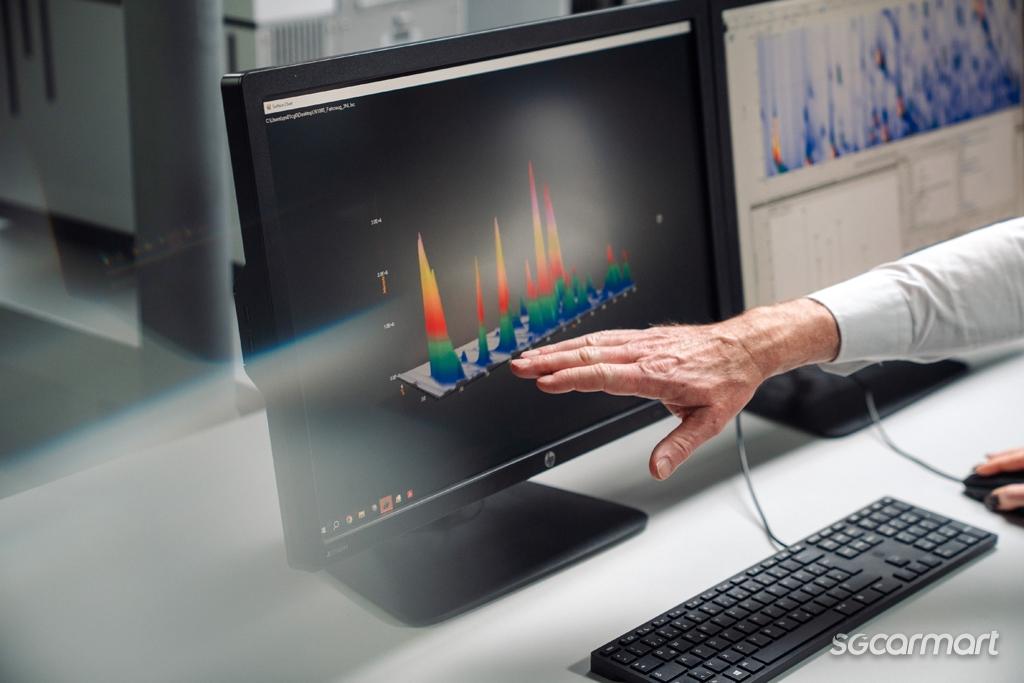
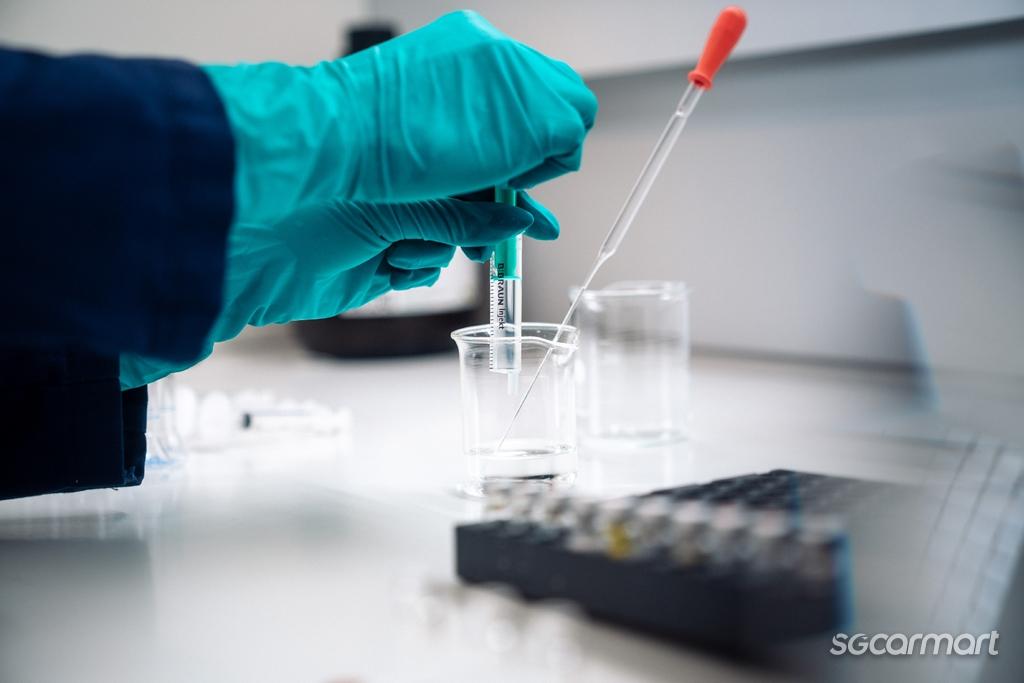
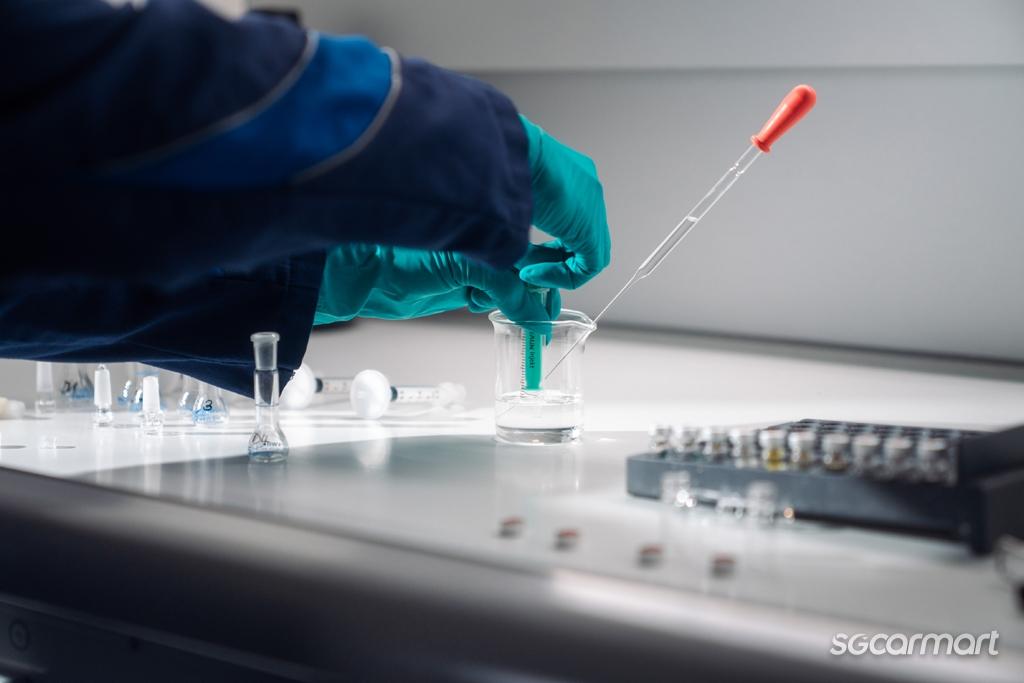
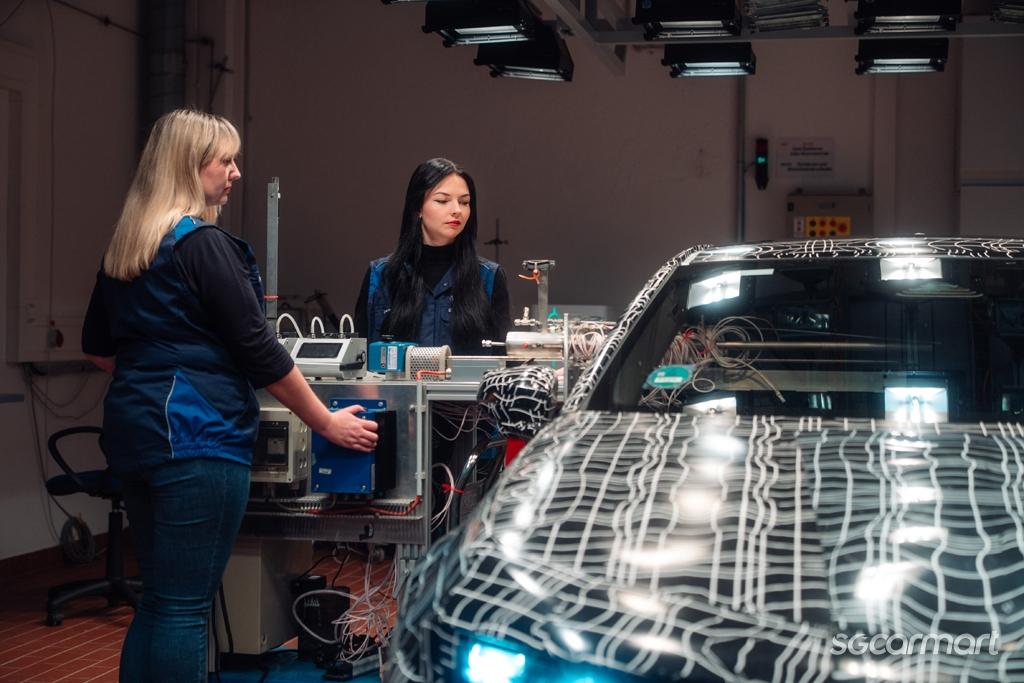

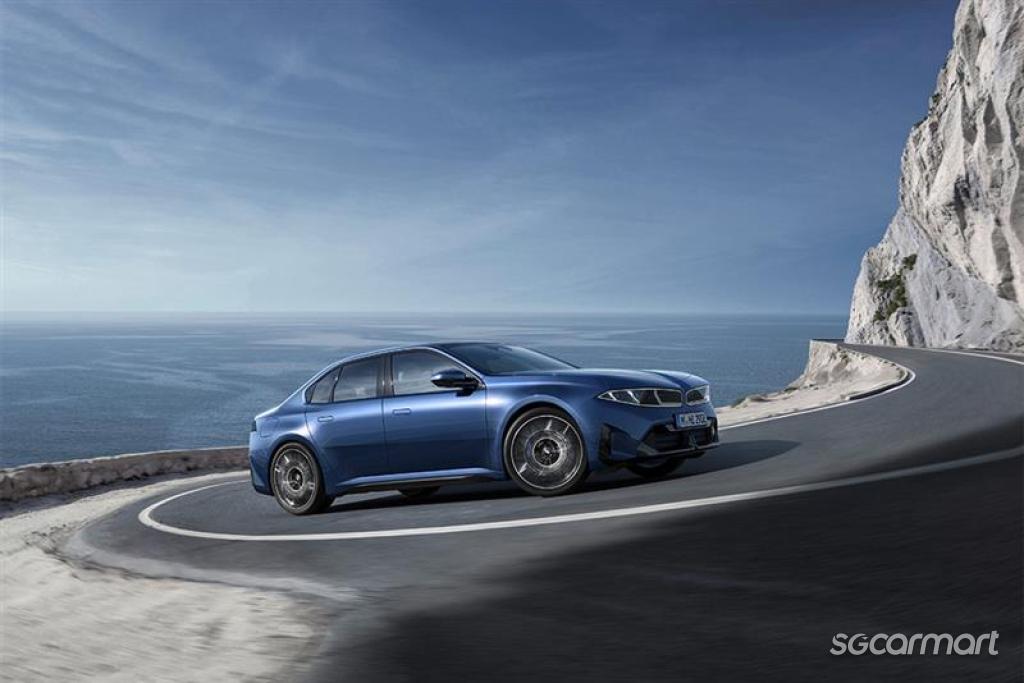

The term 'BMW Odour Lab' may conjure images of chemists in white coats whizzing around a large room with cosy ambient lighting; BMW's own take on trying to find the next hit scent to rival Aesop or Diptyque.
As we found out, however, the focus of the facility - tucked away across multiple floors in a building on the periphery of Plant Munich - is nobler than just making BMW interiors smell "nice" (although this is certainly still one of the desired outcomes).
The larger goal instead? The health and wellbeing of all occupants in the car.

The BMW Odour Lab sits on the periphery of the recently-overhauled Plant Munich
More than just the "new car smell"
As BMW emphasises to us, in-car odours go far beyond simple "nice-to-have" fragrances, or the proverbial "new car smell". Rather, in the enclosed environment of any given car, scents can function as powerful biological and psychological levers.
Car interiors are composed of plastics, adhesives, and treated leathers that release Volatile Organic Compounds (VOCs). In a climate like Singapore's, things are even more pronounced; high heat and humidity can accelerate this process of release (also referred to as "off-gassing").
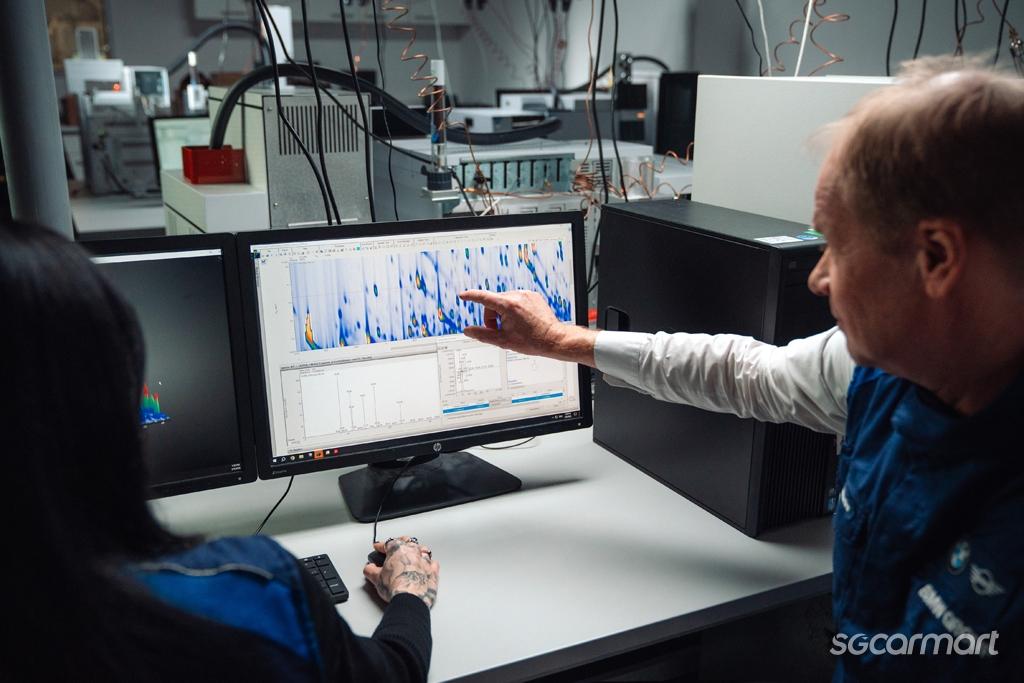
The fact that so many different components contribute to in-car odours already makes the work of the team at the Odour Lab extremely layered.
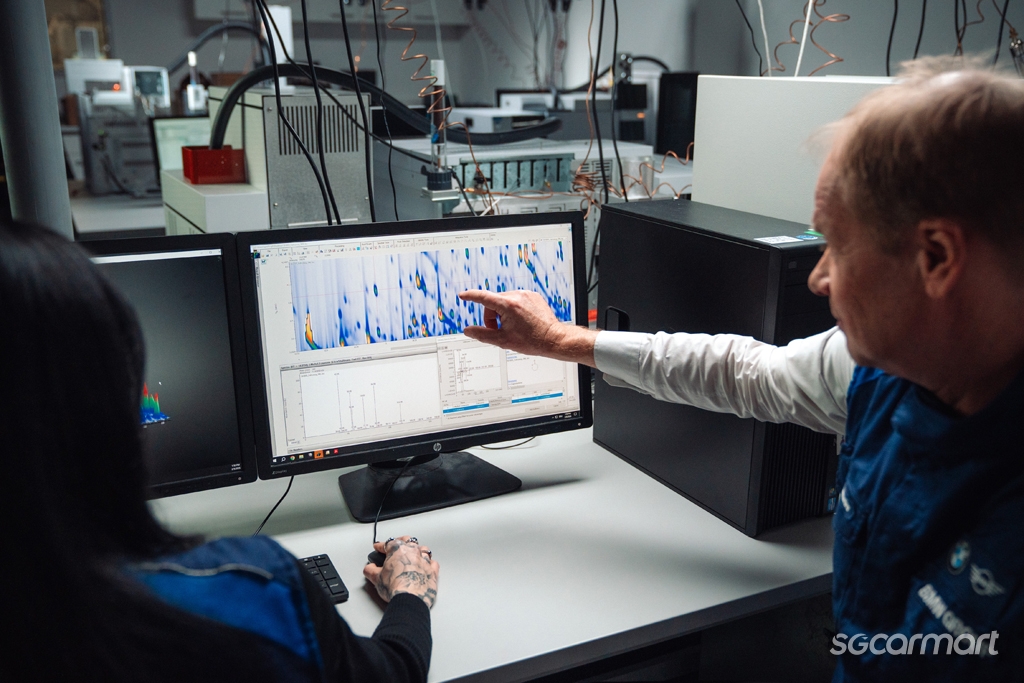
Beyond ensuring that your new BMW smells like, well, a BMW, the Odour Lab also carries out extensive tests to safeguard the interior air quality of new BMWs
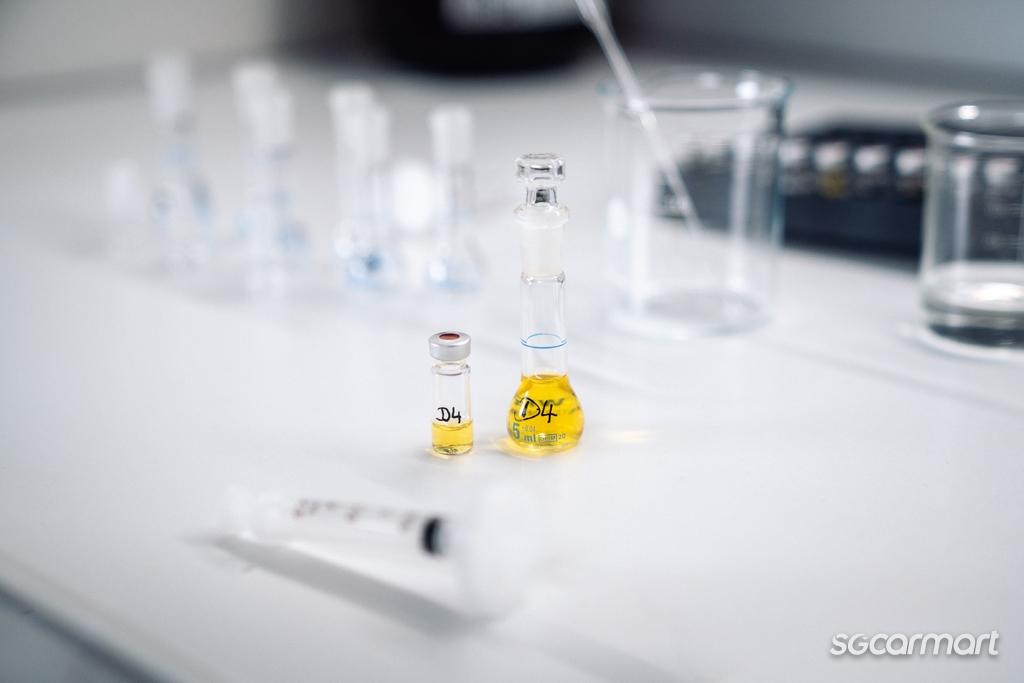
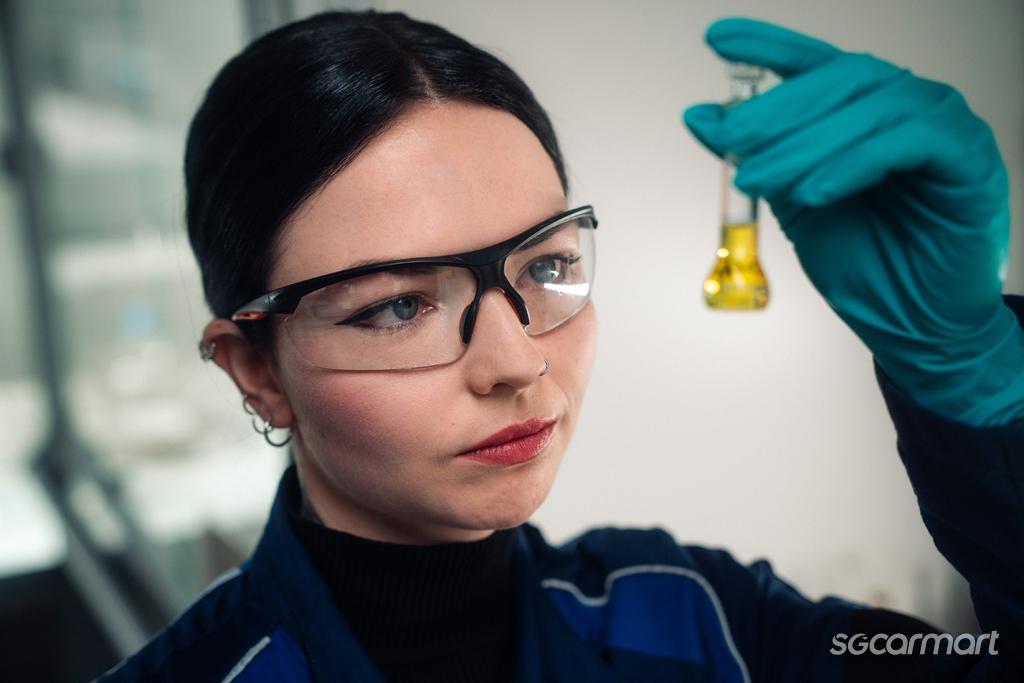
To begin, individual materials are subject to extreme heat using emission and climatic chambers to ensure that any VOCs that are released fall within the boundaries of safety for in-car occupants.
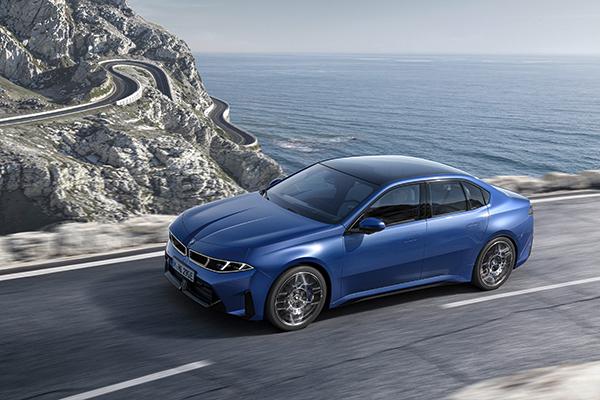
If all that already sounds extremely granular, it's worth noting that BMW's new Neue Klasse cars, such as the i3 and iX3, promise to make the process even more complex.
It's not just the perceived quality of the cabin that the brand has to ensure as it leans more heavily into recycled materials such as recycled yarn; the off-gassing that follows in the wake of incorporating these materials also complicates the testing further, since many of them have been subjected to sun, saltwater or mechanical stress before.
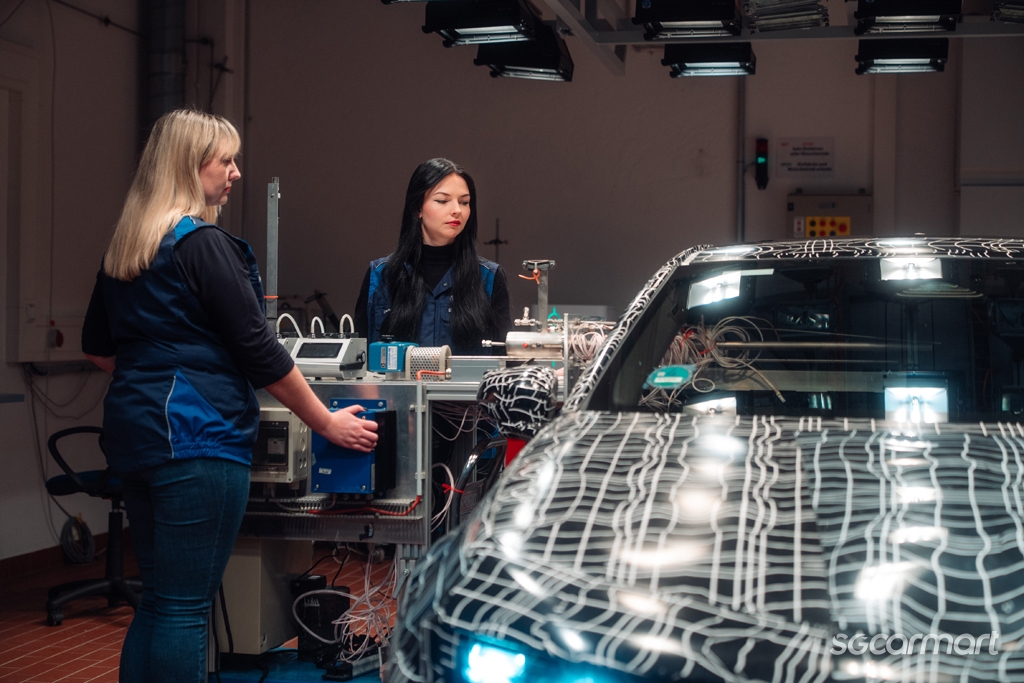
After individual materials are subject to heat stress, the team goes through yet another series of tests - to ensure that the symphony of scents in an entire car cabin is safe and pleasant for all onboard
The testing, however, does not end at the individual materials. As mentioned earlier, car interiors bring together a dizzying symphony of scents - all the way from the glass of the touch screens, to the vegan leather of the seats, and down to the plastics and metals used for components like the indicator stalks and gear levers.
The second layer of testing thus sees entire vehicles subject again to heat testing (imagine a small stage, with rows of dangling lights rapidly warming up the cabin of the car parked below). Again, tests are conducted on the resultant VOCs to ensure nothing raises safety alarm bells.
In other words, no matter how blistering the weather in Singapore gets, you can be assured that your BMW will be safe to drive and ride in when you return to it after lunch.
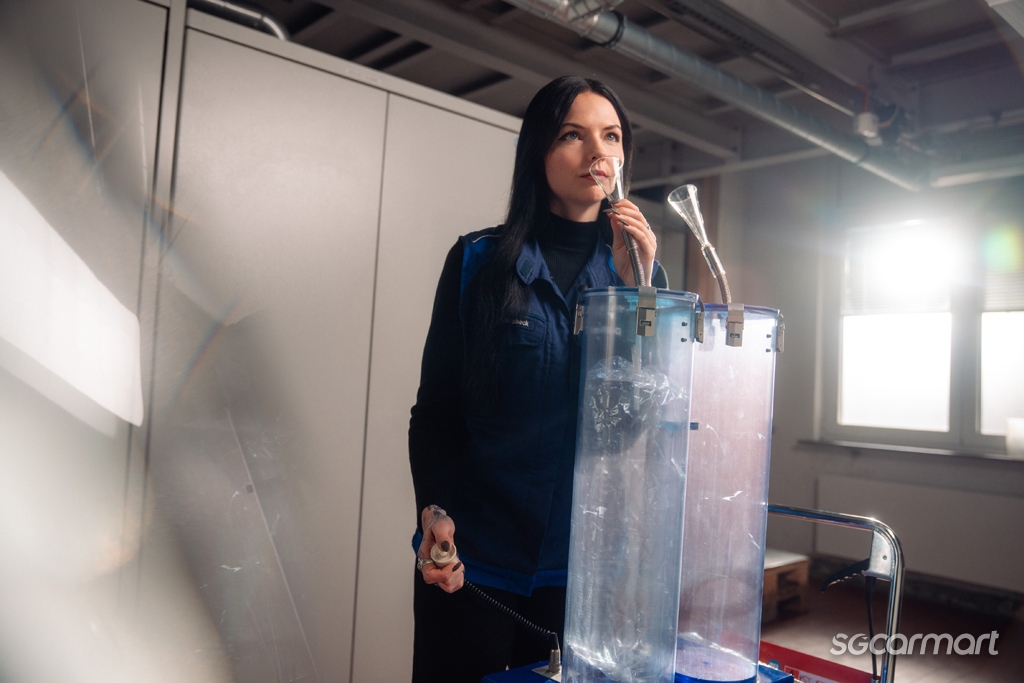
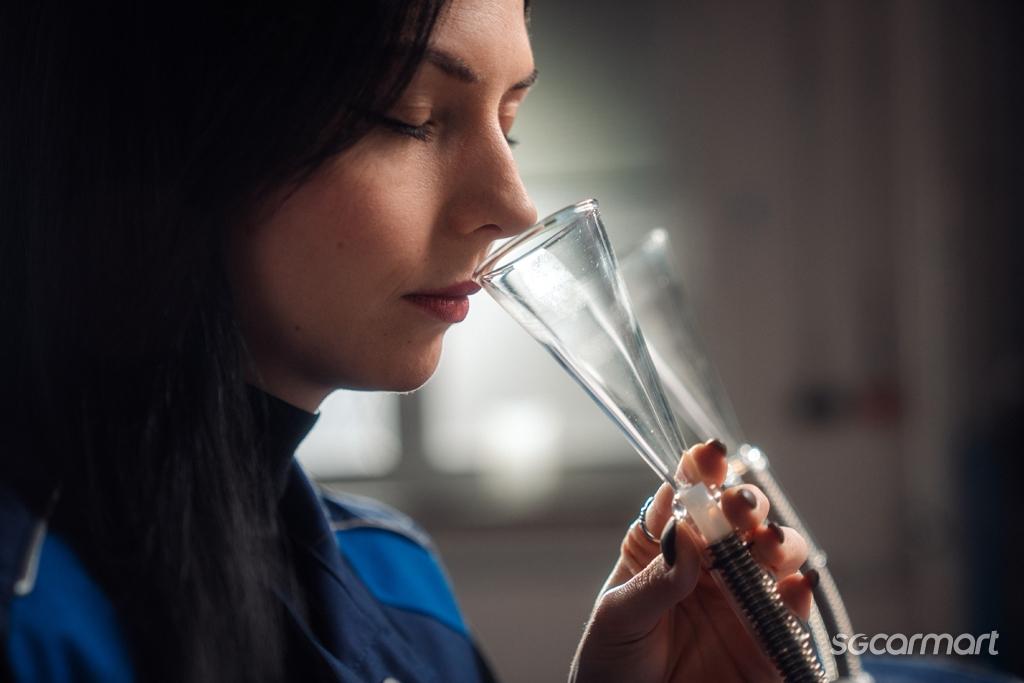
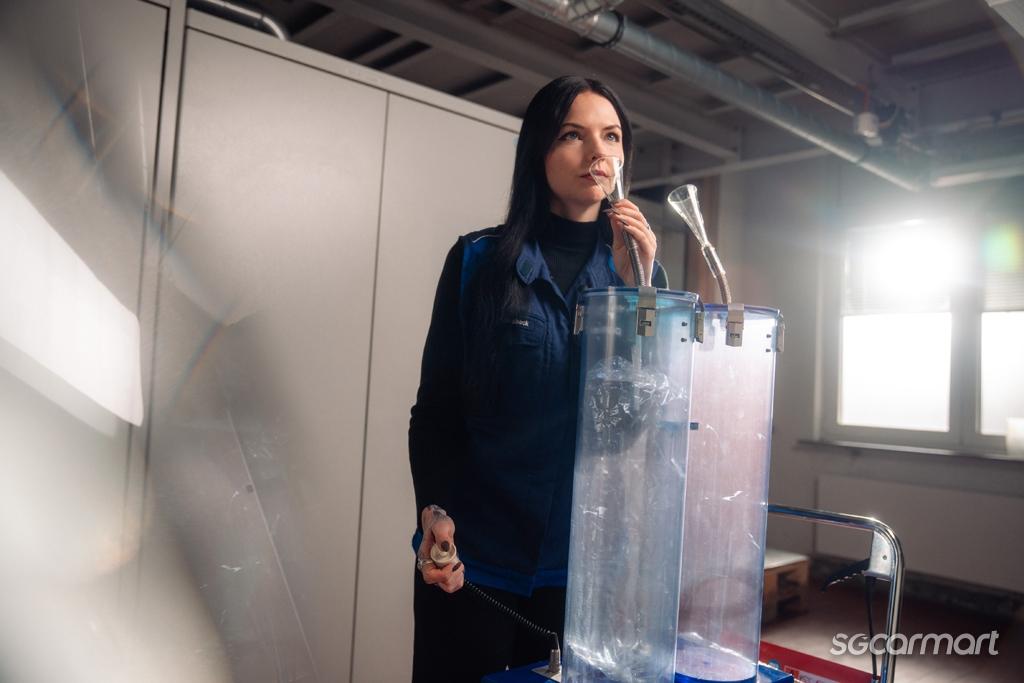
Nothing can replace the human nose in making value judgements on whether an odour is 'pleasant' or 'unpleasant'
Rooted in the human touch
Still, the real magic of the Odour Lab ultimately requires a uniquely human touch - or smell.
Despite all the cutting-edge methods employed by the team at the Odour Lab, even the most sophisticated machinery cannot make value judgements for what smells 'good' or 'bad'. As such, the final call here lies with the team, which works on a sliding scale of numbers from '1' to '6' to determine whether an odour is acceptable.
"We always say the new car smell should be a little bit fresh, so there may be a little bit of a smoky, bitter component in there when you enter a new car," Dr Cornelia Bovensiepen, Head of Product Sustainability Communications & Sustainability Statements at BMW Group, told us.
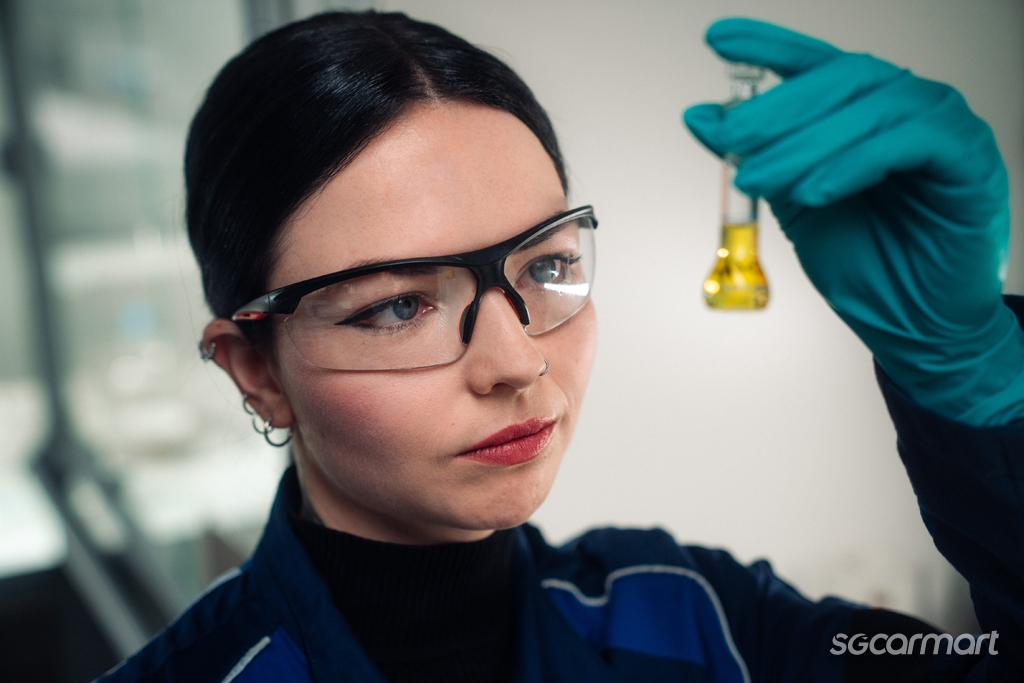
"Very importantly, when you buy a car which is equipped with leather, you should be able to smell the leather. When it's equipped with textile, it should not smell like leather, [otherwise] then you get confused. So it should have a textile load. And this is what we care about in the Odour Lab."
Jokingly, the guests at the facility ask the staff how they officially refer to their jobs; out of jest, 'professional sniffers' emerges as one of the options. (On a more serious note, perfumers who work for luxury fragrance houses are actually referred to officially as 'noses'. Serendipitously, the team's work here also managed to continue during the COVID-19 pandemic; not a single one of them lost their sense of smell.)
Later on during the tour, remarks are thrown out that these are the sorts of skillsets that Artificial Intelligence would likely struggle to replace even years down the line.
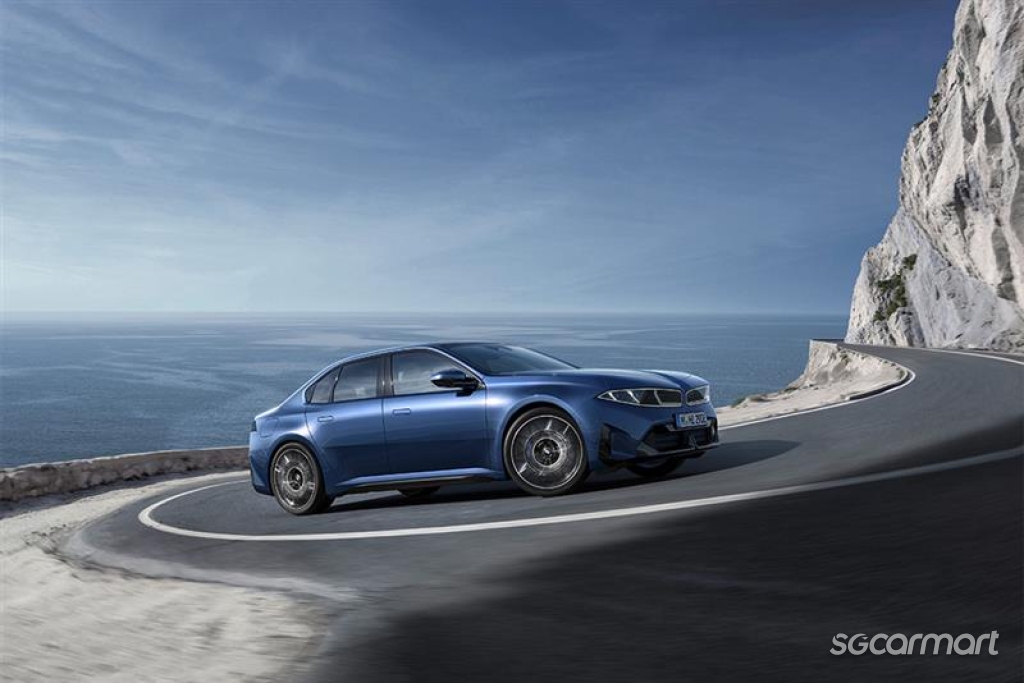
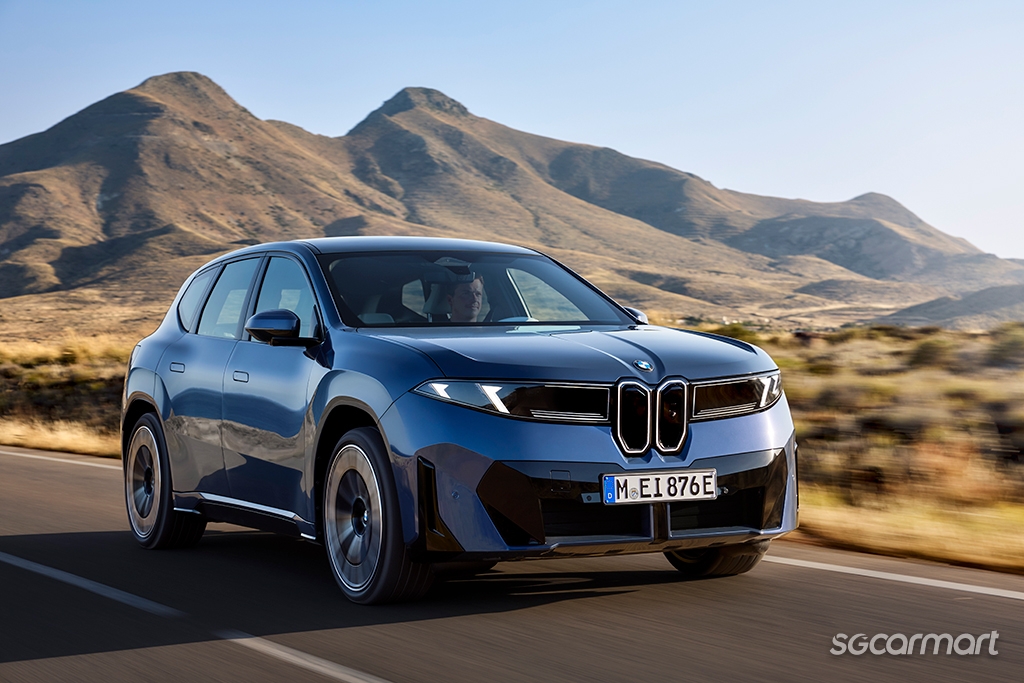
Initiatives like the BMW Odour Lab are testament to the brand's maturing and more holistic understanding of sustainability
A more holistic understanding of sustainability for the road ahead
Beyond the pure sensory experience of sitting (or travelling) in the car, however, initiatives like the Odour Lab evince just how holistically BMW is considering sustainability for the current and future ages.
Health and wellbeing have always been intrinsically linked to the concept of sustainability. And while the latter had been primarily measured by tailpipe emissions within the auto industry, the conversation has shifted over the past decade (or two) towards a more holistic understanding of lifecycle emissions.
Alongside the launch of the latest i3, initiatives like the Odour Lab prove that BMW isn't just fixated on engineering for driving pleasure or tangible luxury - both of which it continues to place heavy emphasis on.
Instead, it's investing its know-how into every conceivable aspect of the driving experience, to ensure its philosophy of 'Freude am Fahren' (often translated into 'Sheer Driving Pleasure') holds true no matter where one looks.
In fact, Munich isn't the only place where BMW is doubling down in the field as it enters its new Neue Klasse era. Thus far, the Group's Shenyang plant - which will commence production of the i3 in 2027 - has also benefited from the expertise of the team here.
After all, the Odour Lab isn't merely about removing "bad" smells, or conversely, working towards one singular, manufactured scent.
Rather, the fascinating facility symbolises a broader cognisance from BMW of how the molecular makeup of a car can influence human neurology, health, and wellbeing. In doing so on the cusp of a bold new era of carmaking, the brand is arguably bringing its promise of being an industry playmaker to bear once again.
Don't forget to check out these other stories!
Is the all-new BMW i3 the most important 3 Series yet?
Not just Neue Klasse cars: BMW readies new class of factory
All-new BMW iX3: Production advancement and resiliency to build better cars
The term 'BMW Odour Lab' may conjure images of chemists in white coats whizzing around a large room with cosy ambient lighting; BMW's own take on trying to find the next hit scent to rival Aesop or Diptyque.
As we found out, however, the focus of the facility - tucked away across multiple floors in a building on the periphery of Plant Munich - is nobler than just making BMW interiors smell "nice" (although this is certainly still one of the desired outcomes).
The larger goal instead? The health and wellbeing of all occupants in the car.
The BMW Odour Lab sits on the periphery of the recently-overhauled Plant Munich
More than just the "new car smell"
As BMW emphasises to us, in-car odours go far beyond simple "nice-to-have" fragrances, or the proverbial "new car smell". Rather, in the enclosed environment of any given car, scents can function as powerful biological and psychological levers.
Car interiors are composed of plastics, adhesives, and treated leathers that release Volatile Organic Compounds (VOCs). In a climate like Singapore's, things are even more pronounced; high heat and humidity can accelerate this process of release (also referred to as "off-gassing").
The fact that so many different components contribute to in-car odours already makes the work of the team at the Odour Lab extremely layered.
Beyond ensuring that your new BMW smells like, well, a BMW, the Odour Lab also carries out extensive tests to safeguard the interior air quality of new BMWs
To begin, individual materials are subject to extreme heat using emission and climatic chambers to ensure that any VOCs that are released fall within the boundaries of safety for in-car occupants.
If all that already sounds extremely granular, it's worth noting that BMW's new Neue Klasse cars, such as the i3 and iX3, promise to make the process even more complex.
It's not just the perceived quality of the cabin that the brand has to ensure as it leans more heavily into recycled materials such as recycled yarn; the off-gassing that follows in the wake of incorporating these materials also complicates the testing further, since many of them have been subjected to sun, saltwater or mechanical stress before.
After individual materials are subject to heat stress, the team goes through yet another series of tests - to ensure that the symphony of scents in an entire car cabin is safe and pleasant for all onboard
The testing, however, does not end at the individual materials. As mentioned earlier, car interiors bring together a dizzying symphony of scents - all the way from the glass of the touch screens, to the vegan leather of the seats, and down to the plastics and metals used for components like the indicator stalks and gear levers.
The second layer of testing thus sees entire vehicles subject again to heat testing (imagine a small stage, with rows of dangling lights rapidly warming up the cabin of the car parked below). Again, tests are conducted on the resultant VOCs to ensure nothing raises safety alarm bells.
In other words, no matter how blistering the weather in Singapore gets, you can be assured that your BMW will be safe to drive and ride in when you return to it after lunch.
Nothing can replace the human nose in making value judgements on whether an odour is 'pleasant' or 'unpleasant'
Rooted in the human touch
Still, the real magic of the Odour Lab ultimately requires a uniquely human touch - or smell.
Despite all the cutting-edge methods employed by the team at the Odour Lab, even the most sophisticated machinery cannot make value judgements for what smells 'good' or 'bad'. As such, the final call here lies with the team, which works on a sliding scale of numbers from '1' to '6' to determine whether an odour is acceptable.
"We always say the new car smell should be a little bit fresh, so there may be a little bit of a smoky, bitter component in there when you enter a new car," Dr Cornelia Bovensiepen, Head of Product Sustainability Communications & Sustainability Statements at BMW Group, told us.
"Very importantly, when you buy a car which is equipped with leather, you should be able to smell the leather. When it's equipped with textile, it should not smell like leather, [otherwise] then you get confused. So it should have a textile load. And this is what we care about in the Odour Lab."
Jokingly, the guests at the facility ask the staff how they officially refer to their jobs; out of jest, 'professional sniffers' emerges as one of the options. (On a more serious note, perfumers who work for luxury fragrance houses are actually referred to officially as 'noses'. Serendipitously, the team's work here also managed to continue during the COVID-19 pandemic; not a single one of them lost their sense of smell.)
Later on during the tour, remarks are thrown out that these are the sorts of skillsets that Artificial Intelligence would likely struggle to replace even years down the line.
Initiatives like the BMW Odour Lab are testament to the brand's maturing and more holistic understanding of sustainability
A more holistic understanding of sustainability for the road ahead
Beyond the pure sensory experience of sitting (or travelling) in the car, however, initiatives like the Odour Lab evince just how holistically BMW is considering sustainability for the current and future ages.
Health and wellbeing have always been intrinsically linked to the concept of sustainability. And while the latter had been primarily measured by tailpipe emissions within the auto industry, the conversation has shifted over the past decade (or two) towards a more holistic understanding of lifecycle emissions.
Alongside the launch of the latest i3, initiatives like the Odour Lab prove that BMW isn't just fixated on engineering for driving pleasure or tangible luxury - both of which it continues to place heavy emphasis on.
Instead, it's investing its know-how into every conceivable aspect of the driving experience, to ensure its philosophy of 'Freude am Fahren' (often translated into 'Sheer Driving Pleasure') holds true no matter where one looks.
In fact, Munich isn't the only place where BMW is doubling down in the field as it enters its new Neue Klasse era. Thus far, the Group's Shenyang plant - which will commence production of the i3 in 2027 - has also benefited from the expertise of the team here.
After all, the Odour Lab isn't merely about removing "bad" smells, or conversely, working towards one singular, manufactured scent.
Rather, the fascinating facility symbolises a broader cognisance from BMW of how the molecular makeup of a car can influence human neurology, health, and wellbeing. In doing so on the cusp of a bold new era of carmaking, the brand is arguably bringing its promise of being an industry playmaker to bear once again.
Don't forget to check out these other stories!
Is the all-new BMW i3 the most important 3 Series yet?
Not just Neue Klasse cars: BMW readies new class of factory
All-new BMW iX3: Production advancement and resiliency to build better cars



Thank You For Your Subscription.






Tags
Products & Services

For Owners
Quick Links
About Sgcarmart