Production advancement and resiliency to build better cars
05 Dec 2025|406 views








Are you a car owner?
If you are, do you know where your car comes from? A factory, obviously. But which factory? Does that even matter?
As BMW prepares to launch its new Neue Klasse models, beginning with the new iX3, the company isn't just rolling out new products. It's also strengthening its manufacturing capabilities and building a more resilient global production network. And, this effort is led by Dr Michael Nikolaides, BMW Group Senior Vice-President, Production Network, Supply Chain Management and Logistics.
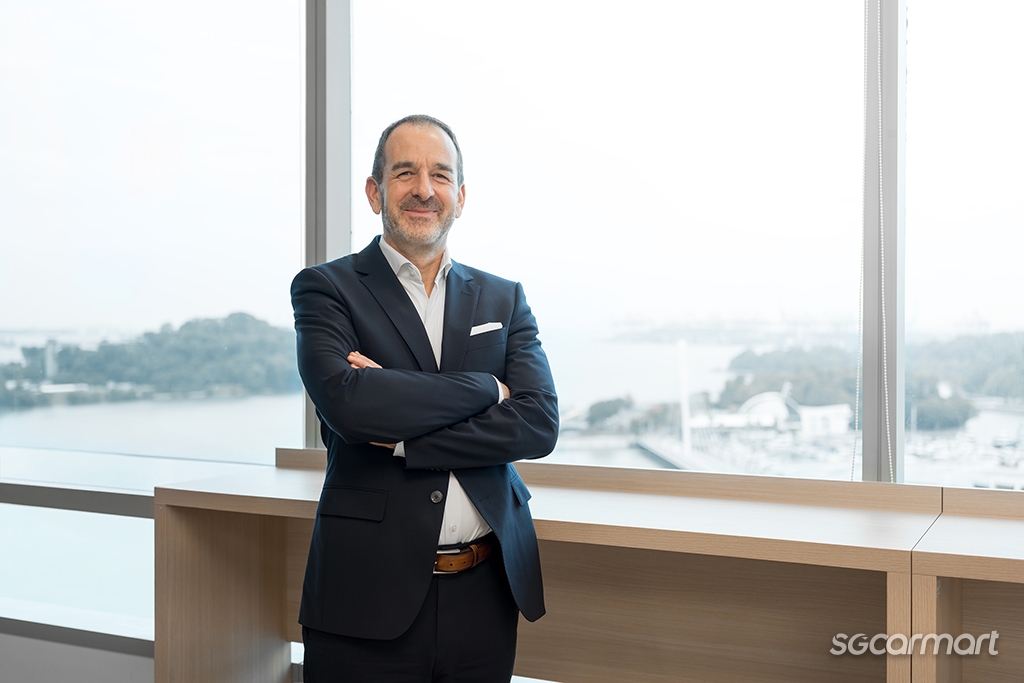
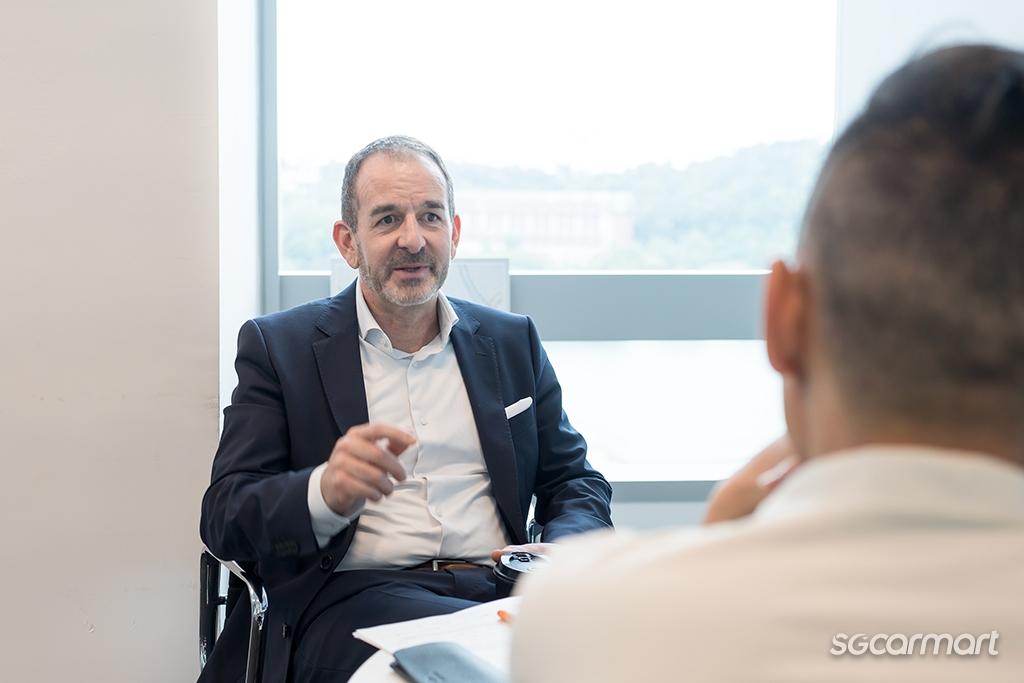
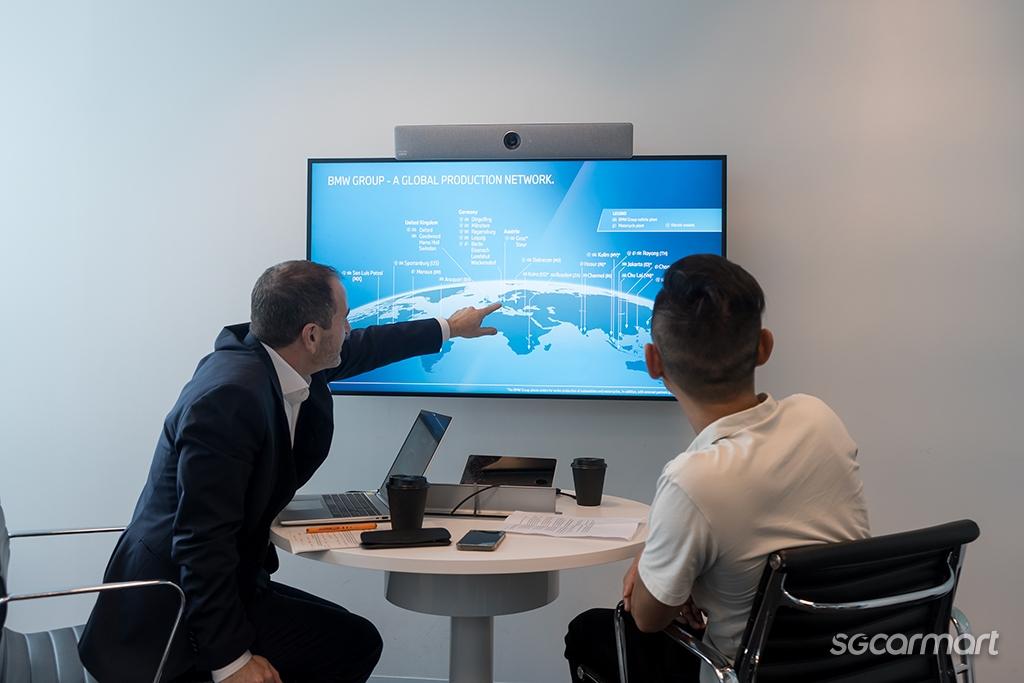
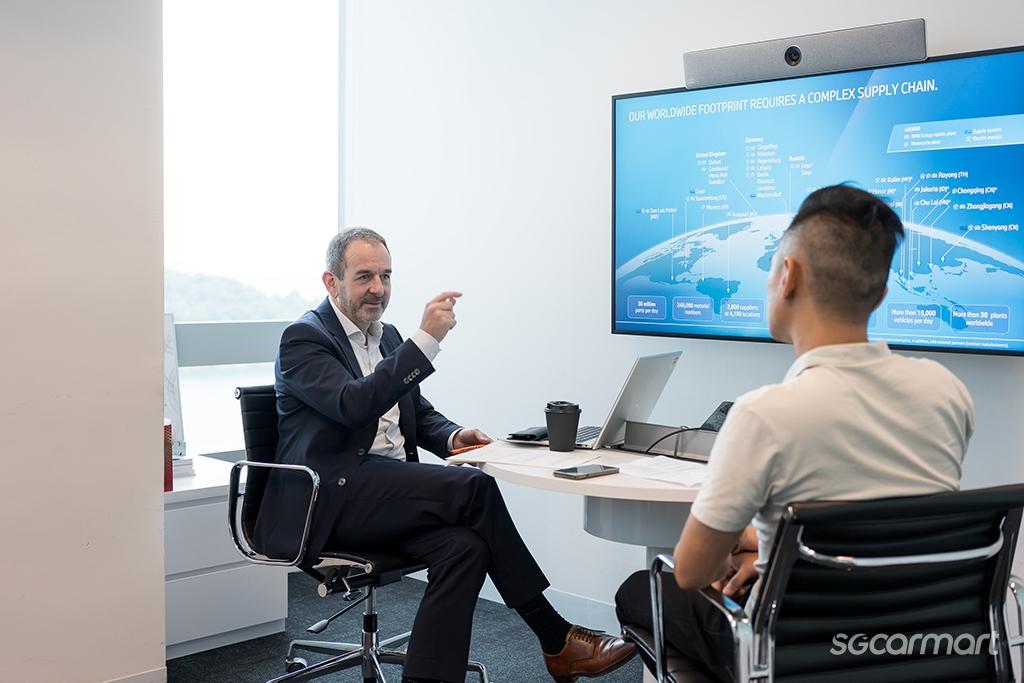
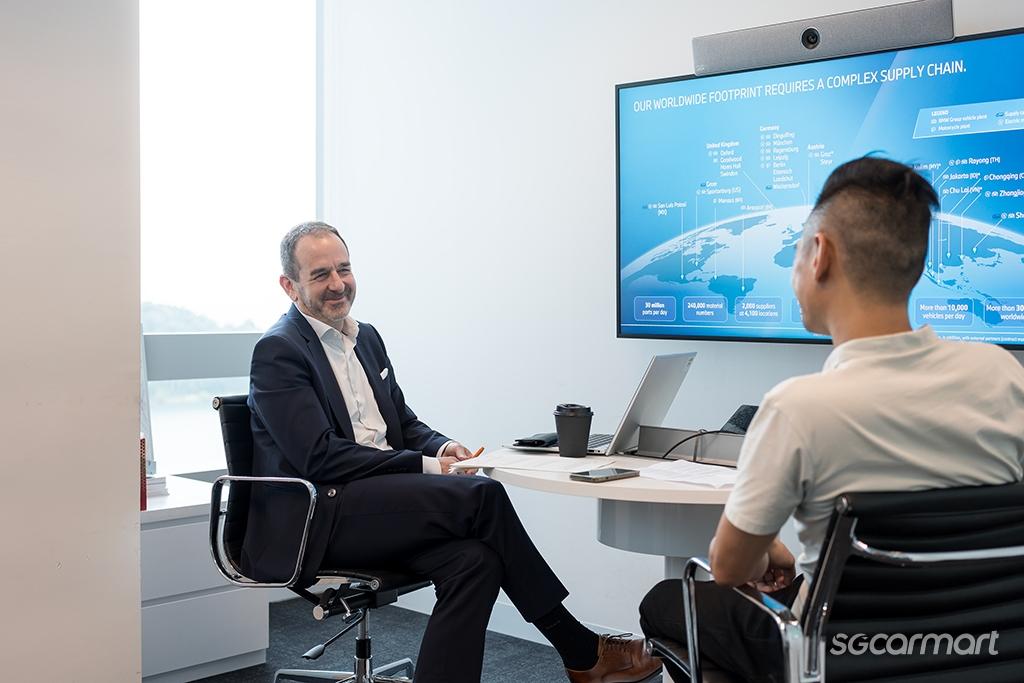
Dr Michael Nikolaides is the BMW Group Senior Vice-President, Production Network, Supply Chain Management and Logistics.
Manufacturing the Future
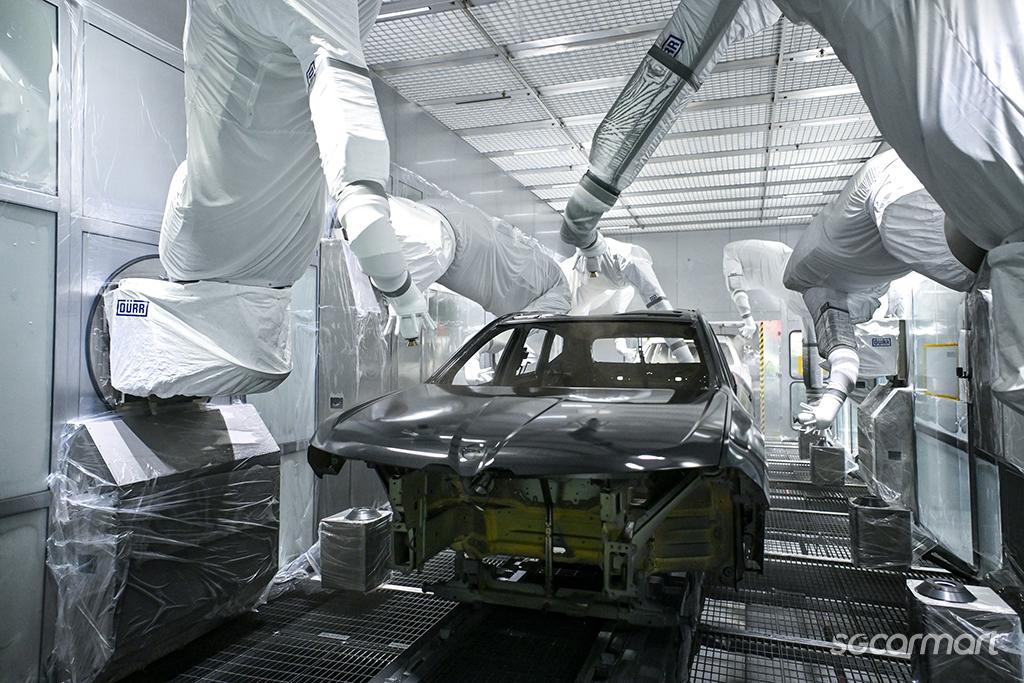
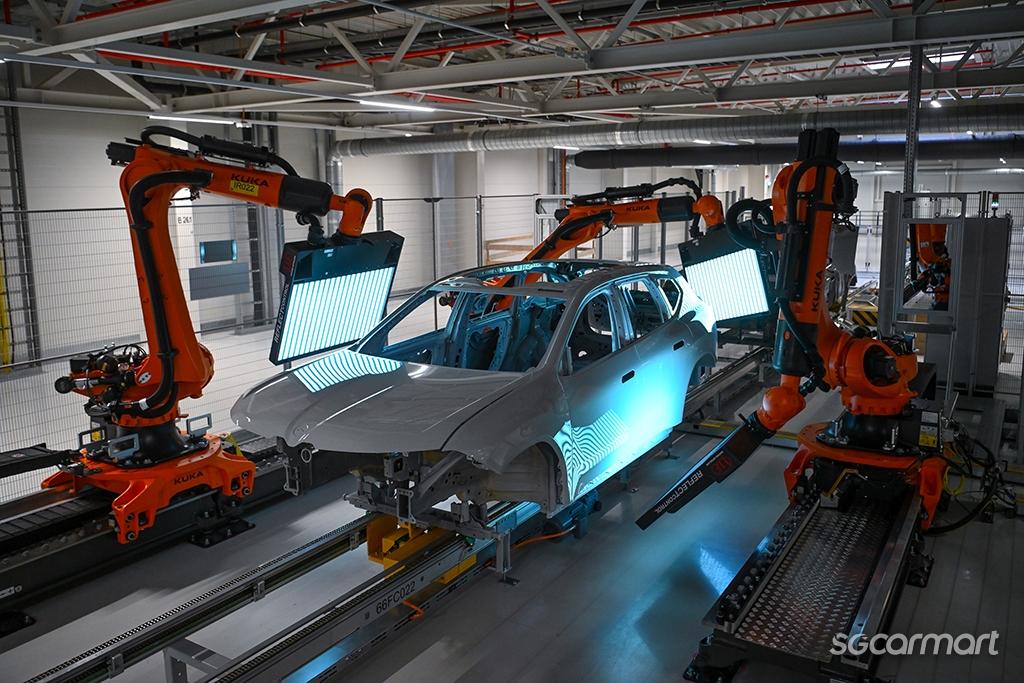
BMW's newly established Debrecen plant marks a significant step forward for the brand's production strategy. Designed with a strong emphasis on digitalisation, automation, and efficiency, Debrecen represents BMW's next phase of factory evolution.
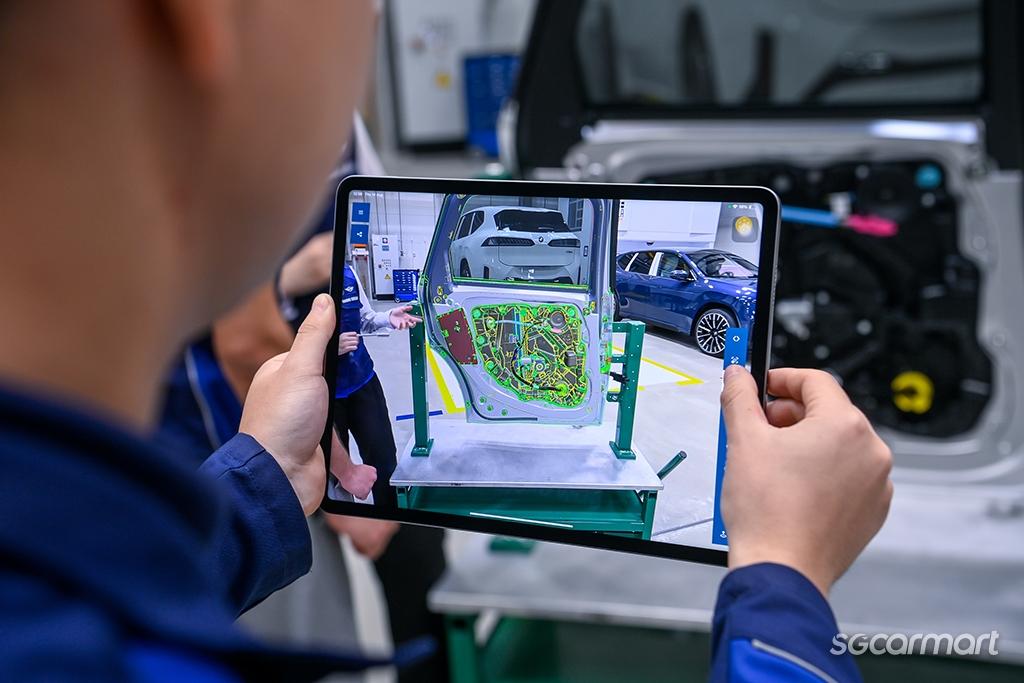
This isn't a radical "lights-off" facility run solely by robots. BMW stresses that people remain at the heart of its production process. Instead, the focus is on refining quality and efficiency using new technologies - such as AI-driven quality control - and on improving sustainability, including cleaner energy use.
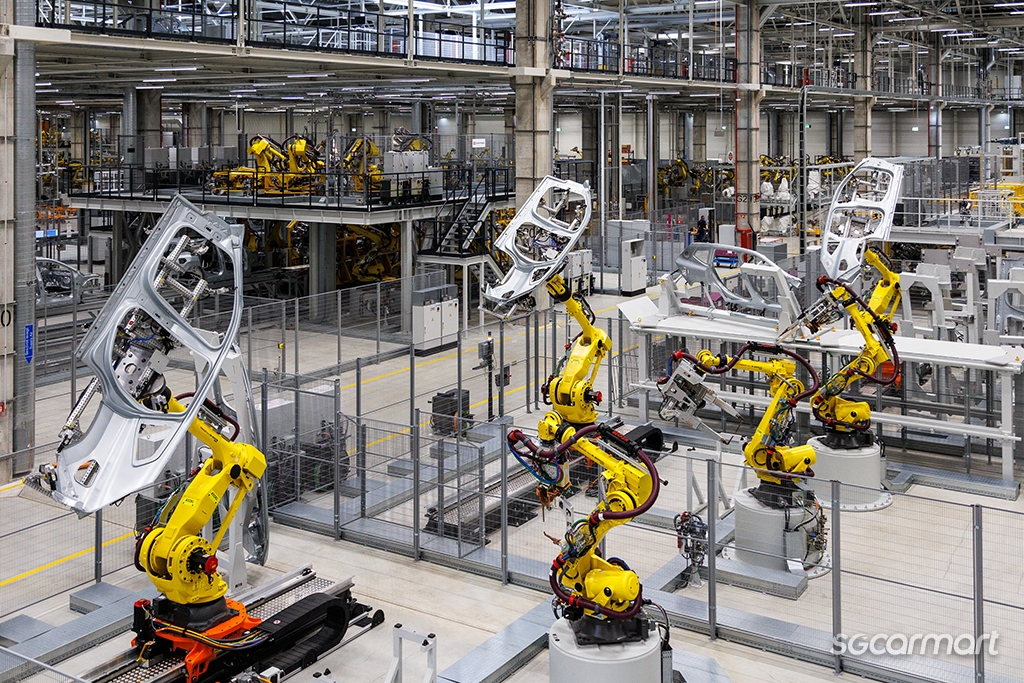
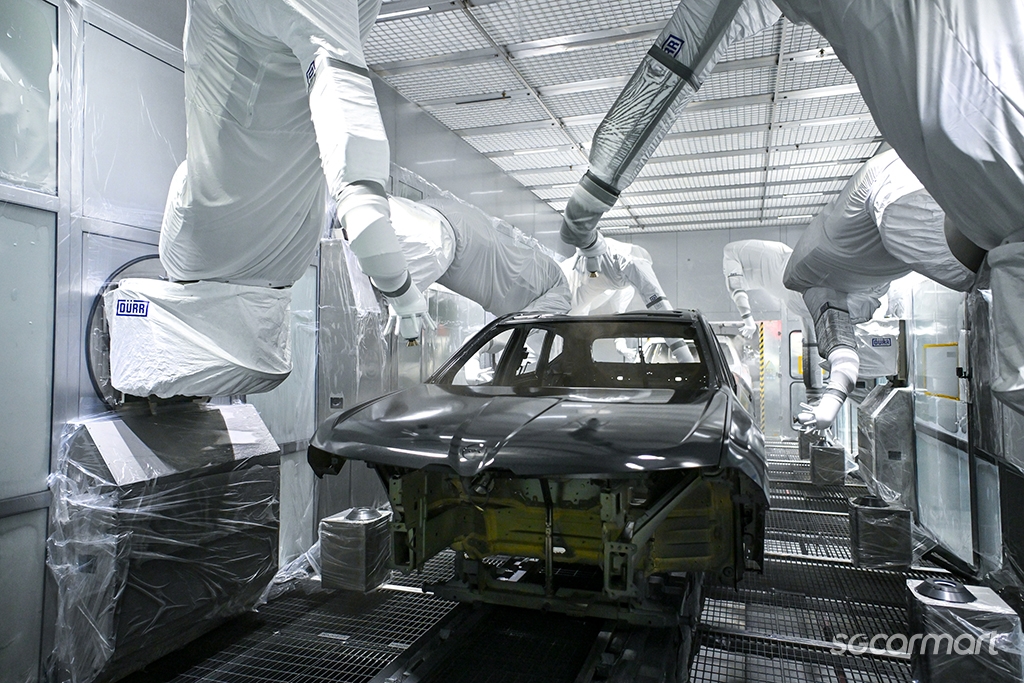
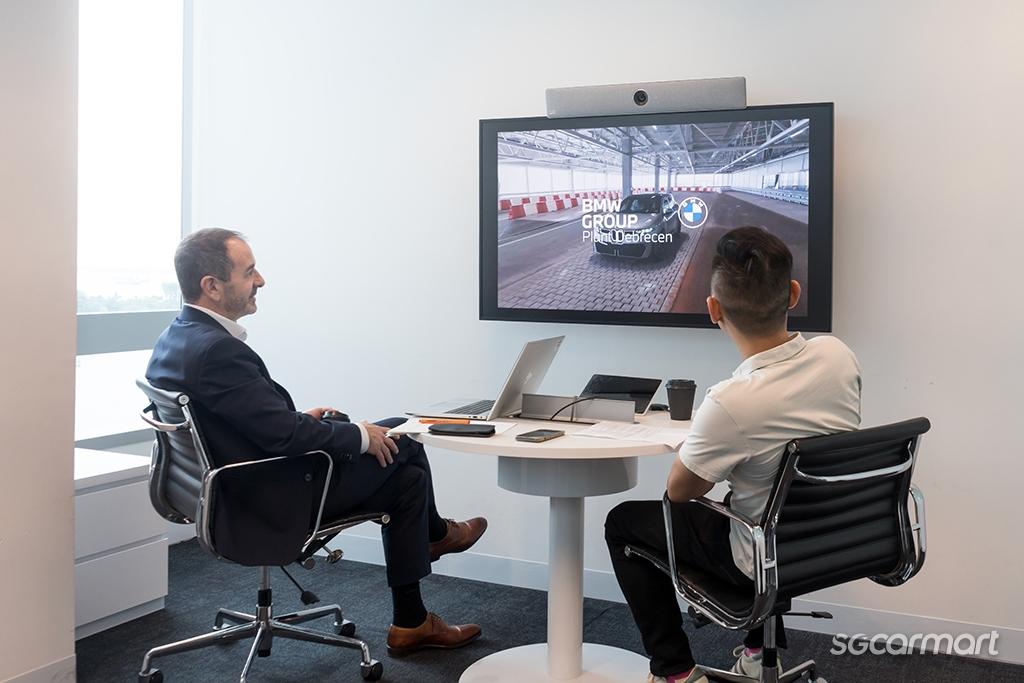
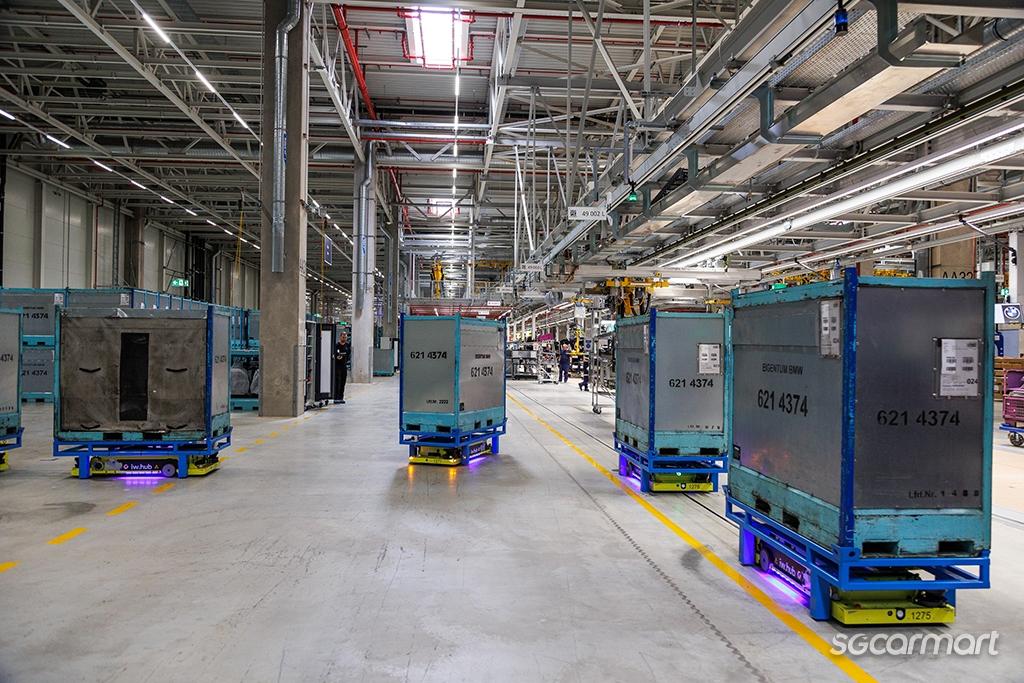
The new manufacturing standards spearheaded by Plant Debrecen will eventually be implemented into the rest of BMW's factories
What Debrecen represents is not a complete reinvention, but a major advancement in BMW's ongoing push toward smarter, more sustainable manufacturing. These innovations are expected to diffuse across the company's global network, including its CKD (completely knocked down) plants.
"But production comes from product," says Dr Nikolaides. "These new production processes enable us to build the products." And it's the Neue Klasse - starting with the new iX3 - that will lead this next chapter.
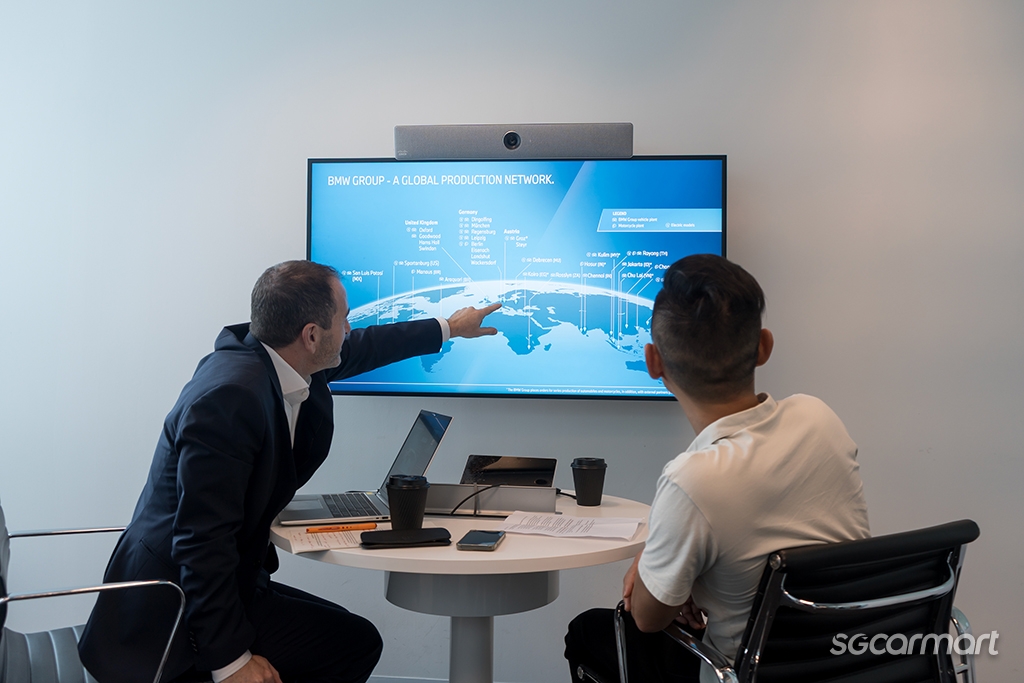
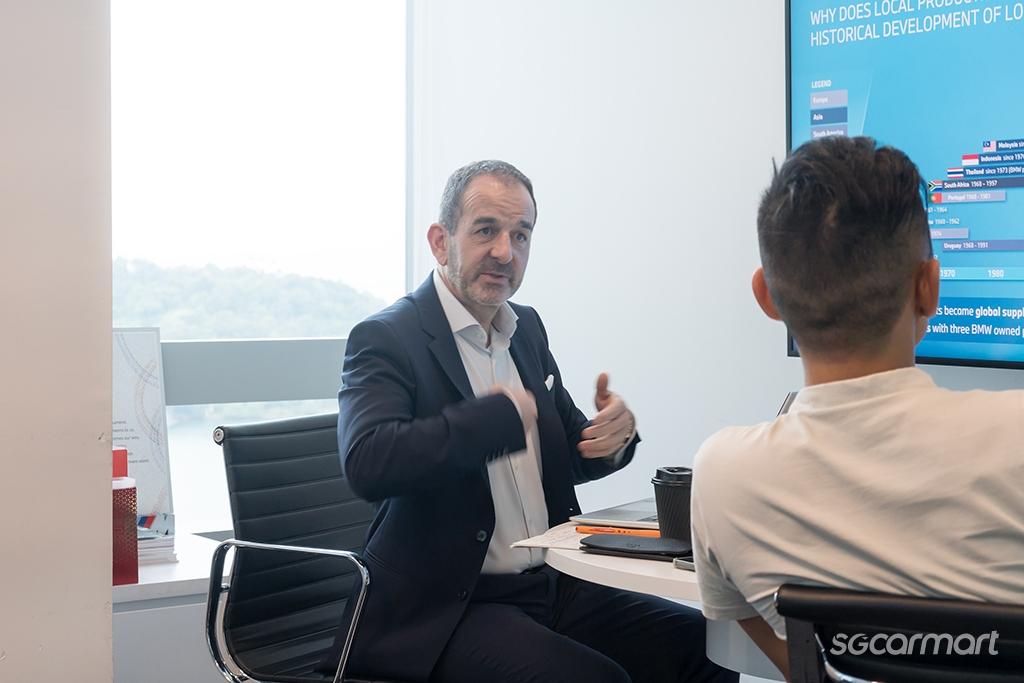
Dr Nikolaides notes that the brand's diversified network allowed it to better withstand disruptions
Building Supply Chain Resilience
Behind every shiny new car in a showroom lies a complex supply chain - one that most customers rarely think about. Yet for any manufacturer, especially in the automotive world, its importance cannot be overstated.
The COVID-19 pandemic was a stark reminder of this. From hoarding household essentials to the prolonged global chip shortage between 2020 and 2023, disruptions hit every industry. Automakers were no exception. For BMW, it was a learning experience that underscored the need for stronger, more diversified supply chains that can withstand future shocks.
According to Dr Nikolaides, BMW weathered the storm relatively well thanks to end-to-end material tracking and predictive algorithms. "We use predictions and algorithms to forecast demand and fluctuations," he explains. "You can only react in real-time if you know where you are and what the data is. That transparency and digitalisation is where we invested significantly."
Another part of the solution: strengthening "local-for-local" sourcing to reduce dependency on distant suppliers.
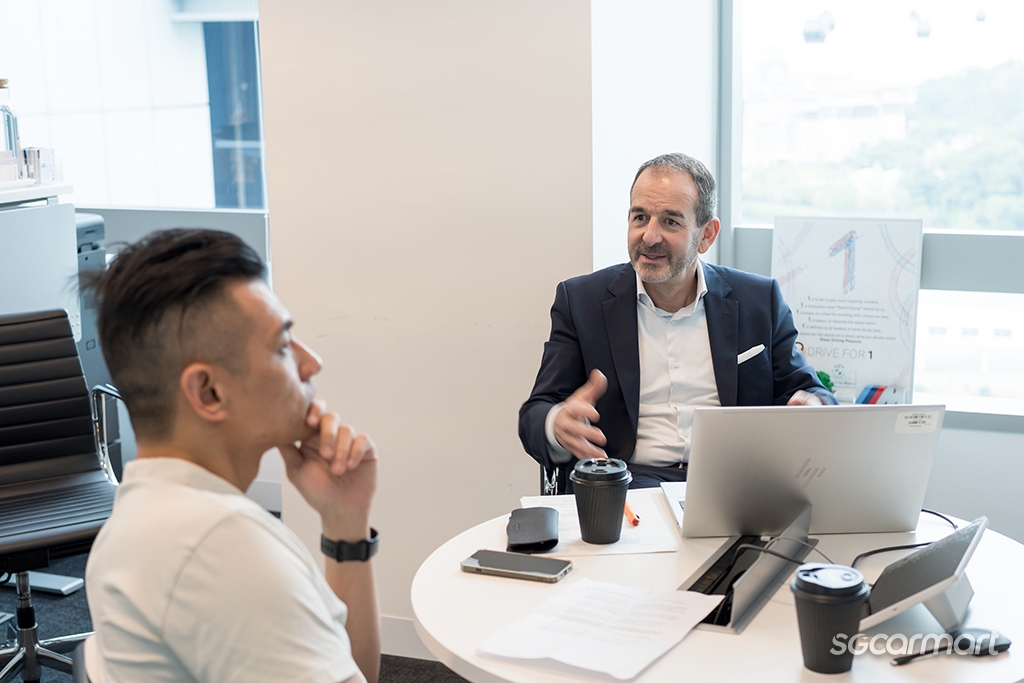
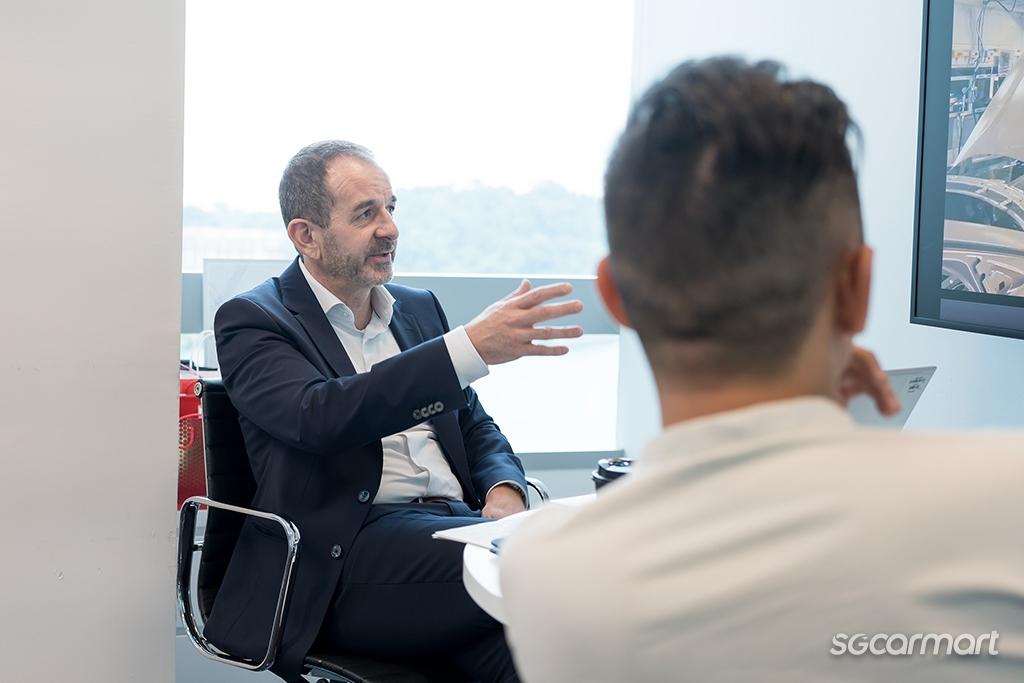
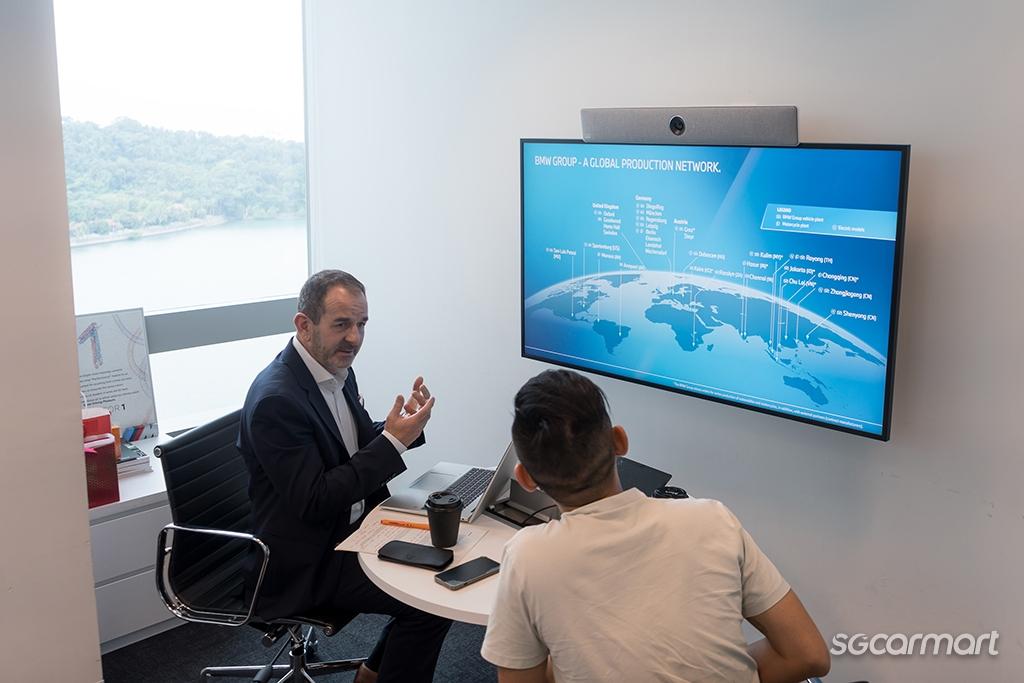
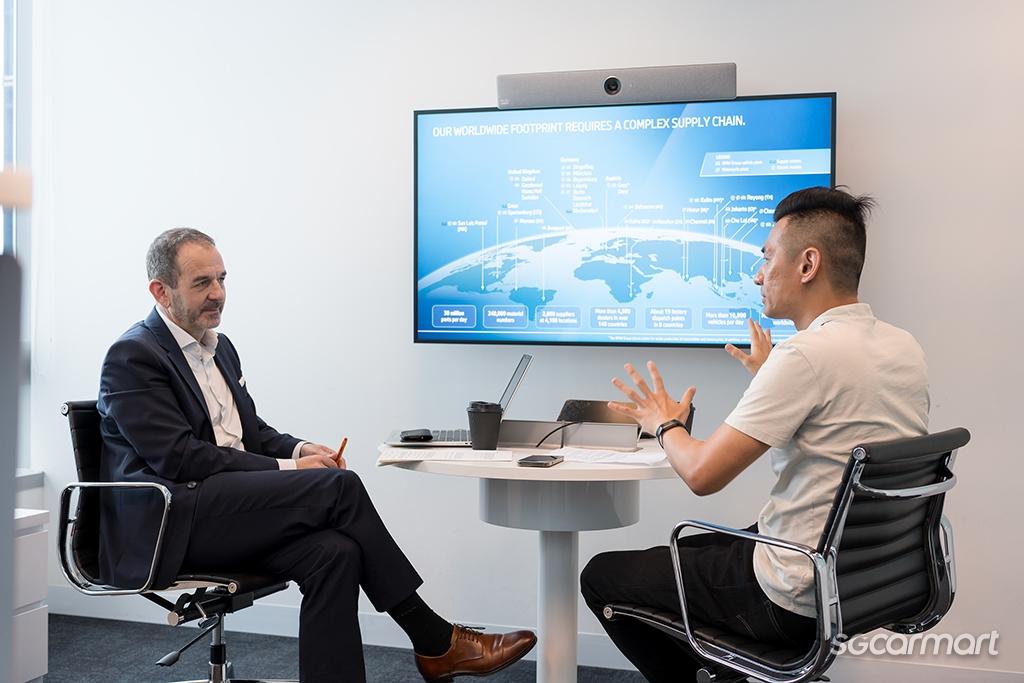
Dr Nikolaides explains that a brand's ability to react to disruptions is fully contingent on transparency and real-time data - something the BMW Group has made significant investments in
Commitment to Local-for-Local
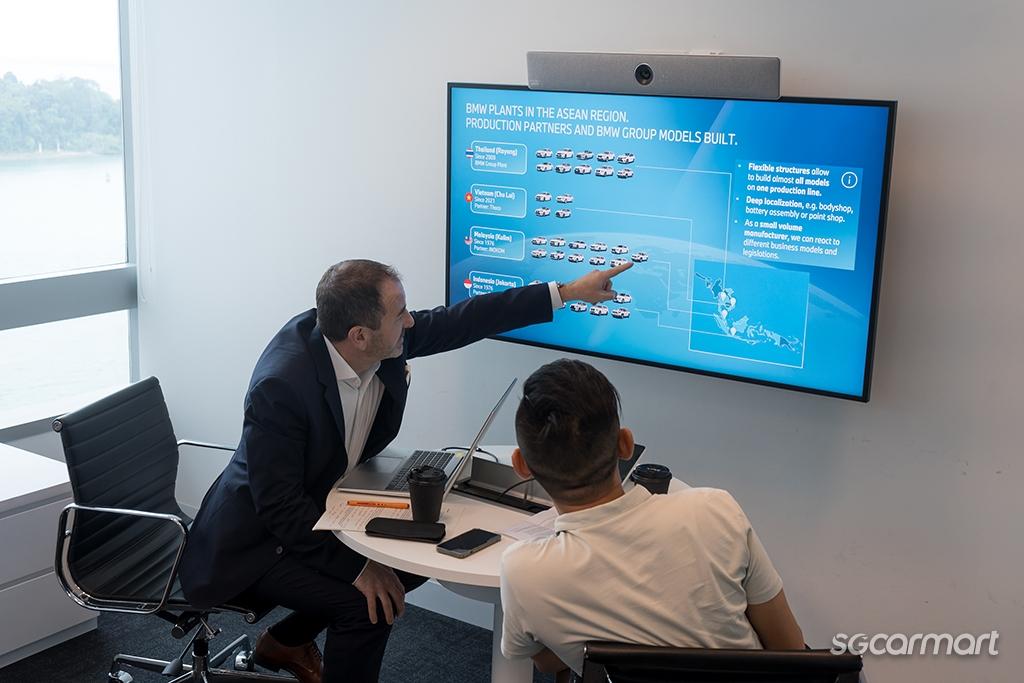
Local-for-local goes hand in hand with BMW's CKD plants - smaller facilities that assemble cars from imported kits. Several of these plants serve Southeast Asia, including Malaysia, Thailand, and Vietnam.
Beyond tax incentives, these plants offer something strategically valuable: flexibility.
"The principle for the small plants is always more flexibility because we want to give our customer a lot of variety," says Dr Nikolaides. While larger factories may focus on a few specific models, CKD plants can build everything from a MINI to a 7 Series, depending on regional demand.
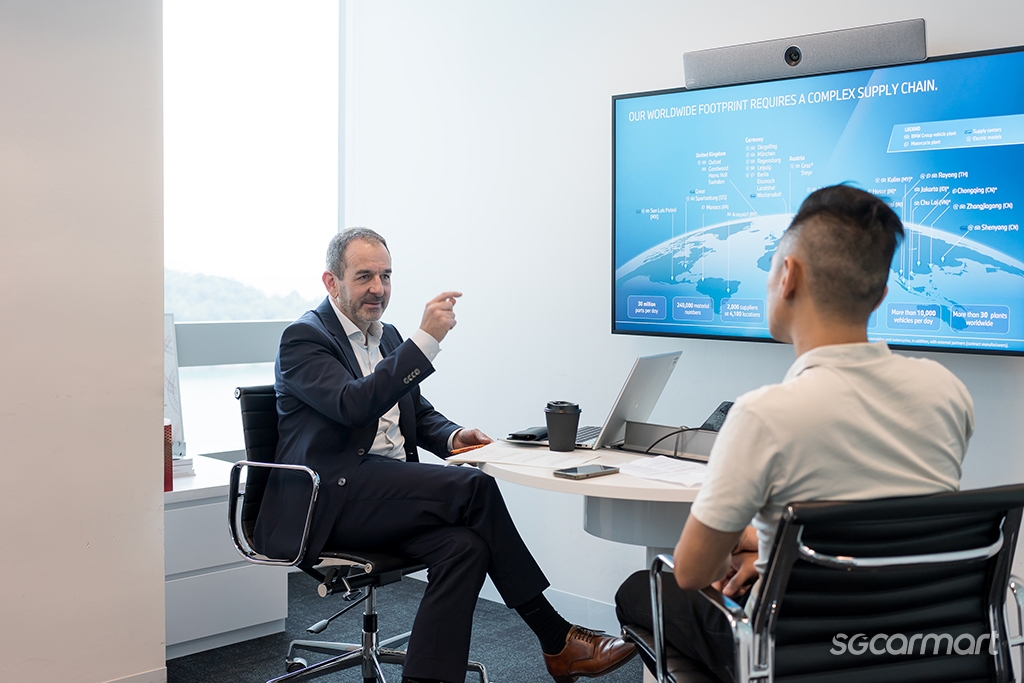

For the BMW Group, local-for-local allows improved product flexibility, but also better supply chain resiliency
This flexibility benefits customers and the supply chain alike. "A competitive advantage of this network is very high flexibility," he notes. "In principle, the customer can change their order up to six days before the car is physically built."
It also helps BMW manage disruptions. "If during the semiconductor shortages you learn daily that a certain component isn't available, you can adjust your production program without stopping the line," he says.
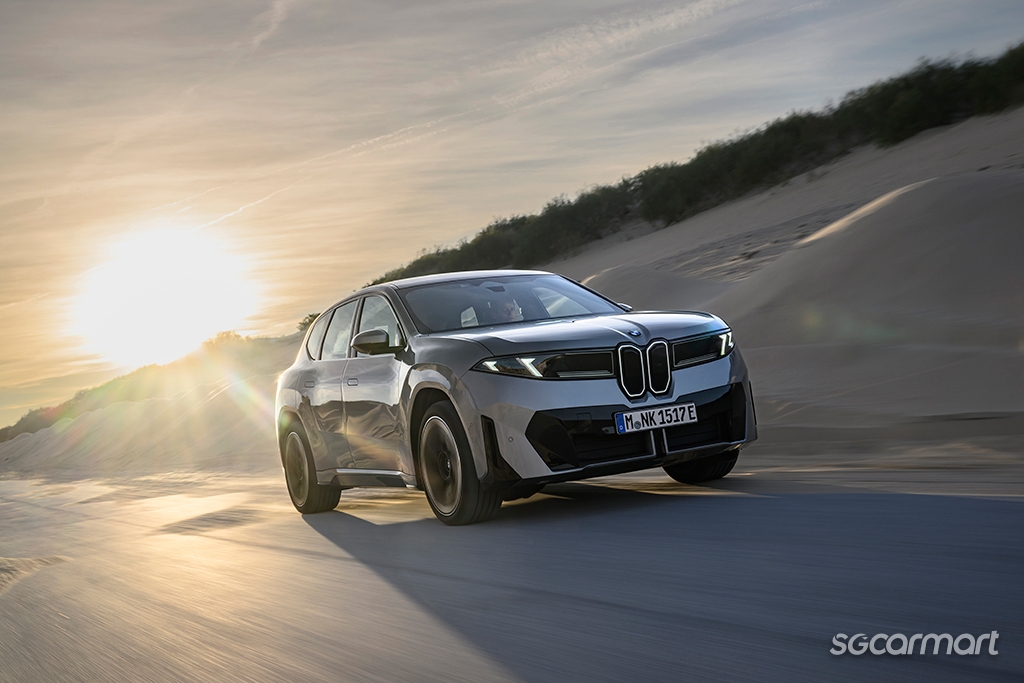
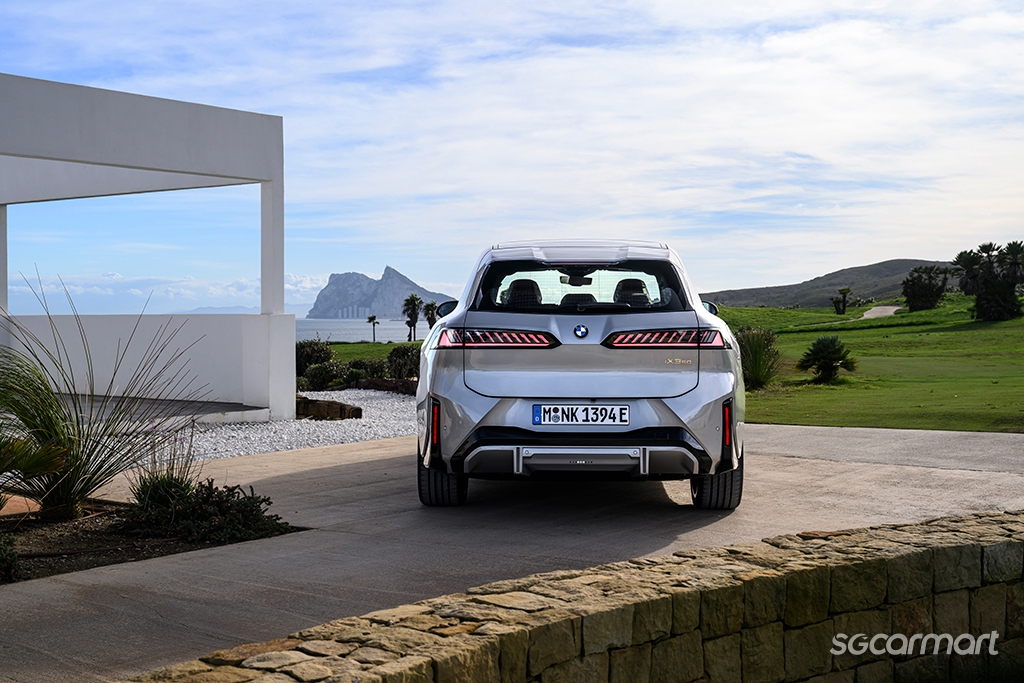
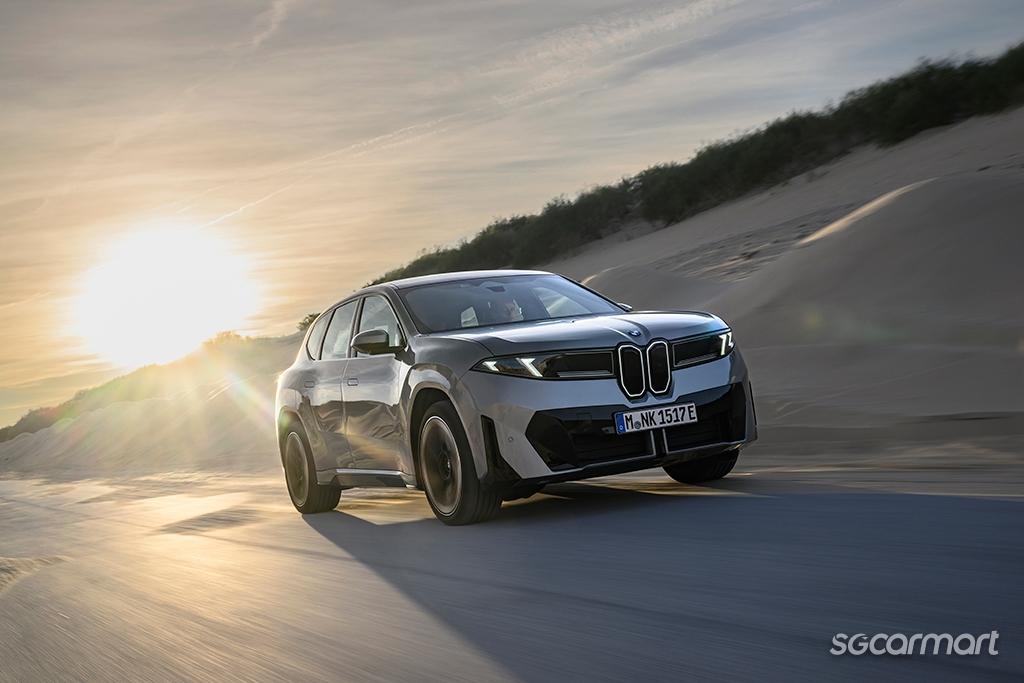
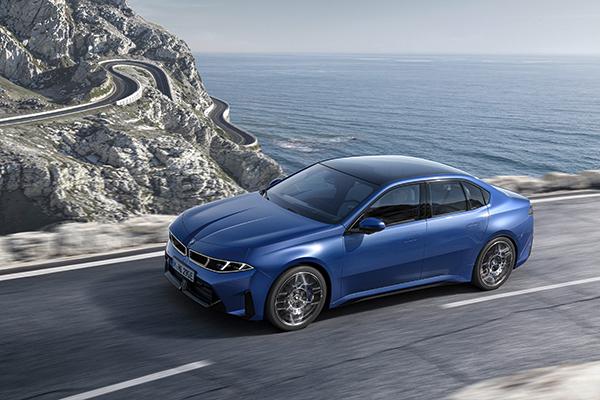
THe new iX3 ushers in not just a new generation of products, but a new generation of production as well
Next-Gen Products, Next-Gen Production
What does all this mean for customers?
Ultimately, it's about ensuring consistent quality and reliable delivery - no matter where the vehicle is built. With the iX3 and the broader Neue Klasse lineup, BMW is ushering in a new generation of products, and Plant Debrecen is leading the production. Yet the improvements in production quality, flexibility, and resilience span BMW's entire global factory network.
Do factory locations still matter? Many Singaporeans, like consumers elsewhere, may have perceptions about build quality tied to geography. But Dr Nikolaides emphasises that BMW's global standards eliminate such differences.
"For the end customer, it may be an emotional topic where the car is built," he says. "But from a process and quality perspective, we have standardised processes and standardised quality controls such that you should not be able to distinguish where the car is built."
In other words, no matter which plant your BMW comes from, you can and should expect the same level of precision and performance.
Are you a car owner?
If you are, do you know where your car comes from? A factory, obviously. But which factory? Does that even matter?
As BMW prepares to launch its new Neue Klasse models, beginning with the new iX3, the company isn't just rolling out new products. It's also strengthening its manufacturing capabilities and building a more resilient global production network. And, this effort is led by Dr Michael Nikolaides, BMW Group Senior Vice-President, Production Network, Supply Chain Management and Logistics.
Dr Michael Nikolaides is the BMW Group Senior Vice-President, Production Network, Supply Chain Management and Logistics.
Manufacturing the Future
BMW's newly established Debrecen plant marks a significant step forward for the brand's production strategy. Designed with a strong emphasis on digitalisation, automation, and efficiency, Debrecen represents BMW's next phase of factory evolution.
This isn't a radical "lights-off" facility run solely by robots. BMW stresses that people remain at the heart of its production process. Instead, the focus is on refining quality and efficiency using new technologies - such as AI-driven quality control - and on improving sustainability, including cleaner energy use.
The new manufacturing standards spearheaded by Plant Debrecen will eventually be implemented into the rest of BMW's factories
What Debrecen represents is not a complete reinvention, but a major advancement in BMW's ongoing push toward smarter, more sustainable manufacturing. These innovations are expected to diffuse across the company's global network, including its CKD (completely knocked down) plants.
"But production comes from product," says Dr Nikolaides. "These new production processes enable us to build the products." And it's the Neue Klasse - starting with the new iX3 - that will lead this next chapter.
Dr Nikolaides notes that the brand's diversified network allowed it to better withstand disruptions
Building Supply Chain Resilience
Behind every shiny new car in a showroom lies a complex supply chain - one that most customers rarely think about. Yet for any manufacturer, especially in the automotive world, its importance cannot be overstated.
The COVID-19 pandemic was a stark reminder of this. From hoarding household essentials to the prolonged global chip shortage between 2020 and 2023, disruptions hit every industry. Automakers were no exception. For BMW, it was a learning experience that underscored the need for stronger, more diversified supply chains that can withstand future shocks.
According to Dr Nikolaides, BMW weathered the storm relatively well thanks to end-to-end material tracking and predictive algorithms. "We use predictions and algorithms to forecast demand and fluctuations," he explains. "You can only react in real-time if you know where you are and what the data is. That transparency and digitalisation is where we invested significantly."
Another part of the solution: strengthening "local-for-local" sourcing to reduce dependency on distant suppliers.
Dr Nikolaides explains that a brand's ability to react to disruptions is fully contingent on transparency and real-time data - something the BMW Group has made significant investments in
Commitment to Local-for-Local
Local-for-local goes hand in hand with BMW's CKD plants - smaller facilities that assemble cars from imported kits. Several of these plants serve Southeast Asia, including Malaysia, Thailand, and Vietnam.
Beyond tax incentives, these plants offer something strategically valuable: flexibility.
"The principle for the small plants is always more flexibility because we want to give our customer a lot of variety," says Dr Nikolaides. While larger factories may focus on a few specific models, CKD plants can build everything from a MINI to a 7 Series, depending on regional demand.
For the BMW Group, local-for-local allows improved product flexibility, but also better supply chain resiliency
This flexibility benefits customers and the supply chain alike. "A competitive advantage of this network is very high flexibility," he notes. "In principle, the customer can change their order up to six days before the car is physically built."
It also helps BMW manage disruptions. "If during the semiconductor shortages you learn daily that a certain component isn't available, you can adjust your production program without stopping the line," he says.
THe new iX3 ushers in not just a new generation of products, but a new generation of production as well
Next-Gen Products, Next-Gen Production
What does all this mean for customers?
Ultimately, it's about ensuring consistent quality and reliable delivery - no matter where the vehicle is built. With the iX3 and the broader Neue Klasse lineup, BMW is ushering in a new generation of products, and Plant Debrecen is leading the production. Yet the improvements in production quality, flexibility, and resilience span BMW's entire global factory network.
Do factory locations still matter? Many Singaporeans, like consumers elsewhere, may have perceptions about build quality tied to geography. But Dr Nikolaides emphasises that BMW's global standards eliminate such differences.
"For the end customer, it may be an emotional topic where the car is built," he says. "But from a process and quality perspective, we have standardised processes and standardised quality controls such that you should not be able to distinguish where the car is built."
In other words, no matter which plant your BMW comes from, you can and should expect the same level of precision and performance.



Thank You For Your Subscription.



Tags
Products & Services

For Owners
Quick Links
About Sgcarmart