Driving the Subaru Forester where it feels most at home
21 May 2026|14 views

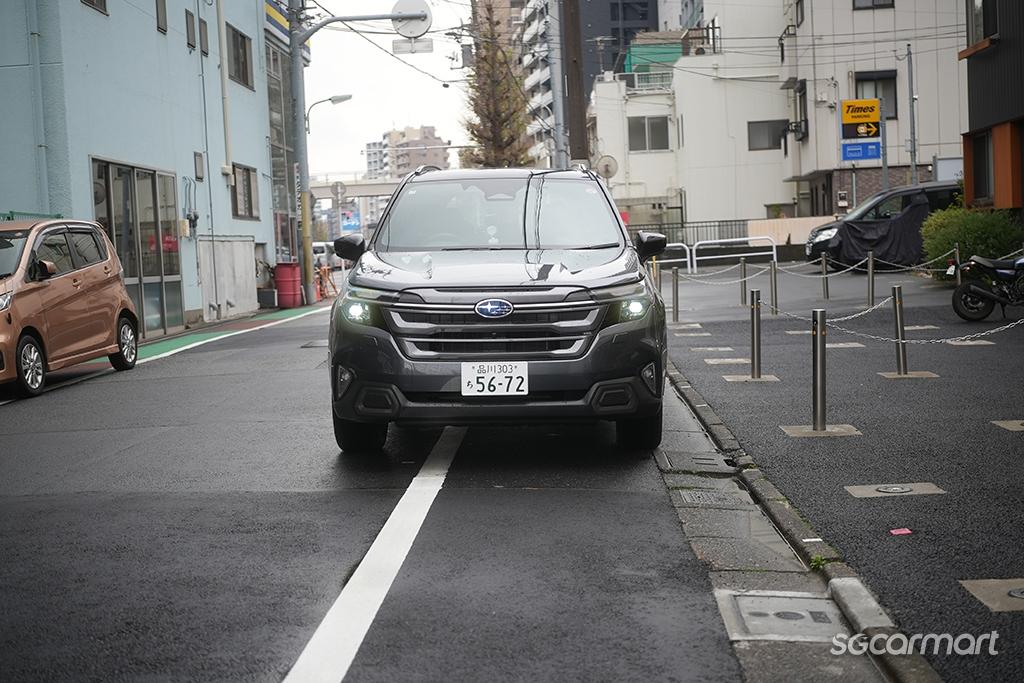
Typically, our overseas drives see us squeezing in to a plane seat and sent half a day away to some foreign land to try out a car that hasn’t been launched locally yet, or head to a racetrack that lets us go full-send with a car.
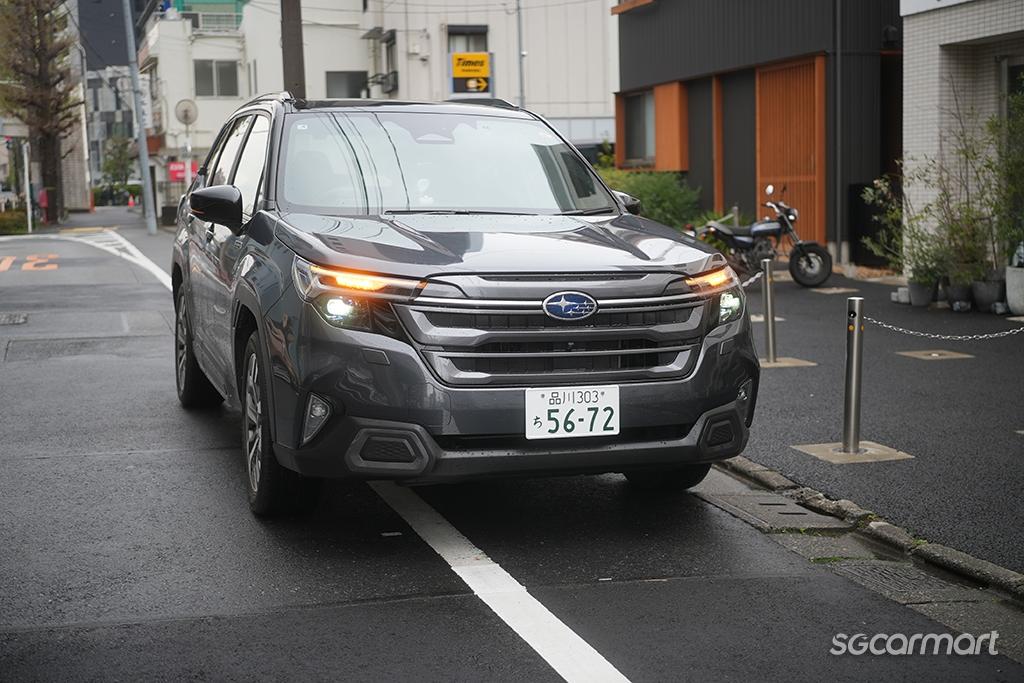
Except this time, I’m on the busy streets of Tokyo, Japan, to drive the Subaru Forester Strong Hybrid, a car that’s been launched for quite some time already in Singapore, in a city with streets even busier than ours. This begs the question: Why go all the way to Japan to drive a car that we have back home?
A sight we certainly don't see back home
For me, the answer was simple. I wanted to understand what the Forester feels like in the land it was made for. Not just as another SUV on a Singapore road, but as a Subaru in Japan, surrounded by the roads, traffic, streets, and buyers that shaped it.
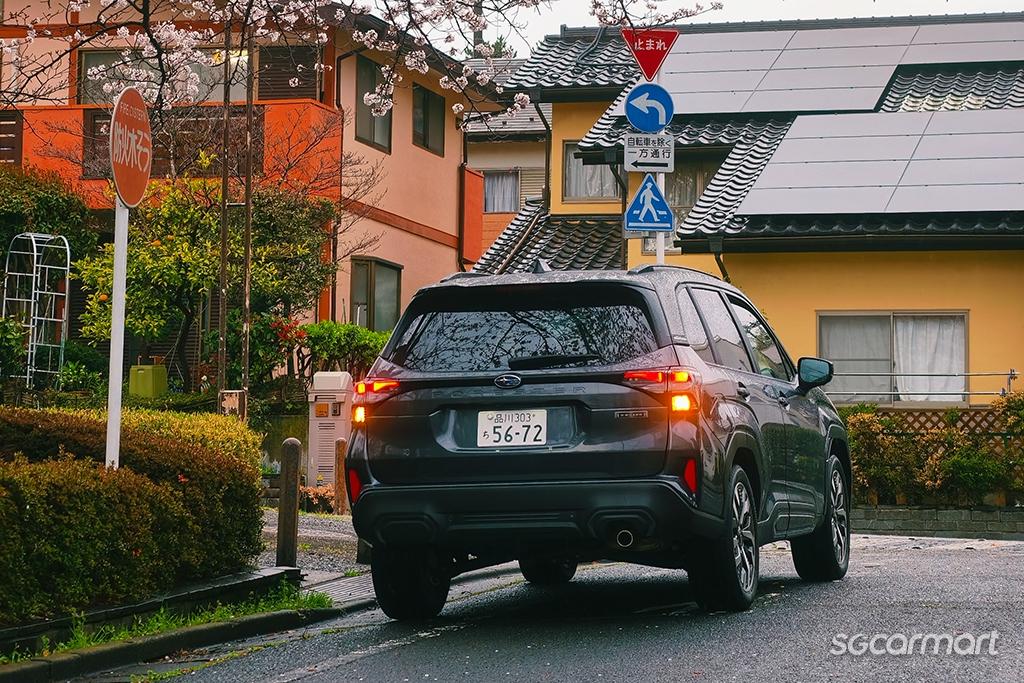
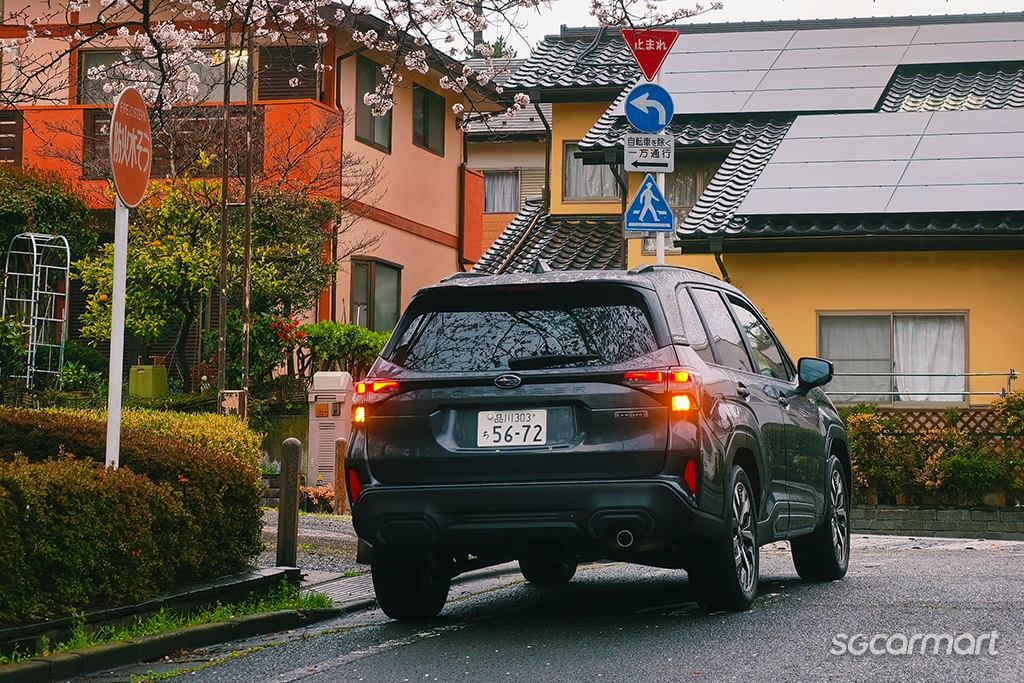
From narrow alleys to elevated expressways, the Forester fit right in
I had the car for four days and three nights. Unfortunately, this was not the full countryside adventure I had imagined. I still had to stay mostly within the city, so there was no long mountain escape, no proper snow road, no deep rural Subaru fantasy (and no chance to stress test its symmetrical-AWD system). But even within Tokyo, Tama and Yokohama, the Forester started making a lot more sense.
The car was picked up from Subaru’s headquarters in Ebisu. It sits on a quiet street, about a three minute walk from Ebisu station. It is not quite the dramatic corporate palace I had in mind. Instead, it felt reserved and peaceful. I’m not the biggest fan of Tokyo’s city style, but standing there in Ebisu, with Subaru’s showroom right at the base of its headquarters, it did feel like I was seeing the brand in its natural habitat.
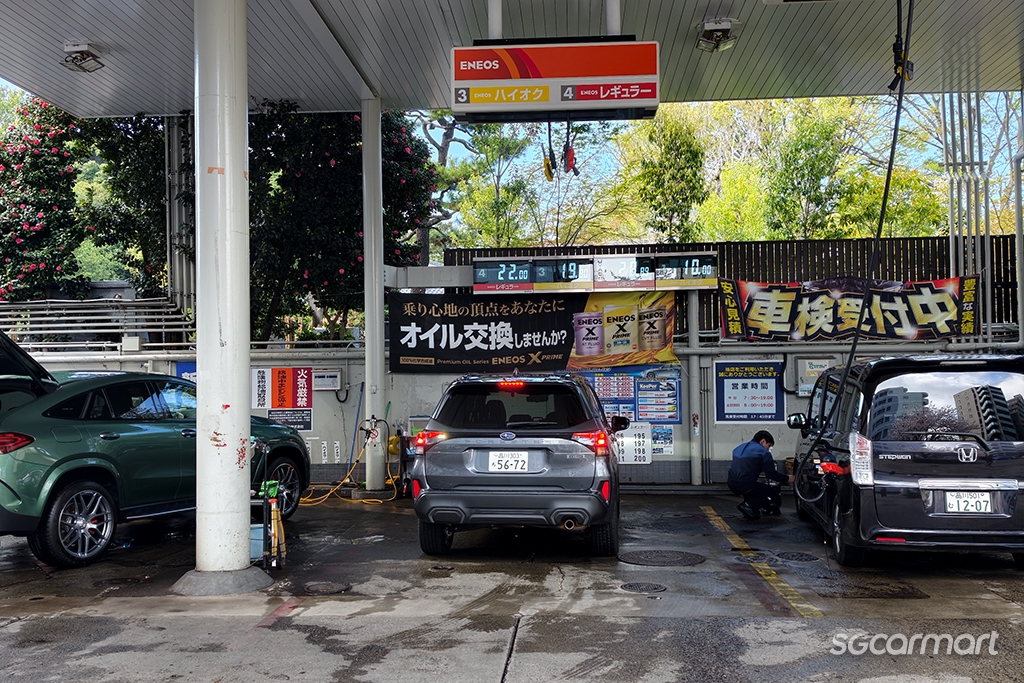
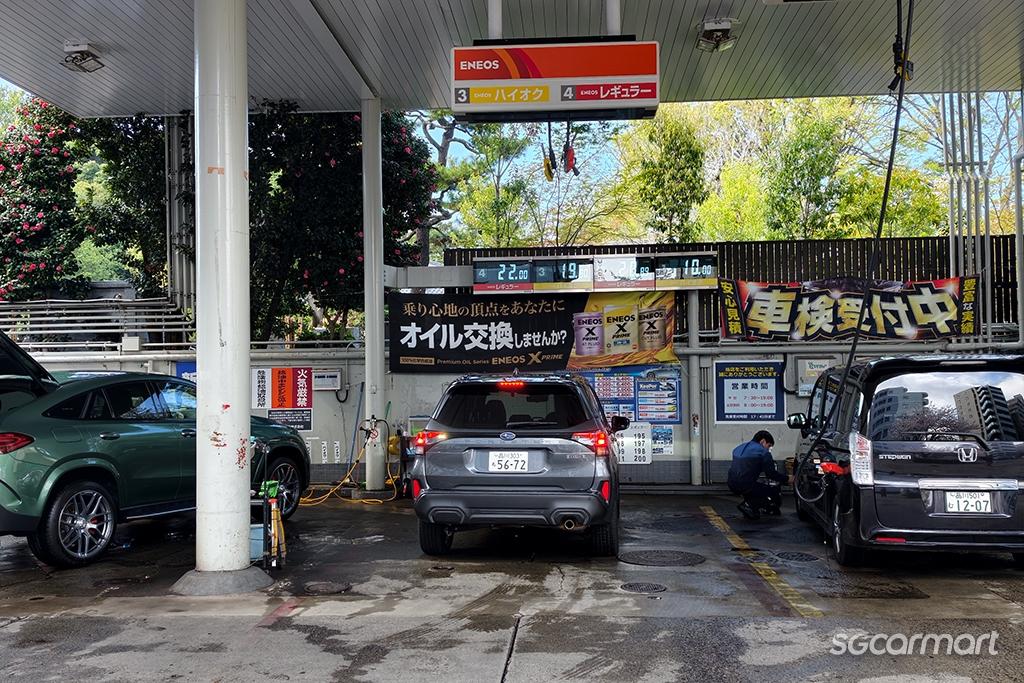
Fueling up from above in one of Japan's iconic top-hung petrol stations
Inside, the Forester felt familiar, but I got to see it in its full range, from petrol to Strong Hybrid. That is not surprising. This is Japan, and this is Subaru’s home ground. Of course the local market gets the full spread. Alongside the Forester, also in the showroom were models like the Solterra, Crosstrek Hybrid, and Impreza Hybrid.
In Japan, buyers get to see how broad the Forester range really is, with different trims, styling packages and more personalisation than we are used to seeing in Singapore. There are regular petrol versions, Strong Hybrid versions, and showroom cars wearing different personalities. Some look more urban, some more rugged, some more outdoorsy. Subaru Japan’s own Forester lineup includes variants such as Sport and X Break, which gives buyers more choice in how they want their Forester to look and feel. Ask for a brochure, and you’ll be handed a handbook as thick as an Ikea catalogue, filled with options for just the Forester’s accessories alone.
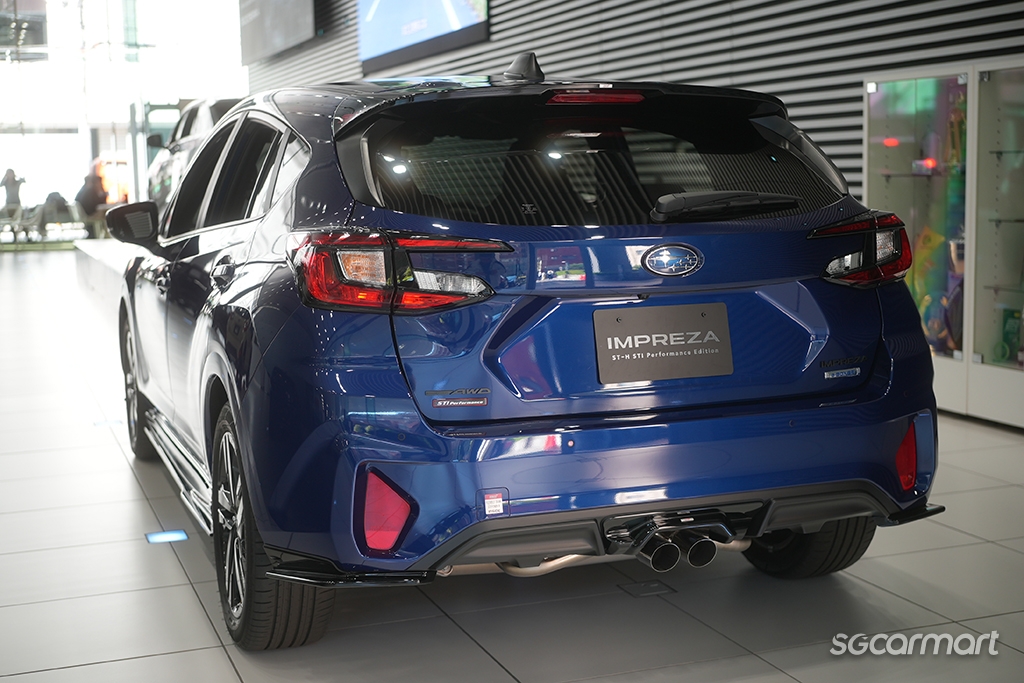
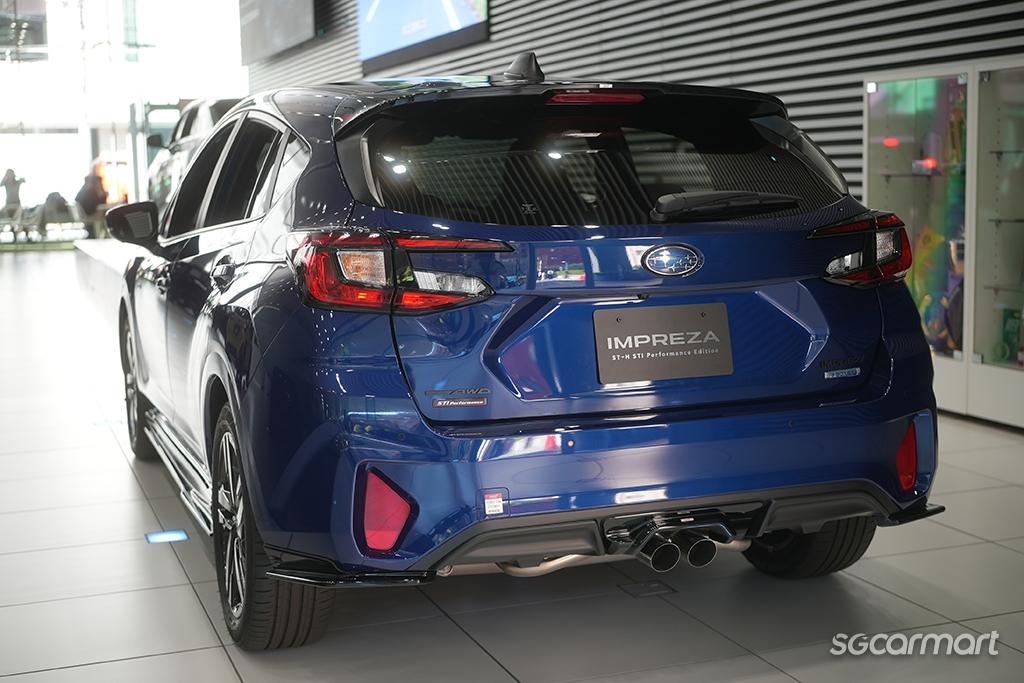
A self-charging hybrid Impreza is a common sight on Tokyo street
That is the part we do not always get to see in Singapore. Back home, the Forester (and many others) is often reduced to one line on a product sheet (in terms of options and trims), a price tag, and a question of whether buyers still want a Subaru SUV. In Japan, you see the car in a wider context. You see the showroom options, the accessories, the different trims, and the type of roads it was clearly built for. It stops feeling like just another SUV, and starts feeling like a very complete Subaru product.
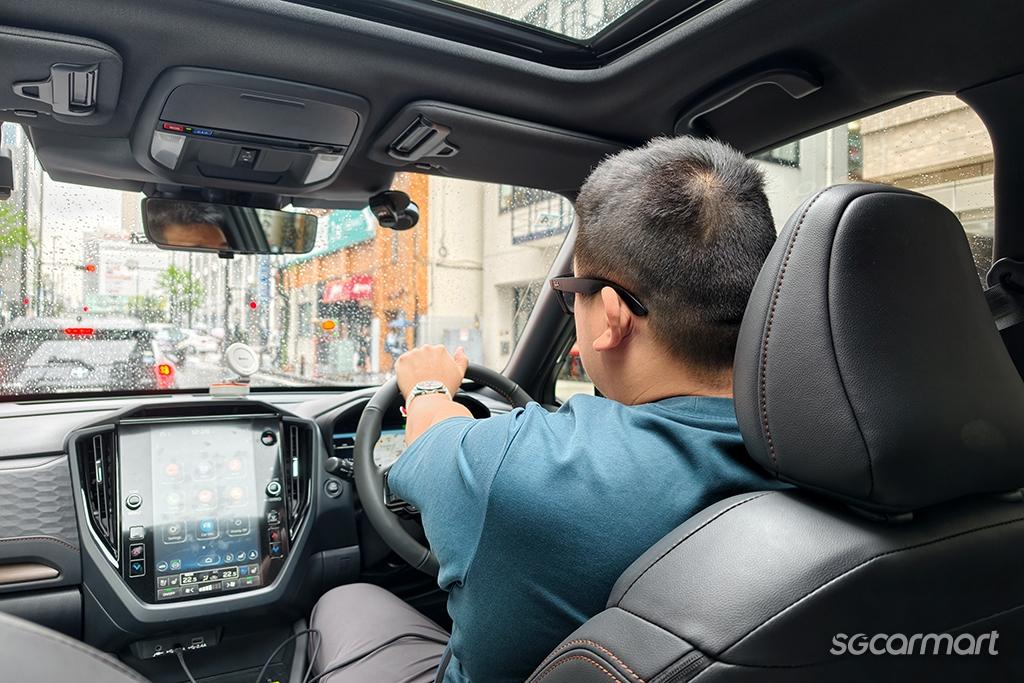
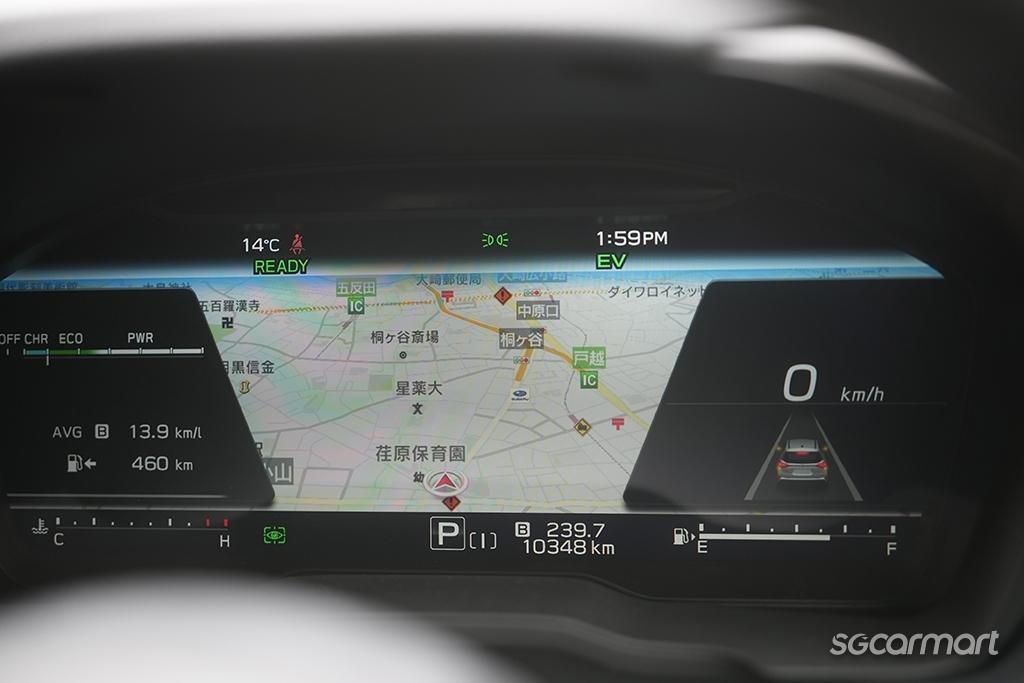
The Forester itself had a full digital instrument cluster, and the whole cabin felt more polished than the older Foresters many of us remember. I was also told that EyeSight has been improved, with an Emergency Driving Stop System that can respond if the driver becomes unresponsive or incapacitated - pulling over to the highway shoulder, turning on the hazard lights, and dialing for help from the car’s communications system. Such benefits and systems are much easier to implement for a car that’s been engineered in its native habitat, rather than one that has to be exported and tuned to hundreds of markets.
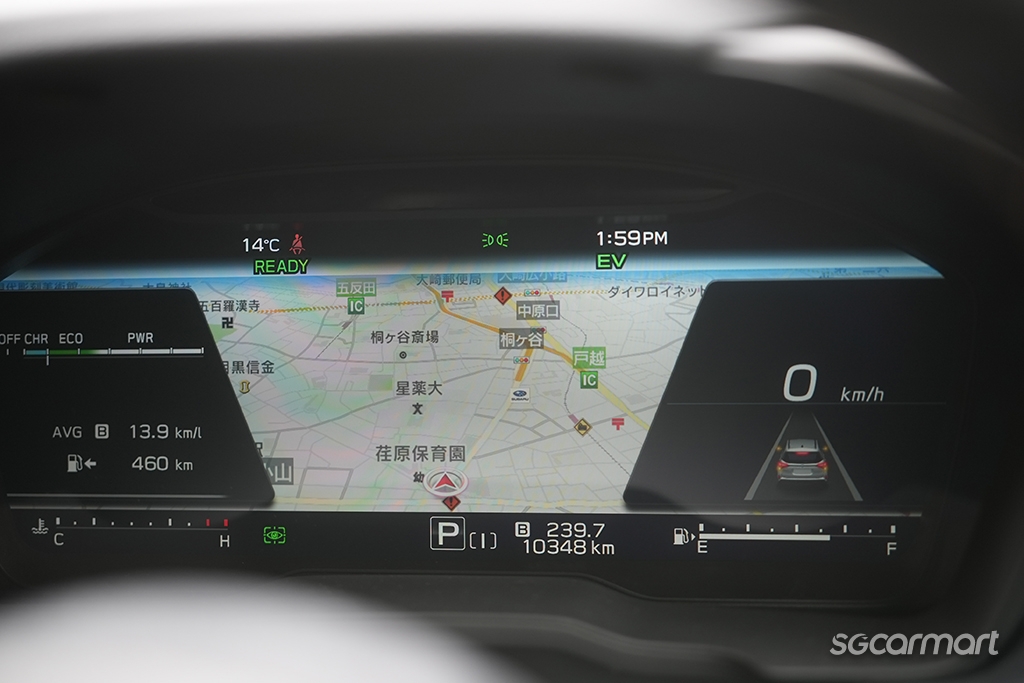
Home advantage: The fanciest features like a full digital instrument cluster syncs up with the Subaru Starlink infotainment system for a nice unified cabin
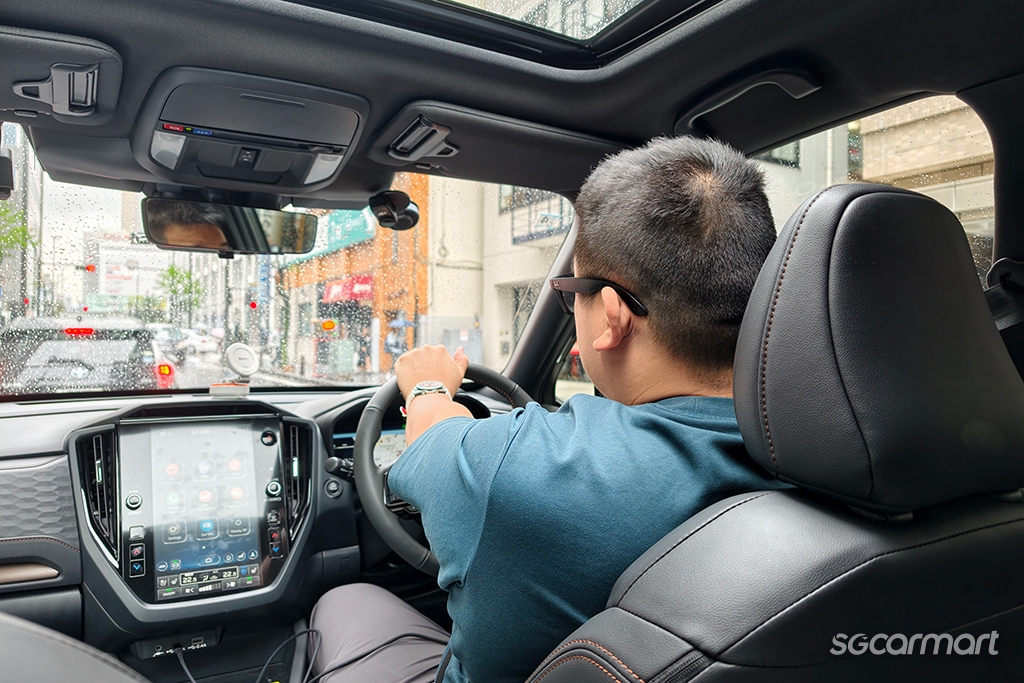
On the move, I did not get to test the Forester in the setting I really wanted. No long mountain passes, no proper off road section, no winter conditions. But even in the city, the Strong Hybrid felt more alive than I expected.

Driving the Forester around was a real treat
It suits Japanese driving. The stop-start rhythm, the tighter roads, the constant changes in speed and the mix of urban and suburban routes all worked well with the hybrid system. It made the Forester feel calmer, more responsive and more natural in everyday driving. However, take it on the expressway and the 2.5-litre engine comes alive as you get up to cruising speed. Pulling up onto the expressways that rise into the sky, with the skyline view of Tokyo in the periphery, makes everything about the car and drive just feel extra-sweet.
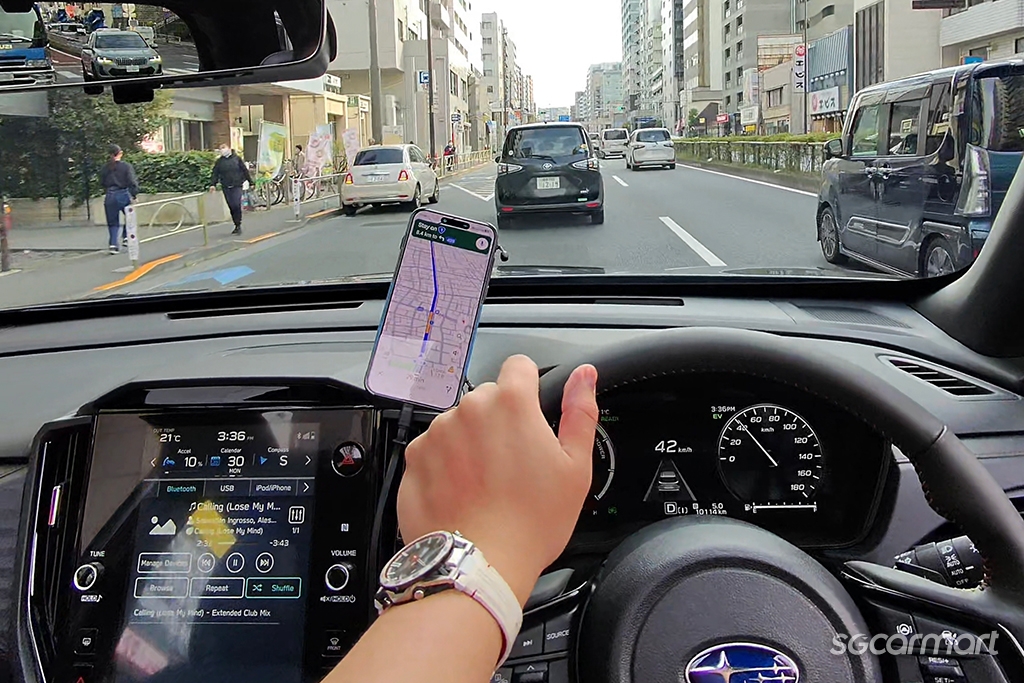
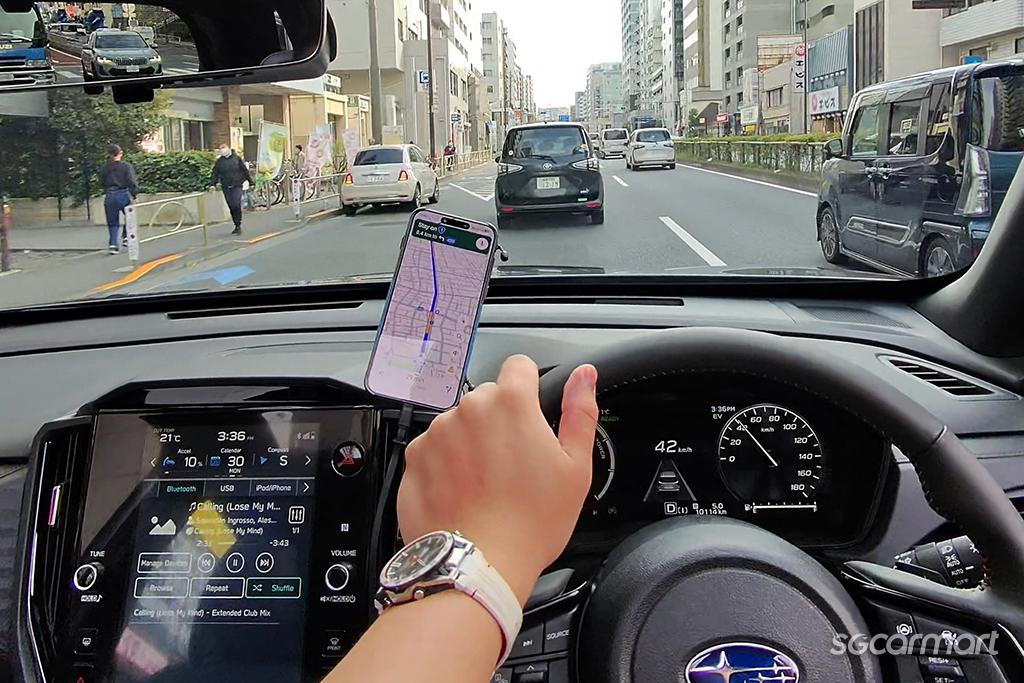
Navigating unfamiliar city streets are made easy with Subaru's Eyesight 4.0
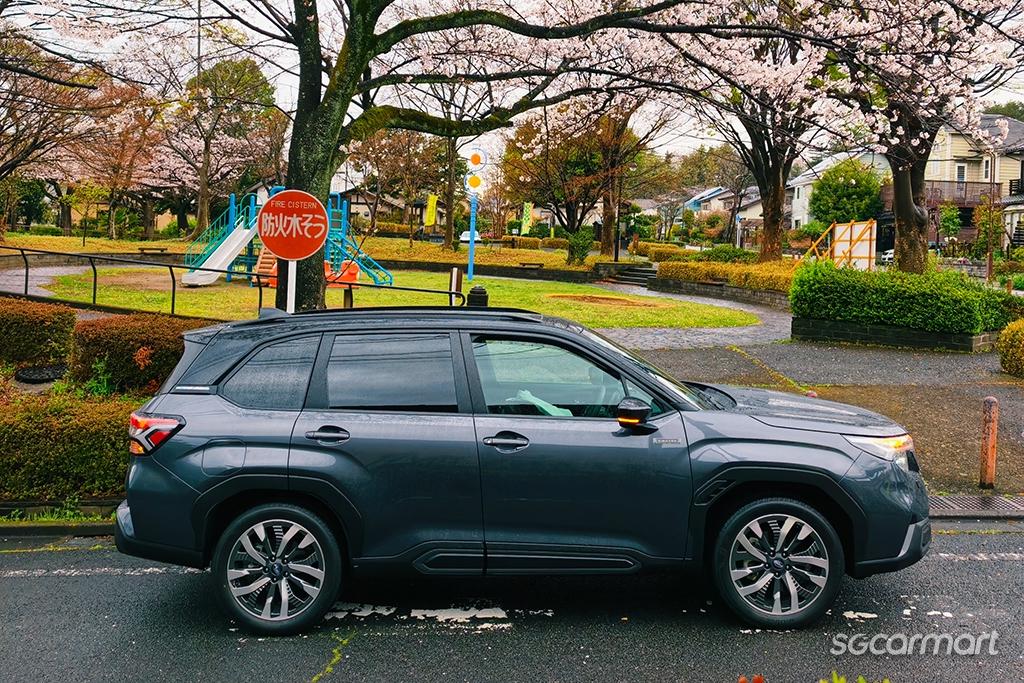
The Forester also has presence. It feels big, but not clumsy. Muscular, but not aggressive. This latest generation of the Forester does venture into newer territory in terms of its design, more similar to the square-er, more rigid-looking faces like those found on American trucks more than before. In contrast to the narrow Tokyo streets, it wasn’t cumbersome, yet on the road, it felt bigger and bolder than those other cars around it.
The hybrid system suits the roads, the size makes sense, the cabin feels properly equipped, and the whole car carries itself with the kind of quiet confidence that explains why Subarus are so common in Japan.
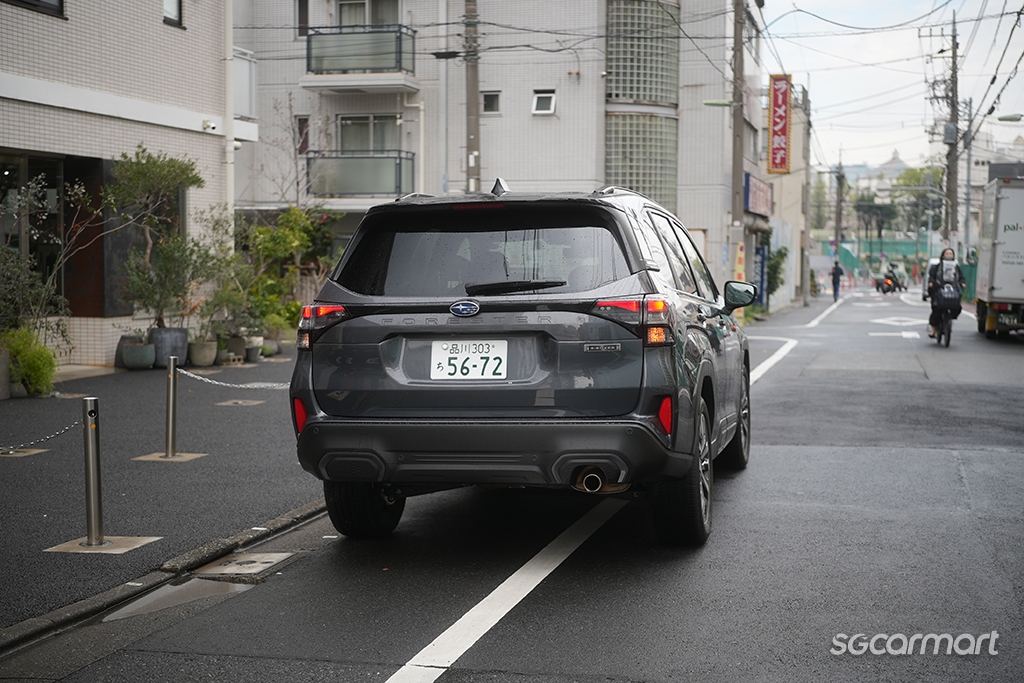
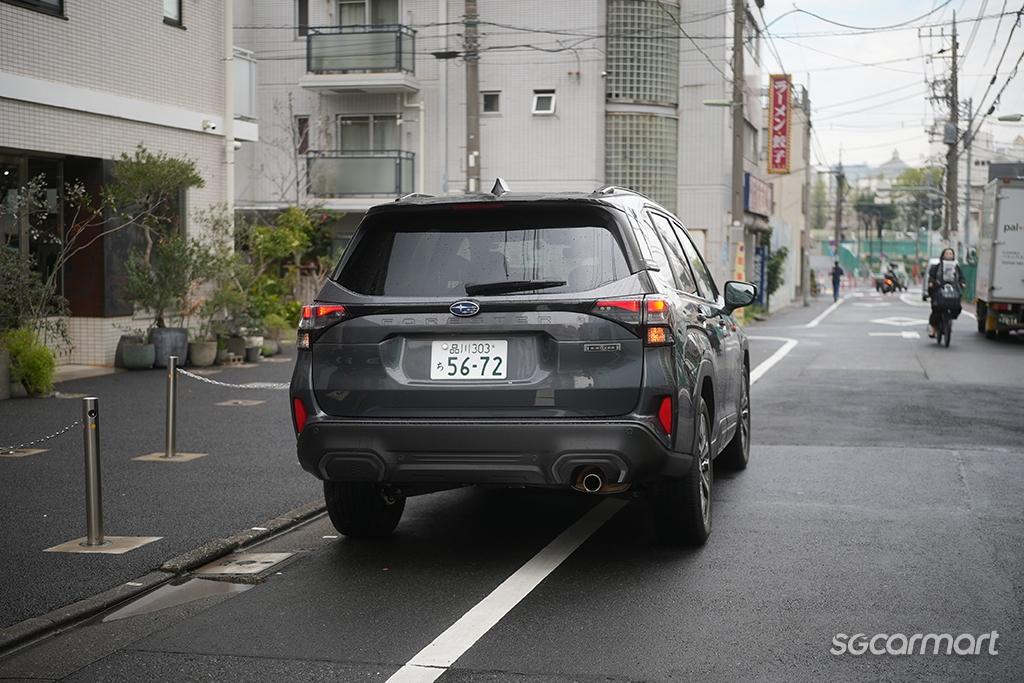
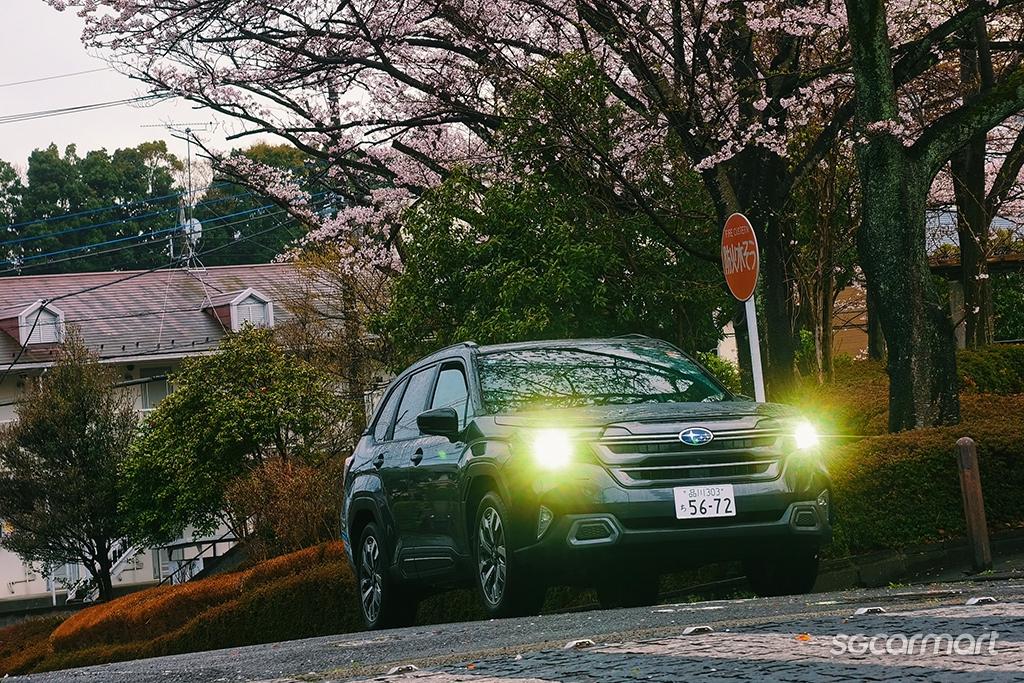
The rugged Forester performs just as well on city streets
To be clear, this was not a full test of what the Forester could do. I did not take it deep into the mountains, I did not get to test it in snow, and I did not get to properly lean on its all-wheel drive system. But perhaps that was the point. Most Foresters will not spend every day tackling extreme terrain either, but it brings about the option to, along with the lifestyle and image of an owner that’s associated with one.
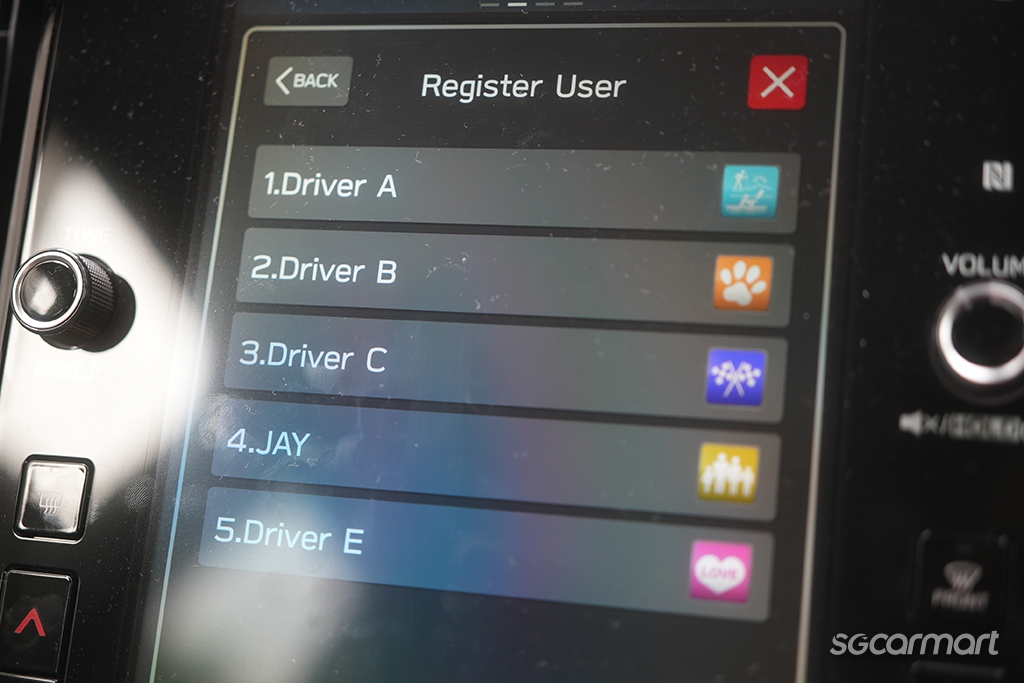
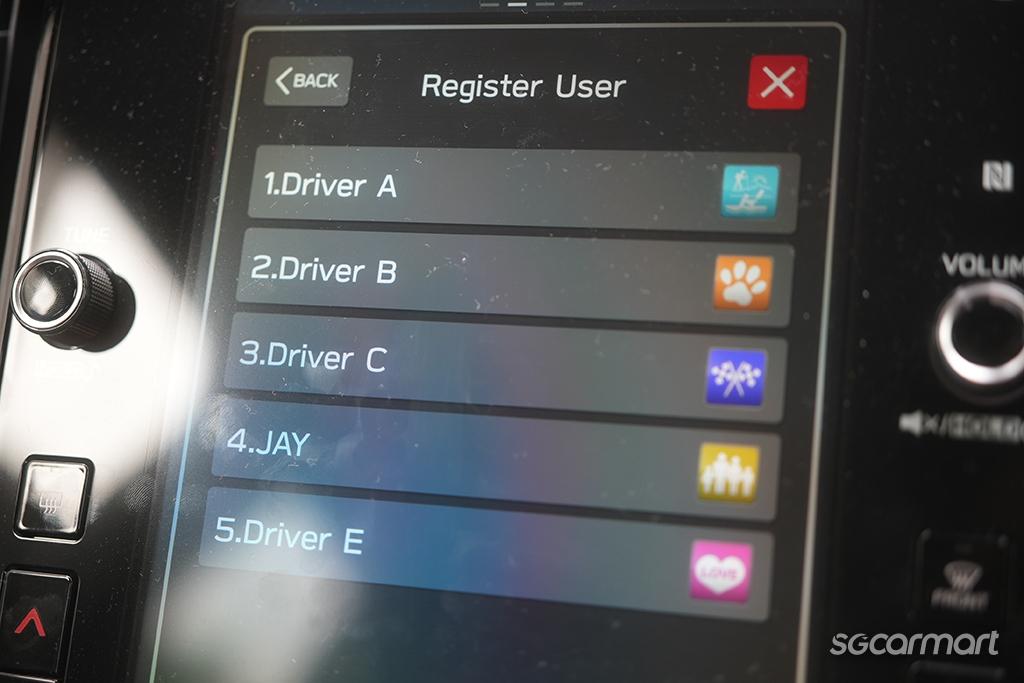
The driver recognition system allows you to easily add your saved settings
That matters for Singapore too, because the latest Forester sold here still carries the same core Subaru ingredients: Strong Hybrid, Symmetrical All Wheel Drive, 220mm of ground clearance, X Mode and more. Perhaps it’s just me, or an overexposure to cars, their features and trims, but this new perspective reminds me that the car was built for a purpose, rather than mixing together bin parts for the sake of one more model in the lineup.
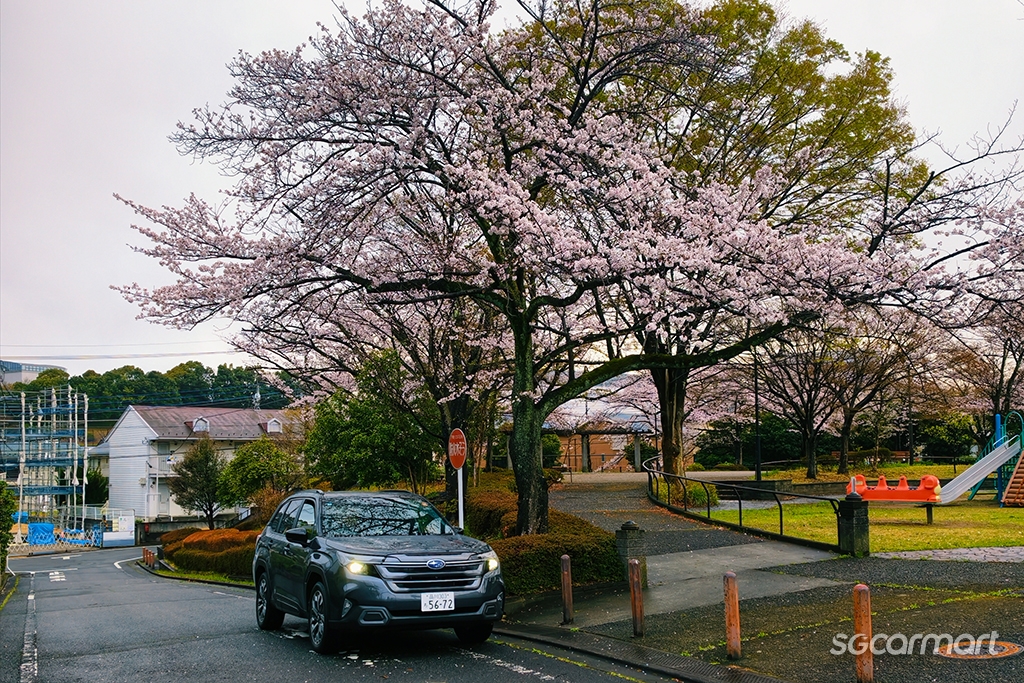
I never thought a simple drive in a foreign city could be so cathartic
I went to Japan thinking I was going to understand the Forester by driving it harder. Instead, I understood it by seeing where it belongs. Around Central Japan, the Forester Strong Hybrid did not feel like a car trying to prove a point. It simply felt like a Subaru doing what Subarus do best: Being practical, capable, familiar choice, but with a lot more flair, options and colour.
Typically, our overseas drives see us squeezing in to a plane seat and sent half a day away to some foreign land to try out a car that hasn’t been launched locally yet, or head to a racetrack that lets us go full-send with a car.
Except this time, I’m on the busy streets of Tokyo, Japan, to drive the Subaru Forester Strong Hybrid, a car that’s been launched for quite some time already in Singapore, in a city with streets even busier than ours. This begs the question: Why go all the way to Japan to drive a car that we have back home?
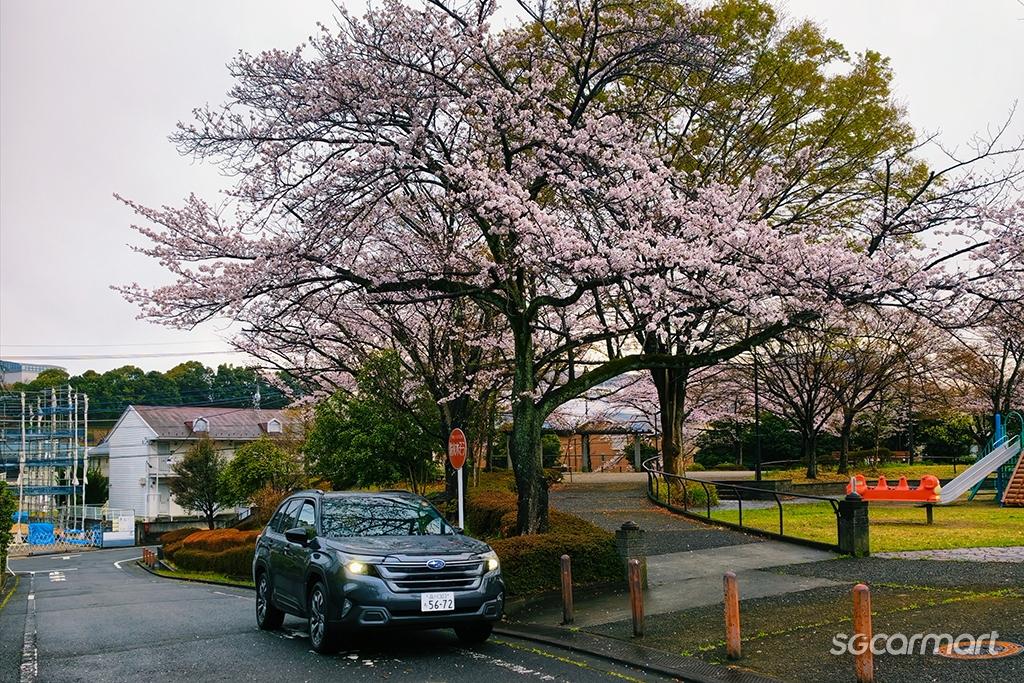
A sight we certainly don't see back home
For me, the answer was simple. I wanted to understand what the Forester feels like in the land it was made for. Not just as another SUV on a Singapore road, but as a Subaru in Japan, surrounded by the roads, traffic, streets, and buyers that shaped it.
From narrow alleys to elevated expressways, the Forester fit right in
I had the car for four days and three nights. Unfortunately, this was not the full countryside adventure I had imagined. I still had to stay mostly within the city, so there was no long mountain escape, no proper snow road, no deep rural Subaru fantasy (and no chance to stress test its symmetrical-AWD system). But even within Tokyo, Tama and Yokohama, the Forester started making a lot more sense.
The car was picked up from Subaru’s headquarters in Ebisu. It sits on a quiet street, about a three minute walk from Ebisu station. It is not quite the dramatic corporate palace I had in mind. Instead, it felt reserved and peaceful. I’m not the biggest fan of Tokyo’s city style, but standing there in Ebisu, with Subaru’s showroom right at the base of its headquarters, it did feel like I was seeing the brand in its natural habitat.
Fueling up from above in one of Japan's iconic top-hung petrol stations
Inside, the Forester felt familiar, but I got to see it in its full range, from petrol to Strong Hybrid. That is not surprising. This is Japan, and this is Subaru’s home ground. Of course the local market gets the full spread. Alongside the Forester, also in the showroom were models like the Solterra, Crosstrek Hybrid, and Impreza Hybrid.
In Japan, buyers get to see how broad the Forester range really is, with different trims, styling packages and more personalisation than we are used to seeing in Singapore. There are regular petrol versions, Strong Hybrid versions, and showroom cars wearing different personalities. Some look more urban, some more rugged, some more outdoorsy. Subaru Japan’s own Forester lineup includes variants such as Sport and X Break, which gives buyers more choice in how they want their Forester to look and feel. Ask for a brochure, and you’ll be handed a handbook as thick as an Ikea catalogue, filled with options for just the Forester’s accessories alone.
A self-charging hybrid Impreza is a common sight on Tokyo street
That is the part we do not always get to see in Singapore. Back home, the Forester (and many others) is often reduced to one line on a product sheet (in terms of options and trims), a price tag, and a question of whether buyers still want a Subaru SUV. In Japan, you see the car in a wider context. You see the showroom options, the accessories, the different trims, and the type of roads it was clearly built for. It stops feeling like just another SUV, and starts feeling like a very complete Subaru product.
The Forester itself had a full digital instrument cluster, and the whole cabin felt more polished than the older Foresters many of us remember. I was also told that EyeSight has been improved, with an Emergency Driving Stop System that can respond if the driver becomes unresponsive or incapacitated - pulling over to the highway shoulder, turning on the hazard lights, and dialing for help from the car’s communications system. Such benefits and systems are much easier to implement for a car that’s been engineered in its native habitat, rather than one that has to be exported and tuned to hundreds of markets.
Home advantage: The fanciest features like a full digital instrument cluster syncs up with the Subaru Starlink infotainment system for a nice unified cabin
On the move, I did not get to test the Forester in the setting I really wanted. No long mountain passes, no proper off road section, no winter conditions. But even in the city, the Strong Hybrid felt more alive than I expected.
Driving the Forester around was a real treat
It suits Japanese driving. The stop-start rhythm, the tighter roads, the constant changes in speed and the mix of urban and suburban routes all worked well with the hybrid system. It made the Forester feel calmer, more responsive and more natural in everyday driving. However, take it on the expressway and the 2.5-litre engine comes alive as you get up to cruising speed. Pulling up onto the expressways that rise into the sky, with the skyline view of Tokyo in the periphery, makes everything about the car and drive just feel extra-sweet.
Navigating unfamiliar city streets are made easy with Subaru's Eyesight 4.0
The Forester also has presence. It feels big, but not clumsy. Muscular, but not aggressive. This latest generation of the Forester does venture into newer territory in terms of its design, more similar to the square-er, more rigid-looking faces like those found on American trucks more than before. In contrast to the narrow Tokyo streets, it wasn’t cumbersome, yet on the road, it felt bigger and bolder than those other cars around it.
The hybrid system suits the roads, the size makes sense, the cabin feels properly equipped, and the whole car carries itself with the kind of quiet confidence that explains why Subarus are so common in Japan.
The rugged Forester performs just as well on city streets
To be clear, this was not a full test of what the Forester could do. I did not take it deep into the mountains, I did not get to test it in snow, and I did not get to properly lean on its all-wheel drive system. But perhaps that was the point. Most Foresters will not spend every day tackling extreme terrain either, but it brings about the option to, along with the lifestyle and image of an owner that’s associated with one.
The driver recognition system allows you to easily add your saved settings
That matters for Singapore too, because the latest Forester sold here still carries the same core Subaru ingredients: Strong Hybrid, Symmetrical All Wheel Drive, 220mm of ground clearance, X Mode and more. Perhaps it’s just me, or an overexposure to cars, their features and trims, but this new perspective reminds me that the car was built for a purpose, rather than mixing together bin parts for the sake of one more model in the lineup.
I never thought a simple drive in a foreign city could be so cathartic
I went to Japan thinking I was going to understand the Forester by driving it harder. Instead, I understood it by seeing where it belongs. Around Central Japan, the Forester Strong Hybrid did not feel like a car trying to prove a point. It simply felt like a Subaru doing what Subarus do best: Being practical, capable, familiar choice, but with a lot more flair, options and colour.



Thank You For Your Subscription.



Tags
Products & Services

For Owners
Quick Links
About Sgcarmart