The man behind RUF's fast cars
31 Mar 2015|9,912 views
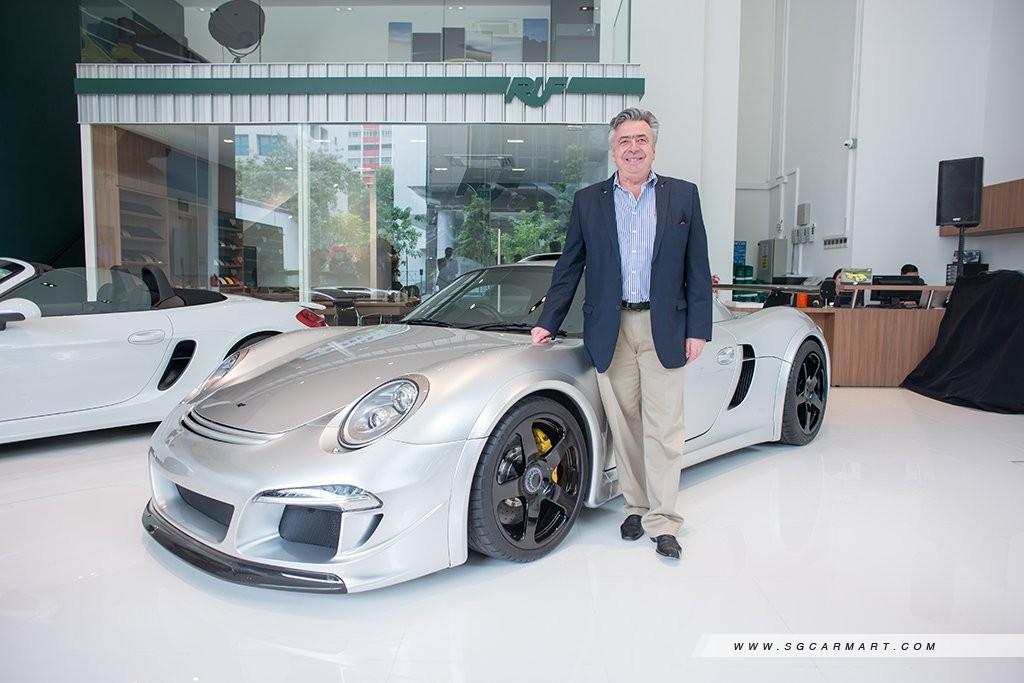
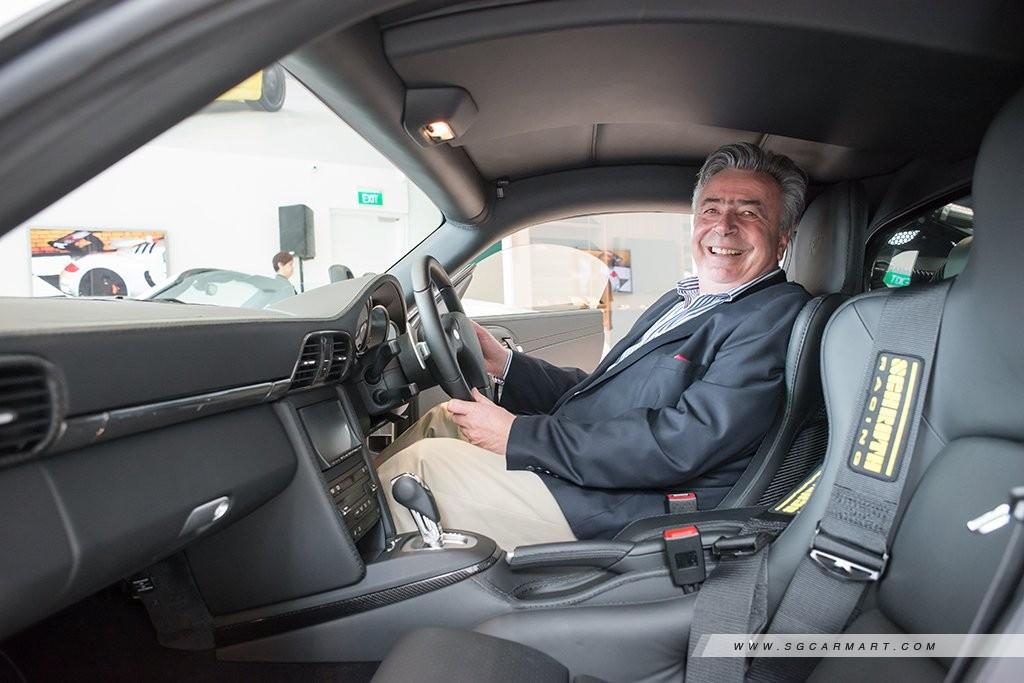
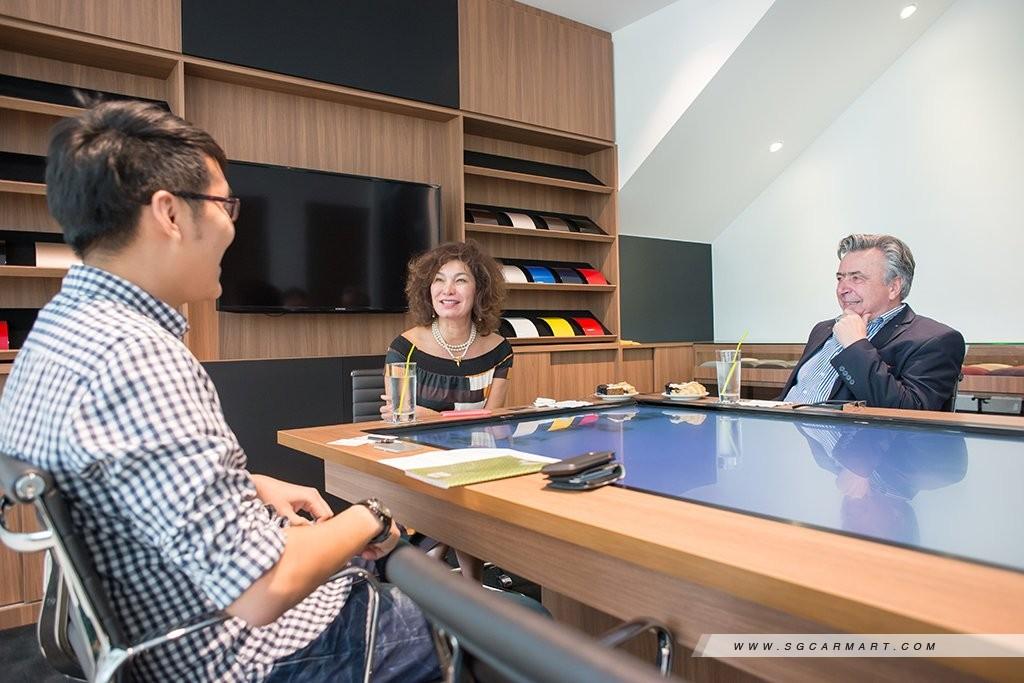




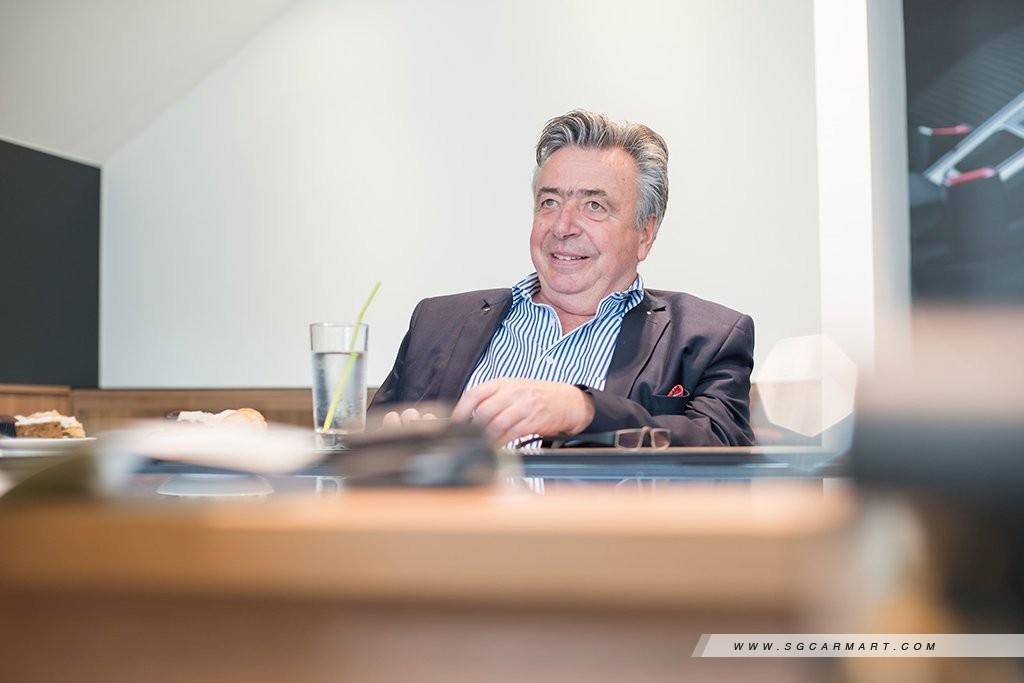
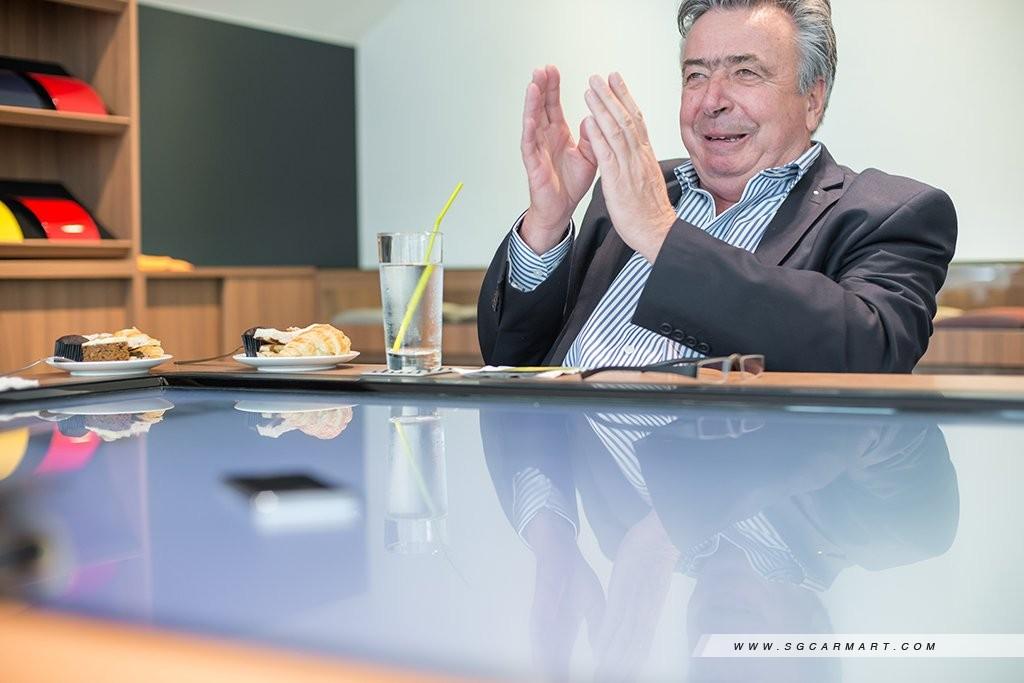
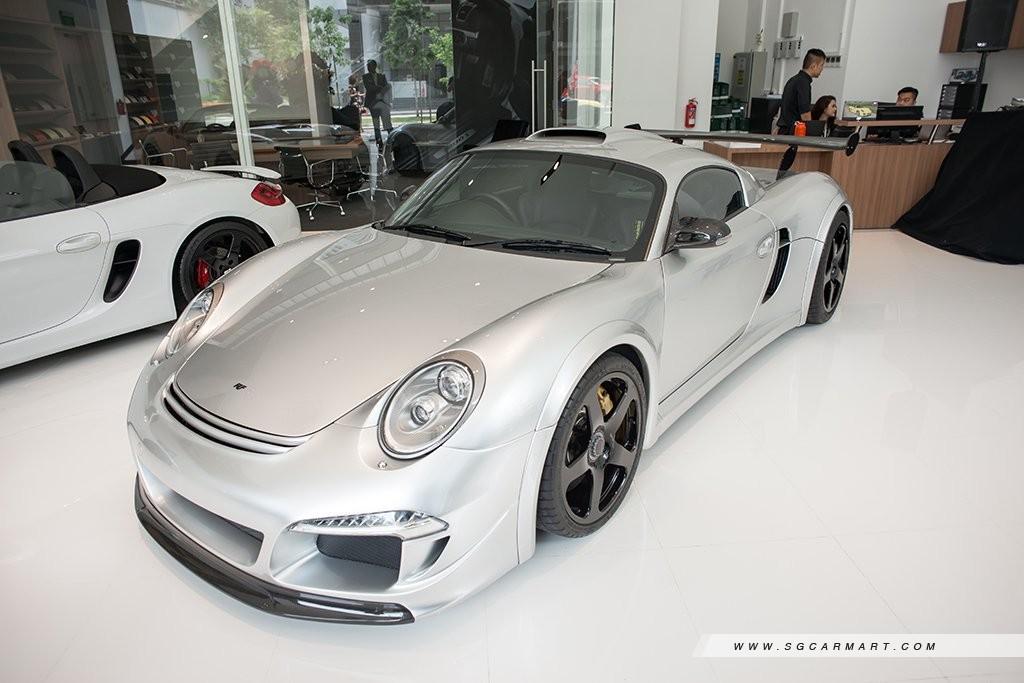
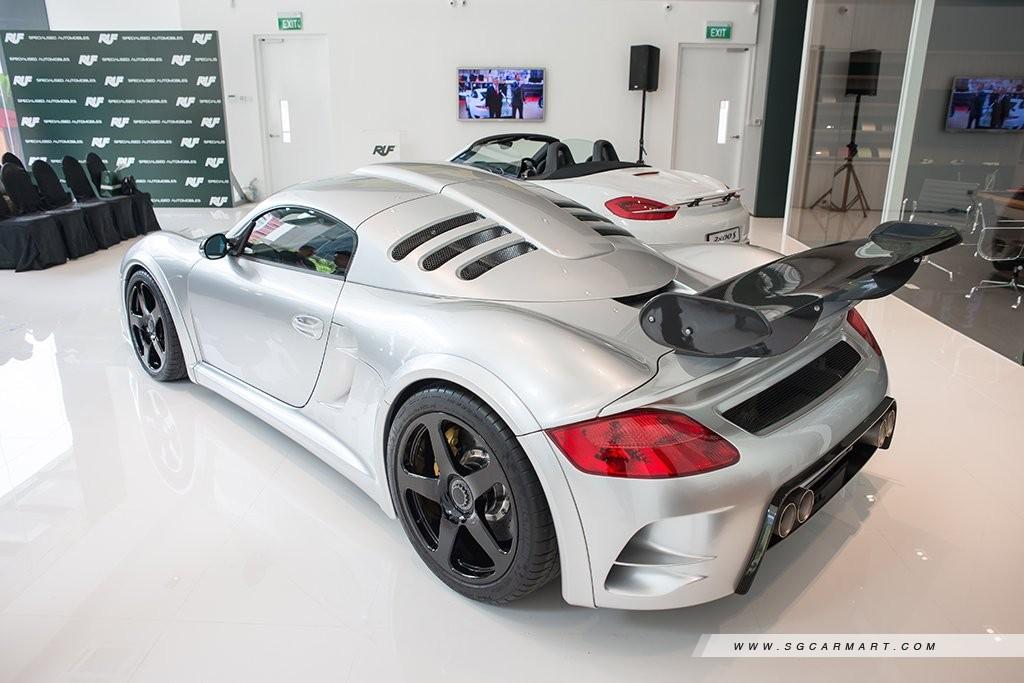
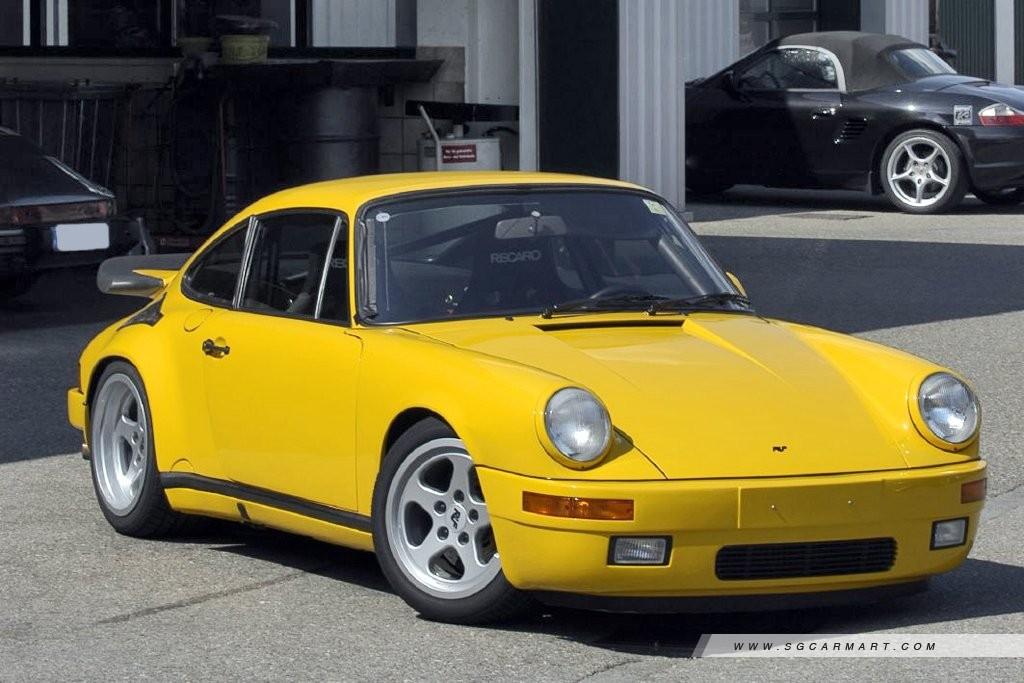
Rubbing off the 'car bug' from his dad since a young age, Alois Ruf (AR) founded the company, RUF Automobile GmbH, in 1974, and went on to create several magnificent icons for the automotive industry. The company's creations are based on Porsches, which now range from the 3800S, a two-seater roadster based on the Boxster, to the CTR3 Clubsport, one of the most powerful road-legal GT cars in the market - both of which were present at the brand's recent launch in Singapore.

SGCM: What sets RUF apart from Porsche and other sports carmakers?
AR: To us, a car needs to constantly make the driver feel good. It also needs to feel cohesive, which means different components of the car, such as the engine, brakes, suspension and chassis, need to 'work together' and make the car feel as one. We are against making cars that are too 'hardcore', and are too harsh to its occupants.
The car must be practical enough to be used on a regular basis. For example, we do not want to make a beautiful and powerful car that attracts everyone's attention, but yet makes the driver 'cringe' at the thought of driving it. Hence, despite being very powerful, RUF cars always pay special attention to refinement.
SGCM: We have seen how Porsche benefitted (e.g. in terms of profits) from making SUVs and four-door GTs. Will we see RUF venturing more into these genres of cars, like what they did with the RUF Dakara (an SUV based on the Porsche Cayenne)?
AR: We are offering performance packages for SUVs, but our focus is still on sports cars. Sports cars are where our strength lies and what we are known for.
SGCM: Which is your proudest moment since you held stewardship of the company in 1974?
AR: It is definitely when we presented the RUF CTR, also known as the 'Yellow Bird'. At a speed run, the CTR outran all supercars that were present. It became a big event for us, not knowing that the CTR could achieve a top speed of 339km/h, which was the fastest of any car at that time.
 |
SGCM: We noticed that while many automakers highlight the sprint time of their cars, RUF paid particular attention to the top speed of their models. Is there a reason behind this?
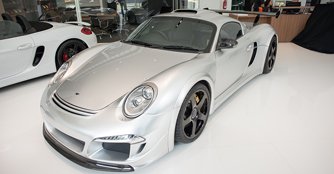
SGCM: RUF created the first V8-powered 911 in 2010 with the RGT-8 and went on to replicate the 'recipe' on the 991 Series 911 in 2012. What were the reasons behind the creation and how were the responses like, especially from Porsche fans?
AR: The competition was getting more intense, and carmakers were creating more powerful models. Some luxury marques, especially the German ones, started making limousines that could match up to sports cars in terms of performance. The performance of the flat-six 911 was limited to the displacement of 4.0-litre, and therefore we needed to think up of a new engine concept.
Porsche has experienced this change in engine concept previously, where it had to fit bigger flat-six engines on its 911s to replace flat-fours found in the 356s. At that time, 'purists' of the brand felt that a flat-four was more suitable for the 911, but using flat-sixes was part of the 'progression'. Likewise, in the current era, we feel that a compact, lightweight eight-cylinder engine is the way to go for the future.
So far we haven't met someone who completely disagrees with the V8 911. Moreover, our V8 was designed with a flat crank, so it does not have the 'iconic' soundtrack of a conventional V8, say that of an AMG. This ensures that the 911 retains its identity.
Rubbing off the 'car bug' from his dad since a young age, Alois Ruf (AR) founded the company, RUF Automobile GmbH, in 1974, and went on to create several magnificent icons for the automotive industry. The company's creations are based on Porsches, which now range from the 3800S, a two-seater roadster based on the Boxster, to the CTR3 Clubsport, one of the most powerful road-legal GT cars in the market - both of which were present at the brand's recent launch in Singapore.
SGCM: What sets RUF apart from Porsche and other sports carmakers?
AR: To us, a car needs to constantly make the driver feel good. It also needs to feel cohesive, which means different components of the car, such as the engine, brakes, suspension and chassis, need to 'work together' and make the car feel as one. We are against making cars that are too 'hardcore', and are too harsh to its occupants.
The car must be practical enough to be used on a regular basis. For example, we do not want to make a beautiful and powerful car that attracts everyone's attention, but yet makes the driver 'cringe' at the thought of driving it. Hence, despite being very powerful, RUF cars always pay special attention to refinement.
SGCM: We have seen how Porsche benefitted (e.g. in terms of profits) from making SUVs and four-door GTs. Will we see RUF venturing more into these genres of cars, like what they did with the RUF Dakara (an SUV based on the Porsche Cayenne)?
AR: We are offering performance packages for SUVs, but our focus is still on sports cars. Sports cars are where our strength lies and what we are known for.
SGCM: Which is your proudest moment since you held stewardship of the company in 1974?
AR: It is definitely when we presented the RUF CTR, also known as the 'Yellow Bird'. At a speed run, the CTR outran all supercars that were present. It became a big event for us, not knowing that the CTR could achieve a top speed of 339km/h, which was the fastest of any car at that time.
SGCM: We noticed that while many automakers highlight the sprint time of their cars, RUF paid particular attention to the top speed of their models. Is there a reason behind this?
AR: To us, performance is not about sheer academic numbers, but also about driveability. Besides being 'wild', the car also needs to be docile. It sounds easy, but from a technical aspect, it's difficult to combine these two traits in a vehicle.
SGCM: RUF created the first V8-powered 911 in 2010 with the RGT-8 and went on to replicate the 'recipe' on the 991 Series 911 in 2012. What were the reasons behind the creation and how were the responses like, especially from Porsche fans?
AR: The competition was getting more intense, and carmakers were creating more powerful models. Some luxury marques, especially the German ones, started making limousines that could match up to sports cars in terms of performance. The performance of the flat-six 911 was limited to the displacement of 4.0-litre, and therefore we needed to think up of a new engine concept.
Porsche has experienced this change in engine concept previously, where it had to fit bigger flat-six engines on its 911s to replace flat-fours found in the 356s. At that time, 'purists' of the brand felt that a flat-four was more suitable for the 911, but using flat-sixes was part of the 'progression'. Likewise, in the current era, we feel that a compact, lightweight eight-cylinder engine is the way to go for the future.
So far we haven't met someone who completely disagrees with the V8 911. Moreover, our V8 was designed with a flat crank, so it does not have the 'iconic' soundtrack of a conventional V8, say that of an AMG. This ensures that the 911 retains its identity.

Photos by Low Fai Ming


Thank You For Your Subscription.

Tags
Products & Services

For Owners
Quick Links
About Sgcarmart