$163.5m upgrading works to better fight tunnel fires
15 Apr 2019|2,436 views
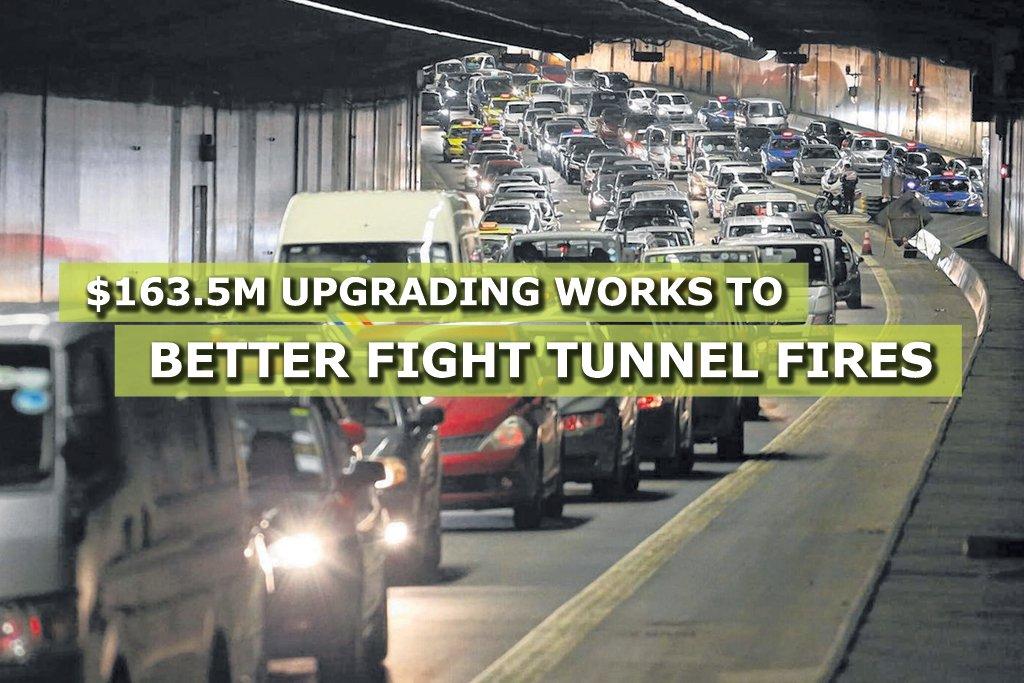
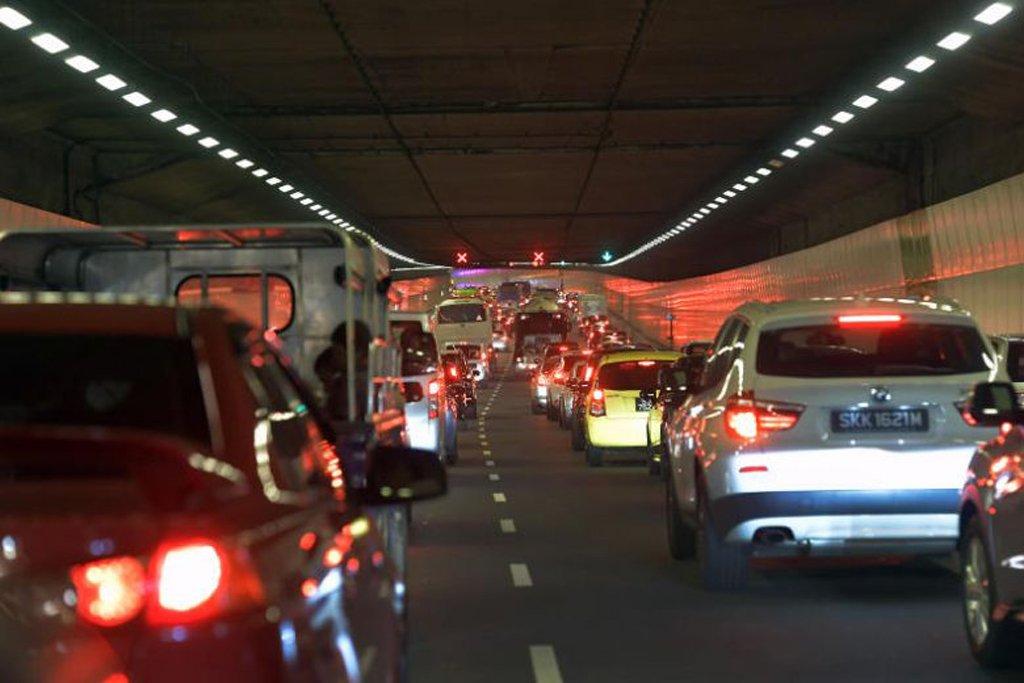
Works are under way to equip two underground roads here with the latest fire-fighting system, and the $163.5 million project is slated to be completed by 2022.

Elaborating on the spending, the Land Transport Authority (LTA) said when the CTE and KPE were built in 1991 and 2007 respectively, they were designed according to the international standards for fire protection measures - known as National Fire Protection Association (NFPA) 502 - at that time.
This standard was deemed adequate in effectively dealing with fire emergencies, the LTA said. Tunnels in both expressways are equipped with fibre-optic heat detectors, air-monitoring sensors, ventilation fans and fire-fighting equipment, such as fire extinguishers and fire hoses located every 50m in the tunnel to facilitate quick response to any fire emergency, said the LTA.
But standards have changed since then. Hence, newer underground roads, such as the Marina Coastal Expressway (MCE) and the Sentosa Gateway Tunnel, are equipped with additional fire suppression systems, in accordance to the latest NFPA 502 standards, which are periodically revised and updated.
The LTA said it called a tender to design and implement water-mist fire-fighting systems for the KPE and CTE tunnels in August 2017. Design and installation of the systems began in December that year and are expected to be completed by 2022. The overhead suppression system will span the entire length of the tunnels in both directions. It will dispense the water mist through pipes that are 6m apart.
Business Consultant Albert Lee, 60, said, "I think it is an unnecessary expenditure as the incidents of fires are quite rare."
"In my opinion, it may be better spent on our fire service, which will enhance its ability to tackle both the expressway fires and all other fires," he added.
Regional sales manager Heng Hze Howe, 46, said, "Is it money well spent? Could we spend it on improving our fire department, for instance? And will a water-based system be effective against petrol fires or fires from electric vehicles?" Mr. Heng also questioned the reliability of such a system, adding that malfunctions had triggered it in the MCE at least twice in recent years.
Nanyang Technological University Senior Research Fellow Gopinath Menon, however, said the investment is worthwhile. "The most dangerous thing in a tunnel is fire," he said. "In my view, the move is necessary and worth the money." Mr. Menon added that water is effective against all kinds of fires.
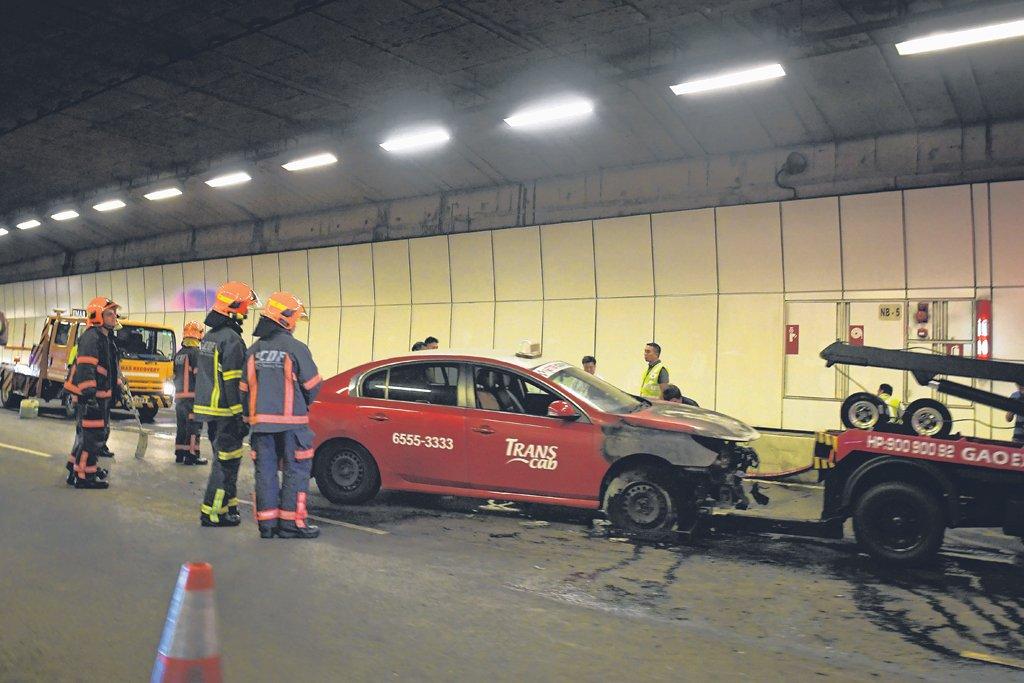
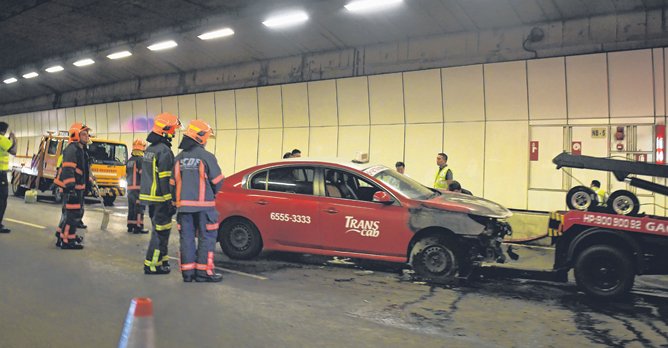
On the evening of 29 August, 2017, a taxi caught fire in the KPE, causing confusion and a somewhat panicky evacuation because of weak communication. The fire was put out by two off-duty emergency responders who happened to be at the scene.
Works are under way to equip two underground roads here with the latest fire-fighting system, and the $163.5 million project is slated to be completed by 2022.
Elaborating on the spending, the Land Transport Authority (LTA) said when the CTE and KPE were built in 1991 and 2007 respectively, they were designed according to the international standards for fire protection measures - known as National Fire Protection Association (NFPA) 502 - at that time.
This standard was deemed adequate in effectively dealing with fire emergencies, the LTA said. Tunnels in both expressways are equipped with fibre-optic heat detectors, air-monitoring sensors, ventilation fans and fire-fighting equipment, such as fire extinguishers and fire hoses located every 50m in the tunnel to facilitate quick response to any fire emergency, said the LTA.
But standards have changed since then. Hence, newer underground roads, such as the Marina Coastal Expressway (MCE) and the Sentosa Gateway Tunnel, are equipped with additional fire suppression systems, in accordance to the latest NFPA 502 standards, which are periodically revised and updated.
The LTA said it called a tender to design and implement water-mist fire-fighting systems for the KPE and CTE tunnels in August 2017. Design and installation of the systems began in December that year and are expected to be completed by 2022. The overhead suppression system will span the entire length of the tunnels in both directions. It will dispense the water mist through pipes that are 6m apart.
Business Consultant Albert Lee, 60, said, "I think it is an unnecessary expenditure as the incidents of fires are quite rare."
"In my opinion, it may be better spent on our fire service, which will enhance its ability to tackle both the expressway fires and all other fires," he added.
Regional sales manager Heng Hze Howe, 46, said, "Is it money well spent? Could we spend it on improving our fire department, for instance? And will a water-based system be effective against petrol fires or fires from electric vehicles?" Mr. Heng also questioned the reliability of such a system, adding that malfunctions had triggered it in the MCE at least twice in recent years.
Nanyang Technological University Senior Research Fellow Gopinath Menon, however, said the investment is worthwhile. "The most dangerous thing in a tunnel is fire," he said. "In my view, the move is necessary and worth the money." Mr. Menon added that water is effective against all kinds of fires.
On the evening of 29 August, 2017, a taxi caught fire in the KPE, causing confusion and a somewhat panicky evacuation because of weak communication. The fire was put out by two off-duty emergency responders who happened to be at the scene.


Latest COE Prices
May 2026 | 1st BIDDING
NEXT TENDER: 20 May 2026
CAT A$124,790
CAT B$126,236
CAT C$87,479
CAT E$127,700
View Full Results 
Thank You For Your Subscription.






Tags
Products & Services

For Owners
Quick Links
About Sgcarmart