LTA begins trial of new visual markers for ERP 2.0
16 Mar 2026|9,072 views
It's been 27 years since Electronic Road Pricing (ERP) was first introduced. An entire generation of motorists is familiar with ERP gantries, the use of CashCards, and the beep of In-Car Units (IU) each time they drive beneath an active ERP gantry.
For nearly three decades, this is what congestion pricing - a uniquely Singapore innovation copied by other cities - looked and sounded like on our sunny island. However, the shift from ERP 1.0 towards the satellite-based ERP 2.0 in 2027 will see the physical gantries being replaced by virtual ones.
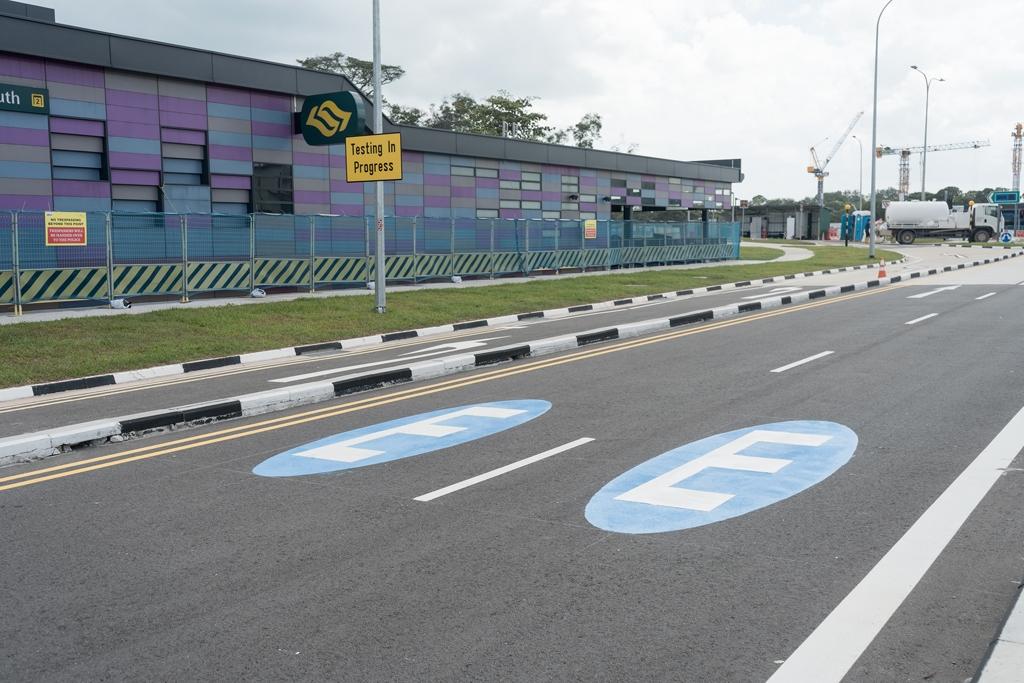
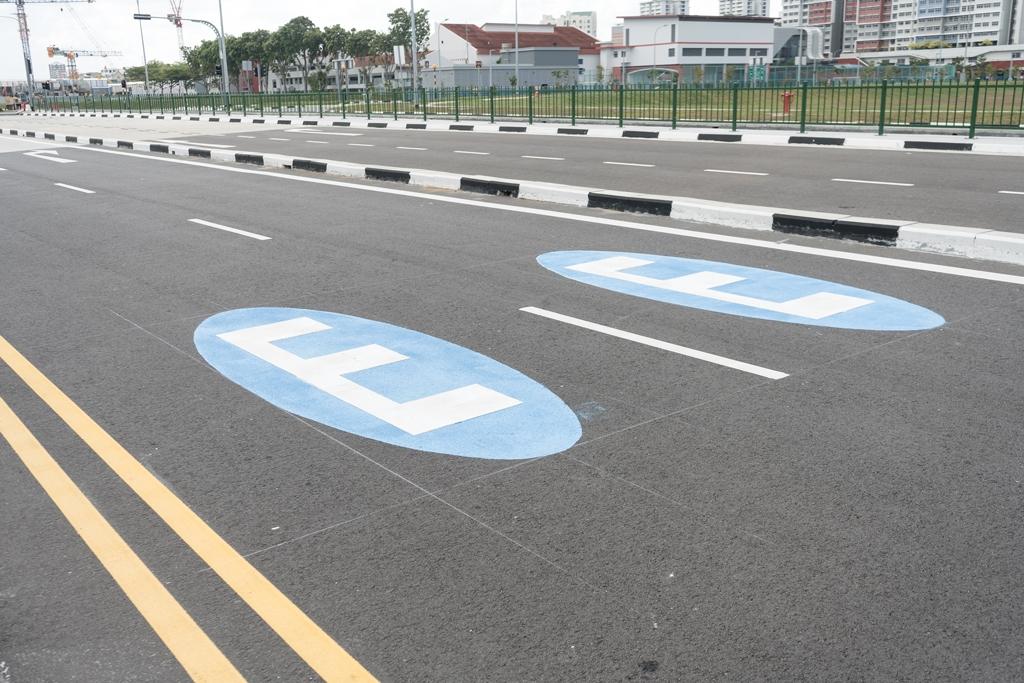
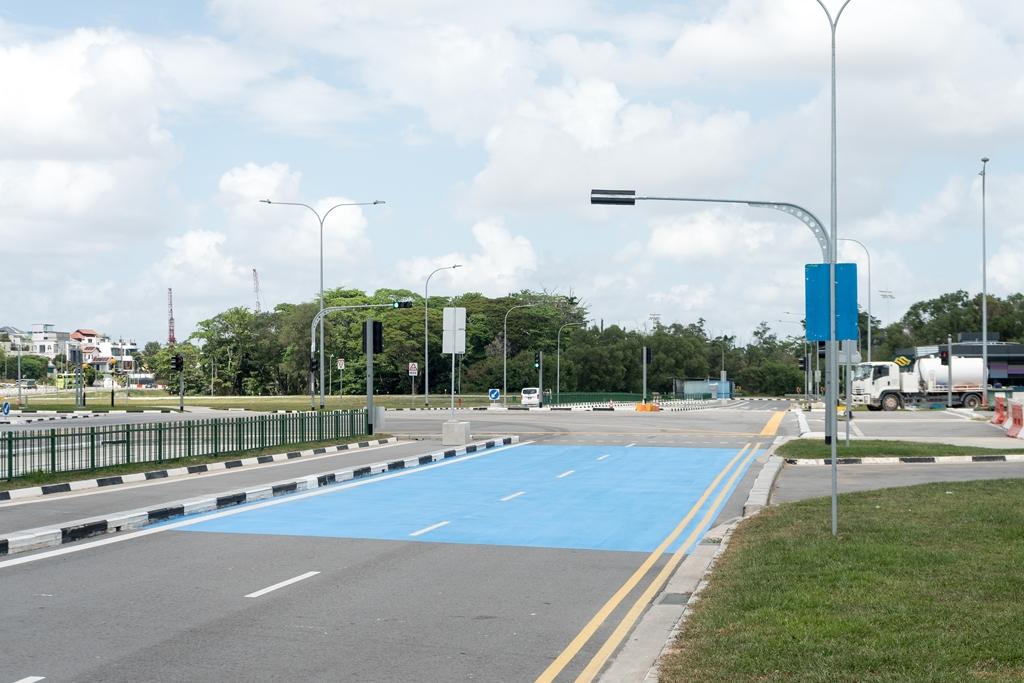
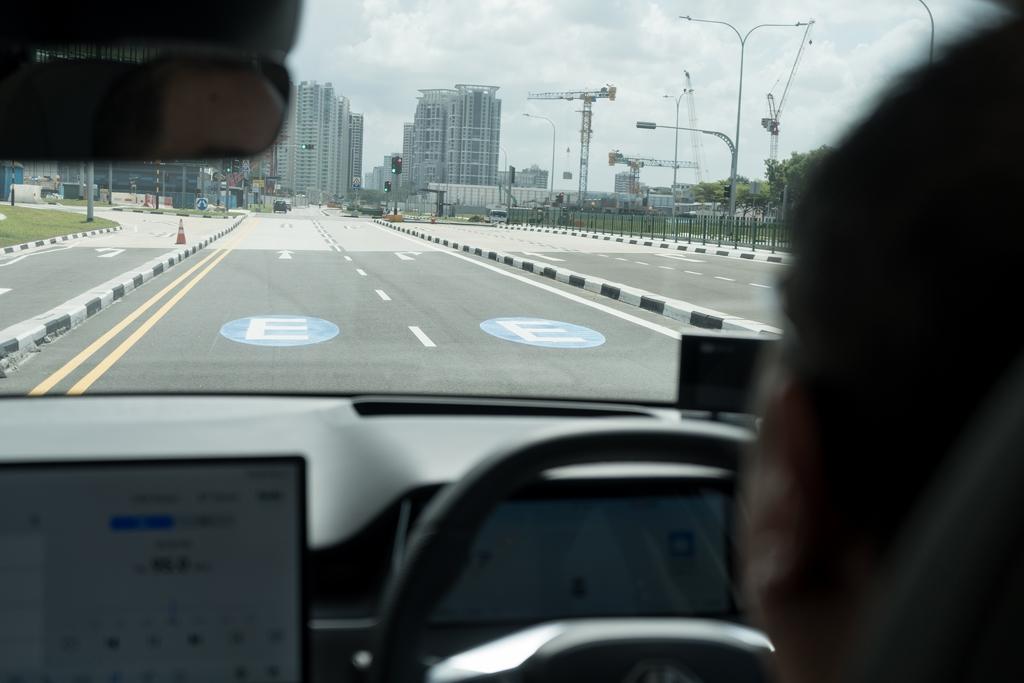
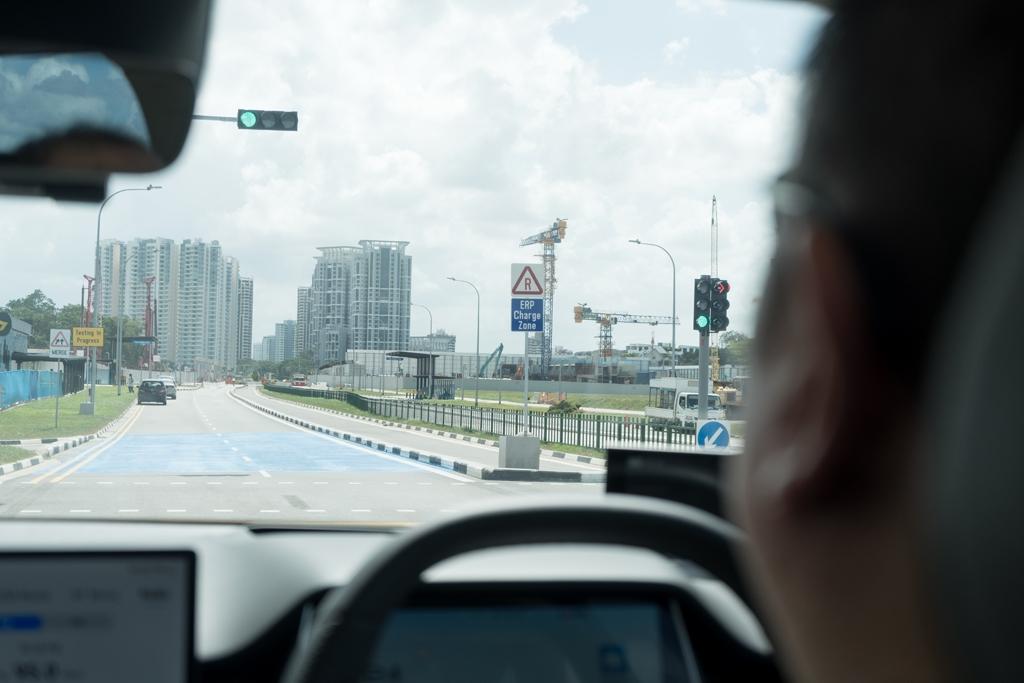
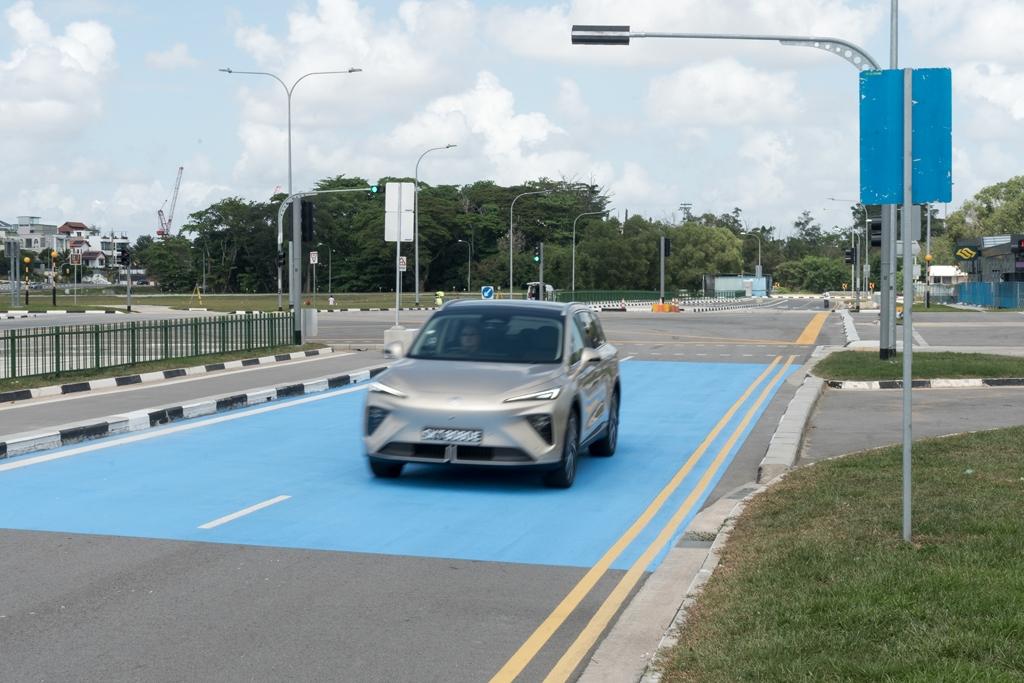
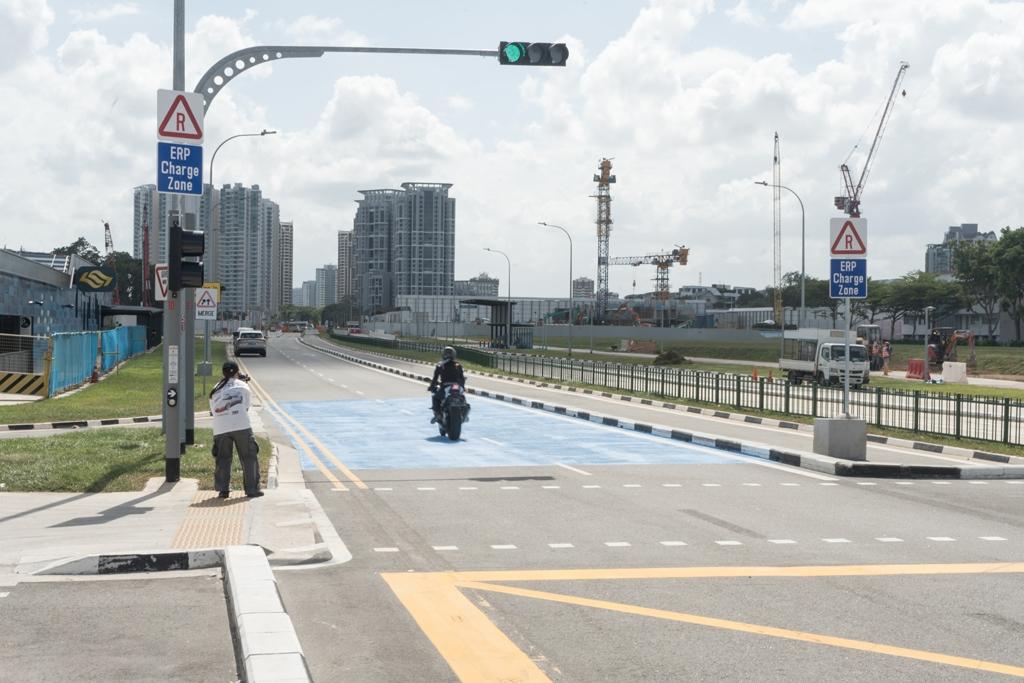
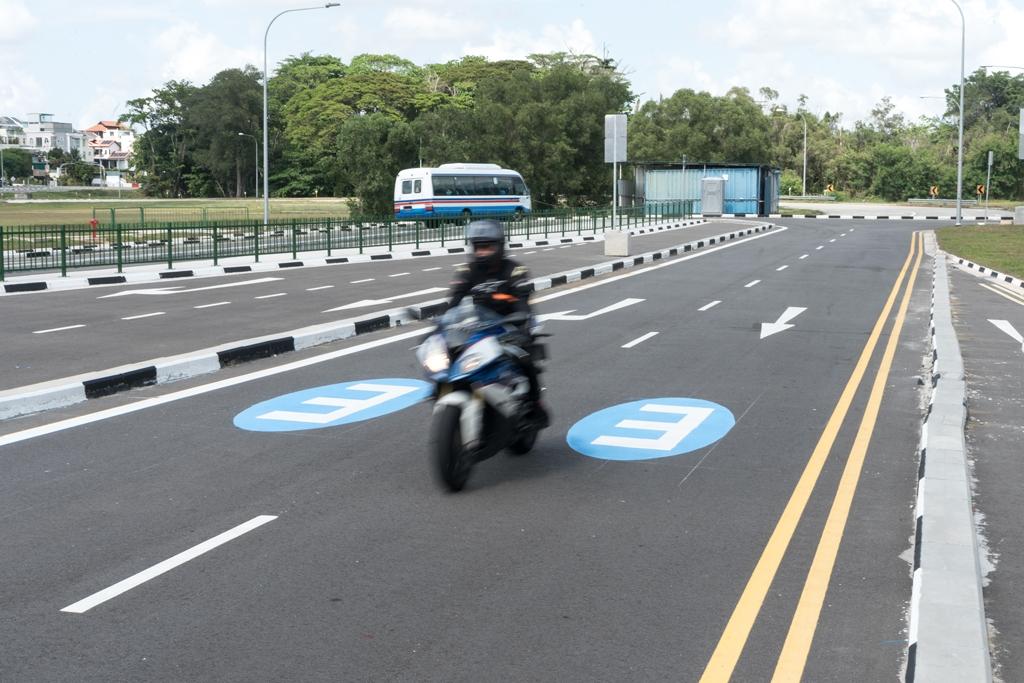
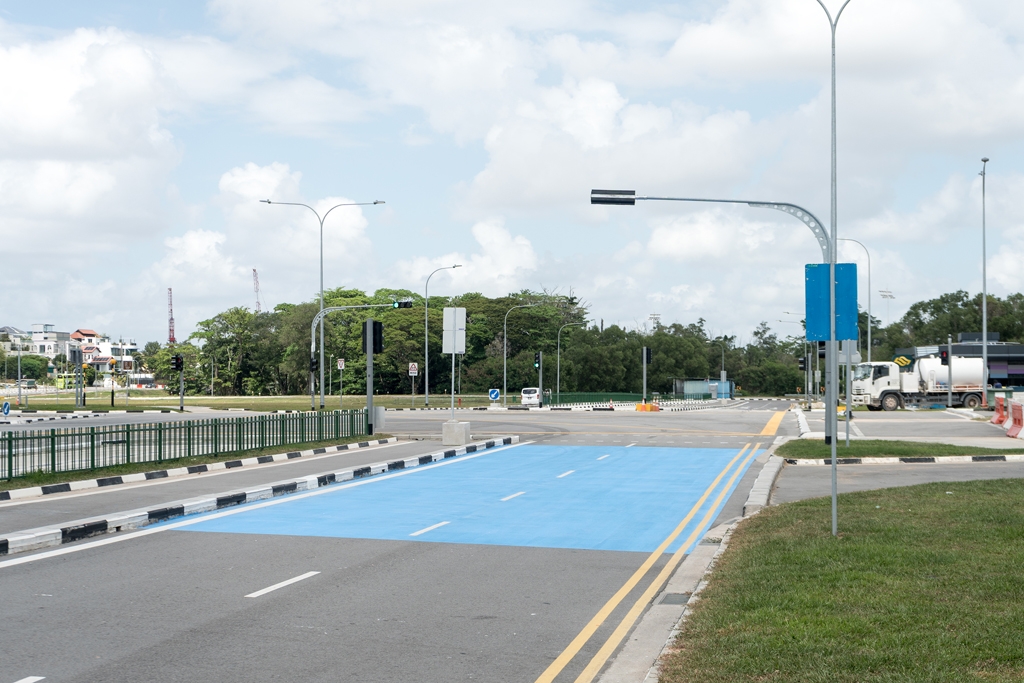
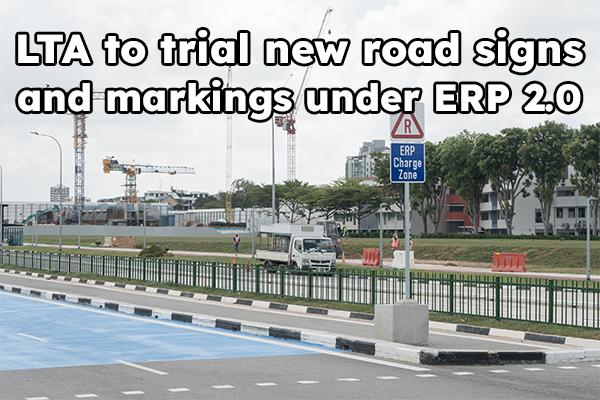
So, to inform motorists that they are entering an ERP zone, LTA is planning to implement visual road markers. Nothing is confirmed yet, but the agency is beginning trials at Bayshore Drive with two possibilities: 'E' symbols, and a 'blue blanket'.
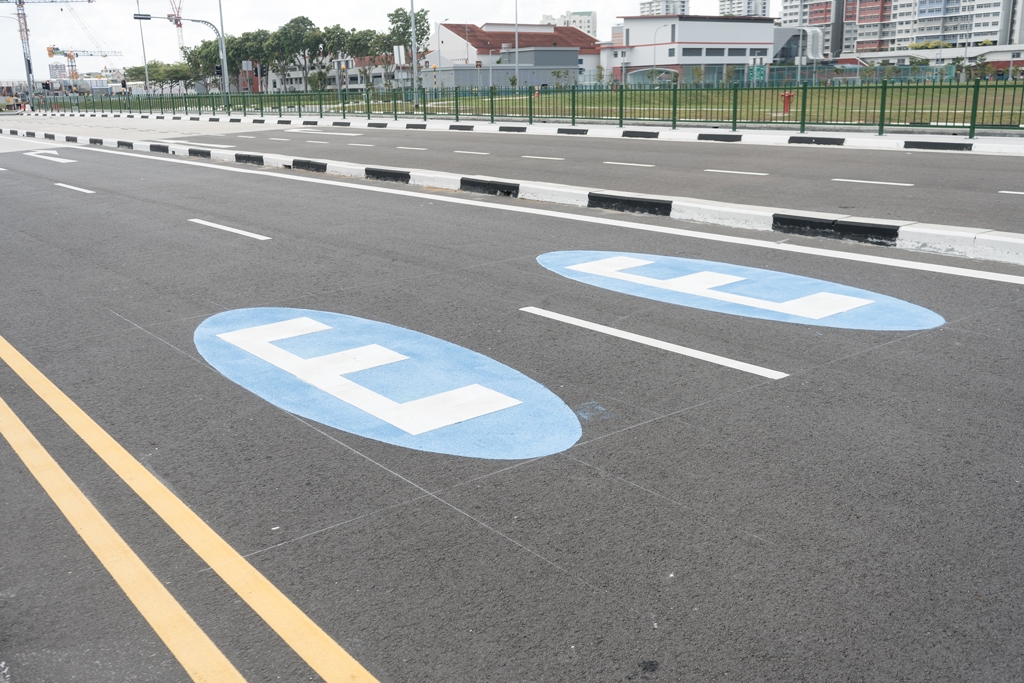
Though neither has been confirmed, the 'E' markings are likely to be less costly to maintain compared to the 'blue blanket'
The former is probably easier to implement and more cost effective in the long run due to its small size. The latter, on the other hand, could be more expensive, as the painted area measures 25 metres. LTA says that if this is adopted, motorists will be charged as they drive across the painted portion. (It's important to reiterate that these ideas as still work-in-progress, and not indicative of what the finalised outcome will be.)
Without physical gantries, these visual markers will inform motorists of upcoming ERP zones, and help motorists decide whether they wish to pay and enter the ERP zone or take an alternative route instead.
Previously, it was common to see motorists slowing to a crawl before passing a gantry. This was done in the hope that rates would be reduced, or the gantry would be turned off just before they pass through.
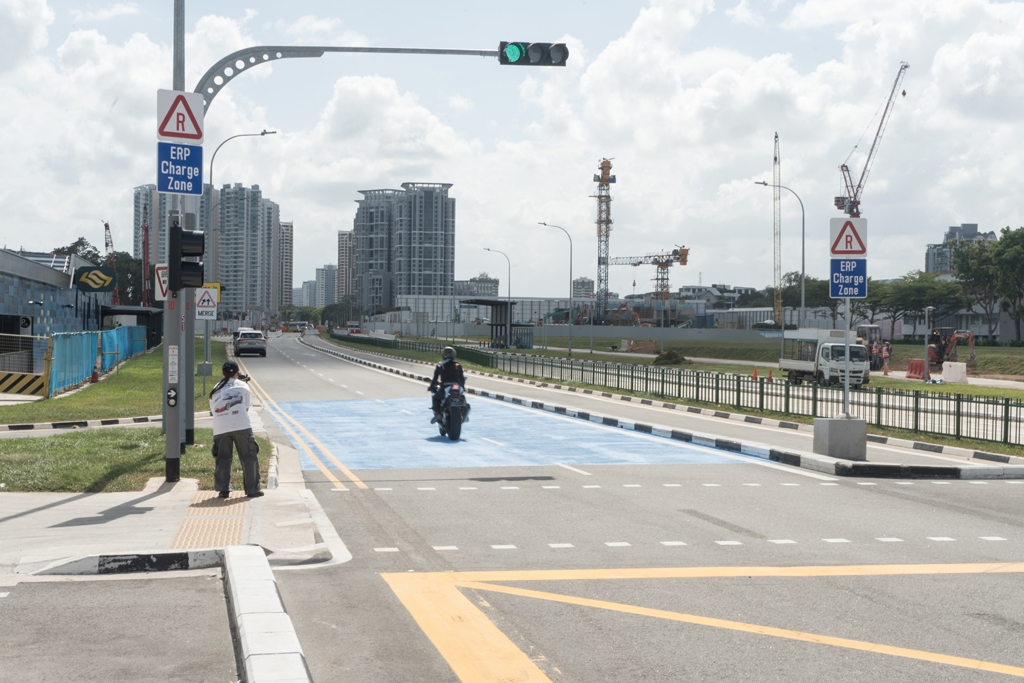
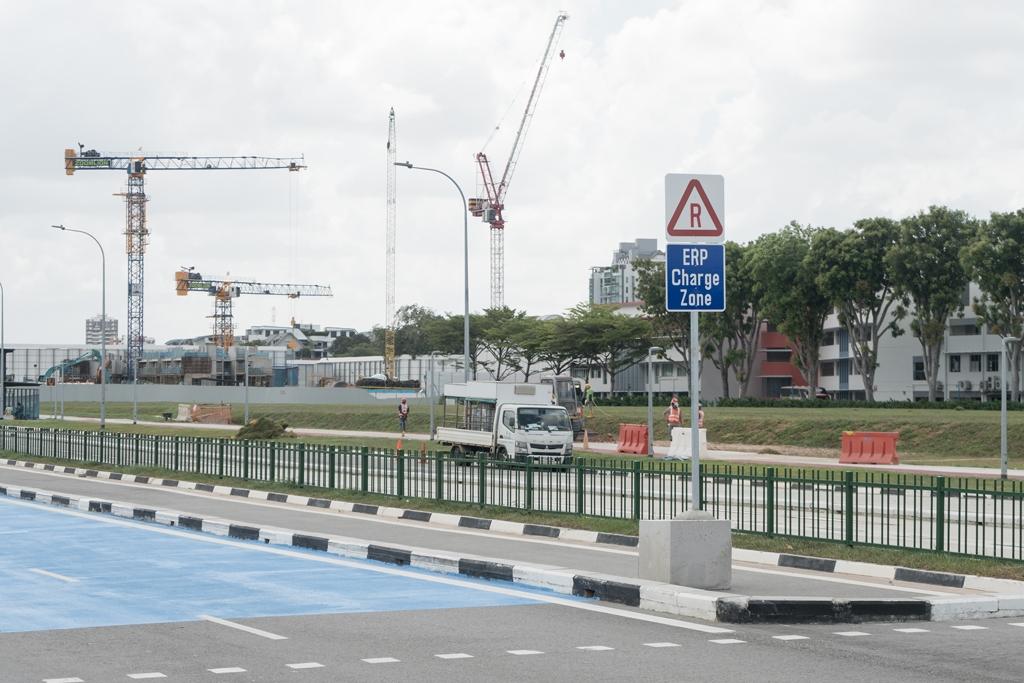
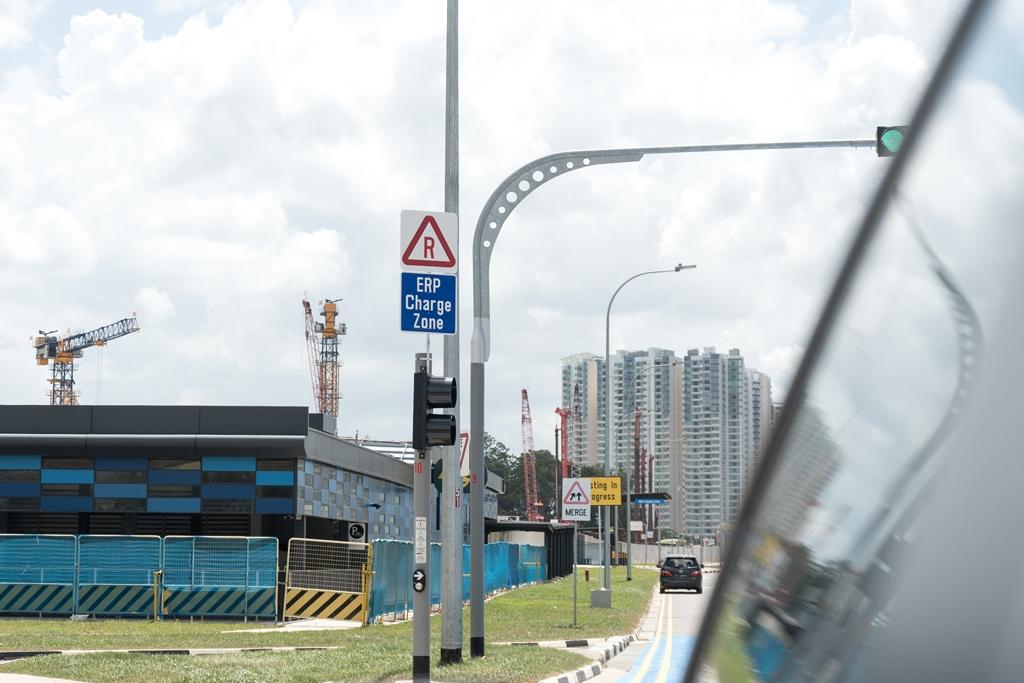
'ERP Charge Zone' and 'R' signage might be a part of the upcoming ERP 2.0 ecosystem
LTA recognises that this behaviour will have to change once ERP 2.0 comes online. As visual markers that can't be seen from afar replace the sizeable gantries, motorists must get used to just driving through, since there won't be any lights or amounts displayed to signal that ERP is in operation (such information may instead be displayed on the car's OBU screen).
Interestingly, these LTA trials now involve members of the public. They have been vetted by GovTech (Government Technology Agency of Singapore), the body responsible for Smart Nation initiatives, and driving digital transformation. This move marks the first time that data and feedback from actual motorists is being sought for ERP 2.0, different from the top-down approach implementation of the ERP 1.0 system. This current trial is slated to last for about a month, and is expected to be progressively expanded to more locations later on in the year.
It's been 27 years since Electronic Road Pricing (ERP) was first introduced. An entire generation of motorists is familiar with ERP gantries, the use of CashCards, and the beep of In-Car Units (IU) each time they drive beneath an active ERP gantry.
For nearly three decades, this is what congestion pricing - a uniquely Singapore innovation copied by other cities - looked and sounded like on our sunny island. However, the shift from ERP 1.0 towards the satellite-based ERP 2.0 in 2027 will see the physical gantries being replaced by virtual ones.
So, to inform motorists that they are entering an ERP zone, LTA is planning to implement visual road markers. Nothing is confirmed yet, but the agency is beginning trials at Bayshore Drive with two possibilities: 'E' symbols, and a 'blue blanket'.
Though neither has been confirmed, the 'E' markings are likely to be less costly to maintain compared to the 'blue blanket'
The former is probably easier to implement and more cost effective in the long run due to its small size. The latter, on the other hand, could be more expensive, as the painted area measures 25 metres. LTA says that if this is adopted, motorists will be charged as they drive across the painted portion. (It's important to reiterate that these ideas as still work-in-progress, and not indicative of what the finalised outcome will be.)
Without physical gantries, these visual markers will inform motorists of upcoming ERP zones, and help motorists decide whether they wish to pay and enter the ERP zone or take an alternative route instead.
Previously, it was common to see motorists slowing to a crawl before passing a gantry. This was done in the hope that rates would be reduced, or the gantry would be turned off just before they pass through.
'ERP Charge Zone' and 'R' signage might be a part of the upcoming ERP 2.0 ecosystem
LTA recognises that this behaviour will have to change once ERP 2.0 comes online. As visual markers that can't be seen from afar replace the sizeable gantries, motorists must get used to just driving through, since there won't be any lights or amounts displayed to signal that ERP is in operation (such information may instead be displayed on the car's OBU screen).
Interestingly, these LTA trials now involve members of the public. They have been vetted by GovTech (Government Technology Agency of Singapore), the body responsible for Smart Nation initiatives, and driving digital transformation. This move marks the first time that data and feedback from actual motorists is being sought for ERP 2.0, different from the top-down approach implementation of the ERP 1.0 system. This current trial is slated to last for about a month, and is expected to be progressively expanded to more locations later on in the year.



Latest COE Prices
May 2026 | 2nd BIDDING
NEXT TENDER: 04 Jun 2026
CAT A$124,229
CAT B$129,501
CAT C$92,223
CAT E$130,000
View Full Results 
Thank You For Your Subscription.





Tags
Products & Services

For Owners
Quick Links
About Sgcarmart