Audi Q7 gets new engines
10 Apr 2010|3,967 views
![]() |
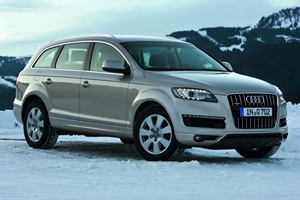
The petrol engines are 3.0-litre supercharged TFSI units, with two versions available. The first replaces the previous 3.6-litre FSI unit, and produces 272bhp and 400Nm of torque. This enables the Q7 to go from 0-100km/h in 7.9 seconds, and reach a top speed of 222km/h, or 225km/h if the adaptive air suspension is specified.
The next version of the 3.0-litre TFSI unit replaces the previous 4.2-litre FSI V8, and produces 333bhp and 440Nm of torque. This engine is able to propel the Q7 from 0-100km/h in 6.9 seconds, and reach a top speed of 243km/h, or 245km/h with the adaptive air suspension.
The diesel engine meanwhile is a 3.0-litre V6 TDI unit that produces 240bhp and 550Nm of torque. This allows the Q7 to go from 0-100km/h in 7.9 seconds, and reach a top speed of 215km/h. Audi will also offer a "Clean Diesel" version of the engine, which has a DeNox catalytic converter in the exhaust system to reduce the remaining oxides of nitrogen by means of an additive, and meets the stringent Euro 6 emissions standards. This Clean Diesel version is slightly slower than the standard diesel engine, and posts a 0-100km/h time of 8.1 seconds, and a top speed of 215km/h.
Audi has also tweaked the remaining engine in the Q7 range, with the 4.2-litre TDI engine now having a 2,000-bar fuel injection system which minimises internal friction. Power output remains the same at 340bhp, but torque has been increased from 760Nm to 800Nm. The revised Audi Q7 4.2-litre TDI is now able to go from 0-100km/h in 6.4 seconds, and reach a top speed of 242km/h. All the engines are now available with the new 8-speed Tiptronic automatic transmission which is said to lower fuel consumption by about five percent.

![]() |
The petrol engines are 3.0-litre supercharged TFSI units, with two versions available. The first replaces the previous 3.6-litre FSI unit, and produces 272bhp and 400Nm of torque. This enables the Q7 to go from 0-100km/h in 7.9 seconds, and reach a top speed of 222km/h, or 225km/h if the adaptive air suspension is specified.
The next version of the 3.0-litre TFSI unit replaces the previous 4.2-litre FSI V8, and produces 333bhp and 440Nm of torque. This engine is able to propel the Q7 from 0-100km/h in 6.9 seconds, and reach a top speed of 243km/h, or 245km/h with the adaptive air suspension.
The diesel engine meanwhile is a 3.0-litre V6 TDI unit that produces 240bhp and 550Nm of torque. This allows the Q7 to go from 0-100km/h in 7.9 seconds, and reach a top speed of 215km/h. Audi will also offer a "Clean Diesel" version of the engine, which has a DeNox catalytic converter in the exhaust system to reduce the remaining oxides of nitrogen by means of an additive, and meets the stringent Euro 6 emissions standards. This Clean Diesel version is slightly slower than the standard diesel engine, and posts a 0-100km/h time of 8.1 seconds, and a top speed of 215km/h.
Audi has also tweaked the remaining engine in the Q7 range, with the 4.2-litre TDI engine now having a 2,000-bar fuel injection system which minimises internal friction. Power output remains the same at 340bhp, but torque has been increased from 760Nm to 800Nm. The revised Audi Q7 4.2-litre TDI is now able to go from 0-100km/h in 6.4 seconds, and reach a top speed of 242km/h. All the engines are now available with the new 8-speed Tiptronic automatic transmission which is said to lower fuel consumption by about five percent.
Latest COE Prices
April 2026 | 1st BIDDING
NEXT TENDER: 22 Apr 2026
CAT A$118,000
CAT B$121,000
CAT C$80,001
CAT E$121,001
View Full Results Thank You For Your Subscription.