Kia launches the Ray EV
23 Dec 2011|5,151 views
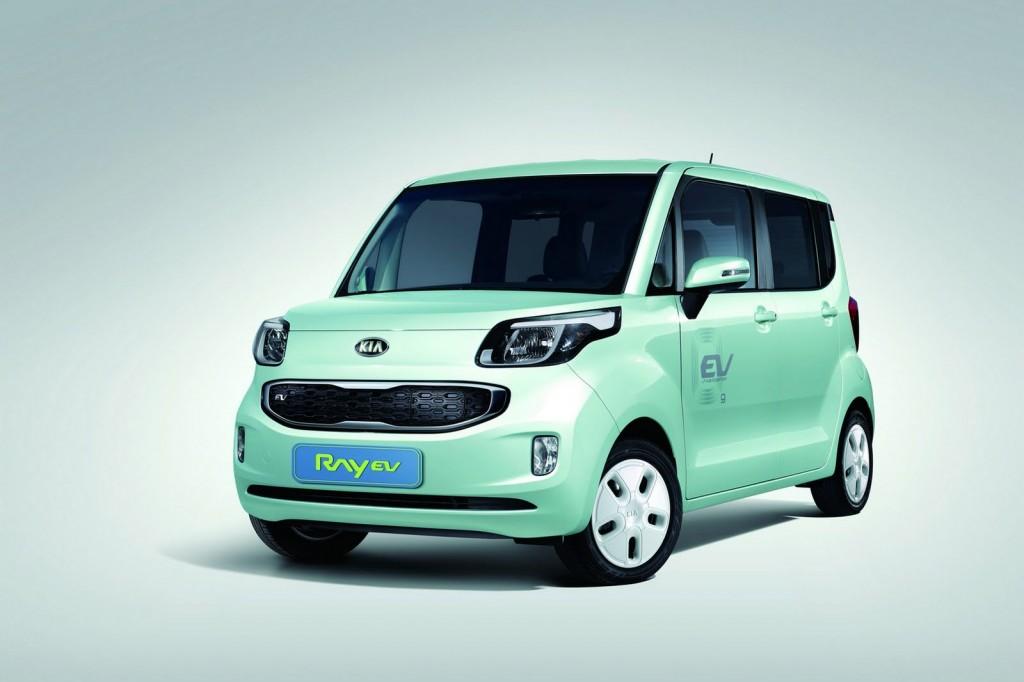
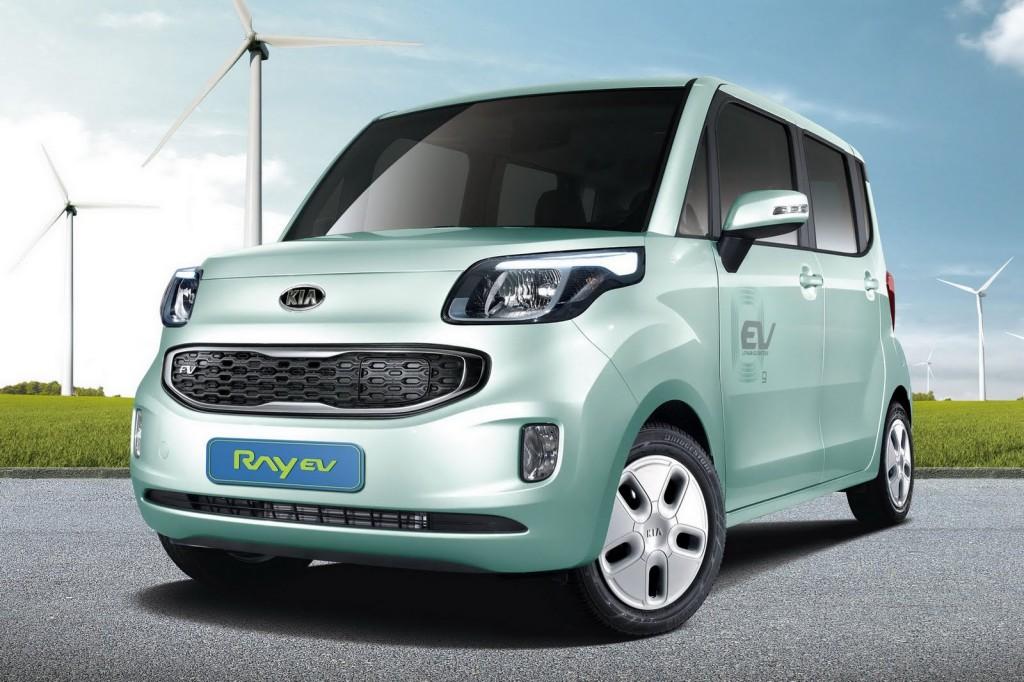
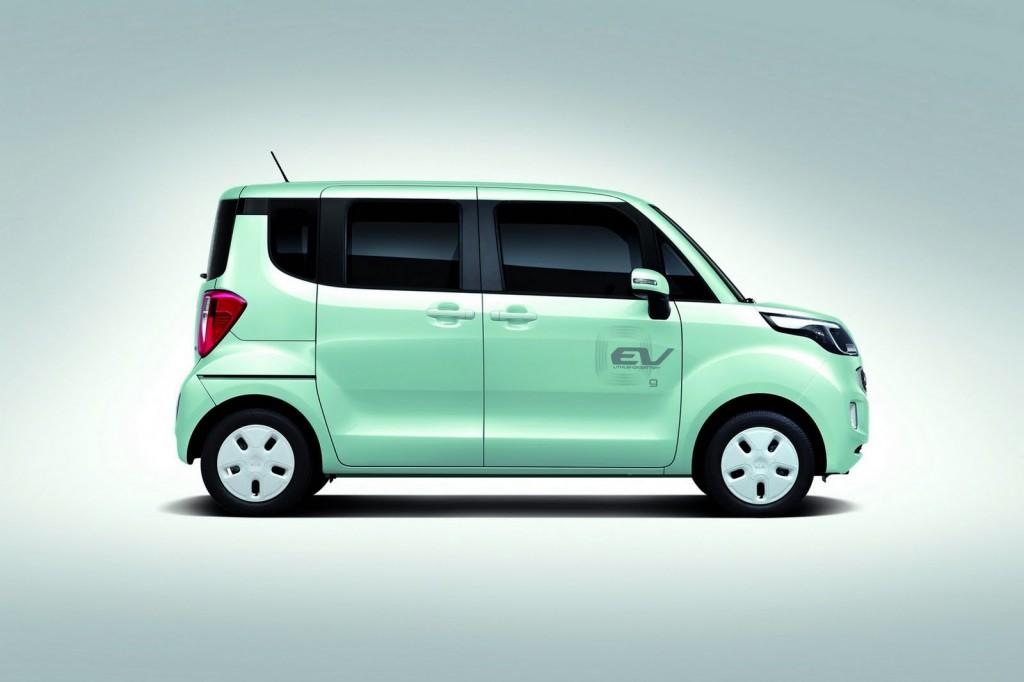
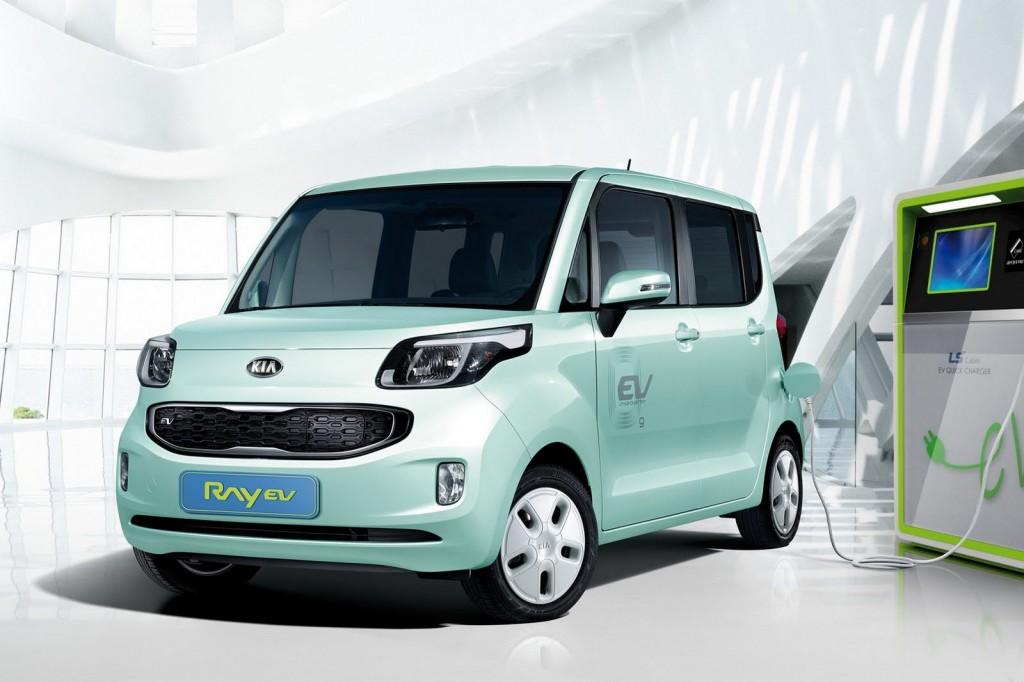
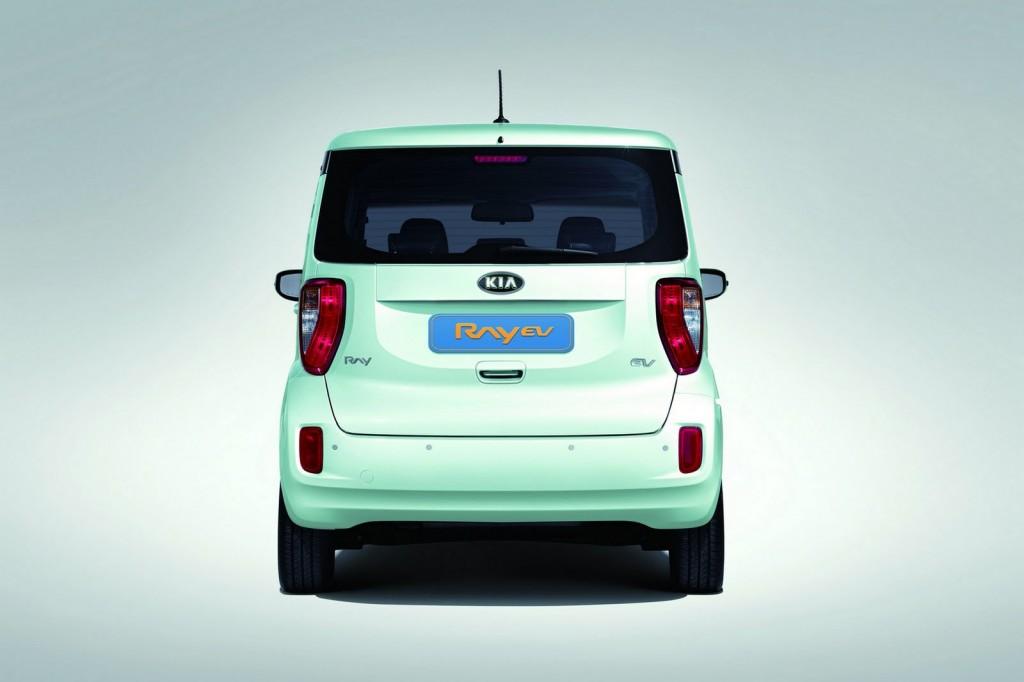
 The new Ray EV is not only Kia's first attempt to enter the electric car market but it is also the first production EV to be introduced by a Korean automaker. The battery-powered model is based on the recently launched Ray city car, which is only offered in South Korea. It shares the regular model’s major dimensions and, in a global first for an EV manufacturer, is built on the same production line as the conventional combustion-engine models.
In place of the Ray's 1.0-litre engine, the EV model gains a 50kW electric motor that develops 167 Nm of constant torque (an increase of 77 per cent over the petrol version) and a high-capacity 16.4 kWh lithium ion polymer battery pack with a 10-year life cycle that's placed under the rear seat and cabin floor.
Kia says that even though the Ray EV weighs 187 kg more than the petrol model, it offers a "brisker" 0-100km/h acceleration time of 15.9 seconds and can reach a top speed of 130km/h. The battery pack can be fully recharged in six hours using a standard 220V household supply and just 25 minutes in fast-charge mode.
Other highlights include the Ray EV’s automatic transmission that offers the driver a choice of two modes while in ‘D’ drive: the ‘E’ (or ‘eco’) mode, which optimizes the delivery of the motor’s torque to increase the driving range, and ‘B’ (or ‘brake’) mode, which can be chosen when driving downhill roads to maximize braking power.
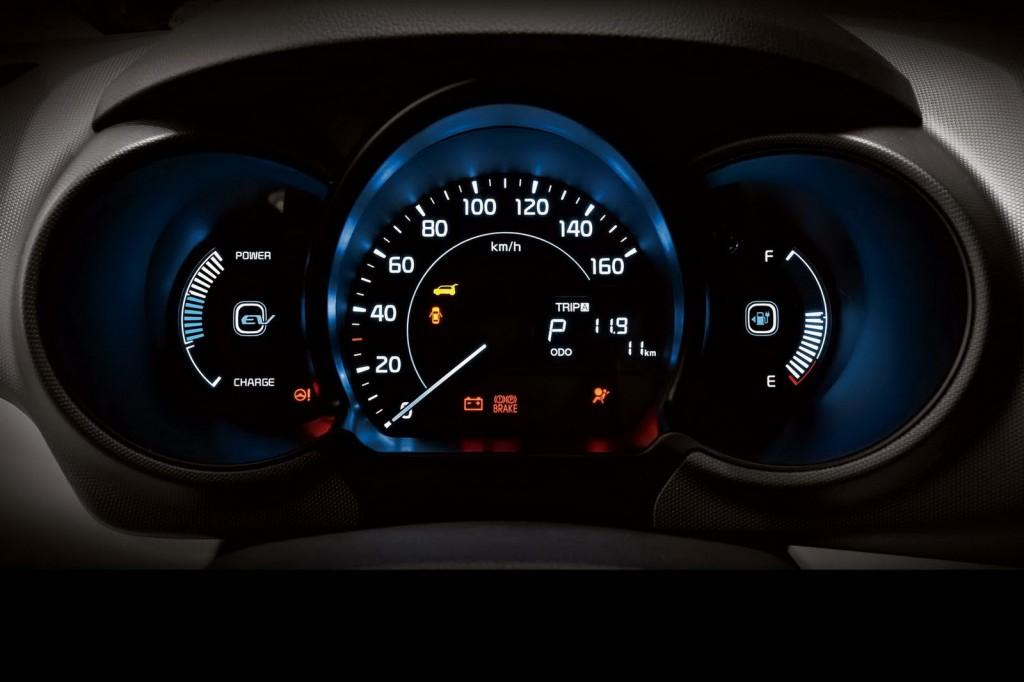
The Ray EV gets a unique instrument cluster that displays electric motor operation, battery status and distance to recharge while Kia also fitted the car with a warning system called VESS (Virtual Engine Sound System) that delivers a mixture of recorded petrol engine noises to warn pedestrians. Kia says that it is planning to manufacture 2,500 units of the Ray EV in 2012, all of which will be for government use in Korea, for the time being.
The new Ray EV is not only Kia's first attempt to enter the electric car market but it is also the first production EV to be introduced by a Korean automaker. The battery-powered model is based on the recently launched Ray city car, which is only offered in South Korea. It shares the regular model’s major dimensions and, in a global first for an EV manufacturer, is built on the same production line as the conventional combustion-engine models.
In place of the Ray's 1.0-litre engine, the EV model gains a 50kW electric motor that develops 167 Nm of constant torque (an increase of 77 per cent over the petrol version) and a high-capacity 16.4 kWh lithium ion polymer battery pack with a 10-year life cycle that's placed under the rear seat and cabin floor.
Kia says that even though the Ray EV weighs 187 kg more than the petrol model, it offers a "brisker" 0-100km/h acceleration time of 15.9 seconds and can reach a top speed of 130km/h. The battery pack can be fully recharged in six hours using a standard 220V household supply and just 25 minutes in fast-charge mode.
Other highlights include the Ray EV’s automatic transmission that offers the driver a choice of two modes while in ‘D’ drive: the ‘E’ (or ‘eco’) mode, which optimizes the delivery of the motor’s torque to increase the driving range, and ‘B’ (or ‘brake’) mode, which can be chosen when driving downhill roads to maximize braking power.
The Ray EV gets a unique instrument cluster that displays electric motor operation, battery status and distance to recharge while Kia also fitted the car with a warning system called VESS (Virtual Engine Sound System) that delivers a mixture of recorded petrol engine noises to warn pedestrians. Kia says that it is planning to manufacture 2,500 units of the Ray EV in 2012, all of which will be for government use in Korea, for the time being.
In place of the Ray's 1.0-litre engine, the EV model gains a 50kW electric motor that develops 167 Nm of constant torque (an increase of 77 per cent over the petrol version) and a high-capacity 16.4 kWh lithium ion polymer battery pack with a 10-year life cycle that's placed under the rear seat and cabin floor.
Kia says that even though the Ray EV weighs 187 kg more than the petrol model, it offers a "brisker" 0-100km/h acceleration time of 15.9 seconds and can reach a top speed of 130km/h. The battery pack can be fully recharged in six hours using a standard 220V household supply and just 25 minutes in fast-charge mode.
Other highlights include the Ray EV’s automatic transmission that offers the driver a choice of two modes while in ‘D’ drive: the ‘E’ (or ‘eco’) mode, which optimizes the delivery of the motor’s torque to increase the driving range, and ‘B’ (or ‘brake’) mode, which can be chosen when driving downhill roads to maximize braking power.
The Ray EV gets a unique instrument cluster that displays electric motor operation, battery status and distance to recharge while Kia also fitted the car with a warning system called VESS (Virtual Engine Sound System) that delivers a mixture of recorded petrol engine noises to warn pedestrians. Kia says that it is planning to manufacture 2,500 units of the Ray EV in 2012, all of which will be for government use in Korea, for the time being.


Latest COE Prices
April 2026 | 2nd BIDDING
NEXT TENDER: 06 May 2026
CAT A$123,010
CAT B$121,001
CAT C$83,501
CAT E$125,002
View Full Results 
Thank You For Your Subscription.

Tags
Products & Services

For Owners
Quick Links
About Sgcarmart