Seat tests car parts made out of rice husks
30 Oct 2020|970 views
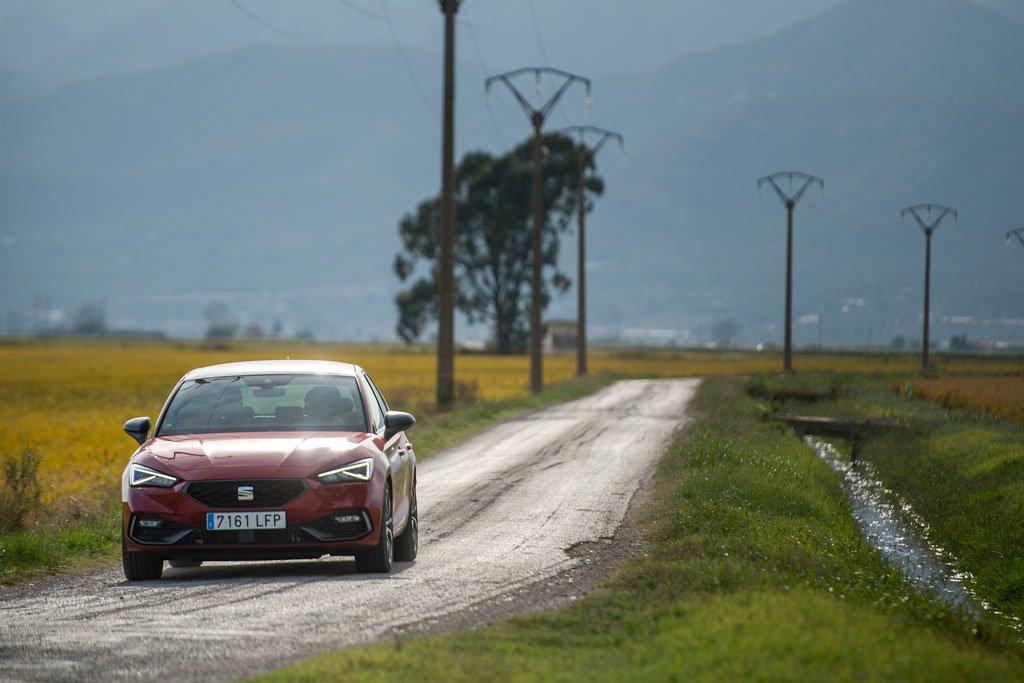
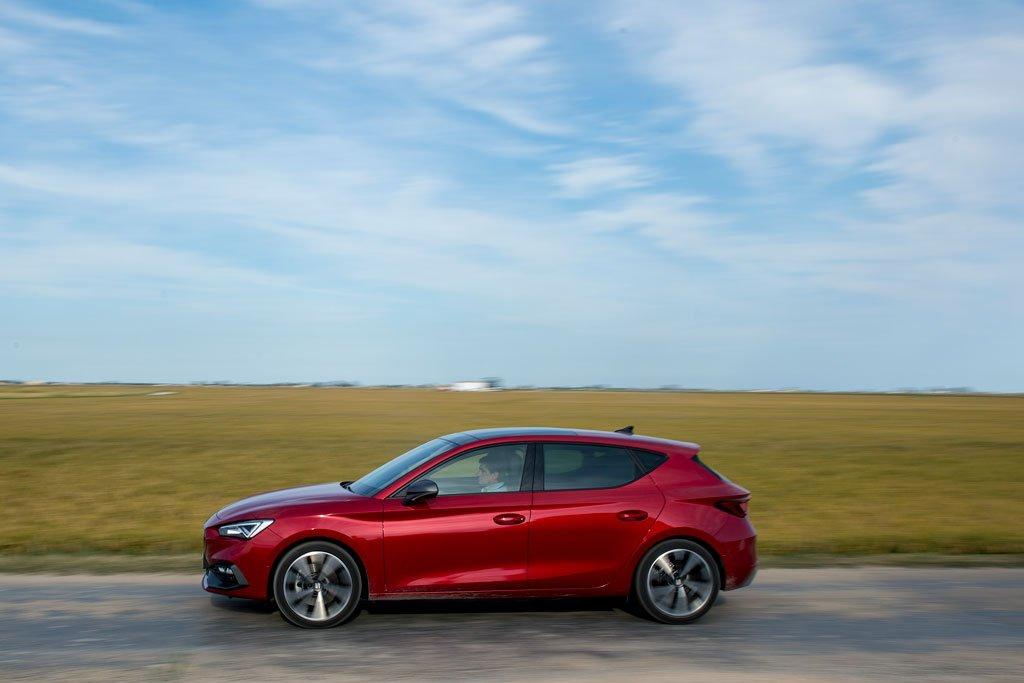
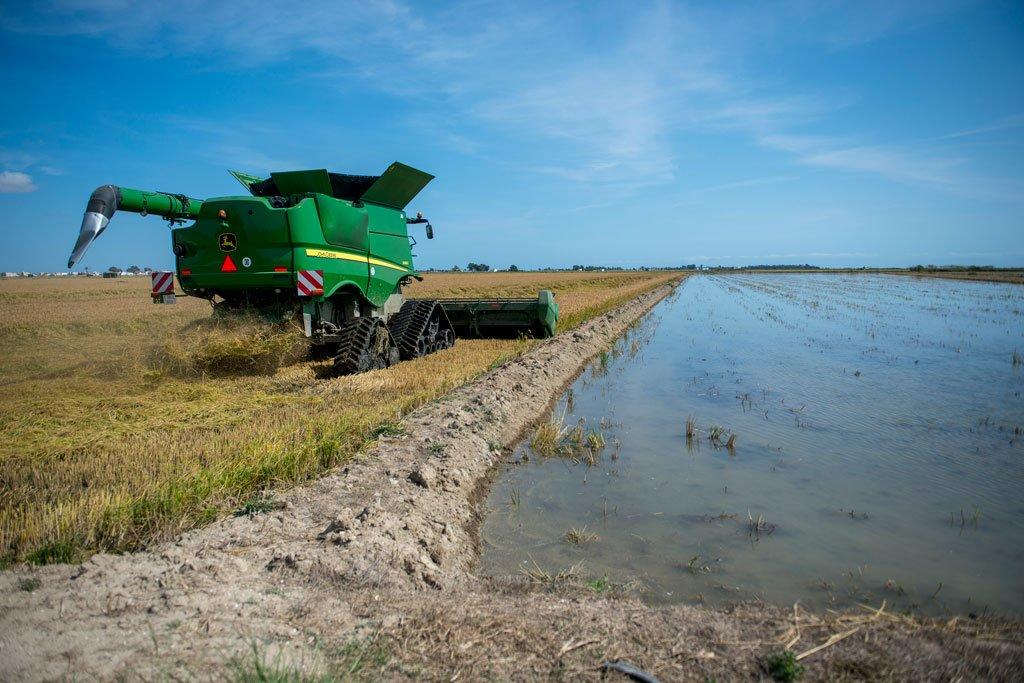
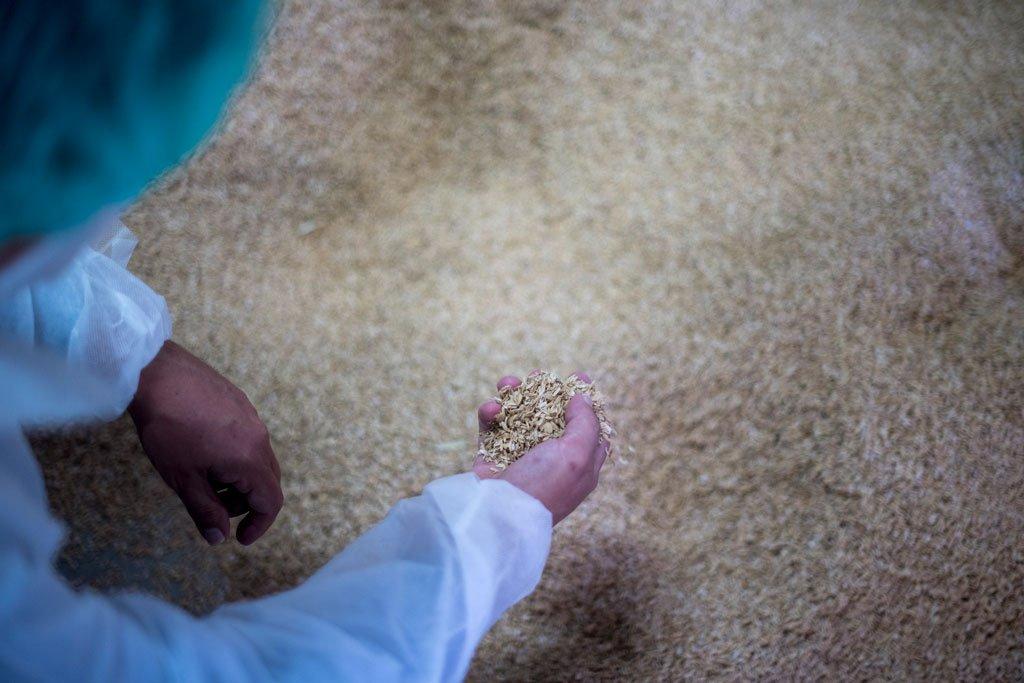
It is one of the most popular foods on the planet, the basis of world-famous dishes. And now, ricee husks can also be part of a car. In an innovation pilot project based on the circular economy and with the goal of reducing its carbon footprint, Seat is researching the use of Oryzite as a substitute for plastic products.
More than 700 million tonnes of rice is harvested worldwide every year. 20% of this is rice husks, some 140 million tonnes, most of which is disposed of.
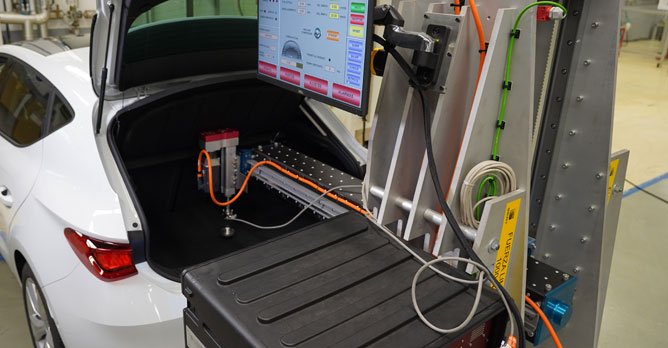

This new raw material is being tested on trim elements in the Seat Leon. The tests consist in modelling some parts of the car, such as the rear hatch, the double load floor of the boot or the ceiling headliner with rice husks mixed with polyurethanes and polypropylenes.
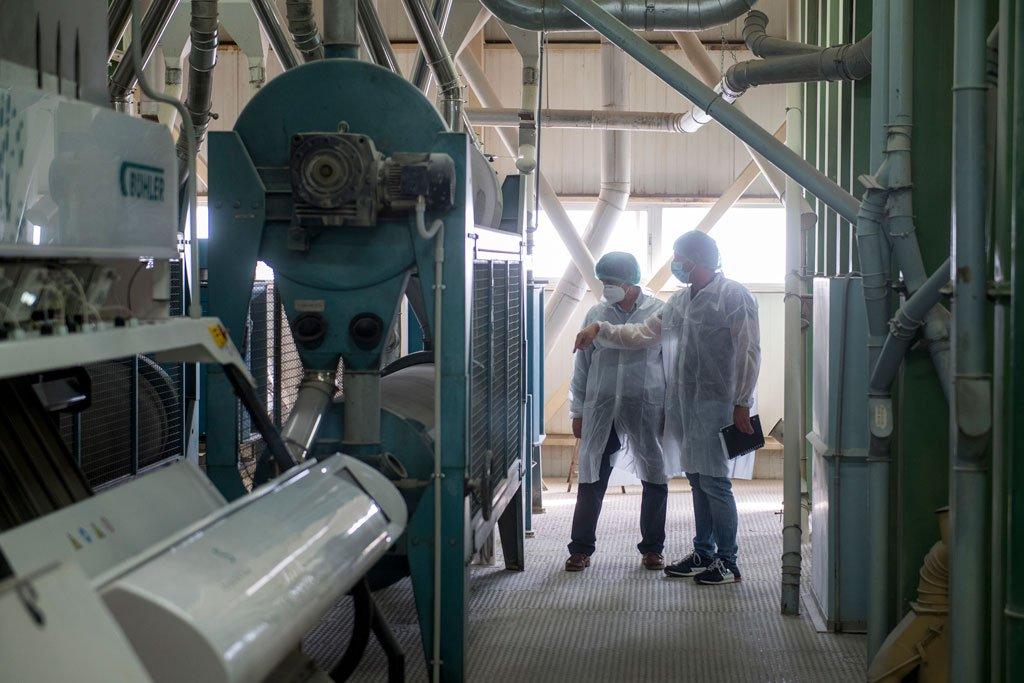
At first glance they do not differ in any way from those made with conventional technology, but they weigh much less. Trim elements are currently being analysed to find out how much husk can be used so that technical and quality requirements are met.
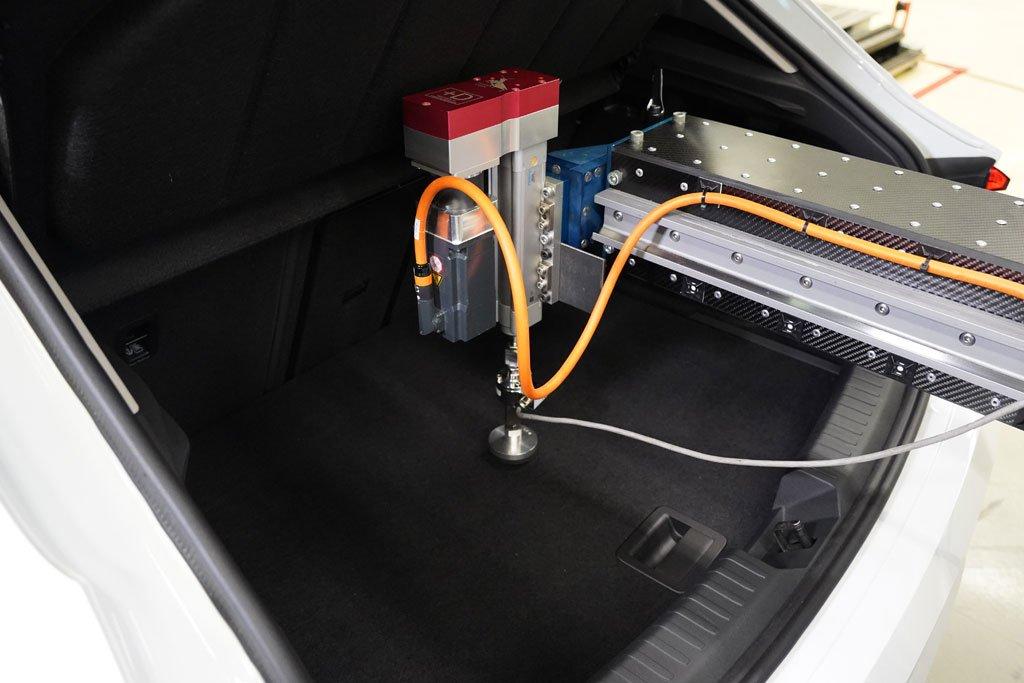
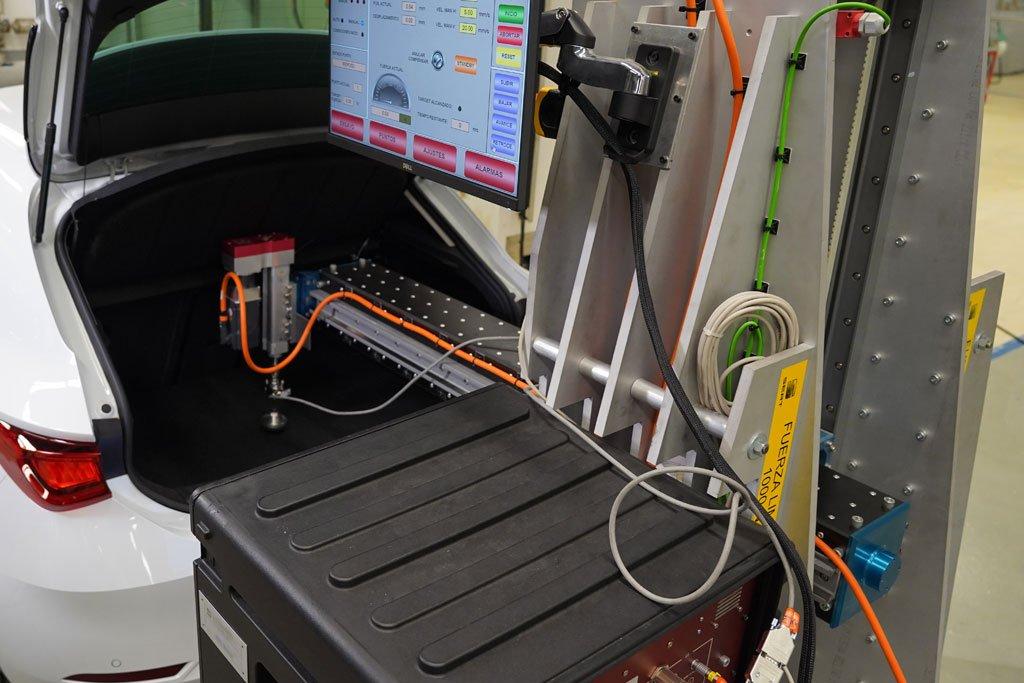
For example, the double-deck cargo area of the luggage compartment undergoes load tests in which it must withstand up to 100kg of weight concentrated in one spot to check its rigidity and strength. Thermal tests are also carried out in the climatic chamber to analyse its resistance to heat, cold and humidity.
It is one of the most popular foods on the planet, the basis of world-famous dishes. And now, ricee husks can also be part of a car. In an innovation pilot project based on the circular economy and with the goal of reducing its carbon footprint, Seat is researching the use of Oryzite as a substitute for plastic products.
More than 700 million tonnes of rice is harvested worldwide every year. 20% of this is rice husks, some 140 million tonnes, most of which is disposed of.
This new raw material is being tested on trim elements in the Seat Leon. The tests consist in modelling some parts of the car, such as the rear hatch, the double load floor of the boot or the ceiling headliner with rice husks mixed with polyurethanes and polypropylenes.
At first glance they do not differ in any way from those made with conventional technology, but they weigh much less. Trim elements are currently being analysed to find out how much husk can be used so that technical and quality requirements are met.
For example, the double-deck cargo area of the luggage compartment undergoes load tests in which it must withstand up to 100kg of weight concentrated in one spot to check its rigidity and strength. Thermal tests are also carried out in the climatic chamber to analyse its resistance to heat, cold and humidity.


Latest COE Prices
January 2026 | 2nd BIDDING
NEXT TENDER: 04 Feb 2026
CAT A$109,501
CAT B$121,634
CAT C$75,202
CAT E$120,891
View Full Results 
Thank You For Your Subscription.







Tags
Products & Services

For Owners
Quick Links
About Sgcarmart