2025 new car registrations: BYD takes the lead decisively
23 Jan 2026|9,783 views

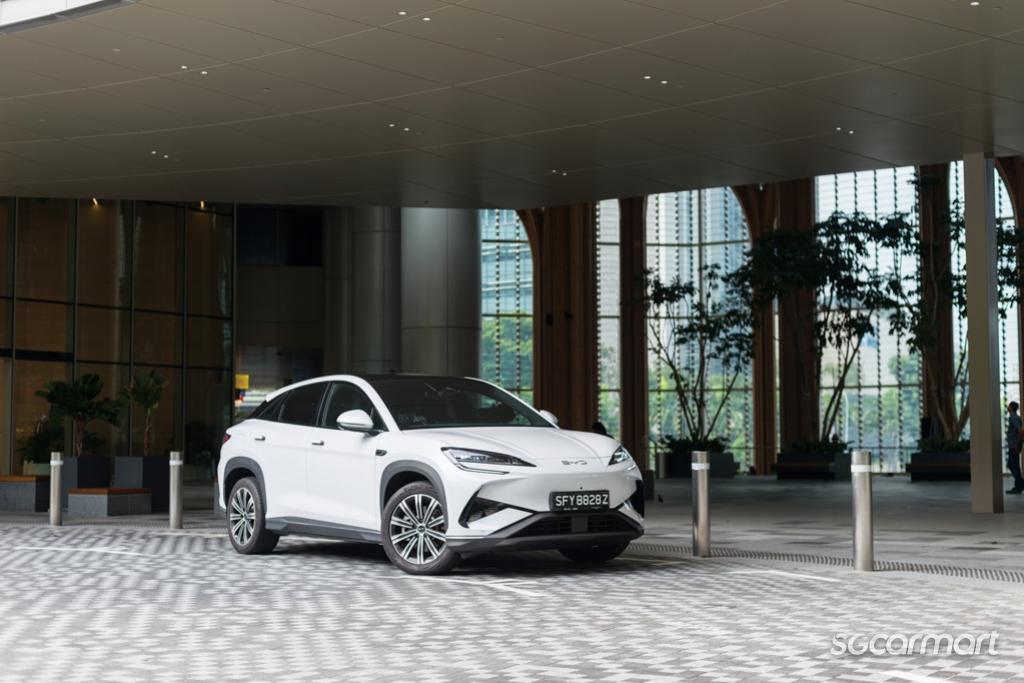

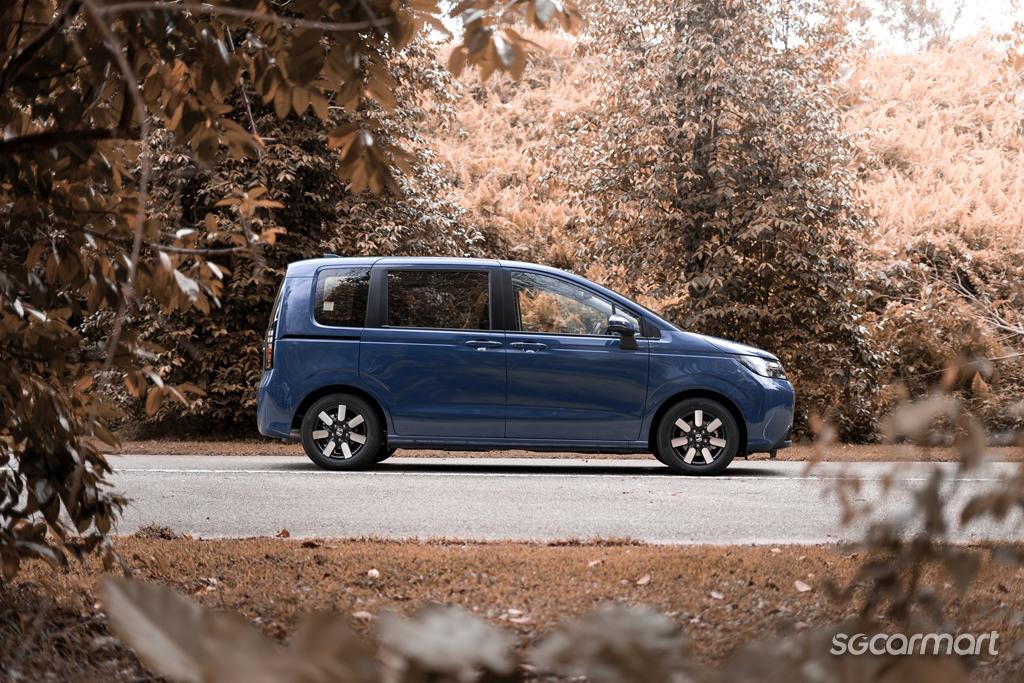


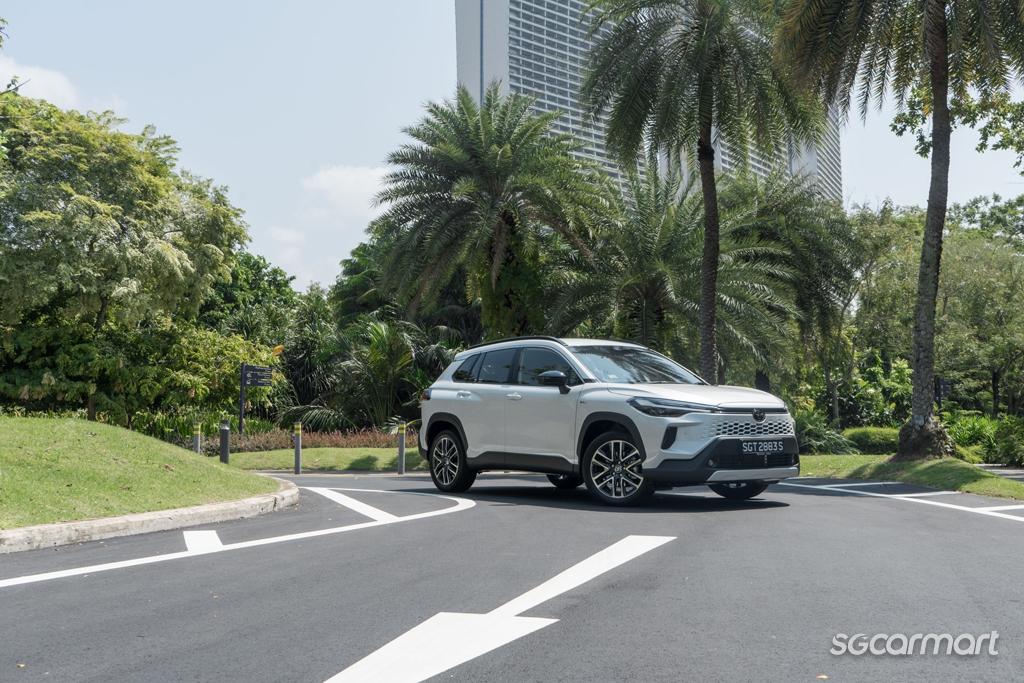
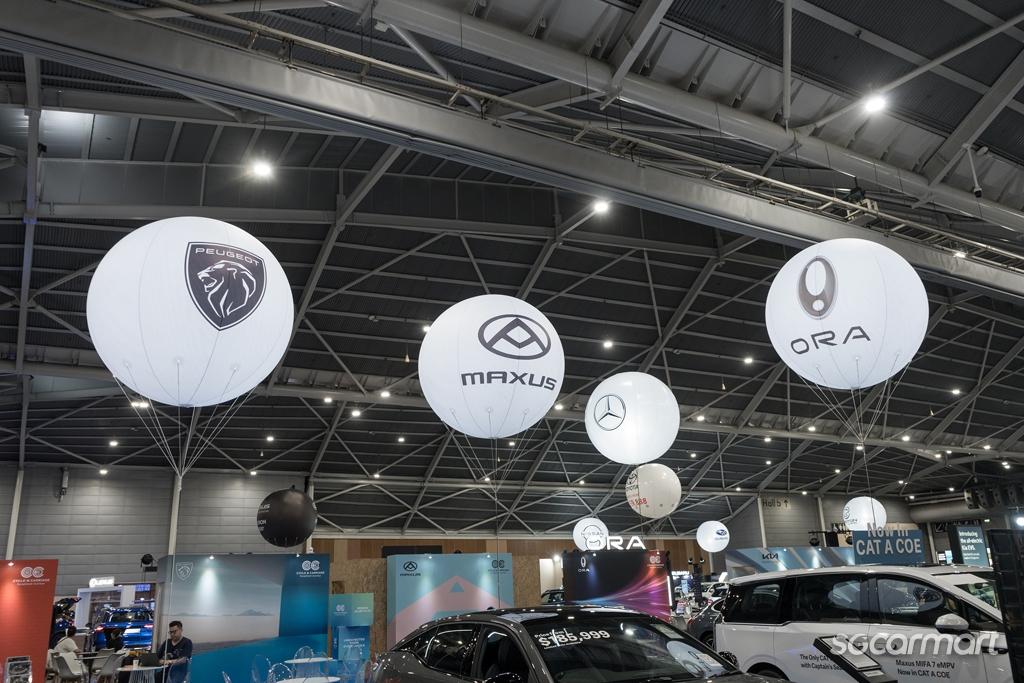
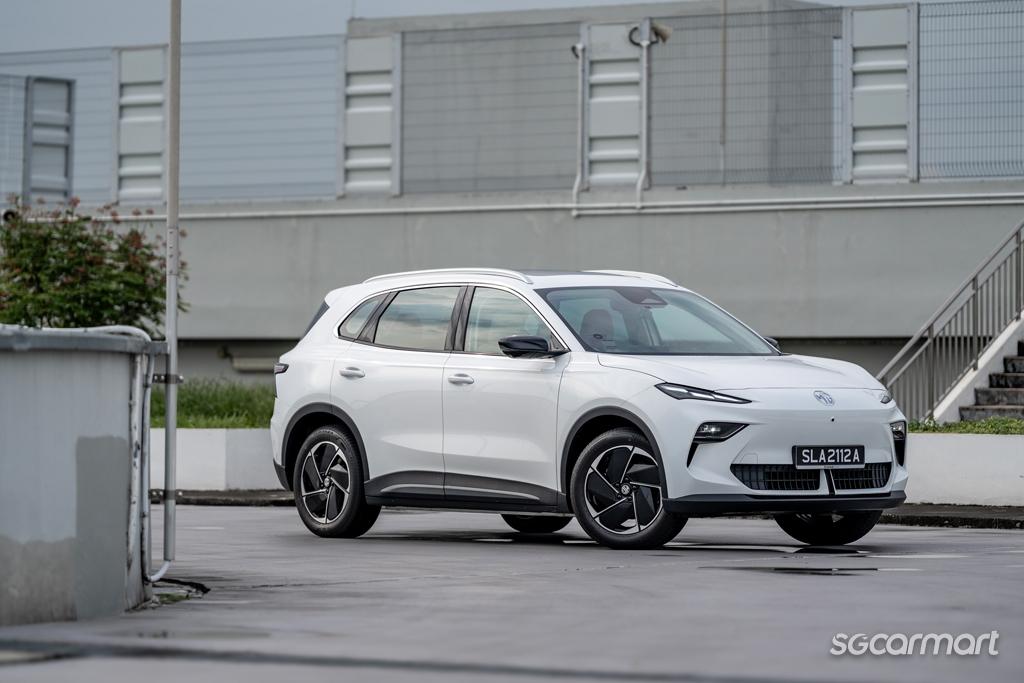
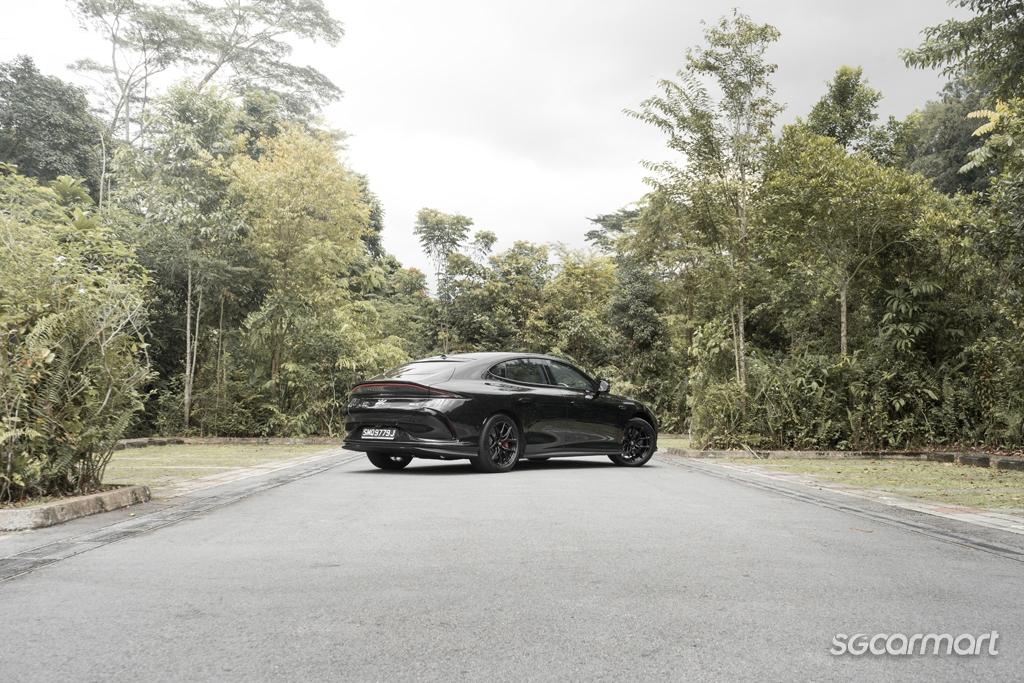
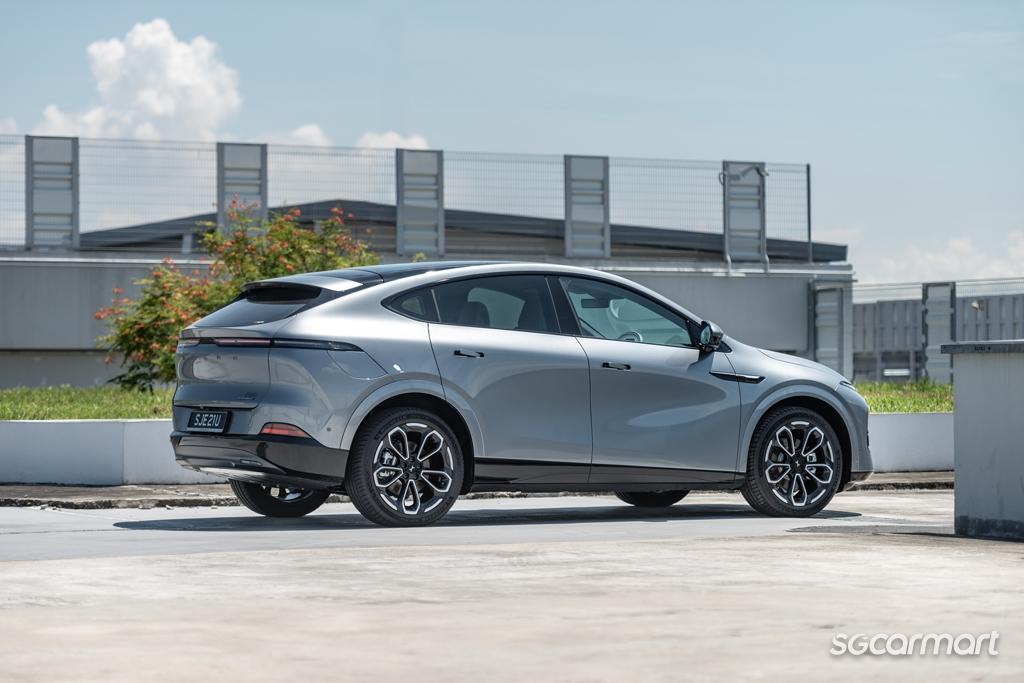
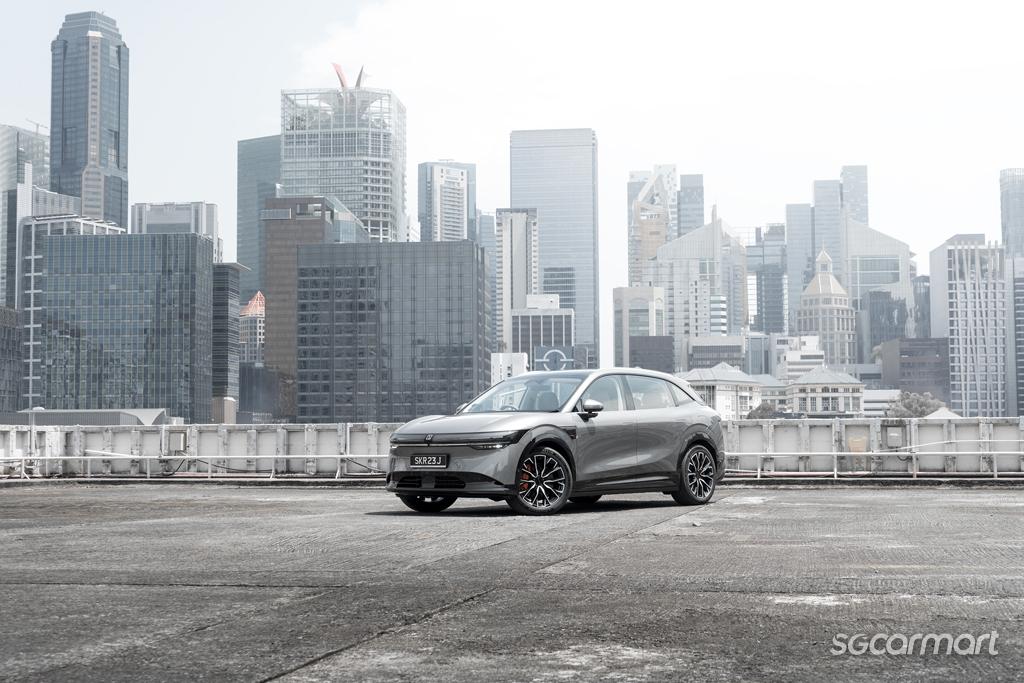


Slice it however you will - whether within the exclusive realm of authorised dealers (ADs) or throughout the wider car market: BYD was far and away Singapore's dominant car brand in 2025.
With 11,184 units registered across the year's 12 months, the Chinese carmaker has not only taken the crown for a second year running among all authorised dealers; it also does so with an incredible 80.6% year-on-year increase in total registrations. Stacked against a grand total of 52,678 cars registered in Singapore for 2025 with overall registrations pulled into the picture (more on that later), the figures mean that more than one in five cars sold here last year was a BYD, with the brand taking hold of a whopping 21.2% of the entire new car market.
| Brand | Units Registered (ADs only) | Units Registered in 2024 (ADs only) | % Change | Rank change | |
| 1 | BYD (including DENZA) | 11,184 | 6,191 | +80.6% | = |
| 2 | Toyota (including Lexus) | 5,079 | 5,736 | -11.5% | = |
| 3 | BMW | 5,065 | 5,042 | +0.5% | = |
| 4 | Mercedes-Benz | 4,769 | 4,887 | -2.4% | = |
| 5 | Tesla | 3,475 | 2,384 | +45.8% | = |
| 6 | Honda | 2,156 | 1,457 | +48.0% | +2 |
| 7 | Hyundai | 1,457 | 2,052 | -29.0% | =1 |
| 8 | Mazda | 1,236 | 1,258 | -1.7% | +1 |
| 9 | Kia | 1,208 | 1,214 | -0.5% | +1 |
| 10 | GAC | 1,103 | 310 | +256% | N.A. |
In fact, since Sgcarmart started tracking our full-year analyses in 2021, BYD's result marks the first time that a carmaker has managed to hit a five-digit figure in registrations within a full calendar year. It's also the only brand to manage the feat this year.
The statistics are all the more remarkable when you consider that the brand's performance saw a significant improvement in the second half of the year. The 6,517 units it registered between July and December 2025 was a 39.6% increase over the 4,667 units it managed in the first half of the year.
The latter figure is already staggering on its own because it effectively means that based purely off just the first six months of its sales last year, BYD would have still placed in the Top 5.
BYD's dominance: Not a fluke nor an overnight success
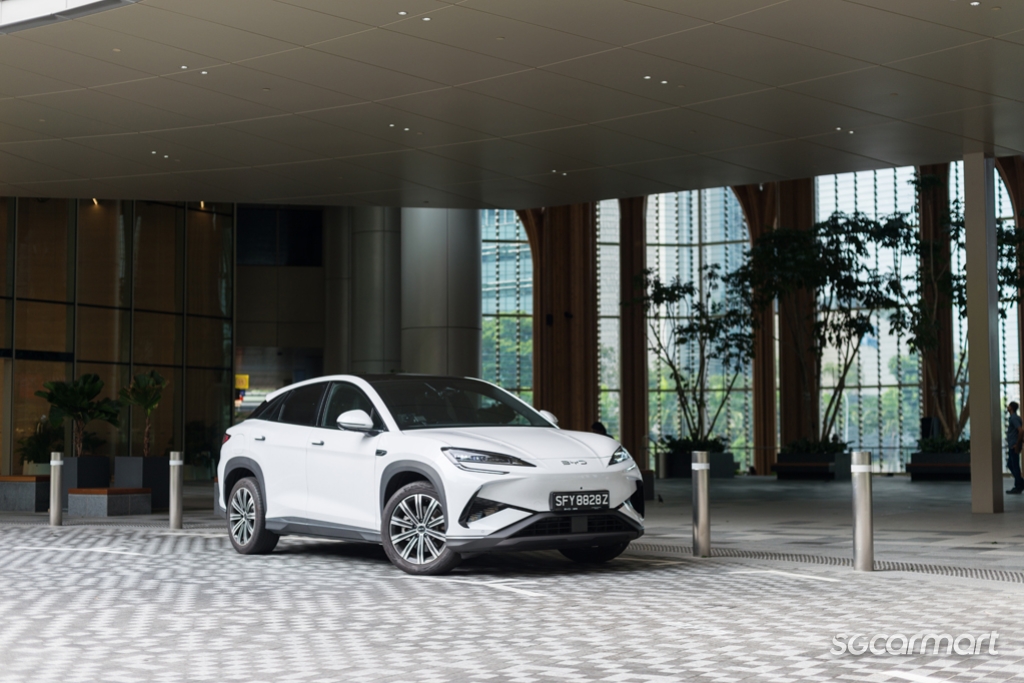
BYD's success, of course, has stemmed not just from a rapidly expanding lineup, but also an expansive array of customer touchpoints and authorised dealers.
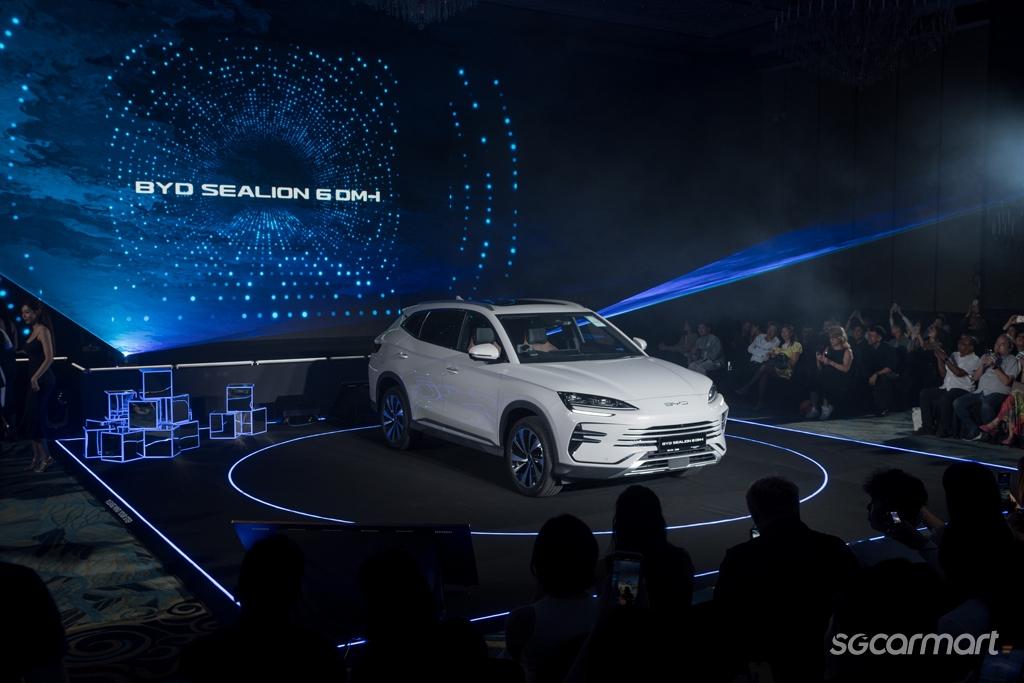
2025 alone saw the arrival of the Sealion 6 DM-i (its first plug-in hybrid here), the Atto 2 (unveiled in a nightclub, no less), and the Seal 6 EV. But it was undoubtedly the Sealion 7, launched first at the 2025 Motor Show, then made available with a Category A COE in September, that cemented the brand’s ubiquity.
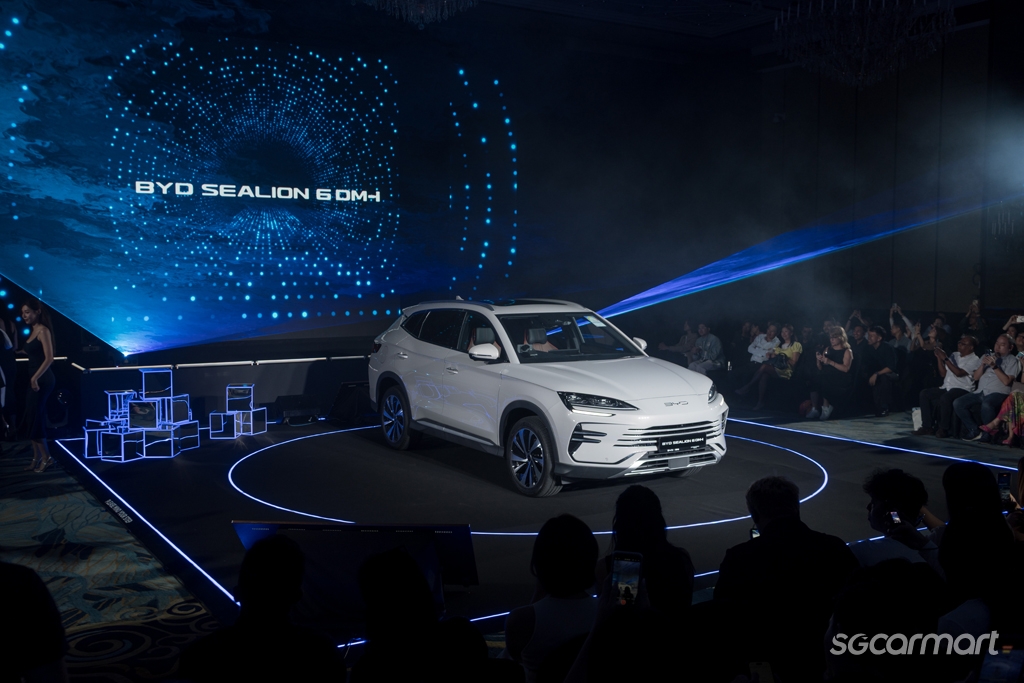
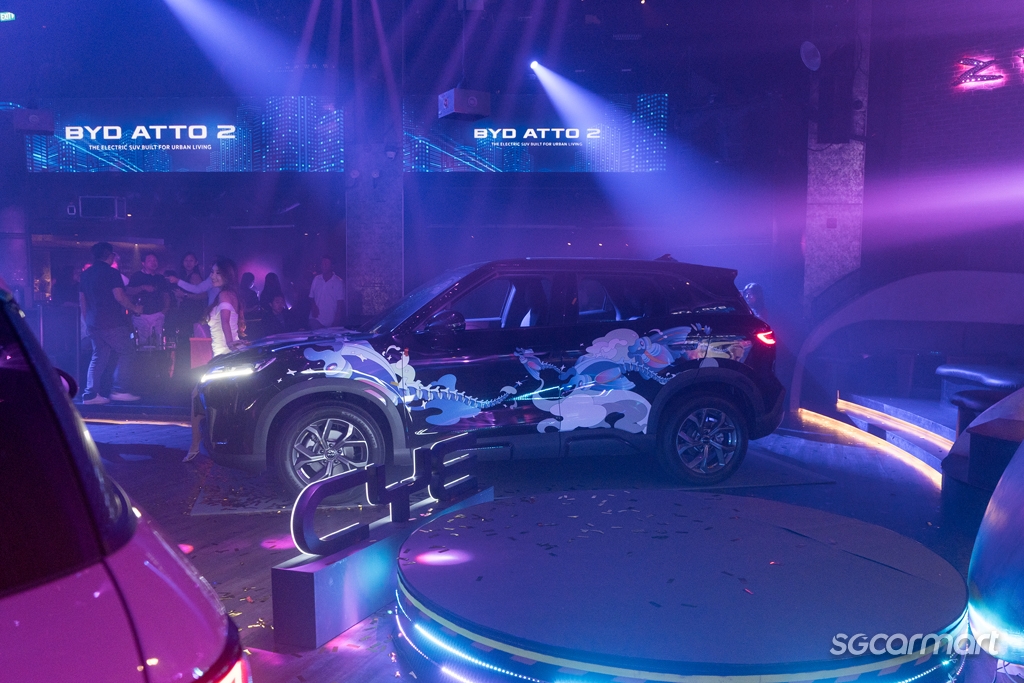
2025 also saw BYD introducing the Sealion 6 DM-i, its first plug-in hybrid, as well as the Atto 2, which was launched in Zouk
Meanwhile, BYD also strengthened its foothold in shopping malls such as Waterway Point and VivoCity, and widened its dealer network to welcome BYD by Jack Cars. If you thought BYD was hard to escape in 2025, that's because the brand was - and still is - quite literally everywhere.
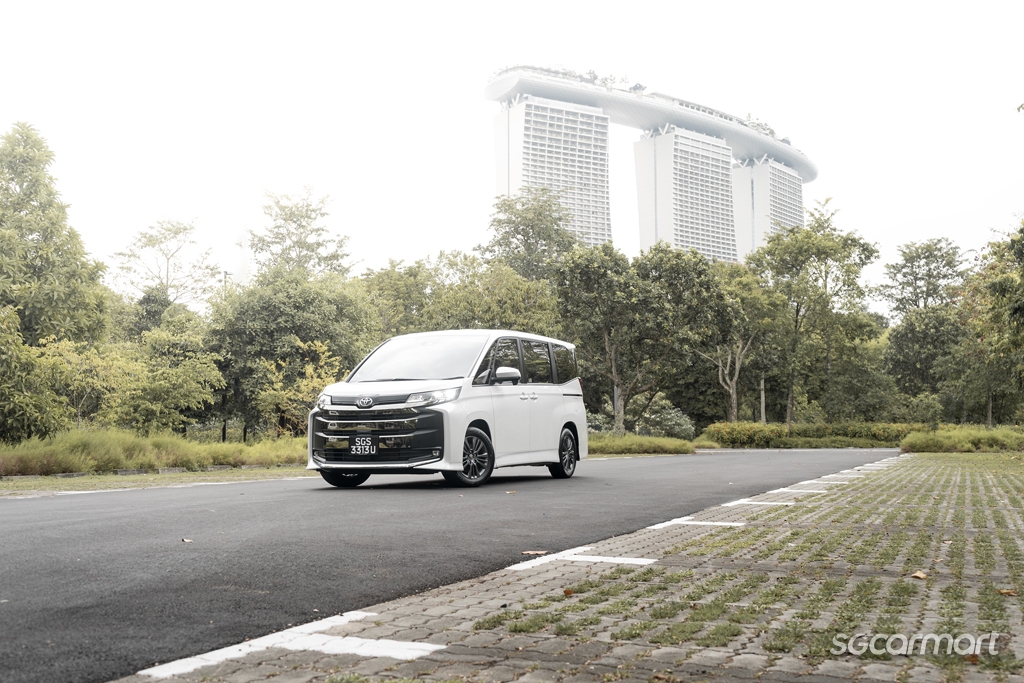
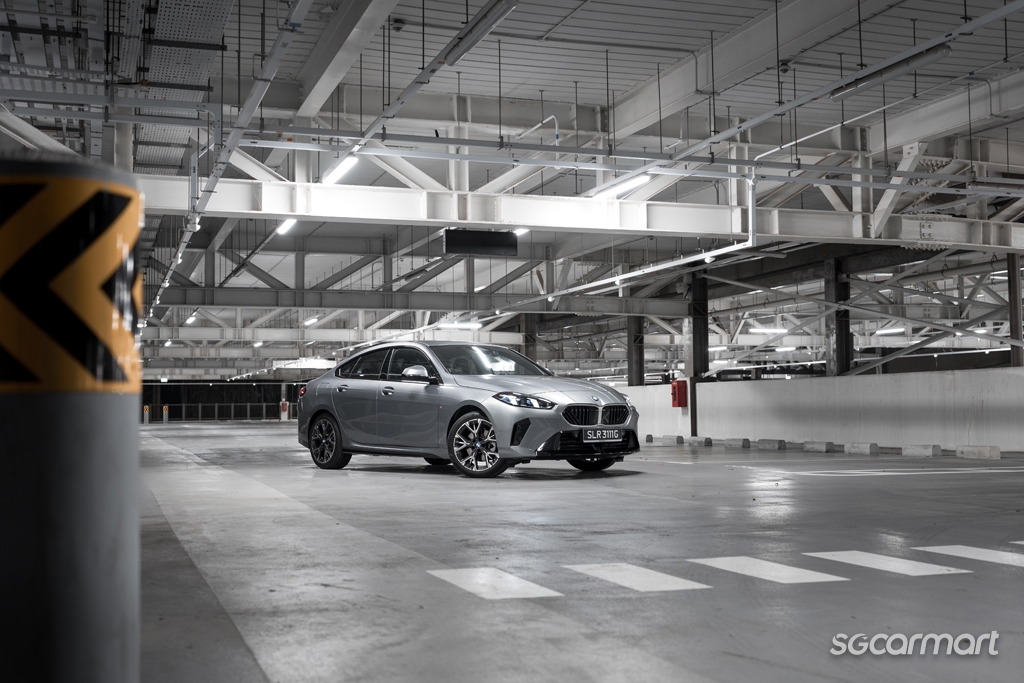
Toyota and BMW rank 2nd and 3rd respectively among all authorised dealers
A look at the rest of the Top 10 among ADs
While Toyota retains its number two spot, its gap to BYD has widened significantly - a partial result of a drop in registration numbers (equivalent to a 11.5% decrease), but mostly due to its Chinese foe's massive strides.
A handful of long-running Top 10 mainstays have held their ground against the onslaught of Chinese brands, including German luxury rivals, BMW and Mercedes-Benz, and more established Asian makes including Kia, Mazda and Hyundai - though the latter sees a steeper than average slide of 29%.
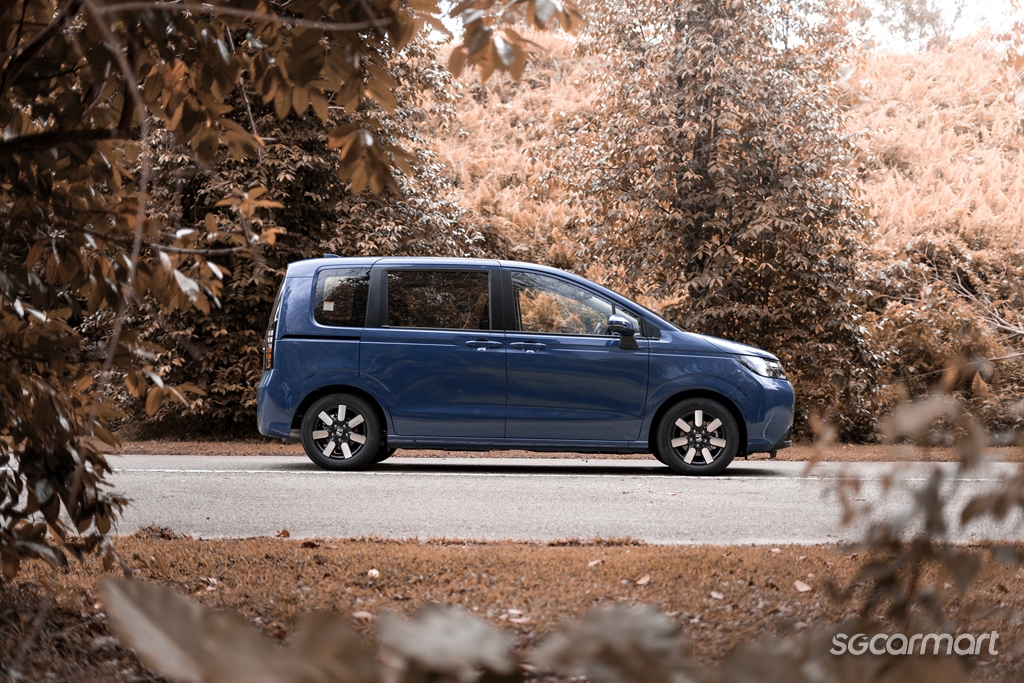
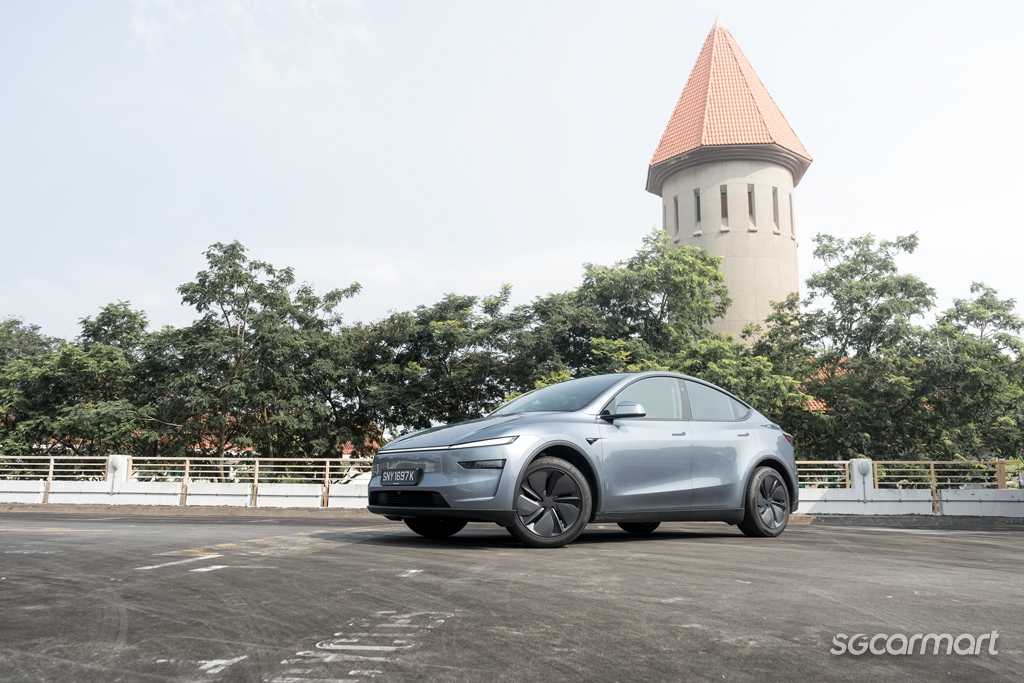
Honda and Tesla both enjoyed significantly better registrations in 2025 than they did in 2024, with the latter seeing registrations rise by more than 1,000 units year-on-year
Bucking the trend with stronger showings, however, are Honda (rising by 48%) and with even more confidence, Tesla.
The American brand has continued to find favour among Singaporeans despite having just a two-car lineup consisting of the Model 3 and Model Y, the latter of which was refreshed for 2025 and made available for the first time with a Category A COE. It registered 1,091 more cars in 2025 than it did in 2024.
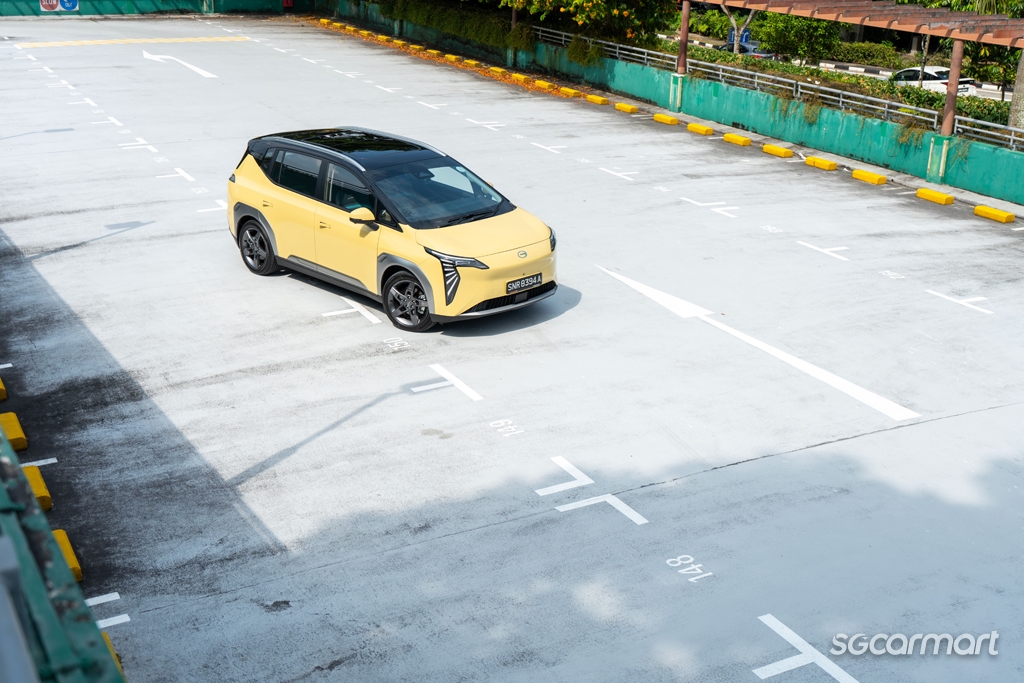
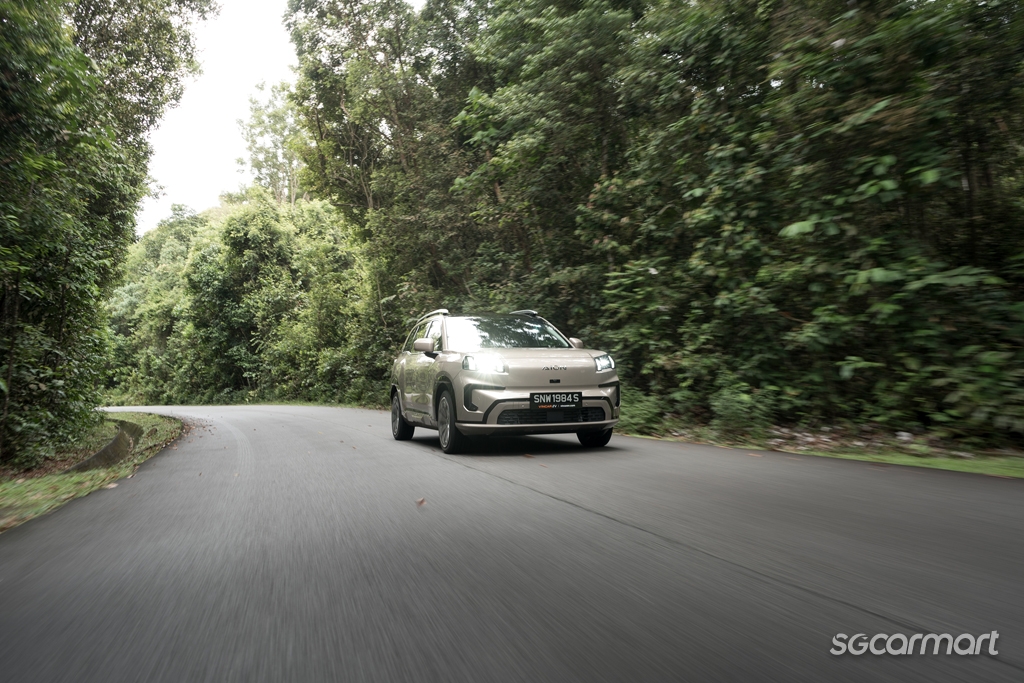
GAC registered an outstanding 1,103 units in 2025 - in all likelihood driven by the strength of compelling electric models like the Y Plus, and of course, the V
The second real headline-maker, however, will be found at Number 10.
With an excellent portfolio comprising the Y Plus, the Hyptec HT, and of course, the V, the Guangzhou based manufacturer crosses 1,000 registrations in a calendar year for the first time - and also earns a vaunted spot in the Top 10 among authorised dealers.
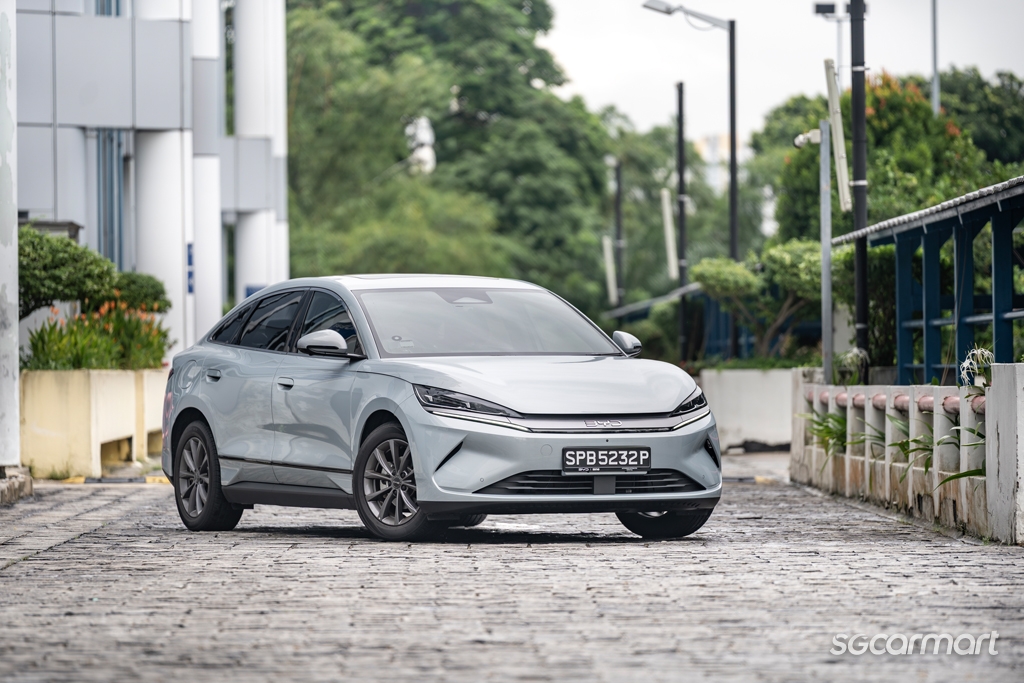
Even when factoring in parallel imports, BYD was the clear winner for 2025
A (not too) different 2025 list: The Top 10 names for overall units registered
| Brand | Overall Units registered | Overall Units Registered in 2024 | % Change | Rank change | |
| 1 | BYD (including DENZA) | 11,184 | 6,191 | +80.6% | +1 |
| 2 | Toyota (including Lexus) | 7,466 | 7,876 | -5.2% | -1 |
| 3 | BMW | 5,091 | 5,071 | +0.4% | +1 |
| 4 | Mercedes-Benz | 4,871 | 5,101 | -4.5% | -1 |
| 5 | Honda | 4,845 | 3,892 | +24.5% | = |
| 6 | Tesla | 3,476 | 2,384 | +45.8% | = |
| 7 | Hyundai | 1,459 | 2,053 | -28.9% | = |
| 8 | Mazda | 1,242 | 1,260 | -1.4% | +1 |
| 9 | Kia | 1,209 | 1,214 | -0.4% | +1 |
| 10 | Nissan | 1,145 | 1,638 | -30.1% | -2 |
When factoring in parallel imports, Toyota has traditionally made up a fair bit of ground - and the same remains true for 2025, with registrations rising to an impressive sum of nearly 7,500 units.
Whereas it ultimately managed to prevail over BYD in 2024, however, Toyota continues to lag behind even with overall numbers thrown into the mix.
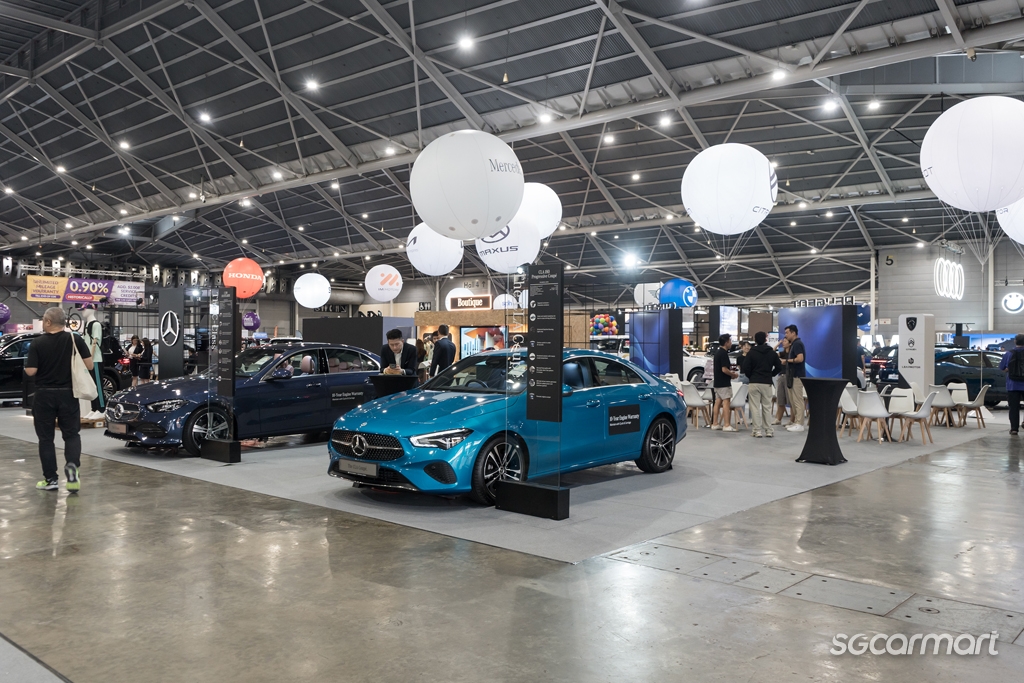
2025 saw a 22.4% increase in registrations over 2024, while the proportion of new electric cars sold has also continued to climb steadily
Zooming out to the wider market: Increased registrations, more electric cars
But before we continue zooming into the individual brands, widening our scope to examine overall registrations reveals a market that - despite record car prices - saw significant growth in 2025.
As mentioned earlier, a total of 52,678 cars were registered in 2025, marking a 22.4% rise over the 43,022 units recorded in 2024. (No wonder premiums haven't been given the chance to cool off despite the increasing supply.)
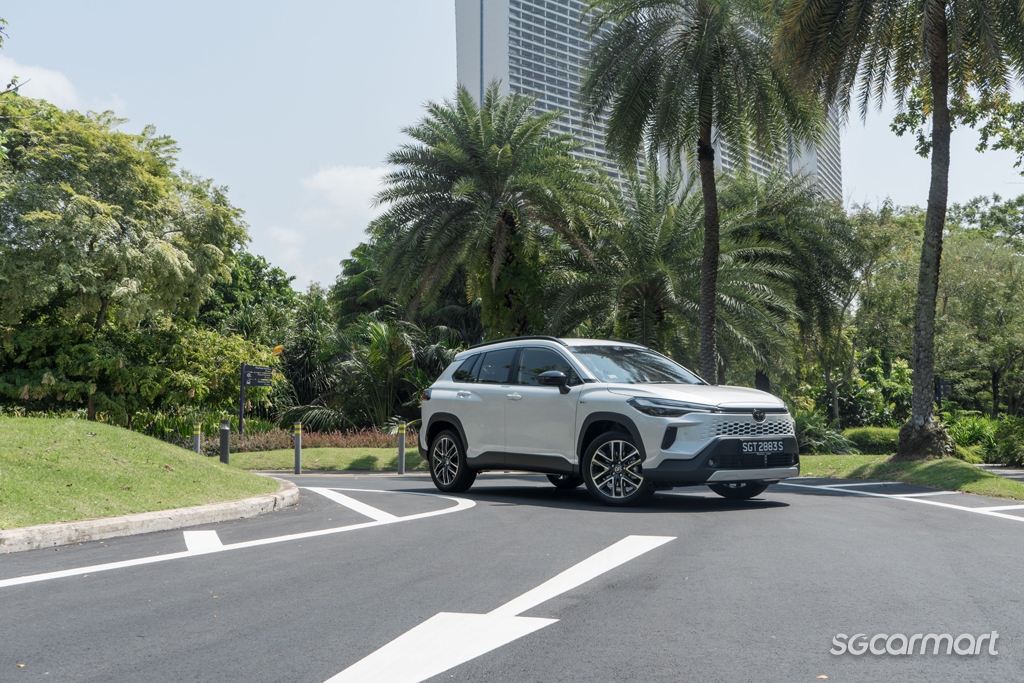
Registration numbers for December were 45.6% higher than the year's monthly average, with the top two brands - Toyota and BYD - both logging their best months for the year
One particularly eye-catching data point to note is just how many cars were registered in December alone: 6,390 cars. The sum is approximately 45.6% higher than the monthly average for 2025.
To be clear, year-end surges are not uncommon - an ostensible result of brands mustering a final push to prop their full-year numbers up. Among the notable mass-market names that enjoyed their best month of the year in December were BYD (1,561 units), Toyota (1,024 units) and GAC (217 units).
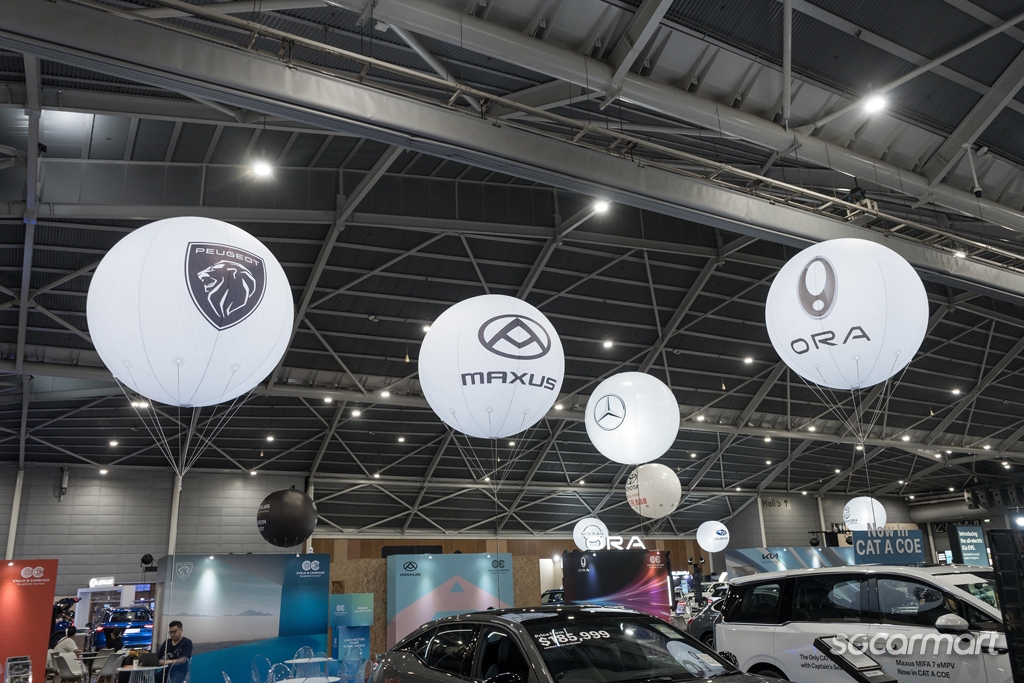
From 1 January 2026, revisions to the VES and EEAI schemes have meant lower rebates for a good majority of car buyers
But it's also worth remembering that December marked the final month during which buyers could enjoy the higher rebates across the board under the outgoing VES and EEAI schemes. Apart from buyers rushing to lock their orders in, the regulatory changes could have given rise to another possible consequence: The pre-registration of cars among dealers.
On a separate note, no one who spends a significant amount of time on our roads can claim in good conscience that EVs are a thing of tomorrow, but the numbers illustrate just how much electrification has taken hold.
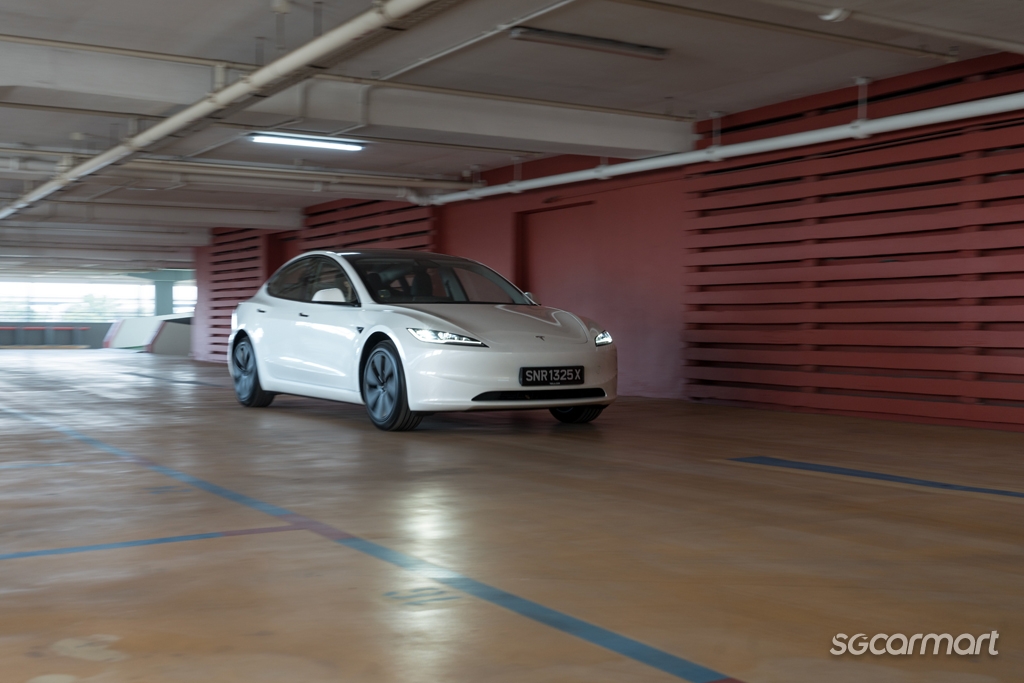
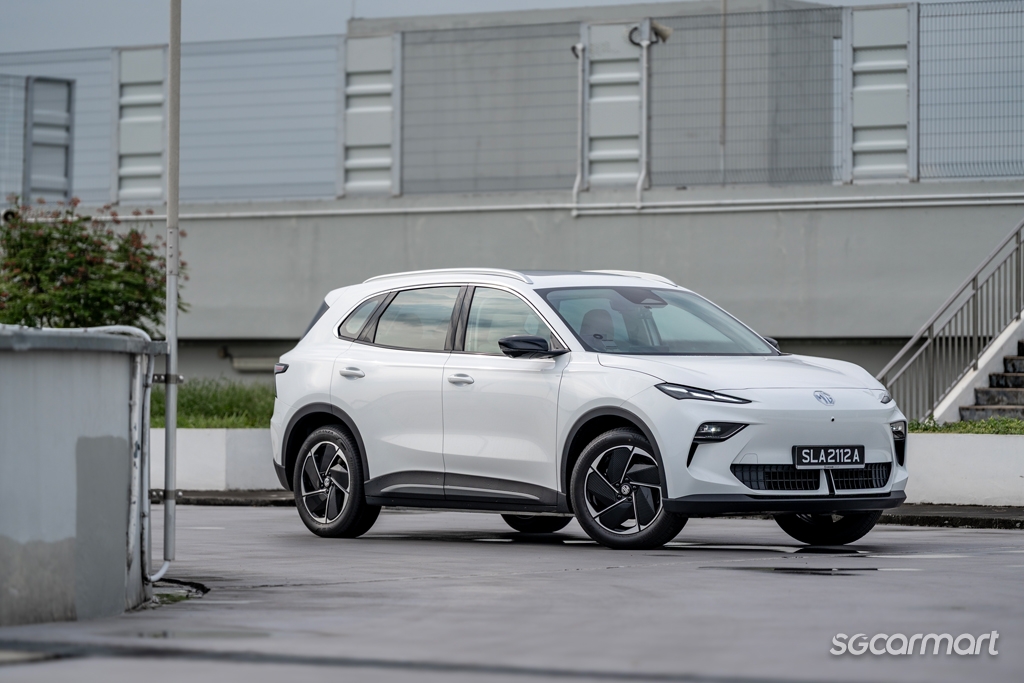
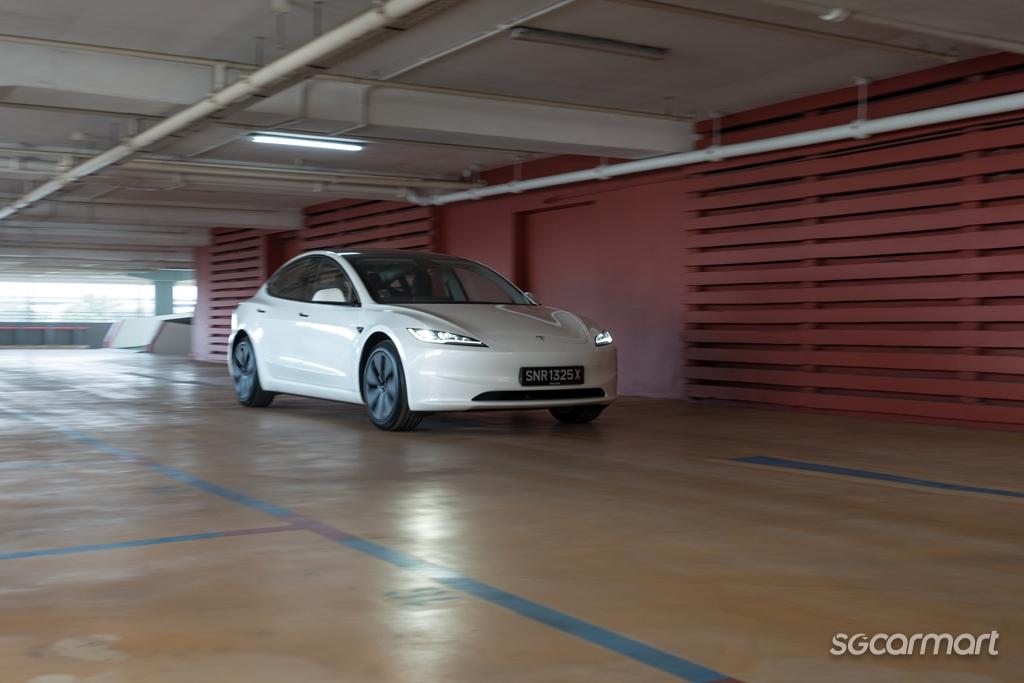
Close to half of all cars registered in 2025 were fully electric (Pictured: Tesla Model 3 110 RWD, MGS5 EV)
Nearly 45% of the 52,678 cars registered were fully electric, which also means that close to half of all new cars sold were EVs. The electric revolution is well and truly here.
Returning again to the brands, Honda leaps all the way up to the Top 5 again on this list, thanks to a whopping 2,689 units registered by parallel importers over 2025 (accounting for almost 56% of the total number). But you’ll note that GAC cedes the coveted Top 10 spot to a legacy name here; Nissan rises into this elite group, thanks to an additional 123 units contributed by units sold in the grey market.
In the rest of the Top 25, the massive shakeup catalysed by the arrival of the Chinese continues to be brought to bear.
| Brand | Overall Units Registered | Overall Units Registered in 2024 | % Change | |
| 11 | GAC | 1,103 | 310 | +256% |
| 12 | XPENG | 940 | 336 | +180% |
| 13 | MG | 922 | 536 | +72% |
| 14 | ZEEKR | 764 | 99 | +672% |
| 15 | Audi | 730 | 596 | +22.5% |
| 16 | Chery | 716 | 113 | +534% |
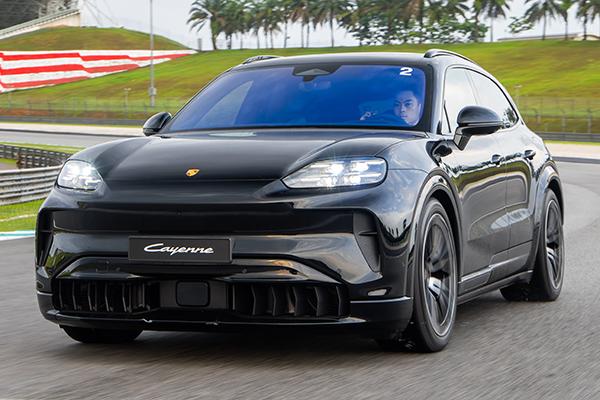
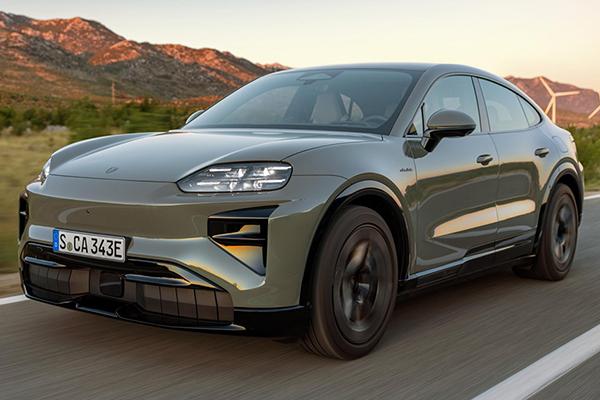
| 17 | Porsche | 689 | 642 | +7.3% |
| 18 | Volvo | 687 | 557 | +23.3% |
| 19 | Subaru | 679 | 415 | +63.6% |
| 20 | Volkswagen | 569 | 640 | -11.1% |
| 21 | Suzuki | 432 | 220 | +96.4% |
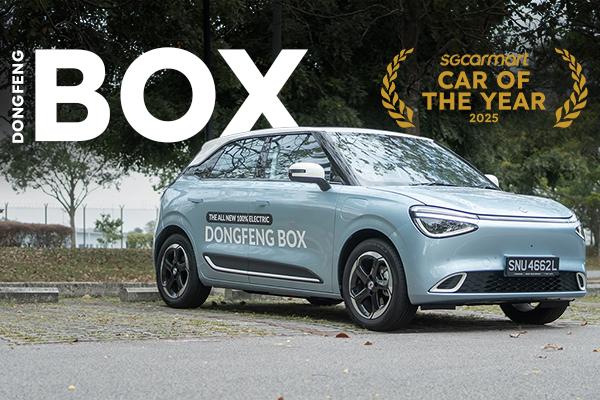
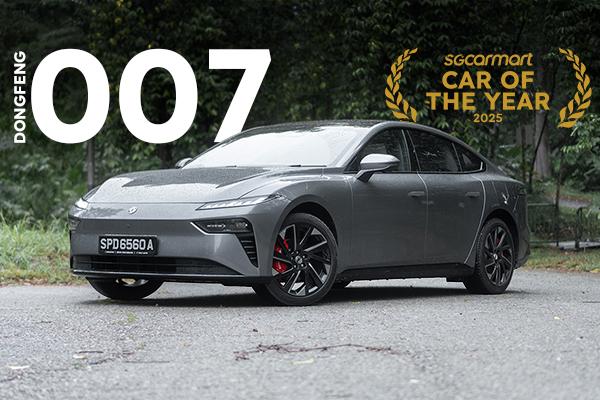
| 22 | Dongfeng | 320 | 22 | +1353% |
| 23 | Skoda | 301 | 351 | -14.2% |
| 24 | MINI | 284 | 224 | +26.8% |
| 25 (=) | Land Rover | 212 | 171 | +24% |
| 25 (=) | Maxus | 212 | 90 | +136% |
Four new horsemen of the Sino-revolution
Ranking at 11th, 12th, 13th and 14th respectively are a quartet of Chinese brands, including GAC, XPENG, MG (yes, we're counting the SAIC-owned Sino-English marque here), and Zeekr.
With the exception of MG - whose 72% rise is still extremely commendable since it had already registered 536 units in 2024 - all of them post triple-digit percentage increases in units registered year-on-year.
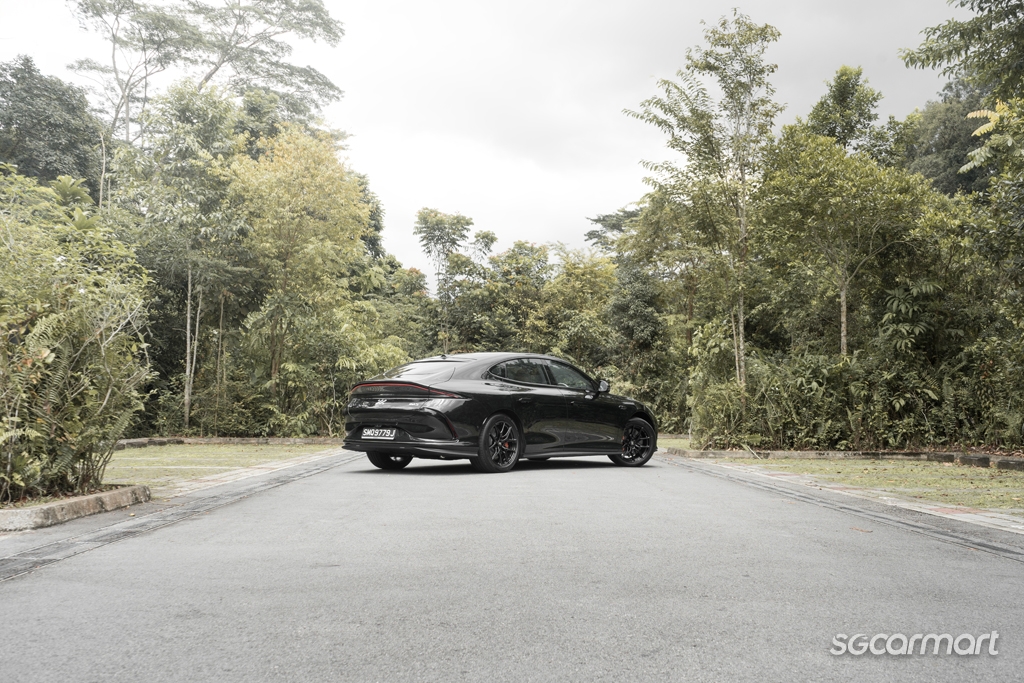
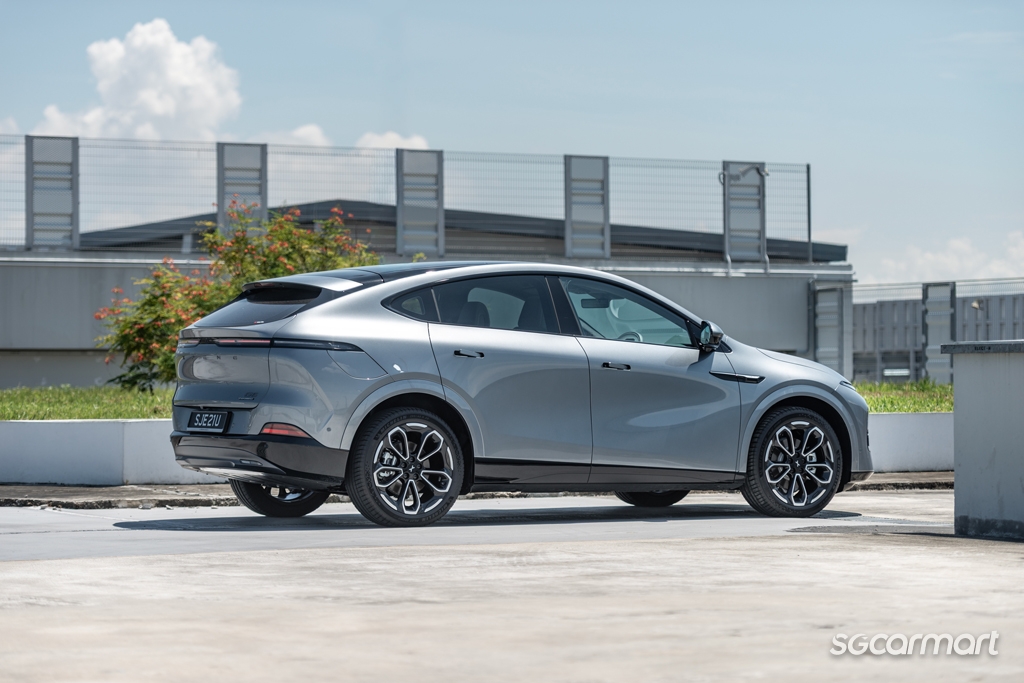
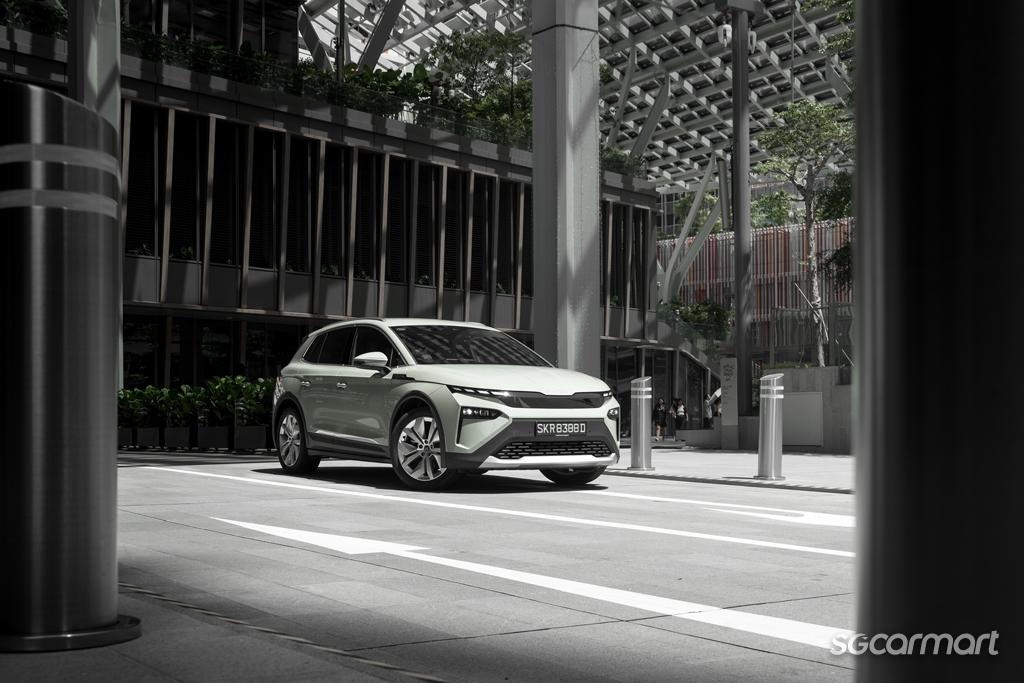
Apart from GAC, MG (which now counts IM Motors as part of its stable) and XPENG also enjoyed bumper years in 2025
It is Zeekr, however, that has surged upwards with remarkable energy, with its incredible 672% increase.
It's worth noting that a chunk of Zeekr's 2025 success was witnessed only in the later half of 2025, with the premium-positioned Chinese brand going from 117 units registered in H1 to 647 units in H2: A 453% spike.
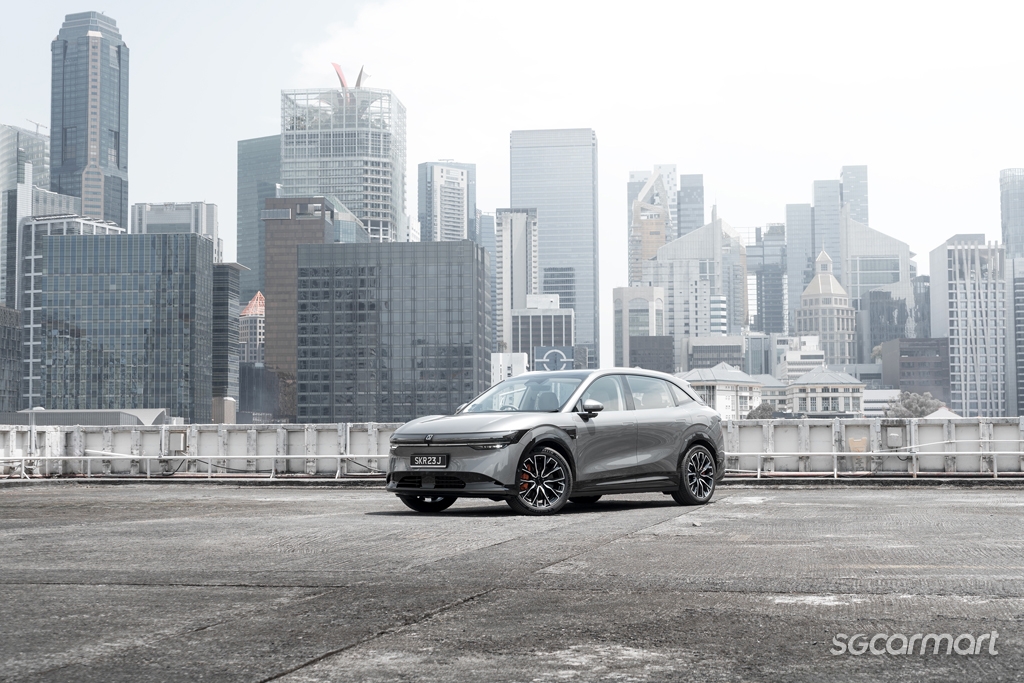
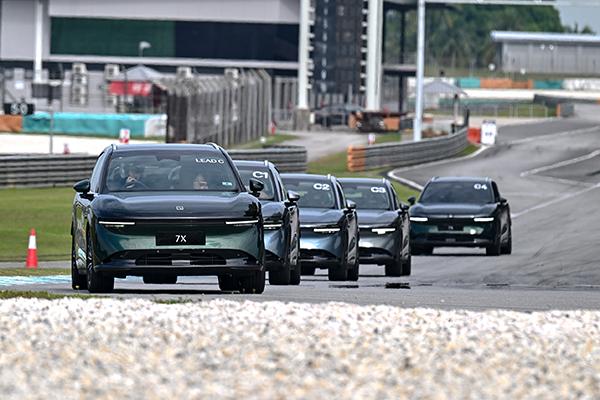
The arrival of the Zeekr 7X in in Q3 2025 helped to buoy the brand's registrations to unprecedented heights, sending registrations upwards by 453% in the second half of the year
While you'll notice a fair number Zeekr Xes and 009s plying our roads, Zeekr's enviable success can likely be chalked down to the mid-sized 7X SUV - targeted at the segment heavyweights from Audi, BMW and Mercedes-Benz. In fact, Sgcarmart understands that around 400 7Xes have already taken to our roads, despite it only officially launching in September 2025.
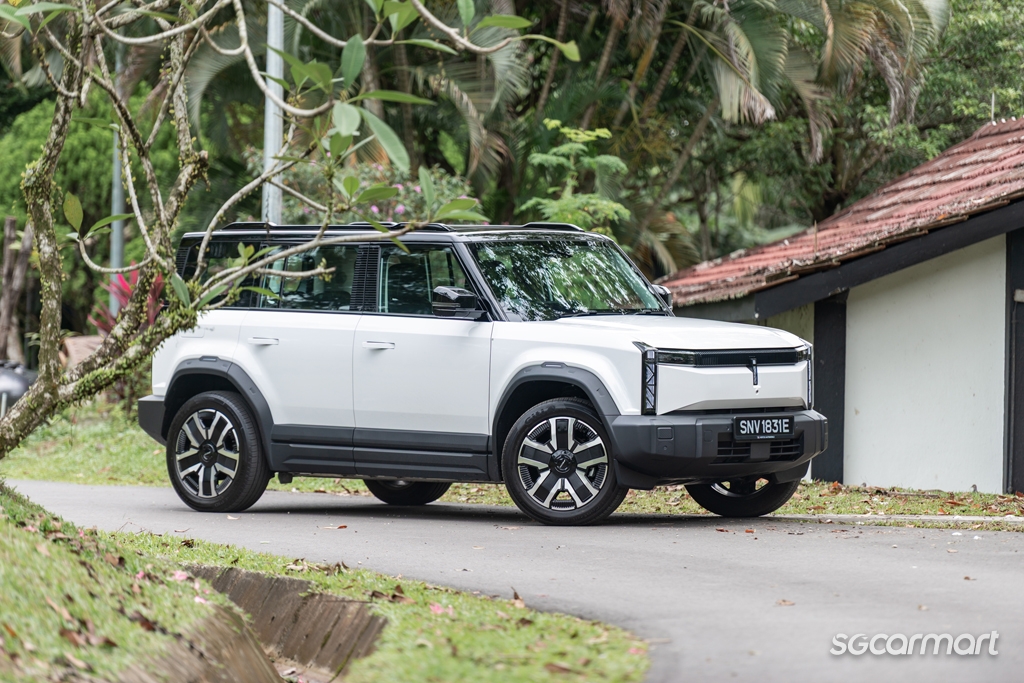
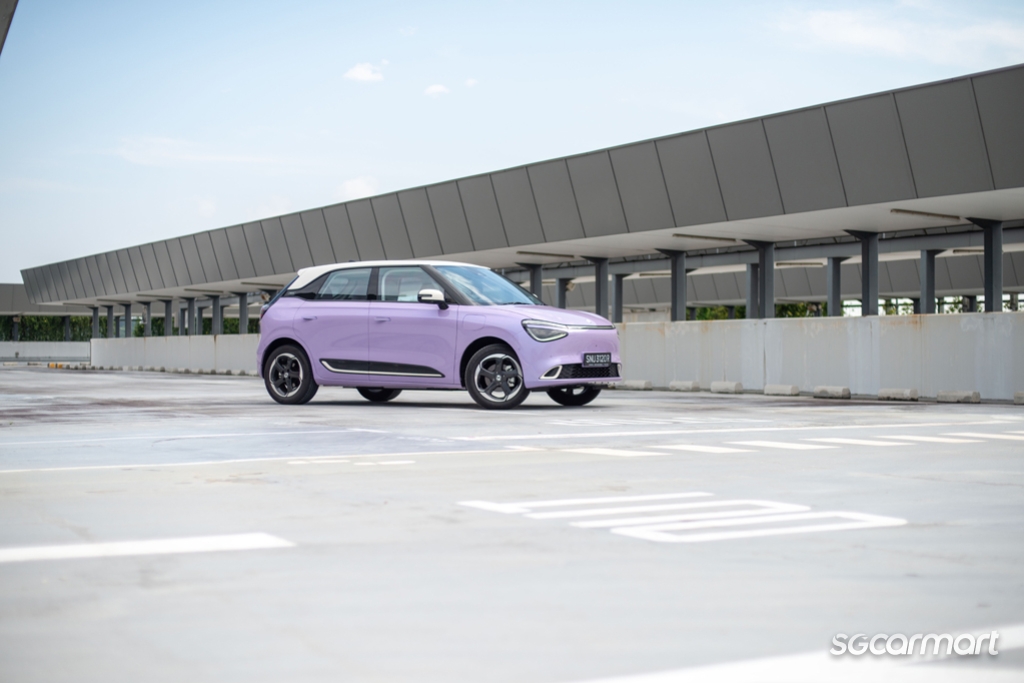
Audi, Volvo, Subaru and Suzuki rise; Omoda/Jaecoo, Dongfeng, Maxus rise faster
The same ceremonious rises can be witnessed for 16th-placed Chery, parent of the OMODA and JAECOO sub-brands, with its 534% increase; Dongfeng at 22, with its 1,353% leap; and even Maxus at 25 (sharing the spot with Land Rover), which had its best year on record with 212 units.
These incredible showings unfortunately dim the lights on the improvements inked by other older brands on the list. While Audi, Volvo, Subaru and Suzuki all posted substantial year-on-year rises, their successes are ultimately outpaced by the Chinese.
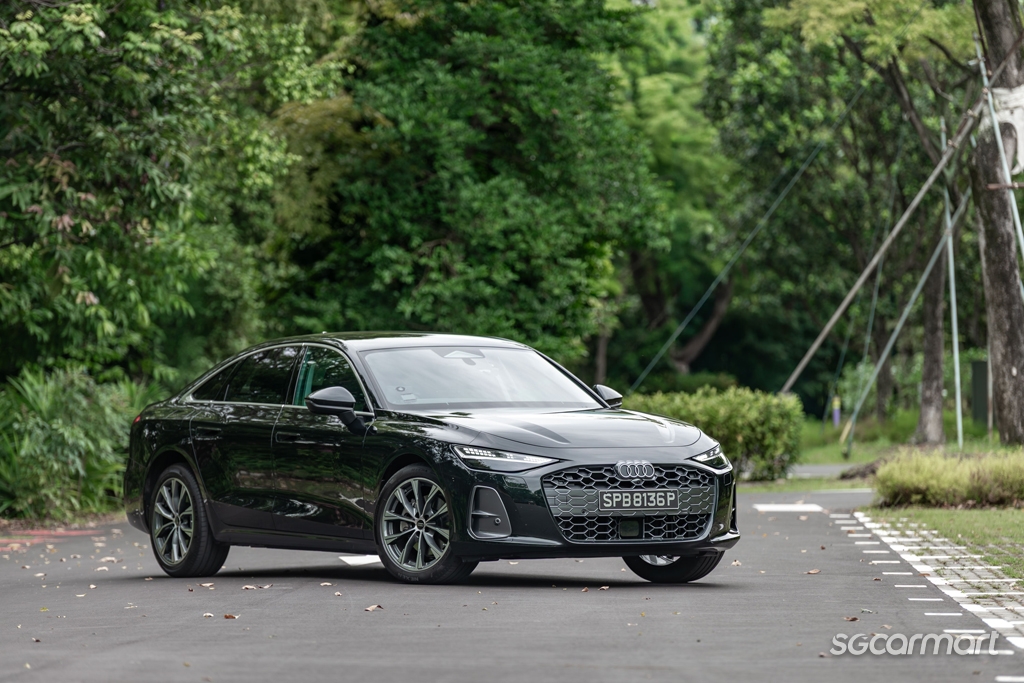
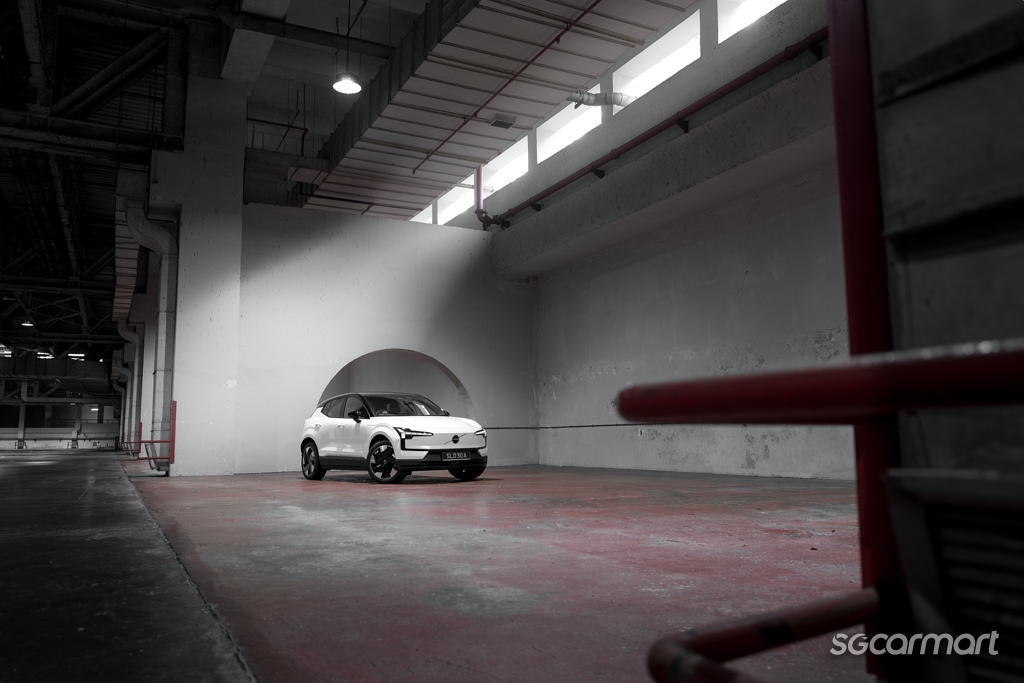
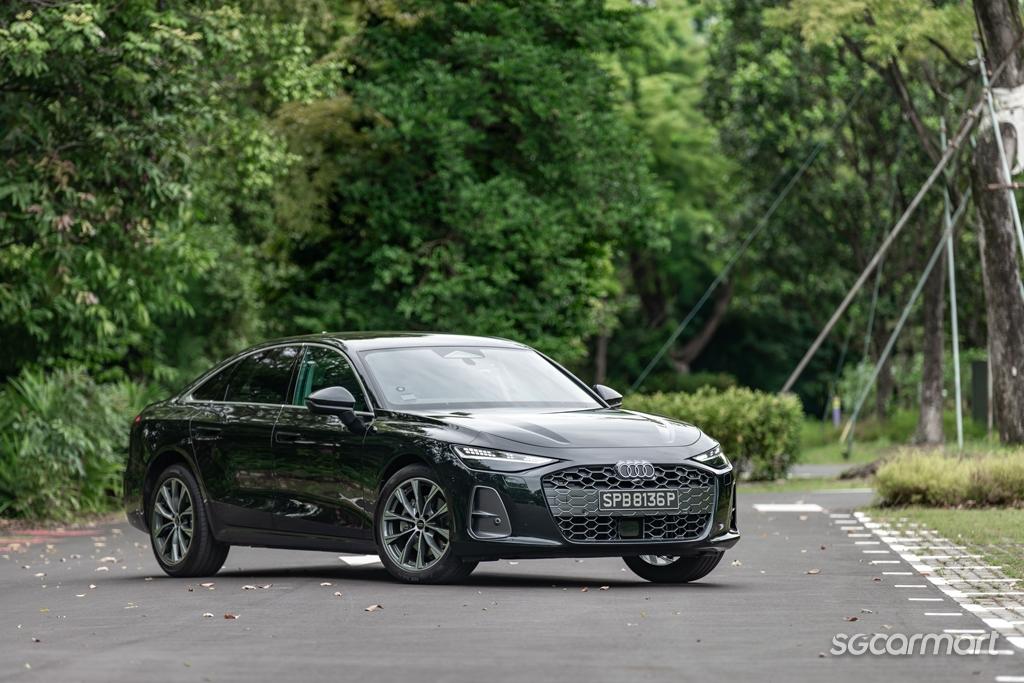
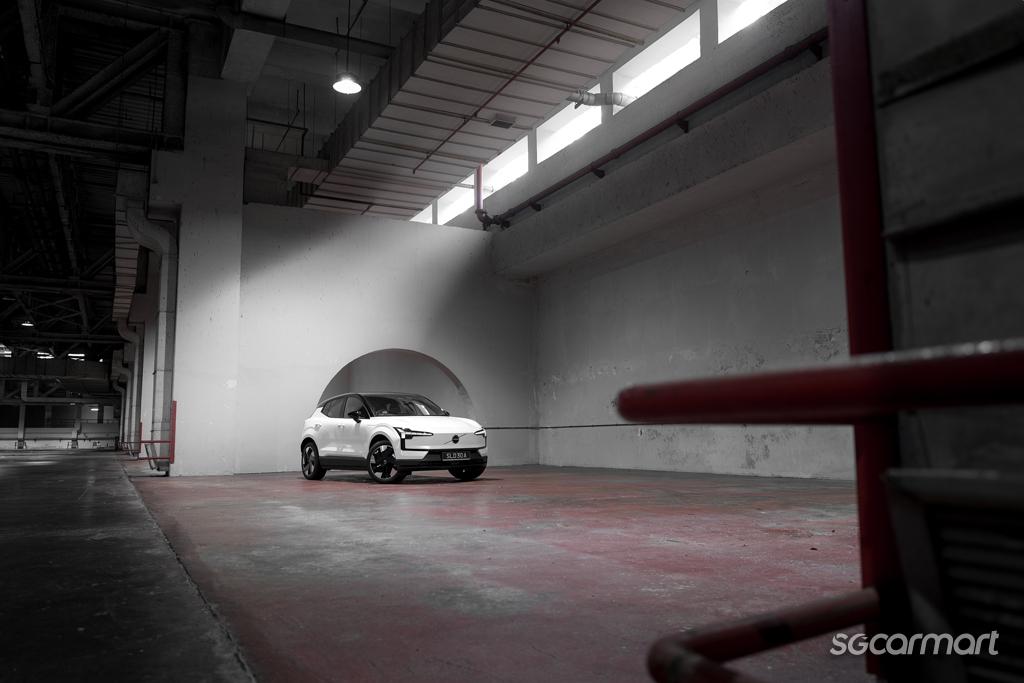
Registrations for Audi and Volvo saw the same year-on-year improvement of around 23% (Pictured: Audi A6, Volvo EX30 110kW)
Standing out even more starkly, then, are the brands that took a hit, including languishing German giant, Volkswagen.
Previously a Top 10-contender, it now sits in 20th place, while sister Czech brand, Skoda, paces a bit further behind as the 23rd-bestselling marque. Both experienced declines in registrations for 2025. Cupra, which re-launched in Singapore in 2025, is 33rd, with 47 units.
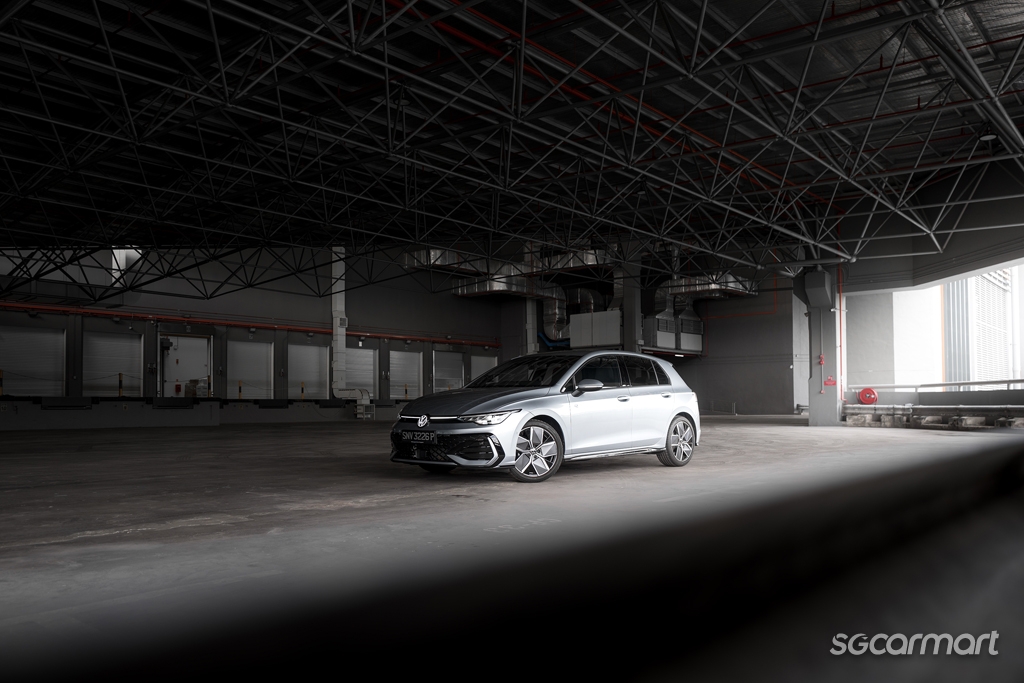
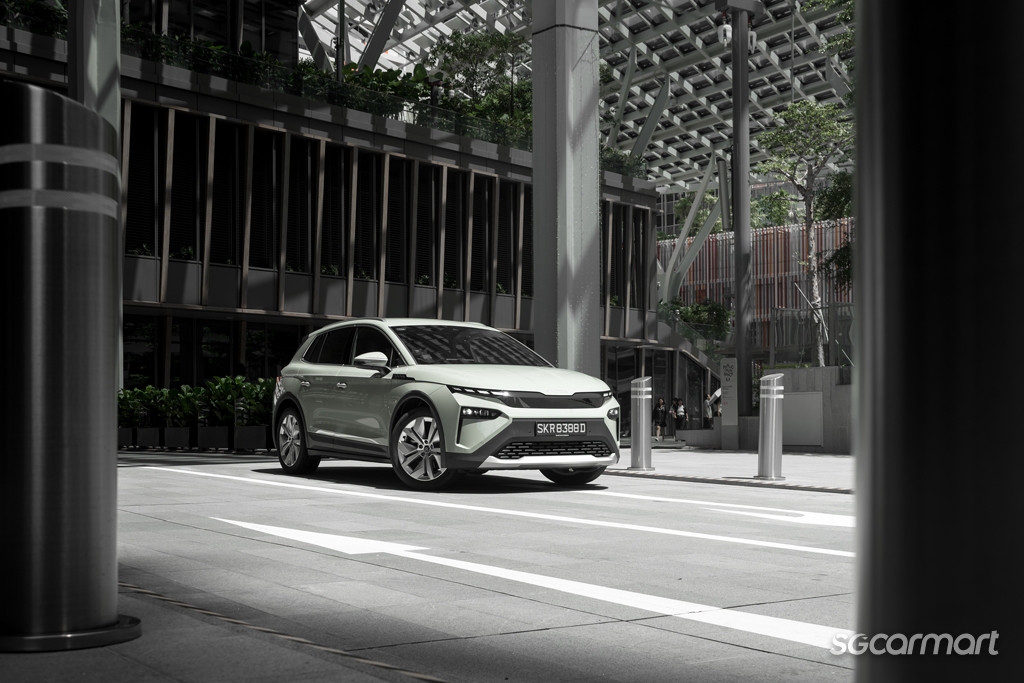
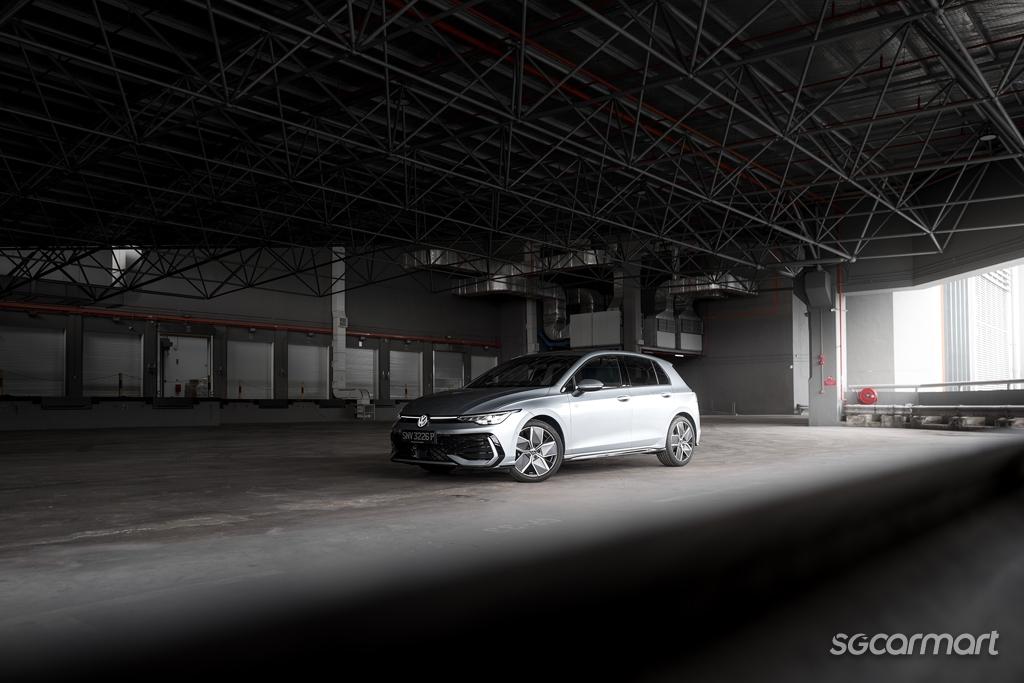
Meanwhile, Volkswagen and Skoda both experienced a decline in registrations in 2025
Meanwhile, Swedish electric marque Polestar sits just outside of the Top 25 with 146 units registered in 2025, while Stellantis Group's French duo, Peugeot and Citroen, are even further down the pecking order at 29th and 36th places respectively.
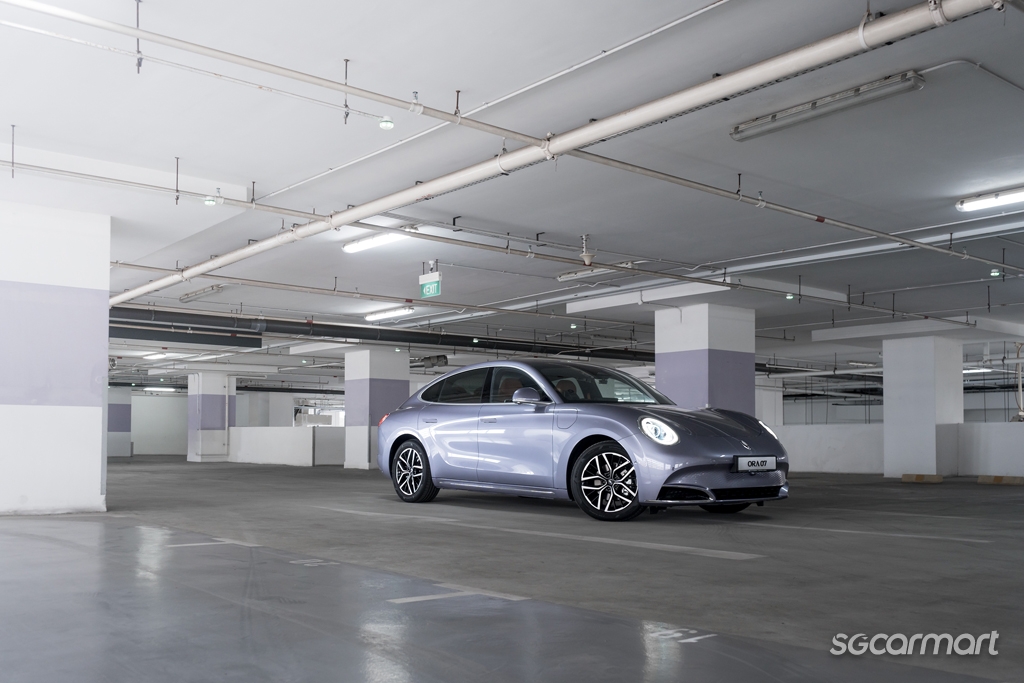
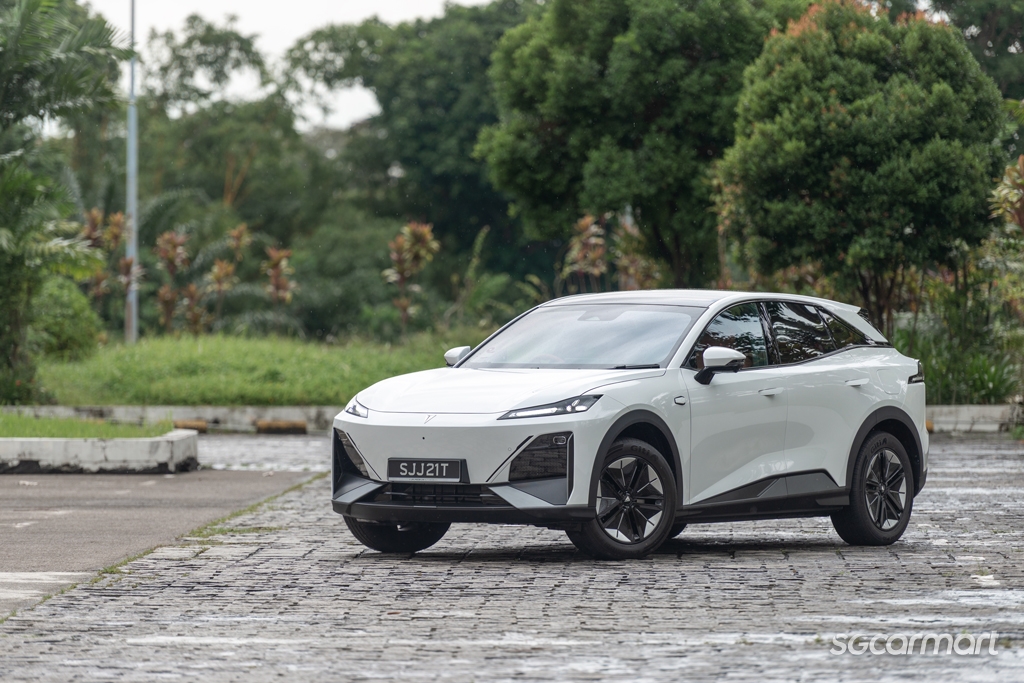
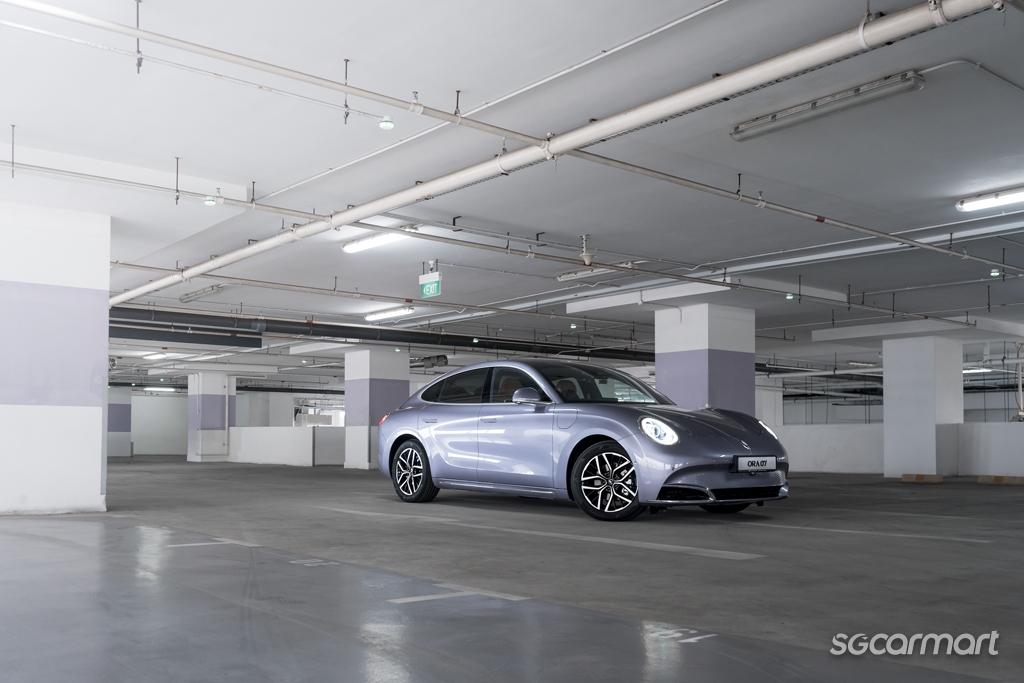
Newer faces including Great Wall Motor's ORA and Changan Automobile's Deepal have not enjoyed the same level of success as their Chinese peers - yet
The less luminous Chinese crowd (for now)
Not every Chinese brand in Singapore has picked up steam as quickly, though.
While we're still keeping our eye out for brands including AVATR (76 units in 2025) and Leapmotor (43 units) because they arrived only towards the later half of the year, other names that have had a longer runway are still struggling to find the sort of reception currently being enjoyed by GAC and MG - much less A-list BYD.
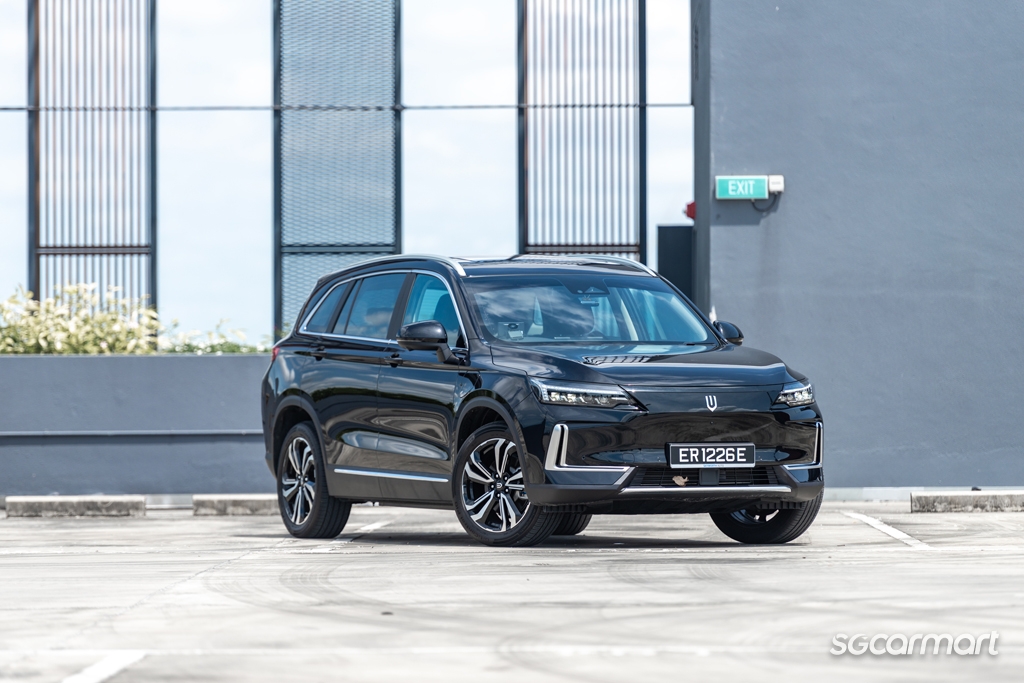
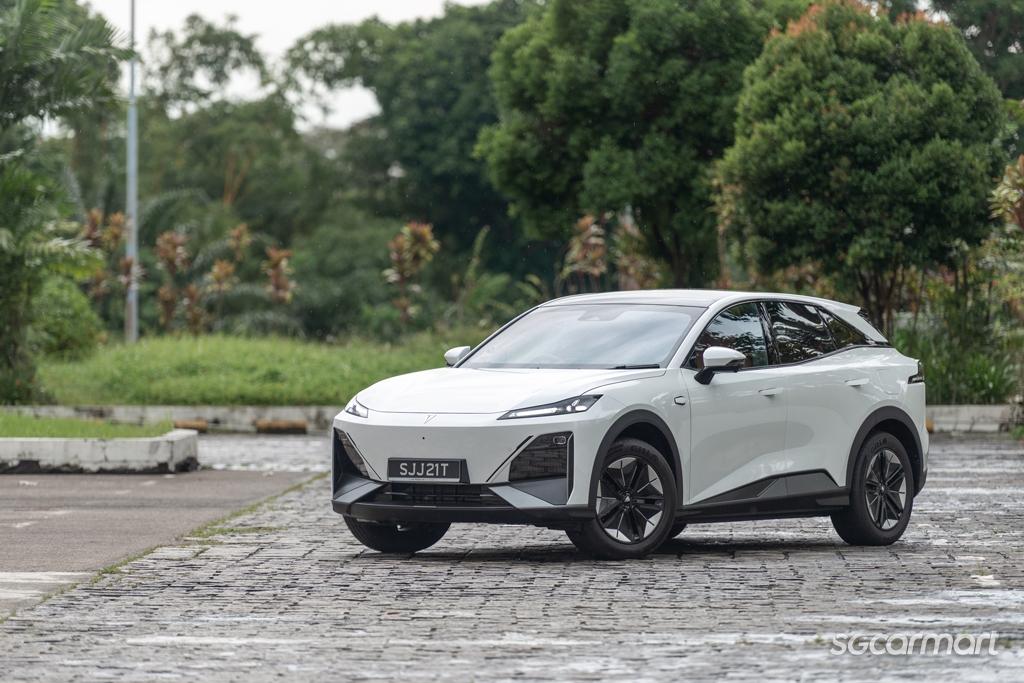
Meanwhile, the lacklustre performance of Skyworth, which only has the Skyworth K in Singapore, is harder to deny
For instance, Changan Automobile's Deepal and Great Wall Motor's ORA managed 135 units and 96 units through the year - respectable sums in their own right, but otherwise rather inconsequential against the larger crowd. (Both are set to get vital jolts of electricity, though, with the planned arrival of their first compact electric SUVs, the Deepal S05 and ORA 5, in 2026. Both are also set to be available with a Cat A COE.)
Co-helmed by Mercedes-Benz and Geely, Smart continues to be shut out of the Top 25 too, with only 66 units registered through the year.
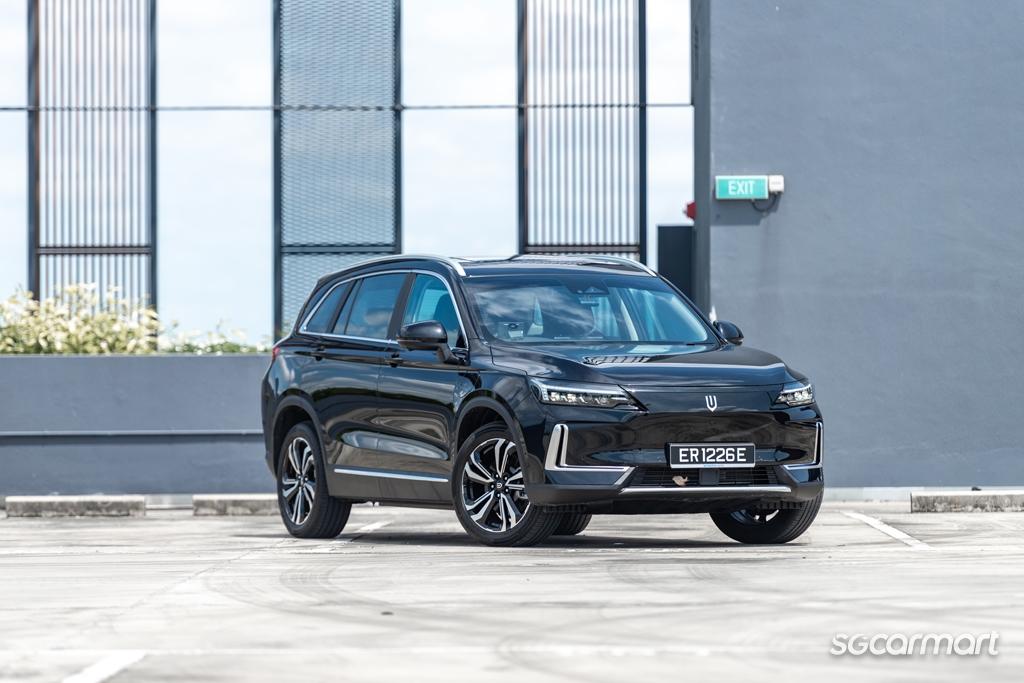
Even more disappointing were the performances turned in by Skyworth (22 units), JMEV (17 units), and SERES (eight units).
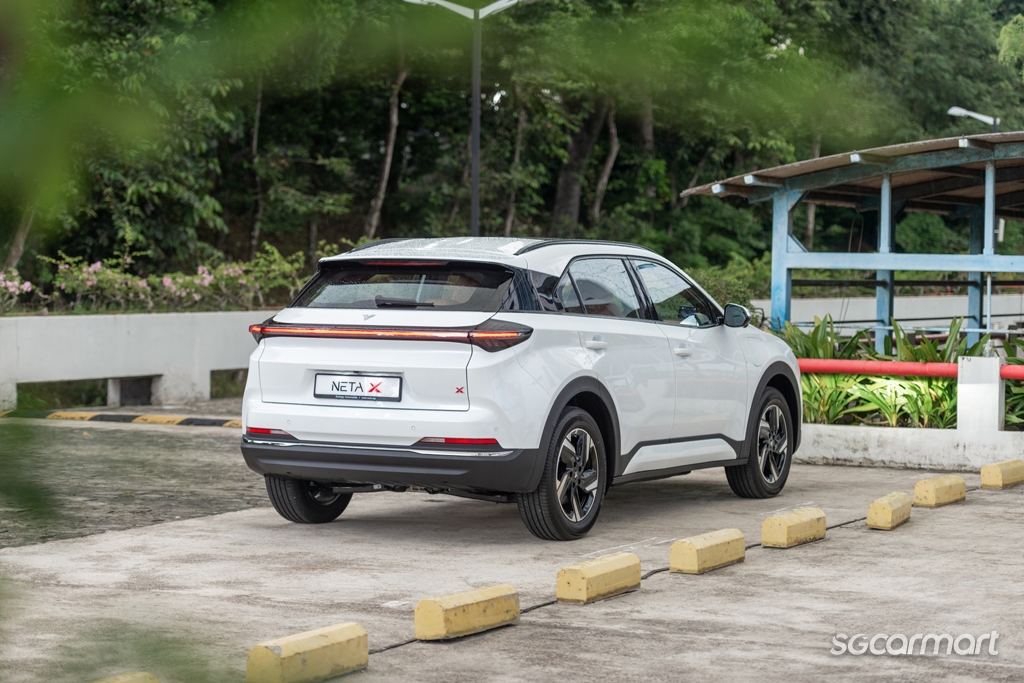
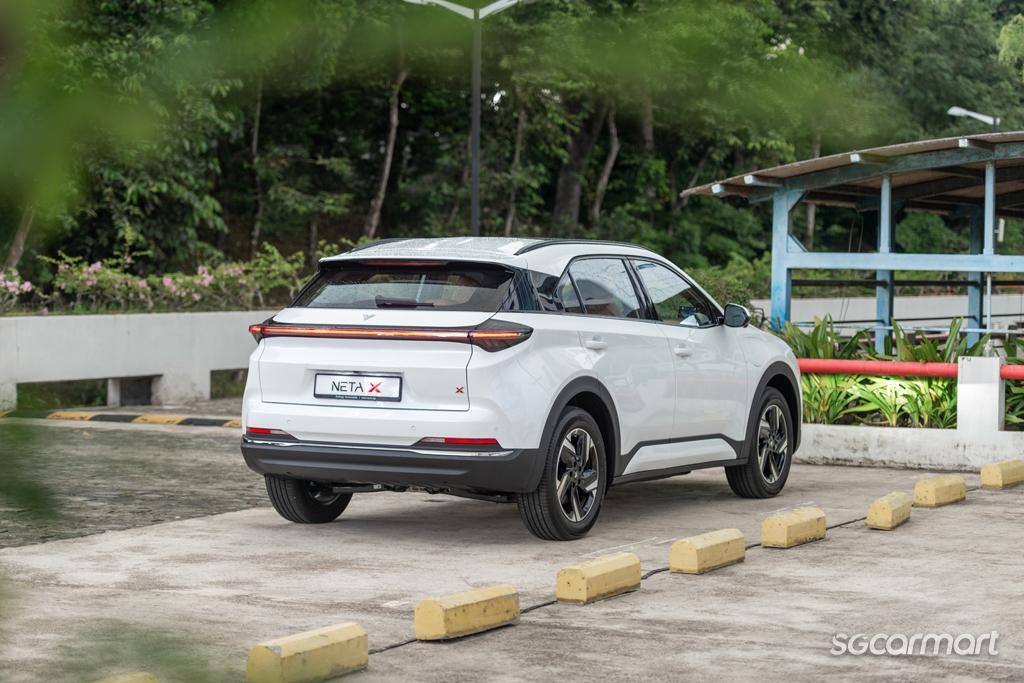
The first casualty among the newer brands, Neta left the Singapore market in April 2025. It registered only three cars in 2025
The results go to show that despite the rapid rise of goodwill towards Chinese brands among Singaporean buyers, not every new face that arrives on the market has a surefire shot at sinking its roots into Singaporean soil. (In fact, 2025 saw the first departure among the latest batch of new brands. NETA made an unceremonious exit in April 2025 - but not before it registered a grand total of three cars in its four months present here.)
While 2024 and 2025 were watershed years for Chinese EVs, 2026 might present a turning point in the market again too.
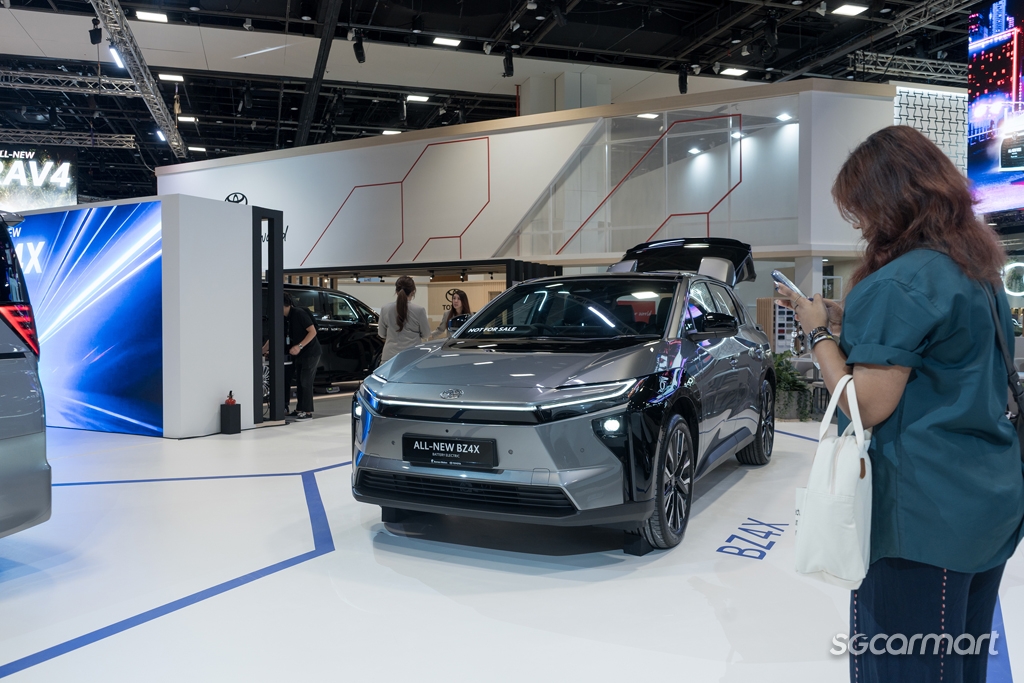
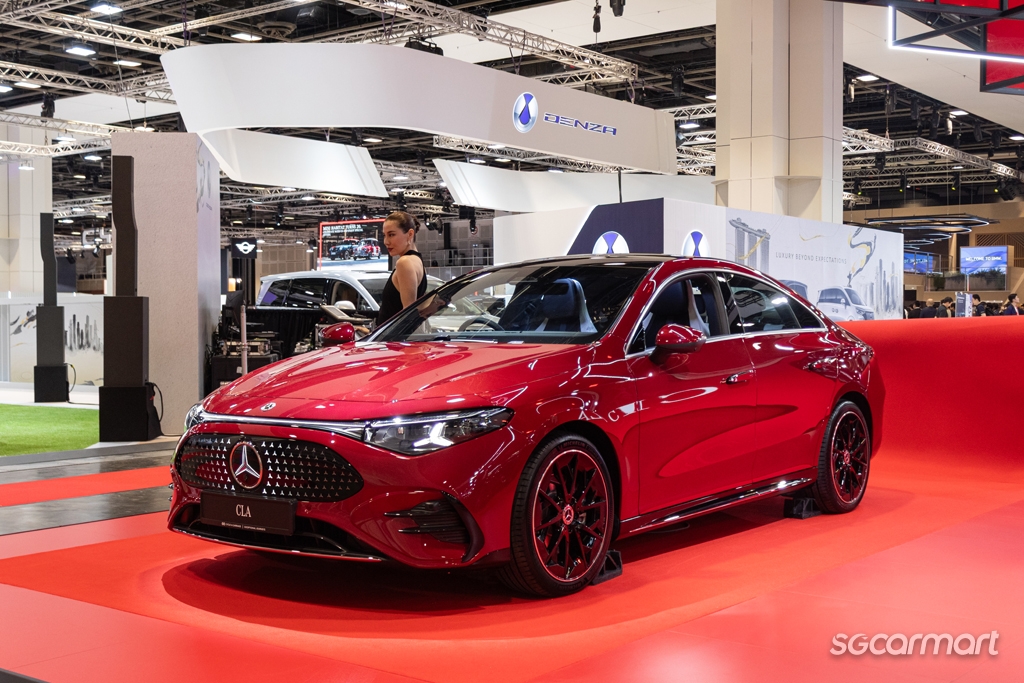
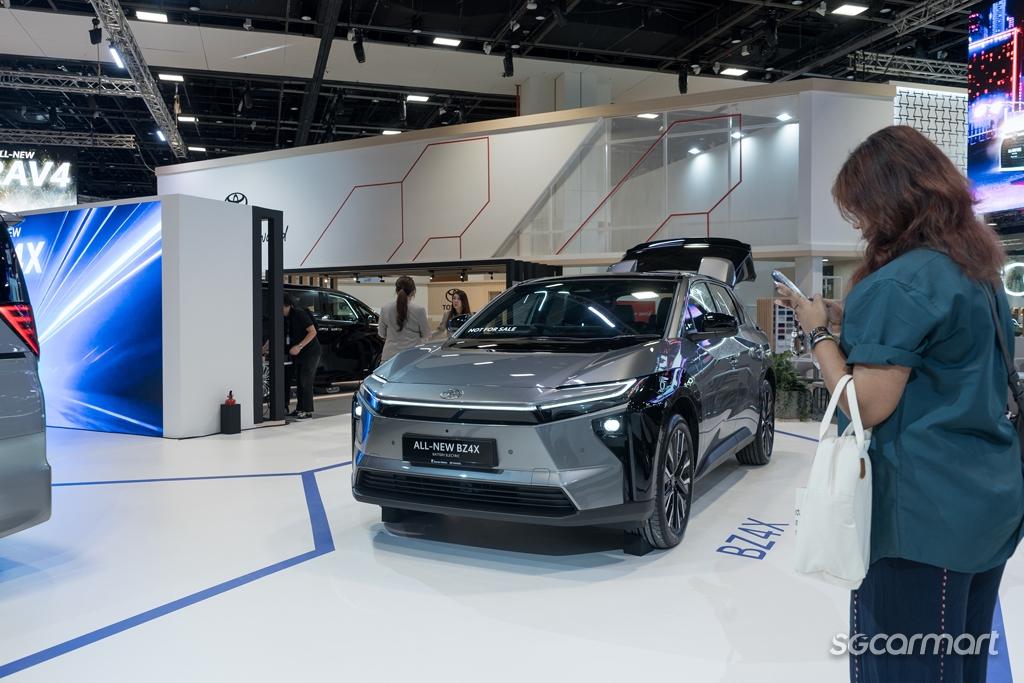
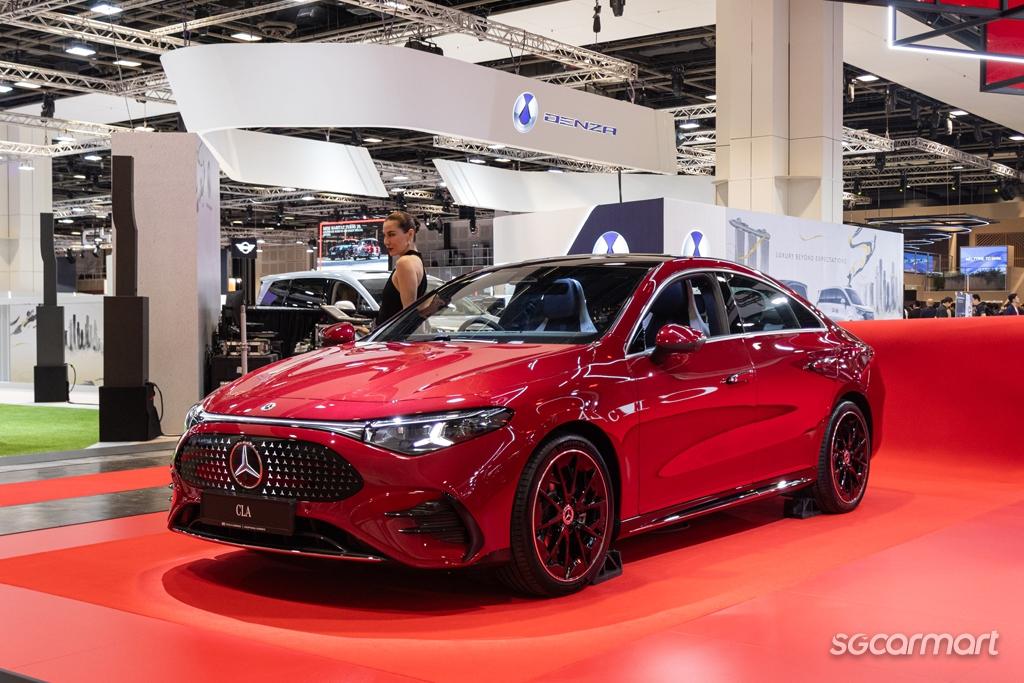
Legacy carmakers are fighting back with full force in 2026, with 2025's Top 5 brands all debuting new halo electric models this year (Pictured: Toyota bZ4X; first electric Mercedes-Benz CLA)
Either already here, or arriving in 2026, are halo fully-electric models among some of Singapore's more traditionally popular names, including the Neue Klasse BMW iX3, the electric Mercedes Benz-CLA, the first-ever all-electric Lexus ES, and the Toyota bZ4X. Meanwhile, the Chinese will continue their steady march inland on luxury territory, with BYD's DENZA set to widen its product portfolio, and China's oldest carmaker Hongqi launching its first luxury electric SUV.
With the legacy carmakers now fighting back with ferocity against an ever-hungry Chinese crowd, expect the market to remain heated through the year. But that might also spell one very unfortunate outcome: Don't expect COE premiums to cool off drastically any time soon.
Don't forget to check out these other stories!
A different 2024 list: Toyota and BYD emerge on top
Slice it however you will - whether within the exclusive realm of authorised dealers (ADs) or throughout the wider car market: BYD was far and away Singapore's dominant car brand in 2025.
With 11,184 units registered across the year's 12 months, the Chinese carmaker has not only taken the crown for a second year running among all authorised dealers; it also does so with an incredible 80.6% year-on-year increase in total registrations. Stacked against a grand total of 52,678 cars registered in Singapore for 2025 with overall registrations pulled into the picture (more on that later), the figures mean that more than one in five cars sold here last year was a BYD, with the brand taking hold of a whopping 21.2% of the entire new car market.
| Brand | Units Registered (ADs only) | Units Registered in 2024 (ADs only) | % Change | Rank change | |
| 1 | BYD (including DENZA) | 11,184 | 6,191 | +80.6% | = |
| 2 | Toyota (including Lexus) | 5,079 | 5,736 | -11.5% | = |
| 3 | BMW | 5,065 | 5,042 | +0.5% | = |
| 4 | Mercedes-Benz | 4,769 | 4,887 | -2.4% | = |
| 5 | Tesla | 3,475 | 2,384 | +45.8% | = |
| 6 | Honda | 2,156 | 1,457 | +48.0% | +2 |
| 7 | Hyundai | 1,457 | 2,052 | -29.0% | =1 |
| 8 | Mazda | 1,236 | 1,258 | -1.7% | +1 |
| 9 | Kia | 1,208 | 1,214 | -0.5% | +1 |
| 10 | GAC | 1,103 | 310 | +256% | N.A. |
In fact, since Sgcarmart started tracking our full-year analyses in 2021, BYD's result marks the first time that a carmaker has managed to hit a five-digit figure in registrations within a full calendar year. It's also the only brand to manage the feat this year.
The statistics are all the more remarkable when you consider that the brand's performance saw a significant improvement in the second half of the year. The 6,517 units it registered between July and December 2025 was a 39.6% increase over the 4,667 units it managed in the first half of the year.
The latter figure is already staggering on its own because it effectively means that based purely off just the first six months of its sales last year, BYD would have still placed in the Top 5.
BYD's dominance: Not a fluke nor an overnight success
BYD's success, of course, has stemmed not just from a rapidly expanding lineup, but also an expansive array of customer touchpoints and authorised dealers.
2025 alone saw the arrival of the Sealion 6 DM-i (its first plug-in hybrid here), the Atto 2 (unveiled in a nightclub, no less), and the Seal 6 EV. But it was undoubtedly the Sealion 7, launched first at the 2025 Motor Show, then made available with a Category A COE in September, that cemented the brand’s ubiquity.
2025 also saw BYD introducing the Sealion 6 DM-i, its first plug-in hybrid, as well as the Atto 2, which was launched in Zouk
Meanwhile, BYD also strengthened its foothold in shopping malls such as Waterway Point and VivoCity, and widened its dealer network to welcome BYD by Jack Cars. If you thought BYD was hard to escape in 2025, that's because the brand was - and still is - quite literally everywhere.
Toyota and BMW rank 2nd and 3rd respectively among all authorised dealers
A look at the rest of the Top 10 among ADs
While Toyota retains its number two spot, its gap to BYD has widened significantly - a partial result of a drop in registration numbers (equivalent to a 11.5% decrease), but mostly due to its Chinese foe's massive strides.
A handful of long-running Top 10 mainstays have held their ground against the onslaught of Chinese brands, including German luxury rivals, BMW and Mercedes-Benz, and more established Asian makes including Kia, Mazda and Hyundai - though the latter sees a steeper than average slide of 29%.
Honda and Tesla both enjoyed significantly better registrations in 2025 than they did in 2024, with the latter seeing registrations rise by more than 1,000 units year-on-year
Bucking the trend with stronger showings, however, are Honda (rising by 48%) and with even more confidence, Tesla.
The American brand has continued to find favour among Singaporeans despite having just a two-car lineup consisting of the Model 3 and Model Y, the latter of which was refreshed for 2025 and made available for the first time with a Category A COE. It registered 1,091 more cars in 2025 than it did in 2024.
GAC registered an outstanding 1,103 units in 2025 - in all likelihood driven by the strength of compelling electric models like the Y Plus, and of course, the V
The second real headline-maker, however, will be found at Number 10.
With an excellent portfolio comprising the Y Plus, the Hyptec HT, and of course, the V, the Guangzhou based manufacturer crosses 1,000 registrations in a calendar year for the first time - and also earns a vaunted spot in the Top 10 among authorised dealers.
Even when factoring in parallel imports, BYD was the clear winner for 2025
A (not too) different 2025 list: The Top 10 names for overall units registered
| Brand | Overall Units registered | Overall Units Registered in 2024 | % Change | Rank change | |
| 1 | BYD (including DENZA) | 11,184 | 6,191 | +80.6% | +1 |
| 2 | Toyota (including Lexus) | 7,466 | 7,876 | -5.2% | -1 |
| 3 | BMW | 5,091 | 5,071 | +0.4% | +1 |
| 4 | Mercedes-Benz | 4,871 | 5,101 | -4.5% | -1 |
| 5 | Honda | 4,845 | 3,892 | +24.5% | = |
| 6 | Tesla | 3,476 | 2,384 | +45.8% | = |
| 7 | Hyundai | 1,459 | 2,053 | -28.9% | = |
| 8 | Mazda | 1,242 | 1,260 | -1.4% | +1 |
| 9 | Kia | 1,209 | 1,214 | -0.4% | +1 |
| 10 | Nissan | 1,145 | 1,638 | -30.1% | -2 |
When factoring in parallel imports, Toyota has traditionally made up a fair bit of ground - and the same remains true for 2025, with registrations rising to an impressive sum of nearly 7,500 units.
Whereas it ultimately managed to prevail over BYD in 2024, however, Toyota continues to lag behind even with overall numbers thrown into the mix.
2025 saw a 22.4% increase in registrations over 2024, while the proportion of new electric cars sold has also continued to climb steadily
Zooming out to the wider market: Increased registrations, more electric cars
But before we continue zooming into the individual brands, widening our scope to examine overall registrations reveals a market that - despite record car prices - saw significant growth in 2025.
As mentioned earlier, a total of 52,678 cars were registered in 2025, marking a 22.4% rise over the 43,022 units recorded in 2024. (No wonder premiums haven't been given the chance to cool off despite the increasing supply.)
Registration numbers for December were 45.6% higher than the year's monthly average, with the top two brands - Toyota and BYD - both logging their best months for the year
One particularly eye-catching data point to note is just how many cars were registered in December alone: 6,390 cars. The sum is approximately 45.6% higher than the monthly average for 2025.
To be clear, year-end surges are not uncommon - an ostensible result of brands mustering a final push to prop their full-year numbers up. Among the notable mass-market names that enjoyed their best month of the year in December were BYD (1,561 units), Toyota (1,024 units) and GAC (217 units).
From 1 January 2026, revisions to the VES and EEAI schemes have meant lower rebates for a good majority of car buyers
But it's also worth remembering that December marked the final month during which buyers could enjoy the higher rebates across the board under the outgoing VES and EEAI schemes. Apart from buyers rushing to lock their orders in, the regulatory changes could have given rise to another possible consequence: The pre-registration of cars among dealers.
On a separate note, no one who spends a significant amount of time on our roads can claim in good conscience that EVs are a thing of tomorrow, but the numbers illustrate just how much electrification has taken hold.
Close to half of all cars registered in 2025 were fully electric (Pictured: Tesla Model 3 110 RWD, MGS5 EV)
Nearly 45% of the 52,678 cars registered were fully electric, which also means that close to half of all new cars sold were EVs. The electric revolution is well and truly here.
Returning again to the brands, Honda leaps all the way up to the Top 5 again on this list, thanks to a whopping 2,689 units registered by parallel importers over 2025 (accounting for almost 56% of the total number). But you’ll note that GAC cedes the coveted Top 10 spot to a legacy name here; Nissan rises into this elite group, thanks to an additional 123 units contributed by units sold in the grey market.
In the rest of the Top 25, the massive shakeup catalysed by the arrival of the Chinese continues to be brought to bear.
| Brand | Overall Units Registered | Overall Units Registered in 2024 | % Change | |
| 11 | GAC | 1,103 | 310 | +256% |
| 12 | XPENG | 940 | 336 | +180% |
| 13 | MG | 922 | 536 | +72% |
| 14 | ZEEKR | 764 | 99 | +672% |
| 15 | Audi | 730 | 596 | +22.5% |
| 16 | Chery | 716 | 113 | +534% |
| 17 | Porsche | 689 | 642 | +7.3% |
| 18 | Volvo | 687 | 557 | +23.3% |
| 19 | Subaru | 679 | 415 | +63.6% |
| 20 | Volkswagen | 569 | 640 | -11.1% |
| 21 | Suzuki | 432 | 220 | +96.4% |
| 22 | Dongfeng | 320 | 22 | +1353% |
| 23 | Skoda | 301 | 351 | -14.2% |
| 24 | MINI | 284 | 224 | +26.8% |
| 25 (=) | Land Rover | 212 | 171 | +24% |
| 25 (=) | Maxus | 212 | 90 | +136% |
Four new horsemen of the Sino-revolution
Ranking at 11th, 12th, 13th and 14th respectively are a quartet of Chinese brands, including GAC, XPENG, MG (yes, we're counting the SAIC-owned Sino-English marque here), and Zeekr.
With the exception of MG - whose 72% rise is still extremely commendable since it had already registered 536 units in 2024 - all of them post triple-digit percentage increases in units registered year-on-year.
Apart from GAC, MG (which now counts IM Motors as part of its stable) and XPENG also enjoyed bumper years in 2025
It is Zeekr, however, that has surged upwards with remarkable energy, with its incredible 672% increase.
It's worth noting that a chunk of Zeekr's 2025 success was witnessed only in the later half of 2025, with the premium-positioned Chinese brand going from 117 units registered in H1 to 647 units in H2: A 453% spike.
The arrival of the Zeekr 7X in in Q3 2025 helped to buoy the brand's registrations to unprecedented heights, sending registrations upwards by 453% in the second half of the year
While you'll notice a fair number Zeekr Xes and 009s plying our roads, Zeekr's enviable success can likely be chalked down to the mid-sized 7X SUV - targeted at the segment heavyweights from Audi, BMW and Mercedes-Benz. In fact, Sgcarmart understands that around 400 7Xes have already taken to our roads, despite it only officially launching in September 2025.
Audi, Volvo, Subaru and Suzuki rise; Omoda/Jaecoo, Dongfeng, Maxus rise faster
The same ceremonious rises can be witnessed for 16th-placed Chery, parent of the OMODA and JAECOO sub-brands, with its 534% increase; Dongfeng at 22, with its 1,353% leap; and even Maxus at 25 (sharing the spot with Land Rover), which had its best year on record with 212 units.
These incredible showings unfortunately dim the lights on the improvements inked by other older brands on the list. While Audi, Volvo, Subaru and Suzuki all posted substantial year-on-year rises, their successes are ultimately outpaced by the Chinese.
Registrations for Audi and Volvo saw the same year-on-year improvement of around 23% (Pictured: Audi A6, Volvo EX30 110kW)
Standing out even more starkly, then, are the brands that took a hit, including languishing German giant, Volkswagen.
Previously a Top 10-contender, it now sits in 20th place, while sister Czech brand, Skoda, paces a bit further behind as the 23rd-bestselling marque. Both experienced declines in registrations for 2025. Cupra, which re-launched in Singapore in 2025, is 33rd, with 47 units.
Meanwhile, Volkswagen and Skoda both experienced a decline in registrations in 2025
Meanwhile, Swedish electric marque Polestar sits just outside of the Top 25 with 146 units registered in 2025, while Stellantis Group's French duo, Peugeot and Citroen, are even further down the pecking order at 29th and 36th places respectively.
Newer faces including Great Wall Motor's ORA and Changan Automobile's Deepal have not enjoyed the same level of success as their Chinese peers - yet
The less luminous Chinese crowd (for now)
Not every Chinese brand in Singapore has picked up steam as quickly, though.
While we're still keeping our eye out for brands including AVATR (76 units in 2025) and Leapmotor (43 units) because they arrived only towards the later half of the year, other names that have had a longer runway are still struggling to find the sort of reception currently being enjoyed by GAC and MG - much less A-list BYD.
Meanwhile, the lacklustre performance of Skyworth, which only has the Skyworth K in Singapore, is harder to deny
For instance, Changan Automobile's Deepal and Great Wall Motor's ORA managed 135 units and 96 units through the year - respectable sums in their own right, but otherwise rather inconsequential against the larger crowd. (Both are set to get vital jolts of electricity, though, with the planned arrival of their first compact electric SUVs, the Deepal S05 and ORA 5, in 2026. Both are also set to be available with a Cat A COE.)
Co-helmed by Mercedes-Benz and Geely, Smart continues to be shut out of the Top 25 too, with only 66 units registered through the year.
Even more disappointing were the performances turned in by Skyworth (22 units), JMEV (17 units), and SERES (eight units).
The first casualty among the newer brands, Neta left the Singapore market in April 2025. It registered only three cars in 2025
The results go to show that despite the rapid rise of goodwill towards Chinese brands among Singaporean buyers, not every new face that arrives on the market has a surefire shot at sinking its roots into Singaporean soil. (In fact, 2025 saw the first departure among the latest batch of new brands. NETA made an unceremonious exit in April 2025 - but not before it registered a grand total of three cars in its four months present here.)
While 2024 and 2025 were watershed years for Chinese EVs, 2026 might present a turning point in the market again too.
Legacy carmakers are fighting back with full force in 2026, with 2025's Top 5 brands all debuting new halo electric models this year (Pictured: Toyota bZ4X; first electric Mercedes-Benz CLA)
Either already here, or arriving in 2026, are halo fully-electric models among some of Singapore's more traditionally popular names, including the Neue Klasse BMW iX3, the electric Mercedes Benz-CLA, the first-ever all-electric Lexus ES, and the Toyota bZ4X. Meanwhile, the Chinese will continue their steady march inland on luxury territory, with BYD's DENZA set to widen its product portfolio, and China's oldest carmaker Hongqi launching its first luxury electric SUV.
With the legacy carmakers now fighting back with ferocity against an ever-hungry Chinese crowd, expect the market to remain heated through the year. But that might also spell one very unfortunate outcome: Don't expect COE premiums to cool off drastically any time soon.
Don't forget to check out these other stories!
A different 2024 list: Toyota and BYD emerge on top



Thank You For Your Subscription.


Tags
Products & Services

For Owners
Quick Links
About Sgcarmart