The long awaited successor to the Carrera GT is unveiled in Frankfurt
11 Sep 2013|4,439 views
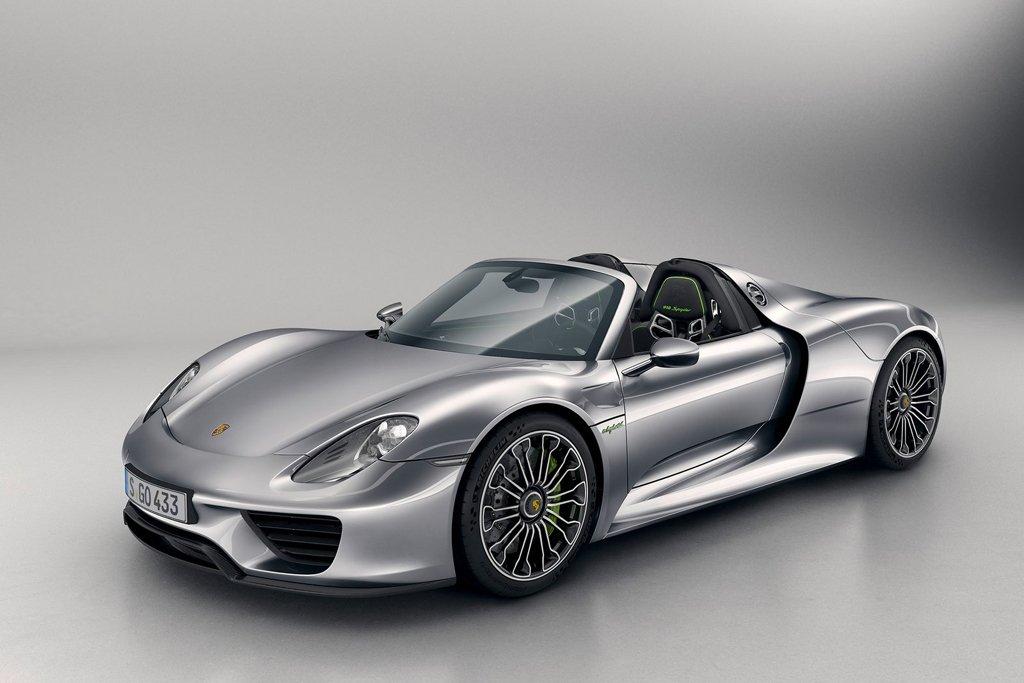
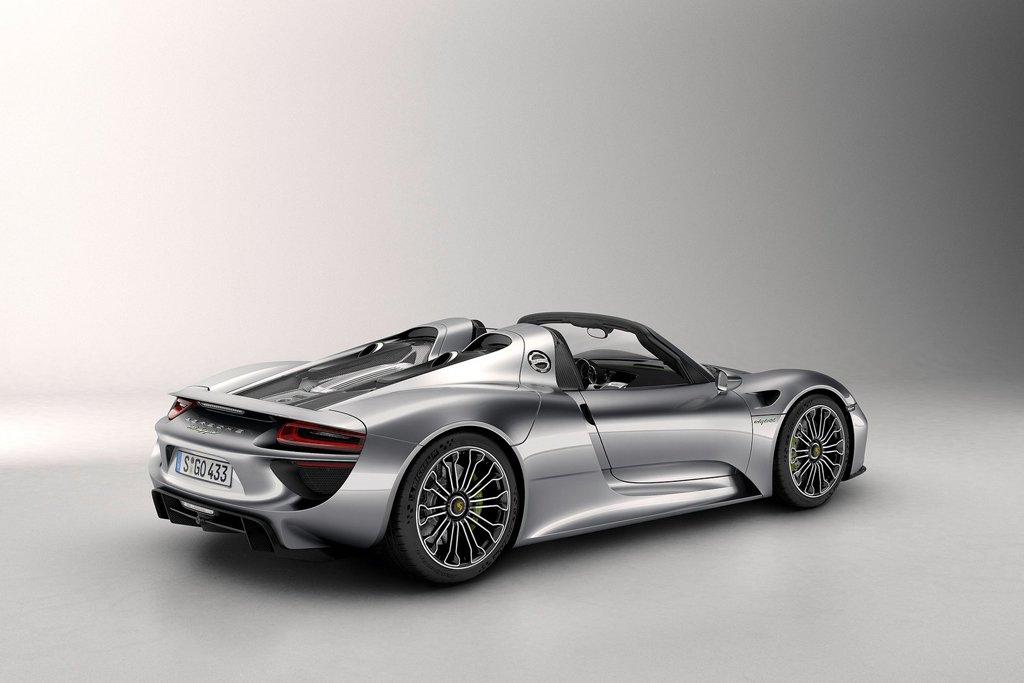
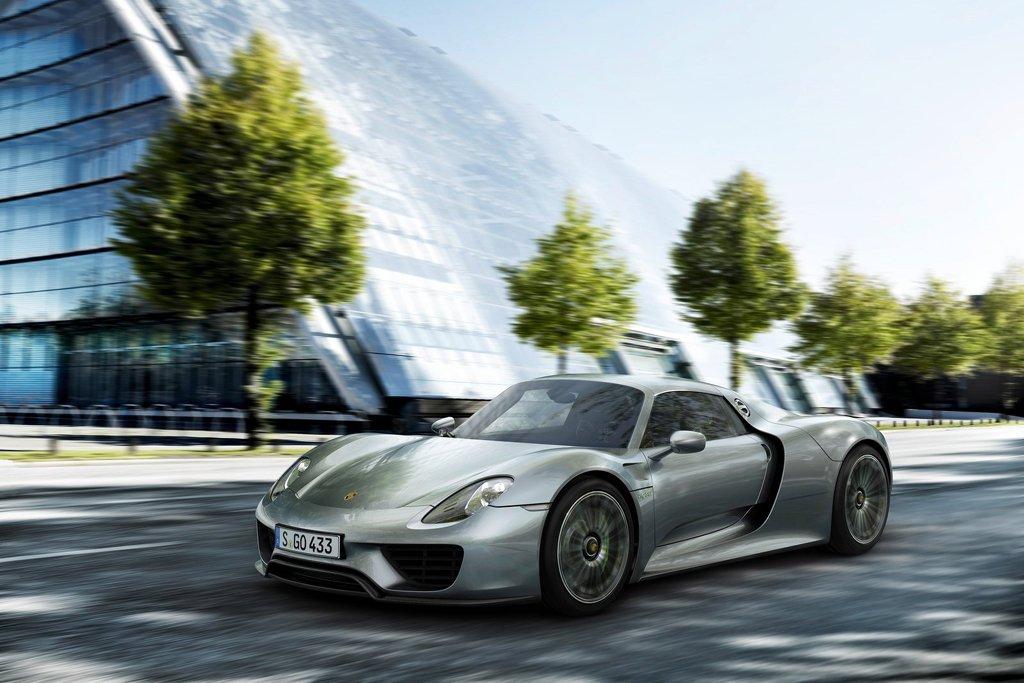
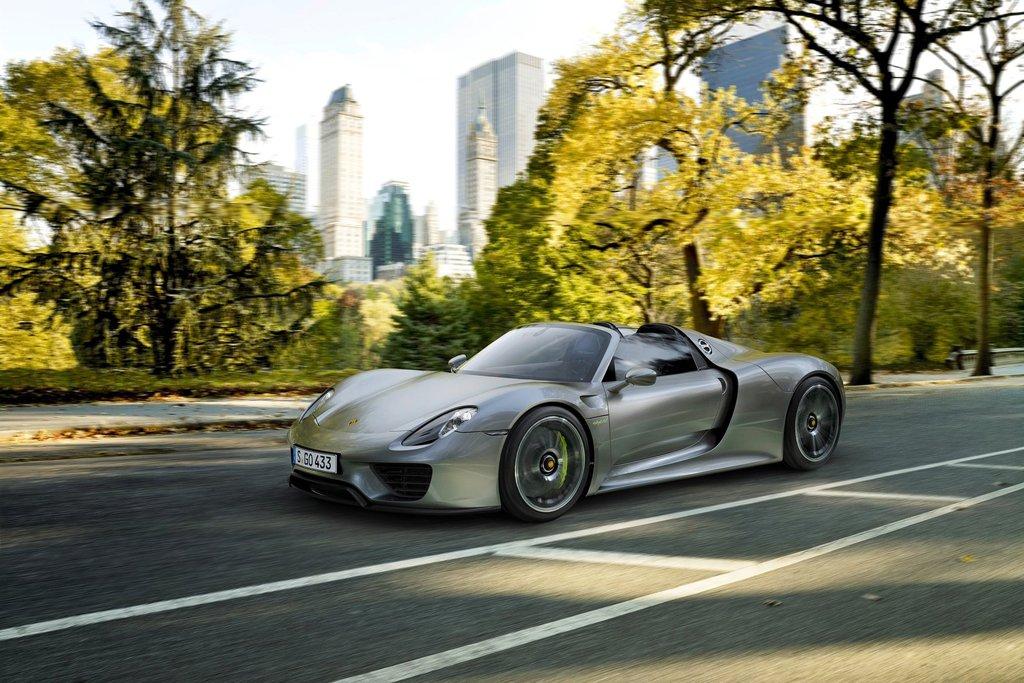
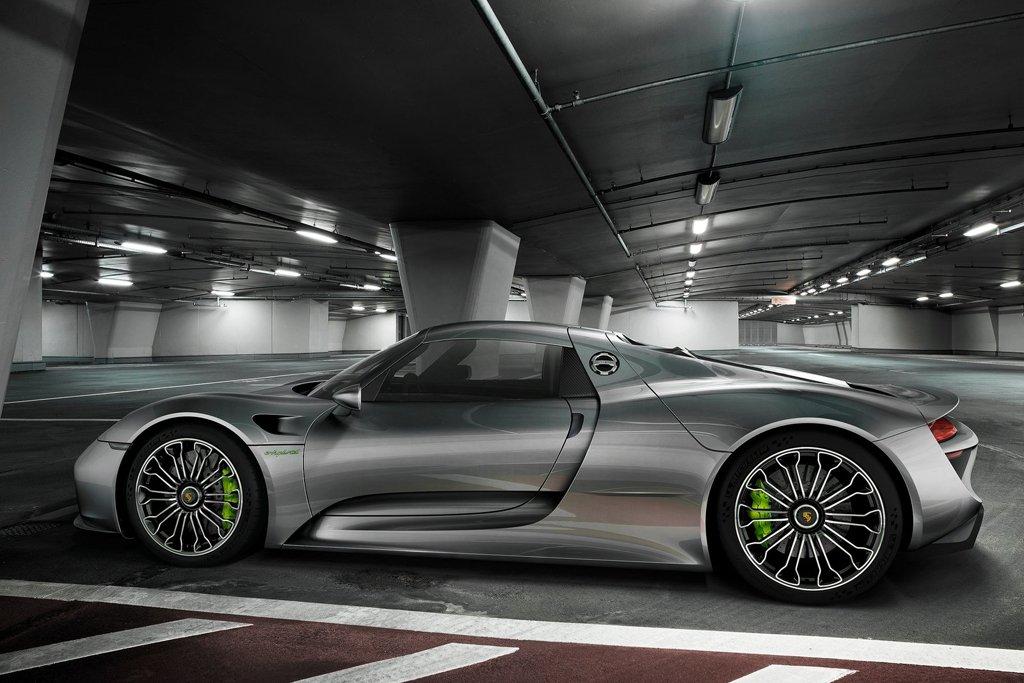
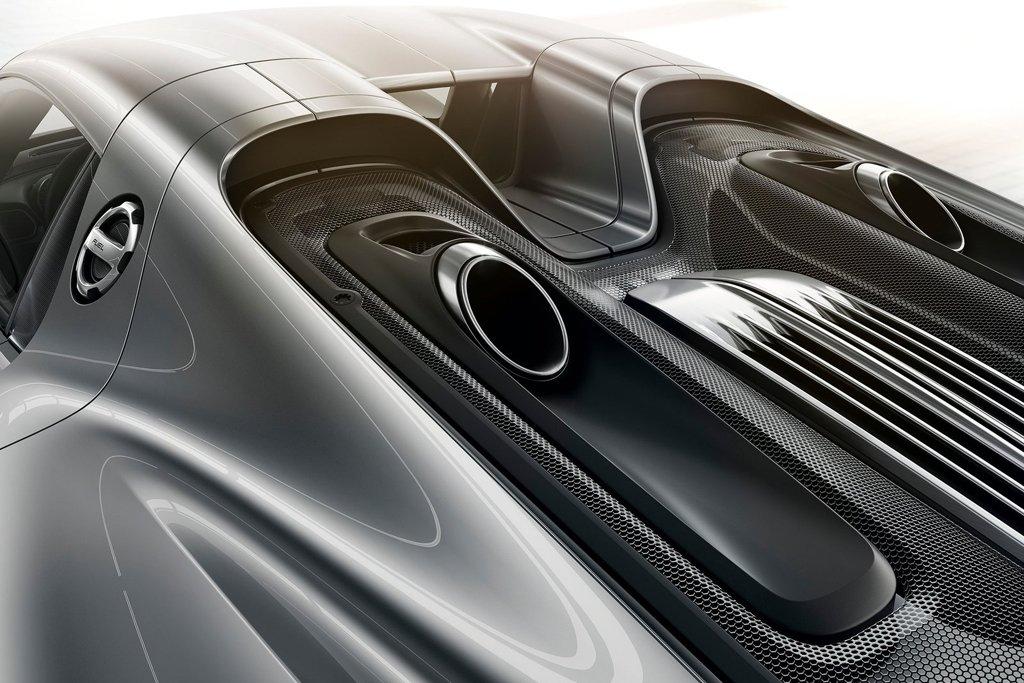
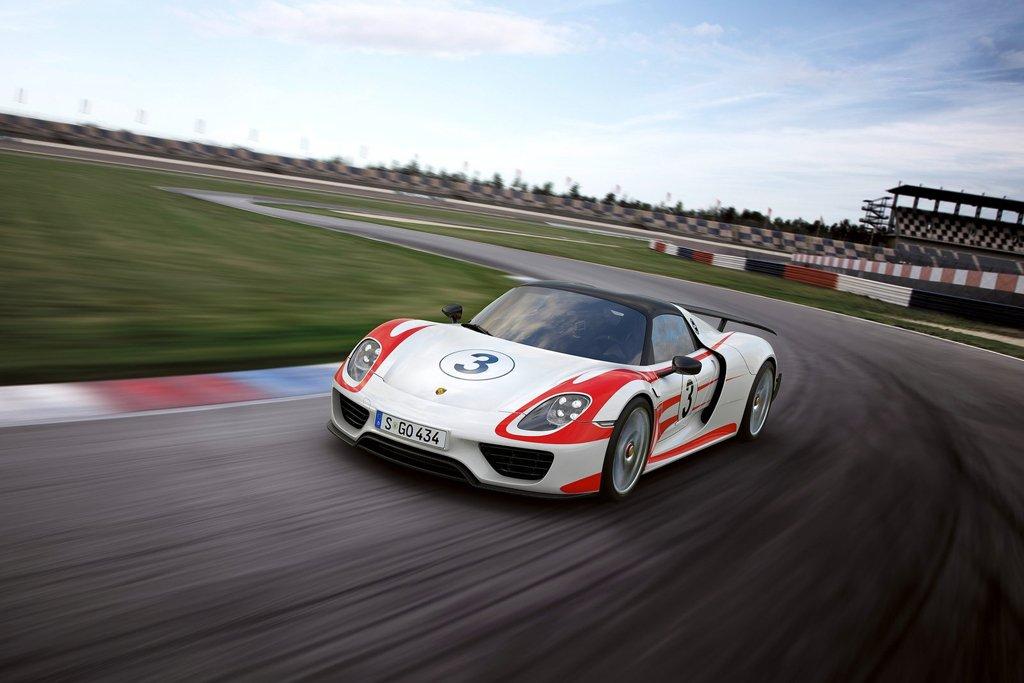
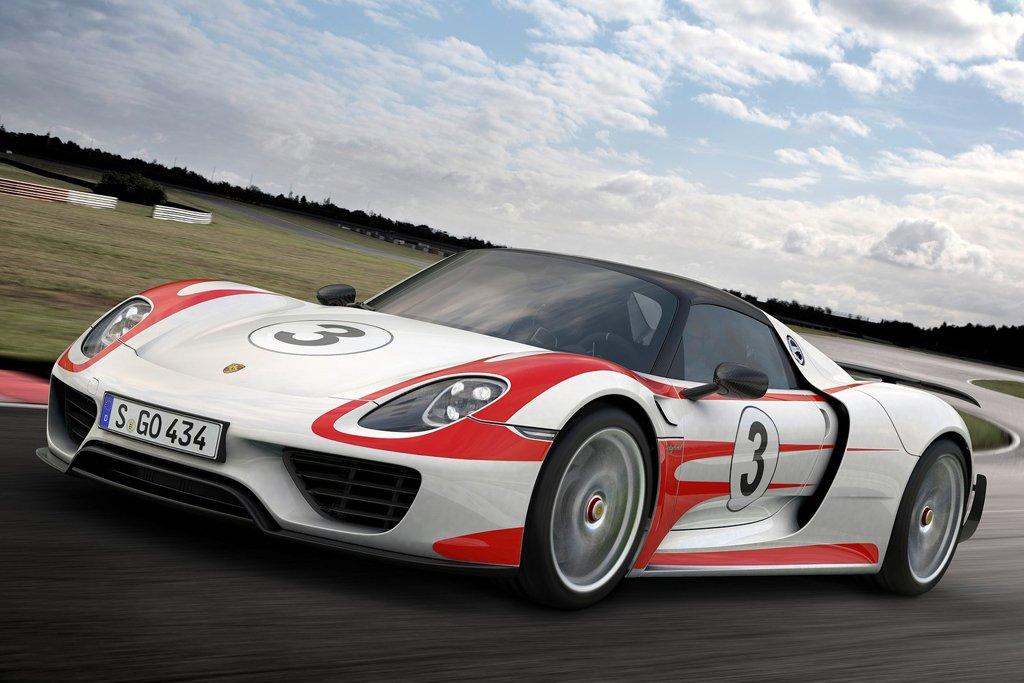
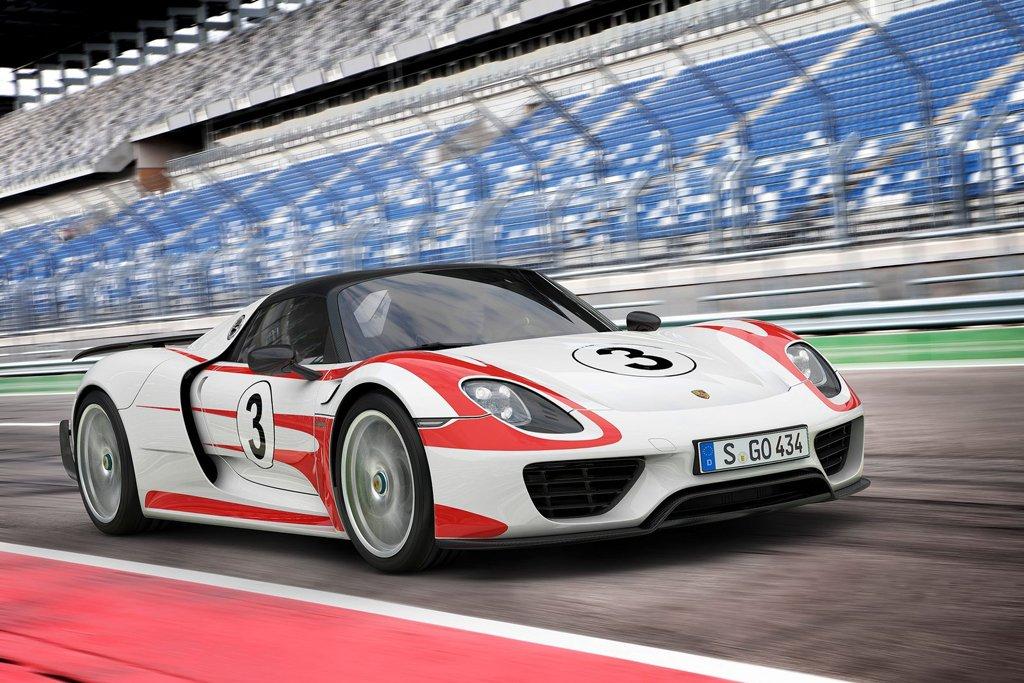
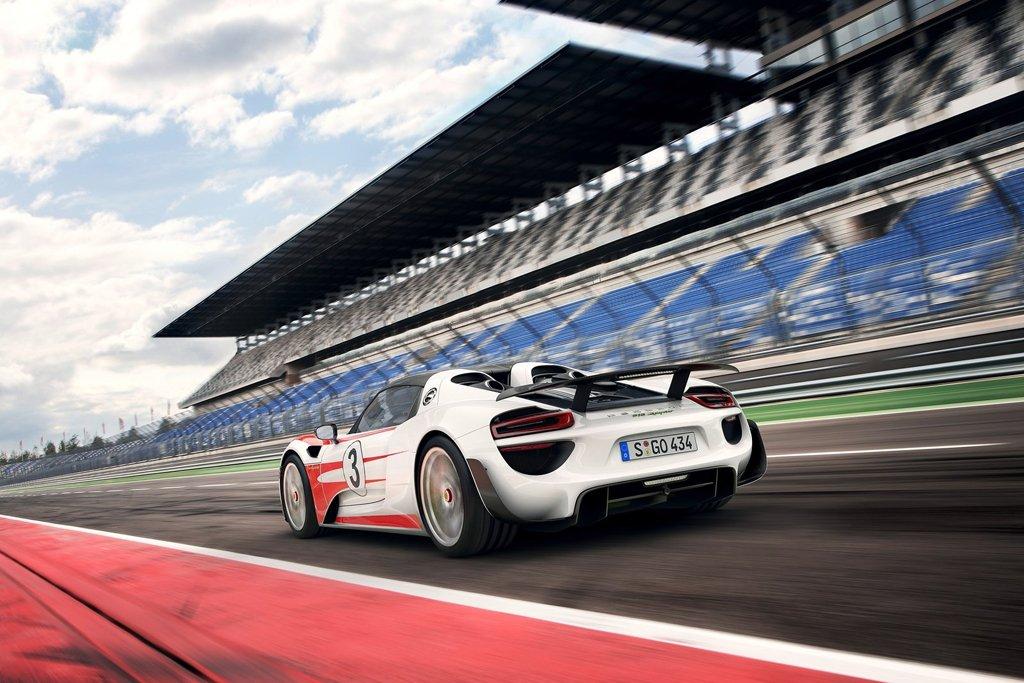
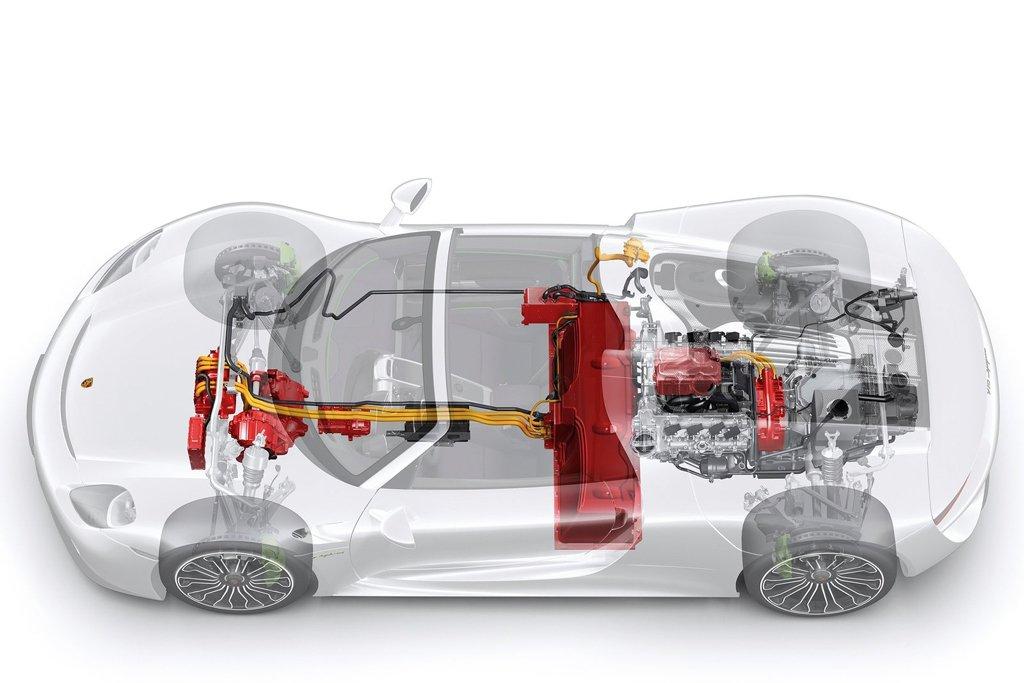
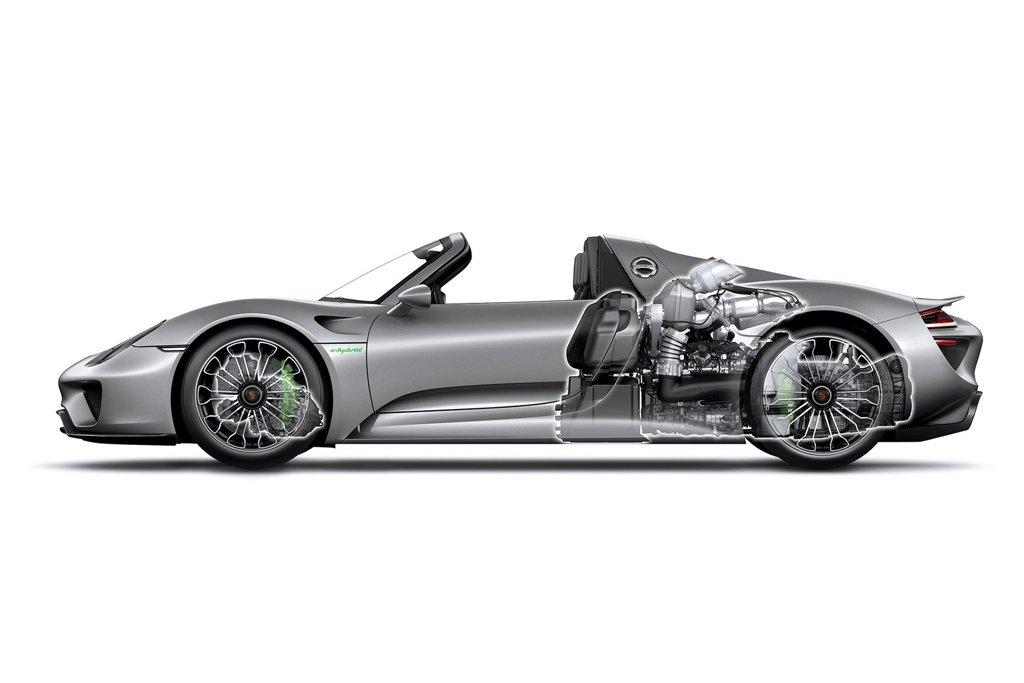
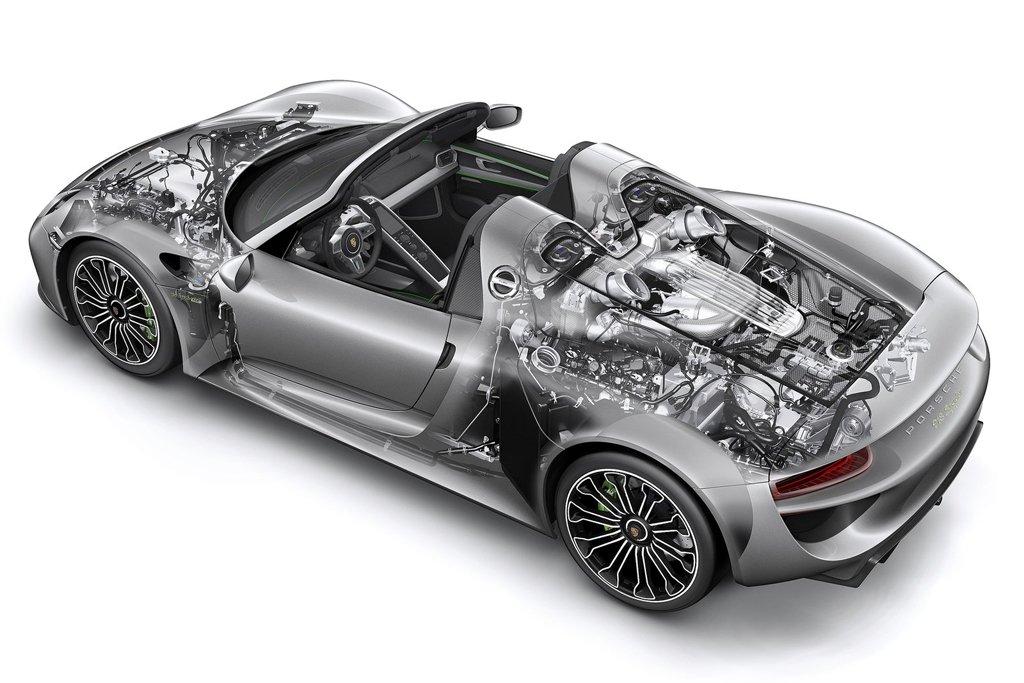
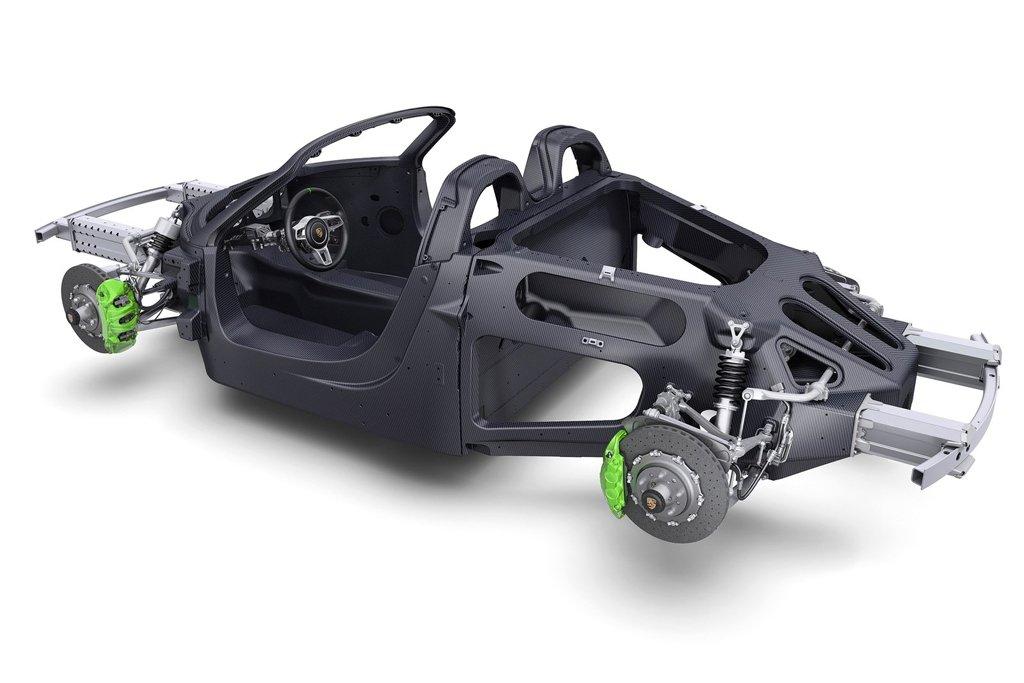
The Porsche 918 Spyder plug-in hybrid combines the performance of a race car with an output of over 880bhp with an estimated NEDC fuel consumption of just 33km/L, thanks to a combined combustion engine and electric motor drive system on the rear axle and a second electric motor on the front axle.

'E-Power' is the default operating mode, which allows the car to cover up to 32km on purely electric power with a sub-seven second acceleration and a top speed of up to 150km/h.
In 'Hybrid' mode, the electric motors and combustion engine work alternately, focusing on achieving maximum efficiency and minimum fuel consumption. The engine in 'Sport Hybrid' mode operates continuously while the electric motors boost acceleration.
In 'Race Hybrid' mode the combustion engine is chiefly used under high load, and charges the battery whenever the driver does not require maximum power. The electric motors provide additional boost as well. The 'Hot Lap' button in the centre of the map switch releases the 918 Spyder's final reserves and can only be activated in 'Race Hybrid' mode. This mode uses all of the available energy in the battery.
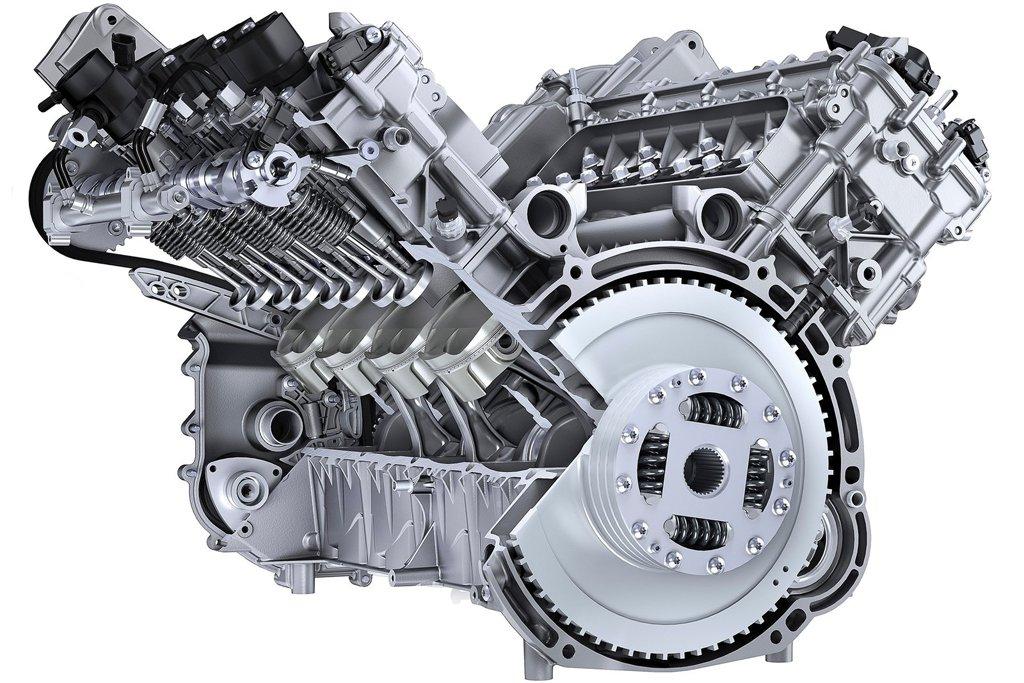
The main drive source is a 4.6-litre, V8 engine with an output of up to 608bhp, based on the RS Spyder endurance race car. The engine is coupled to the hybrid module which comprises a 115kW electric motor and a decoupler that serves as the connection with the combustion engine. A seven-speed Porsche PDK transmission handles power transmission to the rear axle.
The Porsche Speed Charging Station (DC) is also available as an option, and will fully charge the high-voltage battery in just under 25 minutes.
The Super lightweight magnesium wheels form the 'Weissach' package reduces the unsprung weight, decreasing the gross weight by around 35kg. Other references to motorsport include six-point seatbelts, an optional film coating instead of a paint finish, plus additional aerodynamic add-ons in visible carbon fibre.
The Porsche Active Aerodynamic (PAA) works in three stages, switching automatically between optimum efficiency and maximum downforce. For example in 'Race' mode, the retractable rear wing is adjusted to generate high downforce while two adjustable air flaps are opened in the underbody in front of the front axle, directing some of the air into the diffuser channels of the underbody structure.
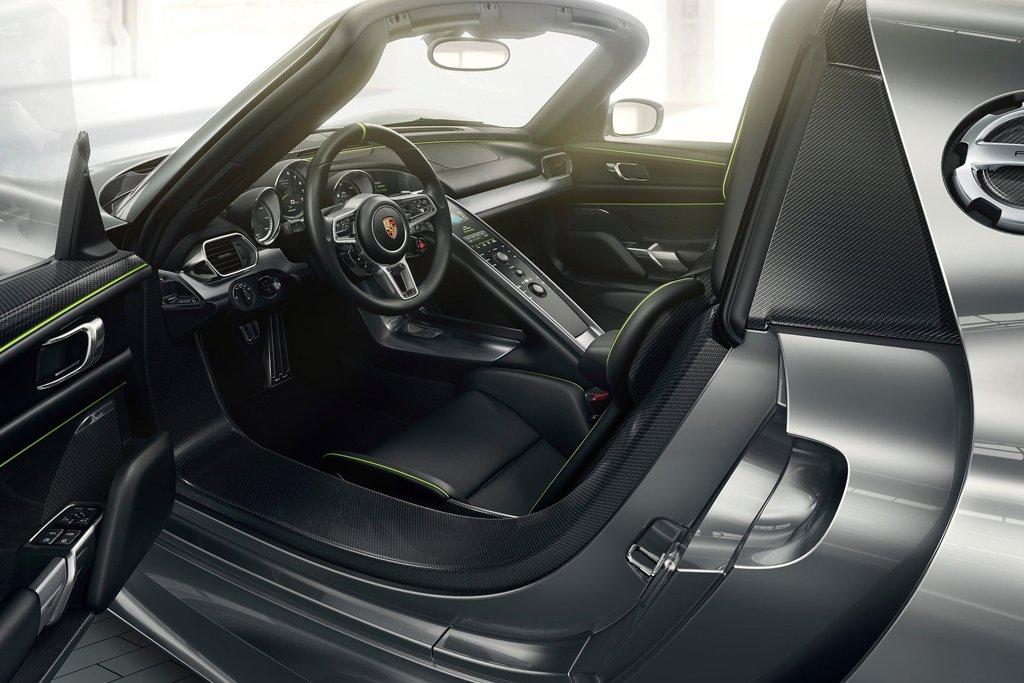
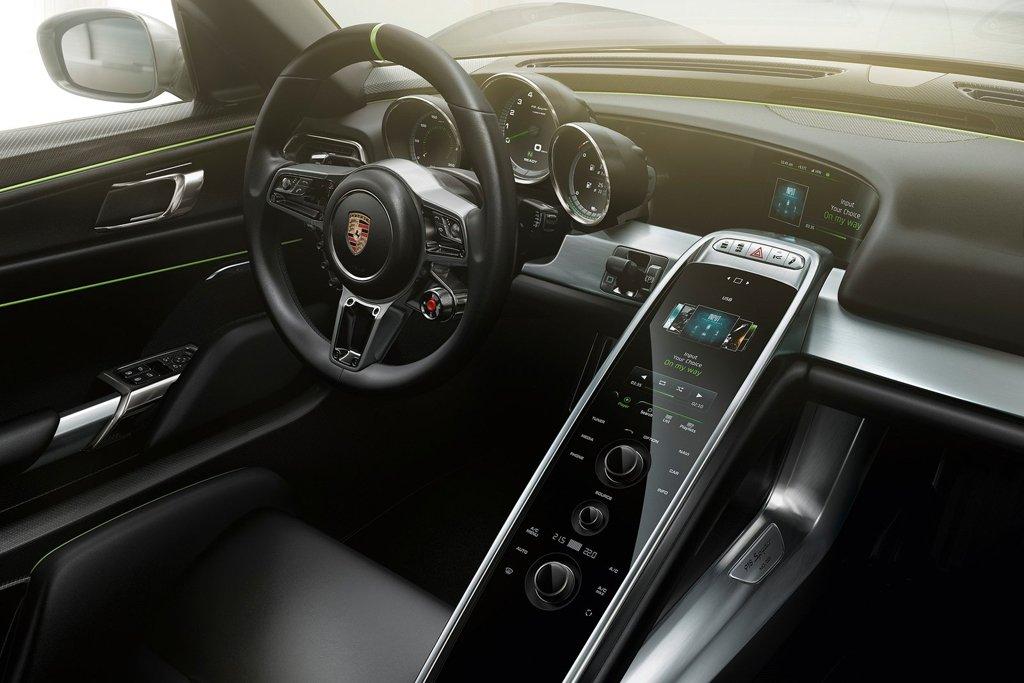
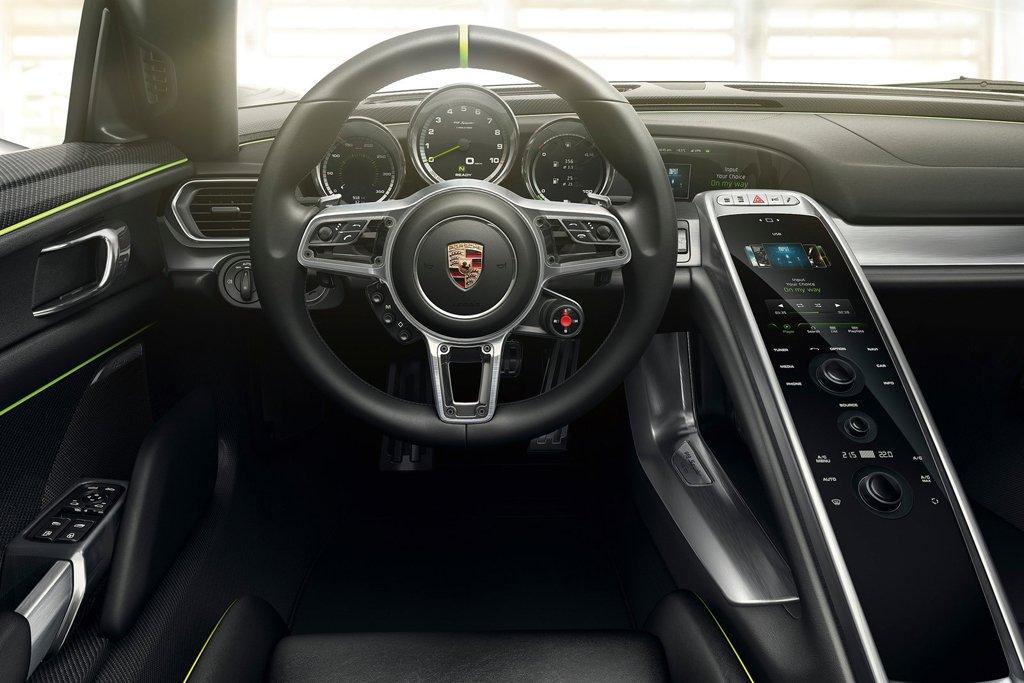
The cockpit is divided into two basic sections. One are the controls that are important for driving - which are grouped around the multi-function steering wheel and combined with driver information displayed on three large round instruments. The second section comprises the infotainment block housed in the elevated centre console.
The Porsche 918 Spyder plug-in hybrid combines the performance of a race car with an output of over 880bhp with an estimated NEDC fuel consumption of just 33km/L, thanks to a combined combustion engine and electric motor drive system on the rear axle and a second electric motor on the front axle.
The Porsche developers have defined a total of five operating modes, which can be activated via a map switch in the steering wheel.
'E-Power' is the default operating mode, which allows the car to cover up to 32km on purely electric power with a sub-seven second acceleration and a top speed of up to 150km/h.
In 'Hybrid' mode, the electric motors and combustion engine work alternately, focusing on achieving maximum efficiency and minimum fuel consumption. The engine in 'Sport Hybrid' mode operates continuously while the electric motors boost acceleration.
In 'Race Hybrid' mode the combustion engine is chiefly used under high load, and charges the battery whenever the driver does not require maximum power. The electric motors provide additional boost as well. The 'Hot Lap' button in the centre of the map switch releases the 918 Spyder's final reserves and can only be activated in 'Race Hybrid' mode. This mode uses all of the available energy in the battery.
The main drive source is a 4.6-litre, V8 engine with an output of up to 608bhp, based on the RS Spyder endurance race car. The engine is coupled to the hybrid module which comprises a 115kW electric motor and a decoupler that serves as the connection with the combustion engine. A seven-speed Porsche PDK transmission handles power transmission to the rear axle.
The electric energy for the electric motors is stored by a liquid-cooled lithium-ion battery comprising 312 individual cells. On the German 230 Volt mains supply, the traction battery can be charged within four hours by connecting the Porsche Universal Charger (AC).
The Porsche Speed Charging Station (DC) is also available as an option, and will fully charge the high-voltage battery in just under 25 minutes.
The Super lightweight magnesium wheels form the 'Weissach' package reduces the unsprung weight, decreasing the gross weight by around 35kg. Other references to motorsport include six-point seatbelts, an optional film coating instead of a paint finish, plus additional aerodynamic add-ons in visible carbon fibre.
The Porsche Active Aerodynamic (PAA) works in three stages, switching automatically between optimum efficiency and maximum downforce. For example in 'Race' mode, the retractable rear wing is adjusted to generate high downforce while two adjustable air flaps are opened in the underbody in front of the front axle, directing some of the air into the diffuser channels of the underbody structure.
The cockpit is divided into two basic sections. One are the controls that are important for driving - which are grouped around the multi-function steering wheel and combined with driver information displayed on three large round instruments. The second section comprises the infotainment block housed in the elevated centre console.


Latest COE Prices
May 2026 | 2nd BIDDING
NEXT TENDER: 04 Jun 2026
CAT A$124,229
CAT B$129,501
CAT C$92,223
CAT E$130,000
View Full Results 
Thank You For Your Subscription.
Tags
Products & Services

For Owners
Quick Links
About Sgcarmart