Smart #5 Pro 76kWh Review
08 Dec 2025|5,151 views









What We Like
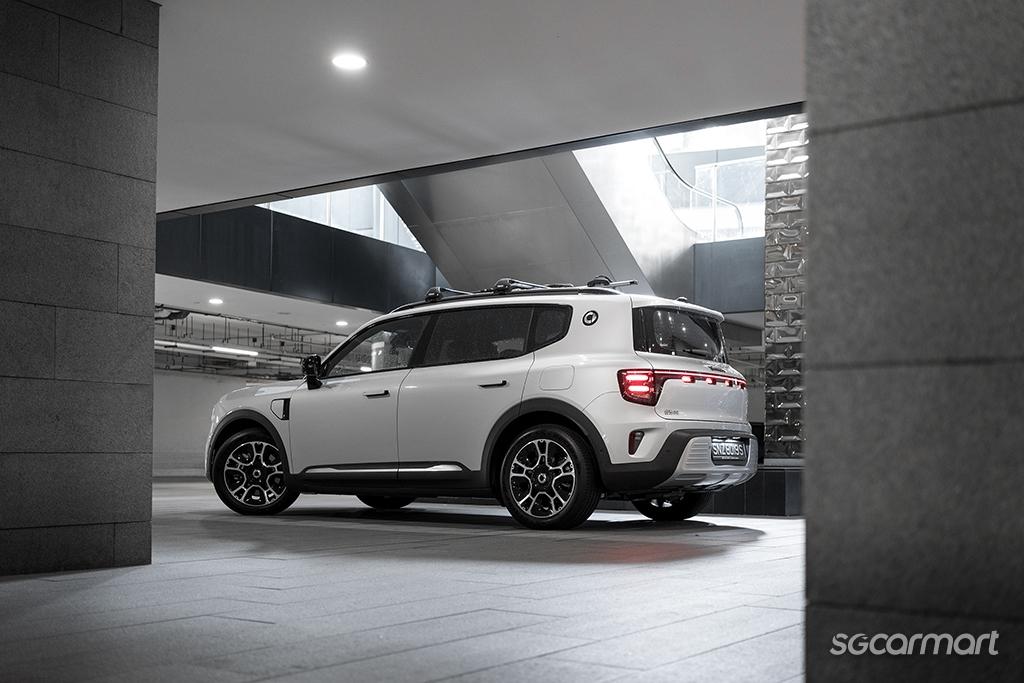
Exceptionally designed; easily one of the best looking electric SUVs today
Spacious rear bench, large boot
Stylish interior
Vibrant user interface
Effortless to drive
Fairly energy-efficient for its size
What We Dislike
Infotainment system not the most intuitive
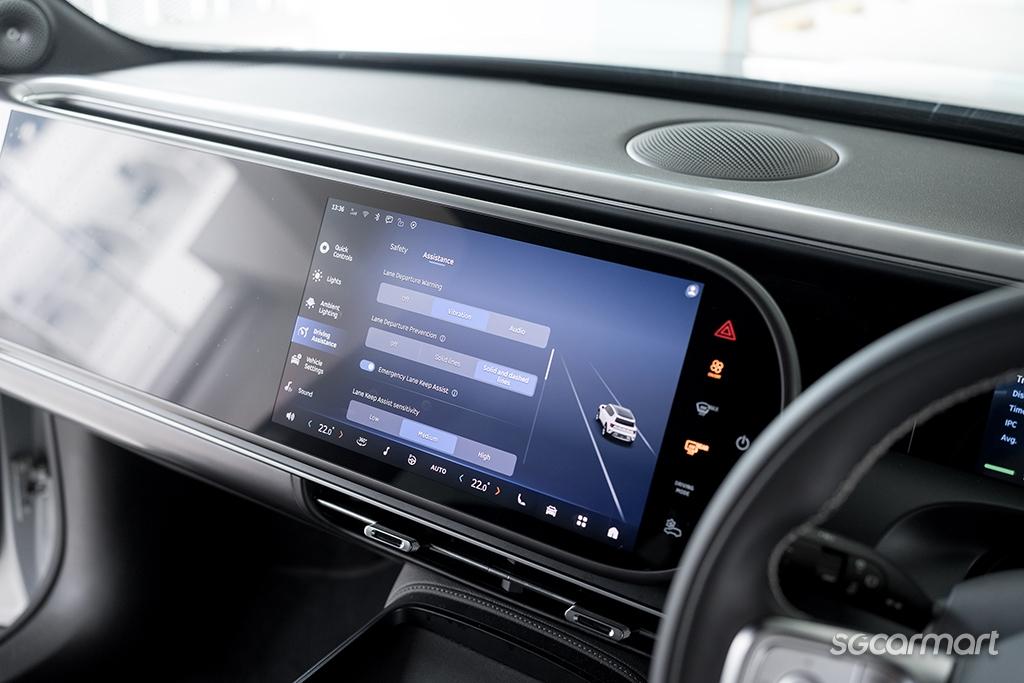
Overly-chatty ADAS system
Feels a tad plain against the range-topping #5 Premium
Smart's (stylised more coolly as 'smart' officially) invitation to you to 'Open Your Mind' has borne increasing relevance in recent memory, especially if you're of a certain vintage and were first acquainted with the brand during its early-1990s inception.
Following the onboarding of Chinese carmaker Geely, its push into compact crossover (and then compact coupe-crossover) territory had already stretched it far beyond the images of the teeny-tiny fortwo and forfour microcars that it cut its carmaking teeth on.
But as most successful carmakers know, success isn't built on compact crossovers alone.
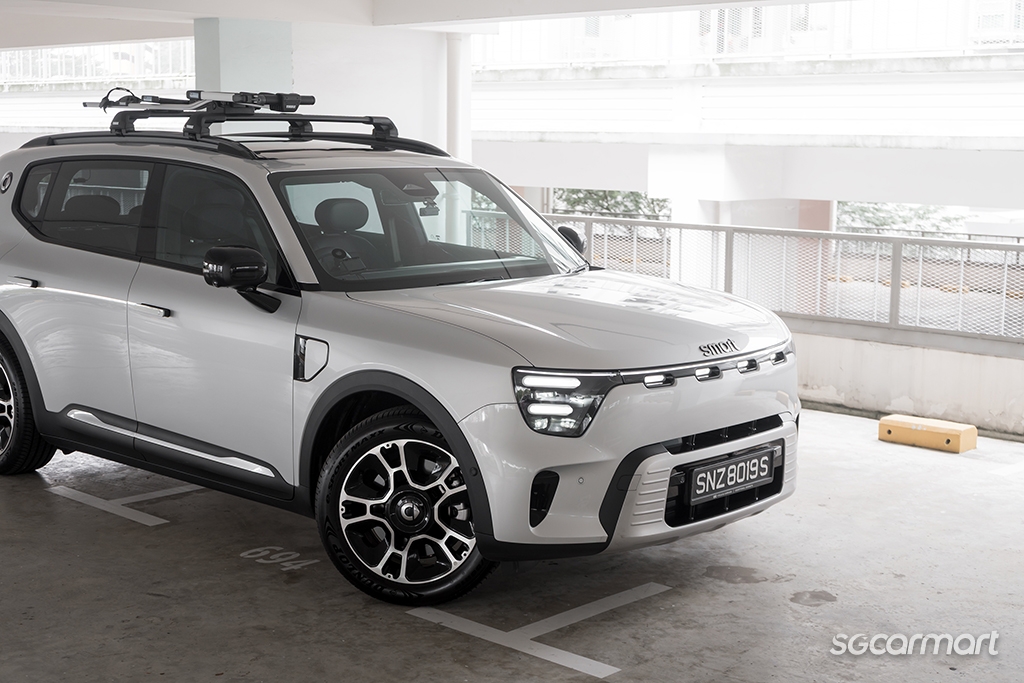
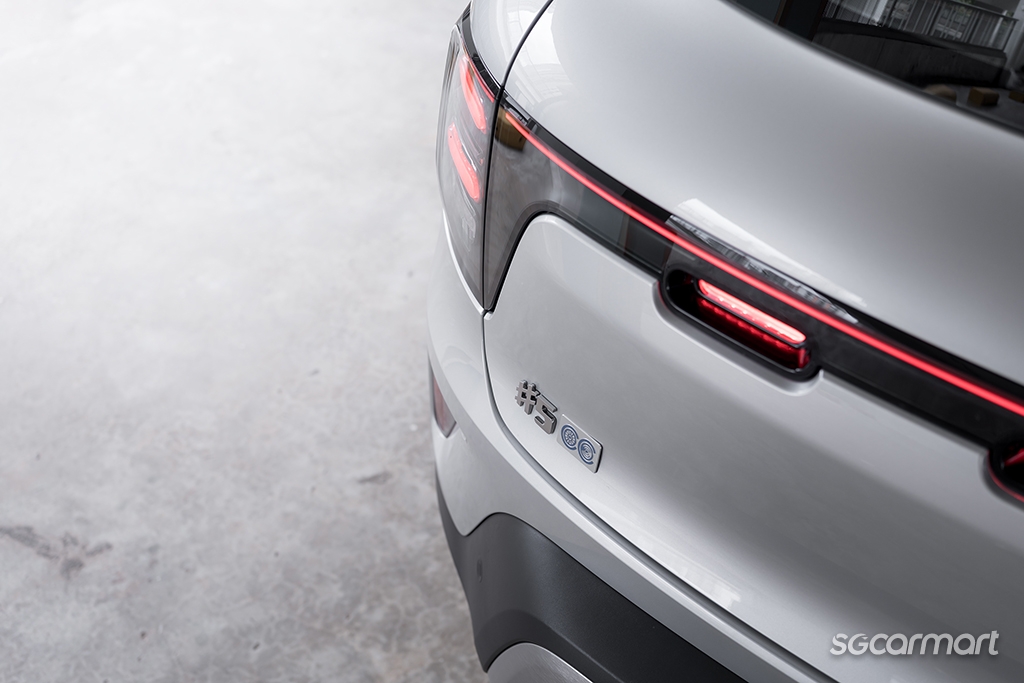
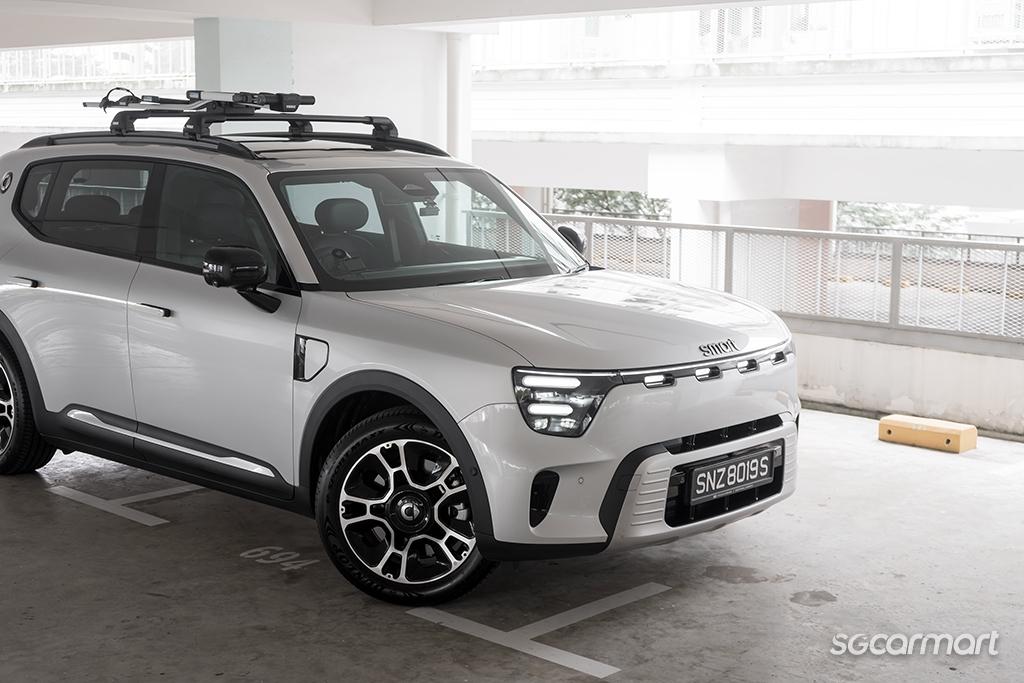
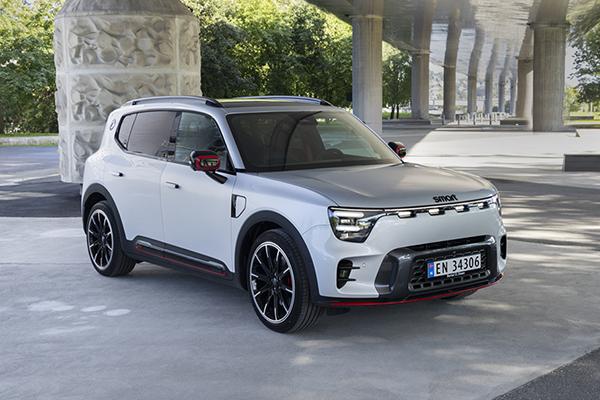
The #5 is Smart's largest car yet, stretching out at over 4.7 metres long
Which is why we have this now: The Smart #5.
Continuing Smart's aversion to even-numbers (at least for the time being), the #5 is the largest car ever produced by the firm.
Given how widely and loudly this honour has been touted, making a fuss over its size may feel a bit like beating a dead horse at this point. Still, it's worth noting the steady pool of contemporaries it's been aimed at; at nearly 4.7 metres long, this mid-sized electric SUV is just 40mm shy of the outgoing BMW iX3 in overall length.
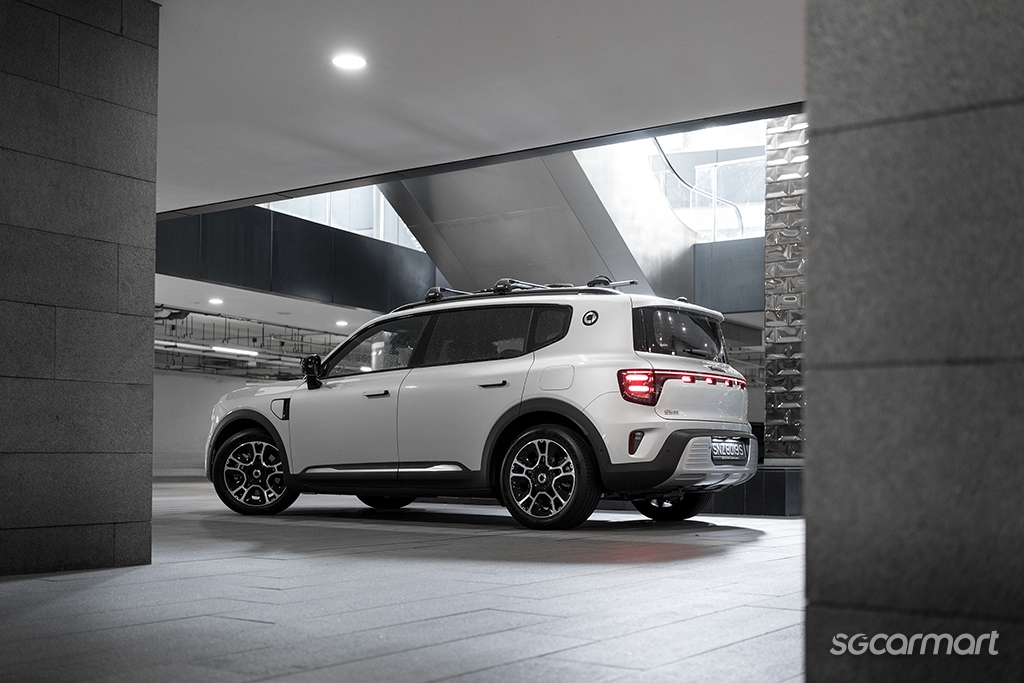
The #5's 2,900mm wheelbase is longer than that of the Tesla Model Y and XPENG G6
Meanwhile, the #5 also boasts a 2,900mm wheelbase - longer than both that of the Tesla Model Y and the XPENG G6. (Again, yes, this is from the firm who once made cars that were the automotive equivalent of teacup poodles.)
Those names above are among some of the bestselling cars found on our roads today, so you can see where Smart's head is at with the #5. But bestsellers bank first and foremost on being cheaper than rivals, or having more enviable badging. In the absence of both at the moment, the #5 rightfully pursues something else: Compelling style.
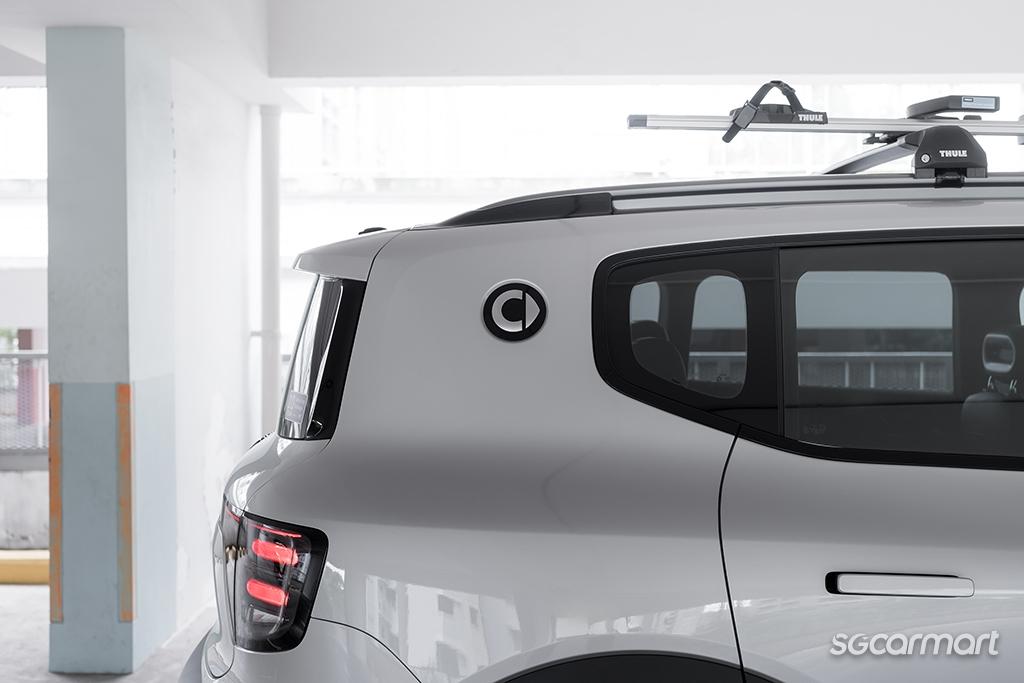
Interestingly, Smart felt that the #5 had to be given a visual identity of its own that was aligned with its size and spirit of adventure. So it's not simply a blown-up version of the #1 or #3. Certain distinct idiosyncrasies do, however, remain; as is the Smart way, you'll only be able to find the brand's emblem on the car's D-pillars.
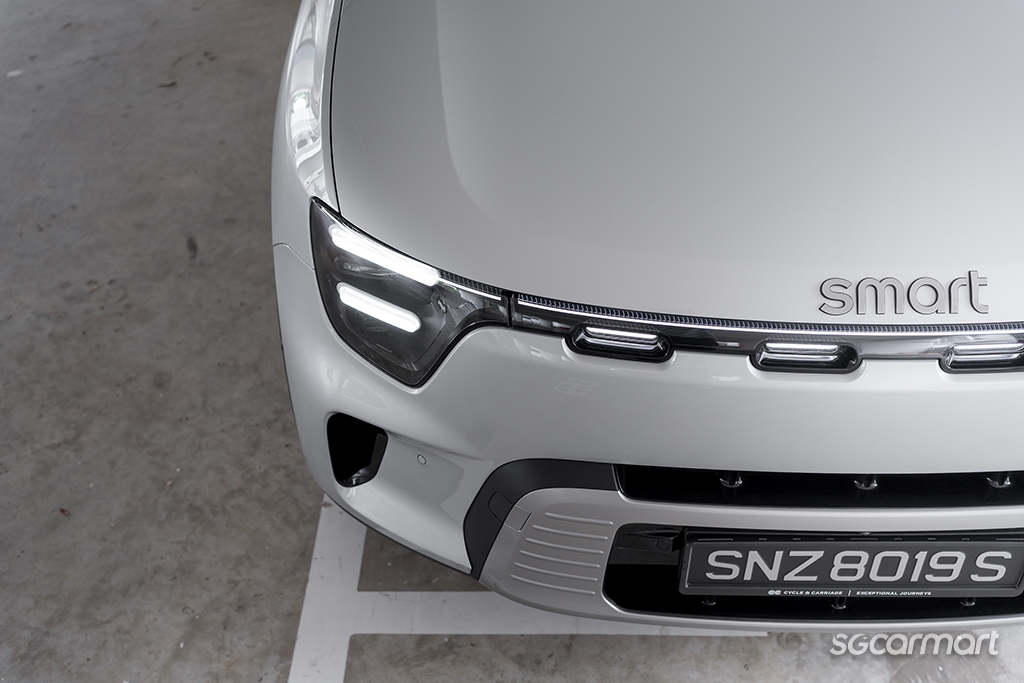
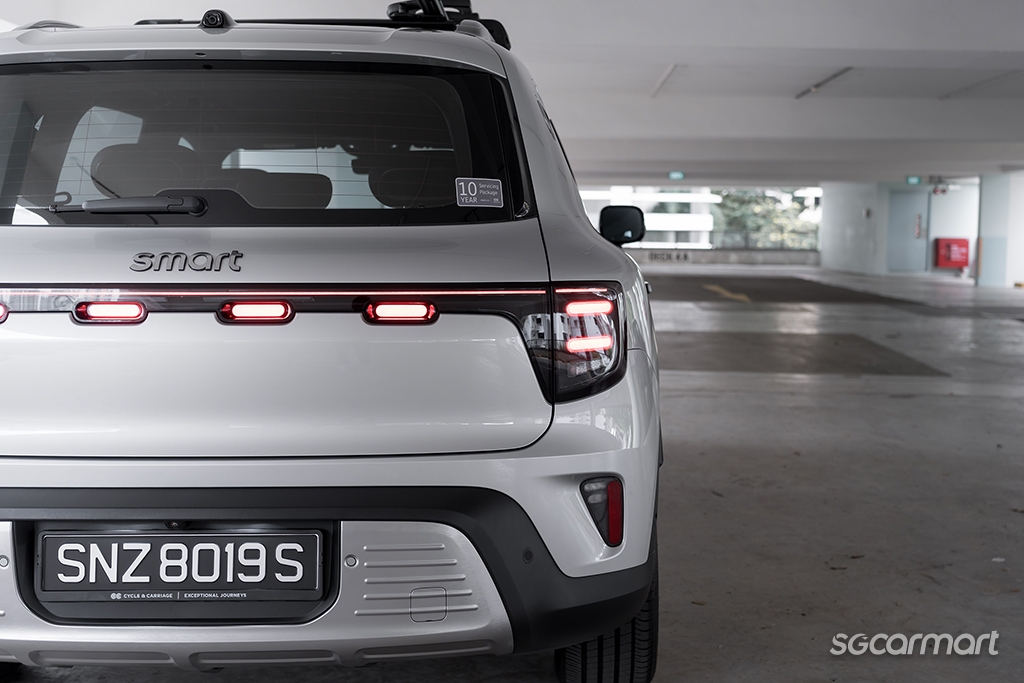
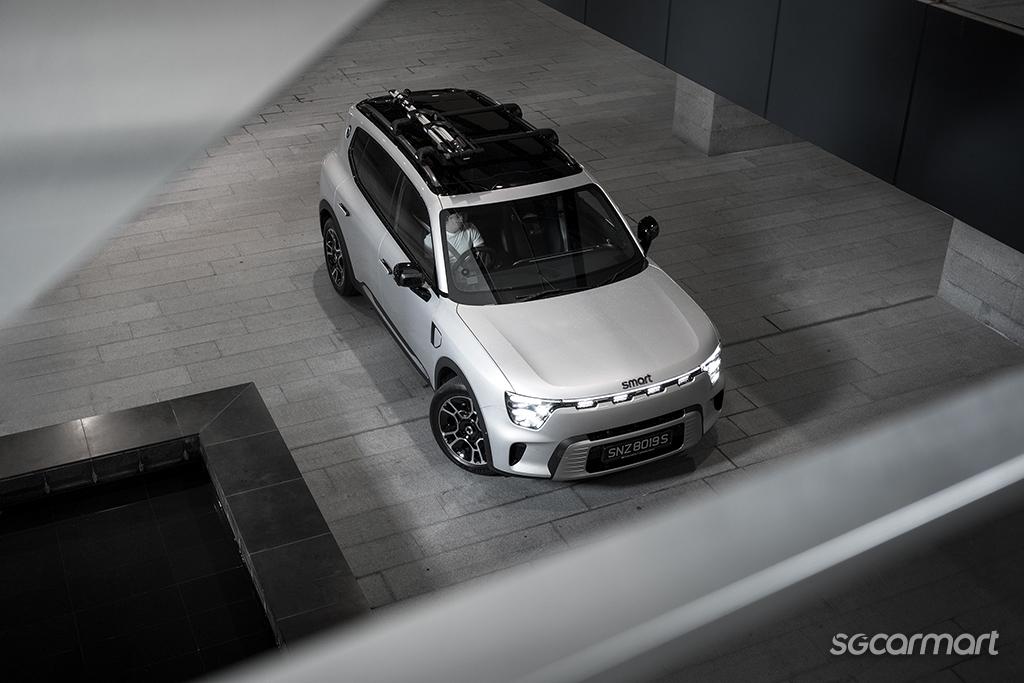
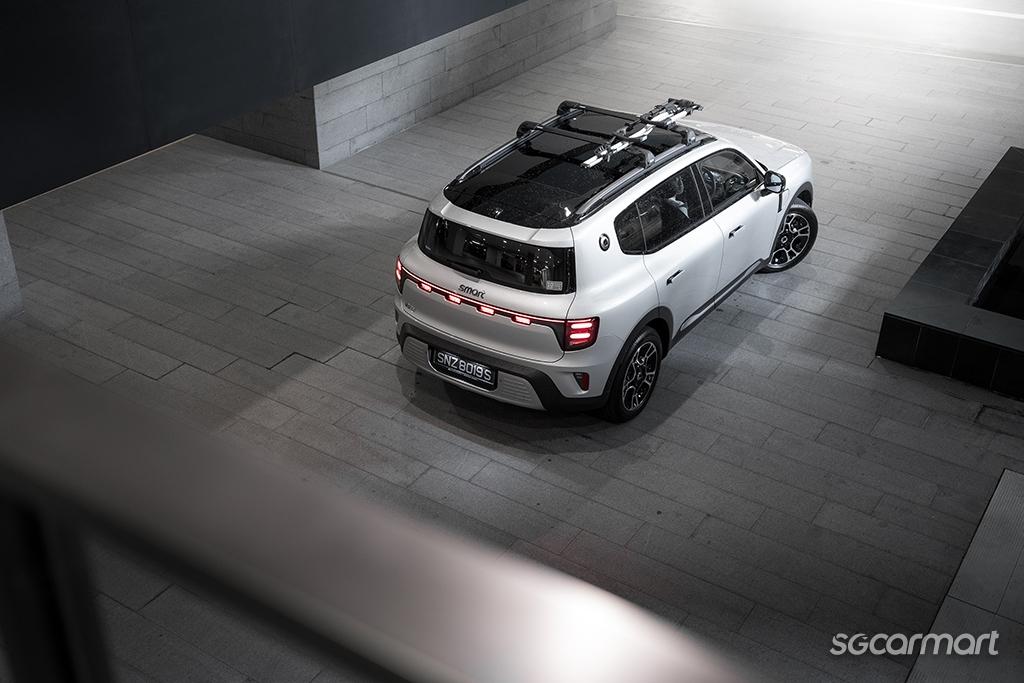
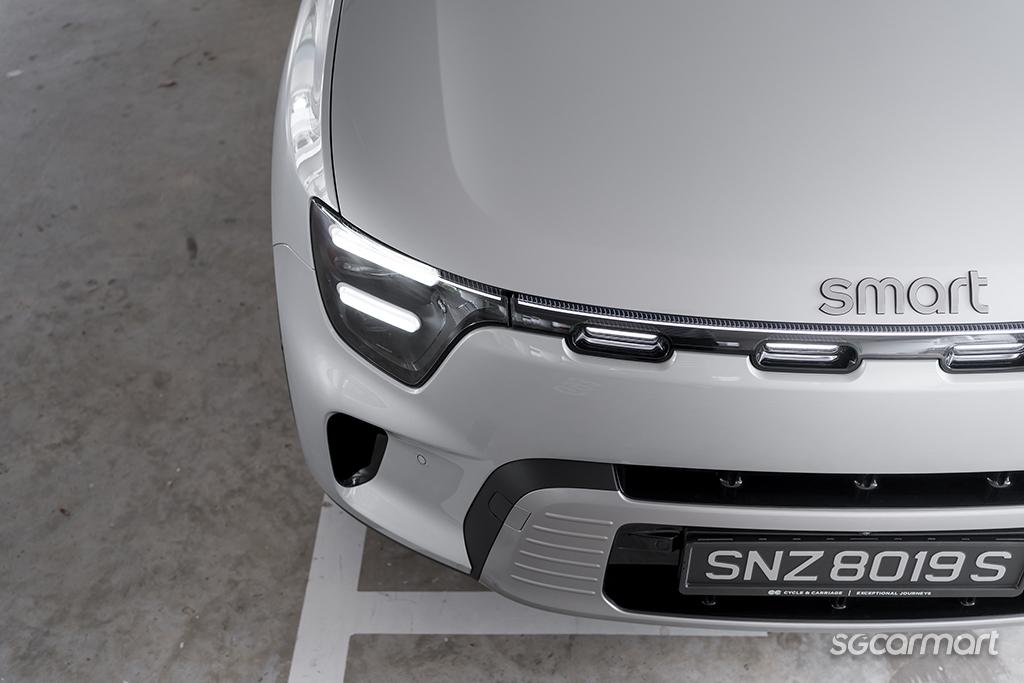
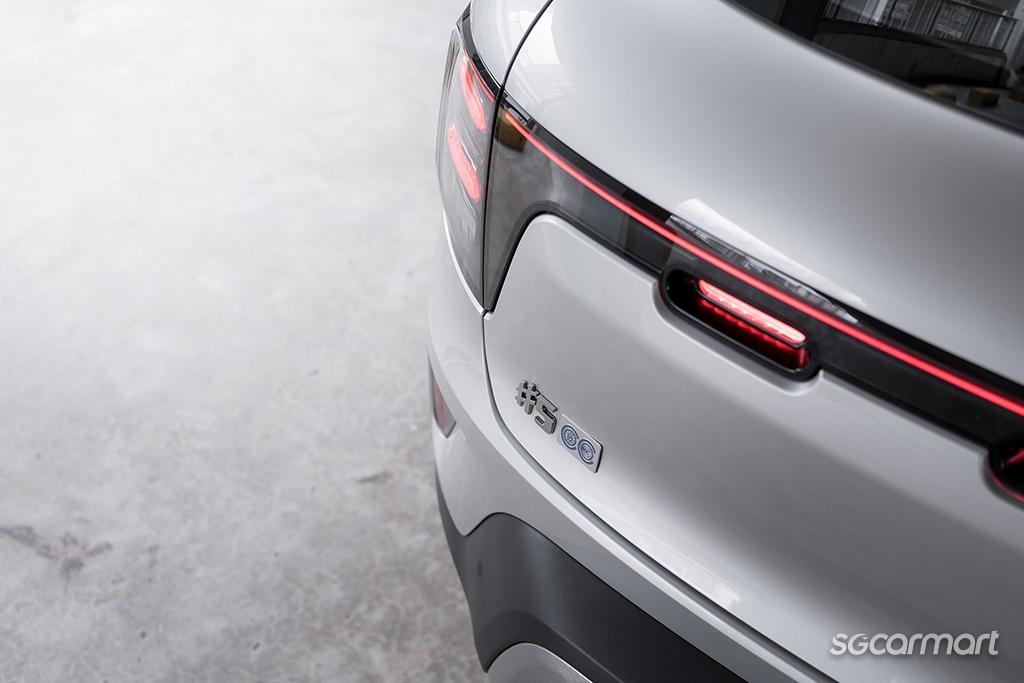
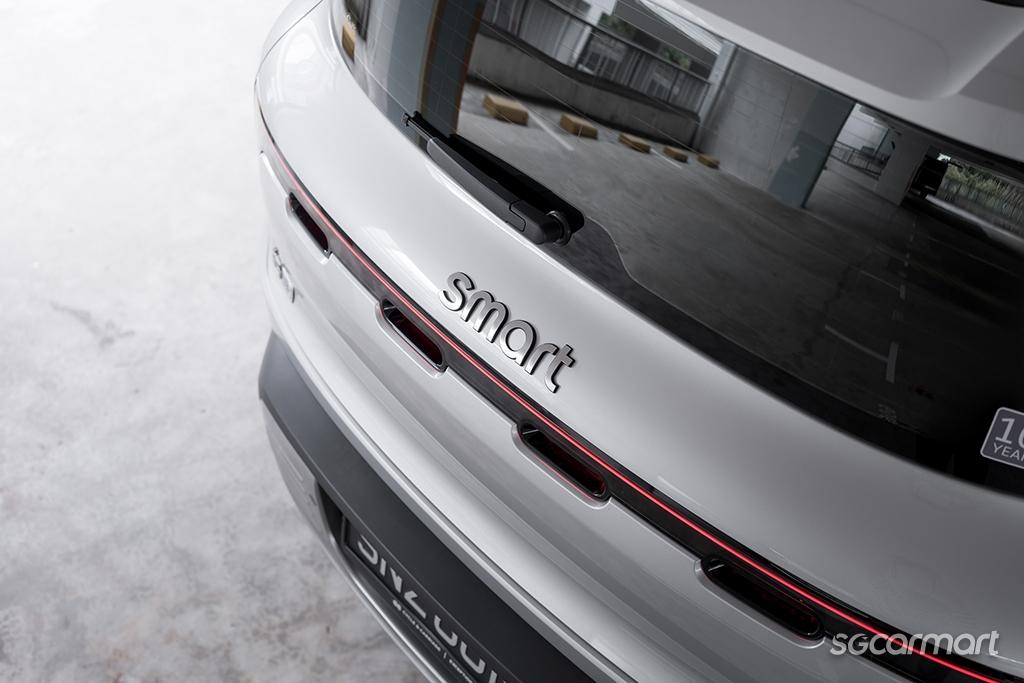
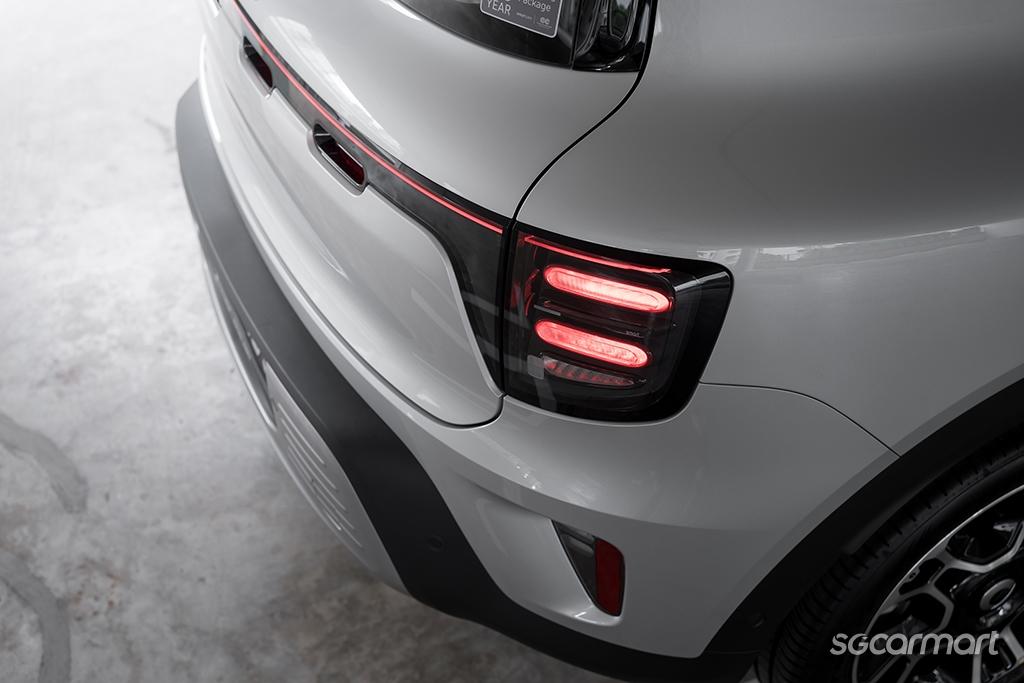
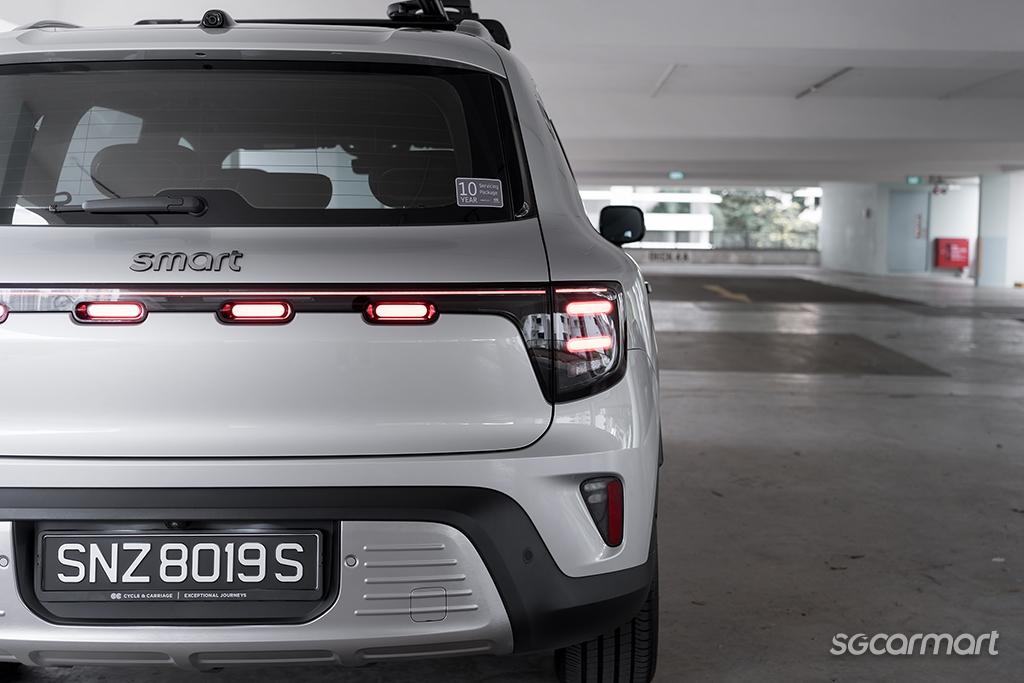
Oblong addiction: The #5's eccentric (but lovable) front end is mirrored exactly at its rear
Otherwise, you wouldn't be misguided to think of the Mercedes-Benz GLB at first (all Smart models are the babies of the Mercedes-Benz Design Studio after all). And while its boxy shape doesn't reinvent the wheel for SUVs, there are plenty of other elements that help it to stand out.
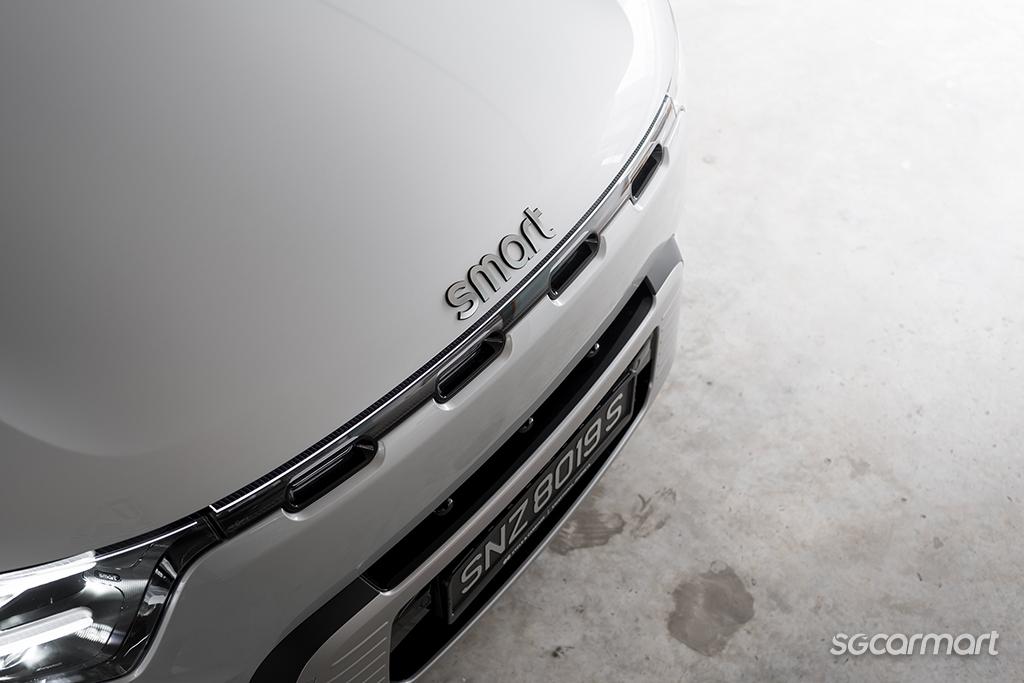
There's no trend-chasing involved; no mindless servitude to aerodynamic considerations. Most arresting is its oblong-shape addiction, which gives rise to one of the most memorable front and rear ends we've seen in recent memory. Both are effectively mirrors of each other.
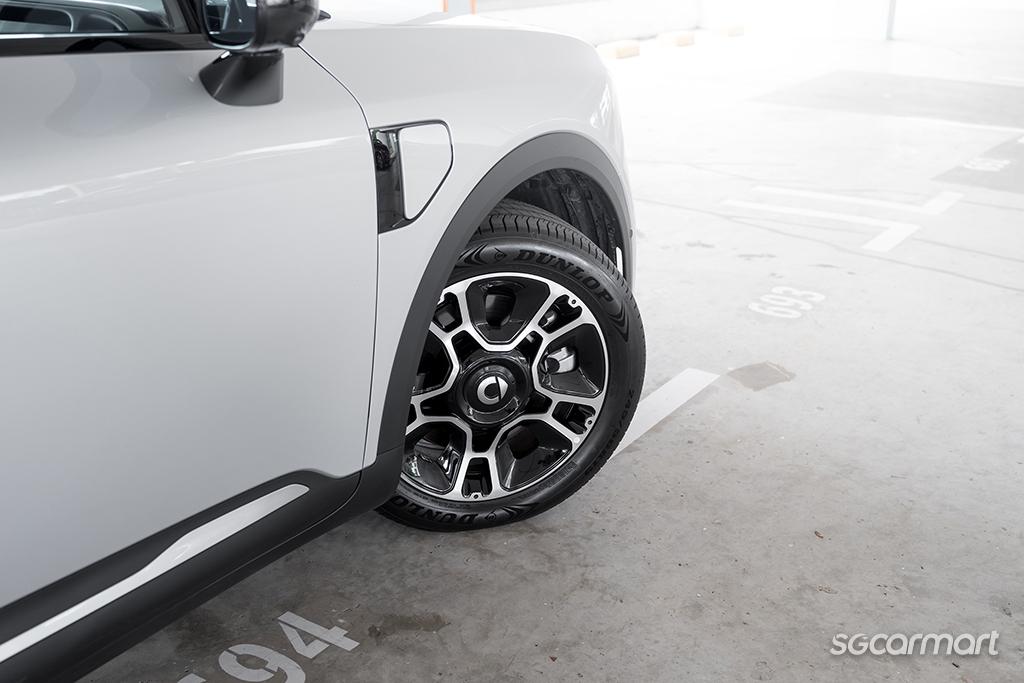
Also helping the car's looks is the fact that it doesn't ride as high as similarly-sized SUVs, resulting in a squat stance of sorts that adds presence. The result is still very rugged though (meaning that an additional roof rack is the perfect accessory). Resultantly, it's still one of the best looking electric SUVs on the market today.
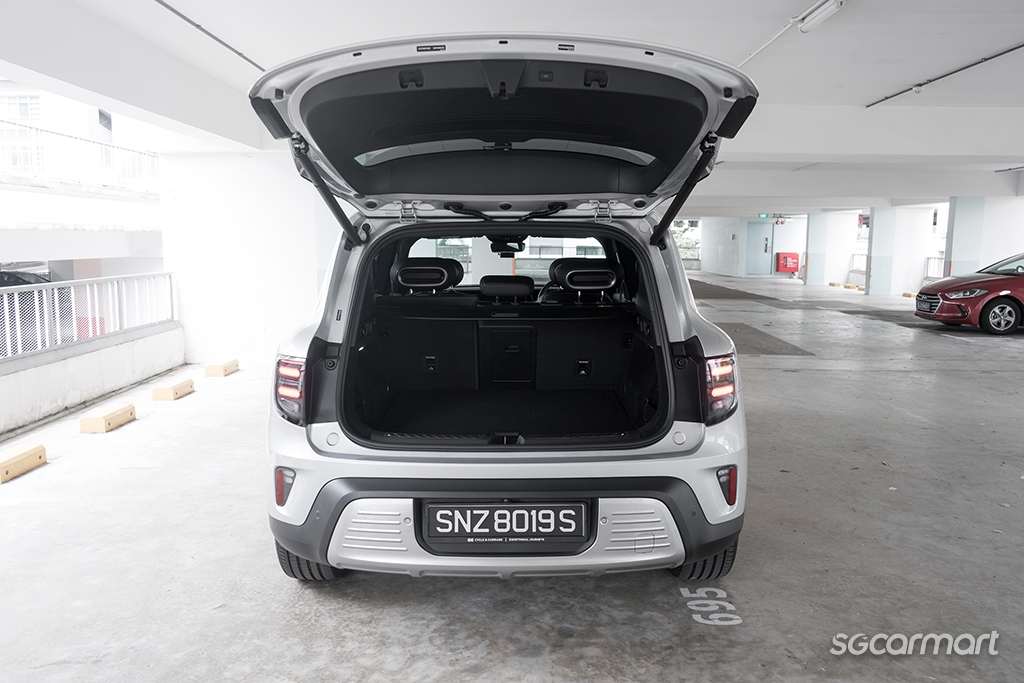
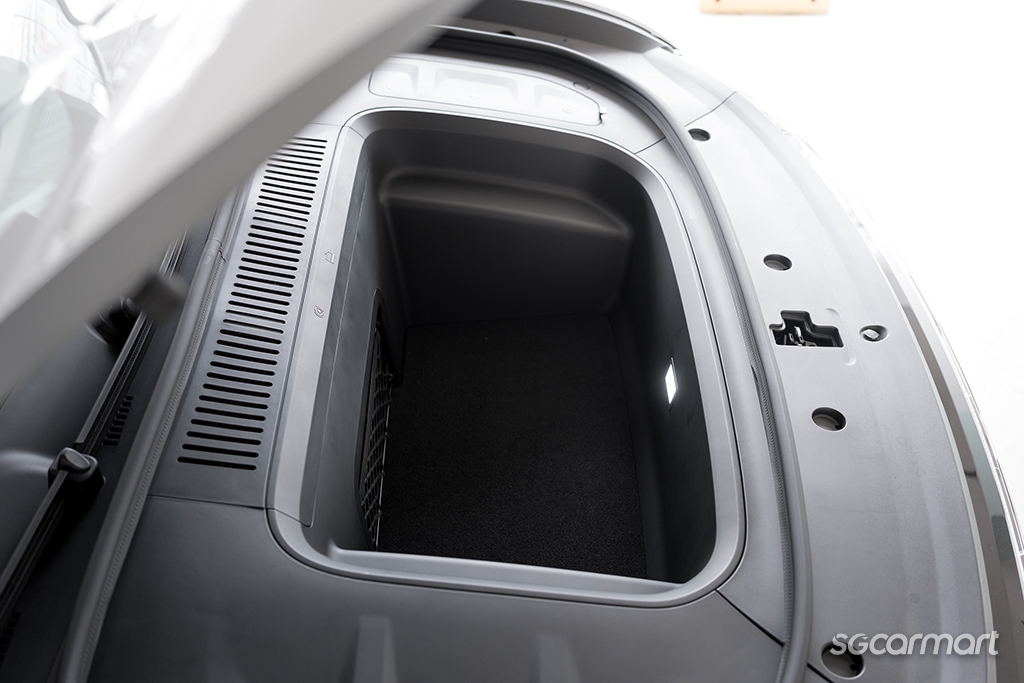
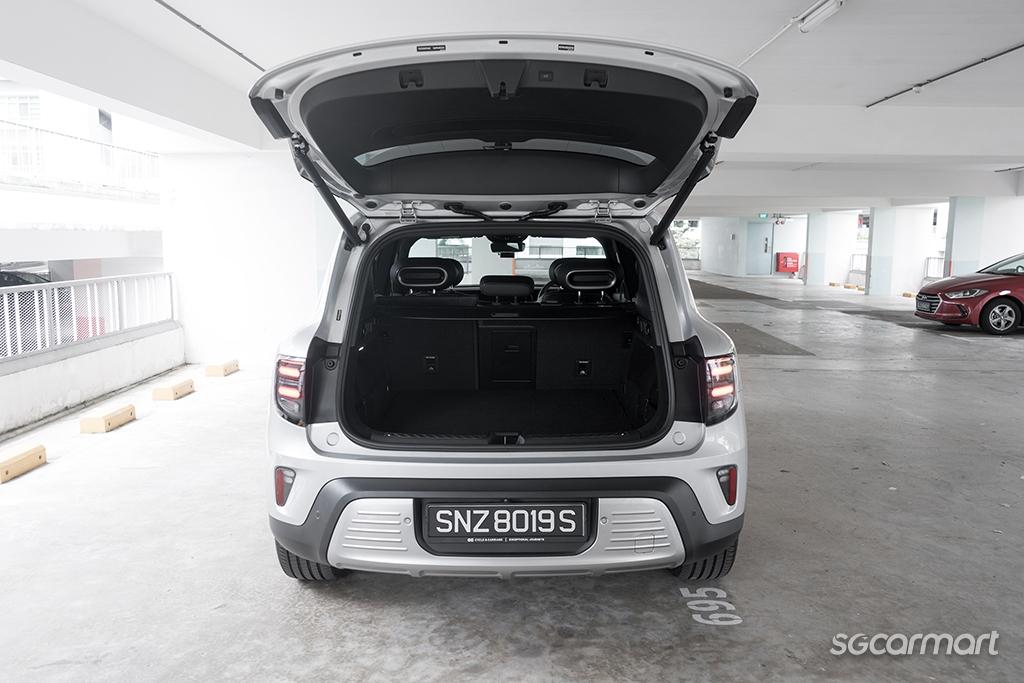
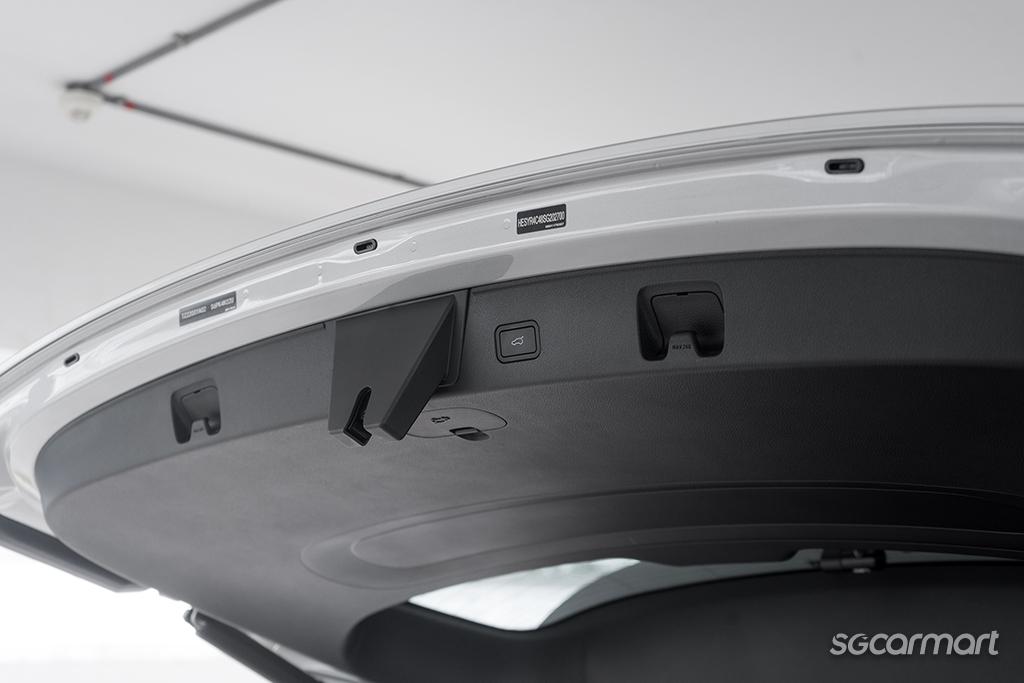
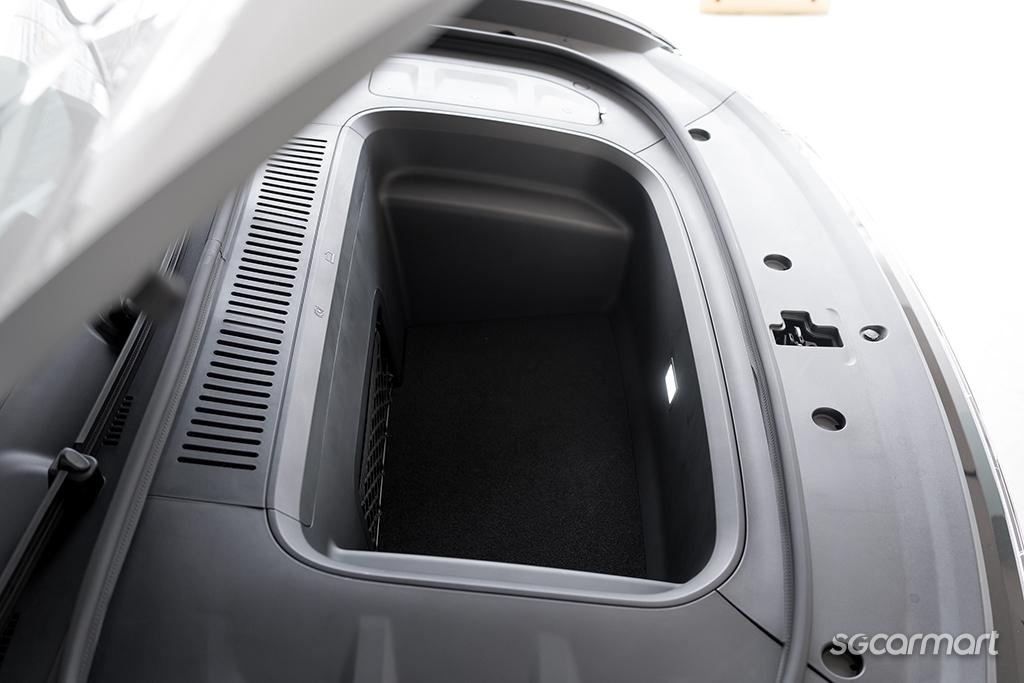
A generous 640-litre boot is complemented by a 72-litre frunk
All that benefits passenger space greatly too.
Riding on a bespoke electric platform and long-ish wheelbase, the compact Smart #1 was already surprisingly capable when it came to carrying rear passengers. But its more petite frame ultimately revealed its Achilles heel when you popped the tailgate open: A decent-at-best, 313-litre boot.
With its larger footprint, the #5 dials up the practicality by several levels.
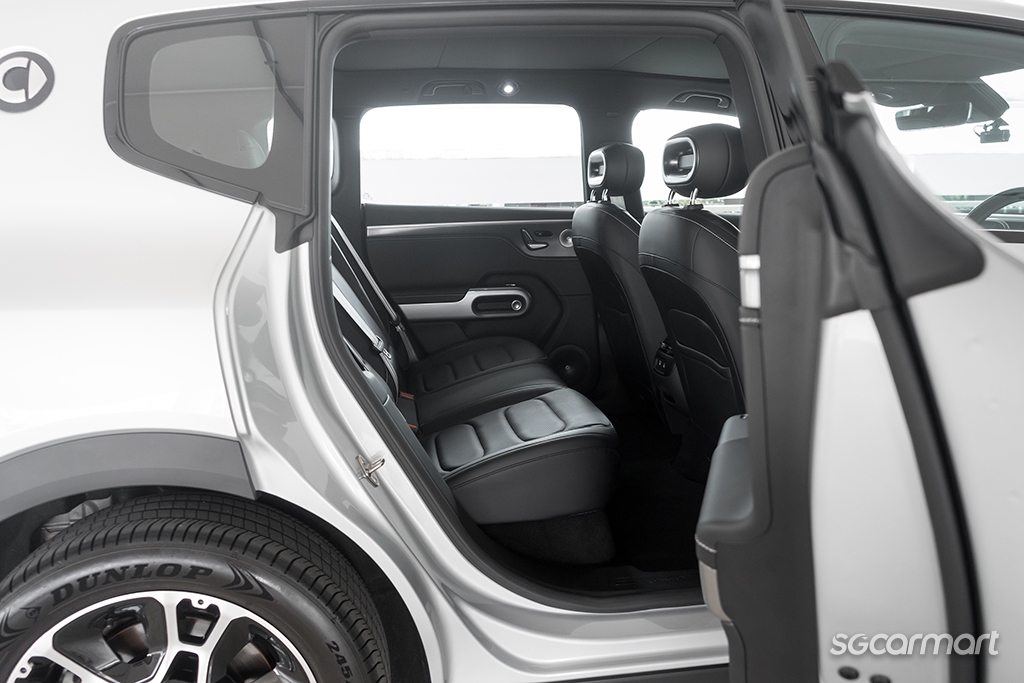
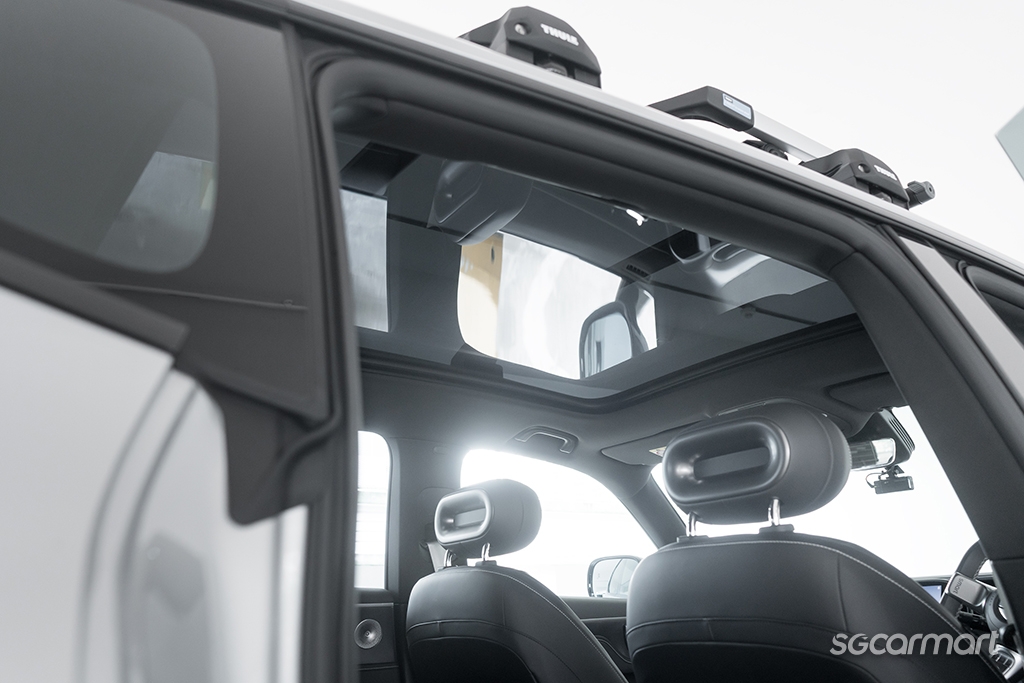
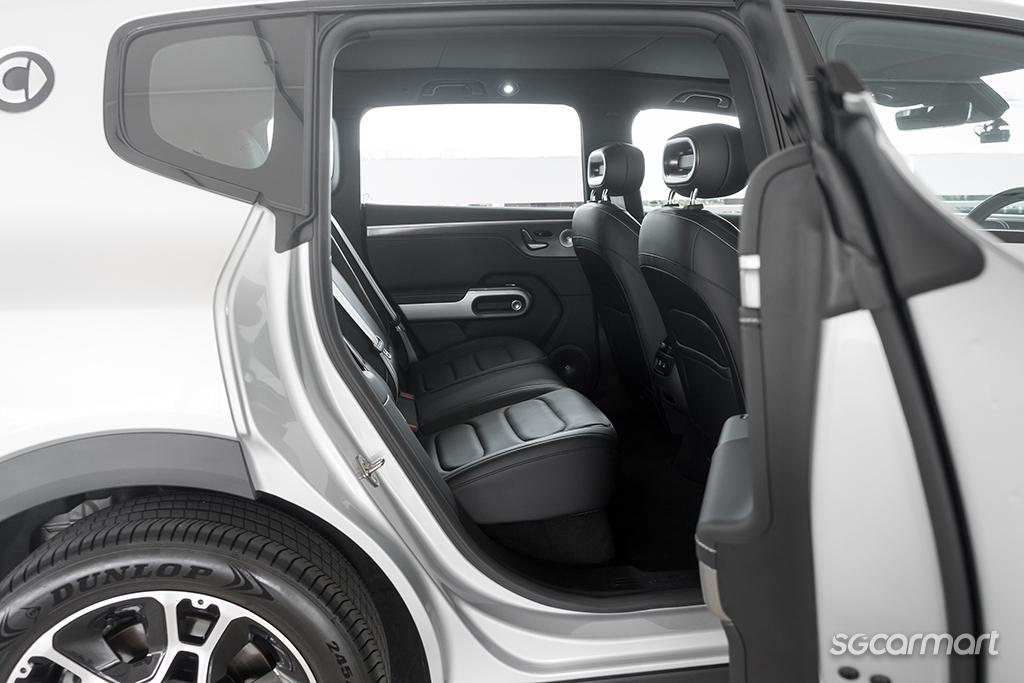
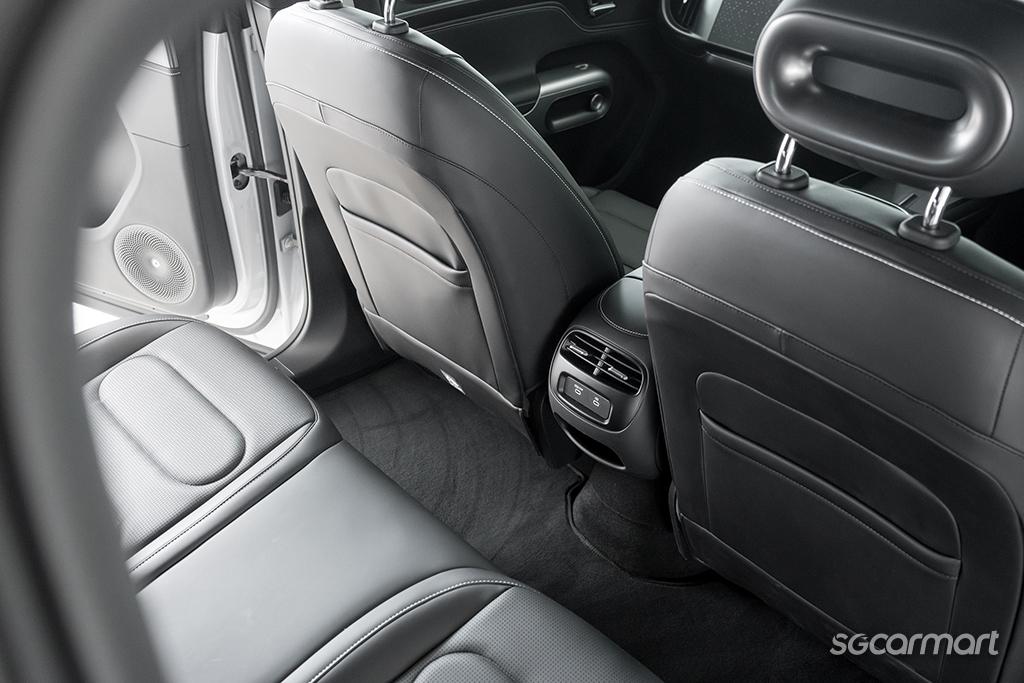
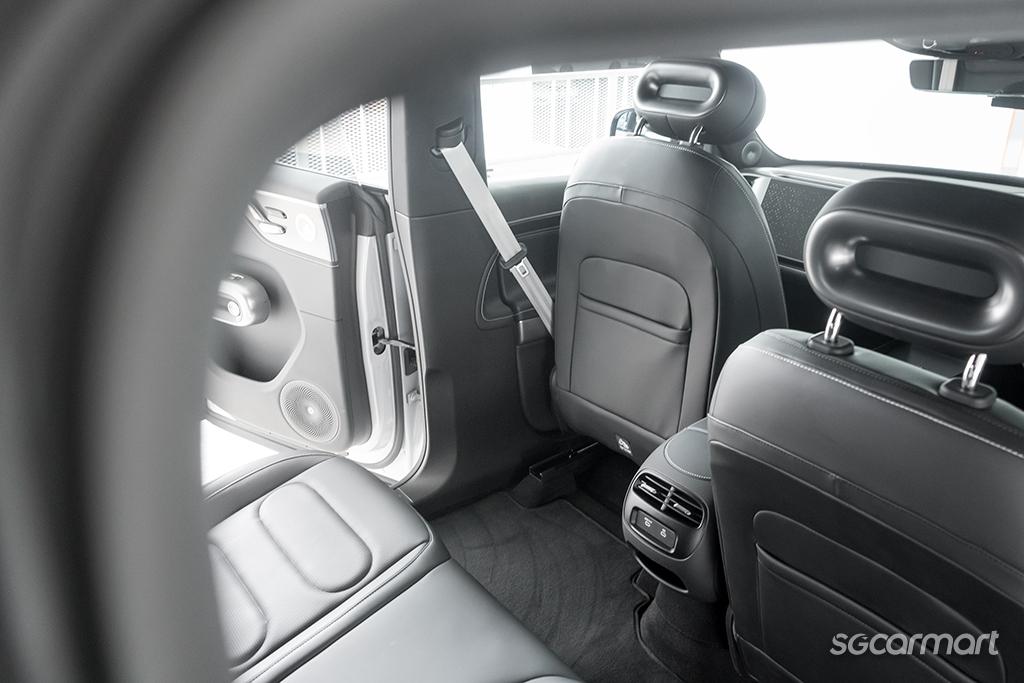
The rear bench is already spacious and comfy, but a large panoramic sunroof (with a sunshade) helps enlarge the feeling of the space even further
Its boot, for starters, stands at a generous 640 litres, boasts a wide aperture, and even comes with a handy adjustable floor. Hop into the second row, and a spacious rear bench also greets you with generous head and legroom for three passengers. Given the #5's squarish windows, the cabin is not lacking in airiness - but this is elevated still with a full-length panoramic roof.
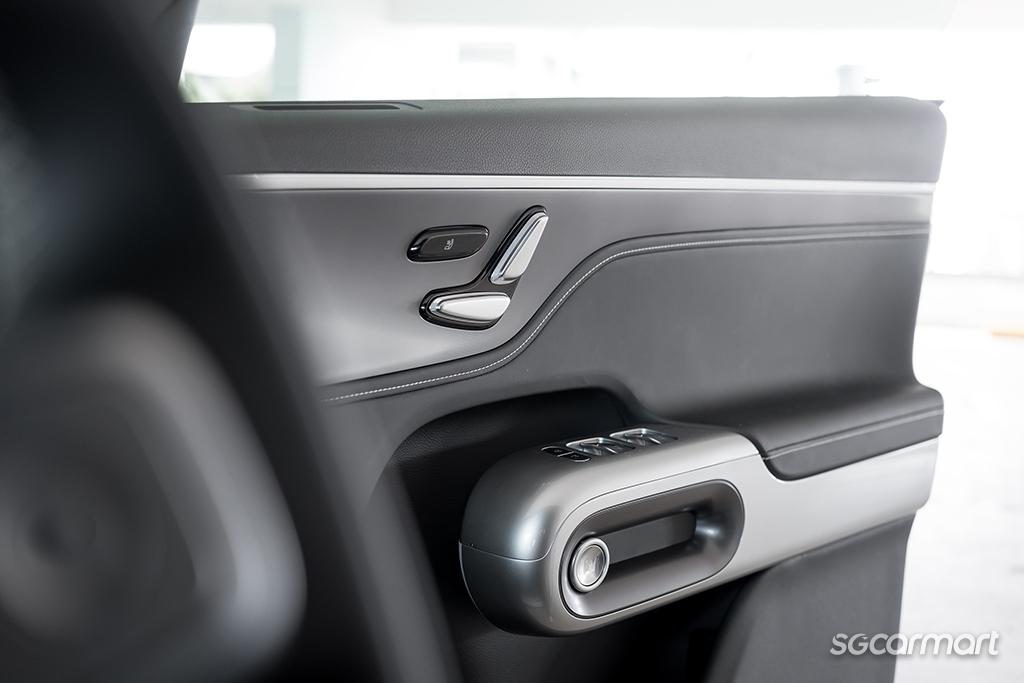
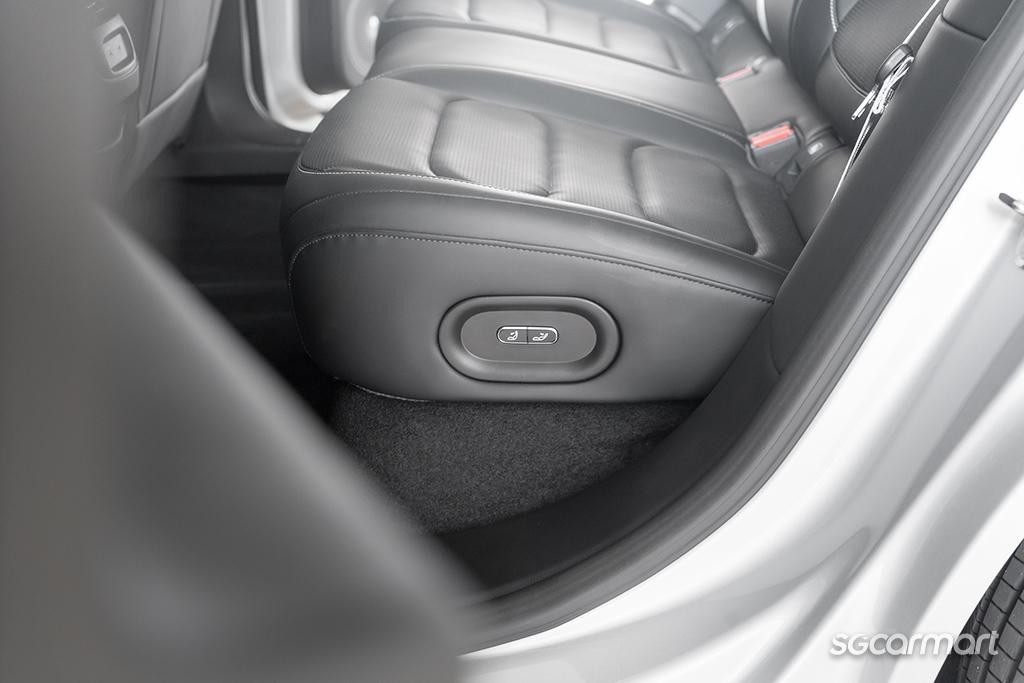
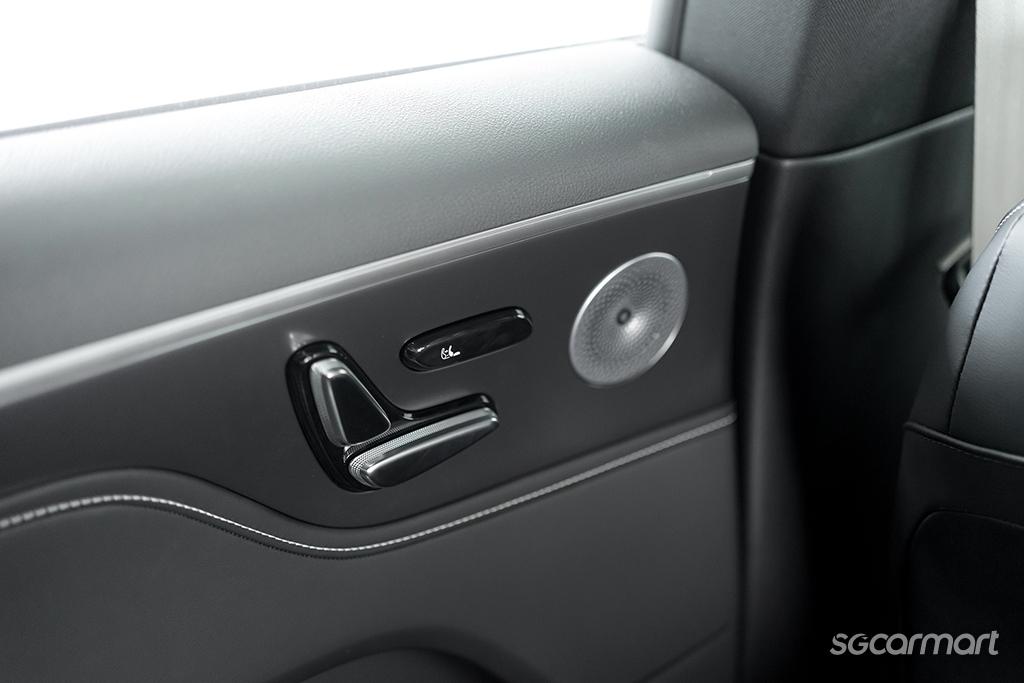
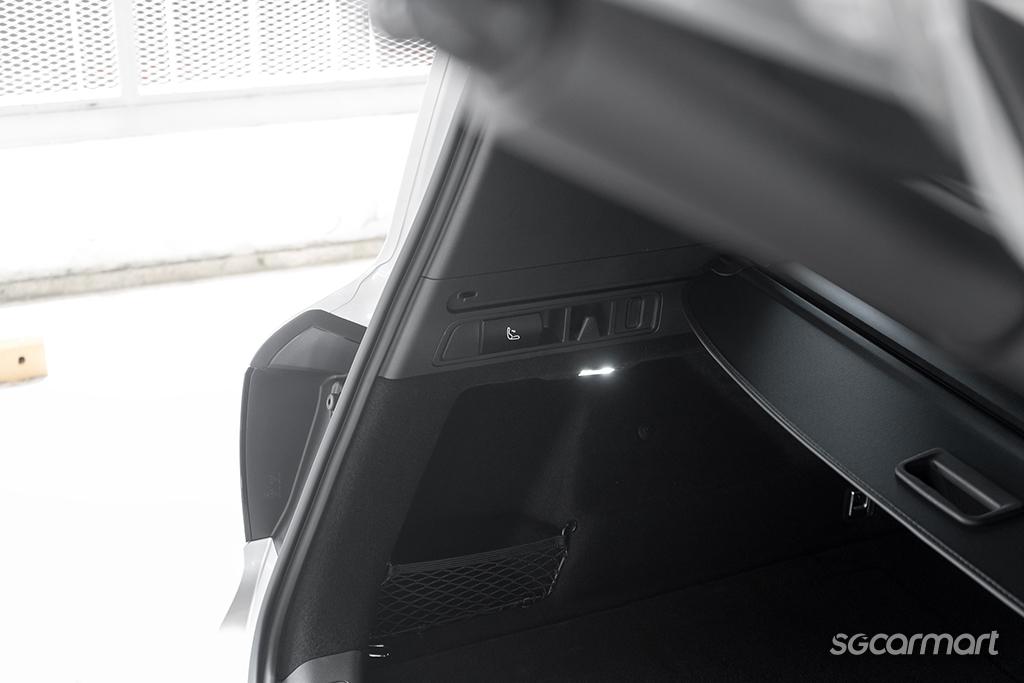
Interestingly, the #5's second row also comes with a special quirk that infuses some Mercedes-Benz DNA: Electrically reclining backrests, operated not by buttons at the seat bases, but on the door panels. Also uncommon is a one-touch button that reclines the leftmost rear seat, and pushes that of the front passenger all the way forward, chauffeur-driven style.
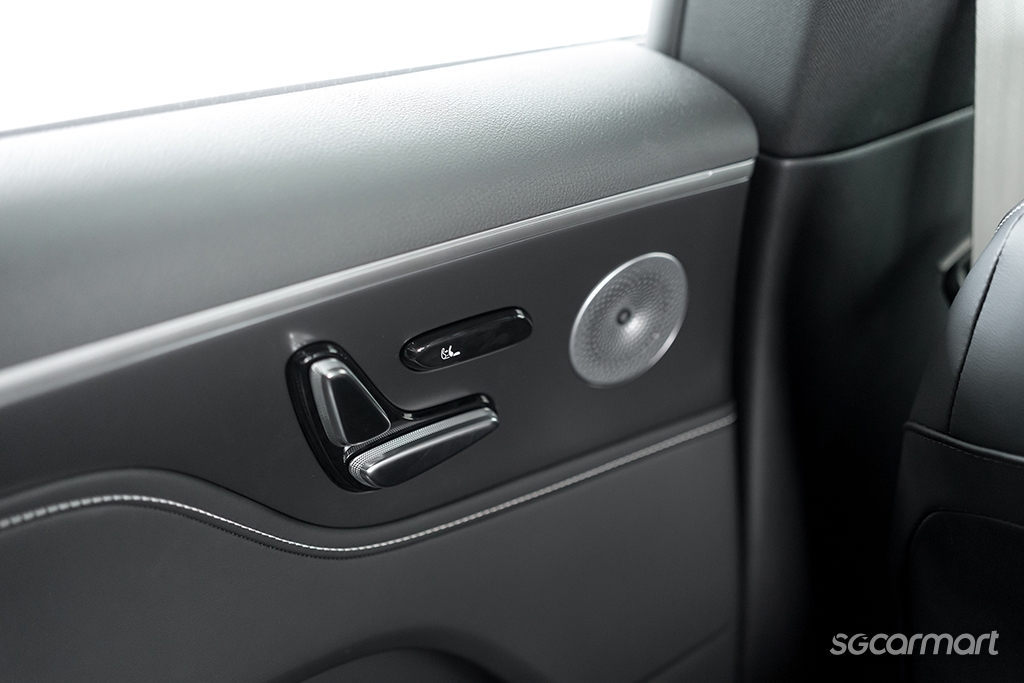
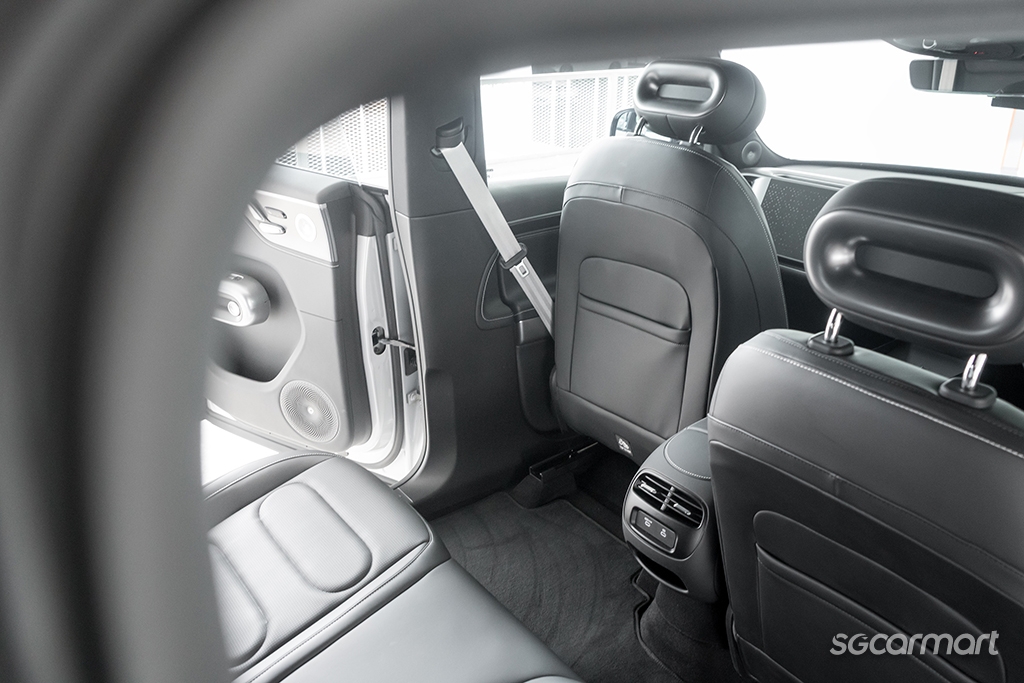
The #5 comes with a 'chauffeur' mode for the left rear passenger
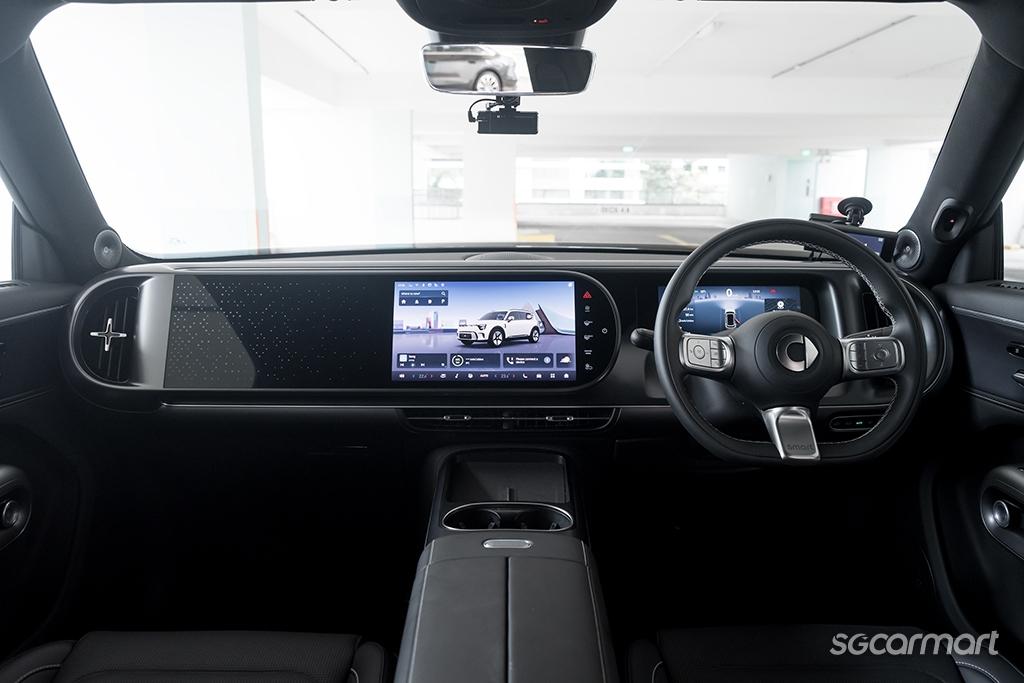
While rightfully maximising its footprint for occupant comfort, the #5 doesn't forget the whimsical interior design of its smaller siblings.
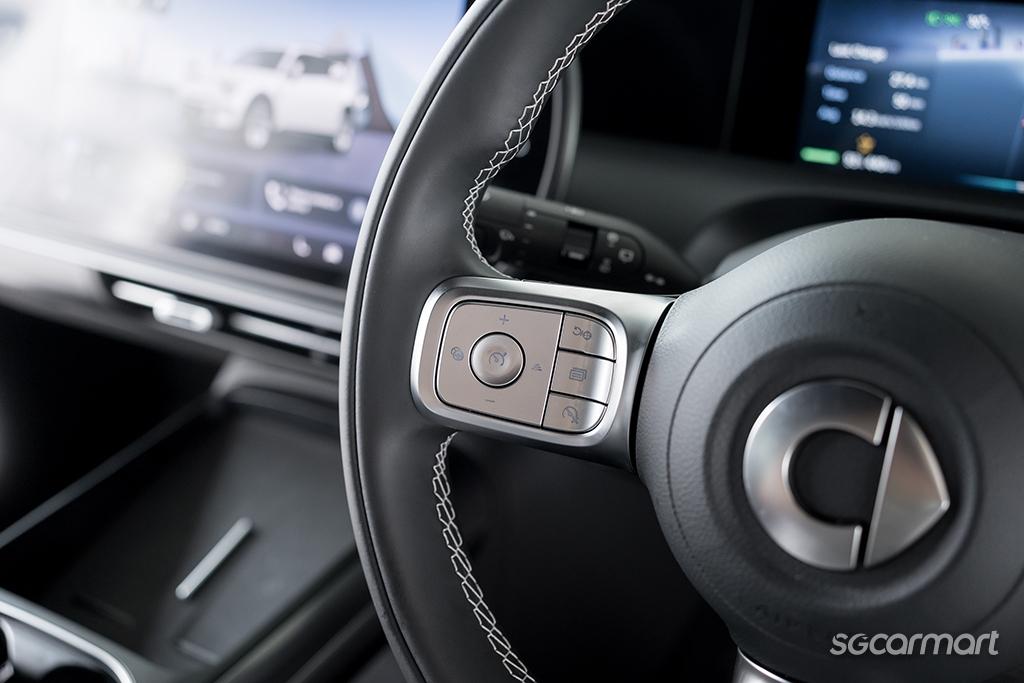
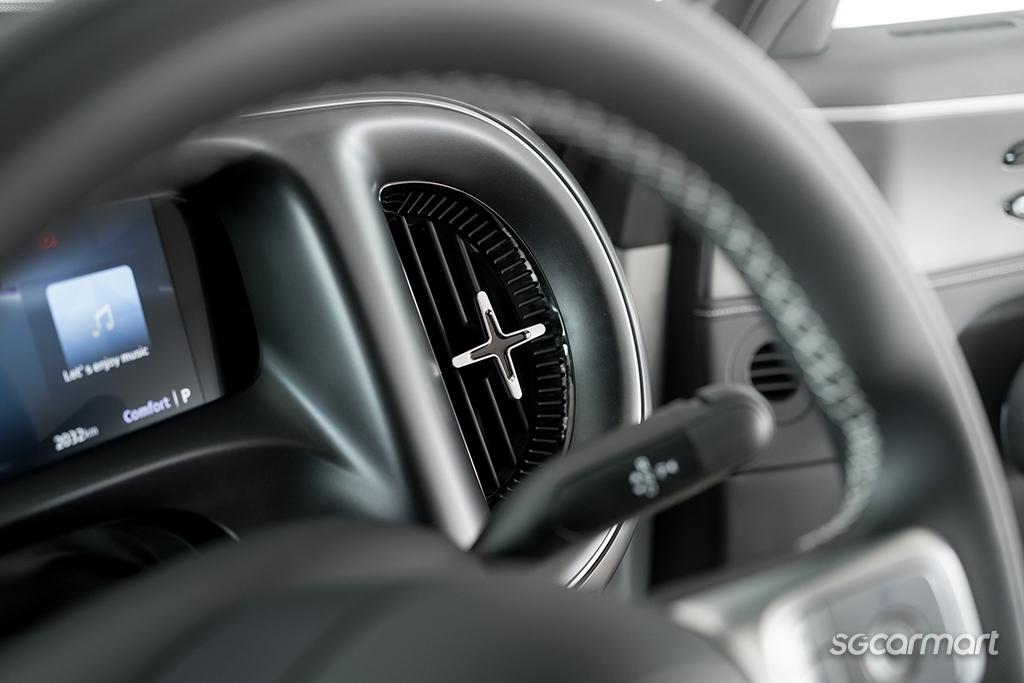
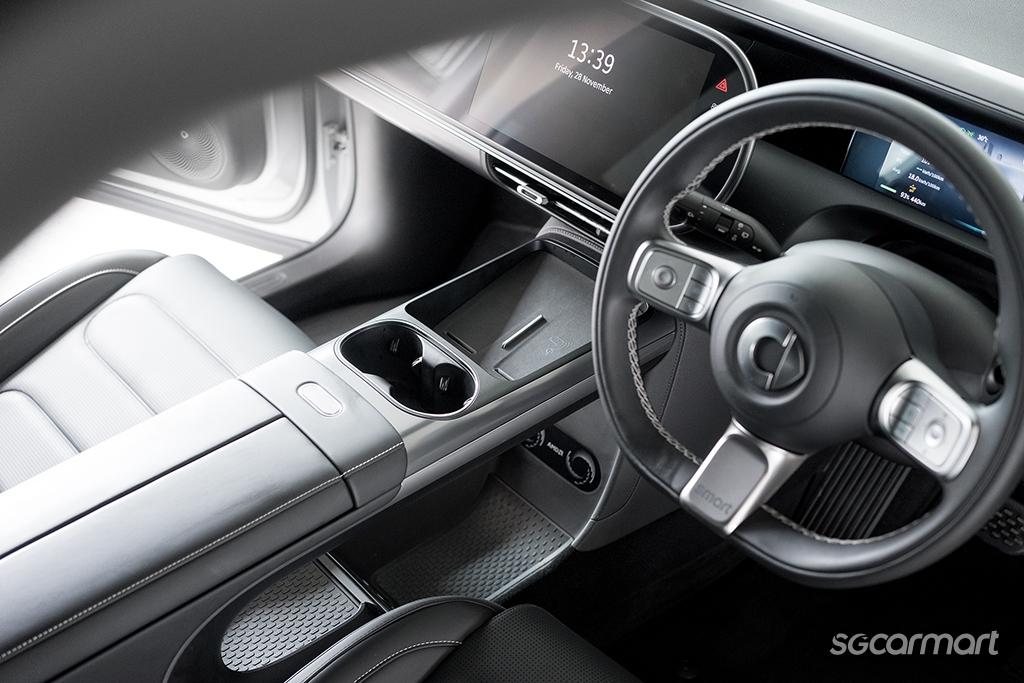
You'll note, for instance, that the brand's intriguing obsession with capsule shapes has returned on the door handles, on the front head rests, on the dashboard, and on the upholstery of the seats. Striking silver seatbelts present another welcome and successful attempt at enlivening the #5’s interior. In all, there is a level of detail to eccentric design on the inside that feels intentional, and isn't jarring.
In tandem, you're likely to enjoy the #5's similarly playful user interface - at least to a certain degree.
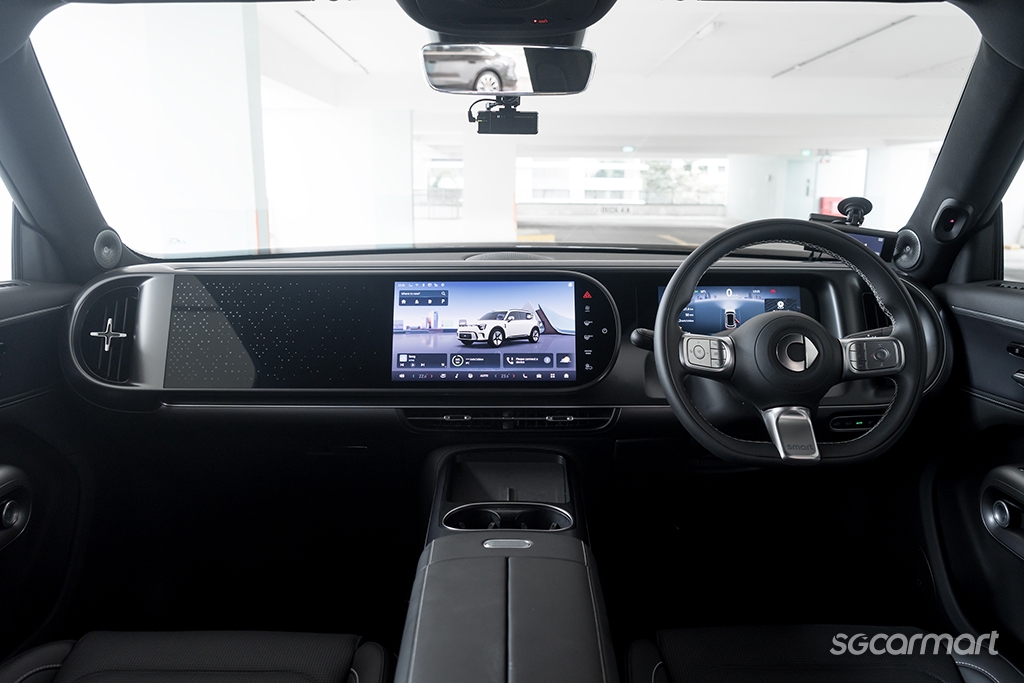
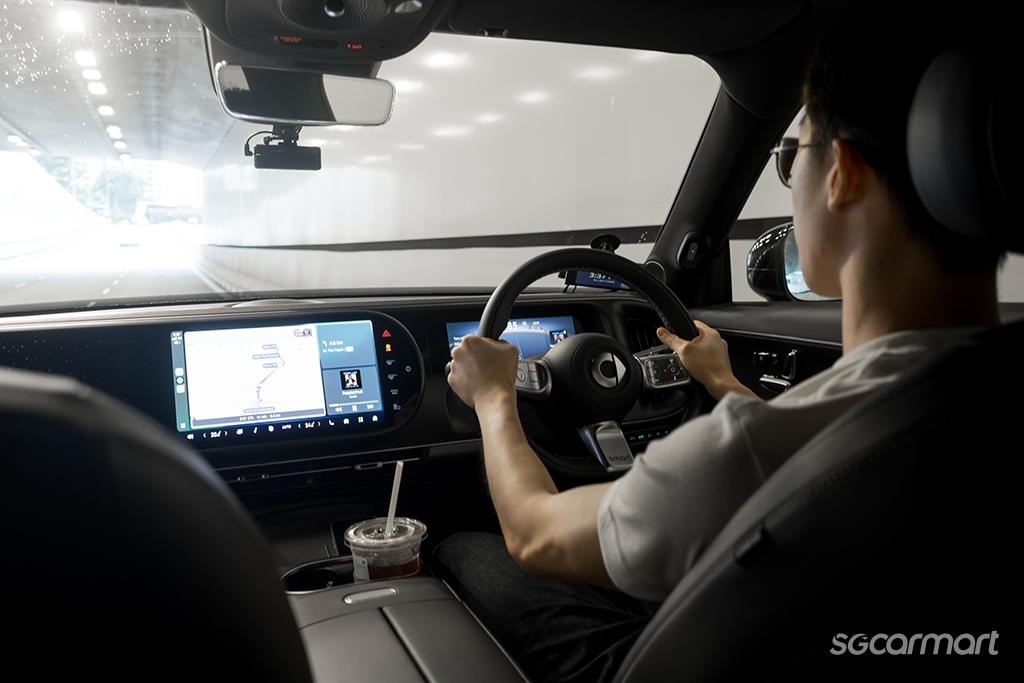
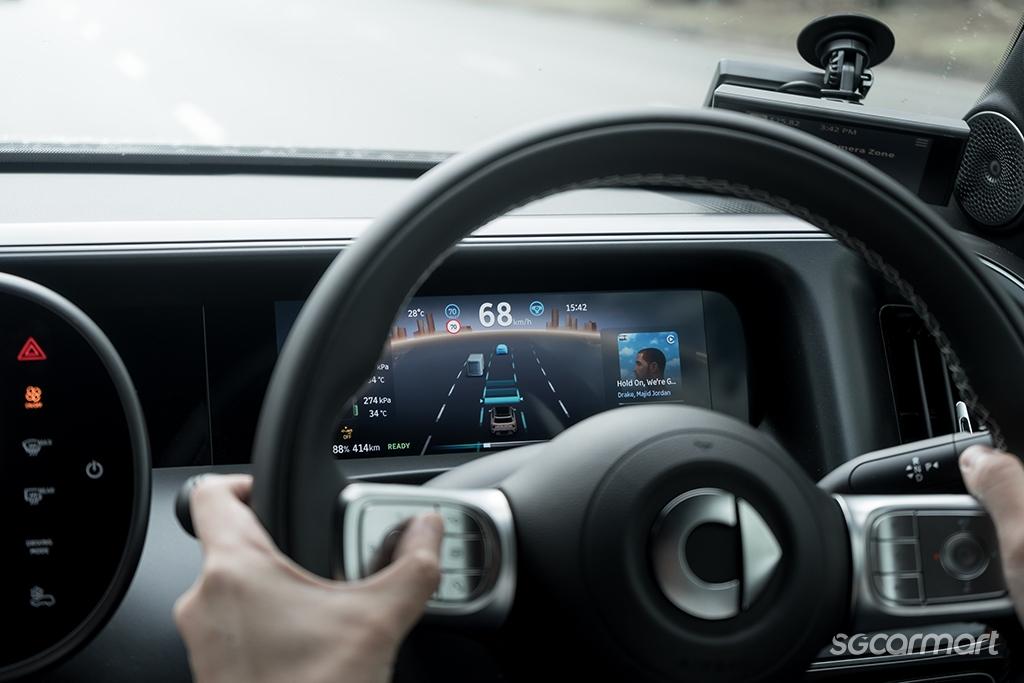
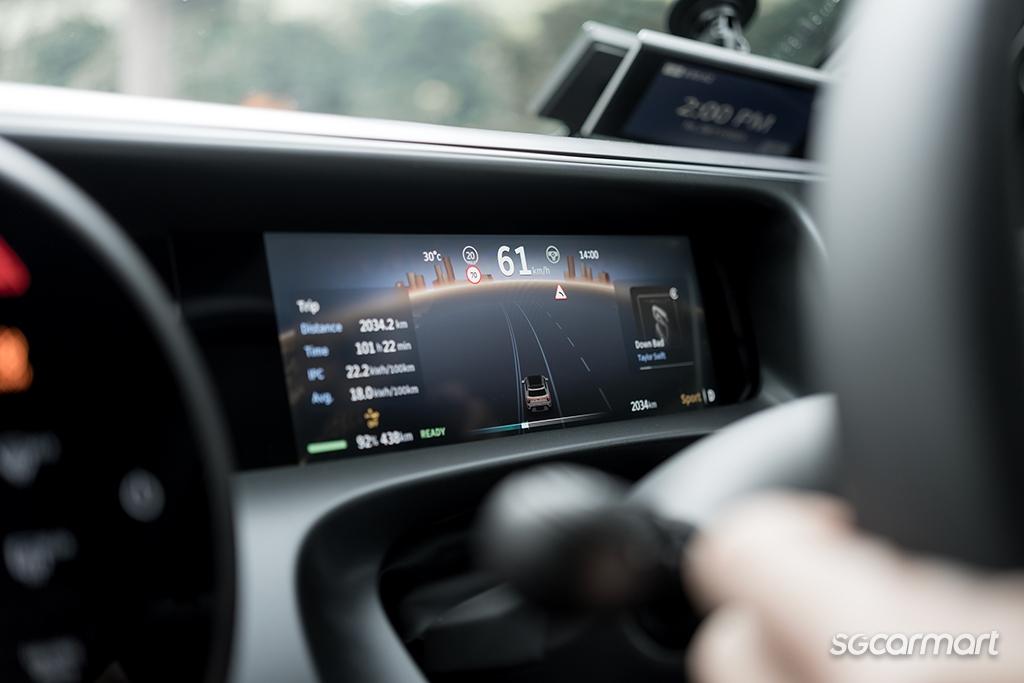
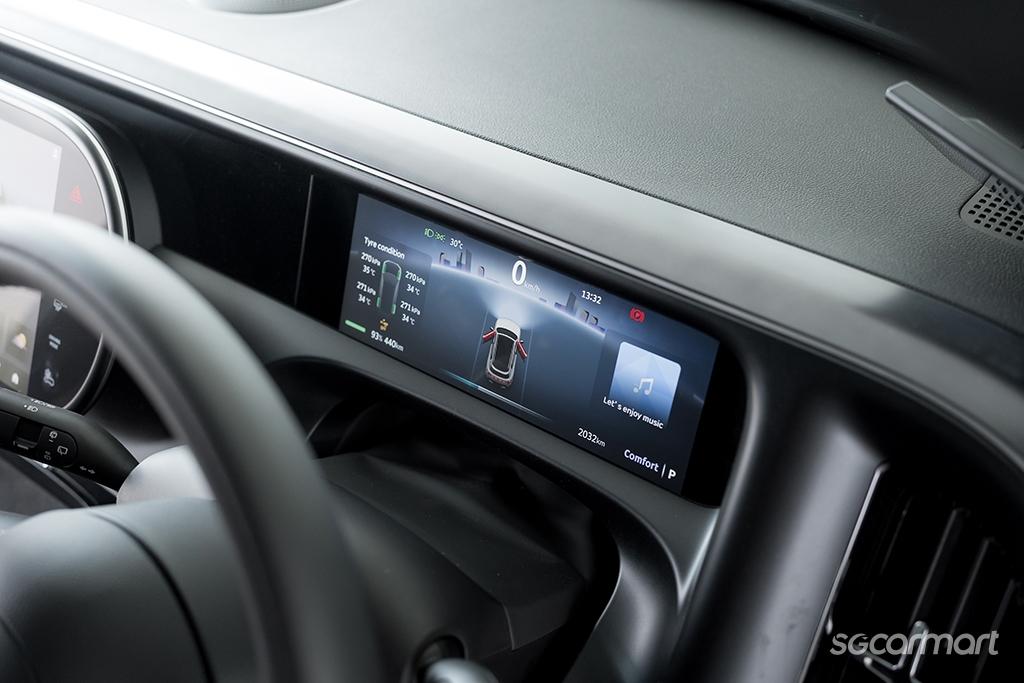
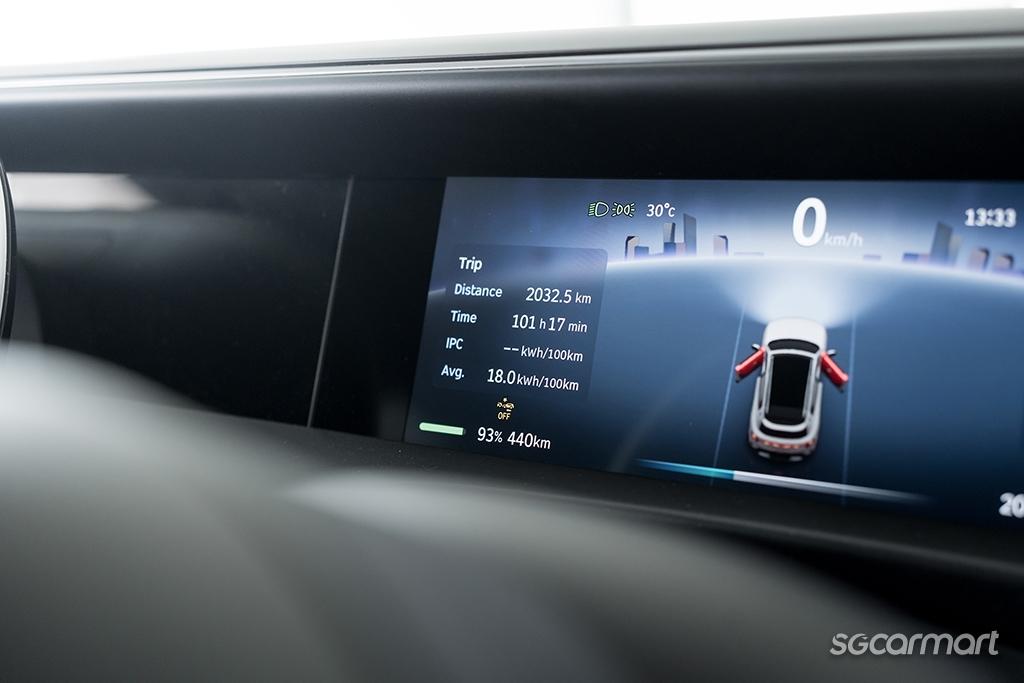
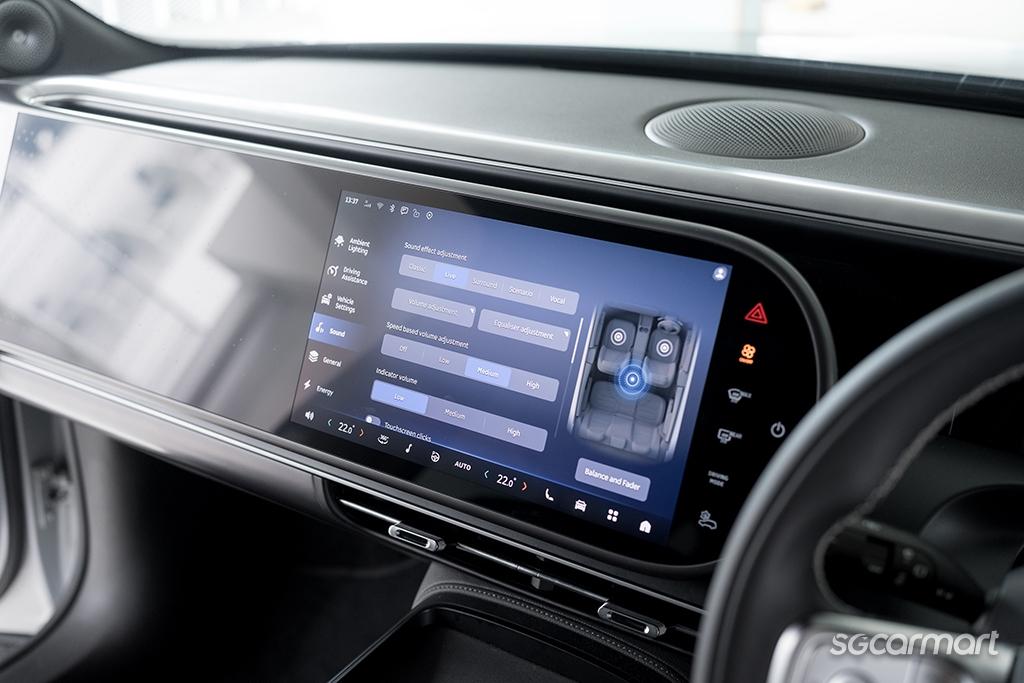
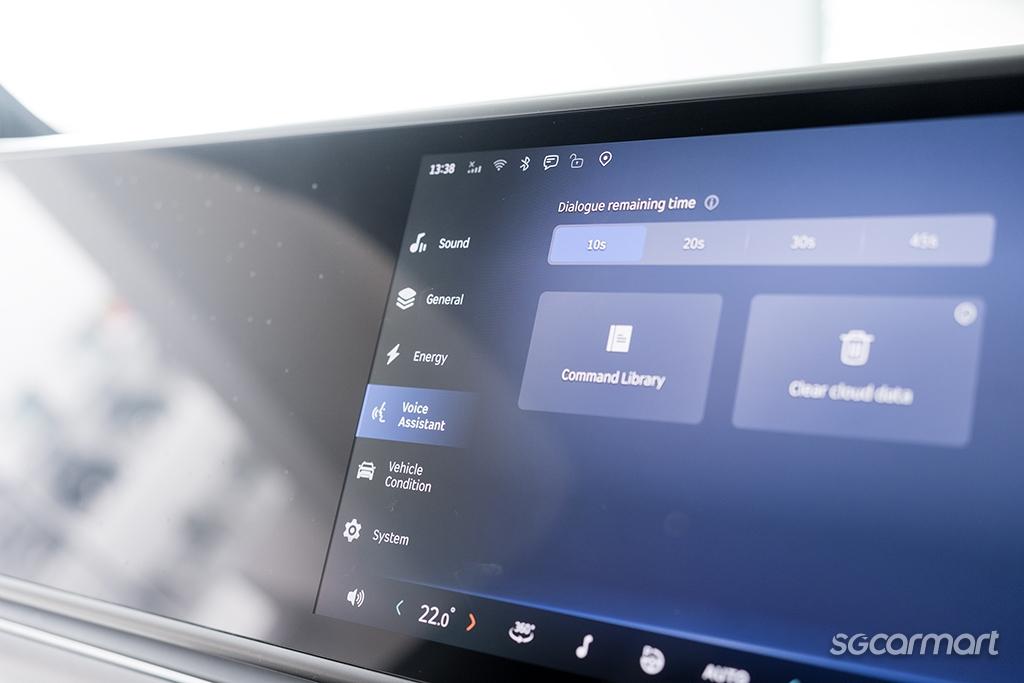
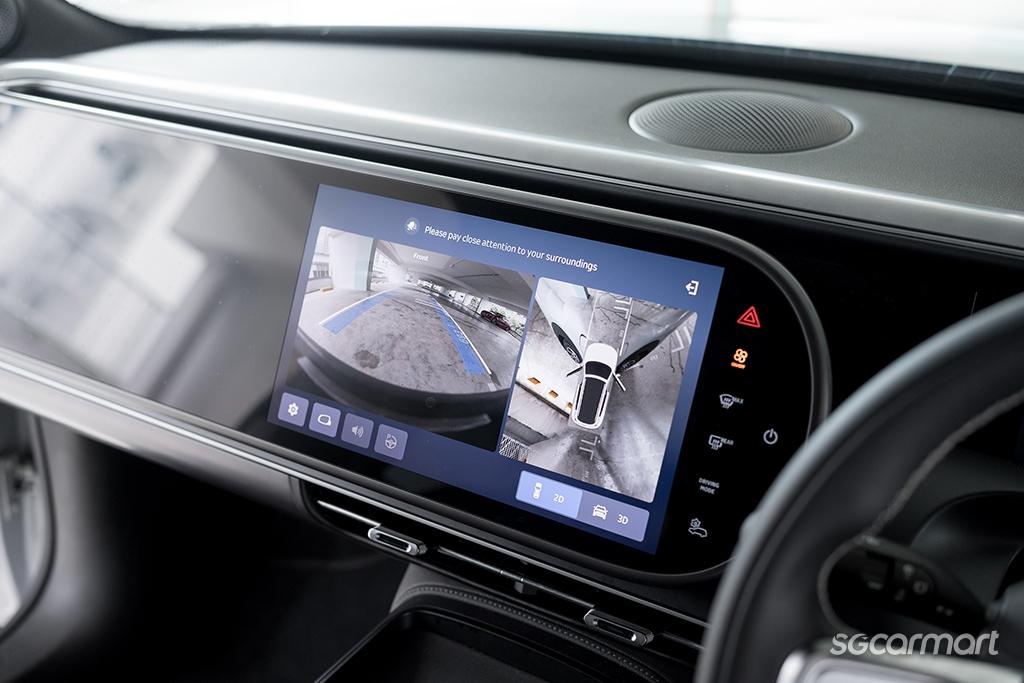
To their credit, the well-sized 10.3-inch instrument cluster and 13-inch central infotainment touchscreen ride high on colourful graphics, well-selected typography, and vibrant imagery (a wind farm appears in the background of the #5 when you tap it into ‘Eco’ mode). At a time when the user interfaces of too many electric cars veer into too much monotony, the #5's insistence on an offbeat technicolor path is easy to appreciate.
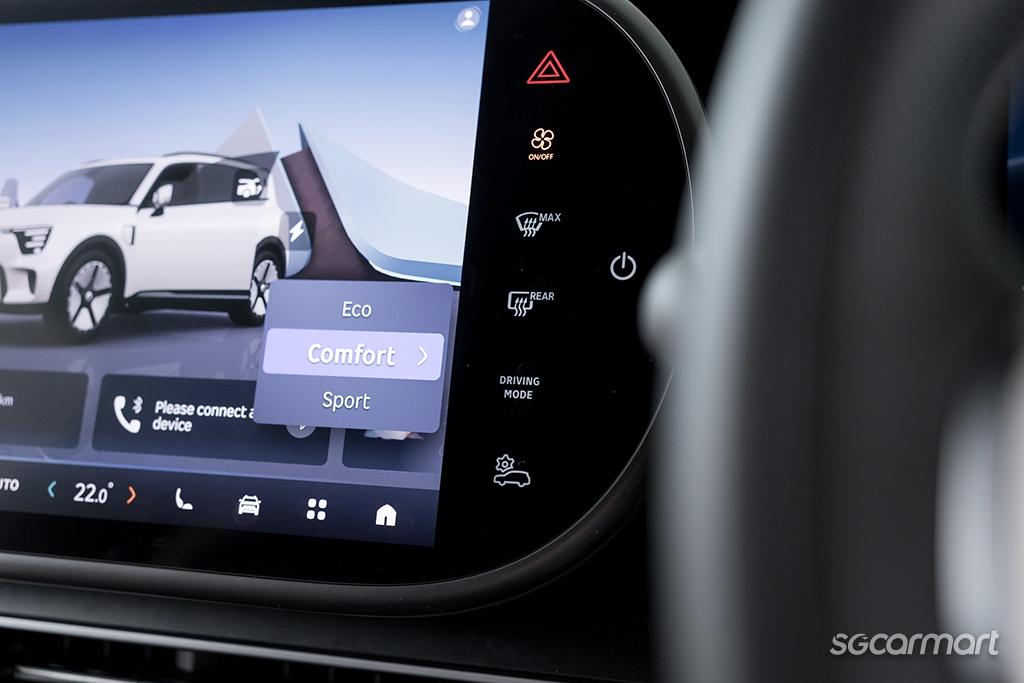
The entire setup is let down slightly, however, by the fact that it is neither the snappiest nor the most intuitive on the market. The shortcut buttons on the right, for instance, include critical functions such as your hazard light button and Drive Modes, but lack the same ease-of-use as proper physical controls.
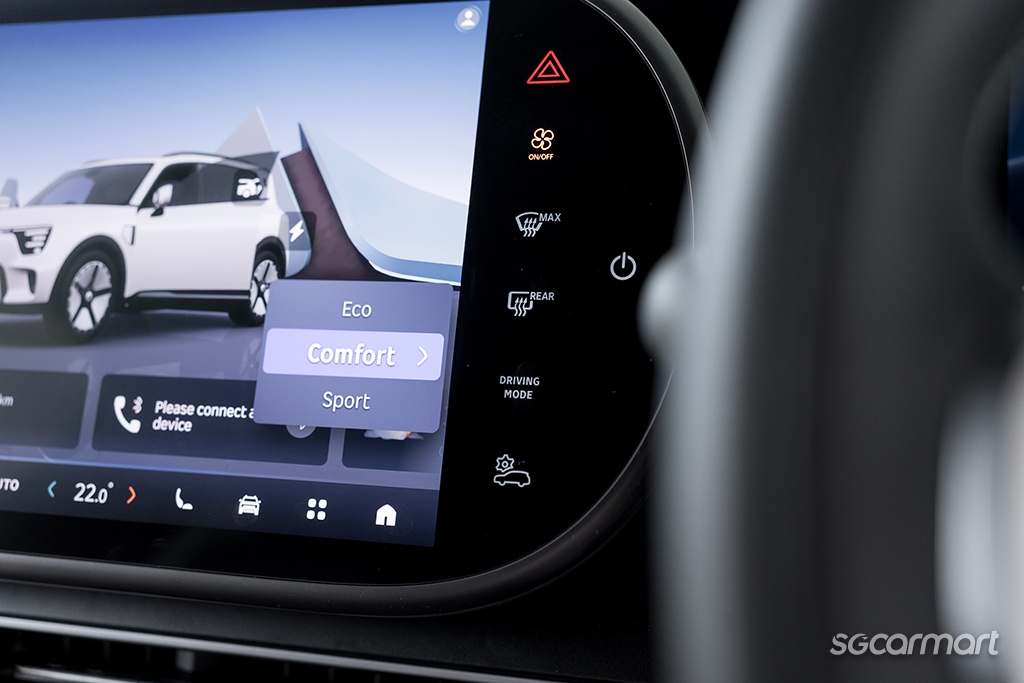
These shortcut functions could be made even handier if they were physical buttons
We're nitpicking here too, but considering just how many features pure-Chinese rivals are stuffing in their cars, the lack of ventilated seats as standard (we drove the Pro variant) inevitably nags at you from the back of your mind.
Those who have been following the #5 since its global debut will also know exactly how much tech Smart has prepped and stuffed into it. The absence of those heavy-hitting goodies here is also hard to miss (more on that later).
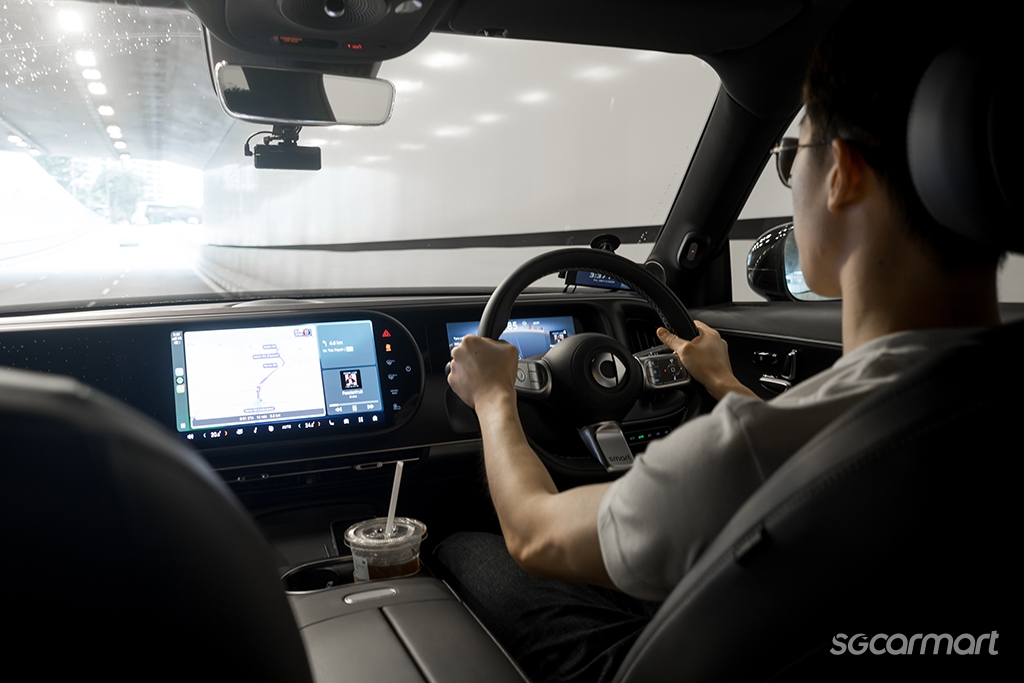
Conversely, where all of that whimsical energy is dialled back (and rightfully so) is when the #5 is on the move.
To be clear, power isn't unsubstantial. With 250kW (335bhp) and 373Nm of torque on this #5 Pro (the higher-end #5 Premium gets just a bit more power; the #5 Brabus doesn't seem destined for Singapore), you could still send a loose phone on the front passenger seat flying to the rear bench with a good shove of the accelerator pedal in 'Sport'.
The #5 also don't leave fun entirely in the rearview mirror. Though devoid of feedback, its steering rack is quick and nicely-weighted. Even better, perhaps, is the fact that it doesn't feel heavy despite its size. The sum of these qualities bestows the #5 with the manners of an enlarged hatchback rather than a hefty, clumsy SUV.
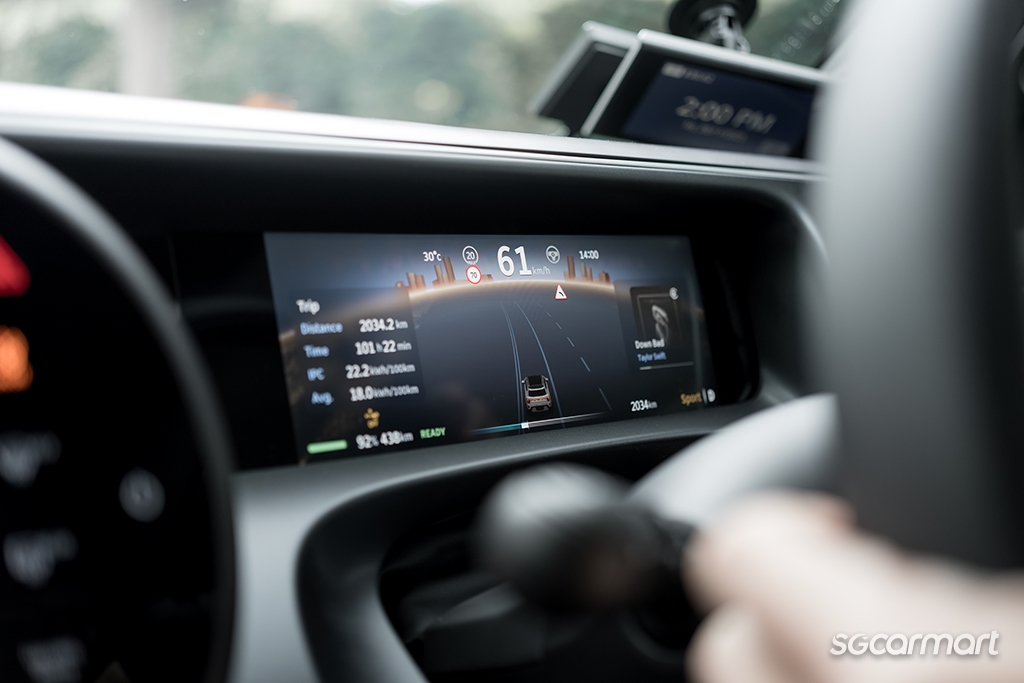
The #5 - even in Pro form - isn't lacking in power, but prefers to dole it all out in a smoother and more linear fashion
But otherwise, it prefers to dole out power in a smoother and more linear fashion: Less frenetic, more easygoing. It's largely in line with how the rest of the driving experience is calibrated too: The view out the front with the car's large windscreen is fantastic, the elevated seating position still feels nicely set up, and visibility all around is excellent too.
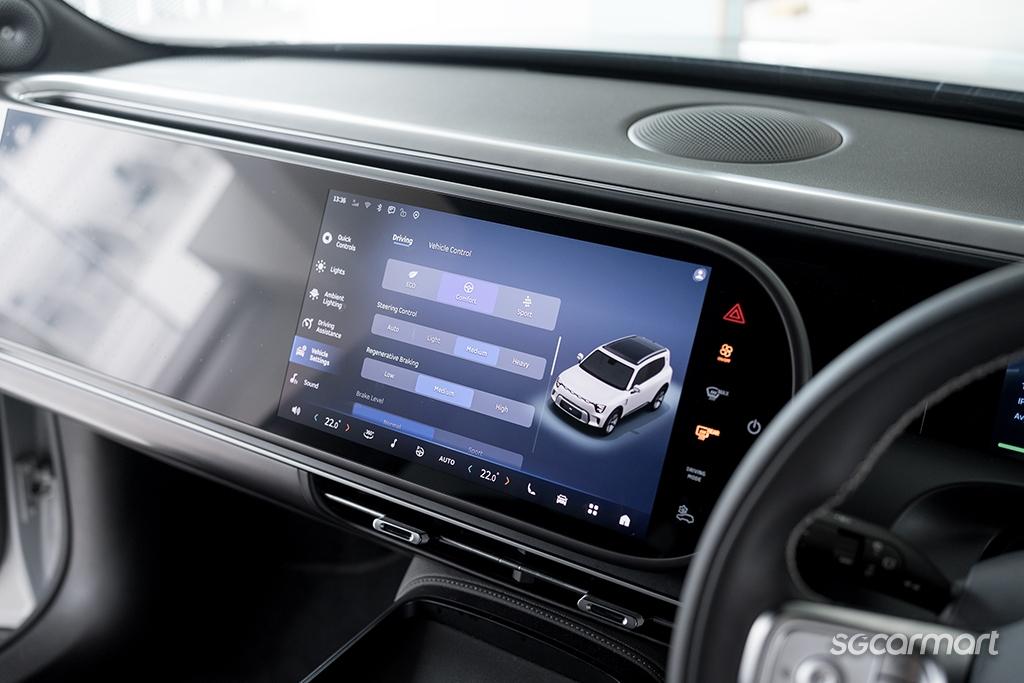
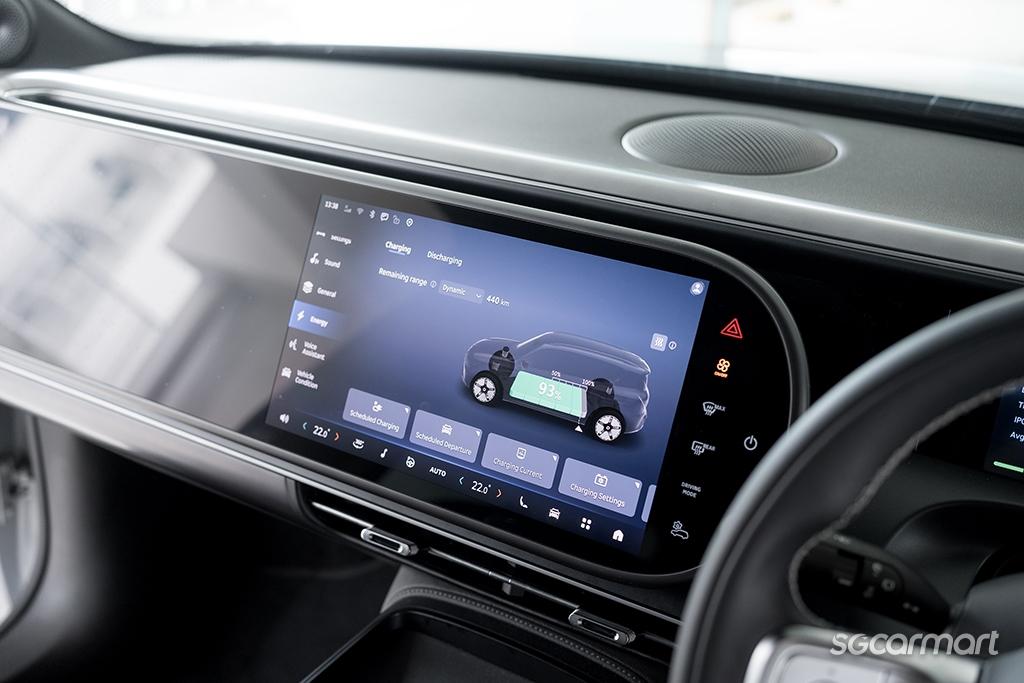
Topping these qualities off, double-glazed glass adds to the unmistakable refinement on the go, allowing the #5 to chomp down on the kilometres at speed without you realising it - to the tune of an impressive real-world range of around 430km on a full charge. Even the regen braking is fairly easy to get a grip in its default, Medium setting (which is where you should get yourself comfortable, by the way, since the system reverts to this every time you get back into the car).
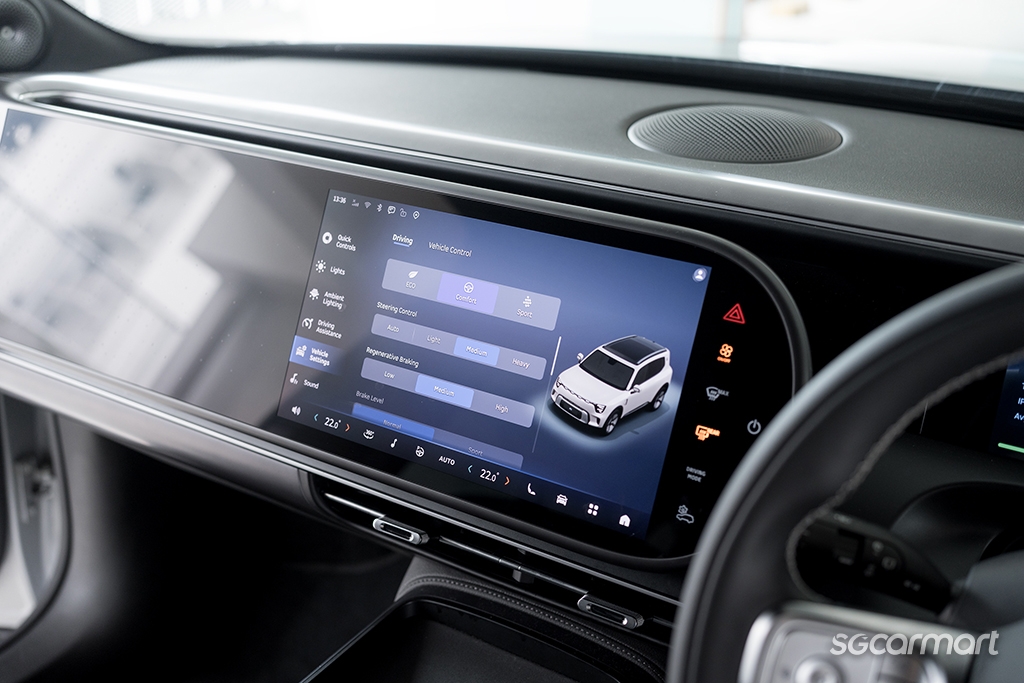
By default, the car reverts to Medium strength for its regenerative braking system whenever you reboot it
Still, while the #5 is good on the road, it's not perfect. For one, one wishes that Smart's engineers could have dialled the car's softer suspension down just a bit. (Notably, the car rocks ever so perceptibly after you've brought it to a halt.)
Harder to overlook (or unhear) is the chattiness of some of the car's (admittedly generous spread of) safety assistance systems - in particular, the 'bongs' that attack the cabin whenever you've skipped slightly above the speed limit. Silencing the latter, unfortunately, is a task you must face every time you power the car back up… which then forces you to face the slightly unergonomic infotainment system.
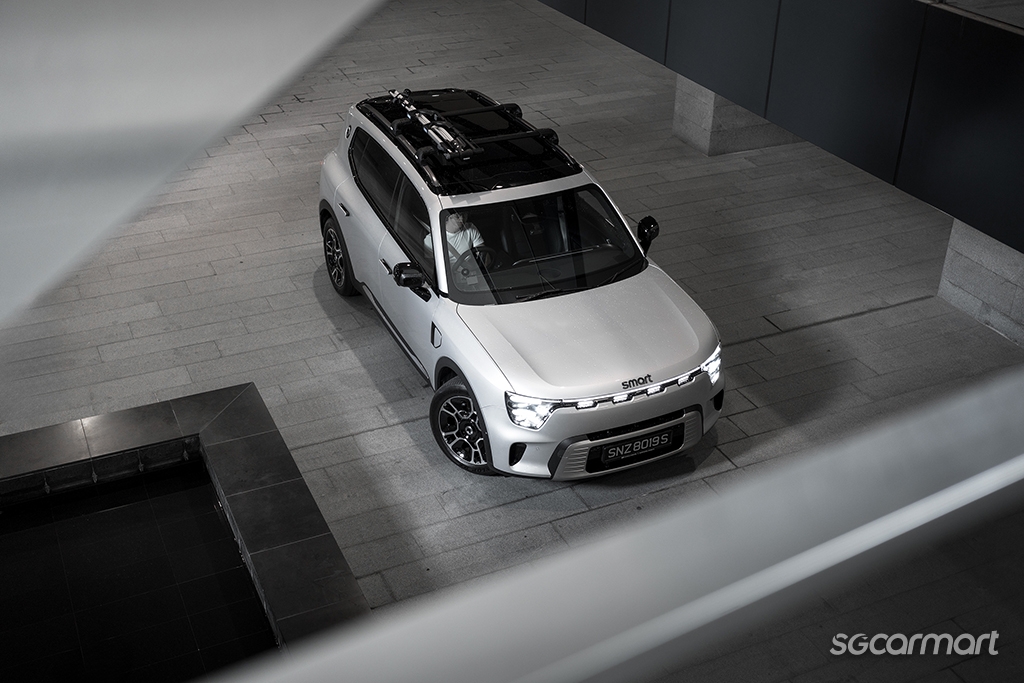
Even if the overall package lacks polish in some areas, however, the #5 is already an impressive and practical electric SUV; undoubtedly the most compelling model by Smart yet in its lineup.
Again, those stuck in the past may need to open their minds to accept the tacking on of the brand's badge onto the D-pillars of a mid-sized SUV. But there's no doubt that this has the potential to also open Smart's horizons up to a wider base of customers. In a sea of same-y electric SUVs, the #5 is brimming with one shining quality that many competitors lack: An identity of its own.
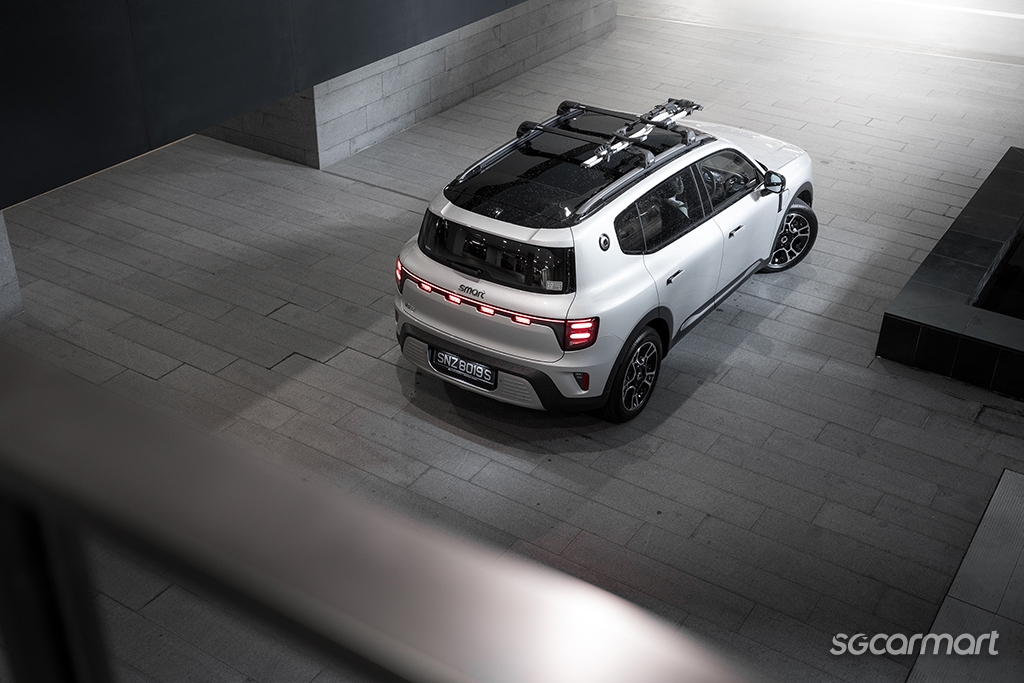
The #5 is already the most compelling model from Smart thus far, but could be made even better still with just a bit more polish and sparkle
It's worth noting, however, that its potential to stand out hasn't been fully tapped on this specific #5 Pro that we drove. Step up to the #5 Premium and the package becomes even more alluring: With ventilated seats (at last), two interconnected 13-inch screens up front, an augmented reality heads-up display, and a 22-speaker Sennheiser sound system. It even boasts a larger 100kWh battery, and is built atop of a more powerful 800V architecture.
In other words, the stuff of an all-guns-blazing flagship. All that could burnish its appeal even further - and open the minds of more customers to owning a Smart in the future.
Here are a few other electric SUVs you should check out!
What We Like
Exceptionally designed; easily one of the best looking electric SUVs today
Spacious rear bench, large boot
Stylish interior
Vibrant user interface
Effortless to drive
Fairly energy-efficient for its size
What We Dislike
Infotainment system not the most intuitive
Overly-chatty ADAS system
Feels a tad plain against the range-topping #5 Premium
Smart's (stylised more coolly as 'smart' officially) invitation to you to 'Open Your Mind' has borne increasing relevance in recent memory, especially if you're of a certain vintage and were first acquainted with the brand during its early-1990s inception.
Following the onboarding of Chinese carmaker Geely, its push into compact crossover (and then compact coupe-crossover) territory had already stretched it far beyond the images of the teeny-tiny fortwo and forfour microcars that it cut its carmaking teeth on.
But as most successful carmakers know, success isn't built on compact crossovers alone.
The #5 is Smart's largest car yet, stretching out at over 4.7 metres long
Which is why we have this now: The Smart #5.
Continuing Smart's aversion to even-numbers (at least for the time being), the #5 is the largest car ever produced by the firm.
Given how widely and loudly this honour has been touted, making a fuss over its size may feel a bit like beating a dead horse at this point. Still, it's worth noting the steady pool of contemporaries it's been aimed at; at nearly 4.7 metres long, this mid-sized electric SUV is just 40mm shy of the outgoing BMW iX3 in overall length.
The #5's 2,900mm wheelbase is longer than that of the Tesla Model Y and XPENG G6
Meanwhile, the #5 also boasts a 2,900mm wheelbase - longer than both that of the Tesla Model Y and the XPENG G6. (Again, yes, this is from the firm who once made cars that were the automotive equivalent of teacup poodles.)
Those names above are among some of the bestselling cars found on our roads today, so you can see where Smart's head is at with the #5. But bestsellers bank first and foremost on being cheaper than rivals, or having more enviable badging. In the absence of both at the moment, the #5 rightfully pursues something else: Compelling style.
Interestingly, Smart felt that the #5 had to be given a visual identity of its own that was aligned with its size and spirit of adventure. So it's not simply a blown-up version of the #1 or #3. Certain distinct idiosyncrasies do, however, remain; as is the Smart way, you'll only be able to find the brand's emblem on the car's D-pillars.
Oblong addiction: The #5's eccentric (but lovable) front end is mirrored exactly at its rear
Otherwise, you wouldn't be misguided to think of the Mercedes-Benz GLB at first (all Smart models are the babies of the Mercedes-Benz Design Studio after all). And while its boxy shape doesn't reinvent the wheel for SUVs, there are plenty of other elements that help it to stand out.
There's no trend-chasing involved; no mindless servitude to aerodynamic considerations. Most arresting is its oblong-shape addiction, which gives rise to one of the most memorable front and rear ends we've seen in recent memory. Both are effectively mirrors of each other.
Also helping the car's looks is the fact that it doesn't ride as high as similarly-sized SUVs, resulting in a squat stance of sorts that adds presence. The result is still very rugged though (meaning that an additional roof rack is the perfect accessory). Resultantly, it's still one of the best looking electric SUVs on the market today.
A generous 640-litre boot is complemented by a 72-litre frunk
All that benefits passenger space greatly too.
Riding on a bespoke electric platform and long-ish wheelbase, the compact Smart #1 was already surprisingly capable when it came to carrying rear passengers. But its more petite frame ultimately revealed its Achilles heel when you popped the tailgate open: A decent-at-best, 313-litre boot.
With its larger footprint, the #5 dials up the practicality by several levels.
The rear bench is already spacious and comfy, but a large panoramic sunroof (with a sunshade) helps enlarge the feeling of the space even further
Its boot, for starters, stands at a generous 640 litres, boasts a wide aperture, and even comes with a handy adjustable floor. Hop into the second row, and a spacious rear bench also greets you with generous head and legroom for three passengers. Given the #5's squarish windows, the cabin is not lacking in airiness - but this is elevated still with a full-length panoramic roof.
Interestingly, the #5's second row also comes with a special quirk that infuses some Mercedes-Benz DNA: Electrically reclining backrests, operated not by buttons at the seat bases, but on the door panels. Also uncommon is a one-touch button that reclines the leftmost rear seat, and pushes that of the front passenger all the way forward, chauffeur-driven style.
The #5 comes with a 'chauffeur' mode for the left rear passenger
While rightfully maximising its footprint for occupant comfort, the #5 doesn't forget the whimsical interior design of its smaller siblings.
You'll note, for instance, that the brand's intriguing obsession with capsule shapes has returned on the door handles, on the front head rests, on the dashboard, and on the upholstery of the seats. Striking silver seatbelts present another welcome and successful attempt at enlivening the #5’s interior. In all, there is a level of detail to eccentric design on the inside that feels intentional, and isn't jarring.
In tandem, you're likely to enjoy the #5's similarly playful user interface - at least to a certain degree.
To their credit, the well-sized 10.3-inch instrument cluster and 13-inch central infotainment touchscreen ride high on colourful graphics, well-selected typography, and vibrant imagery (a wind farm appears in the background of the #5 when you tap it into ‘Eco’ mode). At a time when the user interfaces of too many electric cars veer into too much monotony, the #5's insistence on an offbeat technicolor path is easy to appreciate.
The entire setup is let down slightly, however, by the fact that it is neither the snappiest nor the most intuitive on the market. The shortcut buttons on the right, for instance, include critical functions such as your hazard light button and Drive Modes, but lack the same ease-of-use as proper physical controls.
These shortcut functions could be made even handier if they were physical buttons
We're nitpicking here too, but considering just how many features pure-Chinese rivals are stuffing in their cars, the lack of ventilated seats as standard (we drove the Pro variant) inevitably nags at you from the back of your mind.
Those who have been following the #5 since its global debut will also know exactly how much tech Smart has prepped and stuffed into it. The absence of those heavy-hitting goodies here is also hard to miss (more on that later).
Conversely, where all of that whimsical energy is dialled back (and rightfully so) is when the #5 is on the move.
To be clear, power isn't unsubstantial. With 250kW (335bhp) and 373Nm of torque on this #5 Pro (the higher-end #5 Premium gets just a bit more power; the #5 Brabus doesn't seem destined for Singapore), you could still send a loose phone on the front passenger seat flying to the rear bench with a good shove of the accelerator pedal in 'Sport'.
The #5 also don't leave fun entirely in the rearview mirror. Though devoid of feedback, its steering rack is quick and nicely-weighted. Even better, perhaps, is the fact that it doesn't feel heavy despite its size. The sum of these qualities bestows the #5 with the manners of an enlarged hatchback rather than a hefty, clumsy SUV.
The #5 - even in Pro form - isn't lacking in power, but prefers to dole it all out in a smoother and more linear fashion
But otherwise, it prefers to dole out power in a smoother and more linear fashion: Less frenetic, more easygoing. It's largely in line with how the rest of the driving experience is calibrated too: The view out the front with the car's large windscreen is fantastic, the elevated seating position still feels nicely set up, and visibility all around is excellent too.
Topping these qualities off, double-glazed glass adds to the unmistakable refinement on the go, allowing the #5 to chomp down on the kilometres at speed without you realising it - to the tune of an impressive real-world range of around 430km on a full charge. Even the regen braking is fairly easy to get a grip in its default, Medium setting (which is where you should get yourself comfortable, by the way, since the system reverts to this every time you get back into the car).
By default, the car reverts to Medium strength for its regenerative braking system whenever you reboot it
Still, while the #5 is good on the road, it's not perfect. For one, one wishes that Smart's engineers could have dialled the car's softer suspension down just a bit. (Notably, the car rocks ever so perceptibly after you've brought it to a halt.)
Harder to overlook (or unhear) is the chattiness of some of the car's (admittedly generous spread of) safety assistance systems - in particular, the 'bongs' that attack the cabin whenever you've skipped slightly above the speed limit. Silencing the latter, unfortunately, is a task you must face every time you power the car back up… which then forces you to face the slightly unergonomic infotainment system.
Even if the overall package lacks polish in some areas, however, the #5 is already an impressive and practical electric SUV; undoubtedly the most compelling model by Smart yet in its lineup.
Again, those stuck in the past may need to open their minds to accept the tacking on of the brand's badge onto the D-pillars of a mid-sized SUV. But there's no doubt that this has the potential to also open Smart's horizons up to a wider base of customers. In a sea of same-y electric SUVs, the #5 is brimming with one shining quality that many competitors lack: An identity of its own.
The #5 is already the most compelling model from Smart thus far, but could be made even better still with just a bit more polish and sparkle
It's worth noting, however, that its potential to stand out hasn't been fully tapped on this specific #5 Pro that we drove. Step up to the #5 Premium and the package becomes even more alluring: With ventilated seats (at last), two interconnected 13-inch screens up front, an augmented reality heads-up display, and a 22-speaker Sennheiser sound system. It even boasts a larger 100kWh battery, and is built atop of a more powerful 800V architecture.
In other words, the stuff of an all-guns-blazing flagship. All that could burnish its appeal even further - and open the minds of more customers to owning a Smart in the future.
Here are a few other electric SUVs you should check out!



Car Information
smart #5 electric Pro 76 kWh (A)
$257,000
CAT B|Electric|5.4km/kWh
Horsepower
250kW (335 bhp)
Torque
373 Nm
Acceleration
6.9sec (0-100km /hr)

Thank You For Your Subscription.
- Exterior
- Interior
- The Drive
- Conclusion


Tags
Products & Services

For Owners
Quick Links
About Sgcarmart