Prestigious flagship saloons, like nicely cut suits and tasteful watches, have a tendency of overwhelming you. Firstly, they make you look more important and richer than you actually are. Secondly, all eyes are on you, regardless of whether you're just at the lights or trying to park the hugely made car. Lastly, it overwhelms you with a lot of goodness.
In short, if you wanted a luxury car that you could enjoy driving as much as lounging in, the BMW 7 Series is the one to have.
Ever since it was produced back in 1977, the 7er has been regarded as the trademark of BMW. Ever since we gave the car a go in Borobudur last month, we've been yearning for that capable transportation of familiar elegance and sarcophagus of silence of the 7 Series.
Exterior
The car has been given such a subtle makeover that one has to squint more than usual, even with its previous model placed beside this one, to spot the difference. But ironically, it doesn't have the exact same physical presence as before. Unlike most facelifts that we know of, the 7er earns for itself a new grille, a different front bumper and a new set of LED headlights.
In short, if you wanted a luxury car that you could enjoy driving as much as lounging in, the BMW 7 Series is the one to have.
Ever since it was produced back in 1977, the 7er has been regarded as the trademark of BMW. Ever since we gave the car a go in Borobudur last month, we've been yearning for that capable transportation of familiar elegance and sarcophagus of silence of the 7 Series.
Exterior
The car has been given such a subtle makeover that one has to squint more than usual, even with its previous model placed beside this one, to spot the difference. But ironically, it doesn't have the exact same physical presence as before. Unlike most facelifts that we know of, the 7er earns for itself a new grille, a different front bumper and a new set of LED headlights.
These changes do, however, give the flagship sedan an even more thrusting nose than before and it's no bad thing. It's not as daunting as what you would come to expect from the sizeable car. Plus, there are no awkward proportions found on the car - only slim and exciting contours that are agreeable to most eyes.
As a result, you can't help but to feel that the car is an incremental improvement from the outgoing model. Unlike its peers, where size immediately translates to power, the 7er is an understated and humble car that prefers to hide just how road capable it really is.
As a result, you can't help but to feel that the car is an incremental improvement from the outgoing model. Unlike its peers, where size immediately translates to power, the 7er is an understated and humble car that prefers to hide just how road capable it really is.
Interior
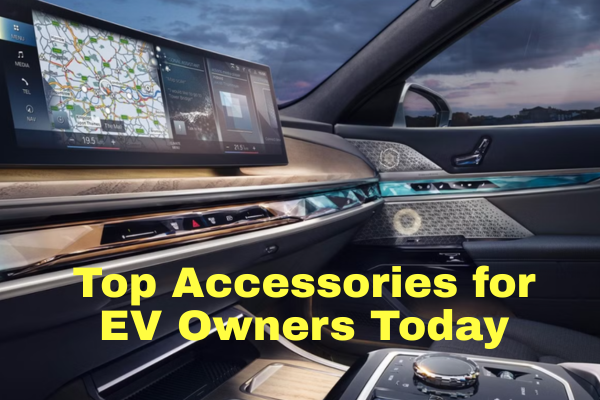
Unlike its exterior, changes are more immediate on the inside. The instrument panel on the revamped 7, for the first time, is a fully digital screen that's filled with vibrant colours. More notably, it adjusts its information readout to suit the mood of the drive. In Eco Pro, it displays a blue energy dial while in Sport mode, it reverts to a red rev counter.
While nothing has been done to change the shape and curves of the dashboard, the iDrive system has been tidied and improved over its predecessor, giving buyers another compelling reason to choose this over the Audi A8 or the Merc S-Class. Rightfully criticised in the past, the iDrive system is now far more intuitive.
Space wise, the plentiful room in the 7er will easily carry three at the rear. Head and legroom is more than adequate all round. Amenities in the car are bound to meet buyers' demands, too. You'll be surrounded by comfortable seats, a mix of fine leather and polished woods and bits of chrome - all just to remind you that you aren't driving any ordinary flagship sedan.
Drivetrain
The power and flexibility of the 730Li's six-cylinder 3.0-litre powerplant confirms why the 7 Series is one of the best amongst its peers. It continues to balance comfort with an engaging driving experience, thanks to the now-familiar Eco Pro mode that has been inserted into the Driving Experience Control toggle and the sufficient 258bhp and 310Nm of torque that are smoothly transferred to the rear wheels via the creamy eight-speed automatic gearbox.
On the go, there are clear signs of improvement in the suspension and chassis set up. On the slightly dull side of things, the 1.8 tonne car manages to deal with broken surfaces and humps much better than before. But on the exciting side, the 7er impresses with its ability and confidence to sweep around tight corners with aplomb. It twists sharper and surer than many luxury sedans, making it easy for you to forget that you are, in fact, driving a very large sedan.
Under normal driving conditions, the car is just as satisfying to drive. Despite being the base variant, the car feels just right. It feels neither underpowered nor will it overwhelm you with loads of forceful push. The only set back is that our test car didn't come with the optional Integral Active Steering which could have helped offer a clearer guide to the car's broader capabilities on the road. Still, there is no denying that the 7er's handling traits are remarkably deft considering its bulk and heft.
Conclusion
The facelifted BMW 7 Series that you see here may not have the kind of head turning looks found on, say, a Porsche Panamera or a Jaguar XJ, but what it lacks in eye-popping appeal, it clearly makes up for in performance and comfort.
We wonder how the new S-Class will fare when it arrives here next year.