View page in desktop
|
Report error
  •   Apple app store icon
  • Google play store icon
Terms of Service
|
Privacy Policy
|
PDPA
|
Site Map
©2004-2026 Sgcarmart, Singapore. All rights reserved.
  • Home
  • Car Articles
  • advice
  • advice Listings
  • Car Buying Advice
  • Car engines 101 - what is the right engine for you?

    02 Feb 2021

    |

    17,730 views

    Here is a detailed explainer of engine capacity and performance, highlighting why size isn't everything.


    "This car how many cc ah?"

    That's often the first question I get from my parents when they get into a new car that I'm test driving. And in their mind, bigger cc is always better, smaller cc always indicative of an underpowered car.

    30 years ago, that would be undeniably true. But these days, such a simple understanding of engine size as directly correlated to performance isn't quite as straightforward anymore.

    Understanding engine capacity
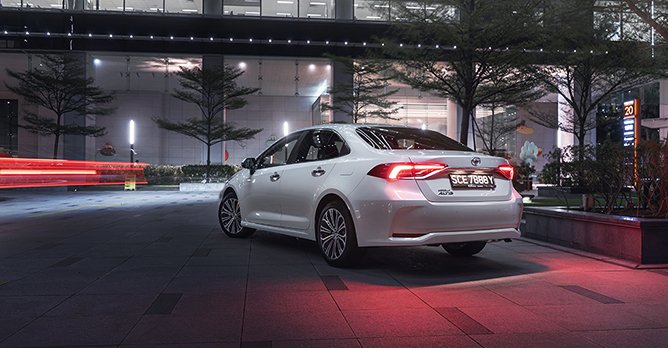
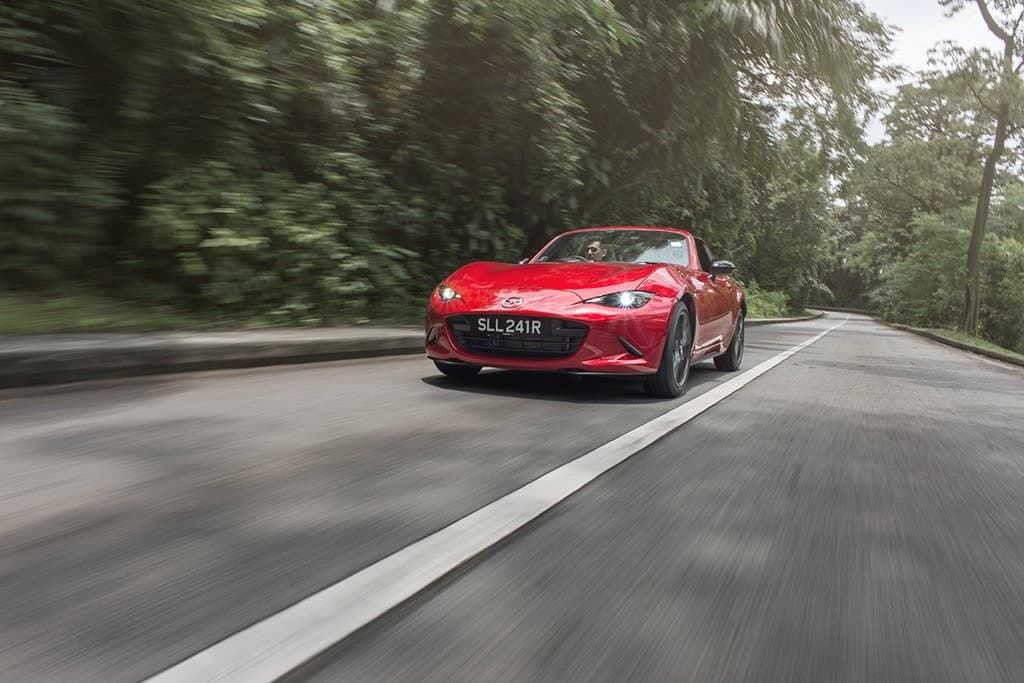
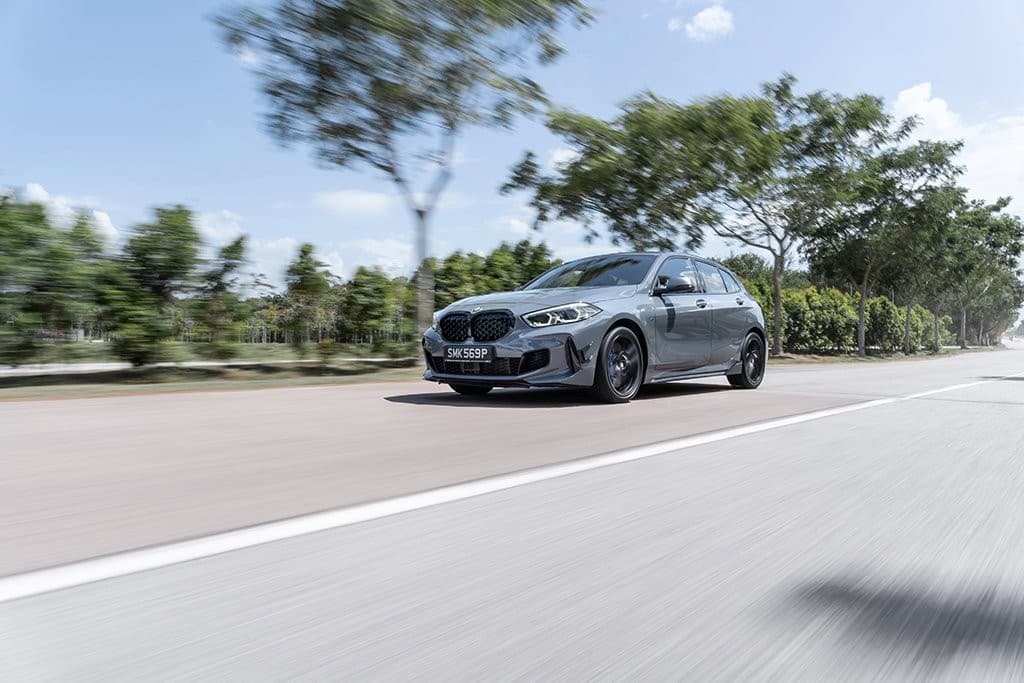
    With NA engines, a bigger capacity engine generally means more performance
    We think of engines in terms of their size - 1.0-litre, 2.0-litre and so forth. However, that isn't a measure of the engine's physical size.

    Without wanting to get overly technical, an engine's capacity, or more accurately its displacement, is a measure of the total volume of air and fuel being pushed through the engine by the cylinders when combustion occurs. This is measured in cubic centimetres (cc).

    As such, a 1,000cc engine can displace one litre (1,000cc) of the air-fuel mixture, and a 3,000cc engine can displace three litres. Manufacturers thus label engines accordingly - 1.0-litre, 1.5-litre, 2.0-litre, etc.

    Engine capacity measures the total volume of air and fuel being pushed through the engine by the cylinders when combustion occurs
    An engine creates power through the process of the combustion of the air-fuel mixture. Subsequently, having more displacement means that the engine is able to generate more power.

    This is why, traditionally, a bigger displacement naturally aspirated (NA) engine almost always means a more powerful engine.

    Turbocharging trickery

    The application of forced induction technology (including both turbocharging and supercharging) has fundamentally altered the traditional 'rules' about engine size and performance. Again, without wanting to get too technical, a turbocharger essentially forces extra compressed air into the engine. With more air available, the turbocharged engine is thus able to generate more power compared to a NA engine of the same capacity.

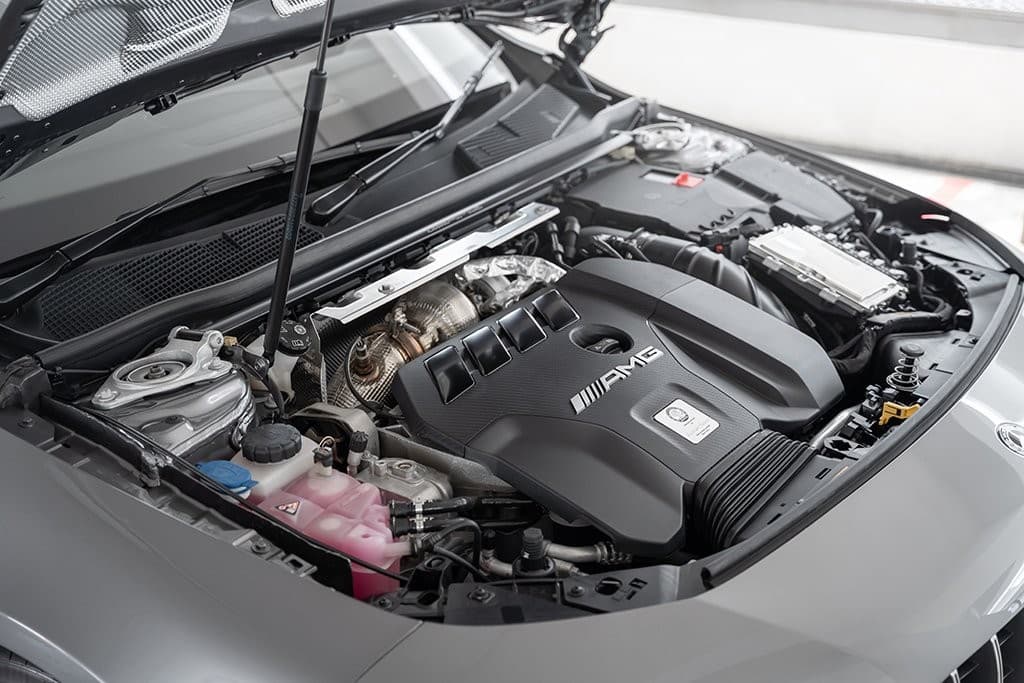
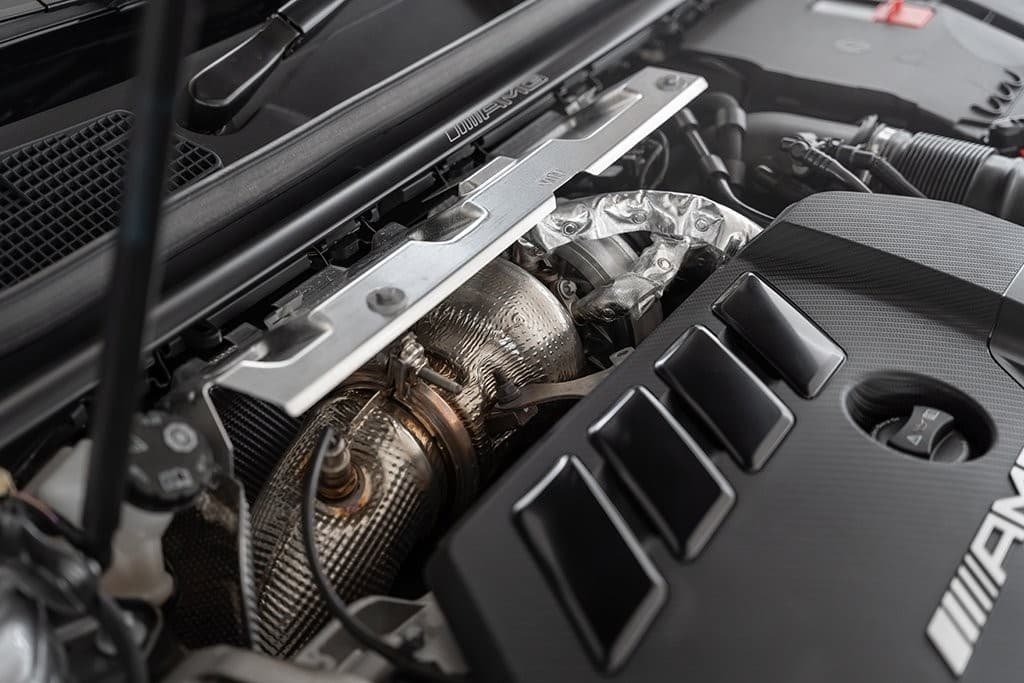
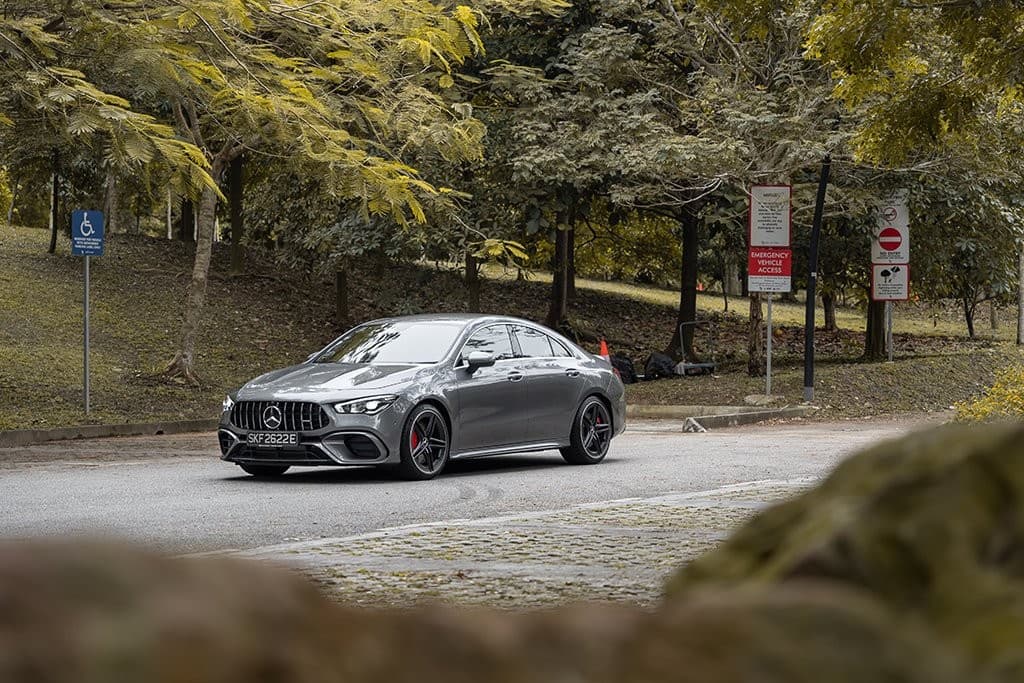
    Mercedes' new turbocharged 2.0-litre engine is capable of generating a whopping 416bhp and 500Nm of torque
    But, what does this actually mean to the layman?

    Well, put simply, the traditional understanding of a 2.0-litre engine being more powerful than a 1.6-litre engine being more powerful than a 1.0-litre engine may not be strictly true anymore.

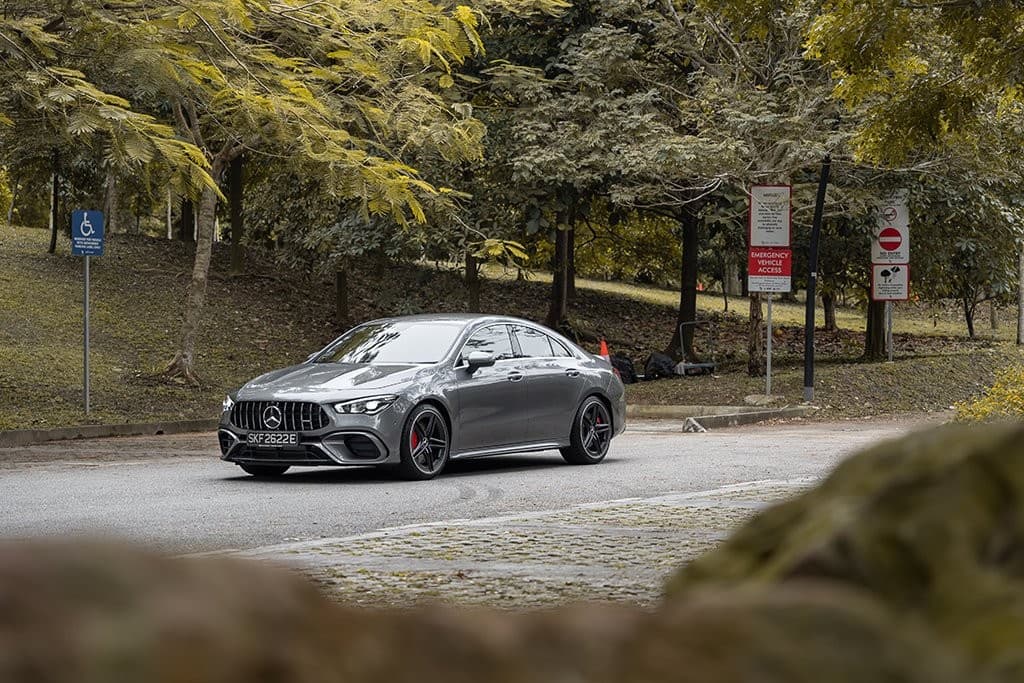
    Take for example the Mercedes-Benz CLA45. It has a turbocharged 2.0-litre engine that produces a mind-bending 416bhp and 500Nm of torque. Mercedes' own turbocharged 3.0-litre engine in its C43 model produces less power (385bhp). And, a Ferrari 360, which uses a NA 3.8-litre V8 engine, produces 394bhp.

    With turbocharging, manufacturers have managed to extract extra performance from smaller engines. So, you shouldn't be so quick to dismiss smaller cars with 1.0-litre engines (we're seeing more and more of such models nowadays).

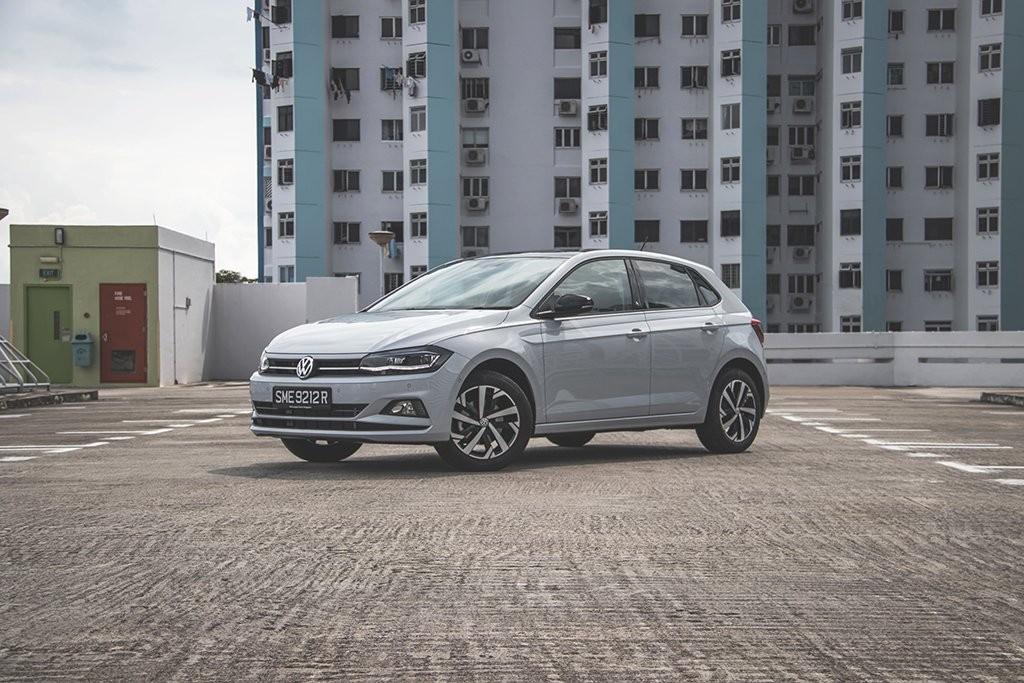
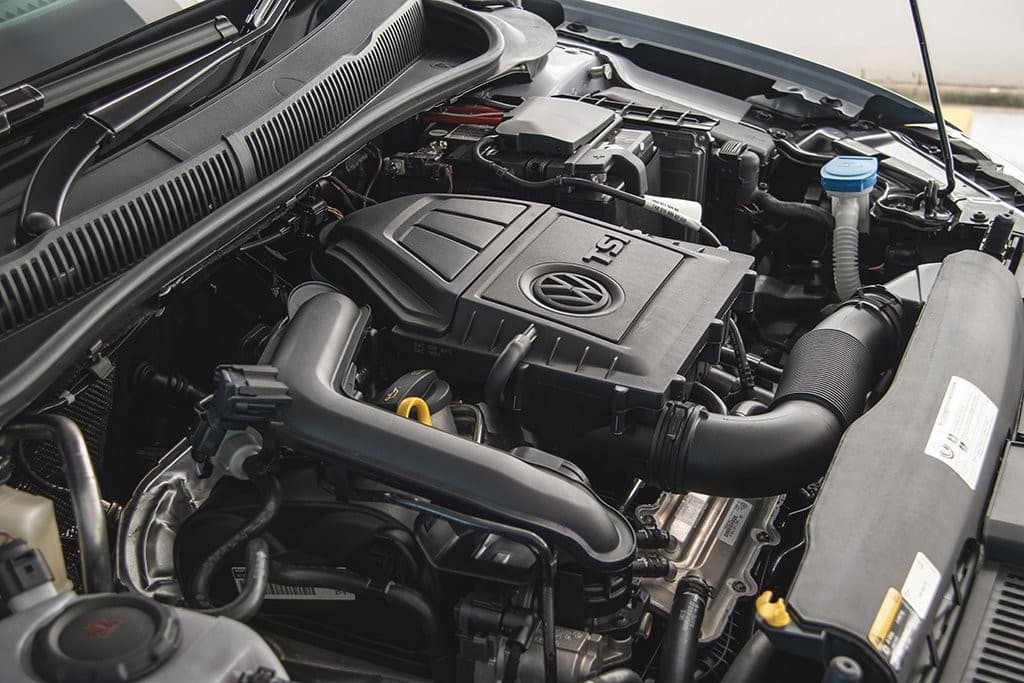
    A 1.0-litre VW Polo has comparable performance to a Honda Civic with an NA 1.6-litre engine
    A Volkswagen Polo, with its turbocharged 1.0-litre engine producing 114bhp and 200Nm of torque, has similar performance to a Honda Civic 1.6, which has 123bhp and 152Nm of torque.

    Size isn't everything.

    Horsepower vs torque

    So how do you judge an engine's performance, then? Here, it's not quite as simple as just engine capacity.

    Two units of measurement always come up when describing engine performance - horsepower and torque. Trying to fully explain the difference between the two is a head-scratchingly difficult exercise, but I will persist to offer as simple an explanation as I can.

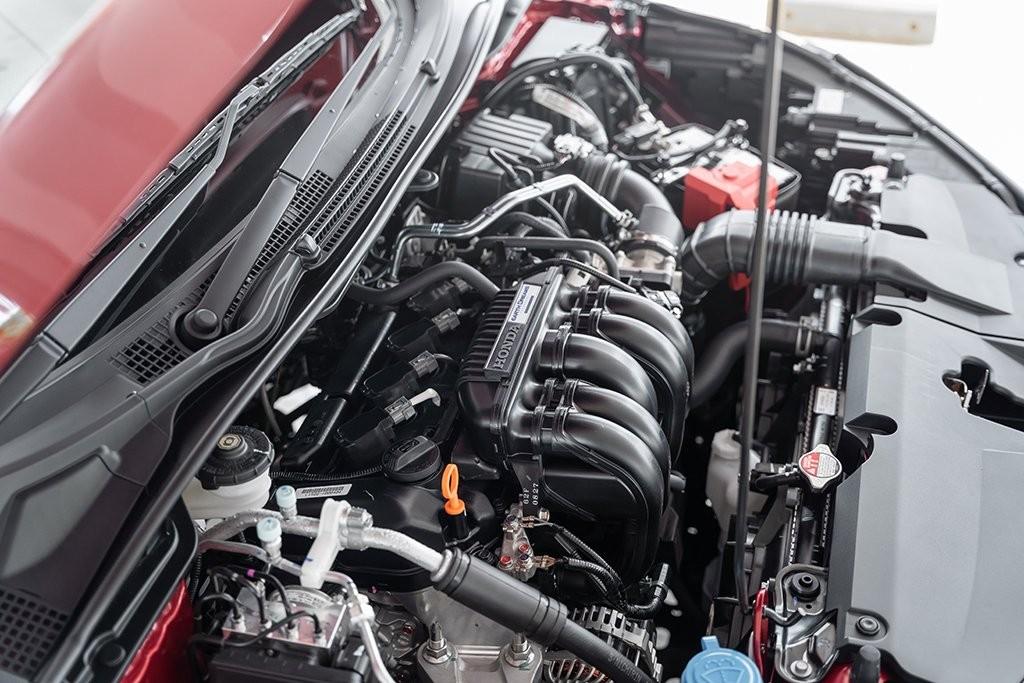
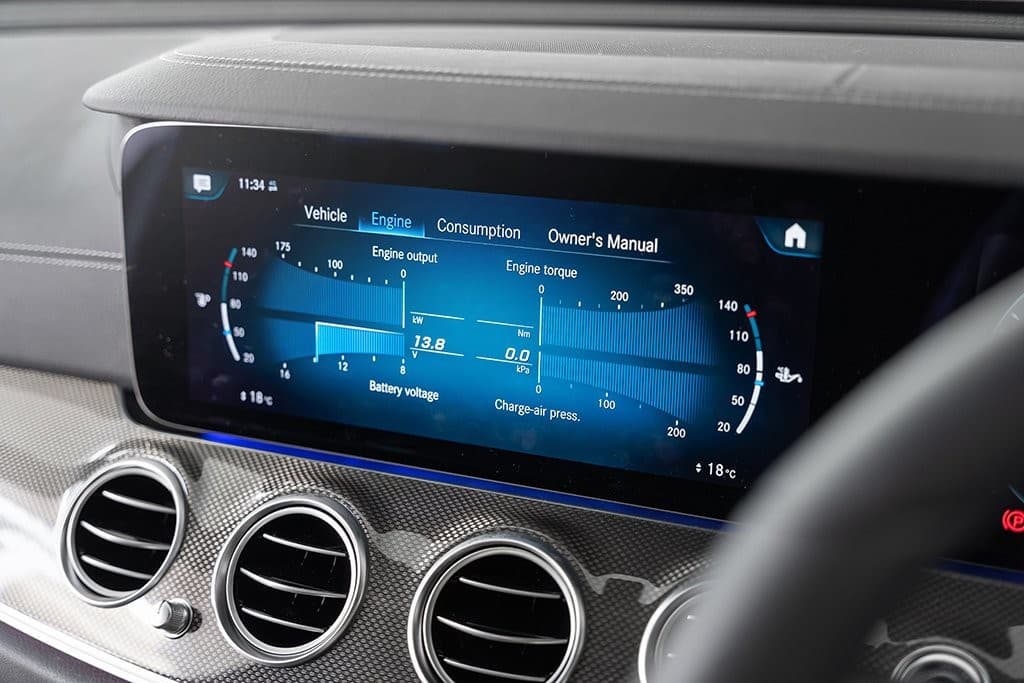
    Horsepower and torque are a clearer reflection of an engine's performance
    Torque is a measure of work done, and in the case of an engine it quantifies the rotating force produced by the crankshaft. Power is a measurement of the rate of work done. For cars, it is a mathematically derived value - horsepower equals torque multiplied by rpm.

    The key thing to understand is this - when you get in a car and step on the accelerator, that surge that your feel, the so-called 'punchiness' or force of acceleration, is torque, not bhp.

    This is generally why turbocharged engines tend to feel 'stronger; and 'more powerful' at lower revs, and tend to have higher torque figures compared to a NA engine of similar power. A turbocharged engine is able to generate more torque across a wider rev range.

    The accelerative force that you feel when stepping on the throttle is torque, not bhp
    And of course, the car's weight has to be taken into account. A lighter car would of course feel 'faster' than a heavier car with an identical engine.

    So, take once more the aforementioned VW Polo and Honda Civic. The 1.0-litre Polo has notably more torque than the heavier Civic, and is thus quite a bit quicker from 0-100km/h (9.5 seconds compared to the Civic's 11.6), even though the Civic has more bhp and a larger capacity engine.

    Again, size isn't everything.

    ctaimage

    Sgcarmart

    Get the most competitive quotes today!

    Renew you car insurance with a partner that is there for you anytime!

    Get a Cheaper Quote link red arrow


    Then tax, how?

    The COE categories have been revised such that cars above 130bhp fall into Cat B
    For Singapore owners, there is the obvious question of money - how does engine size and performance relate to taxation?

    In the past, the distinctions between engines were simple, and Singapore's taxation structure reflected that. Cat A COE is for 1.6-litre engines and below, and Cat B for anything more than 1.6-litres. Road tax is calculated based simply on the engine capacity.

    Now, the COE categories have been adjusted to account for the changes in engine performance, too. Cat A COE is capped at 1.6-litre engines with a maximum of 130bhp, and Cat B is for cars above 1.6-litre capacity or 130bhp. The structure for road tax remains unchanged, based on engine capacity.

    So smaller is better?

    Smaller engines tend to be more efficient
    Generally speaking, a smaller capacity engine would incur lower taxes compared to a larger capacity engine. The logic behind it is simple - a smaller engine would use less fuel and produce fewer emissions. This is why you see most manufacturers 'downsizing' engines to meet new emissions regulations while utilising modern technology to still deliver comparable or even higher levels of performance and efficiency.

    As we've demonstrated, in today's day and age, smaller doesn't necessarily mean less powerful. Smaller engines also tend to be more economical, both to buy and to run long term. 

    Of course, some drivers still like big engines because of how they feel and sound
    So when it comes to choosing the 'right' engine for you, engine capacity is but one of a few indicators of performance and capability, not the only one. In fact, looking at the engine's performance figures, both horsepower and torque, would give you a better indication of performance. 

    That said, some drivers still prefer bigger capacity engines, whether it's the feel or sound of the engine or the fact that, yes, bigger engines can still deliver immense performance. As the saying goes, 'there's no replacement for displacement'. 

    But remember, size isn't everything.

    Here are some related articles that might interest you

    Why are electric cars so expensive in Singapore?

    Top 8 car breakdown problems in Singapore

    Are diesel cars harder to maintain than petrol cars?

    Here's how you can improve your engine's fuel consumption and performance

    ctaimage

    Sgcarmart

    Compare the Best Petrol Credit Cards

    Save up to 25% on your petrol bills!

    • Maximise your savings at Shell, ESSO, Caltex & SPC petrol stations
    • Apply to receive welcome offers and online promotions!

    Compare Now link red arrow
    Desmond Chan
    Desmond Chan
    Desmond thinks the world would be better if cars were smaller and less powerful. He wants to live in the 70s.
    Photos by Editorial Team
    24.4k

    Tags

    car engine engine car engine parts car engine performance turbocharger horsepower vs torque road tax road tax check performance engine performance

    AllReviewsNewsAdviceFeaturesVideos
    • Home
    • Car Articles
    • advice
    • advice Listings
    • Car Buying Advice

    Car engines 101 - what is the right engine for you?

    02 Feb 2021

    |

    17,730 views

    Here is a detailed explainer of engine capacity and performance, highlighting why size isn't everything.


    "This car how many cc ah?"

    That's often the first question I get from my parents when they get into a new car that I'm test driving. And in their mind, bigger cc is always better, smaller cc always indicative of an underpowered car.

    30 years ago, that would be undeniably true. But these days, such a simple understanding of engine size as directly correlated to performance isn't quite as straightforward anymore.

    Understanding engine capacity

    With NA engines, a bigger capacity engine generally means more performance
    We think of engines in terms of their size - 1.0-litre, 2.0-litre and so forth. However, that isn't a measure of the engine's physical size.

    Without wanting to get overly technical, an engine's capacity, or more accurately its displacement, is a measure of the total volume of air and fuel being pushed through the engine by the cylinders when combustion occurs. This is measured in cubic centimetres (cc).

    As such, a 1,000cc engine can displace one litre (1,000cc) of the air-fuel mixture, and a 3,000cc engine can displace three litres. Manufacturers thus label engines accordingly - 1.0-litre, 1.5-litre, 2.0-litre, etc.
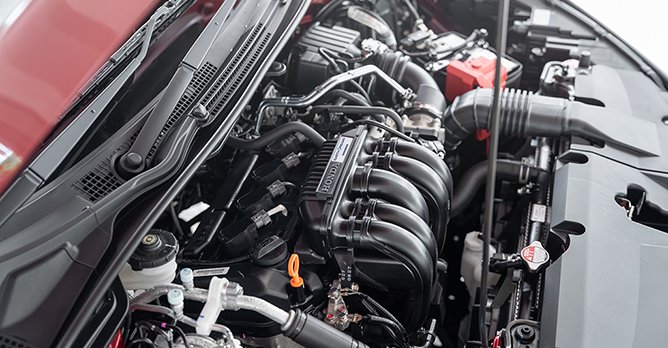
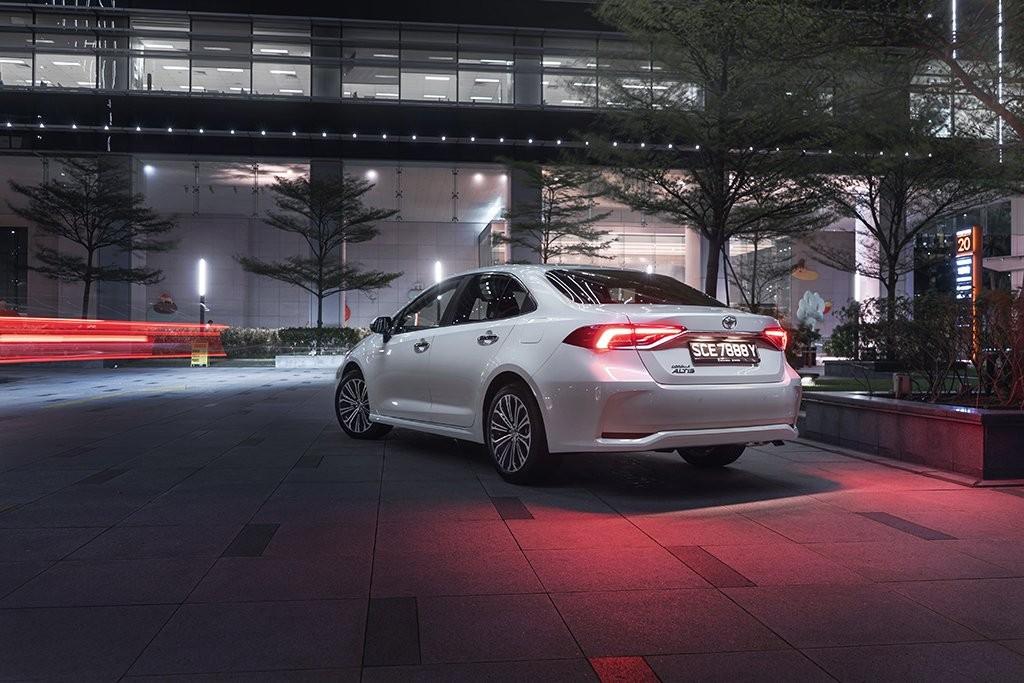
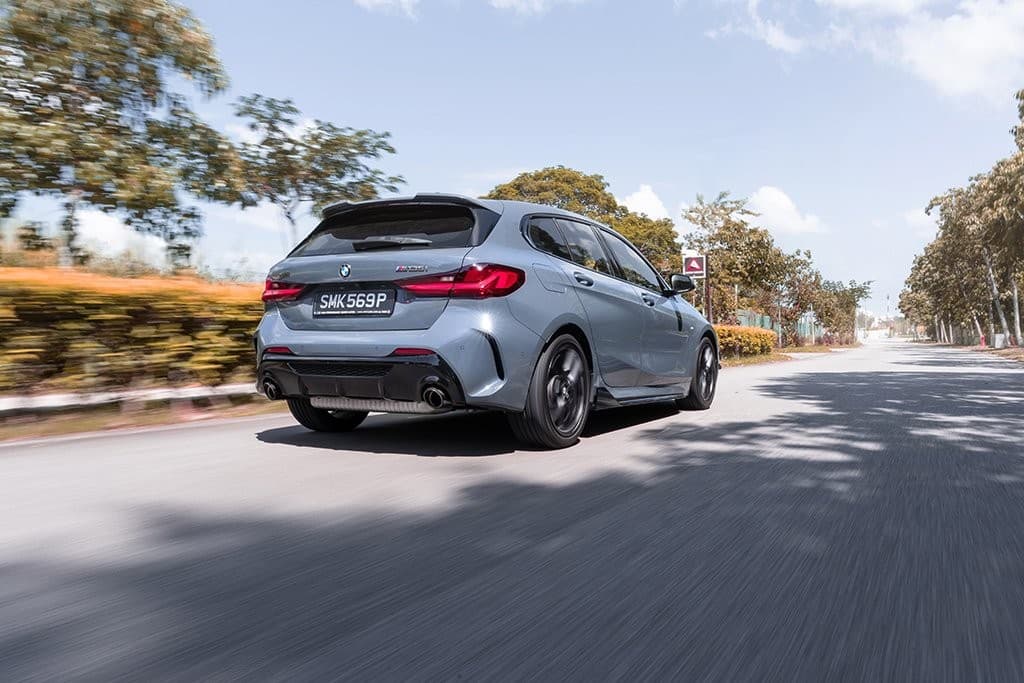
    Engine capacity measures the total volume of air and fuel being pushed through the engine by the cylinders when combustion occurs
    An engine creates power through the process of the combustion of the air-fuel mixture. Subsequently, having more displacement means that the engine is able to generate more power.

    This is why, traditionally, a bigger displacement naturally aspirated (NA) engine almost always means a more powerful engine.

    Turbocharging trickery

    The application of forced induction technology (including both turbocharging and supercharging) has fundamentally altered the traditional 'rules' about engine size and performance. Again, without wanting to get too technical, a turbocharger essentially forces extra compressed air into the engine. With more air available, the turbocharged engine is thus able to generate more power compared to a NA engine of the same capacity.
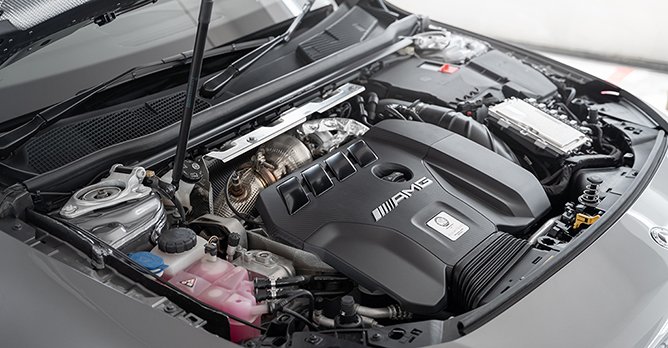
    Mercedes' new turbocharged 2.0-litre engine is capable of generating a whopping 416bhp and 500Nm of torque
    But, what does this actually mean to the layman?

    Well, put simply, the traditional understanding of a 2.0-litre engine being more powerful than a 1.6-litre engine being more powerful than a 1.0-litre engine may not be strictly true anymore.

    Take for example the Mercedes-Benz CLA45. It has a turbocharged 2.0-litre engine that produces a mind-bending 416bhp and 500Nm of torque. Mercedes' own turbocharged 3.0-litre engine in its C43 model produces less power (385bhp). And, a Ferrari 360, which uses a NA 3.8-litre V8 engine, produces 394bhp.

    With turbocharging, manufacturers have managed to extract extra performance from smaller engines. So, you shouldn't be so quick to dismiss smaller cars with 1.0-litre engines (we're seeing more and more of such models nowadays).
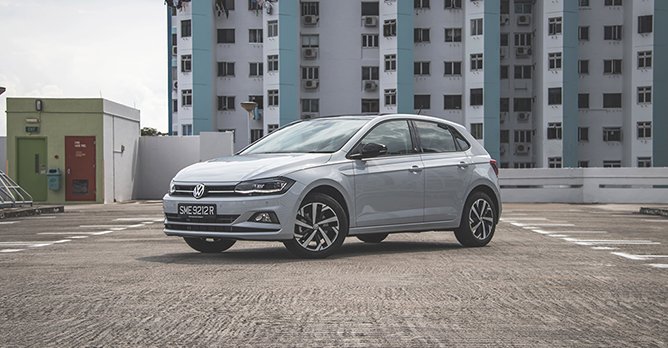
    A 1.0-litre VW Polo has comparable performance to a Honda Civic with an NA 1.6-litre engine
    A Volkswagen Polo, with its turbocharged 1.0-litre engine producing 114bhp and 200Nm of torque, has similar performance to a Honda Civic 1.6, which has 123bhp and 152Nm of torque.

    Size isn't everything.

    Horsepower vs torque

    So how do you judge an engine's performance, then? Here, it's not quite as simple as just engine capacity.

    Two units of measurement always come up when describing engine performance - horsepower and torque. Trying to fully explain the difference between the two is a head-scratchingly difficult exercise, but I will persist to offer as simple an explanation as I can.
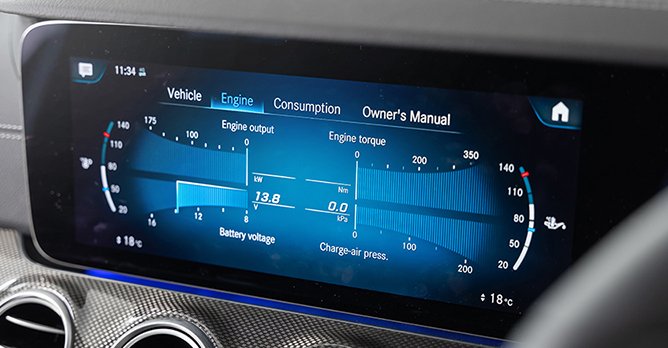
    Horsepower and torque are a clearer reflection of an engine's performance
    Torque is a measure of work done, and in the case of an engine it quantifies the rotating force produced by the crankshaft. Power is a measurement of the rate of work done. For cars, it is a mathematically derived value - horsepower equals torque multiplied by rpm.

    The key thing to understand is this - when you get in a car and step on the accelerator, that surge that your feel, the so-called 'punchiness' or force of acceleration, is torque, not bhp.

    This is generally why turbocharged engines tend to feel 'stronger; and 'more powerful' at lower revs, and tend to have higher torque figures compared to a NA engine of similar power. A turbocharged engine is able to generate more torque across a wider rev range.
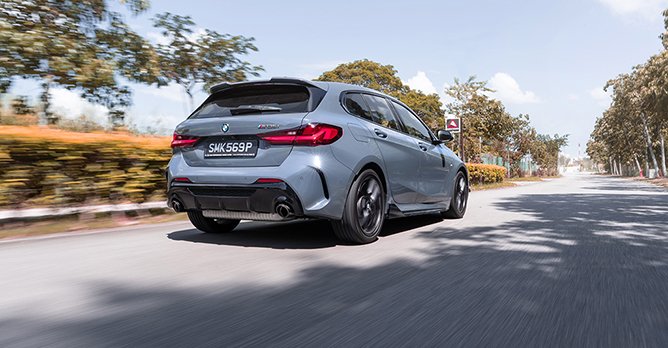
    The accelerative force that you feel when stepping on the throttle is torque, not bhp
    And of course, the car's weight has to be taken into account. A lighter car would of course feel 'faster' than a heavier car with an identical engine.

    So, take once more the aforementioned VW Polo and Honda Civic. The 1.0-litre Polo has notably more torque than the heavier Civic, and is thus quite a bit quicker from 0-100km/h (9.5 seconds compared to the Civic's 11.6), even though the Civic has more bhp and a larger capacity engine.

    Again, size isn't everything.

    ctaimage

    Sgcarmart

    Get the most competitive quotes today!

    Renew you car insurance with a partner that is there for you anytime!

    Get a Cheaper Quote link red arrow


    Then tax, how?

    The COE categories have been revised such that cars above 130bhp fall into Cat B
    For Singapore owners, there is the obvious question of money - how does engine size and performance relate to taxation?

    In the past, the distinctions between engines were simple, and Singapore's taxation structure reflected that. Cat A COE is for 1.6-litre engines and below, and Cat B for anything more than 1.6-litres. Road tax is calculated based simply on the engine capacity.

    Now, the COE categories have been adjusted to account for the changes in engine performance, too. Cat A COE is capped at 1.6-litre engines with a maximum of 130bhp, and Cat B is for cars above 1.6-litre capacity or 130bhp. The structure for road tax remains unchanged, based on engine capacity.

    So smaller is better?
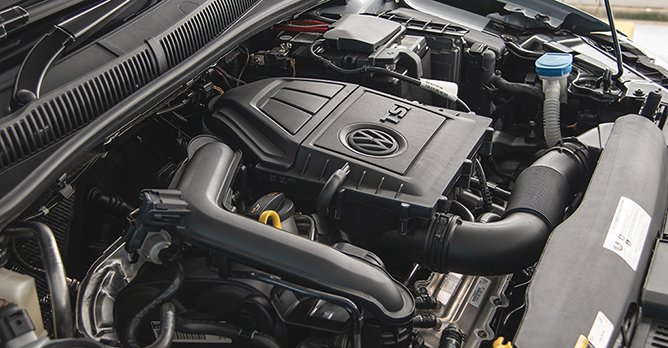
    Smaller engines tend to be more efficient
    Generally speaking, a smaller capacity engine would incur lower taxes compared to a larger capacity engine. The logic behind it is simple - a smaller engine would use less fuel and produce fewer emissions. This is why you see most manufacturers 'downsizing' engines to meet new emissions regulations while utilising modern technology to still deliver comparable or even higher levels of performance and efficiency.

    As we've demonstrated, in today's day and age, smaller doesn't necessarily mean less powerful. Smaller engines also tend to be more economical, both to buy and to run long term. 
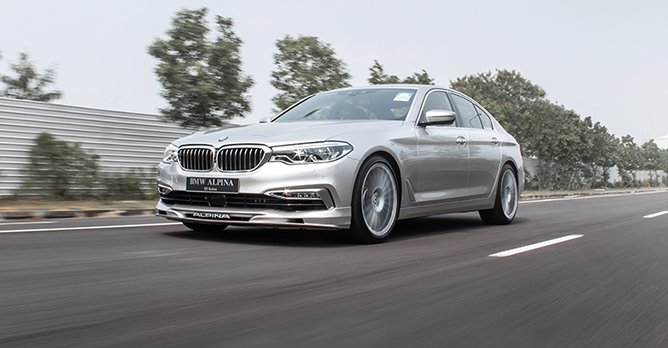
    Of course, some drivers still like big engines because of how they feel and sound
    So when it comes to choosing the 'right' engine for you, engine capacity is but one of a few indicators of performance and capability, not the only one. In fact, looking at the engine's performance figures, both horsepower and torque, would give you a better indication of performance. 

    That said, some drivers still prefer bigger capacity engines, whether it's the feel or sound of the engine or the fact that, yes, bigger engines can still deliver immense performance. As the saying goes, 'there's no replacement for displacement'. 

    But remember, size isn't everything.

    Here are some related articles that might interest you

    Why are electric cars so expensive in Singapore?

    Top 8 car breakdown problems in Singapore

    Are diesel cars harder to maintain than petrol cars?

    Here's how you can improve your engine's fuel consumption and performance

    ctaimage

    Sgcarmart

    Compare the Best Petrol Credit Cards

    Save up to 25% on your petrol bills!

    • Maximise your savings at Shell, ESSO, Caltex & SPC petrol stations
    • Apply to receive welcome offers and online promotions!

    Compare Now link red arrow
    Desmond Chan
    Desmond Chan
    Desmond thinks the world would be better if cars were smaller and less powerful. He wants to live in the 70s.
    Photos by Editorial Team
    24.4k

    Tags

    car engine engine car engine parts car engine performance turbocharger horsepower vs torque road tax road tax check performance engine performance

    Related Motor Directory Categories
      Car RentalCommercial Vehicle RentalUsed Car DealersNew Car DealersCar Leasing

    Related Motor Directory Categories
      Car RentalCommercial Vehicle RentalUsed Car DealersNew Car DealersCar Leasing

    All Advice Categories

    Car BuyingCar SellingCar OwnershipCar TechnicalCar MaintenanceMiscellaneous

    All Advice Categories

    Car BuyingCar SellingCar OwnershipCar TechnicalCar MaintenanceMiscellaneous

    Related Articles

    New to driving? Here's how to become a better driver

    New to driving? Here's how to become a better driver

    Elevate every drive with these car audio upgrades

    Elevate every drive with these car audio upgrades

    10-Year COE Survival Kit: Essential Checklist

    10-Year COE Survival Kit: Essential Checklist

    Value-for-Money Servicing Packages for Your Car

    Value-for-Money Servicing Packages for Your Car

    Road Trip Checklist Before You Hit the Road

    Road Trip Checklist Before You Hit the Road

    Related Articles

    New to driving? Here's how to become a better driver

    New to driving? Here's how to become a better driver

    Elevate every drive with these car audio upgrades

    Elevate every drive with these car audio upgrades

    10-Year COE Survival Kit: Essential Checklist

    10-Year COE Survival Kit: Essential Checklist

    Value-for-Money Servicing Packages for Your Car

    Value-for-Money Servicing Packages for Your Car

    Road Trip Checklist Before You Hit the Road

    Road Trip Checklist Before You Hit the Road

    You May Also Like

    We try out roadside parking with the new OBU!

    We try out roadside parking with the new OBU!

    New cars are safer: Opt for one when you can

    New cars are safer: Opt for one when you can

    EV NEXT: Peace of mind with battery SOH certification

    EV NEXT: Peace of mind with battery SOH certification

    Mazda 6e Fastback GT Electric review

    Mazda 6e Fastback GT Electric review

    Sgcarmart Explores: Bras Basah!

    Sgcarmart Explores: Bras Basah!

    Opinion: Is it time for a change to our road traffic laws?

    Opinion: Is it time for a change to our road traffic laws?

    Is parallel import hesitancy growing among car buyers?

    Is parallel import hesitancy growing among car buyers?

    Hongqi Singapore opens its showroom doors

    Hongqi Singapore opens its showroom doors

    The BYD Sealion 8 seven-seater SUV arrives in Singapore

    The BYD Sealion 8 seven-seater SUV arrives in Singapore

    Toyota RAV4 Hybrid vs Subaru Forester e-Boxer

    Toyota RAV4 Hybrid vs Subaru Forester e-Boxer

    A first look at Chery's iCaur V23 and Jaecoo J8 in Singapore

    A first look at Chery's iCaur V23 and Jaecoo J8 in Singapore

    Tesla launches Model Y L in Singapore, first six-seater here

    Tesla launches Model Y L in Singapore, first six-seater here

    Motoring Icons: JDM legends - Honda NSX

    Motoring Icons: JDM legends - Honda NSX

    7 things we learnt about the Zeekr 7GT

    7 things we learnt about the Zeekr 7GT

    Mercedes-Benz GLC debuts alongside Studio opening

    Mercedes-Benz GLC debuts alongside Studio opening

    Big Test: Which brand makes the best hybrid?

    Big Test: Which brand makes the best hybrid?

    You May Also Like

    We try out roadside parking with the new OBU!

    We try out roadside parking with the new OBU!

    New cars are safer: Opt for one when you can

    New cars are safer: Opt for one when you can

    EV NEXT: Peace of mind with battery SOH certification

    EV NEXT: Peace of mind with battery SOH certification

    Mazda 6e Fastback GT Electric review

    Mazda 6e Fastback GT Electric review

    Sgcarmart Explores: Bras Basah!

    Sgcarmart Explores: Bras Basah!

    Opinion: Is it time for a change to our road traffic laws?

    Opinion: Is it time for a change to our road traffic laws?

    Is parallel import hesitancy growing among car buyers?

    Is parallel import hesitancy growing among car buyers?

    Hongqi Singapore opens its showroom doors

    Hongqi Singapore opens its showroom doors

    The BYD Sealion 8 seven-seater SUV arrives in Singapore

    The BYD Sealion 8 seven-seater SUV arrives in Singapore

    Toyota RAV4 Hybrid vs Subaru Forester e-Boxer

    Toyota RAV4 Hybrid vs Subaru Forester e-Boxer

    A first look at Chery's iCaur V23 and Jaecoo J8 in Singapore

    A first look at Chery's iCaur V23 and Jaecoo J8 in Singapore

    Tesla launches Model Y L in Singapore, first six-seater here

    Tesla launches Model Y L in Singapore, first six-seater here

    Motoring Icons: JDM legends - Honda NSX

    Motoring Icons: JDM legends - Honda NSX

    7 things we learnt about the Zeekr 7GT

    7 things we learnt about the Zeekr 7GT

    Mercedes-Benz GLC debuts alongside Studio opening

    Mercedes-Benz GLC debuts alongside Studio opening

    Big Test: Which brand makes the best hybrid?

    Big Test: Which brand makes the best hybrid?