Dongfeng Vigo Essential Review
16 Mar 2026|12,538 views


What We Like
Well-packaged, spacious cabin
Physical buttons/switches (yay!)
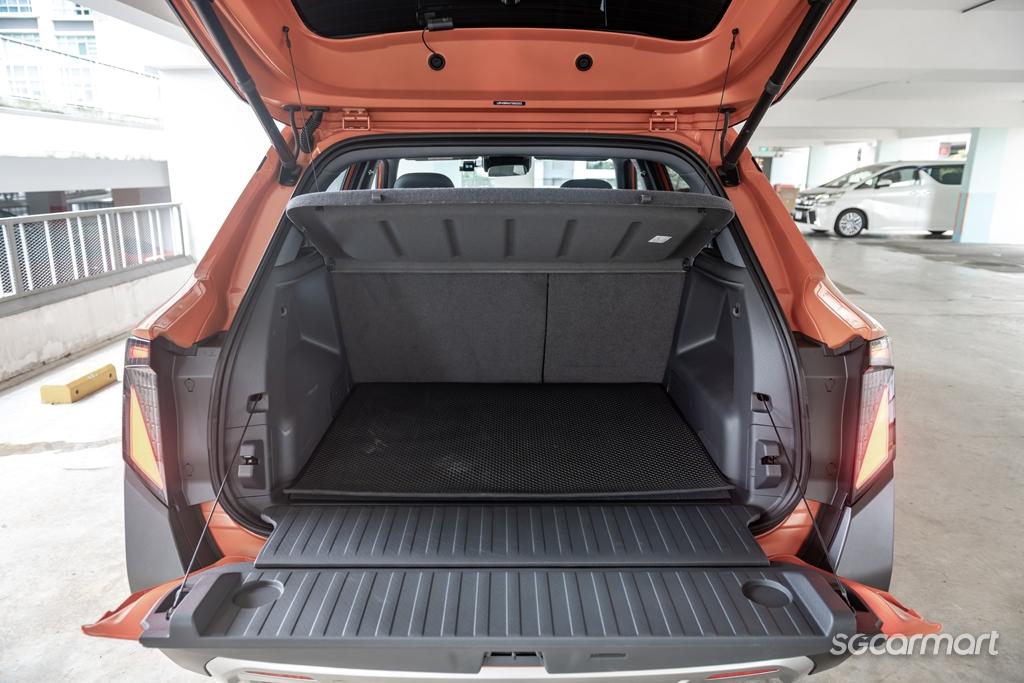
Split-tailgate for easier loading/unloading
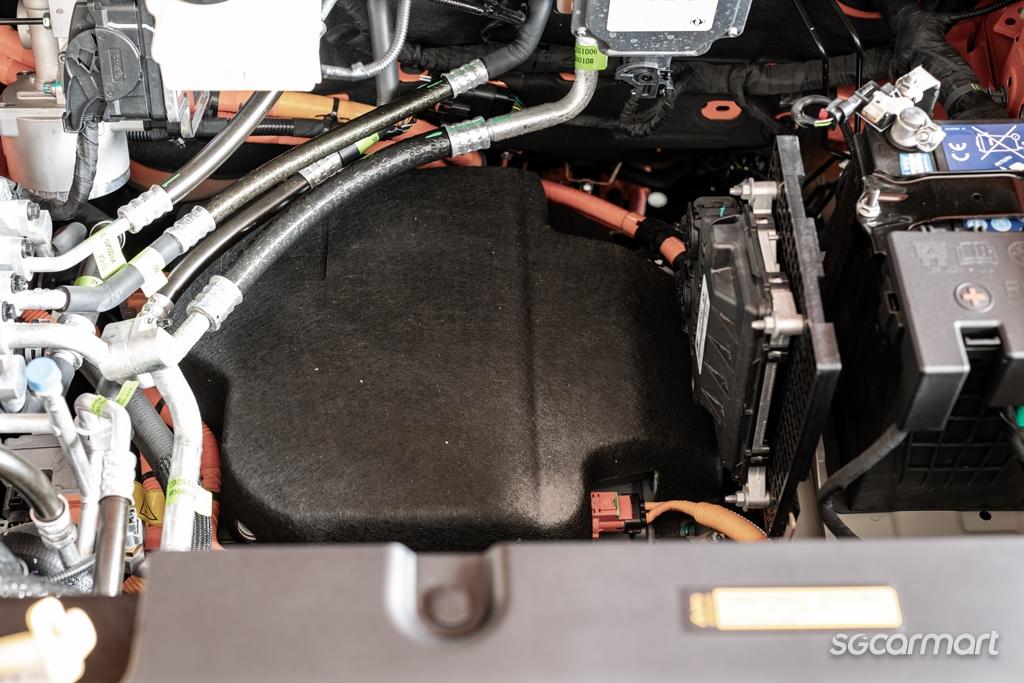
Efficient powertrain
Stylish design
What We Dislike
No steering reach adjustment
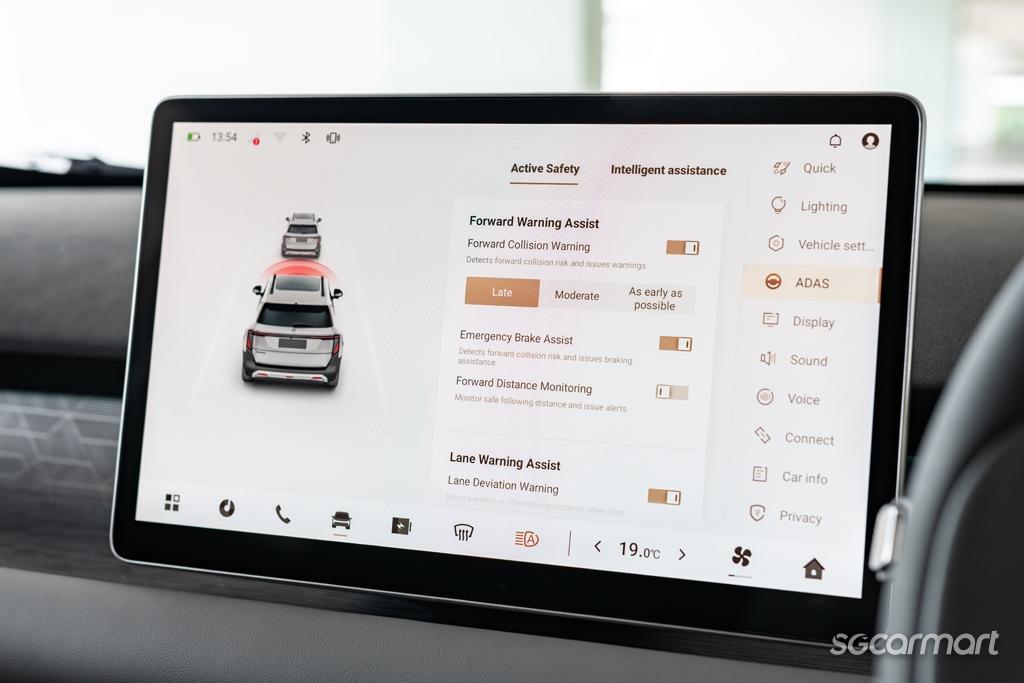
Overly sensitive lane keep assist
Firm ride over speed bumps
Paper figures are a double-edged sword. On one hand, these at-a-glance specifications help buyers profile the car as they create a mental list of potential candidates to test drive.
On the other hand, paper figures also raise expectations, sometimes to unreasonable levels. Big numbers, especially when it comes to kilowatt and torque outputs, tend to do this. Ditto for century sprint times.
But what about a car that doesn't use spec sheets to shout, but instead grows on drivers as they discover its abilities and realise how competent it is? That's exactly what the Vigo, Dongfeng's newest model and first SUV in Singapore, does.
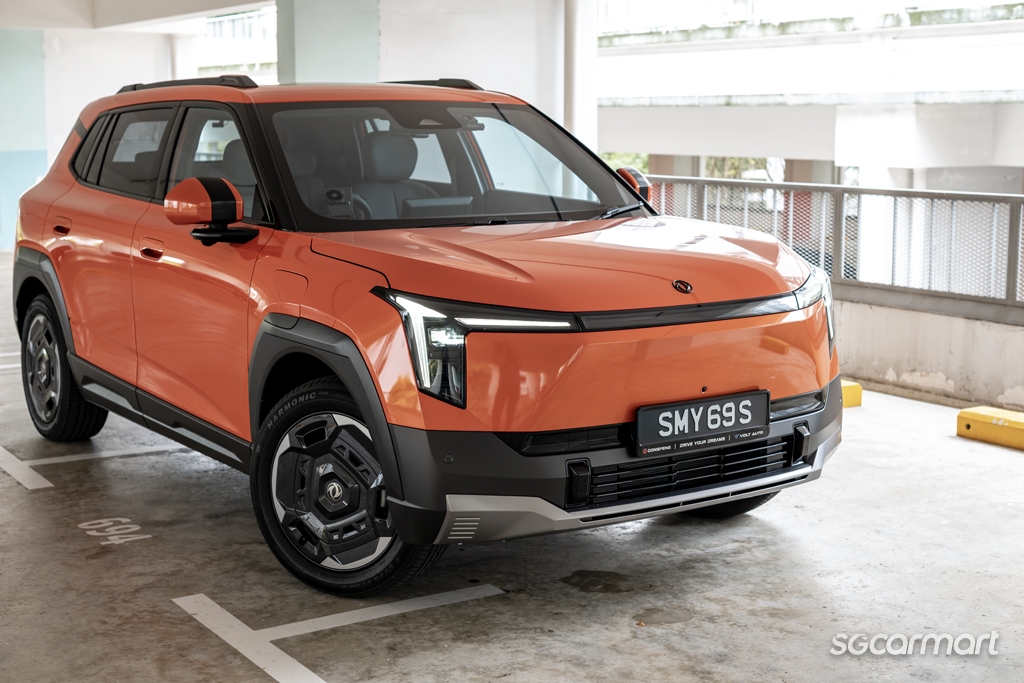
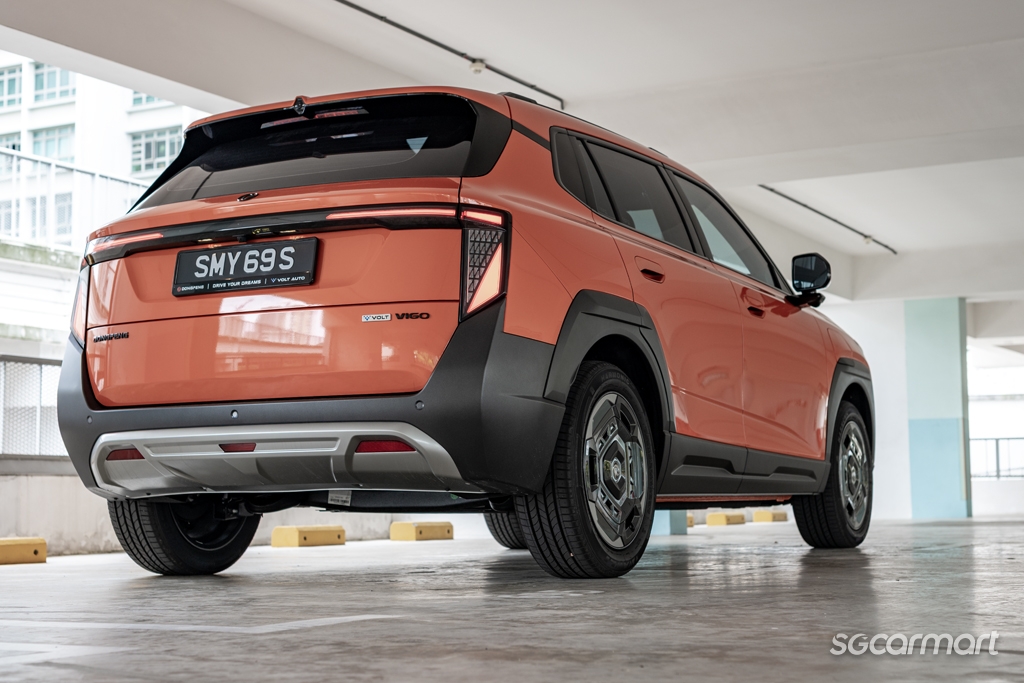
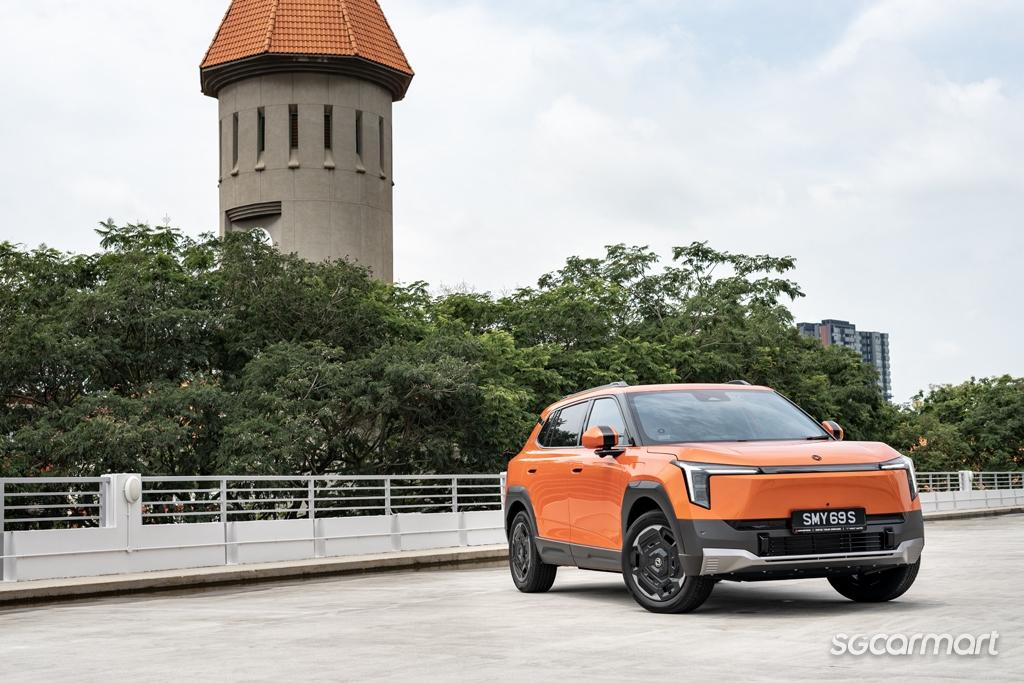
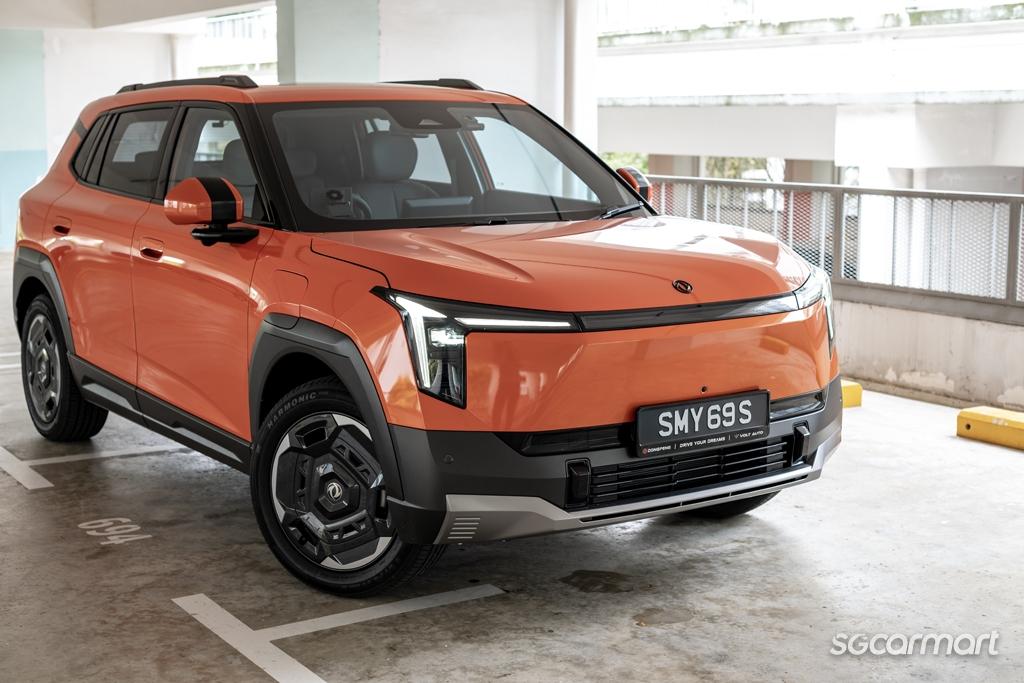
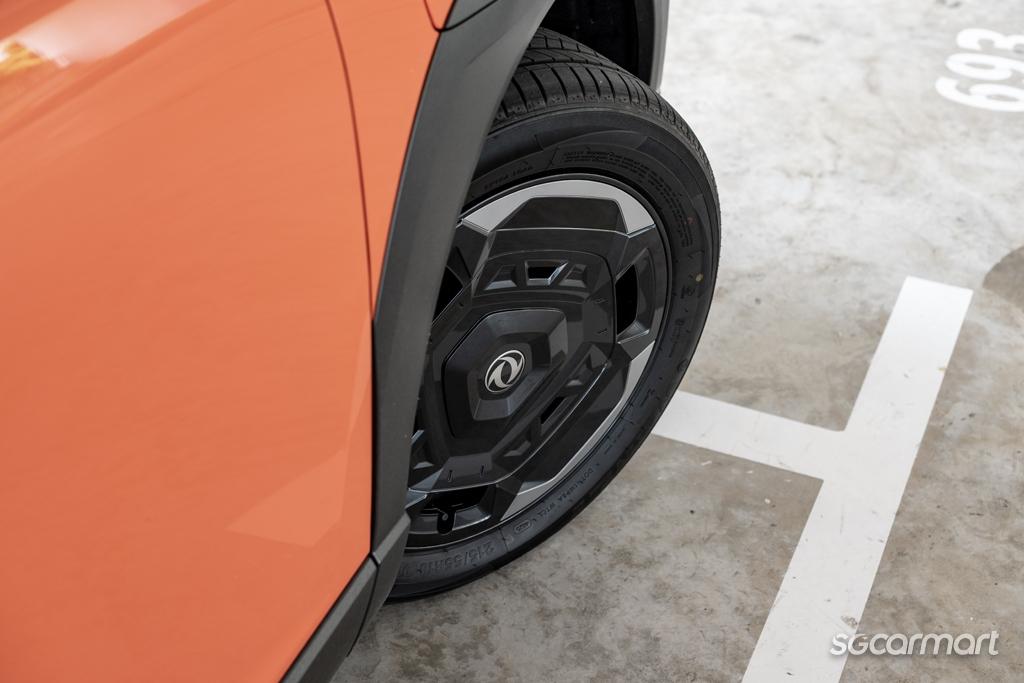
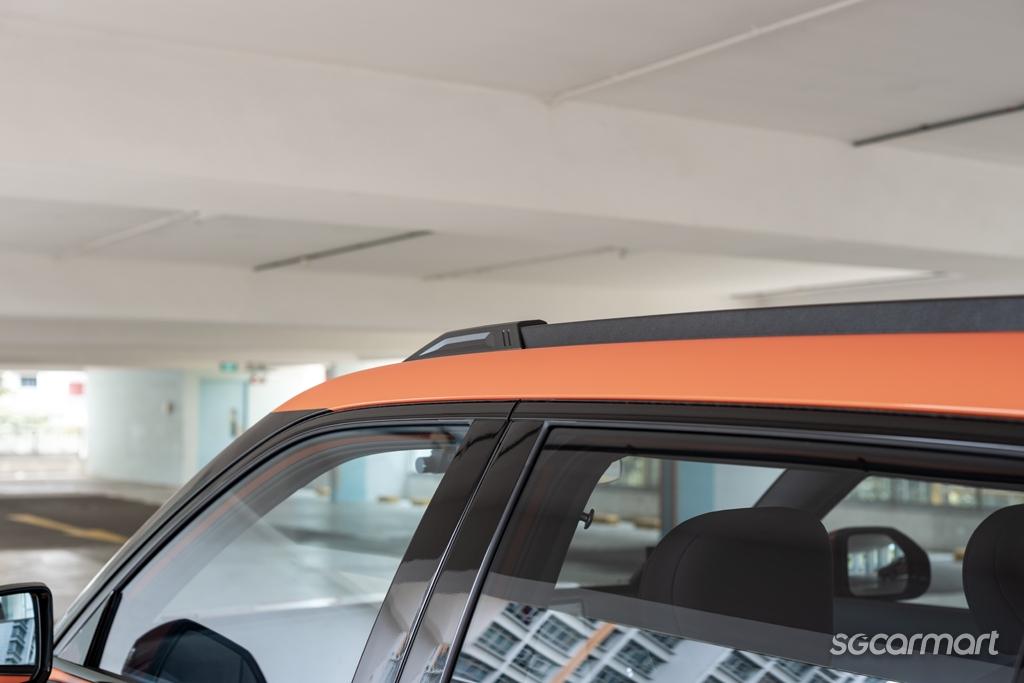
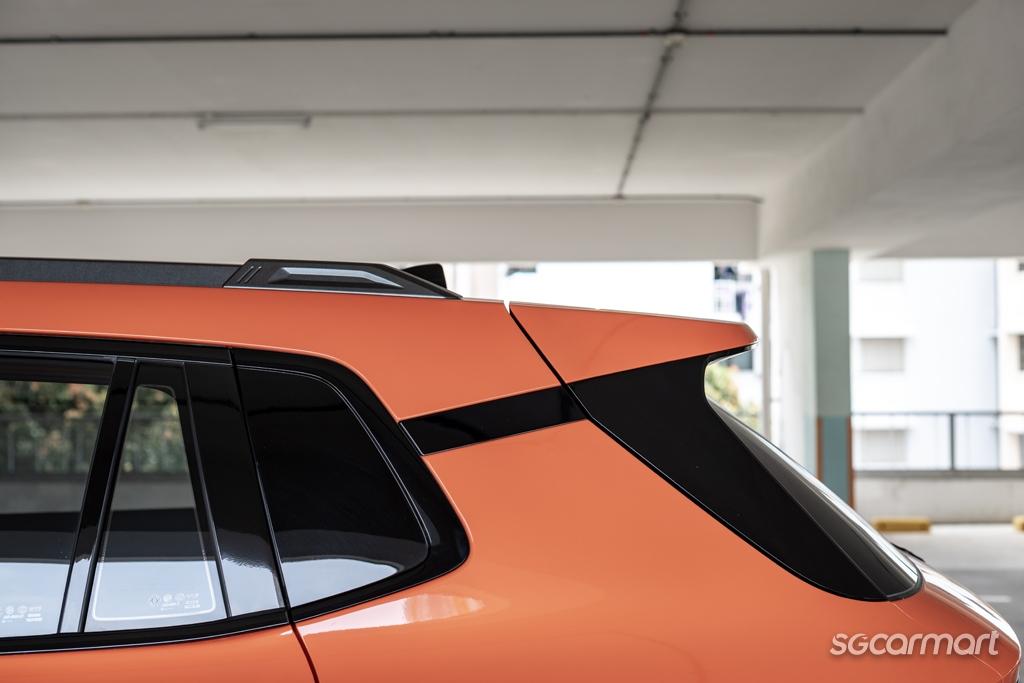
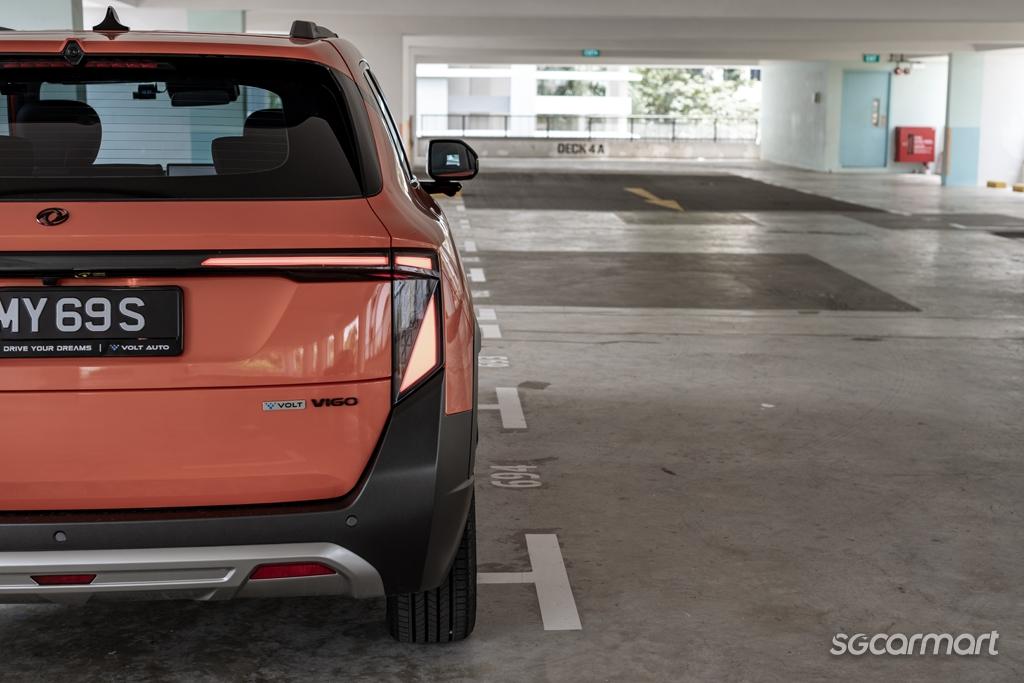
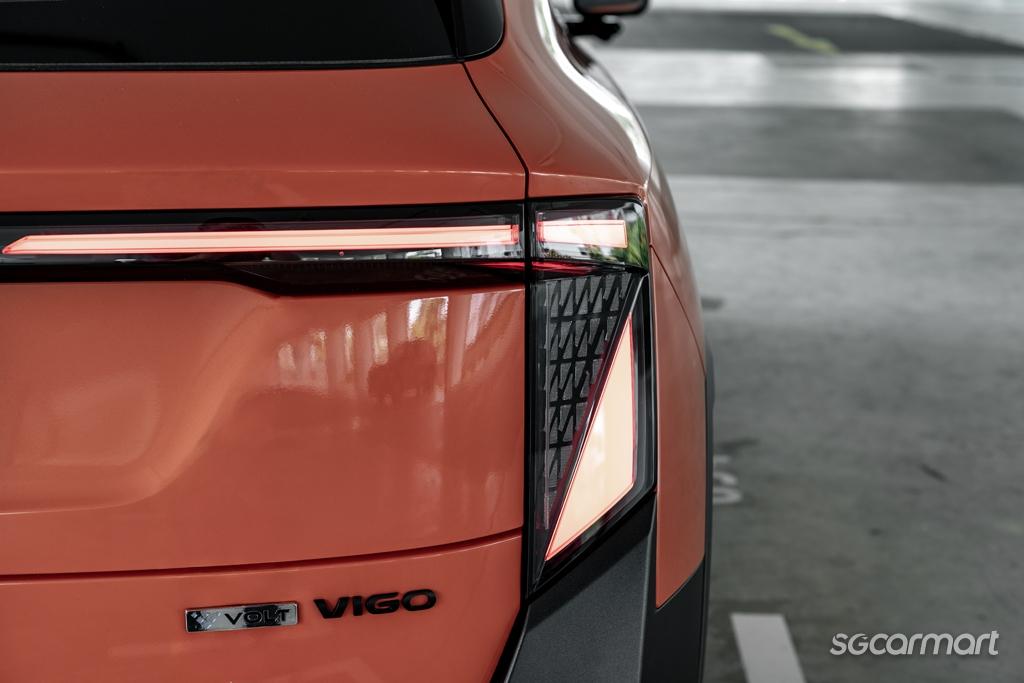
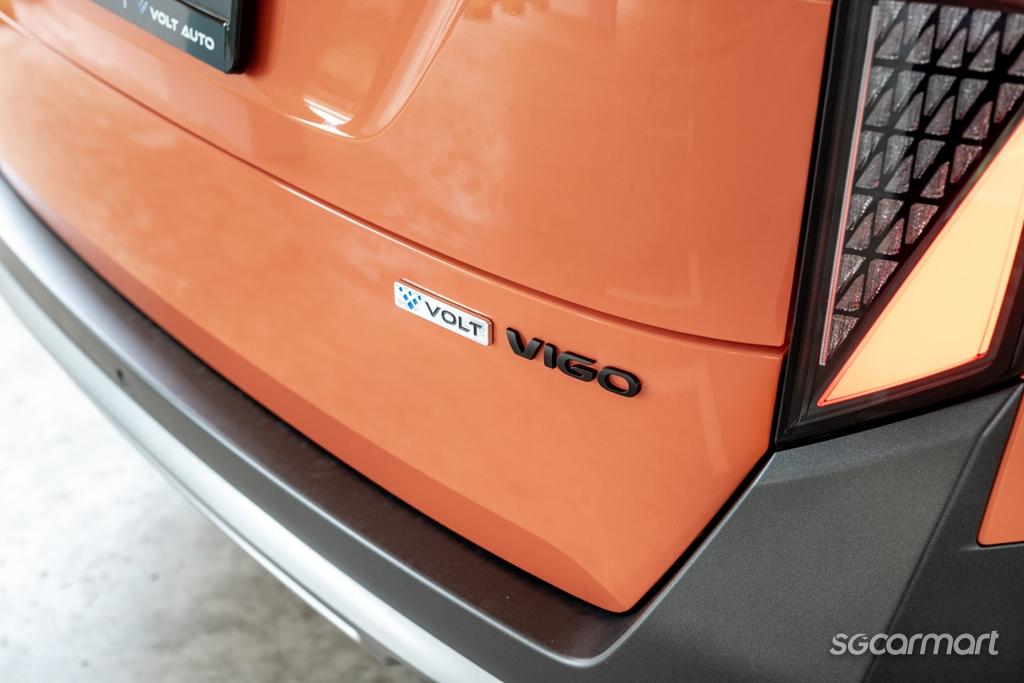
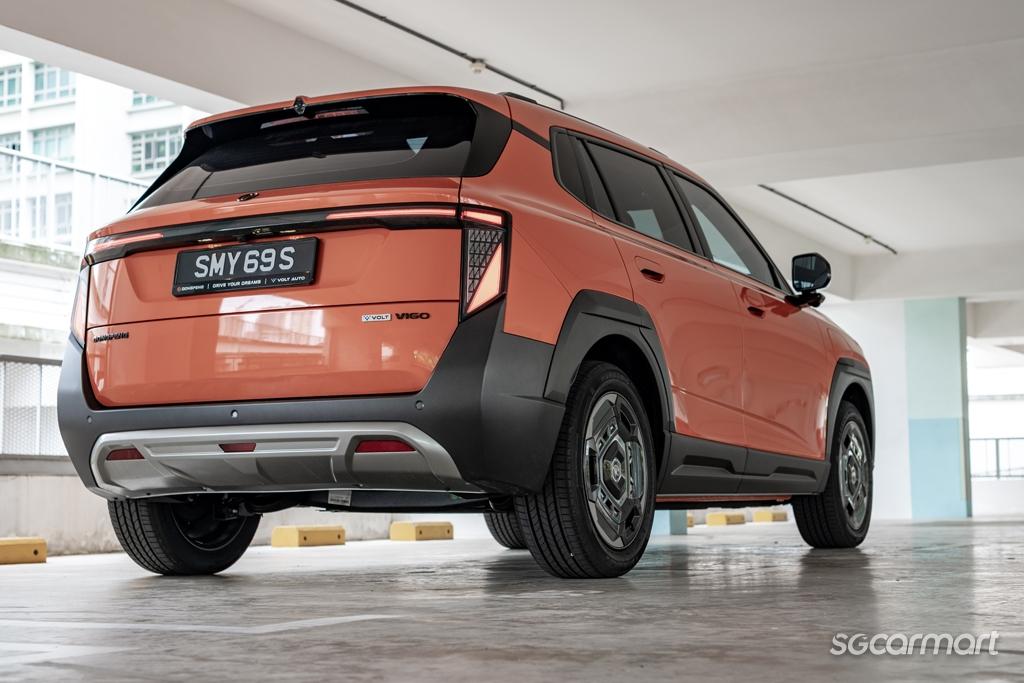
The Vigo's design is stylish and unpretentious
Good-looking newcomer
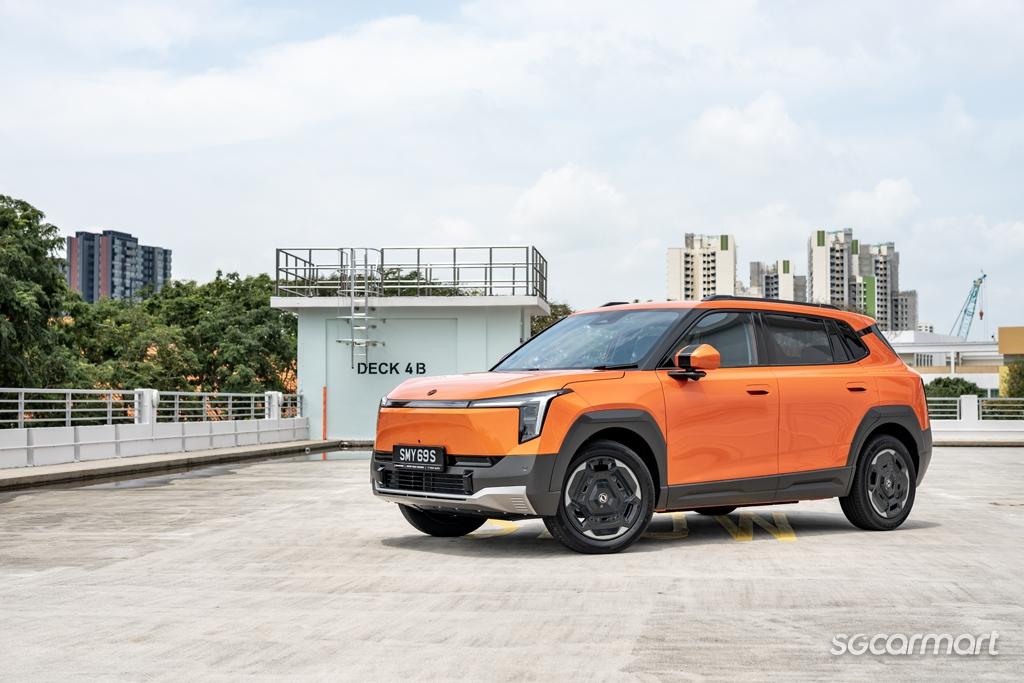
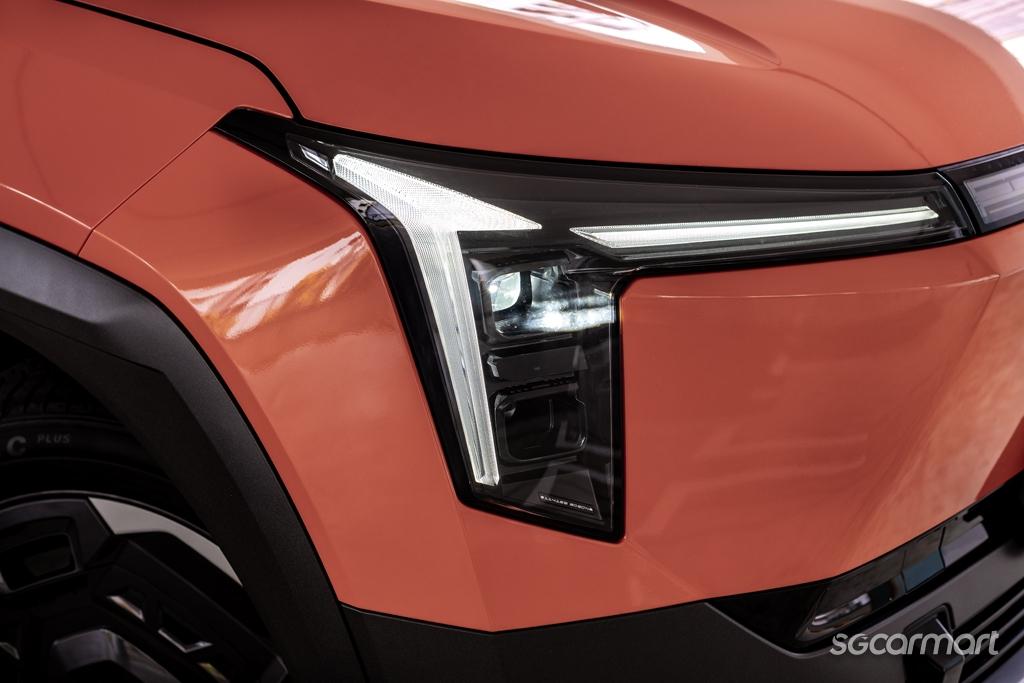
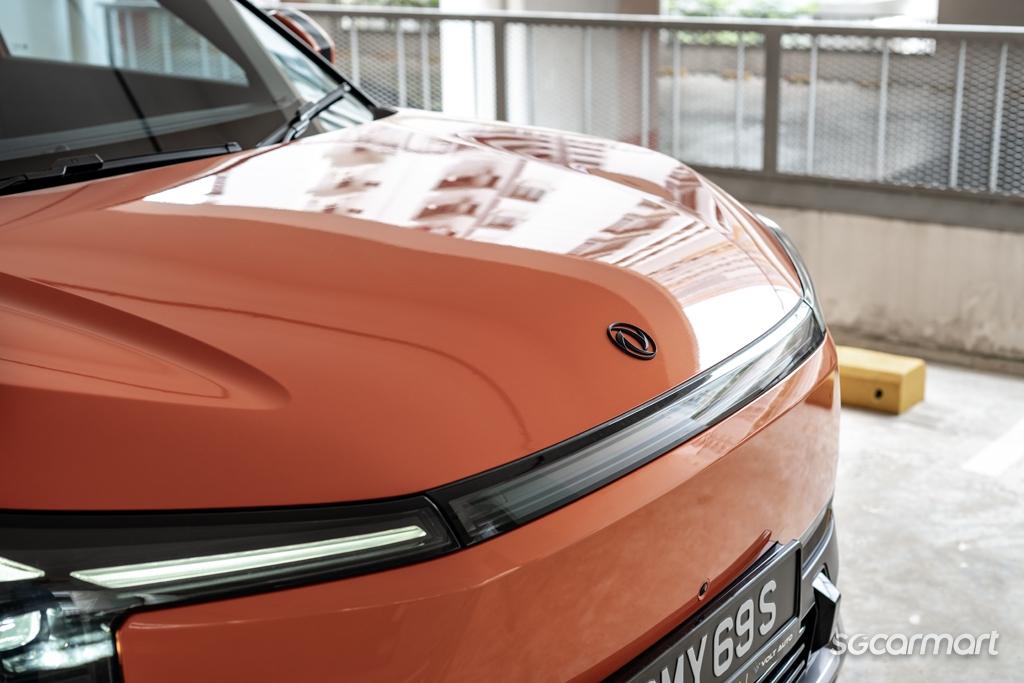
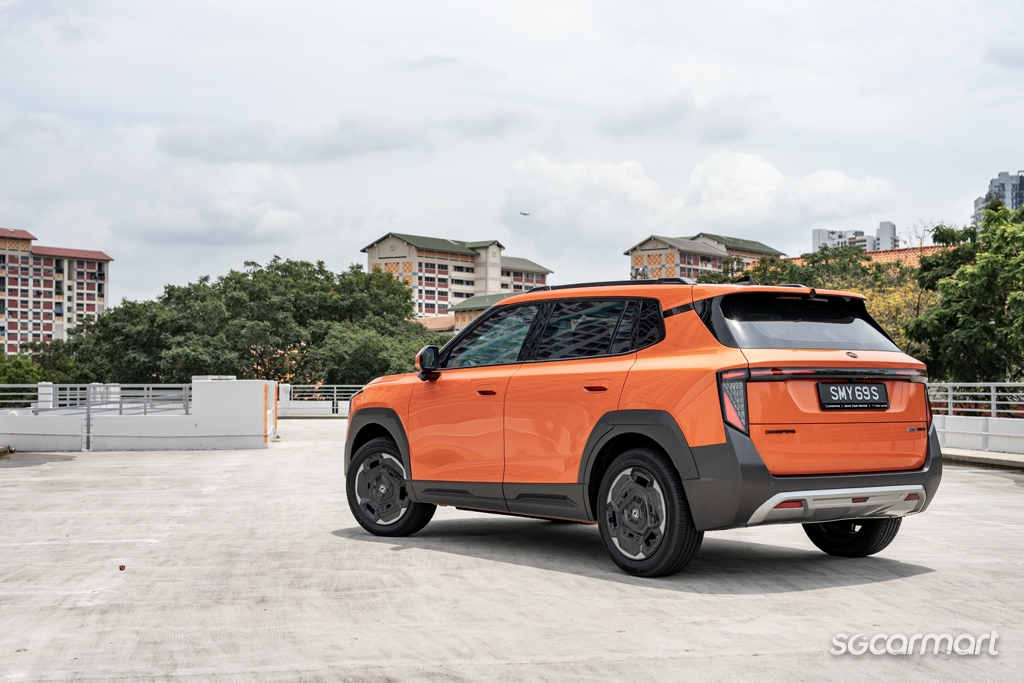
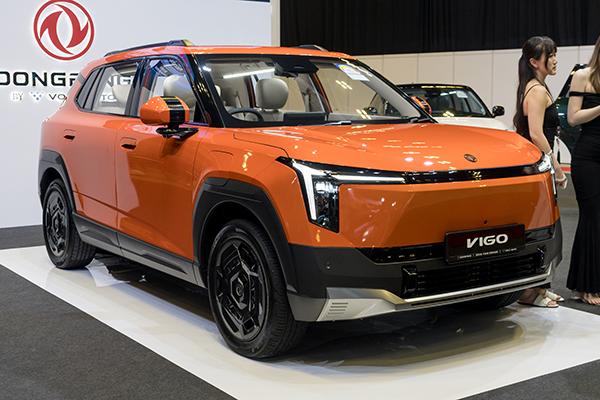
The Vigo, though, doesn't have to try hard to get your attention. It's handsomely styled, featuring T-shaped daytime running lights (DRLs) and vertically stacked headlamps. There are enough sharp creases to lend the crossover a muscular character as well.
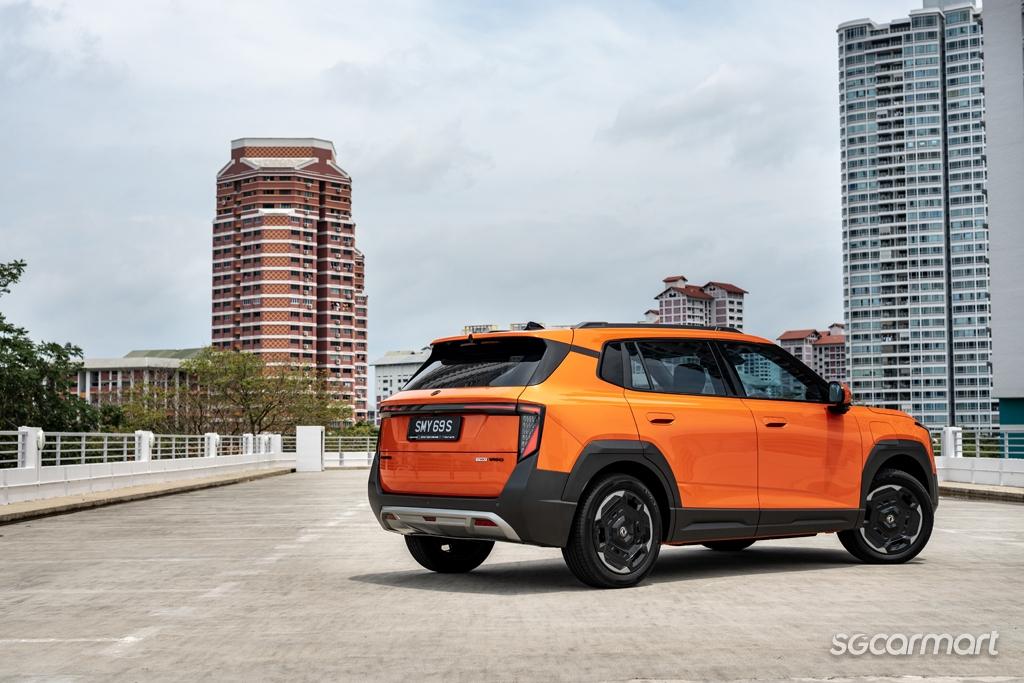
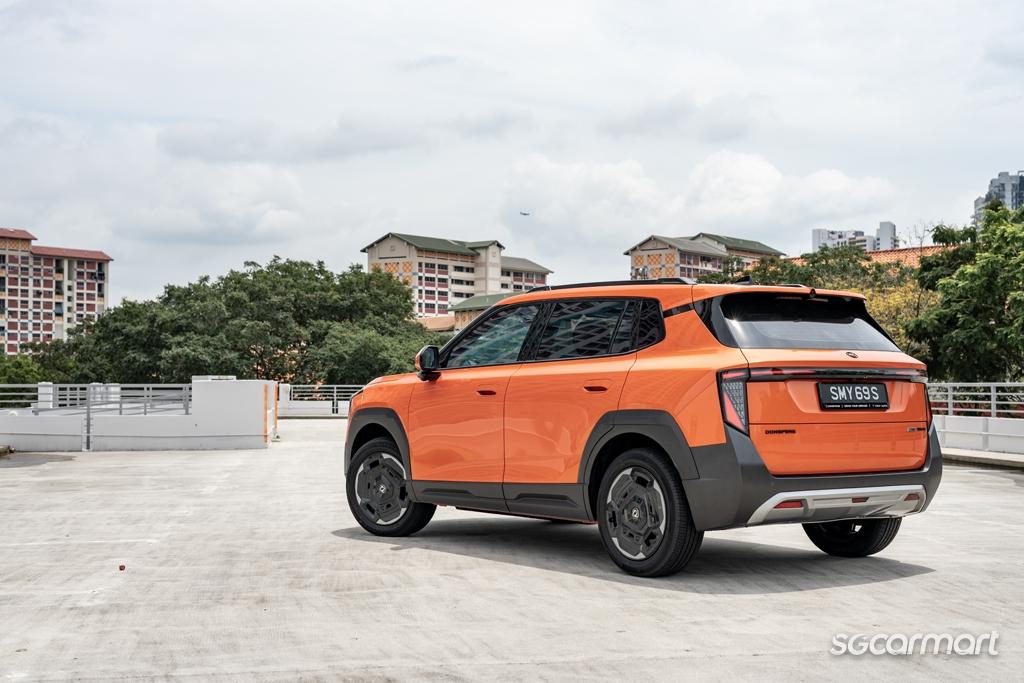
Walk around and you'll notice that although square, it isn't too boxy, because anything too extreme might polarise or even put off buyers. At the rear, you'll find 'crystal tower' taillights that mirror the DRLs. Interestingly, the rear end is rounded. Perhaps this was done to balance the car's sharp and squarish design.
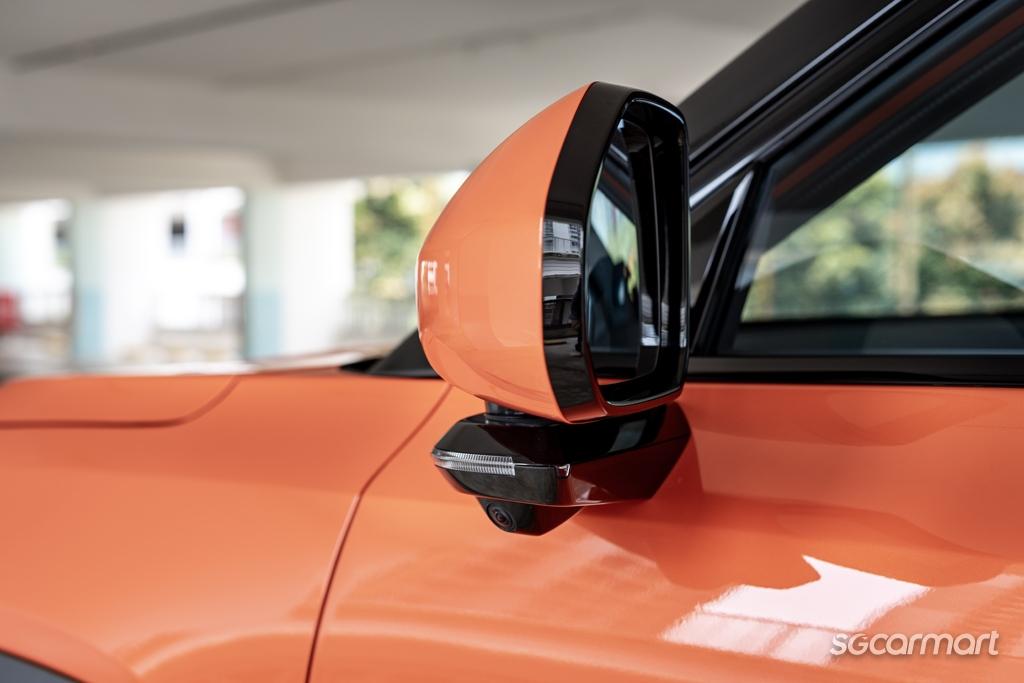
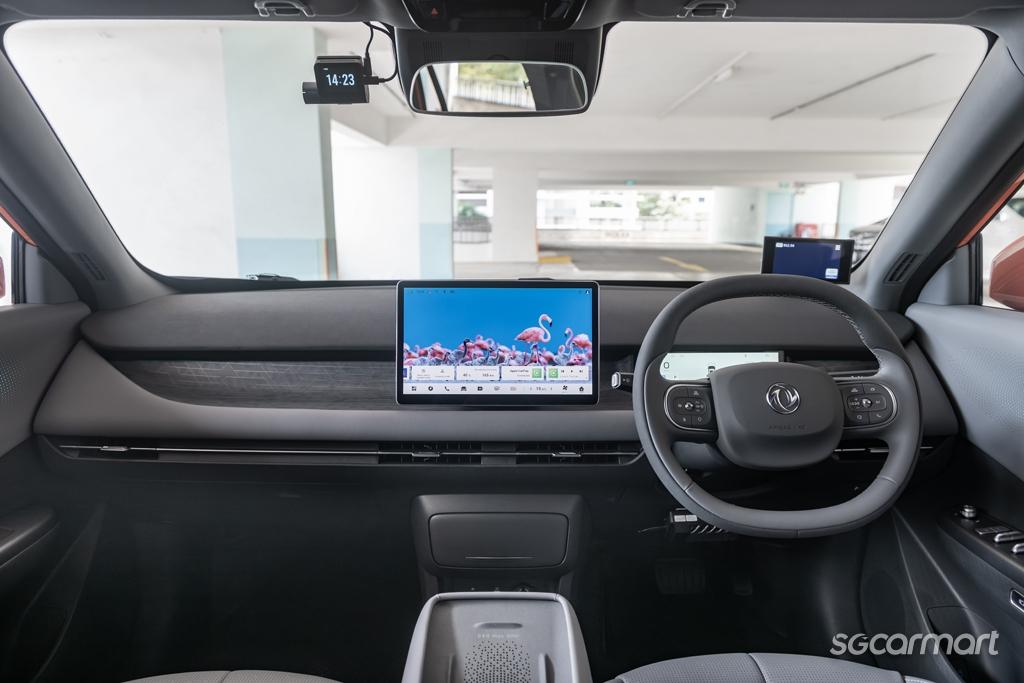
In contrast to the exterior, the interior's styling seems muted. As with many EVs today, the cockpit looks sparse as most of the controls and settings are parked in the infotainment system. But conveniently, the wing mirror controls remain on the door panel, allowing for easy adjustment.
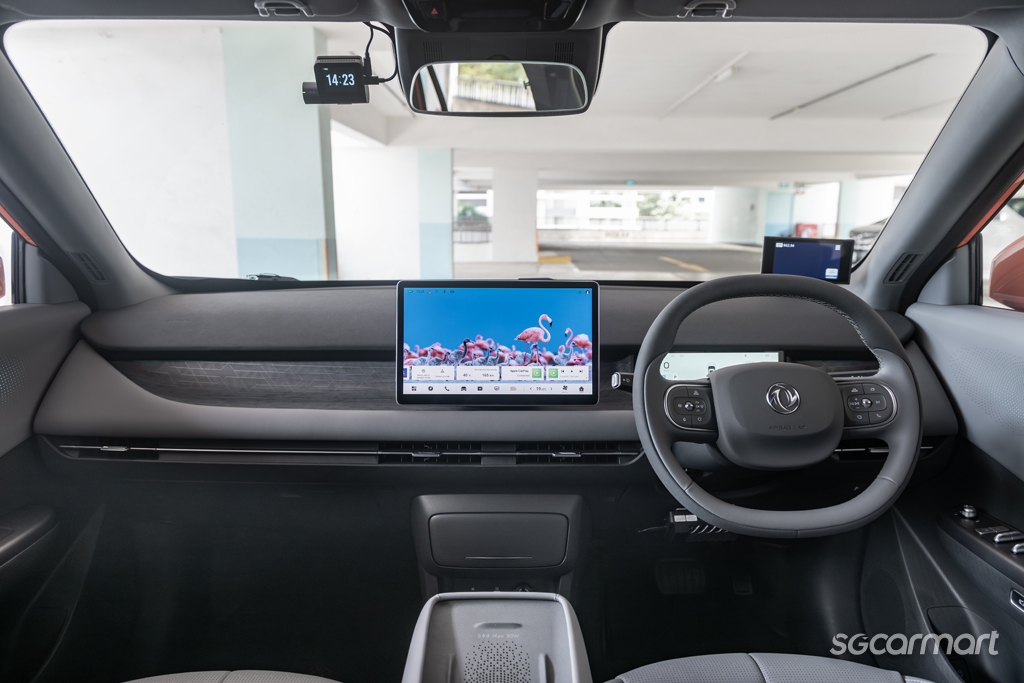
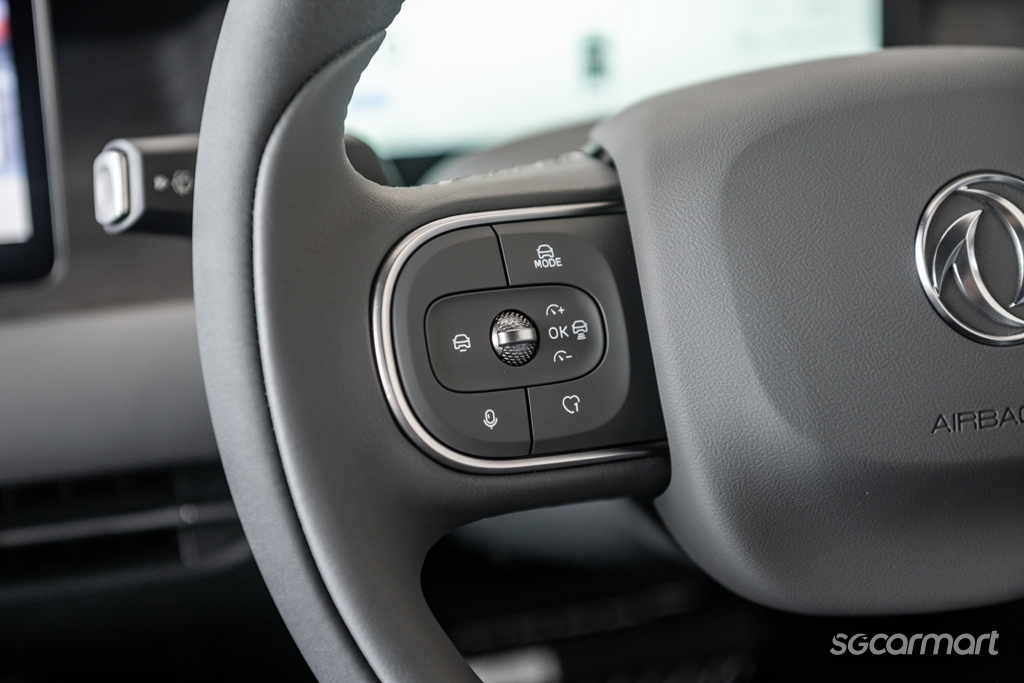
The physical controls are a nice touch, but the lack of adjustment for the steering wheel's reach needs to be addressed
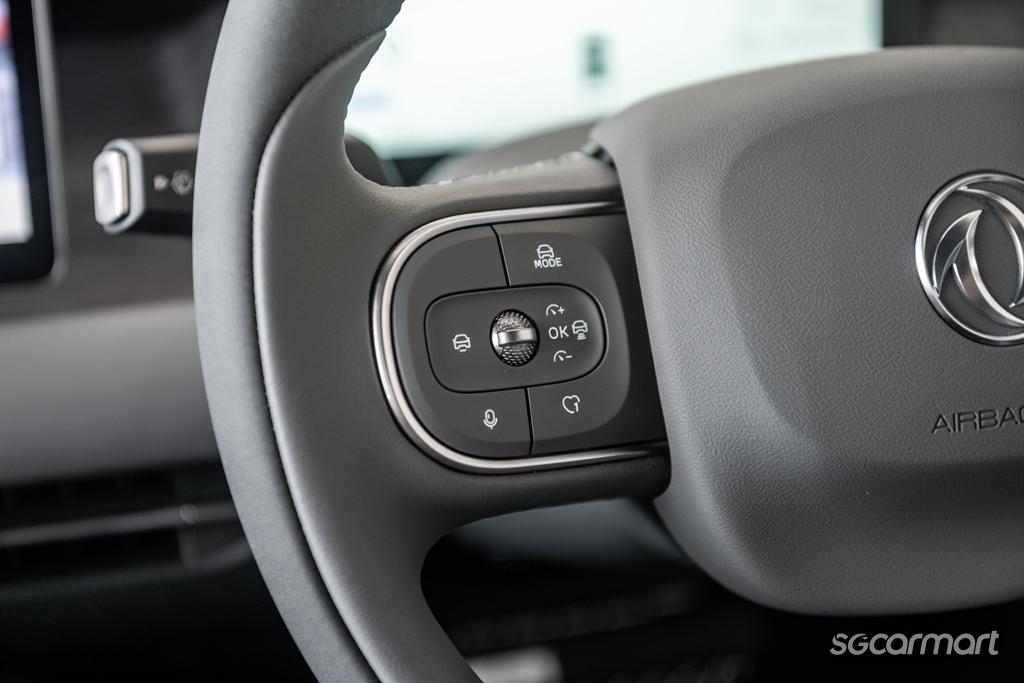
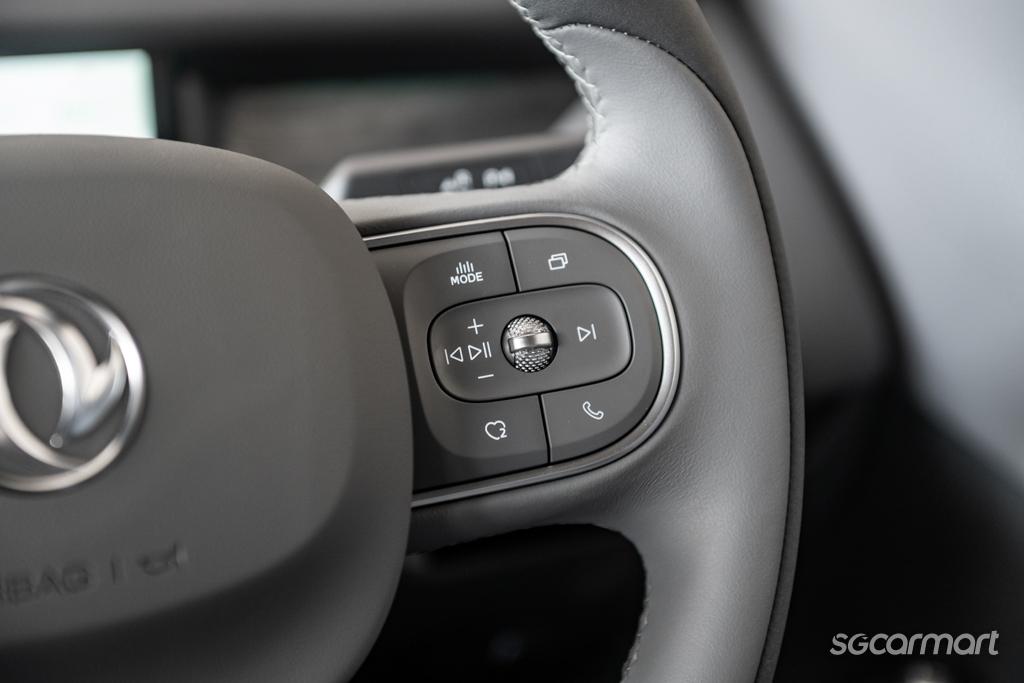
And while they might look like a throwback, the physical controls on the steering wheel offer a directness that haptic controls will never achieve. The toggle switches, though, need to be bigger. At present, they seem more suited to a child's fingers.
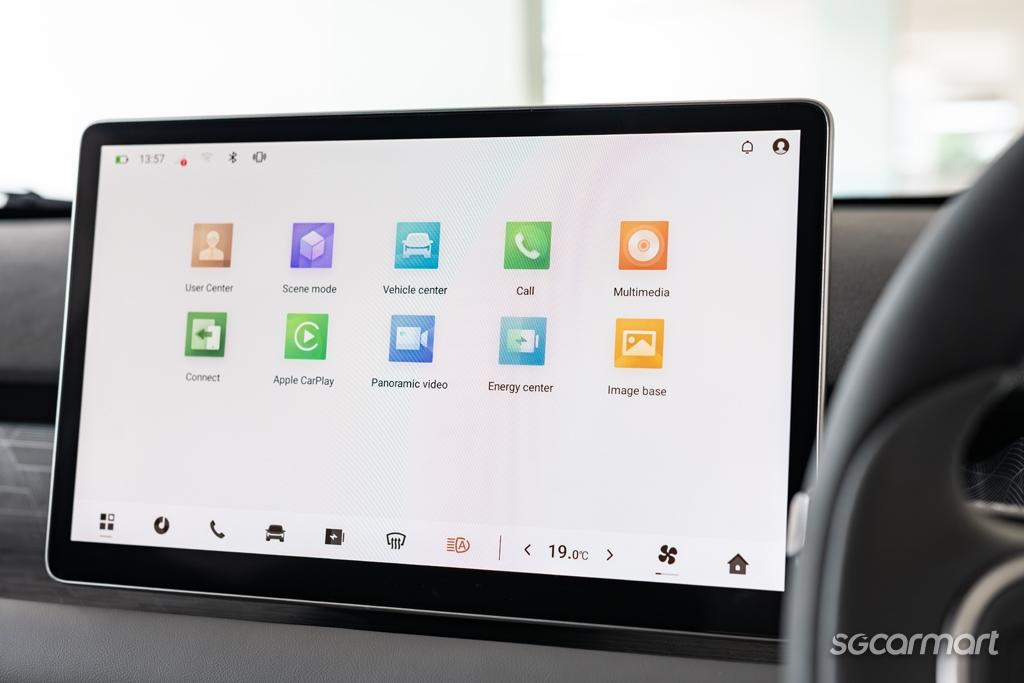
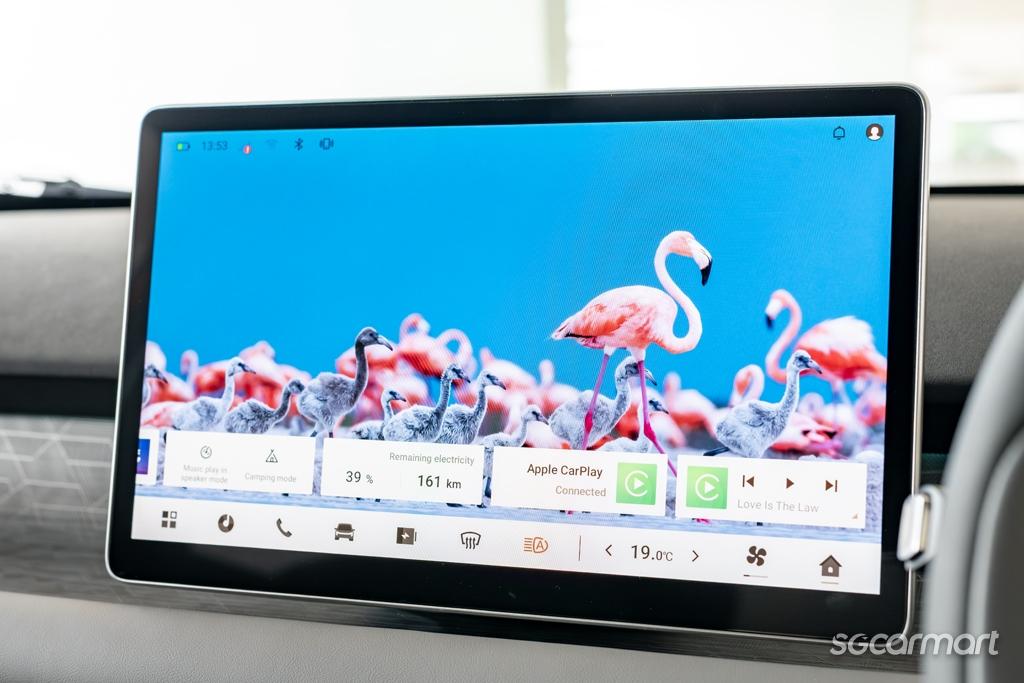
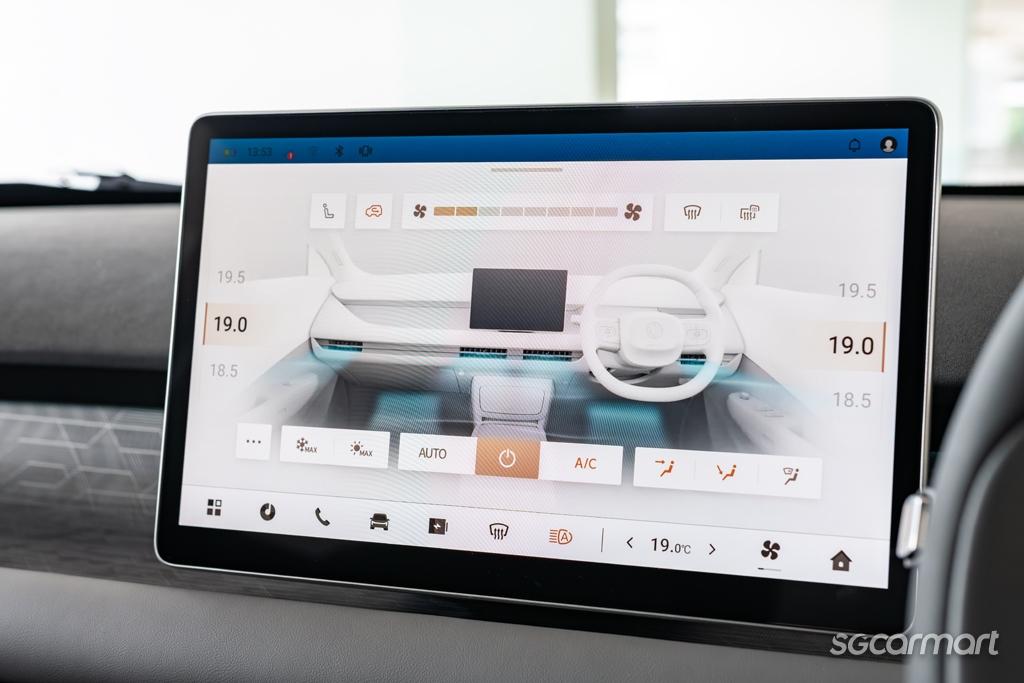
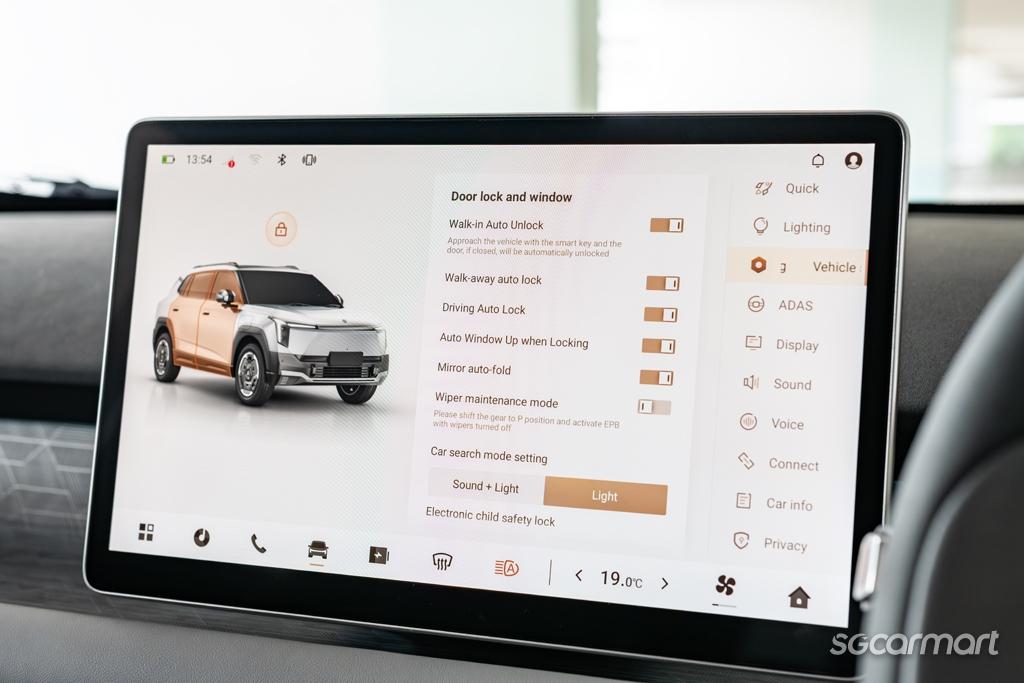
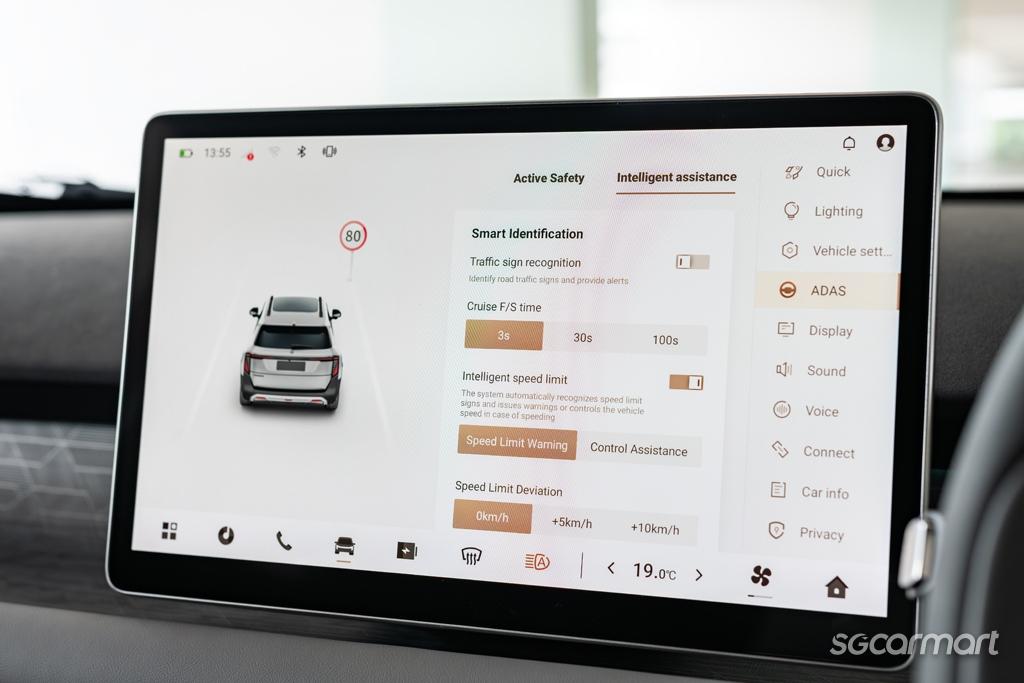
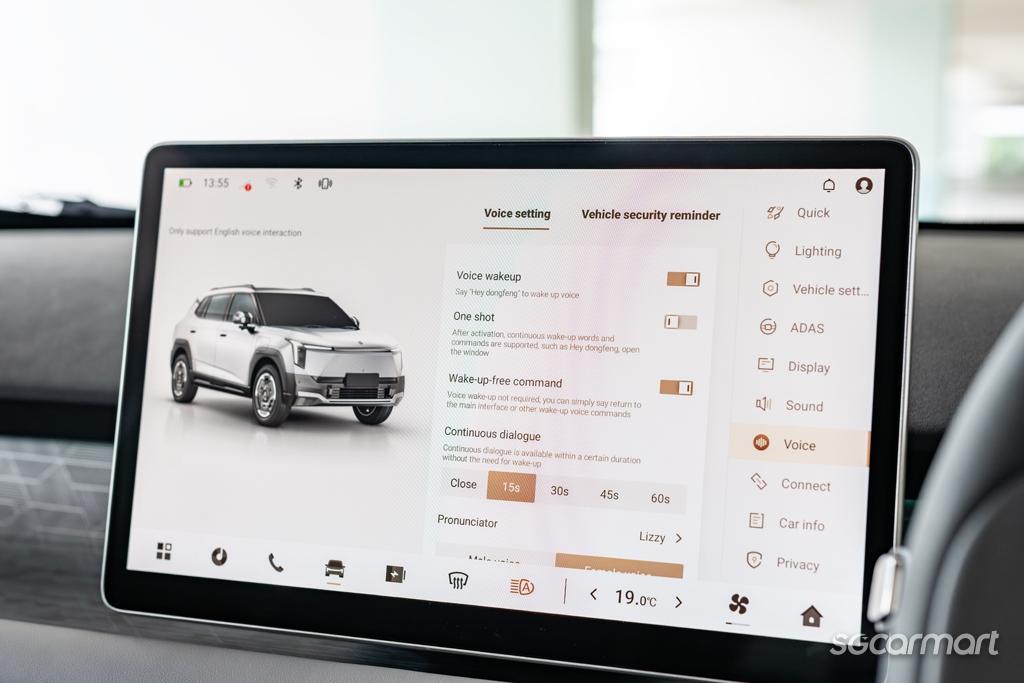
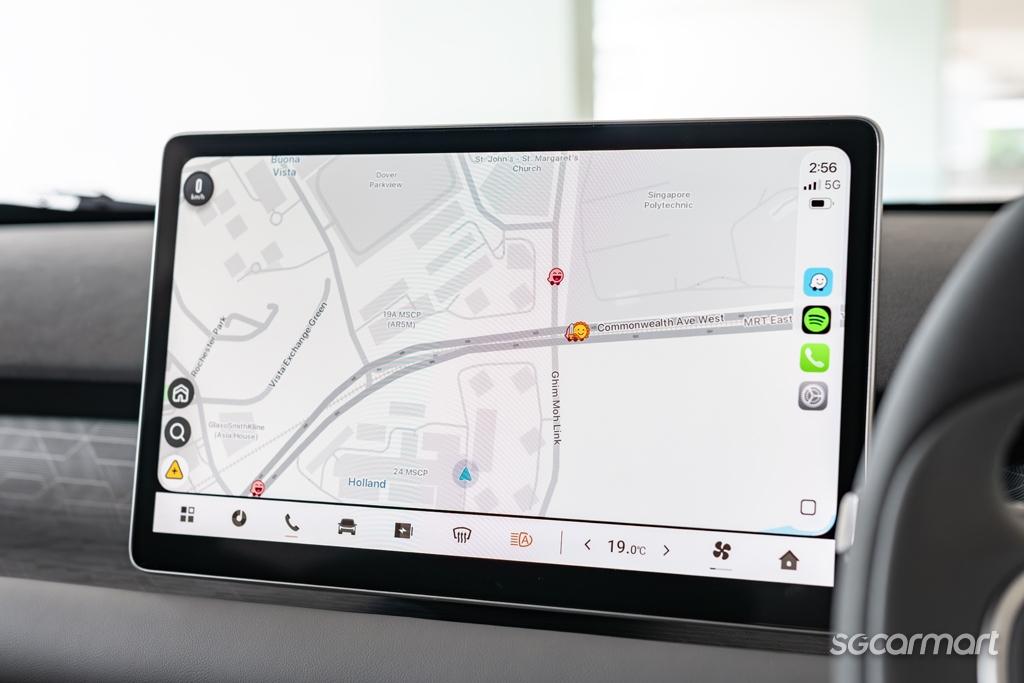
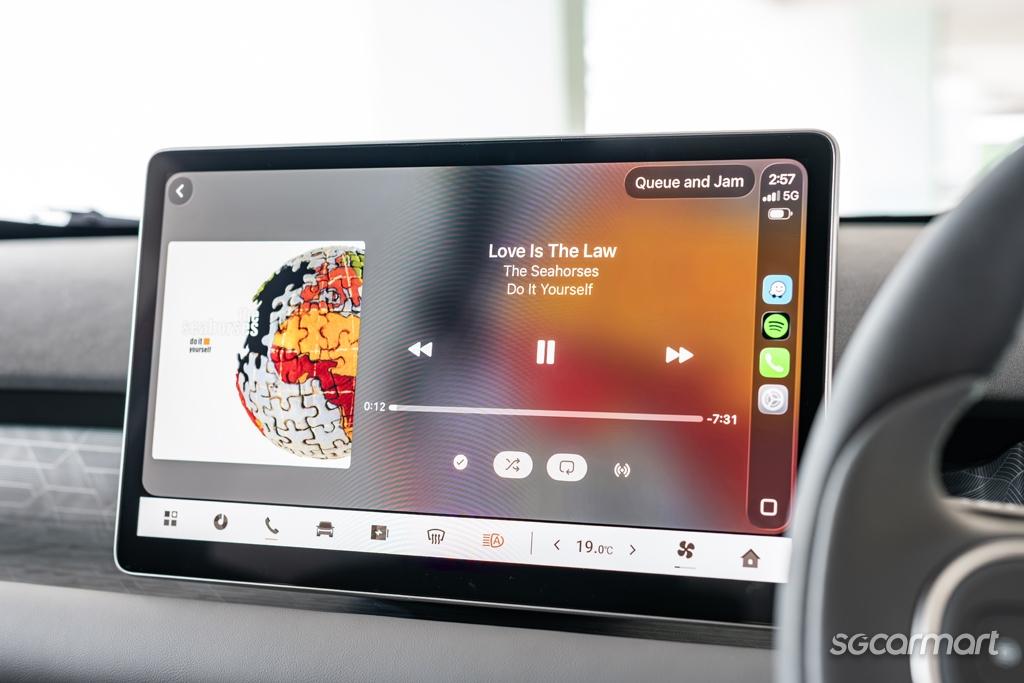
The infotainment offers more good news, for the menus are relatively well-organised and it's not long before one becomes accustomed to the layout. Wireless Apple CarPlay works seamlessly - it connected immediately and there were no hiccups or interruptions over the duration of the drive.
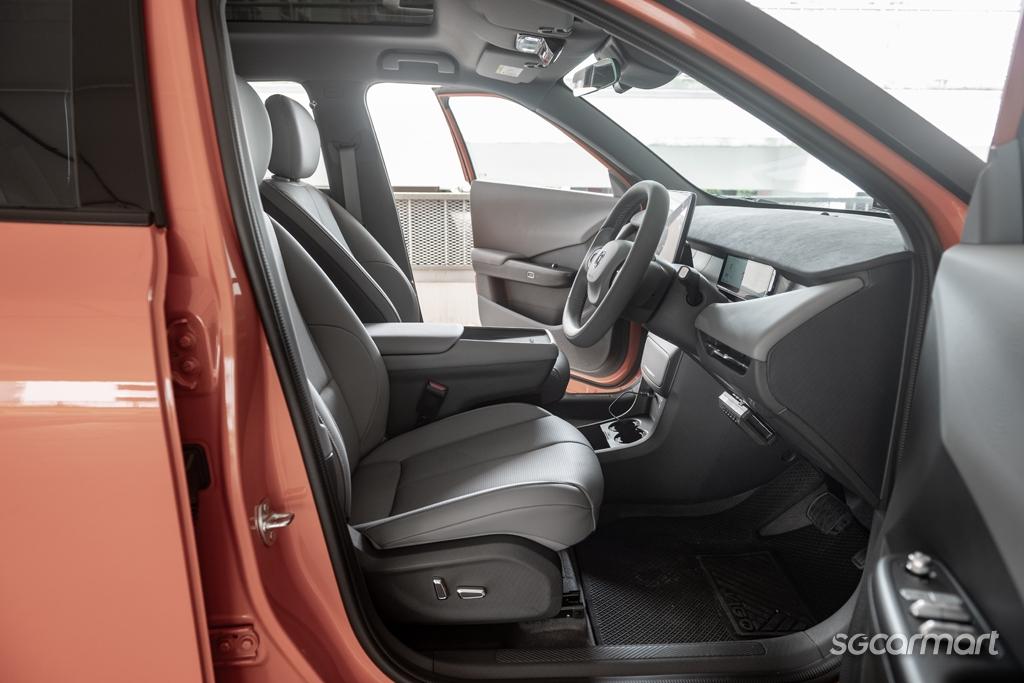
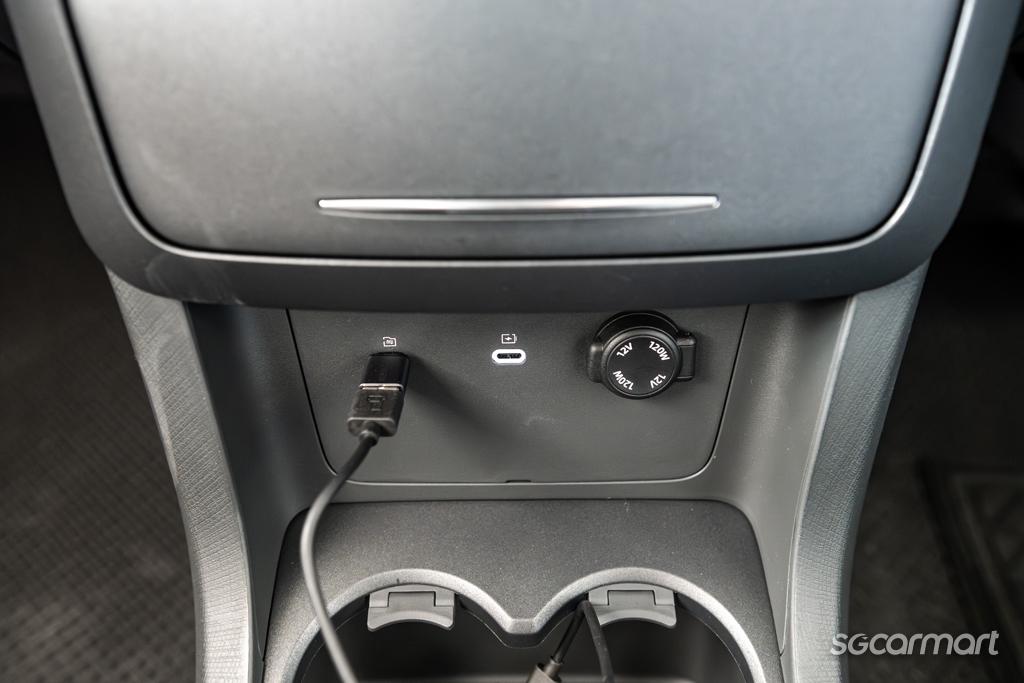
Practicality is another Vigo strong suit. There's a useful cubby below the central air vents, a large compartment beneath the shared armrest, USB ports, and a 50-watt wireless charger.
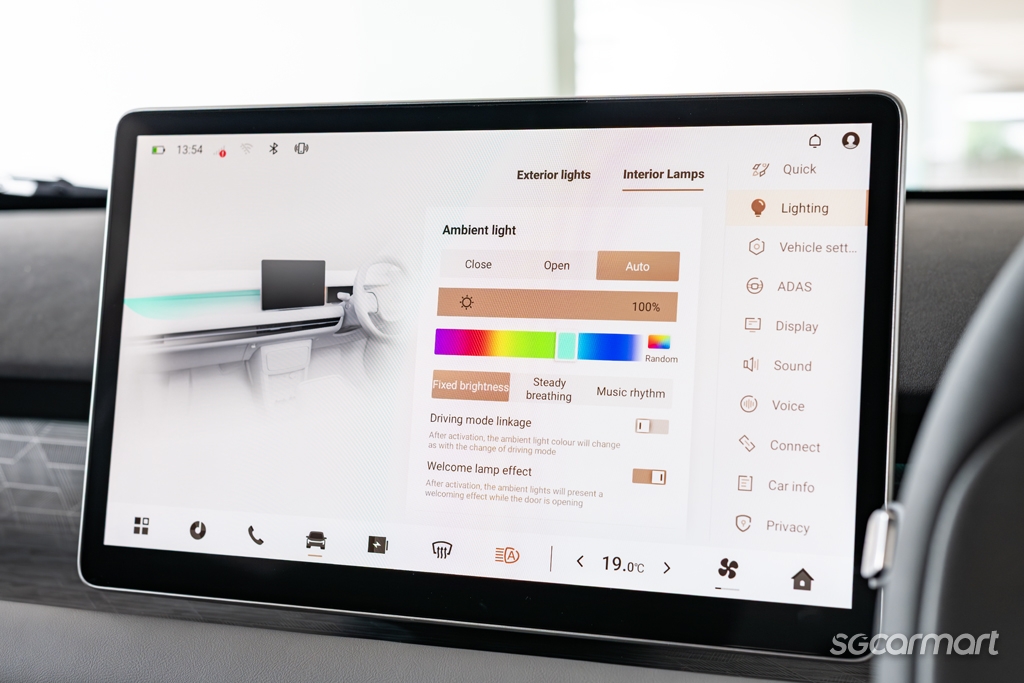
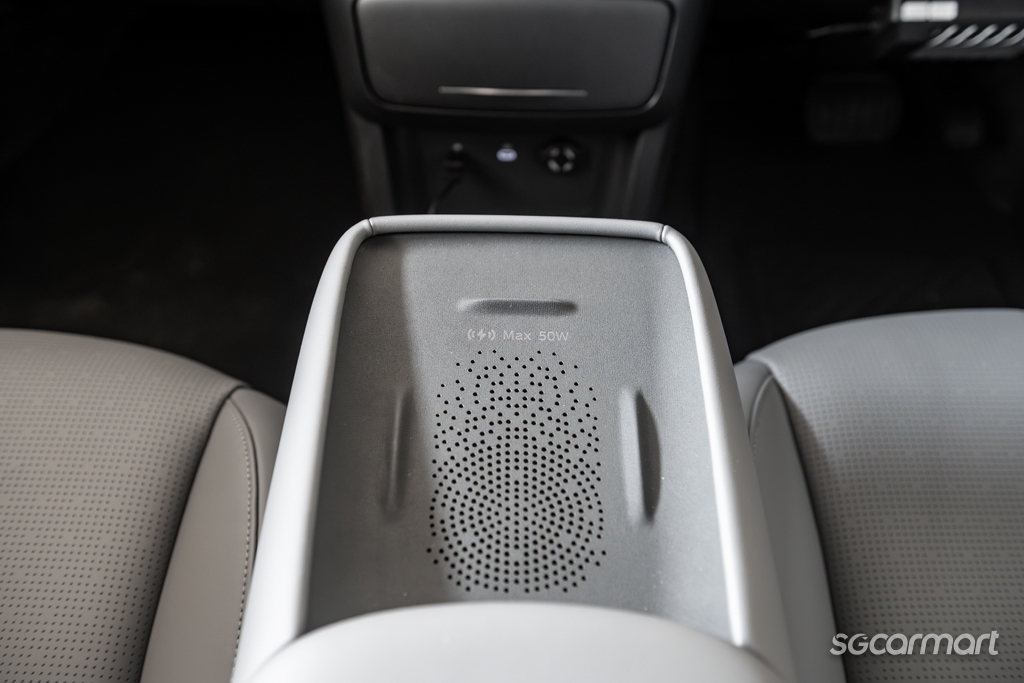
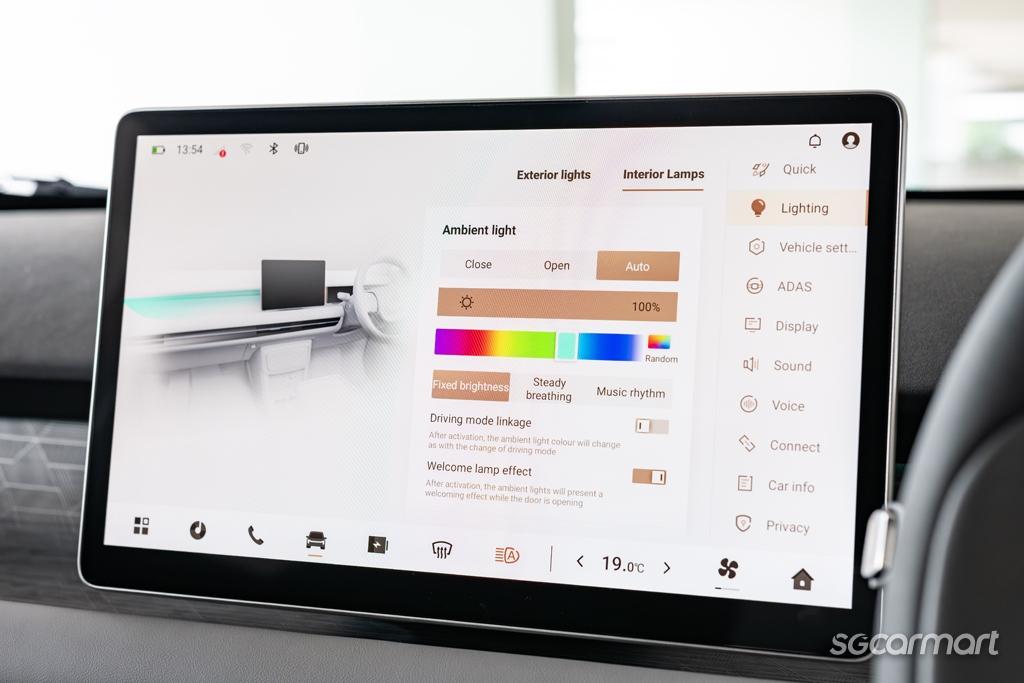
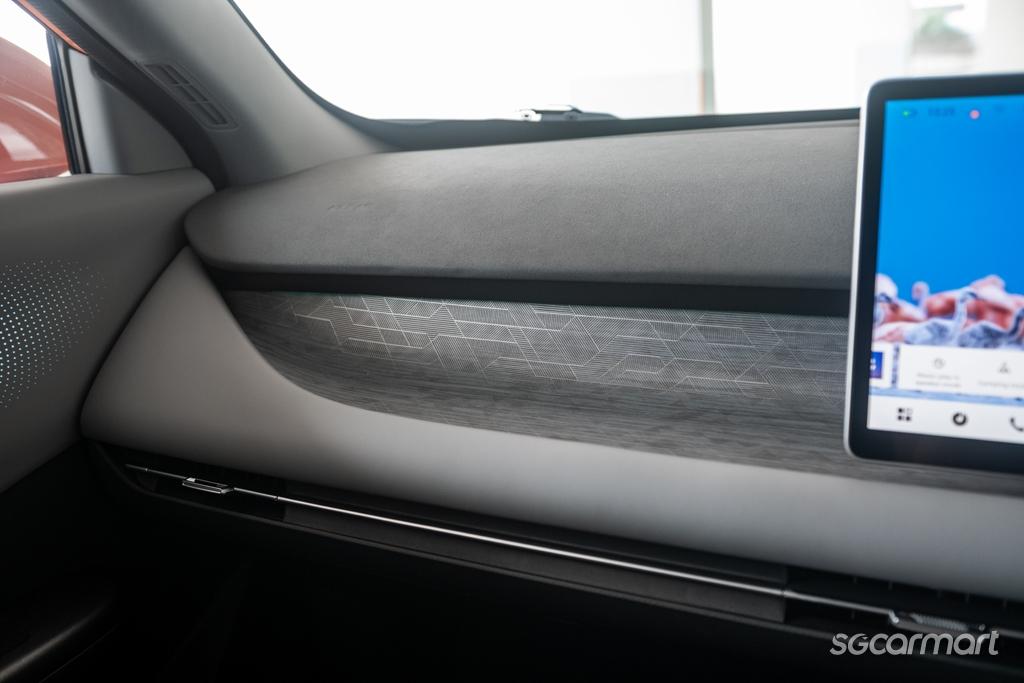
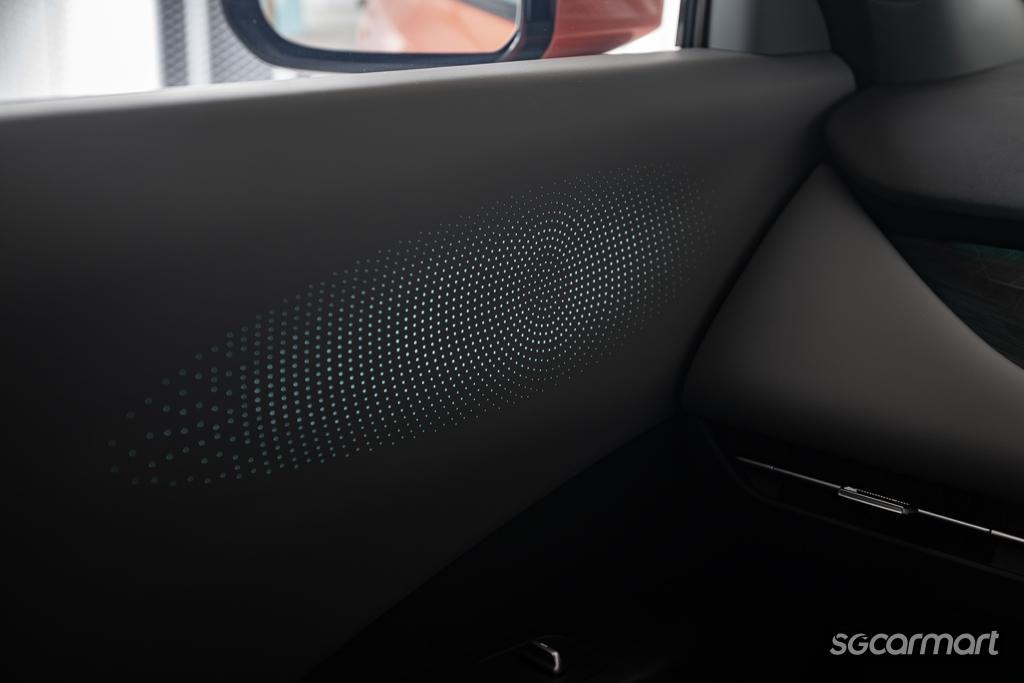
Interior goodies include colourful mood lighting, and a handy 50-watt wireless charger
The Vigo really impresses when it comes to space. To put things in perspective, this crossover only measures 4,306mm long, but has a wheelbase of 2,715mm. It is better packaged than its main rival, the BYD Atto 2.
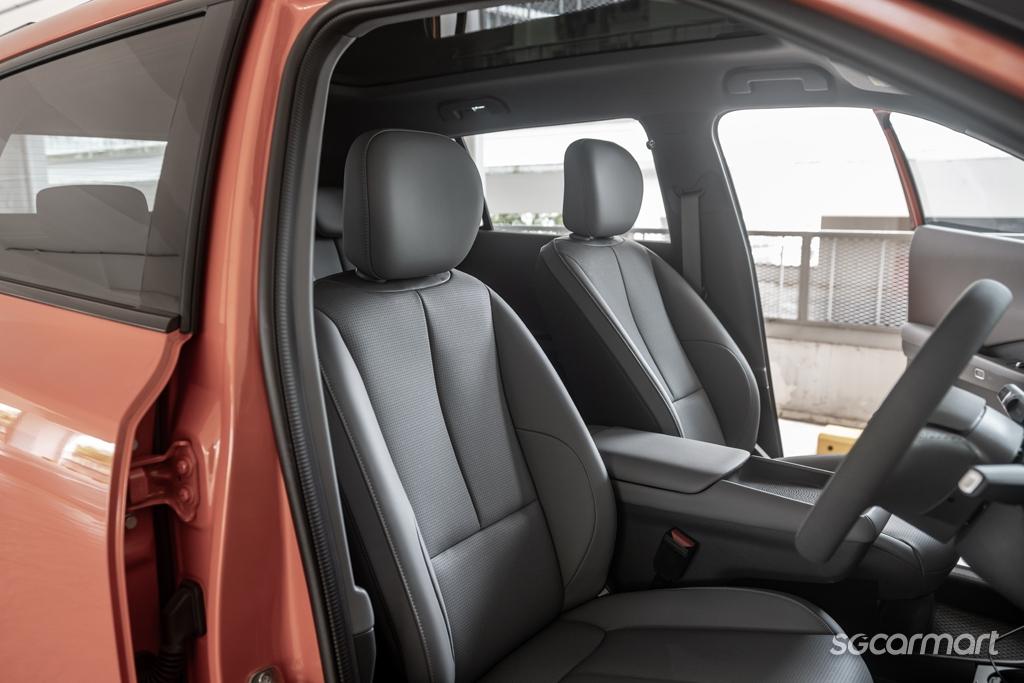
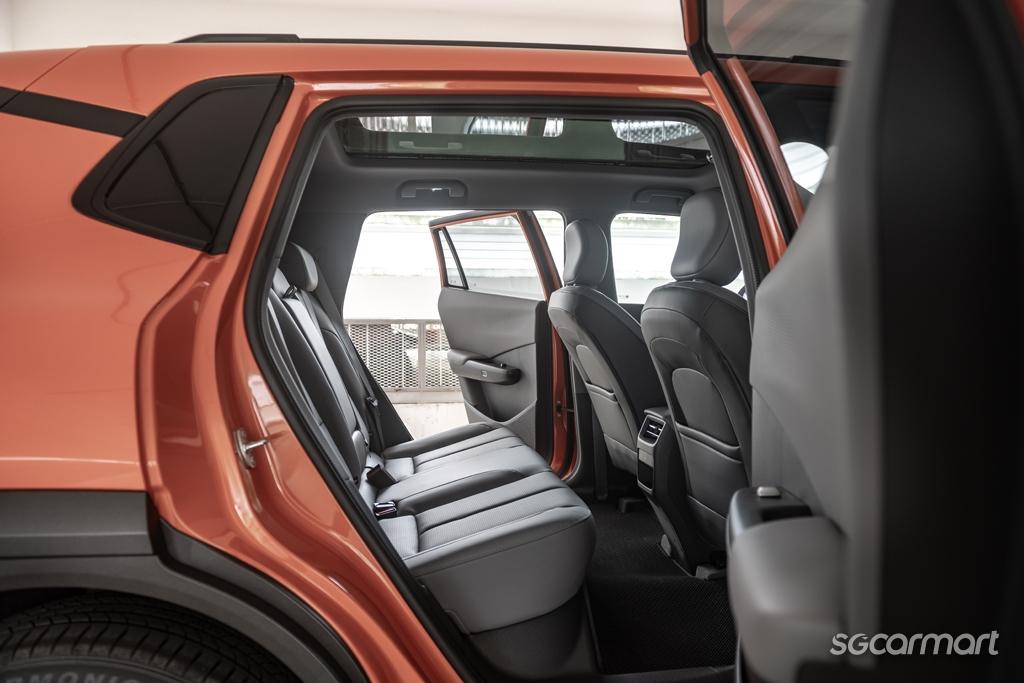
That means great news for rear passengers, because the backseat is very roomy. One of my colleagues is 1.85m tall and even he praised the legroom and the headroom. The latter was a surprise, since panoramic roofs typically reduce headroom, but that's not the case here.
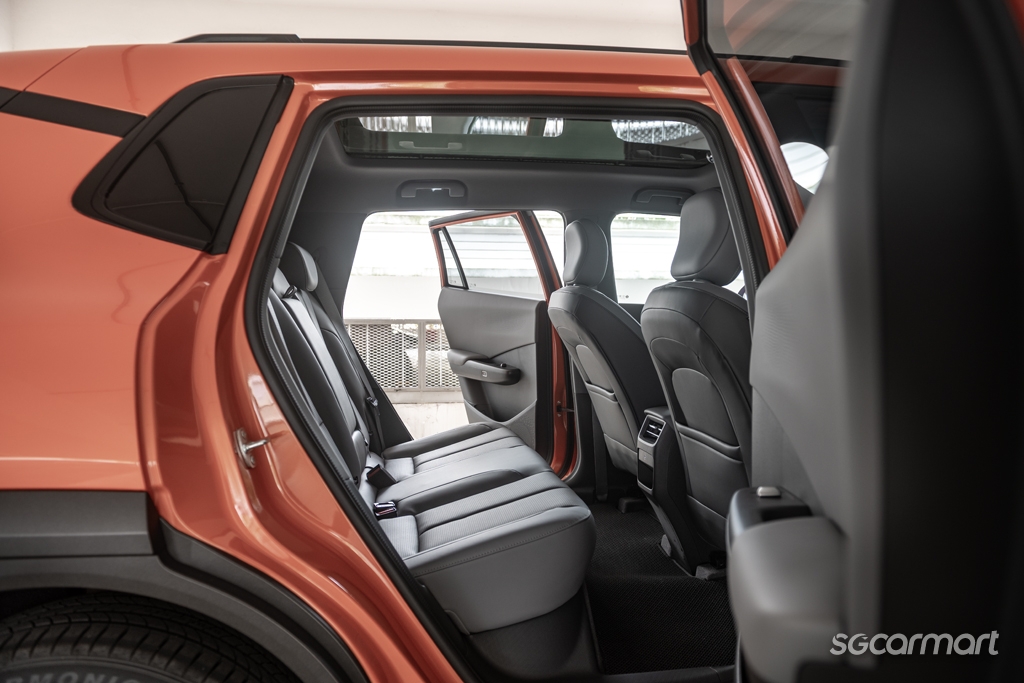
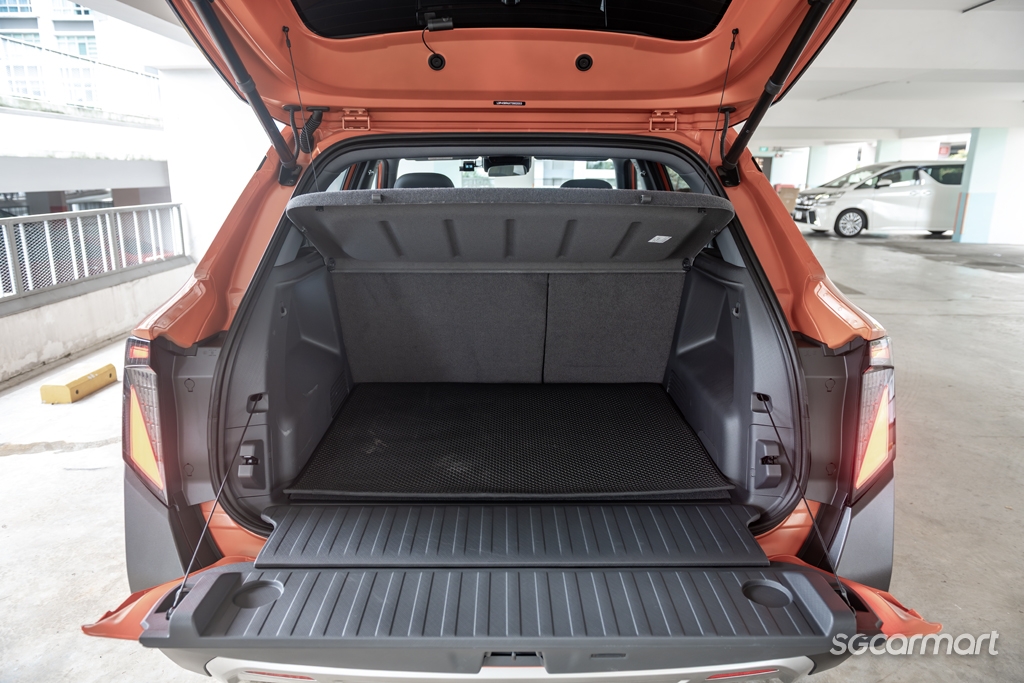
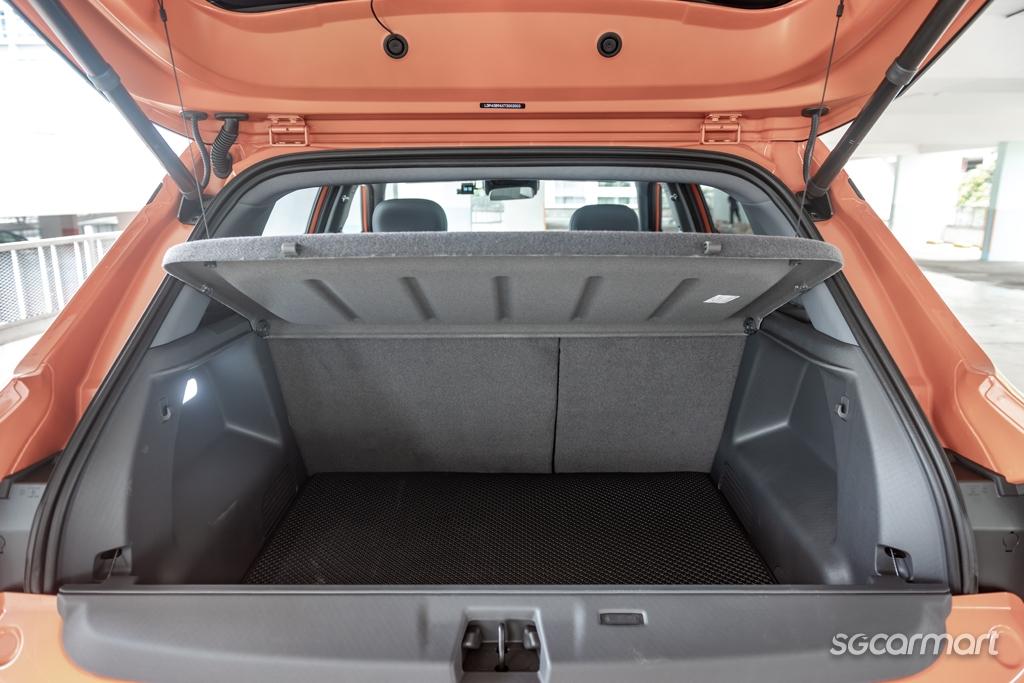
The backseat is surprisingly roomy, and the well-shaped boot has a split tailgate for easier loading/unloading
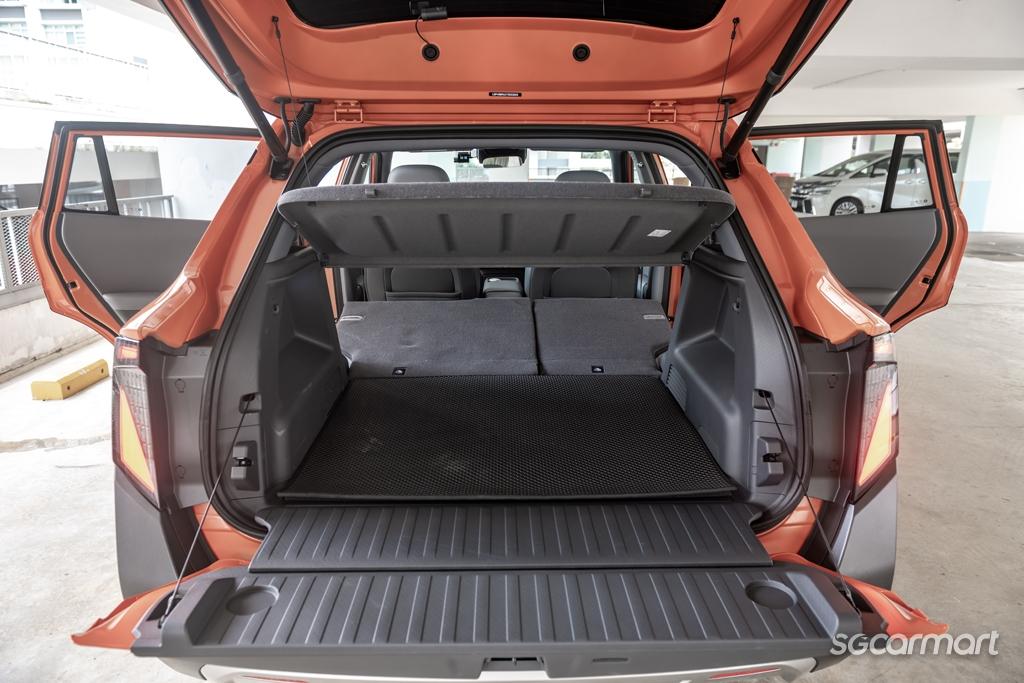
Speaking of cases, suitcases are easily accommodated by the 500-litre boot, which expands to 1,040 litres with the rear backrests folded. This capacity is 120 litres greater compared to the Atto 2.
The Vigo is also unique in this segment for offering a split-tailgate. The bottom portion makes loading/unloading heavy items easier because they can be slid in/out without the risk of scratching the rear bumper. And since it can take up to 150kg, it can also function as a makeshift bench for two average size adults.

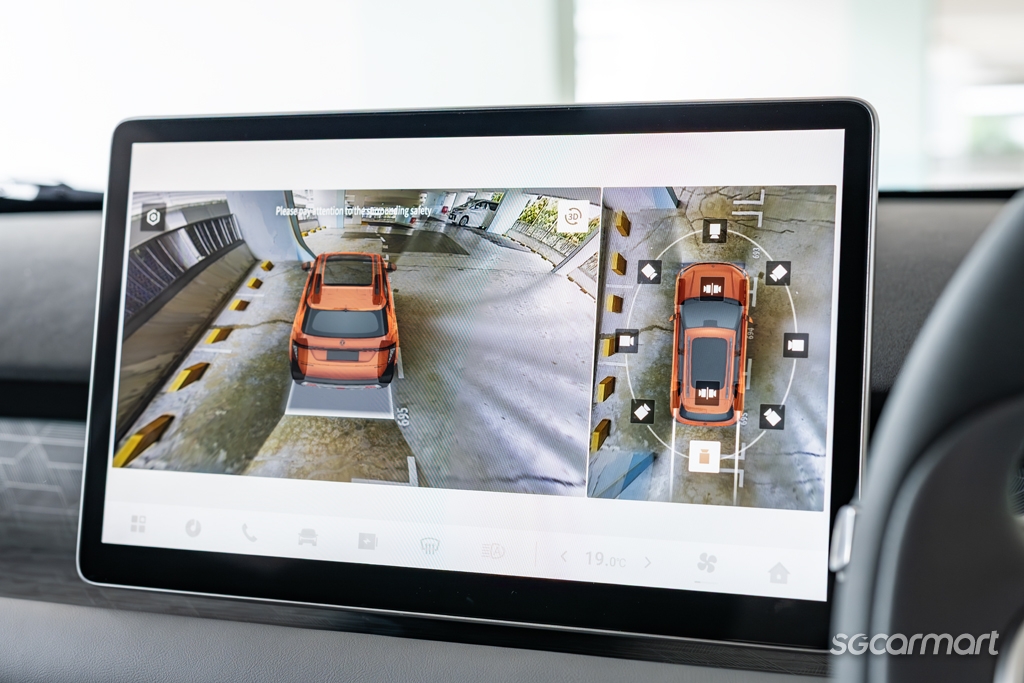
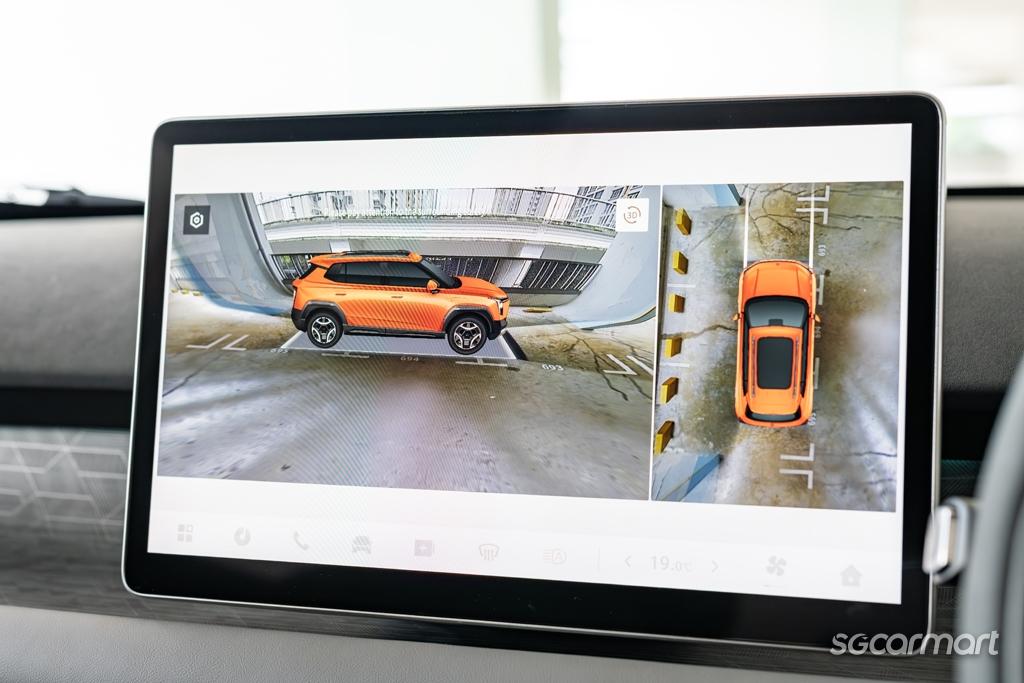
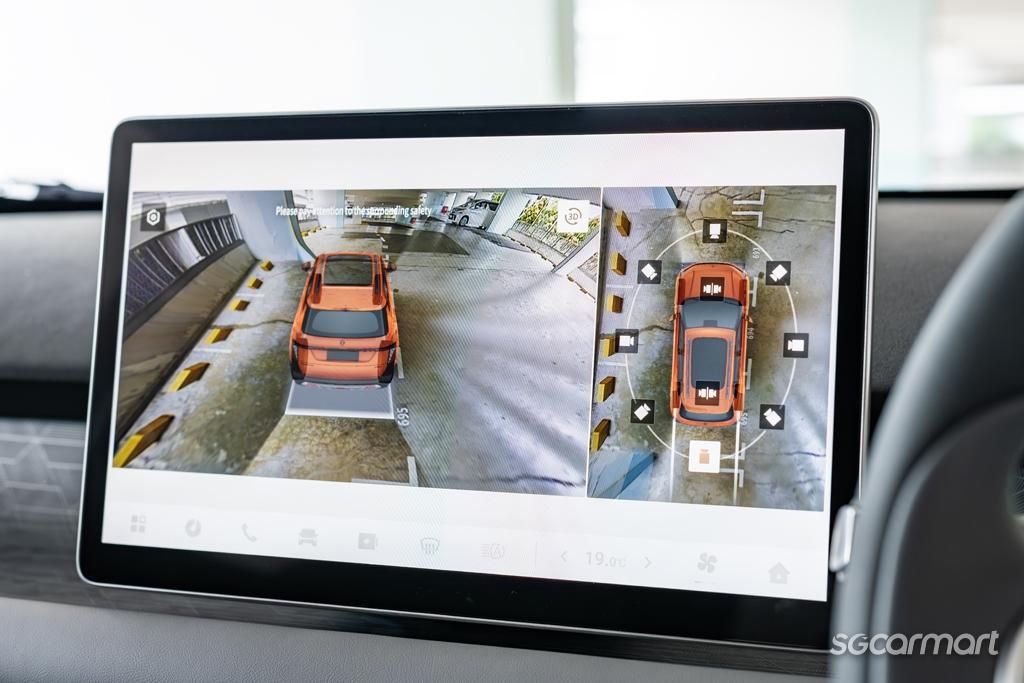
The Vigo is easy to handle even for first-time EV drivers, who will find the 540-degree camera useful during parking manoeuvres
Zipping about
If Dongfeng were to claim that 'Vigo' is short for 'vigour', it would certainly be believable. This entry level compact crossover provides 99kW (134bhp) and 230Nm of torque, which enable it to get from a standstill to 100km/h in 9.5 seconds.
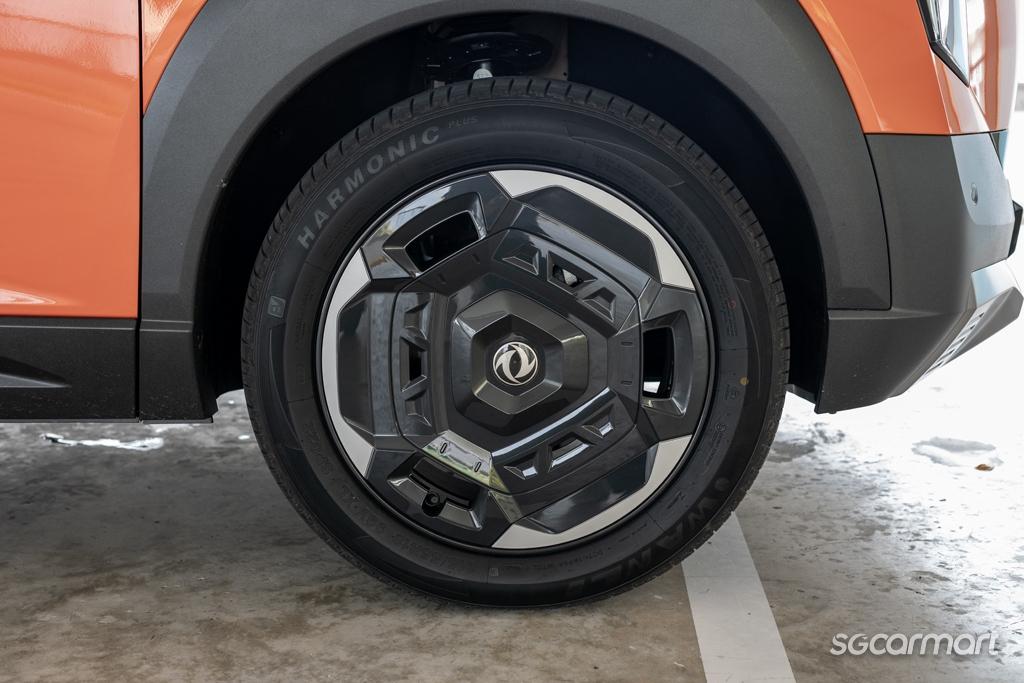
It's not quick, but because of the instantaneous delivery, the car doesn't feel slow either. There's more than enough torque for everyday commuting, which is what most customers want. Off-the-line performance, especially in wet conditions, can be improved with grippier tyres.
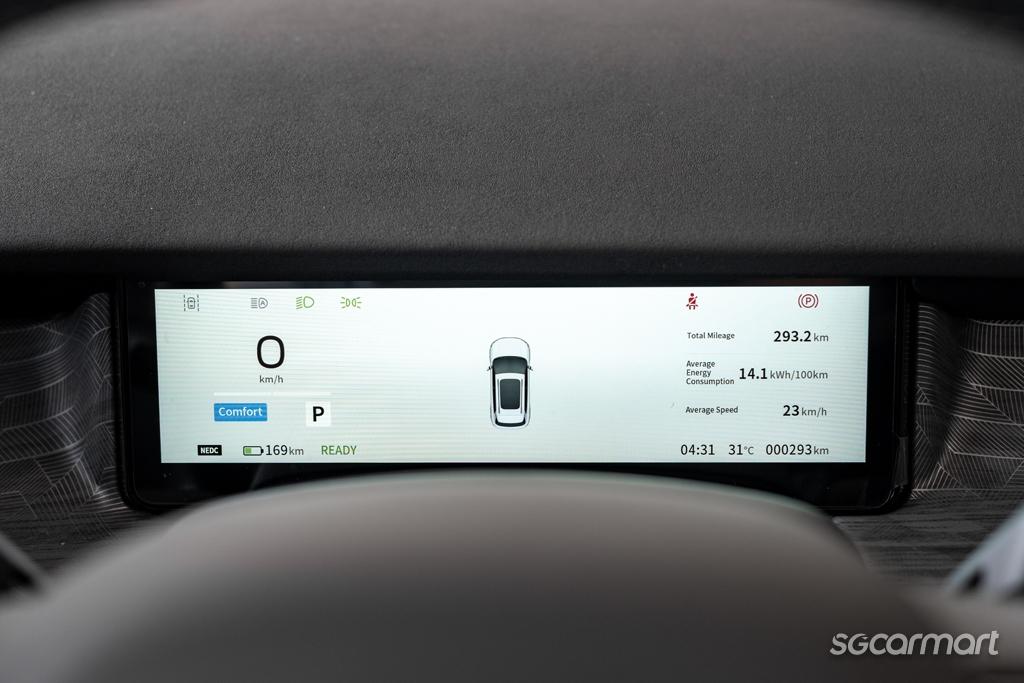
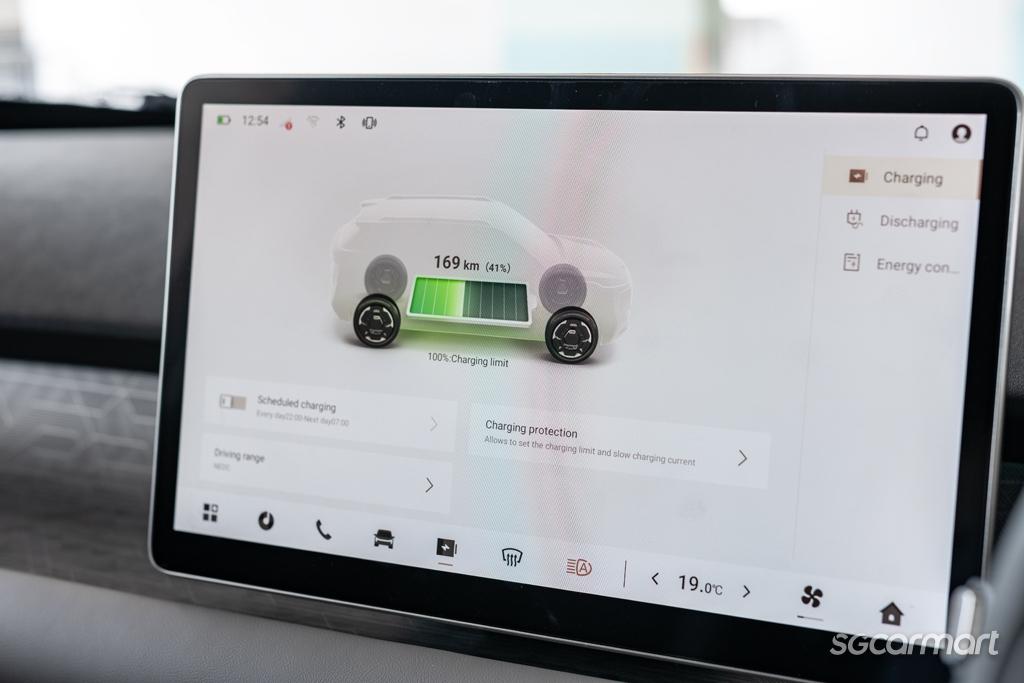
The electric motor is fed by a 51.87kWh battery, which when fully charged, has an estimated maximum range of 471km. Dongfeng claims a combined consumption of 5.7km per kWh, but over three days of driving, I bettered that and averaged 7.7km/kWh.
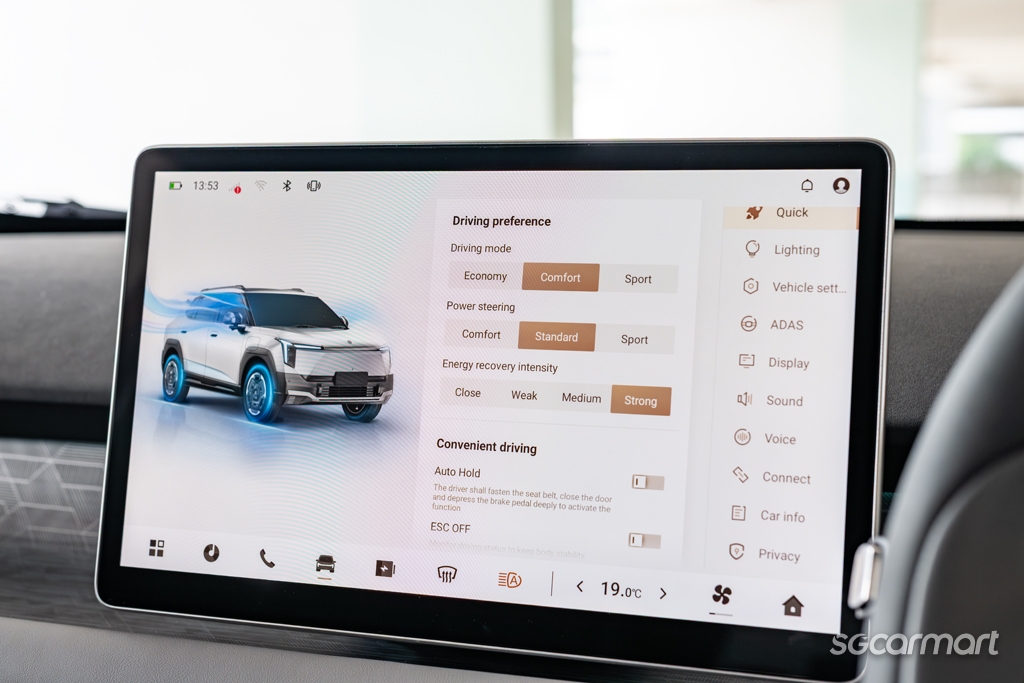
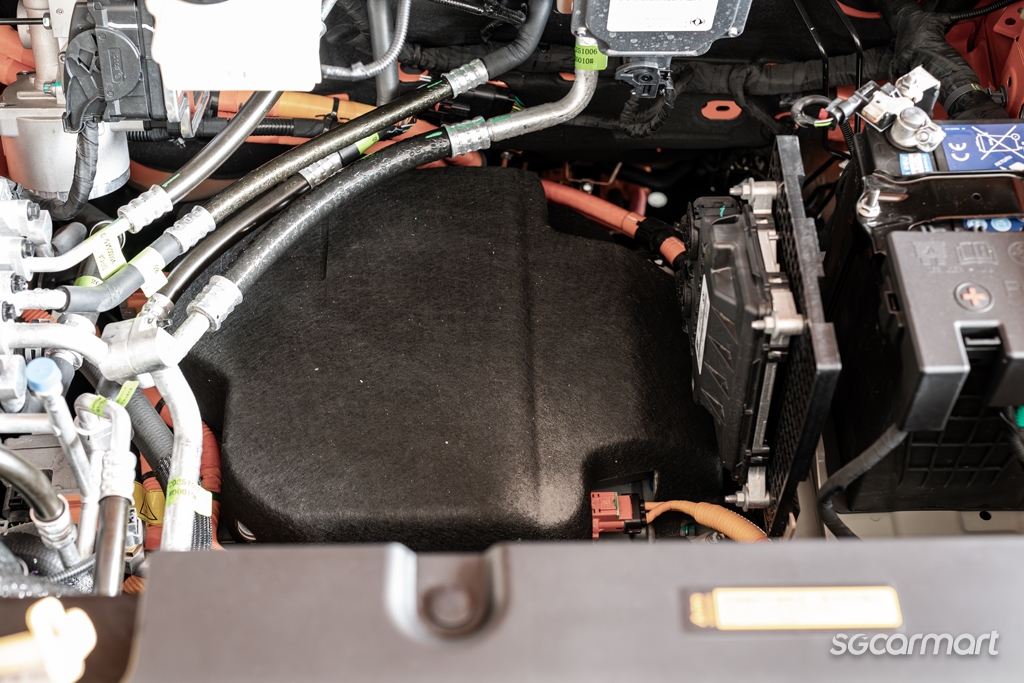
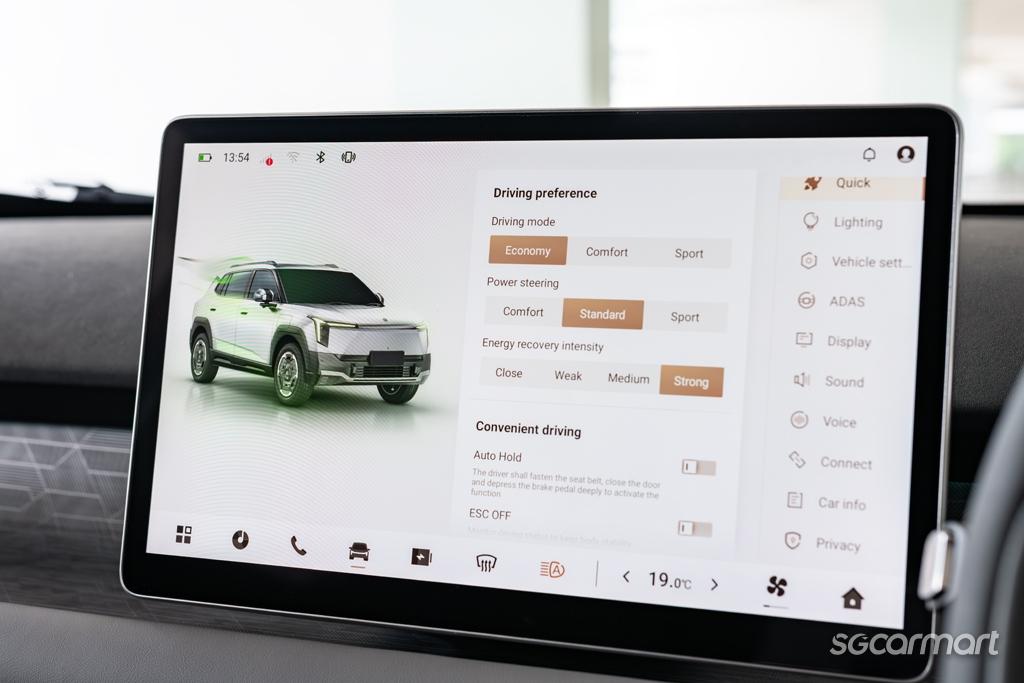
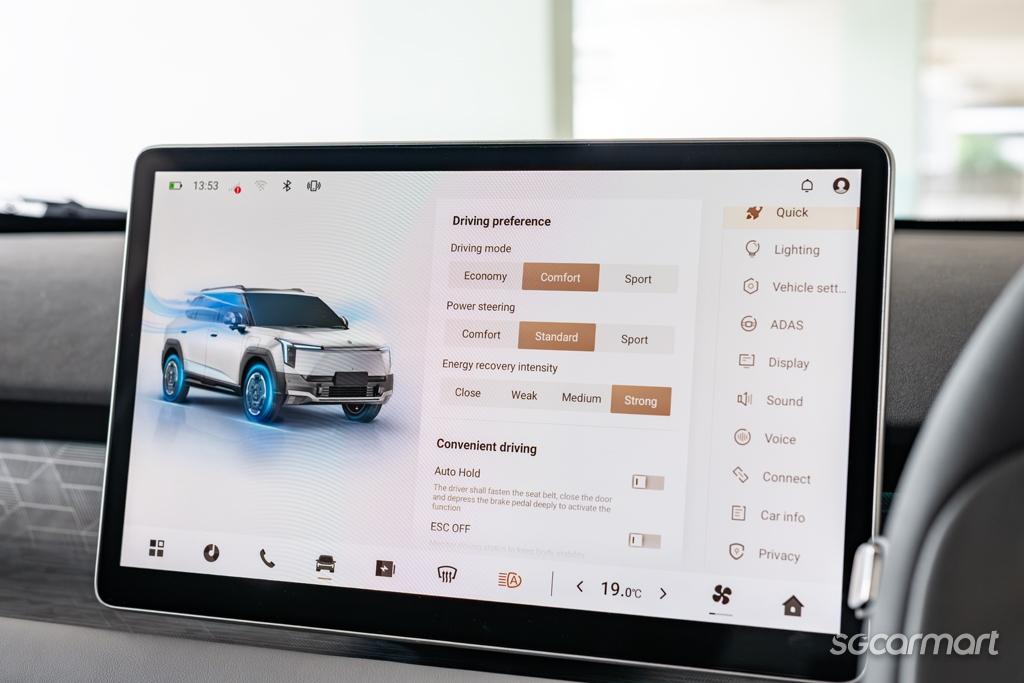
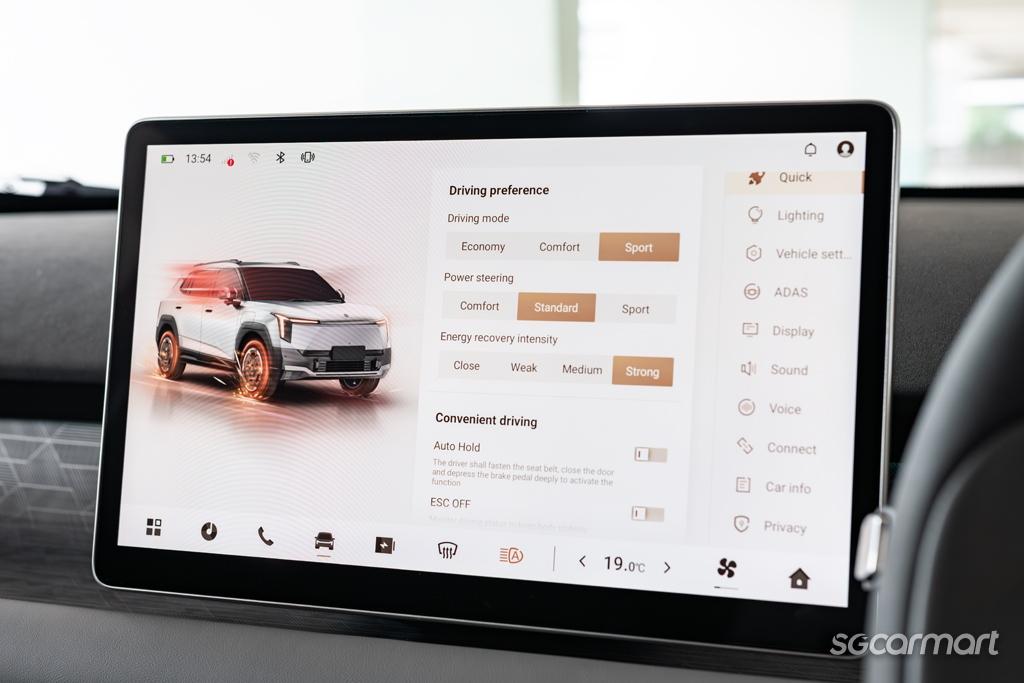
Setting the energy recovery to 'Strong' improves efficiency and helps with braking, too
Overall ride quality is good, but it could use more pliancy in dealing with woollier surfaces. Speed bumps, especially the small ones that come in pairs, tend to feel harder than expected. Dongfeng says the Vigo features 37 layers of sound insulation, and the cabin is quiet on the go, with little wind and road noise intruding into the cabin.
The Vigo is not the type of car to be charging into corners with, but the handling is neat and predictable, with the compact size making it feel nimble. Despite this, the car is still equipped with a 540-degree surround camera to help when parking.
A well-sorted contender
The Vigo is not surrounded by hype and that's a good thing. Just like paper figures, hype only raises expectations to unnecessarily high levels. Without it, a car has a chance to display its capabilities without contending with pre-conceived notions or biases.
That's exactly what the Vigo has managed to do. Instead of over-promising on paper, it gradually impresses the driver as he or she experiences its spaciousness, practicality and versatility. Easy-going manners, efficiency, and thoughtful features like physical buttons, add to the kerb appeal.
If you're compiling a list of electric compact crossovers to test drive and consider, this one should not be missed.
These reviews may interest you, too
BYD's new entry-level model is well-sorted, keenly priced and impressively, is more attractive than its larger Atto 3 sibling
Exceptional value aside, the Y Plus' pleasant and spacious interior, polished drive, and wealth of equipment make it one of today's best entry-level EVs
What We Like
Well-packaged, spacious cabin
Physical buttons/switches (yay!)
Split-tailgate for easier loading/unloading
Efficient powertrain
Stylish design
What We Dislike
No steering reach adjustment
Overly sensitive lane keep assist
Firm ride over speed bumps
Paper figures are a double-edged sword. On one hand, these at-a-glance specifications help buyers profile the car as they create a mental list of potential candidates to test drive.
On the other hand, paper figures also raise expectations, sometimes to unreasonable levels. Big numbers, especially when it comes to kilowatt and torque outputs, tend to do this. Ditto for century sprint times.
But what about a car that doesn't use spec sheets to shout, but instead grows on drivers as they discover its abilities and realise how competent it is? That's exactly what the Vigo, Dongfeng's newest model and first SUV in Singapore, does.
The Vigo's design is stylish and unpretentious
Good-looking newcomer
The Vigo, though, doesn't have to try hard to get your attention. It's handsomely styled, featuring T-shaped daytime running lights (DRLs) and vertically stacked headlamps. There are enough sharp creases to lend the crossover a muscular character as well.
Walk around and you'll notice that although square, it isn't too boxy, because anything too extreme might polarise or even put off buyers. At the rear, you'll find 'crystal tower' taillights that mirror the DRLs. Interestingly, the rear end is rounded. Perhaps this was done to balance the car's sharp and squarish design.
In contrast to the exterior, the interior's styling seems muted. As with many EVs today, the cockpit looks sparse as most of the controls and settings are parked in the infotainment system. But conveniently, the wing mirror controls remain on the door panel, allowing for easy adjustment.
The physical controls are a nice touch, but the lack of adjustment for the steering wheel's reach needs to be addressed
And while they might look like a throwback, the physical controls on the steering wheel offer a directness that haptic controls will never achieve. The toggle switches, though, need to be bigger. At present, they seem more suited to a child's fingers.
The infotainment offers more good news, for the menus are relatively well-organised and it's not long before one becomes accustomed to the layout. Wireless Apple CarPlay works seamlessly - it connected immediately and there were no hiccups or interruptions over the duration of the drive.
Practicality is another Vigo strong suit. There's a useful cubby below the central air vents, a large compartment beneath the shared armrest, USB ports, and a 50-watt wireless charger.
Interior goodies include colourful mood lighting, and a handy 50-watt wireless charger
The Vigo really impresses when it comes to space. To put things in perspective, this crossover only measures 4,306mm long, but has a wheelbase of 2,715mm. It is better packaged than its main rival, the BYD Atto 2.
That means great news for rear passengers, because the backseat is very roomy. One of my colleagues is 1.85m tall and even he praised the legroom and the headroom. The latter was a surprise, since panoramic roofs typically reduce headroom, but that's not the case here.
The backseat is surprisingly roomy, and the well-shaped boot has a split tailgate for easier loading/unloading
Speaking of cases, suitcases are easily accommodated by the 500-litre boot, which expands to 1,040 litres with the rear backrests folded. This capacity is 120 litres greater compared to the Atto 2.
The Vigo is also unique in this segment for offering a split-tailgate. The bottom portion makes loading/unloading heavy items easier because they can be slid in/out without the risk of scratching the rear bumper. And since it can take up to 150kg, it can also function as a makeshift bench for two average size adults.
The Vigo is easy to handle even for first-time EV drivers, who will find the 540-degree camera useful during parking manoeuvres
Zipping about
If Dongfeng were to claim that 'Vigo' is short for 'vigour', it would certainly be believable. This entry level compact crossover provides 99kW (134bhp) and 230Nm of torque, which enable it to get from a standstill to 100km/h in 9.5 seconds.
It's not quick, but because of the instantaneous delivery, the car doesn't feel slow either. There's more than enough torque for everyday commuting, which is what most customers want. Off-the-line performance, especially in wet conditions, can be improved with grippier tyres.
The electric motor is fed by a 51.87kWh battery, which when fully charged, has an estimated maximum range of 471km. Dongfeng claims a combined consumption of 5.7km per kWh, but over three days of driving, I bettered that and averaged 7.7km/kWh.
Setting the energy recovery to 'Strong' improves efficiency and helps with braking, too
Overall ride quality is good, but it could use more pliancy in dealing with woollier surfaces. Speed bumps, especially the small ones that come in pairs, tend to feel harder than expected. Dongfeng says the Vigo features 37 layers of sound insulation, and the cabin is quiet on the go, with little wind and road noise intruding into the cabin.
The Vigo is not the type of car to be charging into corners with, but the handling is neat and predictable, with the compact size making it feel nimble. Despite this, the car is still equipped with a 540-degree surround camera to help when parking.
A well-sorted contender
The Vigo is not surrounded by hype and that's a good thing. Just like paper figures, hype only raises expectations to unnecessarily high levels. Without it, a car has a chance to display its capabilities without contending with pre-conceived notions or biases.
That's exactly what the Vigo has managed to do. Instead of over-promising on paper, it gradually impresses the driver as he or she experiences its spaciousness, practicality and versatility. Easy-going manners, efficiency, and thoughtful features like physical buttons, add to the kerb appeal.
If you're compiling a list of electric compact crossovers to test drive and consider, this one should not be missed.
These reviews may interest you, too
BYD's new entry-level model is well-sorted, keenly priced and impressively, is more attractive than its larger Atto 3 sibling
Exceptional value aside, the Y Plus' pleasant and spacious interior, polished drive, and wealth of equipment make it one of today's best entry-level EVs



Car Information
Dongfeng Vigo Electric Essential 51.87 kWh (A)
$173,888
CAT A|Electric|5.7km/kWh
Horsepower
99kW (133 bhp)
Torque
230 Nm
Acceleration
9.5sec (0-100km /hr)
Promotion
Enjoy lifetime unlimited mileage battery warranty and more with your new Dongfeng Vigo today.
Read more
Thank You For Your Subscription.





Tags
Products & Services

For Owners
Quick Links
About Sgcarmart