Firefly Review
21 Feb 2026|6,546 views


















What We Like
Distinct design
Roomy for its size
Lots of useful storage points
Punchy performance
Good handling
What We Dislike
Needs a larger battery
No wireless charging
Airflow can't be adjusted up/down
When NIO declared its intention to build an 'iconic' model, it did it by introducing Firefly, a sub-brand with a single namesake model. It's a bold move, with the aim to one day make Firefly as memorable as MINI.
When I drove the Firefly in Shenzhen last November, I was impressed by its design and packaging. But I didn't get to drive as dynamically as I wanted, for much of the time was spent filming videos, taking photos, and ensuring that I didn't get lost.
Now on home ground, I finally got to enjoy this hatchback, and discovered that despite its quirks, it's as user-friendly as I remember, and more importantly, well-suited for our roads.
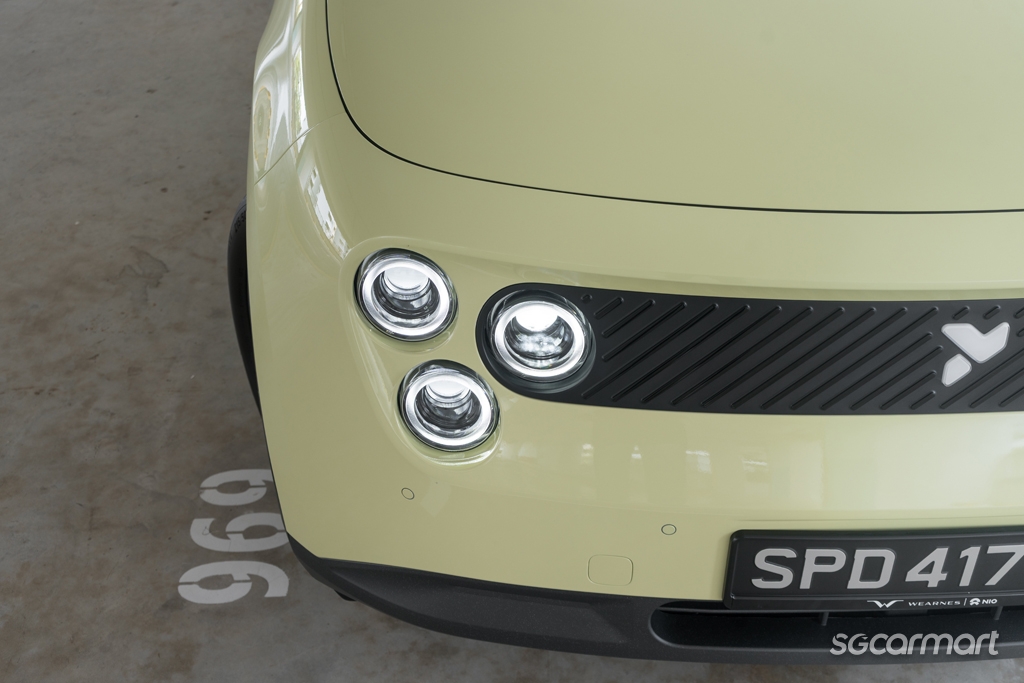
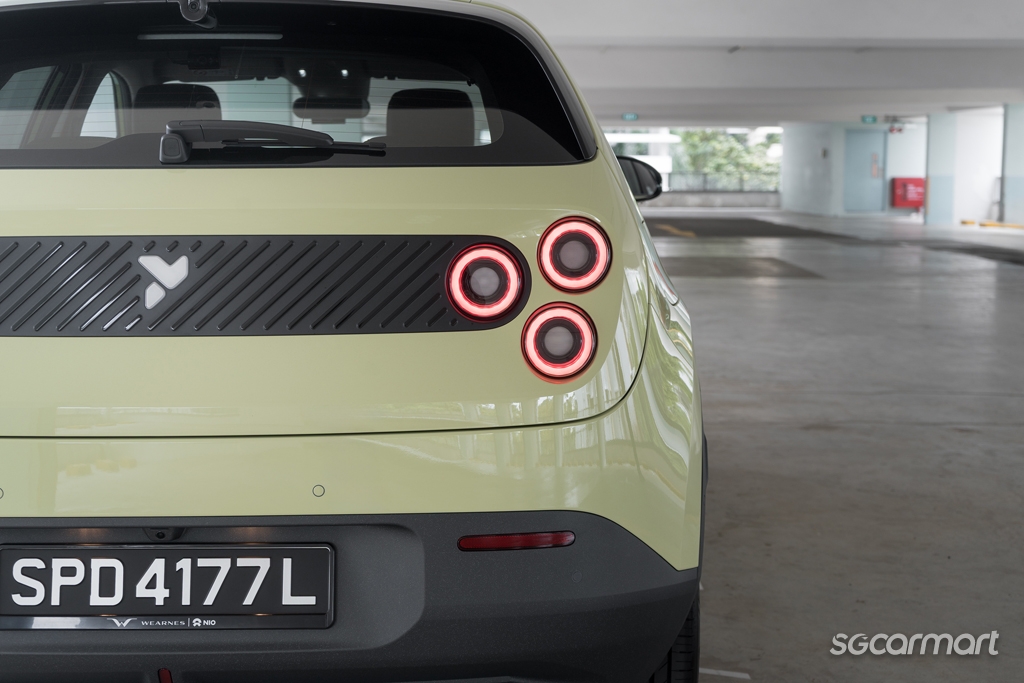
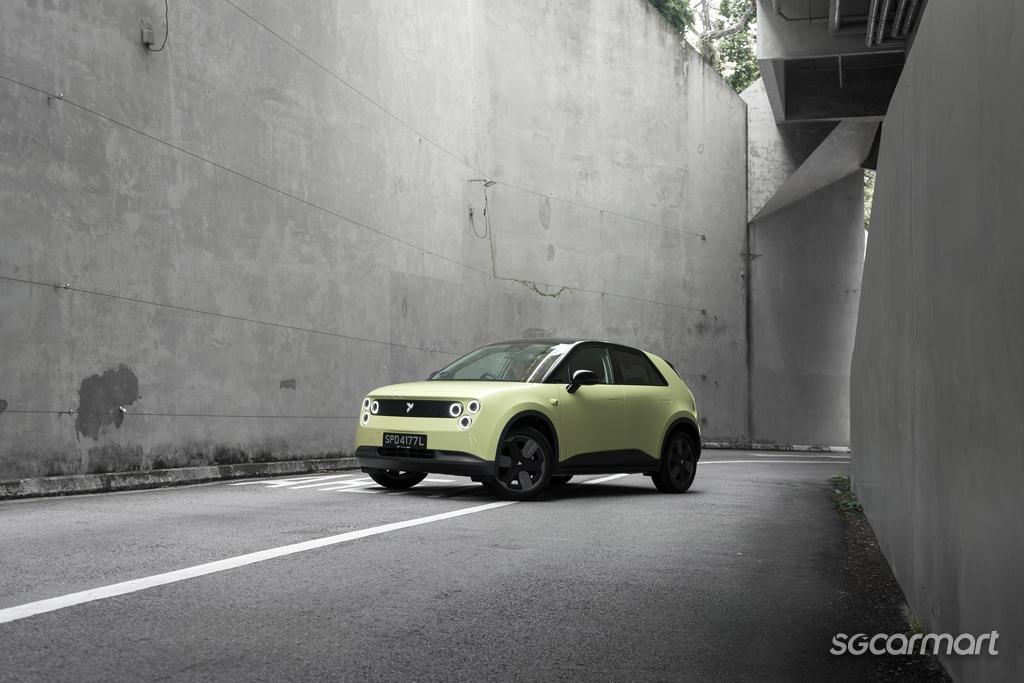
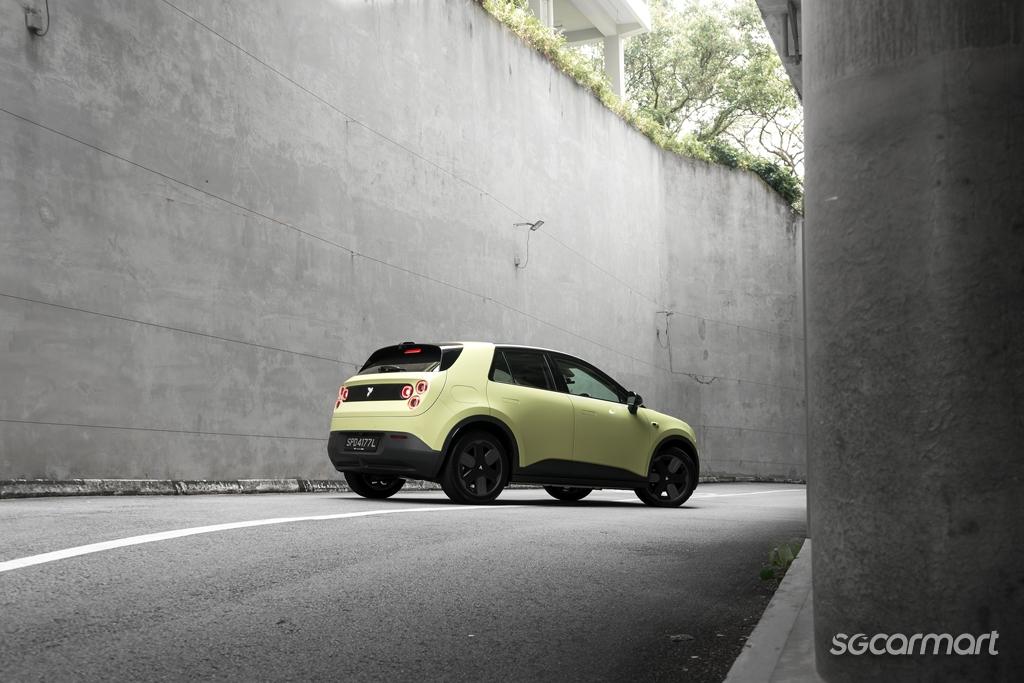
Both ends of the car mirror the other, which further adds to the hatchback's uniqueness
Eye-catching style
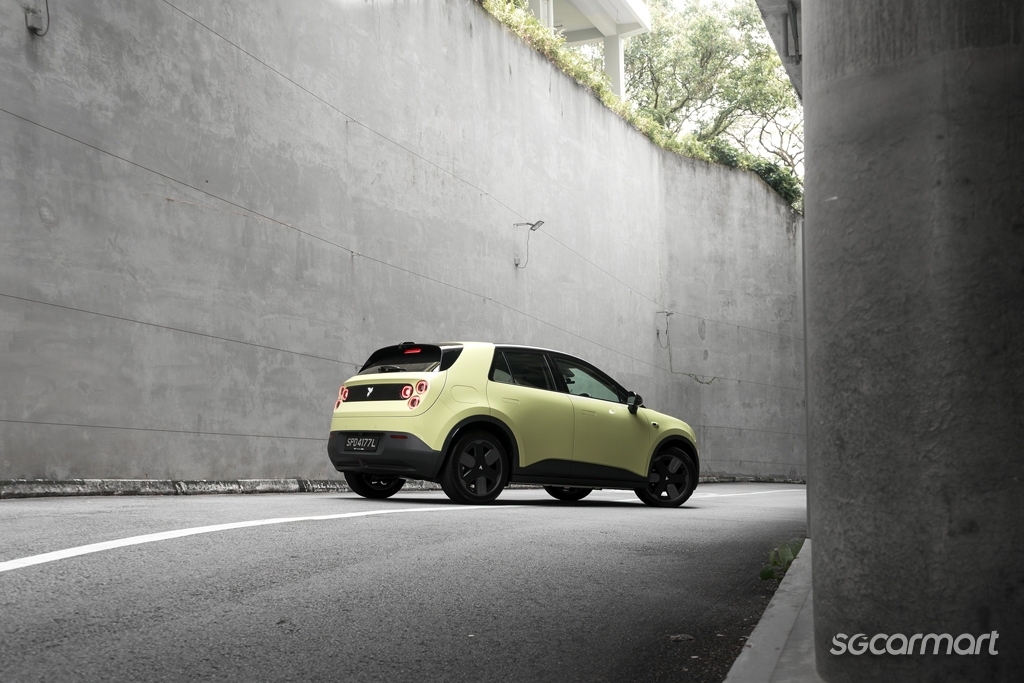
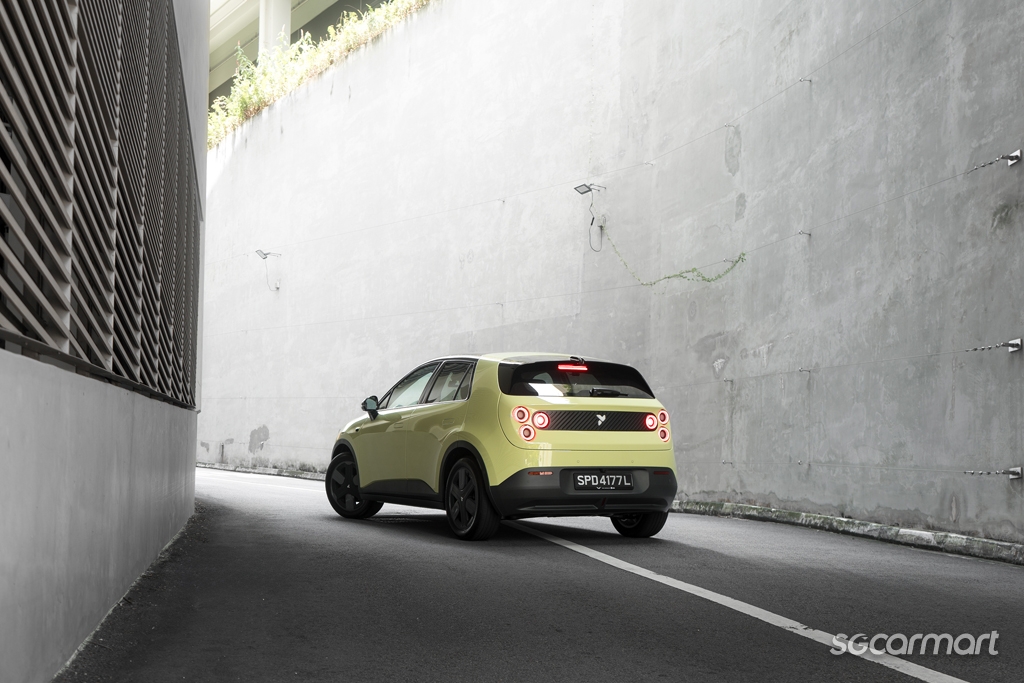
Having just been introduced here over a month ago, the Firefly is still unfamiliar to many. But its striking styling - where the front and rear ends mirror each other - won't be forgotten anytime soon.
The head lights and taillamps are tri-lens arrays that resemble the cameras of a smartphone. Kris Tomaason, the car's designer, says they came up with the design before phones started adopting this lens layout. The front and rear also feature oblong-shaped plinths - in overseas markets, Firefly sells other designs that owners can swap to.
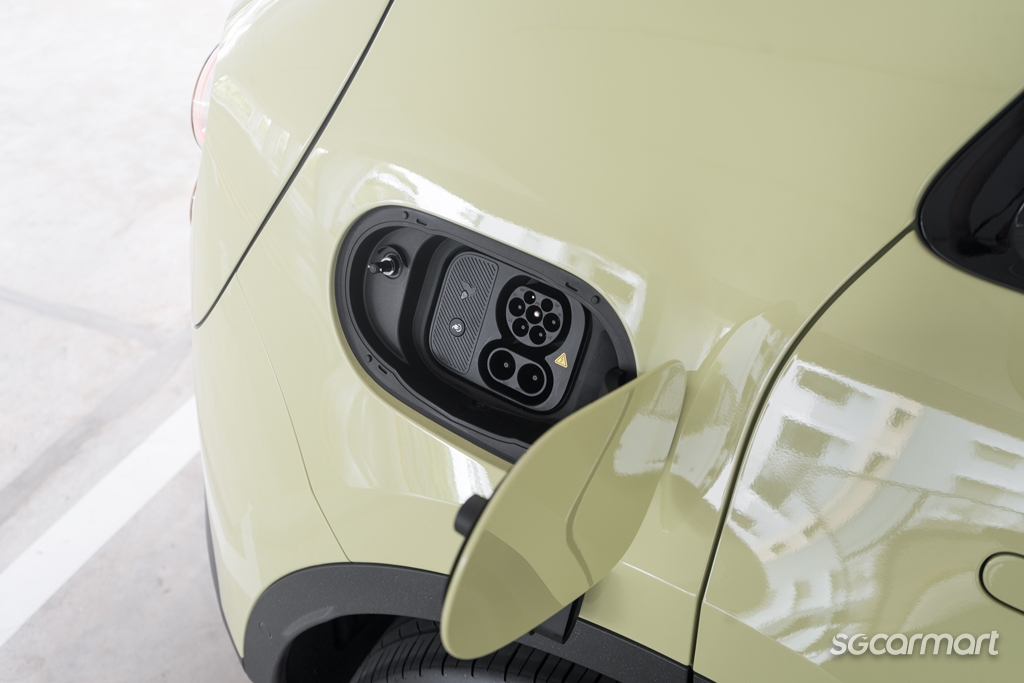
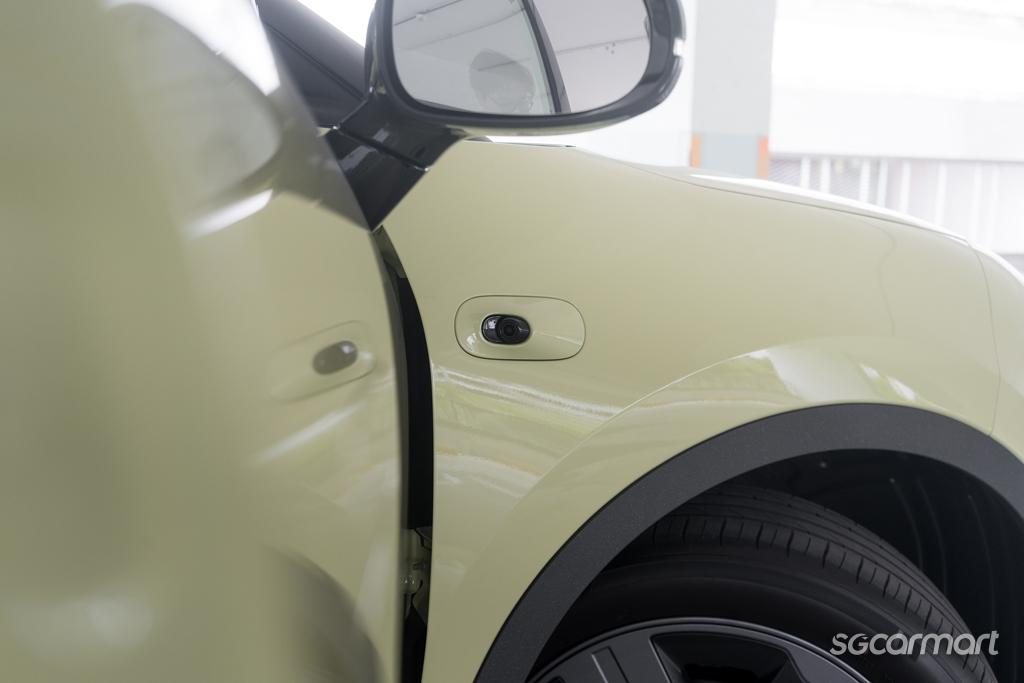
Look closely and you'll begin to spot the oblong/pill-shaped elements, like the charging port cover
Another interesting detail is what the brand refers to the 'dynamic hoop', the painted area that loops around the roof and surrounds the rear windscreen, adding sportiness to the hatchback's image.
Even more interesting is that apart from the logos on the front and rear, the Firefly doesn't have any badges with the model's name or variant. Perhaps over time, this will help reinforce the Firefly name.
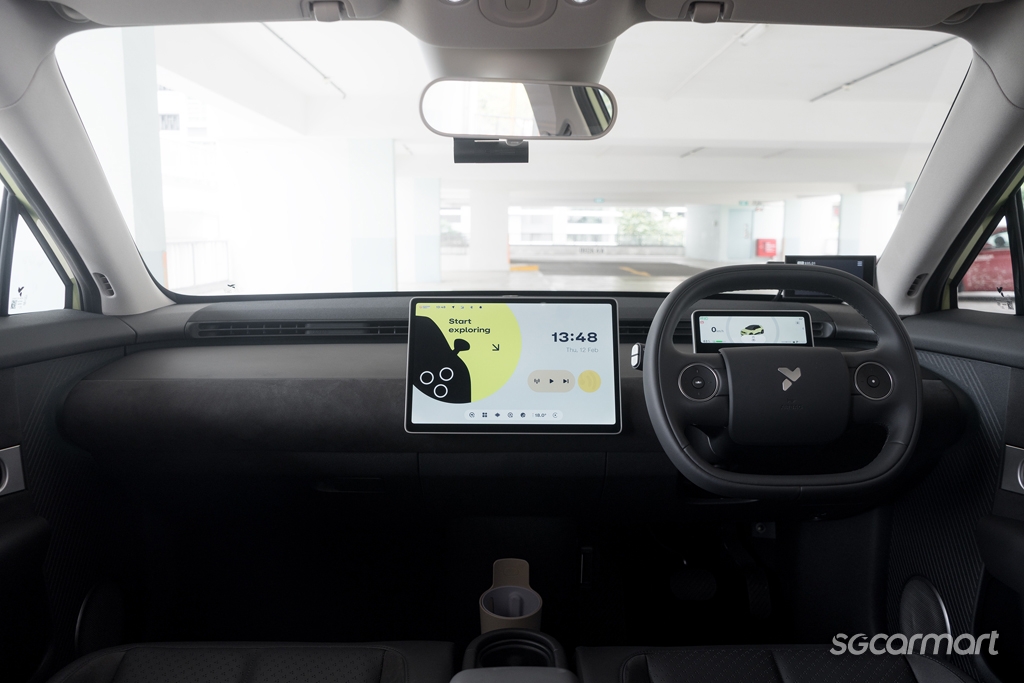
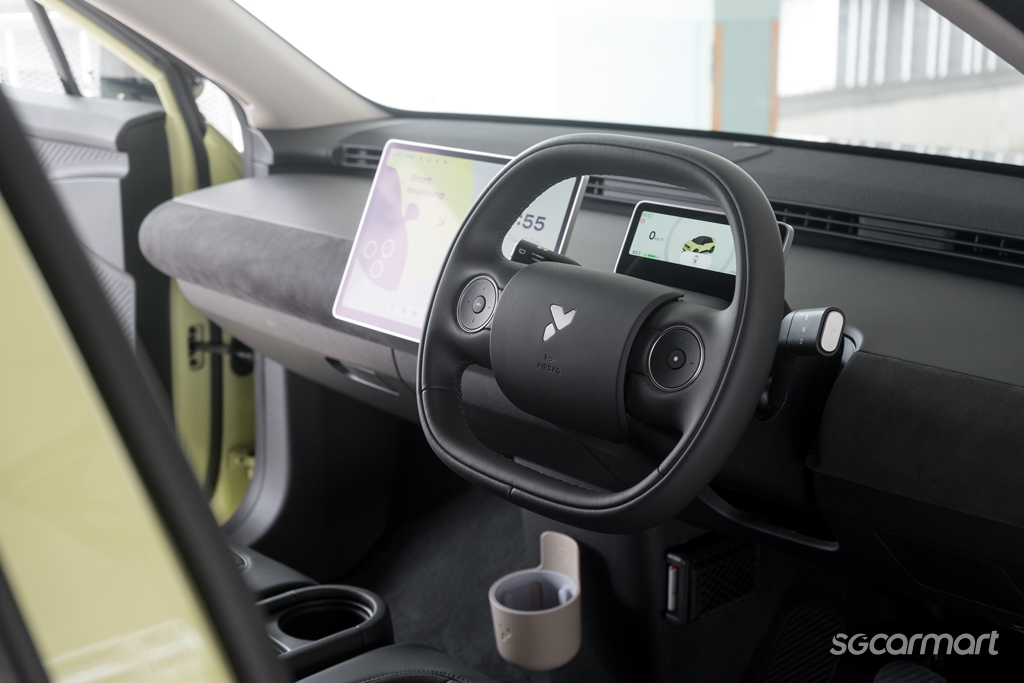
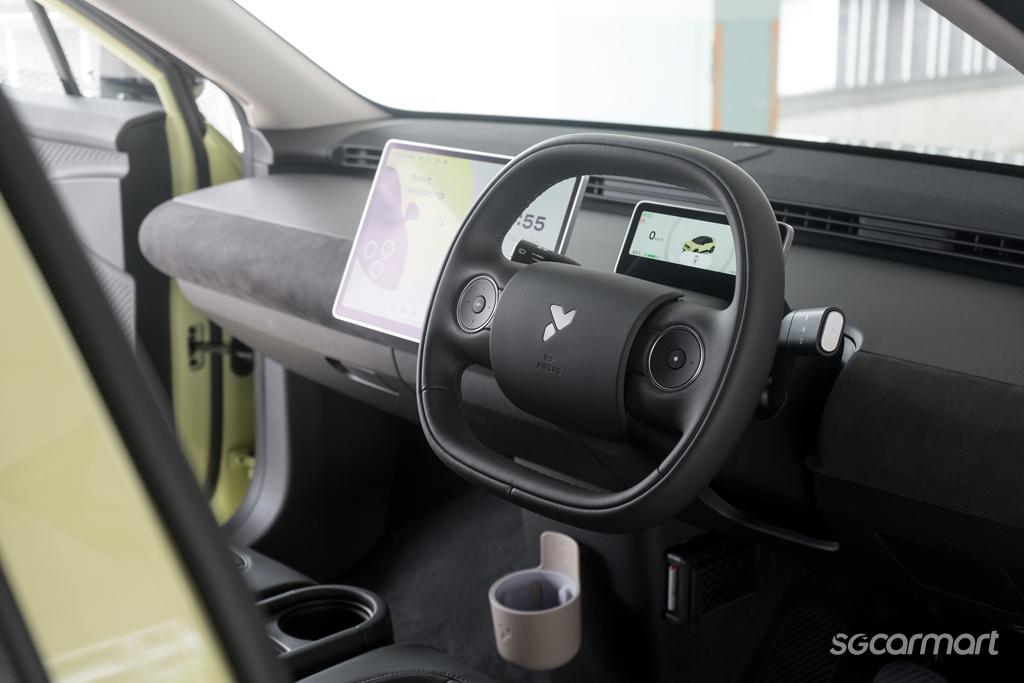
It may seem sombre at first, but the interior hosts a delightful array of practical touches
Beyond minimalism
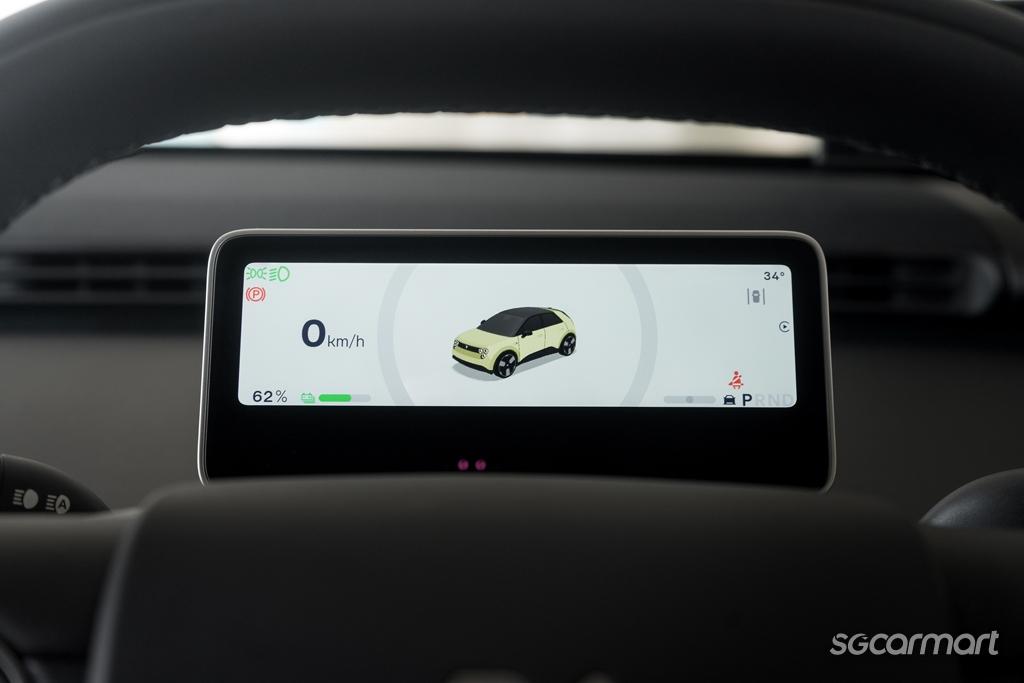
Many EVs, especially Chinese ones, have minimalist interiors. The Firefly is no different, but it sets itself apart by reflecting the exterior design in the cabin.
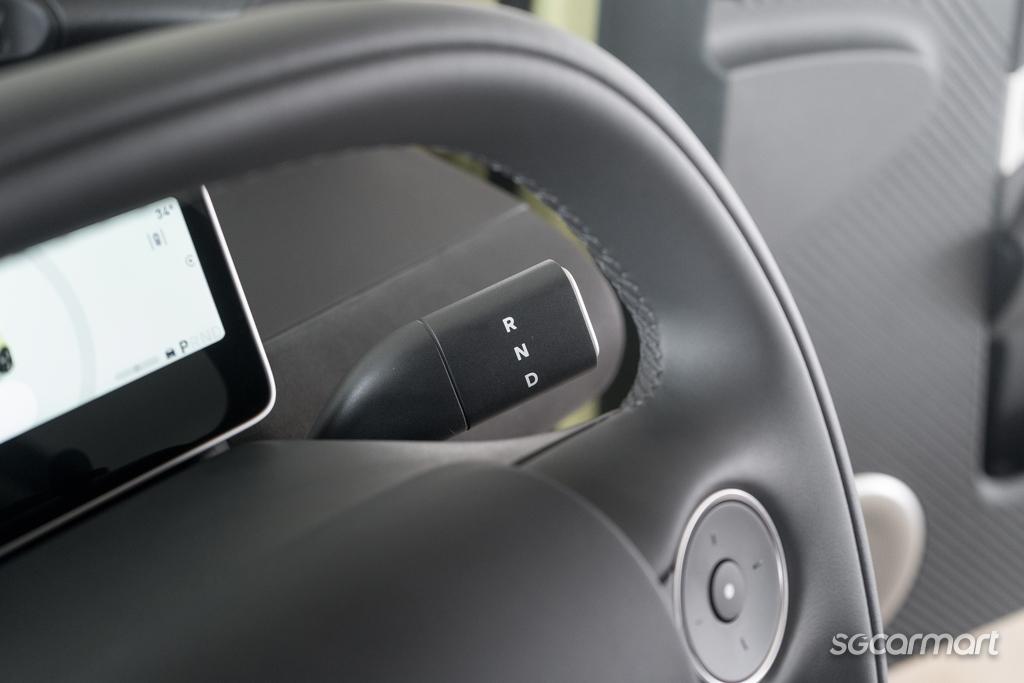
It's no coincidence that items such as the rearview mirror, the ends of the indicator and gearshift stalks, seat controls, and even the pedals, are oblong-shaped (there are 33 of these in all). As for the tri-lens array, this is seen in the seat perforations and the mirror indicators for the blind spot monitor.
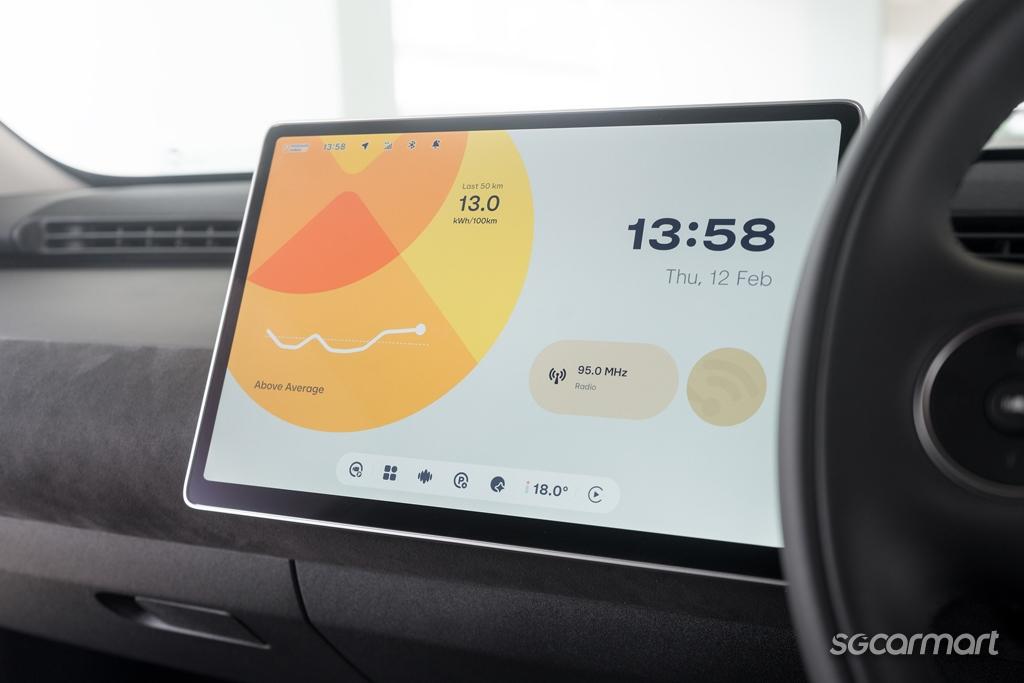
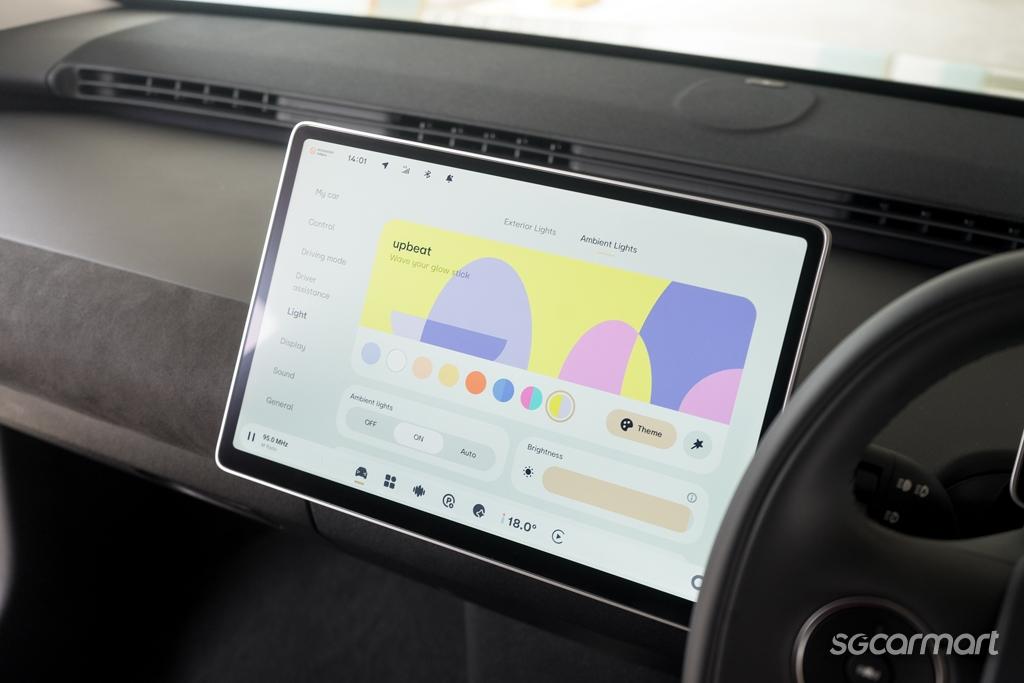
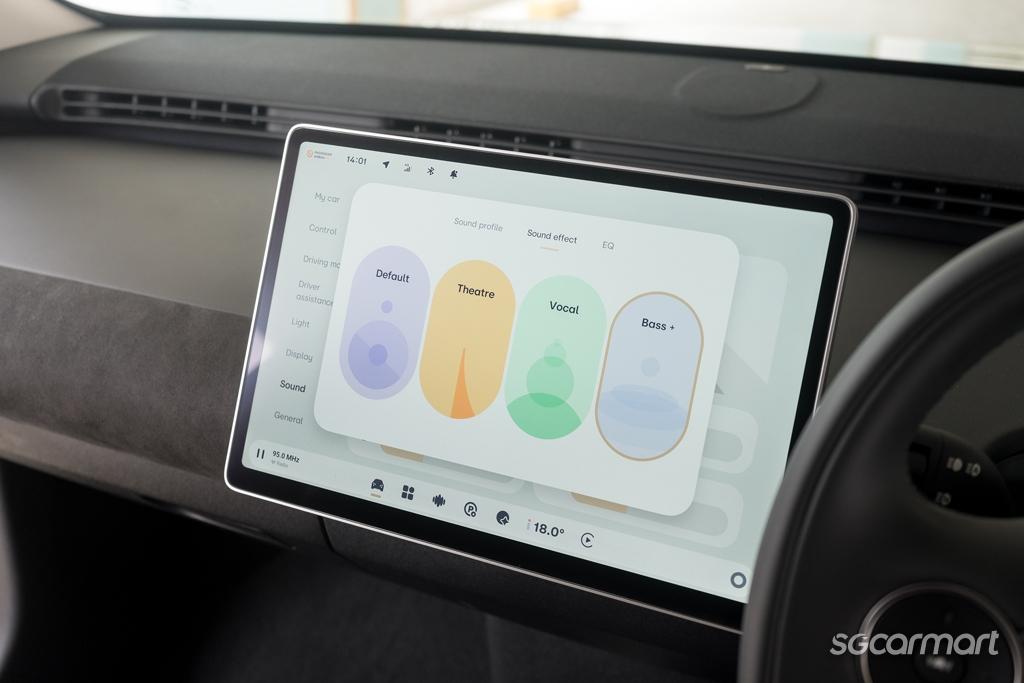
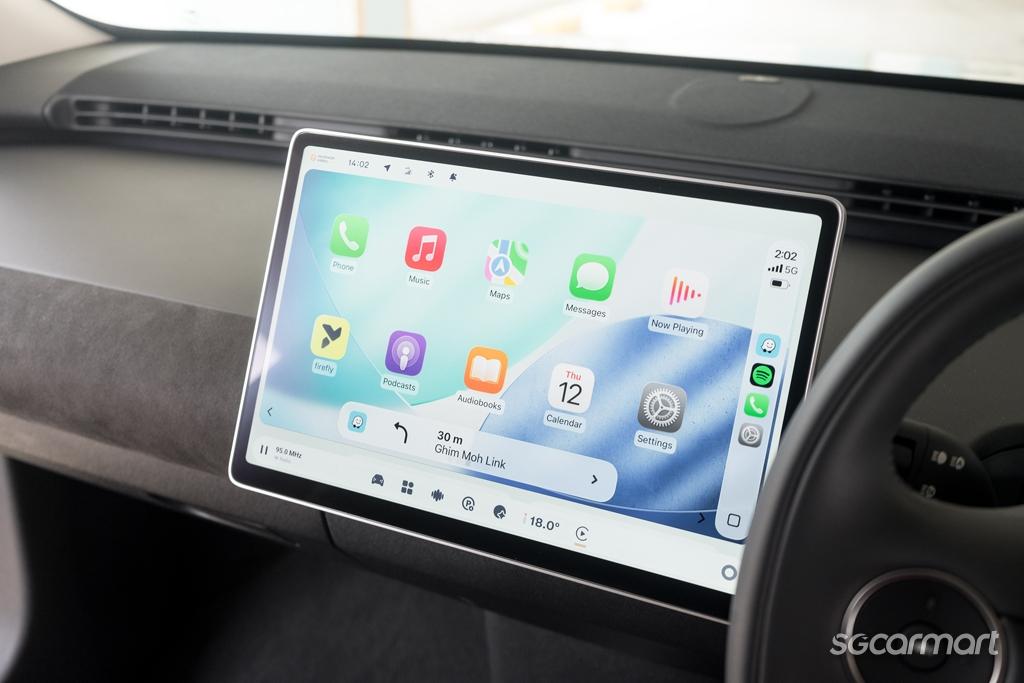
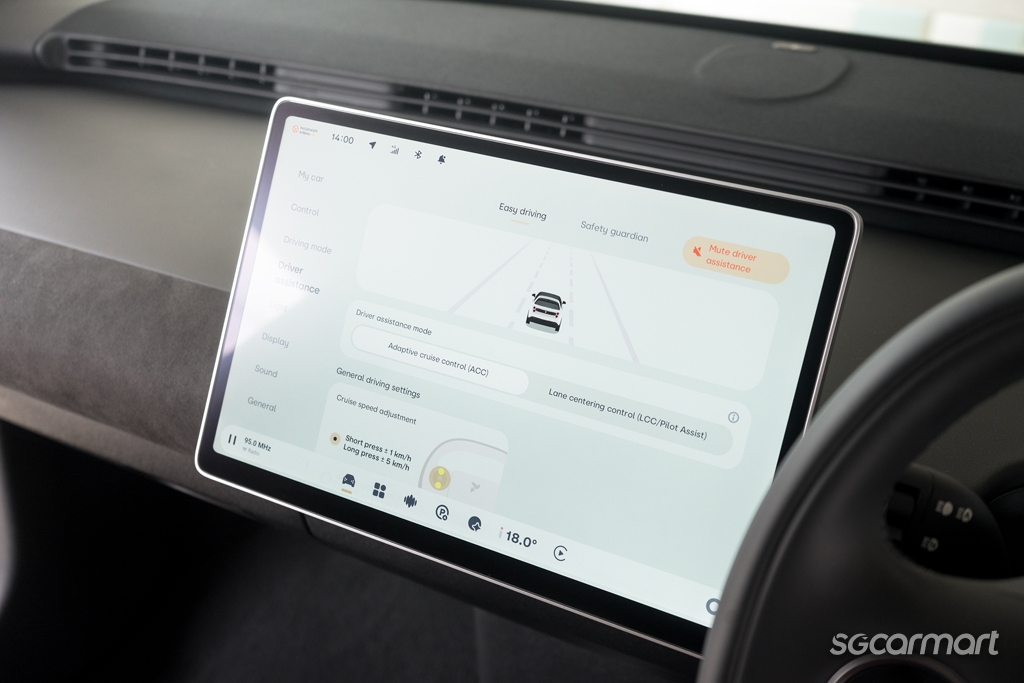
Better still is how design thinking has been incorporated into the cabin. With the driver and passengers in mind, the Firefly's infotainment system has an intuitive menu that's easy to figure out, with most operations needing two taps to execute. If you're going to spend an hour or two in the car five days a week, a user-friendly system is a must.
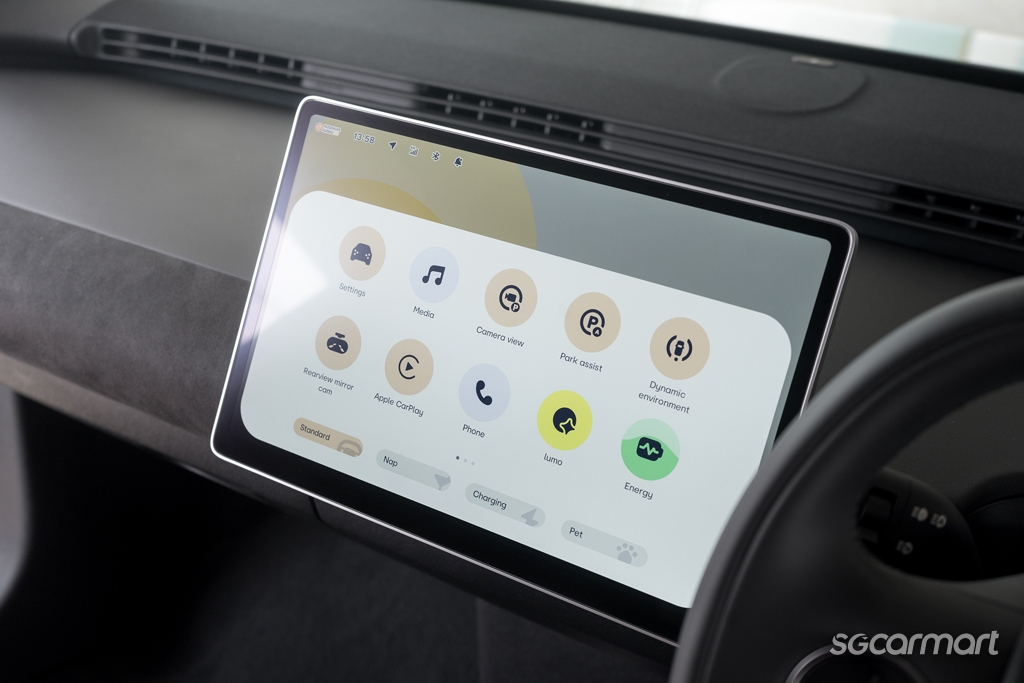
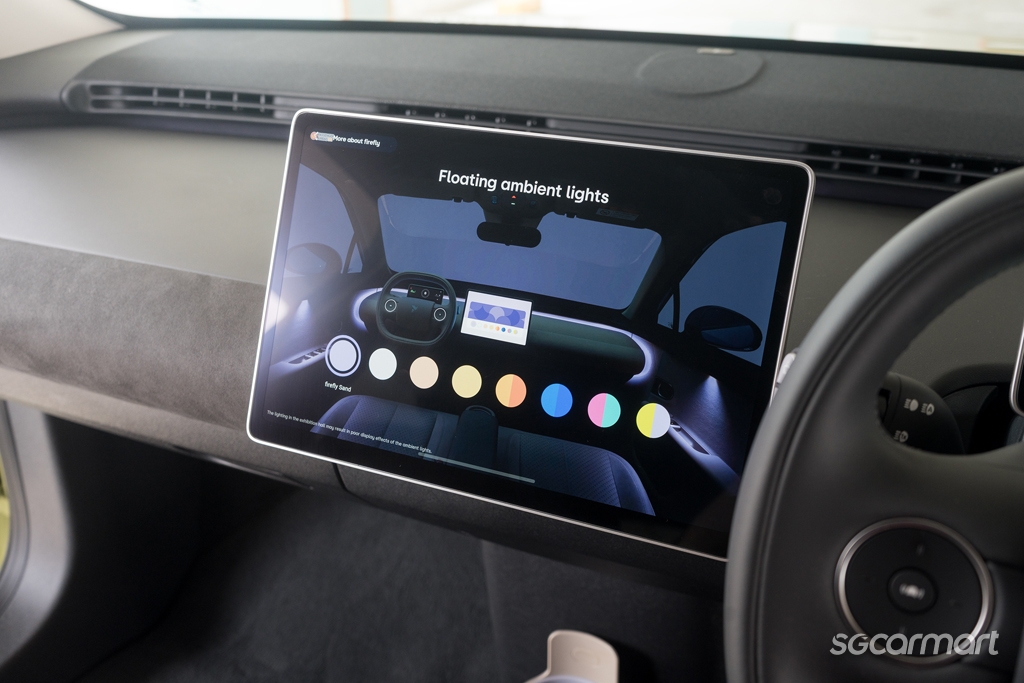
It doesn't take long to get the hang of the menu layout, and the dark cabin is easily brightened up with mood lighting
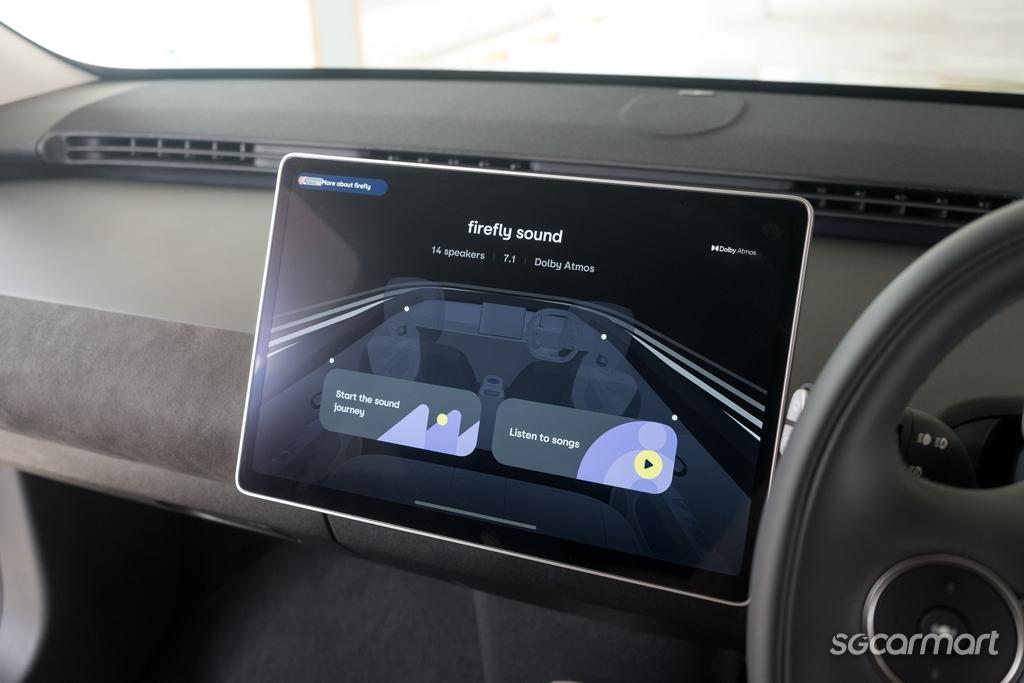
Speaking of systems, the Firefly is possibly the smallest car with a 14-speaker, 7.1 audio system with Dolby Atmos as standard. You won't find this in many luxury cars, not even those that cost twice as much as the Firefly.
Strangely, however, the initial batch of Fireflies do not have a wireless charger for phones. Fortunately, there are USB-C ports that can charge your devices even faster. But the Firefly is not without quirks, and there are two that you'll need to accept and/or get used to.
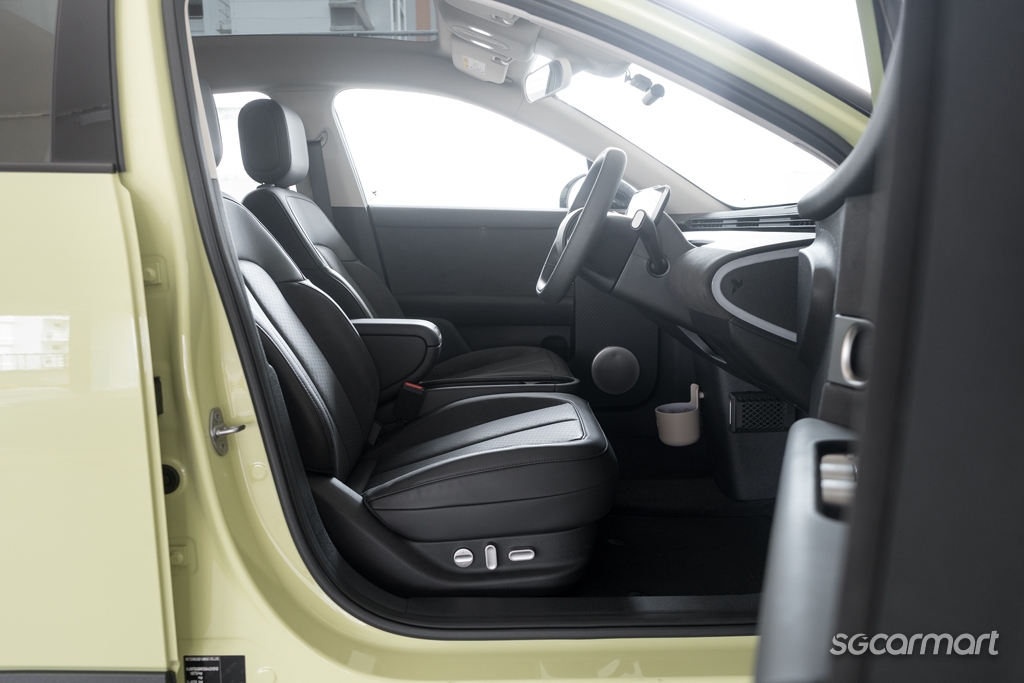
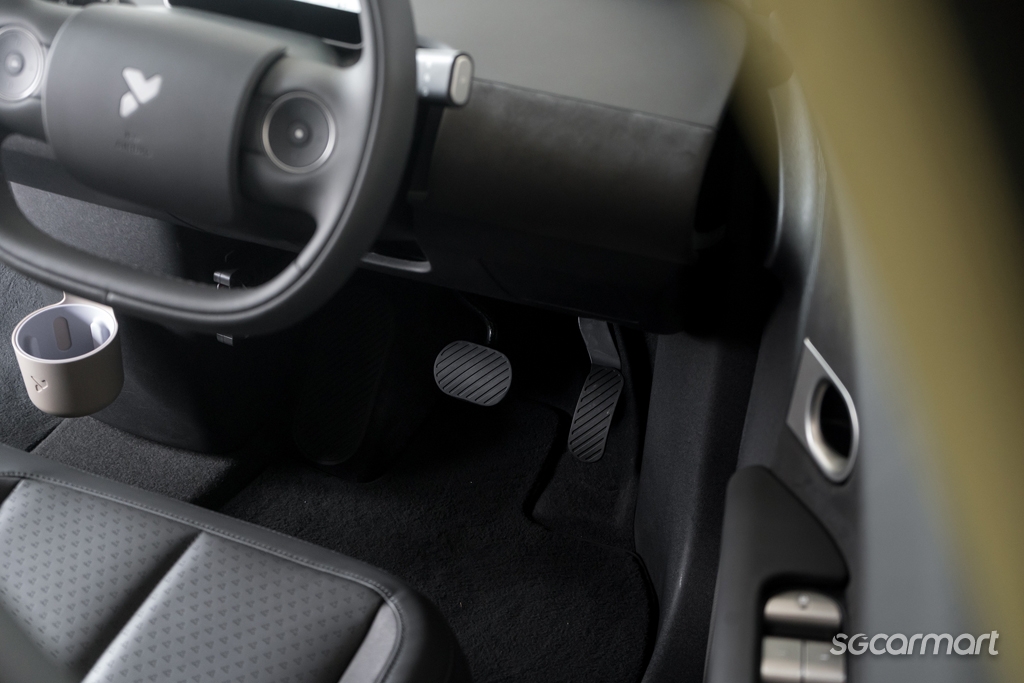
The oblong shapes are like easter eggs, and they showcase how much thought went into the car's design
The air-con vents, for one, are only digitally adjustable. But the bugbear is that you can't move the airflow up or down, so cooling might be optimal for some, but sub-par for others.
Secondly, the wiper controls. Most cars with wiper controls integrated onto the indicator stalk have a dial at the end that you twist to activate. In the Firefly, it's a small toggle on the stalk, and activating it may cause you to indicate right, while deactivating it may inadvertently cause you to indicate left.
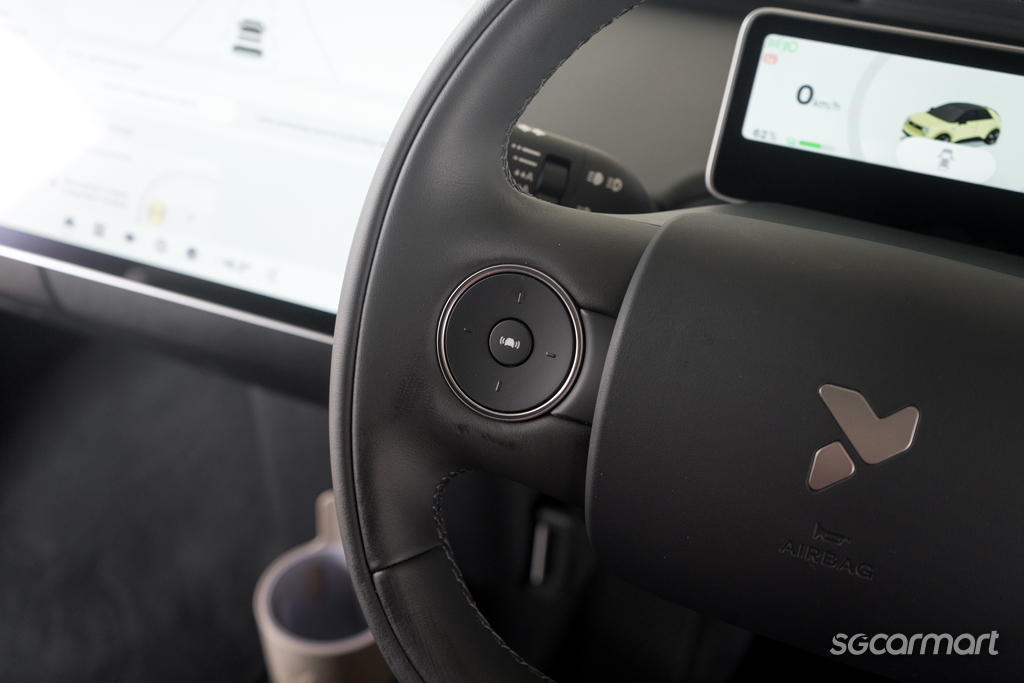
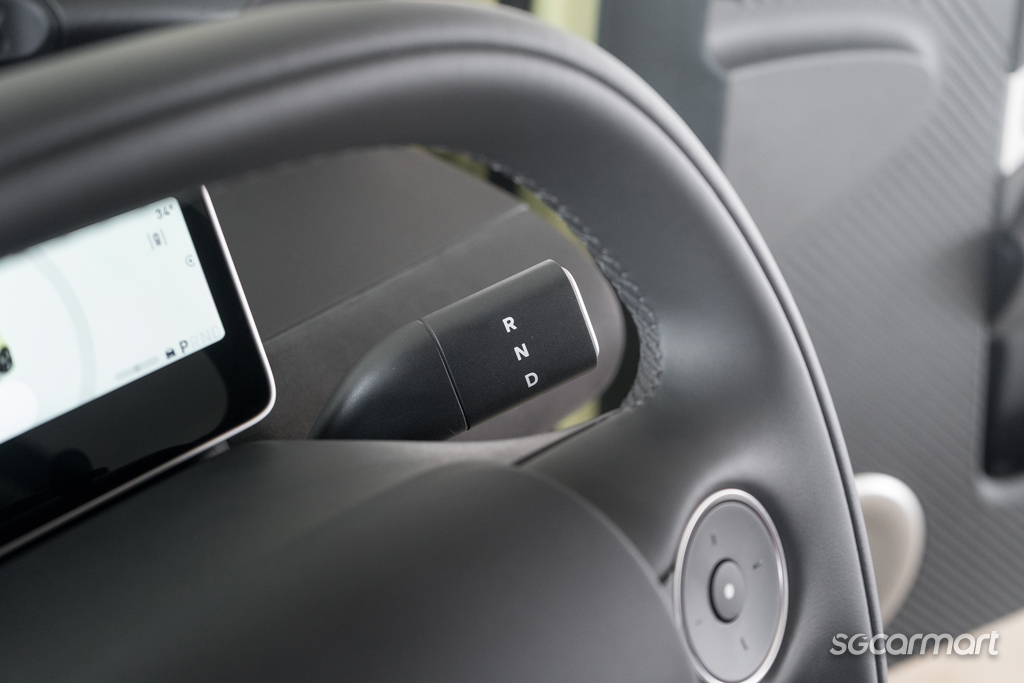
The positioning of the wiper controls could be better, while the column-mounted shifter works a treat
Surprising space (and storage)
The Firefly is a compact car, measuring 4,003mm long, 1781mm wide and with a wheelbase length of 2,615mm. It's about the size of a MINI Aceman, the car the brand claims is its direct competitor.
But exterior dimensions are just half of the story, for passenger space and convenience have been maximised. The front seats have a 'bench layout' as the centre console does not extend to the dashboard. Apart from making the cockpit feel roomier, it's also easy to enter/exit the vehicle if another car is parked too closely to it.
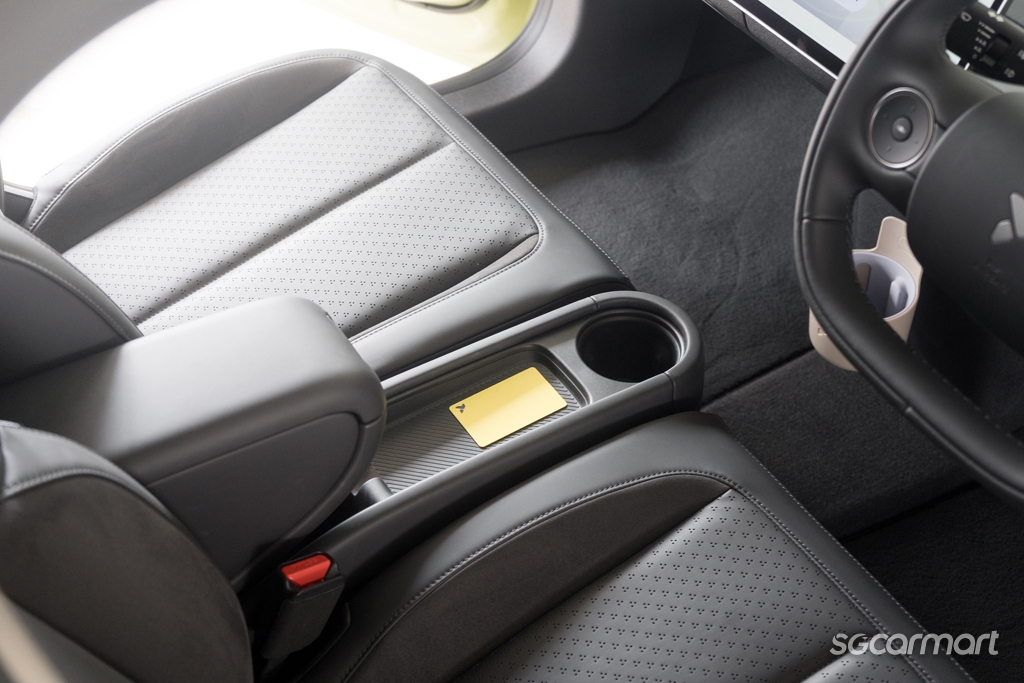
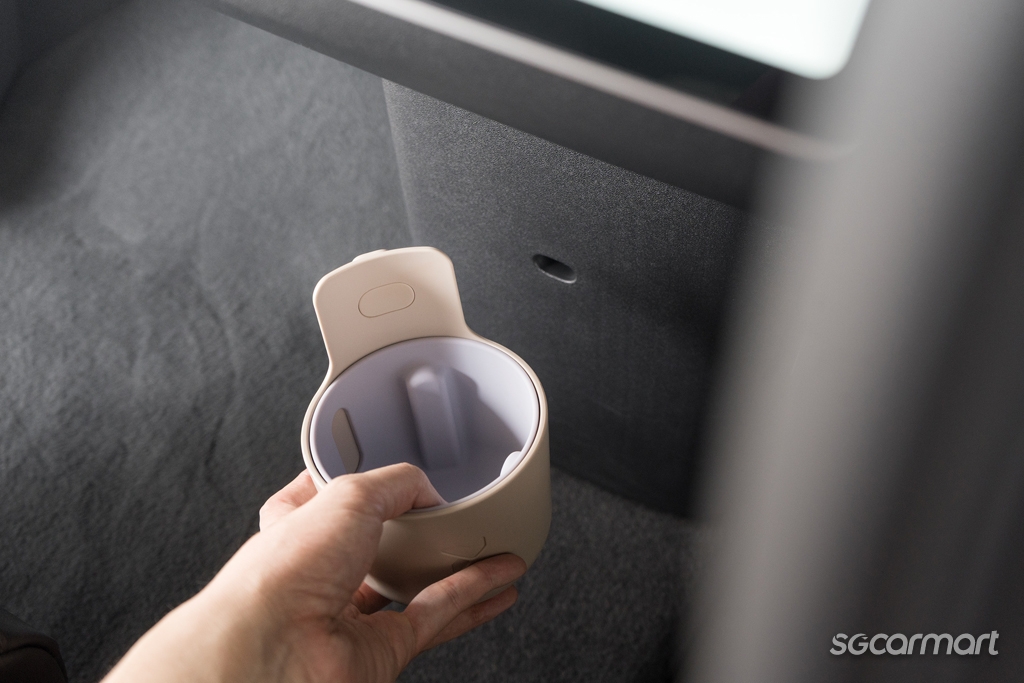
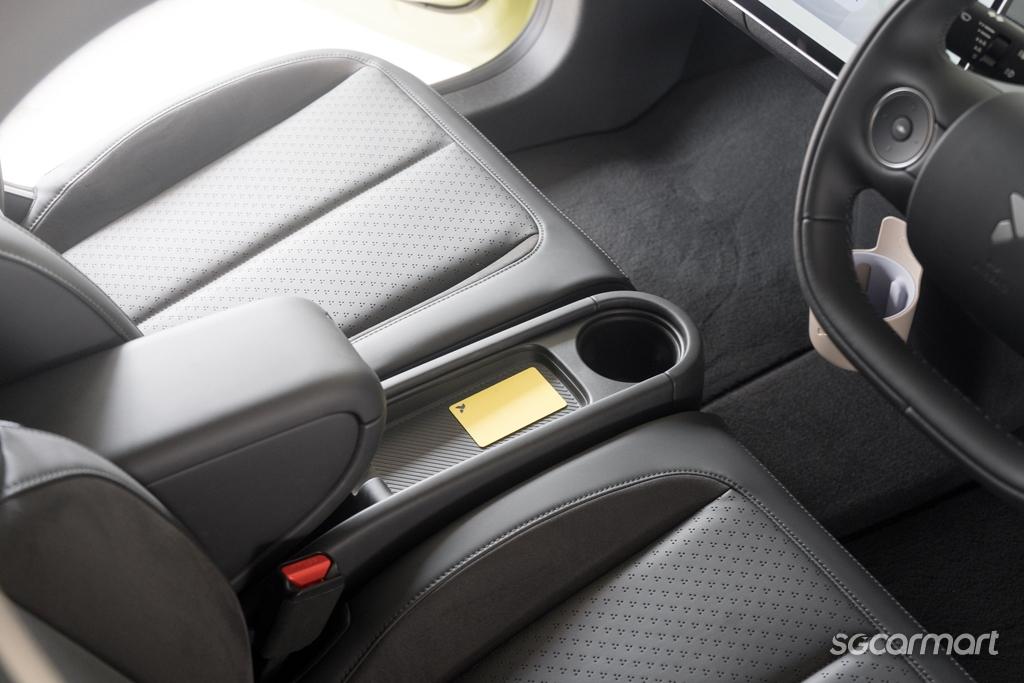
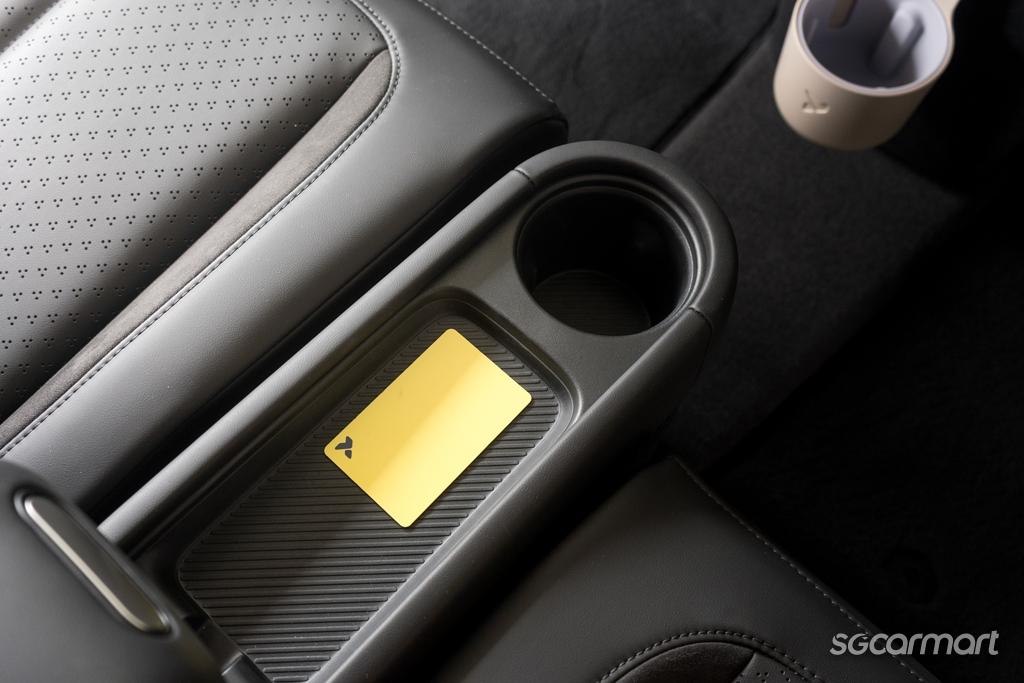
The flat front floor enhances space, while these optional magnetic attachments improve passenger convenience
The door bins are roomy enough for water bottles, and there's a useful 29-litre storage point beneath the rear bench. It can be used to hold things like spare shoes, or to temporarily keep valuables like laptops or small bags out of sight.
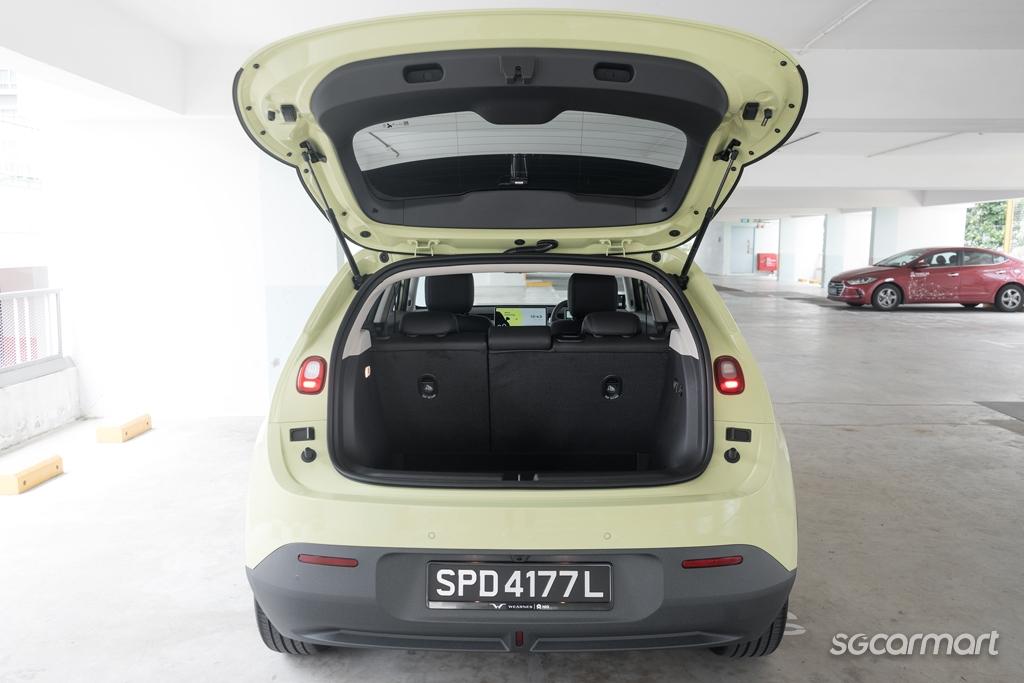
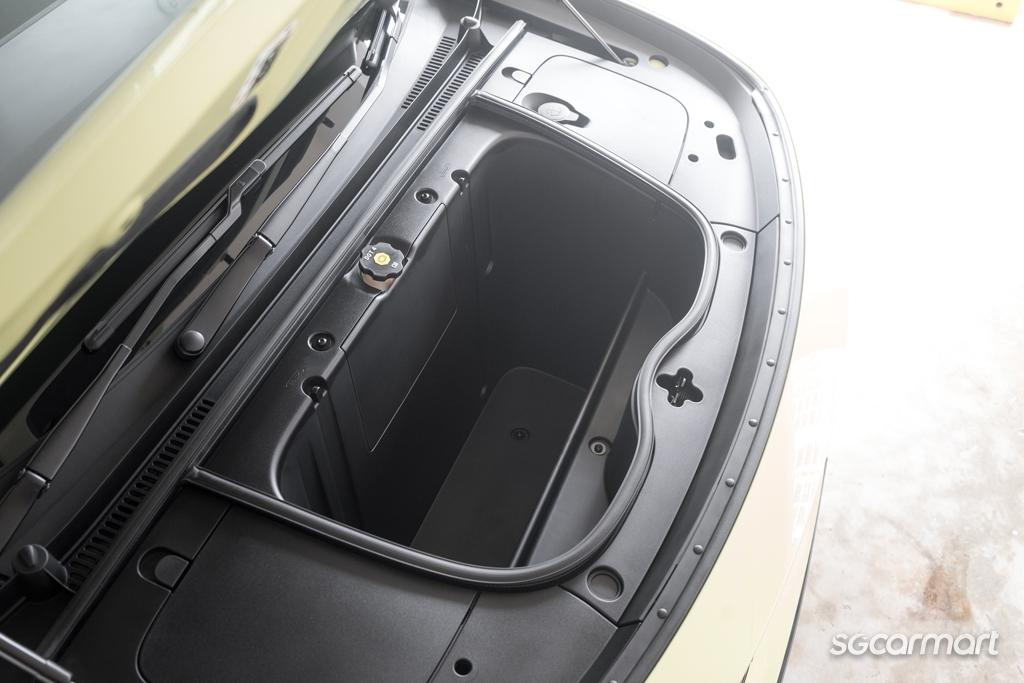
NIO says the rear-mounted electric motor is one of the most compact in the industry today and this helps enhance boot capacity. With the seats up, there are 404 litres available, and when folded, this expands to 1,253 litres. There's also a massive 92-litre frunk that holds a 20-inch carry-on luggage with room to spare.
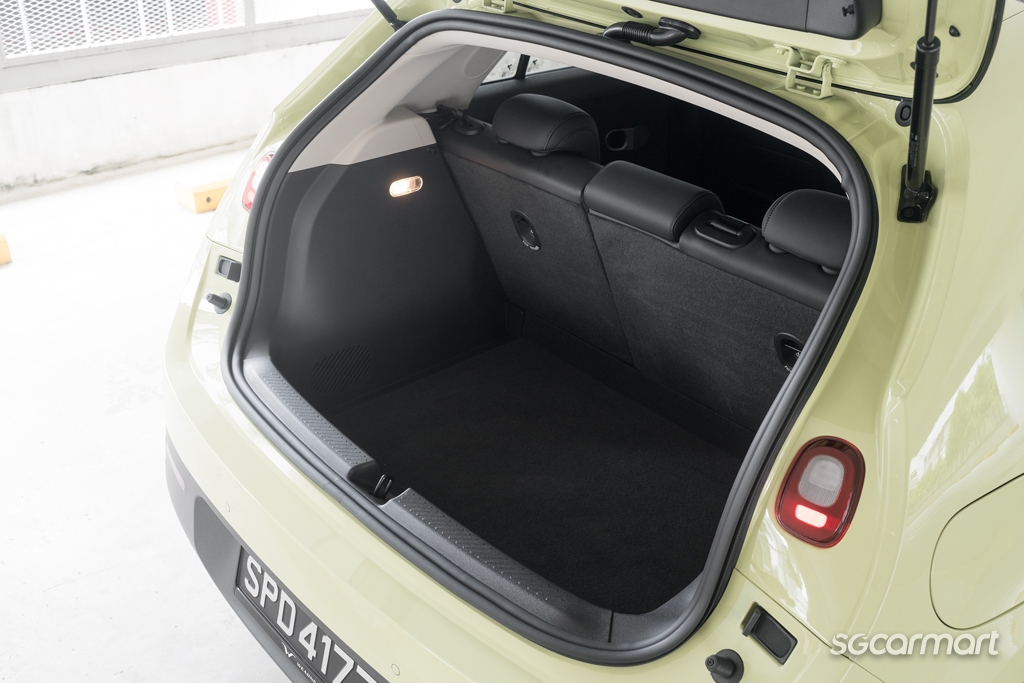
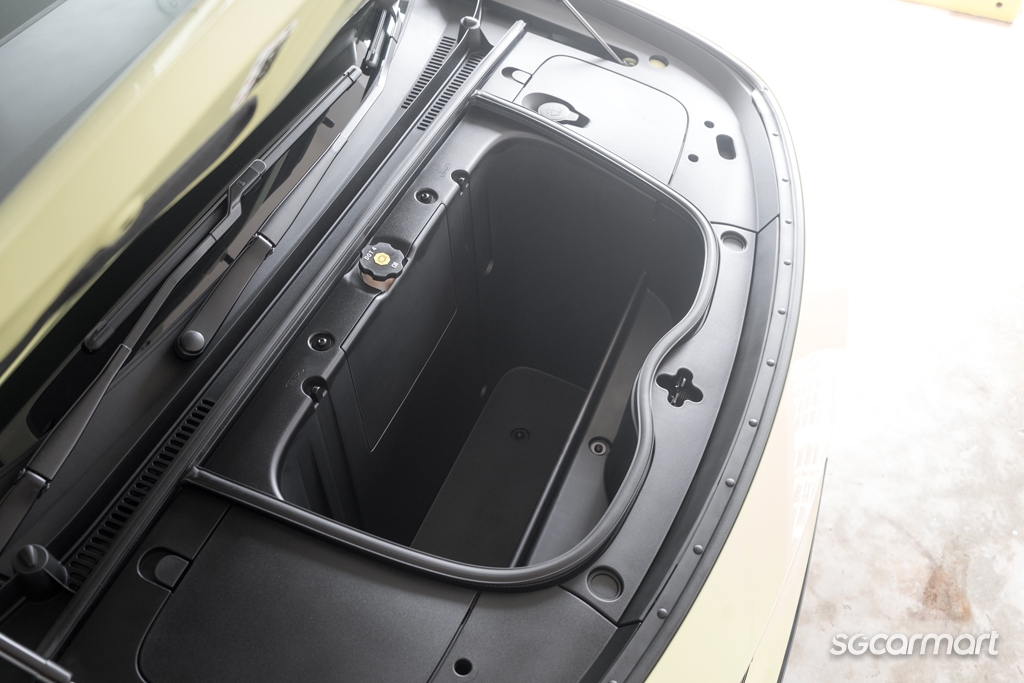
Further boosting practicality are the boot and frunk, which are relatively large given the car's size
Nimble yet stable
On the topic of electric motors, the one in the Firefly delivers 105kW (141bhp) and 205Nm of torque. The motor is not detuned to make it a Cat A model in our market - the car I drove in Shenzhen had the same output and performance.
Pin the accelerator pedal to the floor and the Firefly gets to 100km/h in a relatively quick 8.1 seconds. That's plenty of poke for overtaking and filling gaps in traffic - things that the Firefly is adept at doing.
But to focus on acceleration alone would miss an even larger point: The Firefly isn't just agile, but stable as well. Typically, compact cars have more of the former than the latter, but not the Firefly, which has both in equal measure.
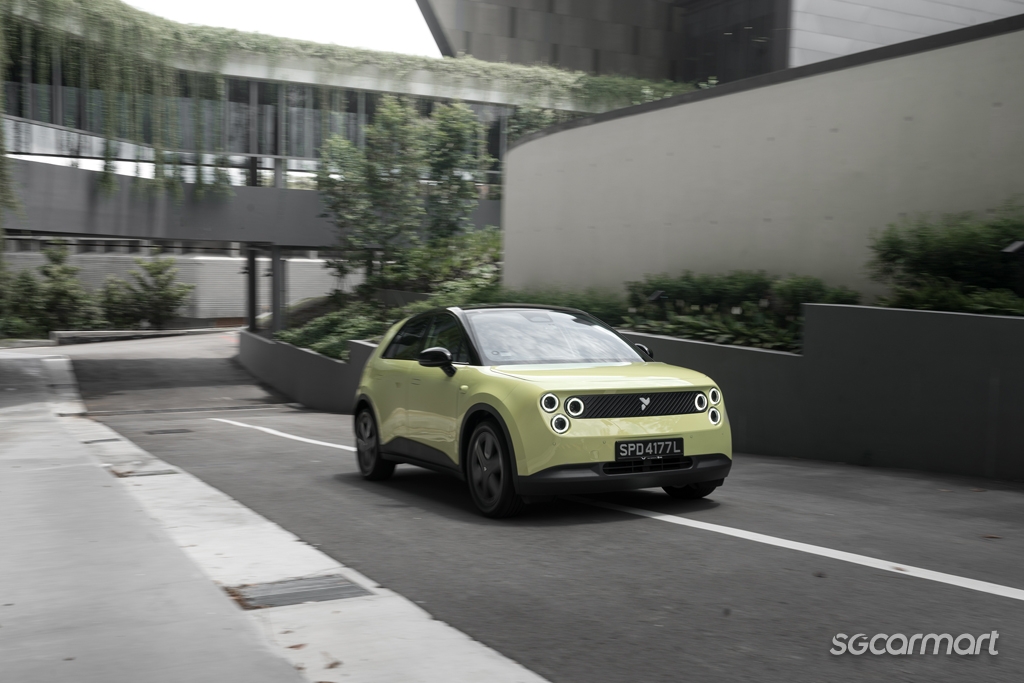
The rear-wheel drive layout makes the car feel dynamic, but the helm could do with more feedback
One of the biggest reasons for this is that the rear suspension employs a more complicated multi-link setup, rather than the more commonly used torsion beam. As a result, the Firefly has the poise of a larger car, but whenever you feel like it, it happily plays along with your more spirited endeavours.
Even uneven transitions don't upset the car. The road leading to and from my estate is higher than the road outside, and it dips just as you make a left to exit. In most cars, turning even at a reasonable speed causes a rocking left-to-right motion. But not the Firefly, which took it smoothly.
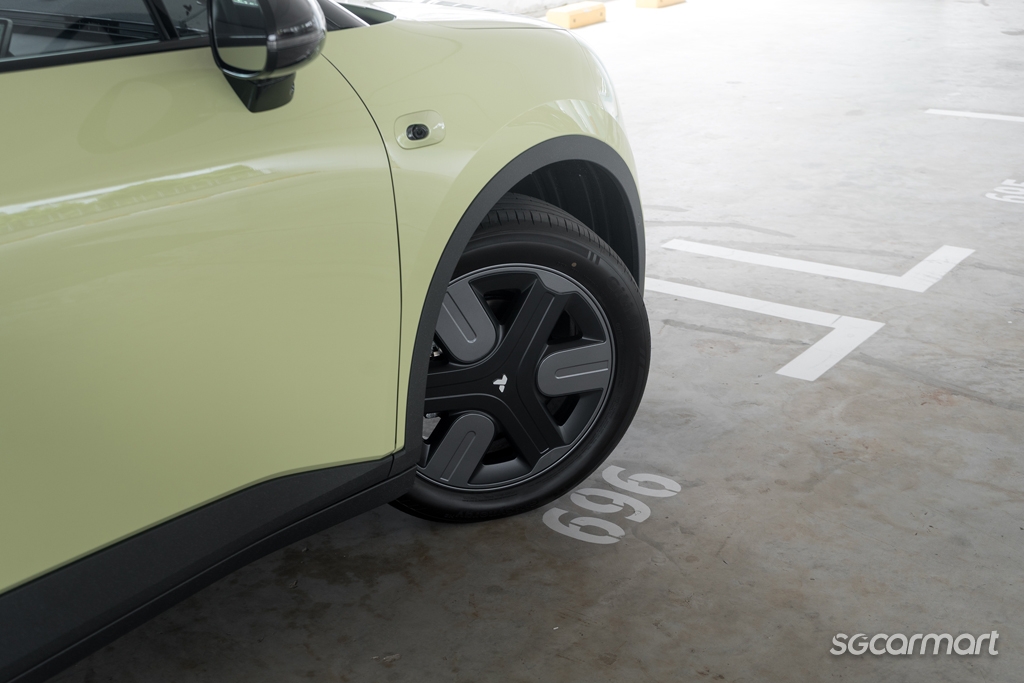

The ride quality, though firm, is never jarring or uncomfortable
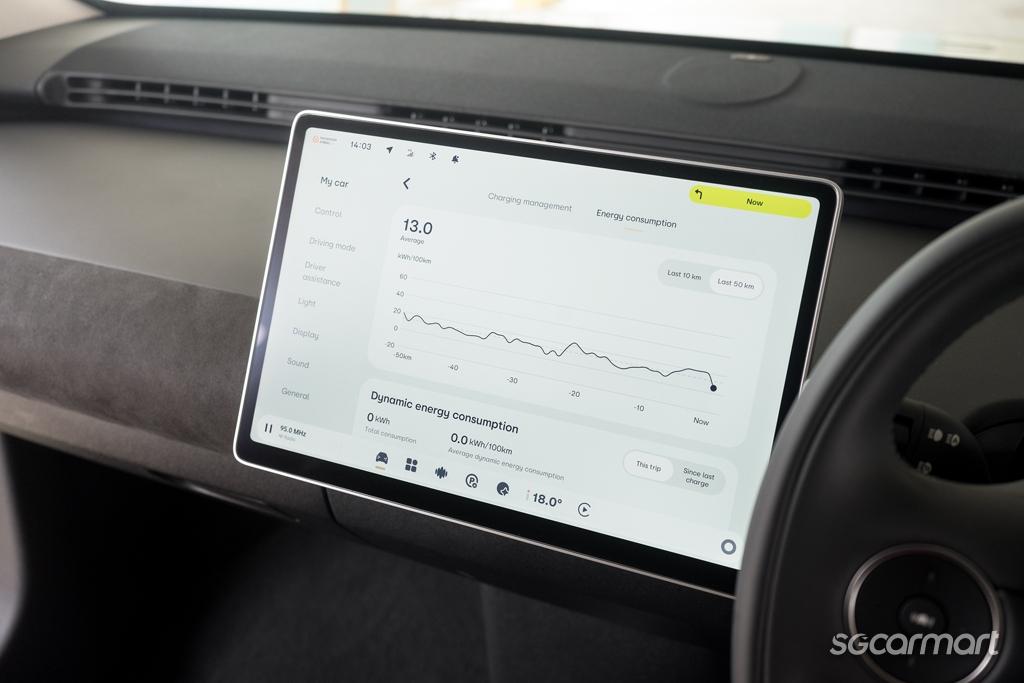
The Firefly, though, needs more range. The 42kWh lithium-iron phosphate battery can cover up to 320km, but these days, buyers expect at least 400km from an EV.
That said, NIO is planning to put a larger battery in the car to address this. Note that the Firefly is also equipped with NIO's battery-swapping technology. So, it is possible to swap out the battery for a larger or newer one in the future.
A polished proposition
The Firefly is impressive not just because of its performance, specs and standard kit, but also because it's designed with the end-user in mind. Its minimalist interior reflects the exterior styling while cleverly hiding the useful storage points in plain sight.
The main pain points are the oddly placed wiper controls, the fact that the airflow from the vents can't be adjusted upwards or downwards, and that there's no wireless charger.
As whole, though, the Firefly is a well-executed premium hatchback. It may not be as well-known as MINI yet, but if NIO keeps this up, its popularity won't be a question of if, but when.
These reviews may also interest you
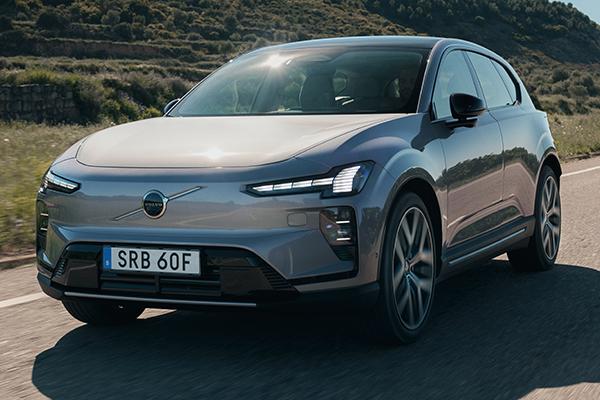
Going small on power sees Volvo's smallest product losing little when it comes to sheer desirability, even if some useability issues still remain
The entry point to the Aceman lineup has a smaller battery with less range, but it's nonetheless a fun and entertaining drive
The Zeekr X Urban is a Cat A COE EV that doesn't feel underpowered nor under-equipped - in fact it is better than the Cat B in some ways
What We Like
Distinct design
Roomy for its size
Lots of useful storage points
Punchy performance
Good handling
What We Dislike
Needs a larger battery
No wireless charging
Airflow can't be adjusted up/down
When NIO declared its intention to build an 'iconic' model, it did it by introducing Firefly, a sub-brand with a single namesake model. It's a bold move, with the aim to one day make Firefly as memorable as MINI.
When I drove the Firefly in Shenzhen last November, I was impressed by its design and packaging. But I didn't get to drive as dynamically as I wanted, for much of the time was spent filming videos, taking photos, and ensuring that I didn't get lost.
Now on home ground, I finally got to enjoy this hatchback, and discovered that despite its quirks, it's as user-friendly as I remember, and more importantly, well-suited for our roads.
Both ends of the car mirror the other, which further adds to the hatchback's uniqueness
Eye-catching style
Having just been introduced here over a month ago, the Firefly is still unfamiliar to many. But its striking styling - where the front and rear ends mirror each other - won't be forgotten anytime soon.
The head lights and taillamps are tri-lens arrays that resemble the cameras of a smartphone. Kris Tomaason, the car's designer, says they came up with the design before phones started adopting this lens layout. The front and rear also feature oblong-shaped plinths - in overseas markets, Firefly sells other designs that owners can swap to.
Look closely and you'll begin to spot the oblong/pill-shaped elements, like the charging port cover
Another interesting detail is what the brand refers to the 'dynamic hoop', the painted area that loops around the roof and surrounds the rear windscreen, adding sportiness to the hatchback's image.
Even more interesting is that apart from the logos on the front and rear, the Firefly doesn't have any badges with the model's name or variant. Perhaps over time, this will help reinforce the Firefly name.
It may seem sombre at first, but the interior hosts a delightful array of practical touches
Beyond minimalism
Many EVs, especially Chinese ones, have minimalist interiors. The Firefly is no different, but it sets itself apart by reflecting the exterior design in the cabin.
It's no coincidence that items such as the rearview mirror, the ends of the indicator and gearshift stalks, seat controls, and even the pedals, are oblong-shaped (there are 33 of these in all). As for the tri-lens array, this is seen in the seat perforations and the mirror indicators for the blind spot monitor.
Better still is how design thinking has been incorporated into the cabin. With the driver and passengers in mind, the Firefly's infotainment system has an intuitive menu that's easy to figure out, with most operations needing two taps to execute. If you're going to spend an hour or two in the car five days a week, a user-friendly system is a must.
It doesn't take long to get the hang of the menu layout, and the dark cabin is easily brightened up with mood lighting
Speaking of systems, the Firefly is possibly the smallest car with a 14-speaker, 7.1 audio system with Dolby Atmos as standard. You won't find this in many luxury cars, not even those that cost twice as much as the Firefly.
Strangely, however, the initial batch of Fireflies do not have a wireless charger for phones. Fortunately, there are USB-C ports that can charge your devices even faster. But the Firefly is not without quirks, and there are two that you'll need to accept and/or get used to.
The oblong shapes are like easter eggs, and they showcase how much thought went into the car's design
The air-con vents, for one, are only digitally adjustable. But the bugbear is that you can't move the airflow up or down, so cooling might be optimal for some, but sub-par for others.
Secondly, the wiper controls. Most cars with wiper controls integrated onto the indicator stalk have a dial at the end that you twist to activate. In the Firefly, it's a small toggle on the stalk, and activating it may cause you to indicate right, while deactivating it may inadvertently cause you to indicate left.
The positioning of the wiper controls could be better, while the column-mounted shifter works a treat
Surprising space (and storage)
The Firefly is a compact car, measuring 4,003mm long, 1781mm wide and with a wheelbase length of 2,615mm. It's about the size of a MINI Aceman, the car the brand claims is its direct competitor.
But exterior dimensions are just half of the story, for passenger space and convenience have been maximised. The front seats have a 'bench layout' as the centre console does not extend to the dashboard. Apart from making the cockpit feel roomier, it's also easy to enter/exit the vehicle if another car is parked too closely to it.
The flat front floor enhances space, while these optional magnetic attachments improve passenger convenience
The door bins are roomy enough for water bottles, and there's a useful 29-litre storage point beneath the rear bench. It can be used to hold things like spare shoes, or to temporarily keep valuables like laptops or small bags out of sight.
NIO says the rear-mounted electric motor is one of the most compact in the industry today and this helps enhance boot capacity. With the seats up, there are 404 litres available, and when folded, this expands to 1,253 litres. There's also a massive 92-litre frunk that holds a 20-inch carry-on luggage with room to spare.
Further boosting practicality are the boot and frunk, which are relatively large given the car's size
Nimble yet stable
On the topic of electric motors, the one in the Firefly delivers 105kW (141bhp) and 205Nm of torque. The motor is not detuned to make it a Cat A model in our market - the car I drove in Shenzhen had the same output and performance.
Pin the accelerator pedal to the floor and the Firefly gets to 100km/h in a relatively quick 8.1 seconds. That's plenty of poke for overtaking and filling gaps in traffic - things that the Firefly is adept at doing.
But to focus on acceleration alone would miss an even larger point: The Firefly isn't just agile, but stable as well. Typically, compact cars have more of the former than the latter, but not the Firefly, which has both in equal measure.
The rear-wheel drive layout makes the car feel dynamic, but the helm could do with more feedback
One of the biggest reasons for this is that the rear suspension employs a more complicated multi-link setup, rather than the more commonly used torsion beam. As a result, the Firefly has the poise of a larger car, but whenever you feel like it, it happily plays along with your more spirited endeavours.
Even uneven transitions don't upset the car. The road leading to and from my estate is higher than the road outside, and it dips just as you make a left to exit. In most cars, turning even at a reasonable speed causes a rocking left-to-right motion. But not the Firefly, which took it smoothly.
The ride quality, though firm, is never jarring or uncomfortable
The Firefly, though, needs more range. The 42kWh lithium-iron phosphate battery can cover up to 320km, but these days, buyers expect at least 400km from an EV.
That said, NIO is planning to put a larger battery in the car to address this. Note that the Firefly is also equipped with NIO's battery-swapping technology. So, it is possible to swap out the battery for a larger or newer one in the future.
A polished proposition
The Firefly is impressive not just because of its performance, specs and standard kit, but also because it's designed with the end-user in mind. Its minimalist interior reflects the exterior styling while cleverly hiding the useful storage points in plain sight.
The main pain points are the oddly placed wiper controls, the fact that the airflow from the vents can't be adjusted upwards or downwards, and that there's no wireless charger.
As whole, though, the Firefly is a well-executed premium hatchback. It may not be as well-known as MINI yet, but if NIO keeps this up, its popularity won't be a question of if, but when.
These reviews may also interest you
Going small on power sees Volvo's smallest product losing little when it comes to sheer desirability, even if some useability issues still remain
The entry point to the Aceman lineup has a smaller battery with less range, but it's nonetheless a fun and entertaining drive
The Zeekr X Urban is a Cat A COE EV that doesn't feel underpowered nor under-equipped - in fact it is better than the Cat B in some ways



Car Information
NIO Firefly Electric 42 kWh (A)
$174,999
CAT A|Electric|6.5km/kWh
Horsepower
105kW (141 bhp)
Torque
205 Nm
Acceleration
8.1sec (0-100km /hr)
Promotion
Enjoy free upgrade to guaranteed COE & customised car decal (worth $1, 800). First 8 units only.
Read more
Thank You For Your Subscription.









Tags
Products & Services

For Owners
Quick Links
About Sgcarmart