5 key under-the-skin developments in the new BMW iX3
09 Dec 2025|1,023 views
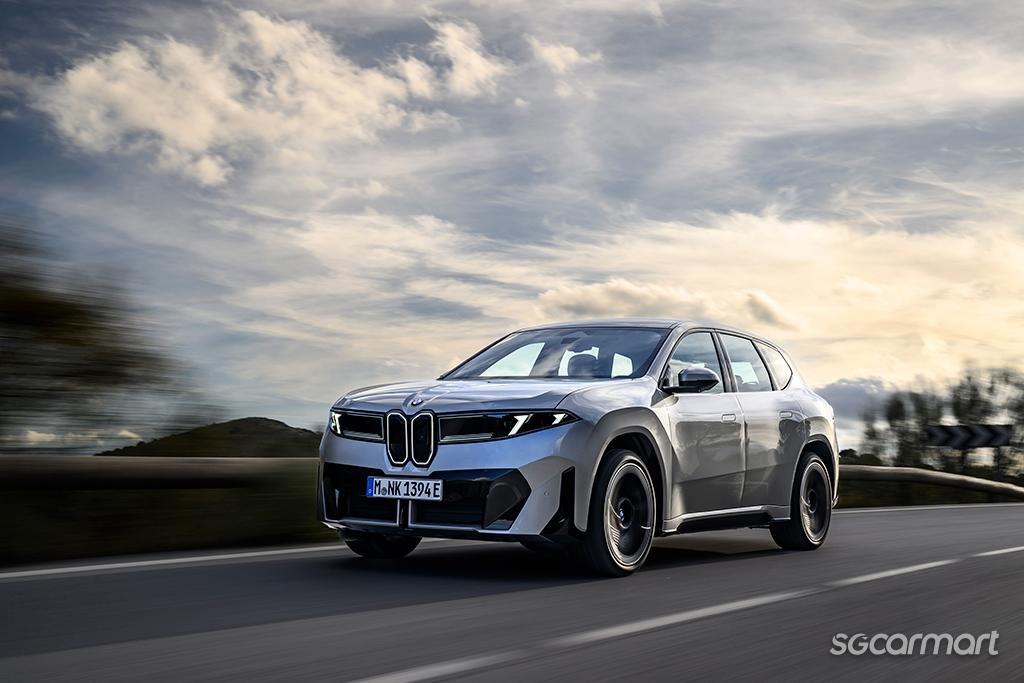
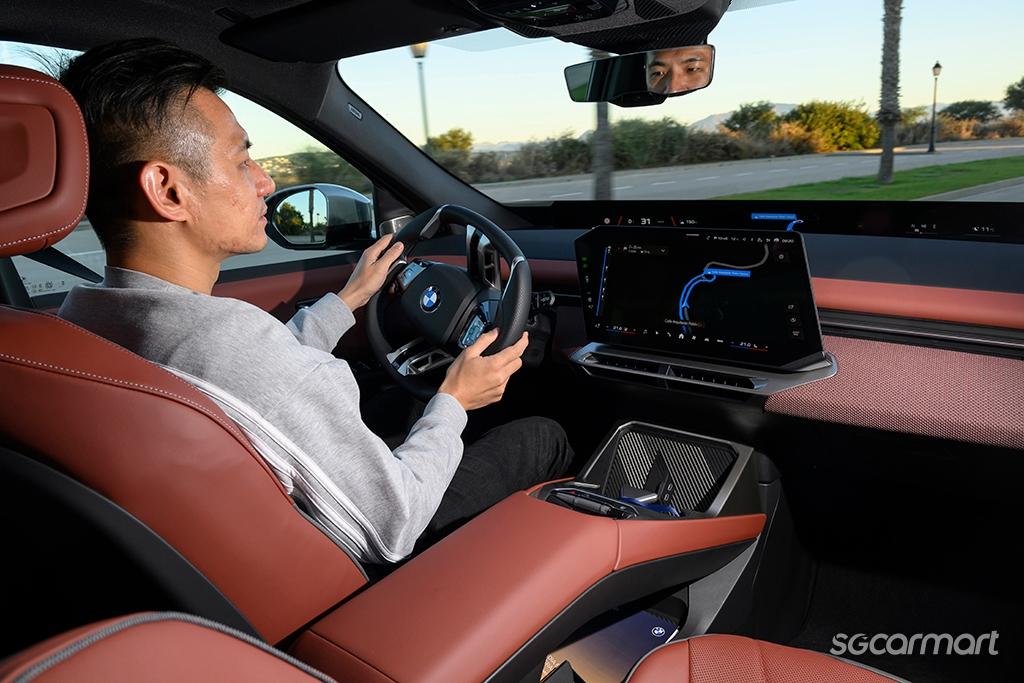
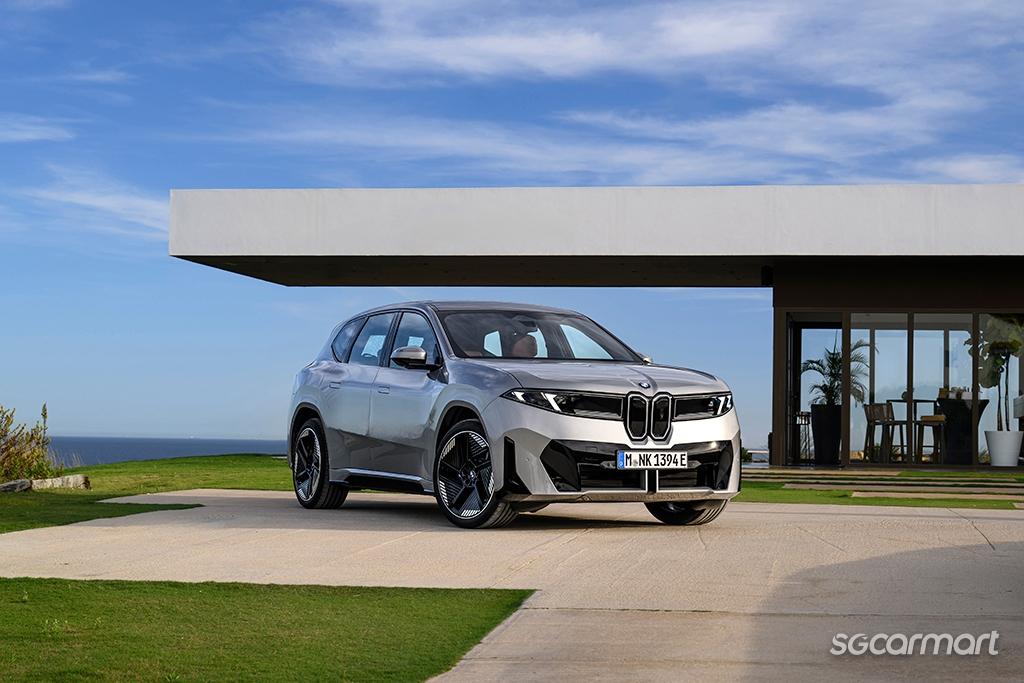
There's a lot going on with the new BMW iX3. A whole new design, a radically different cabin, maybe just as many apps as you have on your phone (oh and yes, you can control a bunch on stuff on your phone as well).
But there's arguably even more happening that our eyes can't necessarily see. Here are the five most notable under-the-skin developments that you should take note of:
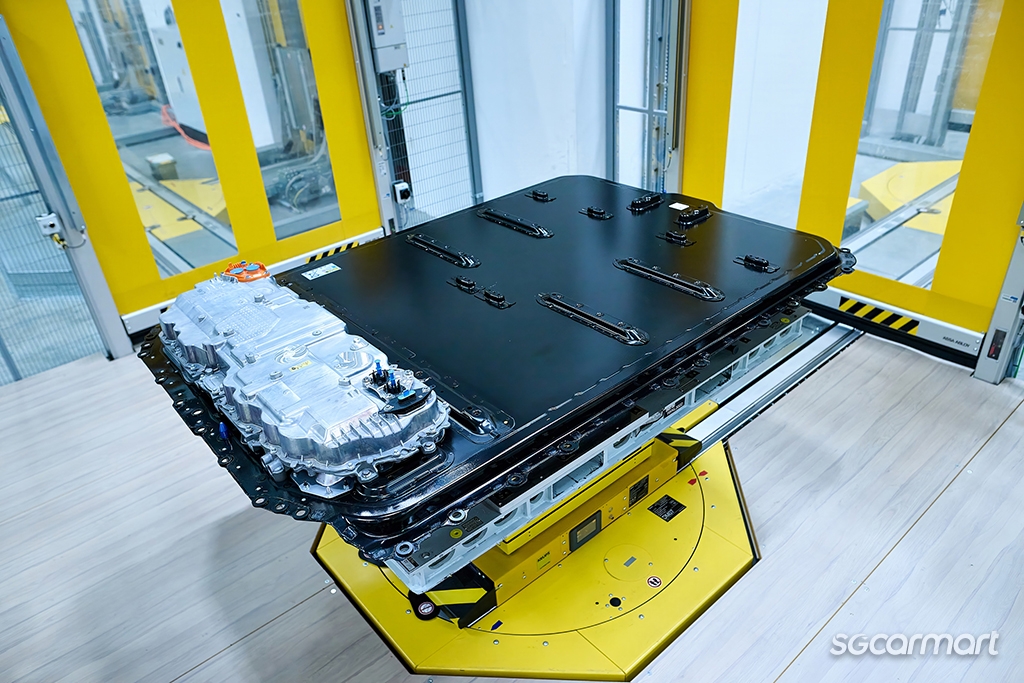
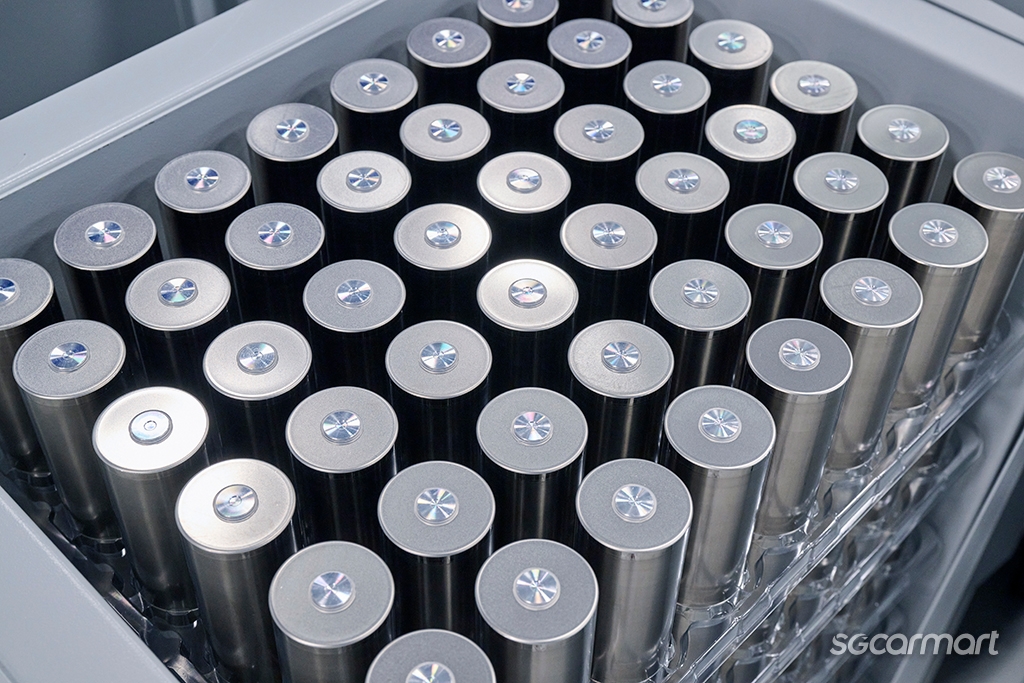
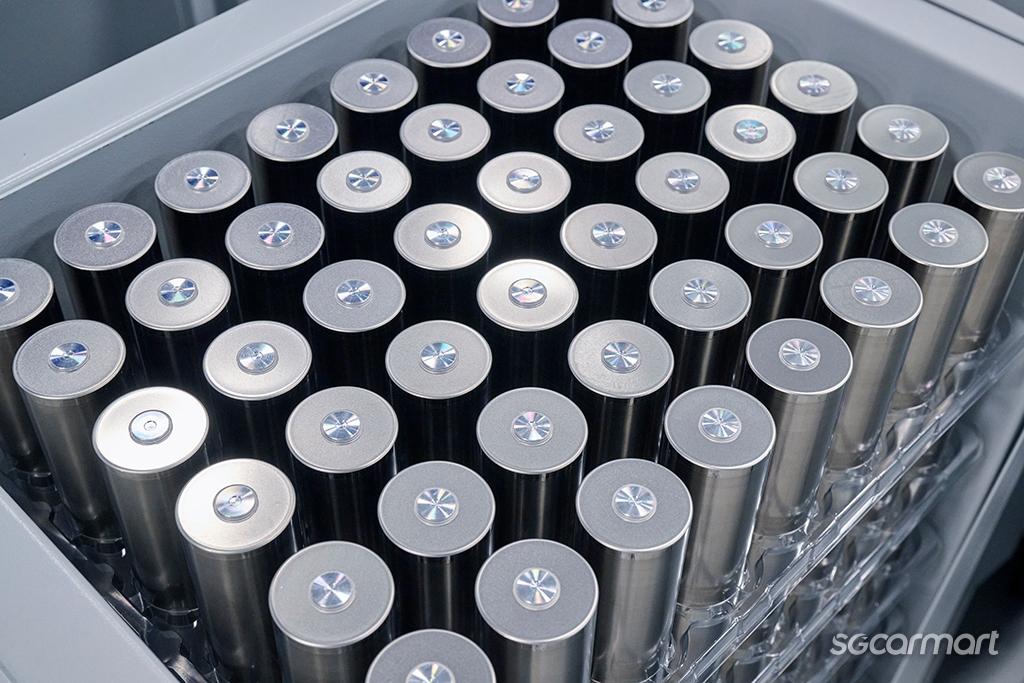
The new cylindrical cells used in the battery pack offers 20% higher volumetric energy density
1. New cylindrical cells
The new Gen6 eDrive system uses newly-developed cylindrical cells, which have a 20% higher volumetric energy density compared to previous prismatic cells. The 108.7kWh battery in the iX3 delivers a quoted range of 805km.
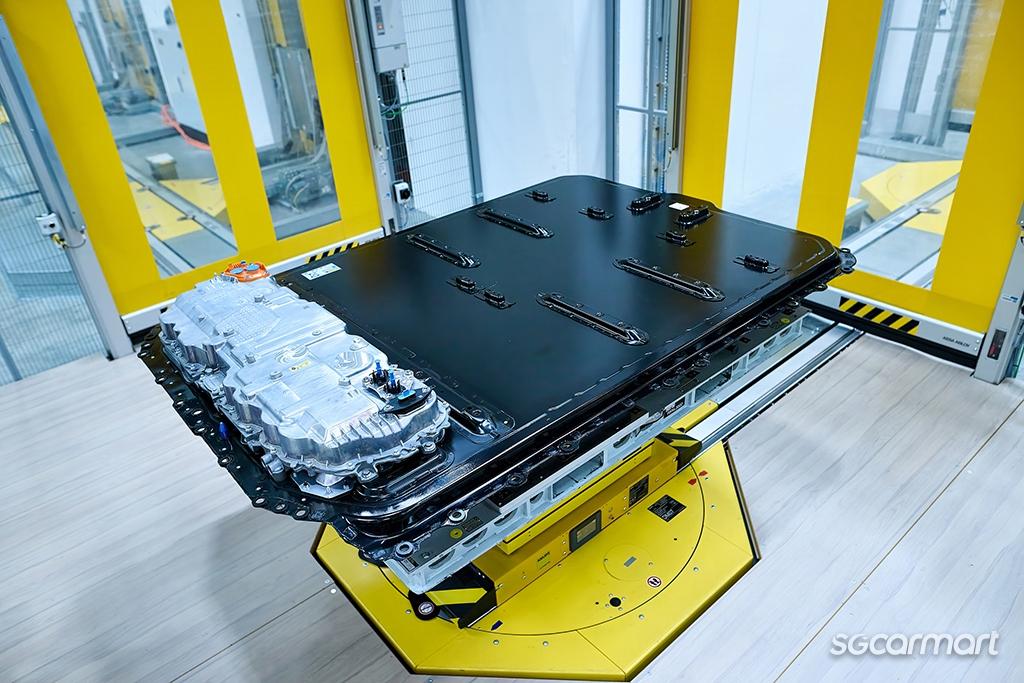
The battery is also constructed different, adopting both a "cell to pack" and "pack to open body" construction. This allows higher energy densities at pack level, but also lower weight and materials used, helping to lower cost.
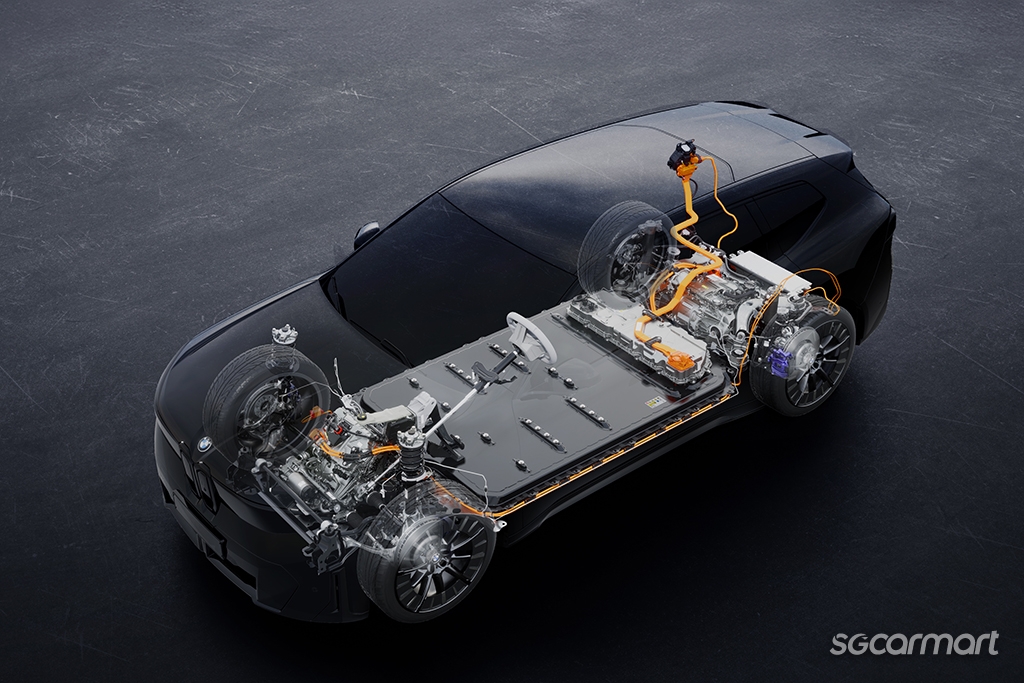
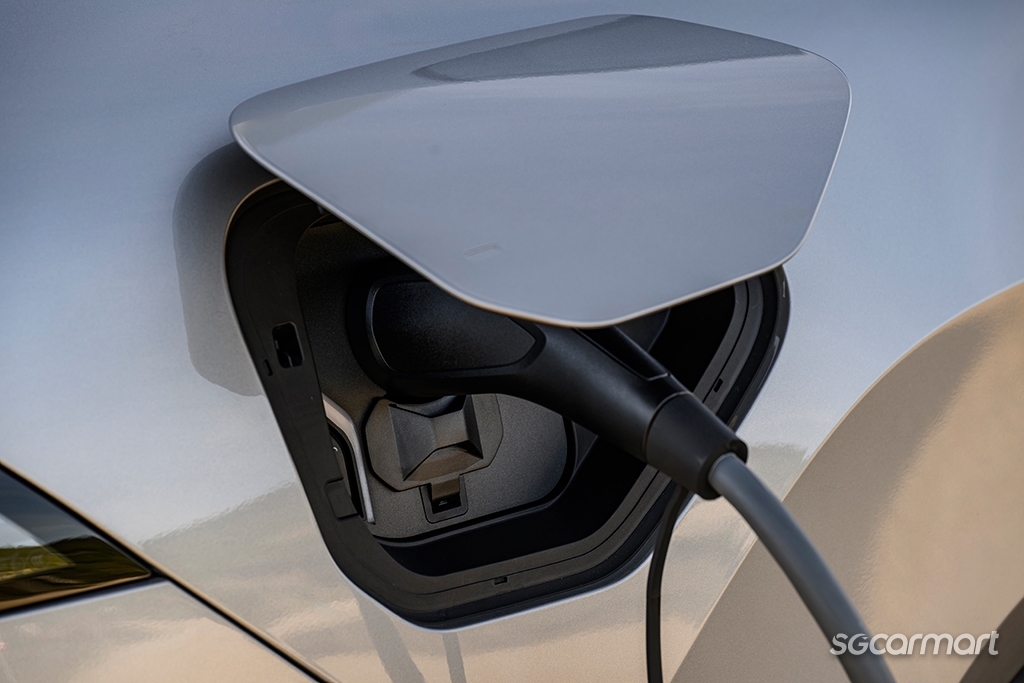
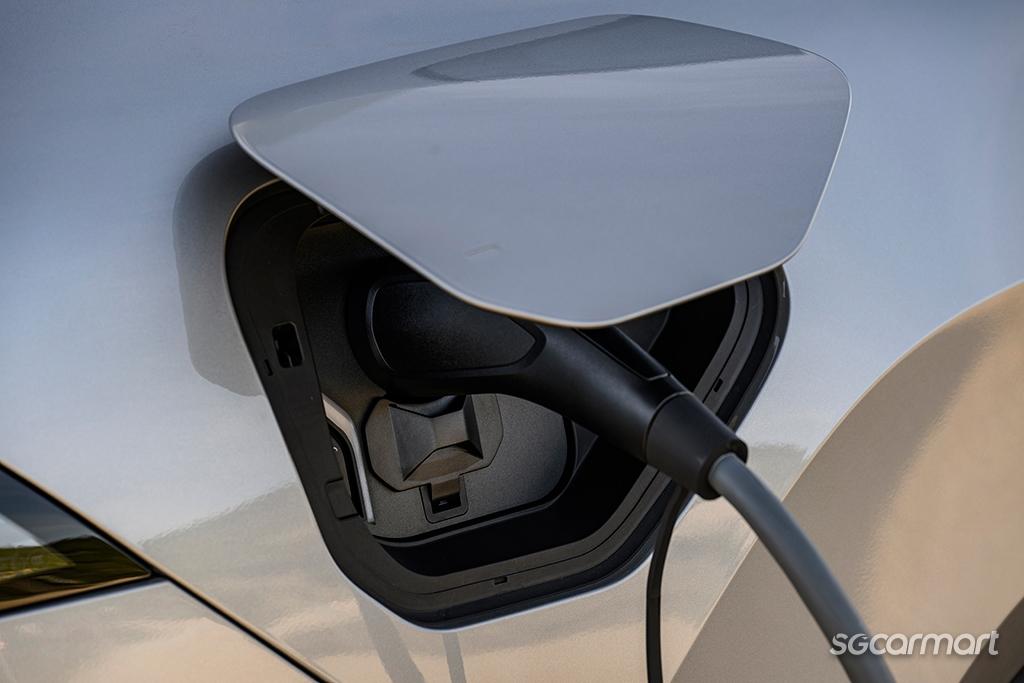
The 800V architecture supports significantly higher charging rates, as well as bi-directional charging
2. New 800V architecture
The iX3 is built on an 800V architecture, which supports up to 400kW DC charging and bi-directional charging. Yes, this is in no way groundbreaking, revolutionary or industry-leading (in fact it's really BMW now catching up to the competition), but this sets the important technical basis for future models to come.
It is also a matter of future-proofing - there aren't many chargers in Singapore even capable of offering 400kW DC charging, but as charging infrastructure continues to develop, this new architecture allows the brand's future models to keep pace.
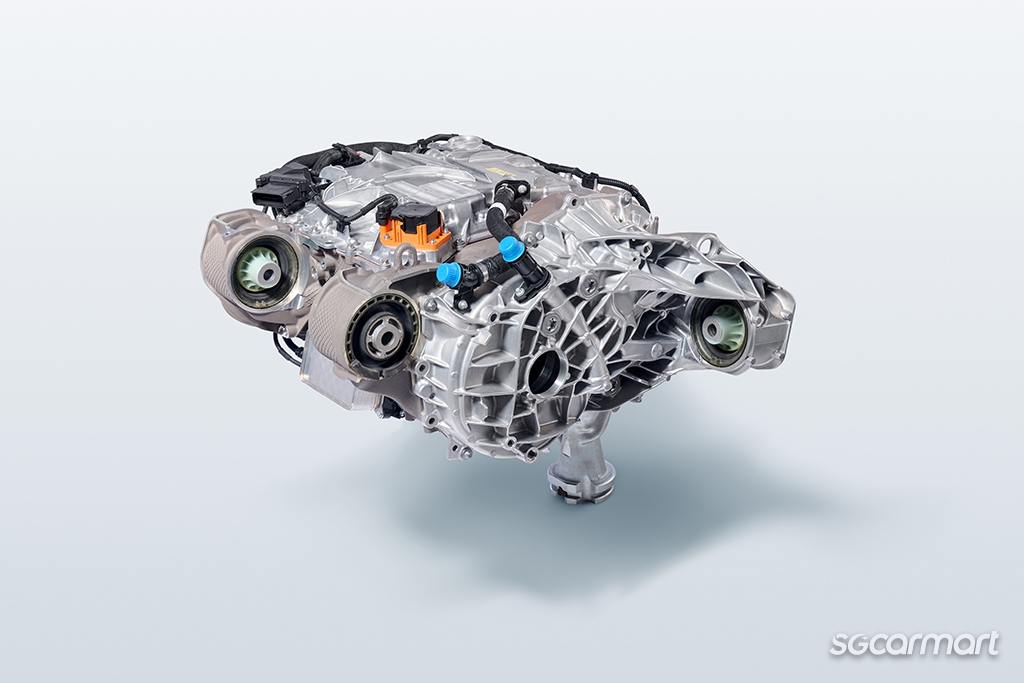
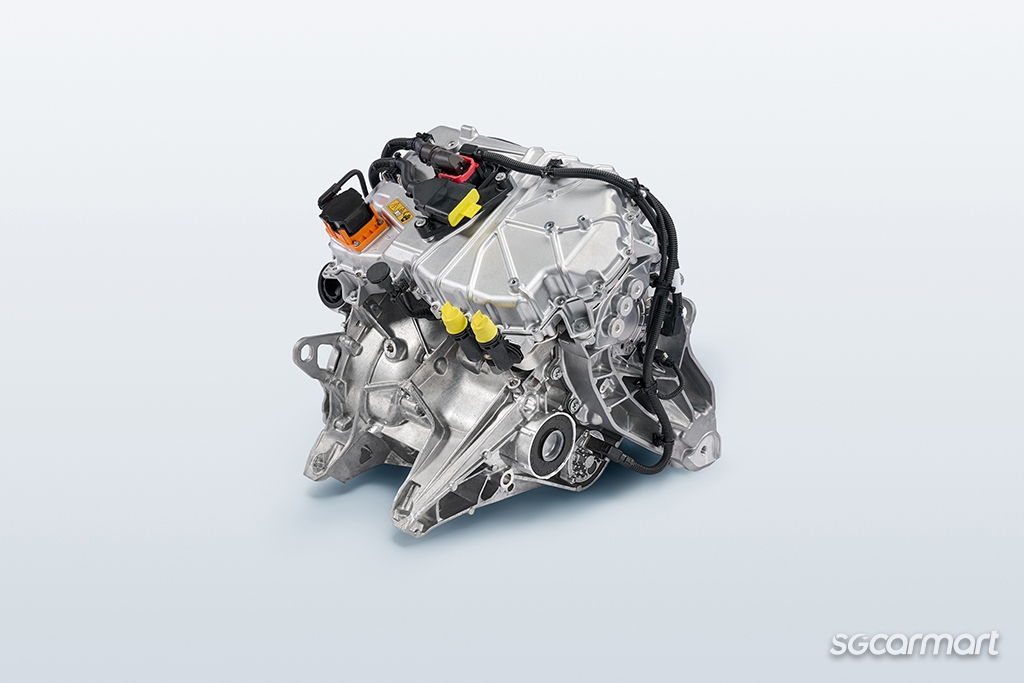
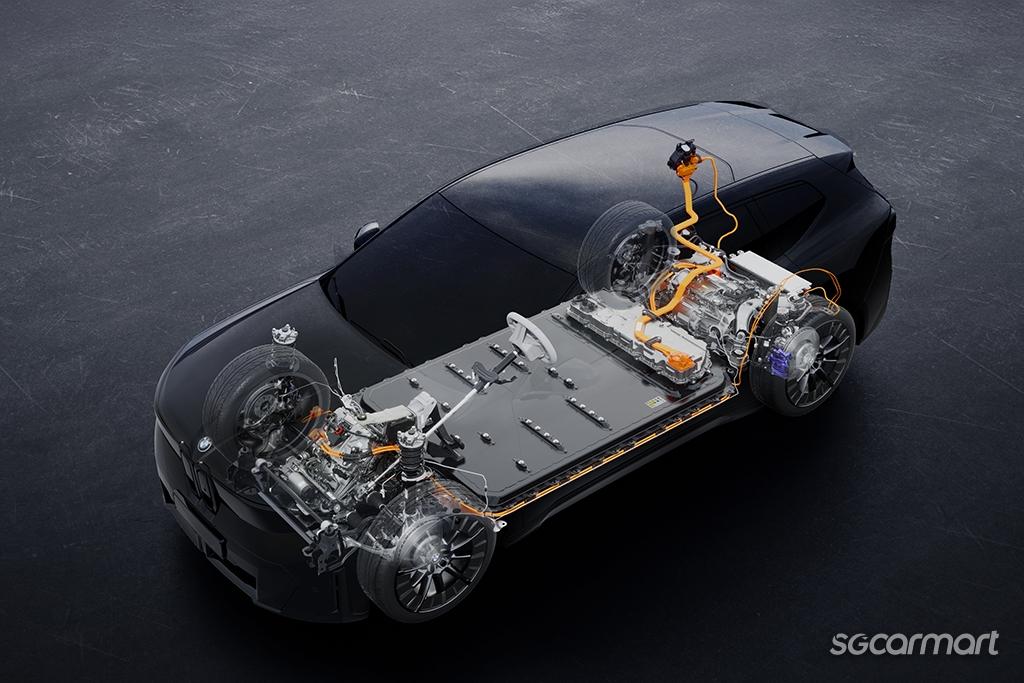
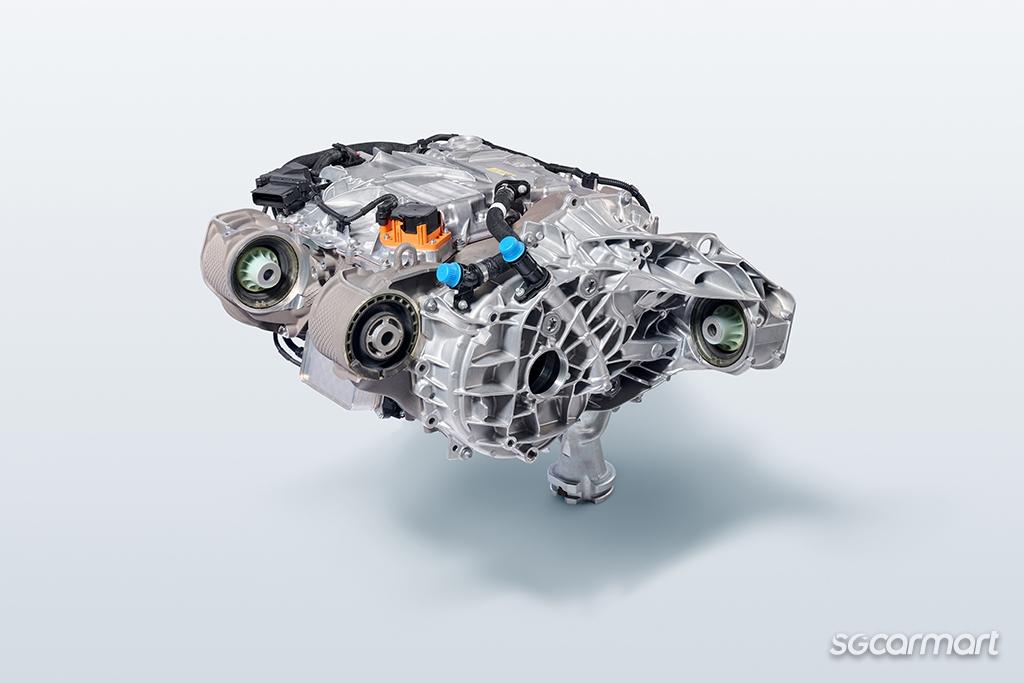
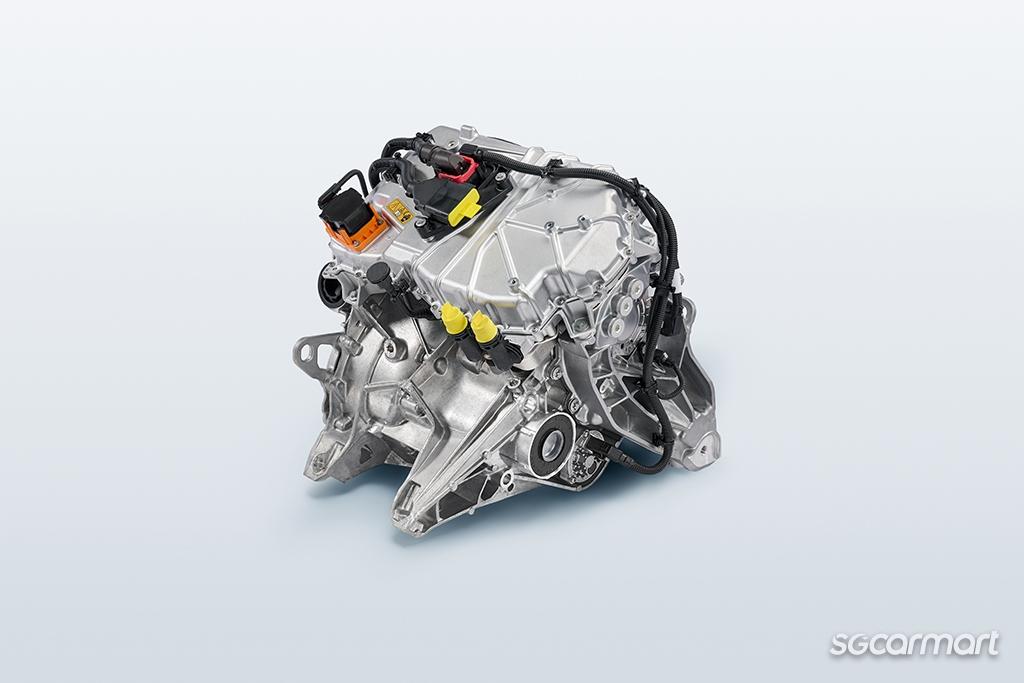
The rear EESM (left) has been significantly revised, while the front axle now uses an ASM (right), which is lighter, more compact and more cost effective
3. Updated motor setup
The rear motor is still an electrically excited synchronous motor (EESM), but has been significantly revised to be more efficient. In this twin-motor application, the front motor is actually an asynchronous motor (ASM) - previous twin-motor BMW EVs also used an EESM on the front axle. According to BMW, the decision to switch to an ASM is because it is lighter, more compact, but also more cost effective.
According to BMW, the new drive technology reduces energy losses by 40%, weight by 10% and manufacturing costs by 20%. Notably, increased efficiency and lower weight help to improve the car's overall range.
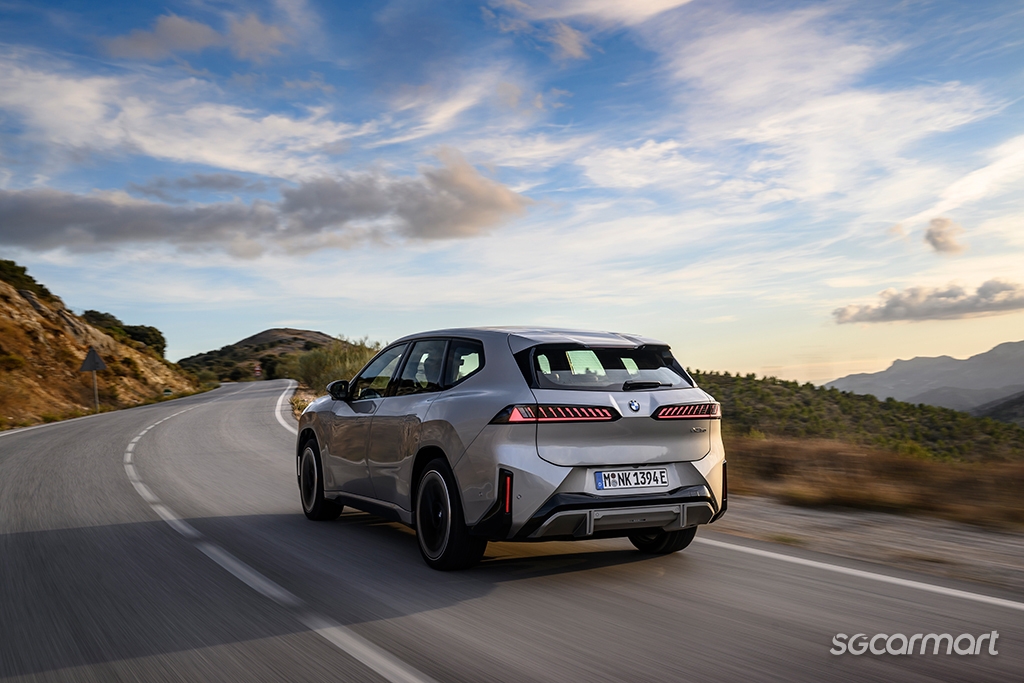
The iX3 demonstrates better integration of driving assistance systems
4. Symbiotic Drive
Ignore the slightly grandiose name. What's important is that with Automatic Cruise Control turned on, you can still operate the throttle, brake and steering without the system immediately shutting off. This is a very good implementation, allowing you to still control and make some granular choices, before returning back to the system's pre-set settings. Also, the Lane Departure Warning system will not intervene if it detects the driver's eye signalling a lane change.
This implementation of the necessary modern safety and assistance systems is much less intrusive than before, and a definite improvement.
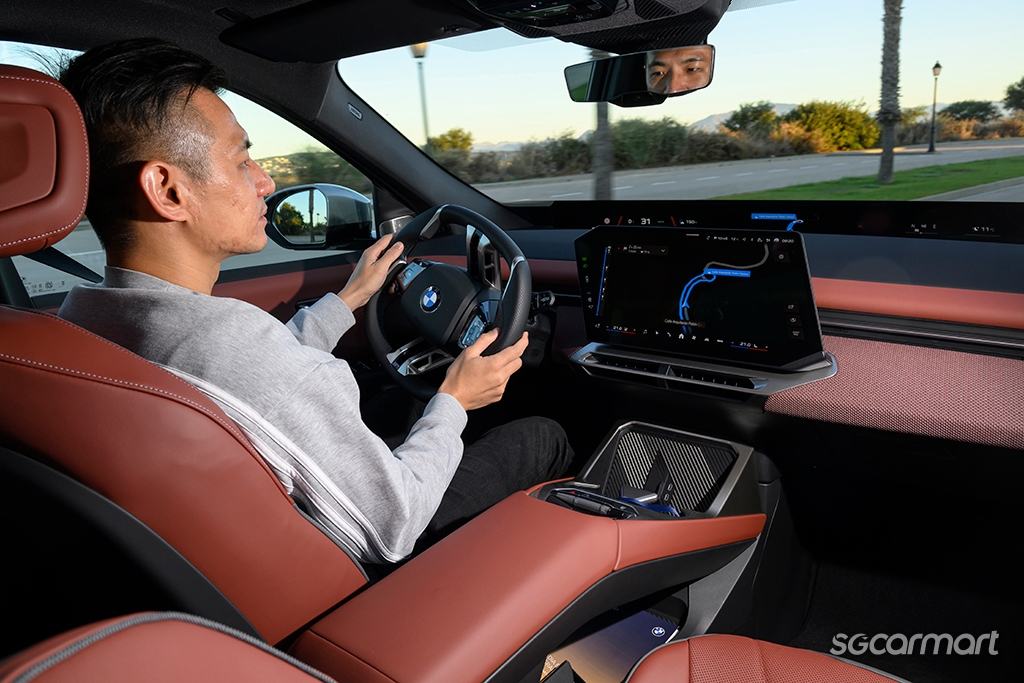
While certainly increasing dynamism and handling capability, the advancements in the control over drive systems will also iron out some of the small annoyances of day-to-day driving
5. Heart of Joy
While BMW may make a big deal about the driving enjoyment and handling excitement, the reality is that many BMW drivers will never approach the limits of what their BMW can do. But that's not to say that the advancements in drive systems are meaningless. One example is the Soft Stop feature - the system regulates the regenerative braking to bring the car to a halt without the usual jerk.
Again, many of these refinements are also targeted at making the day-do-day drive not necessarily always more dynamic and enjoyable, but also to potentially take away or at least smoothen out all the small annoyances - therefore elevating the overall drive quality.
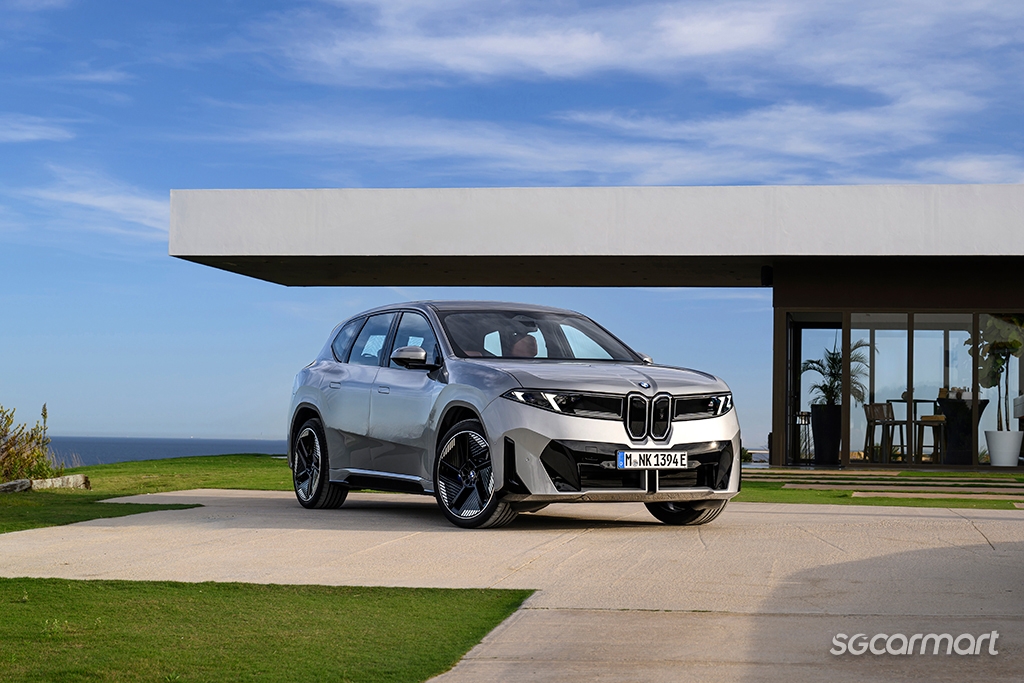
The new iX3 sets out the technical blueprint for future BMWs to come
Conclusion
With the new iX3, BMW is shepherding in a new generation of technology, functionality and capability. But the iX3 is just the starting point, and an important one at that. Most notably, these features form the technical underpinning of future BMWs to come. With the iX3, we can now see the blueprint for the future.
There's a lot going on with the new BMW iX3. A whole new design, a radically different cabin, maybe just as many apps as you have on your phone (oh and yes, you can control a bunch on stuff on your phone as well).
But there's arguably even more happening that our eyes can't necessarily see. Here are the five most notable under-the-skin developments that you should take note of:
The new cylindrical cells used in the battery pack offers 20% higher volumetric energy density
1. New cylindrical cells
The new Gen6 eDrive system uses newly-developed cylindrical cells, which have a 20% higher volumetric energy density compared to previous prismatic cells. The 108.7kWh battery in the iX3 delivers a quoted range of 805km.
The battery is also constructed different, adopting both a "cell to pack" and "pack to open body" construction. This allows higher energy densities at pack level, but also lower weight and materials used, helping to lower cost.
The 800V architecture supports significantly higher charging rates, as well as bi-directional charging
2. New 800V architecture
The iX3 is built on an 800V architecture, which supports up to 400kW DC charging and bi-directional charging. Yes, this is in no way groundbreaking, revolutionary or industry-leading (in fact it's really BMW now catching up to the competition), but this sets the important technical basis for future models to come.
It is also a matter of future-proofing - there aren't many chargers in Singapore even capable of offering 400kW DC charging, but as charging infrastructure continues to develop, this new architecture allows the brand's future models to keep pace.
The rear EESM (left) has been significantly revised, while the front axle now uses an ASM (right), which is lighter, more compact and more cost effective
3. Updated motor setup
The rear motor is still an electrically excited synchronous motor (EESM), but has been significantly revised to be more efficient. In this twin-motor application, the front motor is actually an asynchronous motor (ASM) - previous twin-motor BMW EVs also used an EESM on the front axle. According to BMW, the decision to switch to an ASM is because it is lighter, more compact, but also more cost effective.
According to BMW, the new drive technology reduces energy losses by 40%, weight by 10% and manufacturing costs by 20%. Notably, increased efficiency and lower weight help to improve the car's overall range.
The iX3 demonstrates better integration of driving assistance systems
4. Symbiotic Drive
Ignore the slightly grandiose name. What's important is that with Automatic Cruise Control turned on, you can still operate the throttle, brake and steering without the system immediately shutting off. This is a very good implementation, allowing you to still control and make some granular choices, before returning back to the system's pre-set settings. Also, the Lane Departure Warning system will not intervene if it detects the driver's eye signalling a lane change.
This implementation of the necessary modern safety and assistance systems is much less intrusive than before, and a definite improvement.
While certainly increasing dynamism and handling capability, the advancements in the control over drive systems will also iron out some of the small annoyances of day-to-day driving
5. Heart of Joy
While BMW may make a big deal about the driving enjoyment and handling excitement, the reality is that many BMW drivers will never approach the limits of what their BMW can do. But that's not to say that the advancements in drive systems are meaningless. One example is the Soft Stop feature - the system regulates the regenerative braking to bring the car to a halt without the usual jerk.
Again, many of these refinements are also targeted at making the day-do-day drive not necessarily always more dynamic and enjoyable, but also to potentially take away or at least smoothen out all the small annoyances - therefore elevating the overall drive quality.
The new iX3 sets out the technical blueprint for future BMWs to come
Conclusion
With the new iX3, BMW is shepherding in a new generation of technology, functionality and capability. But the iX3 is just the starting point, and an important one at that. Most notably, these features form the technical underpinning of future BMWs to come. With the iX3, we can now see the blueprint for the future.



Thank You For Your Subscription.




Tags
Products & Services

For Owners
Quick Links
About Sgcarmart