Borneo Motors still believes in the might of Japan
21 Feb 2026|3,050 views
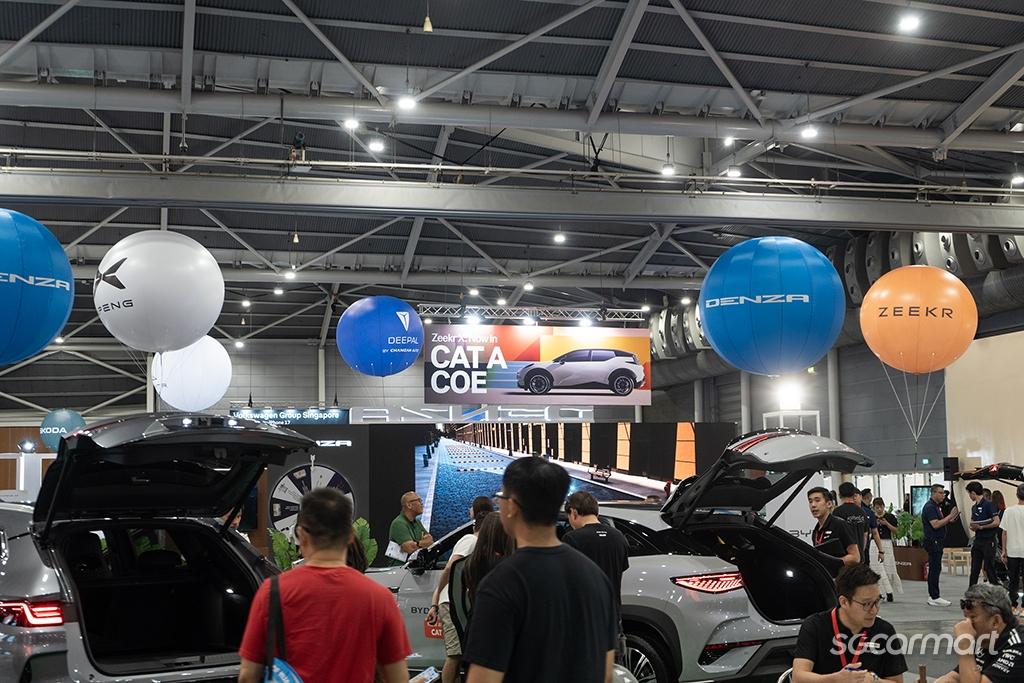
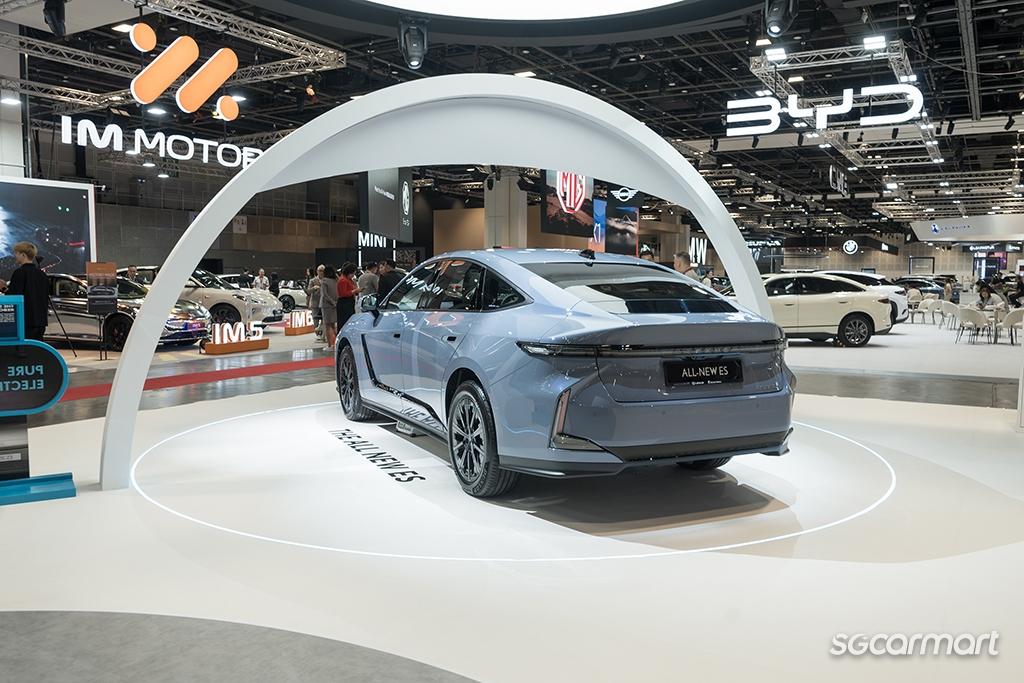
There's no denying it: Much of 2024 and 2025 will probably be remembered as the period during which China's electric car brands proved that they were - and are - a force to be reckoned with in Singapore.
But if things shake out in the way that Borneo Motors Singapore (BMS) is hoping they will, 2026 could go down as the year in which Japan decisively fought back.
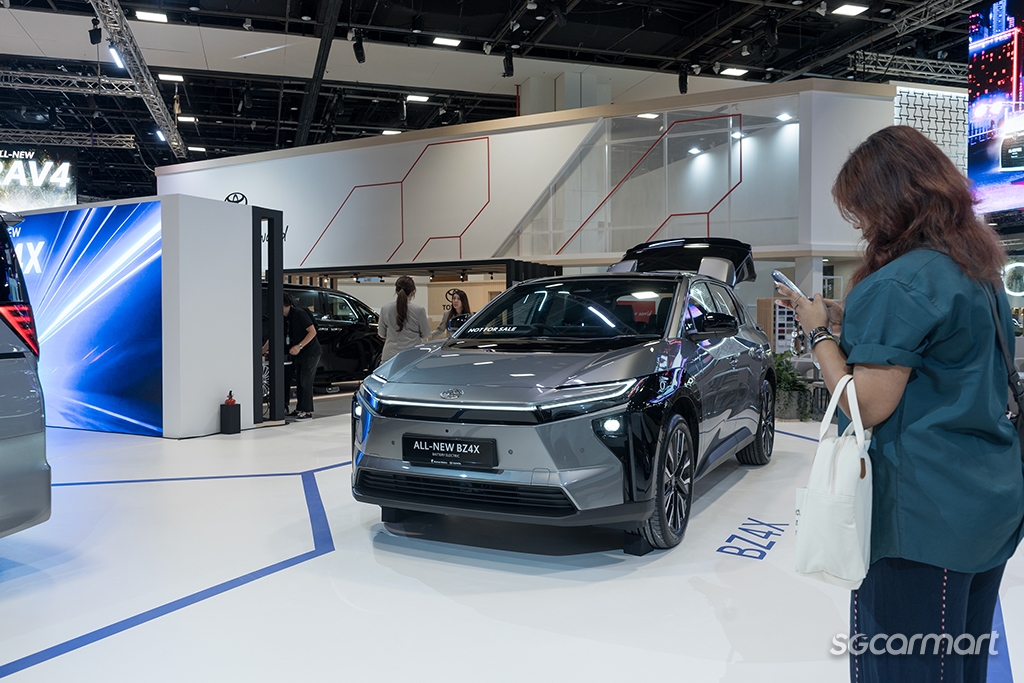
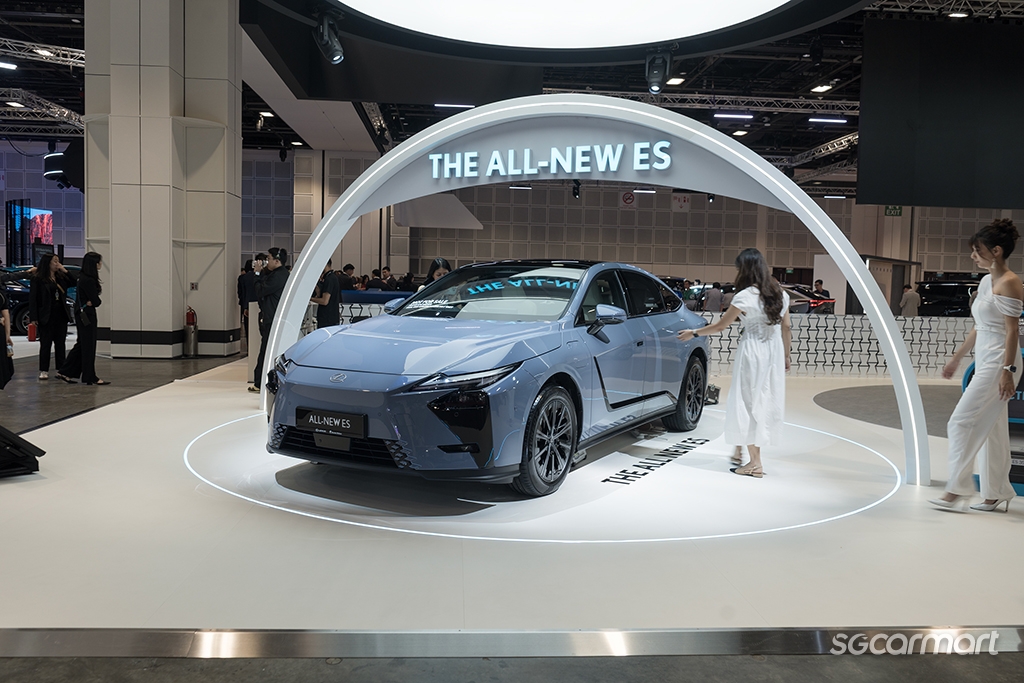
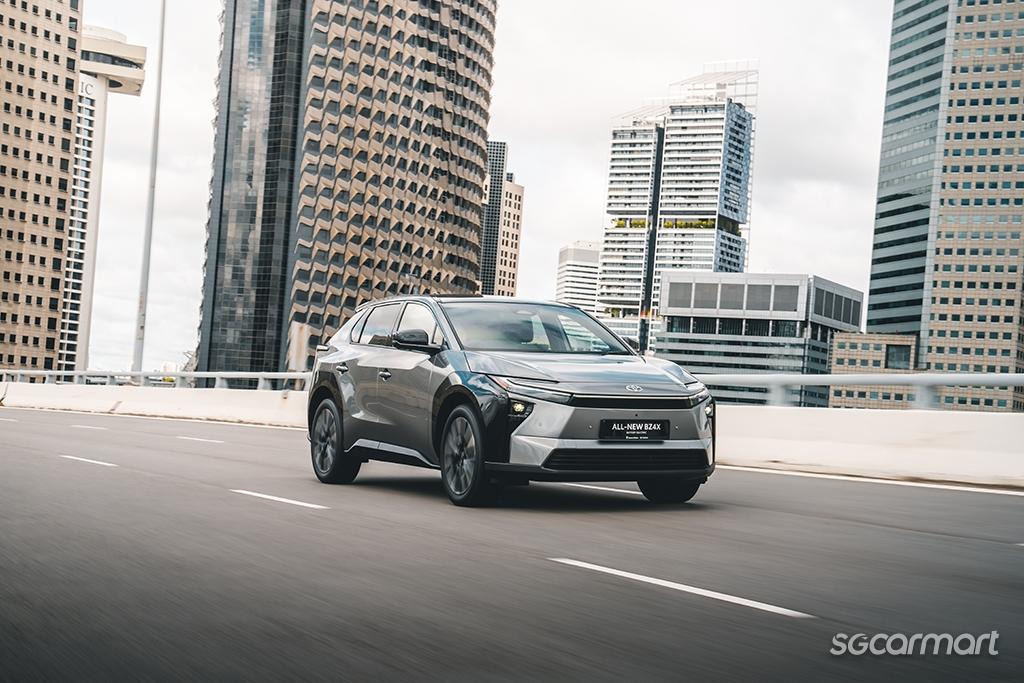
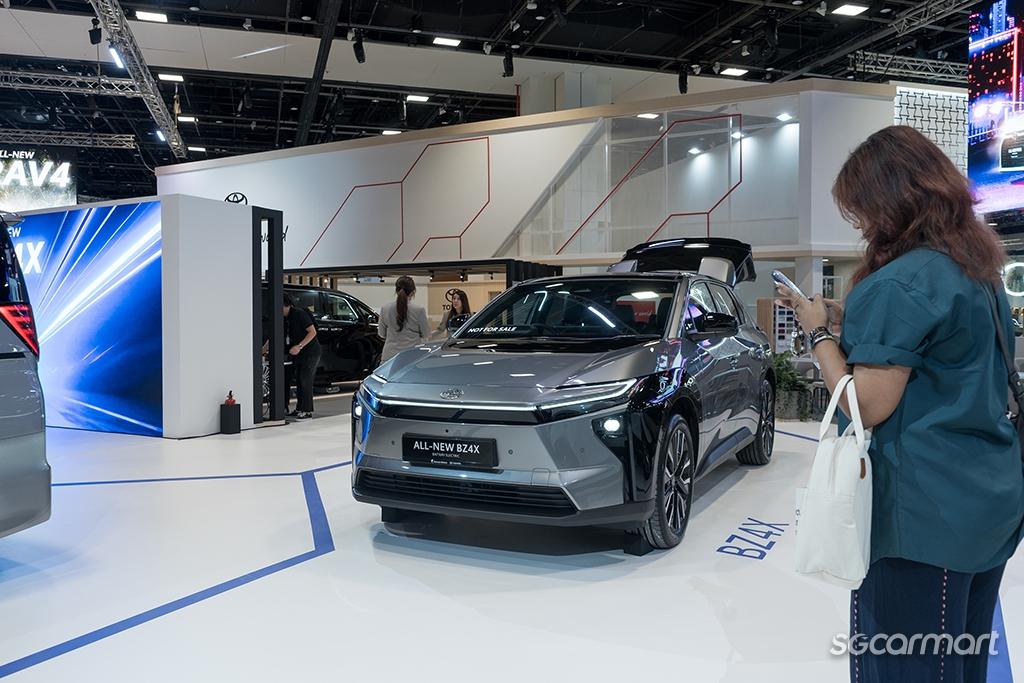
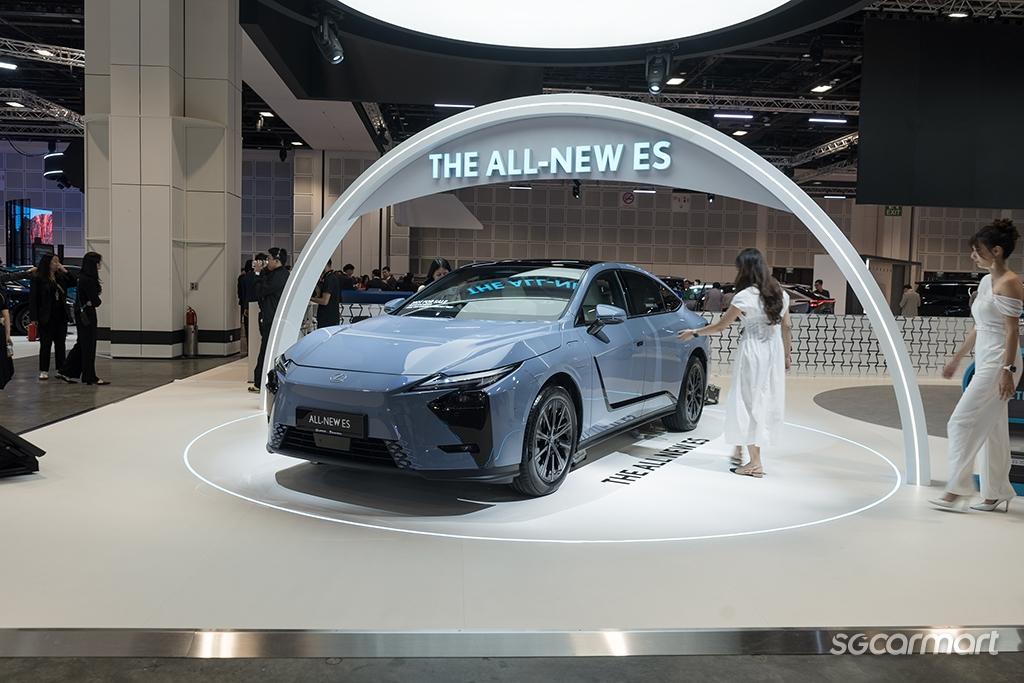
Toyota Singapore has already launched its first EV, the bZ4X, for sale in Singapore, while Lexus' bestselling ES sedan will soon get a new-generation successor in both fully-electric and hybrid guise
For the counter-attack, all eyes will be on the longtime authorised dealer of Toyota and Lexus in Singapore.
While Subaru, Honda, and Suzuki are all among the familiar names that have either already introduced or are set to introduce their first official EVs to their lineups this year, none arguably feels as monumental as the Toyota bZ4X.
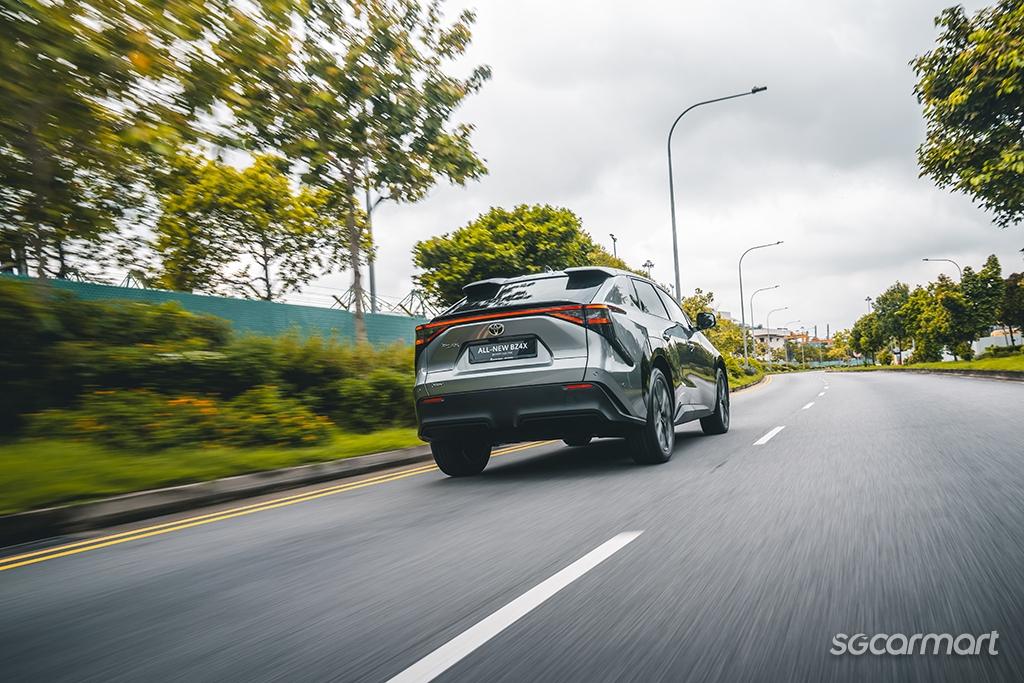
Launched for sale in Singapore in early-February - less than three weeks ago at this point - the bZ4X marks the first battery-electric vehicle (BEV) model to be offered by Toyota here, and arrives nearly four years after the original bZ4X (a pre-facelifted car) was first brought over for market tests. EVs were already picking up steam back then, making up 11.7% of all new cars registered in 2022. Last year, that number had risen to 45.9%.
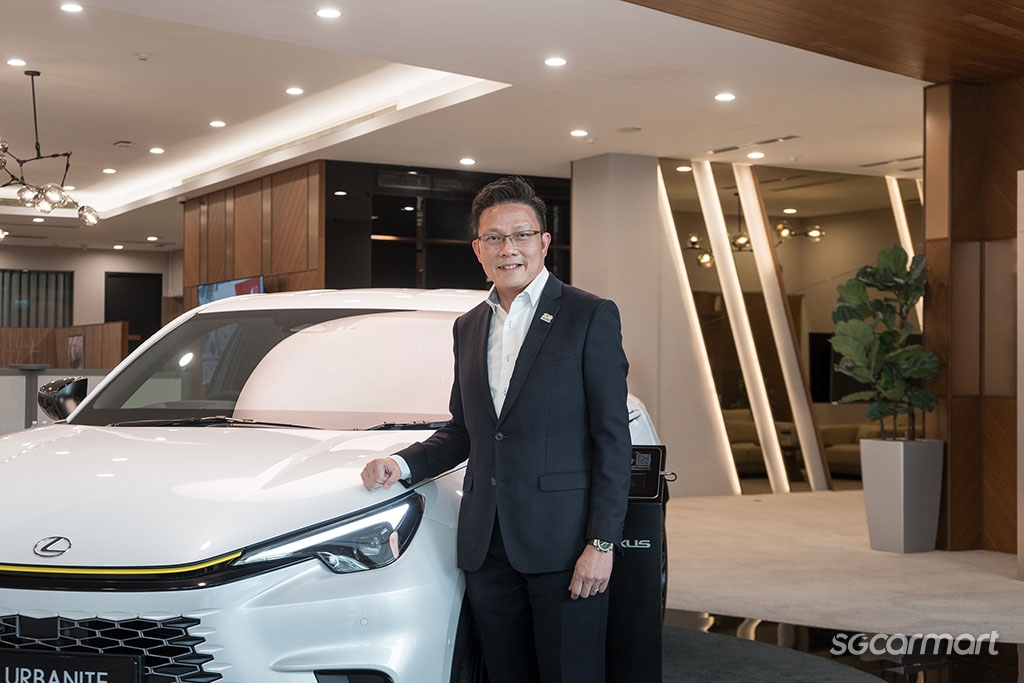
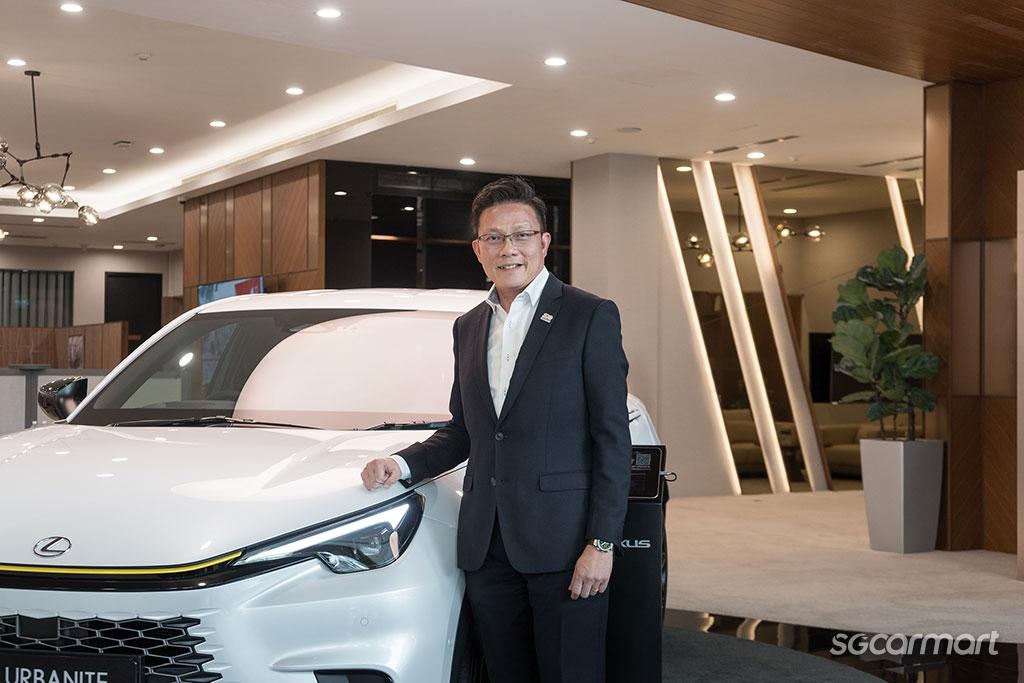
Mr Ng Khee Siong, Managing Director of Borneo Motors Singapore, pictured at the BMS's 100th anniversary event in 2025
Speaking to Sgcarmart shortly after the 2026 Singapore Motor Show, Managing Director of Borneo Motors Singapore, Ng Khee Siong, sounds as confident as ever about the two Japanese giants under his dealership.
"Toyota has been in Singapore since 1967," he clearly states. "That's nearly 60 years of proven reliability, and consistent service."
"When we launch the bZ4X, we're not asking consumers to take a leap of faith. We're saying: This is Toyota's electrification journey, built on the same engineering excellence you've trusted for decades."
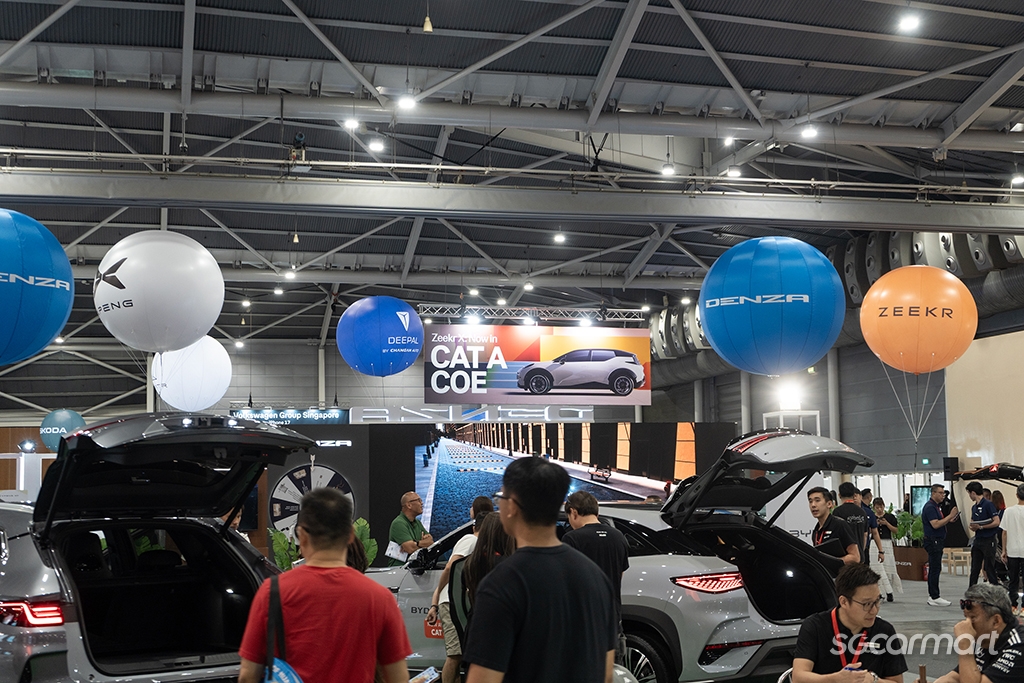
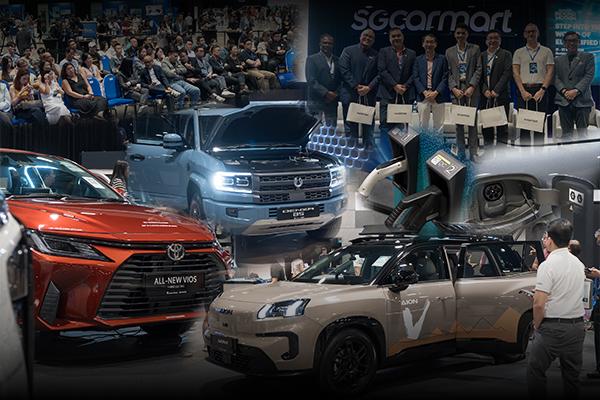
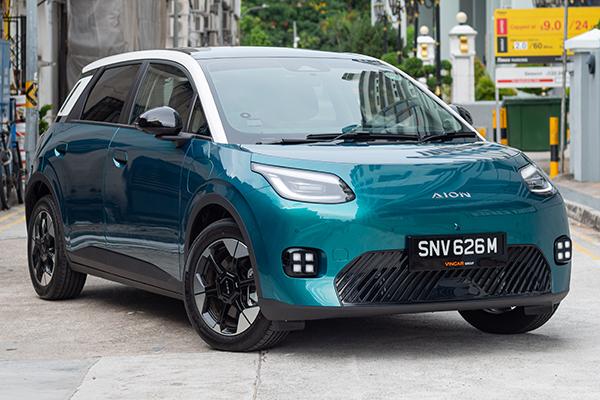
The Chinese are continuing to make their presence felt in Singapore with near-unparalleled vigour
Old versus new guard
In many ways, however, it's hard not to feel like Toyota is playing catch up now.
A leap of faith may sound scary, but that's exactly what many car buyers in Singapore seem to have become perfectly comfortable with, especially in 2025. Among the 15 best performing brands in Singapore last year, four were Chinese. The most significant statistic, of course, is who was at the top - and by how much. With over 11,000 units registered, BYD was far and away the most popular brand on our shores, concluding the year as the only name to have eclipsed the five-figure mark.
Yet take a step back to consider the larger picture, and Toyota's enduring popularity is not to be scoffed at.
While it may have ceded the crown to BYD for 2025, the Japanese marque still maintained a comfortable lead over other names in the market in terms of overall registrations, registering a healthy 7,466 cars.
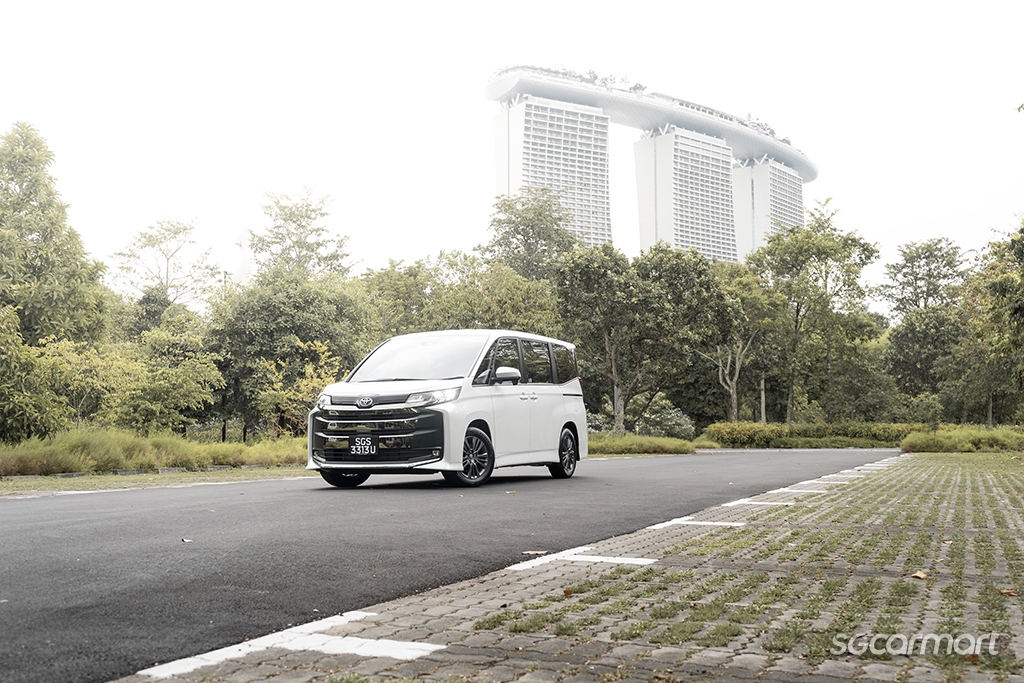
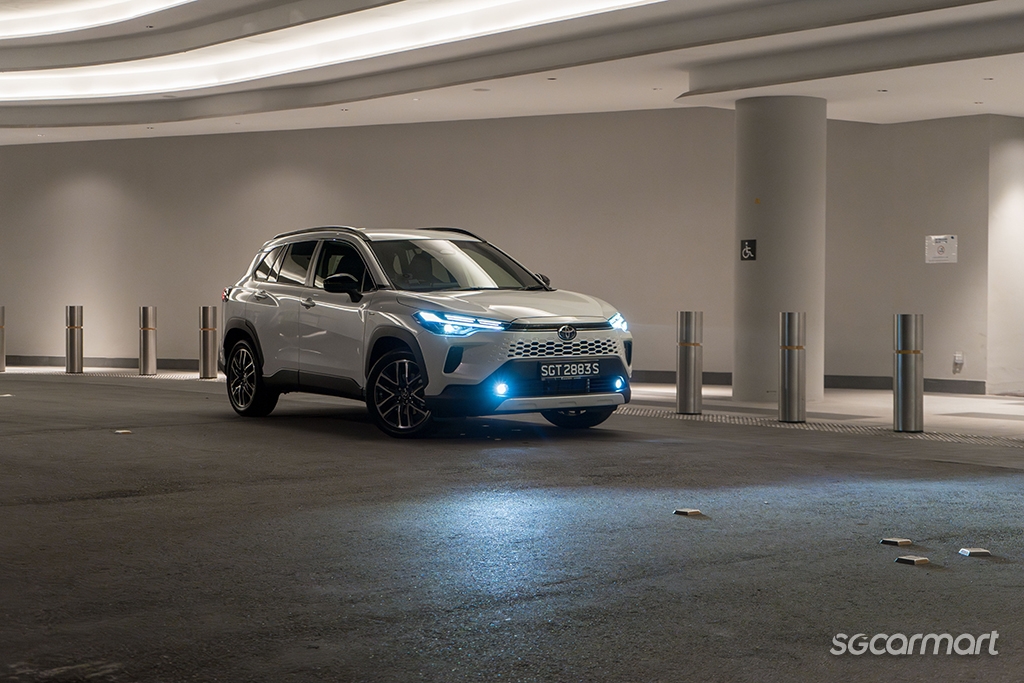
Considering how much the tide turned in favour of EVs in 2025, Toyota's performance for the year without a mass-market electric model is still not to be scoffed at
Consider the attention that has been afforded to EVs both by the authorities and the industry - to the tune of EVs making up nearly half of all new cars registered in Singapore last year - and Toyota's performance is even more remarkable: It achieved this without a single mass-market electric offering in its lineup. Internationally, Toyota has continued to hold on to its title as the world's largest automaker, even as China's biggest names - including BYD and the Geely Group - continue to gain steady ground.
Having strengthened its hybrid lineup over the last few years, Borneo Motors thinks the addition of the bZ4X now reinforces a promise it has always wielded with its customers: The power of choice.
"We're now offering multi pathway options - from self-charging full hybrid electric to battery electric vehicles - so customers can choose the option that best fits their journeys, infrastructure access, and budgets, while contributing to lower emissions," Ng notes. The same applies for Toyota's upmarket sibling, Lexus, which is set to launch the eighth-generation ES sedan in Singapore in both full-electric and full-hybrid guise. "By maintaining a consistent design philosophy across powertrains," he notes, "Lexus allows customers to select the electrification solution that best suits their lifestyle."
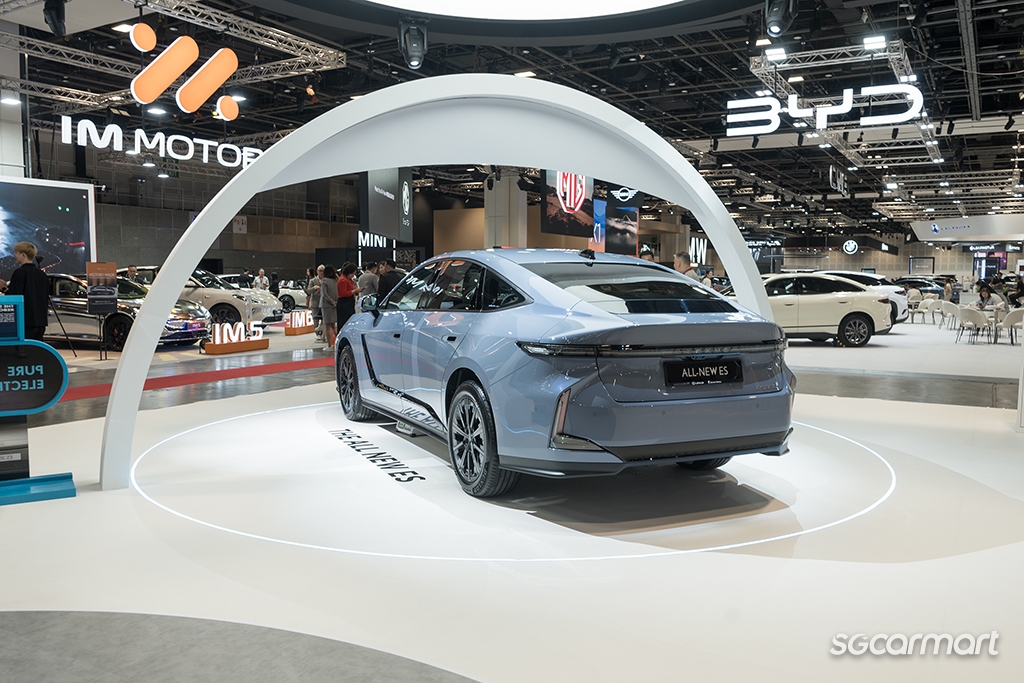
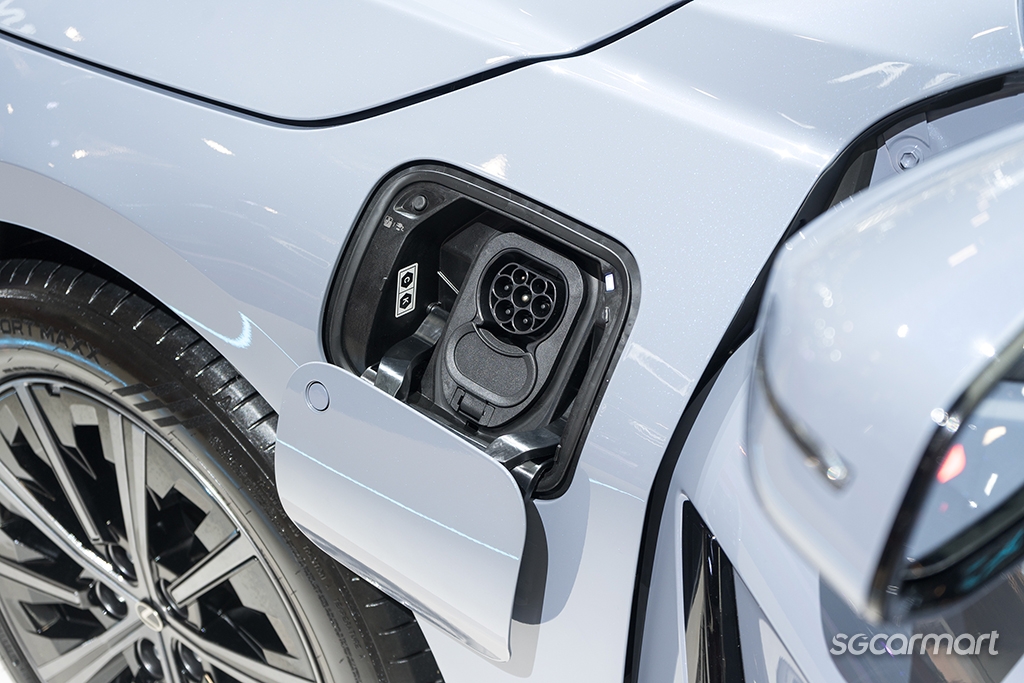
Like Toyota, Lexus is also focusing on giving customers the power of choice - especially with the impending ES sedan, which can be had as an EV or a hybrid
But that's not where the promise of choice ends. Underpinning it, just as crucially, is a long-term track record that can only be earned through time - and not money.
After all, if there's any person in the business intimately aware of the ins and outs of car ownership in Singapore, it would be Ng himself, who previously served as the Aftersales Director of Borneo Motors.
"What's not talked about enough is the ownership ecosystem," he shares, when asked about the increasingly price-sensitive nature of car-buying in Singapore. "Pricing is often the headline, but the true measure of a car's value is the total ownership experience."
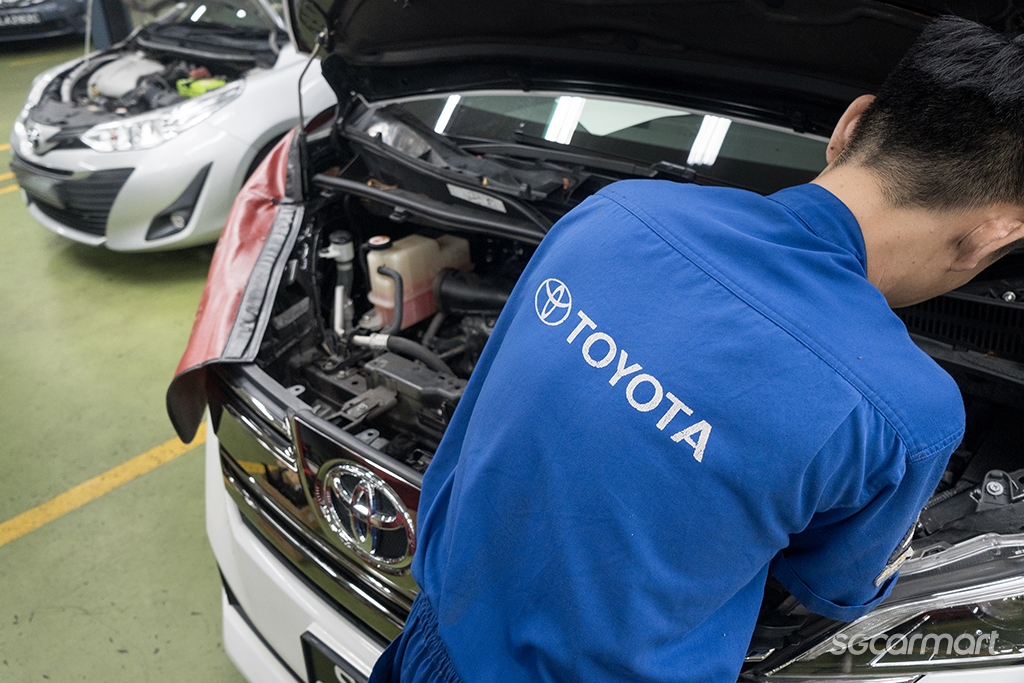
Borneo Motors believes that the true measure of a car's value is the total ownership experience, and not just its purchase price
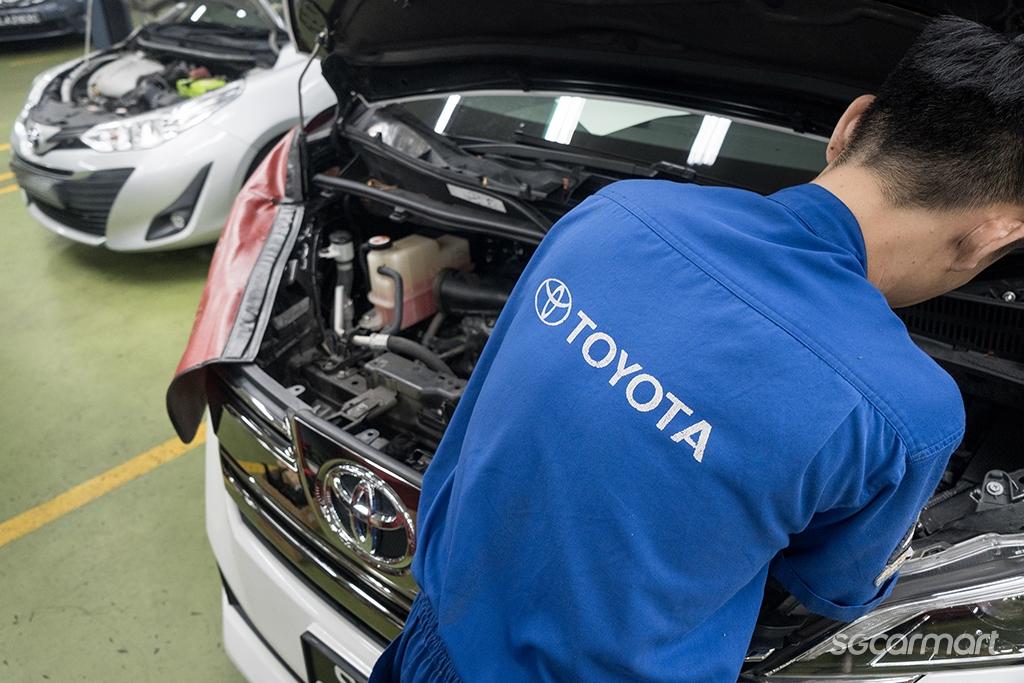
"Factors such as battery longevity, warranty coverage, trained technicians, parts availability and service turnaround all directly affect reliability and running costs over time. Equally important is the service experience itself - how easy, transparent and efficient it is for customers."
In fact, the latter is a question Borneo Motors seems to have considered at length. Press releases rarely go beyond warranty details when addressing the ownership journey of a new car launched; with the bZ4X, however, Borneo Motors was keen to highlight that it would be rolling out "accelerated servicing sessions" designed to be completed within 60 minutes, as well as a two-year exterior care programme extended to new buyers.
Despite the recent might of the Chinese, Ng thinks Japan's largest carmakers still have a "unique and enduring position in the industry" too - one that "goes beyond innovation speed or feature-led competition".
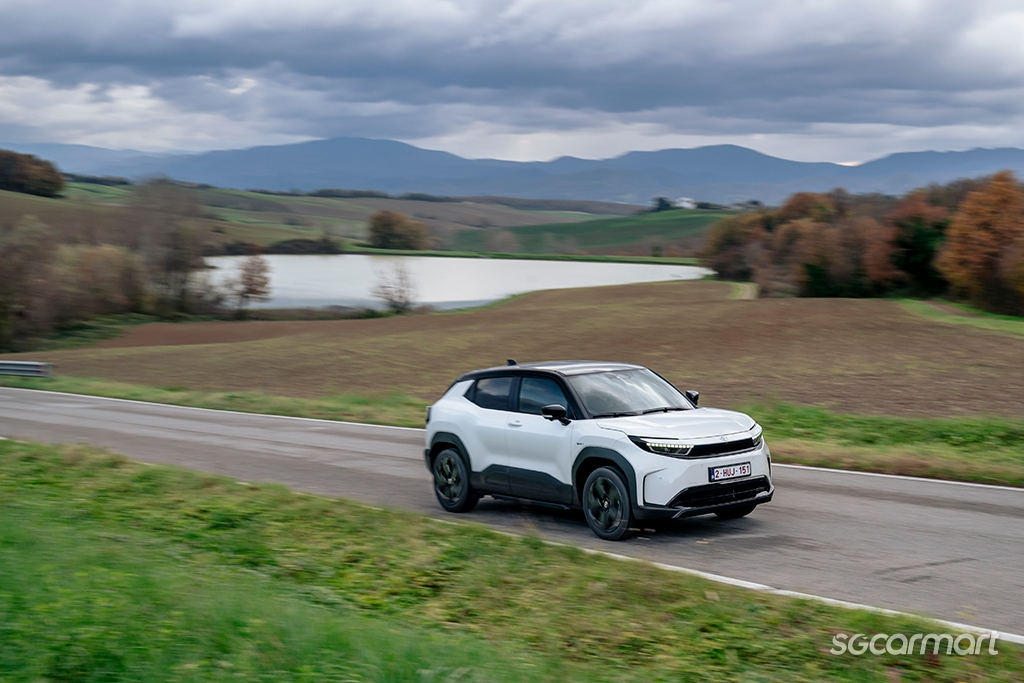
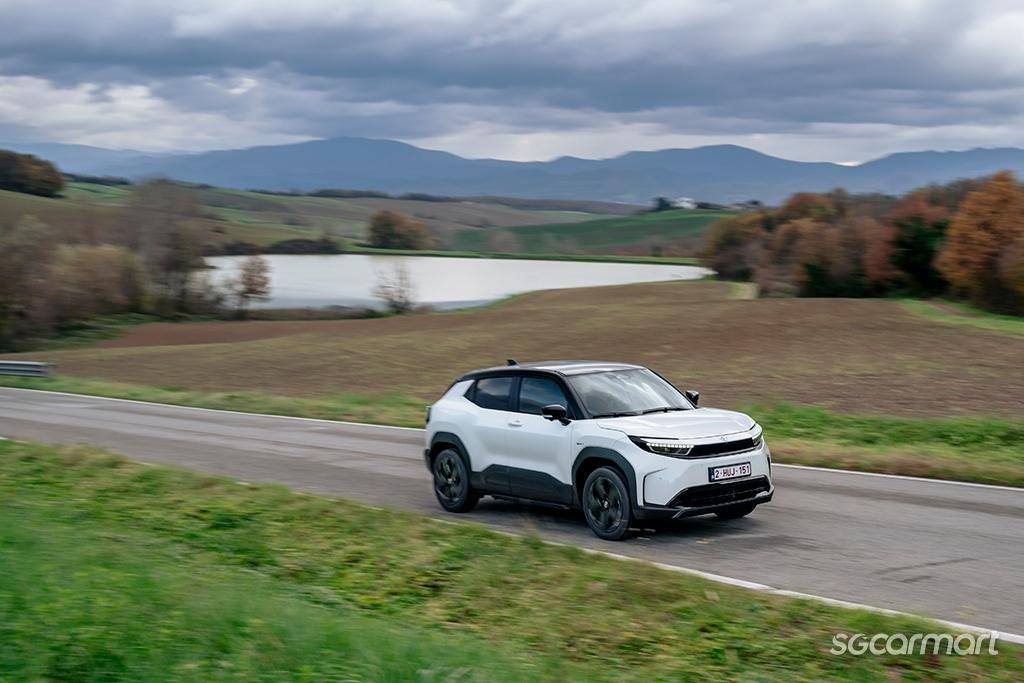
Toyota's electric offensive will continue in Singapore with the upcoming Urban Cruiser BEV
"They have refined their technologies across millions of vehicles in diverse, real-world driving conditions, which gives customers confidence that what they buy today will remain dependable well into the future." Next in the launch pipeline for Toyota in Singapore is the Toyota Urban Cruiser BEV - set to enter the already-crowded electric compact crossover space.
When asked how the car, alongside the bZ4X, will set itself apart from the competition given its relatively leisurely arrival, Ng is emphatic in his belief that "Toyota's approach emphasises trust over first-mover speed". He reiterates that apart from their suitability for the Singaporean market, high-capacity batteries, robust designs, and advanced safety features, both models also promise "reliable and long-term ownership confidence".
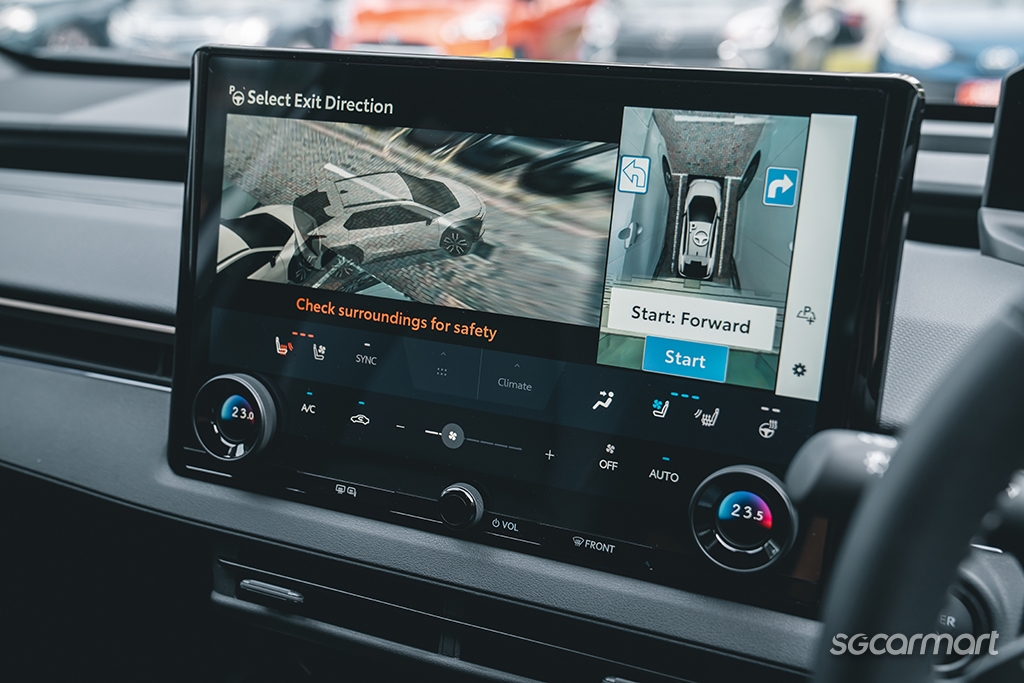
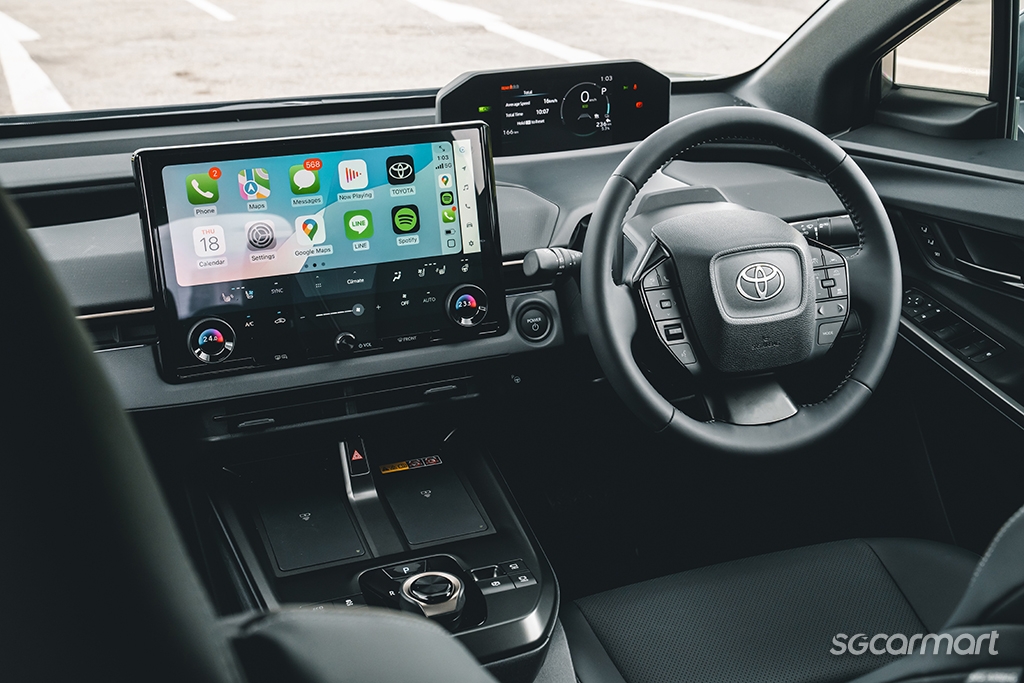
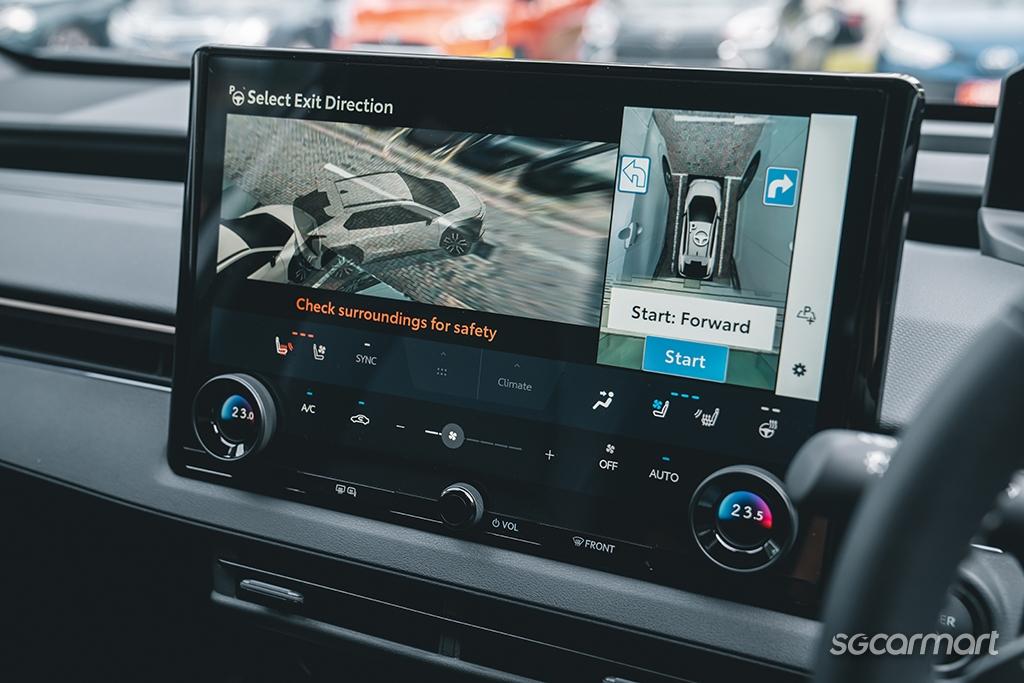
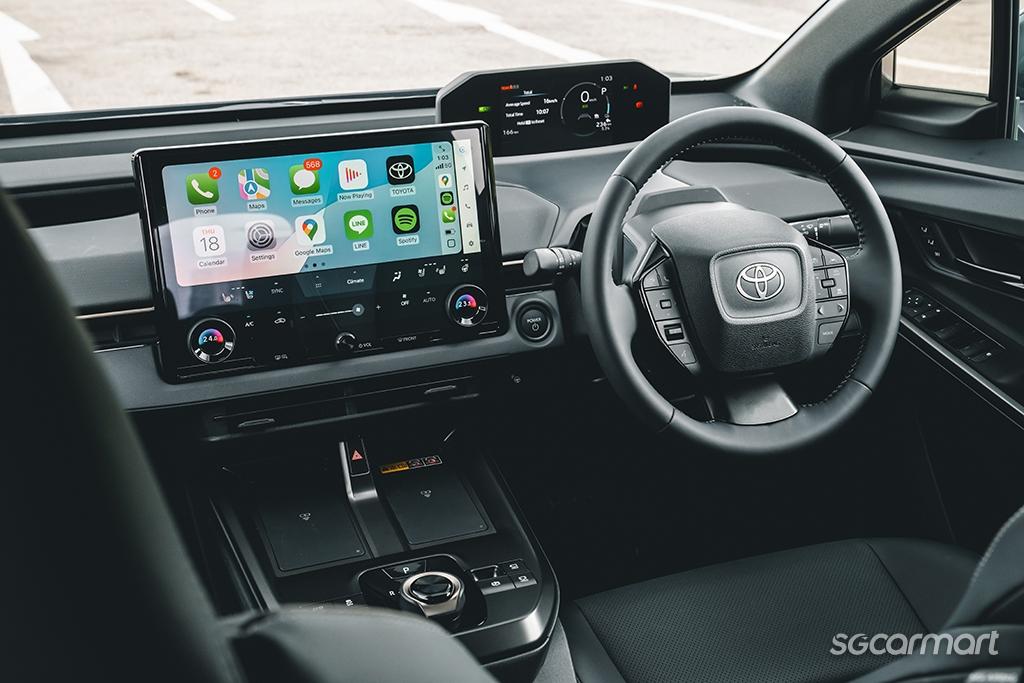
With its modern cabin and impressive tech (including a self-parking system that can take on parallel lots), the bZ4X stands in relatively good stead now against the new electric crowd
Negotiating the shift in consumer mindsets
While Ng has faith that buyers will not evaluate cars "based solely on features or pricing", instead proffering that they want "assurance that a brand [can] introduce new technology responsibly and support it over the full ownership lifecycle", the shift in consumer mindsets is undeniable.
January's registration figures are hardly reflective of an entire year's performance - but for 2026 so far, its Chinese arch-rival BYD is continuing to pull ahead. (Other names like Chery and Geely's ZEEKR are also either outdoing or matching the rest of the Japanese and Korean makes in performance.)
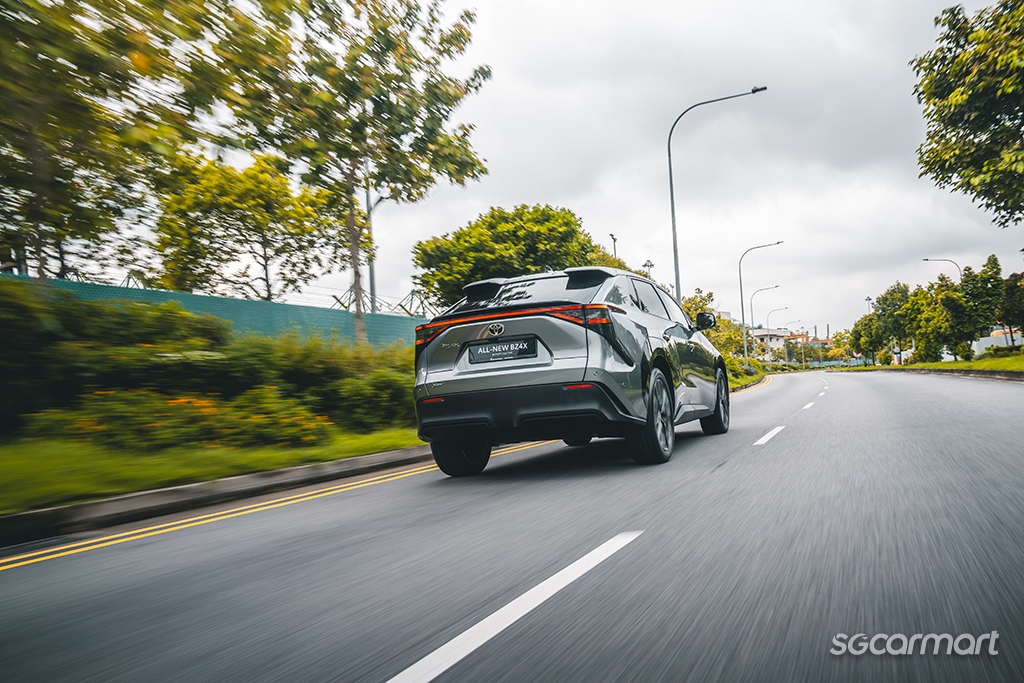
While its brand equity remains strong, Toyota also admittedly has its work cut out for itself as it strives to fend off newer competition
That Toyota still has the sort of brand equity that other names will only ever dream of remains true for now. But it will also have to work hard to defend it, with outstanding customer service across both the immediate purchase and longer-term ownership stages, and of course, compelling new products that convincingly demonstrate that the brand has what it takes to go toe-to-toe with the new players in terms of technology.
First impressions of the bZ4X - on paper at least - put it in pretty good stead thanks to a stacked feature list, interesting tech (the car's self-parking system can apparently tackle parallel lots), and decent range.
But this is perhaps merely the first step. Moving forward still, when Japan's mightiest in the auto industry fights back - in Singapore at least - it will have to continue to fight with all it's got.
Here are a few other stories you should check out:
Big Test: Which brand makes the best hybrid?
There's no denying it: Much of 2024 and 2025 will probably be remembered as the period during which China's electric car brands proved that they were - and are - a force to be reckoned with in Singapore.
But if things shake out in the way that Borneo Motors Singapore (BMS) is hoping they will, 2026 could go down as the year in which Japan decisively fought back.
Toyota Singapore has already launched its first EV, the bZ4X, for sale in Singapore, while Lexus' bestselling ES sedan will soon get a new-generation successor in both fully-electric and hybrid guise
For the counter-attack, all eyes will be on the longtime authorised dealer of Toyota and Lexus in Singapore.
While Subaru, Honda, and Suzuki are all among the familiar names that have either already introduced or are set to introduce their first official EVs to their lineups this year, none arguably feels as monumental as the Toyota bZ4X.
Launched for sale in Singapore in early-February - less than three weeks ago at this point - the bZ4X marks the first battery-electric vehicle (BEV) model to be offered by Toyota here, and arrives nearly four years after the original bZ4X (a pre-facelifted car) was first brought over for market tests. EVs were already picking up steam back then, making up 11.7% of all new cars registered in 2022. Last year, that number had risen to 45.9%.
Mr Ng Khee Siong, Managing Director of Borneo Motors Singapore, pictured at the BMS's 100th anniversary event in 2025
Speaking to Sgcarmart shortly after the 2026 Singapore Motor Show, Managing Director of Borneo Motors Singapore, Ng Khee Siong, sounds as confident as ever about the two Japanese giants under his dealership.
"Toyota has been in Singapore since 1967," he clearly states. "That's nearly 60 years of proven reliability, and consistent service."
"When we launch the bZ4X, we're not asking consumers to take a leap of faith. We're saying: This is Toyota's electrification journey, built on the same engineering excellence you've trusted for decades."
The Chinese are continuing to make their presence felt in Singapore with near-unparalleled vigour
Old versus new guard
In many ways, however, it's hard not to feel like Toyota is playing catch up now.
A leap of faith may sound scary, but that's exactly what many car buyers in Singapore seem to have become perfectly comfortable with, especially in 2025. Among the 15 best performing brands in Singapore last year, four were Chinese. The most significant statistic, of course, is who was at the top - and by how much. With over 11,000 units registered, BYD was far and away the most popular brand on our shores, concluding the year as the only name to have eclipsed the five-figure mark.
Yet take a step back to consider the larger picture, and Toyota's enduring popularity is not to be scoffed at.
While it may have ceded the crown to BYD for 2025, the Japanese marque still maintained a comfortable lead over other names in the market in terms of overall registrations, registering a healthy 7,466 cars.
Considering how much the tide turned in favour of EVs in 2025, Toyota's performance for the year without a mass-market electric model is still not to be scoffed at
Consider the attention that has been afforded to EVs both by the authorities and the industry - to the tune of EVs making up nearly half of all new cars registered in Singapore last year - and Toyota's performance is even more remarkable: It achieved this without a single mass-market electric offering in its lineup. Internationally, Toyota has continued to hold on to its title as the world's largest automaker, even as China's biggest names - including BYD and the Geely Group - continue to gain steady ground.
Having strengthened its hybrid lineup over the last few years, Borneo Motors thinks the addition of the bZ4X now reinforces a promise it has always wielded with its customers: The power of choice.
"We're now offering multi pathway options - from self-charging full hybrid electric to battery electric vehicles - so customers can choose the option that best fits their journeys, infrastructure access, and budgets, while contributing to lower emissions," Ng notes. The same applies for Toyota's upmarket sibling, Lexus, which is set to launch the eighth-generation ES sedan in Singapore in both full-electric and full-hybrid guise. "By maintaining a consistent design philosophy across powertrains," he notes, "Lexus allows customers to select the electrification solution that best suits their lifestyle."
Like Toyota, Lexus is also focusing on giving customers the power of choice - especially with the impending ES sedan, which can be had as an EV or a hybrid
But that's not where the promise of choice ends. Underpinning it, just as crucially, is a long-term track record that can only be earned through time - and not money.
After all, if there's any person in the business intimately aware of the ins and outs of car ownership in Singapore, it would be Ng himself, who previously served as the Aftersales Director of Borneo Motors.
"What's not talked about enough is the ownership ecosystem," he shares, when asked about the increasingly price-sensitive nature of car-buying in Singapore. "Pricing is often the headline, but the true measure of a car's value is the total ownership experience."
Borneo Motors believes that the true measure of a car's value is the total ownership experience, and not just its purchase price
"Factors such as battery longevity, warranty coverage, trained technicians, parts availability and service turnaround all directly affect reliability and running costs over time. Equally important is the service experience itself - how easy, transparent and efficient it is for customers."
In fact, the latter is a question Borneo Motors seems to have considered at length. Press releases rarely go beyond warranty details when addressing the ownership journey of a new car launched; with the bZ4X, however, Borneo Motors was keen to highlight that it would be rolling out "accelerated servicing sessions" designed to be completed within 60 minutes, as well as a two-year exterior care programme extended to new buyers.
Despite the recent might of the Chinese, Ng thinks Japan's largest carmakers still have a "unique and enduring position in the industry" too - one that "goes beyond innovation speed or feature-led competition".
Toyota's electric offensive will continue in Singapore with the upcoming Urban Cruiser BEV
"They have refined their technologies across millions of vehicles in diverse, real-world driving conditions, which gives customers confidence that what they buy today will remain dependable well into the future." Next in the launch pipeline for Toyota in Singapore is the Toyota Urban Cruiser BEV - set to enter the already-crowded electric compact crossover space.
When asked how the car, alongside the bZ4X, will set itself apart from the competition given its relatively leisurely arrival, Ng is emphatic in his belief that "Toyota's approach emphasises trust over first-mover speed". He reiterates that apart from their suitability for the Singaporean market, high-capacity batteries, robust designs, and advanced safety features, both models also promise "reliable and long-term ownership confidence".
With its modern cabin and impressive tech (including a self-parking system that can take on parallel lots), the bZ4X stands in relatively good stead now against the new electric crowd
Negotiating the shift in consumer mindsets
While Ng has faith that buyers will not evaluate cars "based solely on features or pricing", instead proffering that they want "assurance that a brand [can] introduce new technology responsibly and support it over the full ownership lifecycle", the shift in consumer mindsets is undeniable.
January's registration figures are hardly reflective of an entire year's performance - but for 2026 so far, its Chinese arch-rival BYD is continuing to pull ahead. (Other names like Chery and Geely's ZEEKR are also either outdoing or matching the rest of the Japanese and Korean makes in performance.)
While its brand equity remains strong, Toyota also admittedly has its work cut out for itself as it strives to fend off newer competition
That Toyota still has the sort of brand equity that other names will only ever dream of remains true for now. But it will also have to work hard to defend it, with outstanding customer service across both the immediate purchase and longer-term ownership stages, and of course, compelling new products that convincingly demonstrate that the brand has what it takes to go toe-to-toe with the new players in terms of technology.
First impressions of the bZ4X - on paper at least - put it in pretty good stead thanks to a stacked feature list, interesting tech (the car's self-parking system can apparently tackle parallel lots), and decent range.
But this is perhaps merely the first step. Moving forward still, when Japan's mightiest in the auto industry fights back - in Singapore at least - it will have to continue to fight with all it's got.
Here are a few other stories you should check out:
Big Test: Which brand makes the best hybrid?



Thank You For Your Subscription.


Tags
Products & Services

For Owners
Quick Links
About Sgcarmart