BMW celebrates 30 years of innovation leadership across Asia
08 Dec 2015|7,229 views
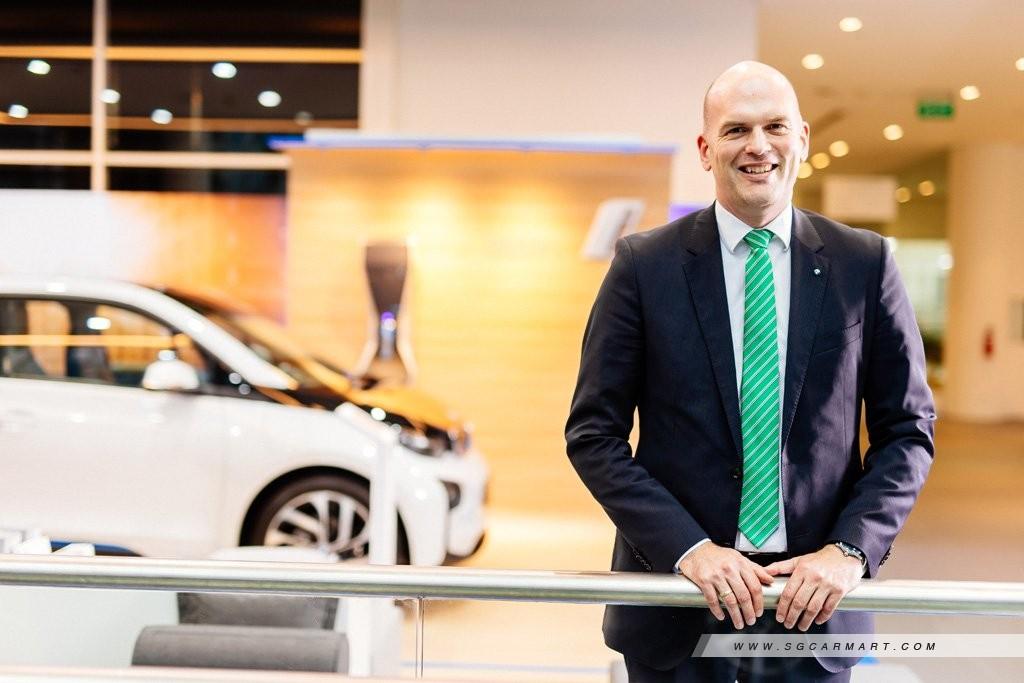
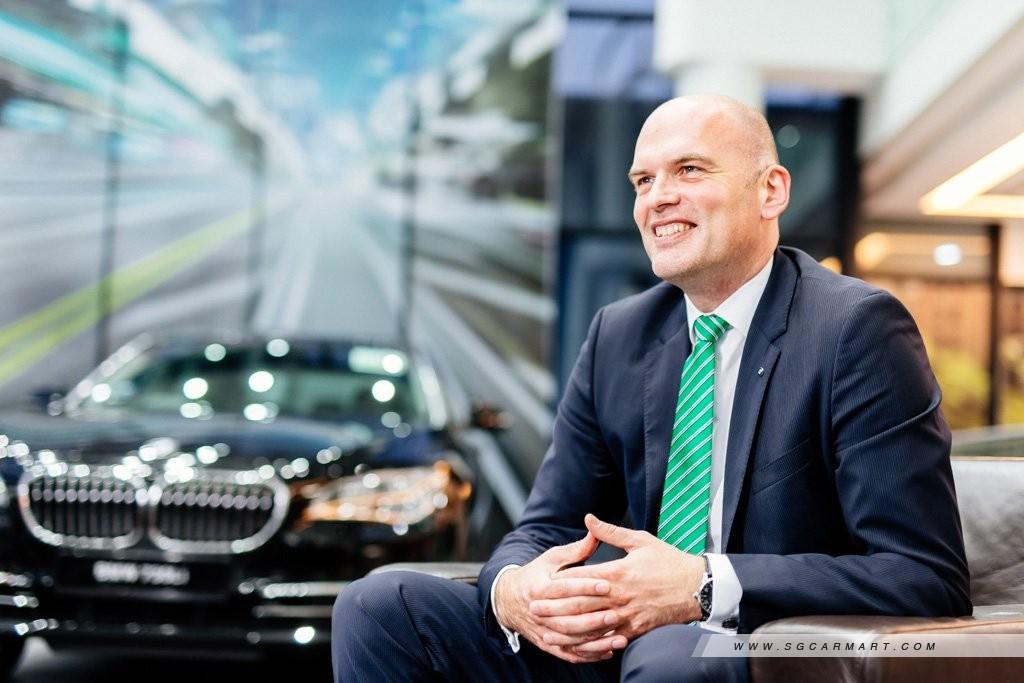



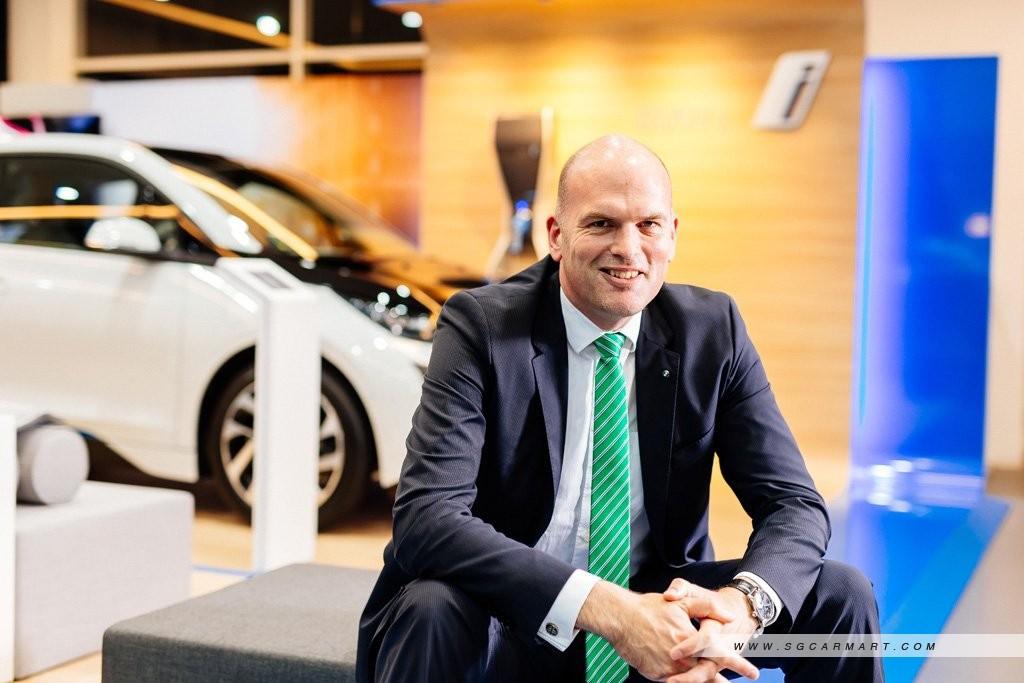
BMW Group Asia celebrates 30 years of success in Asia this year, and we caught up with Mr. Axel Pannes (AP), Managing Director of BMW Group Asia to get a better understanding of the amazing journey taken by the ultimate driving machine in Asia over the past three decades.

AP: One recent challenge that has been partially solved is our Cat A COE product offering. Since August 2015, we've introduced the BMW 116d, which has received an overwhelming response from our customers. Our second Cat A model - the BMW 216d Gran Tourer - which also happens to be the "World's First Premium Compact Model to offer up to seven seats" was introduced in November 2015. This is something that's unique in the market and only available from BMW.
ASEAN, when combined to form the Asean Economic Community (AEC), has a combined population of 625 million and has vast opportunities. It is also further estimated that AEC could generate around 14 million new jobs by 2025. Demographic-wise, the region is very young, with 36 percent of the population aged below 20. Therefore, ASEAN's role in the global economy will become prominent in the years to come and we all have to help drive it forward.
That said, the slow global economy is a challenge faced by everyone, so it's good to be aware and to face it head-on.
SGCM: What is the main reason for Singapore being the regional base for corporate functions? Why have some of them relocated?
AP: Besides grooming importer markets, another of our key role is to house regional corporate functions. Previously, this included functions like our Regional Parts Distribution Centre and Regional Training Centre. As Singapore strategically shifts its focus to high knowledge-intensive sectors, we have since relocated these functions to Malaysia. Since then, we have added new corporate functions like Corporate Treasury Centre and Corporate IT Service Management here. More recently, we are working with Nanyang Technological University (NTU) to conduct research on future mobility solutions and technology.
AP: Since the establishment of the Future Mobility Research Lab in 2013, our research has already achieved some important advancement like new battery materials that can extend the Electric Vehicle (EV) travelling range and innovative driver assistive technologies to greatly enhance safety.
We have since embarked on the second phase of the research, and have further provided two units of the BMW i3 and i8 as research platforms. New discoveries made by the lab will eventually contribute to the development of future BMW cars and products.
SGCM: With EfficientDynamics in all BMWs now, what further technology can we see?
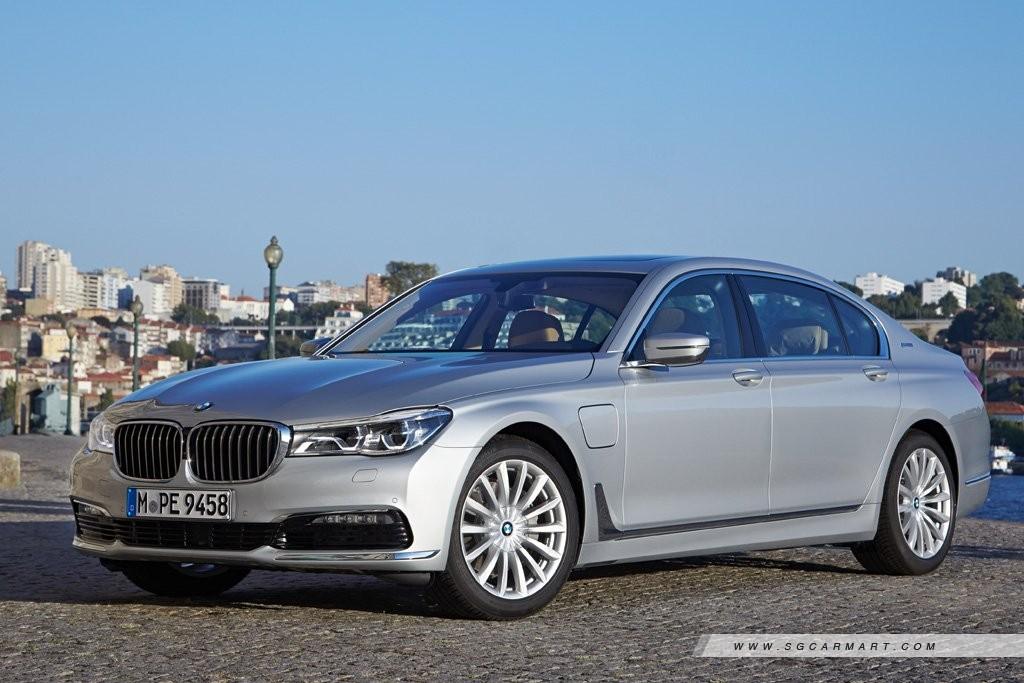
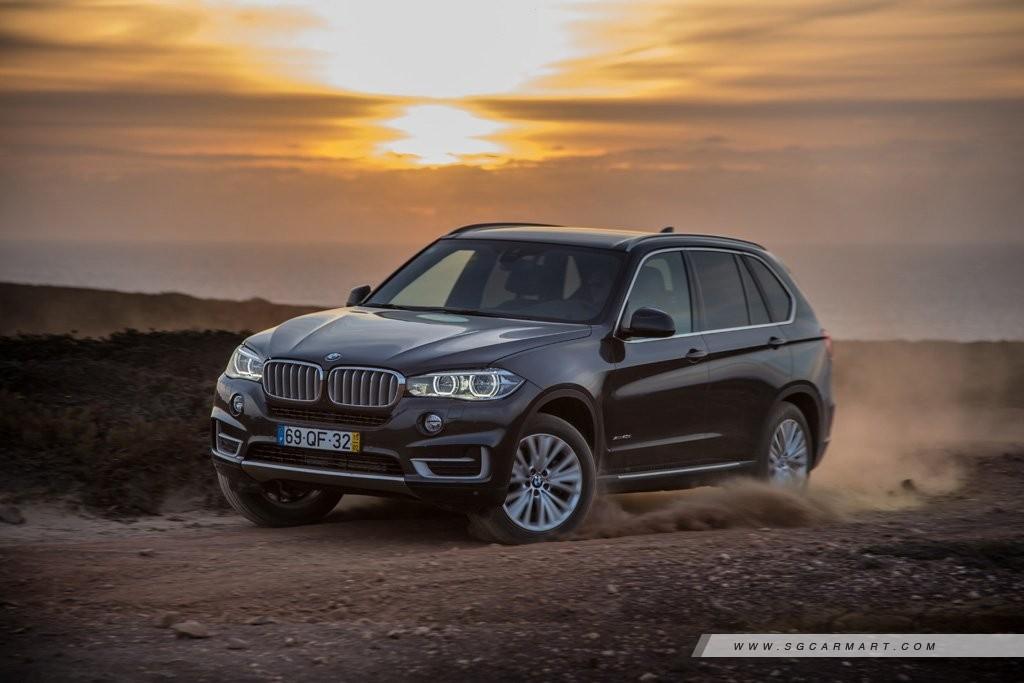
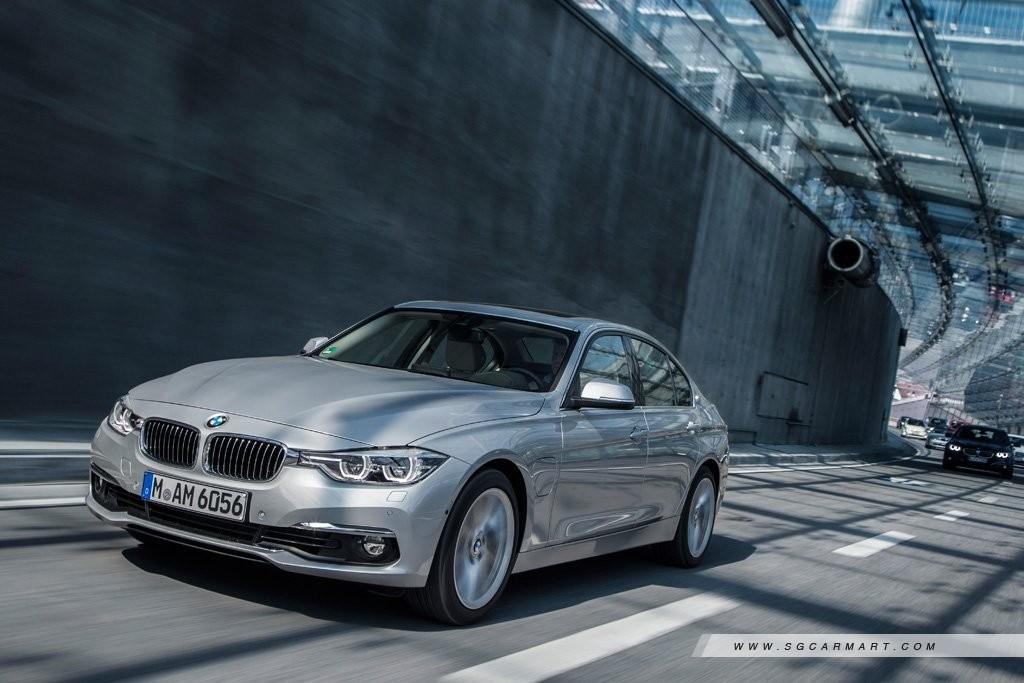
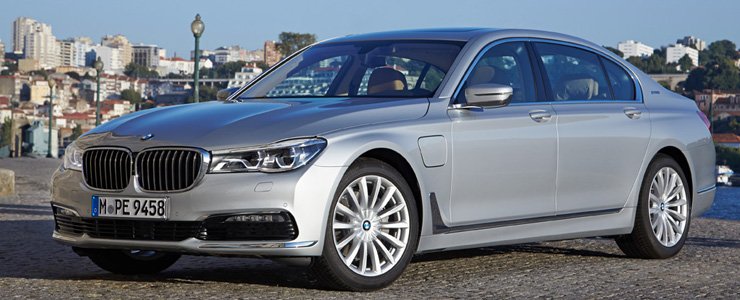
AP: E-mobility is the next big thing. EfficientDynamics is what drives BMW products, based on the concept of achieving more power with lesser fuel and CO2 consumption. As we optimise our existing fleet with EfficientDynamics technologies, the next step is to electrify our cars. With increasing urbanisation in places like Singapore, e-mobility that is capable of zero tailpipe emissions will be much sought after as they can contribute to cleaner air and lesser heat emissions. More BMW models are also being electrified, such as the BMW X5 xDrive40e, 330e, and 740Le, which will soon reach Singapore in the near future. Cars are also set to become safer and more convenient to use thanks to driving assistance technology. In the far future, autonomous vehicles that can drive by themselves will be available.
 |
SGCM: It was reported that BMW achieved record sales worldwide with more than 2 million deliveries made in 2014. How does the brand maintain and strengthen its lead over competitors?
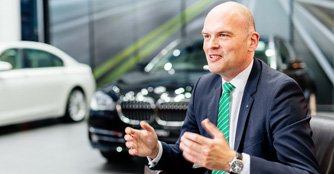
SGCM: What is BMW's strategy towards maintaining a leadership position?
AP: Our aim is to provide our customers with Sheer Driving Pleasure throughout their entire ownership of a BMW. By that, we mean from the point customers enter our showroom and making a purchase, to driving our cars, to sending their cars in for servicing and maintenance. To achieve that, we work very closely with our local dealer partners to ensure the highest level of customer experience is delivered at all times.
SGCM: In your opinion, what are BMW's core competencies and how does the brand create value for its customers?

When you buy a BMW, you don't just buy a car, you've adopted a lifestyle. This strategy has proved to be relatively successful as BMW is widely recognised as the most-desired car brand in the eyes of Asian consumers, when we were voted Asia's most desired passenger car brand and Singapore's top luxury car brand in 2014.
SGCM: In an increasingly competitive market for premium cars, what is BMW's brand positioning and how does it differentiate itself from its competitors?
AP: BMW has always been a leading innovator for the past 100 years. Over the past decade, we have created numerous groundbreaking ones that have since become an industry benchmark for modern cars today. For instance, an electronic speedometer, Park Distance Control, and the iconic iDrive controller, just to name a few.
The all new 7 Series comes with even more state-of-the-art technology such as remote control parking, gesture control and carbon core. The same spirit is again demonstrated when we built BMW i cars up from scratch. This is because we didn't believe in putting an electric engine in a standard car, so we created a purpose-built electric vehicle, from design, through production to how it operates. In fact, even the BMW i manufacturing process uses renewable energy. The best way to predict the future is to create it.
BMW Group Asia celebrates 30 years of success in Asia this year, and we caught up with Mr. Axel Pannes (AP), Managing Director of BMW Group Asia to get a better understanding of the amazing journey taken by the ultimate driving machine in Asia over the past three decades.
SGCM: What are the recent challenges faced by BMW? Are there any unique challenges to be expected in 2015/2016, in particular for the Asia-Pacific region?
AP: One recent challenge that has been partially solved is our Cat A COE product offering. Since August 2015, we've introduced the BMW 116d, which has received an overwhelming response from our customers. Our second Cat A model - the BMW 216d Gran Tourer - which also happens to be the "World's First Premium Compact Model to offer up to seven seats" was introduced in November 2015. This is something that's unique in the market and only available from BMW.
ASEAN, when combined to form the Asean Economic Community (AEC), has a combined population of 625 million and has vast opportunities. It is also further estimated that AEC could generate around 14 million new jobs by 2025. Demographic-wise, the region is very young, with 36 percent of the population aged below 20. Therefore, ASEAN's role in the global economy will become prominent in the years to come and we all have to help drive it forward.
That said, the slow global economy is a challenge faced by everyone, so it's good to be aware and to face it head-on.
SGCM: What is the main reason for Singapore being the regional base for corporate functions? Why have some of them relocated?
AP: Besides grooming importer markets, another of our key role is to house regional corporate functions. Previously, this included functions like our Regional Parts Distribution Centre and Regional Training Centre. As Singapore strategically shifts its focus to high knowledge-intensive sectors, we have since relocated these functions to Malaysia. Since then, we have added new corporate functions like Corporate Treasury Centre and Corporate IT Service Management here. More recently, we are working with Nanyang Technological University (NTU) to conduct research on future mobility solutions and technology.
SGCM: What has come out of the new Research & Development role or the special tie-up with NTU? Is there anything that has made it to BMW cars?
AP: Since the establishment of the Future Mobility Research Lab in 2013, our research has already achieved some important advancement like new battery materials that can extend the Electric Vehicle (EV) travelling range and innovative driver assistive technologies to greatly enhance safety.
We have since embarked on the second phase of the research, and have further provided two units of the BMW i3 and i8 as research platforms. New discoveries made by the lab will eventually contribute to the development of future BMW cars and products.
SGCM: With EfficientDynamics in all BMWs now, what further technology can we see?
AP: E-mobility is the next big thing. EfficientDynamics is what drives BMW products, based on the concept of achieving more power with lesser fuel and CO2 consumption. As we optimise our existing fleet with EfficientDynamics technologies, the next step is to electrify our cars. With increasing urbanisation in places like Singapore, e-mobility that is capable of zero tailpipe emissions will be much sought after as they can contribute to cleaner air and lesser heat emissions. More BMW models are also being electrified, such as the BMW X5 xDrive40e, 330e, and 740Le, which will soon reach Singapore in the near future. Cars are also set to become safer and more convenient to use thanks to driving assistance technology. In the far future, autonomous vehicles that can drive by themselves will be available.
SGCM: It was reported that BMW achieved record sales worldwide with more than 2 million deliveries made in 2014. How does the brand maintain and strengthen its lead over competitors?
AP: BMW's strategy is to be close to our customers and understanding what they truly need. Furthermore, customer conversations are taken seriously and conveyed to our engineers and designers. Such constructive feedback is often taken into consideration during the development of next generation BMW models.
SGCM: What is BMW's strategy towards maintaining a leadership position?
AP: Our aim is to provide our customers with Sheer Driving Pleasure throughout their entire ownership of a BMW. By that, we mean from the point customers enter our showroom and making a purchase, to driving our cars, to sending their cars in for servicing and maintenance. To achieve that, we work very closely with our local dealer partners to ensure the highest level of customer experience is delivered at all times.
SGCM: In your opinion, what are BMW's core competencies and how does the brand create value for its customers?
AP: BMW Group Asia has been creating brand experiences to enable our customers to better understand and appreciate our brand and products. Brand events like the BMW World 2014 tell emotional stories about us, while technology showcases like the Future Mobility Showcase 2013 demonstrate our innovation leadership with BMW i, and driving events like the BMW M Track Experience Asia 2015 enable our customers to experience what our cars are truly capable of.
When you buy a BMW, you don't just buy a car, you've adopted a lifestyle. This strategy has proved to be relatively successful as BMW is widely recognised as the most-desired car brand in the eyes of Asian consumers, when we were voted Asia's most desired passenger car brand and Singapore's top luxury car brand in 2014.
SGCM: In an increasingly competitive market for premium cars, what is BMW's brand positioning and how does it differentiate itself from its competitors?
AP: BMW has always been a leading innovator for the past 100 years. Over the past decade, we have created numerous groundbreaking ones that have since become an industry benchmark for modern cars today. For instance, an electronic speedometer, Park Distance Control, and the iconic iDrive controller, just to name a few.
The all new 7 Series comes with even more state-of-the-art technology such as remote control parking, gesture control and carbon core. The same spirit is again demonstrated when we built BMW i cars up from scratch. This is because we didn't believe in putting an electric engine in a standard car, so we created a purpose-built electric vehicle, from design, through production to how it operates. In fact, even the BMW i manufacturing process uses renewable energy. The best way to predict the future is to create it.

Photos by BMW Asia


Thank You For Your Subscription.




Tags
Products & Services

For Owners
Quick Links
About Sgcarmart