6 reasons COE will continue to go up
11 Oct 2025|12,913 views
Cat A premiums have once again hit an all-time high. Cat B premiums are edging precipitously close to its all-time record of $150,000. And premiums show no signs of slowing down.
Here are 6 factors that will likely continue to drive COE prices upwards:
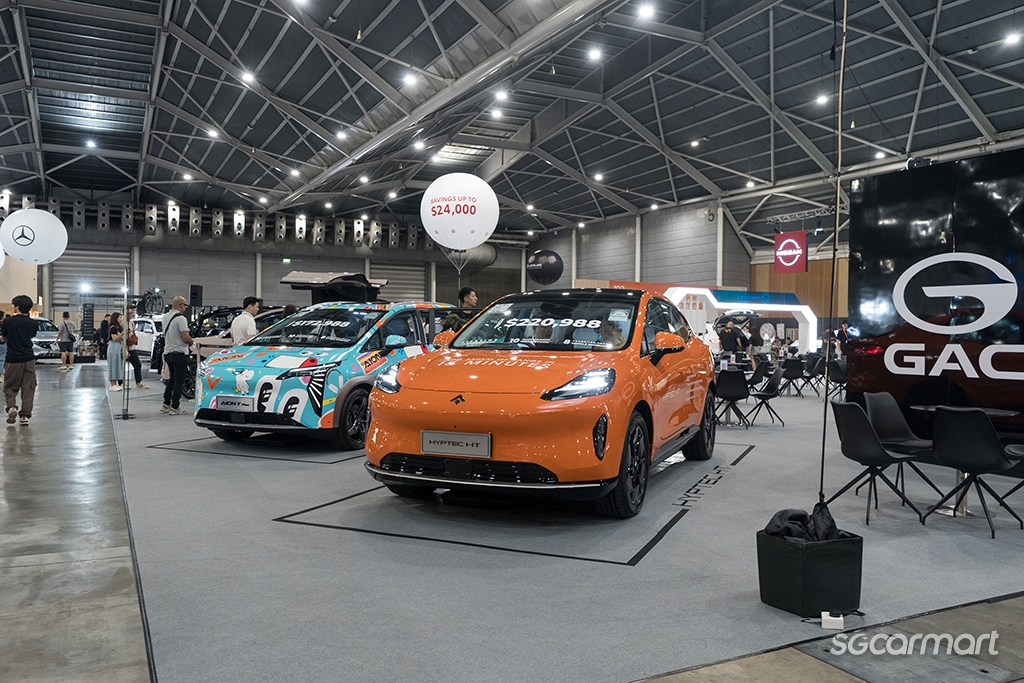
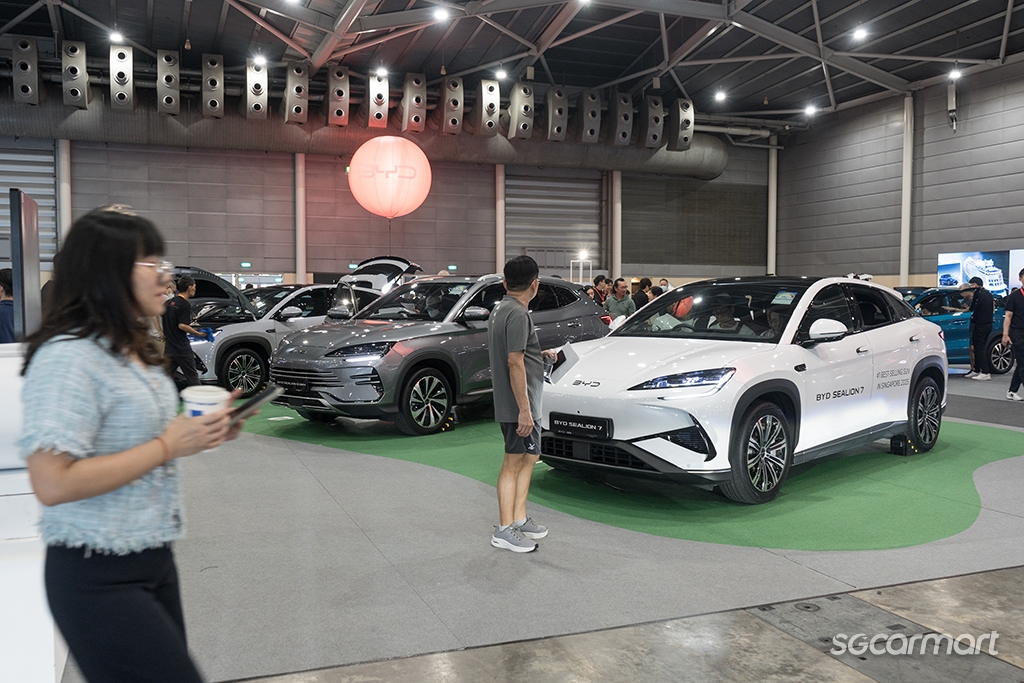
With bids far exceeding the available quota, it appears that customer demand continues to remain high, despite this high-COE environment
1. Sustained customer demand
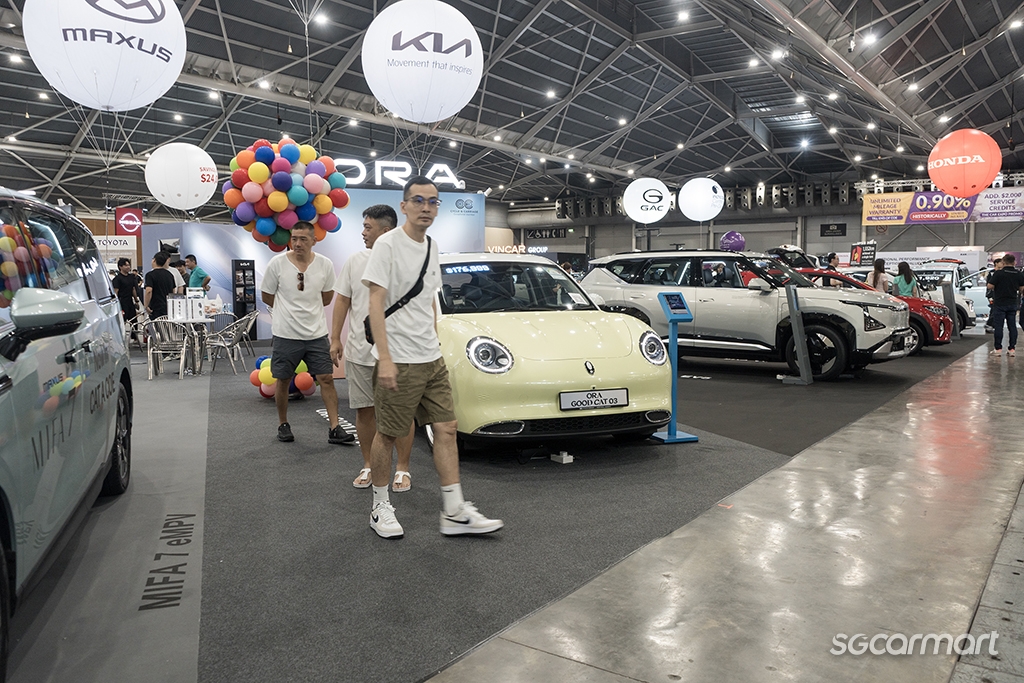
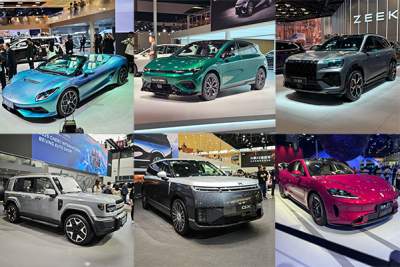
Customer demand continues to be high, aided by the recently concluded The Car Expo. With bids far exceeding the available quota in the previous two bidding rounds (for Cat A by over 100%), it's clear that order books are rather healthy at the moment.
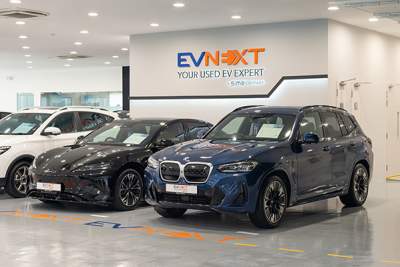
It's here important to reiterate: High COEs indicate high demand. The dinner-table chat often goes that "high COE, no one buying car", but in fact the opposite must be true. Premiums are high because people are buying - and therefore dealers need to fulfil orders.
2. Impending changes to VES/EEAI
As we've previously highlighted, the impending changes to VES and EEAI that kick in in January 2026 means that almost all cars will become more expensive, before COE is factored in. This means that there is incentive both for buyers to lock in their purchases by the end of the year, and also for dealers who are currently holding on to stock to be able to sell these cars before the turn of the calendar.
3. Record-number of car brands in the market
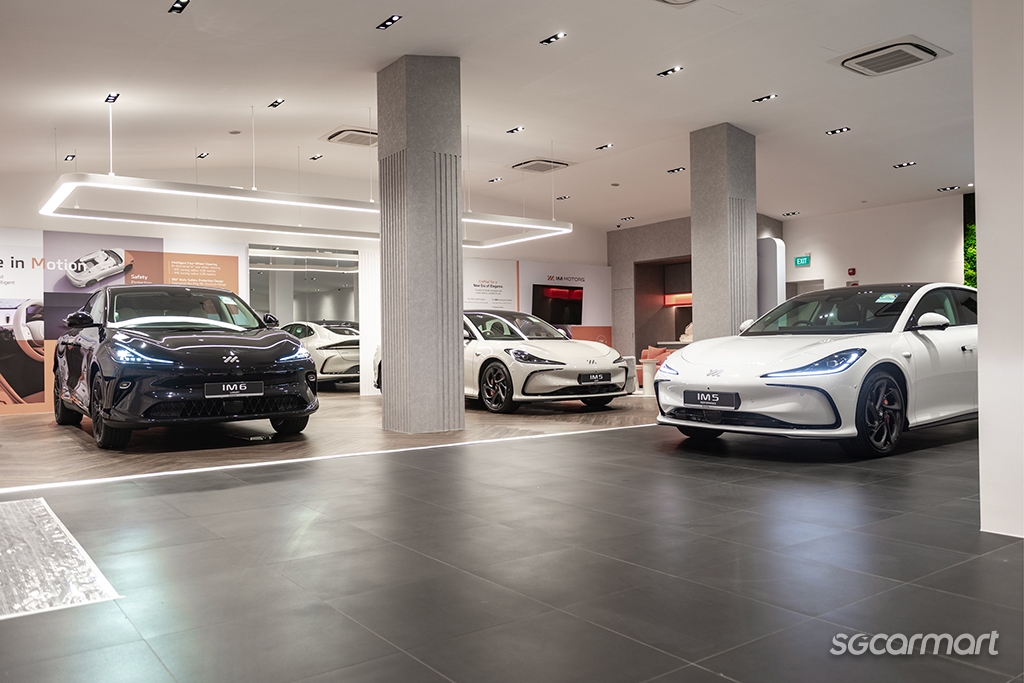
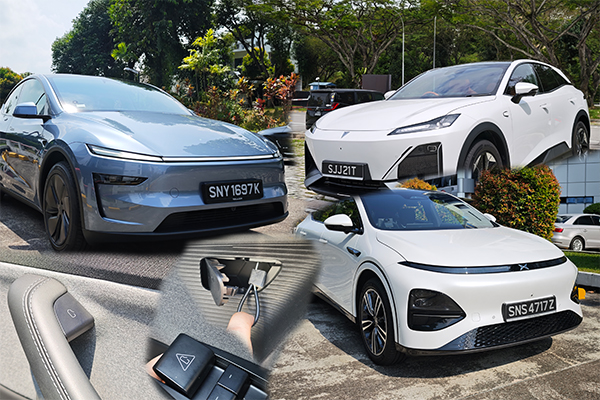
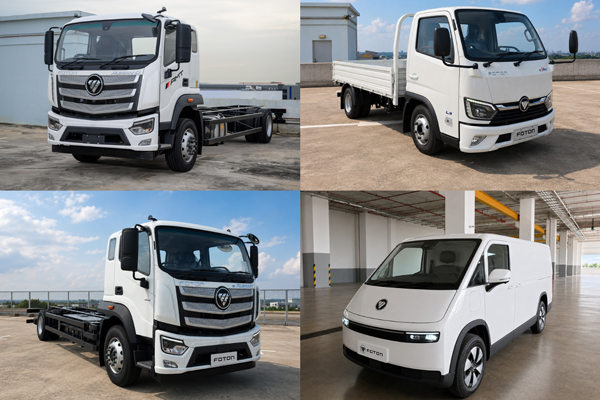
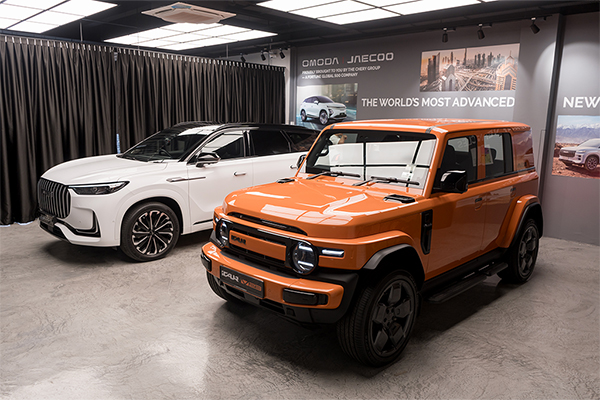
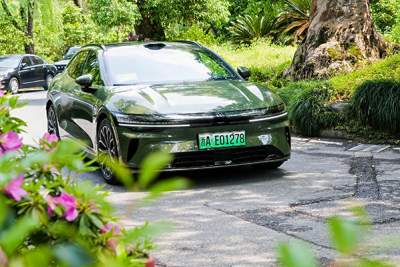
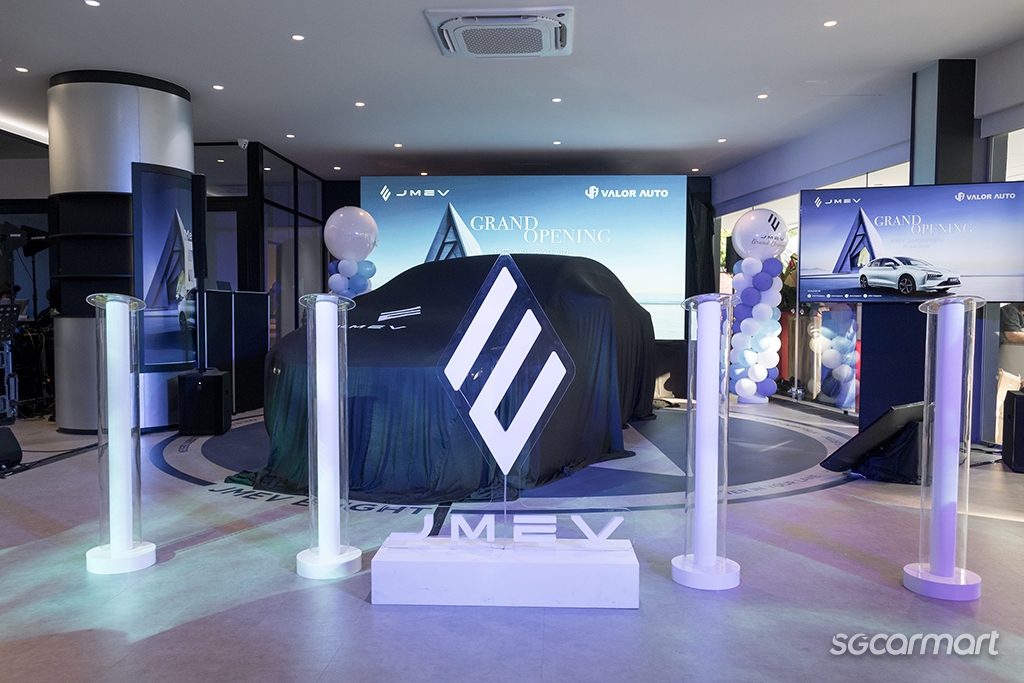
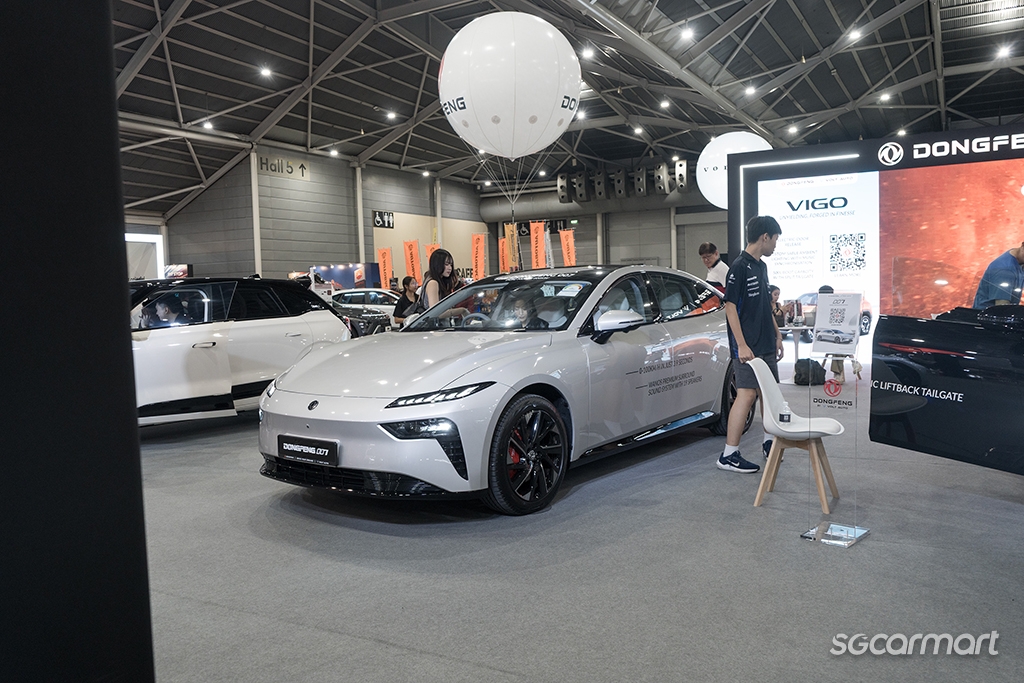
In 2025, we have a record 53 passenger car brands in the market, with many new (mostly Chinese) brands entering in recent years. Obviously, every brand vies to gain a footing in the market and to keep the business profitable and sustainable. And obviously, a car business is contingent on selling cars. This increased competition within a zero-sum market means that there's even more demand for limited COEs.
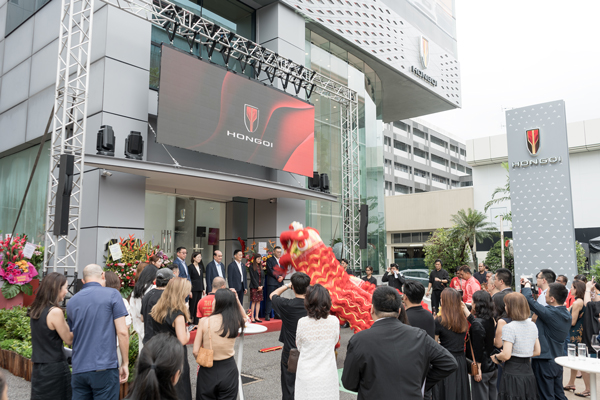
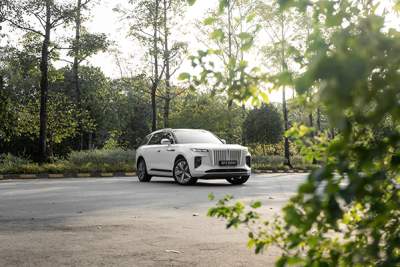
And more brands are slated to come. Nio and Hongqi are two brands already confirmed to launch soon. That means even more competition.
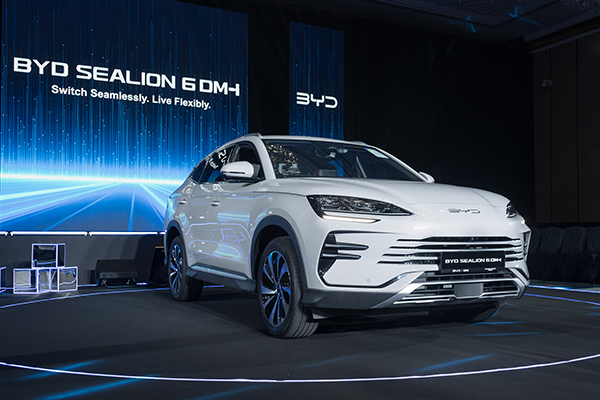
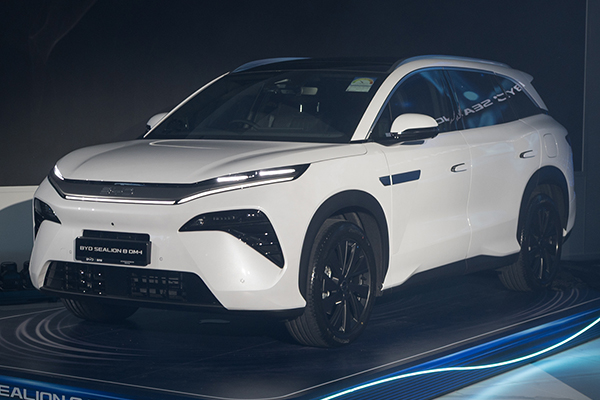
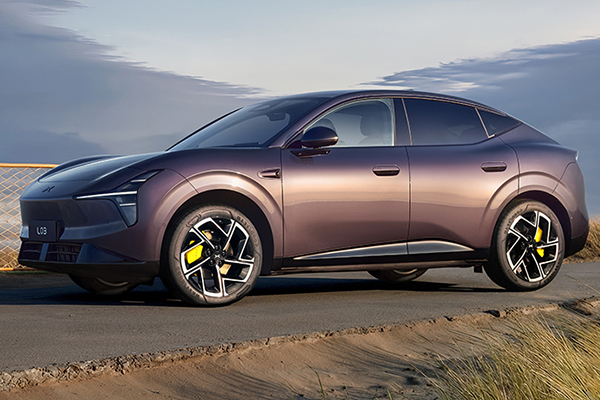
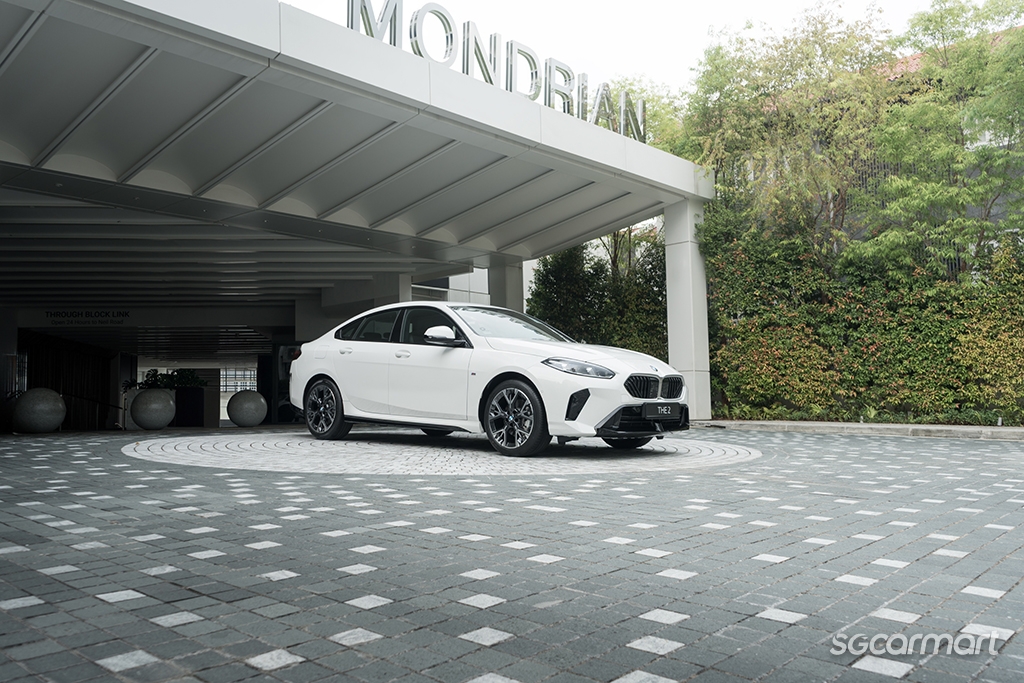
More brands are offering Cat A models give customers a more affordable option, but that also means even greater competition for a limited number of Cat A COEs
4. More Cat A cars than ever before
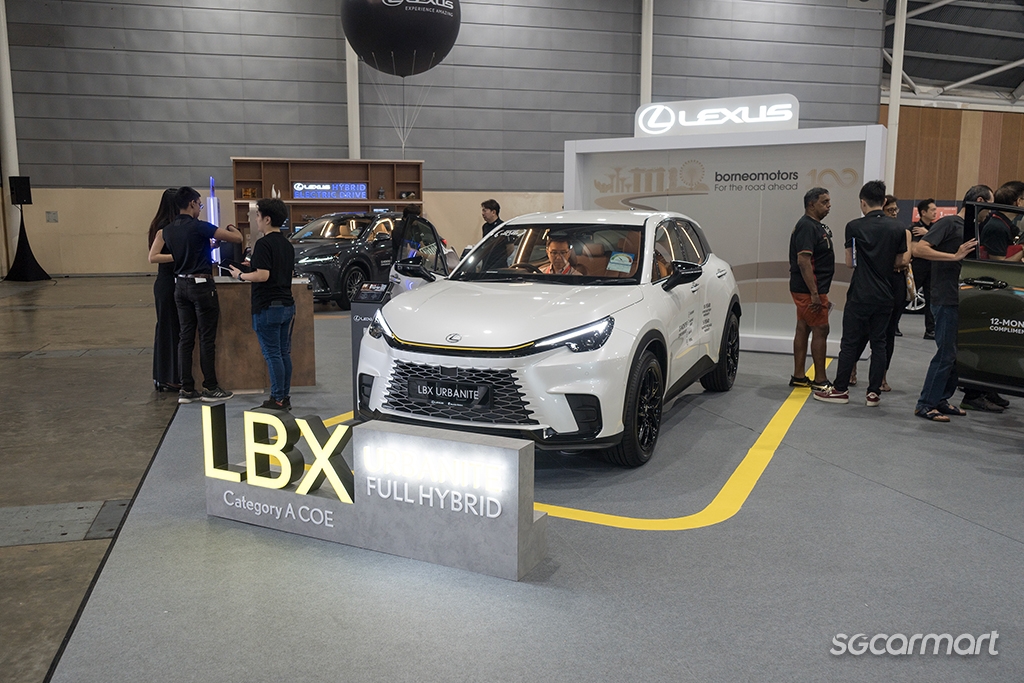
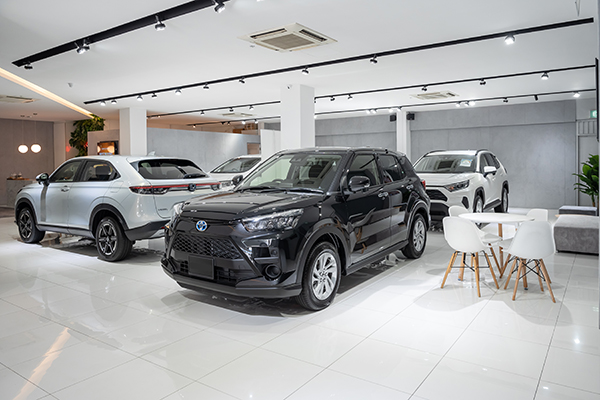
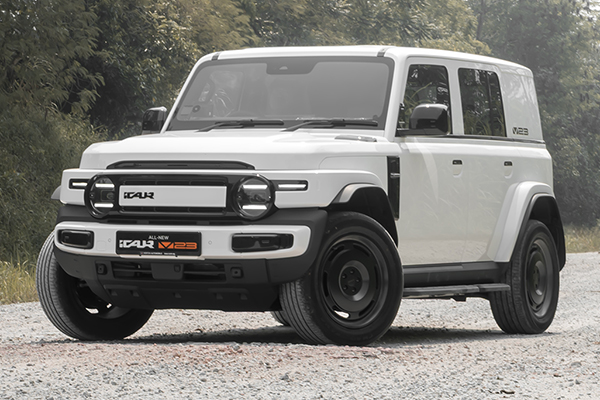
This high COE climate has seen many brands roll out new Cat A-friendly models so that the customer has a cheaper option available. On top of that, we are also seeing more established players bringing in downtuned versions of popular models to compete in that same Cat A segment.
That ultimately means that there's just a lot more cars competing for the same pool of COEs. It's likely why we've seen Cat A premiums spiking the most (and likely will continue).
5. End-of-year flurry
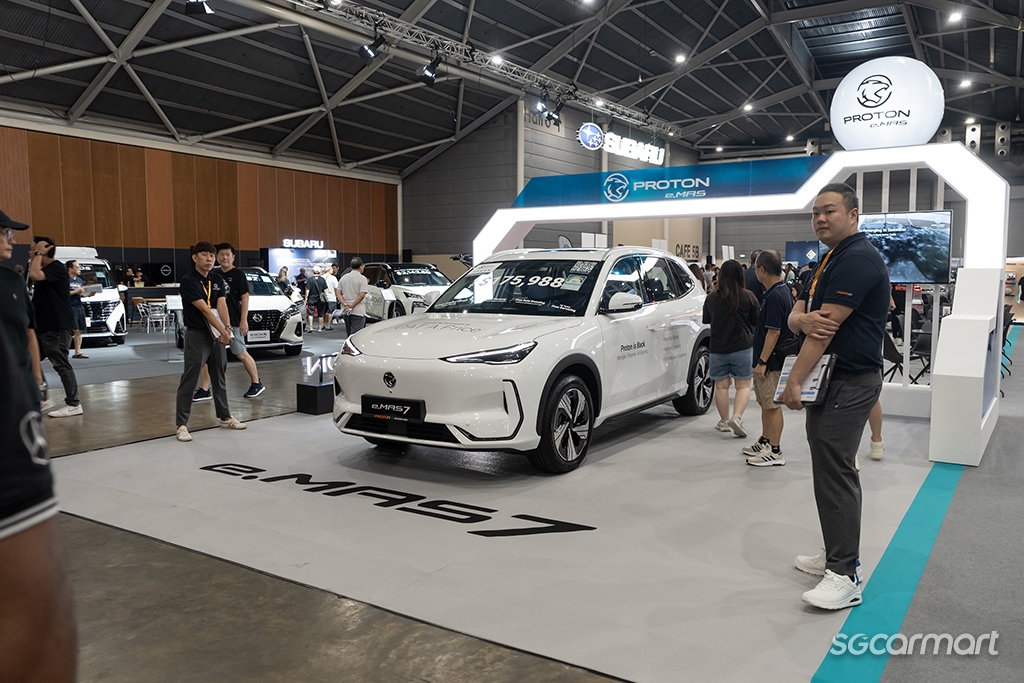
Another factor to look out for is the typical end-of-year flurry from dealerships - eager not just to perhaps clear existing stock, but also in many cases to maximise delivery numbers that directly factor into performance reporting (everyone has a KPI to hit, yes?).
End-of-year sales tends to drive up customer demand. Couple this with the impending policy adjustments and you can see why there's even more reason to complete sales transactions within this calendar year.
6. Increasing wealth
Not for nothing, there are increasingly more people in Singapore who would fall into the necessary car-buying income bracket. According to the Department of Statistics, the percentage of households with monthly employment income over $20,000 has gone up from 2.4% in 2000 to 19.8% in 2024. That figure has grown year-on-year since 2009. This can also tell us that more people in Singapore have the financial means to buy a car in this current price climate.
And, it should also come as no surprise that wealth skews towards the ultra-wealthy - Singapore has the second highest millionaires-per-capita in the world. That also means that purchasing power for luxury goods (which most cars ostensibly are) remains high, and is in fact growing.
With increased competition in the market, impending policy adjustments, and with seemingly no relief in sight on the supply side of the COE equation, this seems the perfect storm to continue to drive COE premiums up to never-seen levels
Conclusion
When you consider all these factors, it feels like a perfect storm where concentrated demand meets limited and unpredictable supply.
Where does this 'end'? It's impossible to know. Could Cat A premiums hit $150,000? Incredulously, it's quite possible. Cat A premiums have gone up by over $9,000 in the past two bidding rounds. 5 rounds remain for 2025, and if that pattern holds, that's a potential $45k increase (though it hopefully will taper off slightly). We're only about $22,000 away from $150,000. Cat B could easily (and quite realistically) follow suit.
The key thing to look out for now is the upcoming announcement by LTA of the COE quota for the coming quarter, which should come towards the end of the month. LTA has stated that the quota will grow each quarter, but the quarter-on-quarter increase has already slowed:
| Period | Total quota for period | Percentage increase over previous period |
| Feb to Apr 2025 | 17,133 | +8% |
| May to July 2025 | 18,232 | +6.4% |
| Aug to Oct 2025 | 18,701 | +2.6% |
Unless LTA serendipitously decides to inject a significant number of COEs (something that did happen one year ago but is unlikely to be repeated), the reality is laid bare for all - COE premiums have just one way to go: Up. This is our brave new world now.
Cat A premiums have once again hit an all-time high. Cat B premiums are edging precipitously close to its all-time record of $150,000. And premiums show no signs of slowing down.
Here are 6 factors that will likely continue to drive COE prices upwards:
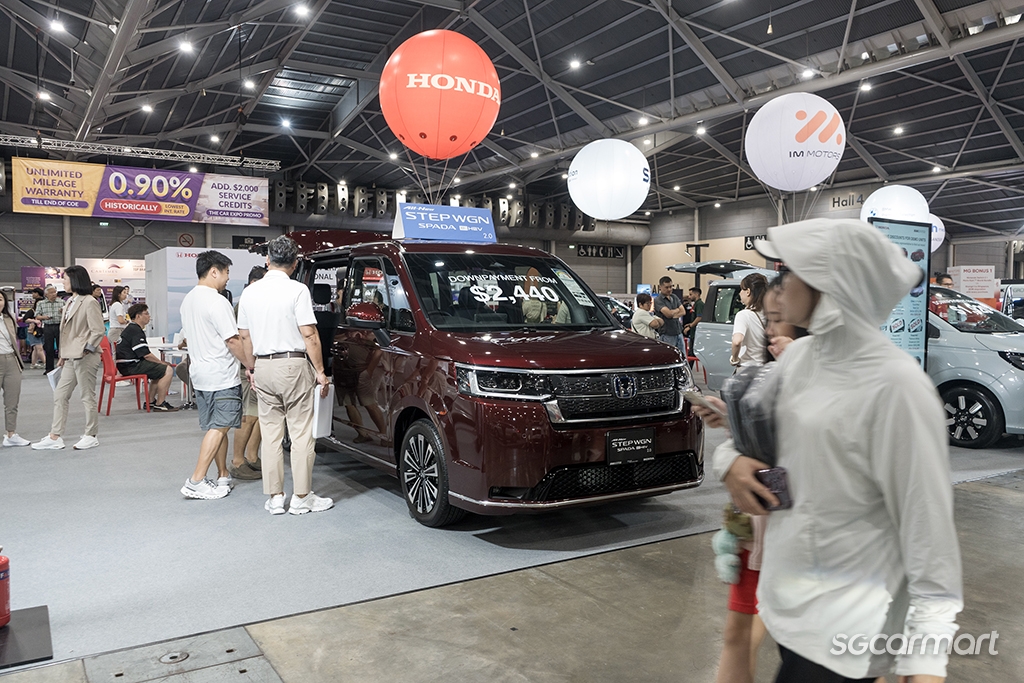
With bids far exceeding the available quota, it appears that customer demand continues to remain high, despite this high-COE environment
1. Sustained customer demand
Customer demand continues to be high, aided by the recently concluded The Car Expo. With bids far exceeding the available quota in the previous two bidding rounds (for Cat A by over 100%), it's clear that order books are rather healthy at the moment.
It's here important to reiterate: High COEs indicate high demand. The dinner-table chat often goes that "high COE, no one buying car", but in fact the opposite must be true. Premiums are high because people are buying - and therefore dealers need to fulfil orders.
2. Impending changes to VES/EEAI
As we've previously highlighted, the impending changes to VES and EEAI that kick in in January 2026 means that almost all cars will become more expensive, before COE is factored in. This means that there is incentive both for buyers to lock in their purchases by the end of the year, and also for dealers who are currently holding on to stock to be able to sell these cars before the turn of the calendar.
3. Record-number of car brands in the market
In 2025, we have a record 53 passenger car brands in the market, with many new (mostly Chinese) brands entering in recent years. Obviously, every brand vies to gain a footing in the market and to keep the business profitable and sustainable. And obviously, a car business is contingent on selling cars. This increased competition within a zero-sum market means that there's even more demand for limited COEs.
And more brands are slated to come. Nio and Hongqi are two brands already confirmed to launch soon. That means even more competition.
More brands are offering Cat A models give customers a more affordable option, but that also means even greater competition for a limited number of Cat A COEs
4. More Cat A cars than ever before
This high COE climate has seen many brands roll out new Cat A-friendly models so that the customer has a cheaper option available. On top of that, we are also seeing more established players bringing in downtuned versions of popular models to compete in that same Cat A segment.
That ultimately means that there's just a lot more cars competing for the same pool of COEs. It's likely why we've seen Cat A premiums spiking the most (and likely will continue).
5. End-of-year flurry
Another factor to look out for is the typical end-of-year flurry from dealerships - eager not just to perhaps clear existing stock, but also in many cases to maximise delivery numbers that directly factor into performance reporting (everyone has a KPI to hit, yes?).
End-of-year sales tends to drive up customer demand. Couple this with the impending policy adjustments and you can see why there's even more reason to complete sales transactions within this calendar year.
6. Increasing wealth
Not for nothing, there are increasingly more people in Singapore who would fall into the necessary car-buying income bracket. According to the Department of Statistics, the percentage of households with monthly employment income over $20,000 has gone up from 2.4% in 2000 to 19.8% in 2024. That figure has grown year-on-year since 2009. This can also tell us that more people in Singapore have the financial means to buy a car in this current price climate.
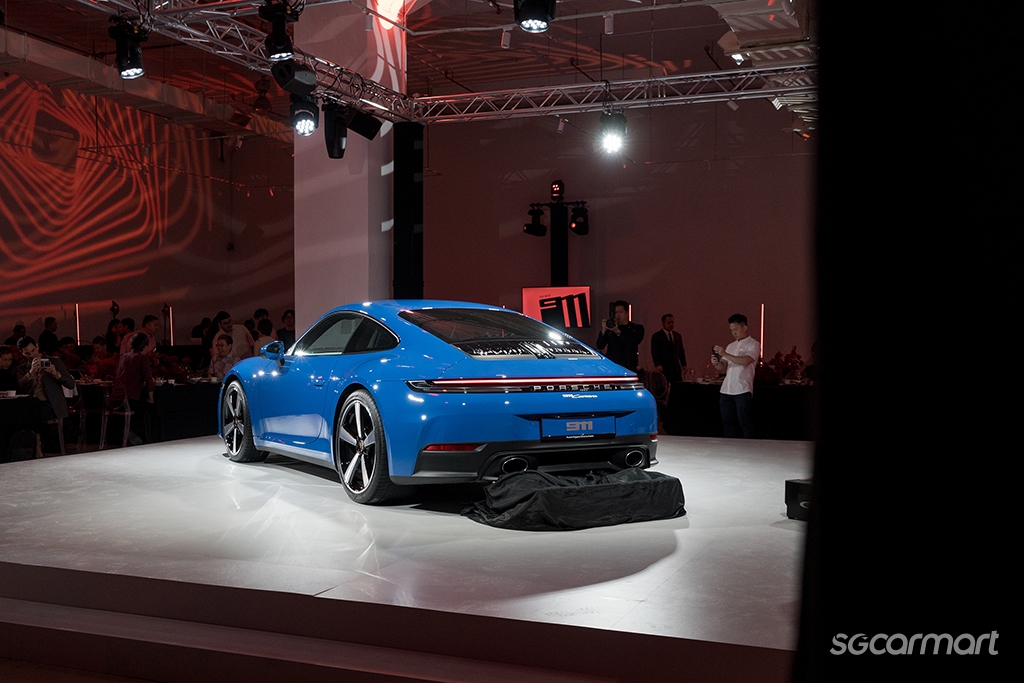
And, it should also come as no surprise that wealth skews towards the ultra-wealthy - Singapore has the second highest millionaires-per-capita in the world. That also means that purchasing power for luxury goods (which most cars ostensibly are) remains high, and is in fact growing.
With increased competition in the market, impending policy adjustments, and with seemingly no relief in sight on the supply side of the COE equation, this seems the perfect storm to continue to drive COE premiums up to never-seen levels
Conclusion
When you consider all these factors, it feels like a perfect storm where concentrated demand meets limited and unpredictable supply.
Where does this 'end'? It's impossible to know. Could Cat A premiums hit $150,000? Incredulously, it's quite possible. Cat A premiums have gone up by over $9,000 in the past two bidding rounds. 5 rounds remain for 2025, and if that pattern holds, that's a potential $45k increase (though it hopefully will taper off slightly). We're only about $22,000 away from $150,000. Cat B could easily (and quite realistically) follow suit.
The key thing to look out for now is the upcoming announcement by LTA of the COE quota for the coming quarter, which should come towards the end of the month. LTA has stated that the quota will grow each quarter, but the quarter-on-quarter increase has already slowed:
| Period | Total quota for period | Percentage increase over previous period |
| Feb to Apr 2025 | 17,133 | +8% |
| May to July 2025 | 18,232 | +6.4% |
| Aug to Oct 2025 | 18,701 | +2.6% |
Unless LTA serendipitously decides to inject a significant number of COEs (something that did happen one year ago but is unlikely to be repeated), the reality is laid bare for all - COE premiums have just one way to go: Up. This is our brave new world now.

Thank You For Your Subscription.