Nissan GT-R - Talking Japanese sports car
29 Sep 2011|10,812 views






Article Courtesy of |
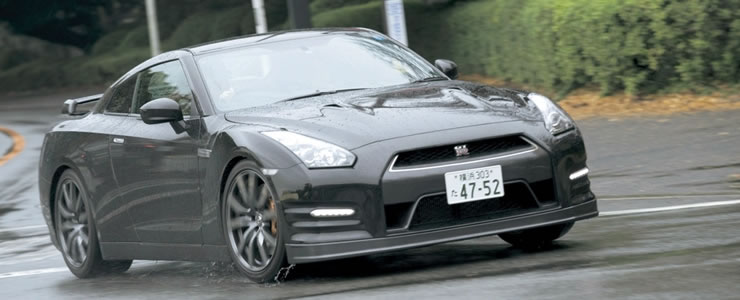 |
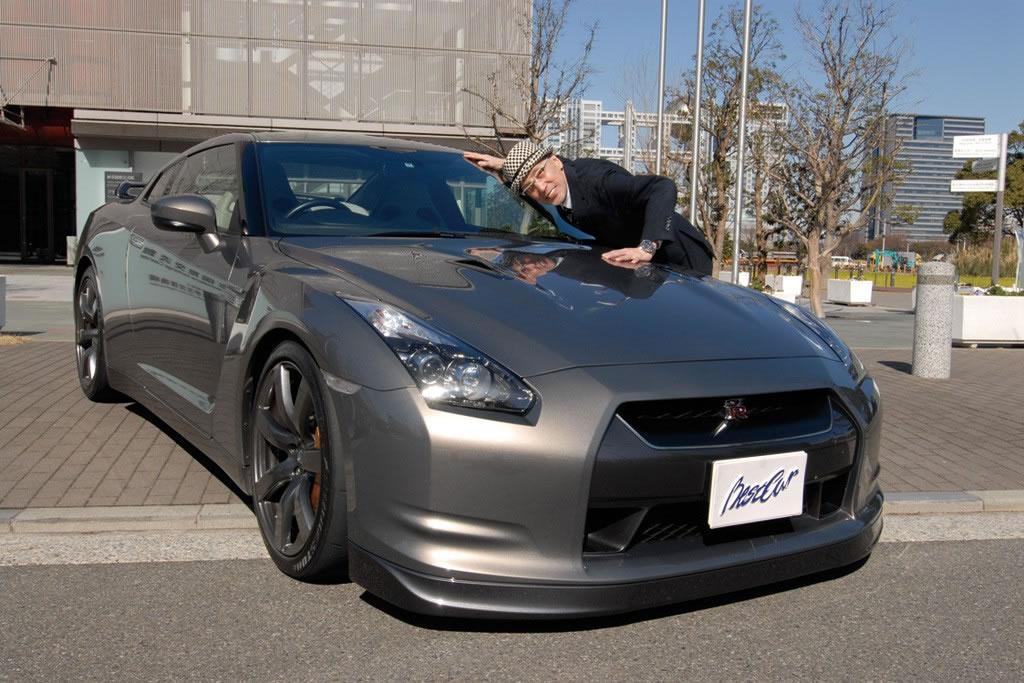
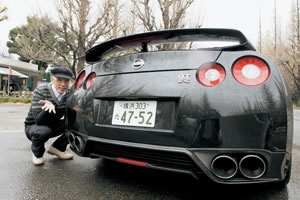
When the current Nissan GT-R debuted in 2007, Soichi Shimizu complained that it had become so large that it resembled an aircraft carrier. I disagreed and instead likened it to a spacecraft carrier - one that would save the world!
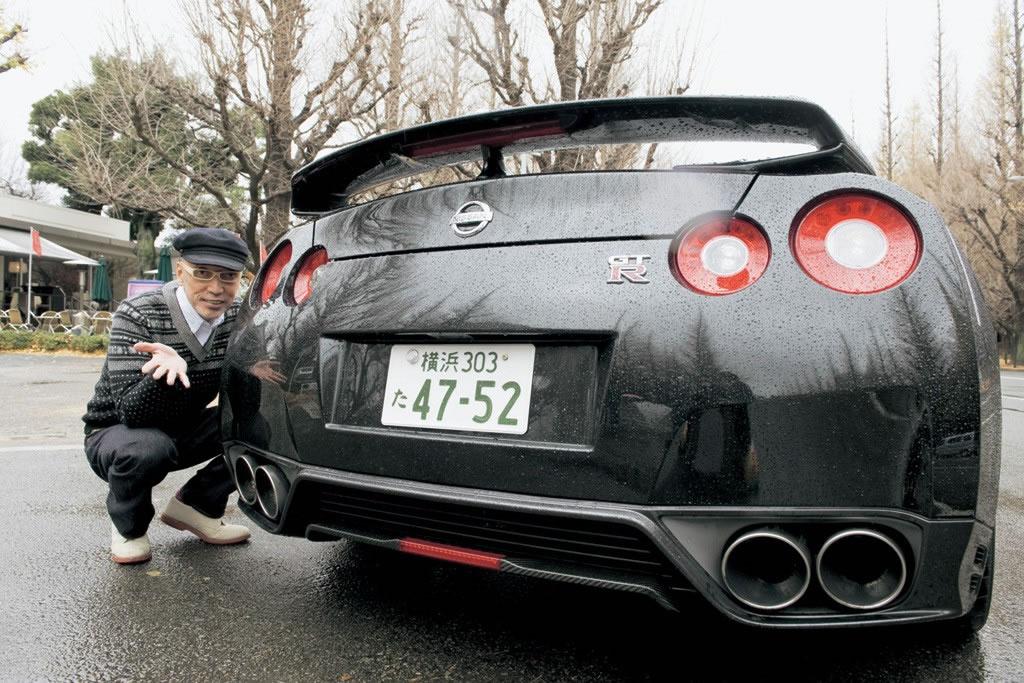
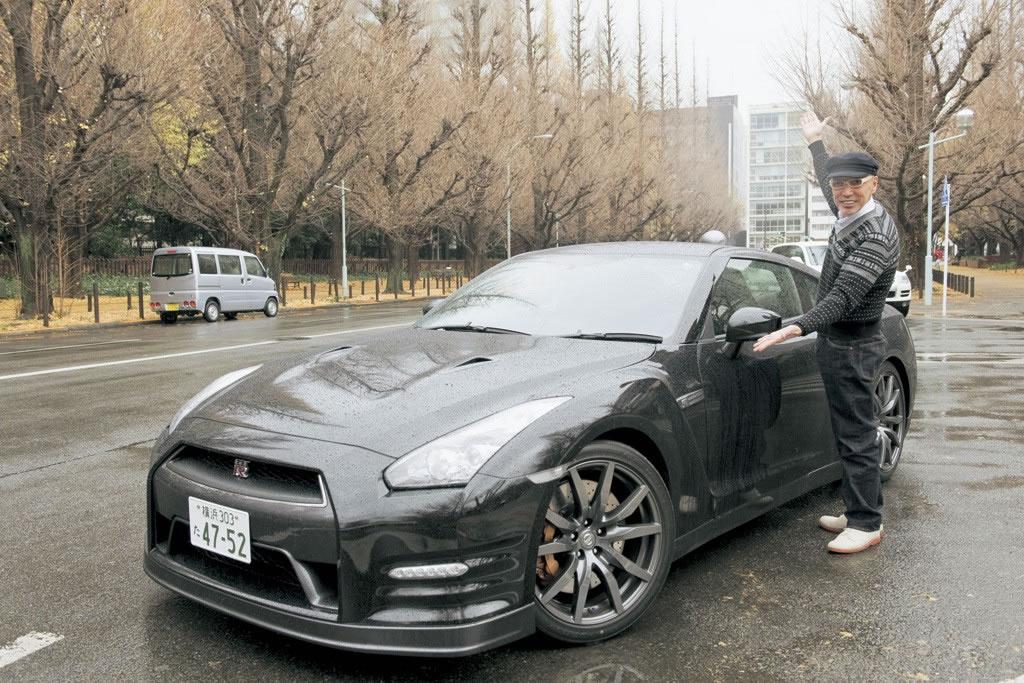
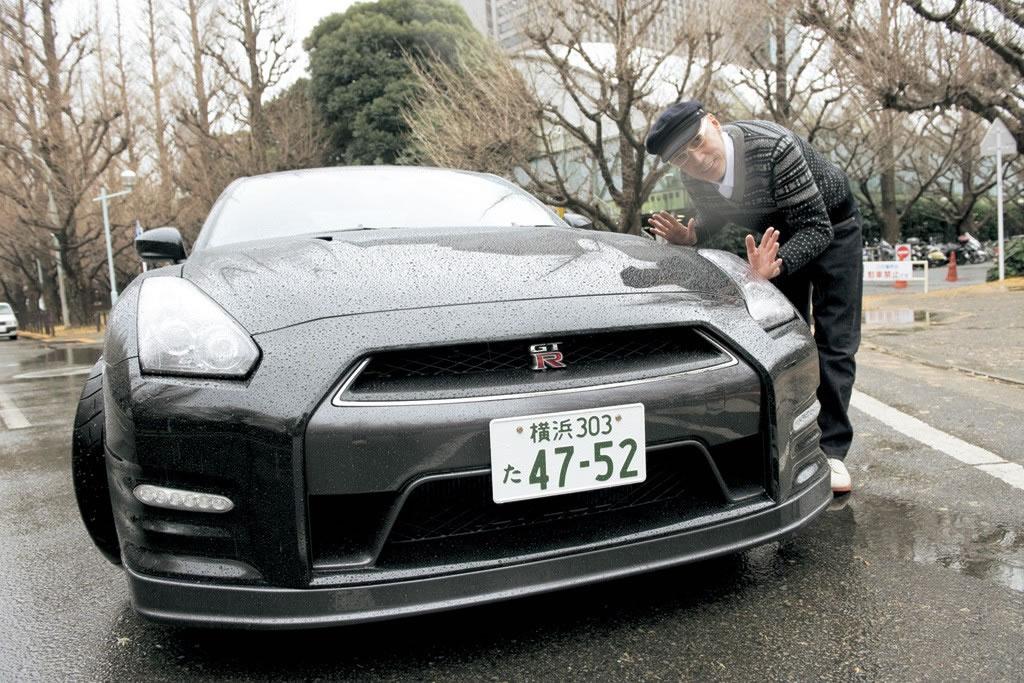
Several years have passed since the GT-R's launch, and it still keeps most of its magic. While it would be easy enough to applaud its 530bhp maximum power, the fact is that it goes beyond a mere assessment of performance. While racers will no doubt find something to complain about, casual drivers like us are in complete awe of GT-R's perfection. Similar to R34 Skyline GT-R, objectivity disappears in the face of GT-R's glory - in that sense, it can be compared to an artistic masterpiece. Also, like any piece of art whose value escalates after its creator's death, the older GT-R models became even more valuable after production has been ceased.
iously, the GT-R was one of Japan's foremost brand names, and its influence was felt even outside the automotive sphere. In fact, the attractive Egoist variant deserved a grand launch party at the Tokyo Dome. And though Nissan's Headquarters at Yokohama had announced the variant on a global scale well before its launch, most Japanese consumers had not been aware of it.
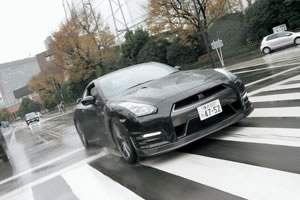 |
The GT-R's overall design will definitely appeal to the Japanese market, especially to fans who feel nostalgic for the 1970s and 1980s. But to German, French and Chinese consumers, it will seem sadly out-dated. Therefore, its body should be streamlined so that it resembles the freshly designed Infiniti Essence, which looks like a car anyone in the world can appreciate. Nissan could also follow Audi's example and create new, bold colours to broaden its cars' appeal.
It is interesting to note that most Japanese consumers do not recognise the beauty of domestic inventions until they attain international success. Consumers also tend to admire things from afar and balk when they see it up close. Such is the case with the GT-R.
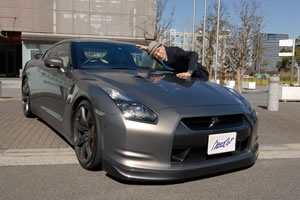
For the GT-R to survive in the Japanese market, several changes have to be made. First, Nissan could develop several smaller sports models. The GT-R is understandably huge in order to make it attractive to international buyers, but it is much too large for Japan. In fact, I would not be able to drive along the narrow streets of my hometown, Kamakura, in a GT-R.
 |
Petrol-heads will rightly question how a downgraded model can hope to match the original car's performance. While smaller cars will obviously pale in comparison to the GT-R, Nissan could use their extensive experience in the development of sports models to their advantage. Just as Porsche produces the Cayenne and Panamera to boost its reputation, Nissan could consider developing a 4-door GT-R or even an SUV. Not only will this enhance the brand's image, it will also potentially expand the automaker's market share.
European automakers like Ferrari and Aston Martin have been emerging with sleeker organic designs, and other automakers are racing to keep up. Therefore, the GT-R's aggressive, straight body will stand out all the more.
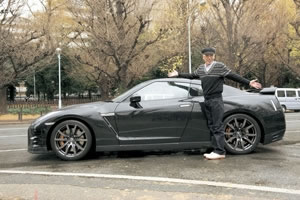 |
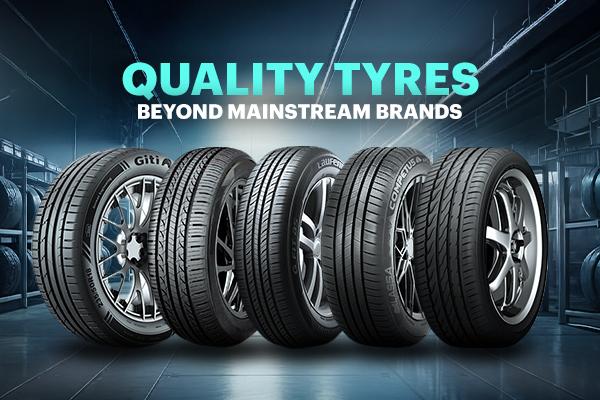
It would be wonderful if Nissan could do something to address this maintenance issue. For example, it could do away with Dunlop or Bridgestone tyres and instead install ones manufactured in Korea or Taiwan. Then the burden to maintain the car would not be so hard on the owner.
Another pertinent issue is the depressing state of Japan's sports car market. Cars as famous as the Honda NSX, Toyota Supra, Mitsubishi GTO and Mazda RX-7 have disappeared. Even if production of the compact NSX and Supra were resumed, their development costs may keep prices high.
The last hope of Japanese automakers is to focus on developing more sports variants of their famous subcompacts. These include the Toyota Vitz, Nissan March, Honda Fit, Mazda Demio, Mitsubishi Colt and Suzuki Swift. Automakers could try developing lightweight models with manual transmission and enter them in international races - the enhancements can even be as simple as painting the body with matte black paint and pasting a number on the hood. All it takes to start the trend is a single adventurous automaker - will Nissan be the one? Best Car certainly hopes so!
 |
 |
| Article Courtesy of |
|
When the current Nissan GT-R debuted in 2007, Soichi Shimizu complained that it had become so large that it resembled an aircraft carrier. I disagreed and instead likened it to a spacecraft carrier - one that would save the world!
Several years have passed since the GT-R's launch, and it still keeps most of its magic. While it would be easy enough to applaud its 530bhp maximum power, the fact is that it goes beyond a mere assessment of performance. While racers will no doubt find something to complain about, casual drivers like us are in complete awe of GT-R's perfection. Similar to R34 Skyline GT-R, objectivity disappears in the face of GT-R's glory - in that sense, it can be compared to an artistic masterpiece. Also, like any piece of art whose value escalates after its creator's death, the older GT-R models became even more valuable after production has been ceased.
iously, the GT-R was one of Japan's foremost brand names, and its influence was felt even outside the automotive sphere. In fact, the attractive Egoist variant deserved a grand launch party at the Tokyo Dome. And though Nissan's Headquarters at Yokohama had announced the variant on a global scale well before its launch, most Japanese consumers had not been aware of it.
|
The GT-R's overall design will definitely appeal to the Japanese market, especially to fans who feel nostalgic for the 1970s and 1980s. But to German, French and Chinese consumers, it will seem sadly out-dated. Therefore, its body should be streamlined so that it resembles the freshly designed Infiniti Essence, which looks like a car anyone in the world can appreciate. Nissan could also follow Audi's example and create new, bold colours to broaden its cars' appeal.
It is interesting to note that most Japanese consumers do not recognise the beauty of domestic inventions until they attain international success. Consumers also tend to admire things from afar and balk when they see it up close. Such is the case with the GT-R.
For the GT-R to survive in the Japanese market, several changes have to be made. First, Nissan could develop several smaller sports models. The GT-R is understandably huge in order to make it attractive to international buyers, but it is much too large for Japan. In fact, I would not be able to drive along the narrow streets of my hometown, Kamakura, in a GT-R.
|
Petrol-heads will rightly question how a downgraded model can hope to match the original car's performance. While smaller cars will obviously pale in comparison to the GT-R, Nissan could use their extensive experience in the development of sports models to their advantage. Just as Porsche produces the Cayenne and Panamera to boost its reputation, Nissan could consider developing a 4-door GT-R or even an SUV. Not only will this enhance the brand's image, it will also potentially expand the automaker's market share.
European automakers like Ferrari and Aston Martin have been emerging with sleeker organic designs, and other automakers are racing to keep up. Therefore, the GT-R's aggressive, straight body will stand out all the more.
|
It would be wonderful if Nissan could do something to address this maintenance issue. For example, it could do away with Dunlop or Bridgestone tyres and instead install ones manufactured in Korea or Taiwan. Then the burden to maintain the car would not be so hard on the owner.
Another pertinent issue is the depressing state of Japan's sports car market. Cars as famous as the Honda NSX, Toyota Supra, Mitsubishi GTO and Mazda RX-7 have disappeared. Even if production of the compact NSX and Supra were resumed, their development costs may keep prices high.
The last hope of Japanese automakers is to focus on developing more sports variants of their famous subcompacts. These include the Toyota Vitz, Nissan March, Honda Fit, Mazda Demio, Mitsubishi Colt and Suzuki Swift. Automakers could try developing lightweight models with manual transmission and enter them in international races - the enhancements can even be as simple as painting the body with matte black paint and pasting a number on the hood. All it takes to start the trend is a single adventurous automaker - will Nissan be the one? Best Car certainly hopes so!
|
|


Thank You For Your Subscription.


Tags
Products & Services

For Owners
Quick Links
About Sgcarmart