XPENG: Not just a carmaker, but a tech giant in the making
06 Dec 2025|779 views

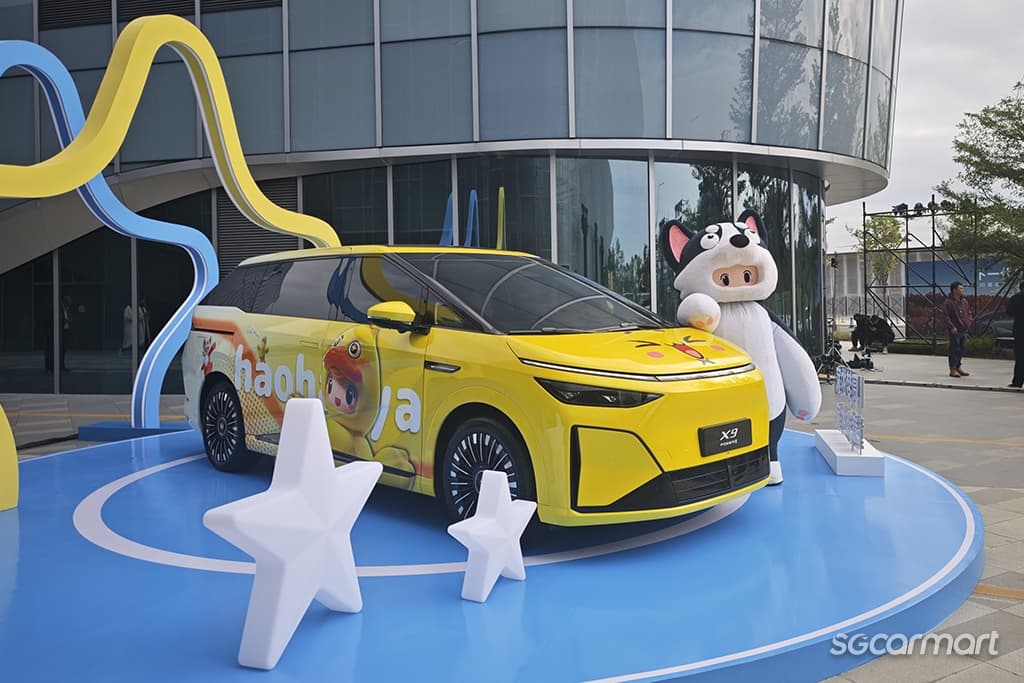


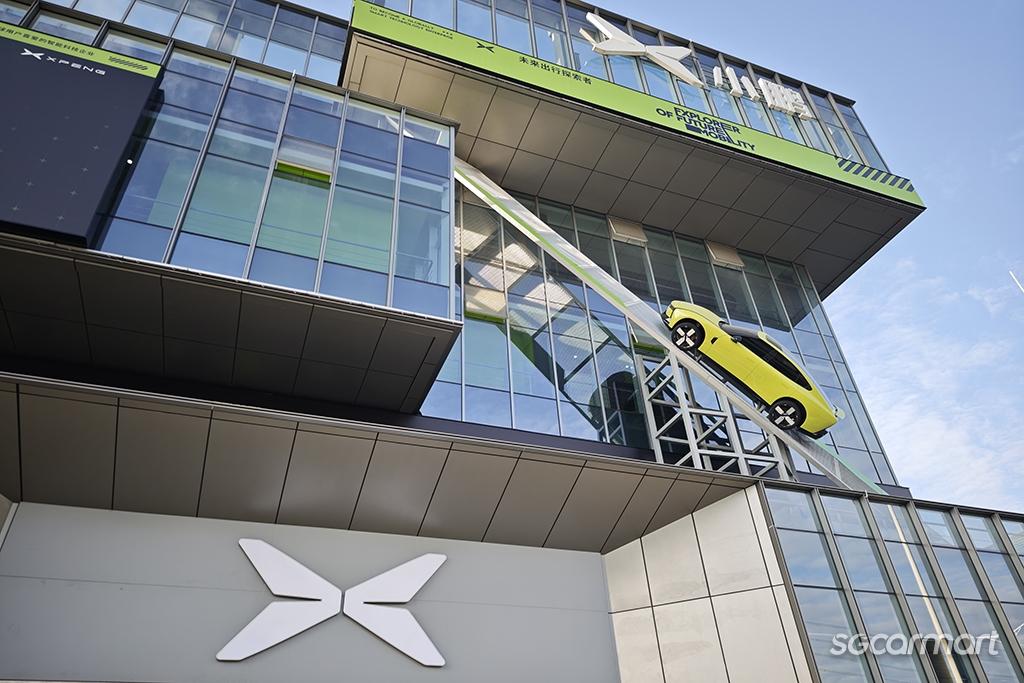
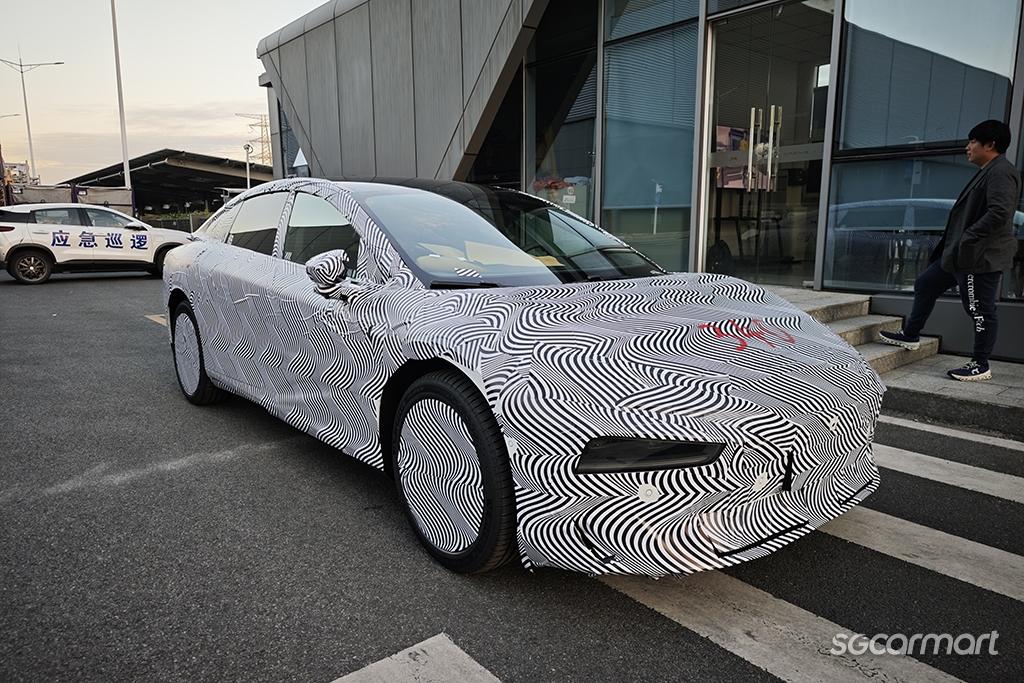
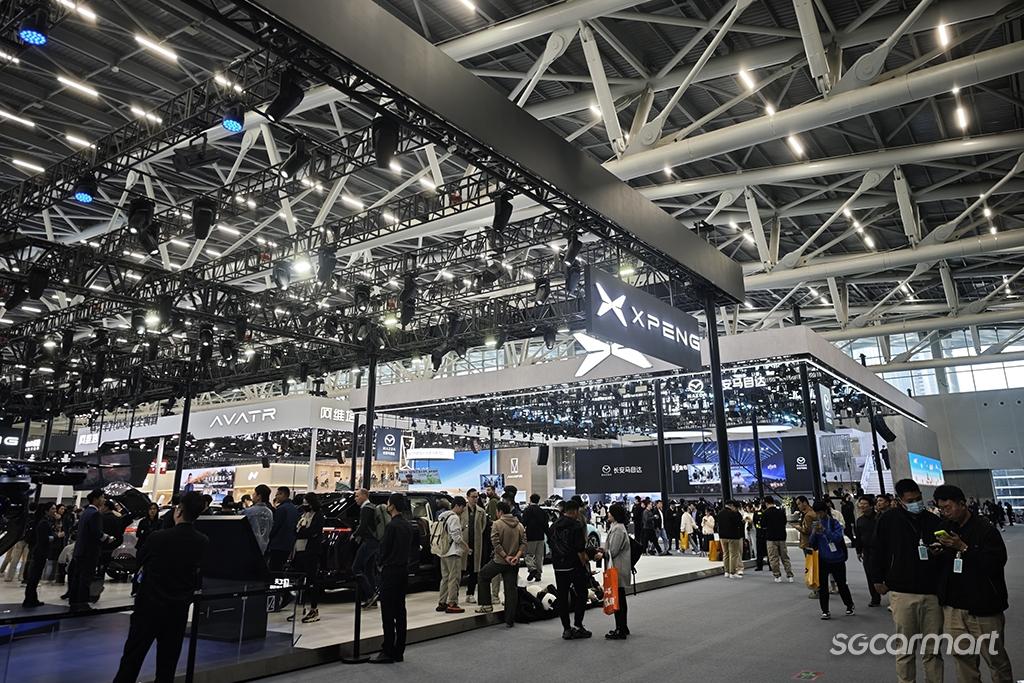
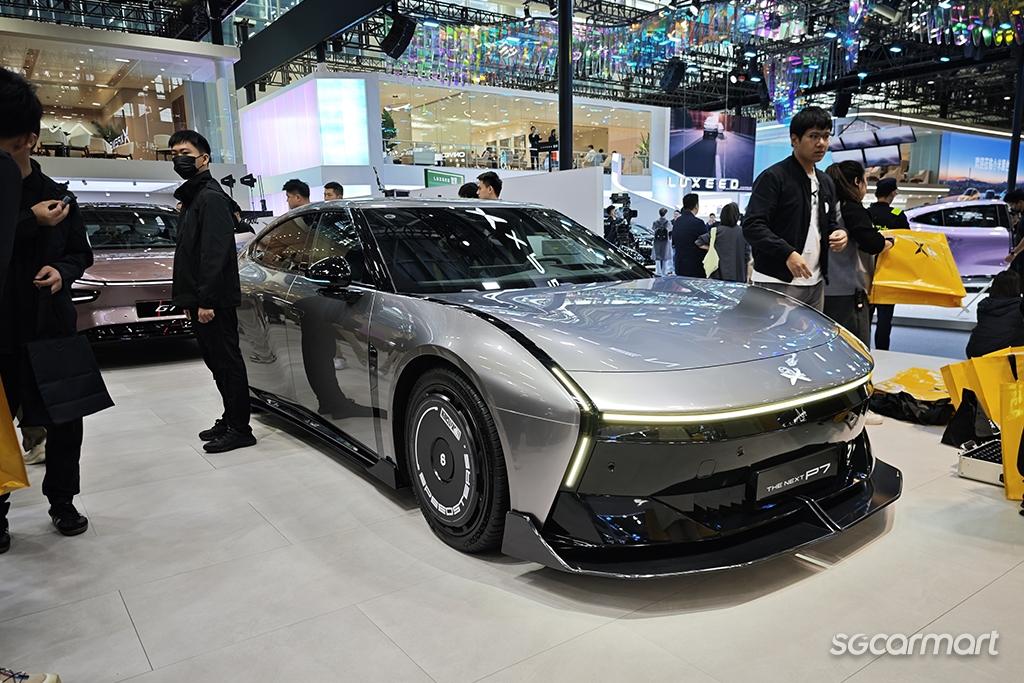
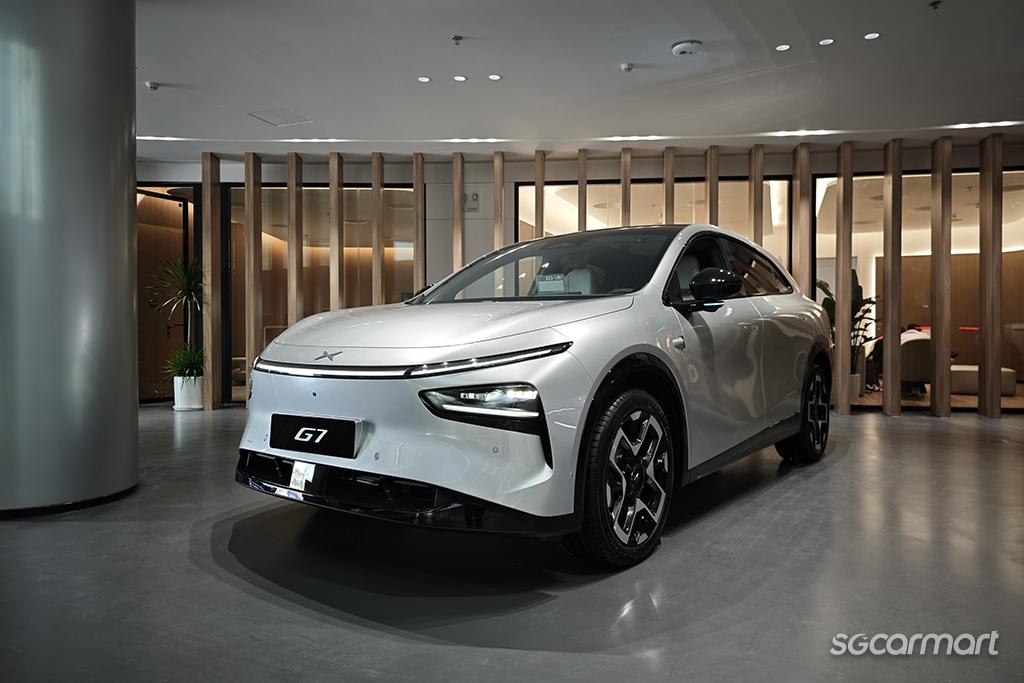
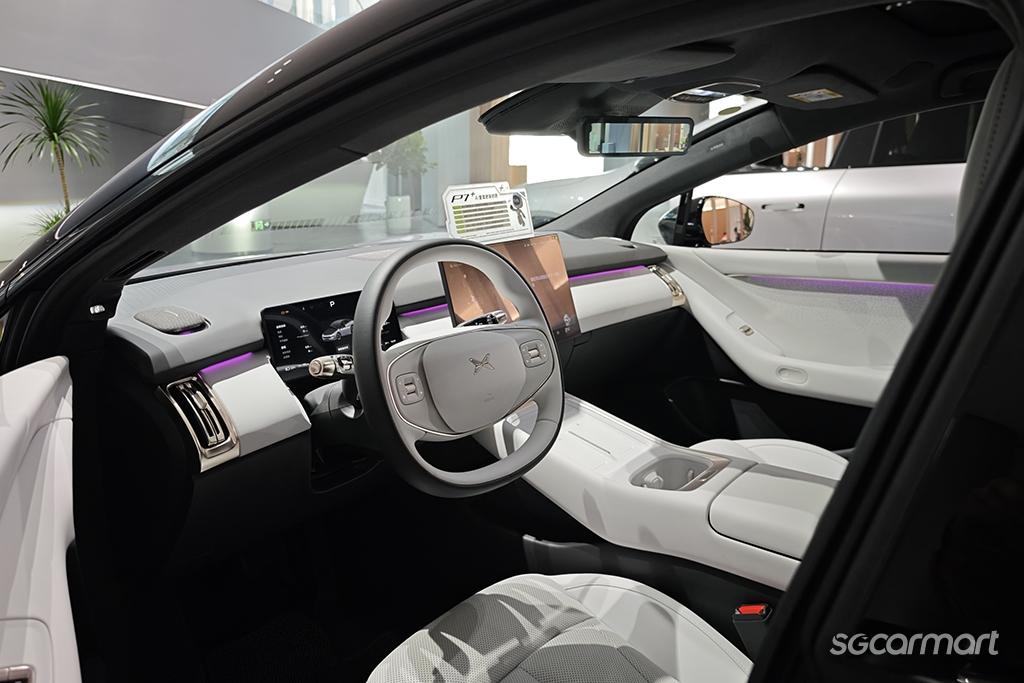
My most recent trip to Guangzhou is the third time I was invited by XPENG on a media trip to experience its products and to learn more about the brand.
One thing has always been mentioned by the brand's representatives, "XPENG isn't a car company, it is a tech company that also make cars", and it had only just started to make sense to me. Puzzled? Let's try to figure out what it means, and why.
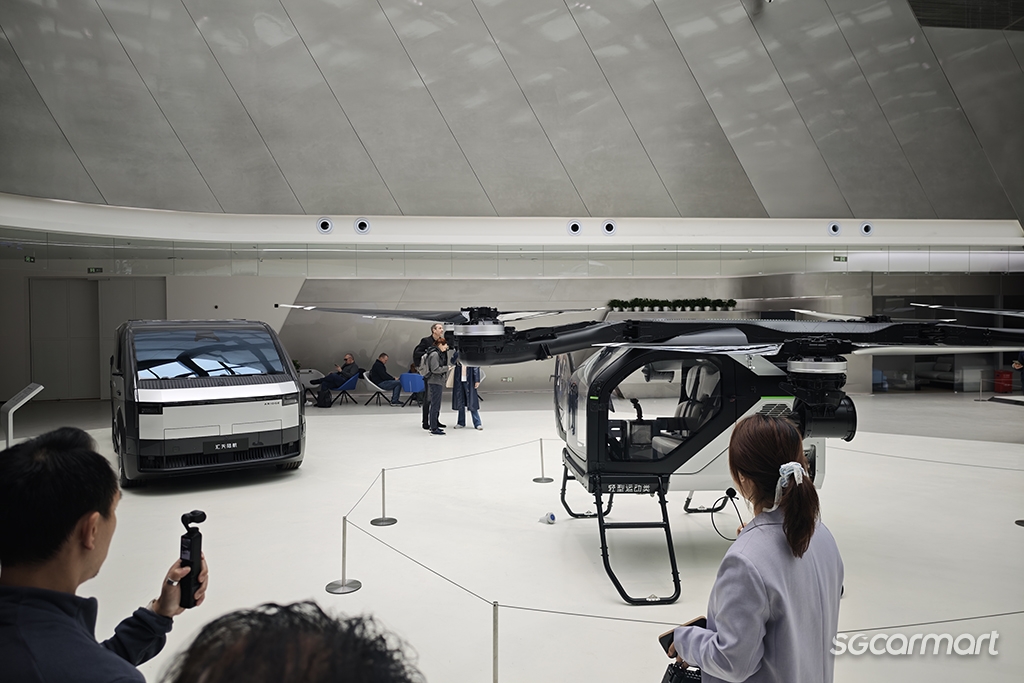
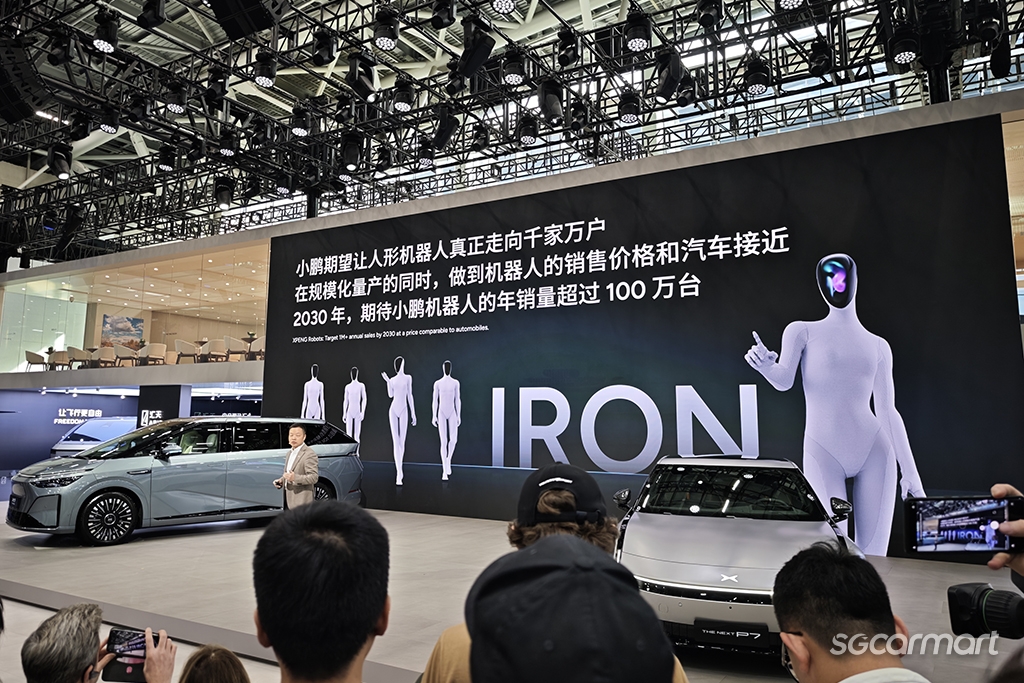
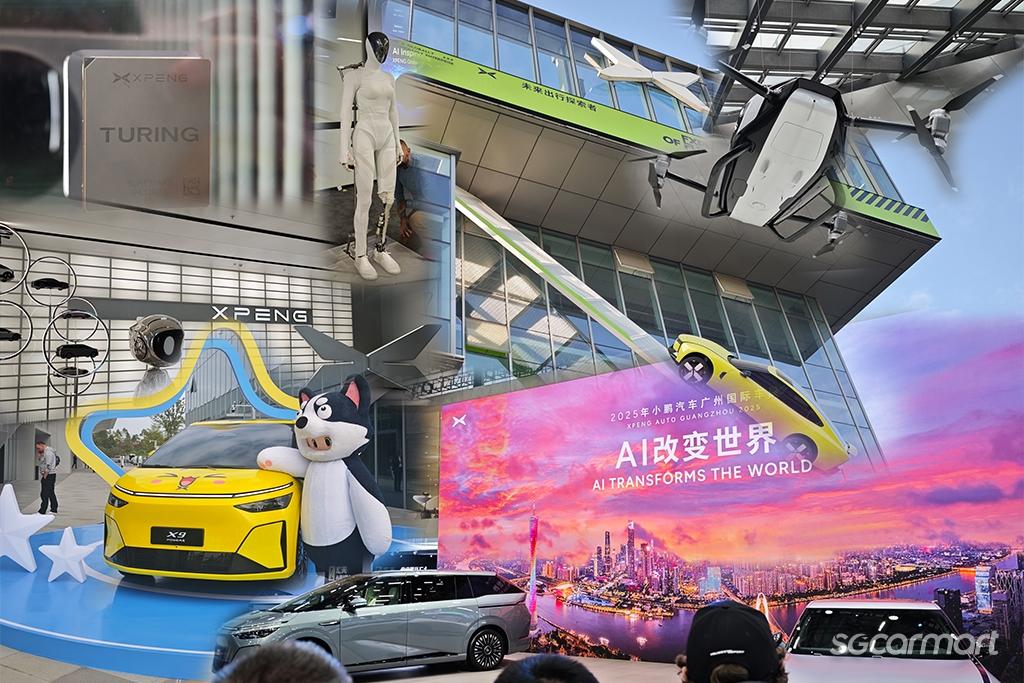
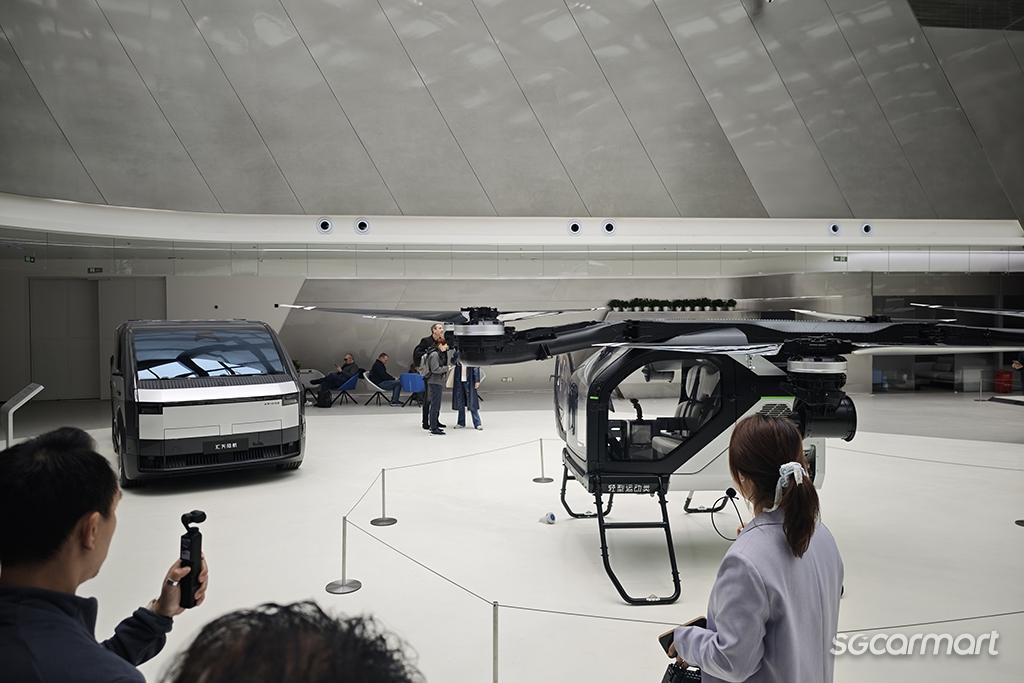
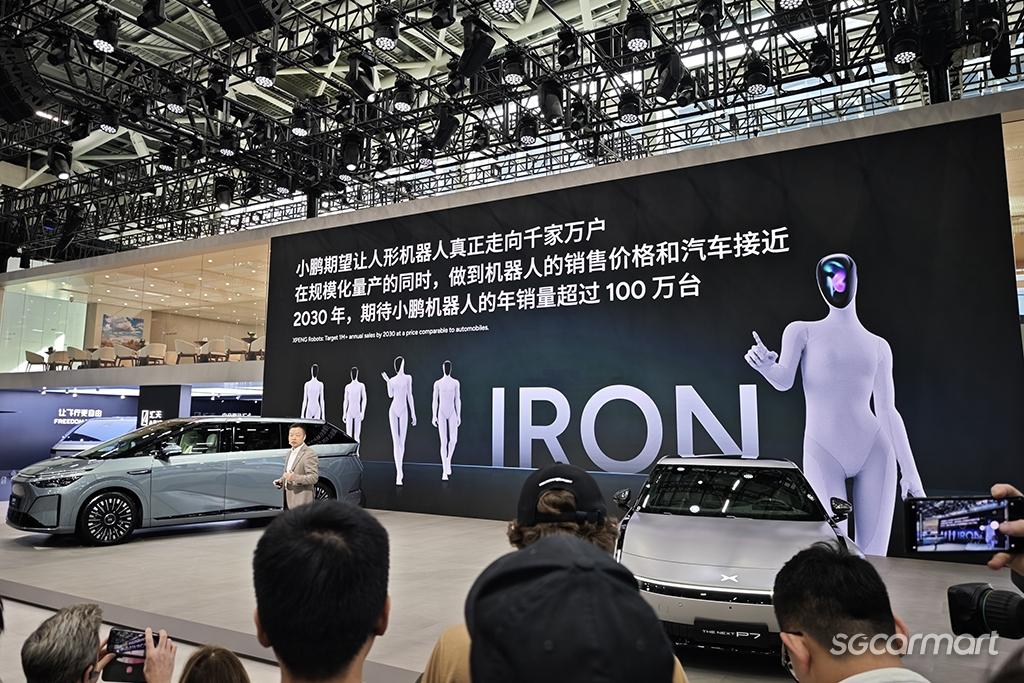
Flying vehicles, robots and computer chips, XPENG makes much more than cars
Robots, flying vehicles, and computer chips
If you perceive XPENG as a typical automobile manufacturer, its various non-automotive endeavours make little sense. Why should a car brand be wasting precious resources on robots, flying vehicles and computer chips that doesn't directly improve the cars they make?
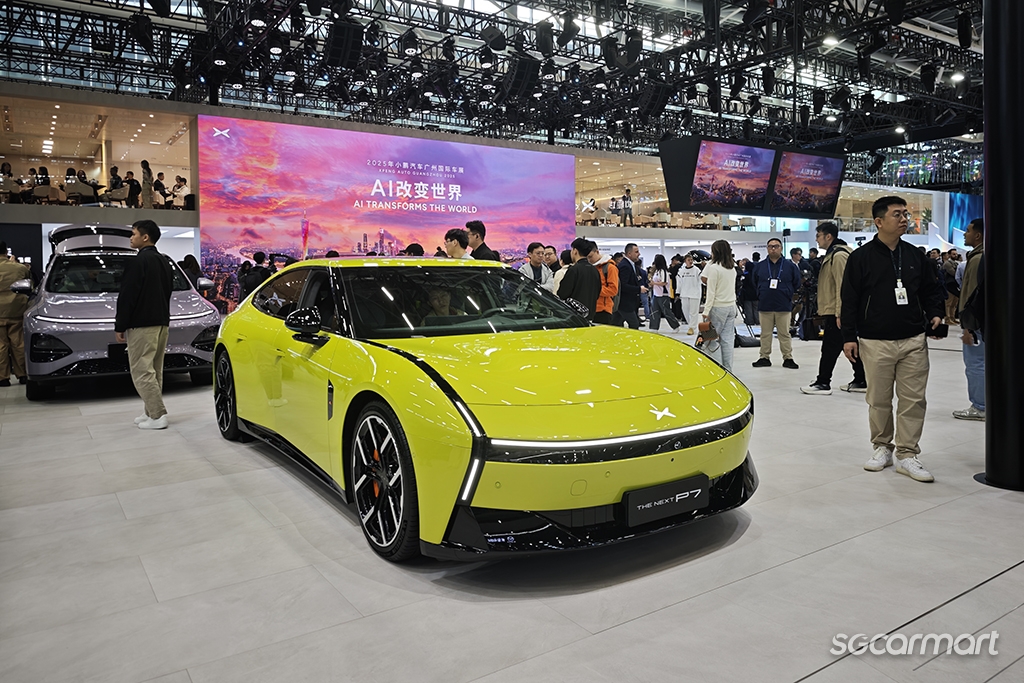
But XPENG isn't just another automobile manufacturer, in fact it perceives itself as a tech company first, and the cars are just one of its products.
So, how does it all fit into the company's ecosystem? For now, the spotlight seems to be on artificial intelligence (AI). AI is a core component tied into all products from XPENG, including the robots, flying vehicles and its cars. It is also where the decision to manufacture computer chips came from - AI requires massive processing power and the computer chip allows that.
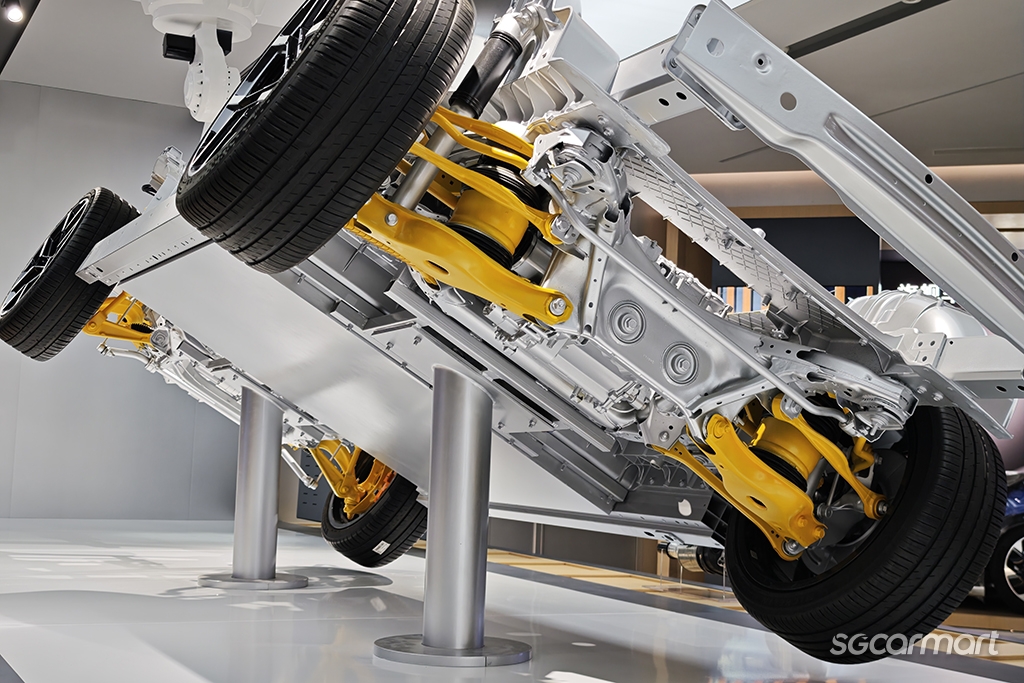
Unlike your typical carmaker, XPENG allocates more efforts and resources on its AI, tech and software systems
How is XPENG a tech company?
An automobile manufacturer's main products are its cars, and development is typically focused on components of the cars they make - such as more efficient engines, transmissions, and components such as suspension systems.
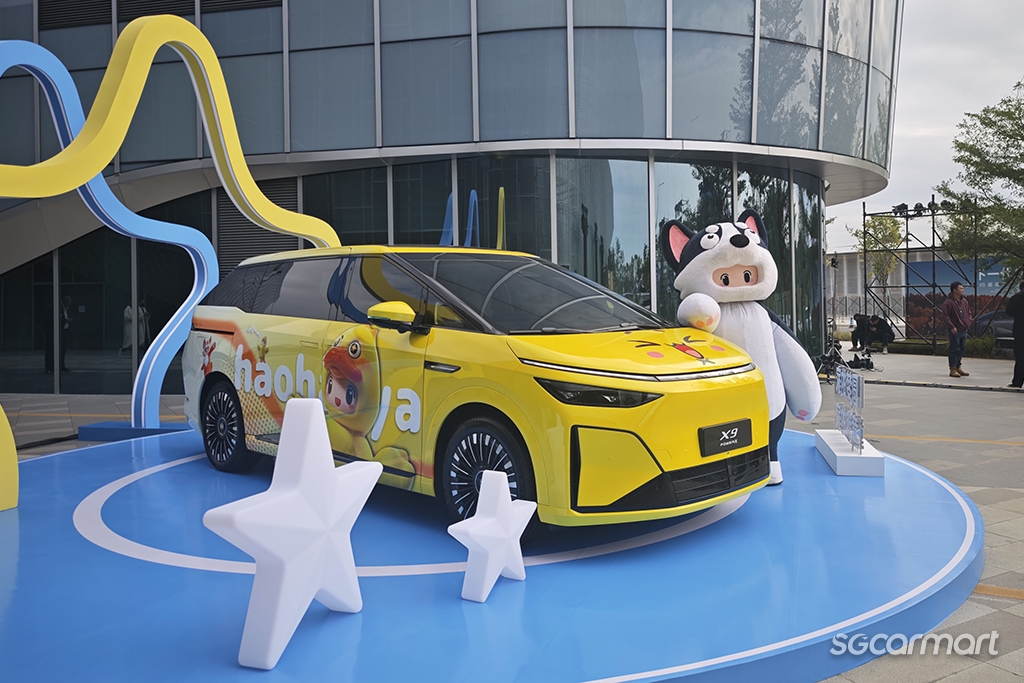
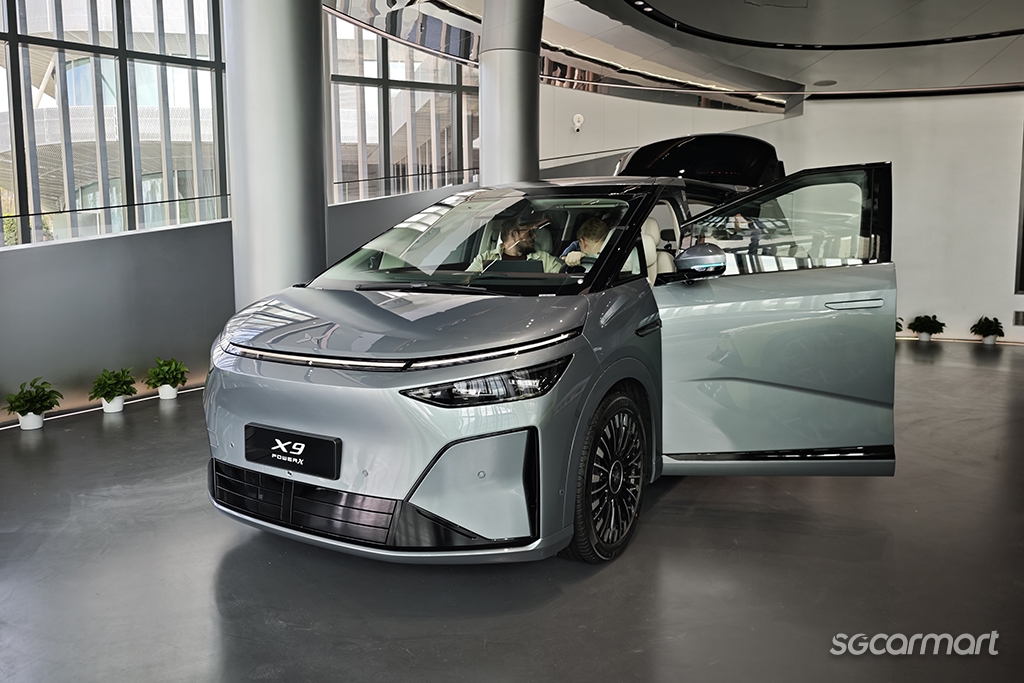
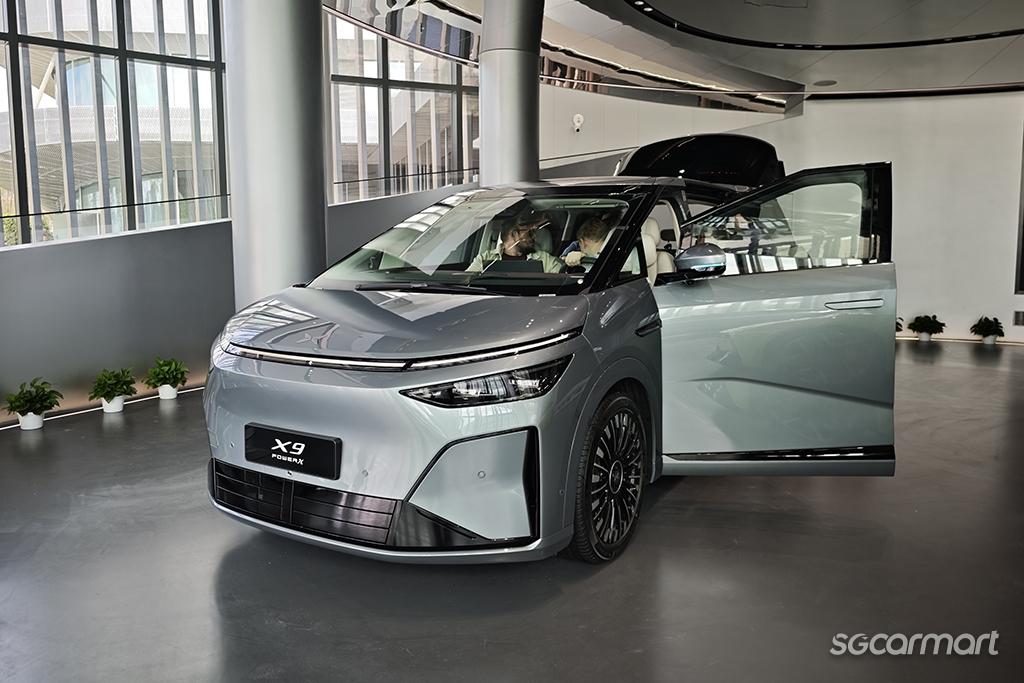
XPENG's latest X9 Power X is a Range-Extended EV built on the brand's latest SEPA 3.0 platform; its powertrain includes an externally-sourced engine
XPENG operates differently and here's an example: The range-extender engine that powers the brand's first petrol-hybrid model, the X9 Power X REEV, is sourced from a third-party OEM manufacturer.
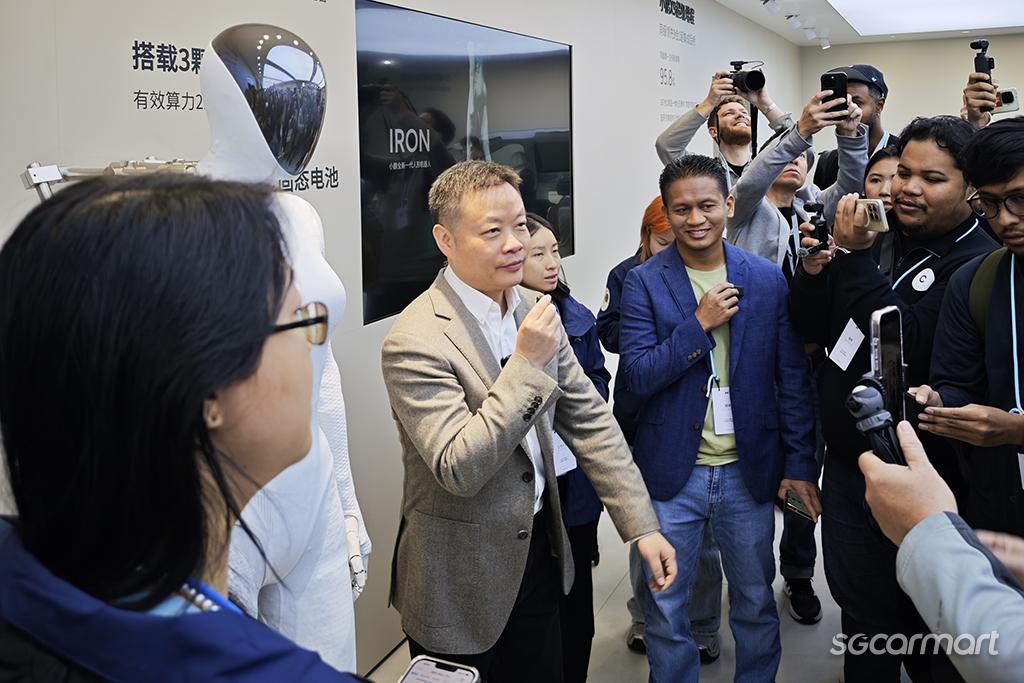
When asked if XPENG would develop its own engine, He Xiao Peng, CEO of XPENG, replied that the internal combustion engine is a mature technology with little room for innovation, and that it would make much more sense to source the engine from an existing manufacturer that has already achieved economies of scale.
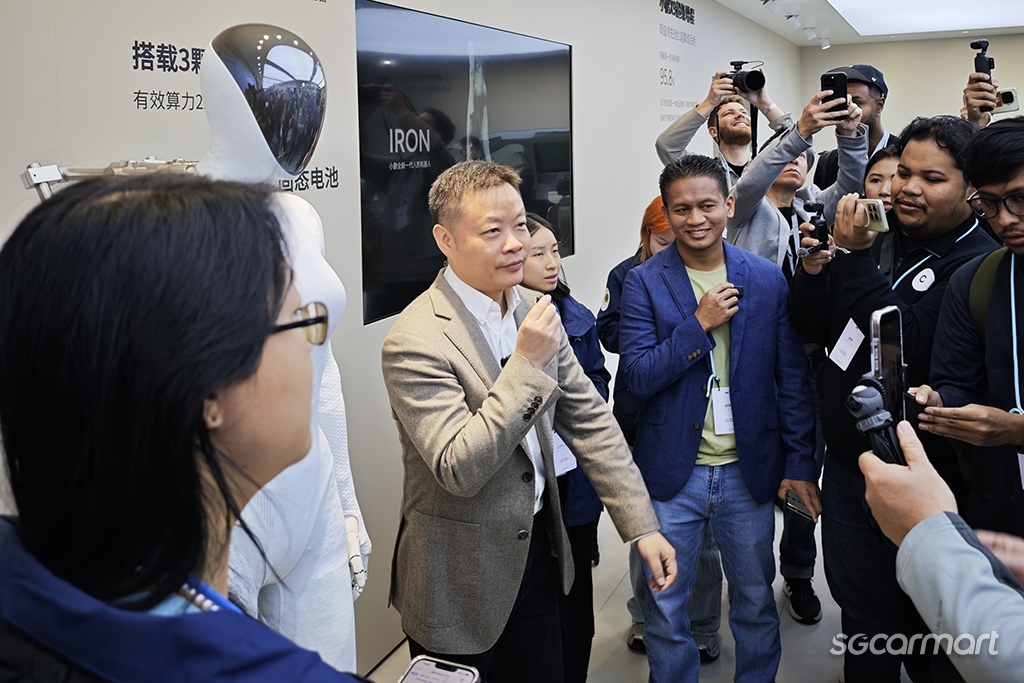
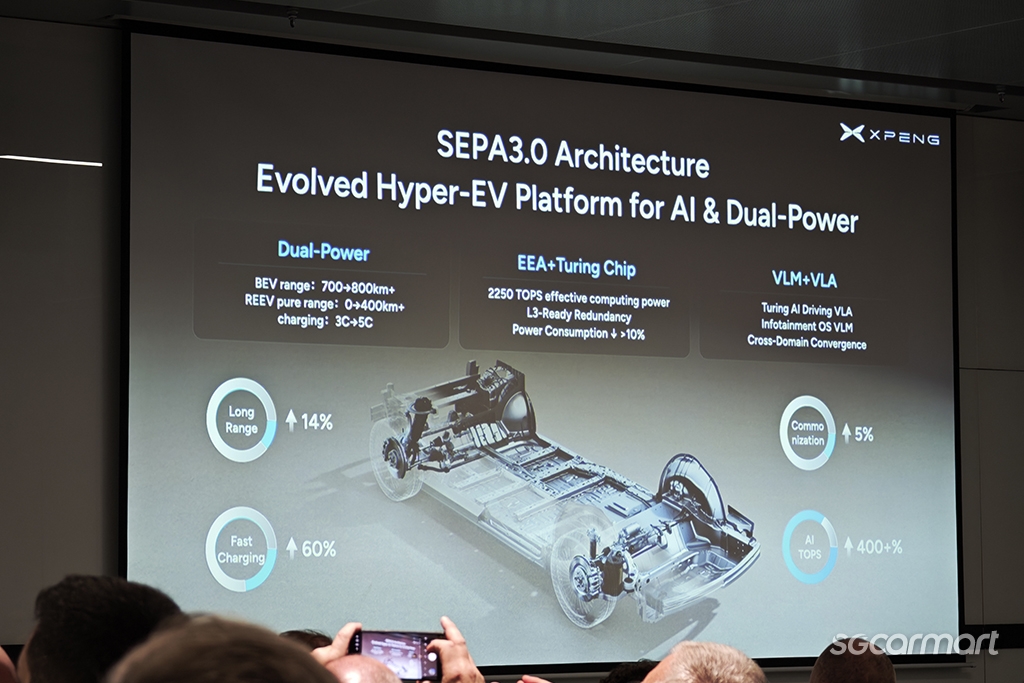
He Xiao Peng, CEO of XPENG, explains the company's rationale in outsourcing the internal combustion engine for the SEPA 3.0 platform
From this instance, you can tell that XPENG's focus is wildly different from that of a traditional carmaker. Instead of mechanical components, the brand prioritises technology such as the development of its AI Advanced Driver-Assistance System.
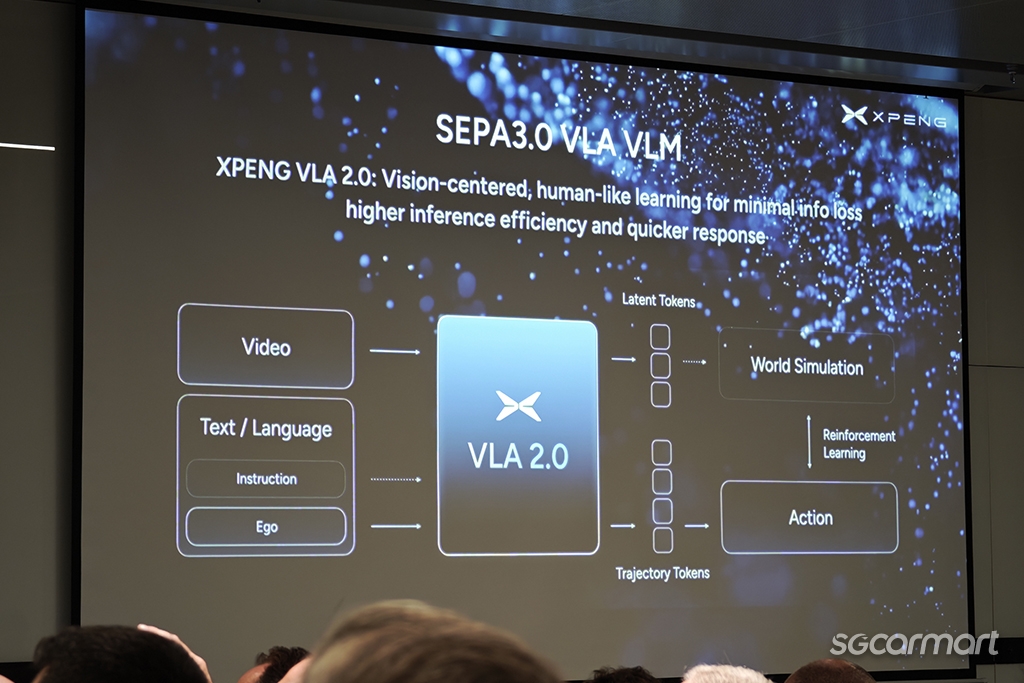
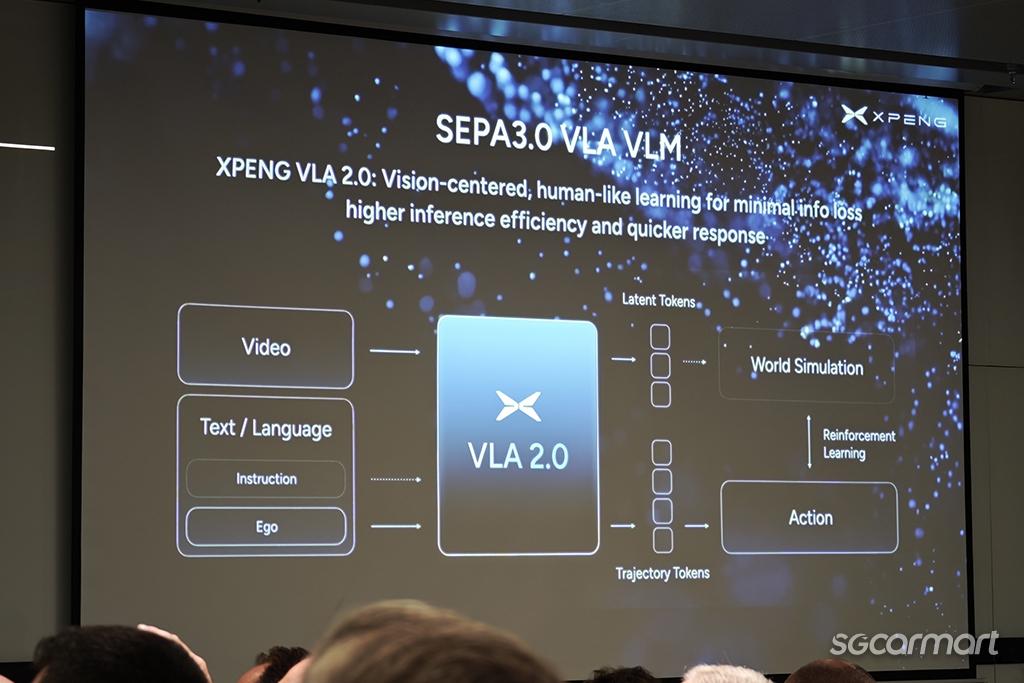
XPENG's new VLA 2.0 AI model creates an even smarter driving assist system that reacts quickly and is able to handle even more complex situations
To that end, XPENG has been working hard, announcing the introduction of its latest AI large model, the VLA 2.0. This AI model adopts a brand-new "Vision-Implicit Token-Action" path, which eliminates the "language translation" step to achieve end-to-end direct generation from visual signals to action commands, completely subverting the industry’s traditional "V-L-A" architecture.
While that is a lot of technical terms, my understanding from XPENG's workshop is that this implementation will result in even cleverer driving assist systems that react quickly and are able to handle even more varied and complex situations.
In a way, the cars are only a medium for the brand to sell its real product - its AI technology and high-tech solutions.
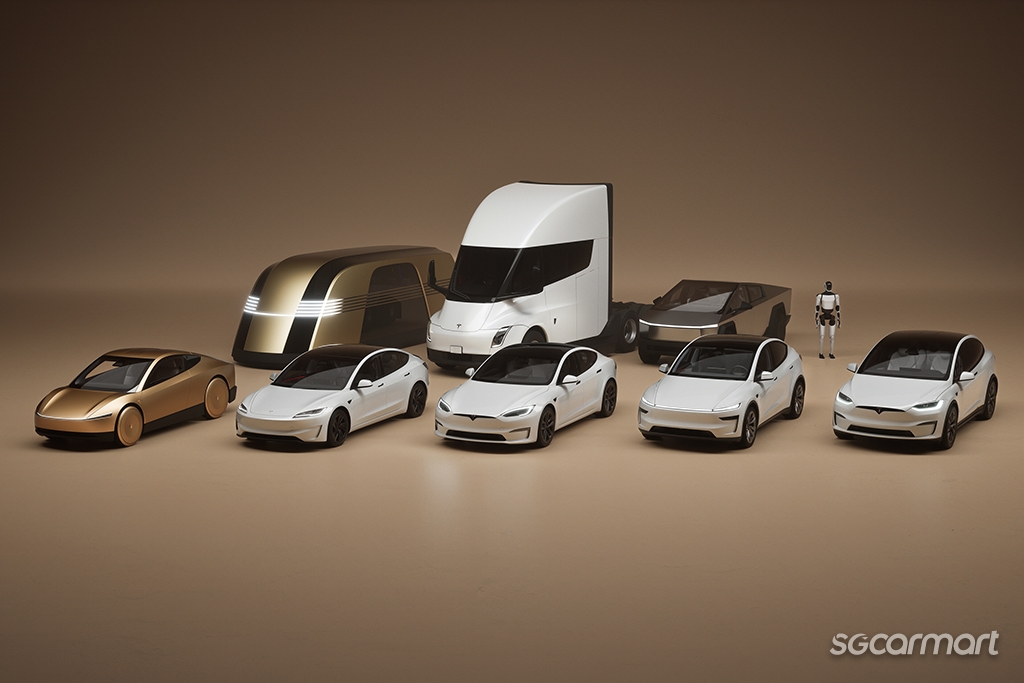
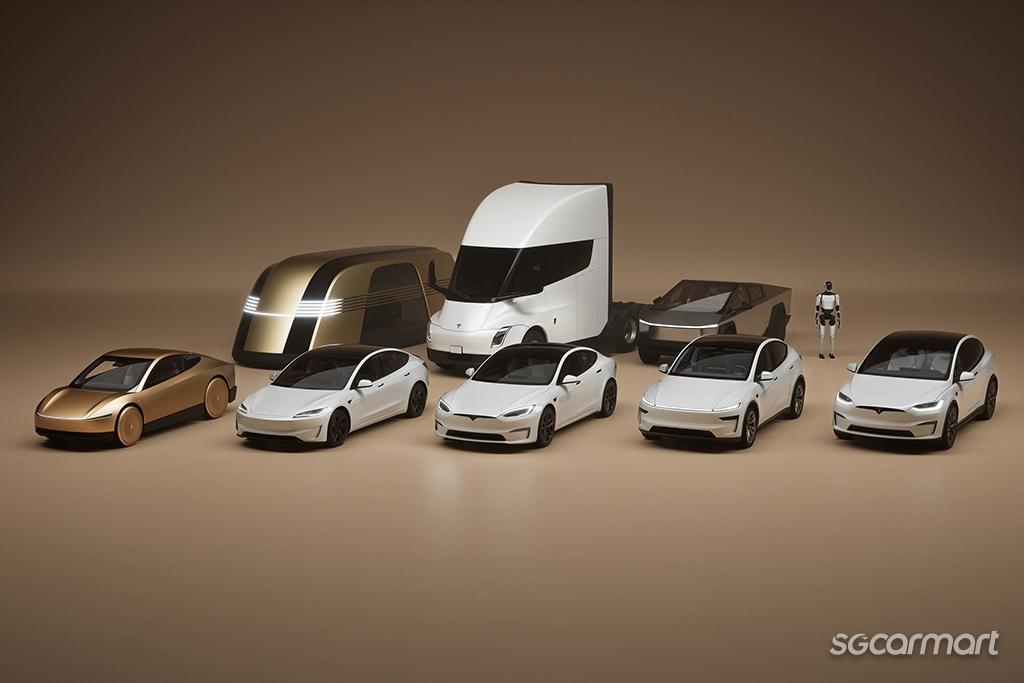
Yes, you are right, XPENG isn't the only, nor the first carmaker to operate in this manner - Tesla is a tech company that makes cars as well
Hmm, this sounds familiar
At this juncture, you might find this narrative familiar. Yes, there is indeed another carmaker that operates in this manner - Tesla.
Known for being one of the earlier champions of electric cars, Tesla was also known for its cutting-edge technology, being a pioneer of autonomous driving technology, over-the-air updates and battery technology. (When first introduced, Tesla boasted technology that was clearly industry-leading, though that gap has likely narrowed over the years.)
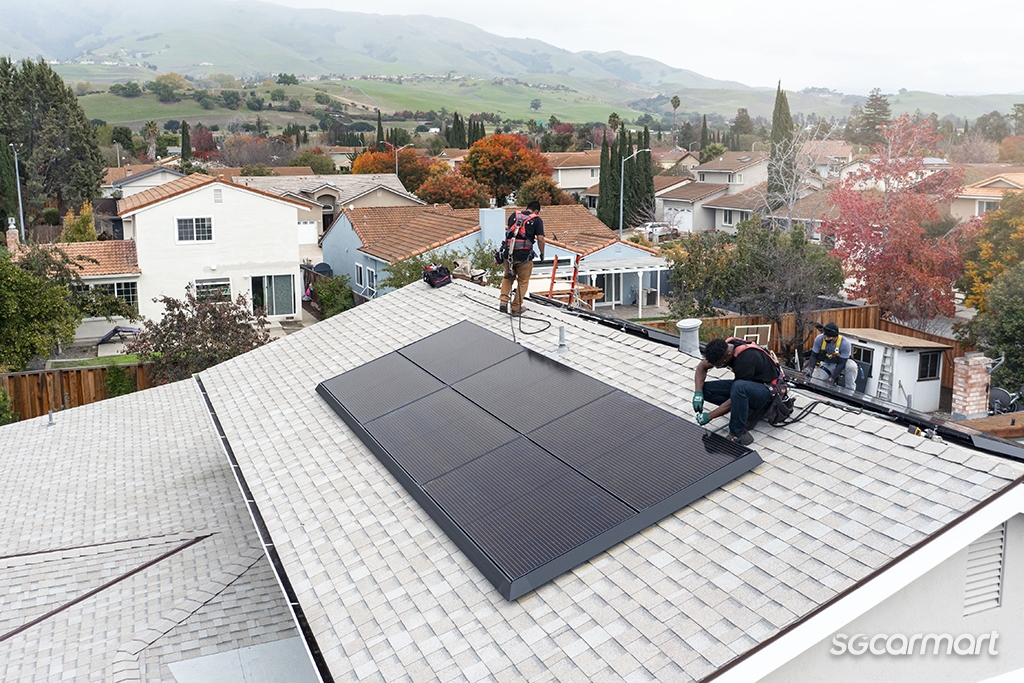

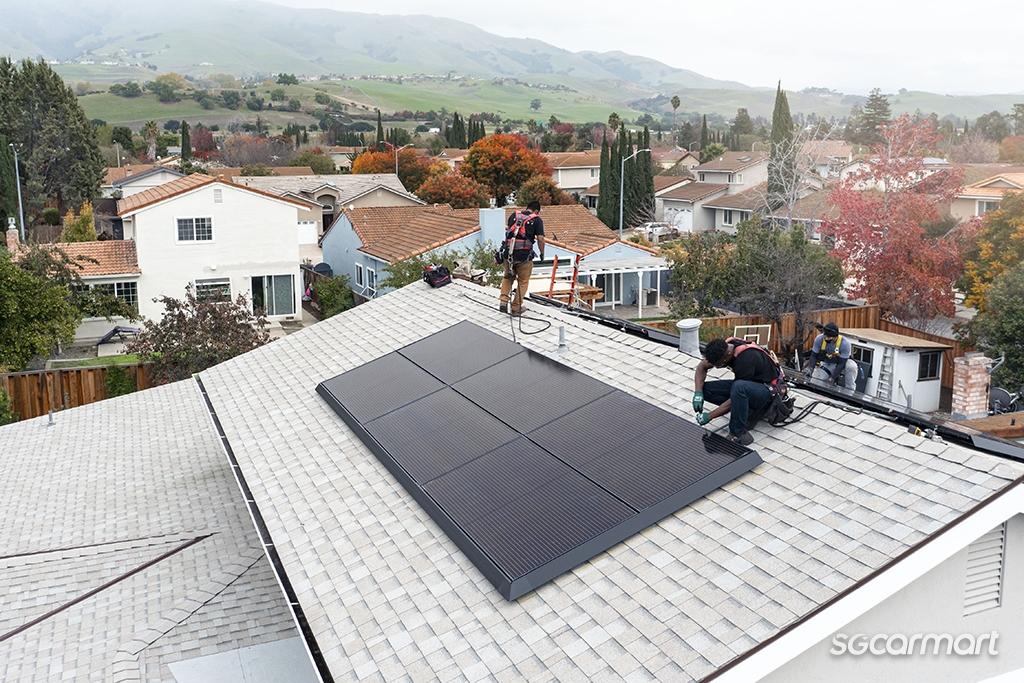
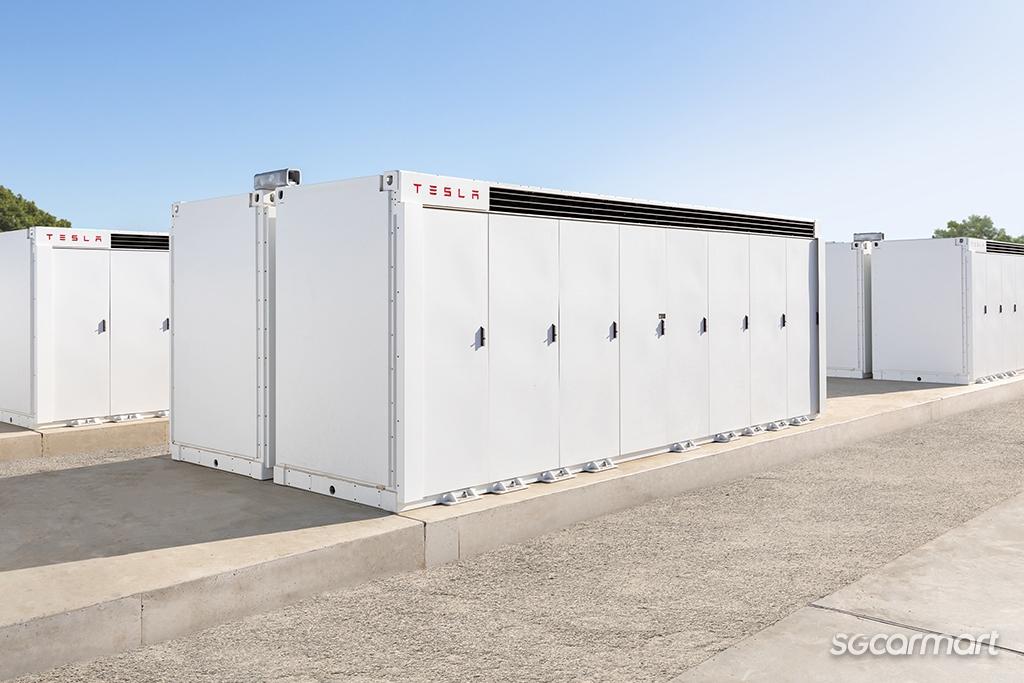
Apart from cars, Tesla is also a leader in battery energy storage, solar panels and related products and services
Apart from cars, Tesla also operates as a clean energy company, offering battery energy storage, solar panels and related products and services. The cars were just a product that makes money, while being an excellent platform to showcase its technology.
Being more than just a carmaker, Tesla generates revenue from various streams, resulting in a larger growth potential. Tesla has also been offering to license its FSD (Full Self Driving) system to other car makers, which is yet another way the company could grow, but there haven't been any takers yet.

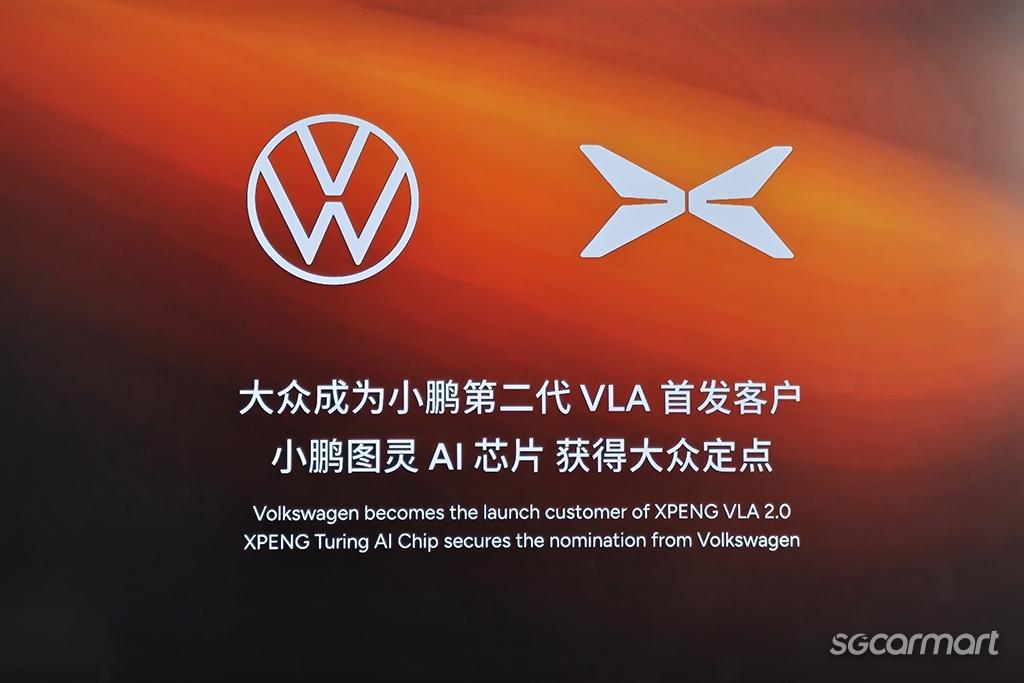
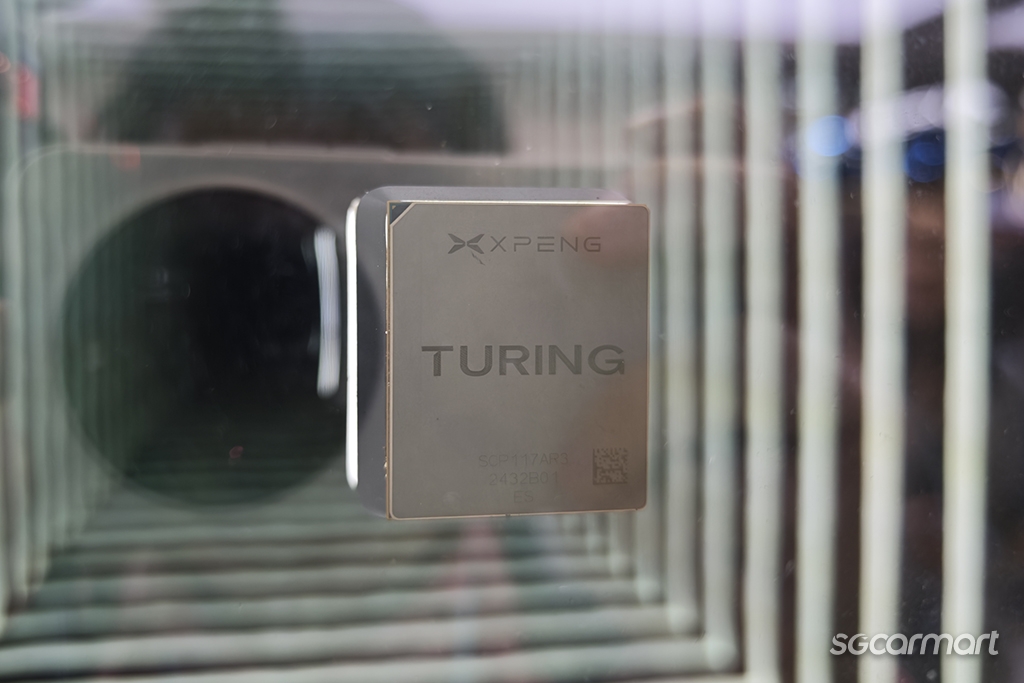
This is, however, something that XPENG is also exploring, and has recently seen some success - Volkswagen has been announced as the launch customer of XPENG's VLA 2.0 system and the XPENG Turing AI Chip.
Volkswagen's adoption of XPENG's system is a glimpse into the latter's plans for its future. XPENG could very well become an 'OEM supplier' of smart vehicle systems, much like how brands like Bosch and Continental supply the parts, sensors and electrical components in most cars.
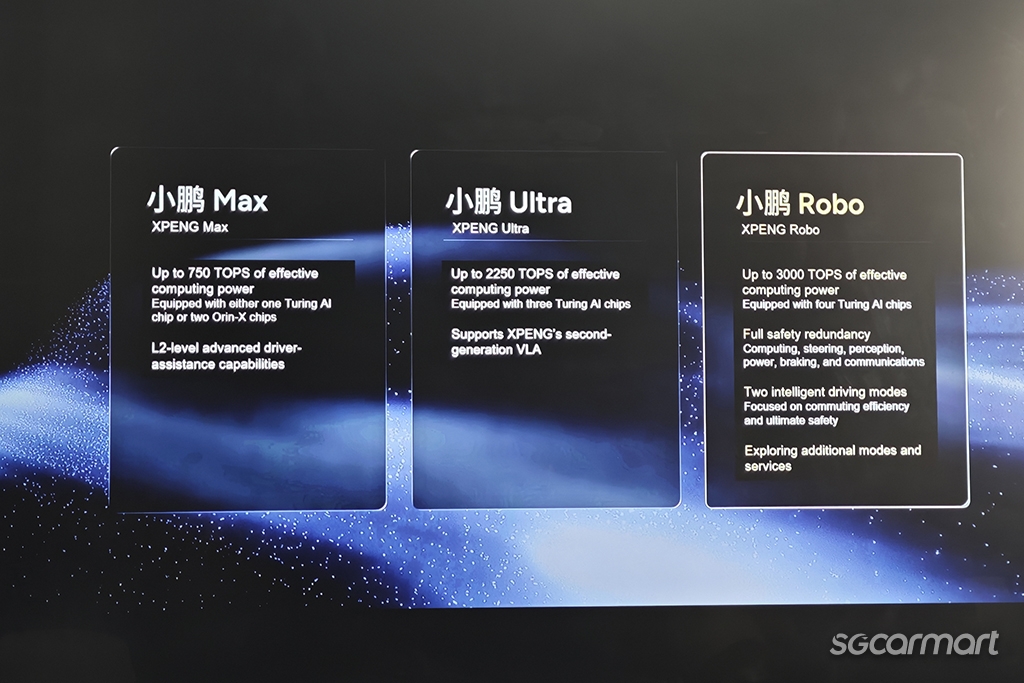
In the future, XPENG's cars will be segmented based on the processing power and autonomous driving capabilities, in contrast to the performance and equipment level-segmentation that you'll find with traditional car brands
Tech comes first for XPENG
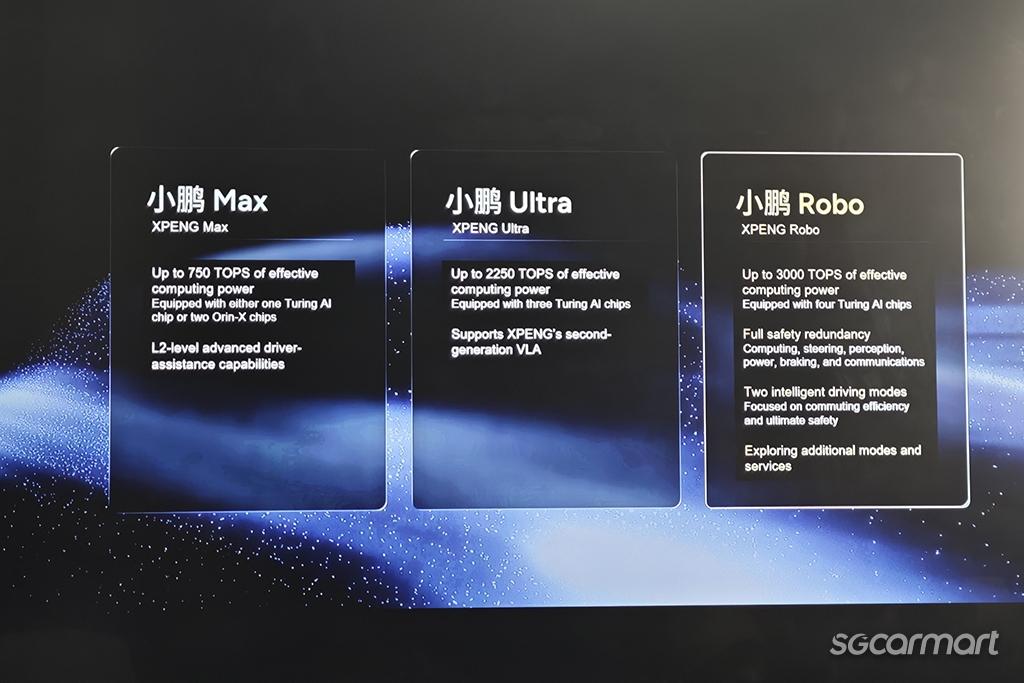
In line with its tech-centric approach, XPENG has also announced its upcoming product segmentation strategy. Unlike with traditional carmakers, where cars are usually segregated based on engine output, level of equipment and performance, XPENG is taking an entirely different direction based on processing power.
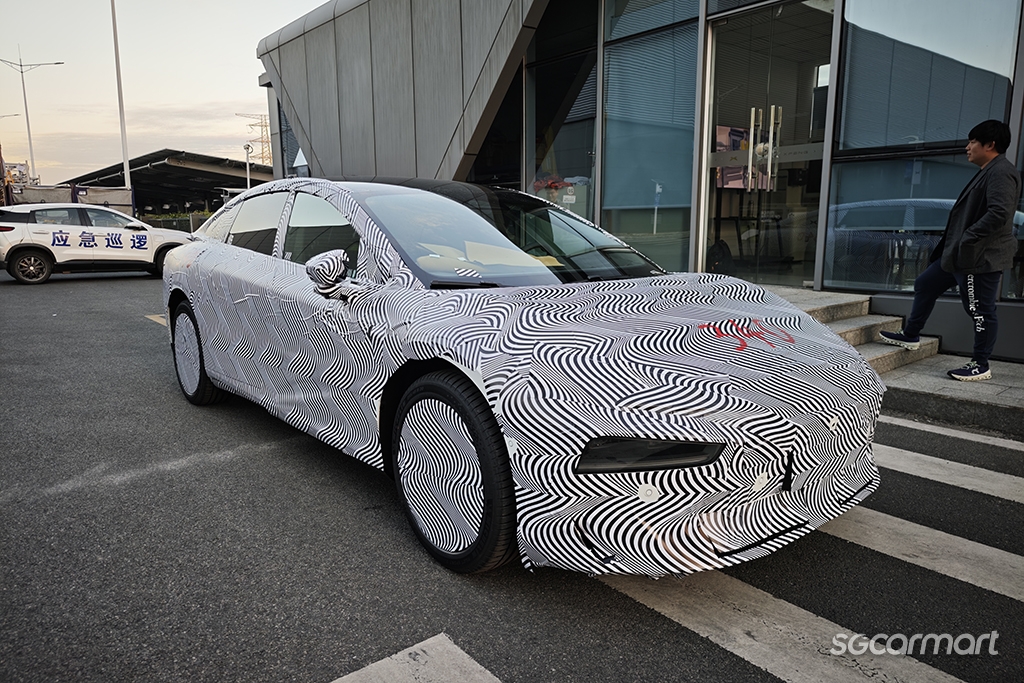
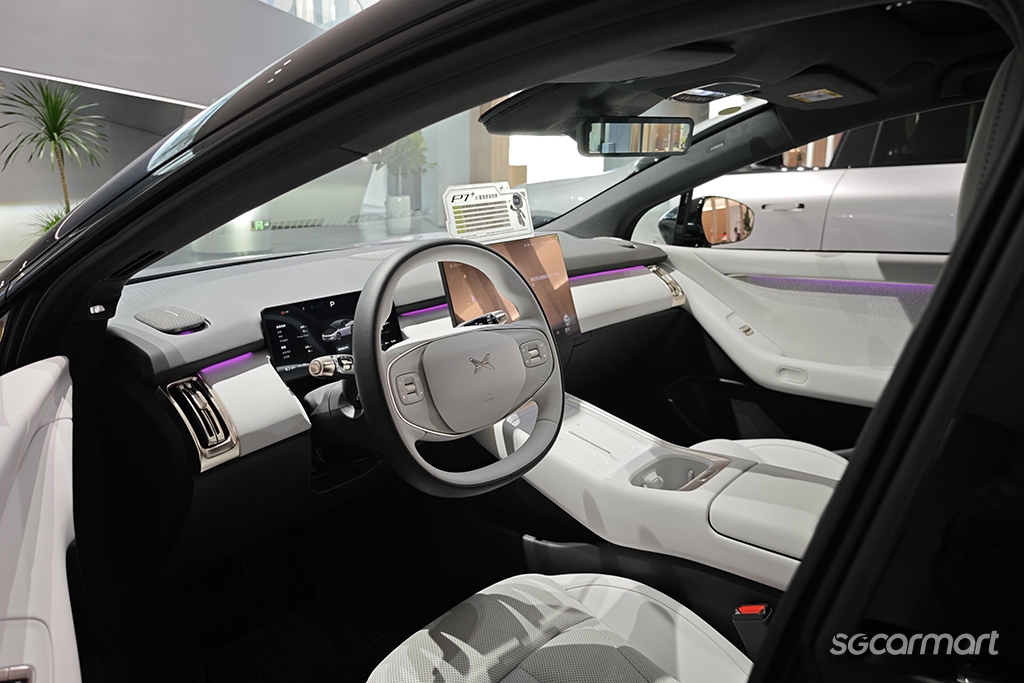
Future XPENG cars can be expected to be offered in Max, Ultra and Robo trims, featuring varying levels of processing power (750TOPS, 2250TOPs and 3000TOPS respectively), along with varying degrees of autonomous driving abilities. The Max trim would be equipped with L2 autonomous driving capabilities, the Ultra being powered by XPENG's VLA 2.0, and the Robo trim packed to the brim with high-tech systems and intelligent driving modes for maximum convenience and safety.
This once again highlights the fact that tech is the focus when it comes to XPENG.
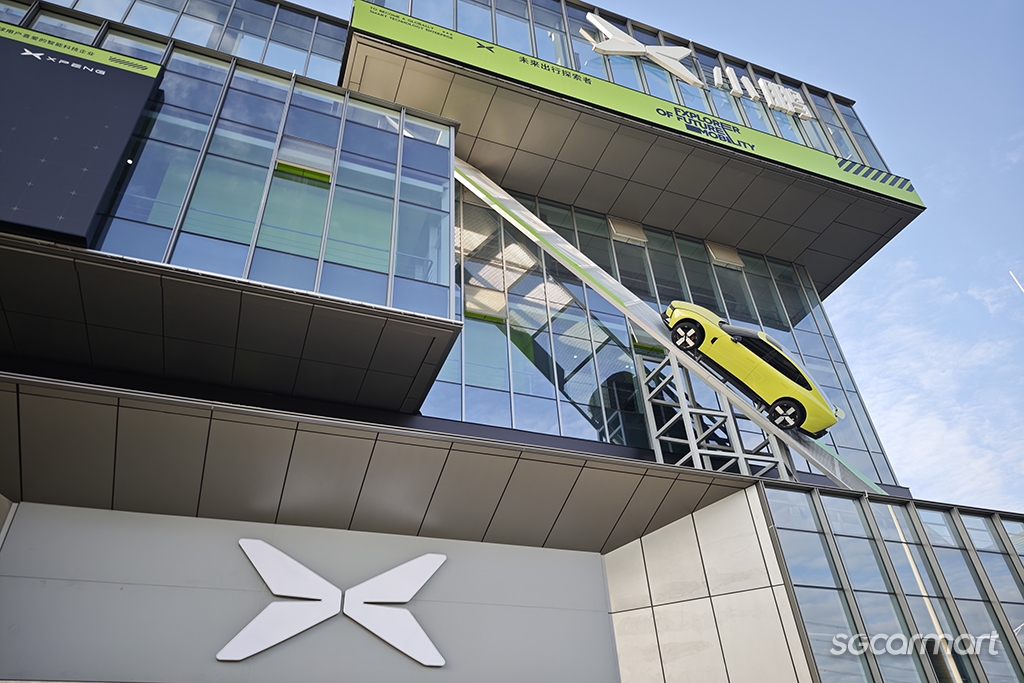
What does this mean for consumers and stakeholders?
The tech-centric approach can result in vast advancements in technology such as autonomous driving, AI-powered systems and other smart systems for XPENG cars.
However, the brand is less likely to be leading the pack when it comes to driving performance, dynamism or even efficiency. But that might not really matter, considering that tech has become the main differentiating factors in cars these days; furthermore, XPENG's agenda doesn't just stop at cars.
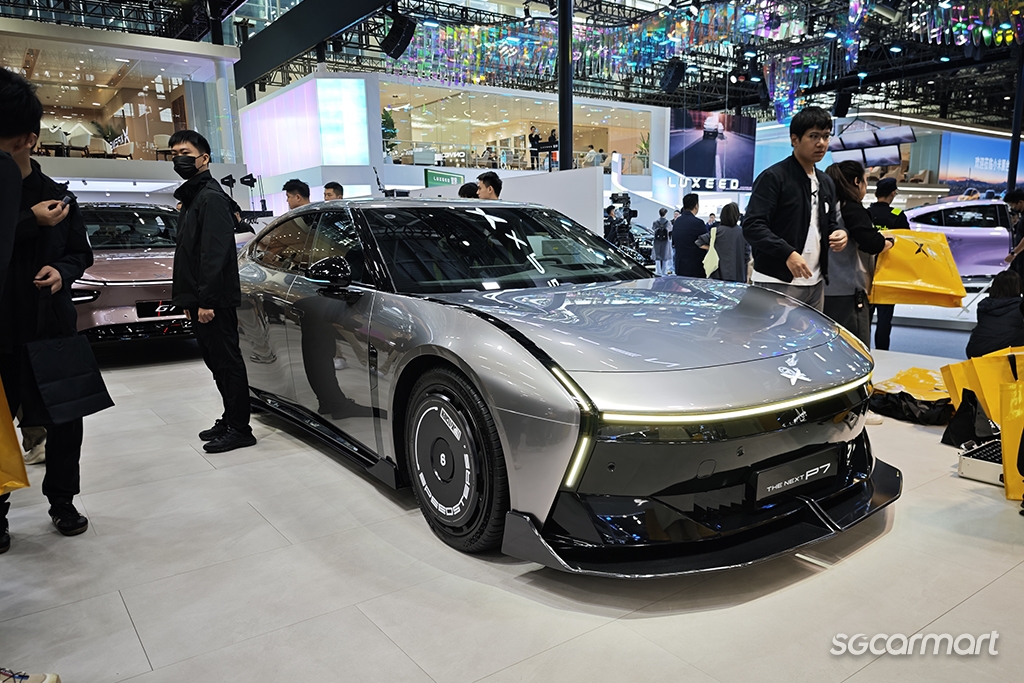
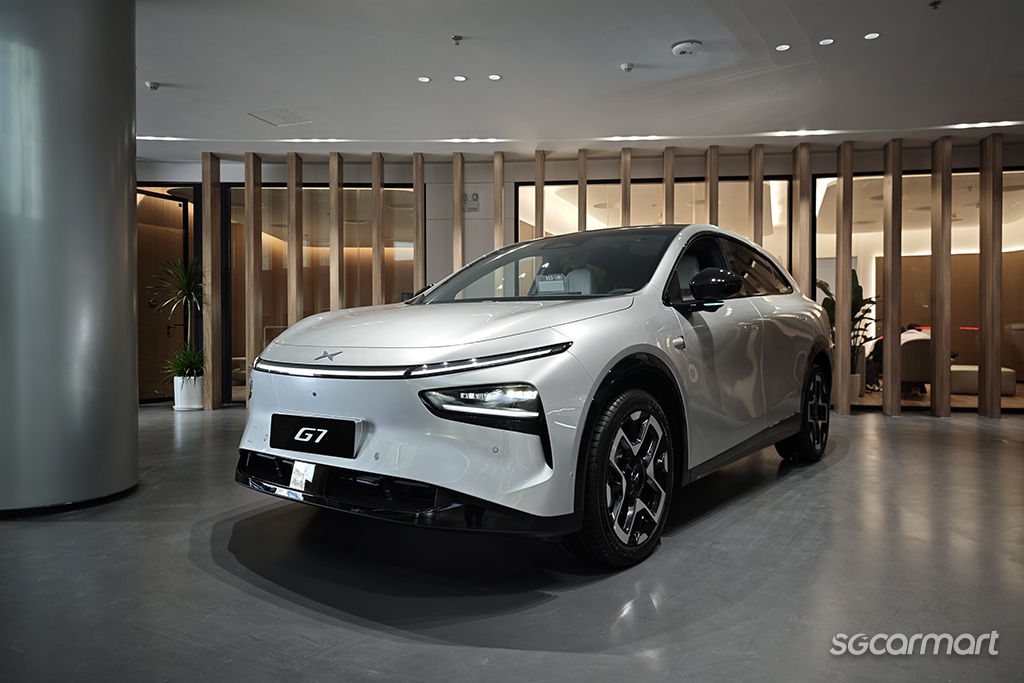
In some ways, cars are only a medium for XPENG to sell its actual product - software, hardware, tech and AI systems
XPENG's AI software and hardware (XPENG's Turing Chip) can be implemented across all its products, such as the flying vehicles and robots that it is working on - all while training and improving the AI model. This could potentially result in larger returns than investing its efforts in a car-specific technology.
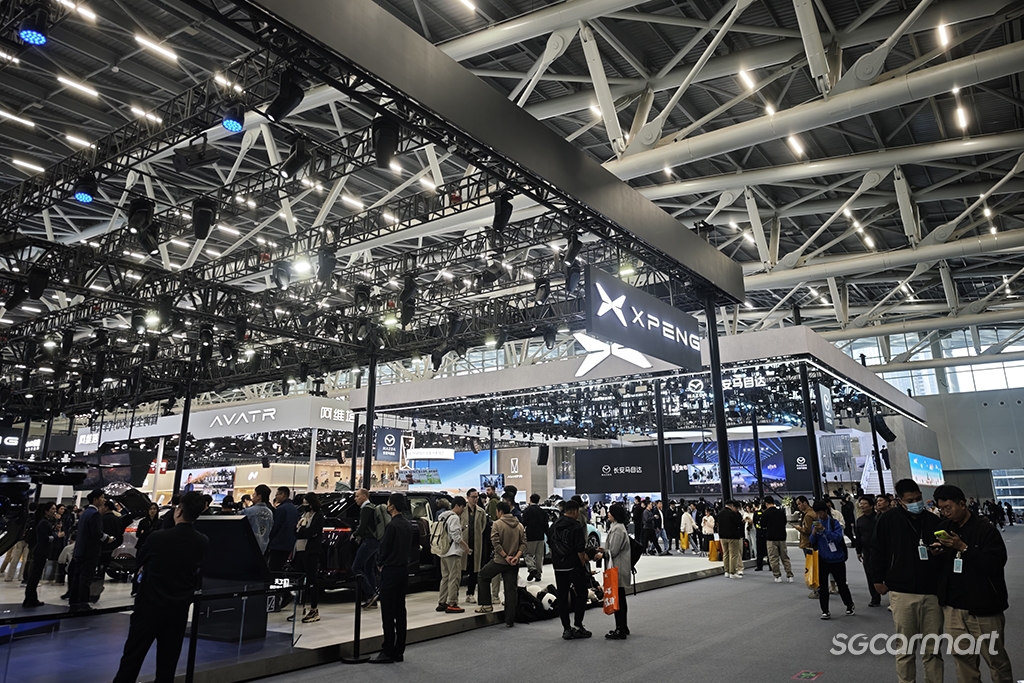
Like how Microsoft got the computer market cornered, and how Google and Apple can be accounted for the Operating Systems on all smartphones, one day XPENG might be the AI system company
While the brand is likely to continue making cars, it is apparent that tech and software is the core development that the brand is working on. And it isn't too far-fetched to draw comparisons to big tech companies such as Microsoft, Google and Apple. I believe XPENG's goal as a tech company is to become as influential as the above mentioned companies in their respective fields, but in AI technology and solutions.
One can only imagine the potential of becoming a major supplier of AI solutions for the world - not just for cars, but robots, aircrafts, robot vacuum cleaners, mobility assistance devices and all sorts of systems and appliances that you can dream of. And hey, there sure isn't any harm if they churn out some cool cars along the way.
My most recent trip to Guangzhou is the third time I was invited by XPENG on a media trip to experience its products and to learn more about the brand.
One thing has always been mentioned by the brand's representatives, "XPENG isn't a car company, it is a tech company that also make cars", and it had only just started to make sense to me. Puzzled? Let's try to figure out what it means, and why.
Flying vehicles, robots and computer chips, XPENG makes much more than cars
Robots, flying vehicles, and computer chips
If you perceive XPENG as a typical automobile manufacturer, its various non-automotive endeavours make little sense. Why should a car brand be wasting precious resources on robots, flying vehicles and computer chips that doesn't directly improve the cars they make?
But XPENG isn't just another automobile manufacturer, in fact it perceives itself as a tech company first, and the cars are just one of its products.
So, how does it all fit into the company's ecosystem? For now, the spotlight seems to be on artificial intelligence (AI). AI is a core component tied into all products from XPENG, including the robots, flying vehicles and its cars. It is also where the decision to manufacture computer chips came from - AI requires massive processing power and the computer chip allows that.
Unlike your typical carmaker, XPENG allocates more efforts and resources on its AI, tech and software systems
How is XPENG a tech company?
An automobile manufacturer's main products are its cars, and development is typically focused on components of the cars they make - such as more efficient engines, transmissions, and components such as suspension systems.
XPENG's latest X9 Power X is a Range-Extended EV built on the brand's latest SEPA 3.0 platform; its powertrain includes an externally-sourced engine
XPENG operates differently and here's an example: The range-extender engine that powers the brand's first petrol-hybrid model, the X9 Power X REEV, is sourced from a third-party OEM manufacturer.
When asked if XPENG would develop its own engine, He Xiao Peng, CEO of XPENG, replied that the internal combustion engine is a mature technology with little room for innovation, and that it would make much more sense to source the engine from an existing manufacturer that has already achieved economies of scale.
He Xiao Peng, CEO of XPENG, explains the company's rationale in outsourcing the internal combustion engine for the SEPA 3.0 platform
From this instance, you can tell that XPENG's focus is wildly different from that of a traditional carmaker. Instead of mechanical components, the brand prioritises technology such as the development of its AI Advanced Driver-Assistance System.
XPENG's new VLA 2.0 AI model creates an even smarter driving assist system that reacts quickly and is able to handle even more complex situations
To that end, XPENG has been working hard, announcing the introduction of its latest AI large model, the VLA 2.0. This AI model adopts a brand-new "Vision-Implicit Token-Action" path, which eliminates the "language translation" step to achieve end-to-end direct generation from visual signals to action commands, completely subverting the industry’s traditional "V-L-A" architecture.
While that is a lot of technical terms, my understanding from XPENG's workshop is that this implementation will result in even cleverer driving assist systems that react quickly and are able to handle even more varied and complex situations.
In a way, the cars are only a medium for the brand to sell its real product - its AI technology and high-tech solutions.
Yes, you are right, XPENG isn't the only, nor the first carmaker to operate in this manner - Tesla is a tech company that makes cars as well
Hmm, this sounds familiar
At this juncture, you might find this narrative familiar. Yes, there is indeed another carmaker that operates in this manner - Tesla.
Known for being one of the earlier champions of electric cars, Tesla was also known for its cutting-edge technology, being a pioneer of autonomous driving technology, over-the-air updates and battery technology. (When first introduced, Tesla boasted technology that was clearly industry-leading, though that gap has likely narrowed over the years.)
Apart from cars, Tesla is also a leader in battery energy storage, solar panels and related products and services
Apart from cars, Tesla also operates as a clean energy company, offering battery energy storage, solar panels and related products and services. The cars were just a product that makes money, while being an excellent platform to showcase its technology.
Being more than just a carmaker, Tesla generates revenue from various streams, resulting in a larger growth potential. Tesla has also been offering to license its FSD (Full Self Driving) system to other car makers, which is yet another way the company could grow, but there haven't been any takers yet.
This is, however, something that XPENG is also exploring, and has recently seen some success - Volkswagen has been announced as the launch customer of XPENG's VLA 2.0 system and the XPENG Turing AI Chip.
Volkswagen's adoption of XPENG's system is a glimpse into the latter's plans for its future. XPENG could very well become an 'OEM supplier' of smart vehicle systems, much like how brands like Bosch and Continental supply the parts, sensors and electrical components in most cars.
In the future, XPENG's cars will be segmented based on the processing power and autonomous driving capabilities, in contrast to the performance and equipment level-segmentation that you'll find with traditional car brands
Tech comes first for XPENG
In line with its tech-centric approach, XPENG has also announced its upcoming product segmentation strategy. Unlike with traditional carmakers, where cars are usually segregated based on engine output, level of equipment and performance, XPENG is taking an entirely different direction based on processing power.
Future XPENG cars can be expected to be offered in Max, Ultra and Robo trims, featuring varying levels of processing power (750TOPS, 2250TOPs and 3000TOPS respectively), along with varying degrees of autonomous driving abilities. The Max trim would be equipped with L2 autonomous driving capabilities, the Ultra being powered by XPENG's VLA 2.0, and the Robo trim packed to the brim with high-tech systems and intelligent driving modes for maximum convenience and safety.
This once again highlights the fact that tech is the focus when it comes to XPENG.
What does this mean for consumers and stakeholders?
The tech-centric approach can result in vast advancements in technology such as autonomous driving, AI-powered systems and other smart systems for XPENG cars.
However, the brand is less likely to be leading the pack when it comes to driving performance, dynamism or even efficiency. But that might not really matter, considering that tech has become the main differentiating factors in cars these days; furthermore, XPENG's agenda doesn't just stop at cars.
In some ways, cars are only a medium for XPENG to sell its actual product - software, hardware, tech and AI systems
XPENG's AI software and hardware (XPENG's Turing Chip) can be implemented across all its products, such as the flying vehicles and robots that it is working on - all while training and improving the AI model. This could potentially result in larger returns than investing its efforts in a car-specific technology.
Like how Microsoft got the computer market cornered, and how Google and Apple can be accounted for the Operating Systems on all smartphones, one day XPENG might be the AI system company
While the brand is likely to continue making cars, it is apparent that tech and software is the core development that the brand is working on. And it isn't too far-fetched to draw comparisons to big tech companies such as Microsoft, Google and Apple. I believe XPENG's goal as a tech company is to become as influential as the above mentioned companies in their respective fields, but in AI technology and solutions.
One can only imagine the potential of becoming a major supplier of AI solutions for the world - not just for cars, but robots, aircrafts, robot vacuum cleaners, mobility assistance devices and all sorts of systems and appliances that you can dream of. And hey, there sure isn't any harm if they churn out some cool cars along the way.


Thank You For Your Subscription.
Tags
Products & Services

For Owners
Quick Links
About Sgcarmart