BMW overhauls 100-year old home plant for all-new i3
02 Apr 2026|481 views







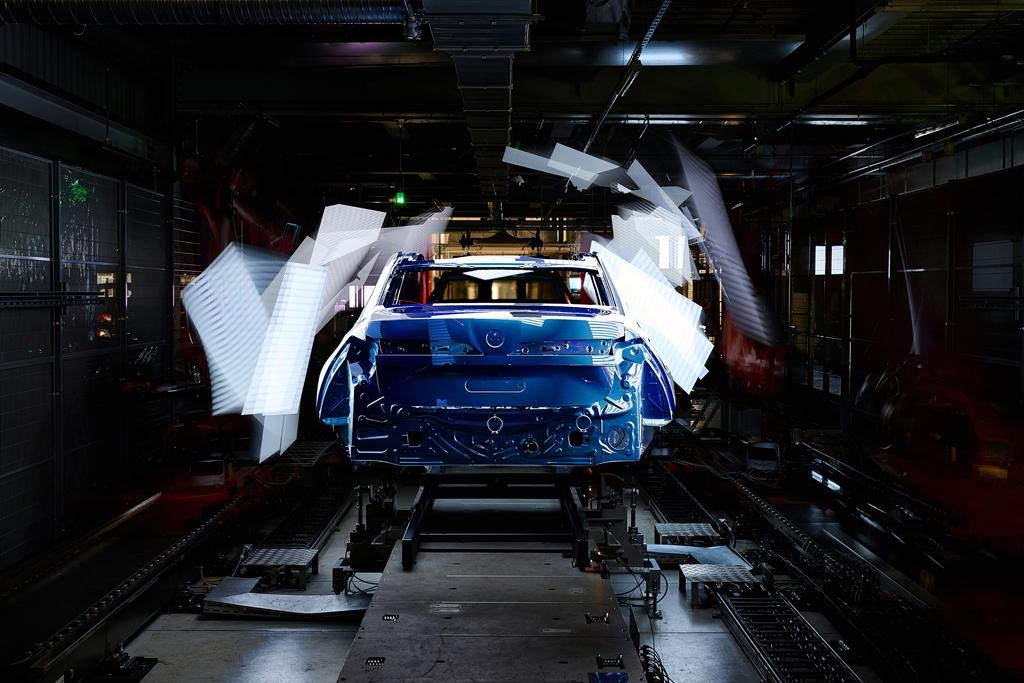

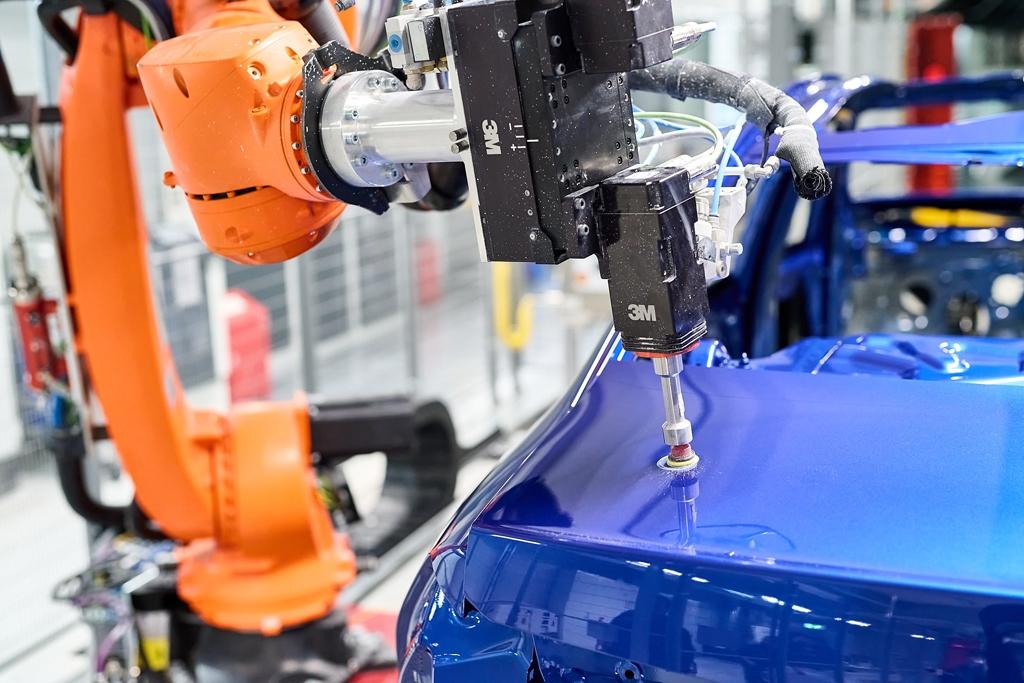


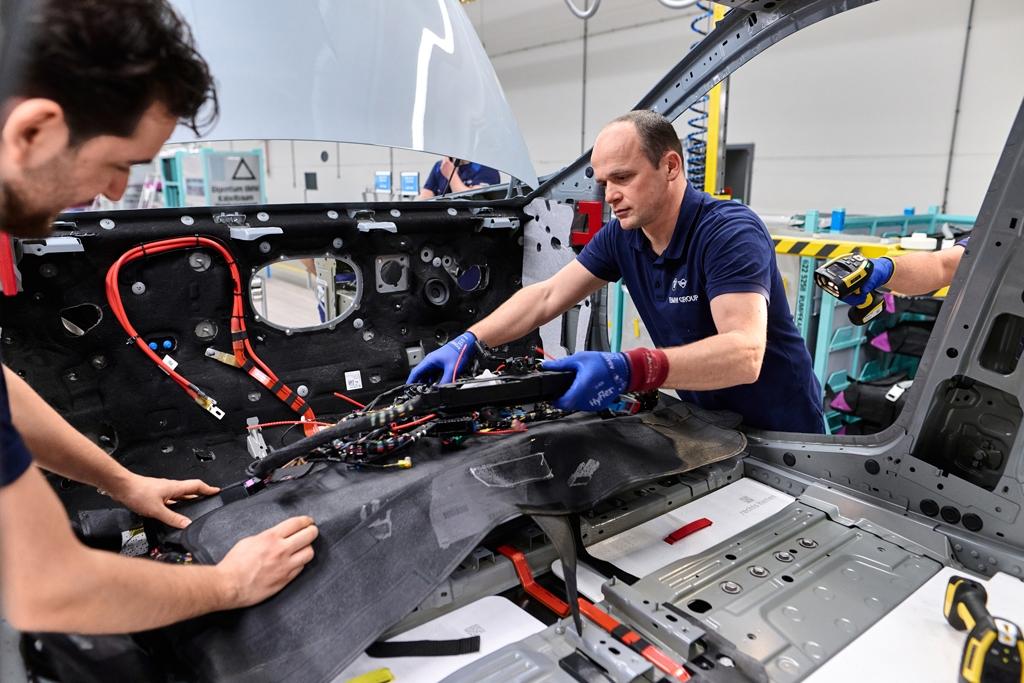
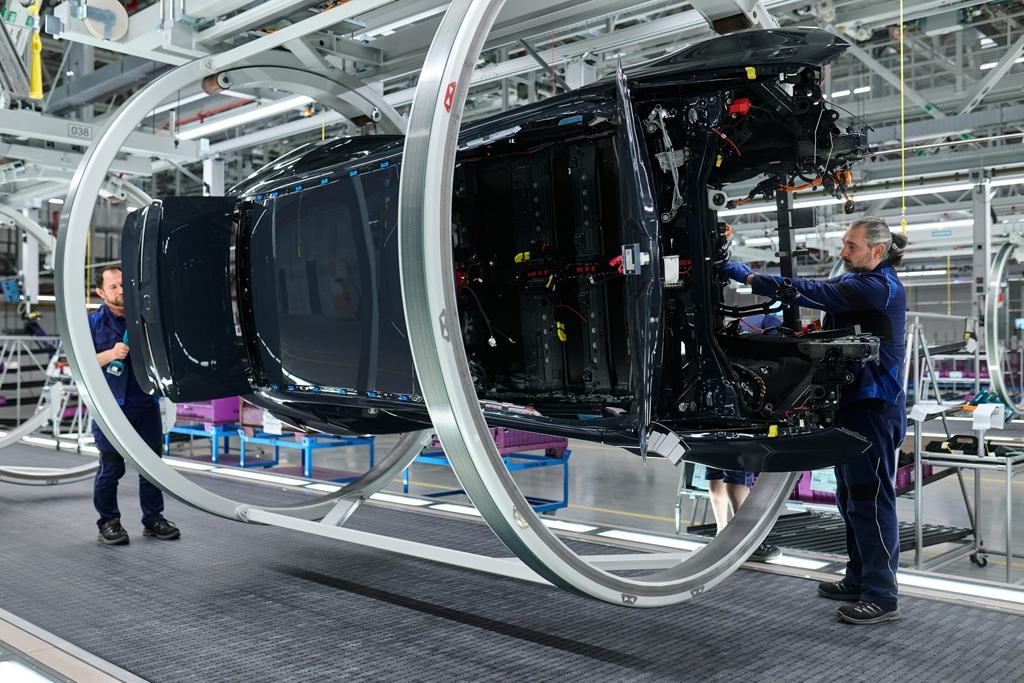


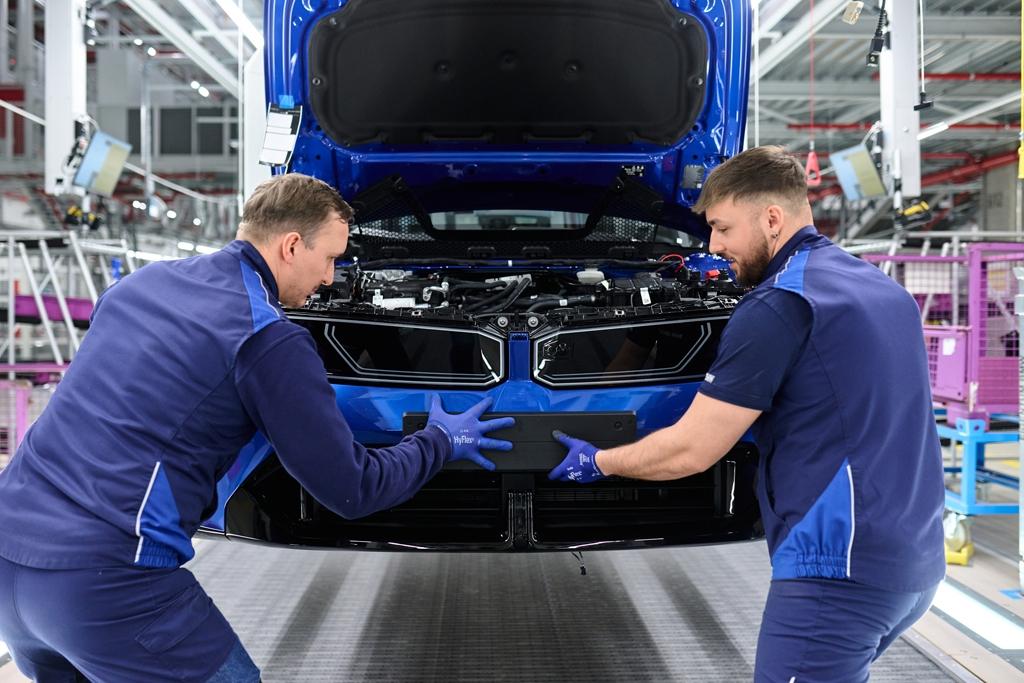
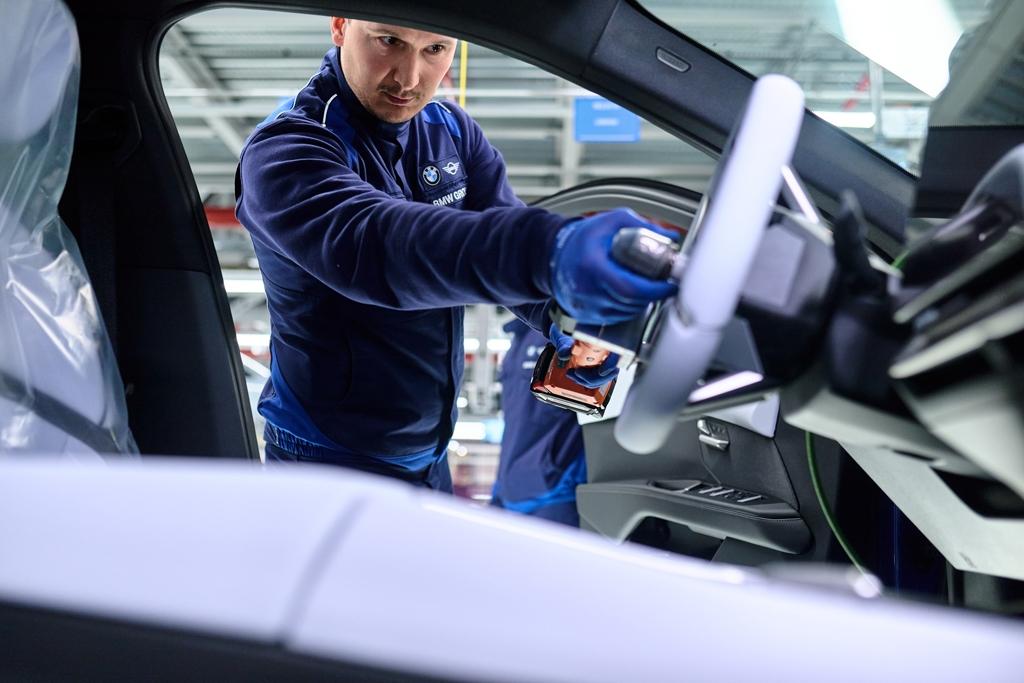
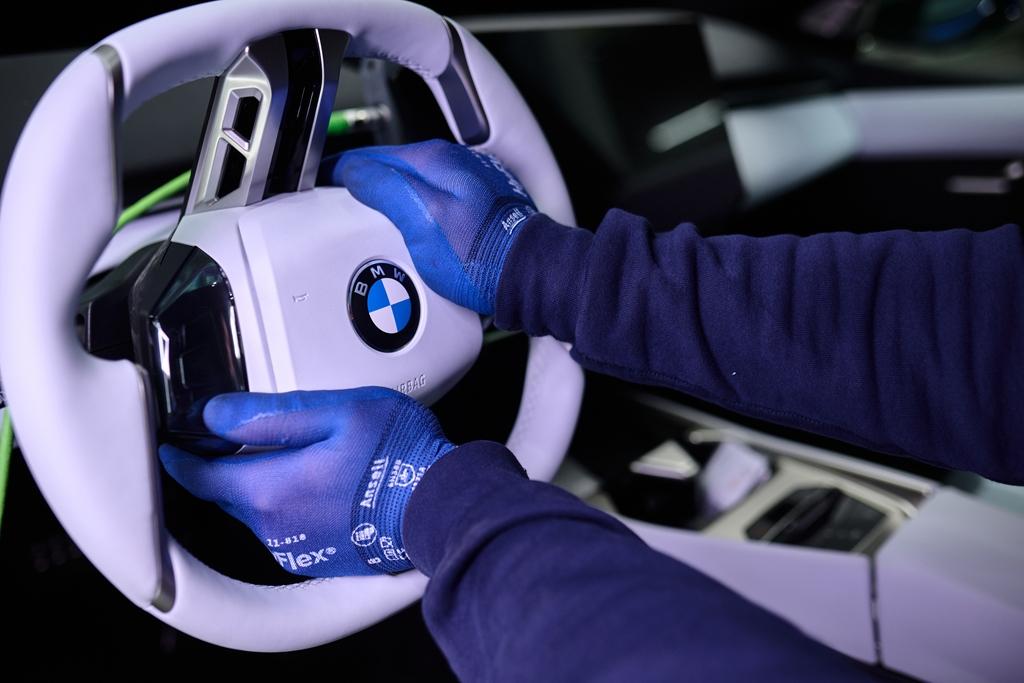

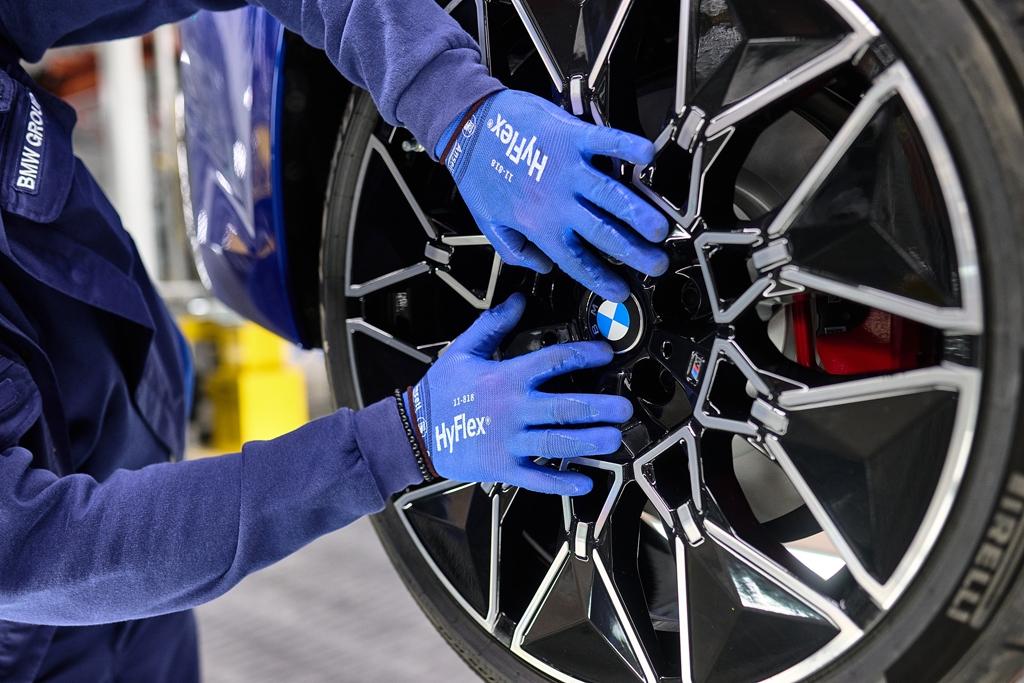




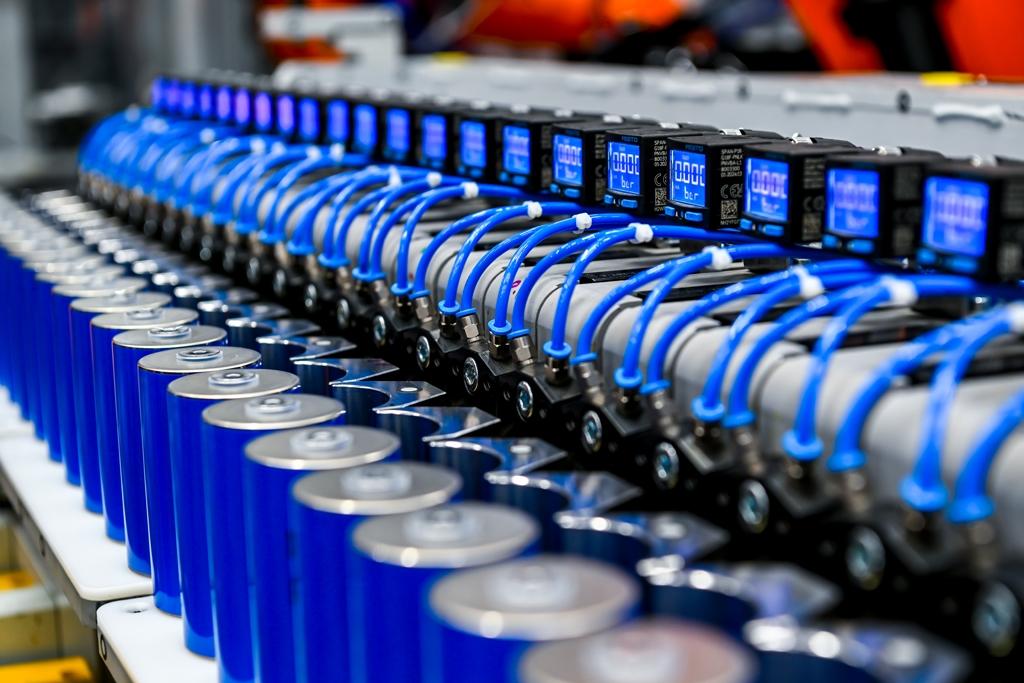
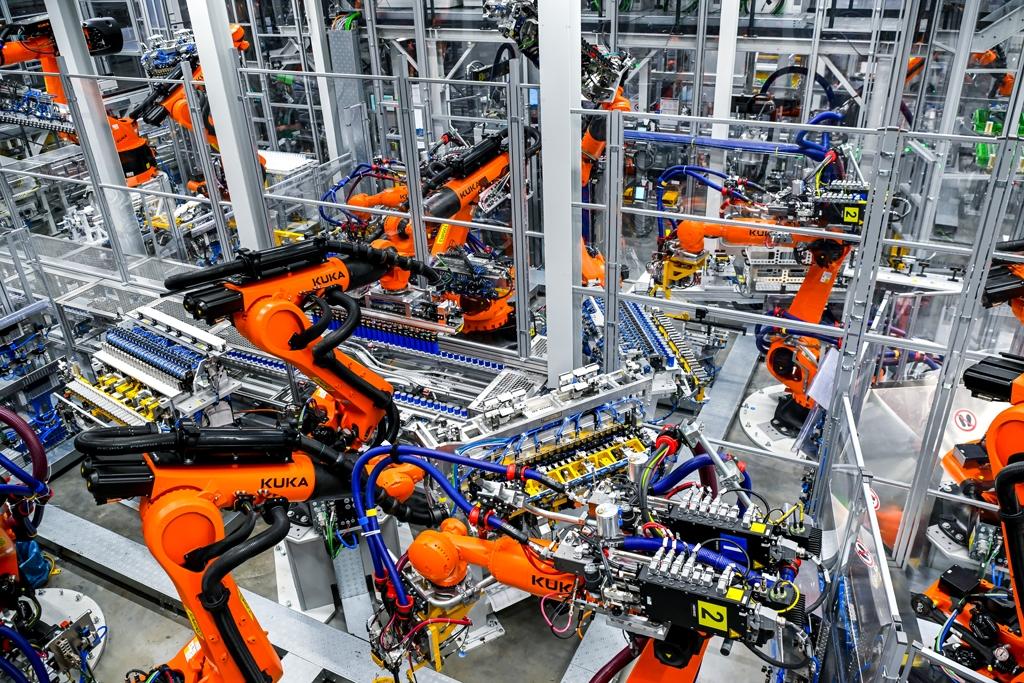
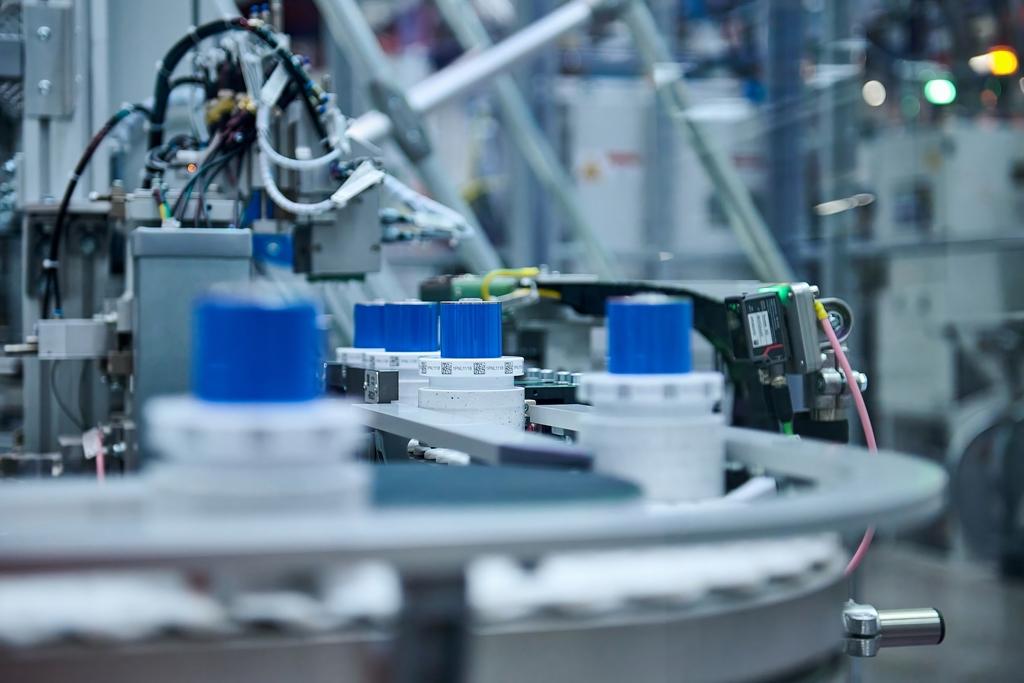
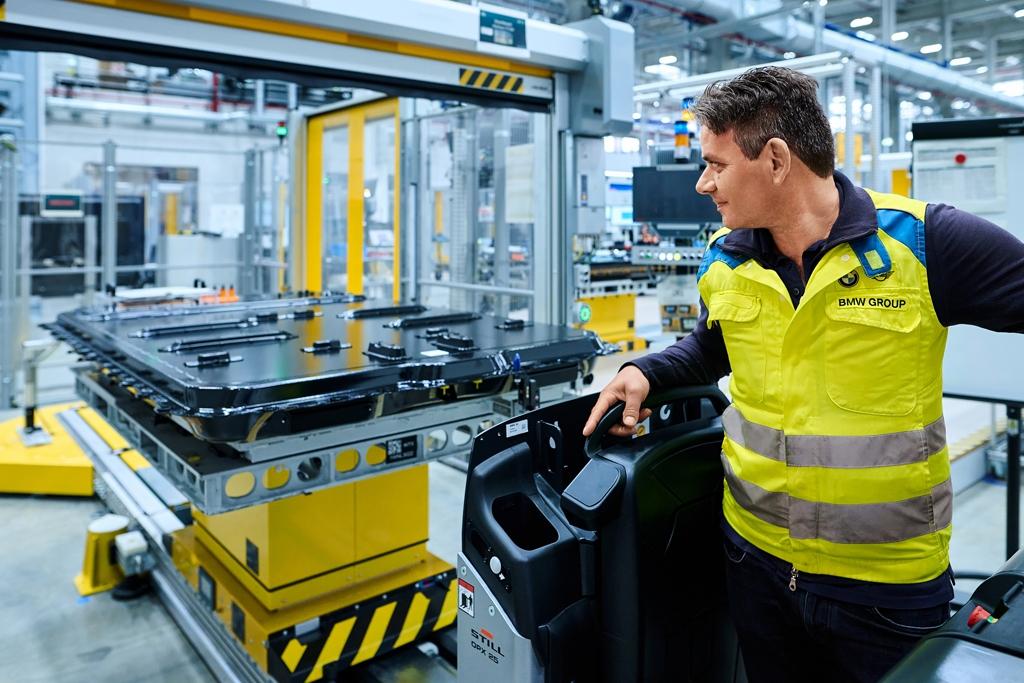
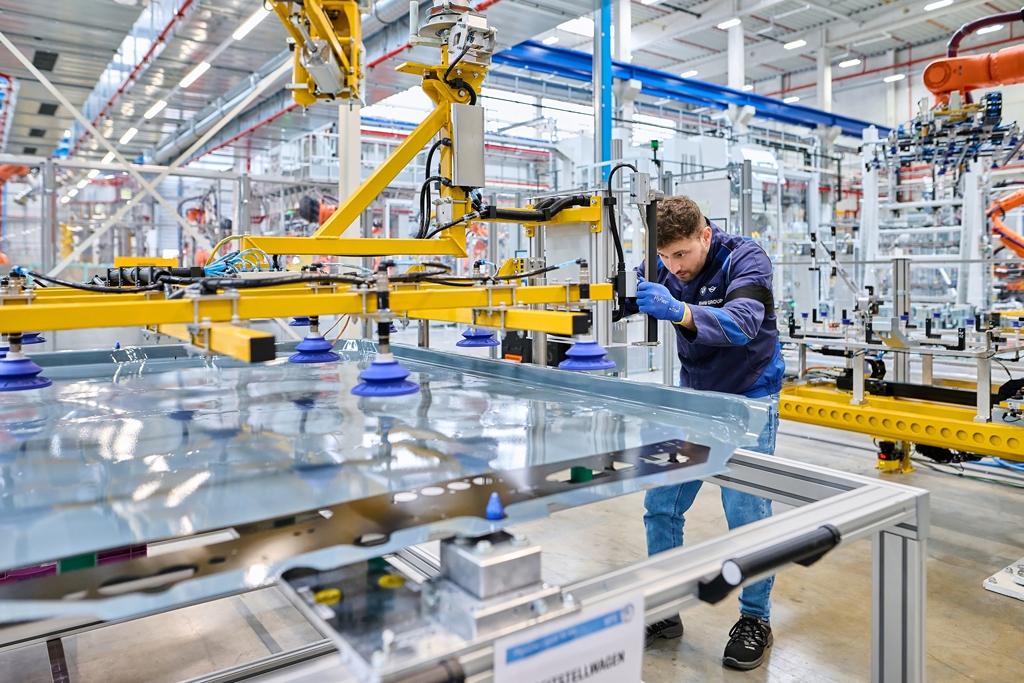
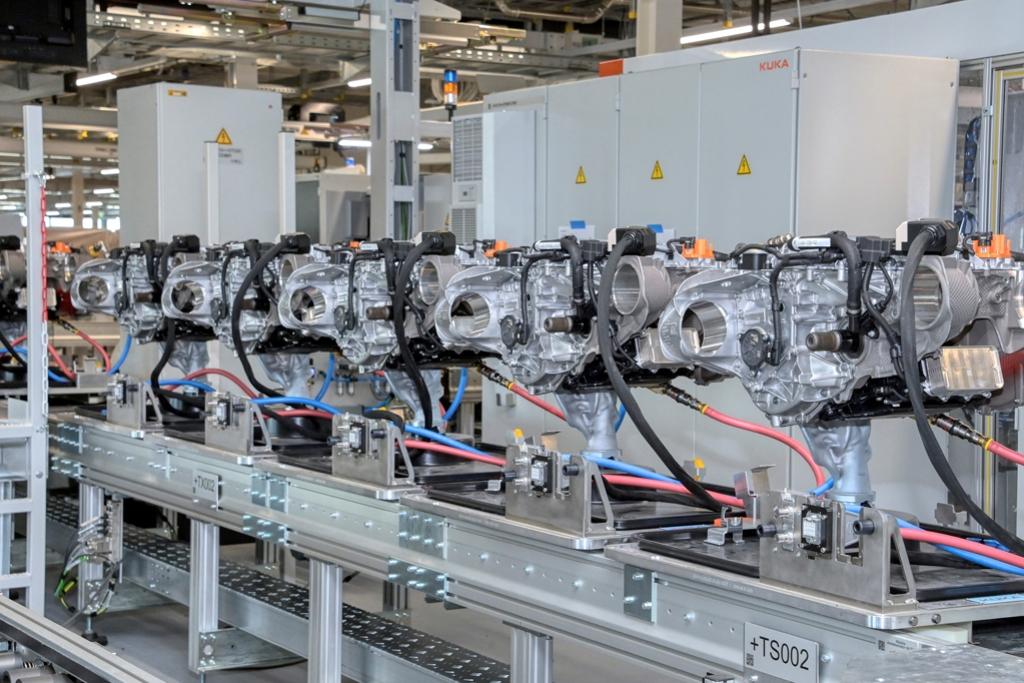
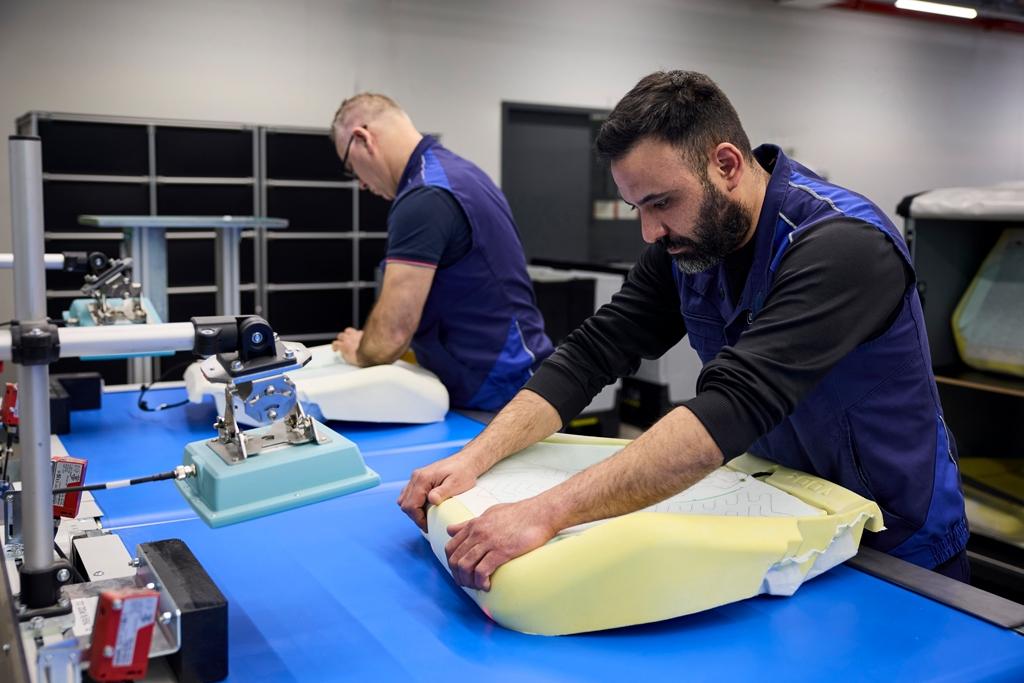
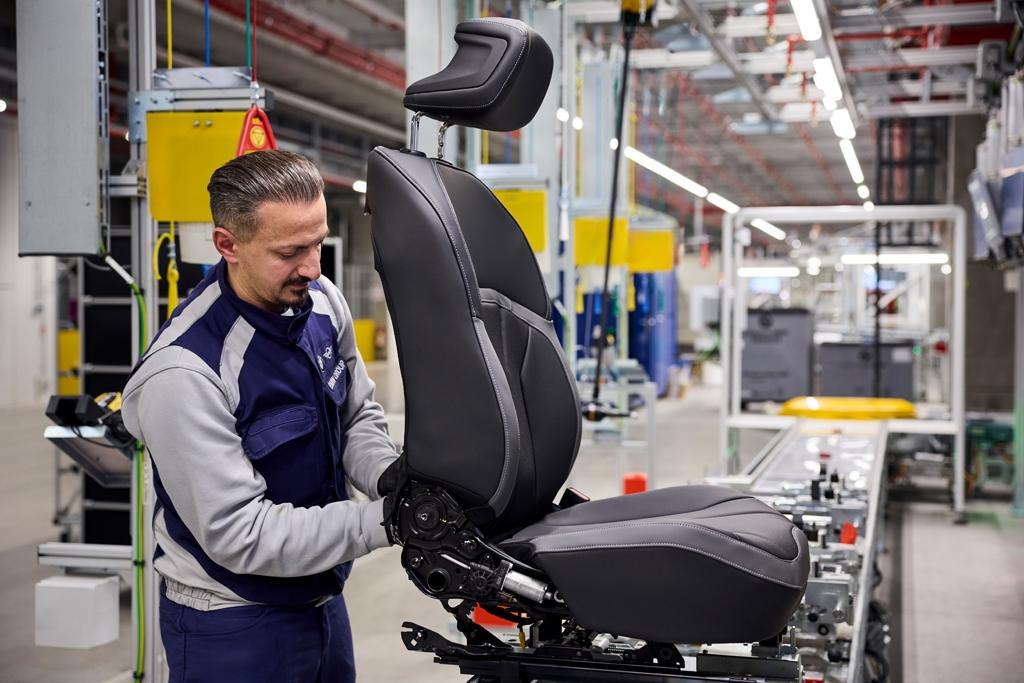
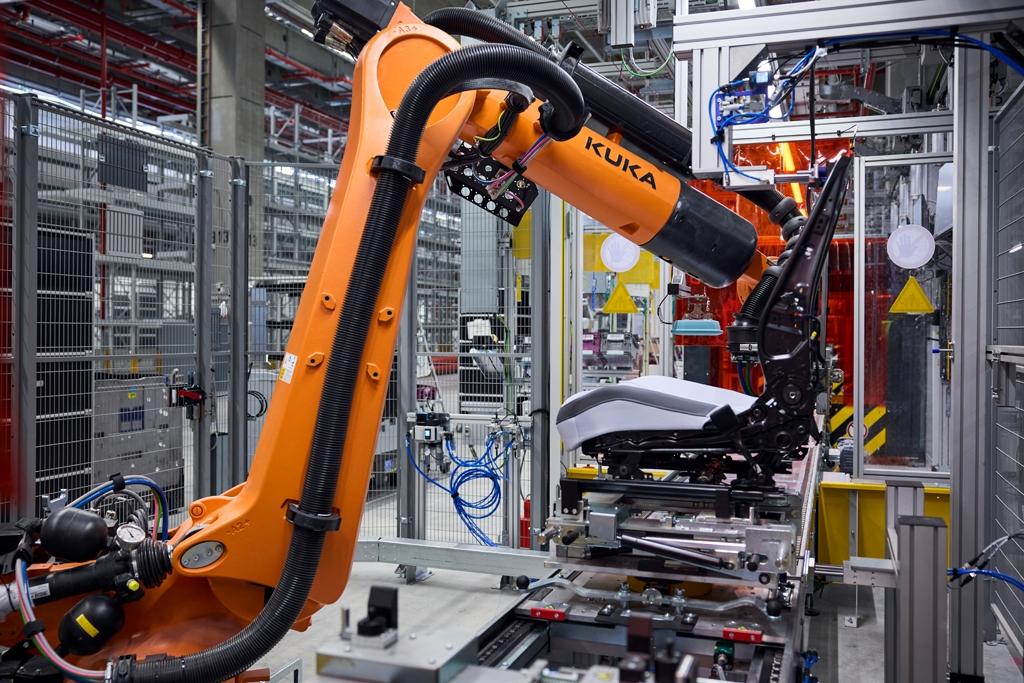
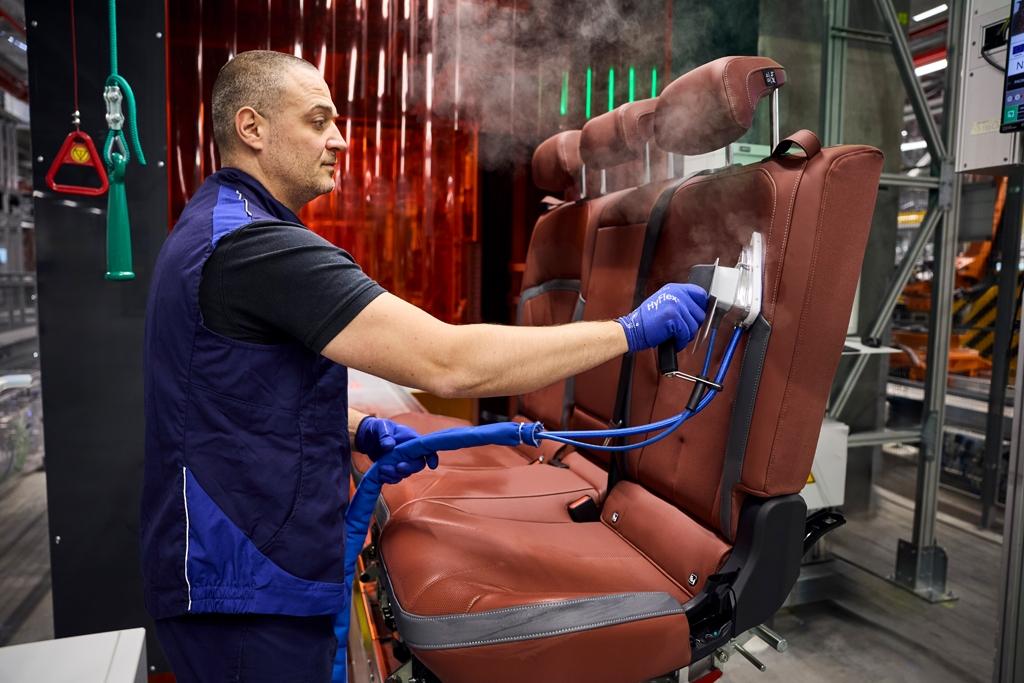
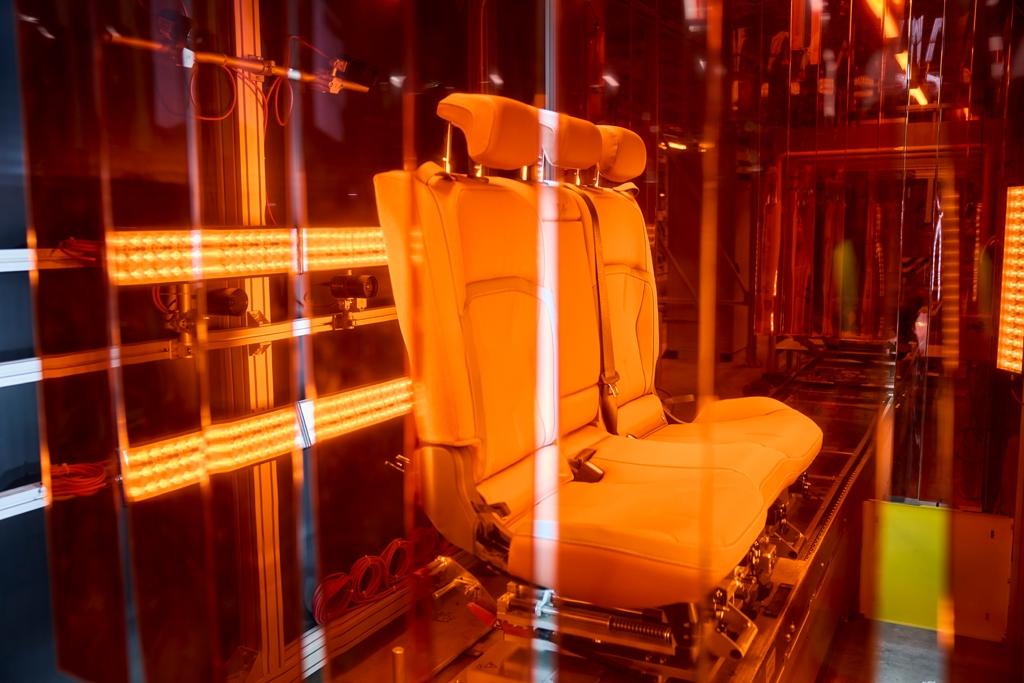
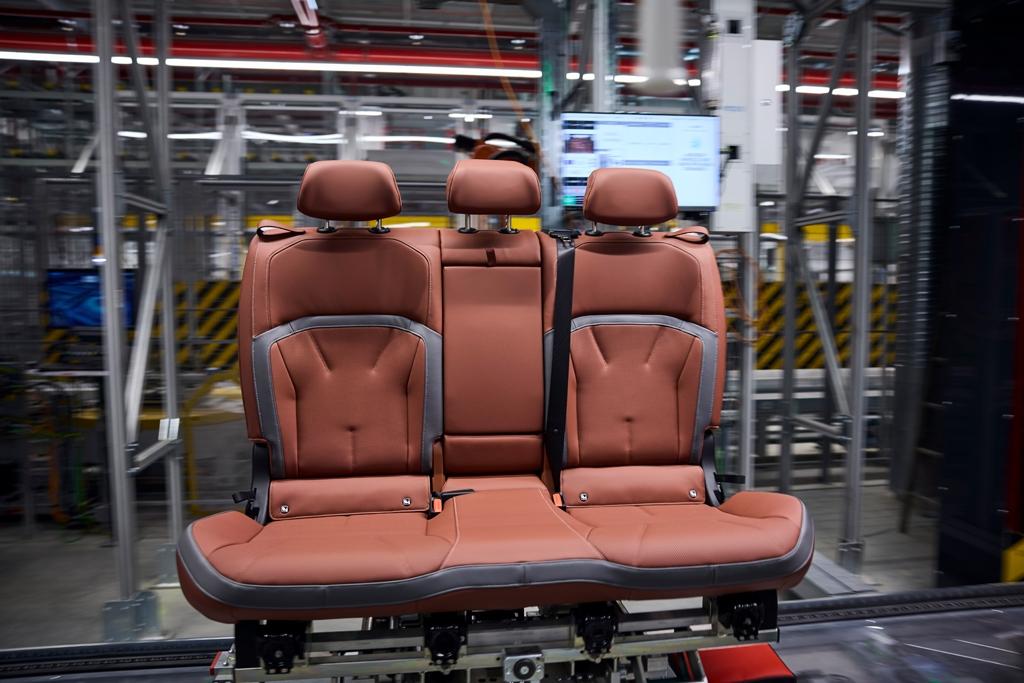
They say that the journey is often just as, if not more important than the result. As BMW steadily stays the course for the rollout of its new generation of Neue Klasse cars, it is making sure to give not just its ultimate driving machines, but also its factories, cutting-edge production processes, and global network the spotlight.
In so doing, it's also revealed a sweeping game plan that hints at its ambition to retain its leading position in the world of premium carmaking.
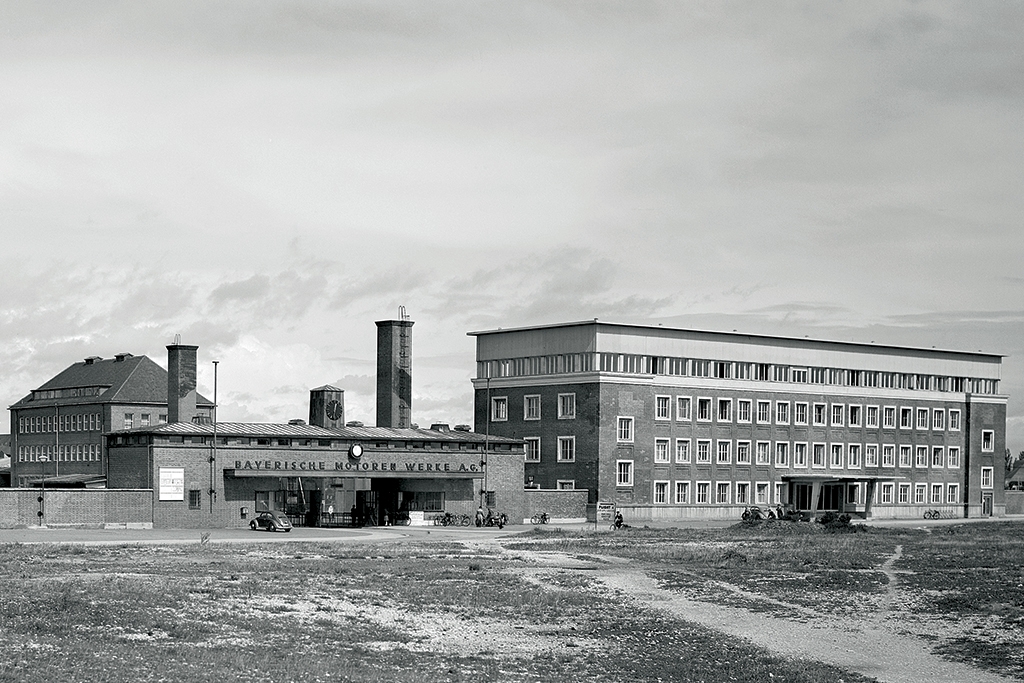
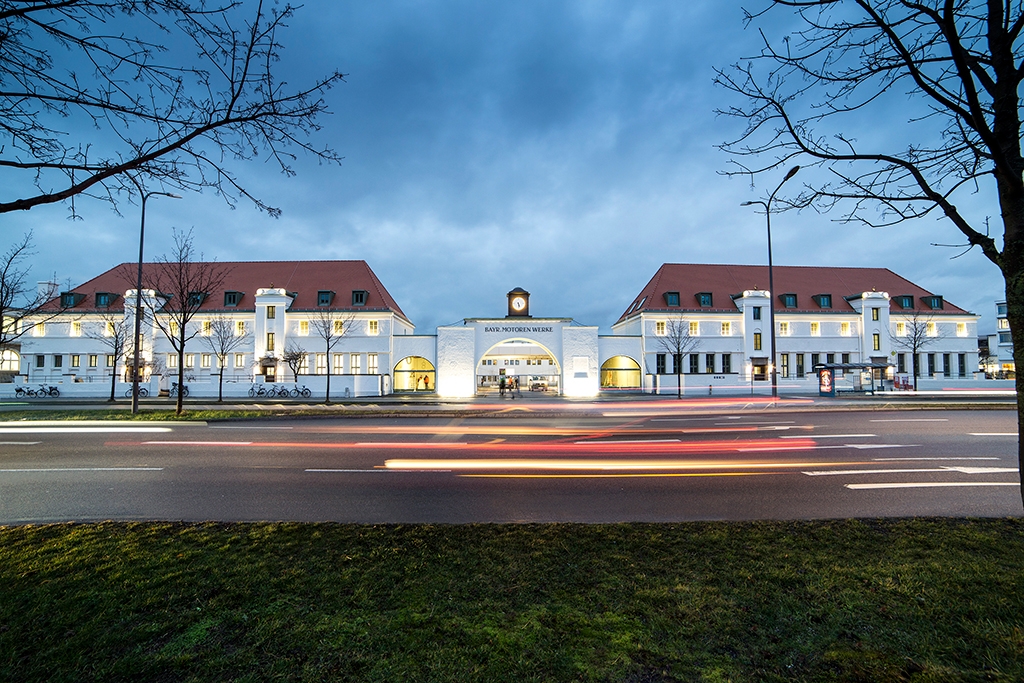
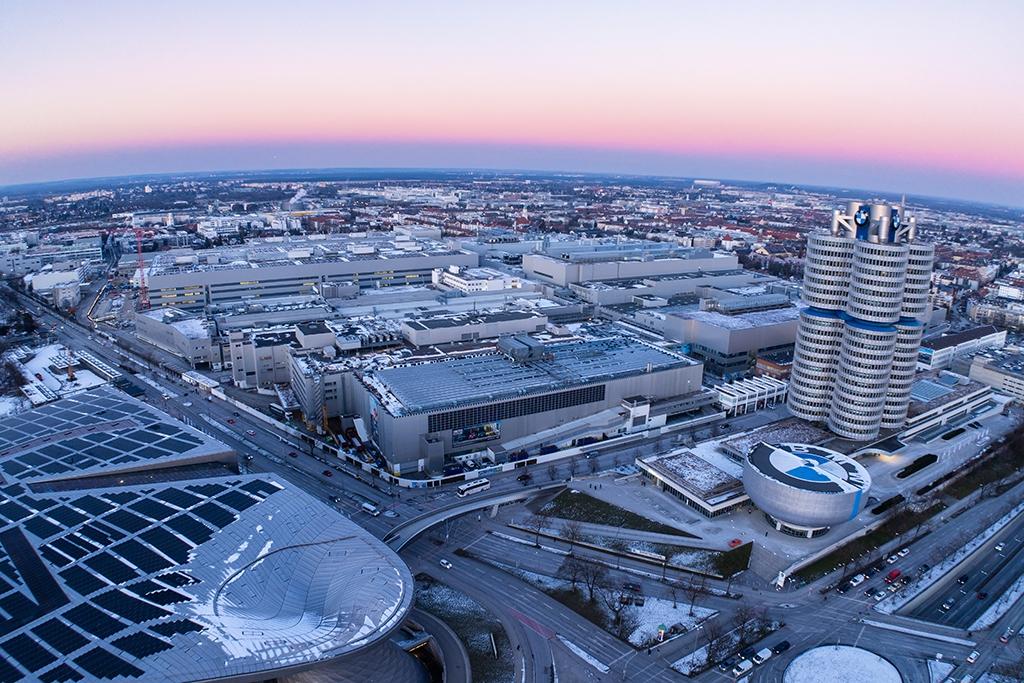
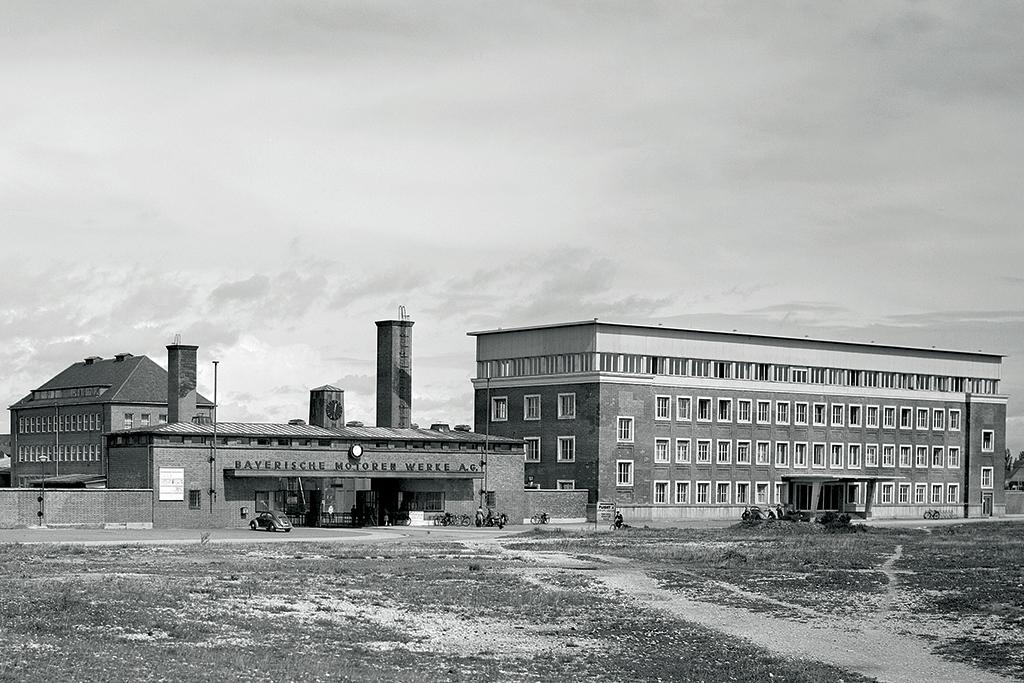
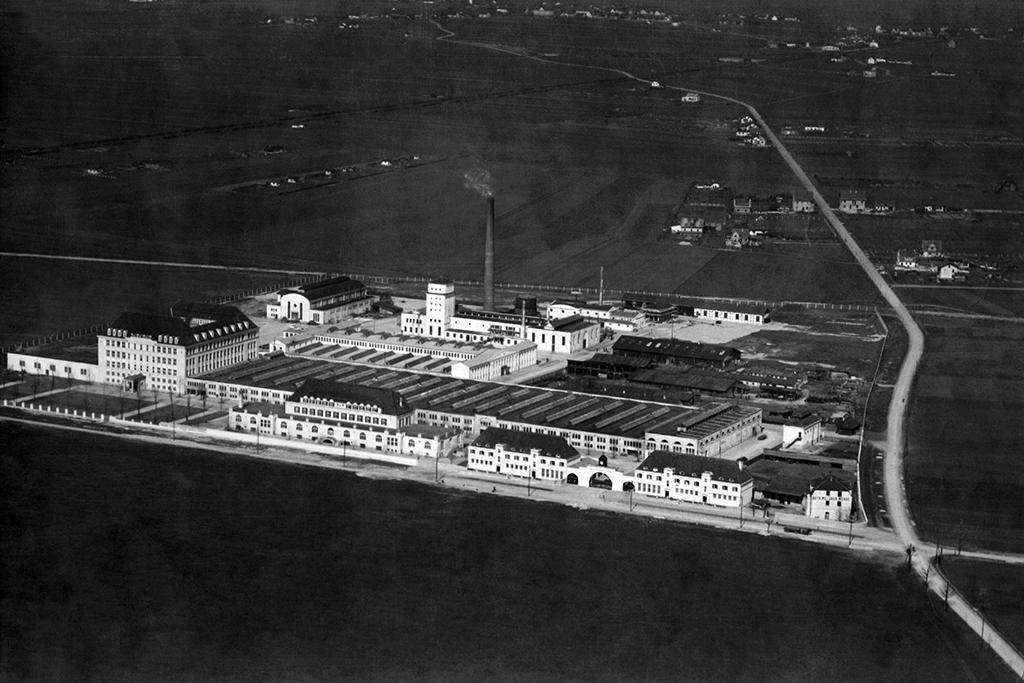
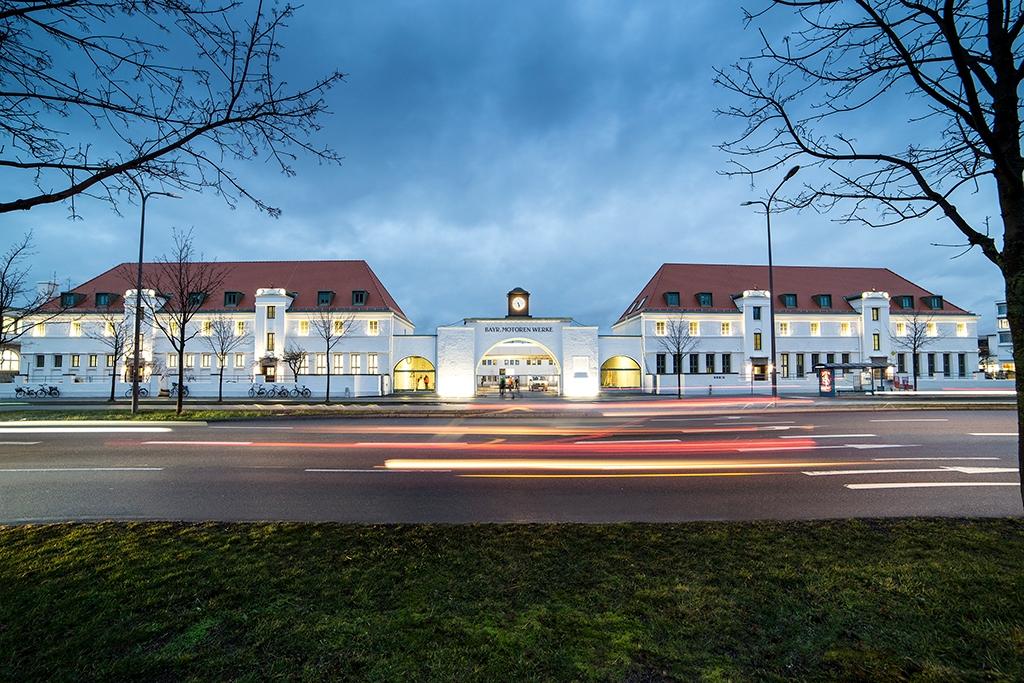
Plant Munich, BMW's home plant, has been in operation since 1922, and was once also home to the original Neue Klasse sedans of the 1960s
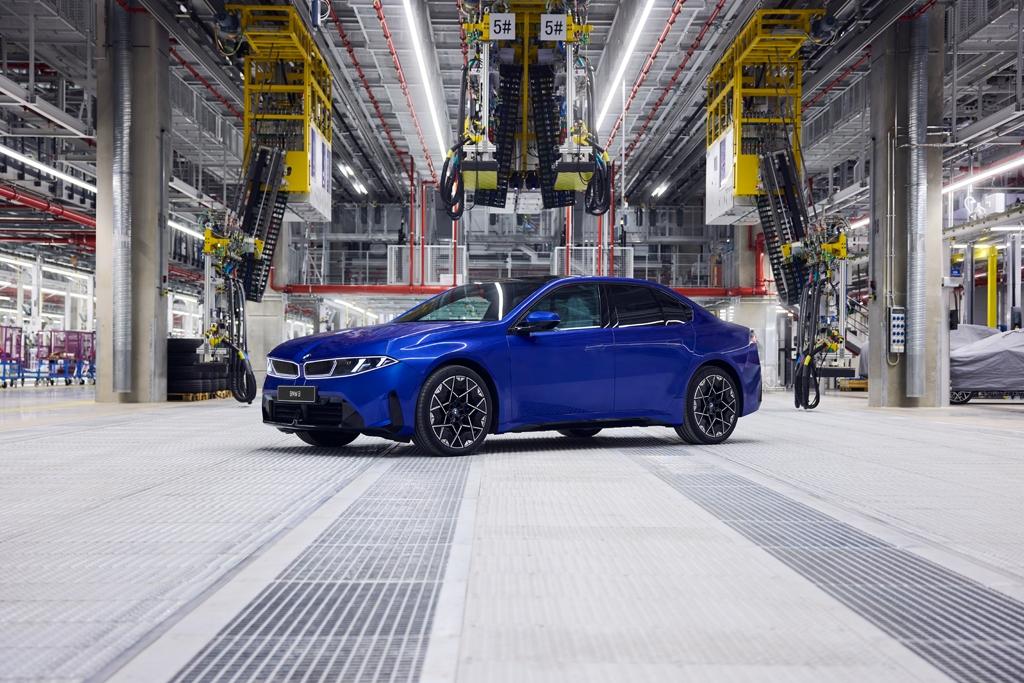
The brand has announced that Plant Munich, its iconic home plant, will soon start production of the all-new Neue Klasse BMW i3. And to do that, it has given the factory - which first started operation in 1922, was once responsible for the original Neue Klasse BMW 1500, and now churns out the BMW 3 Series and i4 - quite the impressive upgrade.
"From our earliest days, the spirit of change and innovation has been in our DNA," Dr Peter Weber, Director of BMW Group Plant Munich, shared at a welcome dinner at the site's historic Flugmotorenhalle, held on the evening of the i3's design world premiere back in March.
"Today, our so-called Stammwerk (German for 'home plant') is ready to step into a new era: Once again future-proof and competitive."
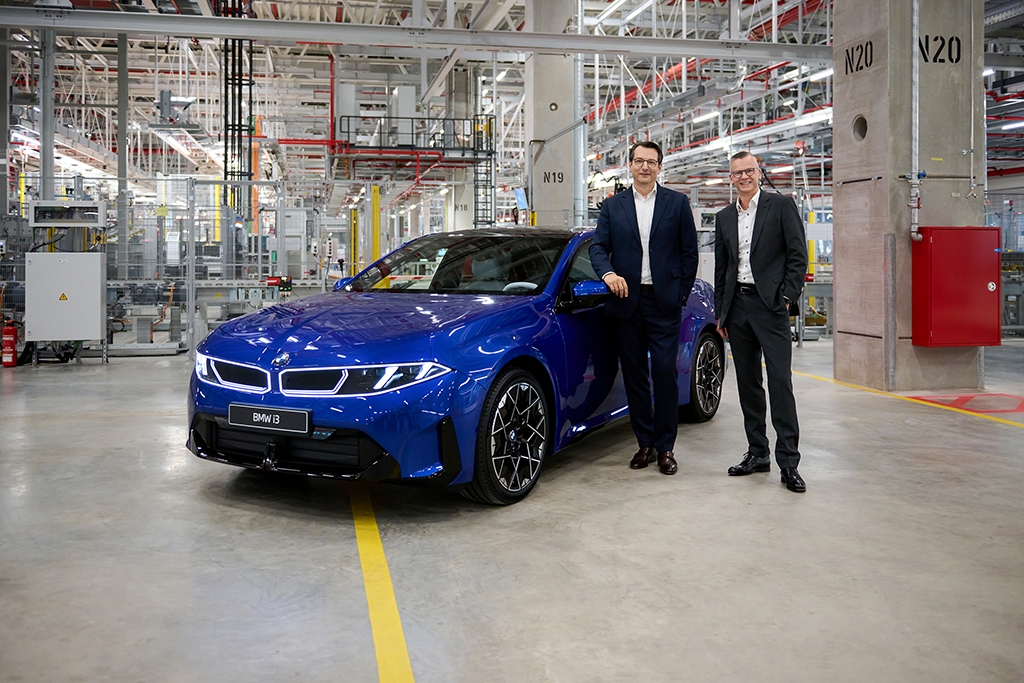
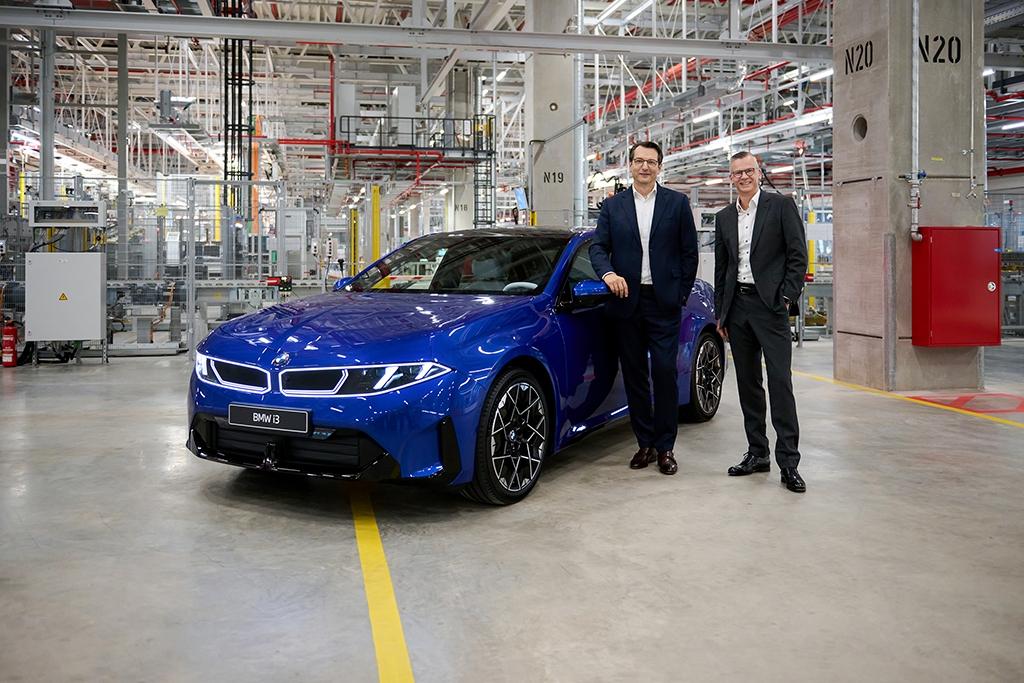
Dr Milan Nedeljkovic, Member of the Board of Management for BMW AG (left), and Dr Peter Weber, Director of BMW Group Plant Munich (right), standing next to an i3 in the new Munich site
In the same way that the i3 marks a new generation for the 3 Series, it might be helpful to think of the upgraded Plant Munich as a new generation of car building for BMW. But what the brand has confirmed beyond the i3 is perhaps even more telling of where its head is at: The site will only build battery electric vehicles (BEVs) from 2027.
While BMW has been clear that it is sticking closely to its 'technology open' approach of supporting both combustion-powered and electrified drivetrains, the move does signal a strengthened push toward the latter, especially in Europe. In 2025, the entire BMW Group (which also includes MINI and Rolls-Royce) delivered more than 442,000 BEVs: Nearly 18% of its total car deliveries, and a 3.6% year-on-year increase from 2024.
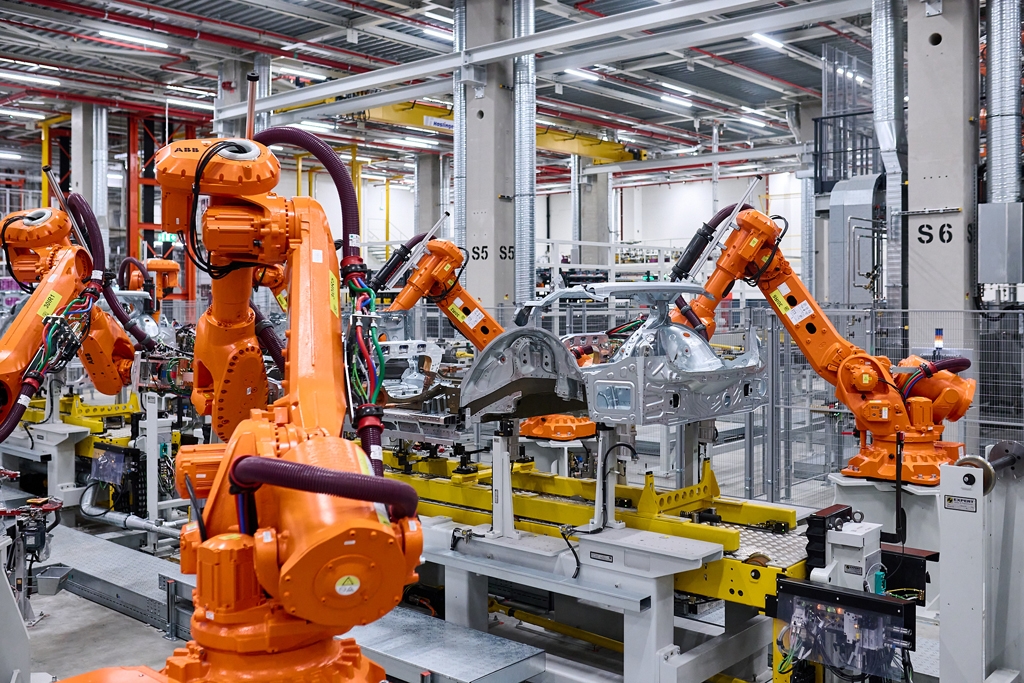
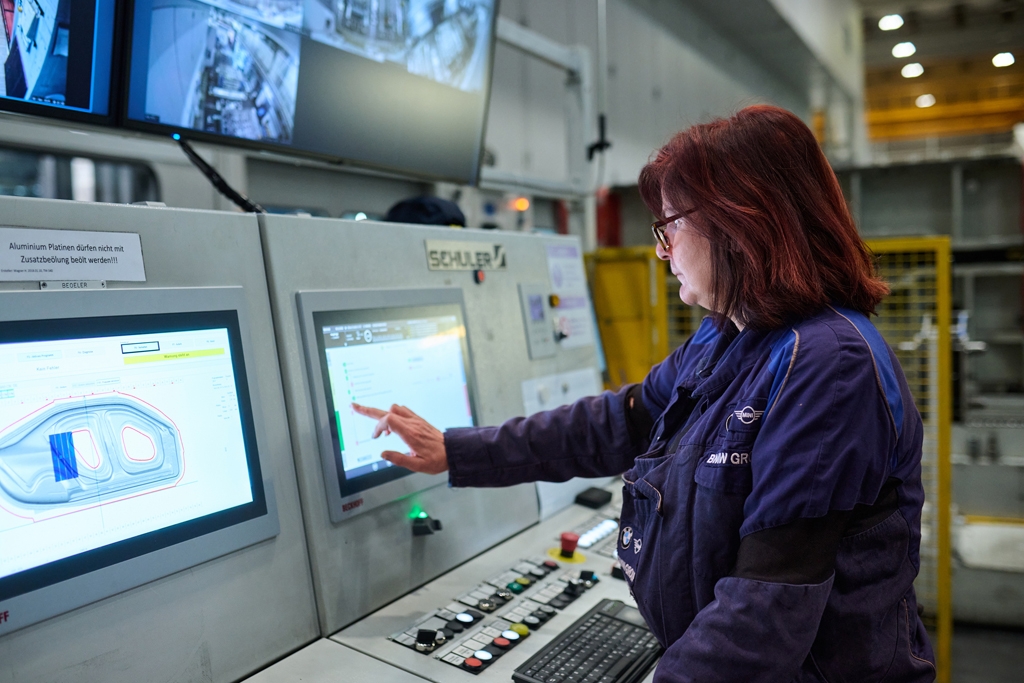
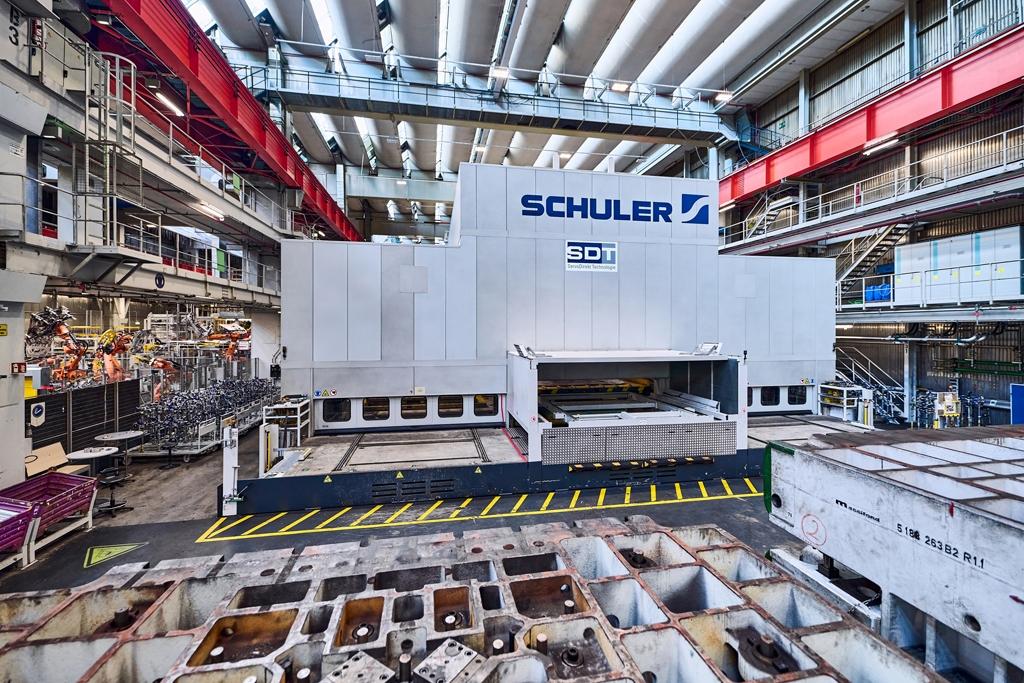
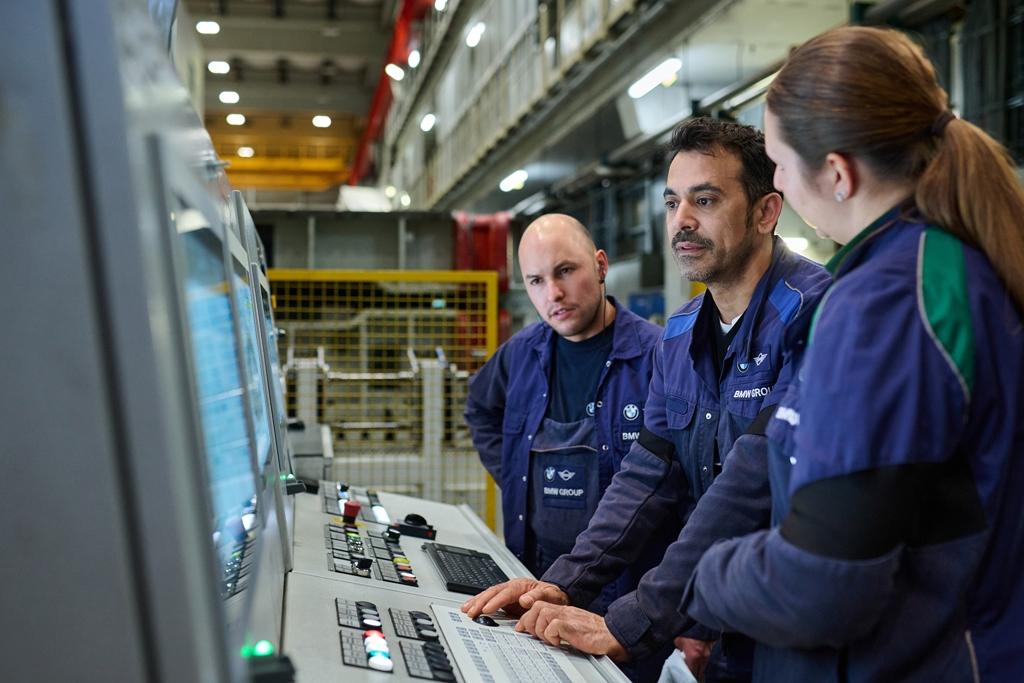
Artificial intelligence is widely used in the upgraded plant - including the press shop, where the technology helps workers with quality checks
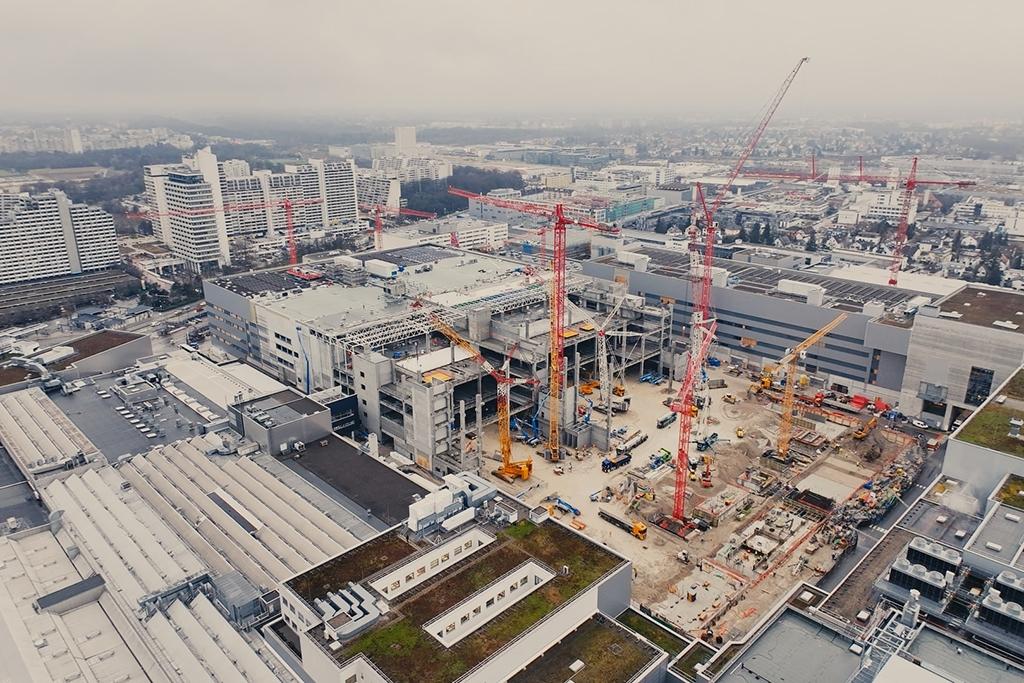
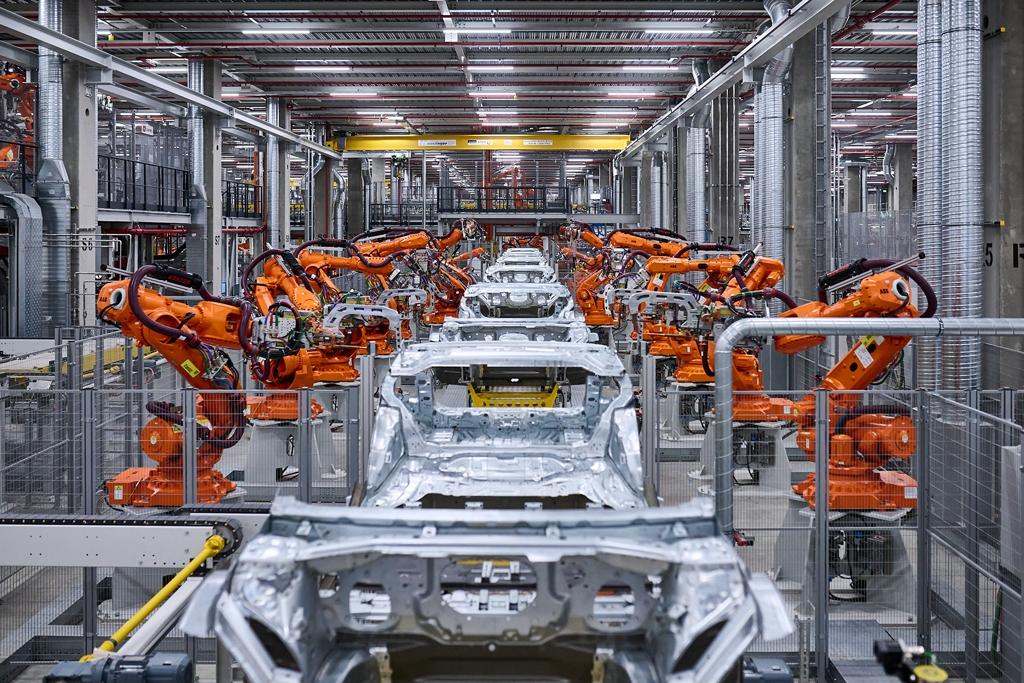
Unsurprisingly, BMW has gone to great lengths to overhaul Plant Munich, with the site now welcoming a new assembly hall, new body shop, and new logistics area. More importantly, all of them incorporate digitalisation and sustainability like never before. The broad goal? Better production efficiency and better-quality cars - both concurrently.
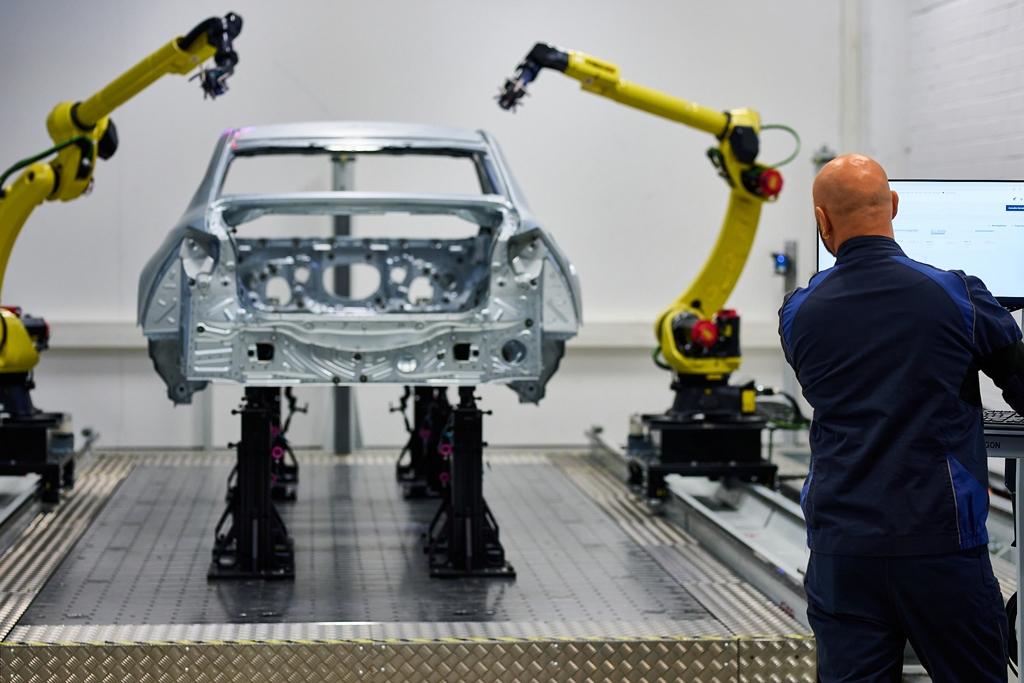
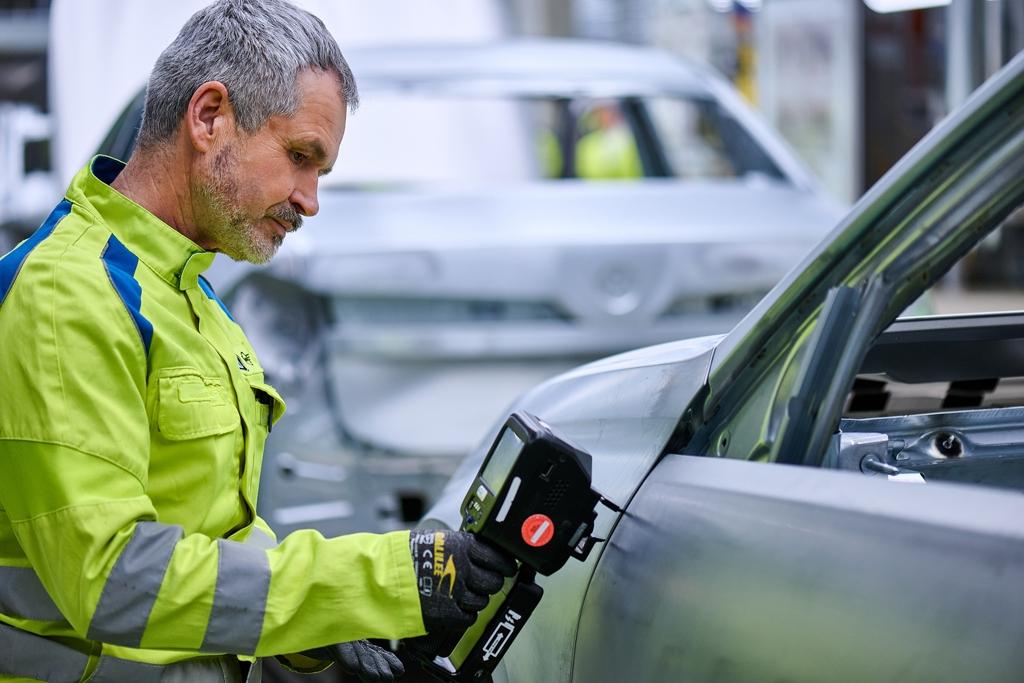
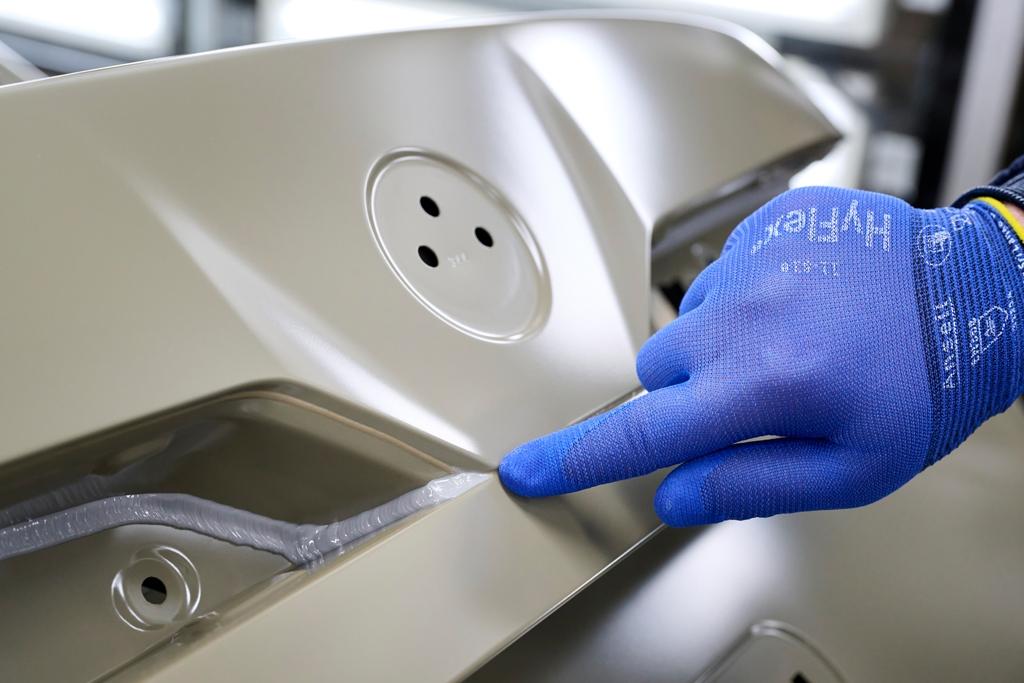
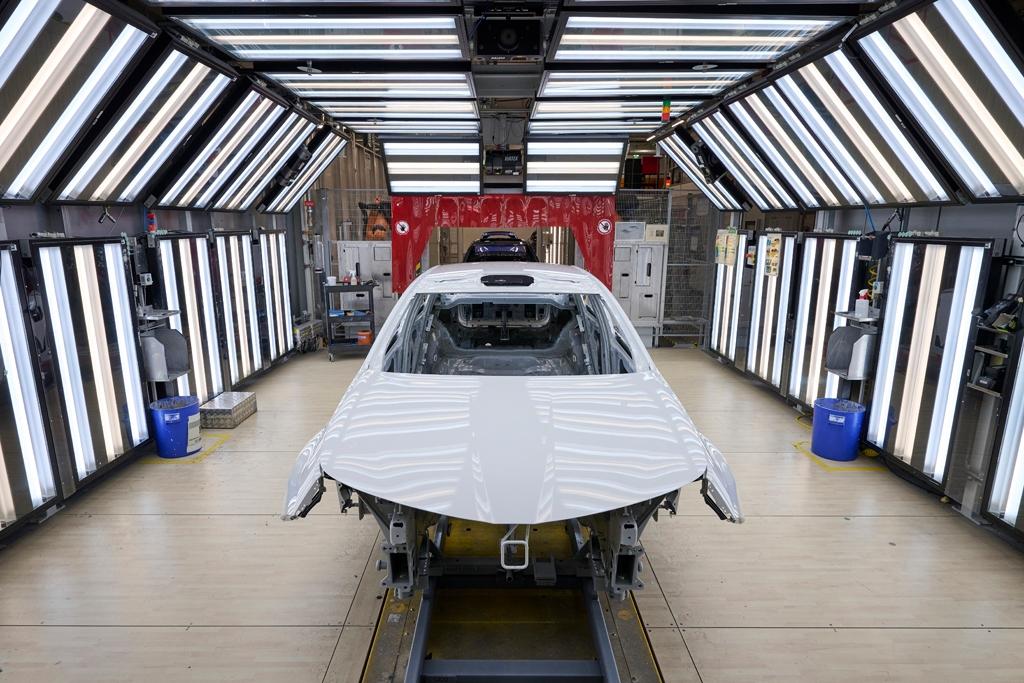
The press shop, for instance, now relies on an AI-assisted camera system that helps with quality control checks before components are moved to the body shop. BMW states that output has been increased as a result. Likewise, both the body shop and paint shop use a system called ASI - or automated surface inspection - which relies on cameras and AI for increased quality assurance.
Even the Plant's logistics have been improved.
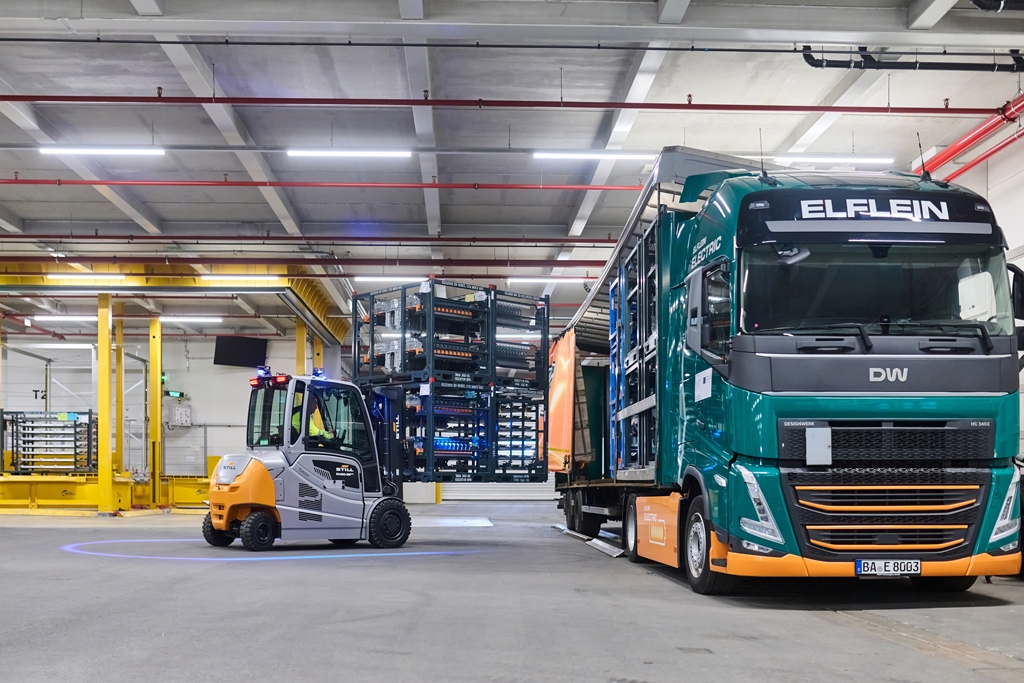
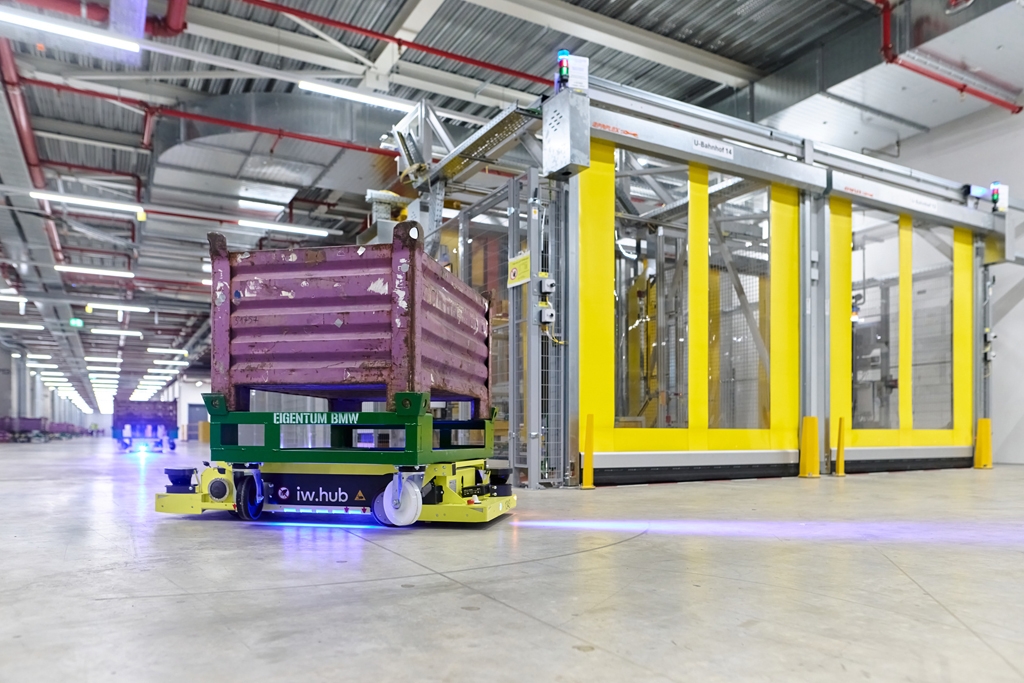
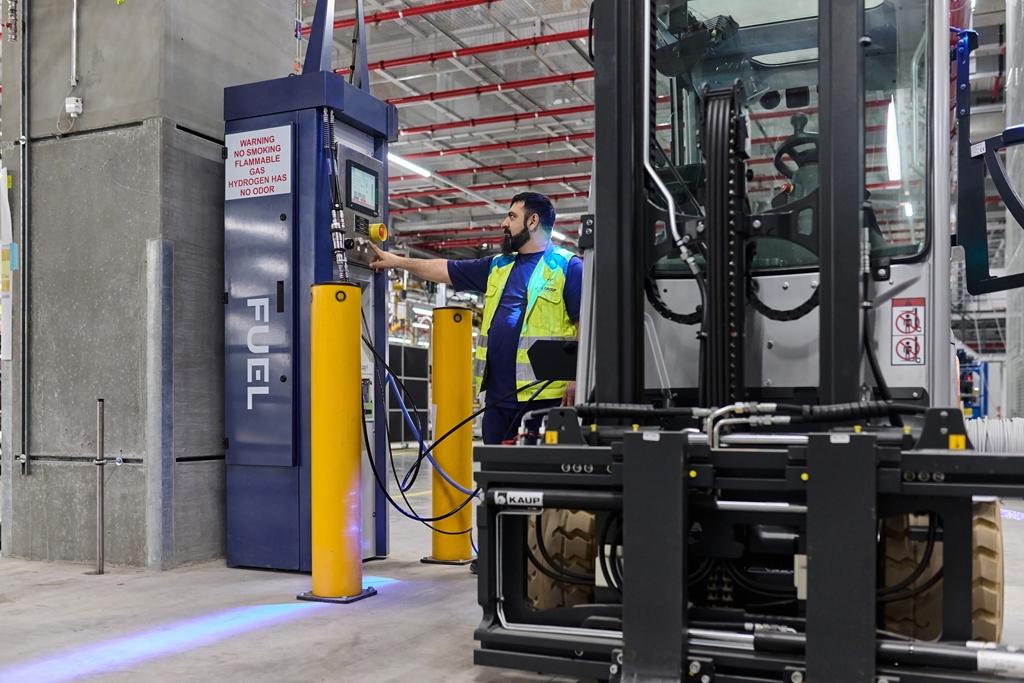
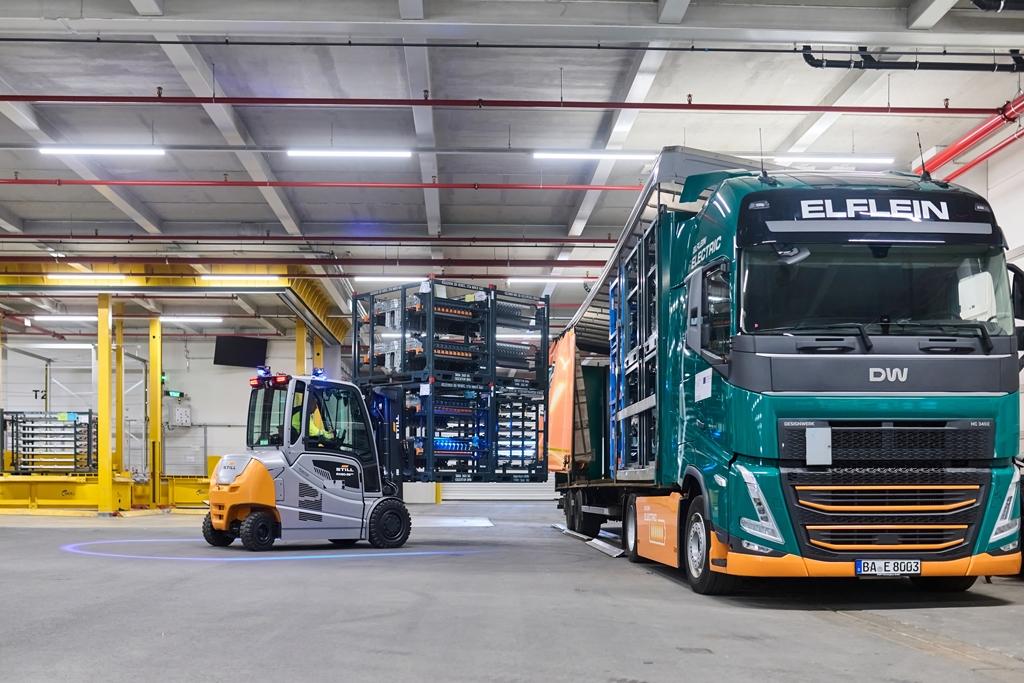
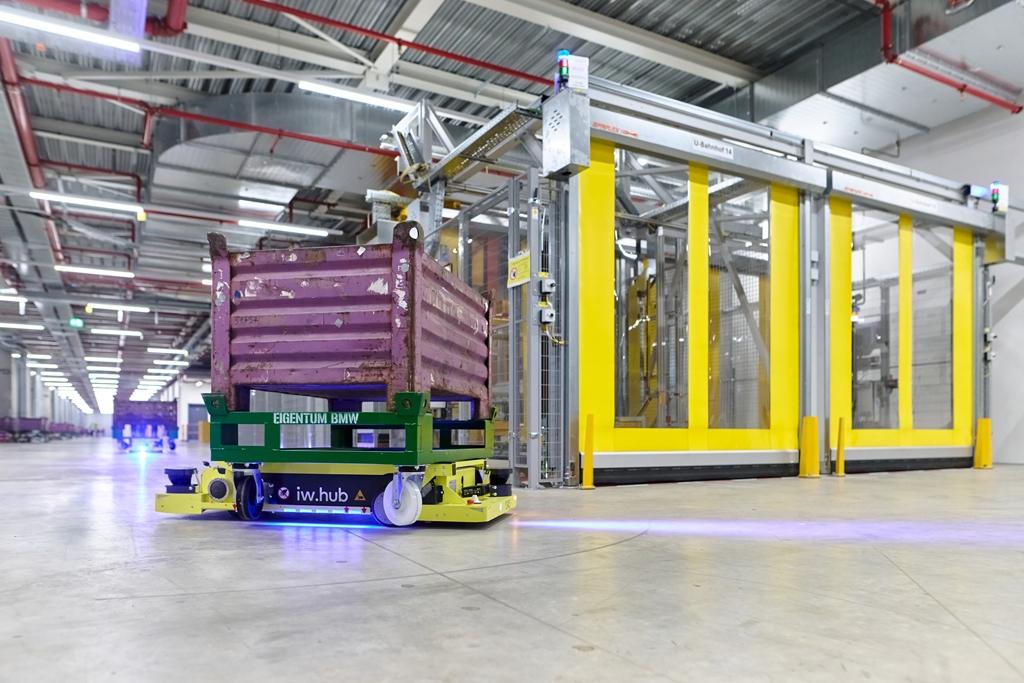
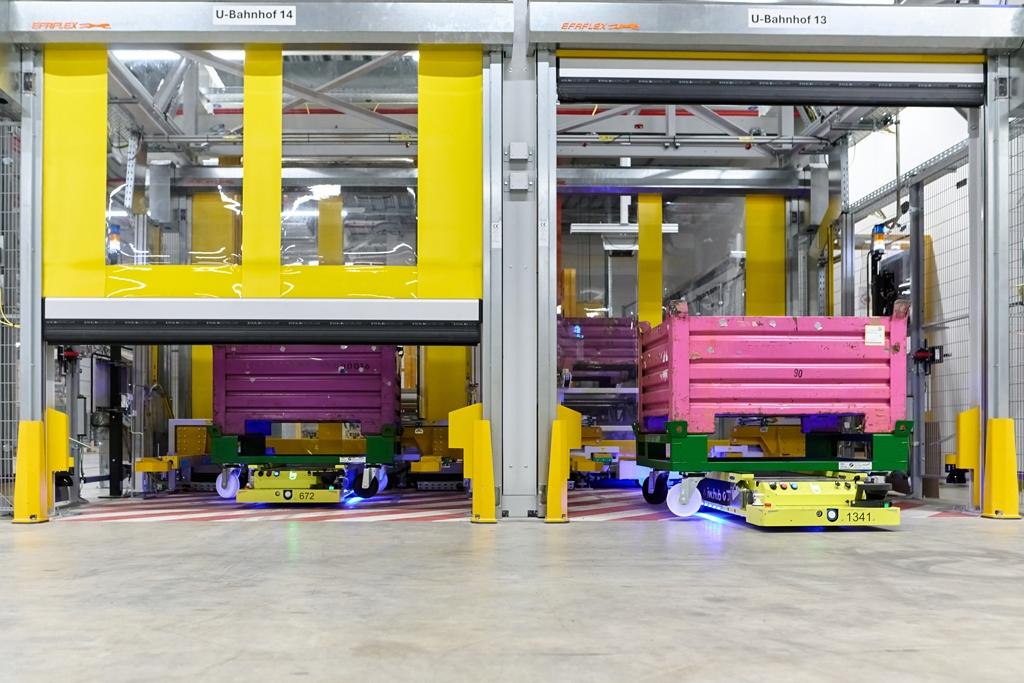
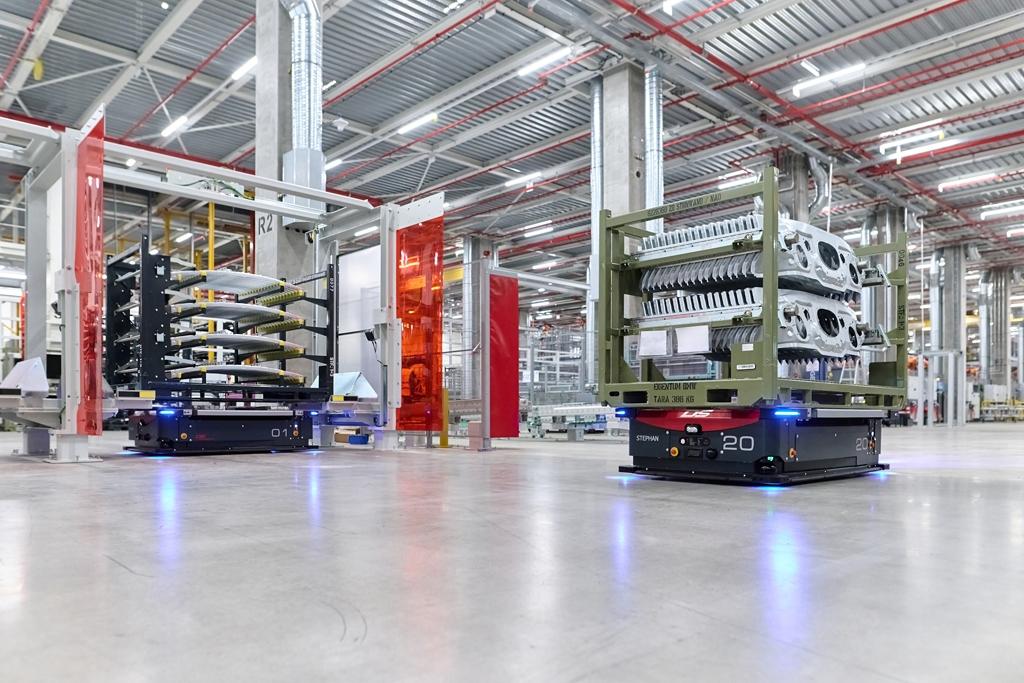
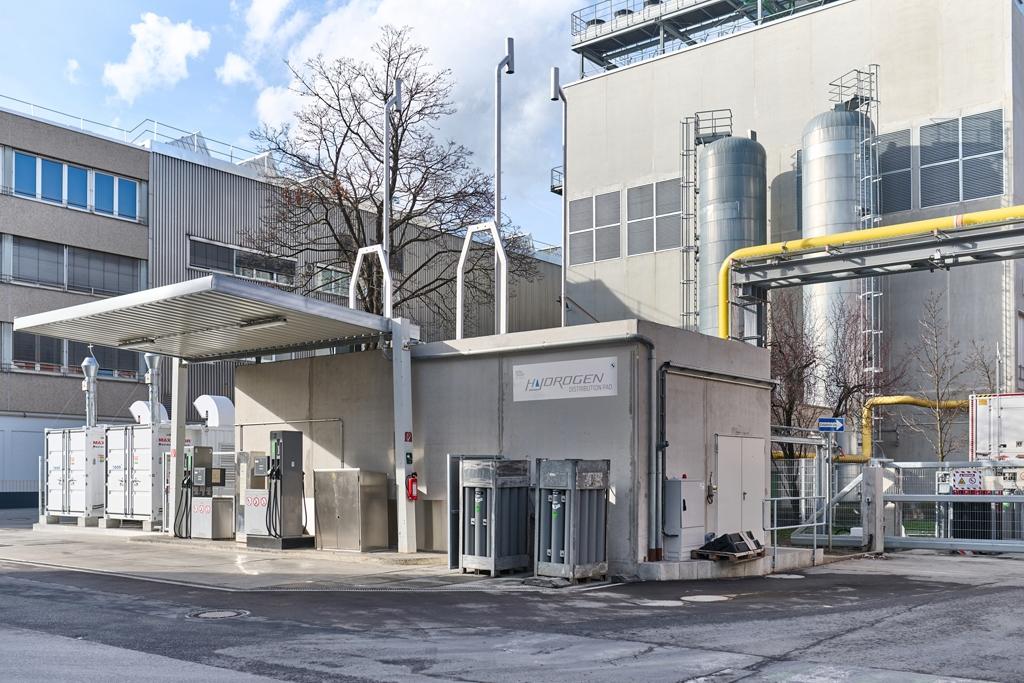
Part of the intricate and well-oiled machine that is the logistics fleet in Plant Munich are automated light goods vehicles and hydrogen-powered forklifts
BMW has revealed that a whopping total of around 2.5 million parts are moved within its premises across 18,000 containers daily - a Herculean task exacerbated by the Plant Munich's space constraints (it's located right within Munich's city centre) - making direct deliveries to respective work stations crucial for smooth operation. That share has now increased to 70% in the new plant, from 40-60% previously.
The site now relies on automated electric light transportation vehicles, smart monitoring systems, and even hydrogen-powered forklifts, to ensure that things get around smoothly, quickly, and cleanly.
On that note, it's not just smart digitalisation for heightened efficiency, but fundamentally reconceived manufacturing practices that have been infused into the new facility.
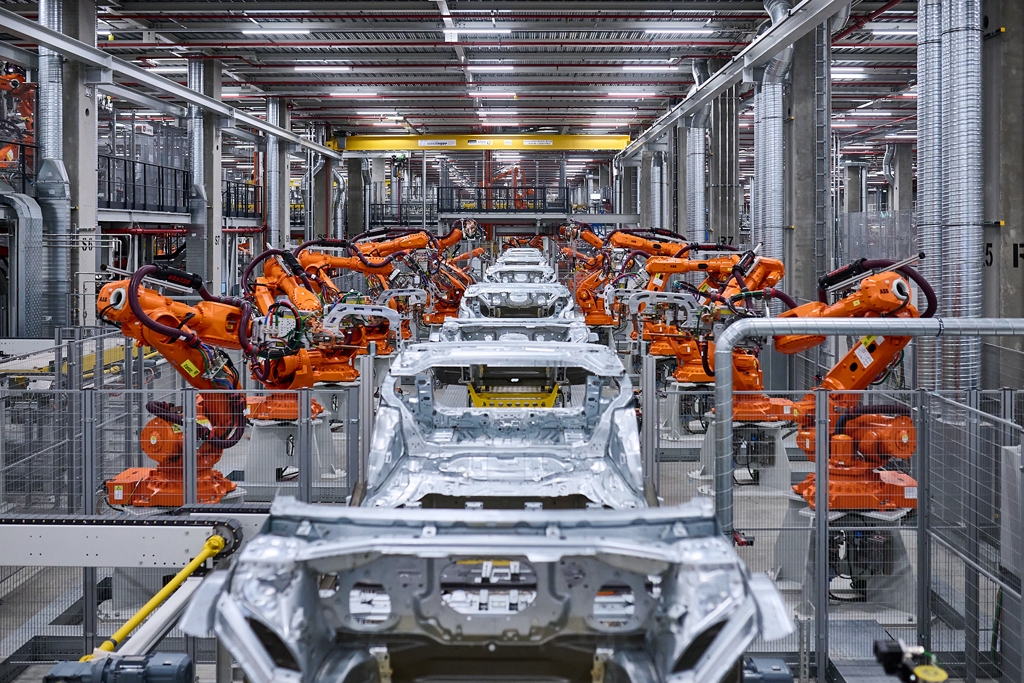
The body shop now relies on solar power for its energy
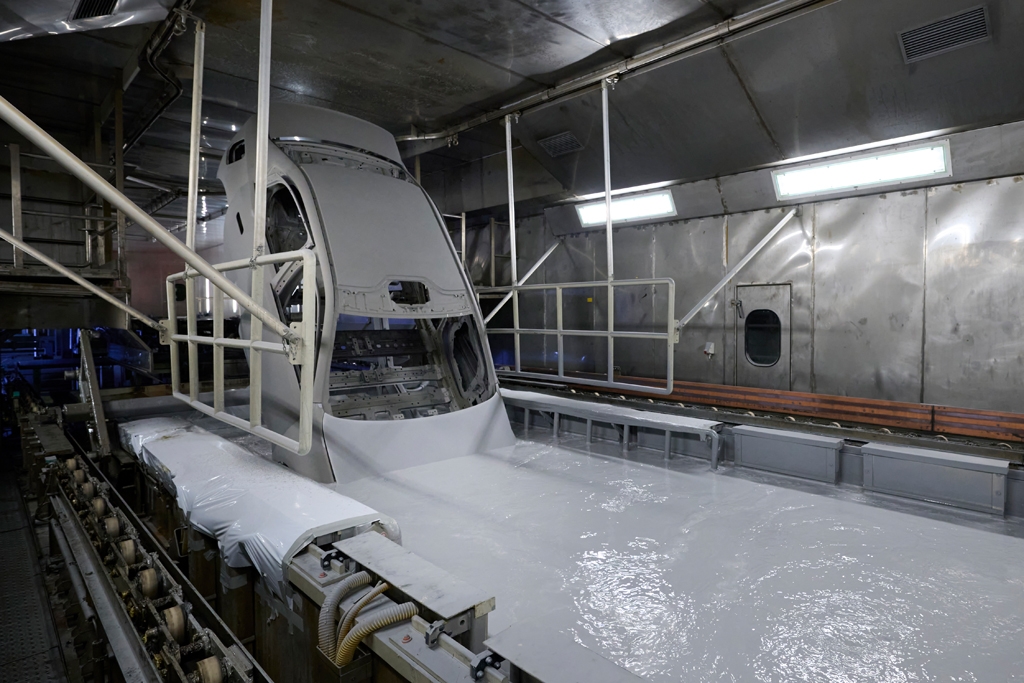
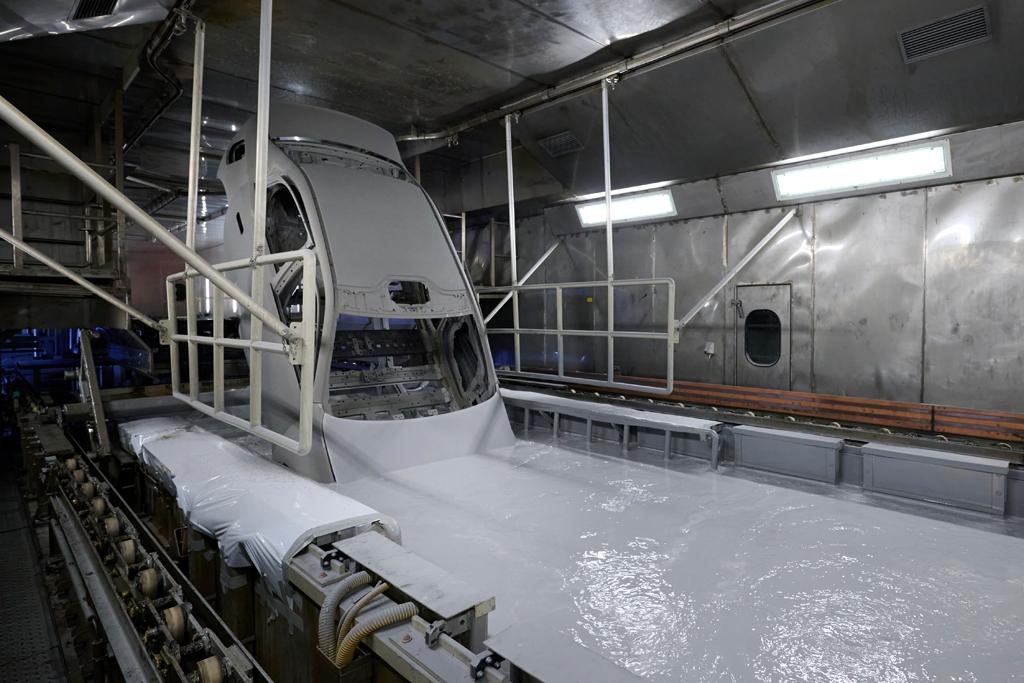
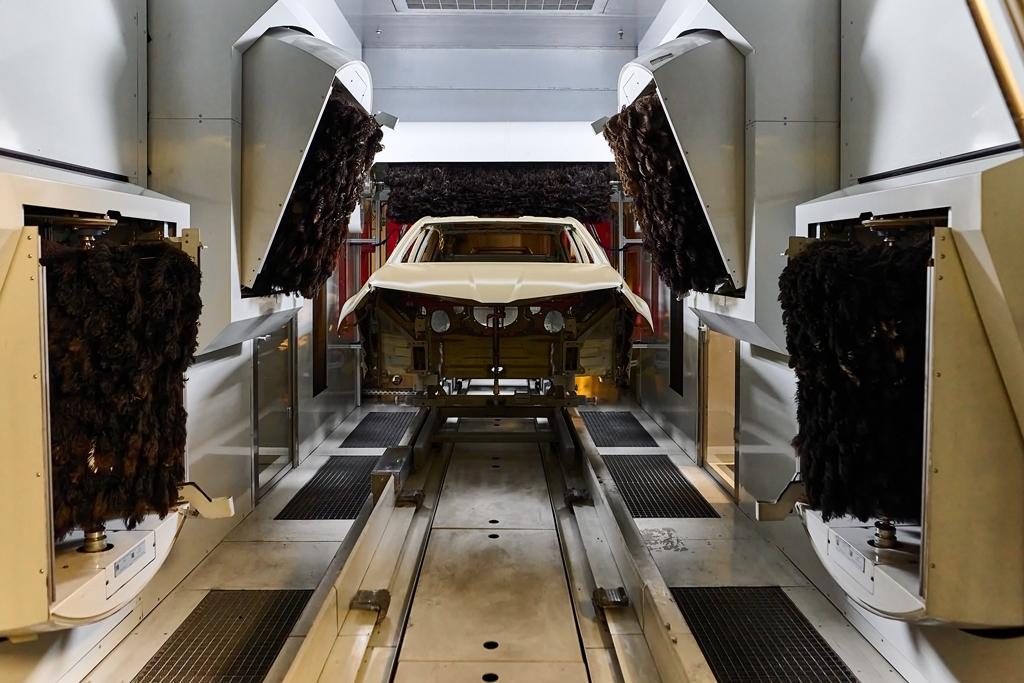
Meanwhile, the paint shop is said to be more resource-efficient than those in older factories
BMW has placed particularly heavy emphasis on the notion of lifecycle emissions (which measures impact on the environment right from the outset of a vehicle's production), rather than just tailpipe emissions, and to that end, Plant Munich will play a significant role with its goal of heightened sustainability.
Its new body shop is now powered by solar energy, while the paint shop uses an electrified process to purify exhaust air, and is more resource efficient thanks to its heat and energy recovery systems.
Fundamentally too, the refreshed factory is meant to gel with the concept of simpler assembly, which has been baked into the Neue Klasse architecture from the outset.
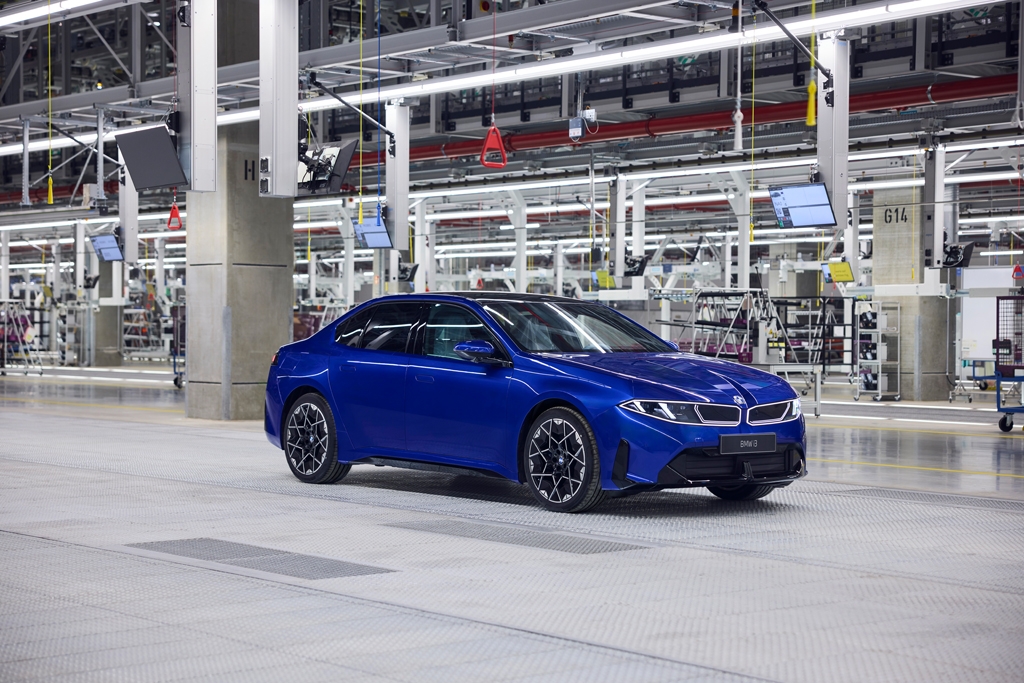
Like the iX3, the i3 promises to be less complex to piece together
Reducing complexity is one of the holy grails of manufacturing, and to that end, the incoming Neue Klasse electric sedan (like the Debrecen-built iX3) promises to be less complicated to piece together.
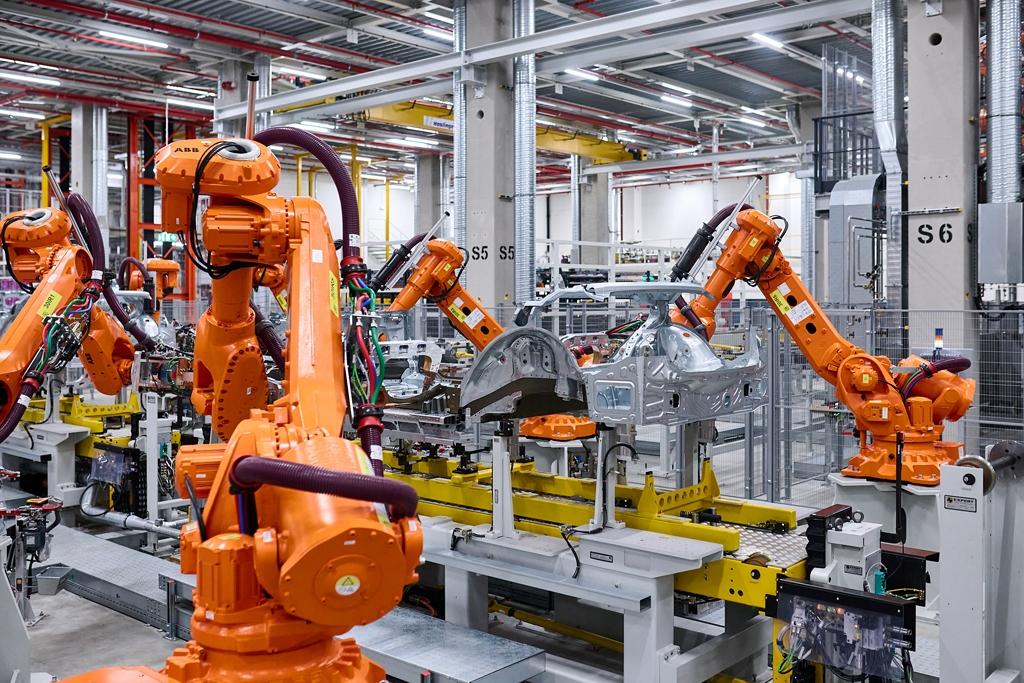
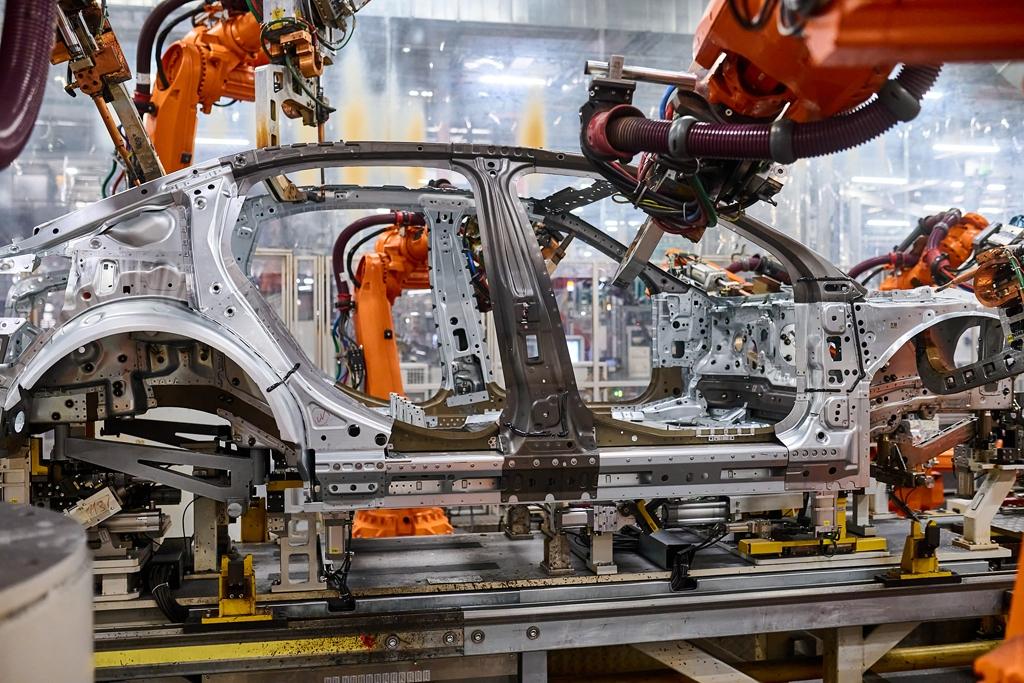
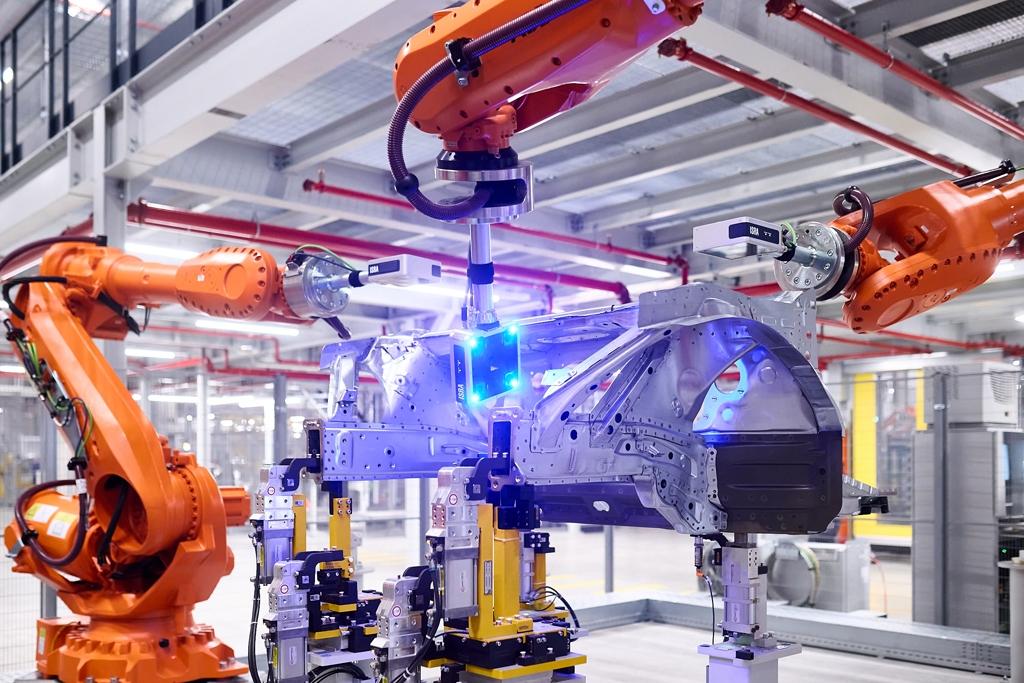
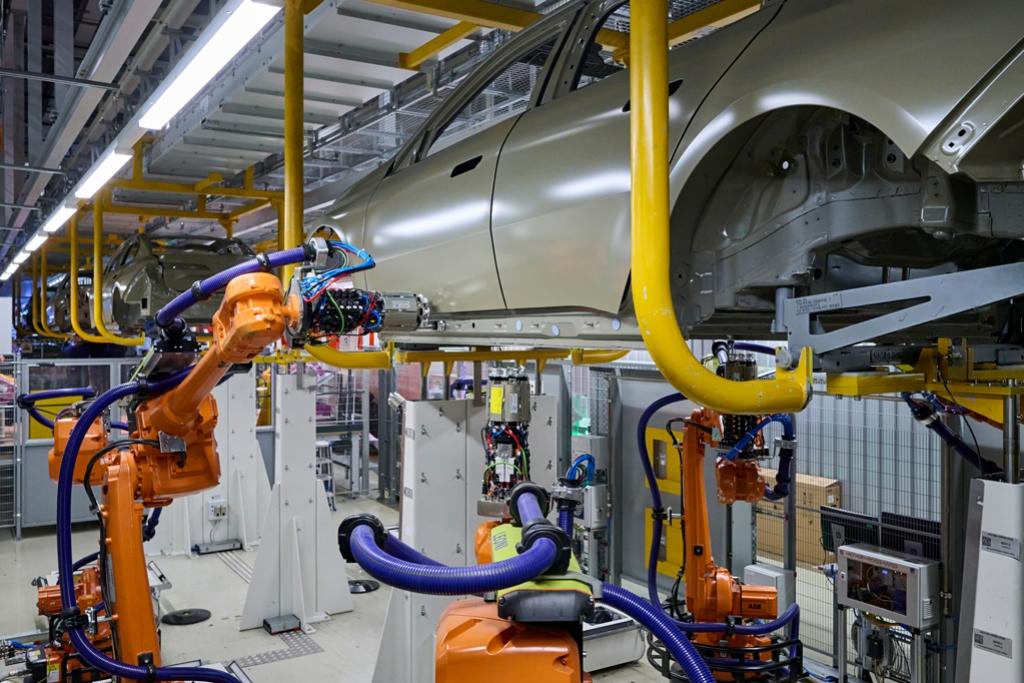
The number of joining processes in the body shop, for instance, has been reduced to just five for the Neue Klasse cars. Meanwhile, the 'digital nervous system' of the new i3 is also powered by a new-generation 'zonal' wiring harness architecture, which is 30% lighter and requires 600 fewer metres of wiring than the outgoing 3 Series.
Still, perhaps the most impressive part of the latest announcement is the fact that Plant Munich has never stopped production while it was in the midst of its 'refresh'. In fact, BMW shares that around 1,000 cars continued to roll off the line daily as it was chipping away at the upgrades.
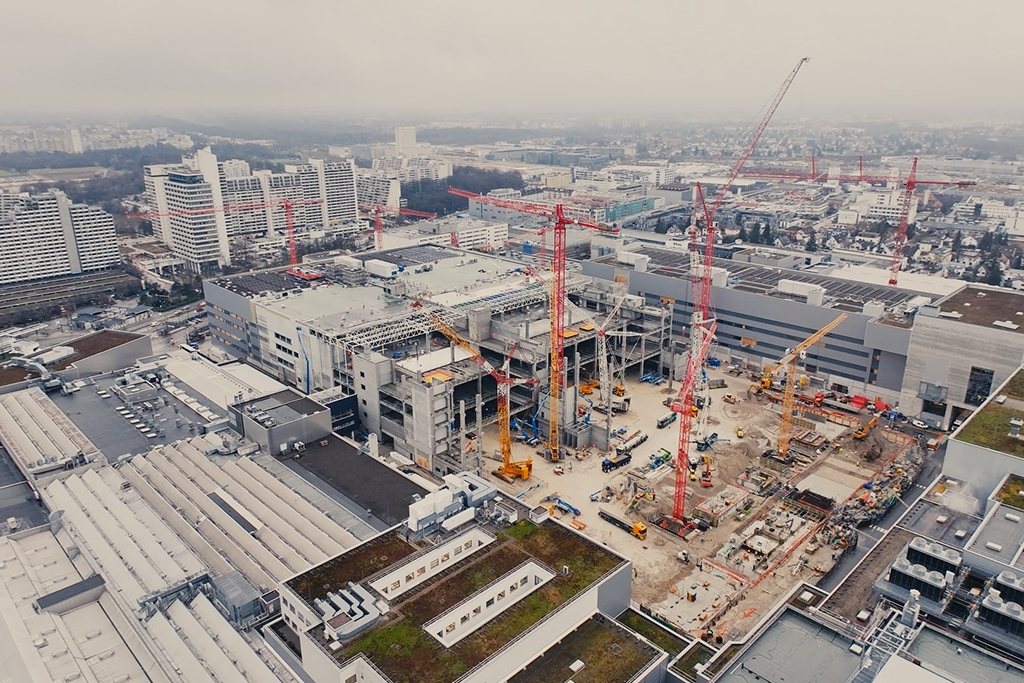
Construction of the new grounds at Plant Munich was completed at breakneck pace - in just 18 months - thanks to the use of digital twins for planning. In the meantime, 1,000 cars continued to roll off the production lines daily
Simultaneously, it must be remembered that BMW's home plant works with an interesting set of constraints too.
As mentioned, Plant Munich - unlike many other car factories - is located right in the heart of Munich with neighbours all around, thus requiring BMW to think out of the box and build upwards, rather than uncritically expand the site's footprint. (This, again, also has an impact on how it manages its logistics, since it cannot afford to store too much on site.)
Above all, BMW states that returning to its BMW iFACTORY principles helped it to complete everything at breakneck speed. The key to this rapid-fire efficiency, again, was digitalisation.
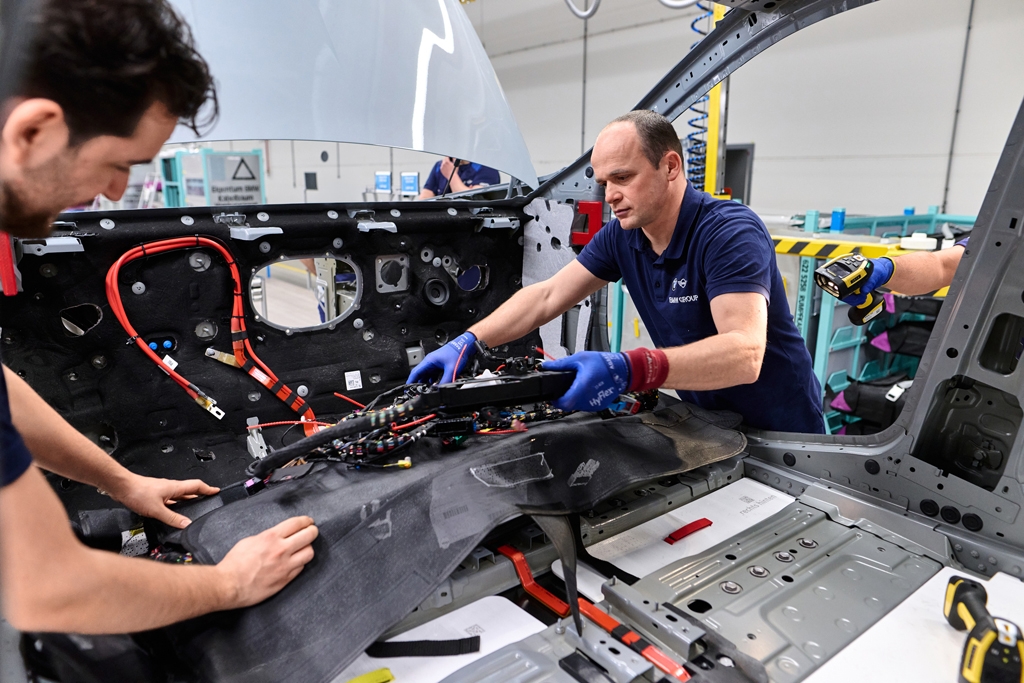
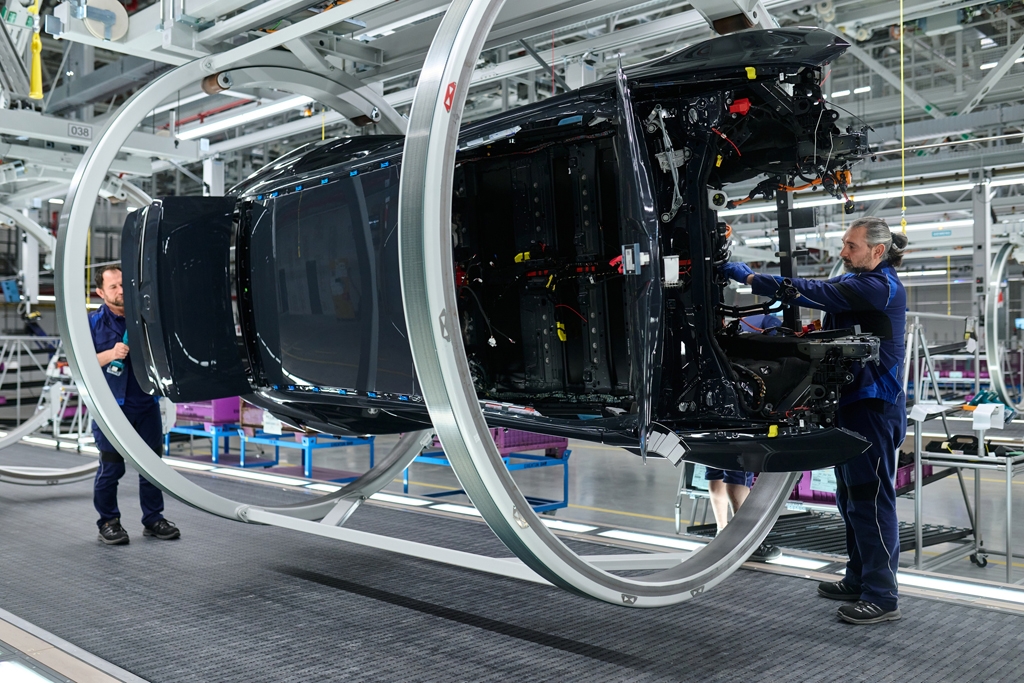
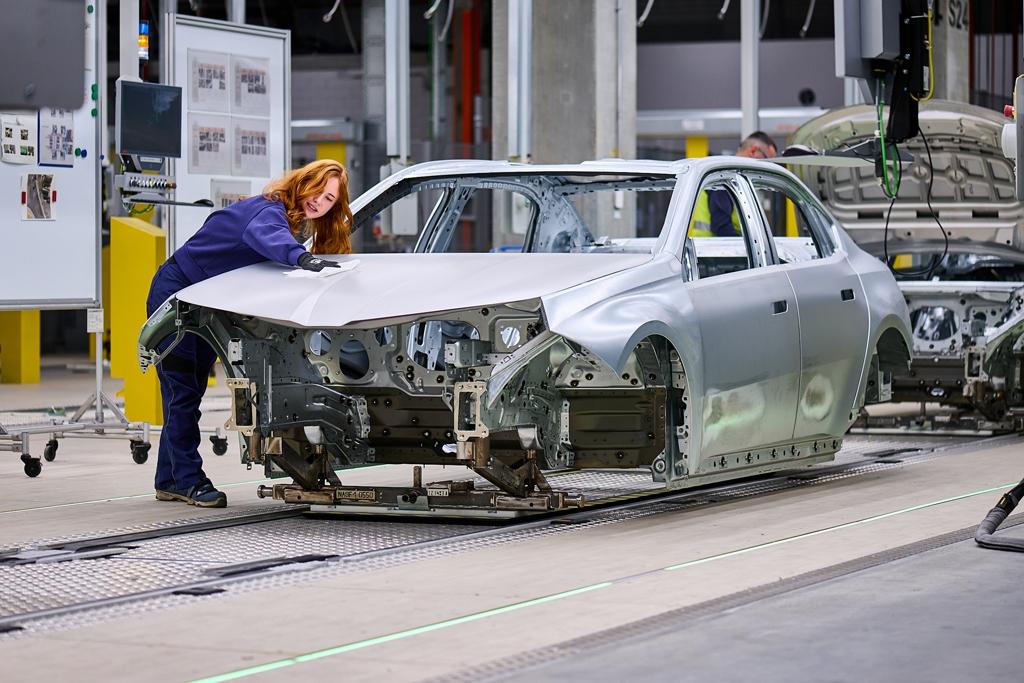
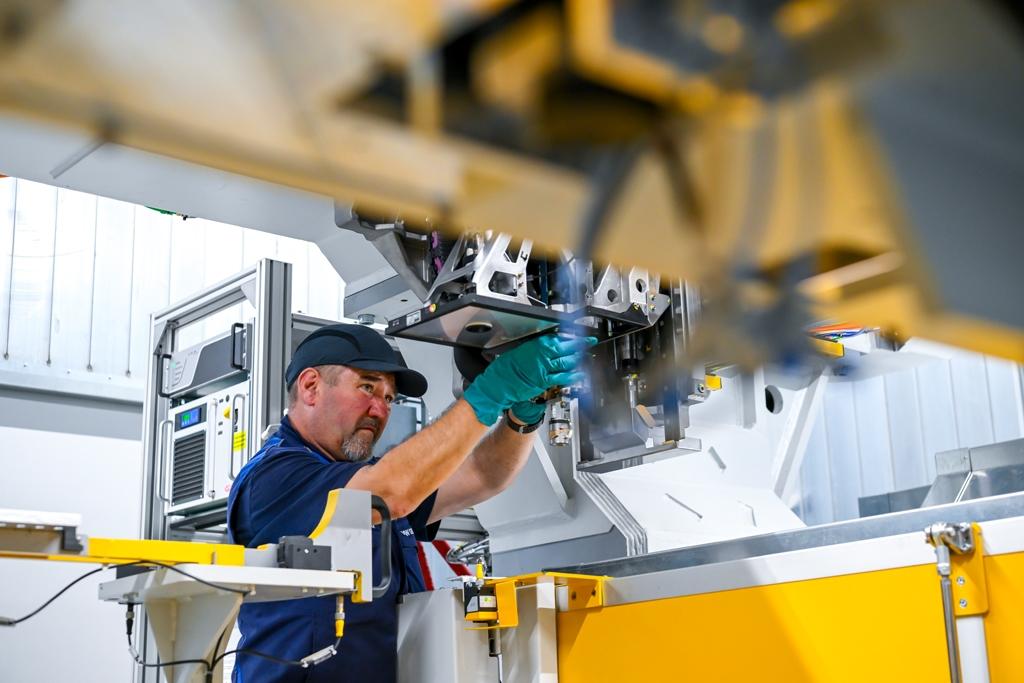
BMW is placing renewed emphasis on its workers - with the likes of a tilt assembly line to enhance ergonomics. The upgraded Plant Munich is estimated to have created 1,600 jobs
As first witnessed with Plant Debrecen, digital twins aided in speeding up construction work and equipment installation. In fact, BMW says that every single step was planned and checked in a virtual world before being implemented in the real world.
BMW has also been emphatic about the fact that its employees have been prioritised throughout the plant upgrading process.
"We have a clear responsibility to our people," Dr Weber said in response to a question about layoffs, confirming that the brand had no plans to cut its workforce. Conversely, 1,600 jobs apparently emerged as a result of the new plant, with majority coming from existing BMW Group sites through an internal hiring process. The approach marks a stark contrast to that taken by fellow German giant, Volkswagen, which recently announced plans to shutter plants and axe jobs.
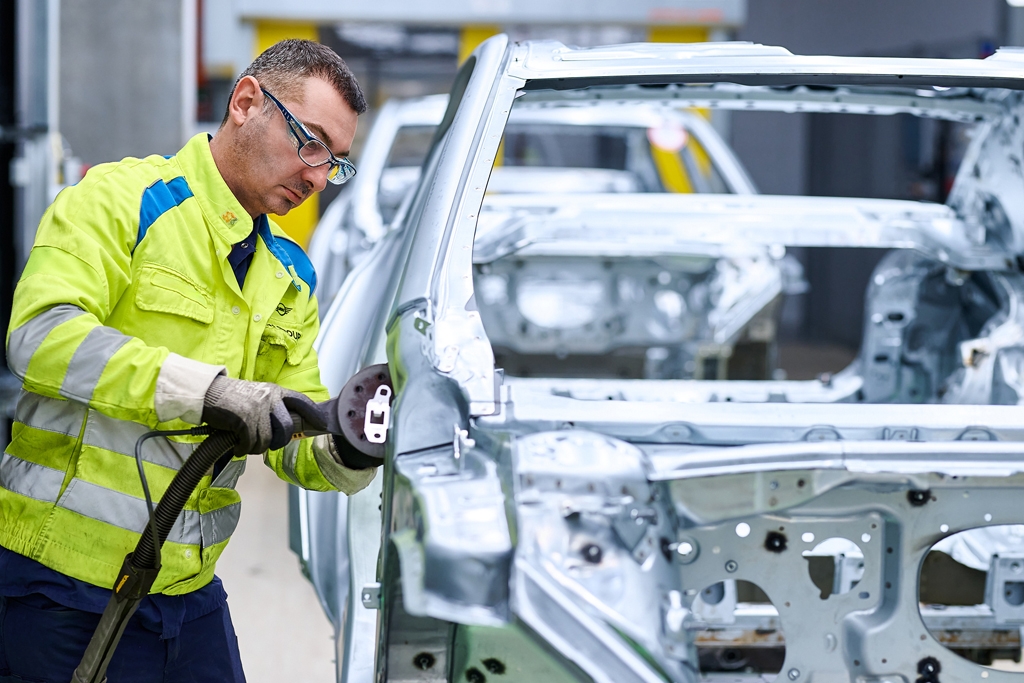
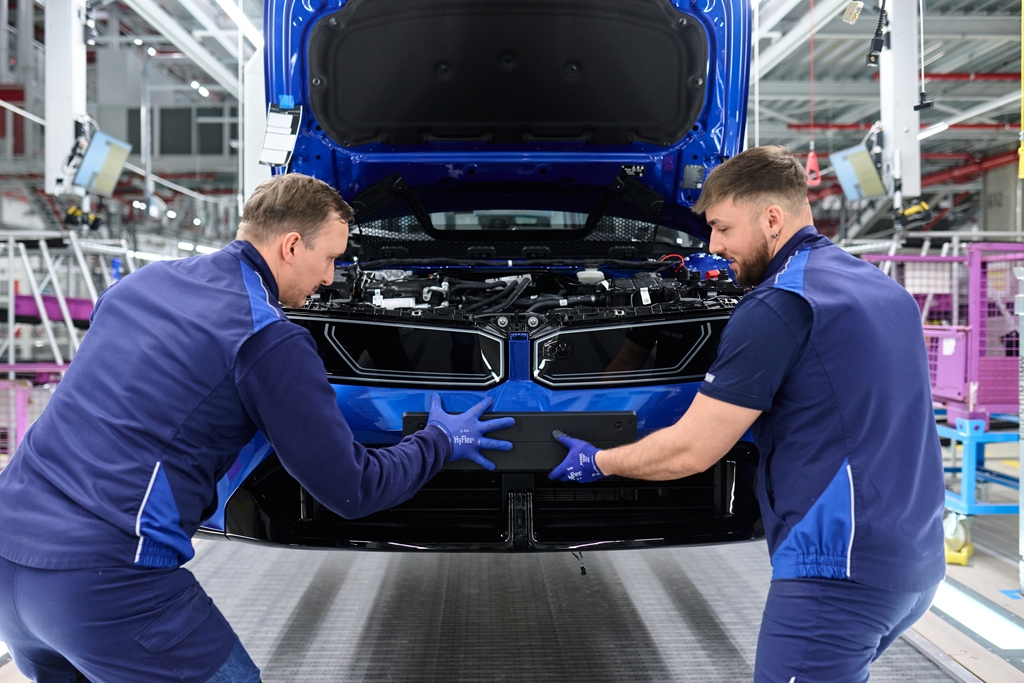
Meanwhile, BMW has assured that the new tools introduced will better aid those on the ground, with the site also serving as a driver for high-tech jobs in Munich and the region.
As the pressure continues to rise on legacy carmakers in the face of new challengers, yet another important step taken by Plant Munich is in cutting production costs - by around 10%.
Alongside it, BMW has made sure to buttress its defences against geopolitical shocks with a robust network of five new production sites for its sixth-generation eDrive high-voltage batteries, spanning three continents.
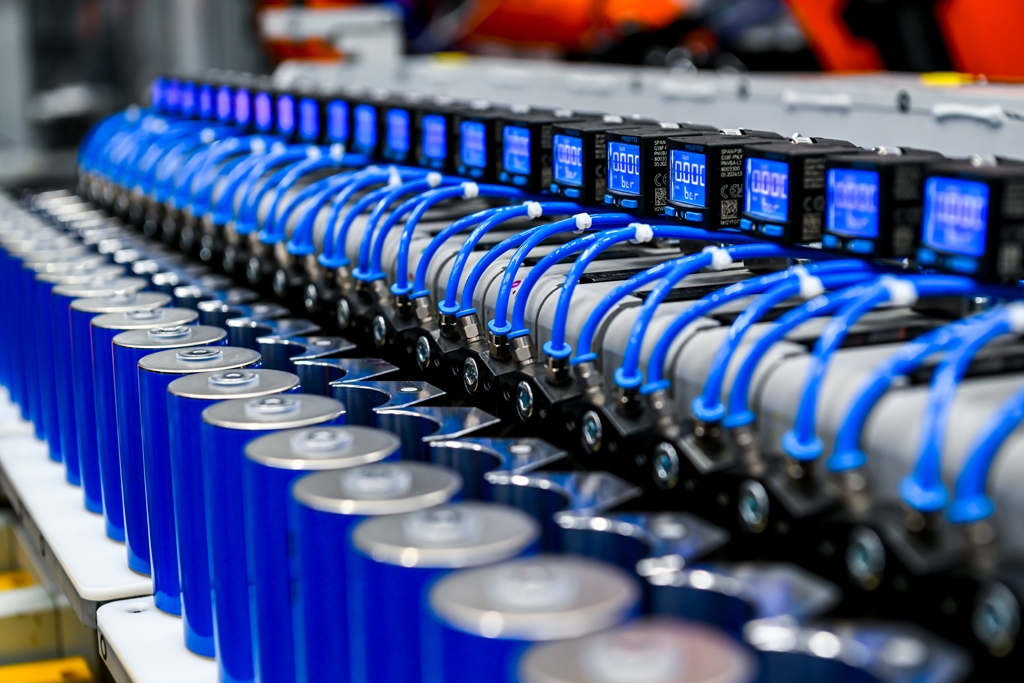
Sustainability considerations aside, BMW is building more resilience toward geopolitical shocks with a diverse yet strategic network of production sites
Plant Munich, in particular, will be supplied by its Irlbach-Strasskirchen site in Lower Bavaria, in keeping with the brand's 'local for local' approach. Meanwhile, the i3 will get its e-motors from BMW Group Plant Steyr in Austria, which - strategically - will continue to manufacture diesel and petrol engines.
Set to follow in the footsteps of Debrecen and Munich are BMW Group's Shenyang (China) and San Luis Potosi (Mexico) sites, which have been slated as the next sites to commence production of the Neue Klasse cars.
The diversified global network arguably sends a clear signal of BMW's intent to maintain a strong global footprint. Put together, all of those strategic moves could position BMW more competitively for the years to come - especially against newer faces on the market.
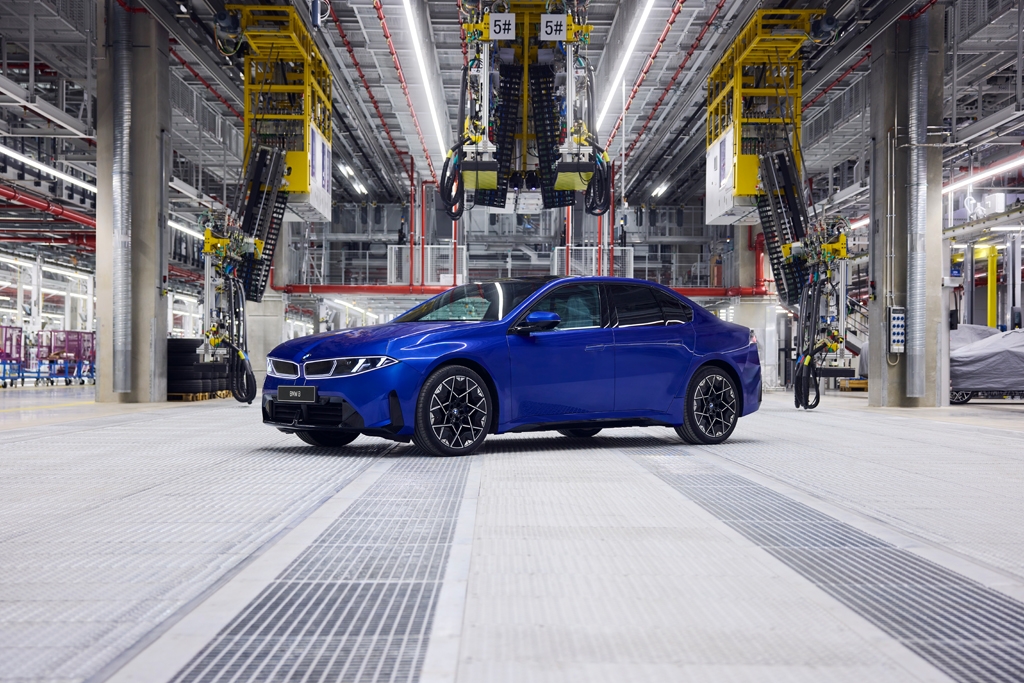
Despite the brand's technology-open approach, the move to BEV-only production at Plant Munich stands a clear marker of BMW's big bet on electrification for the future
For now, there are no plans for the Plant Munich to return to producing combustion-powered cars. Still, you can count on the German carmaker to work its magic if the situation calls for it, with Dr Weber responding: "To be honest, if necessary, BMW will always find a solution."
As mentioned previously, series production of the BMW i3 will commence in Plant Munich in August this year, with the first deliveries in Europe set to follow after. Crucially, the plant will also be the home of the i3 Touring that BMW Group CEO Oliver Zipse teased at the design world premiere event for the i3.
Technology-open, BMW certainly may be. But with its Stammwerk now going electric-only, there's no question where it's betting big for the future.
They say that the journey is often just as, if not more important than the result. As BMW steadily stays the course for the rollout of its new generation of Neue Klasse cars, it is making sure to give not just its ultimate driving machines, but also its factories, cutting-edge production processes, and global network the spotlight.
In so doing, it's also revealed a sweeping game plan that hints at its ambition to retain its leading position in the world of premium carmaking.
Plant Munich, BMW's home plant, has been in operation since 1922, and was once also home to the original Neue Klasse sedans of the 1960s
The brand has announced that Plant Munich, its iconic home plant, will soon start production of the all-new Neue Klasse BMW i3. And to do that, it has given the factory - which first started operation in 1922, was once responsible for the original Neue Klasse BMW 1500, and now churns out the BMW 3 Series and i4 - quite the impressive upgrade.
"From our earliest days, the spirit of change and innovation has been in our DNA," Dr Peter Weber, Director of BMW Group Plant Munich, shared at a welcome dinner at the site's historic Flugmotorenhalle, held on the evening of the i3's design world premiere back in March.
"Today, our so-called Stammwerk (German for 'home plant') is ready to step into a new era: Once again future-proof and competitive."
Dr Milan Nedeljkovic, Member of the Board of Management for BMW AG (left), and Dr Peter Weber, Director of BMW Group Plant Munich (right), standing next to an i3 in the new Munich site
In the same way that the i3 marks a new generation for the 3 Series, it might be helpful to think of the upgraded Plant Munich as a new generation of car building for BMW. But what the brand has confirmed beyond the i3 is perhaps even more telling of where its head is at: The site will only build battery electric vehicles (BEVs) from 2027.
While BMW has been clear that it is sticking closely to its 'technology open' approach of supporting both combustion-powered and electrified drivetrains, the move does signal a strengthened push toward the latter, especially in Europe. In 2025, the entire BMW Group (which also includes MINI and Rolls-Royce) delivered more than 442,000 BEVs: Nearly 18% of its total car deliveries, and a 3.6% year-on-year increase from 2024.
Artificial intelligence is widely used in the upgraded plant - including the press shop, where the technology helps workers with quality checks
Unsurprisingly, BMW has gone to great lengths to overhaul Plant Munich, with the site now welcoming a new assembly hall, new body shop, and new logistics area. More importantly, all of them incorporate digitalisation and sustainability like never before. The broad goal? Better production efficiency and better-quality cars - both concurrently.
The press shop, for instance, now relies on an AI-assisted camera system that helps with quality control checks before components are moved to the body shop. BMW states that output has been increased as a result. Likewise, both the body shop and paint shop use a system called ASI - or automated surface inspection - which relies on cameras and AI for increased quality assurance.
Even the Plant's logistics have been improved.
Part of the intricate and well-oiled machine that is the logistics fleet in Plant Munich are automated light goods vehicles and hydrogen-powered forklifts
BMW has revealed that a whopping total of around 2.5 million parts are moved within its premises across 18,000 containers daily - a Herculean task exacerbated by the Plant Munich's space constraints (it's located right within Munich's city centre) - making direct deliveries to respective work stations crucial for smooth operation. That share has now increased to 70% in the new plant, from 40-60% previously.
The site now relies on automated electric light transportation vehicles, smart monitoring systems, and even hydrogen-powered forklifts, to ensure that things get around smoothly, quickly, and cleanly.
On that note, it's not just smart digitalisation for heightened efficiency, but fundamentally reconceived manufacturing practices that have been infused into the new facility.
The body shop now relies on solar power for its energy
Meanwhile, the paint shop is said to be more resource-efficient than those in older factories
BMW has placed particularly heavy emphasis on the notion of lifecycle emissions (which measures impact on the environment right from the outset of a vehicle's production), rather than just tailpipe emissions, and to that end, Plant Munich will play a significant role with its goal of heightened sustainability.
Its new body shop is now powered by solar energy, while the paint shop uses an electrified process to purify exhaust air, and is more resource efficient thanks to its heat and energy recovery systems.
Fundamentally too, the refreshed factory is meant to gel with the concept of simpler assembly, which has been baked into the Neue Klasse architecture from the outset.
Like the iX3, the i3 promises to be less complex to piece together
Reducing complexity is one of the holy grails of manufacturing, and to that end, the incoming Neue Klasse electric sedan (like the Debrecen-built iX3) promises to be less complicated to piece together.
The number of joining processes in the body shop, for instance, has been reduced to just five for the Neue Klasse cars. Meanwhile, the 'digital nervous system' of the new i3 is also powered by a new-generation 'zonal' wiring harness architecture, which is 30% lighter and requires 600 fewer metres of wiring than the outgoing 3 Series.
Still, perhaps the most impressive part of the latest announcement is the fact that Plant Munich has never stopped production while it was in the midst of its 'refresh'. In fact, BMW shares that around 1,000 cars continued to roll off the line daily as it was chipping away at the upgrades.
Construction of the new grounds at Plant Munich was completed at breakneck pace - in just 18 months - thanks to the use of digital twins for planning. In the meantime, 1,000 cars continued to roll off the production lines daily
Simultaneously, it must be remembered that BMW's home plant works with an interesting set of constraints too.
As mentioned, Plant Munich - unlike many other car factories - is located right in the heart of Munich with neighbours all around, thus requiring BMW to think out of the box and build upwards, rather than uncritically expand the site's footprint. (This, again, also has an impact on how it manages its logistics, since it cannot afford to store too much on site.)
Above all, BMW states that returning to its BMW iFACTORY principles helped it to complete everything at breakneck speed. The key to this rapid-fire efficiency, again, was digitalisation.
BMW is placing renewed emphasis on its workers - with the likes of a tilt assembly line to enhance ergonomics. The upgraded Plant Munich is estimated to have created 1,600 jobs
As first witnessed with Plant Debrecen, digital twins aided in speeding up construction work and equipment installation. In fact, BMW says that every single step was planned and checked in a virtual world before being implemented in the real world.
BMW has also been emphatic about the fact that its employees have been prioritised throughout the plant upgrading process.
"We have a clear responsibility to our people," Dr Weber said in response to a question about layoffs, confirming that the brand had no plans to cut its workforce. Conversely, 1,600 jobs apparently emerged as a result of the new plant, with majority coming from existing BMW Group sites through an internal hiring process. The approach marks a stark contrast to that taken by fellow German giant, Volkswagen, which recently announced plans to shutter plants and axe jobs.
Meanwhile, BMW has assured that the new tools introduced will better aid those on the ground, with the site also serving as a driver for high-tech jobs in Munich and the region.
As the pressure continues to rise on legacy carmakers in the face of new challengers, yet another important step taken by Plant Munich is in cutting production costs - by around 10%.
Alongside it, BMW has made sure to buttress its defences against geopolitical shocks with a robust network of five new production sites for its sixth-generation eDrive high-voltage batteries, spanning three continents.
Sustainability considerations aside, BMW is building more resilience toward geopolitical shocks with a diverse yet strategic network of production sites
Plant Munich, in particular, will be supplied by its Irlbach-Strasskirchen site in Lower Bavaria, in keeping with the brand's 'local for local' approach. Meanwhile, the i3 will get its e-motors from BMW Group Plant Steyr in Austria, which - strategically - will continue to manufacture diesel and petrol engines.
Set to follow in the footsteps of Debrecen and Munich are BMW Group's Shenyang (China) and San Luis Potosi (Mexico) sites, which have been slated as the next sites to commence production of the Neue Klasse cars.
The diversified global network arguably sends a clear signal of BMW's intent to maintain a strong global footprint. Put together, all of those strategic moves could position BMW more competitively for the years to come - especially against newer faces on the market.
Despite the brand's technology-open approach, the move to BEV-only production at Plant Munich stands a clear marker of BMW's big bet on electrification for the future
For now, there are no plans for the Plant Munich to return to producing combustion-powered cars. Still, you can count on the German carmaker to work its magic if the situation calls for it, with Dr Weber responding: "To be honest, if necessary, BMW will always find a solution."
As mentioned previously, series production of the BMW i3 will commence in Plant Munich in August this year, with the first deliveries in Europe set to follow after. Crucially, the plant will also be the home of the i3 Touring that BMW Group CEO Oliver Zipse teased at the design world premiere event for the i3.
Technology-open, BMW certainly may be. But with its Stammwerk now going electric-only, there's no question where it's betting big for the future.



Latest COE Prices
June 2026 | 1st BIDDING
NEXT TENDER: 17 Jun 2026
CAT A$126,009
CAT B$126,989
CAT C$94,000
CAT E$129,000
View Full Results 
Thank You For Your Subscription.



Tags
Products & Services

For Owners
Quick Links
About Sgcarmart