Budget 2026: PARF rebate to be slashed by 45%
12 Feb 2026|38,124 views


With effect from 13 February 2026, new cars that are registered in Singapore will see their Preferential Additional Registration Fee (PARF) rebates slashed by 45 percentage points.
Additionally, the maximum rebate amount that Singaporean new car owners can look forward to will also be halved, from $60,000 currently, to $30,000 moving forward.
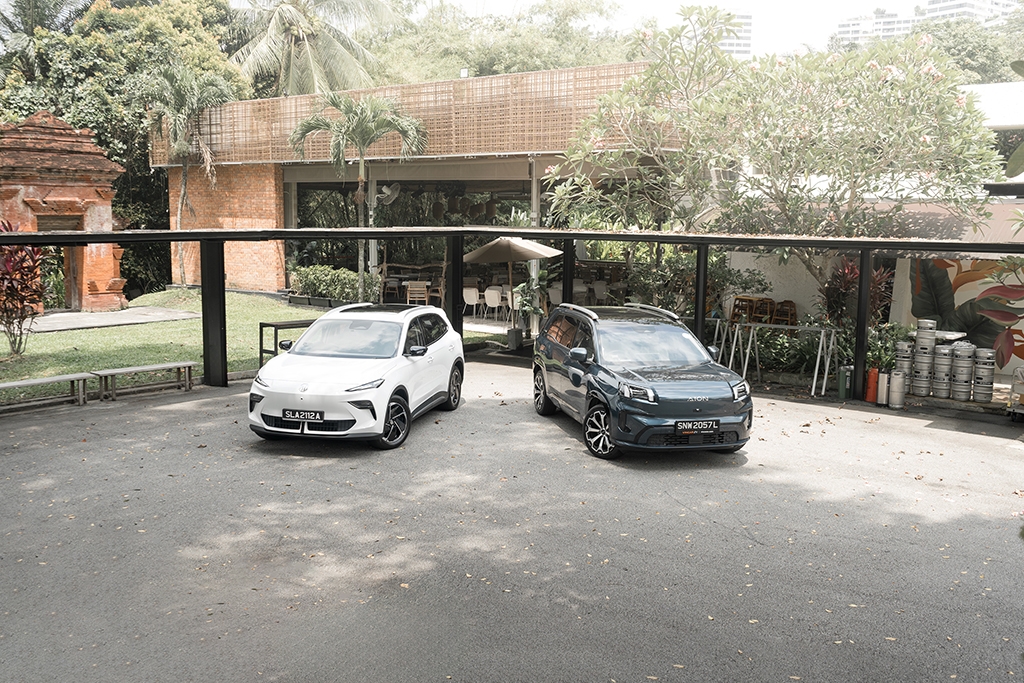
The authorities have stated that the latest move was prompted by the rising population of electric vehicles (EVs) in Singapore
The revisions announced today (12 February 2026) come as part of Singapore's Budget 2026, which was delivered by Singapore Prime Minister Lawrence Wong.
In an official statement, the LTA revealed that the move was prompted by the rising population of electric vehicles (EVs) in Singapore. Noting that the PARF scheme is intended to "encourage the timely renewal of the vehicle population so that it is safer and less pollutive", the move toward EVs within the local motoring landscape has thus reduced the need to encourage early de-registration, the authority also said.
In essence, drivers who choose to de-register their cars before the end of their first COE cycle will now enjoy a significantly reduced level of rebates than before. For instance, PARF-eligible cars that are between nine to 10-years old at the date of their de-registration will see their rebates cut from 50% to just 5%.
| Age of PARF-eligible vehicle at de-registration | Current PARF rebate amount | Revised PARF rebate amount |
| Not more than five years | 75% of ARF paid | 30% of ARF paid |
| Above five but not more than six years | 70% of ARF paid | 25% of ARF paid |
| Above six but not more than seven years | 65% of ARF paid | 20% of ARF paid |
| Above seven but not more than eight years | 60% of ARF paid | 15% of ARF paid |
| Above eight but not more than nine years | 55% of ARF paid | 10% of ARF paid |
| Above nine but not more than 10 years | 50% of ARF paid | 5% of ARF paid |
| More than 10 years | NIL | NIL |
| PARF Rebate cap | $60,000 | $30,000 |
Assuming that car prices remain the same, the revisions will effectively bring up the cost of car ownership - with the exception of models that do not incur an ARF.
To use a popular model among local buyers as an example, the Suzuki Swift - currently one of the cheapest non-electric cars you can buy in Singapore - is listed for $151,888 and incurs an ARF of $13,154. Previously, new owners could look forward to a PARF rebate of $6,577 at the end of their cars' first COE cycles, translating to an annual depreciation figure of $14,531.
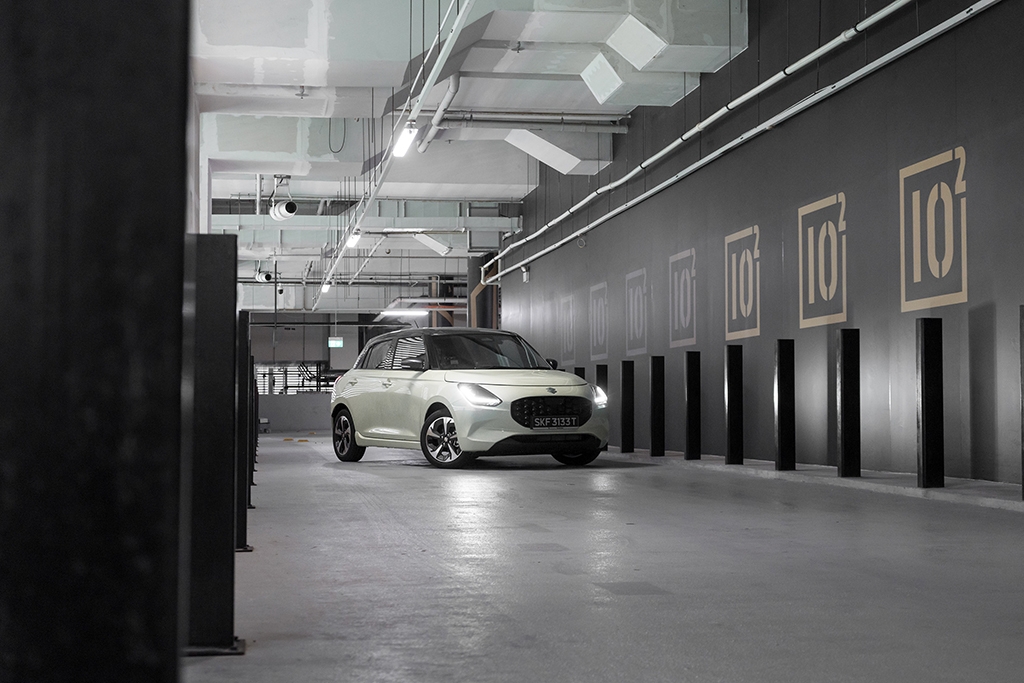
The Suzuki Swift, retailing at nearly $152,000, will see its annual depreciation figure rise by 4%
Assuming the same price for the model moving forward, however, the Suzuki Swift's PARF rebate at the end of its first 10 years will now be slashed to $657.70, bringing its annual depreciation figure up to $15,123. This represents a 4% increase.
The rise should be more pronounced still for models sold by premium car marques.
Looking at the luxury car market, the owner of a brand new BMW 520i (currently listed for $367,888, incurring an ARF of $80,416) could previously enjoy a rebate of $40,208 at the end of his/her car's first 10 years on the road. Its depreciation thus works out to $32,768 annually.
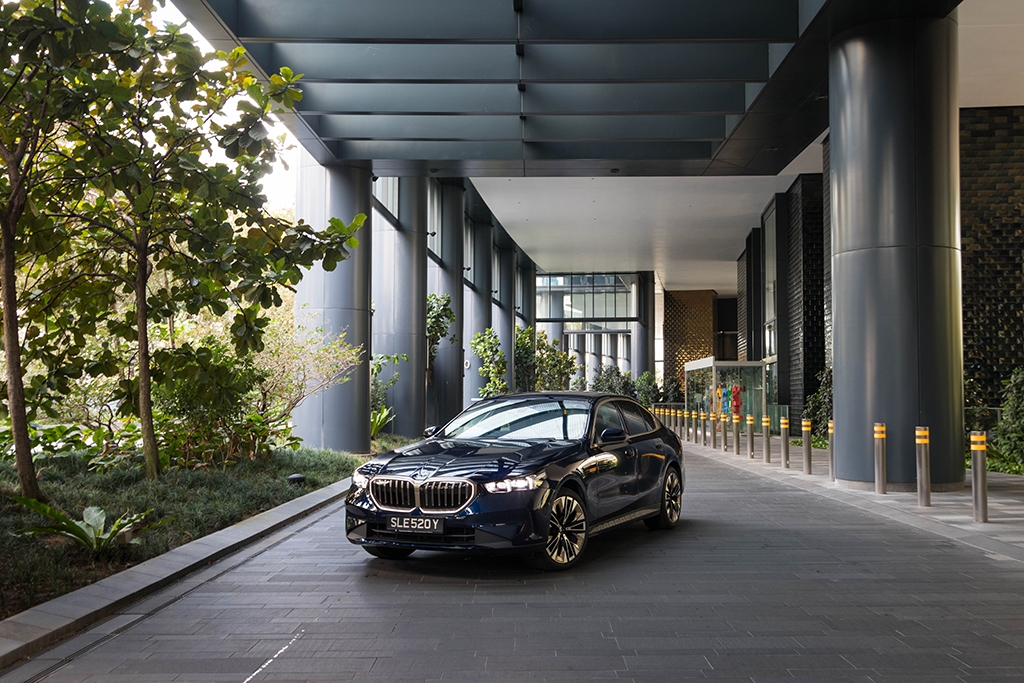
Meanwhile, a luxury car like the BMW 520i will see its annual depreciation figure rise by 11%
Moving forward, the same model will see its PARF rebate slashed to just $4,020 at the end of the first 10 years. This brings its depreciation figure up to $38,386 annually - an approximately 11% increase.
Unsurprisingly, EVs - specifically mass-market models - will not be as severely affected by the revisions, since their ARFs are already significantly reduced thanks to rebates applied up front to their retail prices under the EV Early Adoption Incentive (EEAI) and Vehicular Emissions Scheme (VES). The former is, however, set to end by 31 December 2026.
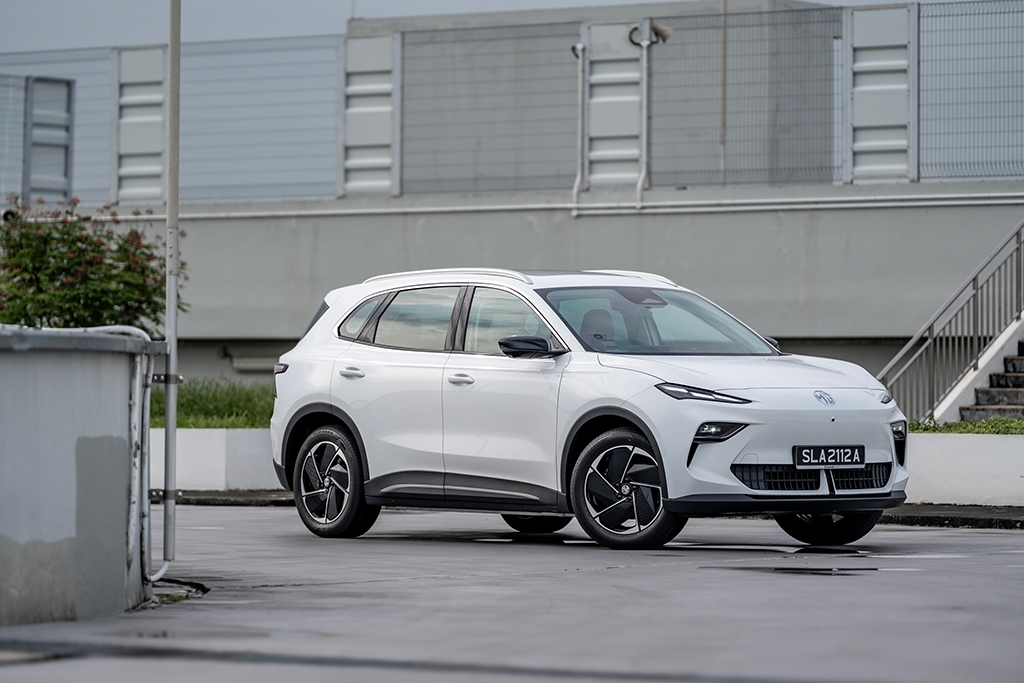
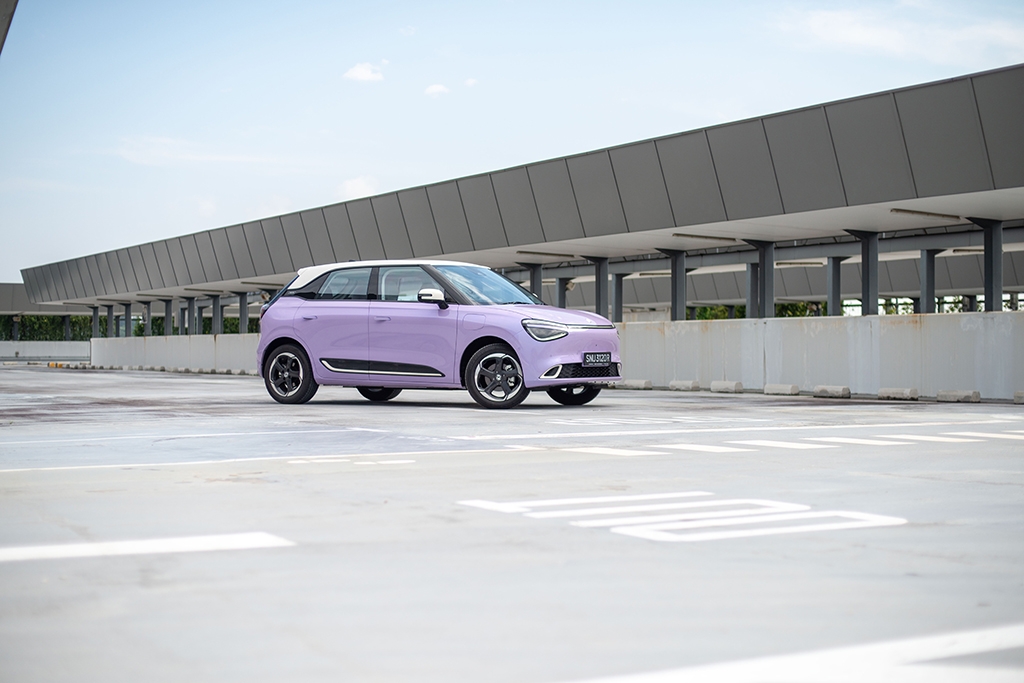
The ownership costs for cars like the MGS5 EV and Dongfeng Box are set to be unaffected - for now - by the changes
For instance, both the MGS5 EV and Dongfeng Box do not incur an ARF after the relevant EEAI and VES rebates have been applied. Meanwhile, the BYD Atto 3 only incurs an ARF of $6,541.
Elsewhere in the market, the reduction of the PARF rebate cap to just $30,000 may potentially dent demand in the ultra-luxury market further by reducing the perceived paper value of cars with list prices running into million-dollar territory.
The outgoing PARF rebate cap of $60,000 was implemented back in 2023 as part of a sweeping suite of progressive taxes introduced by the government. Prior to 2023, there had been no cap on the rebate.
With effect from 13 February 2026, new cars that are registered in Singapore will see their Preferential Additional Registration Fee (PARF) rebates slashed by 45 percentage points.
Additionally, the maximum rebate amount that Singaporean new car owners can look forward to will also be halved, from $60,000 currently, to $30,000 moving forward.
The authorities have stated that the latest move was prompted by the rising population of electric vehicles (EVs) in Singapore
The revisions announced today (12 February 2026) come as part of Singapore's Budget 2026, which was delivered by Singapore Prime Minister Lawrence Wong.
In an official statement, the LTA revealed that the move was prompted by the rising population of electric vehicles (EVs) in Singapore. Noting that the PARF scheme is intended to "encourage the timely renewal of the vehicle population so that it is safer and less pollutive", the move toward EVs within the local motoring landscape has thus reduced the need to encourage early de-registration, the authority also said.
In essence, drivers who choose to de-register their cars before the end of their first COE cycle will now enjoy a significantly reduced level of rebates than before. For instance, PARF-eligible cars that are between nine to 10-years old at the date of their de-registration will see their rebates cut from 50% to just 5%.
| Age of PARF-eligible vehicle at de-registration | Current PARF rebate amount | Revised PARF rebate amount |
| Not more than five years | 75% of ARF paid | 30% of ARF paid |
| Above five but not more than six years | 70% of ARF paid | 25% of ARF paid |
| Above six but not more than seven years | 65% of ARF paid | 20% of ARF paid |
| Above seven but not more than eight years | 60% of ARF paid | 15% of ARF paid |
| Above eight but not more than nine years | 55% of ARF paid | 10% of ARF paid |
| Above nine but not more than 10 years | 50% of ARF paid | 5% of ARF paid |
| More than 10 years | NIL | NIL |
| PARF Rebate cap | $60,000 | $30,000 |
Assuming that car prices remain the same, the revisions will effectively bring up the cost of car ownership - with the exception of models that do not incur an ARF.
To use a popular model among local buyers as an example, the Suzuki Swift - currently one of the cheapest non-electric cars you can buy in Singapore - is listed for $151,888 and incurs an ARF of $13,154. Previously, new owners could look forward to a PARF rebate of $6,577 at the end of their cars' first COE cycles, translating to an annual depreciation figure of $14,531.
The Suzuki Swift, retailing at nearly $152,000, will see its annual depreciation figure rise by 4%
Assuming the same price for the model moving forward, however, the Suzuki Swift's PARF rebate at the end of its first 10 years will now be slashed to $657.70, bringing its annual depreciation figure up to $15,123. This represents a 4% increase.
The rise should be more pronounced still for models sold by premium car marques.
Looking at the luxury car market, the owner of a brand new BMW 520i (currently listed for $367,888, incurring an ARF of $80,416) could previously enjoy a rebate of $40,208 at the end of his/her car's first 10 years on the road. Its depreciation thus works out to $32,768 annually.
Meanwhile, a luxury car like the BMW 520i will see its annual depreciation figure rise by 11%
Moving forward, the same model will see its PARF rebate slashed to just $4,020 at the end of the first 10 years. This brings its depreciation figure up to $38,386 annually - an approximately 11% increase.
Unsurprisingly, EVs - specifically mass-market models - will not be as severely affected by the revisions, since their ARFs are already significantly reduced thanks to rebates applied up front to their retail prices under the EV Early Adoption Incentive (EEAI) and Vehicular Emissions Scheme (VES). The former is, however, set to end by 31 December 2026.
The ownership costs for cars like the MGS5 EV and Dongfeng Box are set to be unaffected - for now - by the changes
For instance, both the MGS5 EV and Dongfeng Box do not incur an ARF after the relevant EEAI and VES rebates have been applied. Meanwhile, the BYD Atto 3 only incurs an ARF of $6,541.
Elsewhere in the market, the reduction of the PARF rebate cap to just $30,000 may potentially dent demand in the ultra-luxury market further by reducing the perceived paper value of cars with list prices running into million-dollar territory.
The outgoing PARF rebate cap of $60,000 was implemented back in 2023 as part of a sweeping suite of progressive taxes introduced by the government. Prior to 2023, there had been no cap on the rebate.


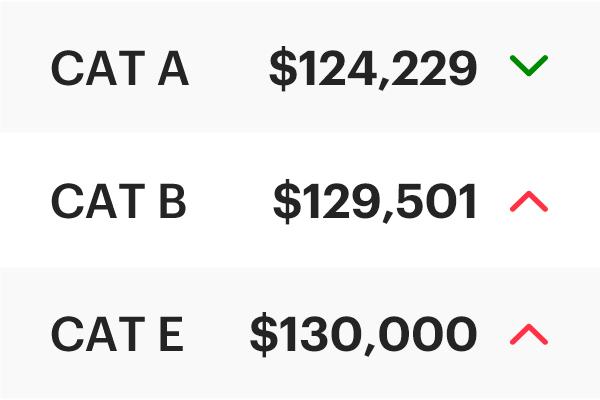
Latest COE Prices
May 2026 | 2nd BIDDING
NEXT TENDER: 04 Jun 2026
CAT A$124,229
CAT B$129,501
CAT C$92,223
CAT E$130,000
View Full Results 
Thank You For Your Subscription.




Tags
Products & Services

For Owners
Quick Links
About Sgcarmart