First batch of six MRT stations have been equipped with flood barriers
07 Oct 2013|6,674 views
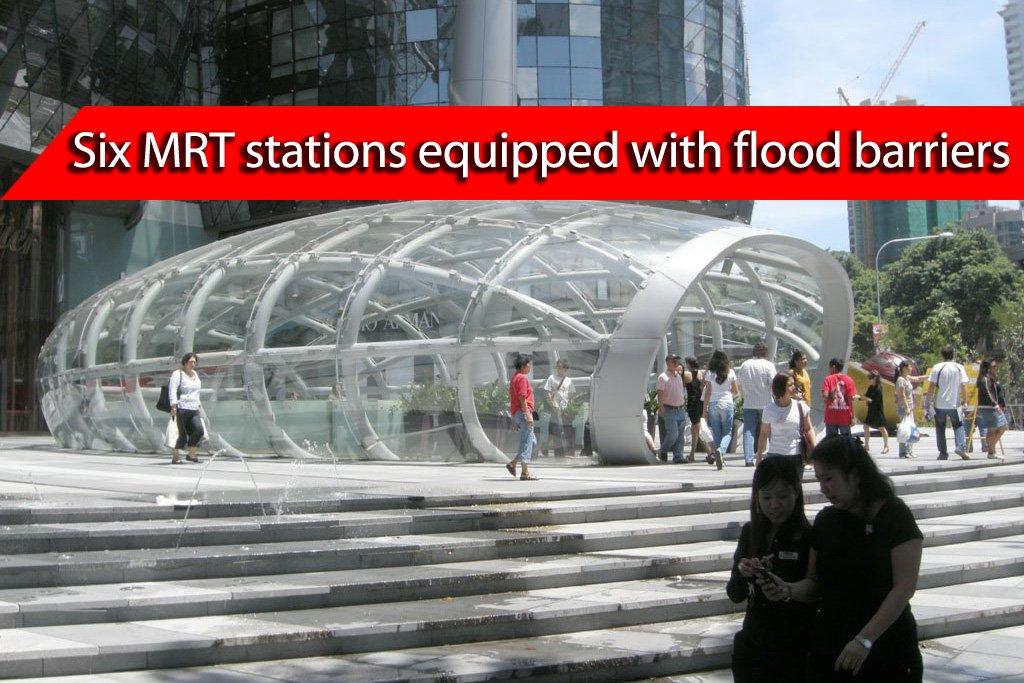
The first batch of six MRT stations have been retrofitted to allow the installation of manually operated flood barriers as more storms are expected to occur in the future. Costing $2.2 million, the barriers are similar to the ones used by MTR stations in Hong Kong.
SMRT Director for Media and Marketing Communications, Alina Boey, told The Straits Times the first six stations covering, Tanjong Pagar, Orchard, Raffles Place, City Hall, Novena and Little India, were selected as they are more prone to flooding. Additionally design works for another 11 stations are ongoing.
According to the local daily, the underground rapid transit system must be "stringently protected against flood risks", in accordance with PUB's Code of Practice on surface water drainage. On top of reducing the storm catchments of underground MRT stations, PUB believes integrated watertight barriers at least 1 metre above flood and ground levels should be used to protect underground stations and tunnels.
While MRT stations are guarded from flooding with elevated entrances, the flood barriers is believed to add an additional layer of protection. The barriers range from 1 metre to 1.5 metre in height, and have been tested to ensure they are watertight. The two-man installation process takes up to 15 minutes, after which the entrance will be closed to commuters.
According to an LTA spokesman, a manual system was opted as there is a possibility for electricity to be cut off during a flood - which would prevent the functioning of an automated system. Smaller, swing-type barriers are also installed at plant rooms that house equipment such as condenser units. Other openings like vent shafts and glass panels have also been sealed.
Ms Boey cited SMRT depend on PUB's flood alert system, which sends an SMS alert to a station that could be affected in the event of an impending flood.
Despite increasing occurrences of flooding in the island, due to heavier and intense stints of rainfall, no MRT station have experienced flooding problems thus far. The preventive measure comes as The National Environment Agency revealed last month, heavy storms are likely to become more frequent and intense in Singapore due to climate change.
Work on the next 11 stations is projected between January and September, next year, at a cost of $5.6 million.
The first batch of six MRT stations have been retrofitted to allow the installation of manually operated flood barriers as more storms are expected to occur in the future. Costing $2.2 million, the barriers are similar to the ones used by MTR stations in Hong Kong.
SMRT Director for Media and Marketing Communications, Alina Boey, told The Straits Times the first six stations covering, Tanjong Pagar, Orchard, Raffles Place, City Hall, Novena and Little India, were selected as they are more prone to flooding. Additionally design works for another 11 stations are ongoing.
According to the local daily, the underground rapid transit system must be "stringently protected against flood risks", in accordance with PUB's Code of Practice on surface water drainage. On top of reducing the storm catchments of underground MRT stations, PUB believes integrated watertight barriers at least 1 metre above flood and ground levels should be used to protect underground stations and tunnels.
While MRT stations are guarded from flooding with elevated entrances, the flood barriers is believed to add an additional layer of protection. The barriers range from 1 metre to 1.5 metre in height, and have been tested to ensure they are watertight. The two-man installation process takes up to 15 minutes, after which the entrance will be closed to commuters.
According to an LTA spokesman, a manual system was opted as there is a possibility for electricity to be cut off during a flood - which would prevent the functioning of an automated system. Smaller, swing-type barriers are also installed at plant rooms that house equipment such as condenser units. Other openings like vent shafts and glass panels have also been sealed.
Ms Boey cited SMRT depend on PUB's flood alert system, which sends an SMS alert to a station that could be affected in the event of an impending flood.
Despite increasing occurrences of flooding in the island, due to heavier and intense stints of rainfall, no MRT station have experienced flooding problems thus far. The preventive measure comes as The National Environment Agency revealed last month, heavy storms are likely to become more frequent and intense in Singapore due to climate change.
Work on the next 11 stations is projected between January and September, next year, at a cost of $5.6 million.


Latest COE Prices
May 2026 | 1st BIDDING
NEXT TENDER: 20 May 2026
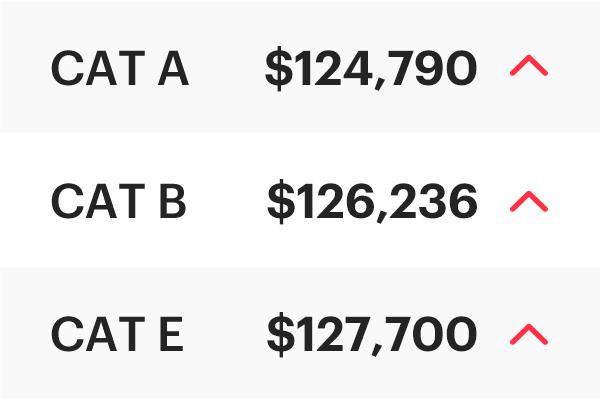
CAT A$124,790
CAT B$126,236
CAT C$87,479
CAT E$127,700
View Full Results 
Thank You For Your Subscription.











Tags
Products & Services

For Owners
Quick Links
About Sgcarmart