Lotus Engineering launches new battery test facilities to support EV sector
20 Nov 2020|1,072 views

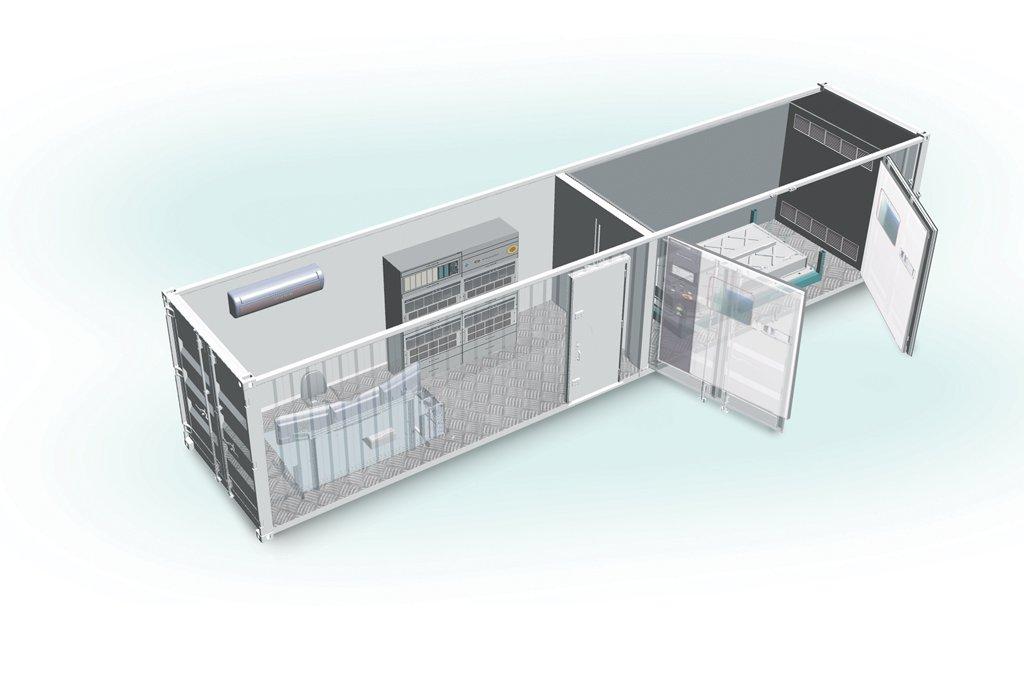
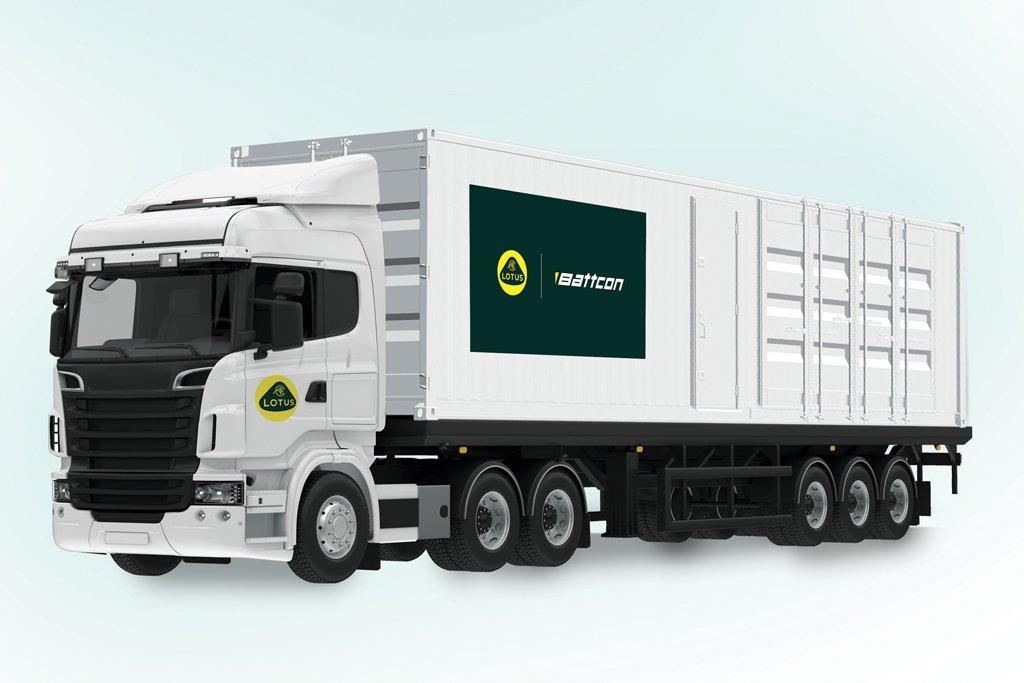
Lotus Engineering is launching a pilot containerised battery testing facility to assess energy storage solutions for the booming electric vehicle (EV) sector.
It will allow Lotus Engineering to carry out various battery cell, module and pack characterisation tests, performance evaluations, and component and lifetime testing under controlled conditions. Early feasibility study support and validation of mature designs for implementation into new vehicles will also be available.

Each is the size of a standard 12.2m shipping container and so can easily be packed up and transported as a mobile testing unit, available to Lotus Engineering customers wherever they are. Lotus has three operational units as part of the pilot scheme.
For clients, Lotus Engineering will offer an EV safety-compliant workshop facility with specialist staff experienced in testing batteries.
Companies new to the EV field, and those who would otherwise need to invest in additional test facilities, will have access to a fast, efficient and cost-effective solution to develop new technologies and speed up their route to market. For Lotus itself, the new technology will support ambitious plans to launch a new range of performance vehicles.
Services available include capacity determination, resistance mapping, current and power mapping, open circuit voltage determination and heat capacity. Lifetime testing is comprised of low-voltage cycling, high-voltage cycling, self-discharge determination, storage ageing, cycle ageing, drive cycle ageing and orientation.
One of the three Lotus containers features an ambient chamber, the temperature of which can be raised or lowered to replicate climatic extremes around the world.
Lotus Engineering is launching a pilot containerised battery testing facility to assess energy storage solutions for the booming electric vehicle (EV) sector.
It will allow Lotus Engineering to carry out various battery cell, module and pack characterisation tests, performance evaluations, and component and lifetime testing under controlled conditions. Early feasibility study support and validation of mature designs for implementation into new vehicles will also be available.
Each is the size of a standard 12.2m shipping container and so can easily be packed up and transported as a mobile testing unit, available to Lotus Engineering customers wherever they are. Lotus has three operational units as part of the pilot scheme.
For clients, Lotus Engineering will offer an EV safety-compliant workshop facility with specialist staff experienced in testing batteries.
Companies new to the EV field, and those who would otherwise need to invest in additional test facilities, will have access to a fast, efficient and cost-effective solution to develop new technologies and speed up their route to market. For Lotus itself, the new technology will support ambitious plans to launch a new range of performance vehicles.
Services available include capacity determination, resistance mapping, current and power mapping, open circuit voltage determination and heat capacity. Lifetime testing is comprised of low-voltage cycling, high-voltage cycling, self-discharge determination, storage ageing, cycle ageing, drive cycle ageing and orientation.
One of the three Lotus containers features an ambient chamber, the temperature of which can be raised or lowered to replicate climatic extremes around the world.


Latest COE Prices
May 2026 | 2nd BIDDING
NEXT TENDER: 04 Jun 2026
CAT A$124,229
CAT B$129,501
CAT C$92,223
CAT E$130,000
View Full Results 
Thank You For Your Subscription.







Tags
Products & Services

For Owners
Quick Links
About Sgcarmart