Rolls-Royce celebrates 10 years of the Black Badge
04 Mar 2026|150 views
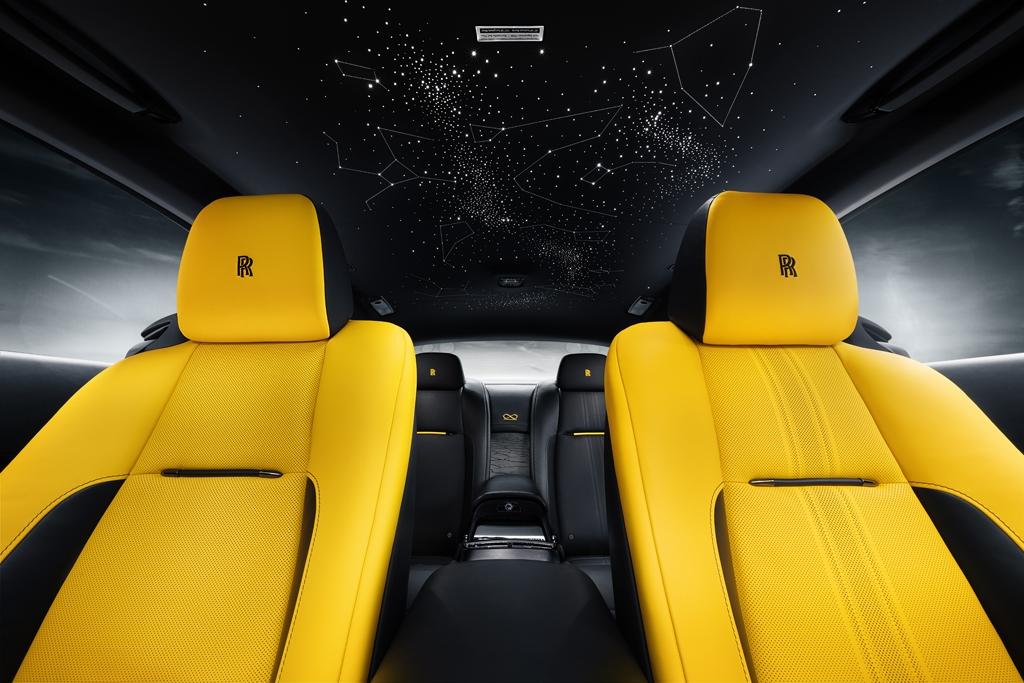
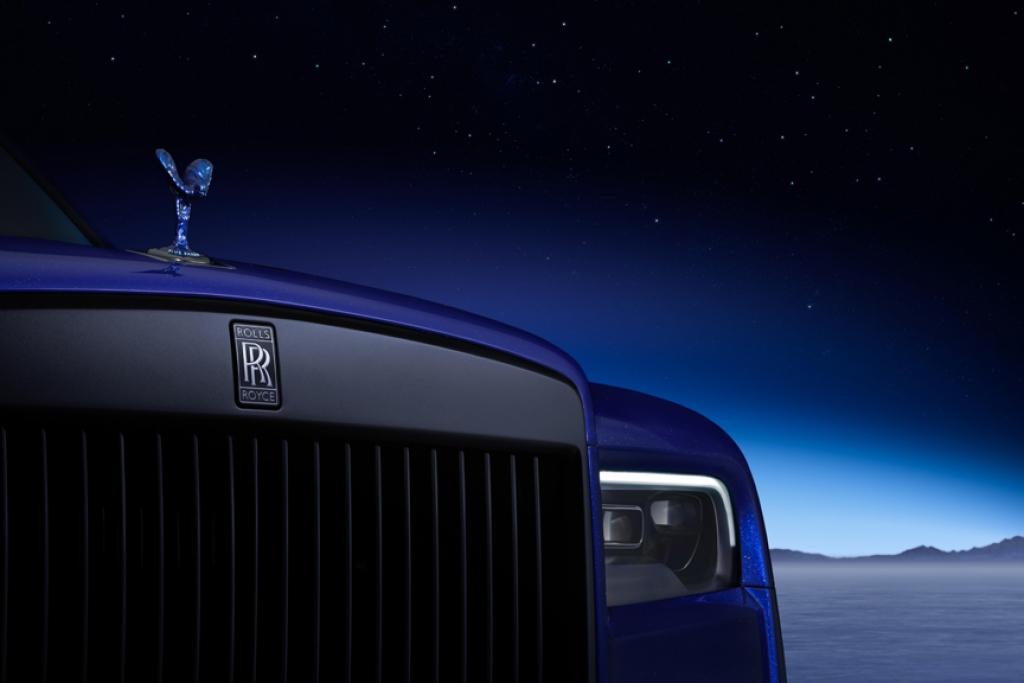
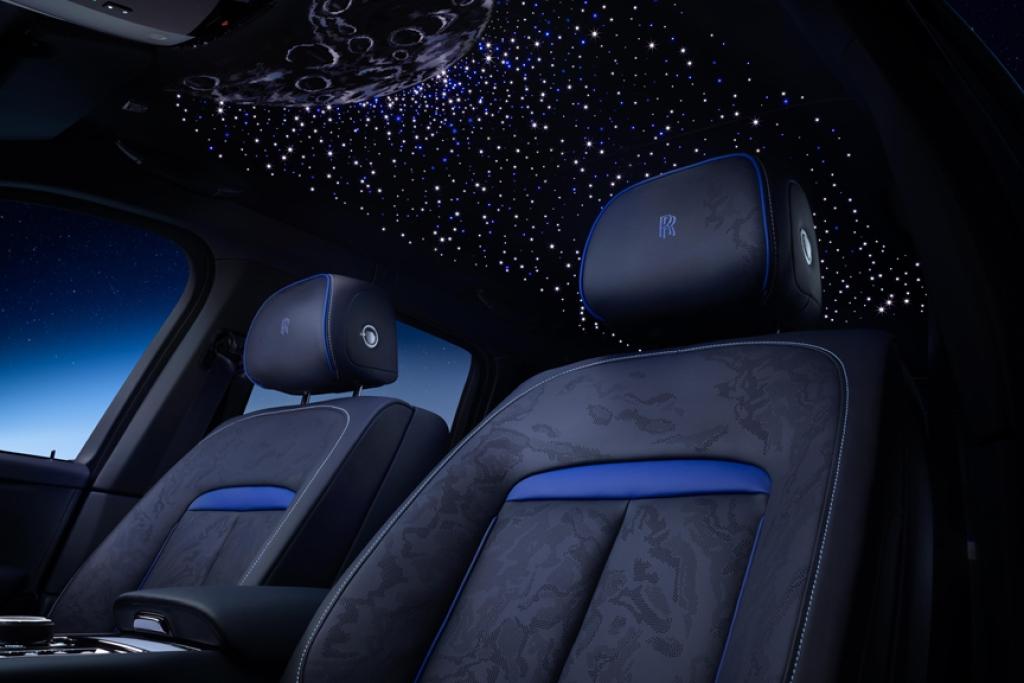
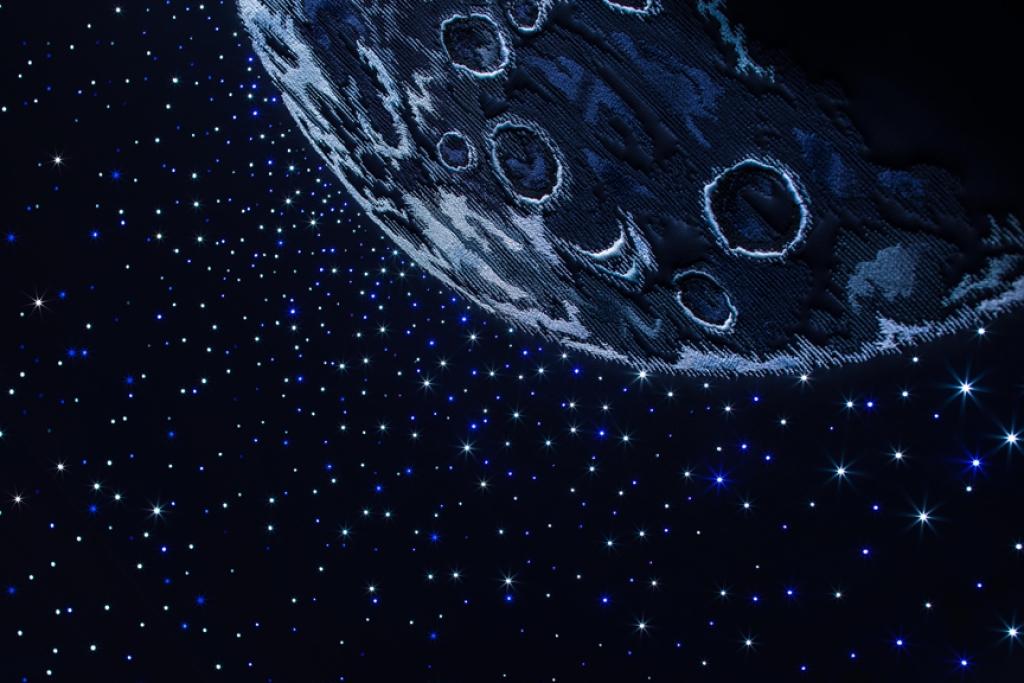
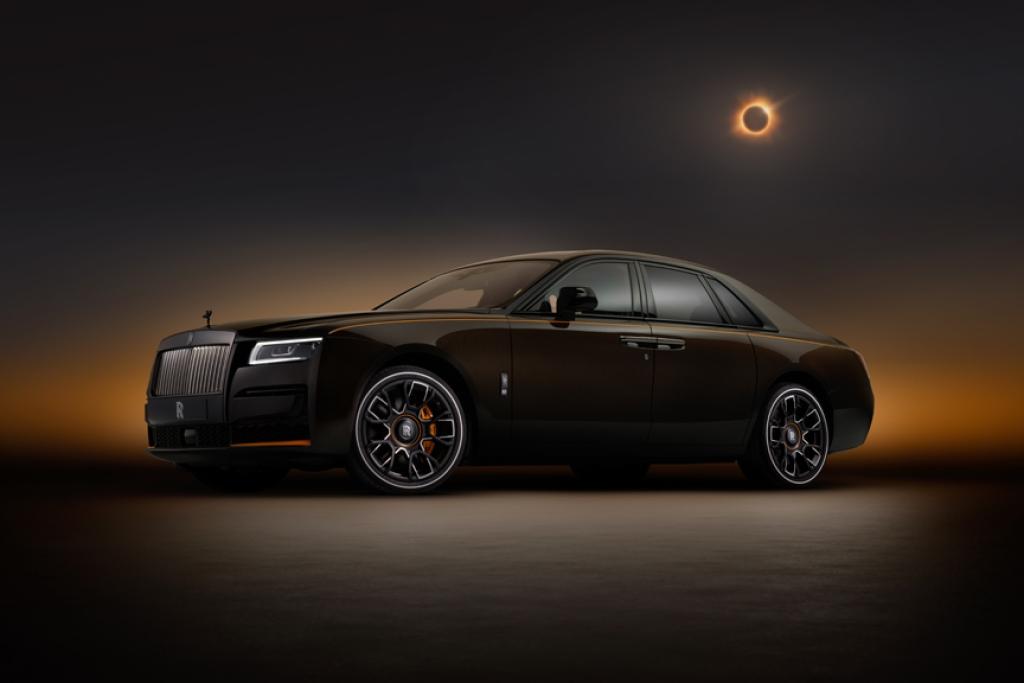
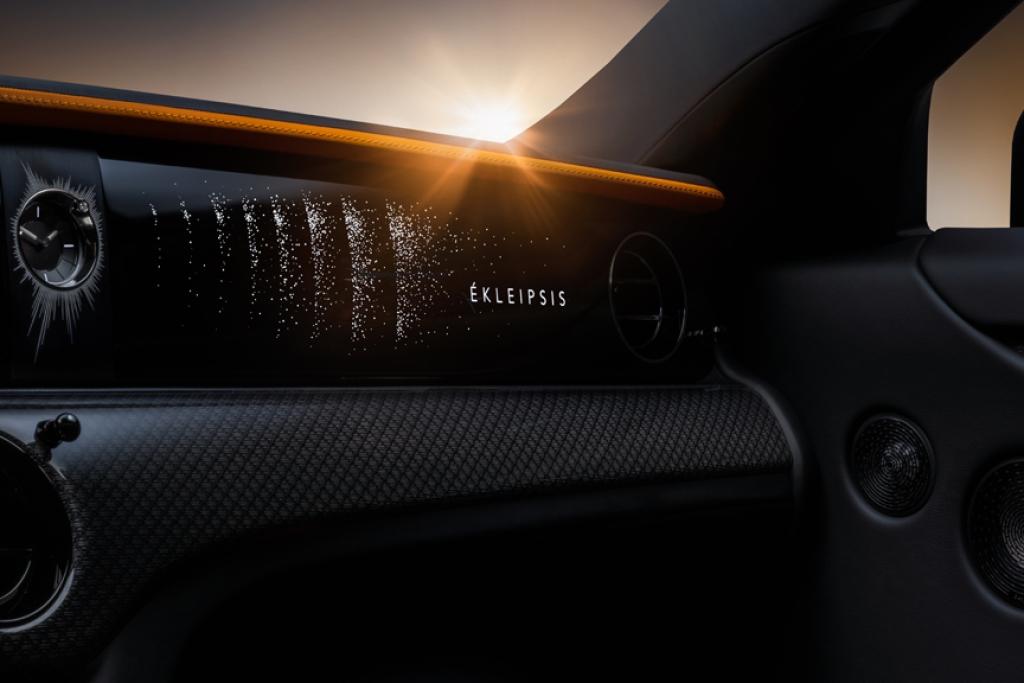
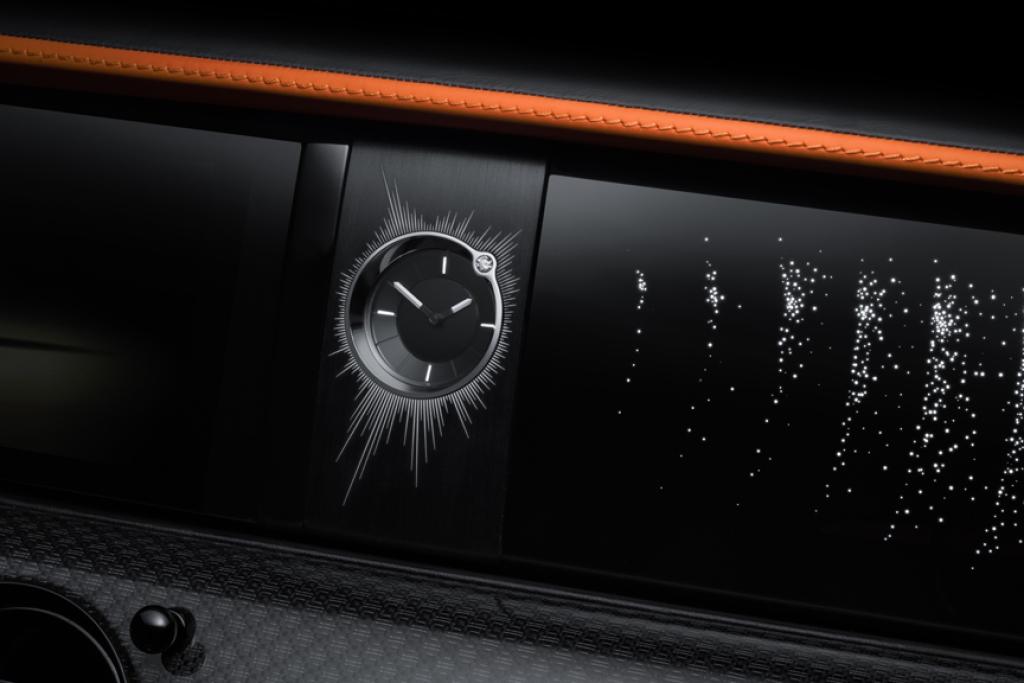
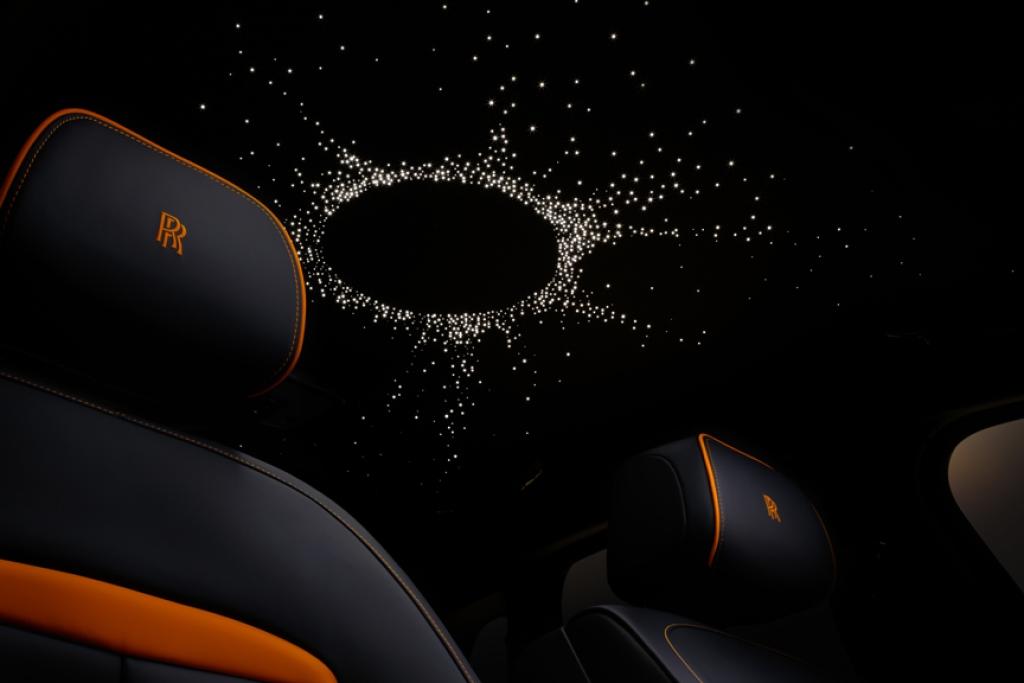
Rolls-Royce is celebrating 10 years of the Black Badge - Goodwood's parlance for the brooding, performance and driver-focused, and of course, all-black treatment that it extends to nearly all of its present-day models (except for the Phantom).
Younger petrolheads may remember that Rolls first debuted the Black Badge in 2016 at the Geneva Motorshow, on both the Black Badge Wraith and Black Badge Ghost. In the same year, the Black Badge Wraith tackled the hill climb at the Goodwood Festival of Speed, placing among the five quickest road cars of the weekend, while logging one of the fastest-timed runs ever on a Rolls-Royce.
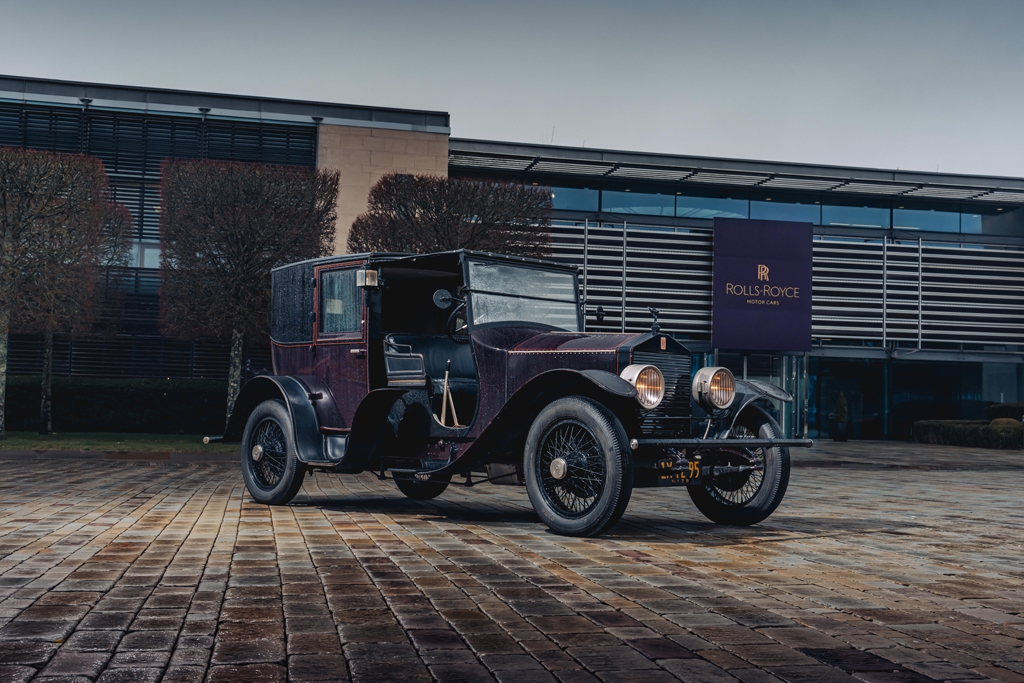
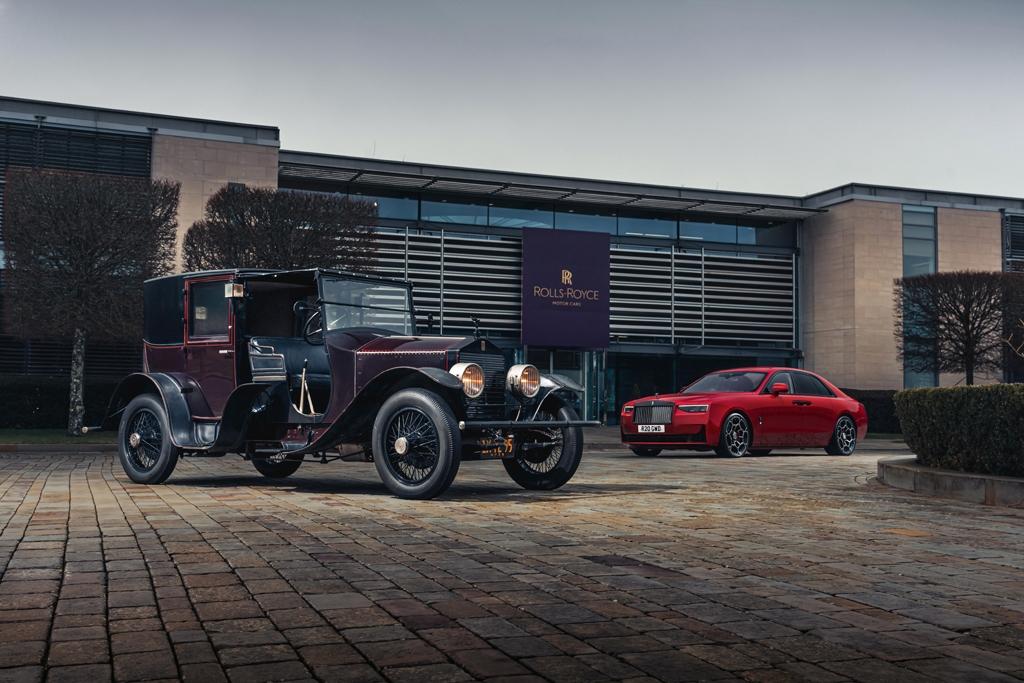
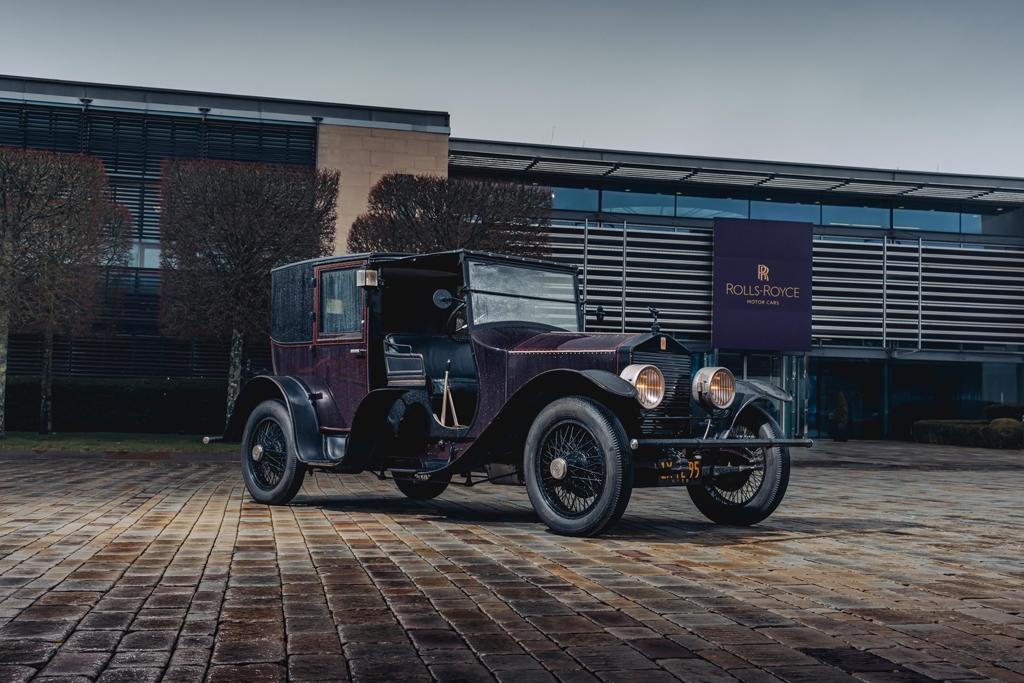
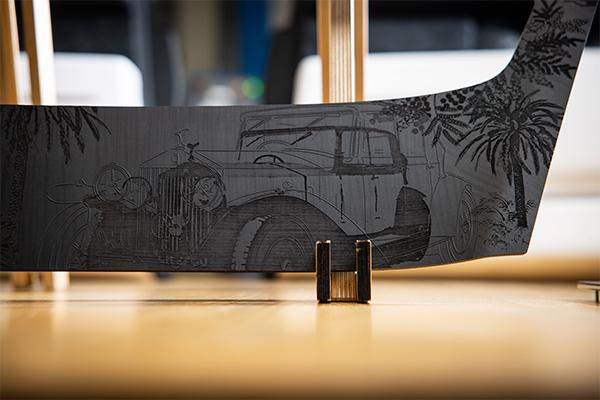
Rolls-Royce credits this specially-commissioned 1928 Rolls-Royce 20 H.P. Brewster Brougham as the original forebear of its Black Badge models today
But Rolls-Royce has a slightly different take; it points to two landmark cars in its history that led to the birth of the Black Badge as we know it in the modern day.
The first one was released nearly a century ago.
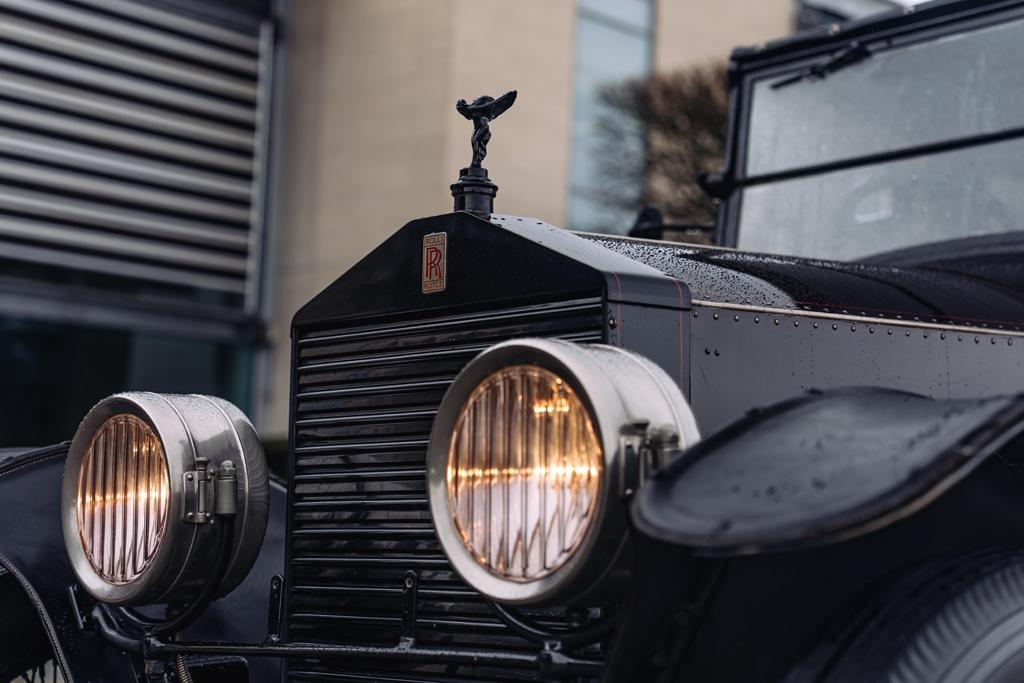
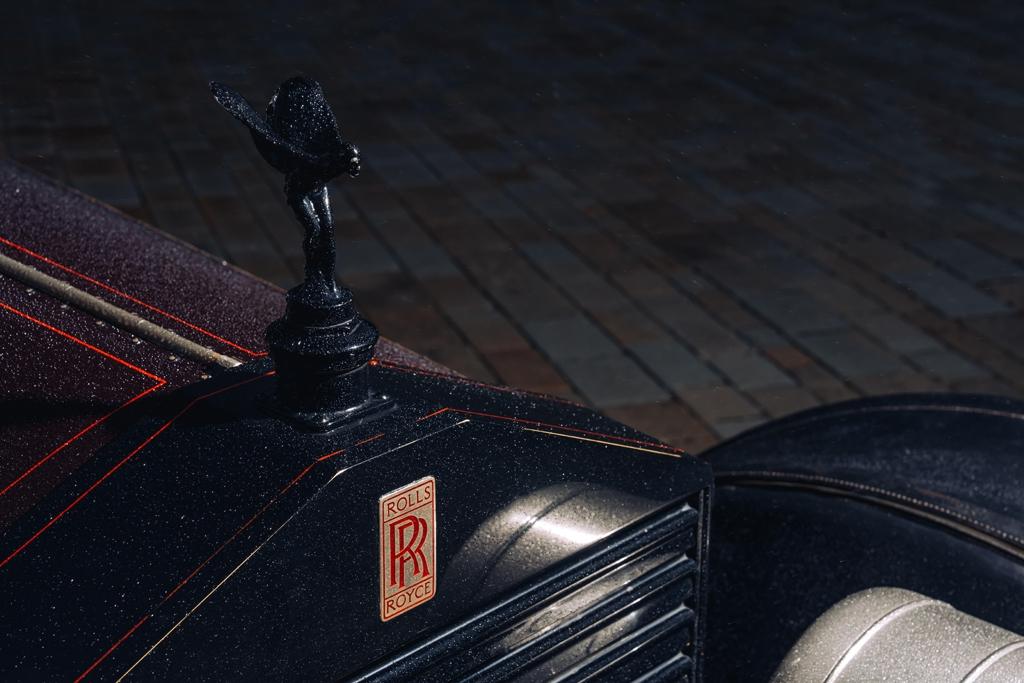
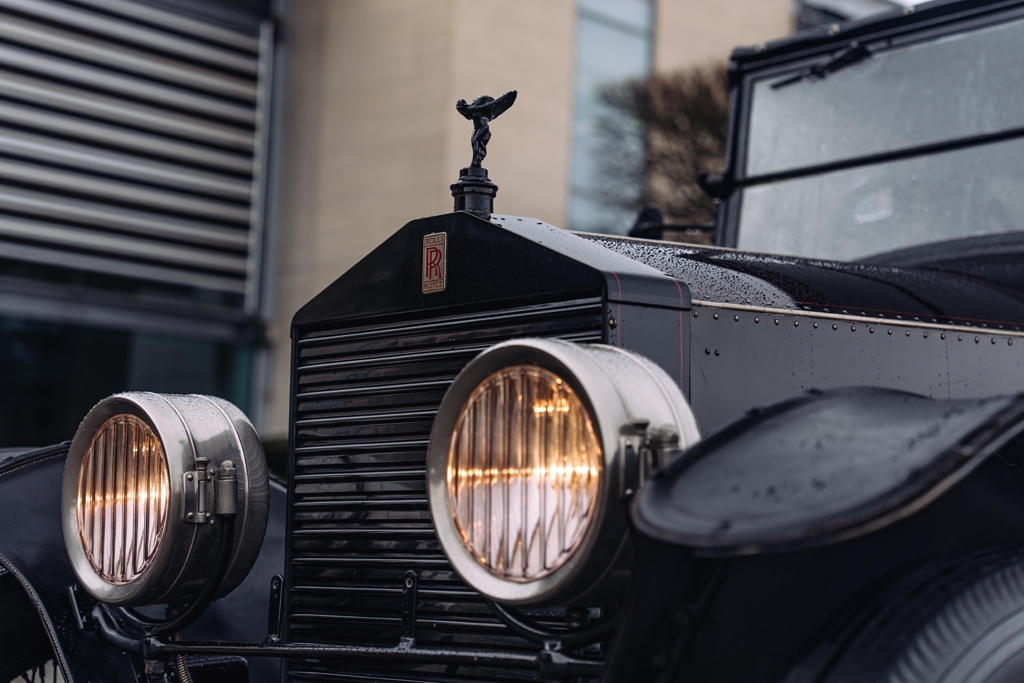
Commissioned by J. E. Aldred, a founding financier of Rolls-Royce of America, Inc., the car was a Rolls-Royce 20 H.P. Brewster Brougham delivered with a striking and highly unusual addition: its Spirit of Ecstasy and radiator grille were finished in black rather than the traditional bright metal. Rolls notes that this treatment was exceptional at a time when polished chrome symbolised modernity and prestige.
The modern day Black Badge cars owe their provenance to the brand's younger clientele - which emerged especially in the early 2010s - who had the appetite for something more adventurous and driver-focused
The second one came nearly four decades later - and was owned by a celebrity whose impact on popular culture still holds strong today: A Rolls-Royce Phantom V, ordered by The Beatles member John Lennon.
Lennon's car was specified to be black everywhere, including all the brightwork normally finished in chromium or stainless steel; its rear suite was also trimmed in black Bedford cord cloth with black nylon rugs, while its front featured black leather.
Fast forward to the 21st century, Rolls has continued to credit an emerging group of young entrepreneurs in the 2010s - ostensibly drawn to its cars, but demanding more disruptive treatment that reflected their dramatic and modern worlds - for the official inception of the Black Badge.
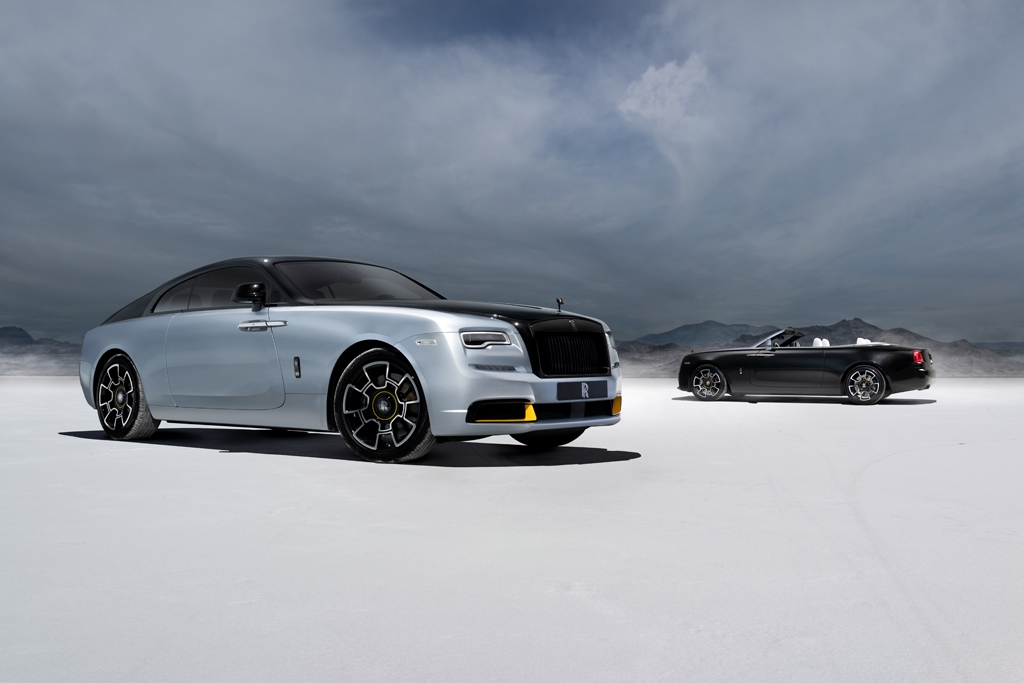
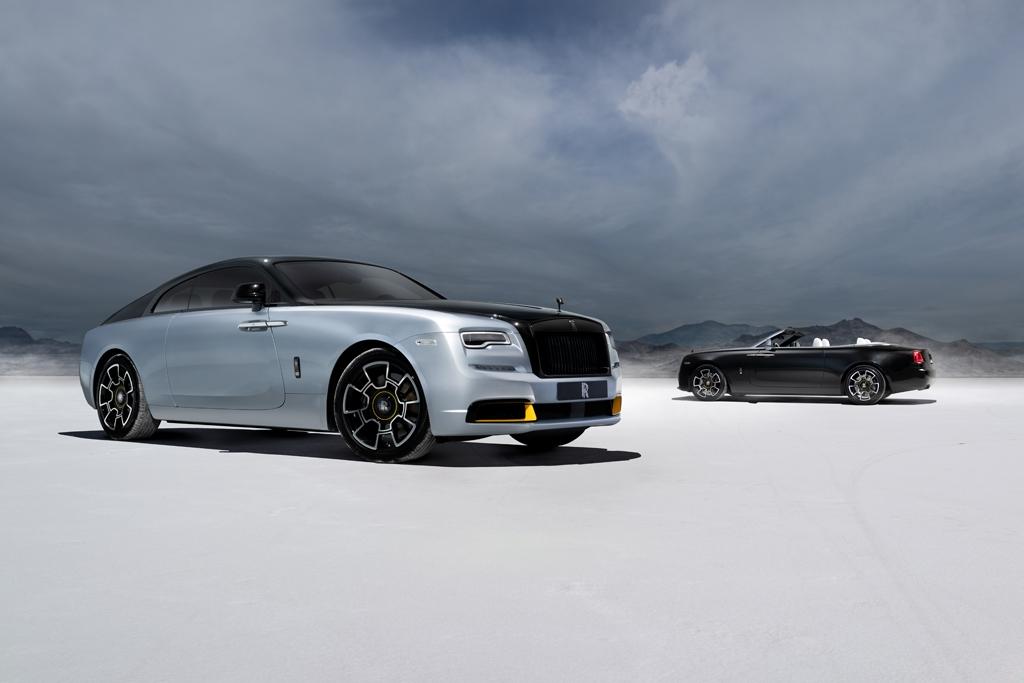
The first two modern-day Rolls-Royces to get the Black Badge treatment were the Wraith and Ghost (Pictured: Black Badge Wraith and Dawn Landspeed Collection)
To jolt your memory slightly, the marque's treatment of its Black Badge cars is as fastidious as anything you expect it to undertake.
Perhaps the best example of this was its creation of one the auto industry's darkest blacks - a process that involved atomising 45kg of paint, applying two clear coat layers, and hand-polishing by four craftspeople for up to five hours - all to create a unique, dark intensity previously not known to production cars.
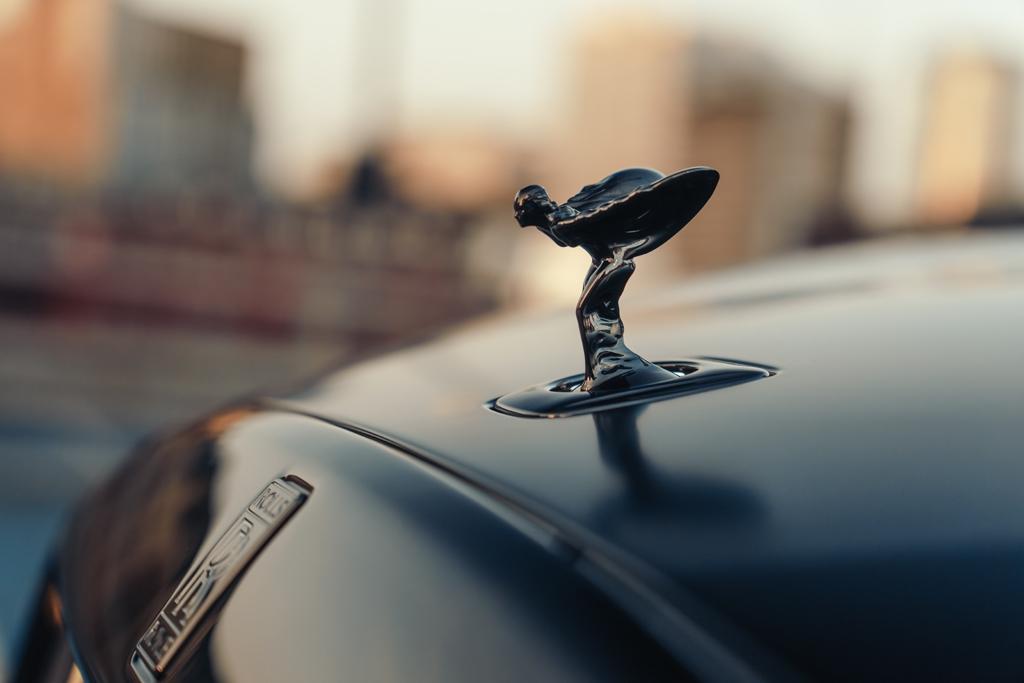
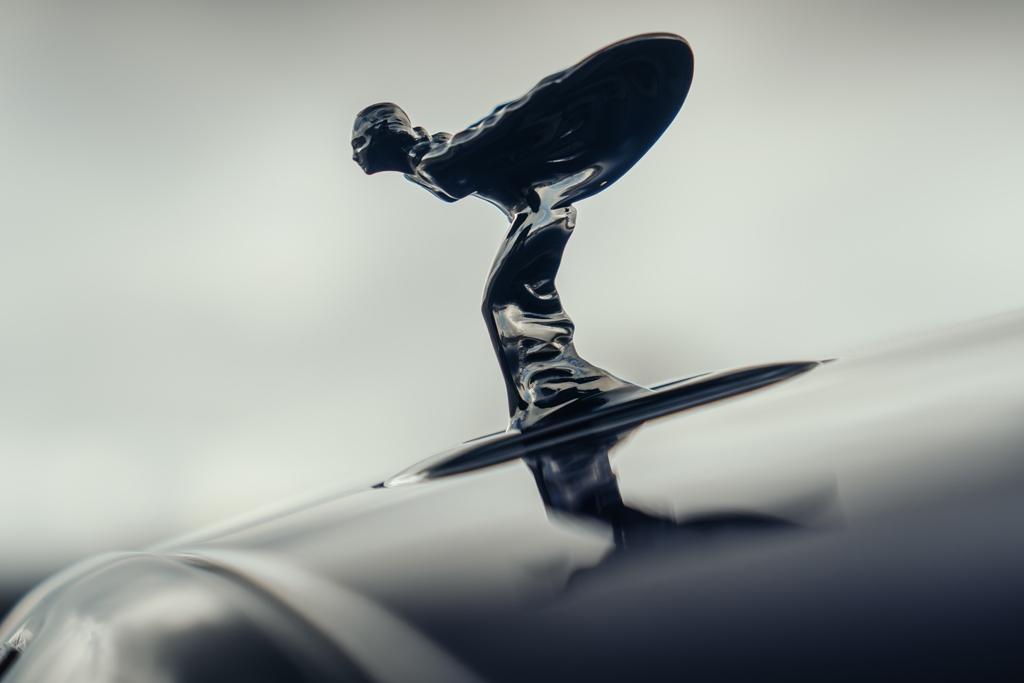
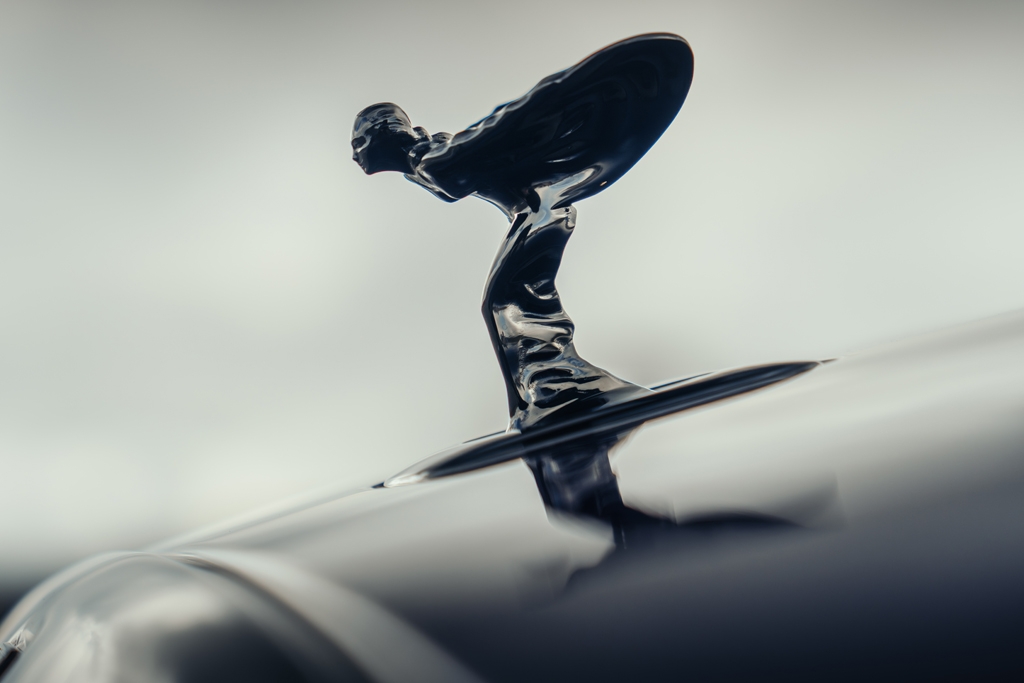
Notably, Black Badge cars also have their Spirit of Ecstasy figurine, Pantheon grille, and double-R badge cloaked in black - all this, thanks to a process developed by the brand's The Bespoke Collective to present chrome components in black by way of a special electrolyte in the plating process, creating a mirror-black finish just one micrometer thick.
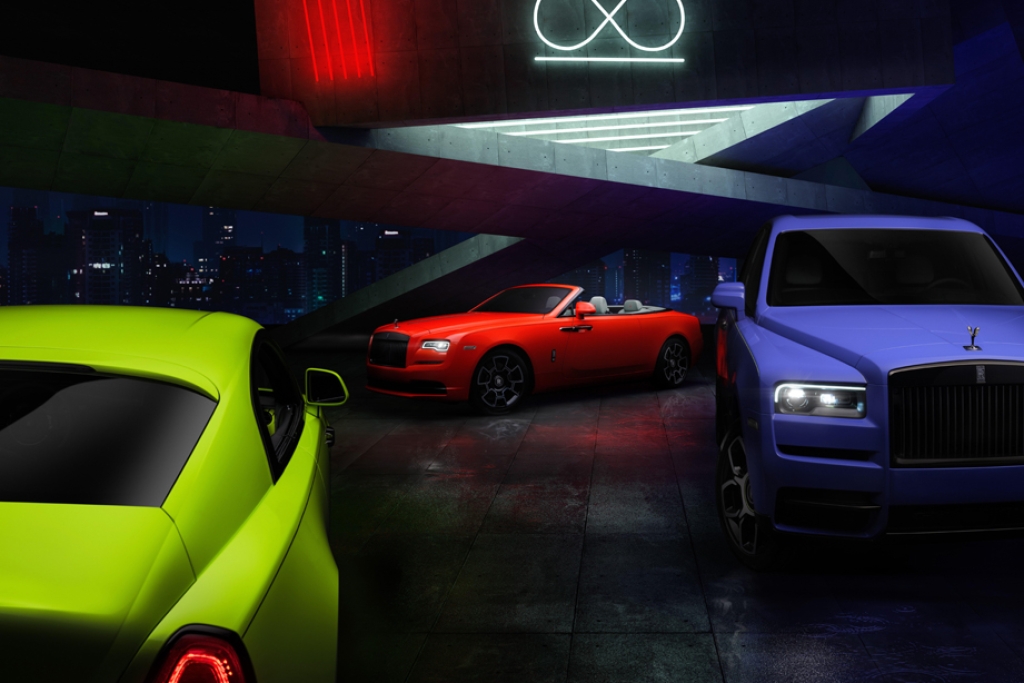
Black Badge cars are also represented by their own symbol: The mathematical infinity sign, evoking endless power
Unsurprisingly, Black Badge cars can be marked out by their own symbol too: The mathematical infinity sign, evoking endless power, and honouring Sir Malcolm Campbell's record-breaking Rolls-Royce-powered Blue Bird K3 from the 1930s.
But it's impossible to talk about the Black Badge without also mentioning the performance upgrades that they carry.
Often referred to as the 'alter egos' of the 'standard' cars, Black Badge cars are fitted with specially-designed wheels, and get enhanced engine tuning for more power and torque.
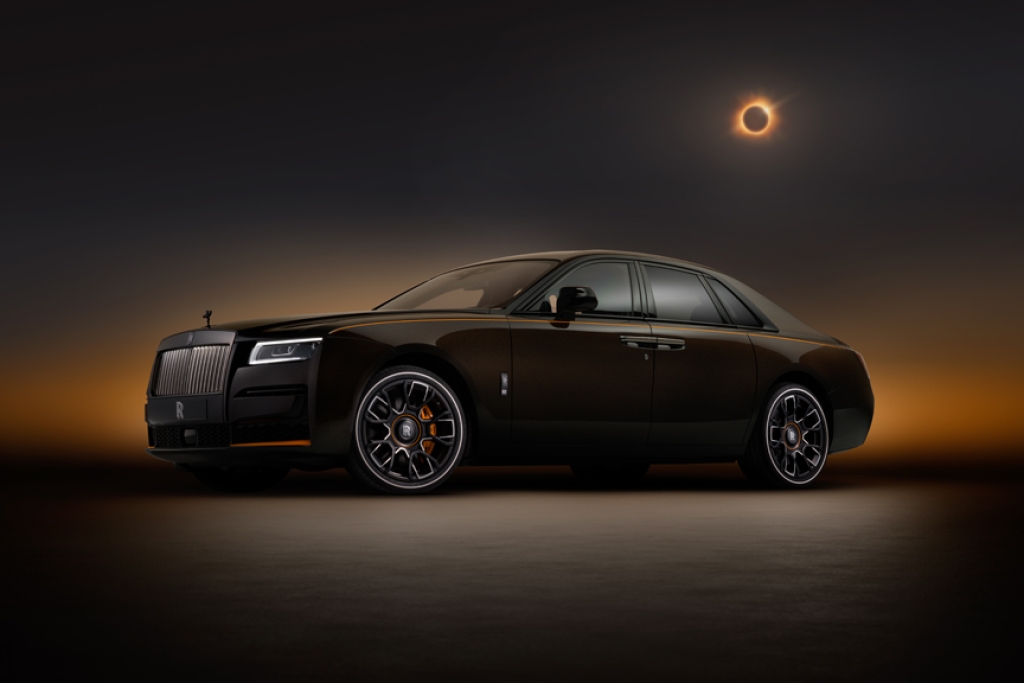
Image description...
Among the tweaks Rolls-Royce makes as well are distinctive exhaust systems, a lowered and stiffened chassis, and unique transmission and throttle calibrations. V12-powered Black Badge cars even get an exclusive and discreet 'Low' button on their gear selector stalks, allowing the driver to hold lower gears when required.
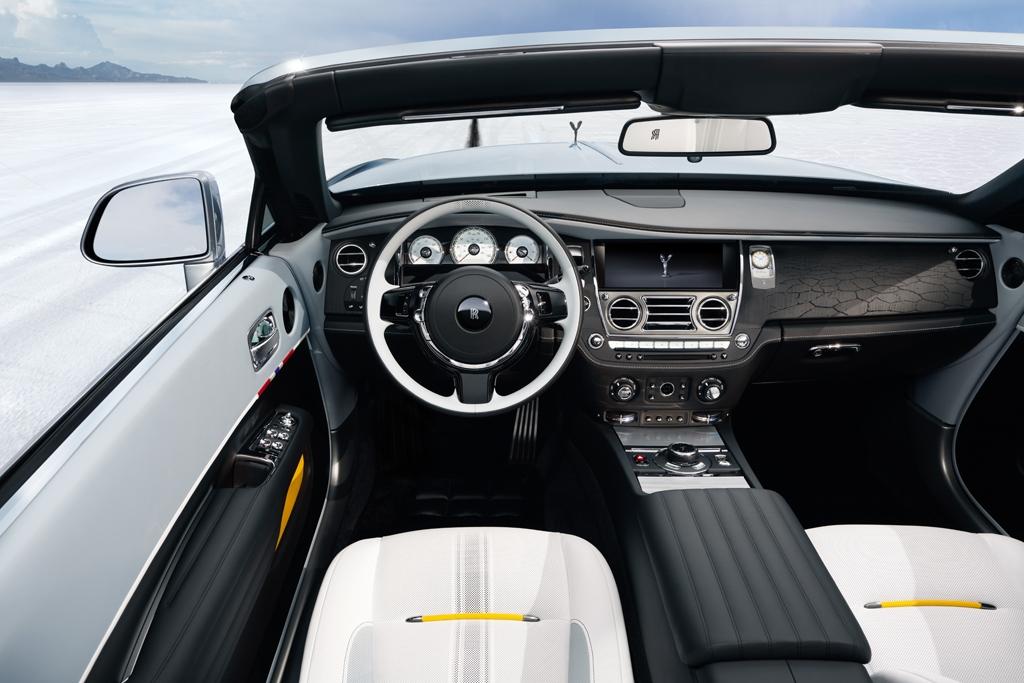
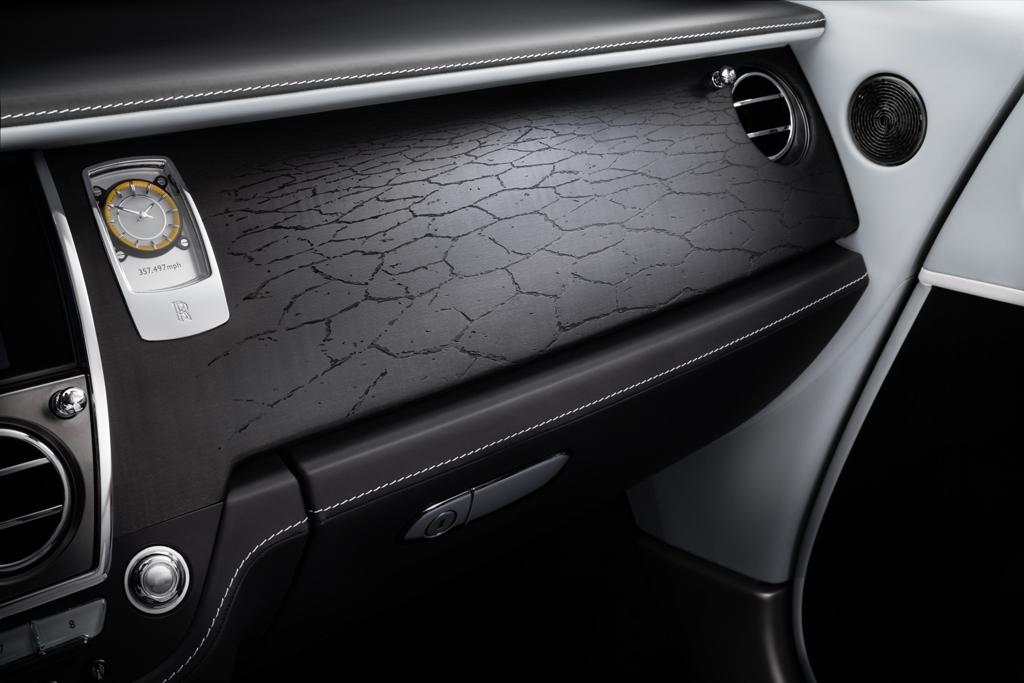
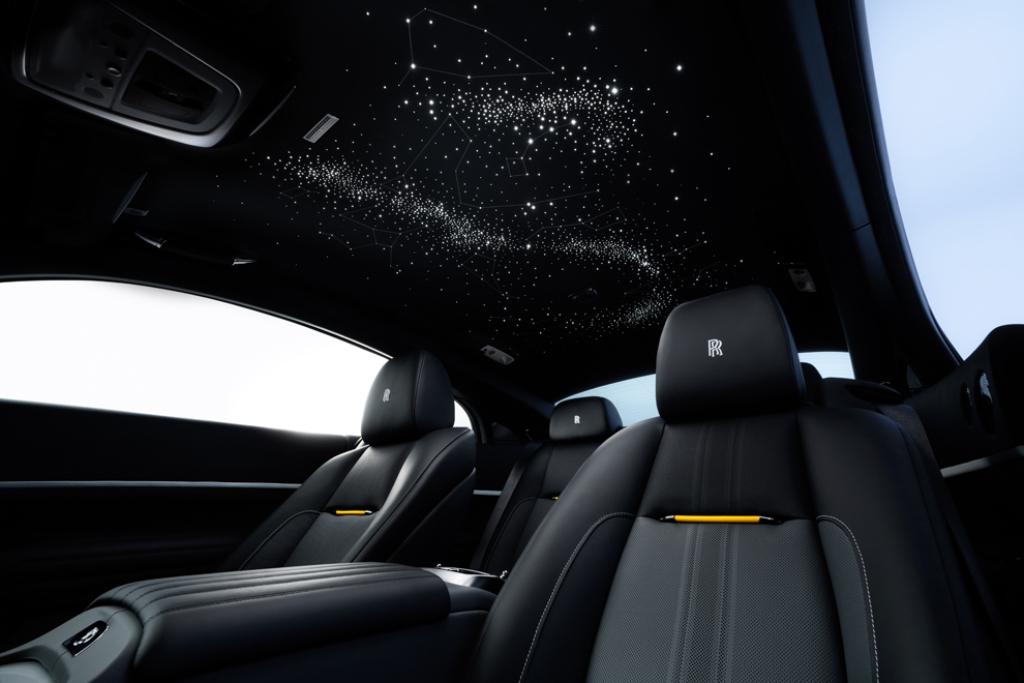
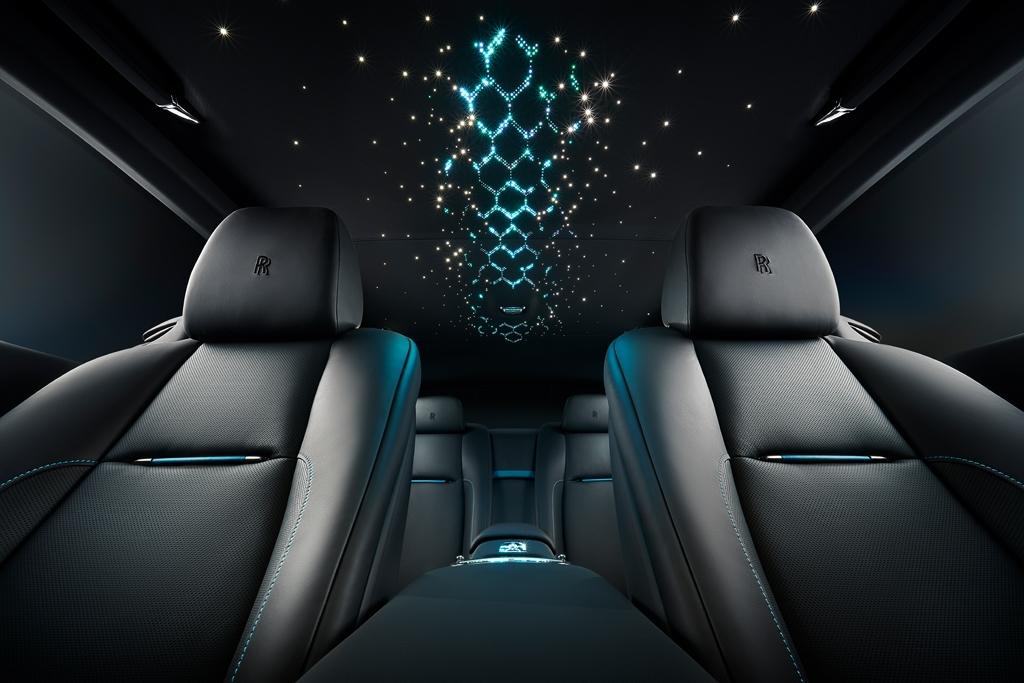
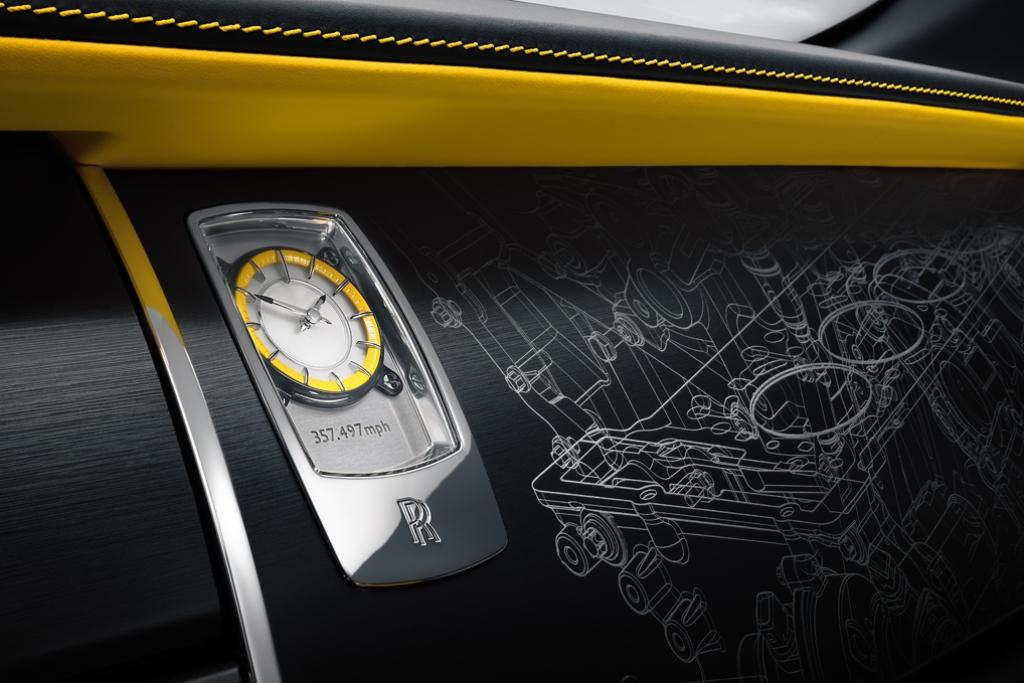
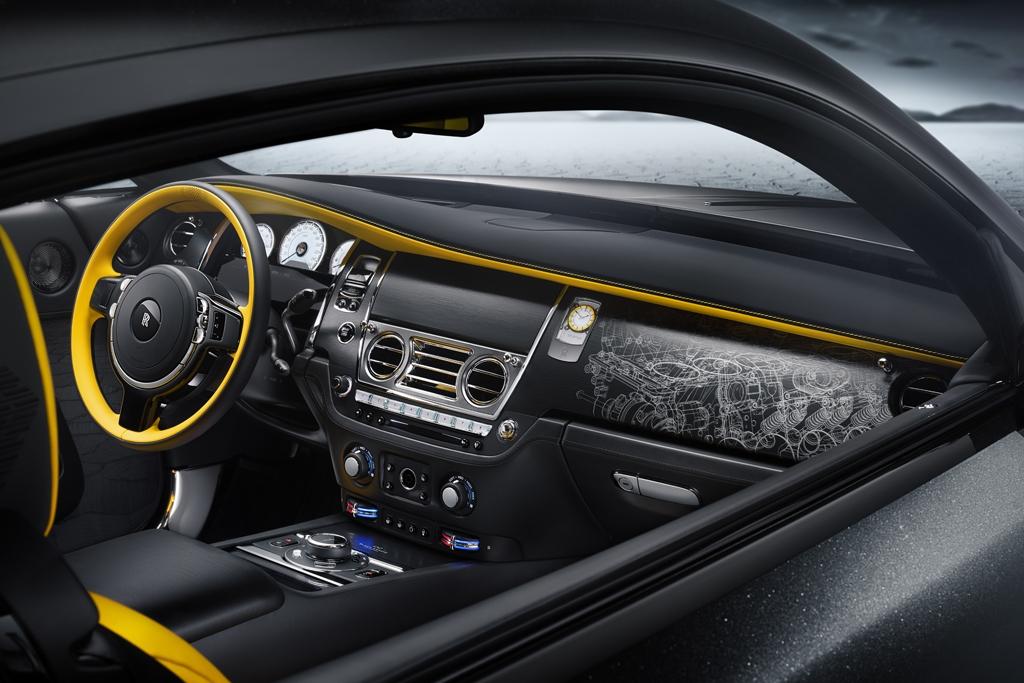
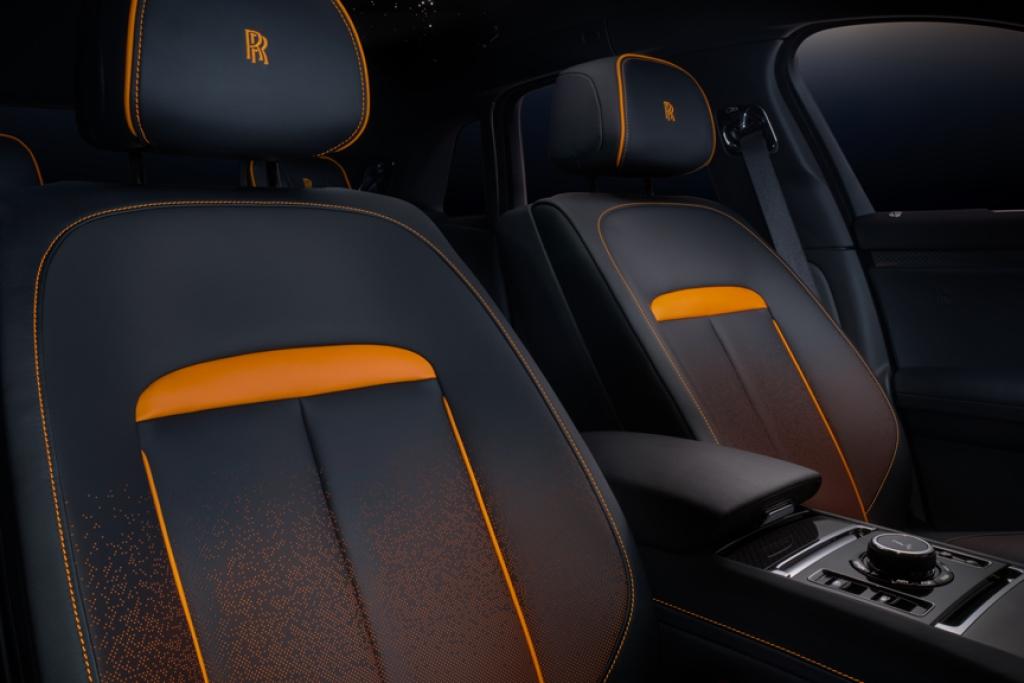
And unsurprisingly, Black Badge cars are just as generous with the interior customisations they offer, providing new materials that drew from aerospace palettes, as well as carbon fibre interlaced with fine aluminium threads, finished with six lacquer coats, and hand-polished. Metal surfaces were also darkened using Physical Vapour Deposition to prevent discolouration.
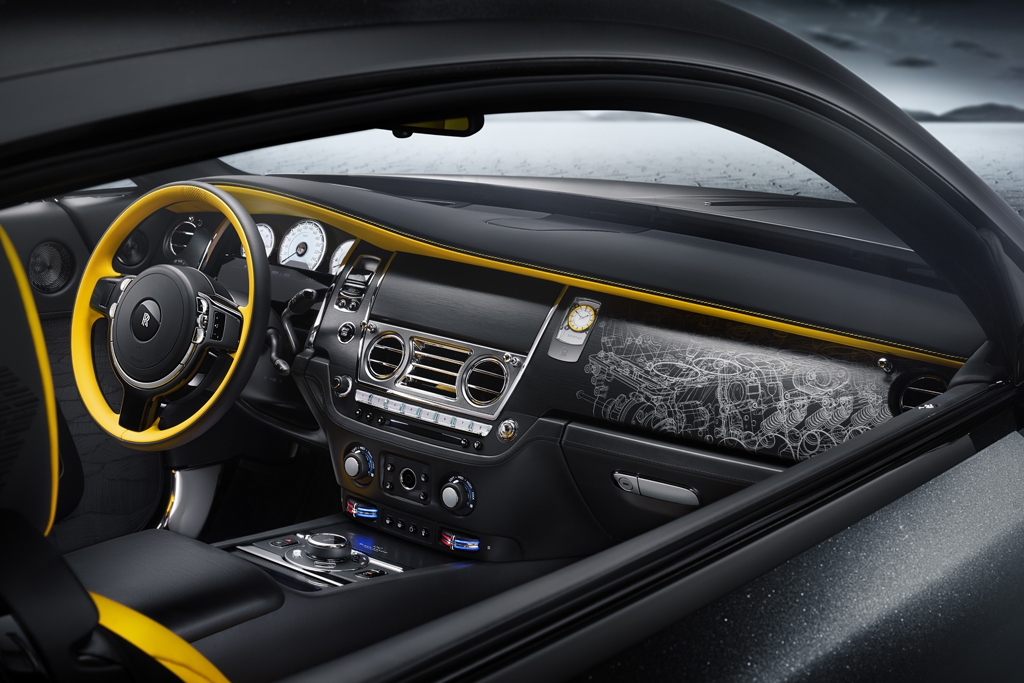
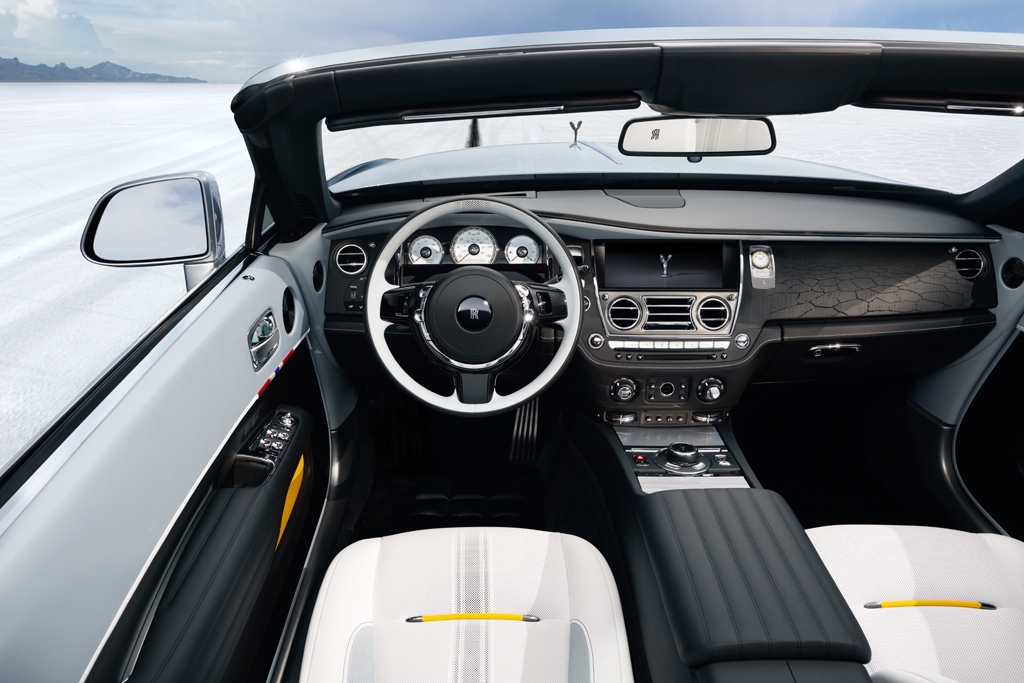
The Black Badge cars have expanded Rolls-Royce's universe of intricate and highly-bespoke interiors even further with use of fine materials and innovative practices
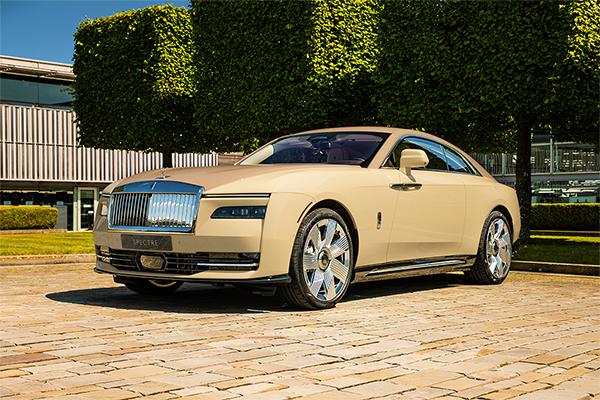
While the Wraith and Dawn departed from the lineup in the early 2020s, the Black Badge continues to make its mark on the Ghost Series II, Cullinan Series II, and even Rolls-Royce's first electric coupe, the Spectre.
The latter is currently the most powerful Rolls-Royce in history, capable of 485kW (650bhp) and 1,075Nm of torque, which can be unleashed when 'Spirited Mode' is activated.
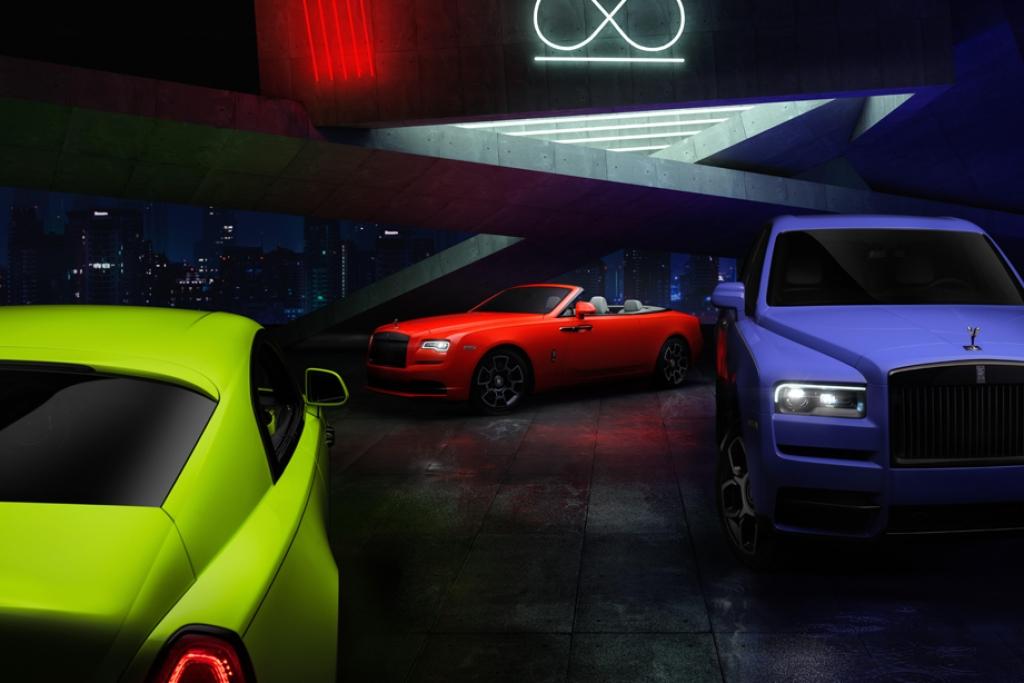
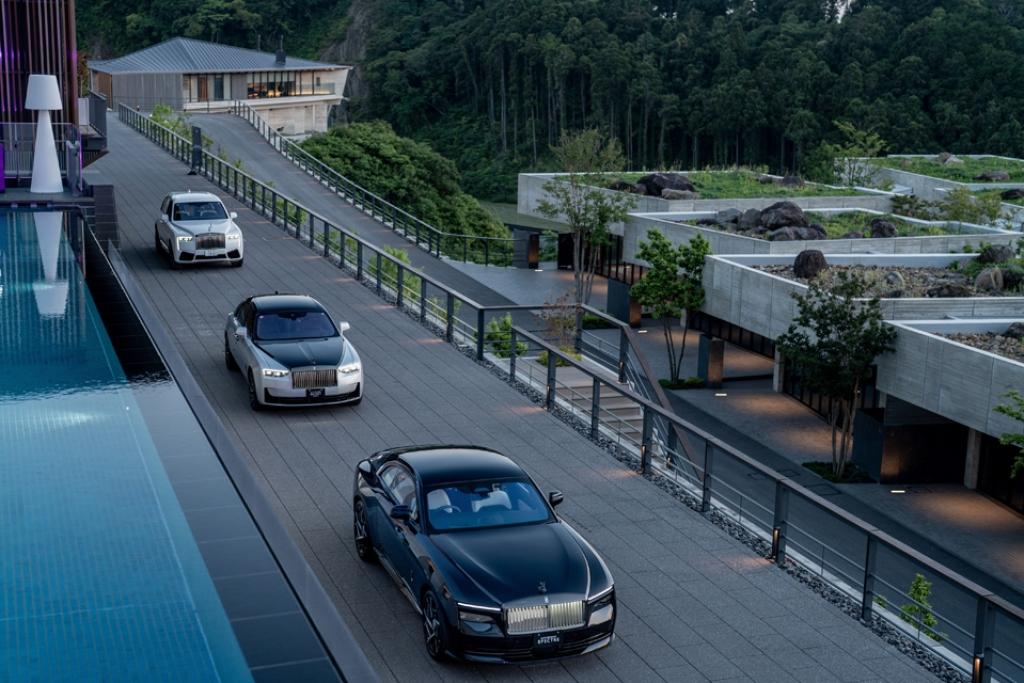
Rolls-Royce notes that the Black Badge universe has also grown to encompass exclusive experiences, such as private runway driving, underground music venue takeovers, and dramatic industrial handovers.
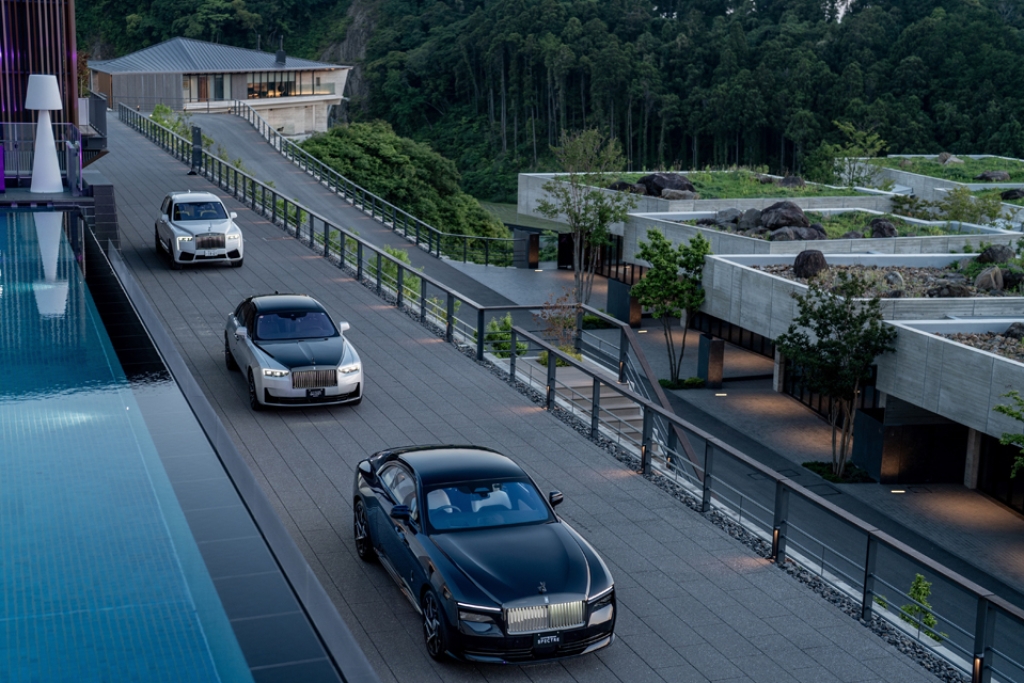
Rolls-Royce has also continued to grow its Black Badge community with exclusive customer experiences
For instance, the launch of the Black Badge Spectre saw the brand granting select clients early access to their cars ahead of the official reveal, requiring utmost secrecy - an unprecedented gesture reflecting both the brand's confidence and the discretion of its clients.
Rolls-Royce also notes that its Black Badge cars now comprise around a quarter of its total commissions worldwide.
Rolls-Royce is celebrating 10 years of the Black Badge - Goodwood's parlance for the brooding, performance and driver-focused, and of course, all-black treatment that it extends to nearly all of its present-day models (except for the Phantom).
Younger petrolheads may remember that Rolls first debuted the Black Badge in 2016 at the Geneva Motorshow, on both the Black Badge Wraith and Black Badge Ghost. In the same year, the Black Badge Wraith tackled the hill climb at the Goodwood Festival of Speed, placing among the five quickest road cars of the weekend, while logging one of the fastest-timed runs ever on a Rolls-Royce.
Rolls-Royce credits this specially-commissioned 1928 Rolls-Royce 20 H.P. Brewster Brougham as the original forebear of its Black Badge models today
But Rolls-Royce has a slightly different take; it points to two landmark cars in its history that led to the birth of the Black Badge as we know it in the modern day.
The first one was released nearly a century ago.
Commissioned by J. E. Aldred, a founding financier of Rolls-Royce of America, Inc., the car was a Rolls-Royce 20 H.P. Brewster Brougham delivered with a striking and highly unusual addition: its Spirit of Ecstasy and radiator grille were finished in black rather than the traditional bright metal. Rolls notes that this treatment was exceptional at a time when polished chrome symbolised modernity and prestige.
The modern day Black Badge cars owe their provenance to the brand's younger clientele - which emerged especially in the early 2010s - who had the appetite for something more adventurous and driver-focused
The second one came nearly four decades later - and was owned by a celebrity whose impact on popular culture still holds strong today: A Rolls-Royce Phantom V, ordered by The Beatles member John Lennon.
Lennon's car was specified to be black everywhere, including all the brightwork normally finished in chromium or stainless steel; its rear suite was also trimmed in black Bedford cord cloth with black nylon rugs, while its front featured black leather.
Fast forward to the 21st century, Rolls has continued to credit an emerging group of young entrepreneurs in the 2010s - ostensibly drawn to its cars, but demanding more disruptive treatment that reflected their dramatic and modern worlds - for the official inception of the Black Badge.
The first two modern-day Rolls-Royces to get the Black Badge treatment were the Wraith and Ghost (Pictured: Black Badge Wraith and Dawn Landspeed Collection)
To jolt your memory slightly, the marque's treatment of its Black Badge cars is as fastidious as anything you expect it to undertake.
Perhaps the best example of this was its creation of one the auto industry's darkest blacks - a process that involved atomising 45kg of paint, applying two clear coat layers, and hand-polishing by four craftspeople for up to five hours - all to create a unique, dark intensity previously not known to production cars.
Notably, Black Badge cars also have their Spirit of Ecstasy figurine, Pantheon grille, and double-R badge cloaked in black - all this, thanks to a process developed by the brand's The Bespoke Collective to present chrome components in black by way of a special electrolyte in the plating process, creating a mirror-black finish just one micrometer thick.
Black Badge cars are also represented by their own symbol: The mathematical infinity sign, evoking endless power
Unsurprisingly, Black Badge cars can be marked out by their own symbol too: The mathematical infinity sign, evoking endless power, and honouring Sir Malcolm Campbell's record-breaking Rolls-Royce-powered Blue Bird K3 from the 1930s.
But it's impossible to talk about the Black Badge without also mentioning the performance upgrades that they carry.
Often referred to as the 'alter egos' of the 'standard' cars, Black Badge cars are fitted with specially-designed wheels, and get enhanced engine tuning for more power and torque.
Image description...
Among the tweaks Rolls-Royce makes as well are distinctive exhaust systems, a lowered and stiffened chassis, and unique transmission and throttle calibrations. V12-powered Black Badge cars even get an exclusive and discreet 'Low' button on their gear selector stalks, allowing the driver to hold lower gears when required.
And unsurprisingly, Black Badge cars are just as generous with the interior customisations they offer, providing new materials that drew from aerospace palettes, as well as carbon fibre interlaced with fine aluminium threads, finished with six lacquer coats, and hand-polished. Metal surfaces were also darkened using Physical Vapour Deposition to prevent discolouration.
The Black Badge cars have expanded Rolls-Royce's universe of intricate and highly-bespoke interiors even further with use of fine materials and innovative practices
While the Wraith and Dawn departed from the lineup in the early 2020s, the Black Badge continues to make its mark on the Ghost Series II, Cullinan Series II, and even Rolls-Royce's first electric coupe, the Spectre.
The latter is currently the most powerful Rolls-Royce in history, capable of 485kW (650bhp) and 1,075Nm of torque, which can be unleashed when 'Spirited Mode' is activated.
Rolls-Royce notes that the Black Badge universe has also grown to encompass exclusive experiences, such as private runway driving, underground music venue takeovers, and dramatic industrial handovers.
Rolls-Royce has also continued to grow its Black Badge community with exclusive customer experiences
For instance, the launch of the Black Badge Spectre saw the brand granting select clients early access to their cars ahead of the official reveal, requiring utmost secrecy - an unprecedented gesture reflecting both the brand's confidence and the discretion of its clients.
Rolls-Royce also notes that its Black Badge cars now comprise around a quarter of its total commissions worldwide.


Latest COE Prices
May 2026 | 2nd BIDDING
NEXT TENDER: 04 Jun 2026
CAT A$124,229
CAT B$129,501
CAT C$92,223
CAT E$130,000
View Full Results 
Thank You For Your Subscription.

Tags
Products & Services

For Owners
Quick Links
About Sgcarmart