Singapore gets its first electric double-decker buses
28 Oct 2020|2,749 views
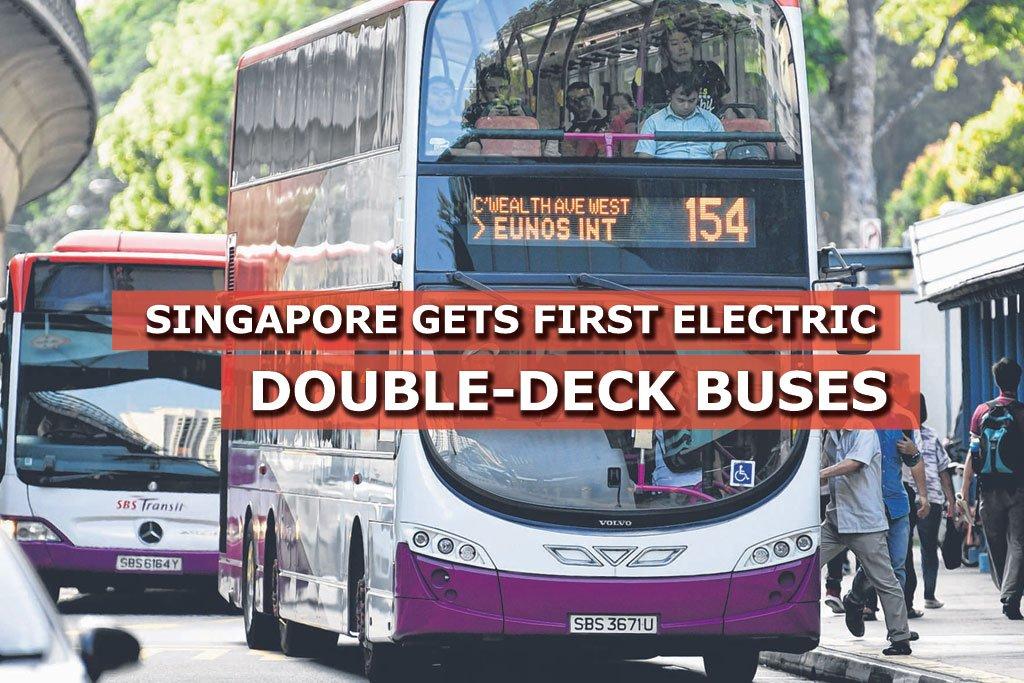
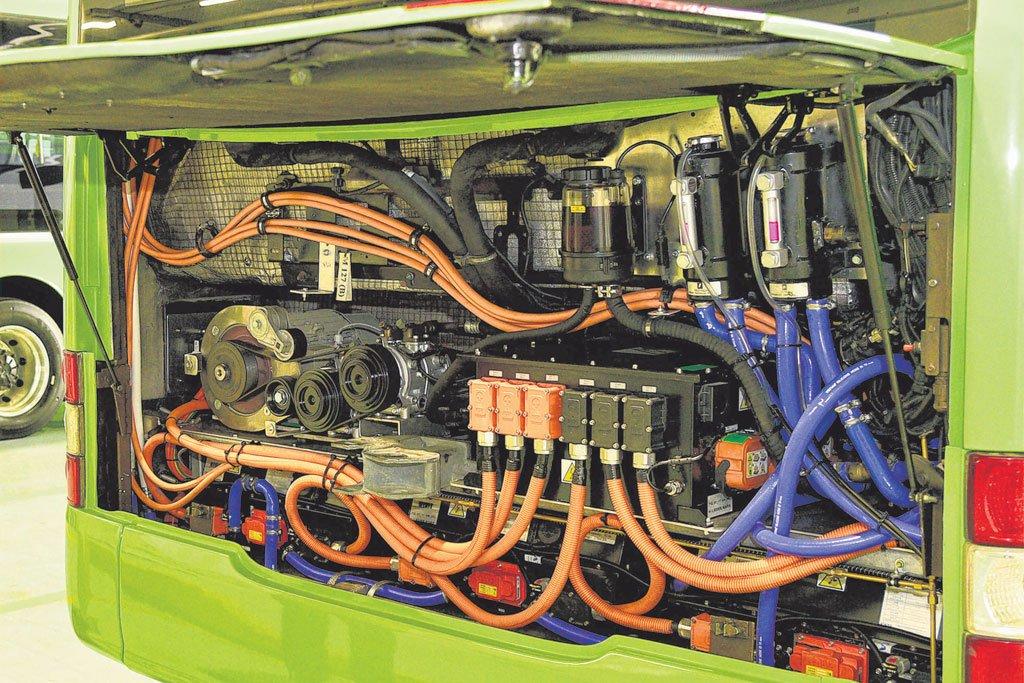
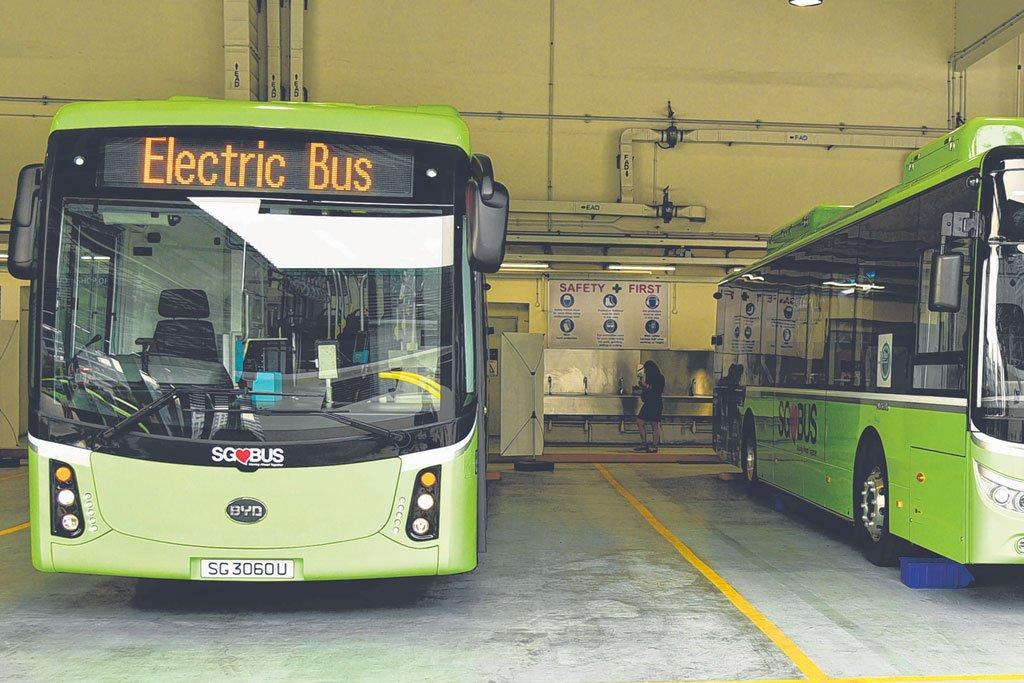
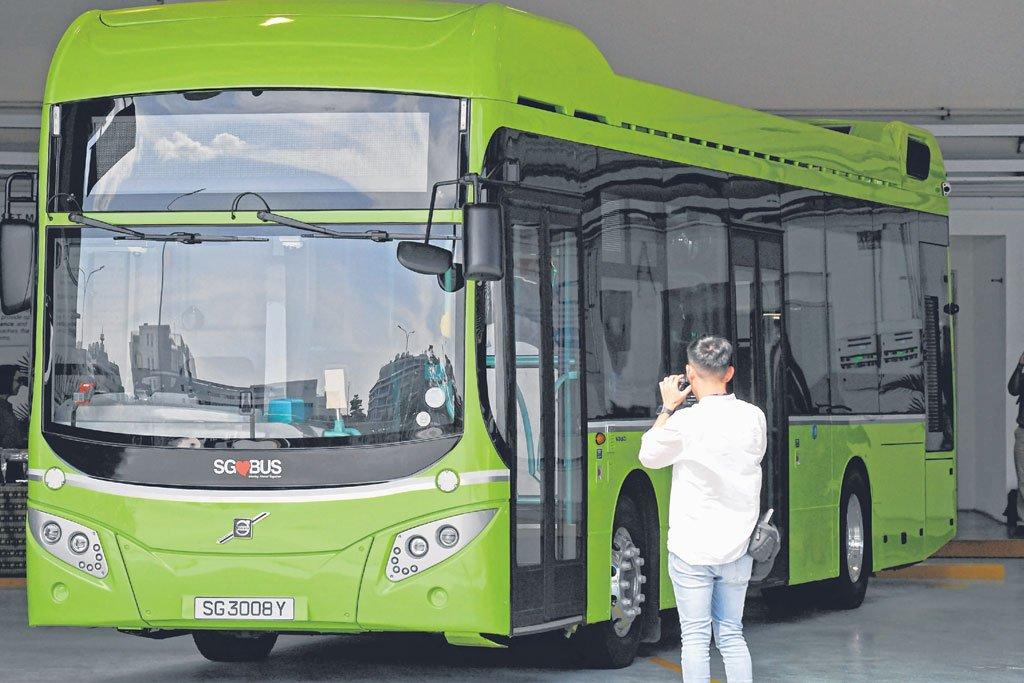
Singapore has taken another step in its move to reduce the carbon footprint of public transport, with the deployment of the first 10 fully electric double-decker buses on 27 October 2020.
The buses will ply the roads on service 983 in Choa Chu Kang, service 189 in Bukit Batok and Clementi, and service 83 in Punggol and Sengkang, and may be redeployed to other bus routes later.
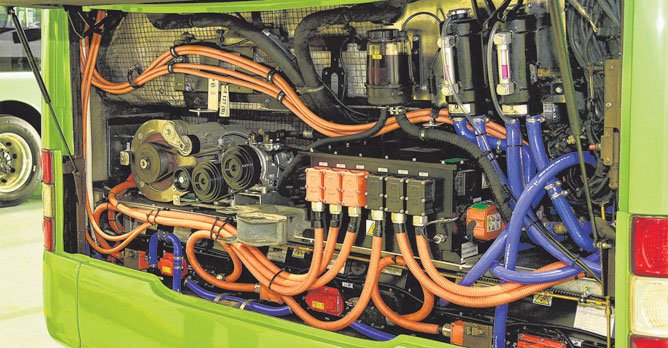

However, the new buses cost up to twice that of conventional diesel buses. The Land Transport Authority (LTA) said it hopes the cost will come down over time with changes in technology and wider adoption.
At a formal unveiling of the buses yesterday, Senior Minister of State for Transport Chee Hong Tat said Singapore remains open to new technology and is "not in a rush" to commit to any one technology or model. "We are doing it because it is better for the environment and this is an initial step to a greener future. We will have more options to choose from when technology progresses," he said.
He added that there was no fixed sum that the Government had allocated to replace conventional diesel buses. "What we have done instead is to set ourselves a goal by 2040," he said. The plan is to have all of Singapore's 5,800 public buses run on cleaner energy by 2040.
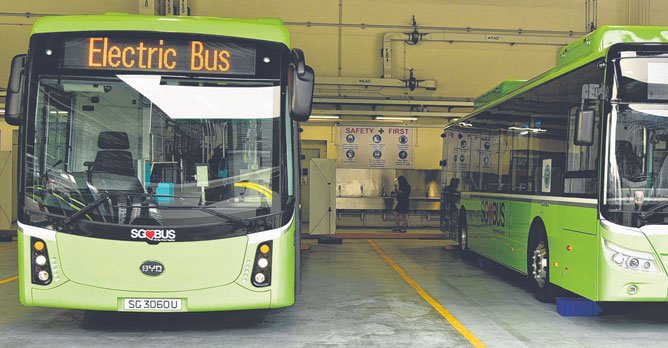
LTA had said then that the electric buses will help it to better understand the challenges of running and maintaining electric buses in Singapore's tropical climate and traffic conditions.
An alternative is buses with engines that run on both diesel and electricity, 50 of which have been deployed on the roads since March last year. Both hybrid and fully electric buses cost more than conventional diesel ones, but are less harmful to the environment. The 60 fully electric buses together are expected to reduce carbon dioxide emissions by close to 8,000 tonnes a year, the equivalent of that generated by 1,700 cars.
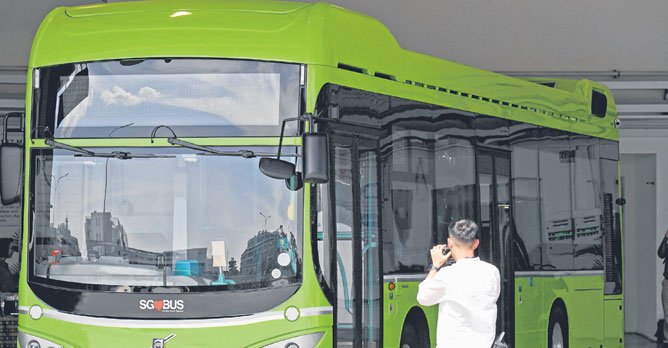
Improvements to the buses' design - such as digital information display systems that show upcoming stops, and the removal of centre poles so parents with open strollers can more easily manoeuvre their way - also make commuting on the new buses less of a hassle.
Singapore's electric dreams for its transport system extend well beyond buses, with taxi operators as well as private car owners all encouraged to switch to electric vehicles. In addition to tax rebates and incentives for early adopters of electric cars offered in Budget 2020, the Government is working with commercial entities to build up Singapore's electric car charging infrastructure.
From the 1,700 charging points now, the plan is to have over 28,000 charging points for electric vehicles by 2030, which is also when the Government expects the last internal combustion engine vehicle to be sold.
Singapore has taken another step in its move to reduce the carbon footprint of public transport, with the deployment of the first 10 fully electric double-decker buses on 27 October 2020.
The buses will ply the roads on service 983 in Choa Chu Kang, service 189 in Bukit Batok and Clementi, and service 83 in Punggol and Sengkang, and may be redeployed to other bus routes later.
However, the new buses cost up to twice that of conventional diesel buses. The Land Transport Authority (LTA) said it hopes the cost will come down over time with changes in technology and wider adoption.
At a formal unveiling of the buses yesterday, Senior Minister of State for Transport Chee Hong Tat said Singapore remains open to new technology and is "not in a rush" to commit to any one technology or model. "We are doing it because it is better for the environment and this is an initial step to a greener future. We will have more options to choose from when technology progresses," he said.
He added that there was no fixed sum that the Government had allocated to replace conventional diesel buses. "What we have done instead is to set ourselves a goal by 2040," he said. The plan is to have all of Singapore's 5,800 public buses run on cleaner energy by 2040.
LTA had said then that the electric buses will help it to better understand the challenges of running and maintaining electric buses in Singapore's tropical climate and traffic conditions.
An alternative is buses with engines that run on both diesel and electricity, 50 of which have been deployed on the roads since March last year. Both hybrid and fully electric buses cost more than conventional diesel ones, but are less harmful to the environment. The 60 fully electric buses together are expected to reduce carbon dioxide emissions by close to 8,000 tonnes a year, the equivalent of that generated by 1,700 cars.
Improvements to the buses' design - such as digital information display systems that show upcoming stops, and the removal of centre poles so parents with open strollers can more easily manoeuvre their way - also make commuting on the new buses less of a hassle.
Singapore's electric dreams for its transport system extend well beyond buses, with taxi operators as well as private car owners all encouraged to switch to electric vehicles. In addition to tax rebates and incentives for early adopters of electric cars offered in Budget 2020, the Government is working with commercial entities to build up Singapore's electric car charging infrastructure.
From the 1,700 charging points now, the plan is to have over 28,000 charging points for electric vehicles by 2030, which is also when the Government expects the last internal combustion engine vehicle to be sold.


Latest COE Prices
May 2026 | 1st BIDDING
NEXT TENDER: 20 May 2026
CAT A$124,790
CAT B$126,236
CAT C$87,479
CAT E$127,700
View Full Results 
Thank You For Your Subscription.


Tags
Products & Services

For Owners
Quick Links
About Sgcarmart